
 01
01
Two million hooves, one grassland
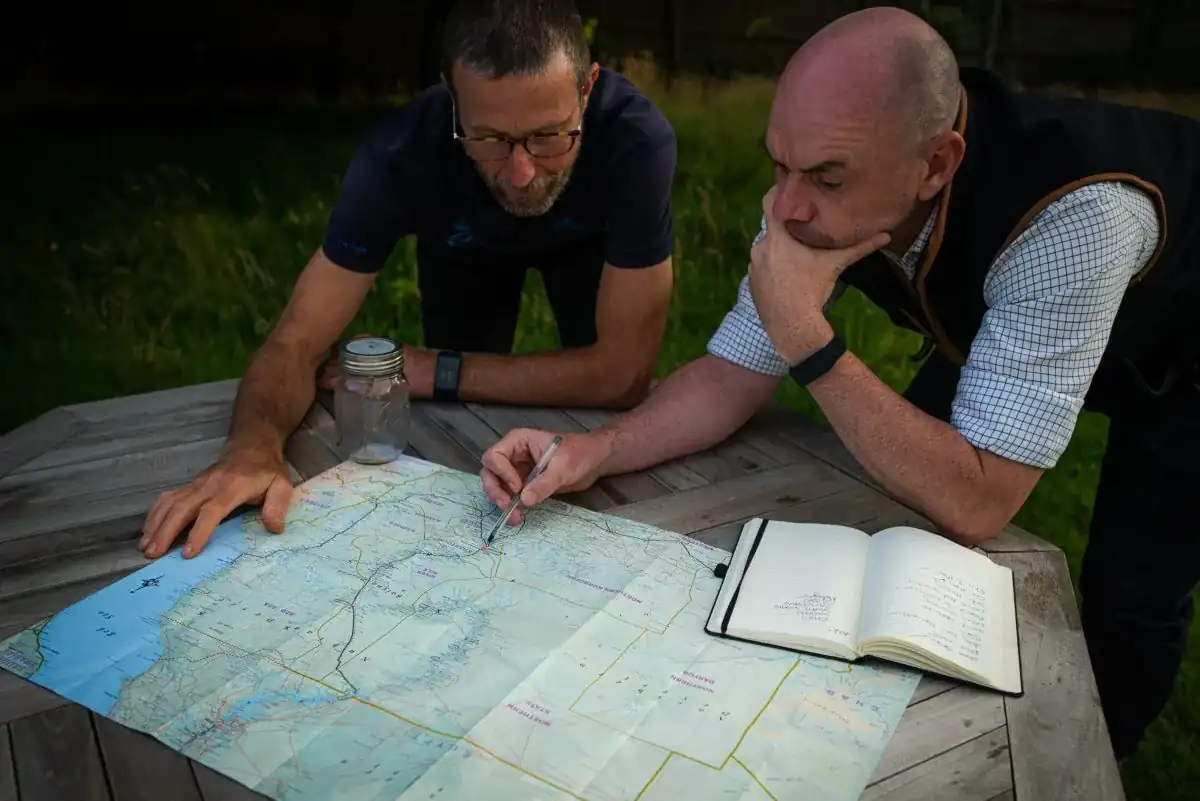
The southern plains of Serengeti National Park run flat to the horizon. This is short-grass country, grazed by herds so large they reorder the landscape itself. It is the stage for the great migration: over a million wildebeest and zebra, moving through the ecosystem year-round, drawn on by the rain and the fresh grass that follows it. Around February the herds gather here to calve.
The southern plains of Serengeti National Park run flat to the horizon
Calving concentrates the predators. Lion, cheetah and spotted hyena work the edges of the herds while thousands of calves drop within a few short weeks. Then, as the southern grass dries through April and May, the columns turn north and west. By the dry months they reach the Mara River in the far north, where crocodiles hold the banks and the herds press across in their thousands.
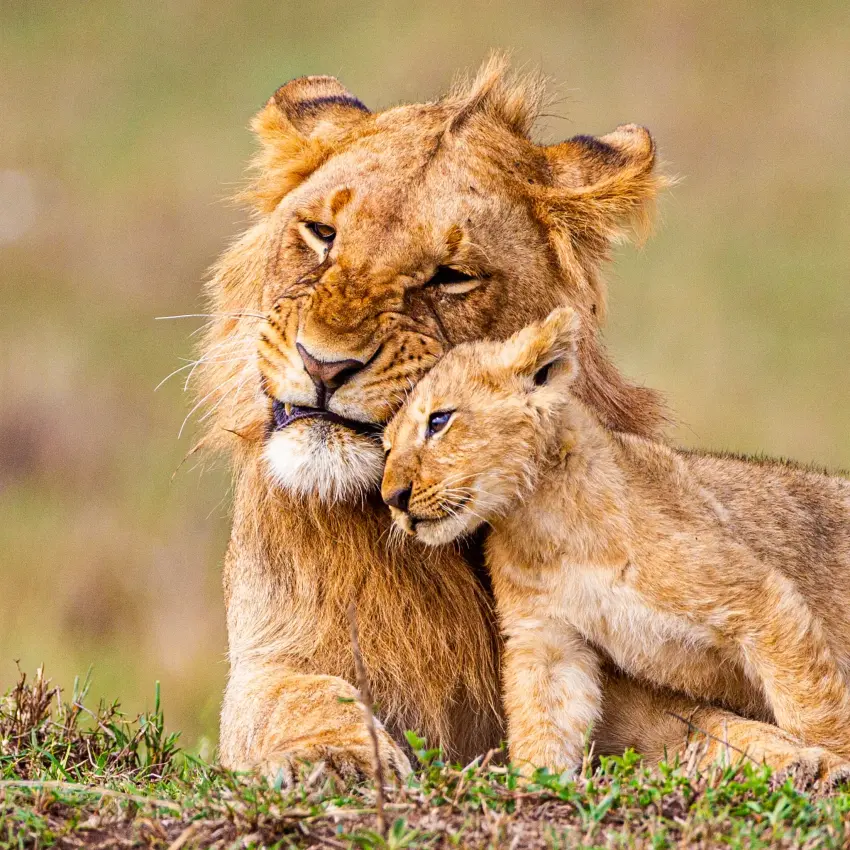

The migration moves, but the Serengeti does not empty. Resident lion prides hold their territory around Seronera in the central grasslands, where permanent water and rolling savannah support big cats throughout the year. Cheetah hunt the open eastern plains around Namiri, ground that sees fewer vehicles. Each region keeps its own rhythm, which makes the park rewarding in any month the timing fits the place.
The migration moves, but the Serengeti does not empty.
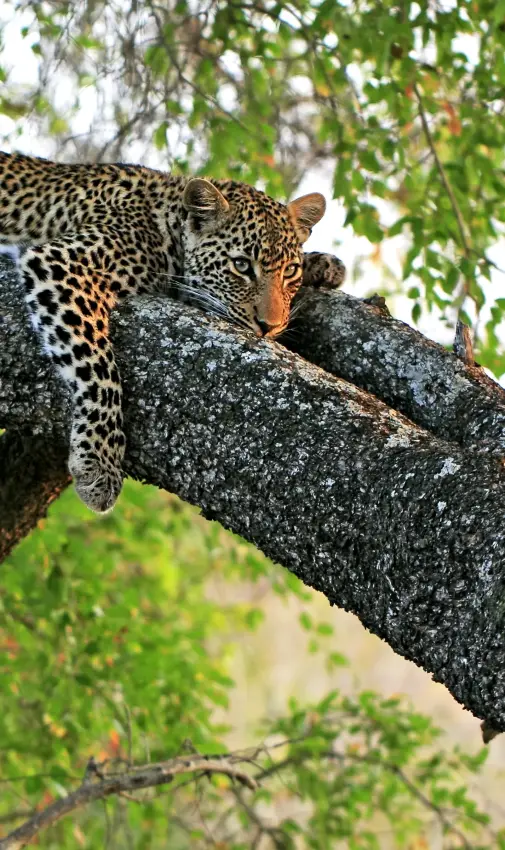
Geography sorts the herds by season. The short-grass south draws them for calving from January to March. The Western Corridor and the Grumeti River carry them through roughly May to July, and the Kogatende sector and the Mara River hold them from July to October. The name comes from the Maasai word siringet, the land that runs on forever, and the granite kopjes breaking the plains give lions and leopards their lookouts.
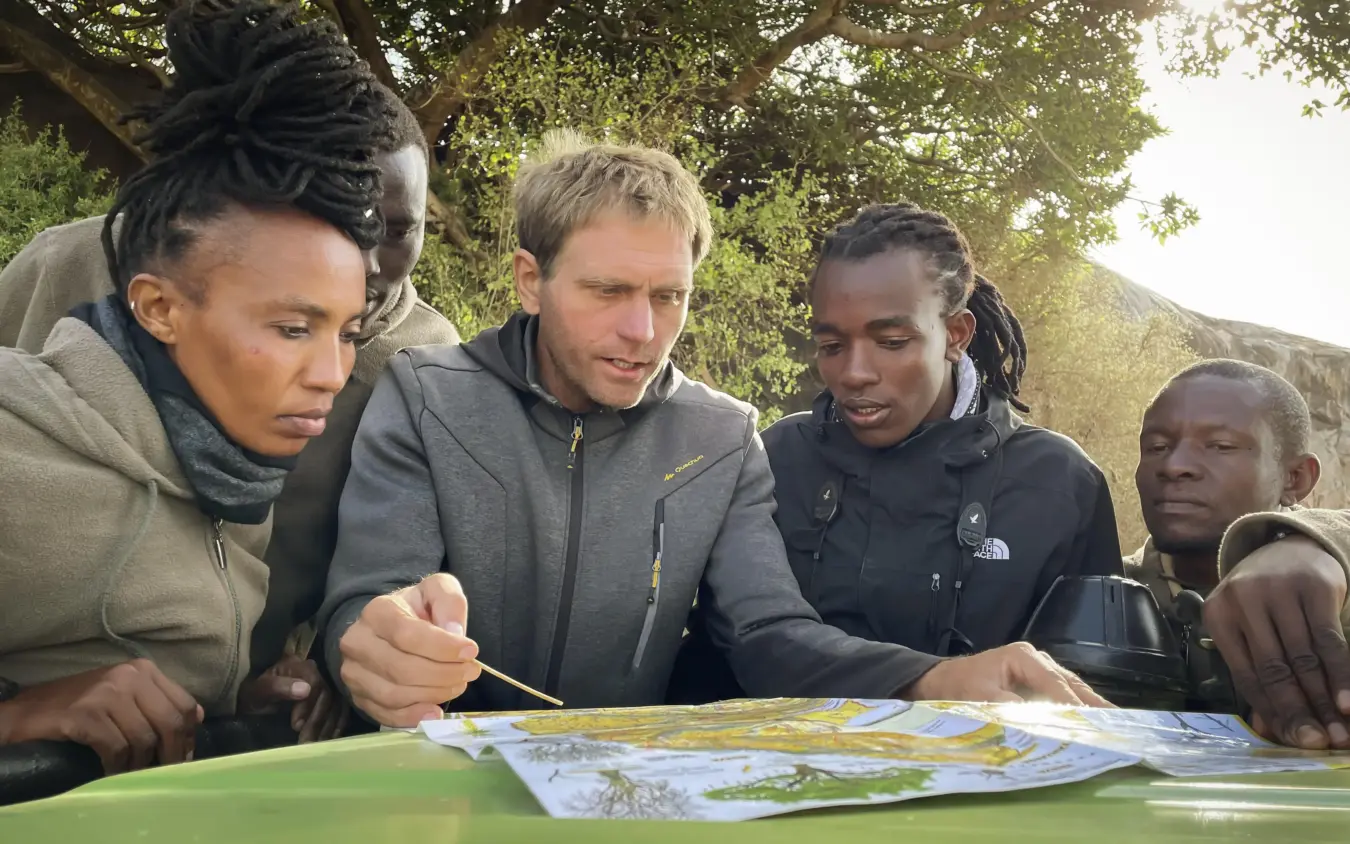
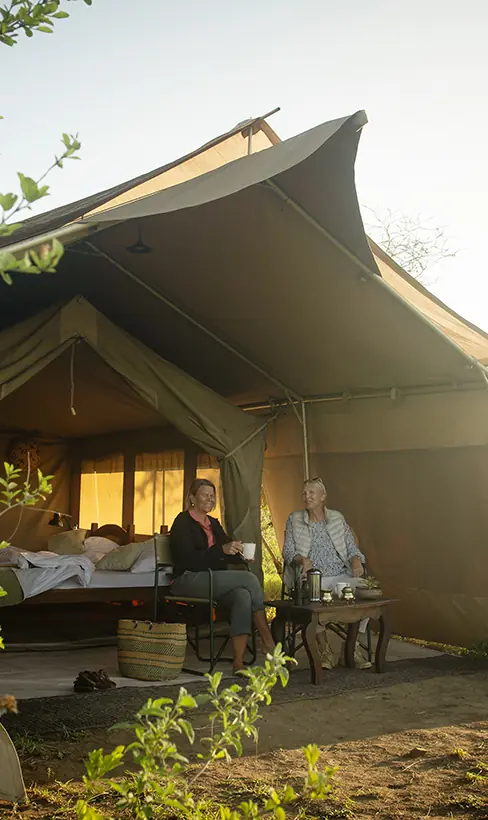
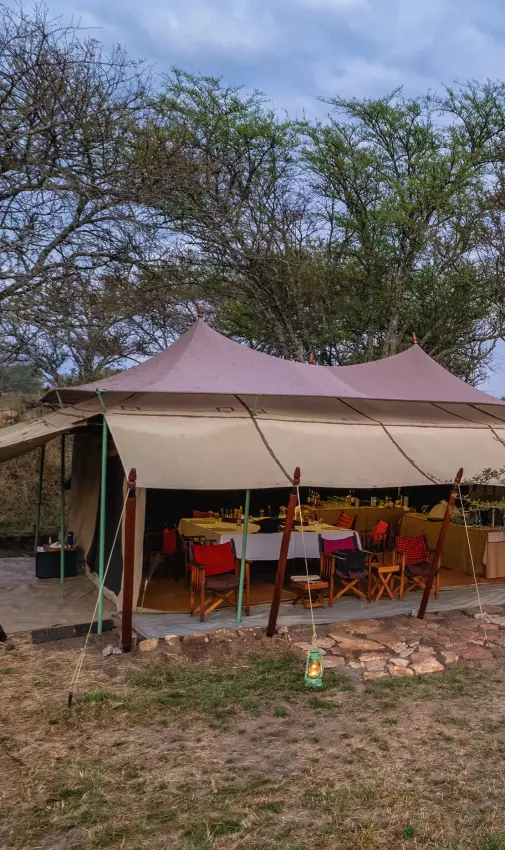
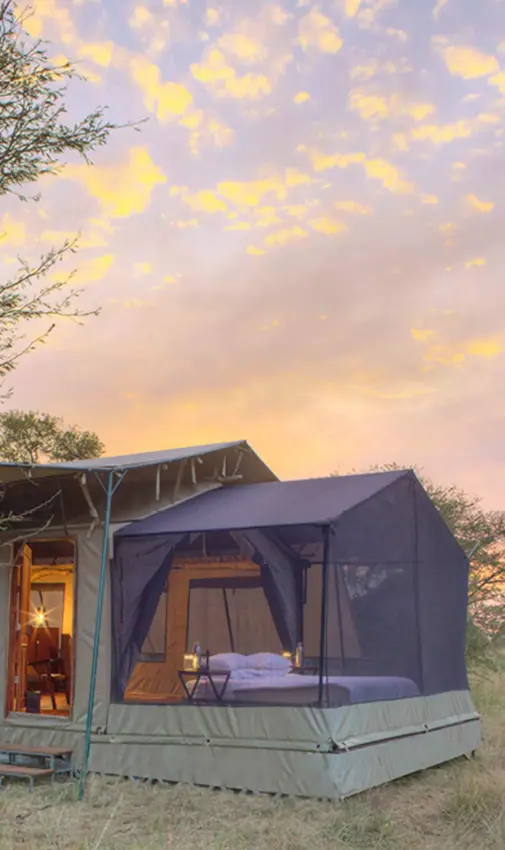
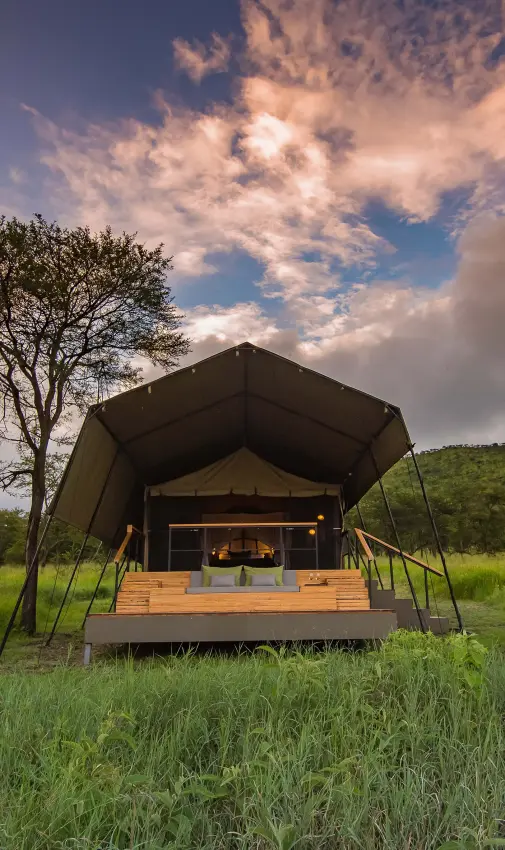
Where you stay matters as much as when you come. Mobile camps move with the seasons, repositioning to the calving grounds near Ndutu in the green months and to Kogatende for the river crossings, which puts guests close to the herds without long daily drives. Permanent lodges hold fixed ground in the central Seronera region and elsewhere, trading the flexibility of canvas for swimming pools, solid walls and reliable access to the resident game that stays put year-round.
The other choice is between the busy centre and the wilder corners. Seronera offers dense big-cat sightings and the deepest pool of camps, but also the most vehicles. The far north around Kogatende and the Western Corridor along the Grumeti feel quieter and more remote. There are longer distances between sightings here, and with them a stronger sense of open country.
Mobile camps move with the seasons, repositioning to the calving grounds near Ndutu
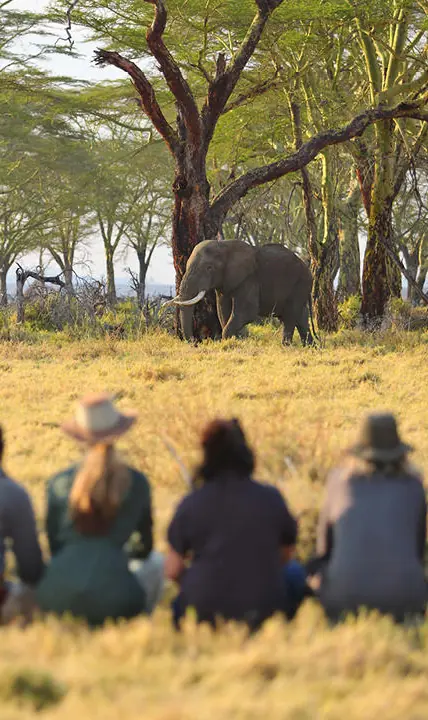
Serengeti National Park is administered by Tanzania National Parks, and its rules are strict. Game drives run on designated tracks in daylight, while off-road driving, night drives and walking are restricted inside the park. Walking is possible in defined zones with an armed park ranger, and at dawn hot-air balloon flights operate under concession over the central and western plains. For wider freedoms, the adjoining reserves and concessions, including the Grumeti reserves and Loliondo, permit off-road driving, night drives and longer walks under their own rules.
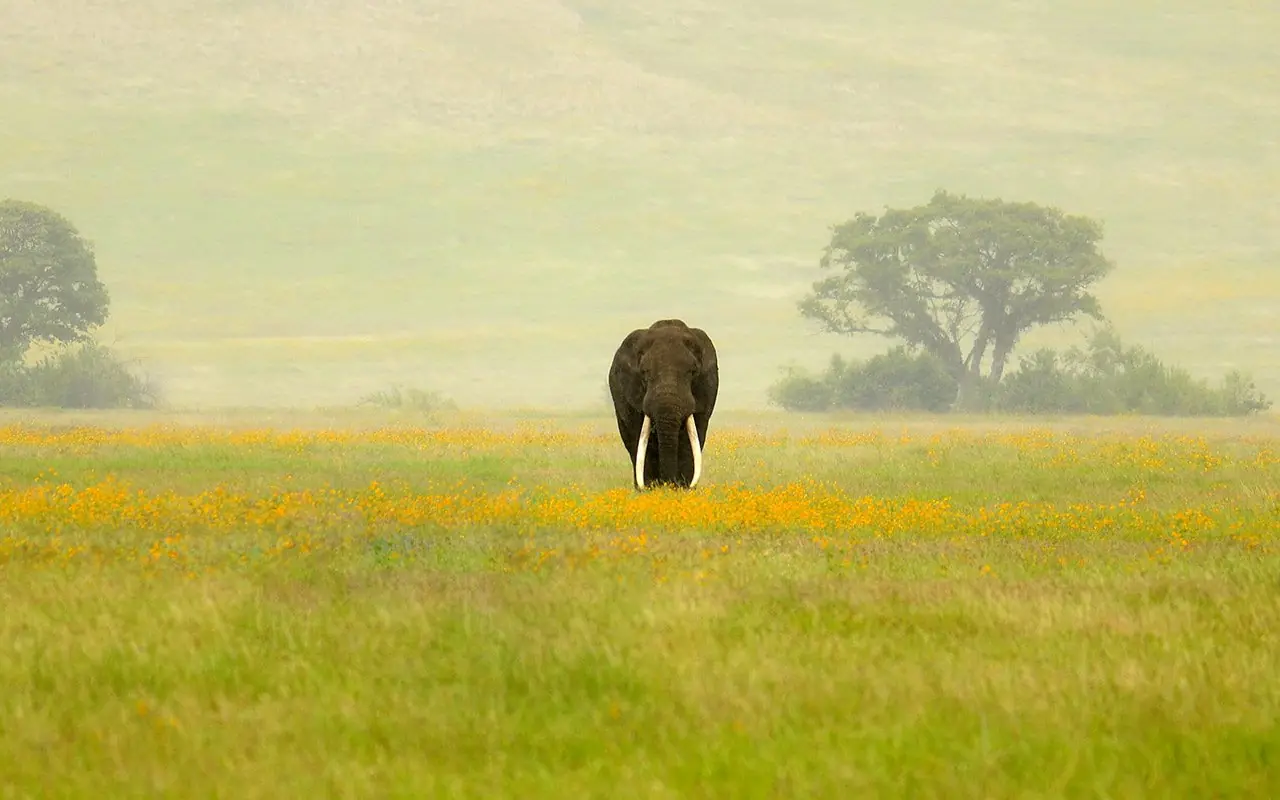
Beyond the wildebeest, the wider ecosystem holds buffalo, giraffe, elephant, topi and eland, alongside more than 500 bird species. Black rhino survive here under close protection, a population recovering from the poaching that nearly erased them in the 1980s. The Serengeti carries a remaining animal migration of global significance, and the pressures on it are real: bushmeat poaching, agricultural expansion at the park’s edges and water abstraction in the Mara catchment upstream in Kenya. Long-term partners work alongside the park authority to hold the line.

The best time to visit Serengeti National Park
Jan
Feb
Mar
Apr
May
Jun
Jul
Aug
Sep
Oct
Nov
Dec
Recommended
Transitional
Challenging conditions
The Serengeti has two prime windows. February brings the wildebeest calving on the short-grass plains near Ndutu, drawing the densest predator action of the year. The heart of the dry season, July to October, pulls the herds north to the Mara River, where the great crossings peak in August and September. The green season from November to January suits birding; the long rains are weakest.
accommodation in serengeti national park
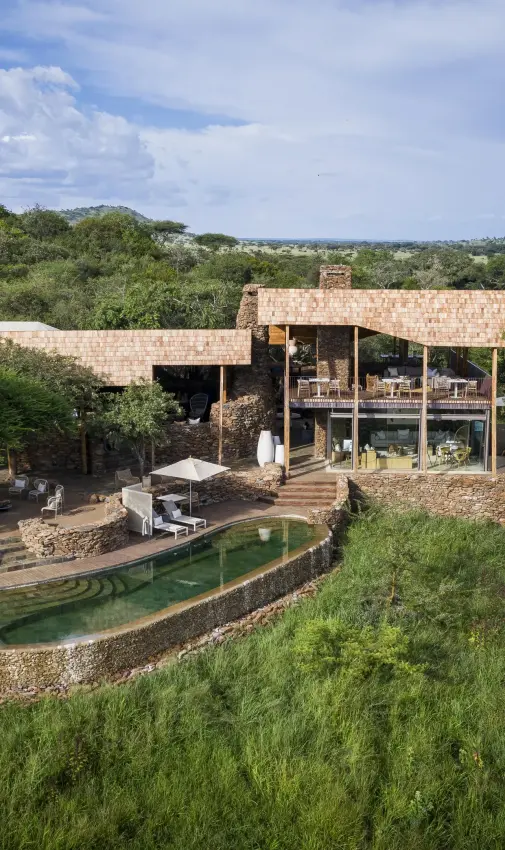
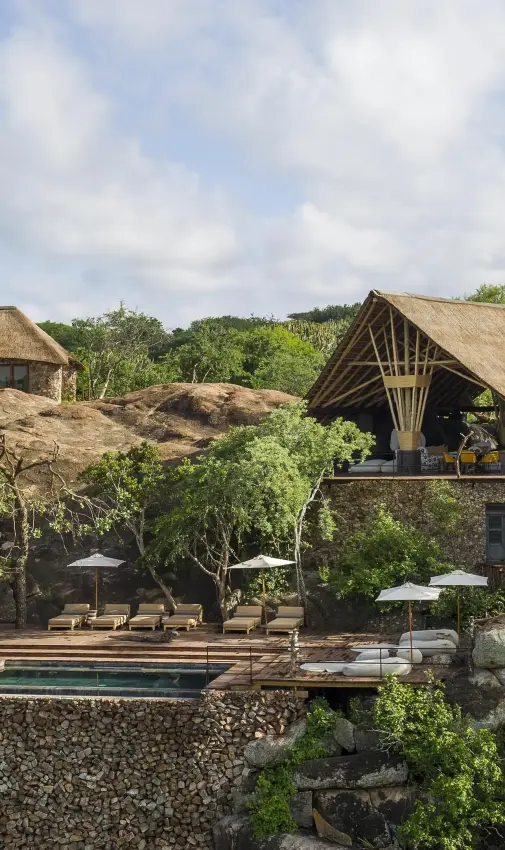
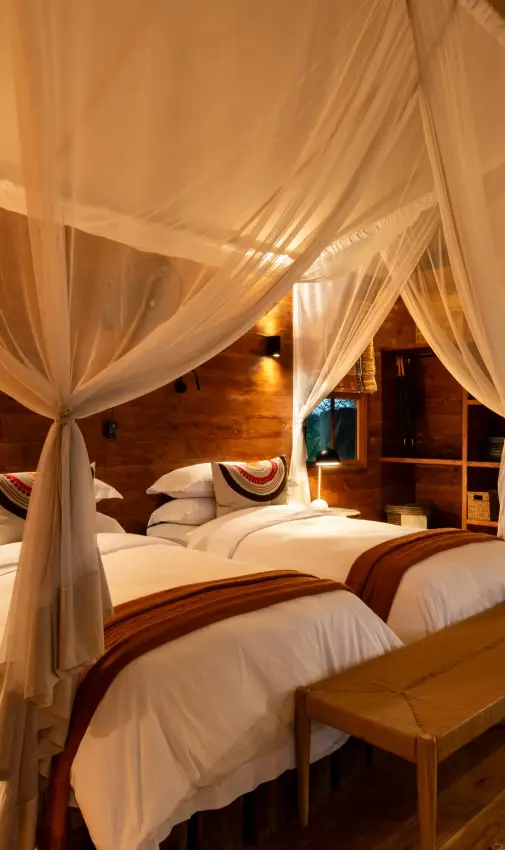
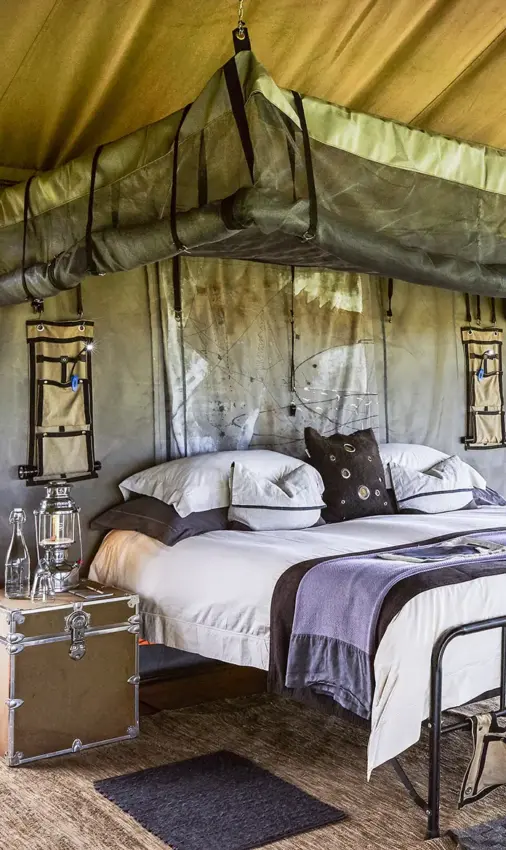
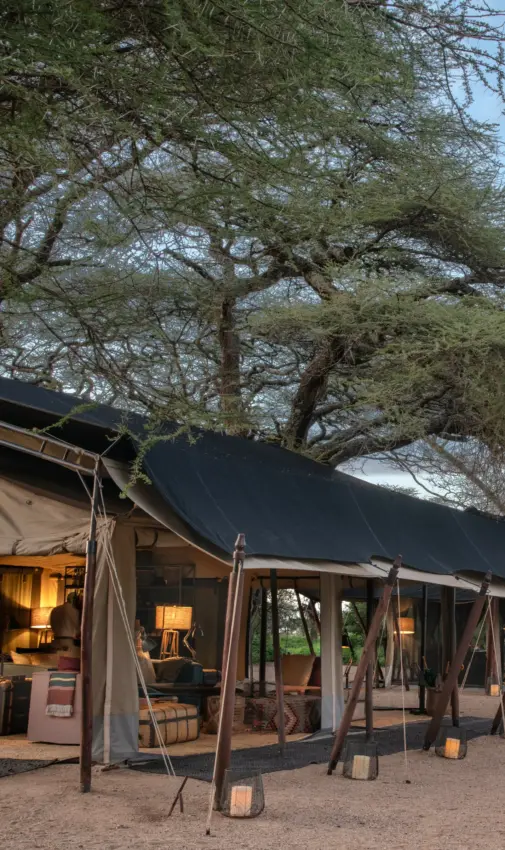
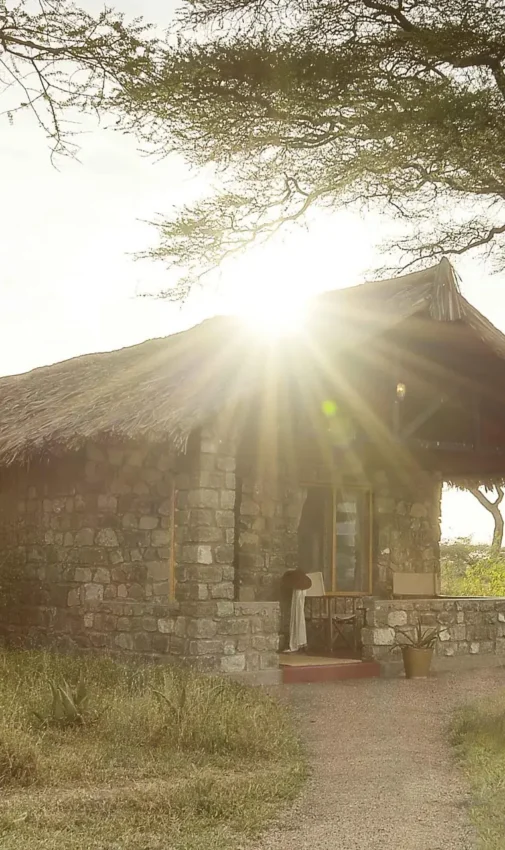
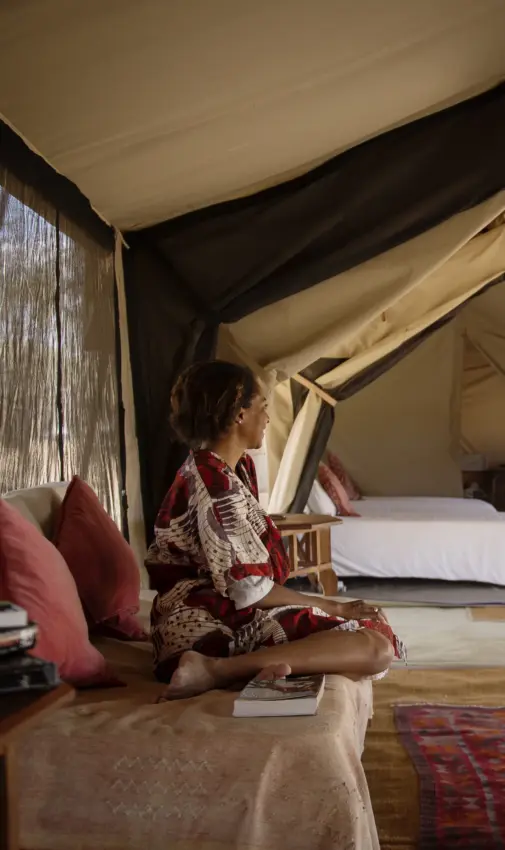
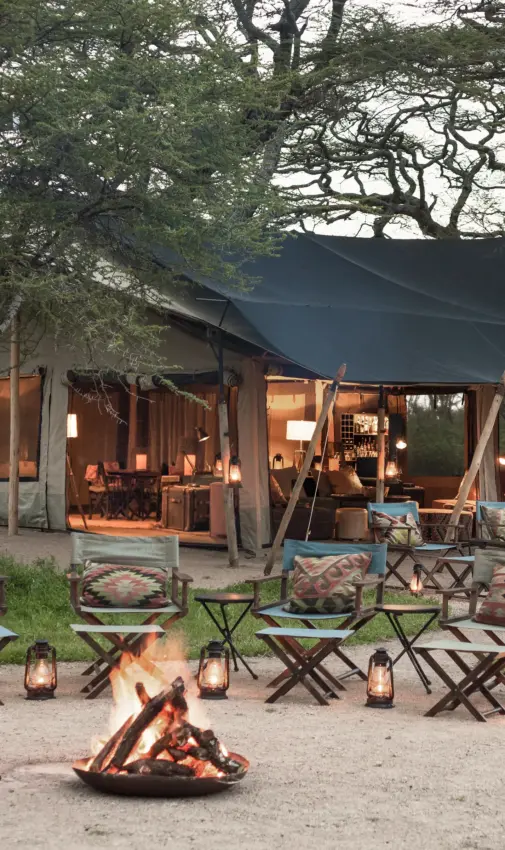
The Serengeti carries the full range of safari accommodation. Mobile camps relocate through the year to follow the herds, offering canvas suites with en-suite facilities close to the migration front. Semi-permanent and seasonal tented camps range from understated to highly luxurious. Permanent lodges, concentrated in central Seronera, provide solid-walled rooms, swimming pools and year-round access. Exclusive-use houses and private villas in the adjoining concessions suit families and groups seeking privacy.
01

 02
02
 03
03
 04
04
 05
05
 06
06
 07
07
 08
08
 09
09
 10
10
 11
11
 12
12
 13
13
 14
14
 15
15
 16
16
 17
17
 18
18
 19
19
 20
20
 21
21
 22
22
 23
23
 24
24
 25
25
 26
26
 27
27
 28
28
 29
29
 30
30
 31
31
 32
32
 33
33
 34
34
 35
35
 36
36
 37
37
 38
38
 39
39
 40
40
 41
41
 42
42
 43
43
 44
44
 45
45

activities
Game drives and dawn balloon flights
Game drives on designated tracks are the core activity, running by day across all sectors of Serengeti National Park. Hot-air balloon flights operate at dawn over the central and western plains. Guided walks with an armed park ranger are possible in defined zones. Night drives, off-road driving and longer walks are available in the adjoining private concessions rather than the park itself.

conservation
Rhino recovery and migration protection
The Frankfurt Zoological Society is a long-term partner in research, monitoring and anti-poaching work in the Serengeti, including rhino recovery efforts. The Grumeti Fund manages the adjoining Grumeti reserve and has reintroduced black rhino there. The Tanzania Wildlife Research Institute conducts the wildlife censuses that guide management across the ecosystem.

getting around
Light aircraft to bush airstrips
Light aircraft are the primary access, with scheduled and charter flights from Arusha and Kilimanjaro to airstrips across the region: Seronera in the centre, Kogatende in the north, Grumeti in the west, and Ndutu and Kusini in the south. Connections run to Zanzibar and Dar es Salaam. Road access via Naabi Hill Gate is possible from Arusha but lengthy; flying suits luxury itineraries.
other areas in tanzania
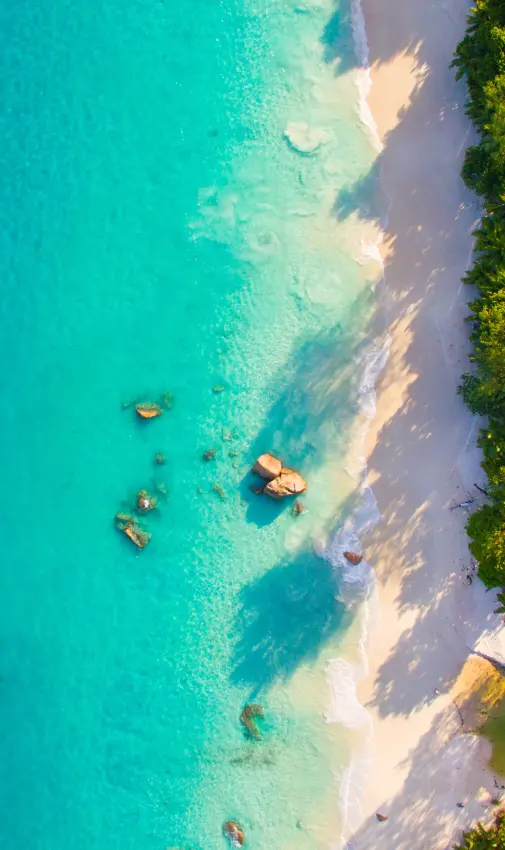
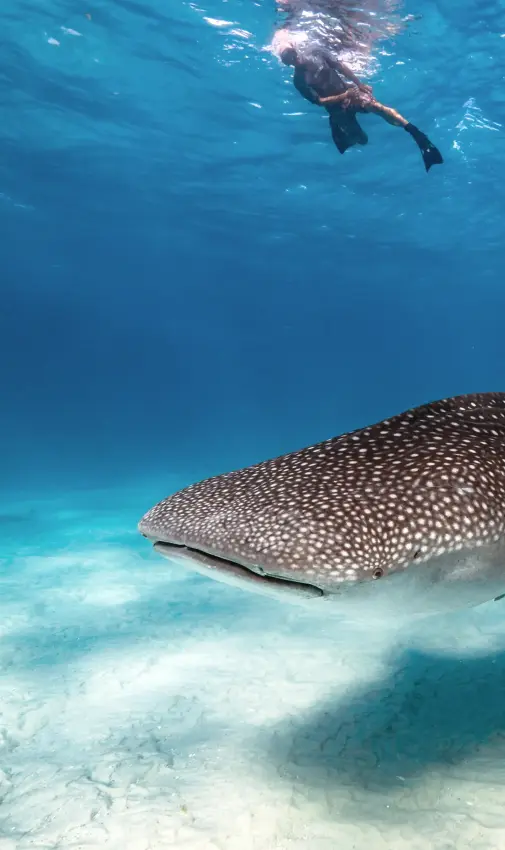
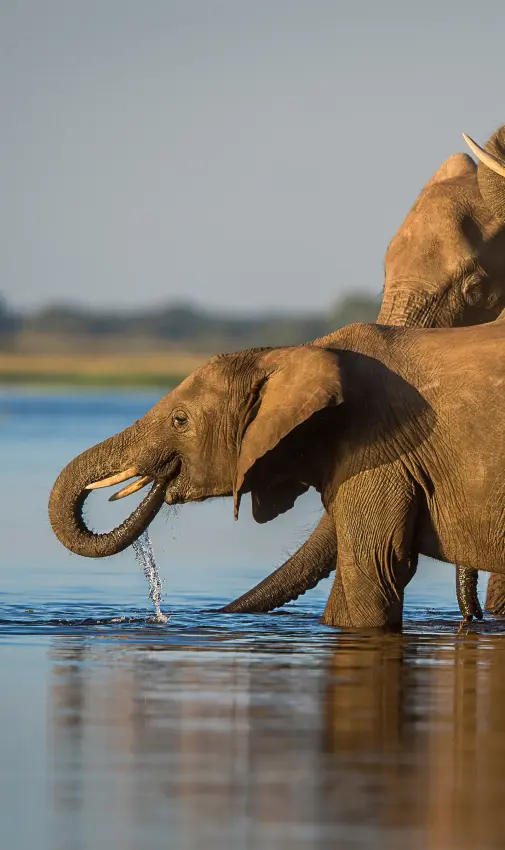
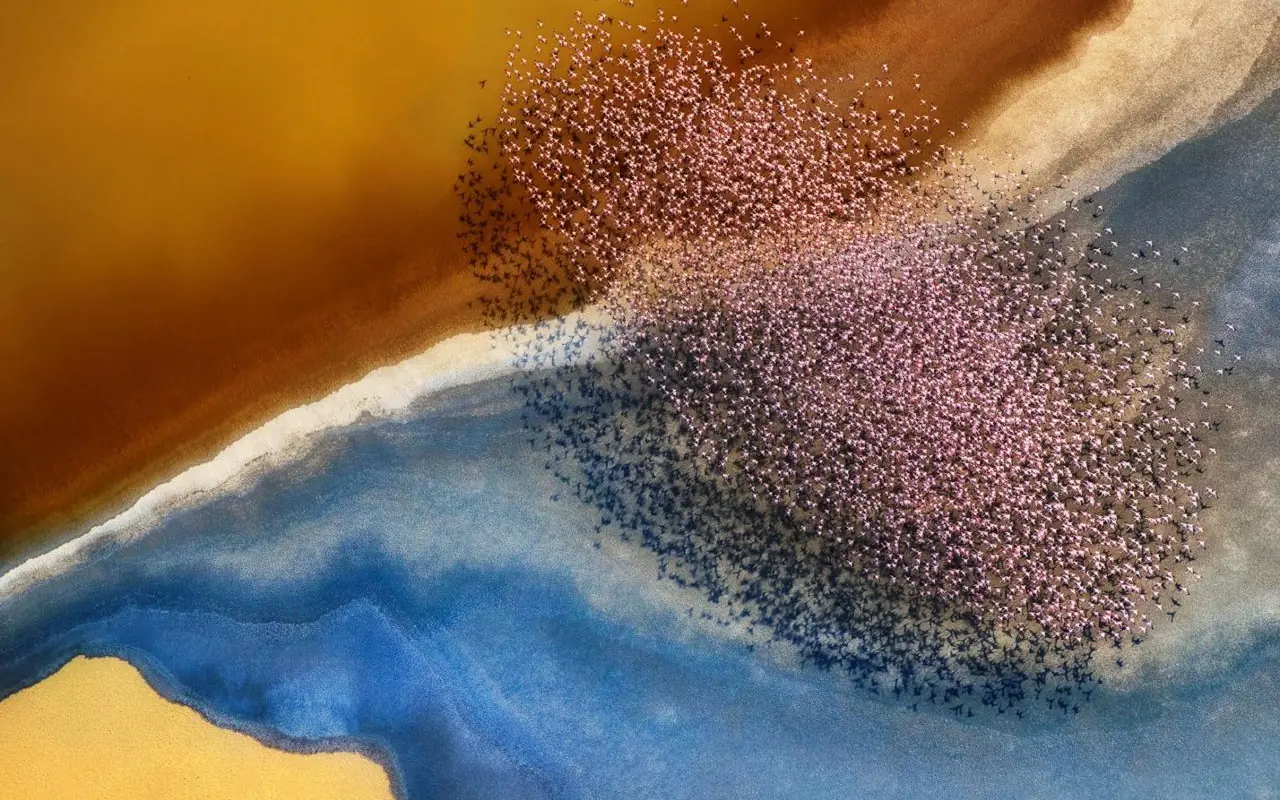
The Serengeti combines naturally with the Ngorongoro Conservation Area to the southeast, where the crater holds lion, black rhino and elephant in a contained caldera. Tarangire National Park, known for large elephant herds and baobab country, and Lake Manyara, with its alkaline lake, flamingos and groundwater forest, complete the northern Tanzania parks. Many trips finish on the coast in the Zanzibar archipelago, with its reefs, white-sand beaches and the Swahili heritage of Stone Town.




frequently asked questions
By light aircraft, from Arusha or Kilimanjaro, and the airstrip you land at decides your safari as much as the camp does.
- Seronera serves the central plains, which hold game all year
- Kogatende serves the north and the Mara River
- Grumeti and Sasakwa serve the western corridor
- Ndutu serves the southern calving grounds
The strips are hours apart by road, so a ticket to the wrong one can cost you a day. We book the leg ourselves and read the strip name back before anything is paid.
A private charter, typically a Cessna Caravan or a Pilatus PC-12, flies direct at a time of your choosing, which earns its keep for a family or when the rest of the routing is tight.
Yes, and it is the classic northern Tanzania route for good reason.
Tarangire, Ngorongoro and the Serengeti sit within a day of each other and each does something different: Tarangire for elephant and baobabs, the Ngorongoro Crater for a single extraordinary day, the Serengeti for the plains and the herds.
The usual shape is two nights in Tarangire, one or two on the Crater rim, then three or four in the Serengeti, flying the last leg rather than driving it.
A week is tight for all three and ten days is comfortable. Tell us your nights and we will say what to drop rather than rush.
It depends on the month, because the park is the size of a small country and the game moves across it.
The southern plains around Ndutu hold the herds and the calving from about December to March. The north, around Kogatende, is where the Mara River crossings happen from roughly July to October. The central Seronera area holds resident lion, leopard and cheetah all year and is the safest bet if your dates are fixed.
The western corridor and the private reserves beside it are quieter, with the full walking safaris and night drives the national park does not allow.
Tell us your dates first and we will pick the ground to match them, rather than the other way round.
Yes. The park sits below the altitude at which the risk falls away: Kogatende in the north is around 1,400 to 1,500 metres, and both TravelHealthPro, the UK's official travel health service, and the CDC draw their line at 1,800 metres.
So both treat the Serengeti as a malaria area and list antimalarial tablets among their recommendations.
We do not make medical recommendations. Which tablets suit you, and what is right for a child, are questions for your own doctor or a travel clinic.
On the practical part, cover up from dusk and keep repellent to hand.
Short bush walks near camp, yes. Full walking safaris and night drives, no.
Inside the national park a guide can take you out on foot close to camp, with an armed escort, which is a fine way to spend an hour learning the small things a vehicle drives past. What the park does not allow is a proper multi-hour walking safari, driving after dark, or leaving the track to follow an animal.
The private reserves and concessions on the park's edges do allow all three, and a booking there usually comes with a private guide and vehicle.
The pattern we book most often is nights inside the park for the plains and the herds, then nights on private land for the walking and the night drives.
Four at least if you want more than one part of it.
The distances are the reason. Moving between the south and the north is a flight, not a transfer, so a two-night stay in each becomes a trip spent packing. Three nights in one area is the least that lets a guide work the ground properly.
The shape we book most often is three or four nights in the Serengeti paired with Ngorongoro and Tarangire, or a week split between two areas when the herds are the reason for the trip.
Tell us how long you have and we will tell you honestly whether it is enough.
rated five stars by our clients

our approach
remote, exclusive
& personal
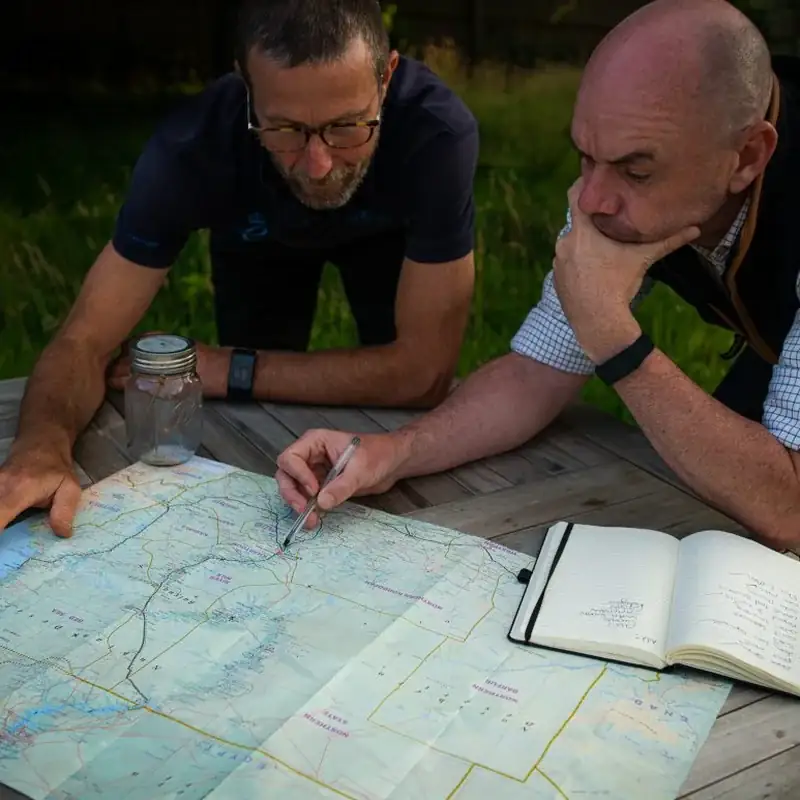
Every journey starts with a conversation. We take the time to understand your vision before we start planning.
Whether by phone or in person, we work with you directly to shape something that is considered, personal, and expertly delivered.
Every journey starts with a conversation. We favour a direct, personal approach: understanding your vision before anything else.
Whether by phone or in person, we work with you directly to shape a journey that is both thoughtfully considered and expertly delivered.
Get in touch to start planning yours.