Camp

Kichakani Camp

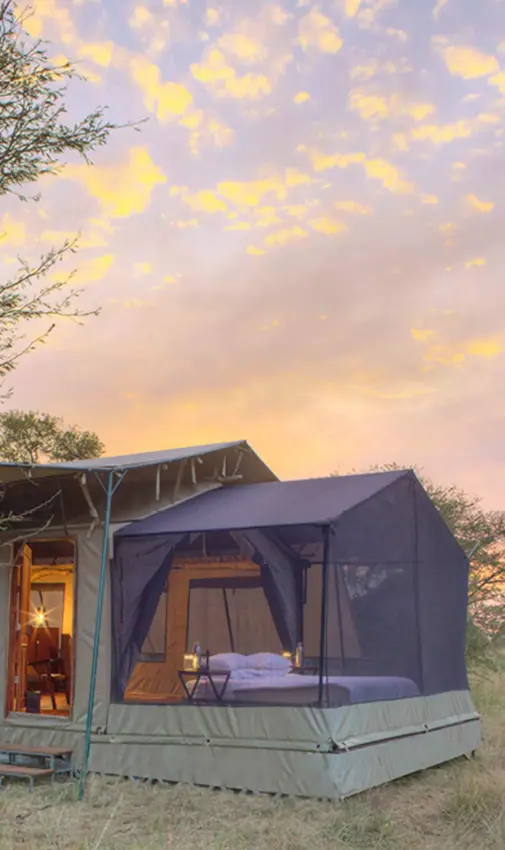
A ten-tent mobile camp that comes down twice a year and moves with the Great Migration across Tanzania’s Serengeti.

Country: Tanzania
Location: Moving between Lamai and the southern plains
Number of rooms: 10

Ten tents that move with the herds

Twice a year the whole of Kichakani comes down: canvas, decking, kitchen, all of it. From June to November the ten tents stand in the Lamai triangle above the Mara River. December through March they are out on the southern calving plains. Nothing permanent is left on either site. The camp opened in December 2017, replacing an earlier migration camp run by the same collection.

Wildebeest swim the Mara while crocodiles work the current below.

Kichakani is Swahili for “in the bush,” a contemporary take on the classic mobile camp, and the northern season earns the name. Wildebeest swim the Mara while crocodiles work the current below. Herds pile down the steep banks in their thousands, and lions and hyenas move through camp at night. By December the same animals are out on the short-grass plains, dropping calves.

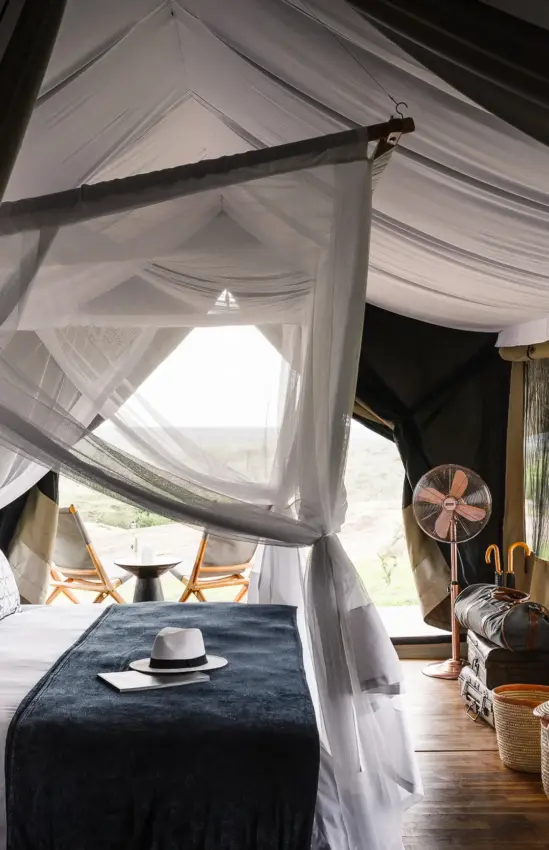
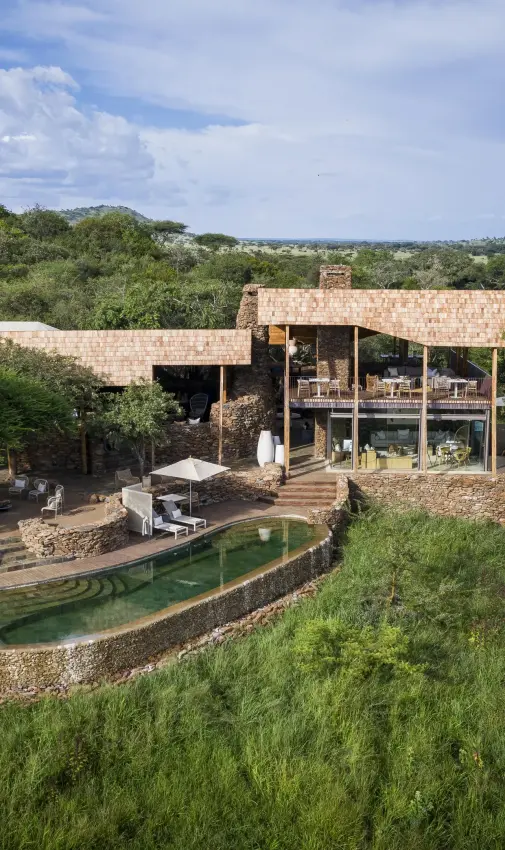
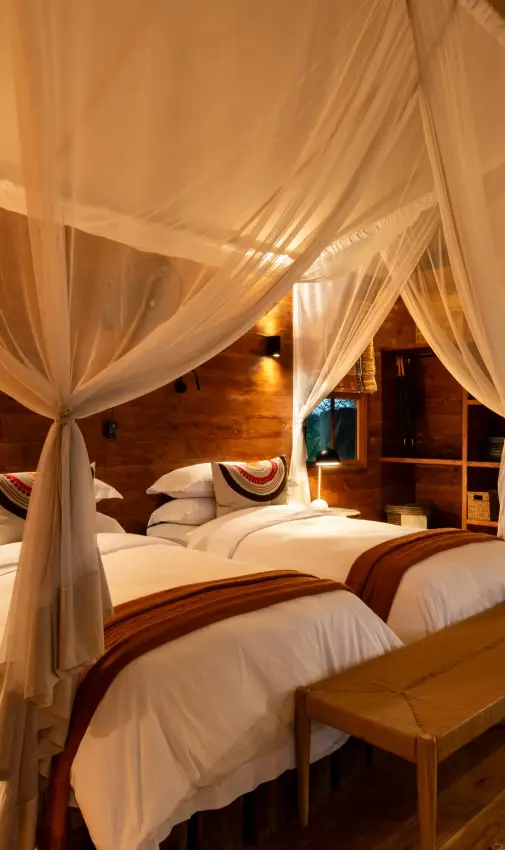
Ten identical tents run in a line along a tree edge, each with a raised wooden deck facing open plain. Inside, a four-poster bed under fine netting, dark wood floors and woven rugs, campaign furniture and canvas trunks, brass reading lamps. Electric light, charging points, a standing fan, a hairdryer. There is no pool and nothing built on site, in keeping with a camp made to be carried away.

Zebra graze past the decks in the middle of the afternoon.

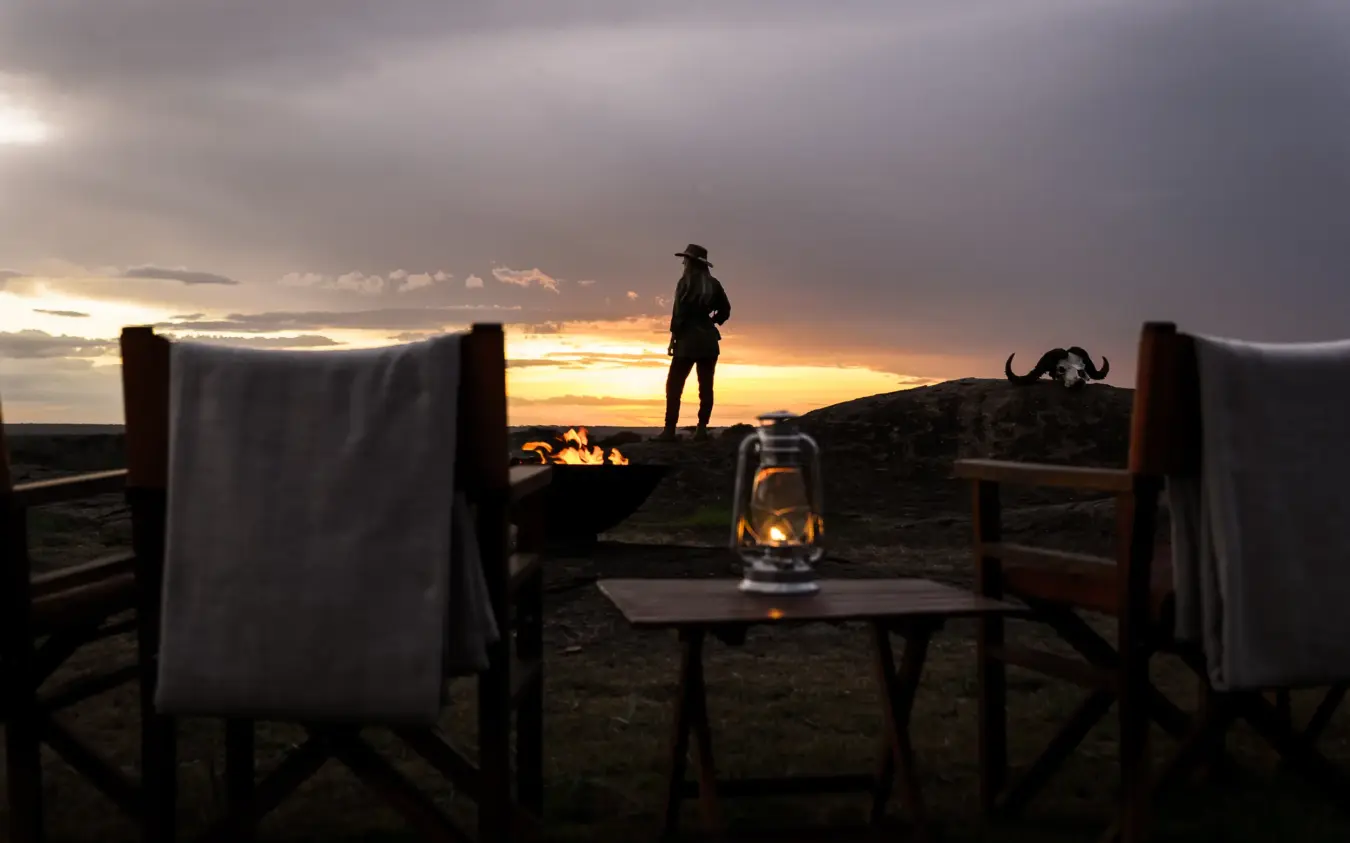
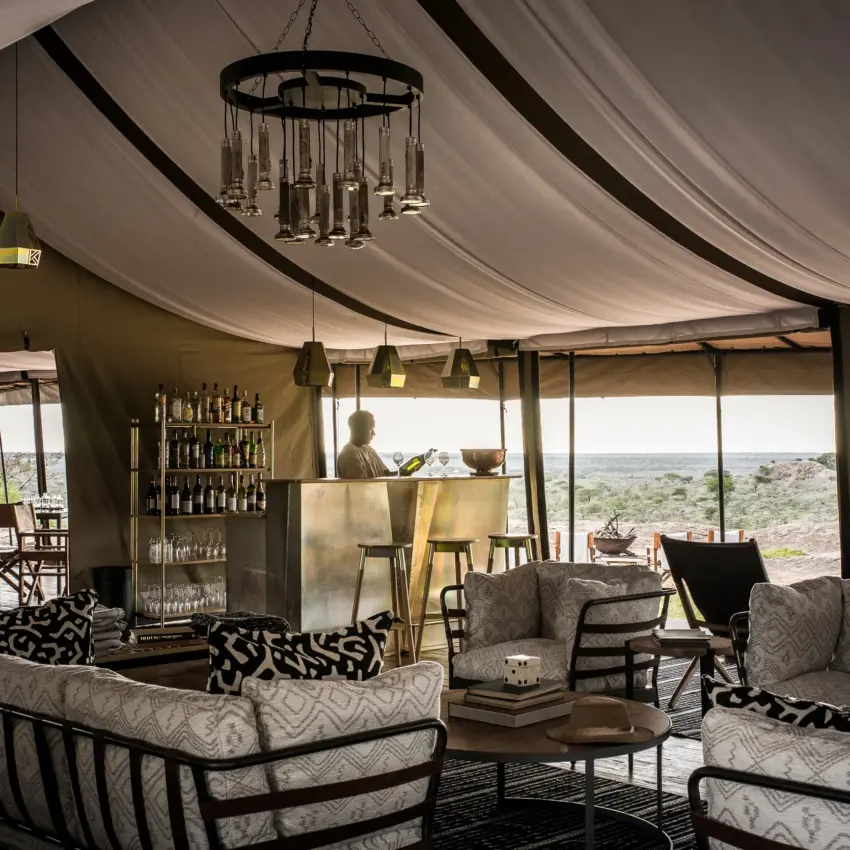
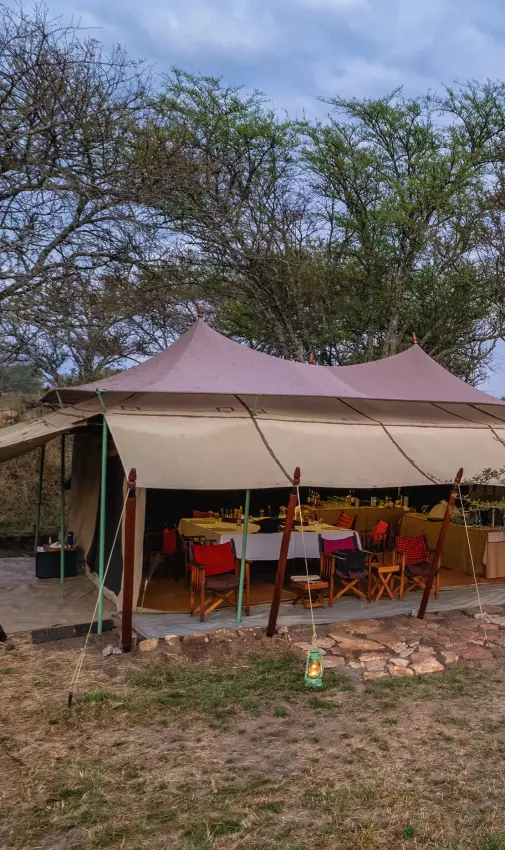
Bathrooms are at the back of each tent, with a flush toilet, a washbasin and a bucket shower hoisted and filled by the tent attendant at the temperature you ask for. Meals are taken in one large canopied mess tent whose sides roll up to the grass. Zebra graze past the decks in the middle of the afternoon. Evenings run to a fire pit and a sky thick with stars.

01
accommodation

Ten Campaign Tents with Bucket Showers

Ten identical tents, each with a raised timber deck, a four-poster bed under mosquito netting and dark wood floors laid with woven rugs. Bathrooms are en suite: flush toilet, washbasin and a canvas bucket shower filled on request. Fan, charging points, safe and hairdryer in every tent; king or twin beds available.

02

activities

Game Drives and Sundowners on Kopjes

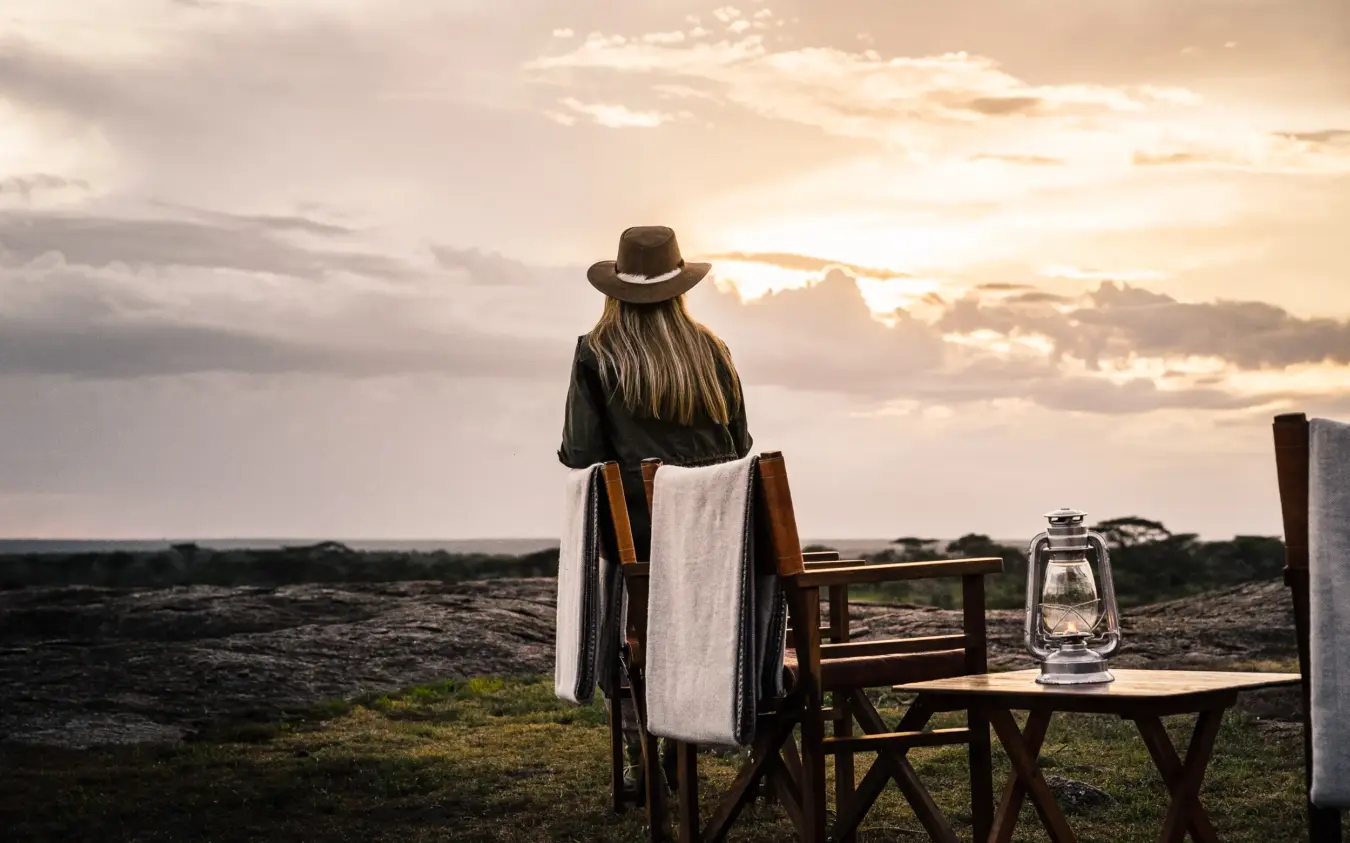
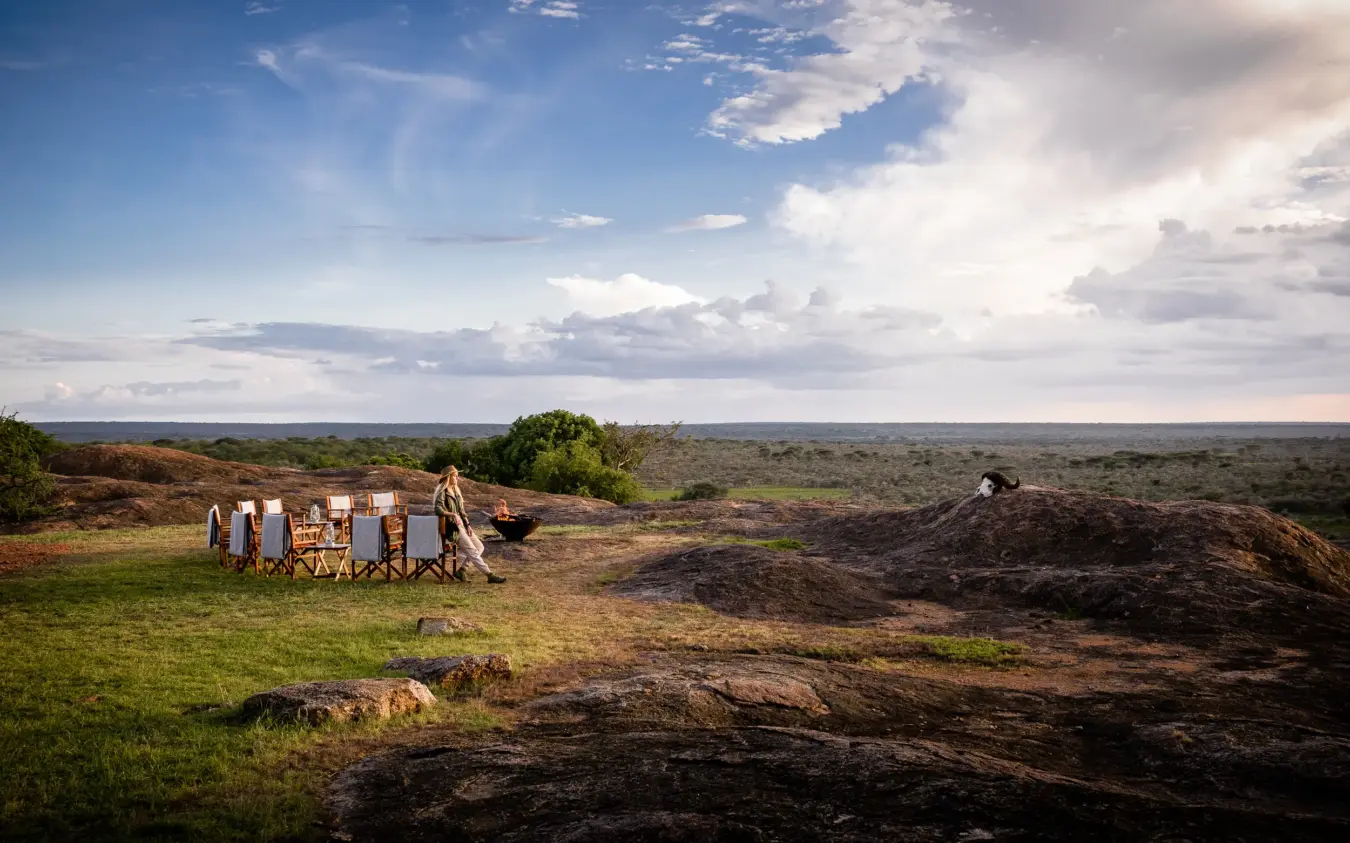
Morning, afternoon and full-day game drives in open-sided 4WD vehicles, with bush breakfasts and picnic hampers on longer outings. Sundowners on kopjes or open plain, then a fire pit under the stars. Off-road driving and night drives are not permitted inside Serengeti National Park. Balloon flights can be arranged.

03

conservation

Safe Water for Schools in Rural Tanzania

Support in northern Tanzania runs through named projects, including the Safe Water for Schools initiative, which fits filtration systems in rural primary schools, and Kafika House, which funds surgery and rehabilitation for children with treatable disabilities. Project C.U.R.E. supplies medical equipment to rural clinics.

ready to get started?

Get in touch and let’s start the conversation. An initial consultation helps us understand what you’re looking for, whether that’s specific experiences, luxury touches, or marking a special occasion, and from there we’ll guide you through what’s possible so you can decide if we’re the right fit.

Alternative accommodation in serengeti national park

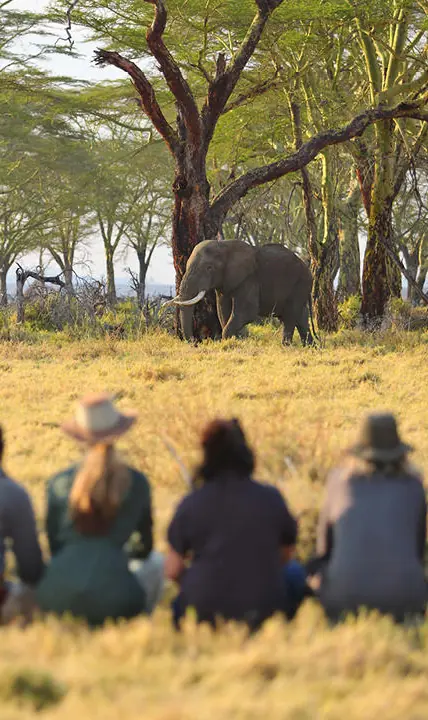
Guests viewing elephant from savanna during guided safari walk, Namiri Plains, Serengeti National Park, Tanzania 01
Namiri Plains

Serengeti National Park

Canvas safari tent illuminated at dusk among acacia trees, Serian Serengeti Lamai, Serengeti National Park, Tanzania 02

Serian Serengeti Lamai

Serengeti National Park

Modern lodge building with pool surrounded by savanna vegetation, Singita Faru Faru Lodge, Serengeti National Park, Tanzania 03

Singita Faru Faru Lodge

Serengeti National Park

Couple dining under ancient tree with hanging lanterns at dusk, Nyasi Tented Camp, Serengeti National Park, Tanzania 04

Nyasi Tented Camp

Serengeti National Park

Safari lodge buildings with thatched roofs nestled among trees, Mwiba Lodge, Serengeti National Park, Tanzania 05

Mwiba Lodge

Serengeti National Park

Illuminated safari camp tents on wooden deck at dusk, Olmara Serengeti, Serengeti National Park, Tanzania 06

Olmara Serengeti

Serengeti National Park

Guest relaxing in infinity pool overlooking savanna landscape, Singita Sasakwa Lodge, Serengeti National Park, Tanzania 07

Singita Sasakwa Lodge

Serengeti National Park

08

Mara Mobile Tented Camp

Serengeti National Park

Canvas safari tent with wooden deck in grassland, Dunia Camp, Serengeti National Park, Tanzania 09

Dunia Camp

Serengeti National Park

Canvas tent accommodation at sunset in savanna landscape, Olakira Migration Camp, Serengeti National Park, Tanzania 10

Olakira Migration Camp

Serengeti National Park

11

Kuria Hills Lodge

Serengeti National Park

12

Mwiba Plains

Serengeti National Park

13

Nanyukie Lodge

Serengeti National Park

14

Adventure Flycamping

Serengeti National Park

Safari camp with canvas tent beneath acacia trees 15

Serengeti Green Camp

Serengeti National Park

Safari tent lodge with wooden deck and acacia tree, Sayari Camp, Serengeti National Park, Tanzania 16

Sayari Camp

Serengeti National Park

Luxury bedroom with four-poster canopy beds and wooden architecture, The Retreats at Sayari Camp, Serengeti National Park, Tanzania 17

The Retreats at Sayari Camp

Serengeti National Park

18

Songa Camp

Serengeti National Park

19

Grumeti Serengeti River Lodge

Serengeti National Park

Luxury canvas safari tent with open-air lounge and bedroom interior, Ndutu Wilderness Camp, Serengeti National Park, Tanzania 20

Ndutu Wilderness Camp

Serengeti National Park

frequently asked questions

By light aircraft from Arusha, to a different airstrip in each season. From June to November the camp stands in the Lamai triangle and the flight goes to Lamai or Kogatende: Coastal Aviation and Auric Air both fly there daily from Arusha with a stop at Lake Manyara, leaving between half past seven and a quarter to eight with a second departure mid morning, and the camp quotes about two hours in the air for the Lamai leg. From December to March the flight goes to the Serengeti South airstrip instead, an hour to an hour and a half from Arusha on the same two carriers, with the early departure landing before nine. Both carriers also connect from Kilimanjaro, and Coastal has an afternoon departure from Kilimanjaro that lands at Lamai a little before six. From either strip the camp quotes about an hour and a quarter by road into camp, and that drive is a game drive in its own right. We can also arrange a private charter, typically a Cessna Caravan or a Pilatus PC-12, direct from Arusha or Kilimanjaro, which takes out the Manyara stop and lets you leave at a time of your choosing.

Two things we check on every booking. The luggage limit on the scheduled aircraft is fifteen kilograms a person on Coastal and twenty on Auric, soft bags only and hand luggage included; Coastal sells a larger seat class that allows thirty kilograms, and we book that ahead rather than hope for space on the day. And the ticket has to match where the camp actually is on your dates: some older listings still show a third site in the western Serengeti for June and July, which the camp's current calendar does not have, so we book the flight against the camp's own calendar rather than a directory.

Yes, at both of its sites. TravelHealthPro, the UK's official travel health service, says there is a high risk of malaria in all areas of Tanzania below 1,800 metres and no risk above it, and the CDC draws its line at the same height. The Lamai triangle along the Mara River and the southern calving plains both sit below that line, so both services class the camp as a risk area in either season and both list antimalarial tablets among their recommendations, alongside bite avoidance. A camp that moves cannot fence out the mosquitoes, so long sleeves and trousers at the fire pit and repellent on any skin left showing matter in both seasons, and more so in the south, where the short rains leave standing water across the plains.

We are travel planners rather than medical people, so the decision about tablets belongs with you and your doctor or a travel clinic, ideally four to six weeks before you fly, because the advice changes and the right choice depends on the person taking it.

Yes, from the age of six, and the camp's own rule is that anyone aged fifteen or under shares a tent with an adult, so a family of four is two tents with a parent in each rather than one for the adults and one for the children. The tents are built for two, forty-two square metres each, and the camp holds twenty guests in total, so tell us the ages when you enquire and we will confirm with the camp how a third bed is handled on your dates before we hold anything.

The camp is not fenced and wildlife walks through it at night, so children need an adult with them at all times, including the walk back to the tent after dinner. Because there is no walking from camp and no night driving, the two activities that carry age limits elsewhere do not arise; what remains is the vehicle, and the full days out that follow the herds are long ones, so with younger children we plan the shorter morning and afternoon drives and ask the camp about a private vehicle so the day runs at your pace.

There is wifi: the camp lists it, with solar power and USB charging points, among the modern additions to an otherwise old-style canvas camp. What it does not say is where the signal reaches or how fast it is, and in a camp that is struck and rebuilt on a different site twice a year the honest answer is that it varies with the site and the day, so plan on messages and email rather than video calls, and download anything you want to read or watch before you fly. We have no verified answer on mobile signal at either site, so if you need to be reachable at a fixed time, tell us before you travel and we will ask the camp for the current position rather than rely on a brochure.

The USB points mean phones and cameras charge in the tent, but the full days out with the herds run from breakfast to late afternoon, so bring a spare camera battery. Anyone travelling with equipment that needs power through the night should tell us at the enquiry stage so we can check with the camp what its solar system can carry.

The two sites see different halves of the year. The northern season, June to November, opens in the coolest months: The camp's own guidance puts June to August as the coolest time in Tanzania, and on the Serengeti that means afternoons around 26 degrees, nights down to about 14, and cold fronts between June and September that can take a dawn game drive close to freezing in an open-sided vehicle. September and October warm up and stay dry, and the short rains arrive in November as the northern season ends. The southern season, December to March, is the warmest part of the year, with afternoons around 27 degrees and nights around 15, the plains green from the short rains, and usually a dry spell in January and February before the long rains build in March. The camp is closed throughout April and May, the wettest months.

Pack in layers whichever season you come: a fleece and a windproof jacket for the first hour of the day and for sundowners, when the camp's own advice is to have a warm layer to hand as the light goes; light neutral clothing and a wide-brimmed hat for the middle of the day; high-factor sun cream; closed shoes; and a light waterproof for November and for the southern months. Keep it to soft bags at fifteen kilograms a person for Coastal or twenty for Auric, hand luggage included. Laundry is included in the rate, so three or four days of clothes covers a week.

Three nights at either site, and four in the north if the river crossings are the point of the trip. The camp says the herds usually cross the Mara between July and October, with the peak from August to October, but a crossing cannot be booked for a particular morning: the animals can stand on the bank for days and go in the hour you are at lunch, so the extra night is what turns a good chance into a likely one. In the south the calving runs from December to March and the game is spread across open plains rather than pinned to a river, so three nights sees it properly. The camp moves back down at the end of November or the start of December, so the first nights of December are worth confirming with the camp before they are held.

The rate includes all meals, all drinks including the premium spirits, the game drives, the transfers to and from the airstrip and laundry. We include medical evacuation cover as standard. Charged on top, by the camp's own list, are the flights and landing fees, road transfers to other camps, insurance, shop purchases and tips. The rate sheets we work from put the Serengeti National Park fees inside the camp rate rather than on a separate bill, and we confirm that line on every quote so there is no surprise at the end; the flights we build in from the start.

rated five stars by our clients

other areas in tanzania

African wild dog standing alert in grassland 01

Ruaha National Park

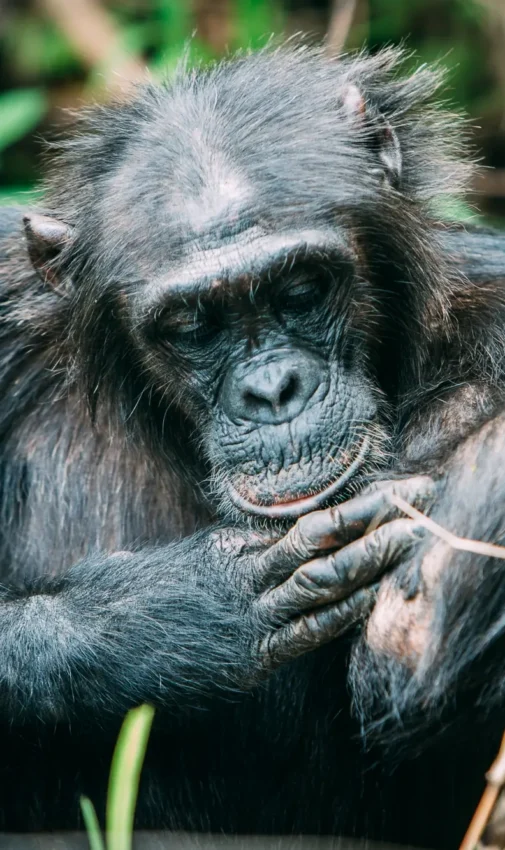
Chimpanzee holding branch while foraging in forest, Mahale Mountains, Tanzania 02

Mahale Mountains

Guests relax in chairs by river with child wading, Lake Manyara, Tanzania 03

Lake Manyara

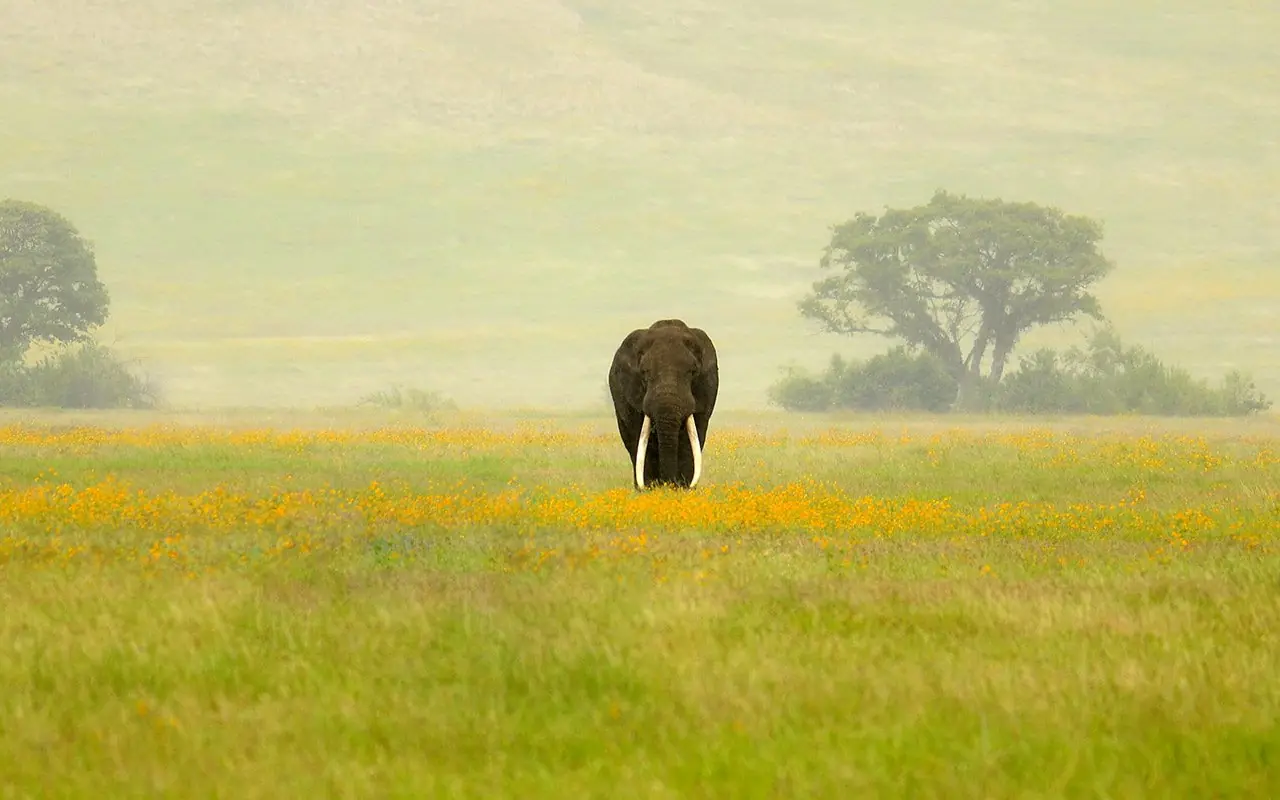
Elephant walking alone across golden savanna grassland 04

Ngorongoro Crater

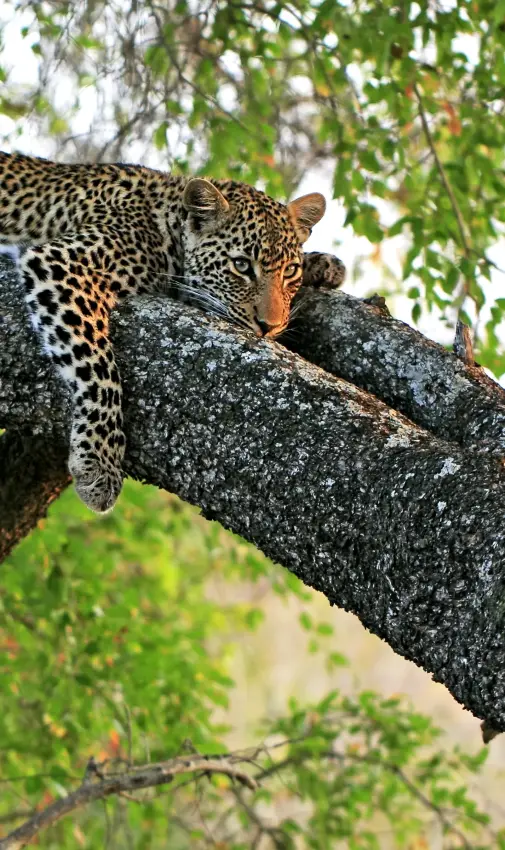
Leopard resting on tree branch surrounded by green foliage 05

Tarangire National Park

Hippopotamuses in water with heads above surface 06

Katavi National Park

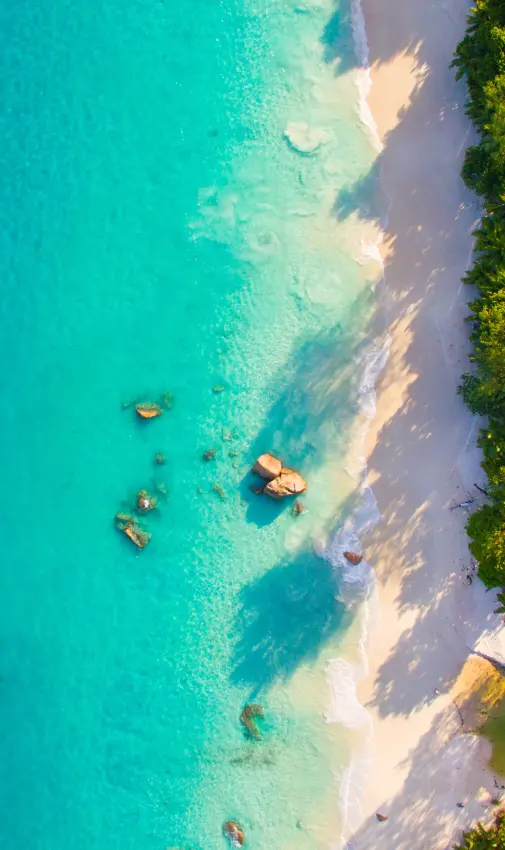
Turquoise water beach with boats and tropical vegetation 07

Zanzibar & Pemba

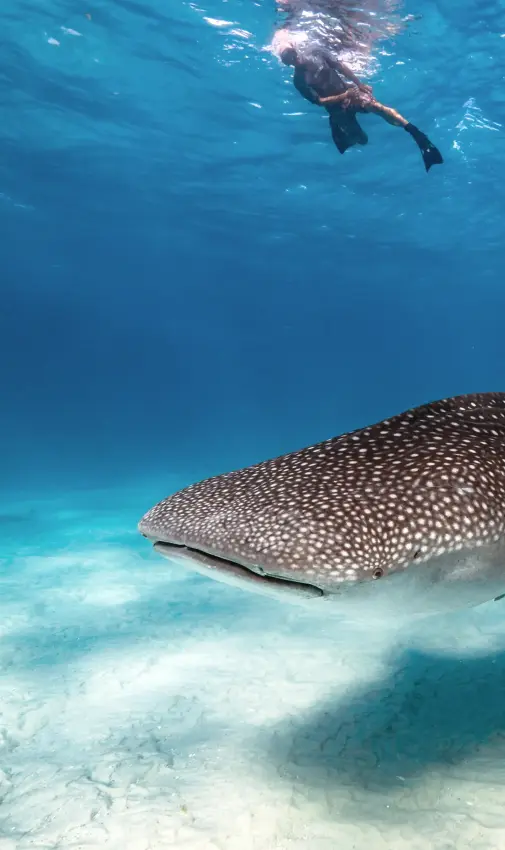
Snorkeler swimming alongside whale shark in shallow turquoise water, Mafia Archipelago, Tanzania 08

Mafia Archipelago

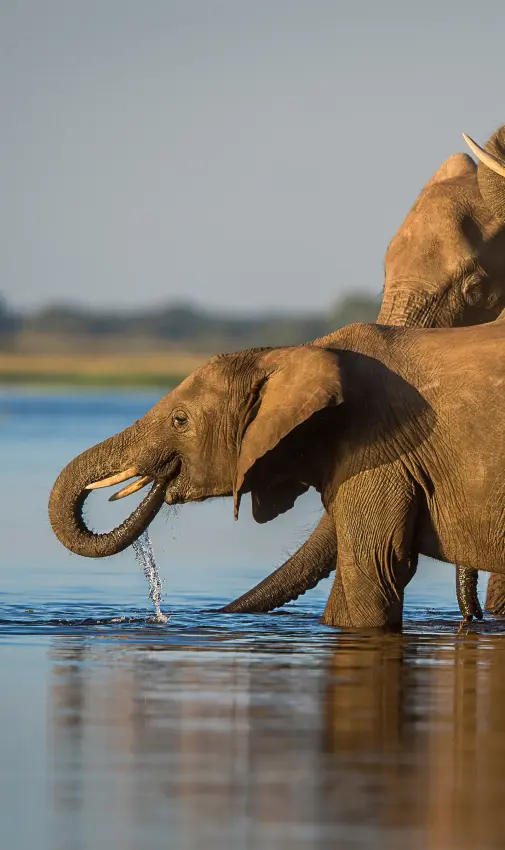
elephants drinking water at riverbank during daytime 09

Nyerere National Park

Chimpanzee among vegetation looking toward camera, Rubondo Island, Tanzania 10

Rubondo Island

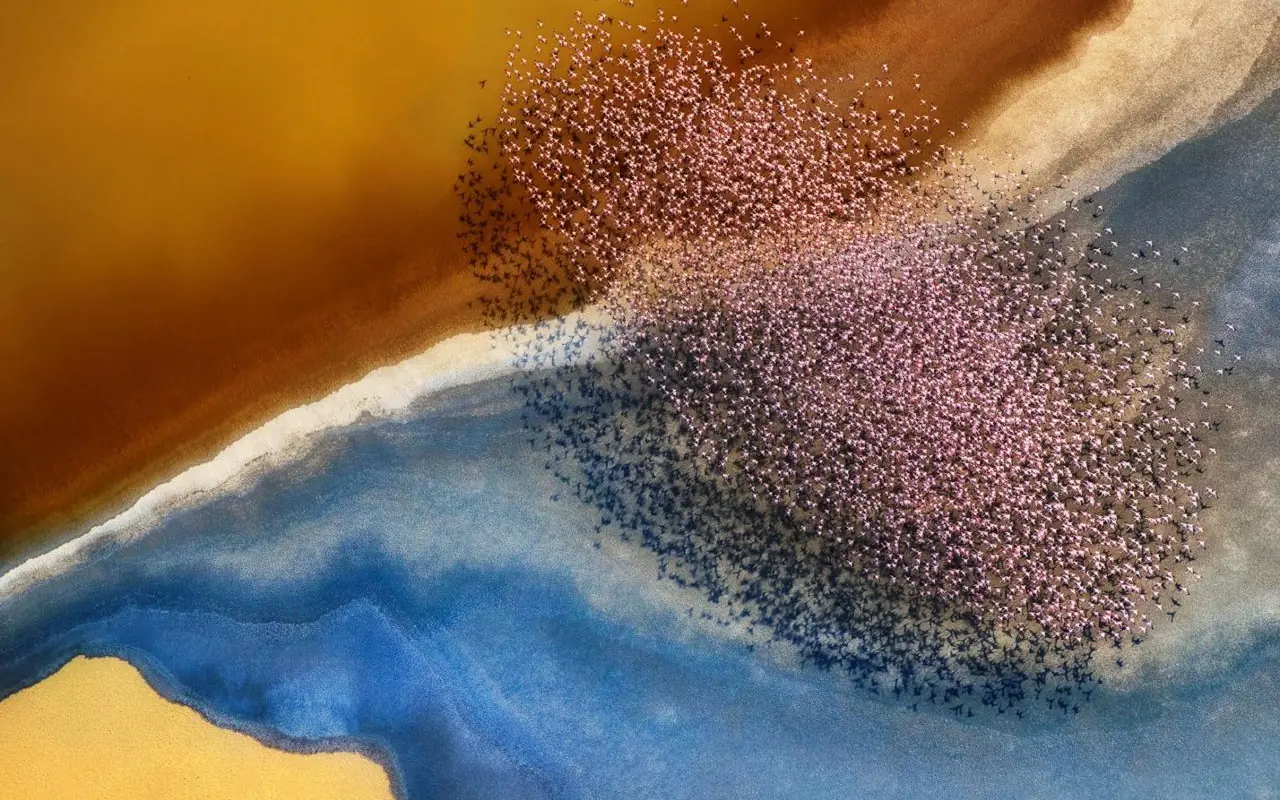
Aerial view of colorful salt lakes and mineral deposits 11

Lake Natron

Local people walking on dusty road with vehicle approaching 12

Arusha

13

Ugalla River National Park

Planning a journey together

our approach

remote, exclusive
& personal

Every journey starts with a conversation. We take the time to understand your vision before we start planning.

Whether by phone or in person, we work with you directly to shape something that is considered, personal, and expertly delivered.

get in touch
destinations ideas & inspiration our process about us contact us