
An island forest of rescued chimps
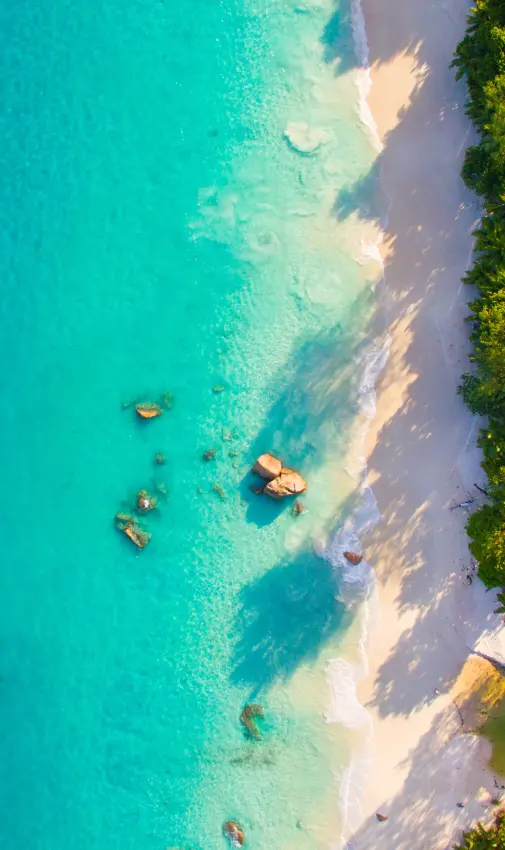
In the south-western corner of Lake Victoria, roughly 150 kilometres west of Mwanza, Rubondo Island National Park is reached only by light aircraft or by boat. Much of the main island stays under forest, fringed by sandy beaches and papyrus inlets. A single small camp sits among it, and there are few other visitors to break the quiet.
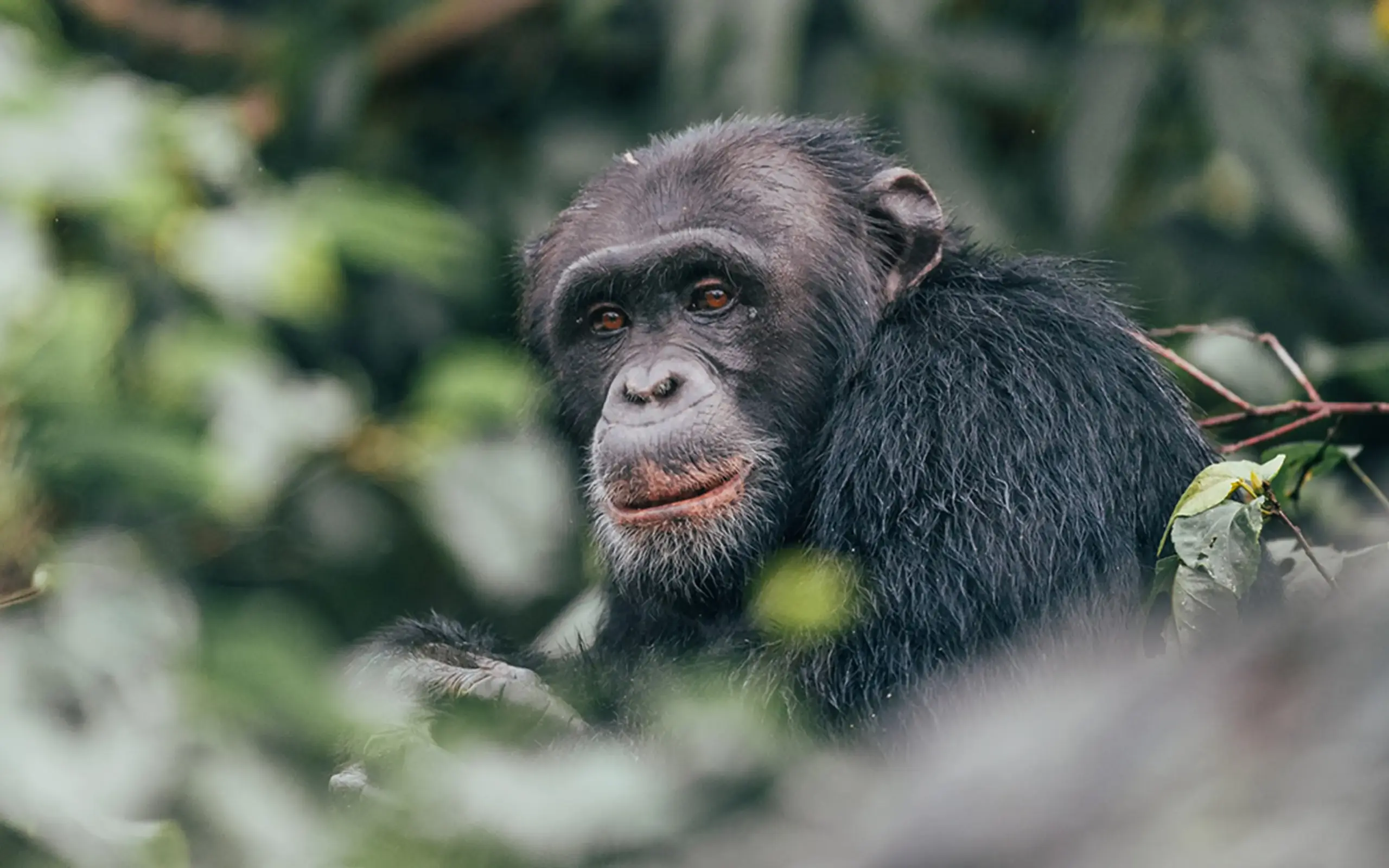
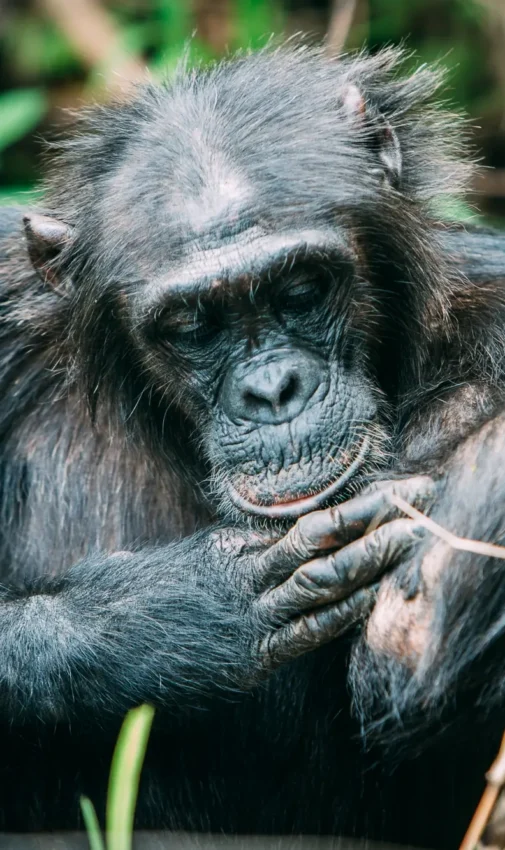
Treks go out on foot in search of the groups, deep among the trees
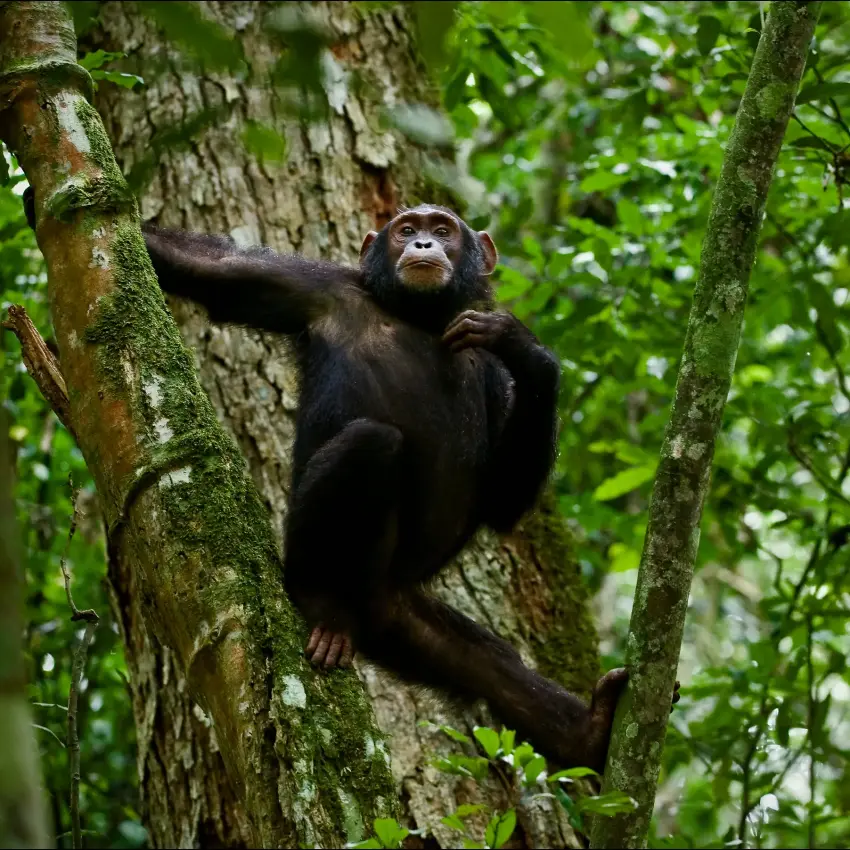
The forest interior holds the island’s headline draw. Chimpanzees descended from animals introduced to the island move through the canopy, and researchers continue the patient work of habituating them. Treks go out on foot in search of the groups, deep among the trees, with a sighting always earned rather than promised.

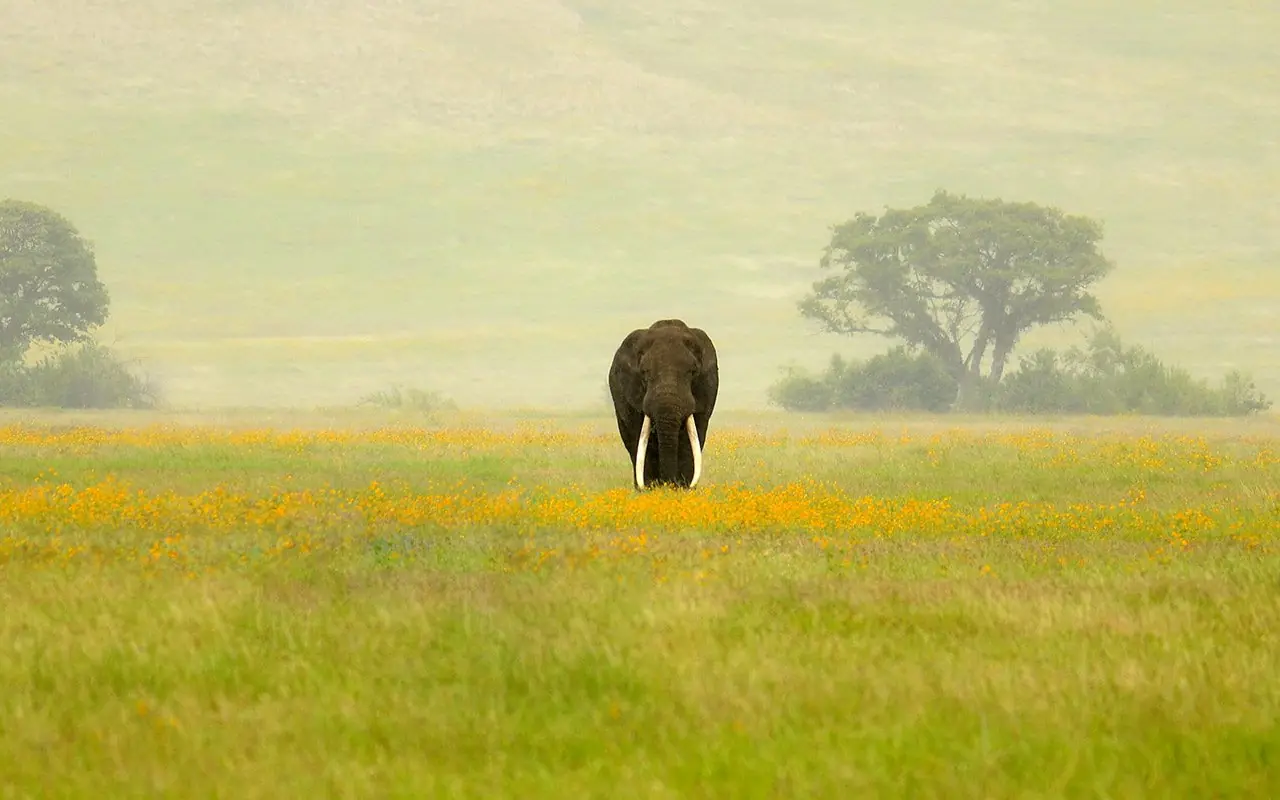
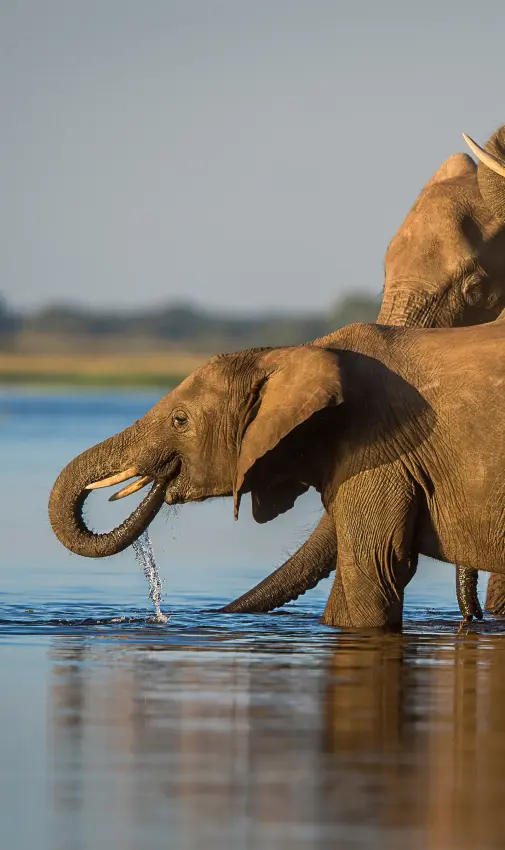
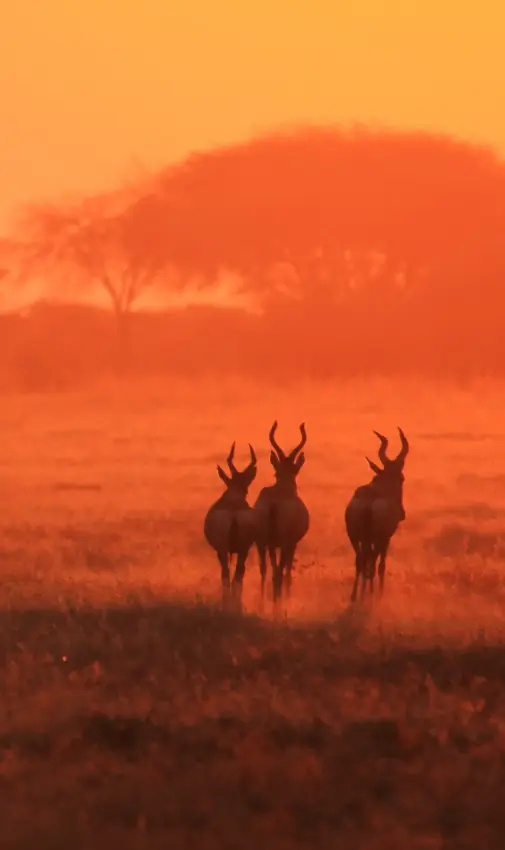
Rubondo’s wildlife mixes native and introduced species in a way that is unusual even by Tanzanian standards. Sitatunga, the semi-aquatic antelope, live among the papyrus swamps. Behind them, through the forest and open woodland, move elephant and giraffe, both brought to the island in the years when it became a sanctuary and now long settled into the ground.
Sitatunga, the semi-aquatic antelope, live among the papyrus swamps
Birdlife is prolific here. More than 200 species have been recorded, and fish eagles hold the shoreline at exceptional density, their call carrying across the water. Between December and March, migratory species swell the numbers further. The lake itself holds Nile perch and tilapia, and catch-and-release fishing runs from boats under the guidance of the park.
Rubondo is an island national park in Tanzania, covering 456.8 square kilometres of land and water in the Geita Region. The main island runs about 26 kilometres long, joined by eleven smaller islets, all held within Lake Victoria. Forest dominates the interior before it gives way to open woodland, patches of savannah, papyrus wetland and rocky or sandy shore. There are no villages here. Only park rangers, researchers, and the staff and guests of the single camp share the ground, and that near-emptiness is the whole character of the place.
The park’s identity took shape in the late 1960s and its sanctuary status was formalised in 1965, when Rubondo became a sanctuary for translocated animals. Chimpanzees from captive backgrounds arrived first, along with elephant, giraffe and sitatunga, all left to establish themselves and their own generations on the island. That legacy of rescue still runs through the place. The slow work of habituating the chimpanzees continues under Tanzania National Parks, and a sighting remains far from routine.
Only park rangers, researchers, and the staff and guests of the single camp share the ground
Days here divide between forest and water. Guided walks and a few game drives cover the interior for chimpanzees, giraffe, elephant, bushbuck and forest birds, while boat excursions trace the shoreline, papyrus fringes and islets for hippo, otter, waterbirds and fish eagles. Chimpanzee trekking asks for a minimum two-night stay, and the drier months of July and August suit it best, when the forest trails hold firm underfoot and the going through the trees is easier.
The lake keeps the temperature mild and constant, somewhere between 19 and 26 degrees through the year. Rain falls in two seasons, peaking in December and again in April and May, when the long rains close the camp entirely. For most travellers Rubondo works as a quiet counterpoint to the open plains of a northern Tanzania safari, reached in a short hop by air rather than a long approach by road, forest and lake set against savannah and sky.

The best time to visit Rubondo Island
Jan
Feb
Mar
Apr
May
Jun
Jul
Aug
Sep
Oct
Nov
Dec
Recommended
Transitional
Challenging conditions
Come June to October for the driest forest trails, cooler air and reliable wildlife viewing, with July and August best for chimpanzee trekking. December to March rewards birdwatchers as migratory species arrive. Avoid April and May, when the long rains close the camp and limit access.
accommodation in rubondo island
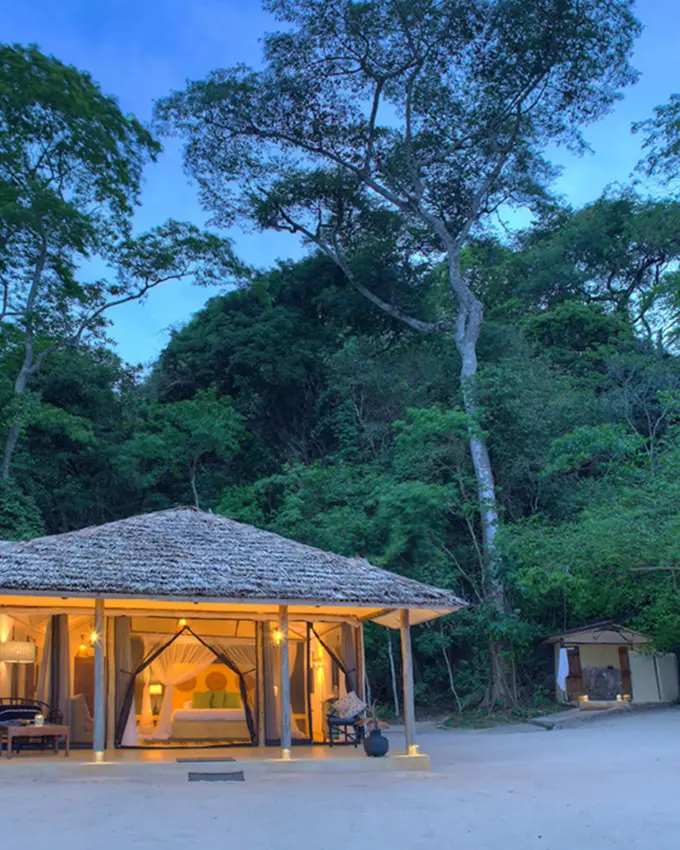
Rubondo supports a single small camp on a sandy beach along the Lake Victoria shore. The rooms are tented or cottage-style, gathered around a shared lounge and dining area, with a low-density feel that answers the island's near-empty character. Elephants and chimpanzees occasionally pass close to camp. It opens from June through March and closes for the long rains of April and May.


activities
Activities
Chimpanzee trekking through the forest interior is the signature activity, and it asks for a minimum two-night stay. Guided forest walks and a few game drives cover giraffe, elephant, bushbuck, sitatunga and birds. On the water, boat excursions explore the shore and the papyrus fringes, and catch-and-release fishing targets Nile perch on Lake Victoria.

conservation
Conservation Projects
Rubondo's founding as a sanctuary brought translocated chimpanzees, elephant, giraffe and sitatunga to the island from the late 1960s. Chimpanzee habituation and research continue under Tanzania National Parks, though the process is slow and sightings remain uncertain. The single-camp model keeps visitor numbers low and helps preserve the island's largely intact forest.

getting around
Connectivity and Logistics
Rubondo Island is reached by light aircraft to Rubondo Airstrip, around a 20-minute drive from camp. Flights connect from Mwanza and directly from the Serengeti for a safari-to-island combination, with links via Arusha and other northern hubs. Direct flights from Kigali also allow pairing with gorilla tracking in Rwanda. Road and boat travel exists but is slow and not typically used by fly-in guests.
other areas in tanzania
Rubondo Island pairs naturally with the Serengeti, a short flight away, combining plains game and the wildebeest migration with the island's forest and lake setting. Ngorongoro Crater adds dense concentrations of large mammals and highland scenery. The Zanzibar Archipelago offers Indian Ocean beaches and Stone Town's history, while Mahale Mountains, further west, allows tracking of wild, long-studied chimpanzees for contrast with Rubondo's rewilded population.




frequently asked questions
By light aircraft to the airstrip on the island, from the Serengeti, Arusha, Mwanza or Entebbe.
The flight from the northern Serengeti is short, which is why Rubondo works so well at the end of a Tanzanian safari. There is also a boat crossing from the mainland near Mwanza for anyone driving.
The island sits in Lake Victoria and there are no roads on or off it.
Soft bags only, and we book the flight with the rest of the route.
A private charter is the alternative to the scheduled seats, usually a Cessna Caravan, which is worth pricing for a party travelling together or a tight connection.
A forested island national park with almost nobody on it.
Most of the island is rainforest and swamp, ringed by beaches, and the wildlife is an unusual mixture: chimpanzees brought here decades ago, sitatunga in the papyrus, elephant and giraffe introduced years back, and otters along the shore.
There is one small camp, so you effectively have a national park to yourself.
It is a place to slow down rather than to chase a list, and it suits the end of a trip.
Yes, and it is unlike tracking anywhere else.
The chimpanzees here are still being habituated, so you go out with the researchers and rangers as part of that work rather than arriving at a settled group. Some mornings you find them, some you do not.
It is a genuine walk in genuine forest, and honest about its odds.
If you want a certain sighting, Mahale or Kibale is the answer, and we will say so.
Yes. Both TravelHealthPro, the UK's official travel health service, and the CDC treat mainland Tanzania as a malaria area and recommend antimalarial cover.
The island is low, warm and surrounded by water, so the risk here is real rather than marginal.
We do not make medical recommendations. That is a conversation between you and your own doctor or a travel clinic.
On the practical side, cover up at dusk and carry repellent.
Water, forest and very little else, which is the appeal.
- Fishing for Nile perch, catch and release, on the lake
- Boat trips along the shoreline for otters, fish eagles and sitatunga
- Forest walks and birding, with over three hundred species recorded
- Swimming and kayaking off the camp beach
The beaches are empty and the sunsets across the lake are the reason people stay an extra night.
We will build the days around what you actually want rather than a fixed programme.
Three, and it is a place that rewards not rushing.
Three nights gives you a chimpanzee morning, a day on the water and a day doing very little, which is the point. Two nights makes it a stopover rather than a stay.
It works best at the end of a northern Tanzanian safari, since the flight from the Serengeti is short.
Tell us the whole route and we will say where it fits.
rated five stars by our clients

our approach
remote, exclusive
& personal
Every journey starts with a conversation. We take the time to understand your vision before we start planning.
Whether by phone or in person, we work with you directly to shape something that is considered, personal, and expertly delivered.
Every journey starts with a conversation. We favour a direct, personal approach: understanding your vision before anything else.
Whether by phone or in person, we work with you directly to shape a journey that is both thoughtfully considered and expertly delivered.
Get in touch to start planning yours.