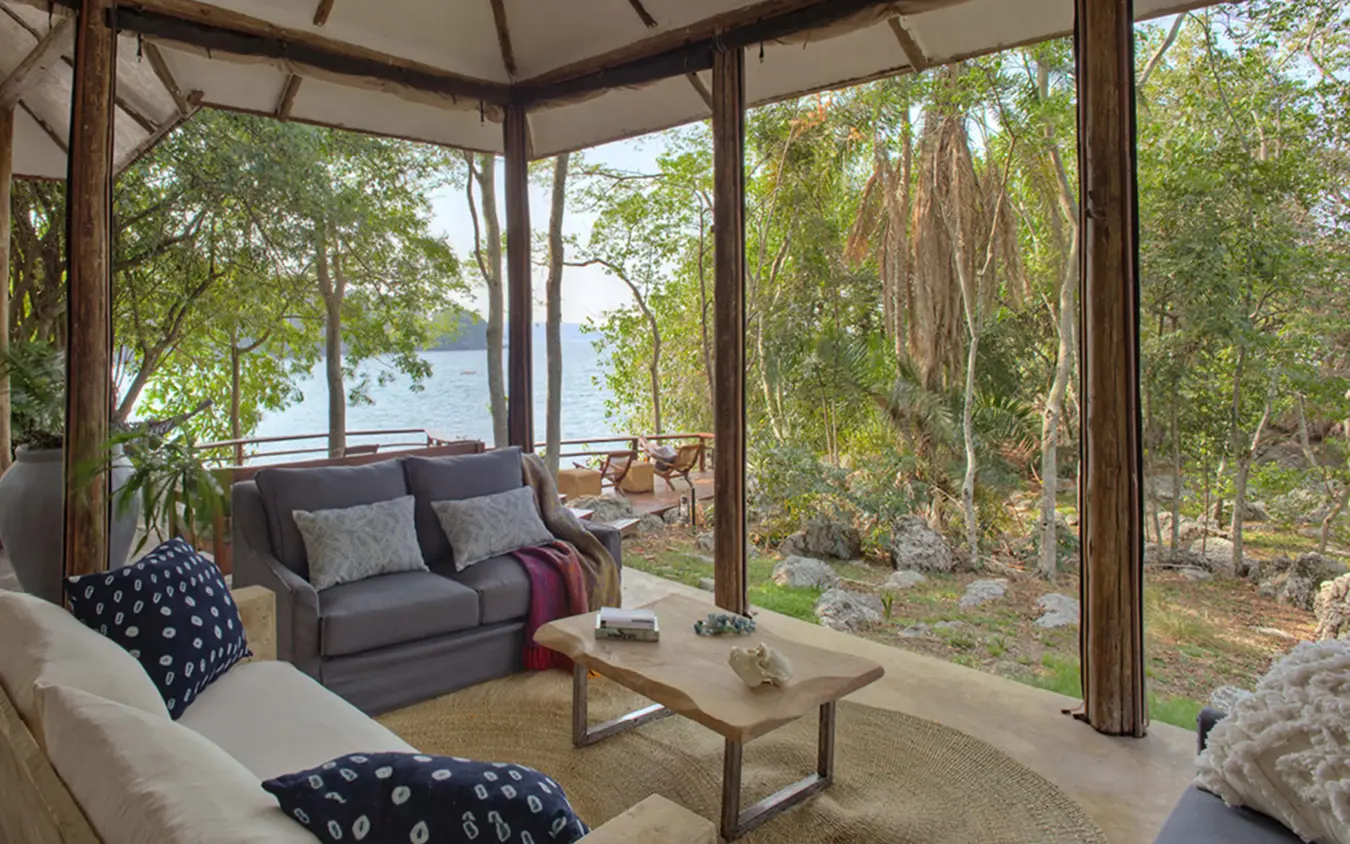
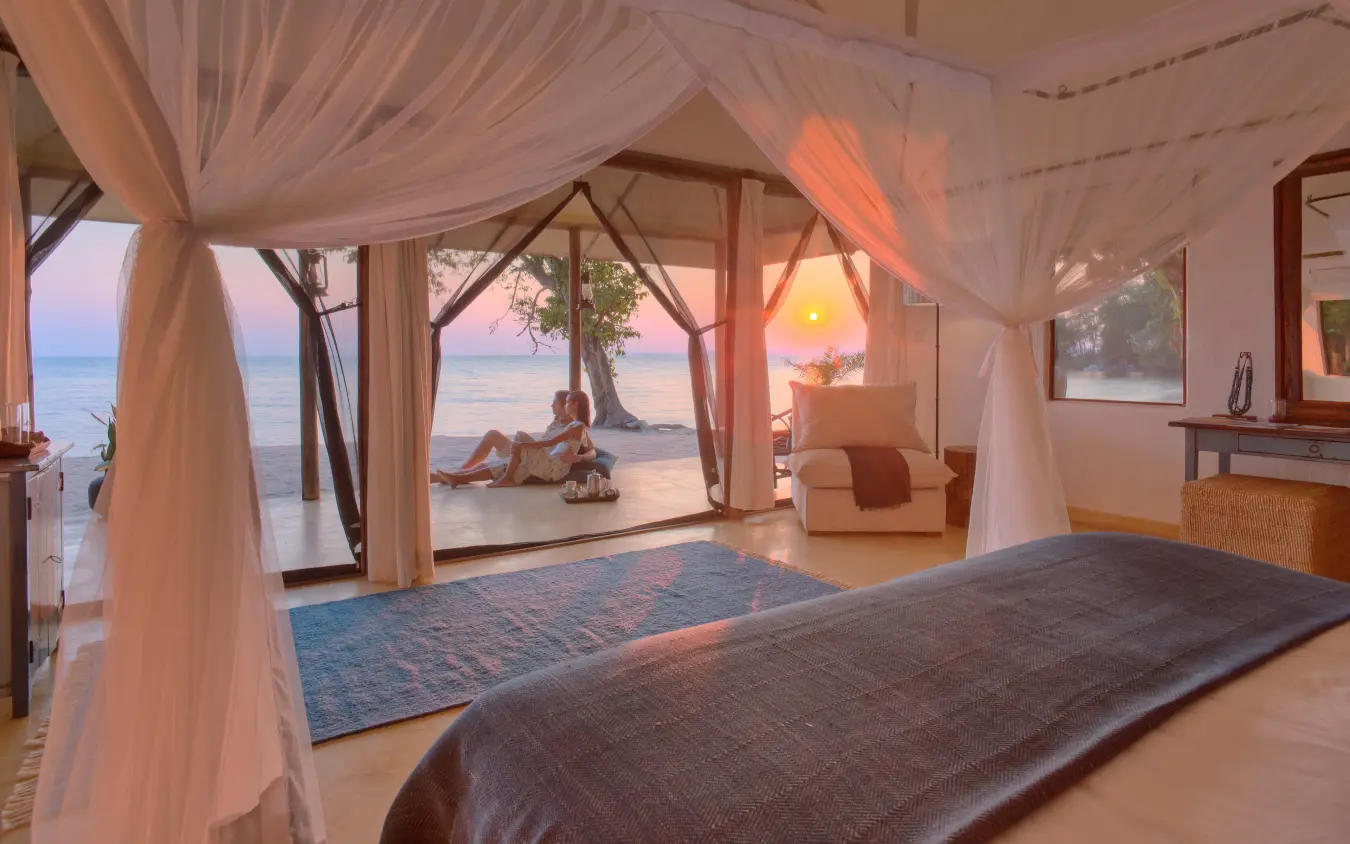
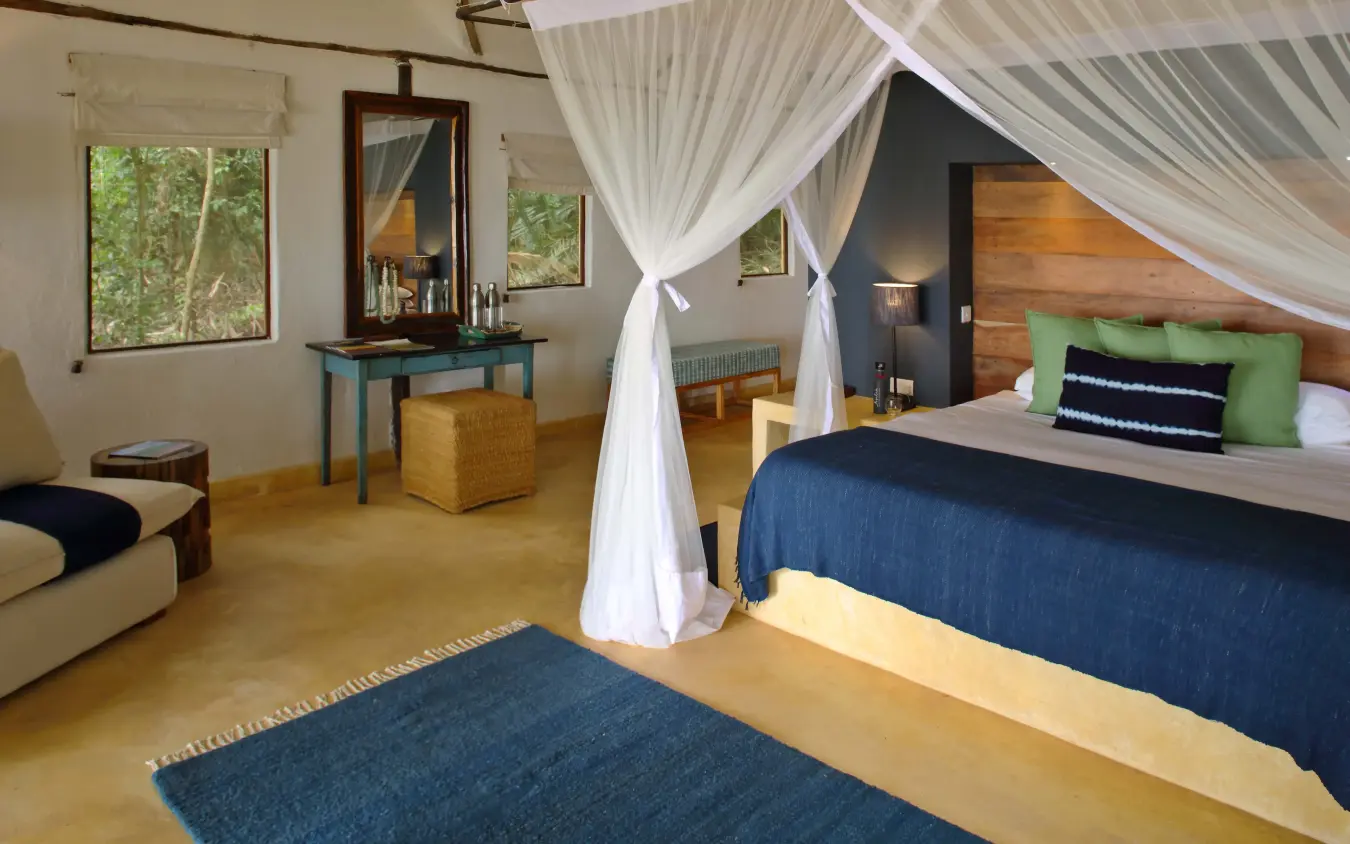
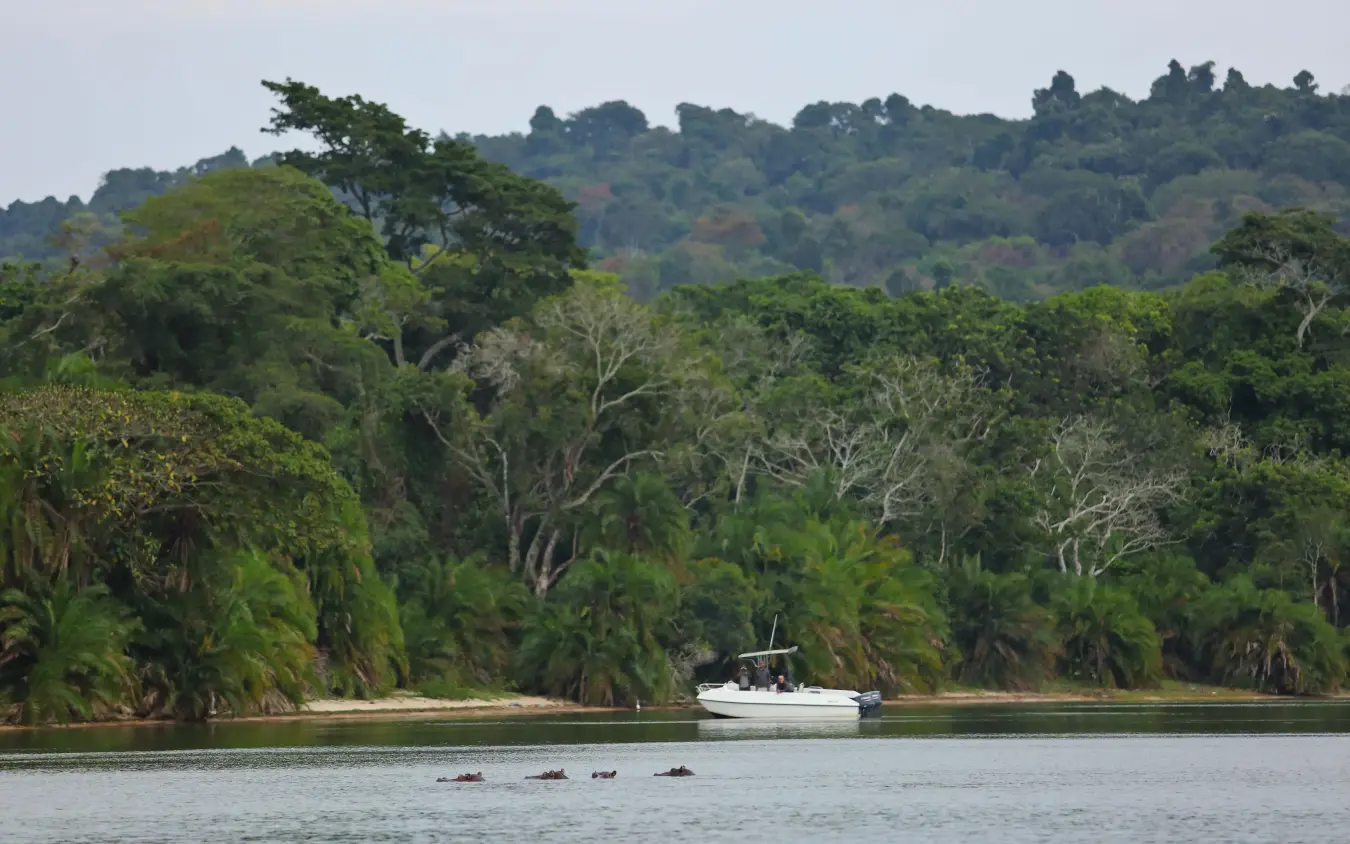
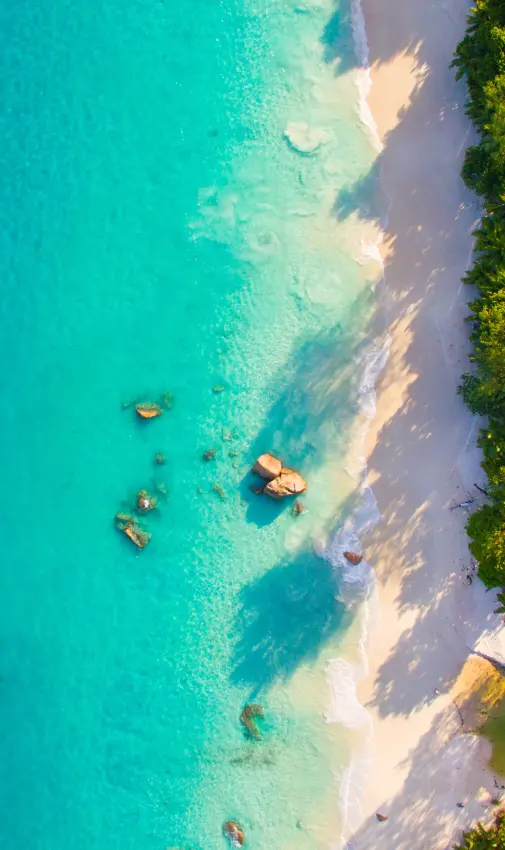
The cottages are spread along the shore a short walk from the water, each with a private veranda facing the lake and a hammock for the hours between activities. Interiors are neutral and understated, with plush beds and en-suite bathrooms with hot showers. One family cottage sits closest to the main area and the pool, sleeping additional guests. Swimming happens in a pool on a deck near the beach, for the lake itself belongs to the hippos and crocodiles.
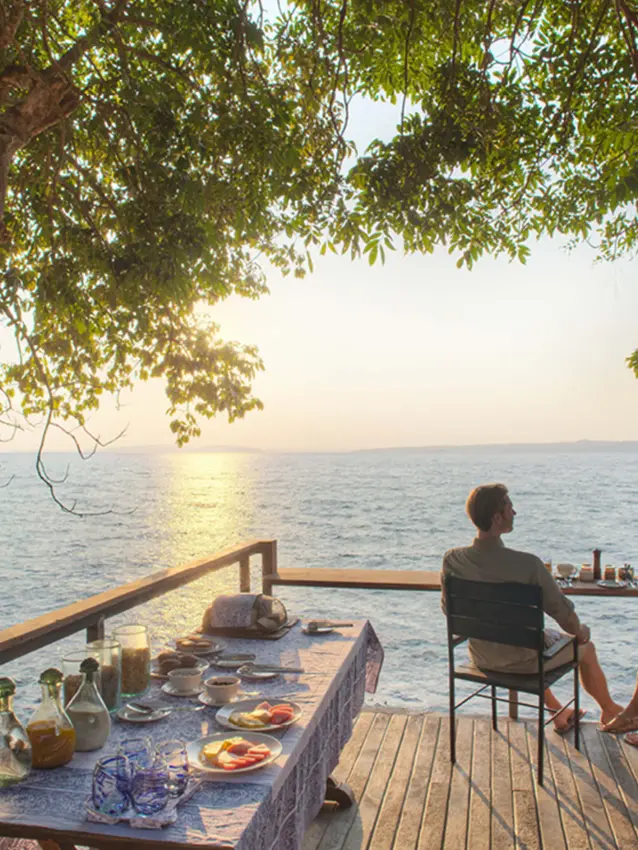
The heart of the camp is an elevated lounge and dining area built into a rocky outcrop, with wide views across the bay. Most meals are taken outdoors. Dinner is served on the sand under lantern light, lunch on a lookout deck, and now and then the chef cooks freshly caught fish on the shore. The kitchen draws on the camp’s own garden, with home-baked bread, cakes and sorbets. Sundowners on the beach tend to coincide with the hippos emerging at dusk to graze on the grass around camp.
At night the sounds are hippos grunting in the shallows, waves against the sand
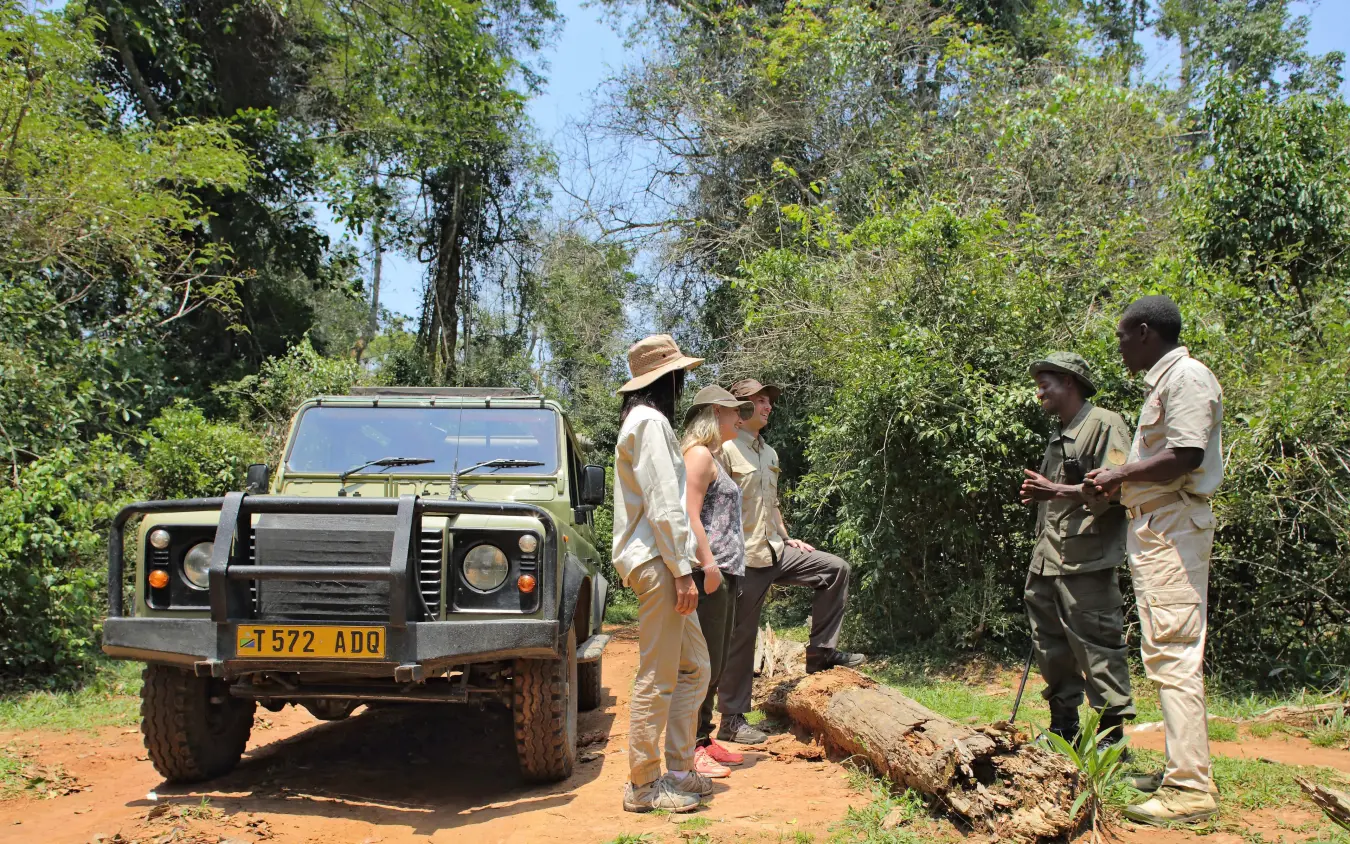
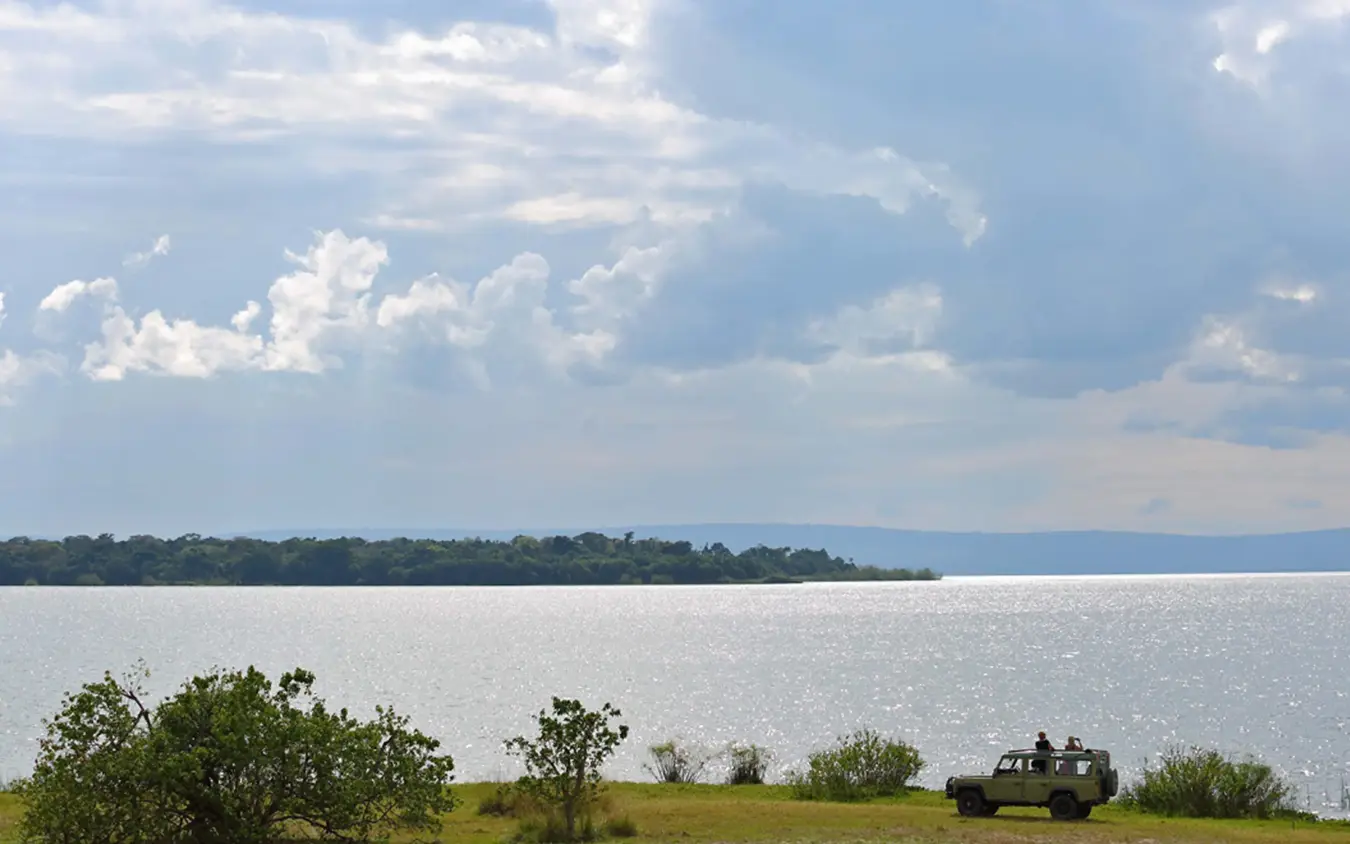
Reaching Rubondo means a short flight, usually from the Serengeti, to the island airstrip, then a brief road transfer to camp. Once there, guests share the forest and shoreline with park wardens, researchers and camp staff, and little else. Bushbuck and vervet monkeys move through the trees around the cottages, and the park holds more than three hundred recorded bird species, from fish eagles to kingfishers. The days pass quietly, at whatever pace the forest and the water set.
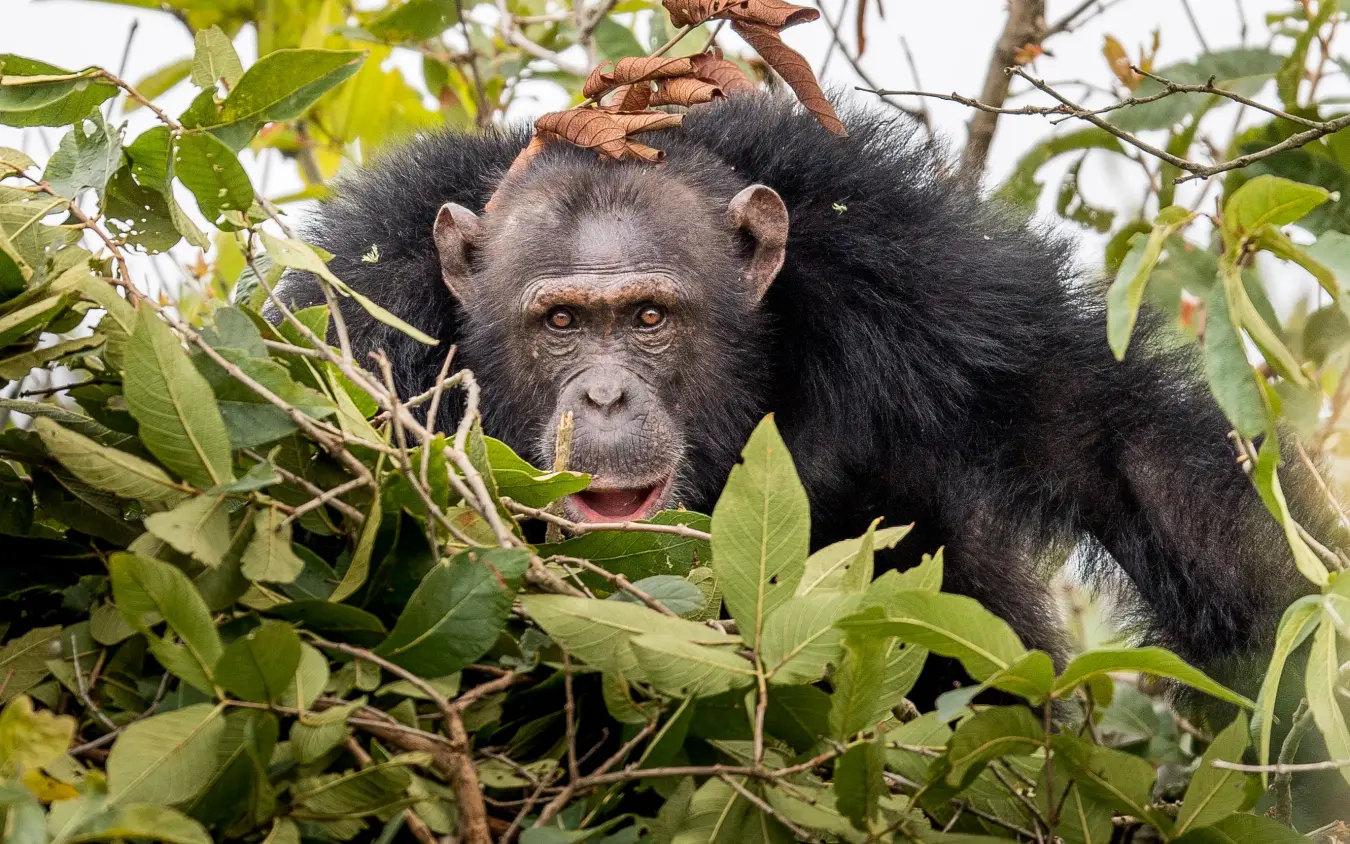
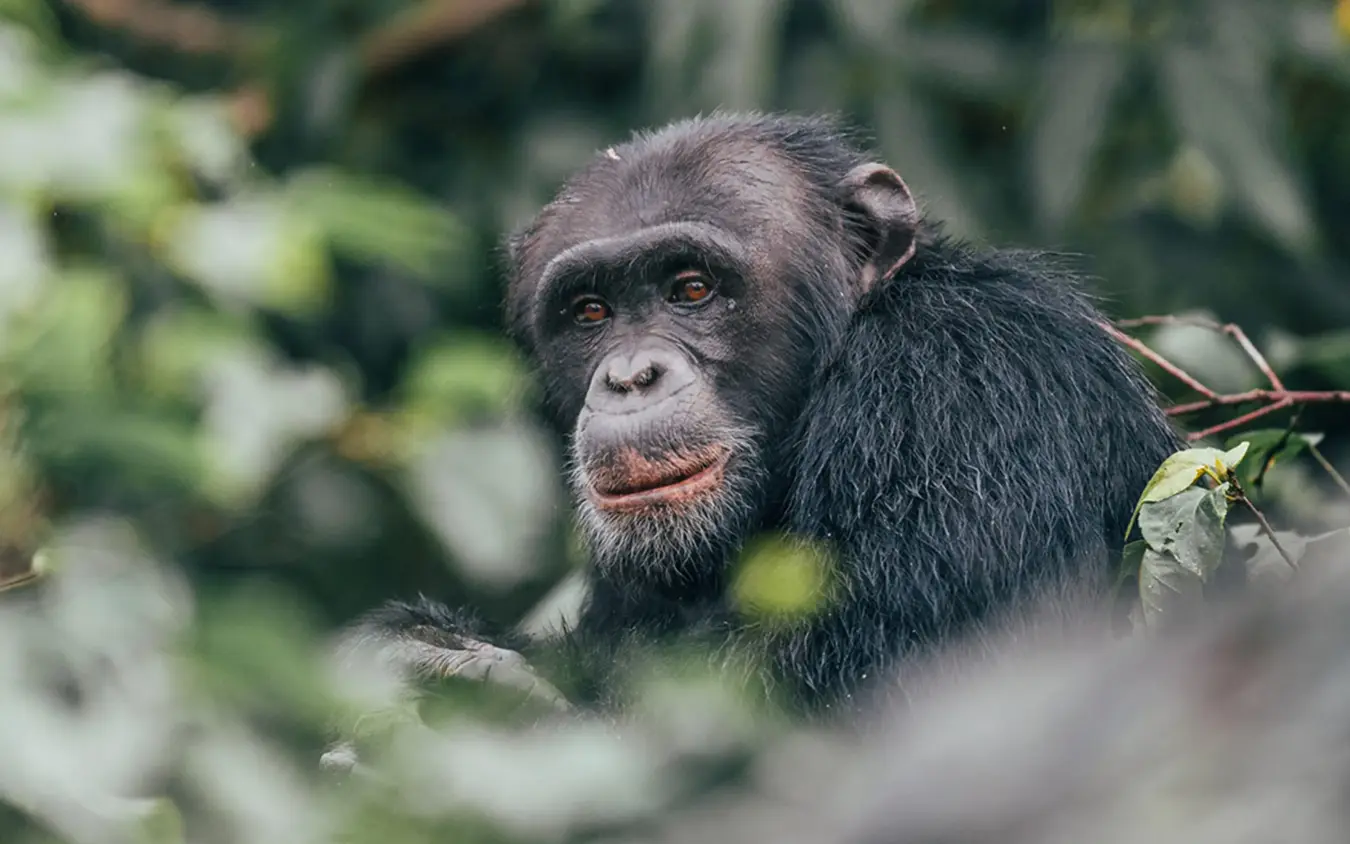
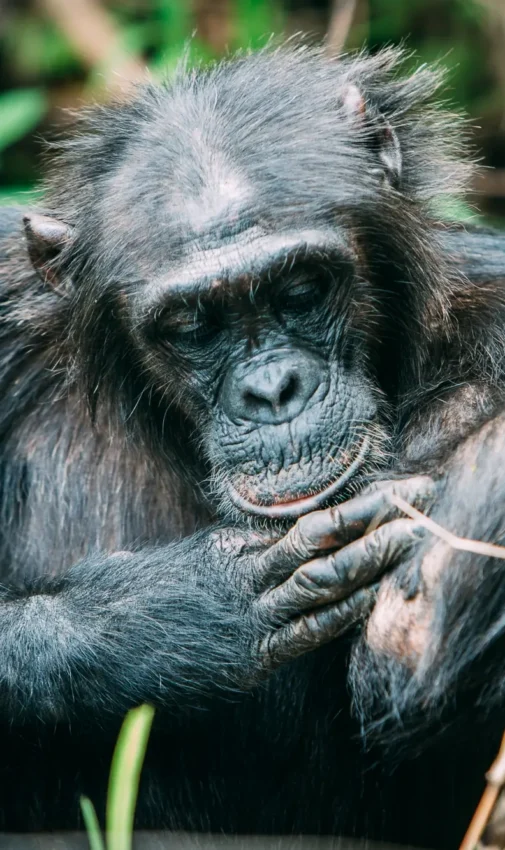
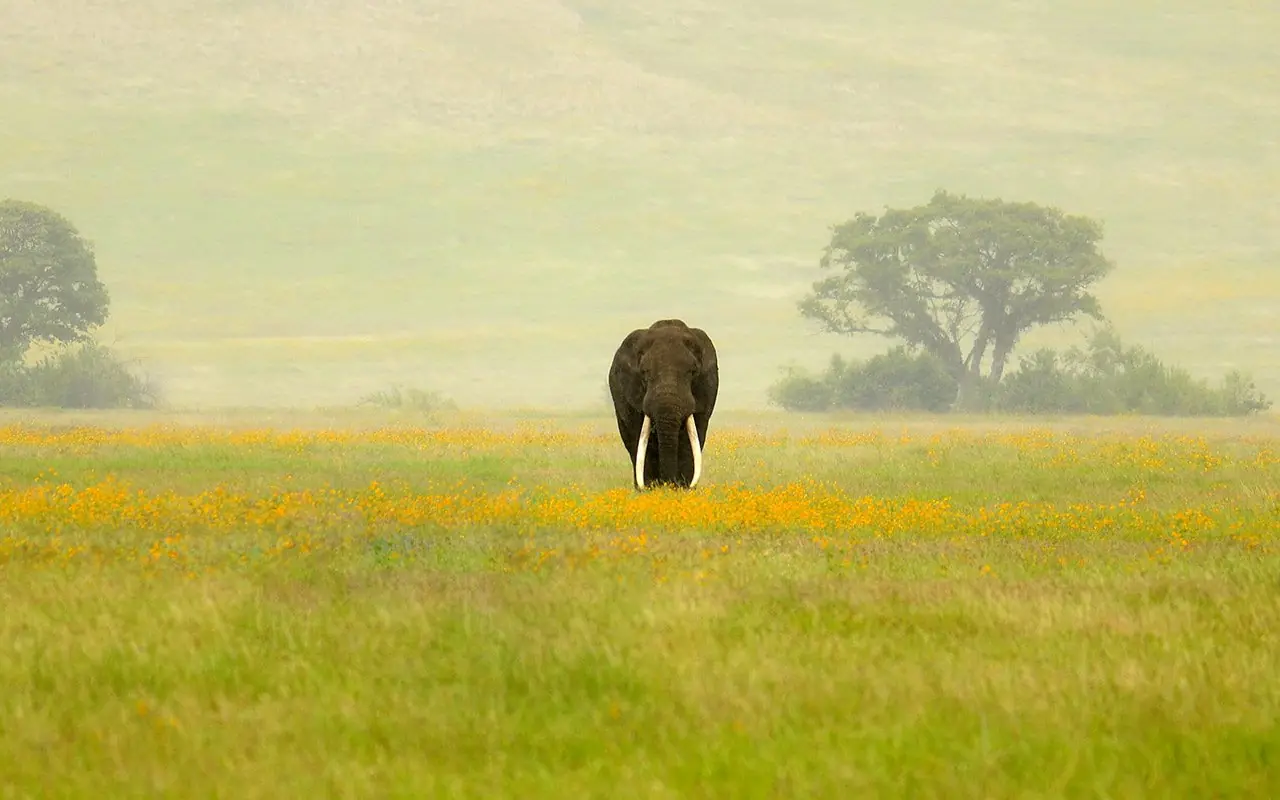
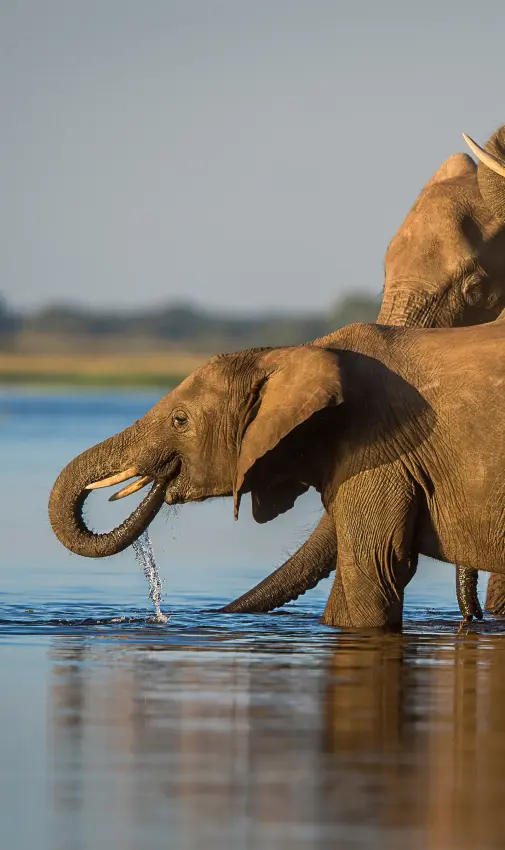
Beyond the chimpanzees, the island supports elephant, giraffe and sitatunga, the swamp-dwelling antelope of the papyrus channels that boat safaris explore. Game drives cover habitats from forest to open grassland further south, and canoeing offers a quieter way to reach wildlife along the shore. Rubondo was gazetted a game reserve in 1965 and became a national park in 1977, and the chimpanzee tracking forms part of an ongoing habituation project, which supports research into the population alongside the tourism that helps fund the park’s protection. At night the sounds are hippos grunting in the shallows, waves against the sand, and the forest behind stirring with monkeys and insects.