 01
01
One thousand hills, one clear vision
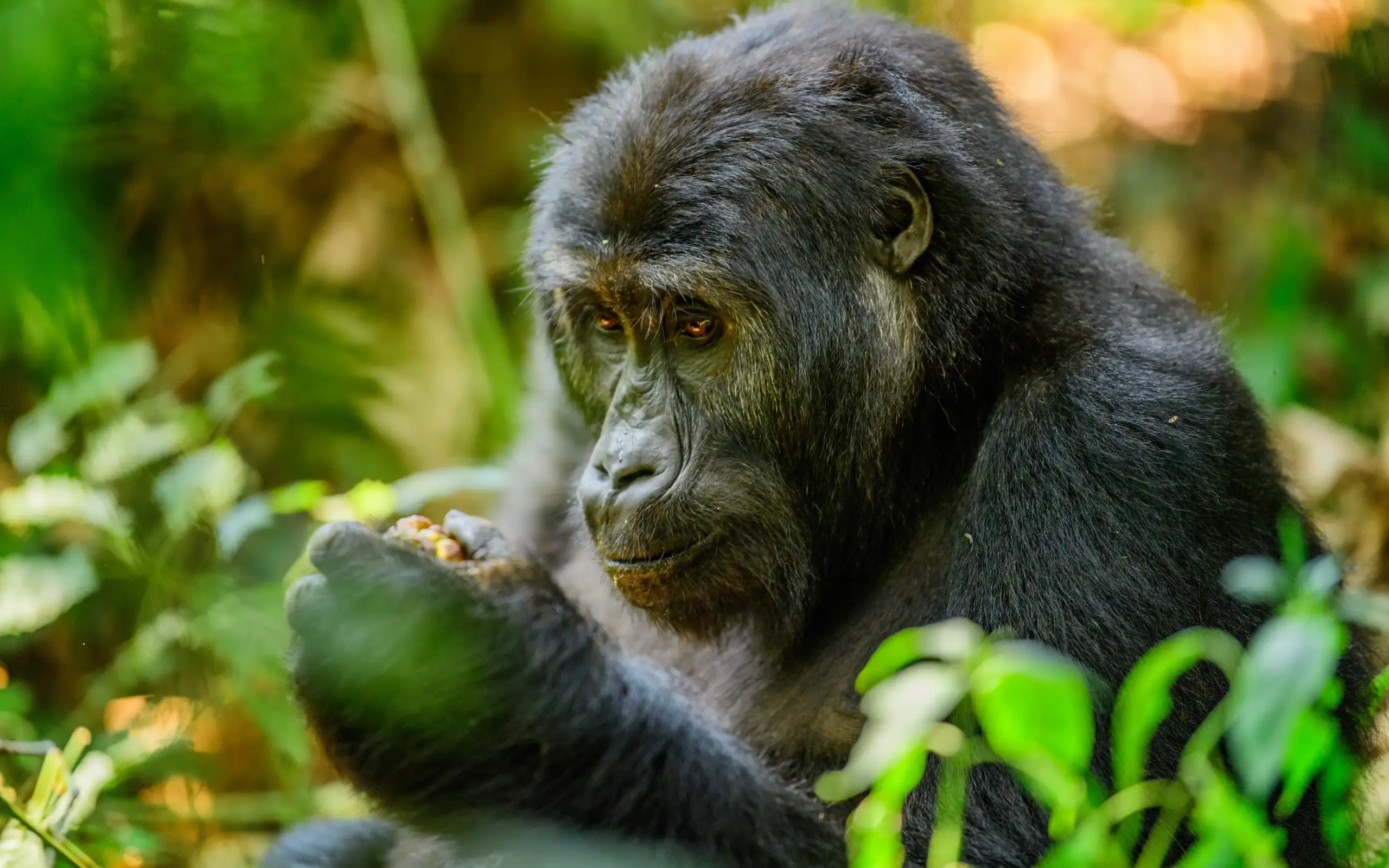
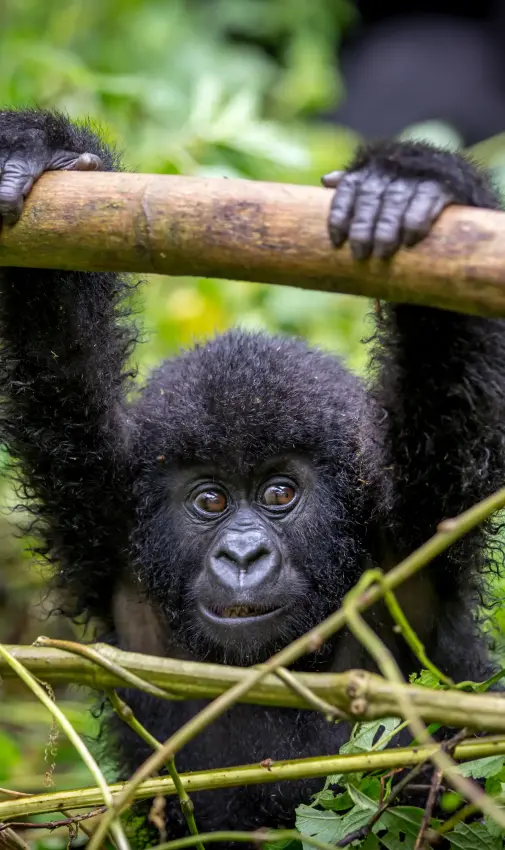
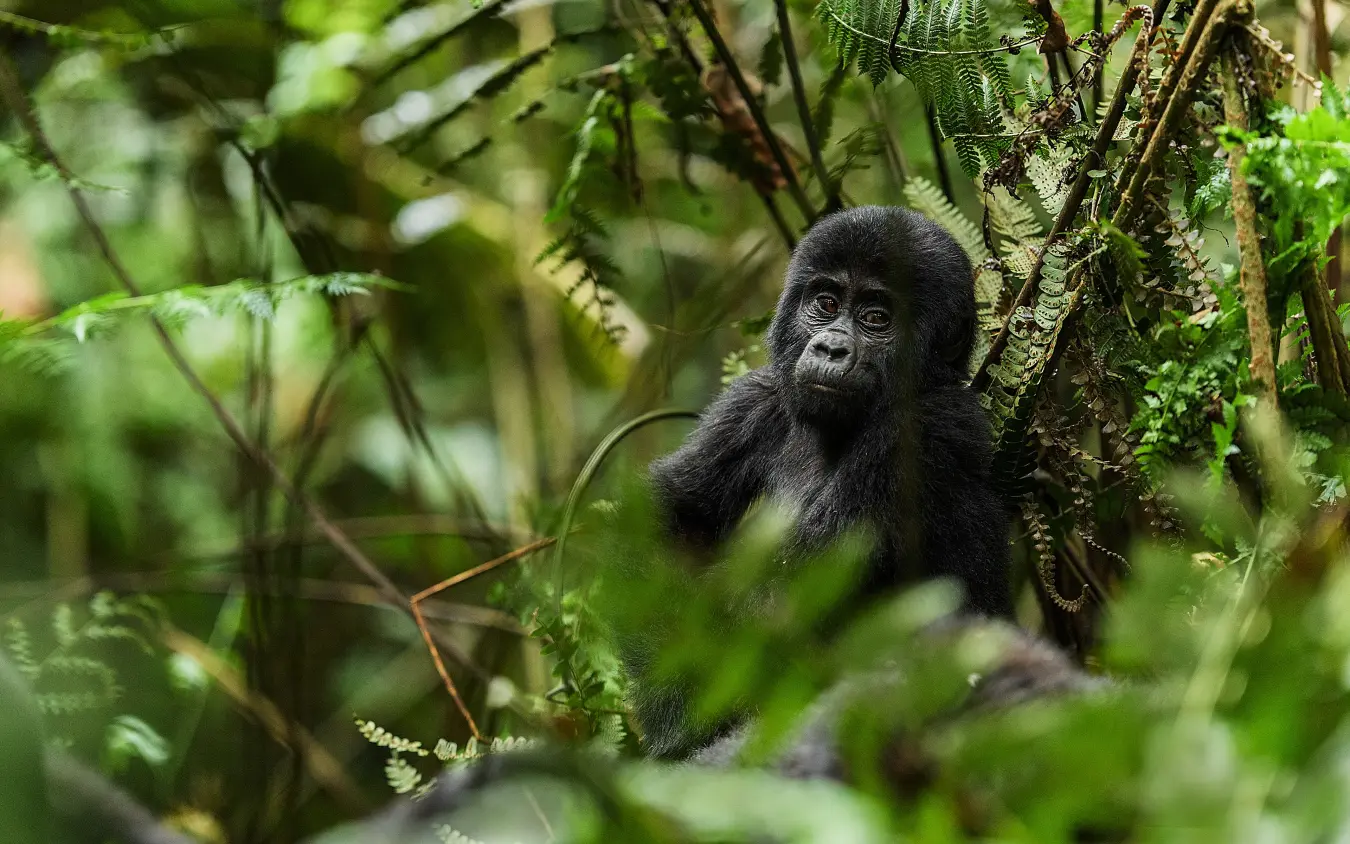
Rwanda holds around a third of the world’s mountain gorillas across the volcanic slopes of Volcanoes National Park, where fewer than 100 daily permits maintain small group sizes on every trek. Most encounters happen within two hours of leaving the trailhead, climbing through bamboo forest that thins as altitude rises above 2,500 metres.
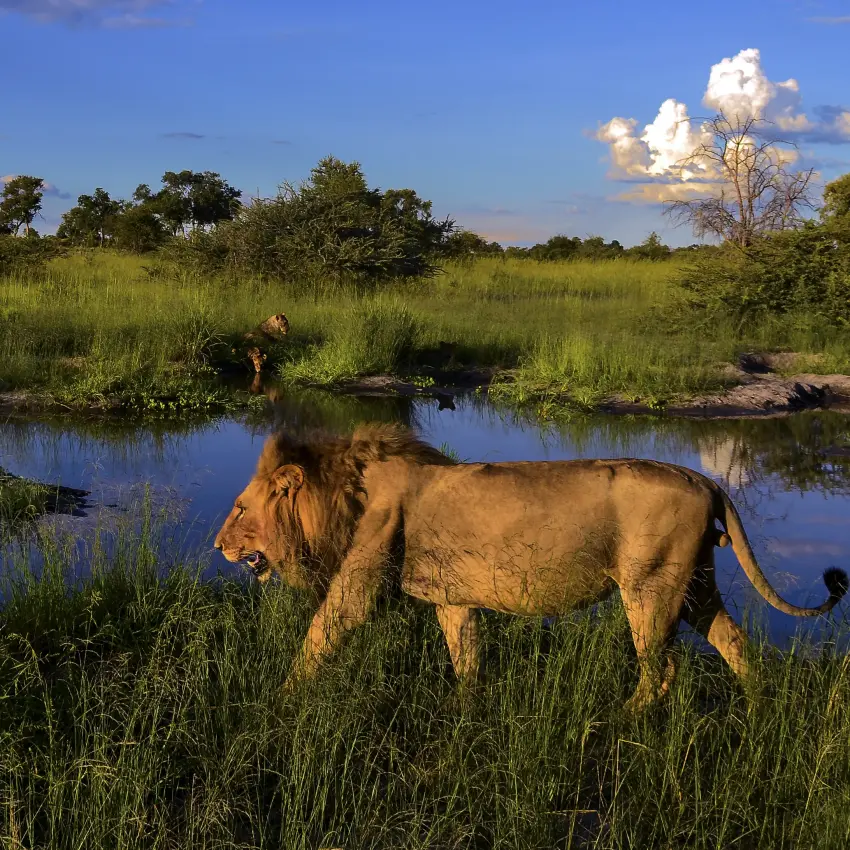
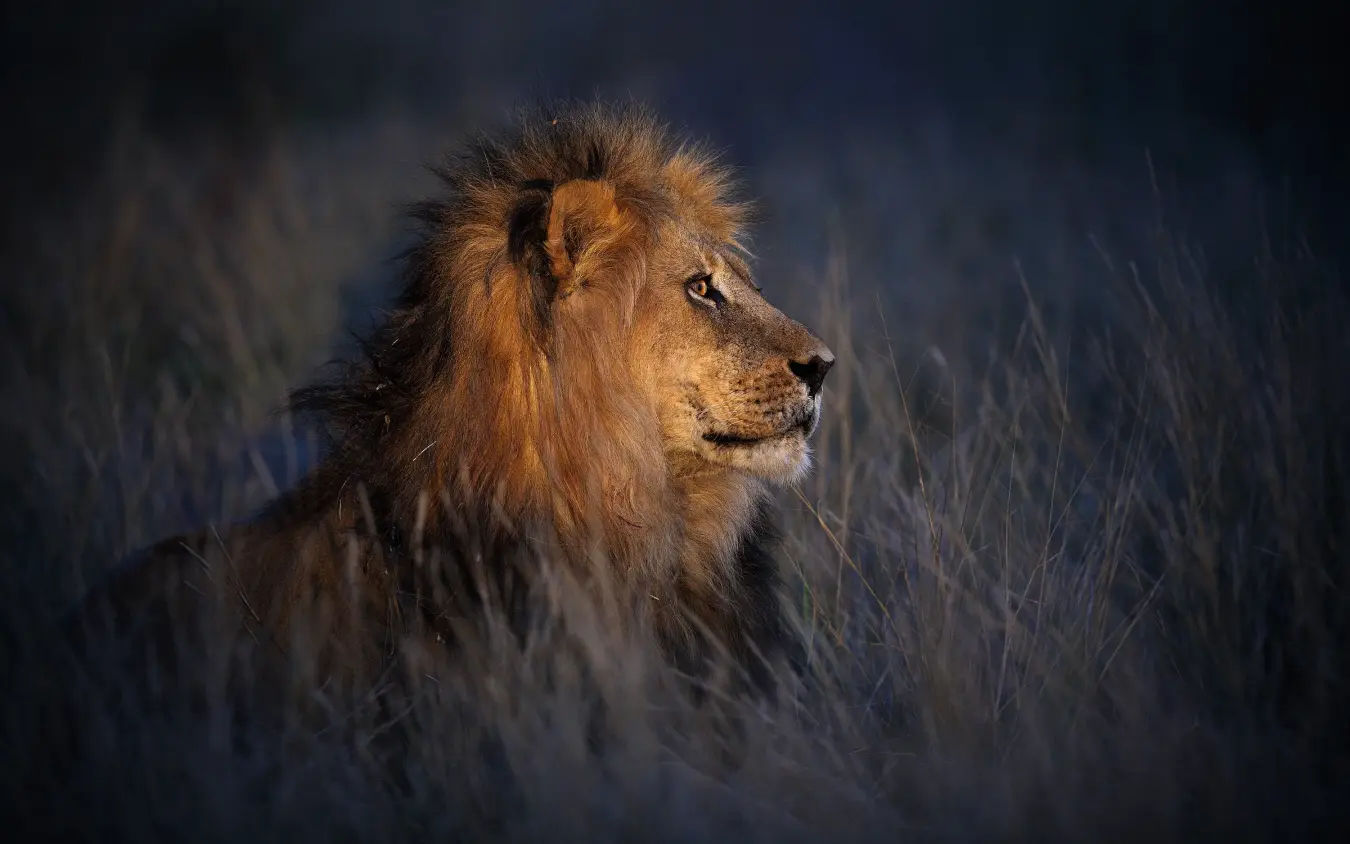
Lions returned in 2015 after a 16-year absence.
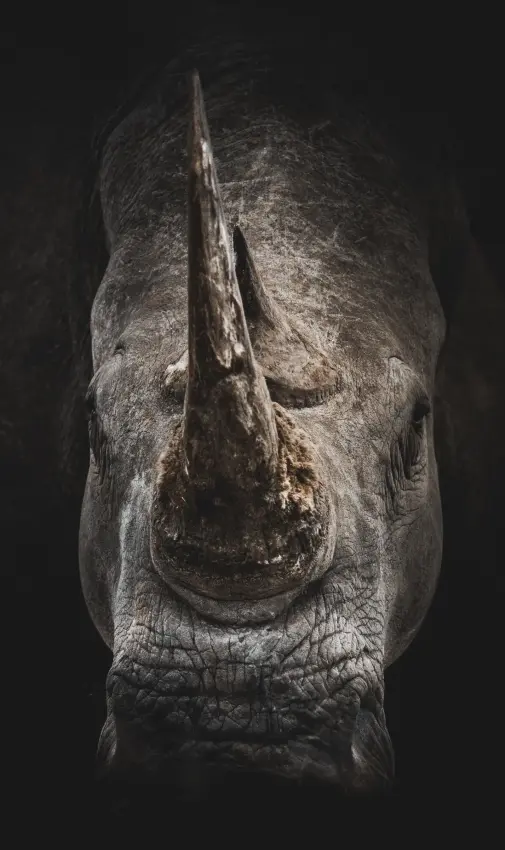
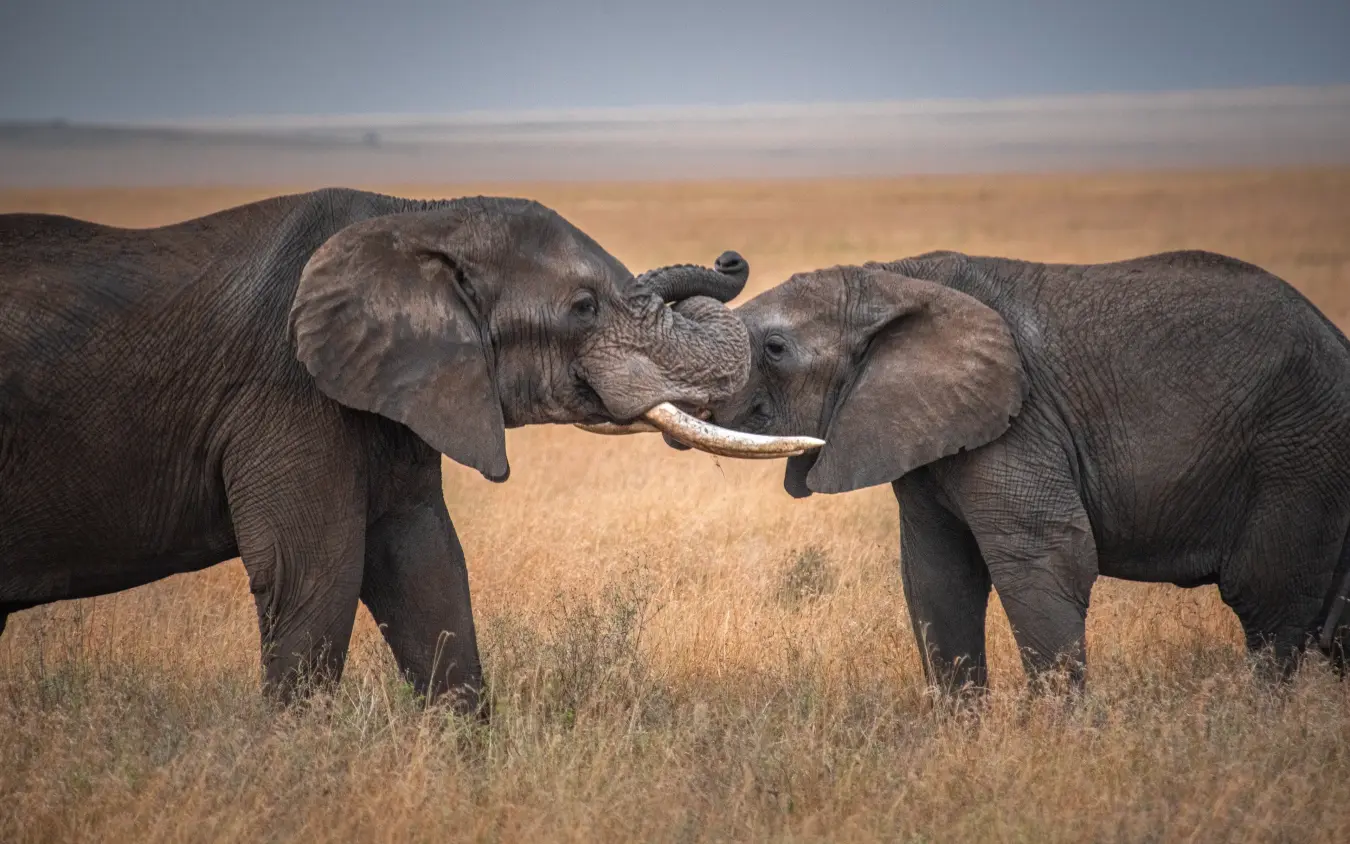
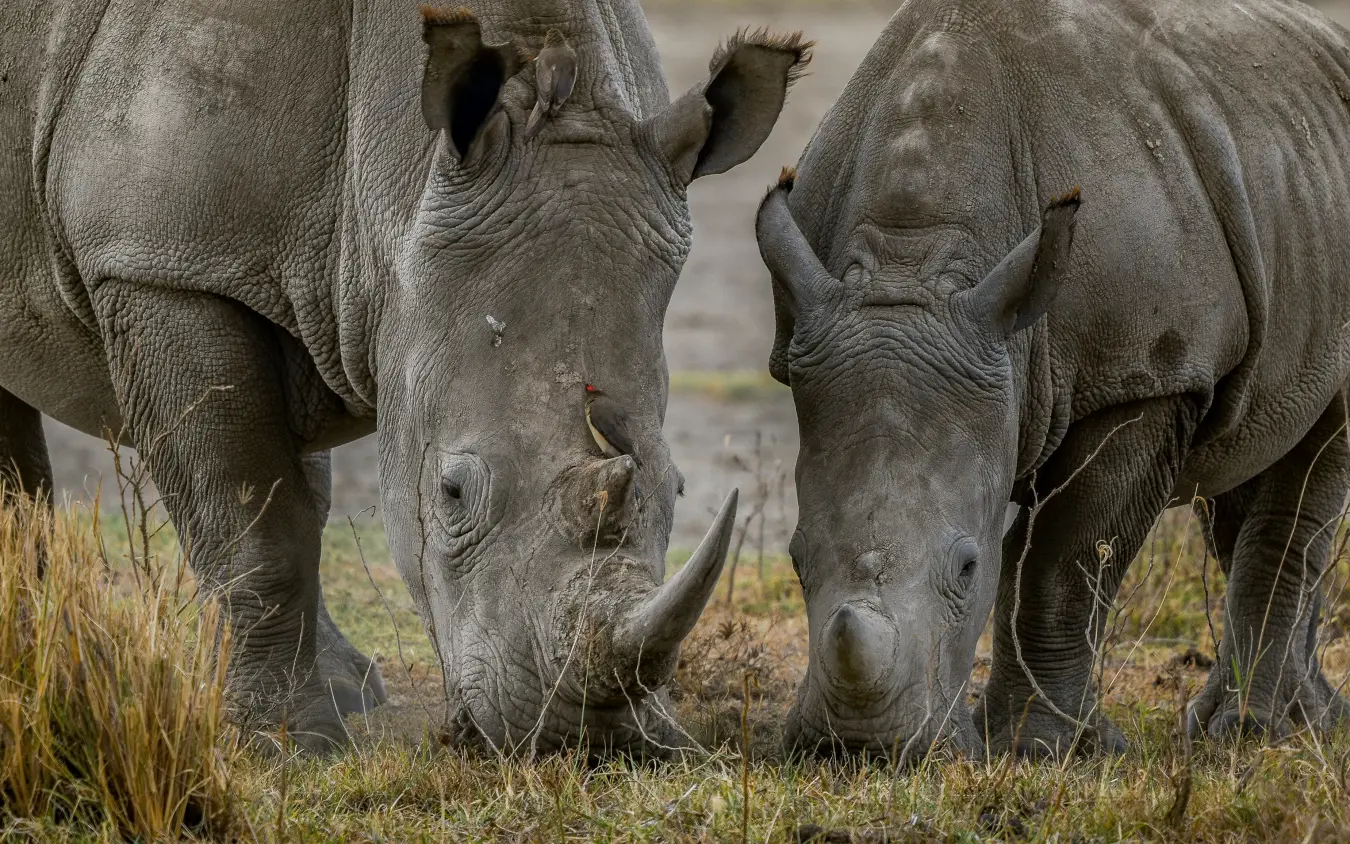
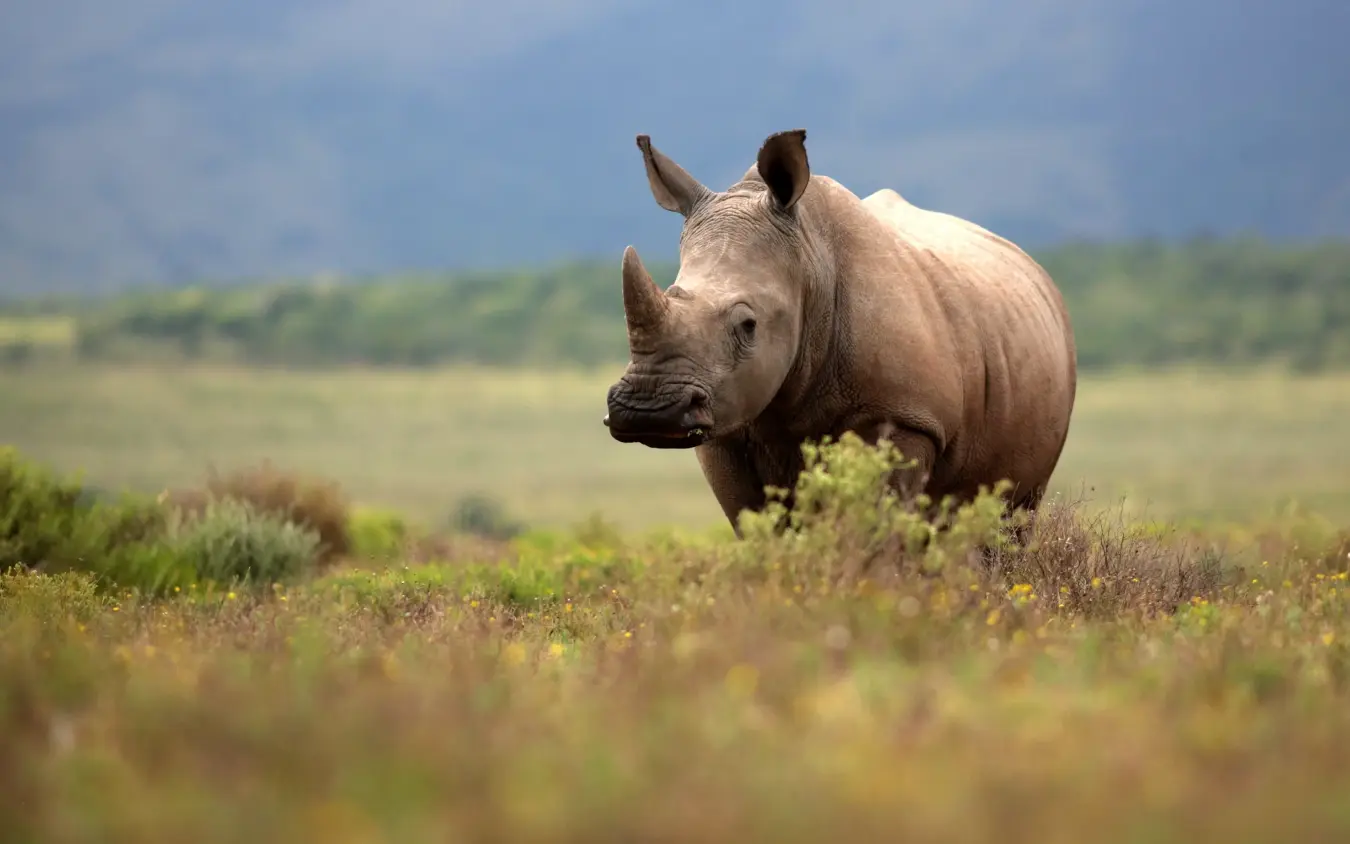
But gorillas represent one chapter of a broader conservation story. Akagera National Park’s wildlife populations grew from under 5,000 to over 13,000 animals since 2009. Lions returned in 2015 after a 16-year absence. Since 2017, over 110 rhinos have arrived through systematic translocations from South Africa, restoring the Big Five to a park that lost them during the upheaval of the 1990s.
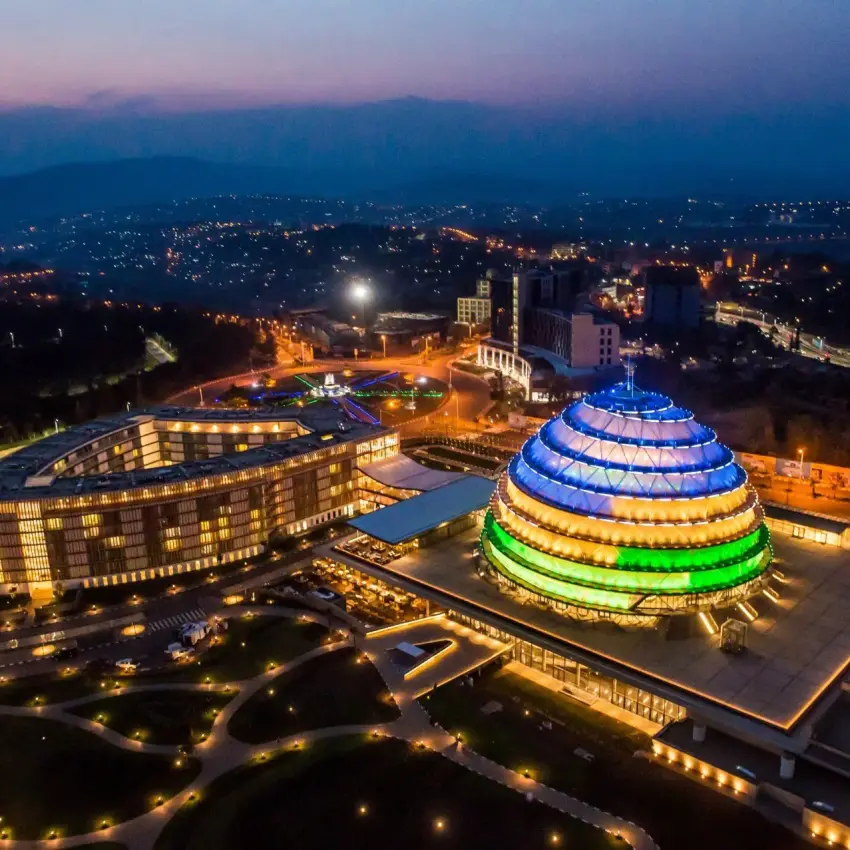
The events of 1994 remain central to understanding modern Rwanda. The genocide memorials in Kigali provide essential and confronting context. What followed has been a deliberate, systematic rebuilding.
Kigali runs with a precision that would make the Swiss feel at home.
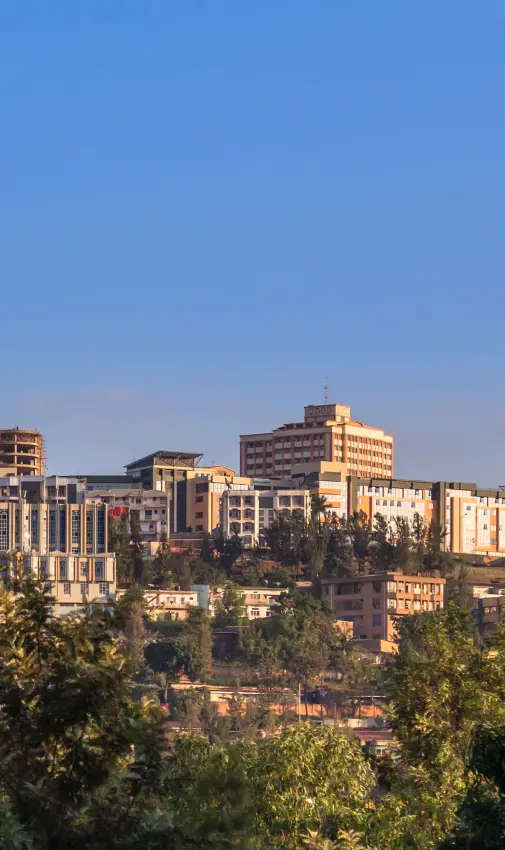
Kigali now ranks consistently as one of Africa’s safest capitals, its streets visibly clean, its infrastructure functioning with a precision that would make the Swiss feel at home. Tourism was identified early as an economic driver, and the results show in training, conservation funding that gorilla permits help sustain, and a national carrier connecting directly to hubs across Africa, Europe and the Middle East. The country operates at a level that surprises visitors expecting fragility.
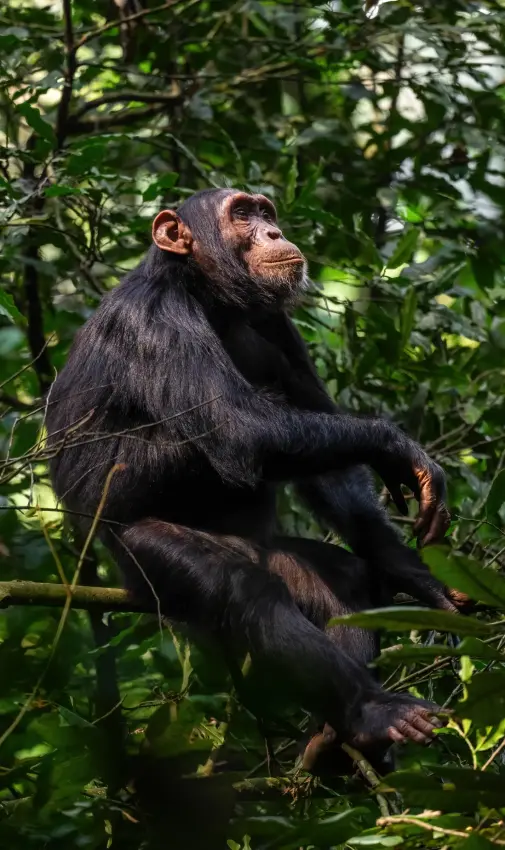
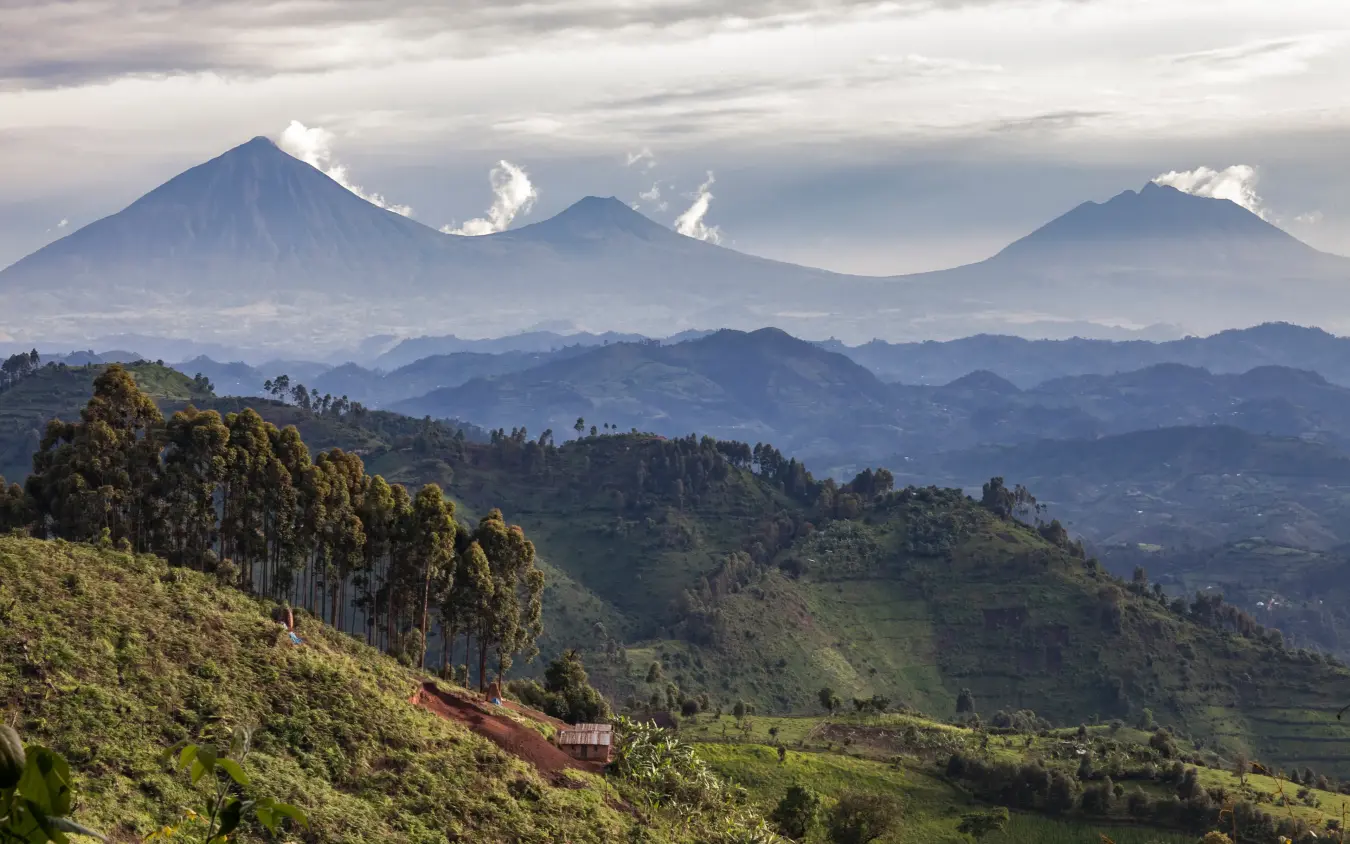
Nyungwe Forest in the southwest preserves over 1,000 square kilometres of montane rainforest harbouring 13 primate species including semi-habituated chimpanzees, alongside 300 bird species with 30 Albertine Rift endemics. Canopy walks suspended above the forest floor offer a different perspective on the closed-canopy ecosystem. The challenge with Nyungwe is access, five to six hours by road from Kigali through Rwanda’s thousand hills, or a helicopter charter that compresses the journey into forty minutes.
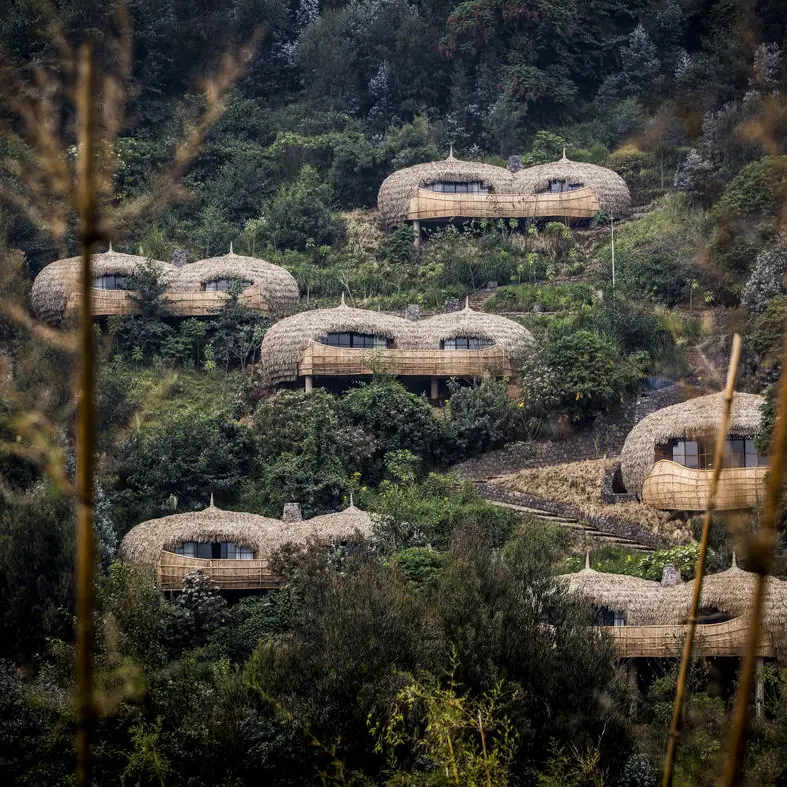
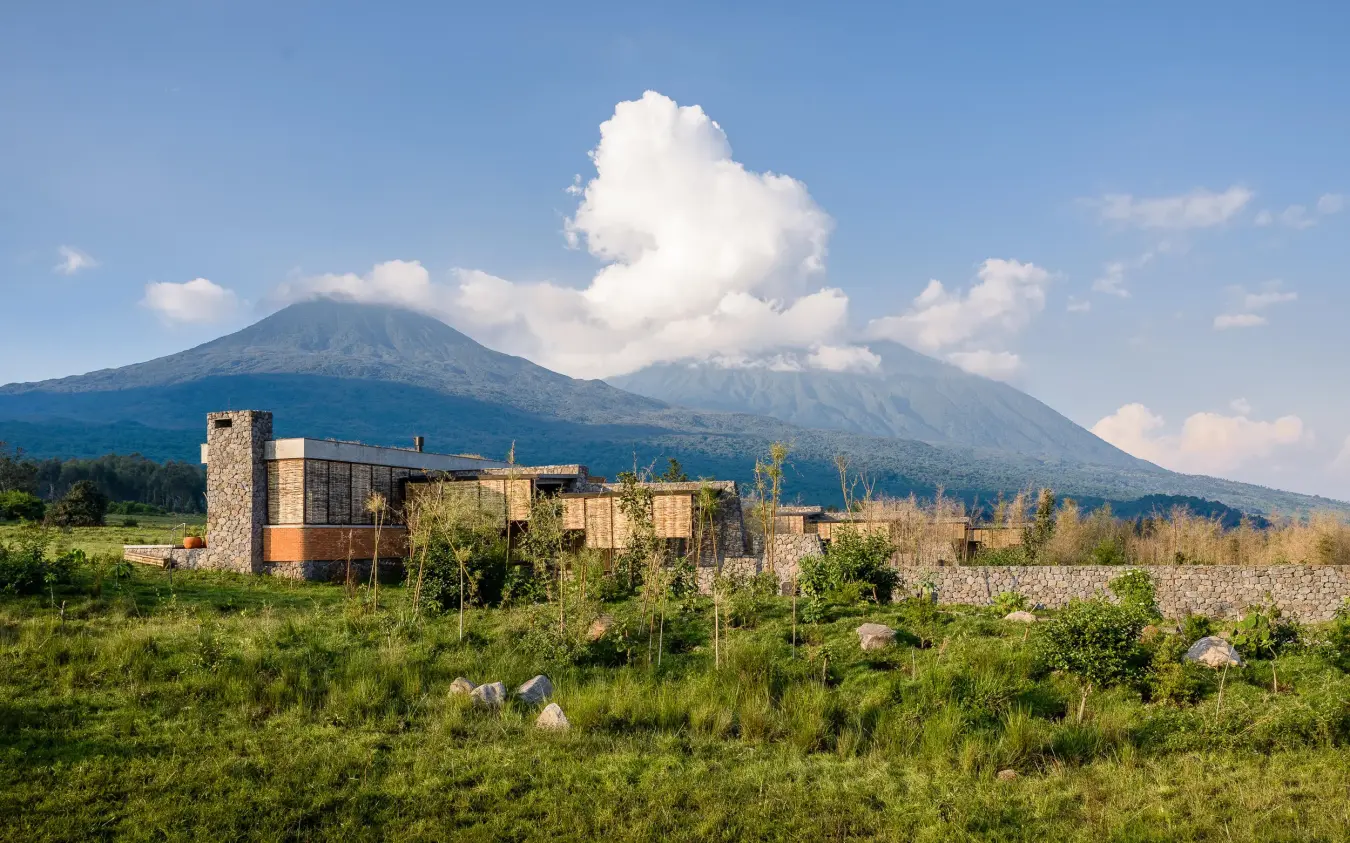
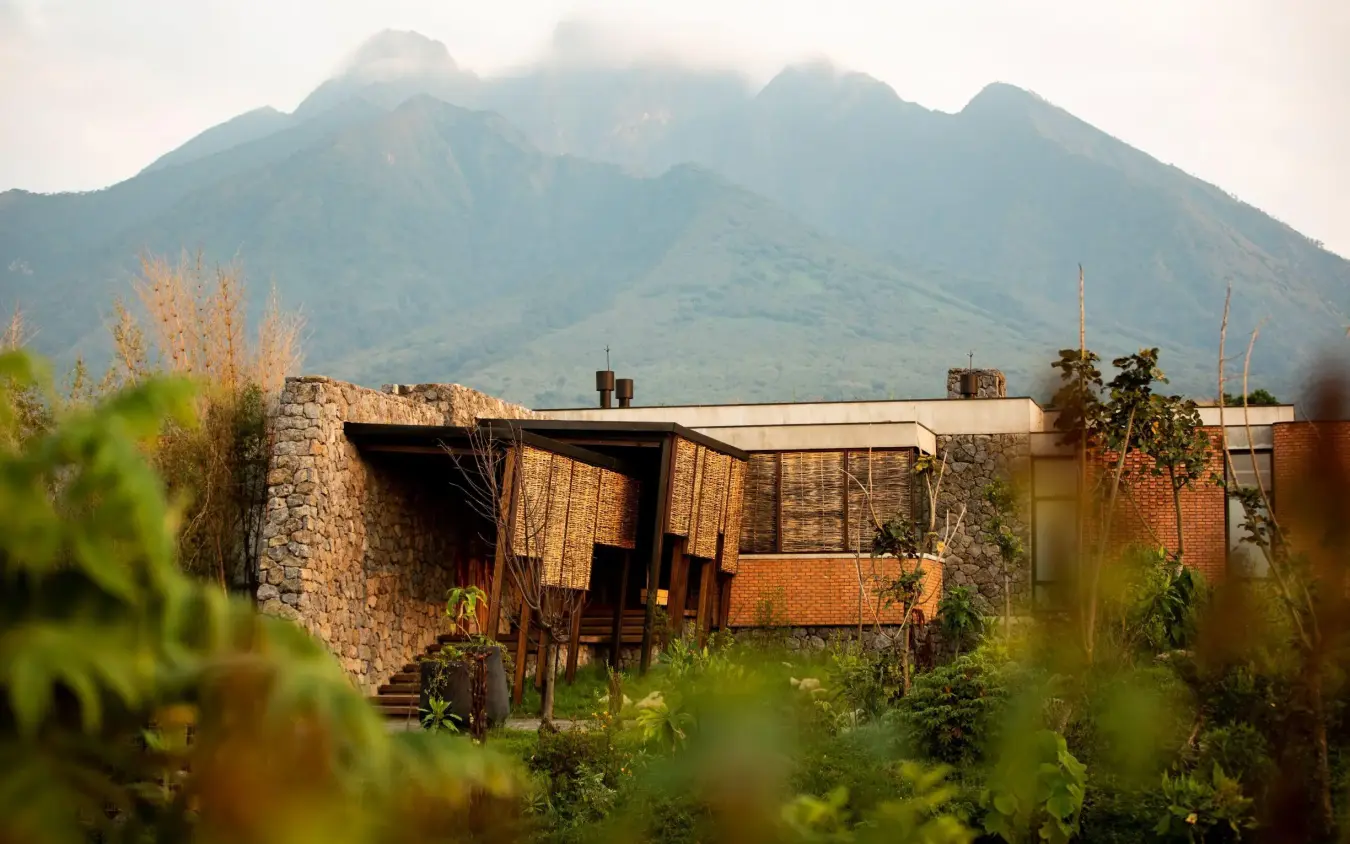
Properties across all three national parks now deliver experiences that justify the permit prices and travel logistics. The trade-off is that locally owned and managed operations require more effort to find, though they exist and reward the search. Along Lake Kivu, community-run guesthouses offer a different Rwanda entirely: slower, locally managed, with the kind of engagement that larger operations cannot replicate. The SACOLA community trust near Volcanoes National Park demonstrates an ownership model where tourism revenue funds local schools, healthcare, and infrastructure directly.
Along Lake Kivu, community-run guesthouses offer a different Rwanda entirely: slower, local, and off the luxury circuit.
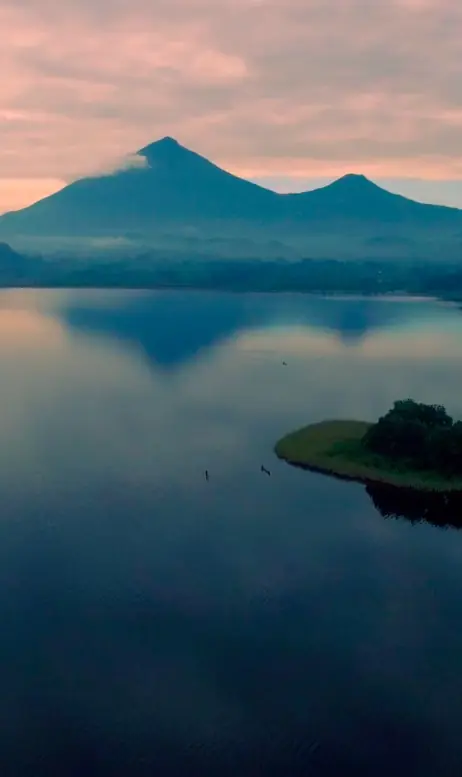
The Congo Nile Trail extends 227 kilometres along Lake Kivu through terraced hillsides and fishing communities, connecting villages where visitors remain genuinely rare. E-bikes make the gradients manageable while locally managed guesthouses provide overnight stops. For hikers and cyclists, this may be the most rewarding side of Rwanda, remote, welcoming, and entirely detached from the luxury circuit.
Akagera’s 1,122 square kilometres in the east protect a different landscape altogether, with savannah and wetland ecosystems supporting the reintroduced Big Five. The contrast between volcanic forest, ancient rainforest, open savannah, and lakeside trails gives Rwanda a geographic range that belies its compact size. Within the country, private vehicles with driver-guides handle most transfers given the limited domestic flight network, though the roads themselves are well maintained and the landscapes between destinations are part of the experience.

The best time to visit rwanda
Jan
Feb
Mar
Apr
May
Jun
Jul
Aug
Sep
Oct
Nov
Dec
Recommended
Transitional
Challenging conditions
June to September is the primary dry season and the best time for most visits. December to February offers a second dry window. Volcanoes National Park receives rain year-round, so waterproofs remain essential for gorilla tracking regardless of timing.
March to May brings heavy persistent rain that slows road travel and makes chimpanzees harder to find in Nyungwe. Gorilla tracking operates throughout the year. Akagera's wildlife concentrates around water during dry months.
Areas to visit
Volcanoes National Park holds the gorilla experiences in the northwest. Nyungwe Forest preserves montane rainforest in the southwest with chimpanzee tracking and canopy walks. Akagera National Park protects savannah and wetland ecosystems supporting all Big Five in the east. Lake Kivu provides the Congo Nile Trail connecting fishing communities along the western border. Kigali serves as both gateway and destination, with genocide memorials providing essential context.

RECOMMENDED ACCOMMODATION
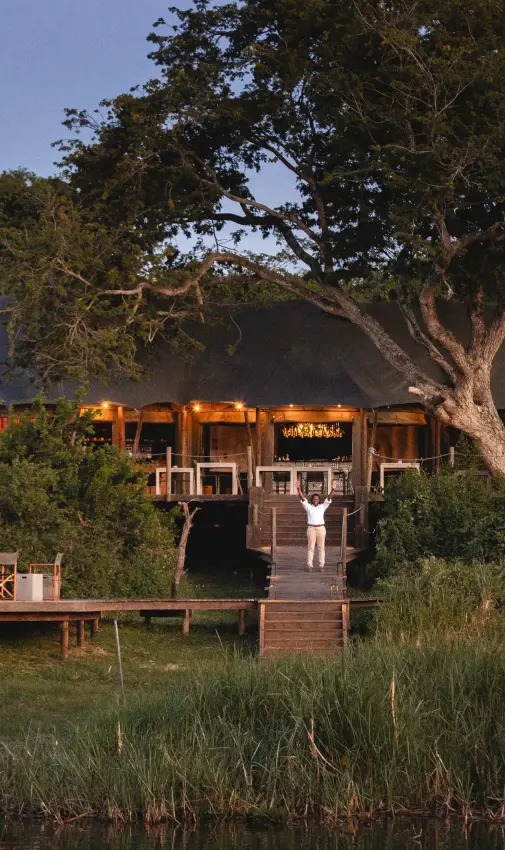
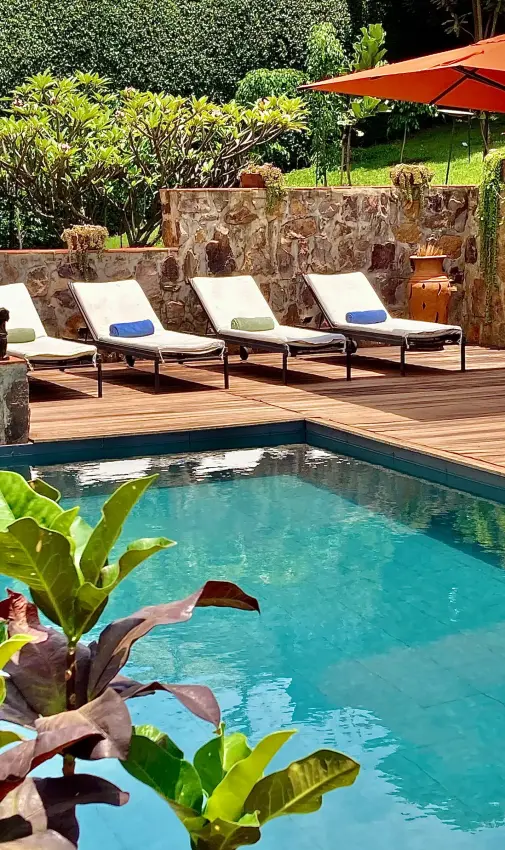
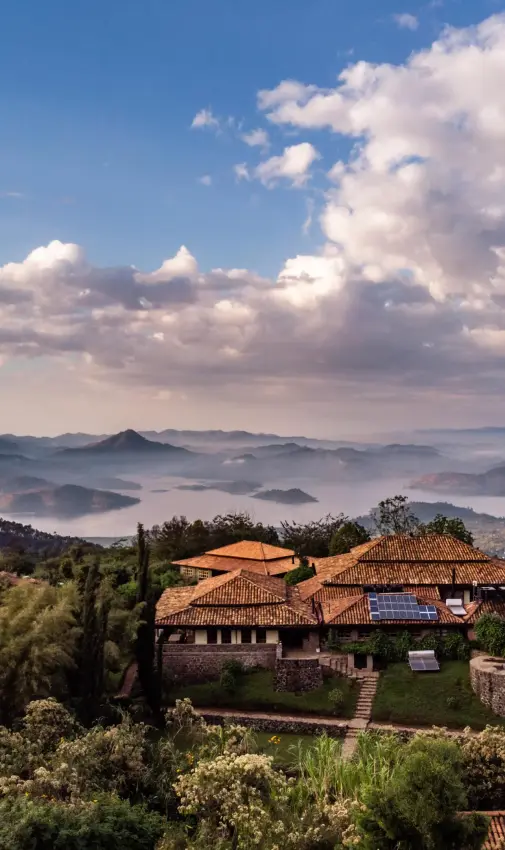
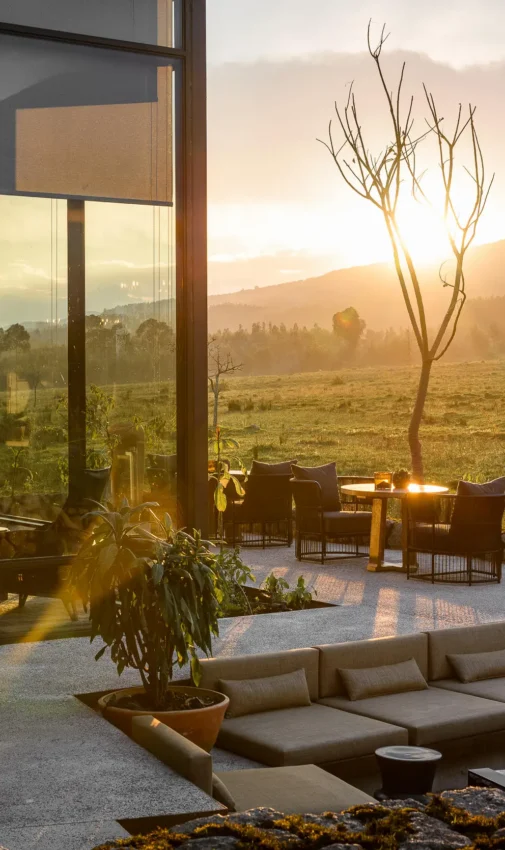
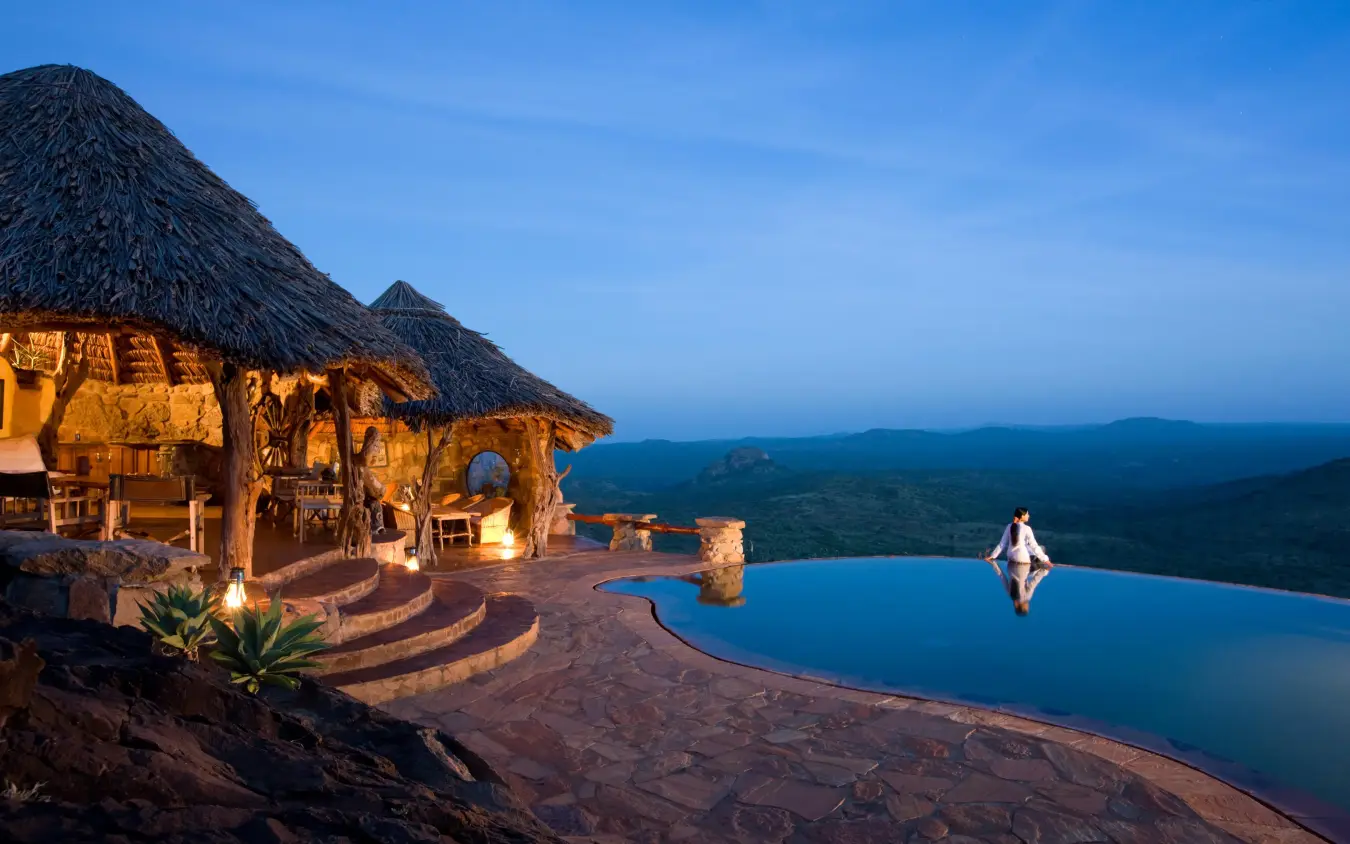
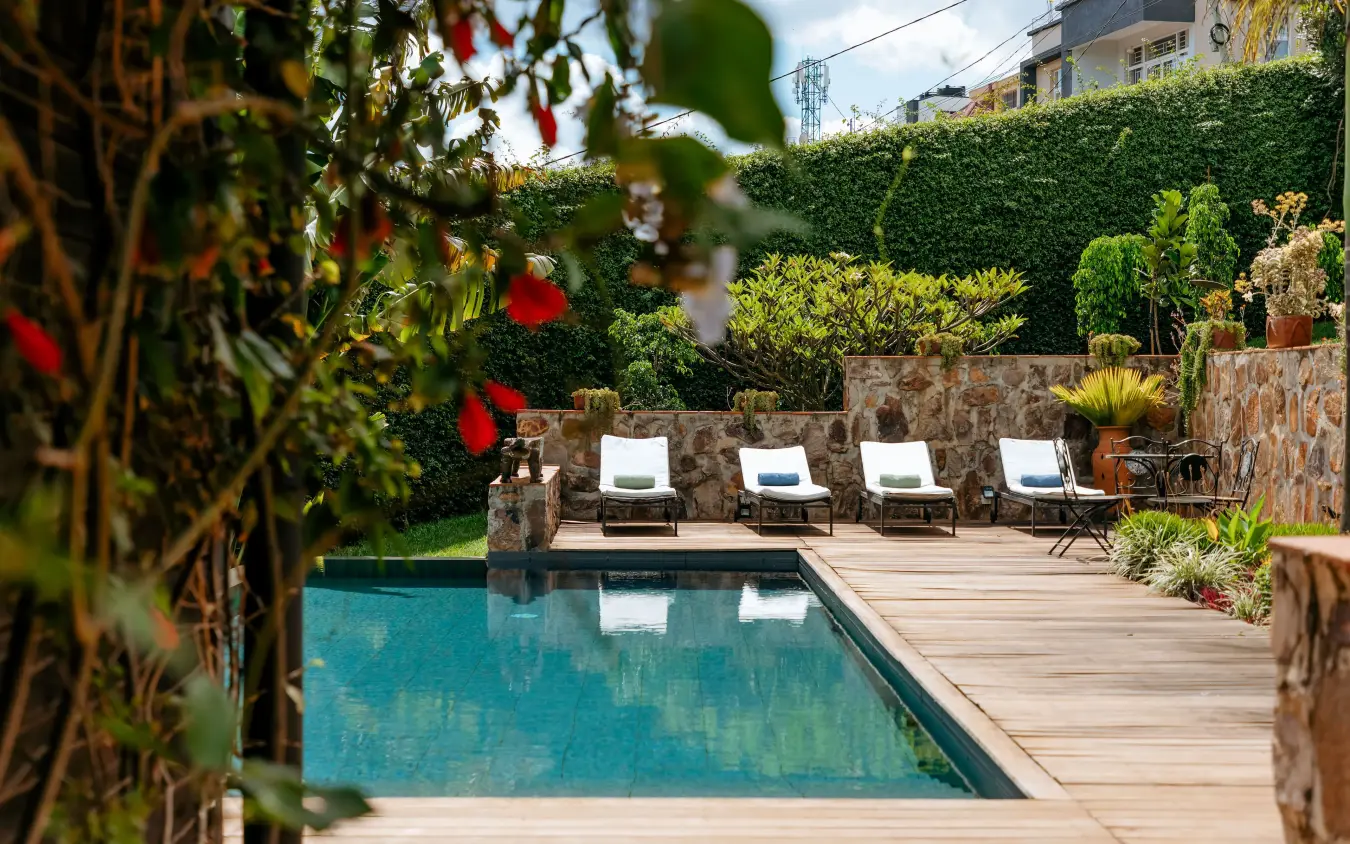
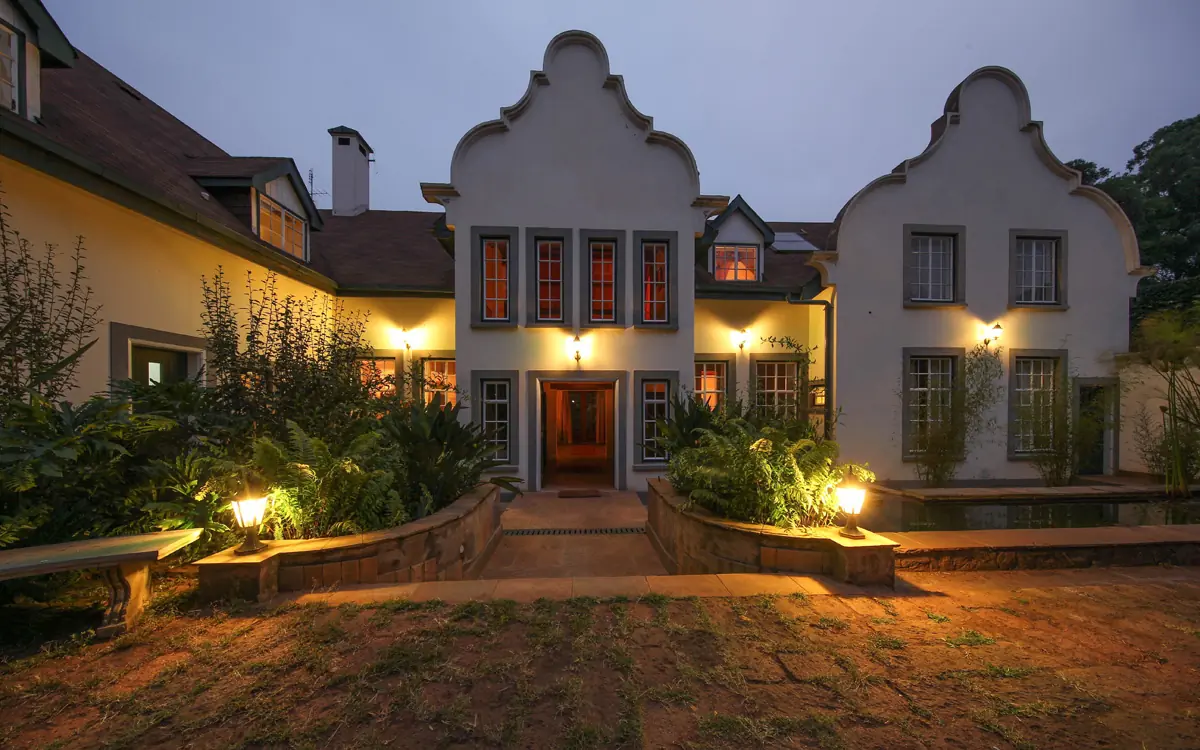
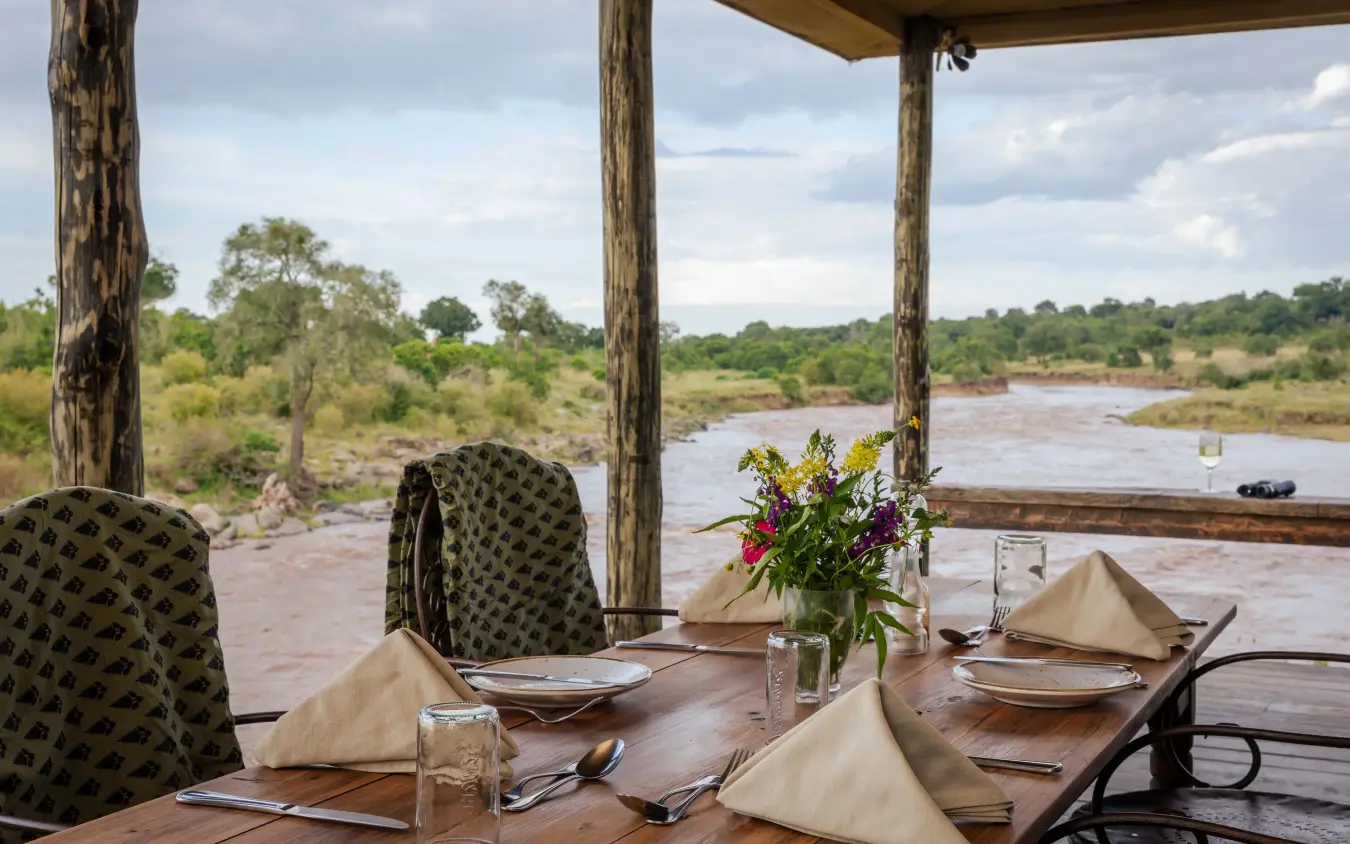
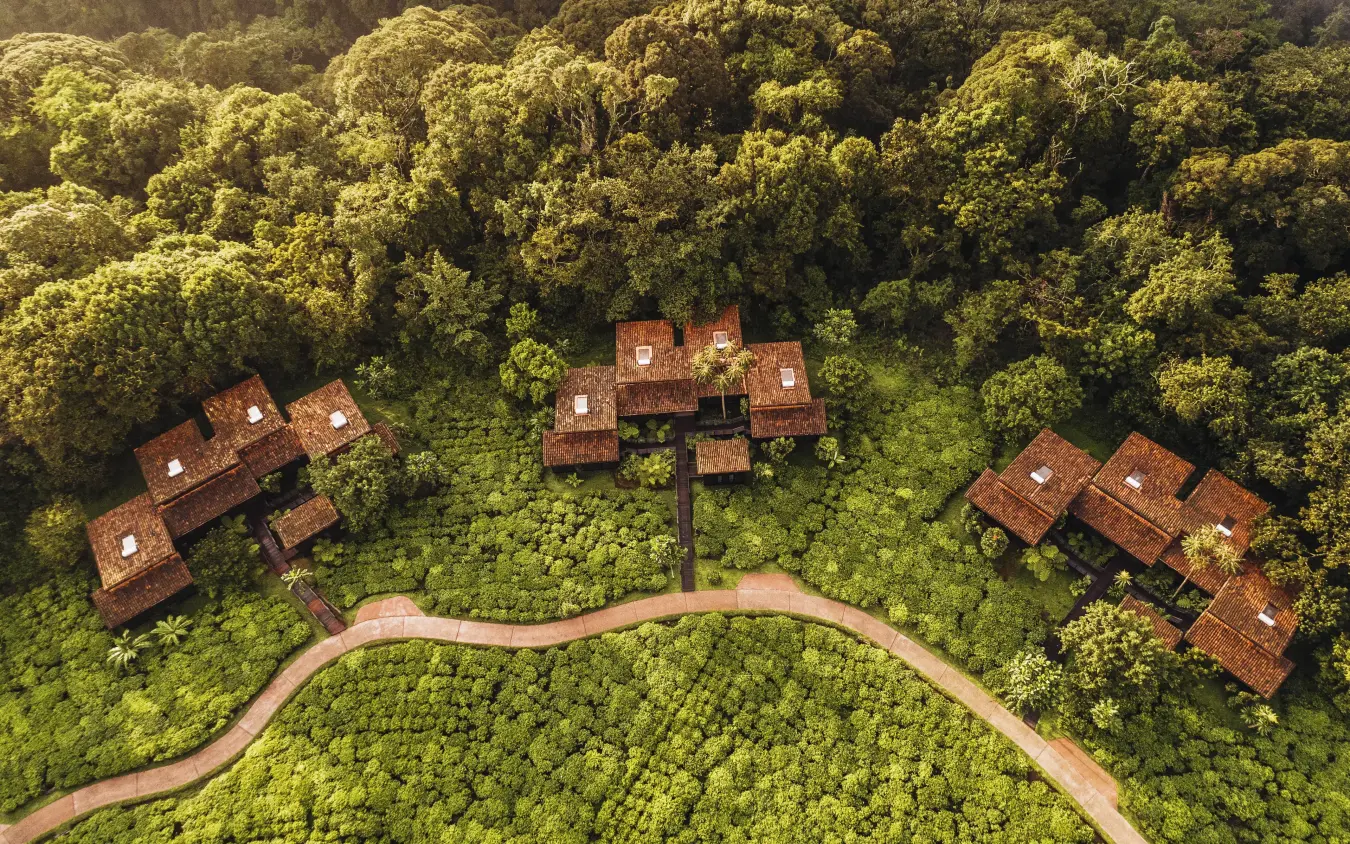
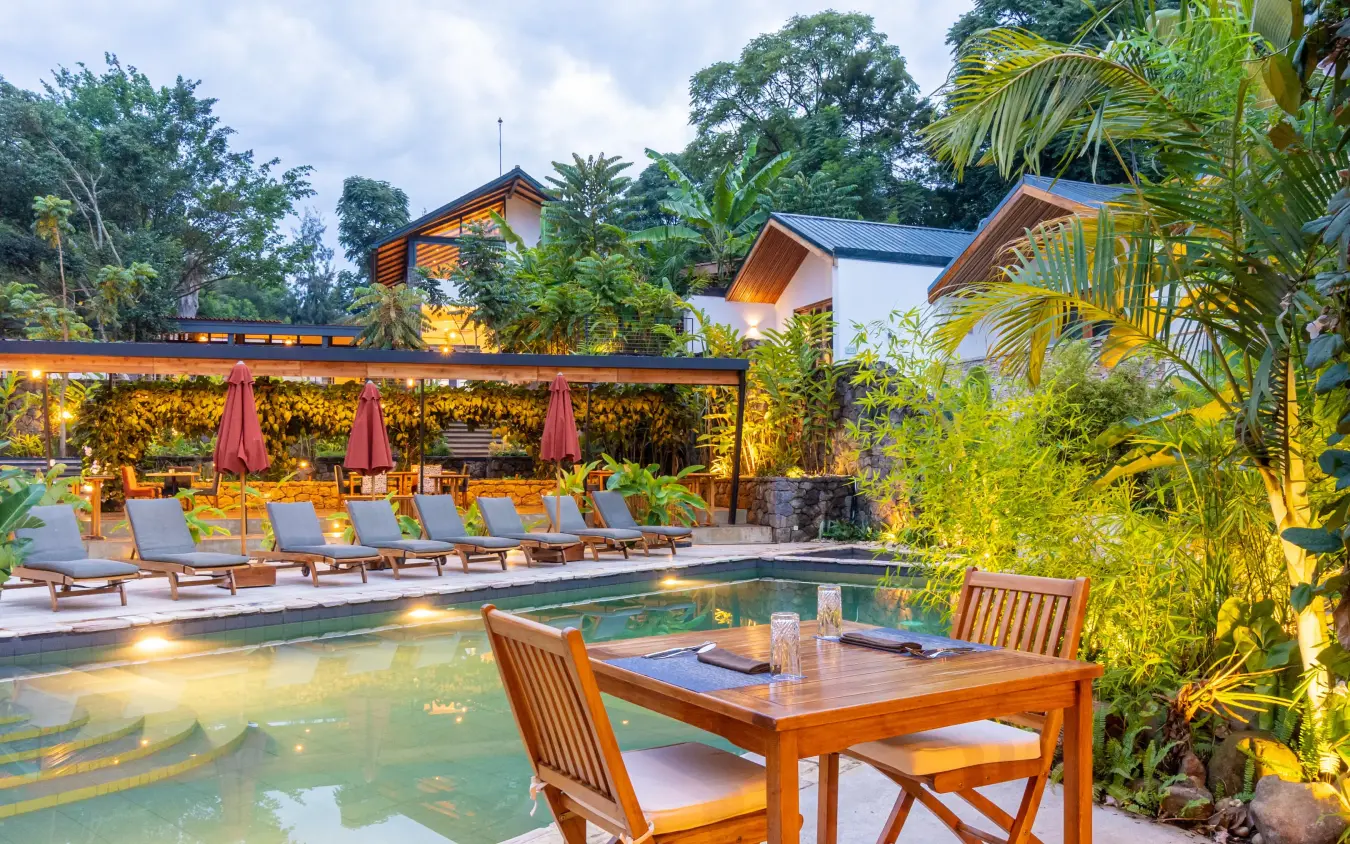
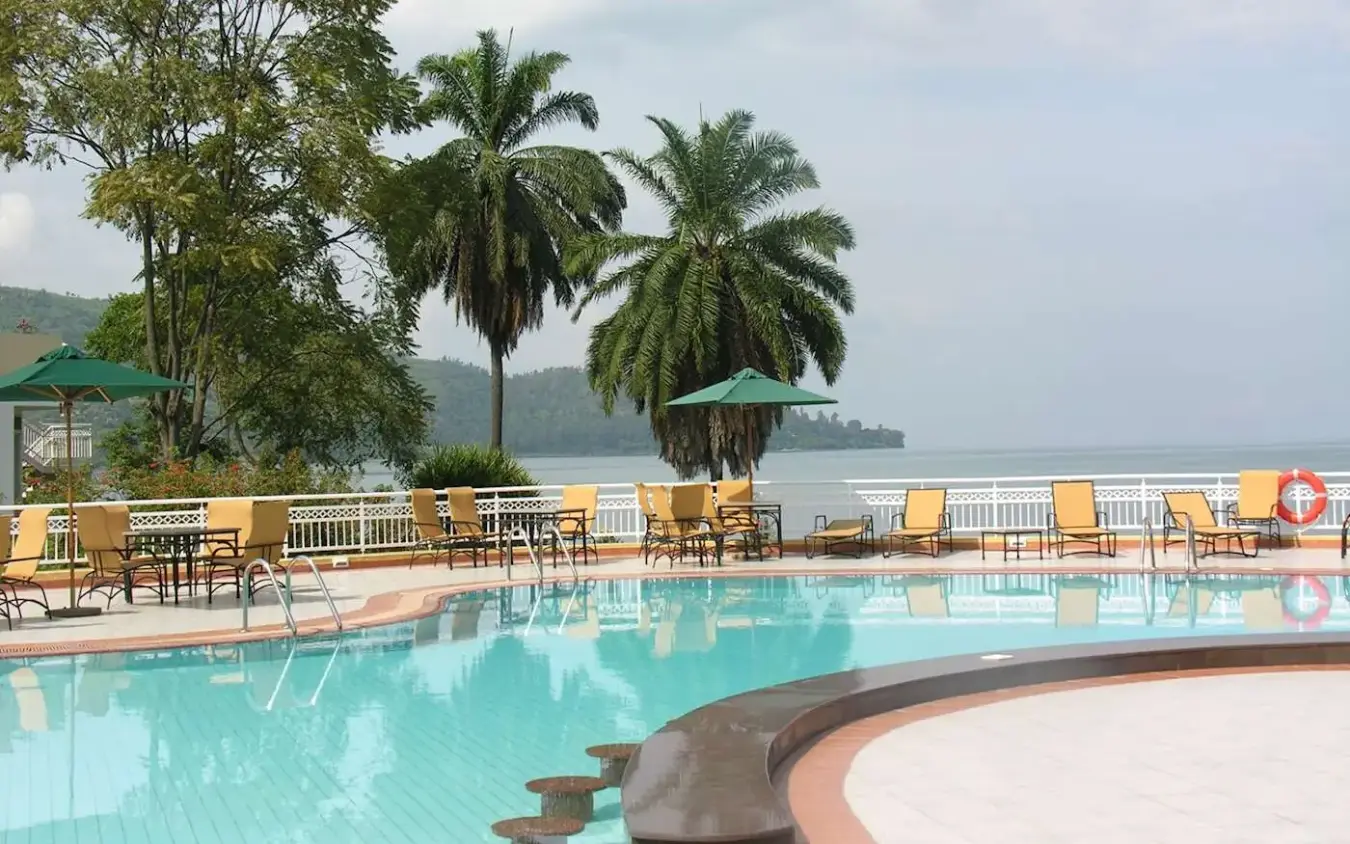
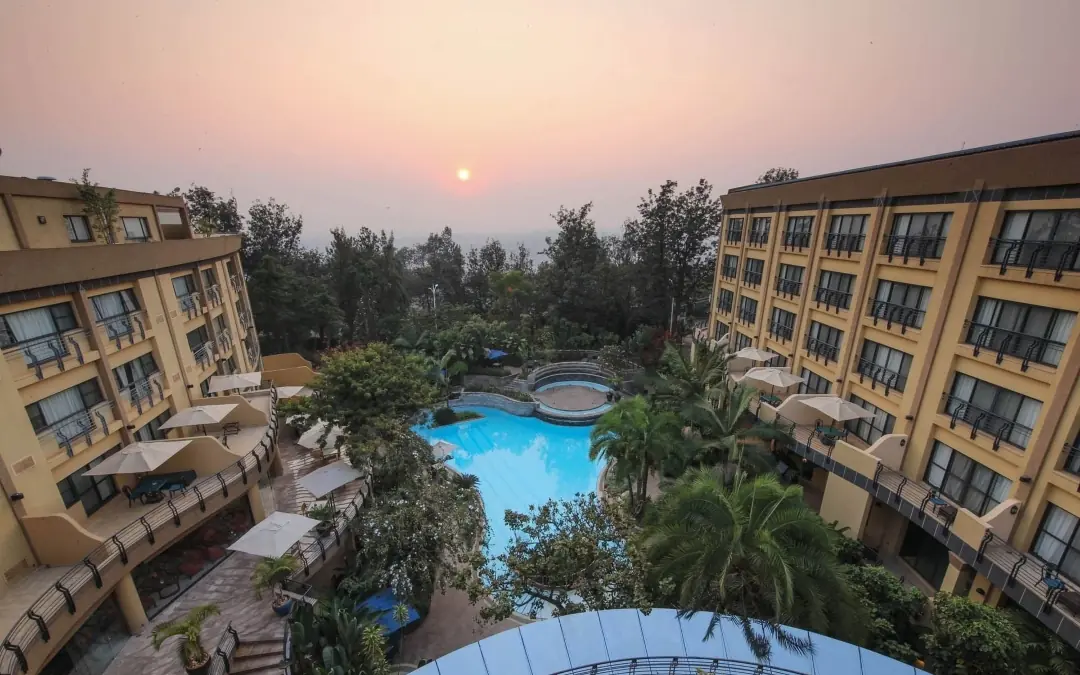
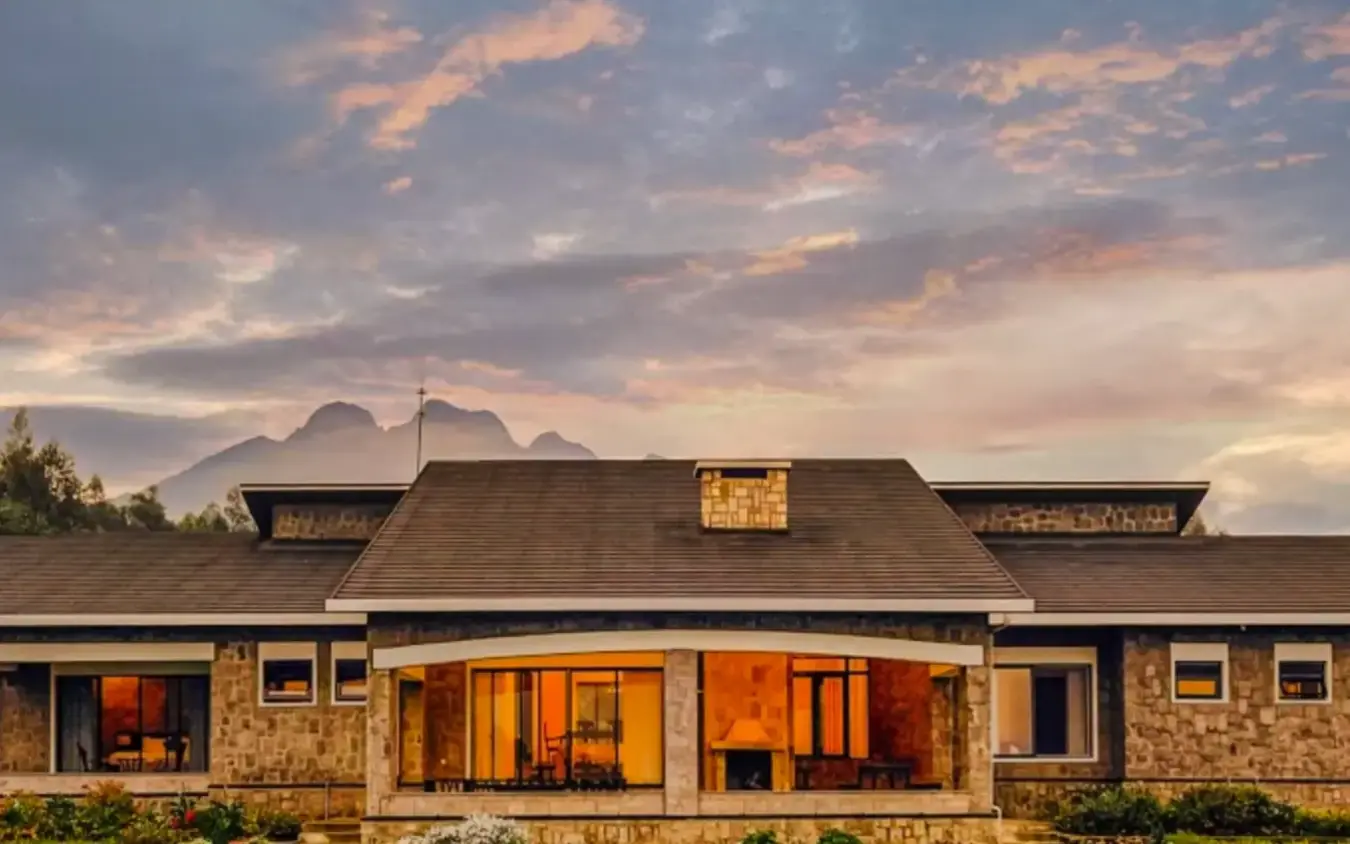
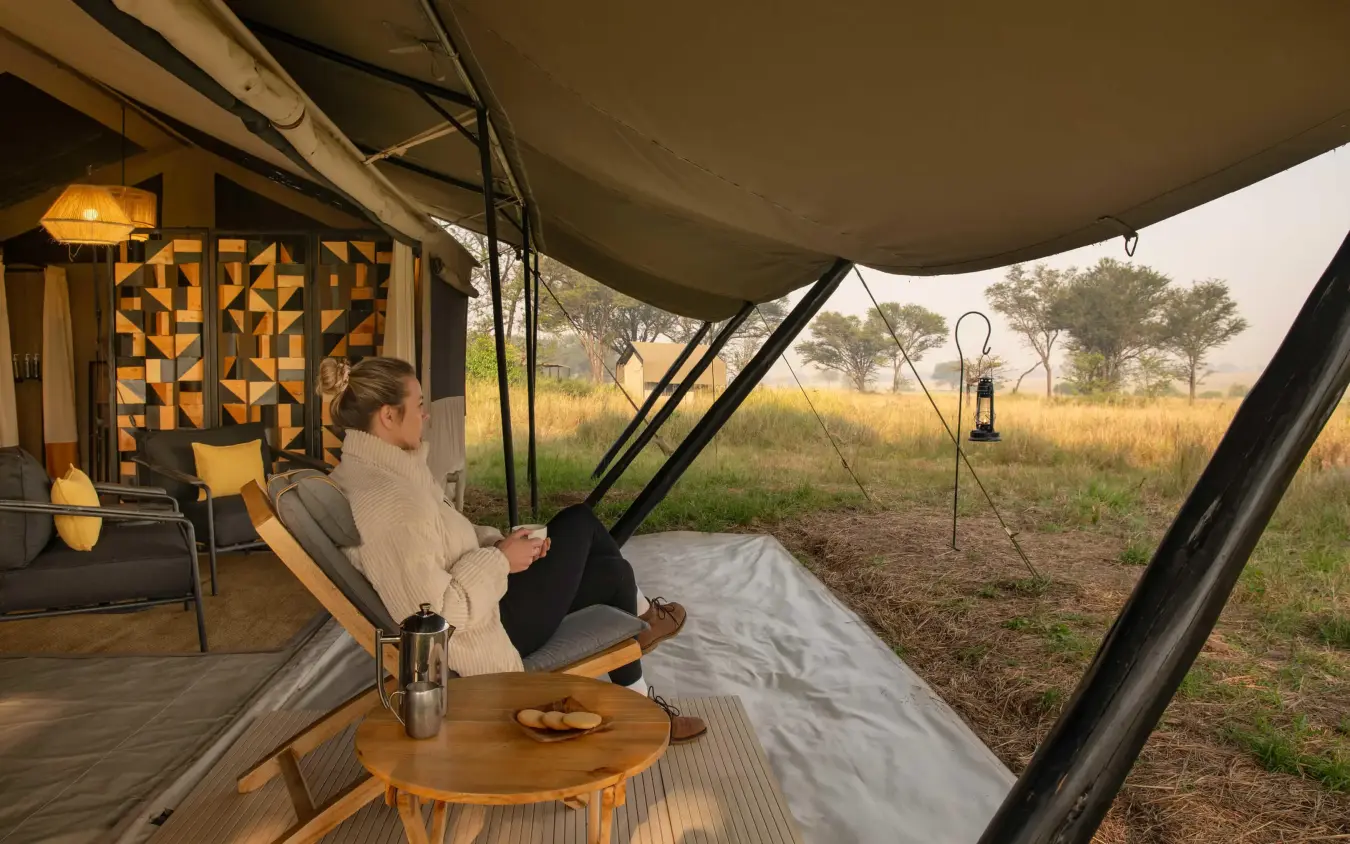
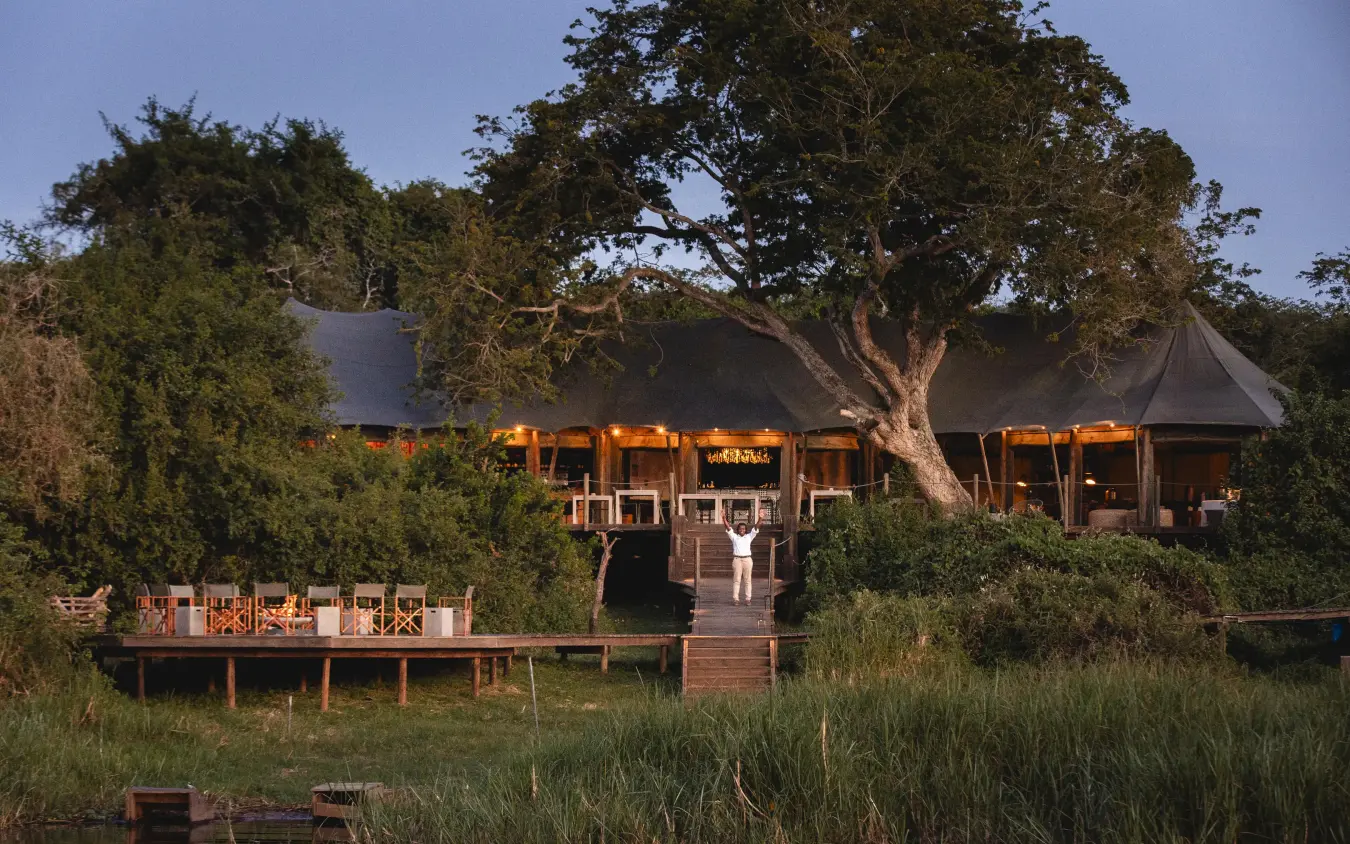
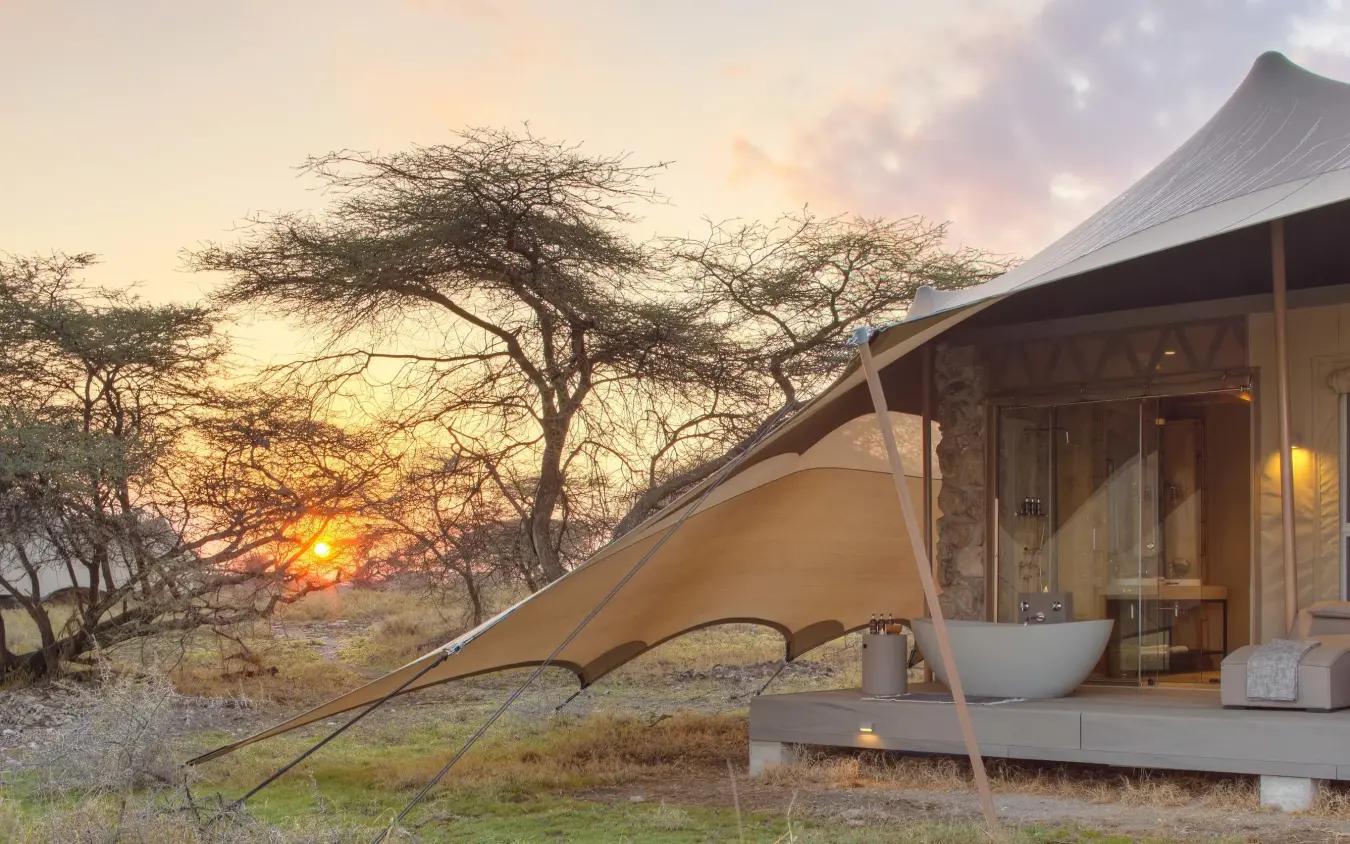
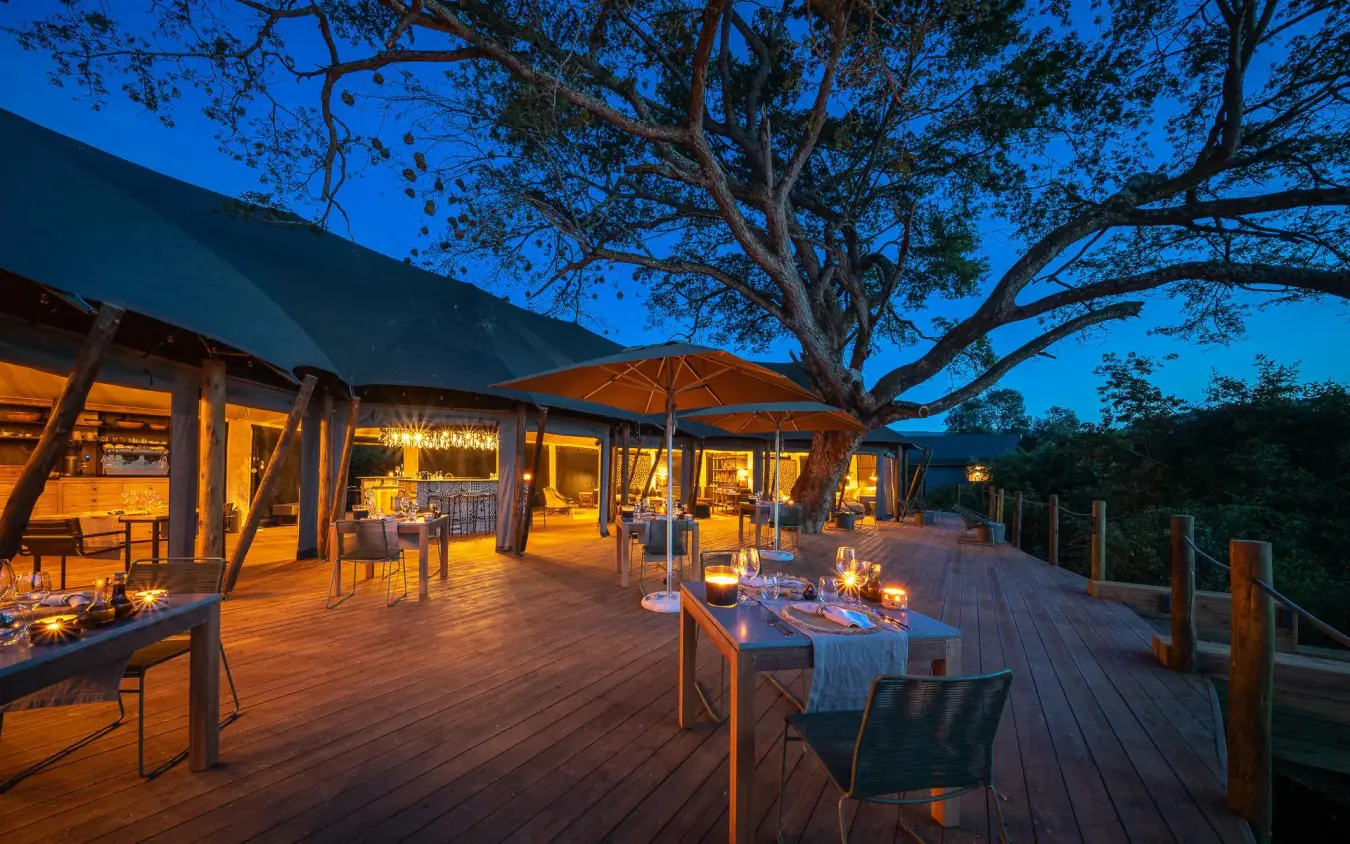
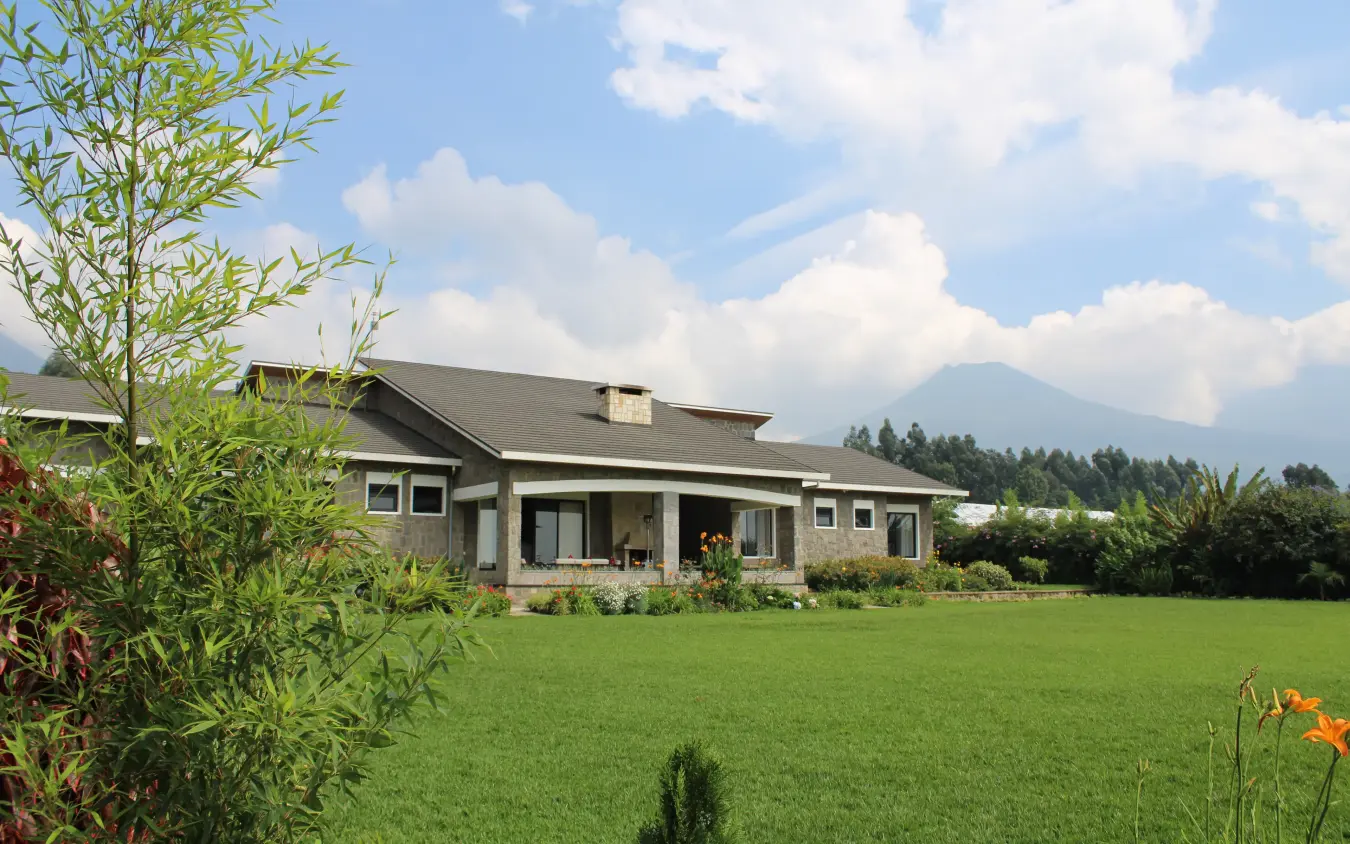
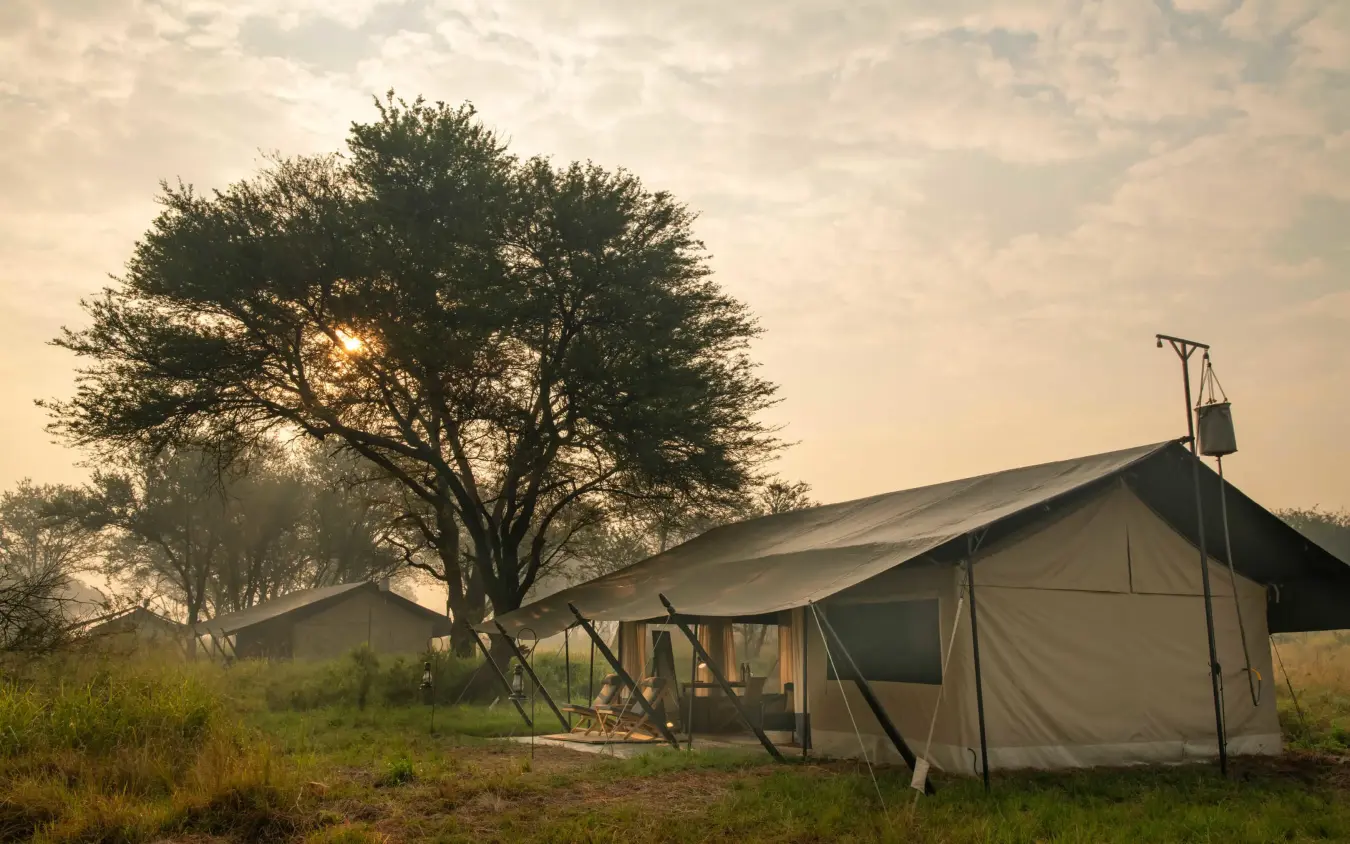
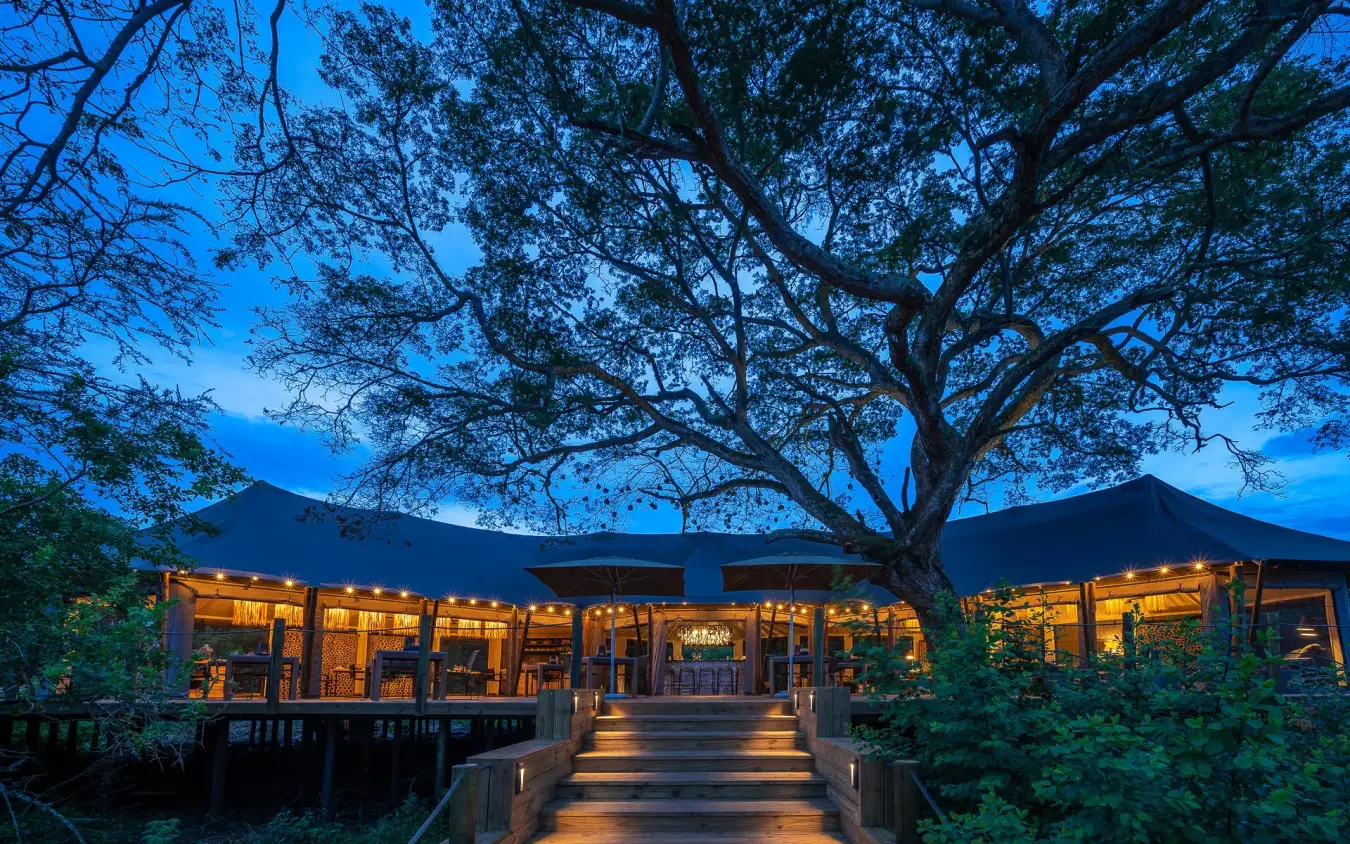
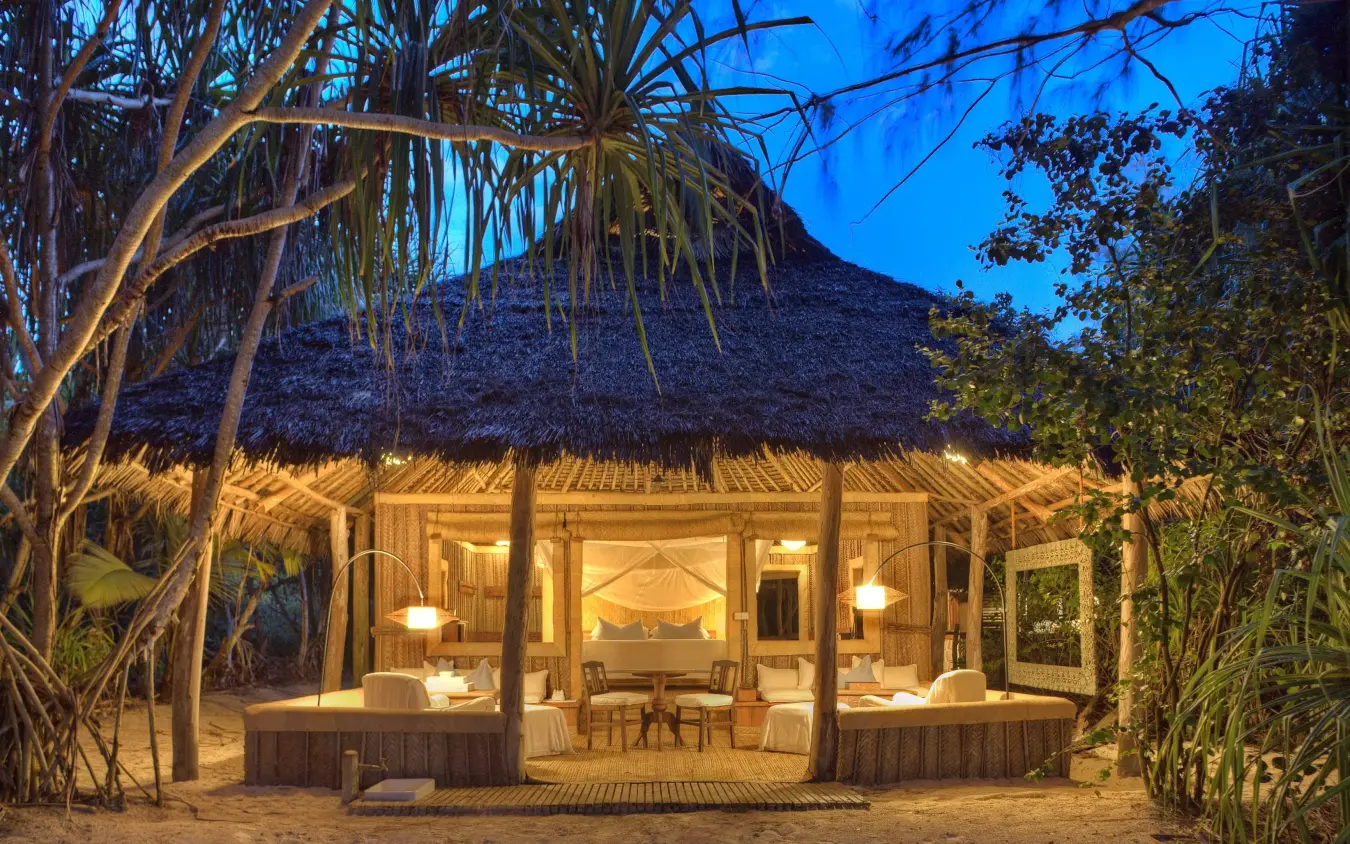
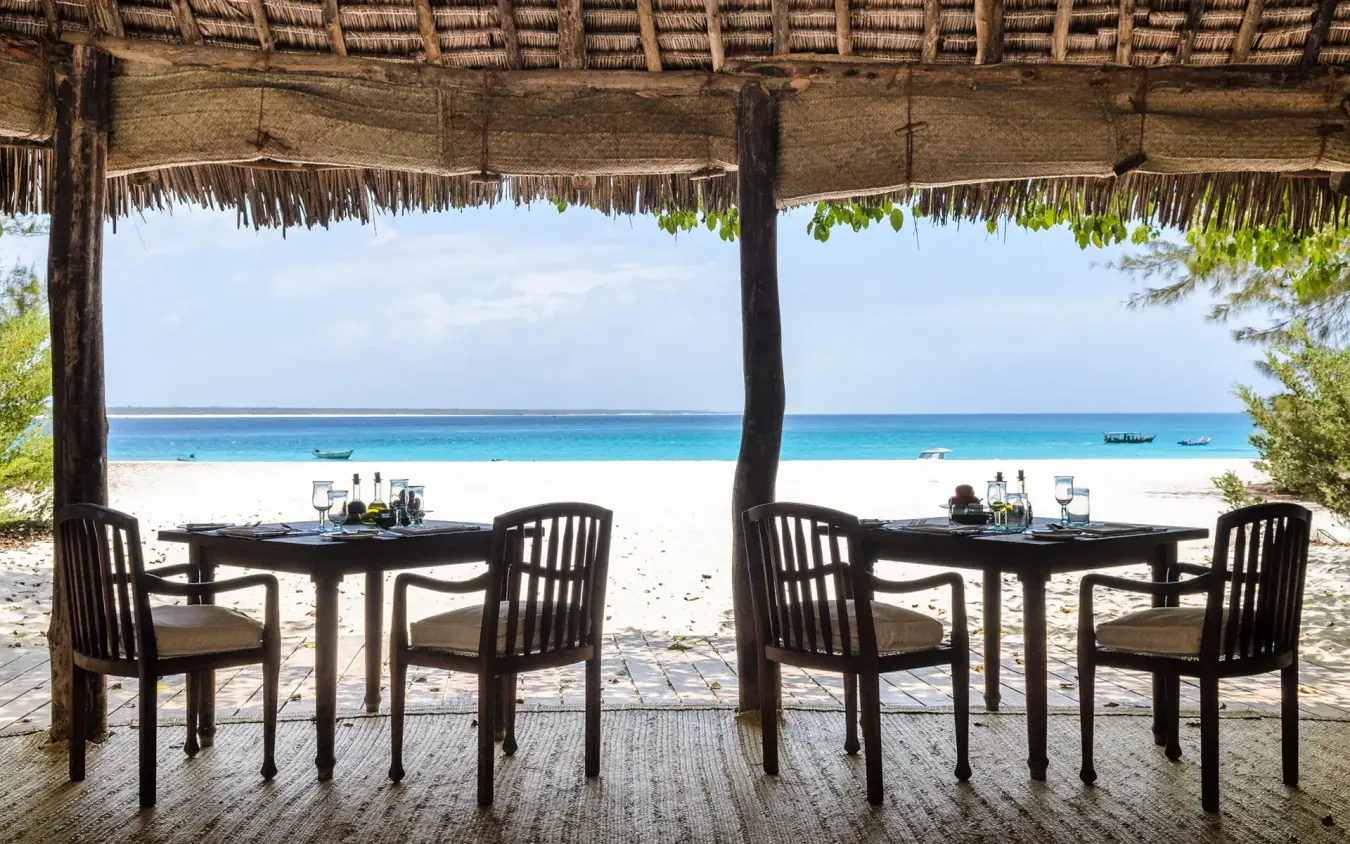
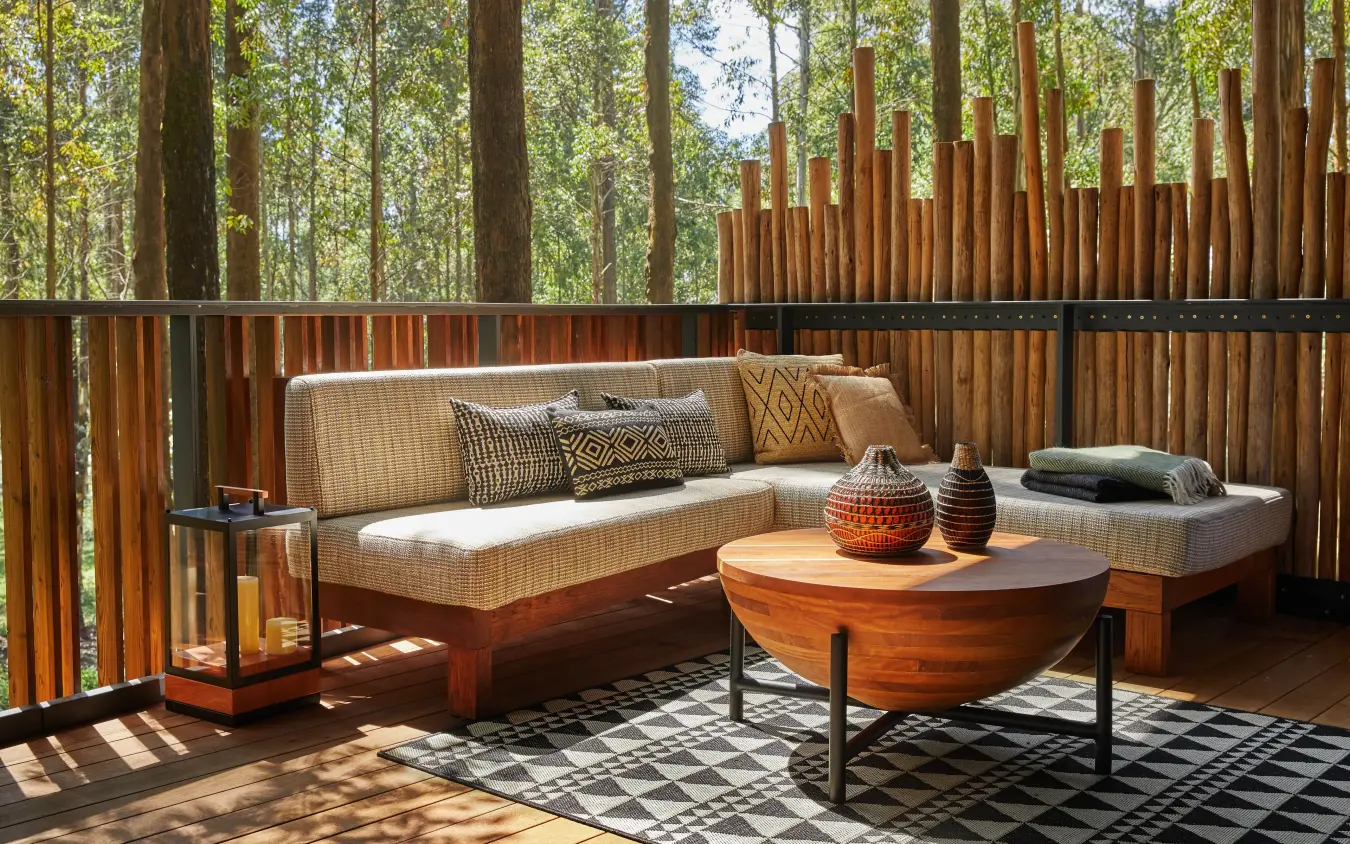
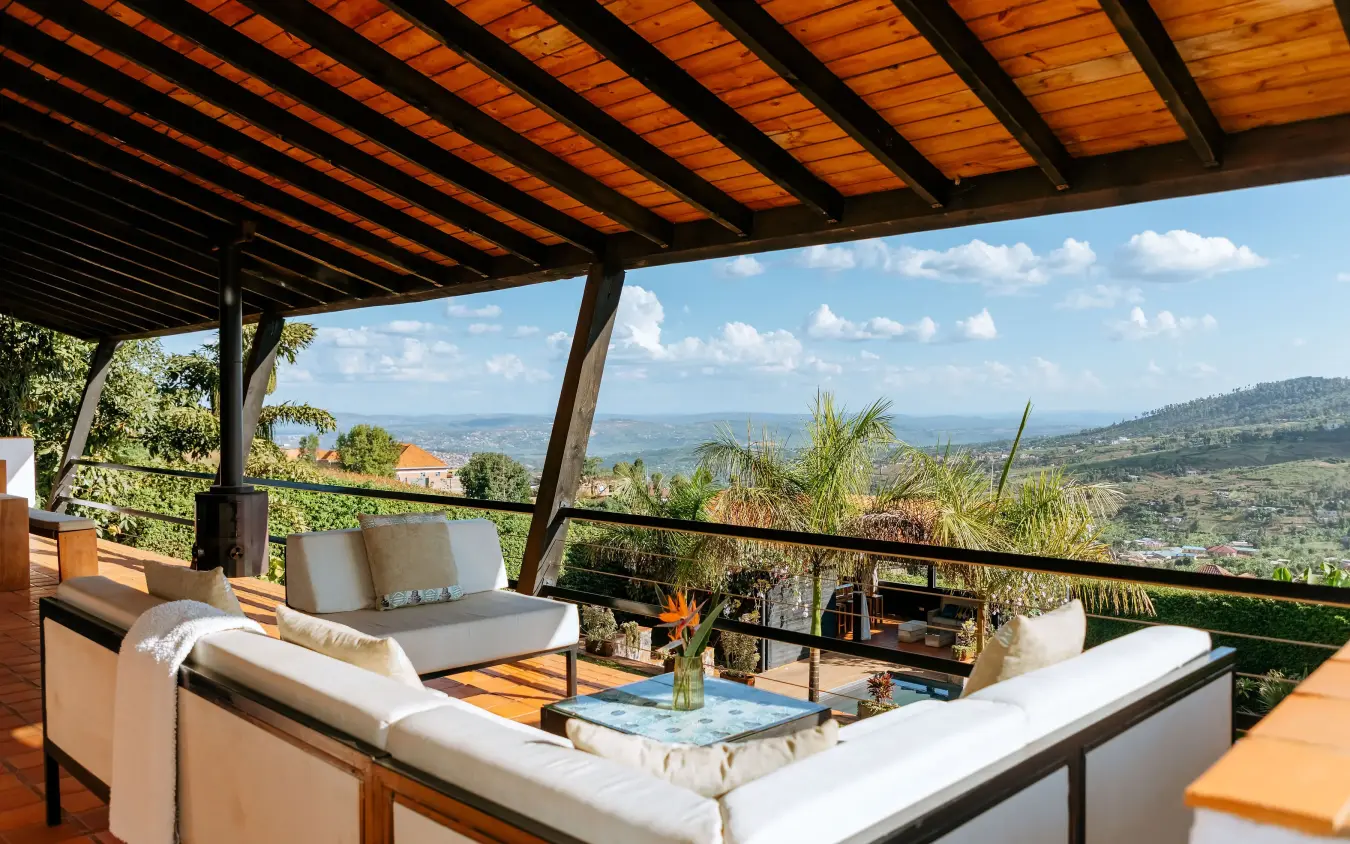
Rwanda's accommodation spans community-owned lodges near Volcanoes to sharp international luxury across all parks. Eco-lodges line forest edges while safari camps overlook Akagera's lakes. Kigali offers business hotels and boutique properties. Remote guesthouses along Lake Kivu provide locally managed alternatives for the Congo Nile Trail. International investment brings high standards while community partnerships ensure local benefit through ownership and revenue sharing.
 01
01
 02
02
 03
03
 04
04
 05
05
 06
06
 07
07
 08
08
frequently asked questions
The gorilla permit is $1,500 a person and it is the fixed point everything else is built around. Lodges run from about $300 a night to over $3,000 at the top of the market, which is a wider range than any other country on our list.
A week combining gorillas with either the Nyungwe chimpanzees or Akagera generally comes to $8,000 to $20,000 a person all in, permits, rooms and private guiding included. A helicopter to Nyungwe costs real money and saves five hours of road, which is sometimes the right trade.
Five to seven days covers gorilla tracking and one other thing: chimpanzees in Nyungwe or plains game in Akagera. Ten days takes all three parks with time in Kigali.
We would rather you did two of them well than three in a hurry. The drives are long and beautiful, but they are still drives, and a day spent in a vehicle is a day not spent in a forest. The Congo Nile Trail adds about five days if you want to cycle or walk the lake.
By road, with a driver and guide, because domestic flights barely exist here. Kamembe, near Nyungwe, is the only airstrip with a scheduled service out of Kigali.
The roads are properly maintained and the drives take you through the terraced hills and the tea, which is a large part of what the country looks like. A helicopter charter cuts the long southern legs and costs accordingly. We say plainly which legs are worth flying and which are worth driving.
Because it fits. Gorillas, chimpanzees, plains game and a lake are all inside a country smaller than Wales, so a week here is a week of doing things rather than a week of moving between them.
The treks to the habituated gorilla families are usually under two hours, which matters more than it sounds if anyone in the party is unsure about the walking. Mgahinga over the border is our own favourite for the trek itself. The lodges at the top end are as good as any in Africa, which the permit price rather demands.
Up to two years ahead for June to September and December to January. Eight visitors a day see each gorilla family, so the arithmetic is unforgiving and the peak months fill first.
The shoulder months are easier to book and wetter underfoot. Given what a permit costs, it is worth building the trip around the dates you can get rather than hoping.
Uganda, by road from Volcanoes to Mgahinga, with Lake Bunyonyi in between for a day off. It is the natural pairing and it gives you two different gorilla experiences rather than the same one twice.
Tanzania is a short flight for the Serengeti or the south. Kenya connects through Nairobi. If the trip wants a beach at the end, Zanzibar comes through Dar es Salaam.
looking for inspiration?

Seventeen nights from Rwanda's gorilla forests through Kenya's conservancies to a private house on Kilifi Creek.
- Private Safari
- From $50,570 pp
- 2 guests
- 17 nights

Seven nights across Rwanda, linking Nyungwe rainforest, Lake Kivu and the gorillas of Volcanoes National Park.
- Private Safari
- From $8,700 pp
- 2 guests
- 7 nights

Fifteen nights across Rwanda's parks and the Serengeti, from Akagera and the gorillas to the calving plains and cheetah country.
- Private Safari
- From $26,105 pp
- 2 guests
- 15 nights
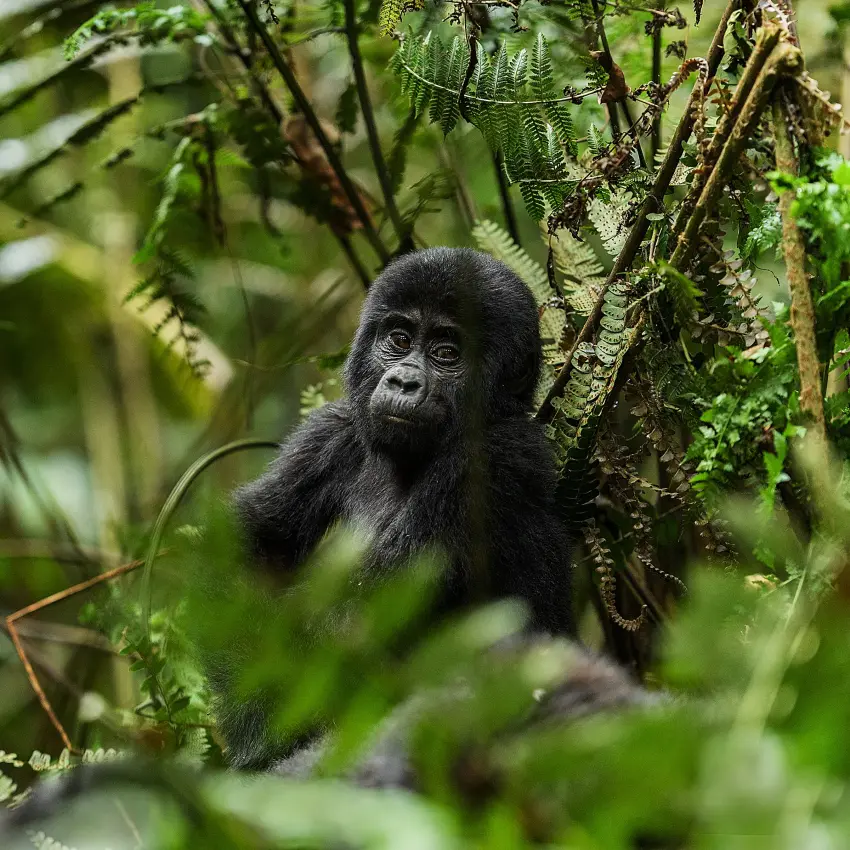
Eight nights linking gorilla trekking in Rwanda's Volcanoes National Park with a private island off Zanzibar.
- Private Safari
- From $18,925 pp
- 2 guests
- 8 nights
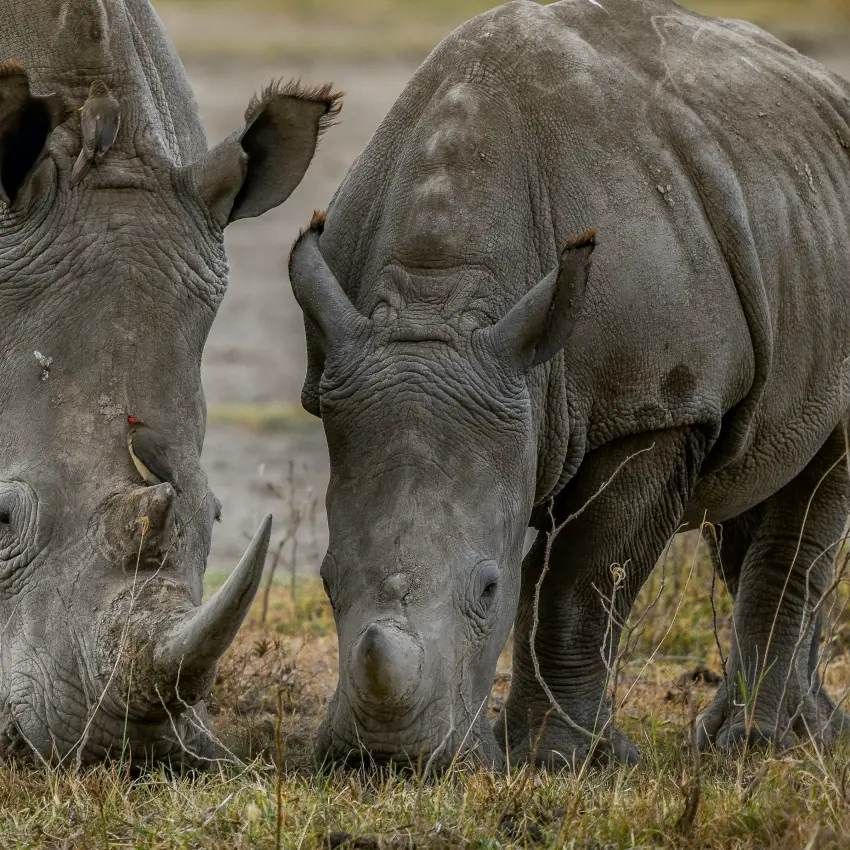
Ten nights across Rwanda, linking Kigali, the savannah of Akagera, the gorillas of Volcanoes and the rainforest of Nyungwe.
- Private Safari
- From $24,890 pp
- 2 guests
- 10 nights
06 of 06
Rwanda: The Country’s Finest Lodges
Eleven nights across Rwanda's three parks, from Akagera's savannah to Nyungwe's rainforest and the Virunga gorillas.
- Private Safari
- From $24,125 pp
- 2 guests
- 11 nights







rwanda & kenya
Gorillas and a Private Beach House
Seventeen nights from Rwanda's gorilla forests through Kenya's conservancies to a private house on Kilifi Creek.
- Private Safari
- From $50,570 pp
- 2 guests
- 17 nights








rwanda
A Week of Gorillas and Rainforest
Seven nights across Rwanda, linking Nyungwe rainforest, Lake Kivu and the gorillas of Volcanoes National Park.
- Private Safari
- From $8,700 pp
- 2 guests
- 7 nights



rwanda & tanzania
Three Parks and the Serengeti
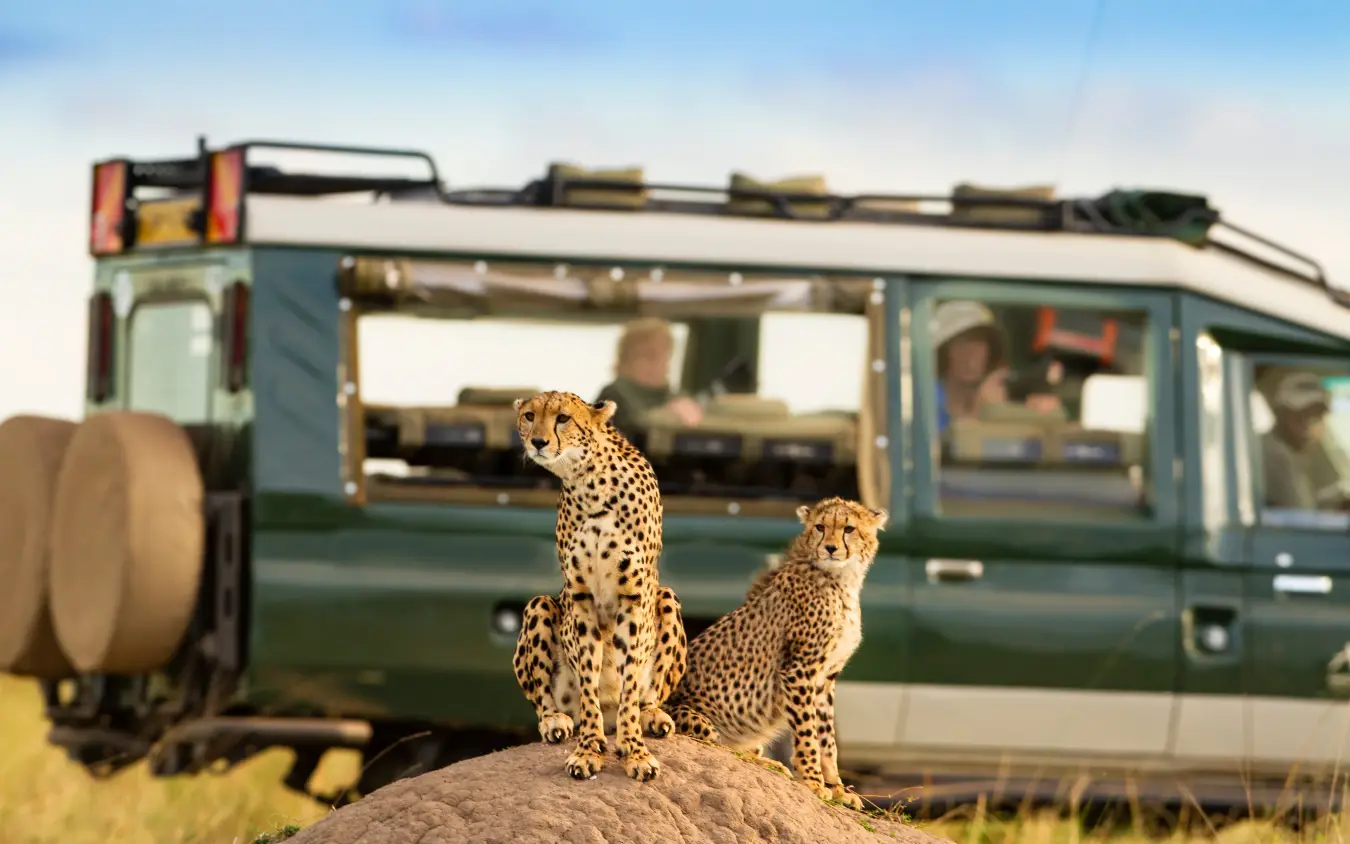
Fifteen nights across Rwanda's parks and the Serengeti, from Akagera and the gorillas to the calving plains and cheetah country.
- Private Safari
- From $26,105 pp
- 2 guests
- 15 nights

rwanda & tanzania
Gorillas and Mnemba Island
Eight nights linking gorilla trekking in Rwanda's Volcanoes National Park with a private island off Zanzibar.
- Private Safari
- From $18,925 pp
- 2 guests
- 8 nights

rwanda
Luxury Primate & Rhino Safari
Ten nights across Rwanda, linking Kigali, the savannah of Akagera, the gorillas of Volcanoes and the rainforest of Nyungwe.
- Private Safari
- From $24,890 pp
- 2 guests
- 10 nights




rwanda
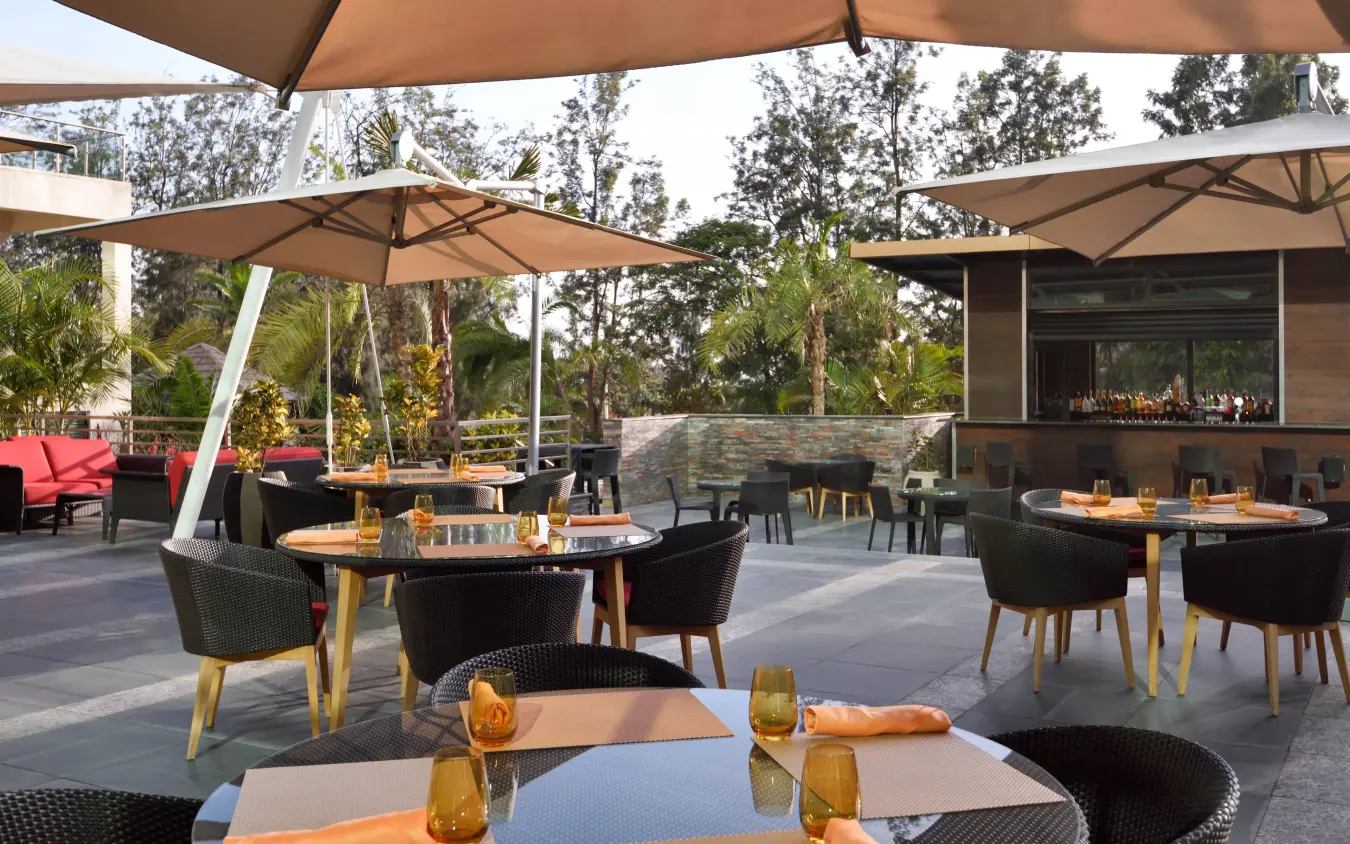
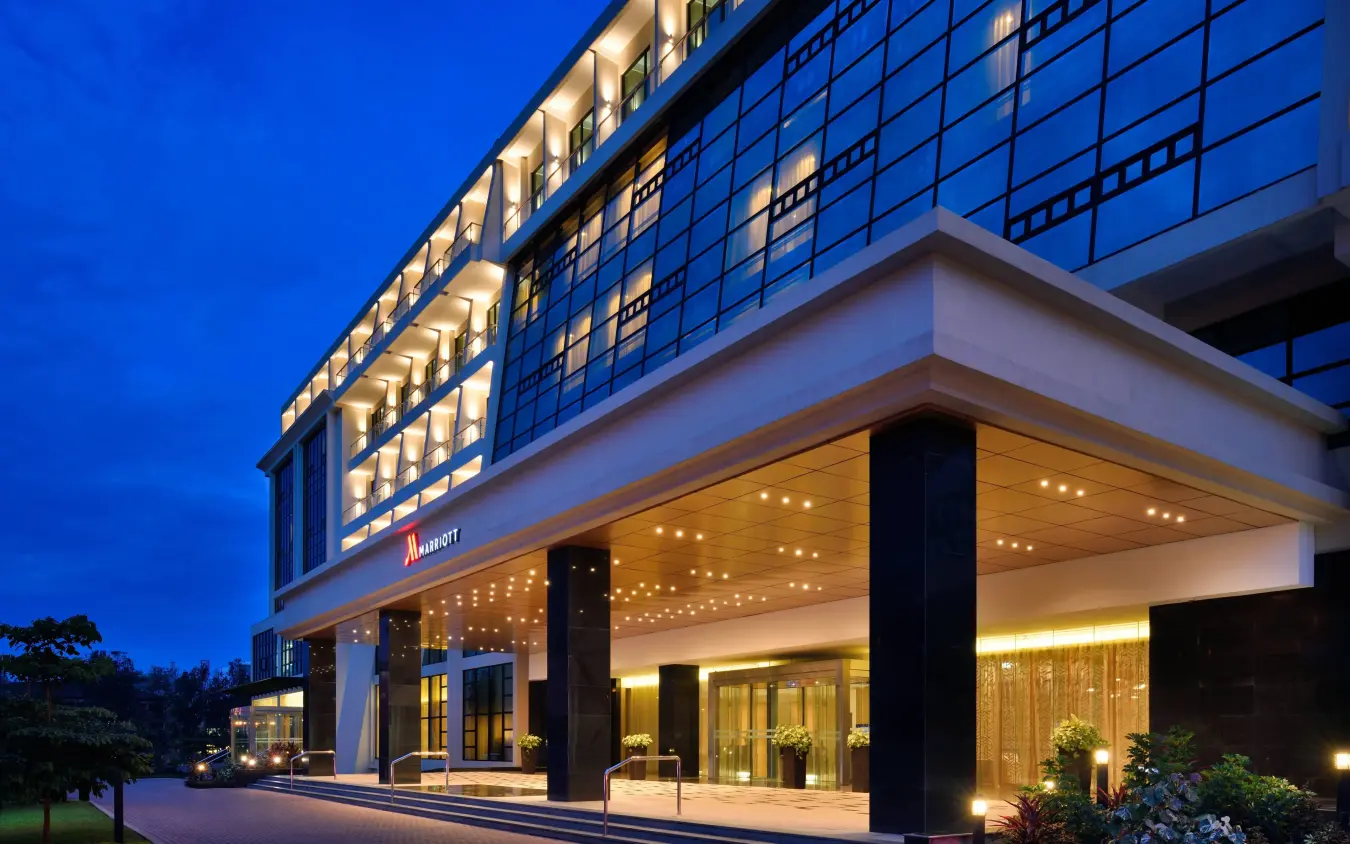
The Country’s Finest Lodges
Eleven nights across Rwanda's three parks, from Akagera's savannah to Nyungwe's rainforest and the Virunga gorillas.
- Private Safari
- From $24,125 pp
- 2 guests
- 11 nights
01
06
rated five stars by our clients

our approach
remote, exclusive
& personal
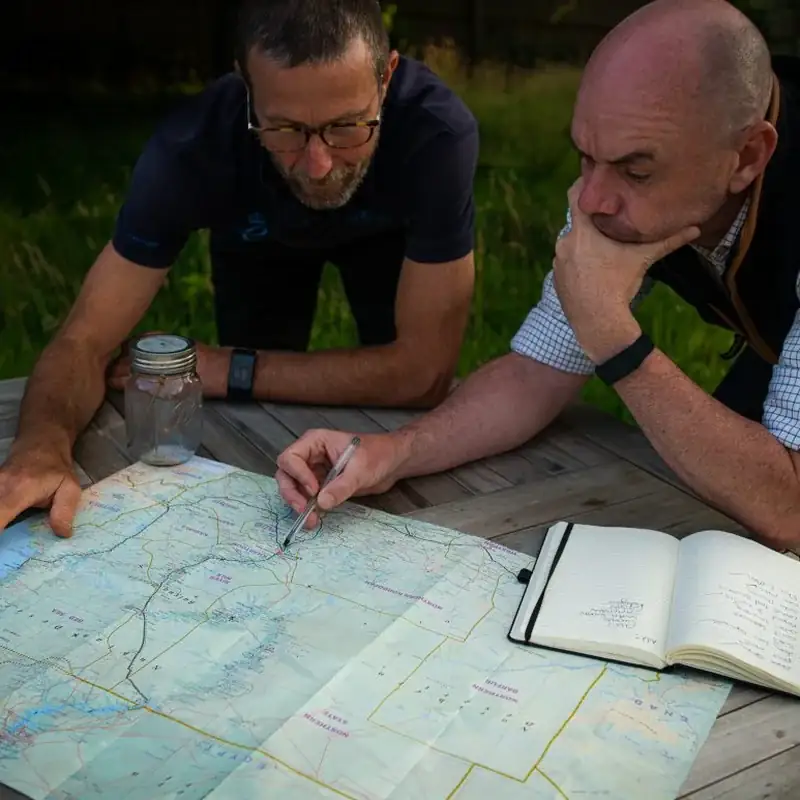
Every journey starts with a conversation. We take the time to understand your vision before we start planning.
Whether by phone or in person, we work with you directly to shape something that is considered, personal, and expertly delivered.
Every journey starts with a conversation. We favour a direct, personal approach: understanding your vision before anything else.
Whether by phone or in person, we work with you directly to shape a journey that is both thoughtfully considered and expertly delivered.
Get in touch to start planning yours.