 01
01
A reflection of safari heritage
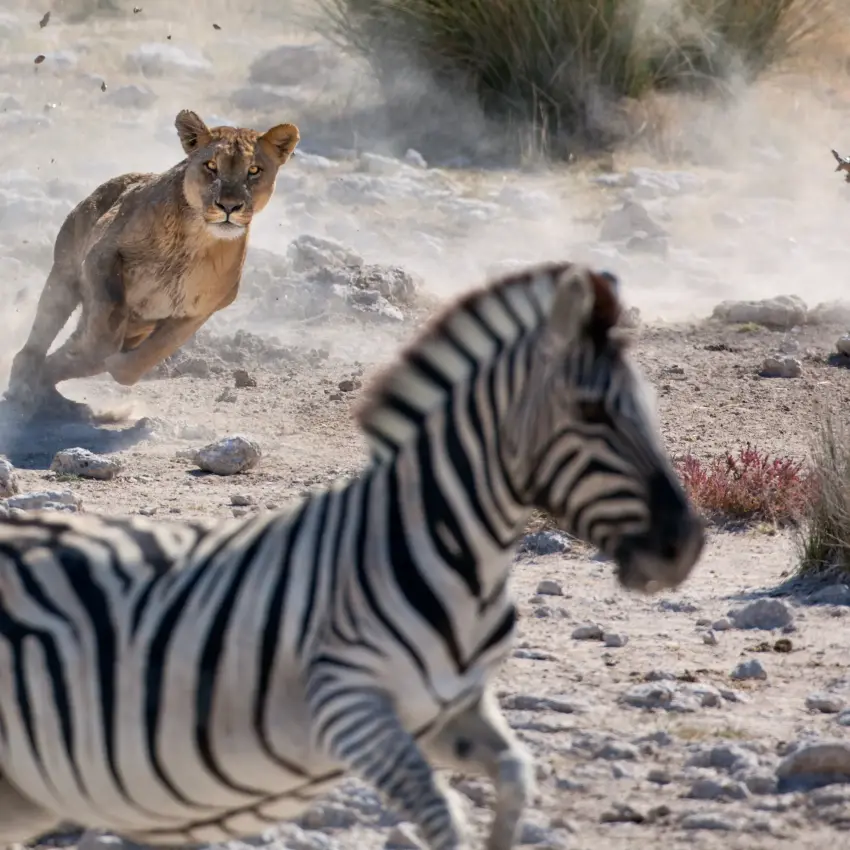
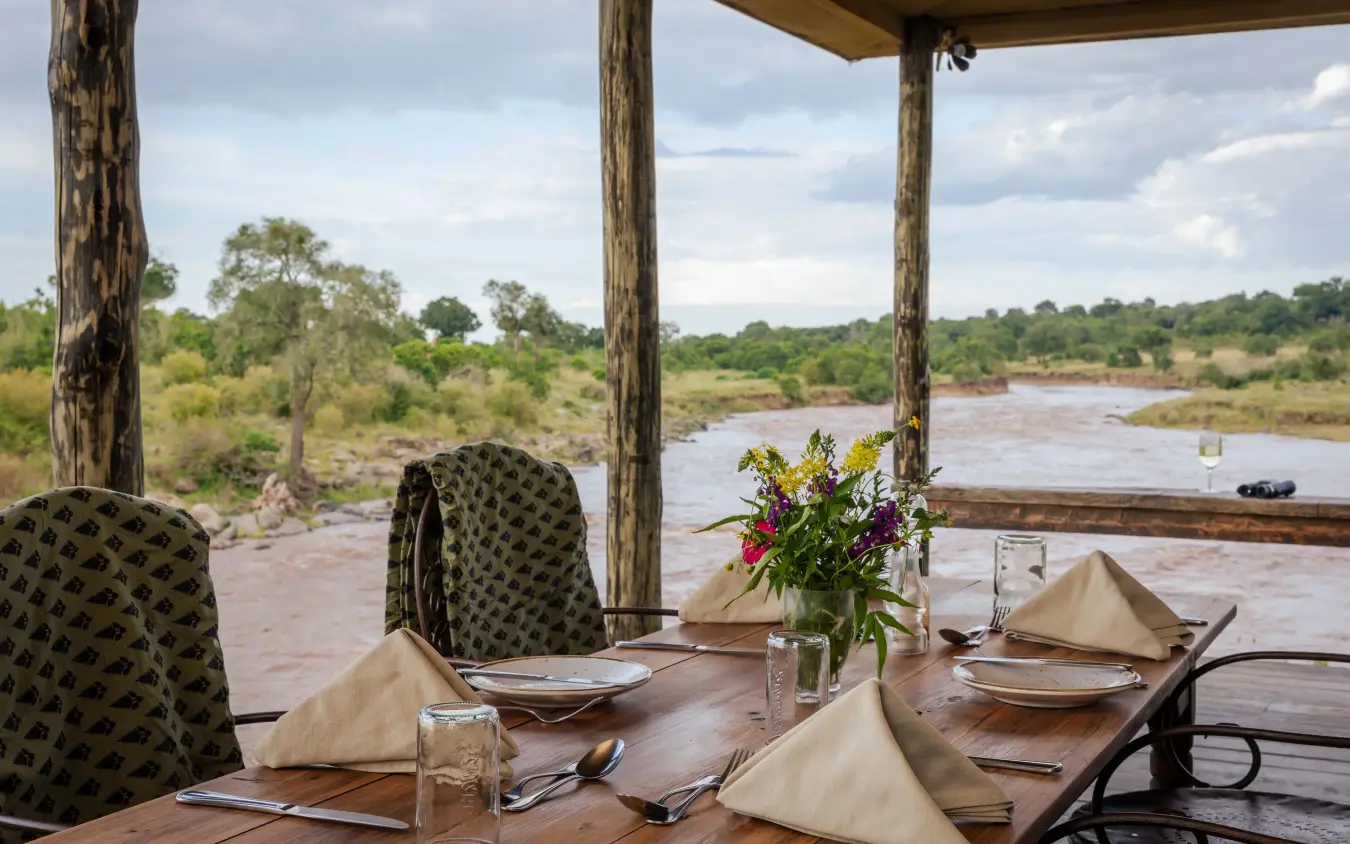
The Maasai Mara’s grasslands run south into Tanzania without a fence or a pause, and 1.5 million wildebeest follow. From July to October, the herds cross the Mara River in columns that darken the water. But the country’s depth lies beyond this spectacle.
Perhaps the question is not whether, but which Kenya.
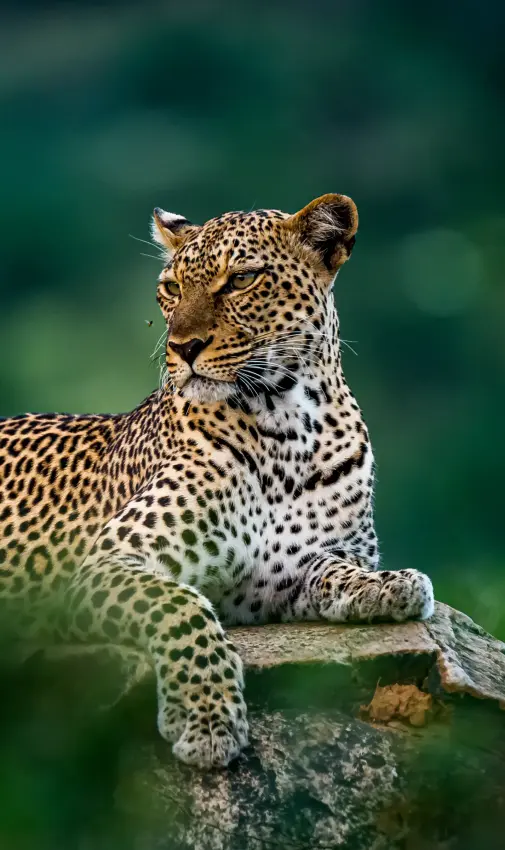
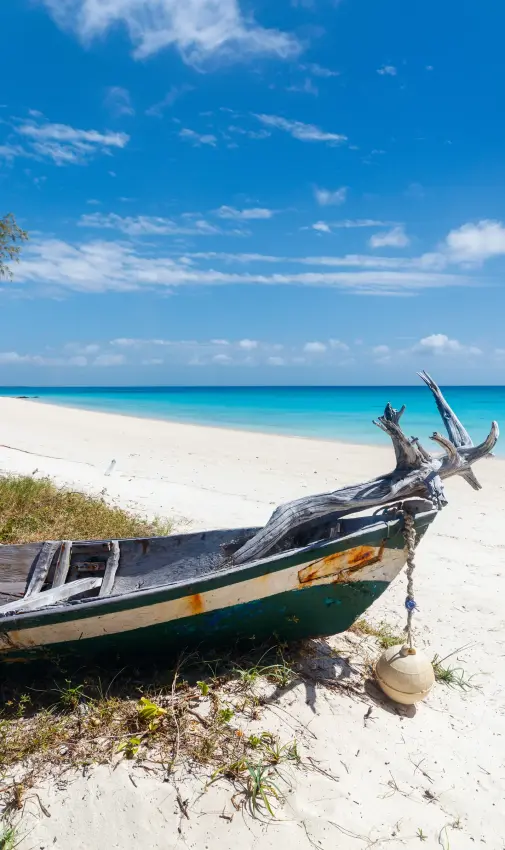
North of Mount Kenya, the conservancies of Laikipia and Samburu protect reticulated giraffe and Grevy’s zebra found in no other safari country. Further still, helicopter-portable camps reach the Suguta Valley’s volcanic floor and Lake Turkana’s jade shoreline. The country operates at every altitude and every level of comfort, from Lamu’s 14th-century coral-stone streets to fly-camps pitched across Laikipia’s rangelands. The country rewards specificity.

The Great Rift Valley splits the country north to south, creating a geological corridor that defines everything from flamingo concentrations to human settlement. Lake Nakuru and Lake Bogoria support four million lesser flamingos on their alkaline waters. Mount Kenya rises through five ecological zones to 5,199 metres, its bamboo forests sheltering elephant and buffalo while moorlands above 3,500 metres host giant lobelias found only at equatorial altitude.
Each zone carries its own pace, its own rules, its own wildlife.
The Chalbi Desert in the far north registers ground temperatures above 70 degrees Celsius. Between these extremes, over 1,100 bird species have been recorded, more than in any comparably sized country on the continent. The variety is not decorative. It is the reason no two Kenya itineraries look alike.
Over 160 community conservancies now protect 11% of Kenya’s landmass through direct lease payments to roughly 700,000 households. The model began when Maasai landowners around the Mara calculated that wildlife generated more annual income per acre than cattle, and payments often exceed what farming once produced in a year. The Northern Rangelands Trust coordinates 43 conservancies across 63,000 square kilometres, employing 700 rangers drawn entirely from local communities. Kip Ole Polos spent 25 years transforming Il Ngwesi from a pilot project into a conservation model now preparing to reintroduce black rhinos.
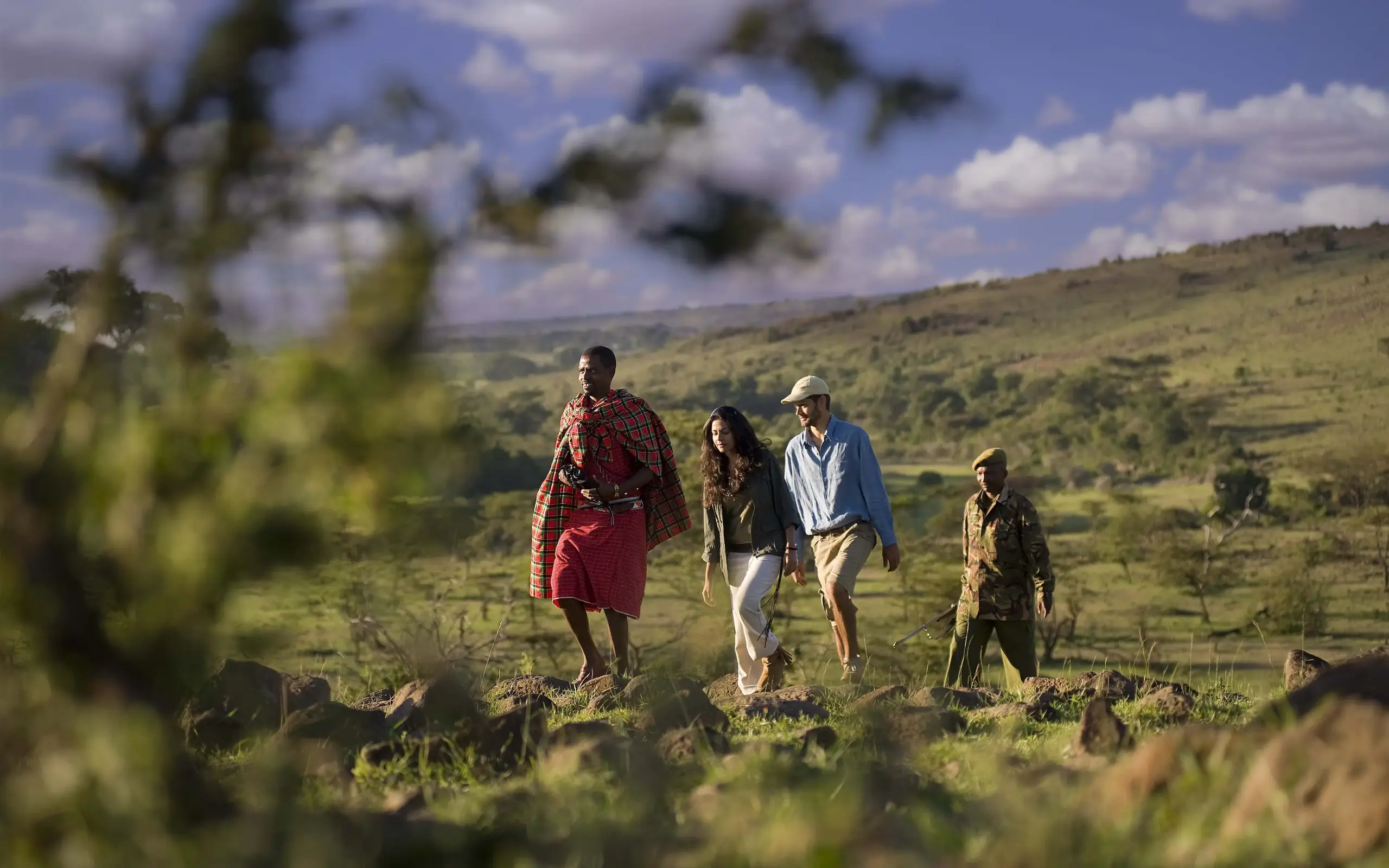
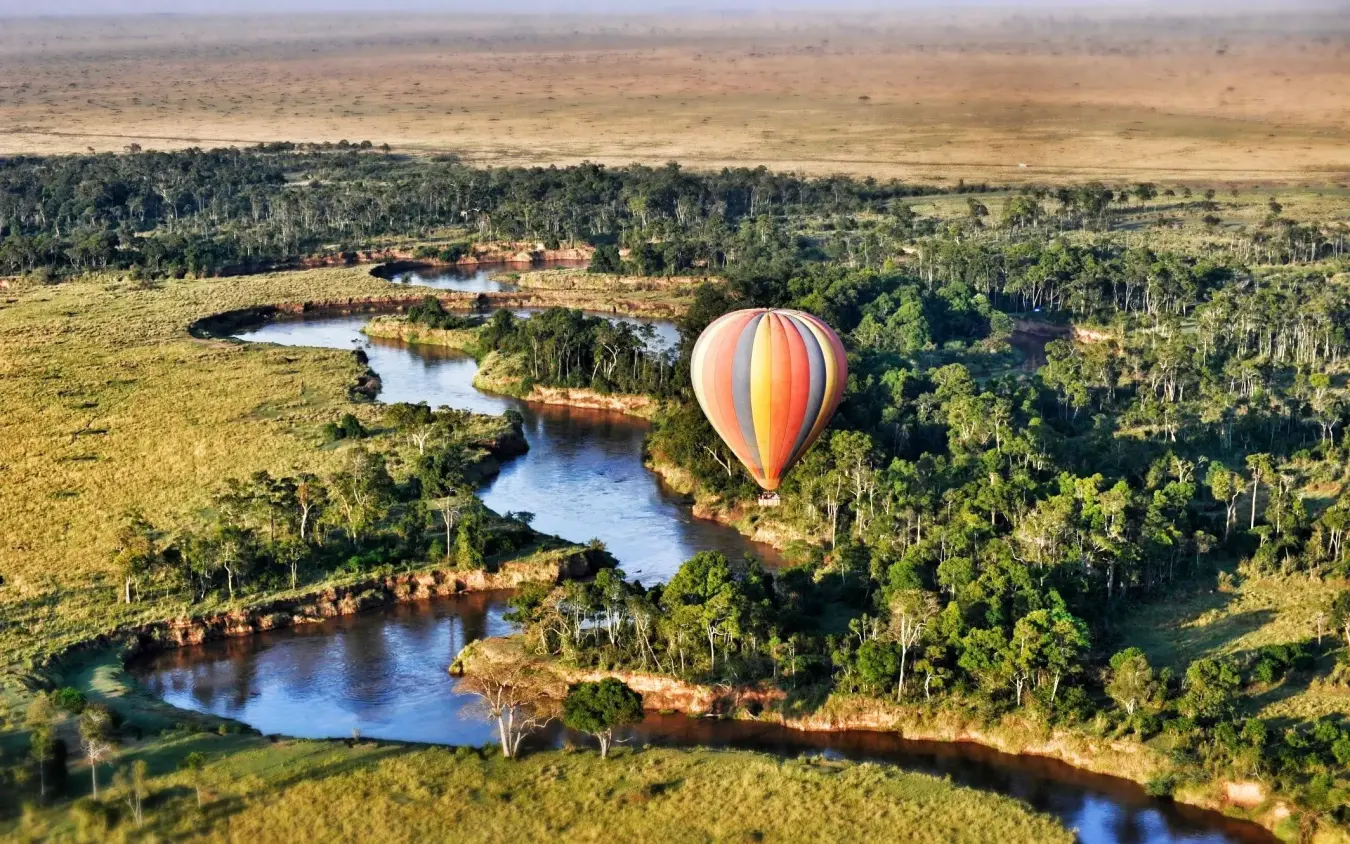
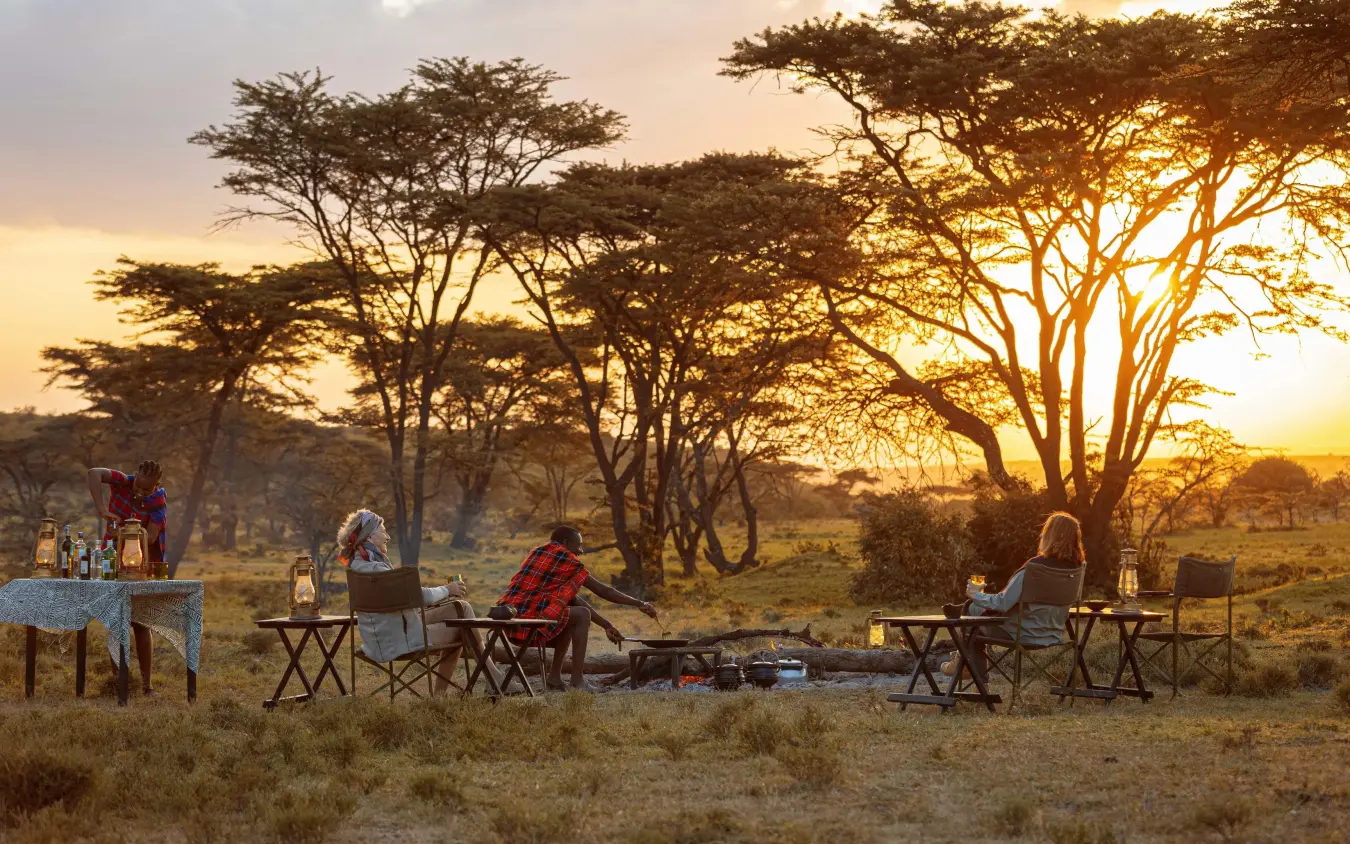
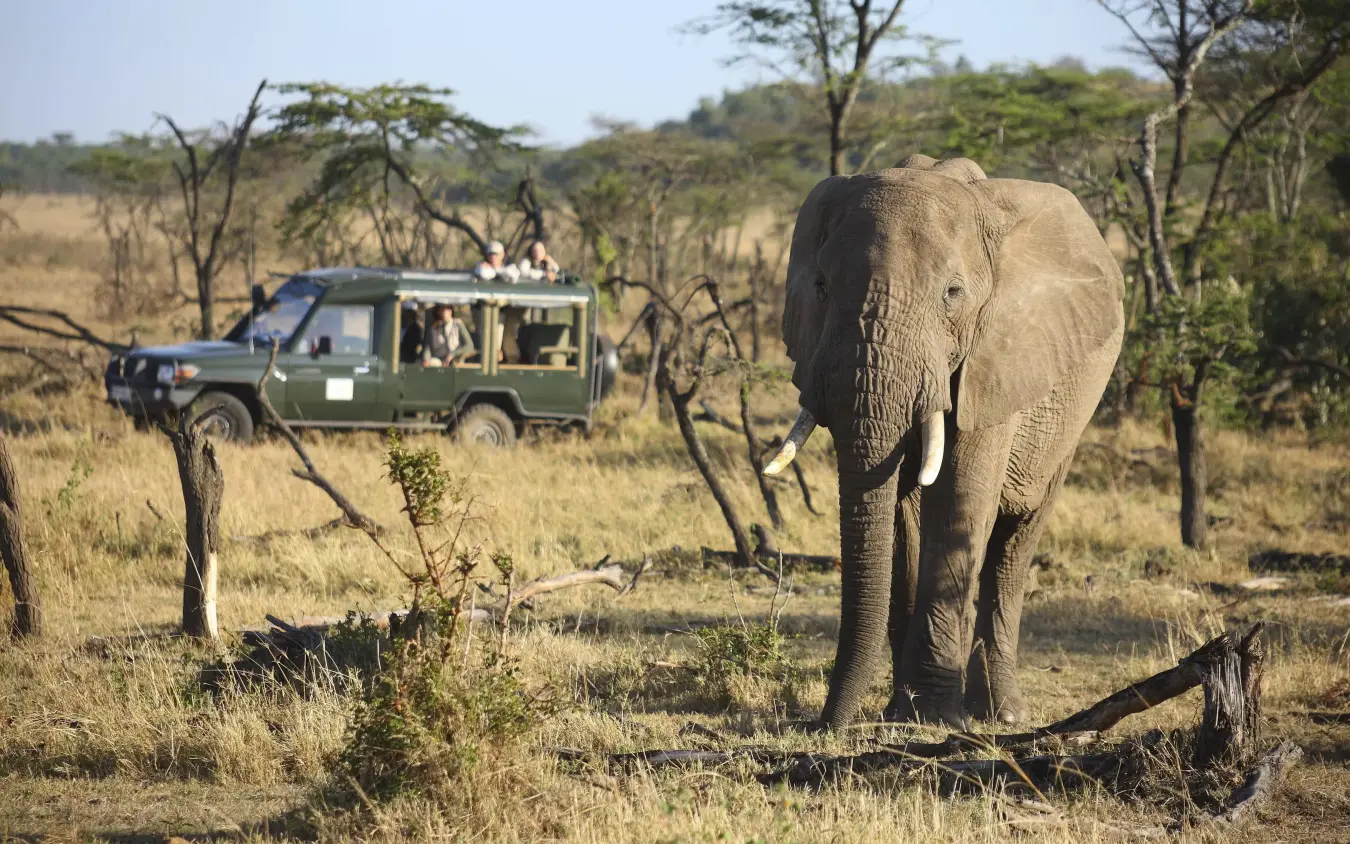
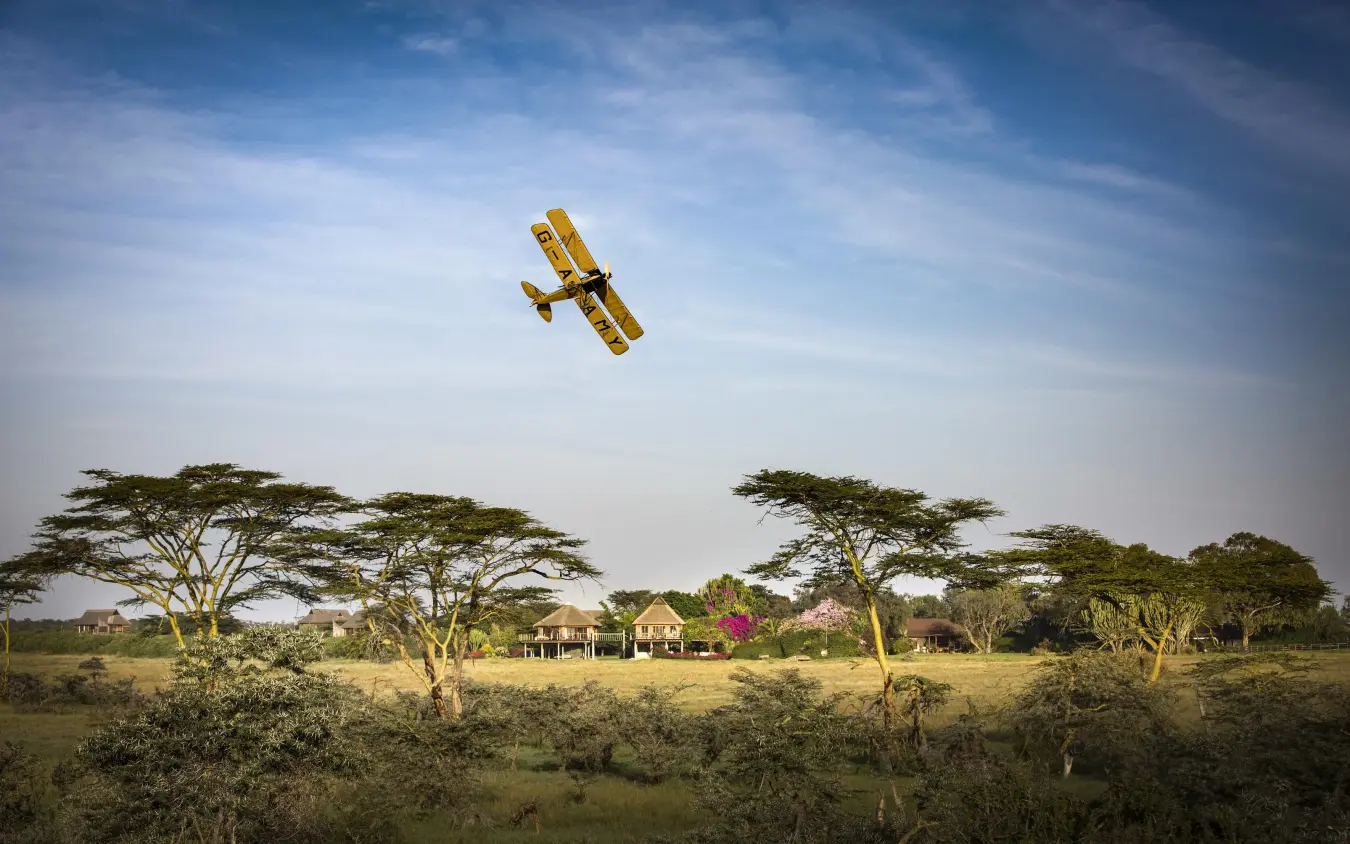
Inside the Maasai Mara National Reserve, visitors drive designated tracks during daylight hours. In adjacent conservancies like Naboisho, Ol Kinyei, and Mara North, camps offer night drives, walking safaris, and off-road tracking with perhaps three other vehicles across 50,000 acres. Laikipia’s private ranches add horseback safaris, camel treks, and fly-camping under open skies, while the northern frontier is reached by helicopter charters that set down where no roads exist.
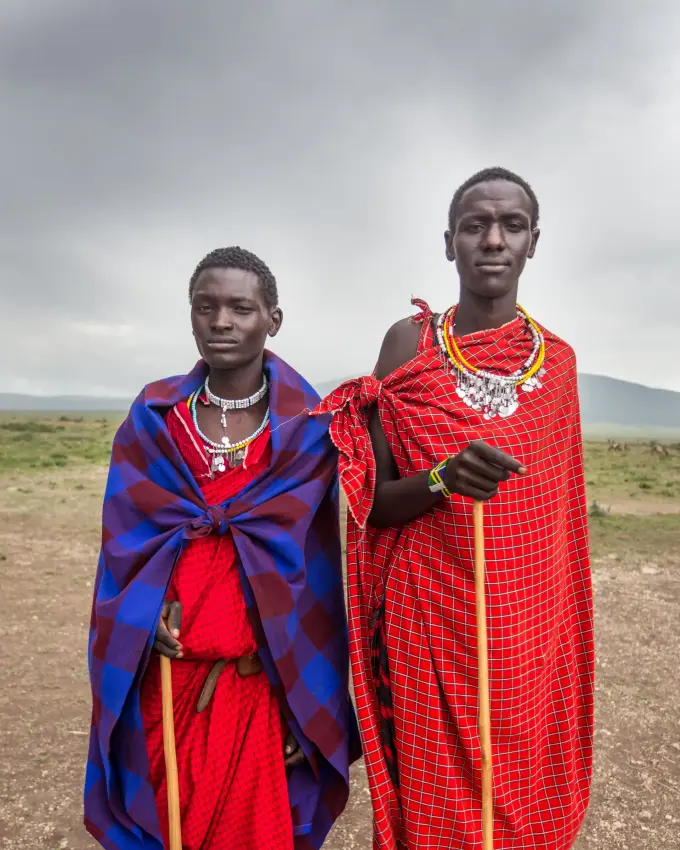
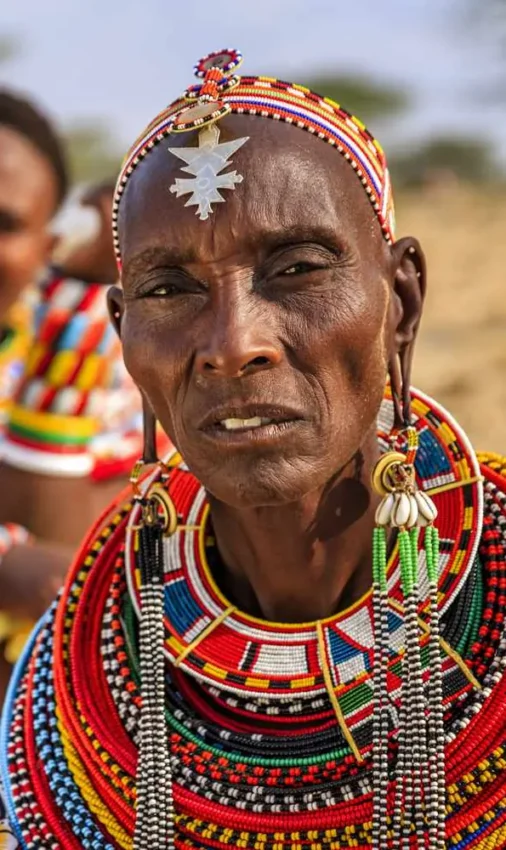
In Laikipia, Maasai women serve as rangers on land their grandmothers grazed cattle.
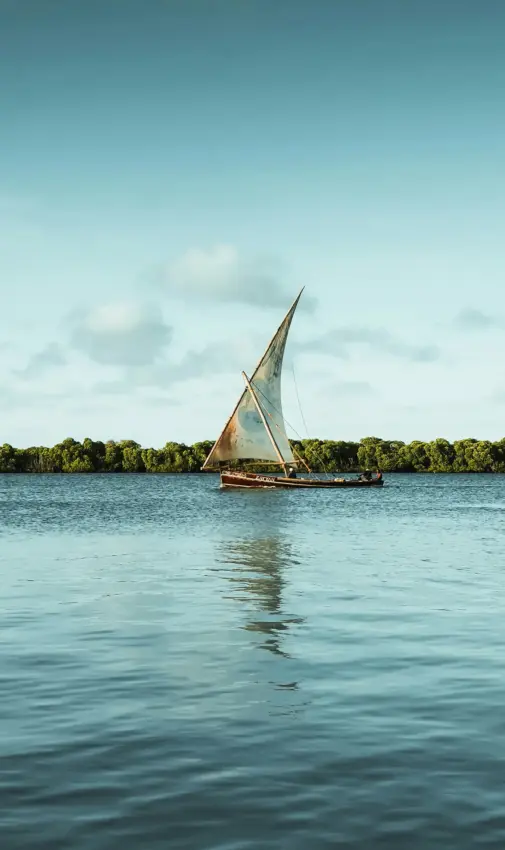
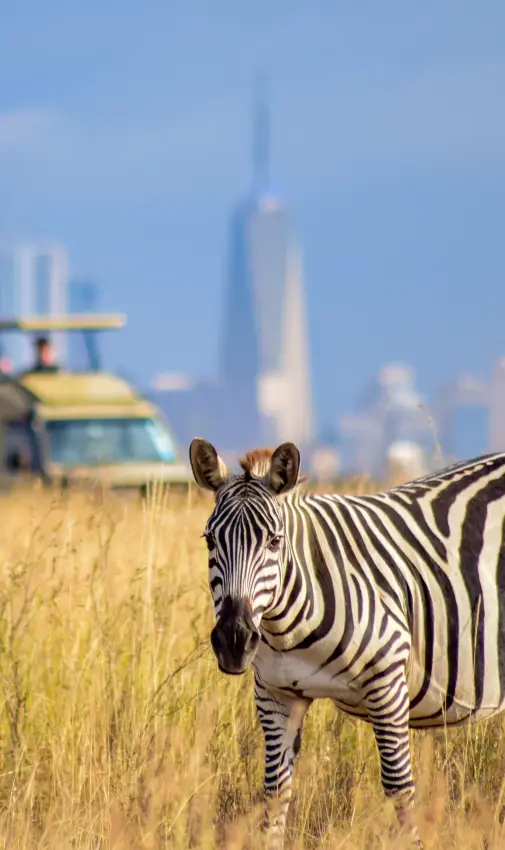
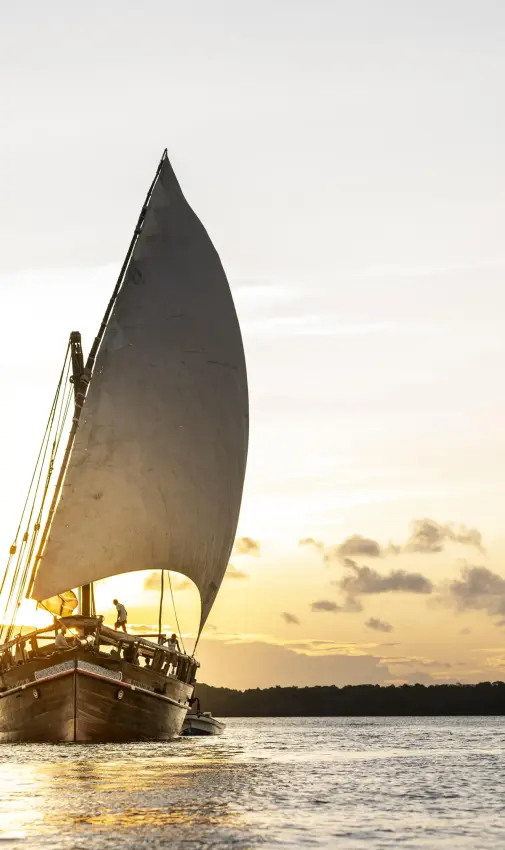
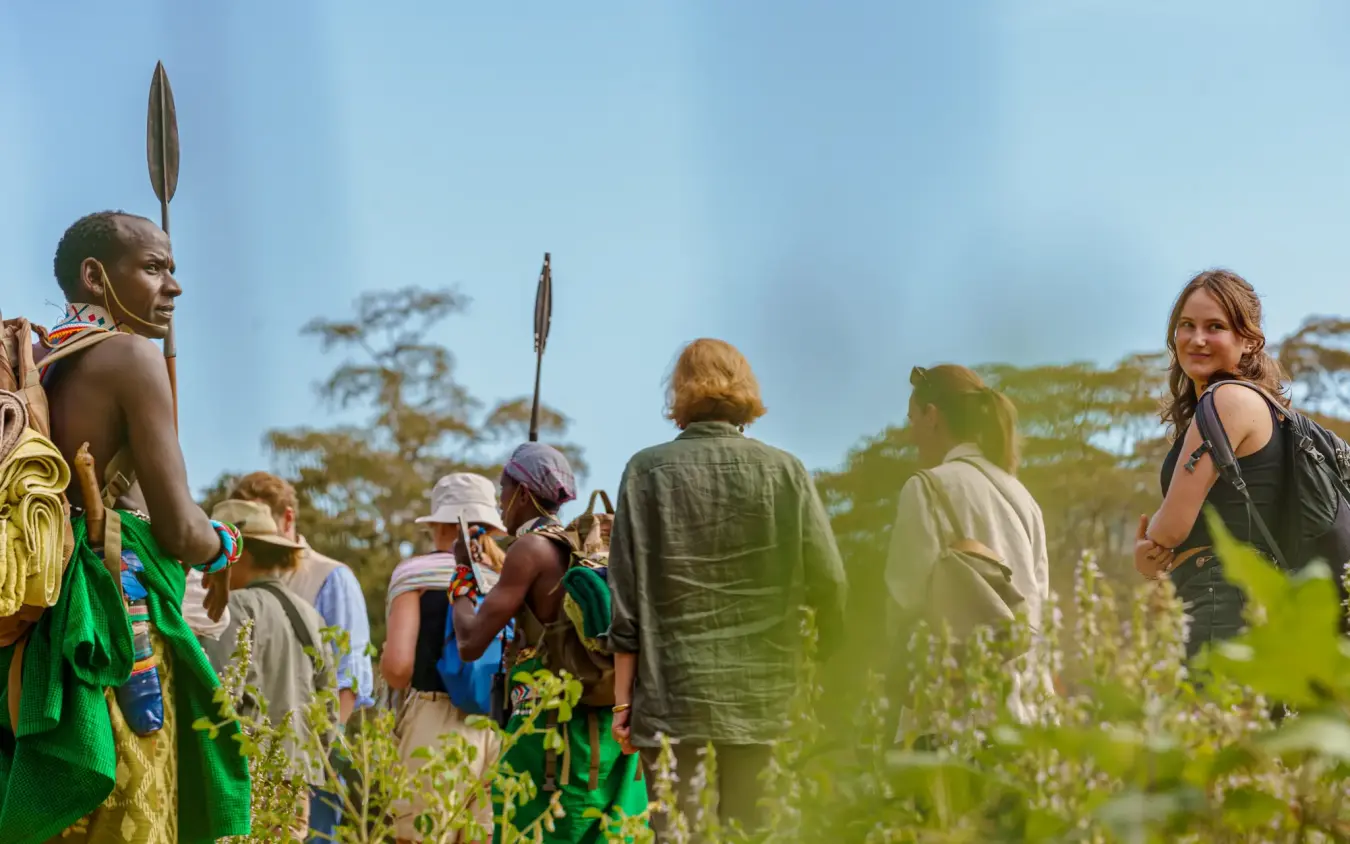
Maasai-owned operations range from walking camps where warriors guide on foot to lodges where community members trained in Europe manage hospitality. Laikipia’s former cattle ranches converted to conservation decades ago, creating exclusive-use houses suited to multi-generational gatherings. The coast pivots entirely: Lamu’s carved wooden doors open onto converted Swahili mansions, and multi-night dhow charters work the archipelago. Nairobi outgrew its old headlines years ago: boutique guesthouses, design hotels, and a national park seven kilometres from the business district.
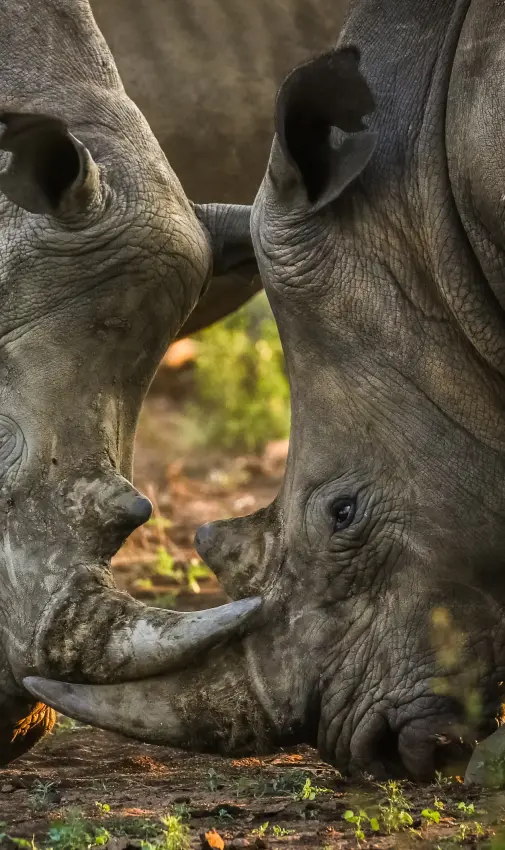
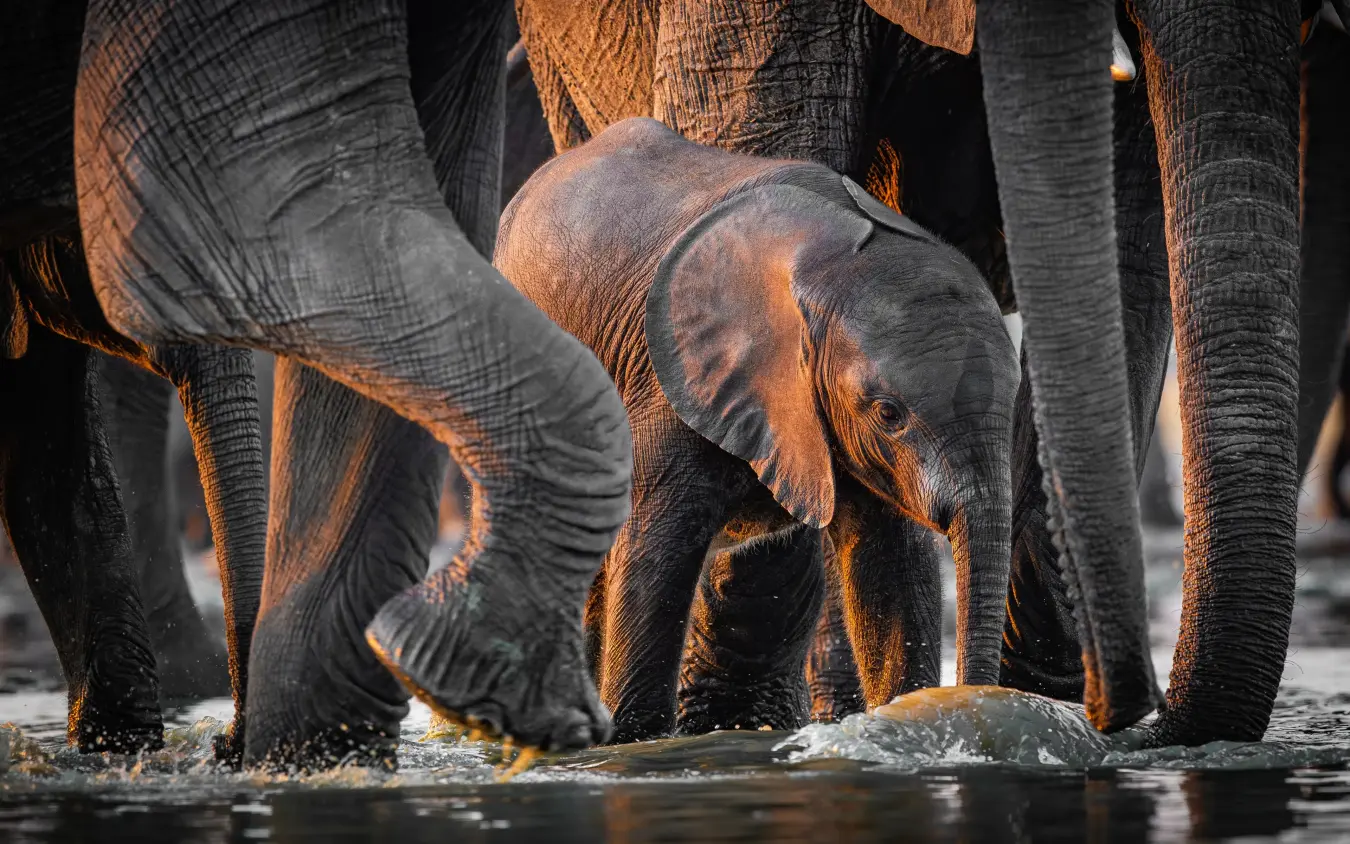
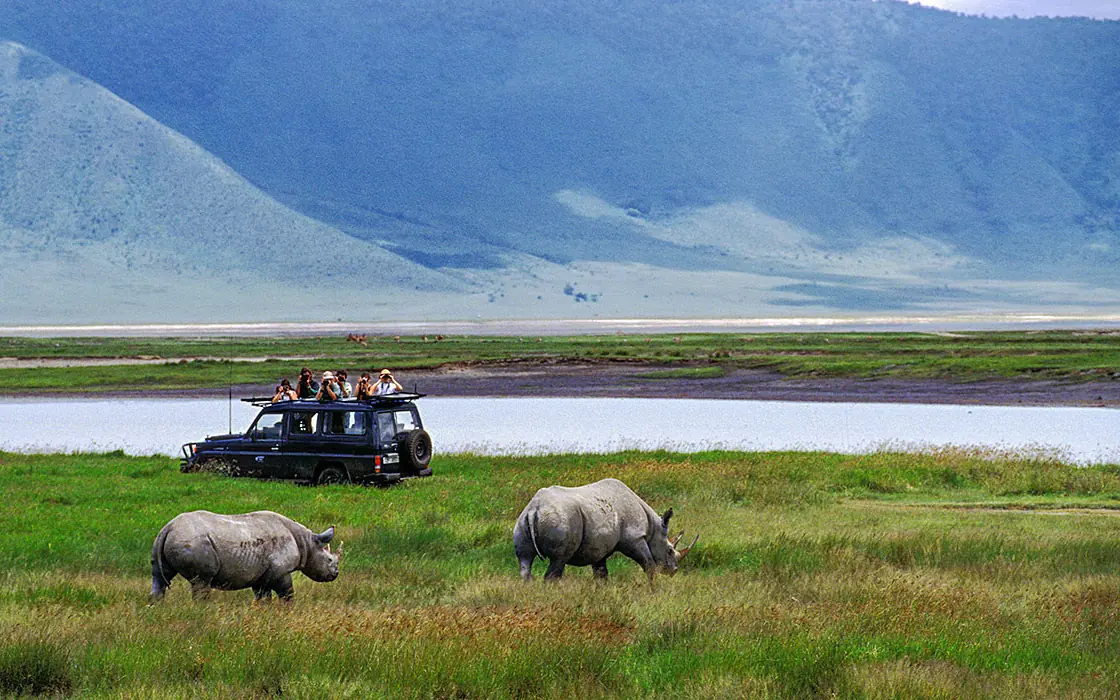
Lewa pioneered rhino conservation in Kenya in the 1980s, growing its black rhino population from 15 to over 200 through community partnerships that gave neighbouring pastoralists a direct stake in the animals’ survival. The country now hosts 1,816 rhinos, up from 380 in 1986, across 17 sanctuaries. Louise Leakey works at Koobi Fora, where 1.9-million-year-old hominid fossils surface from lakebeds along Turkana’s eastern shore, and runs a family vineyard producing Pinot Noir on Rift Valley slopes.
The best time to visit kenya
Jan
Feb
Mar
Apr
May
Jun
Jul
Aug
Sep
Oct
Nov
Dec
Recommended
Transitional
Challenging conditions
January and February deliver clear skies and good wildlife viewing before the long rains build from late March. June to October brings dry conditions that concentrate animals at water sources, with the wildebeest migration filling the Mara from July. November's short rains green the landscape and bring migratory birds. The coast stays warm year-round. Northern areas perform best in the dry months when seasonal rivers pull wildlife into predictable corridors.
Areas to visit
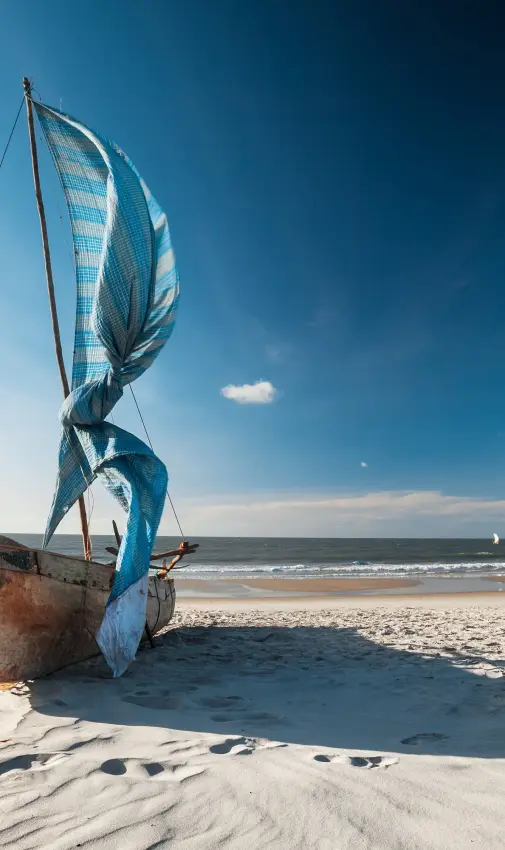
The Maasai Mara and its surrounding conservancies form the southern wildlife region, connecting to Laikipia's ranches by light aircraft. Samburu's northern conservancies hold endemic species. Mount Kenya offers high-altitude hiking between safari areas. The coast stretches from Lamu's Swahili architecture to Diani's beaches. Lake Turkana and the Suguta Valley provide genuine expedition territory accessible only by helicopter or charter. Nairobi warrants time in its own right.
01

 02
02
 03
03
 04
04
 05
05
 06
06
 07
07
 08
08
 09
09
 10
10
 11
11
RECOMMENDED ACCOMMODATION
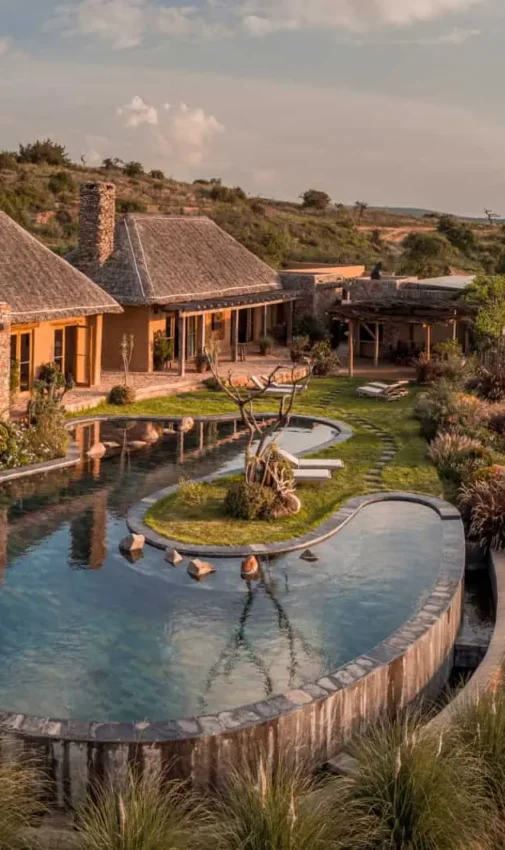
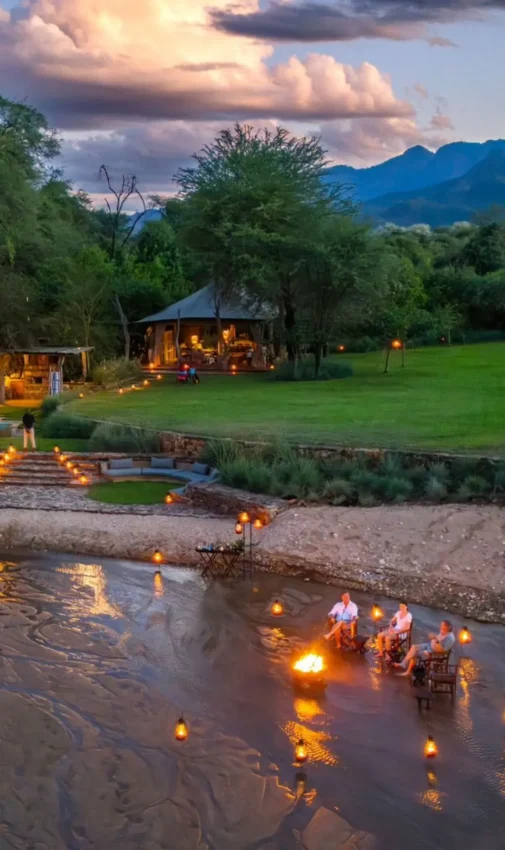
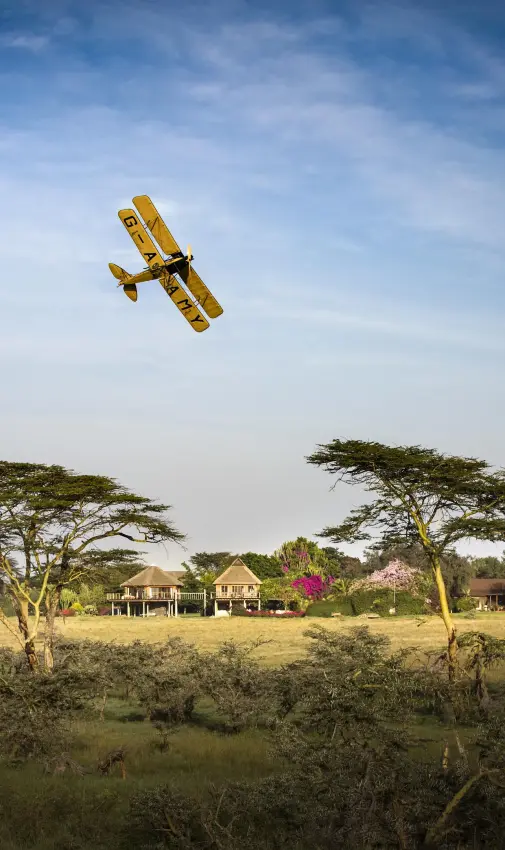
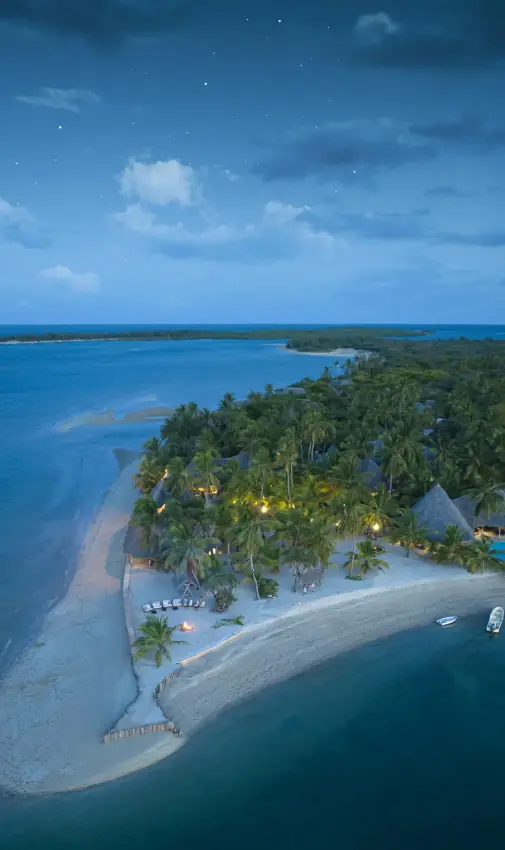
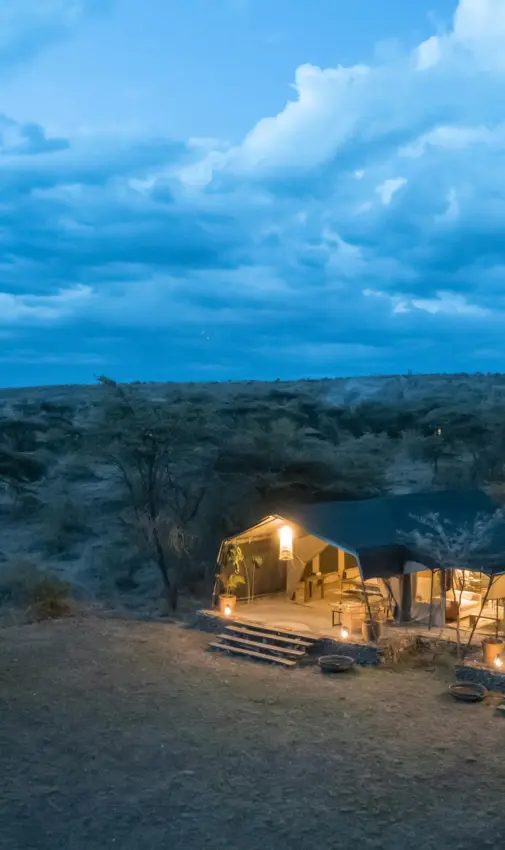
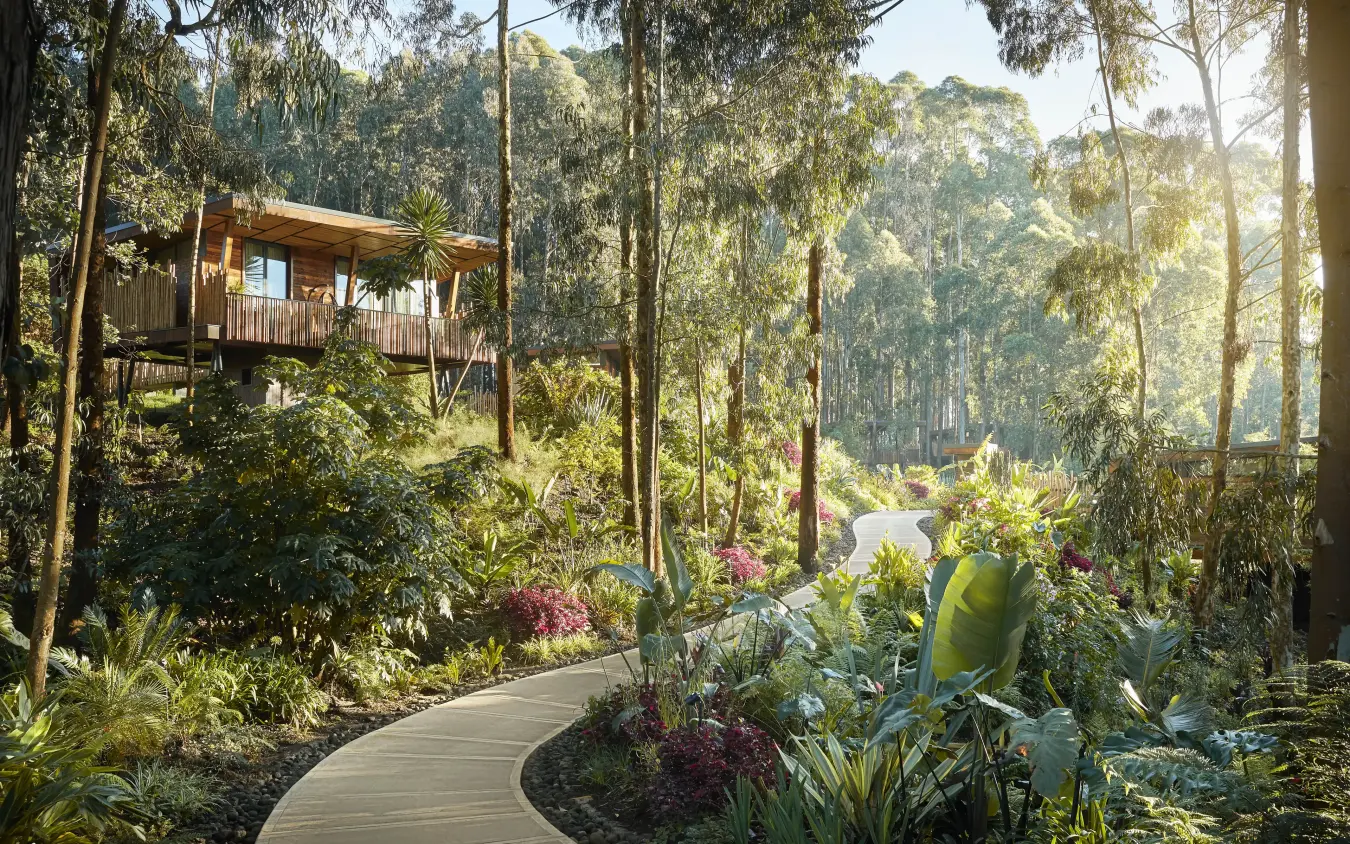
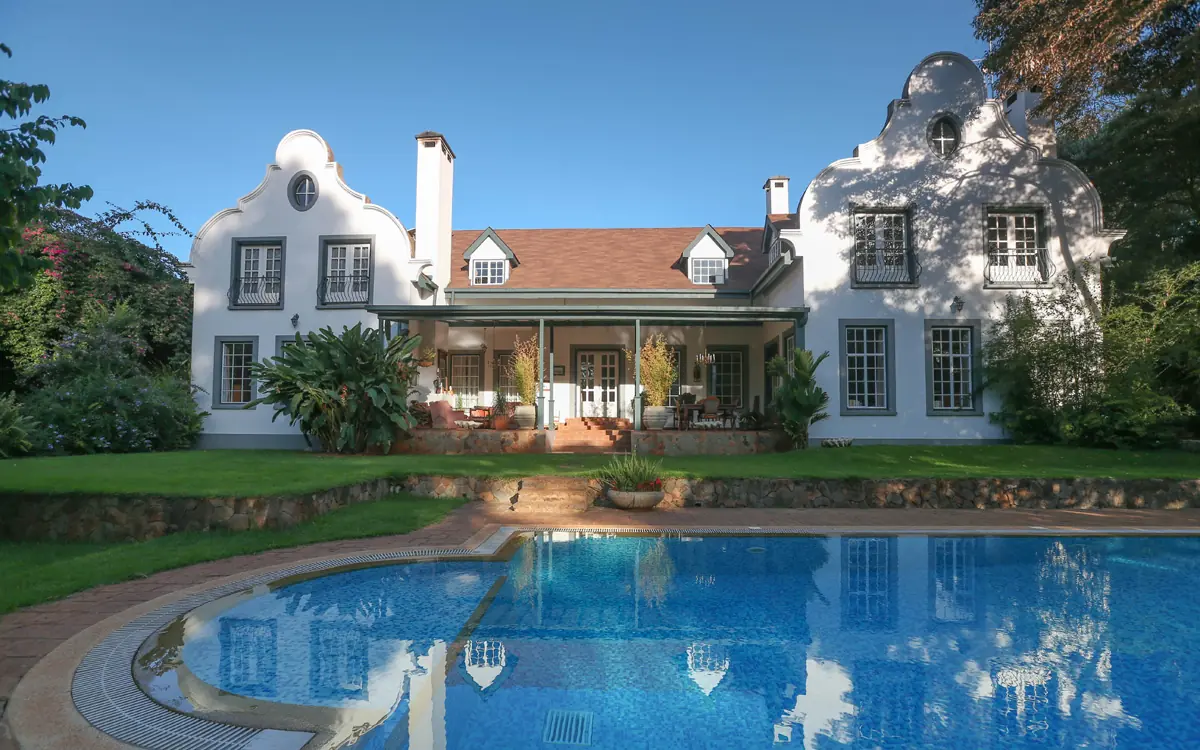
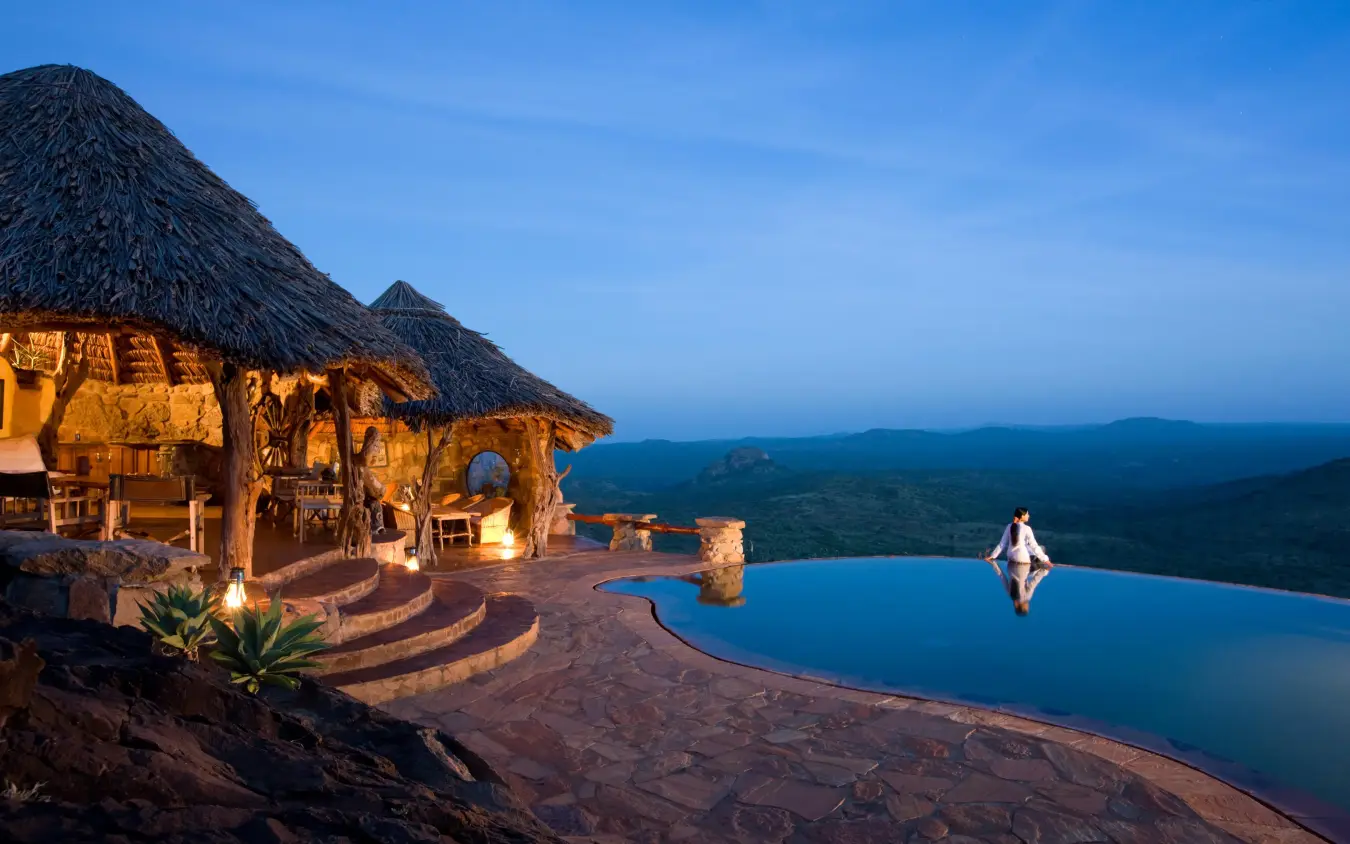
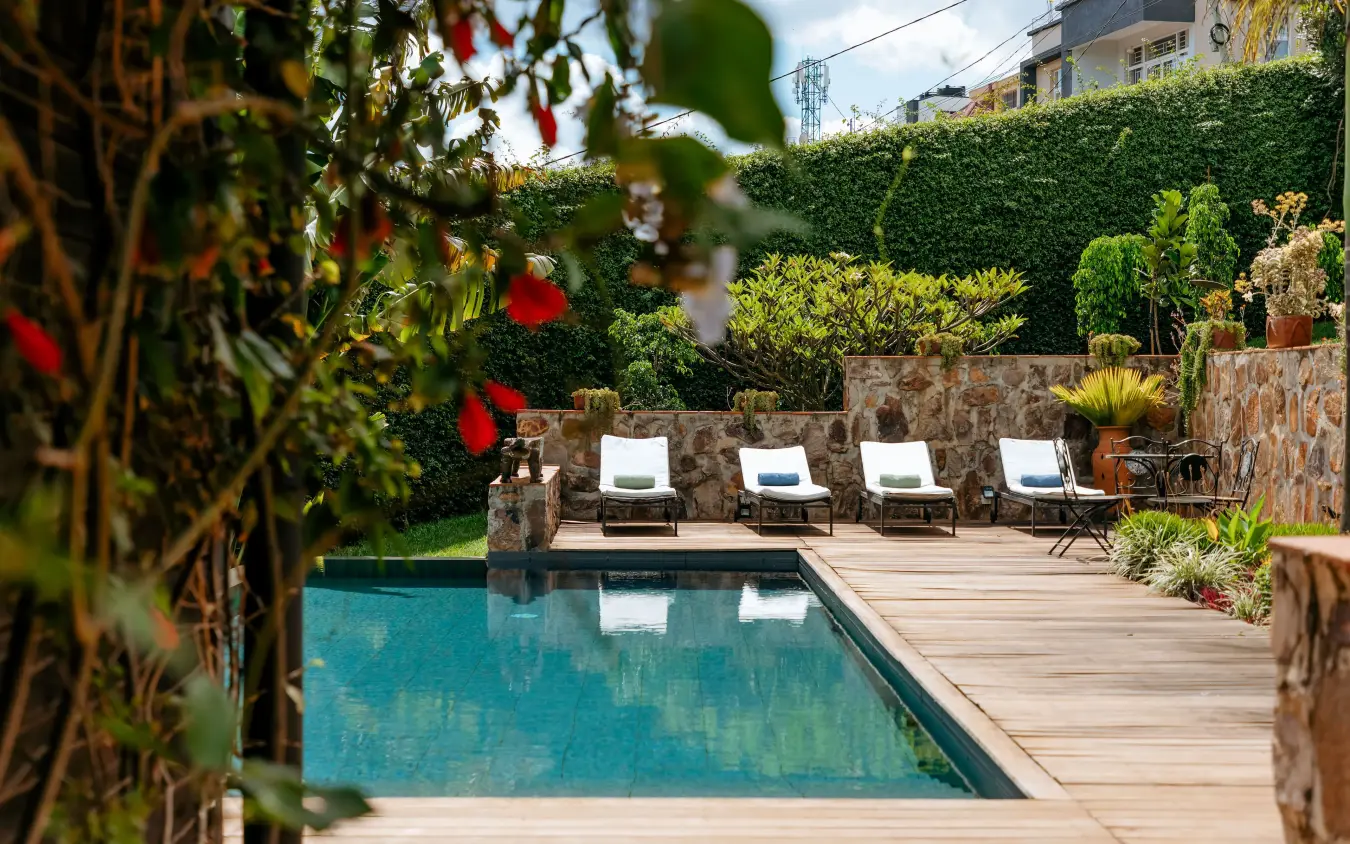
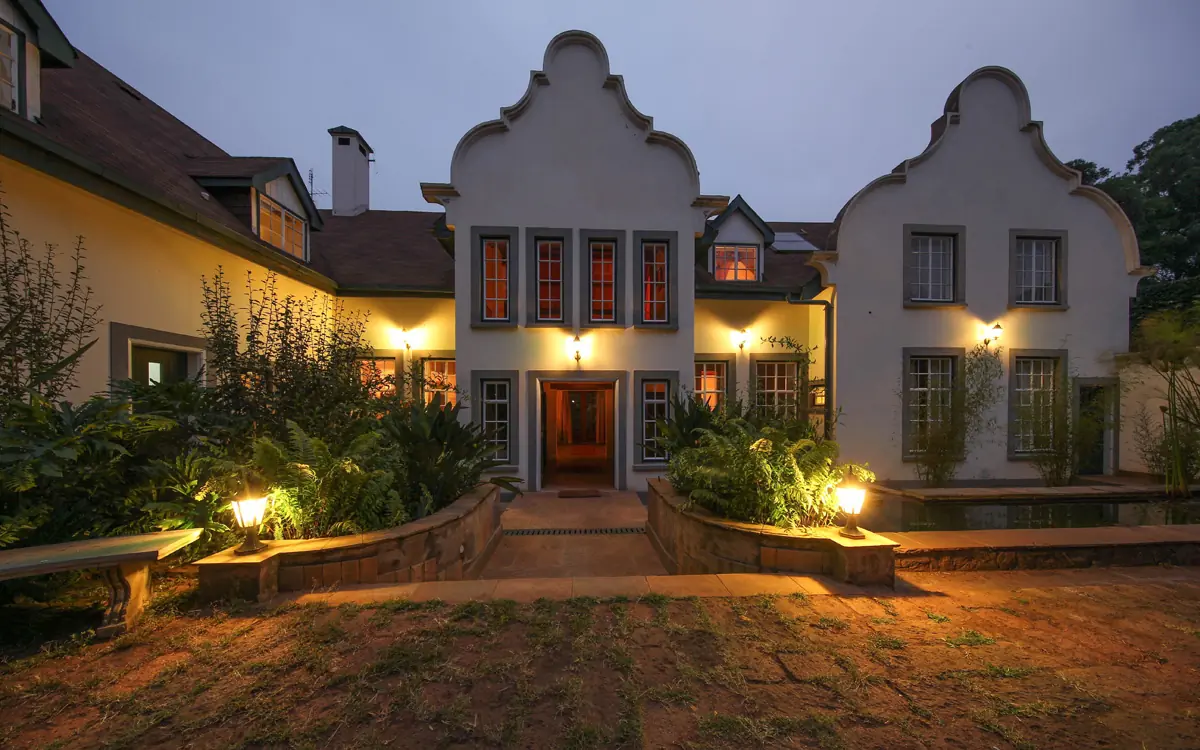
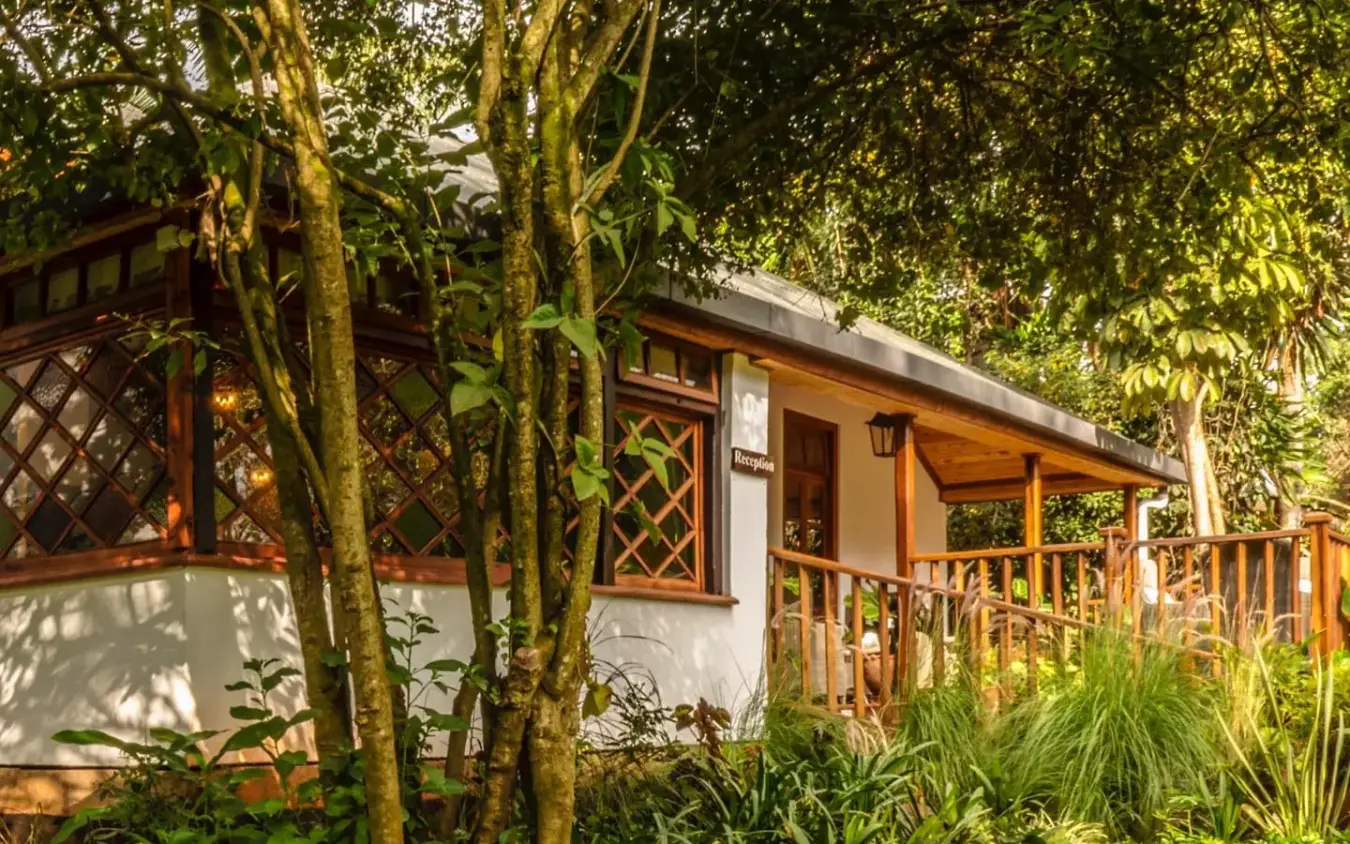
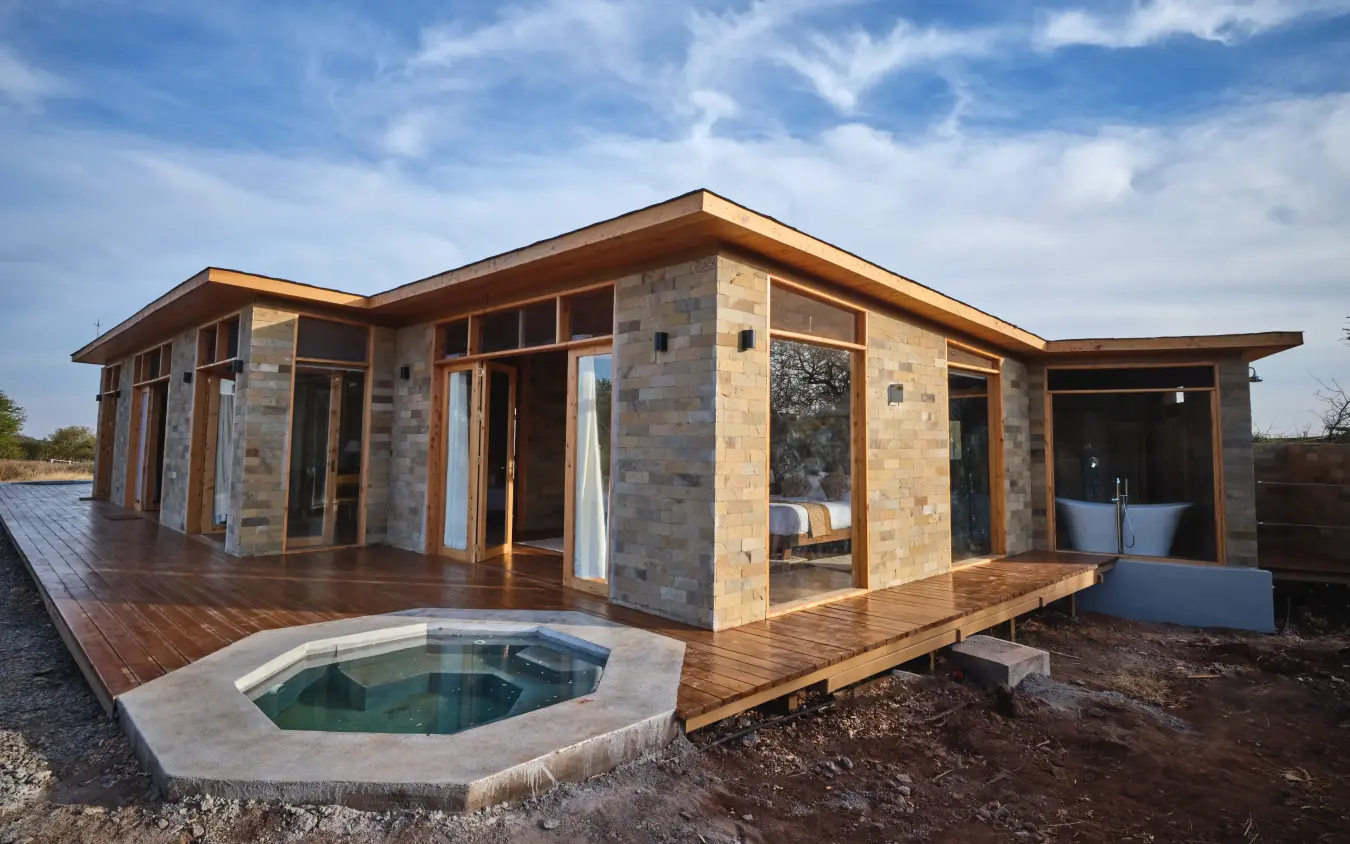
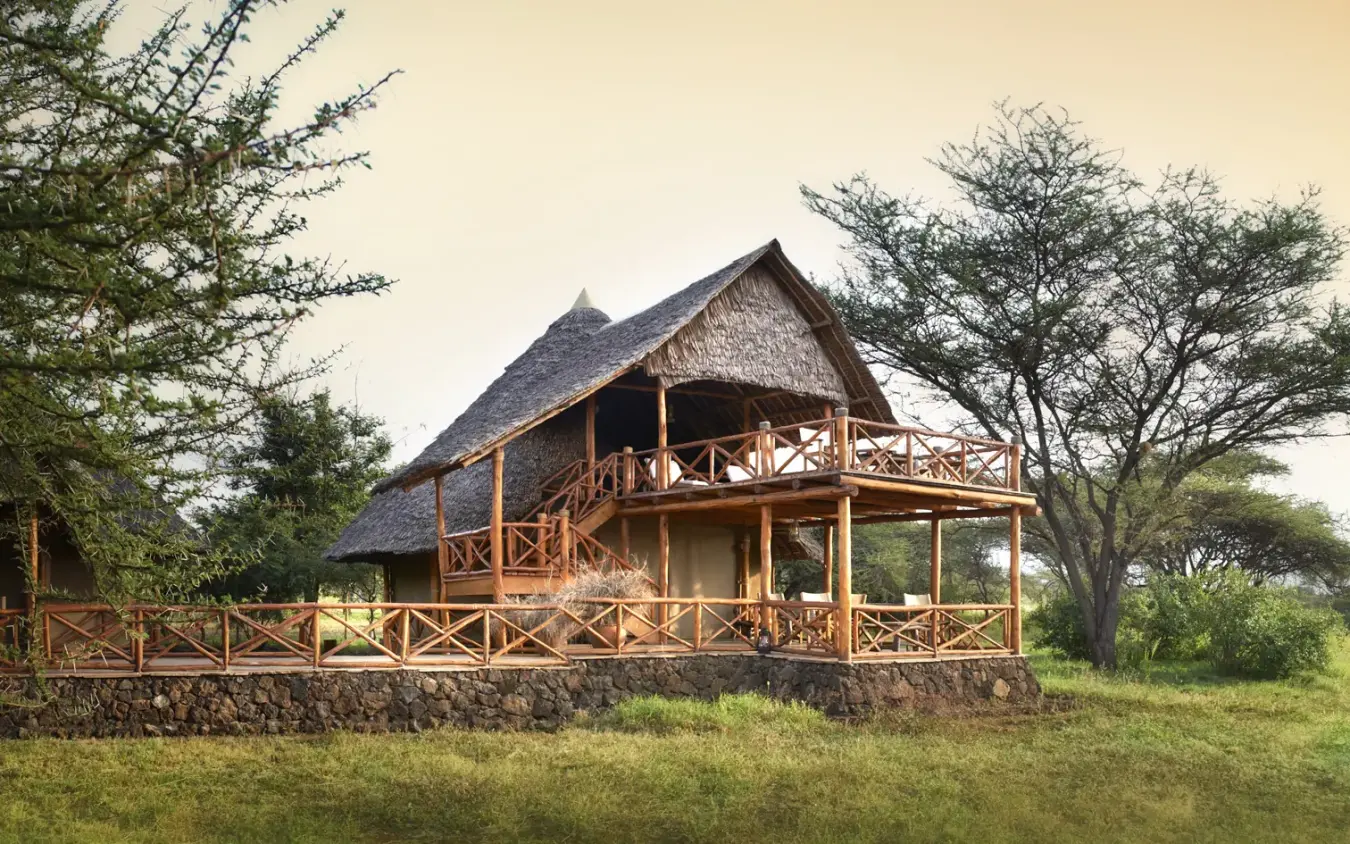
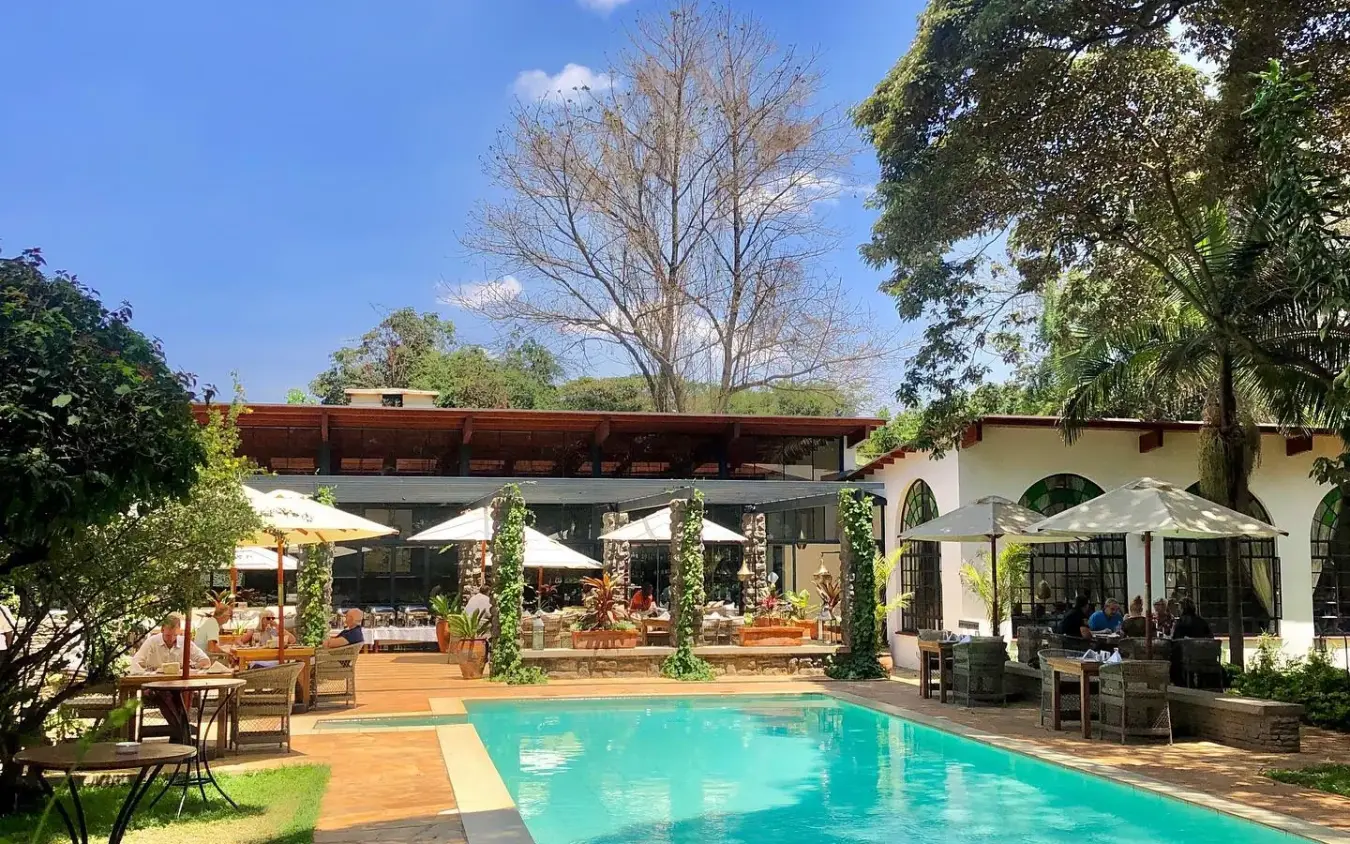
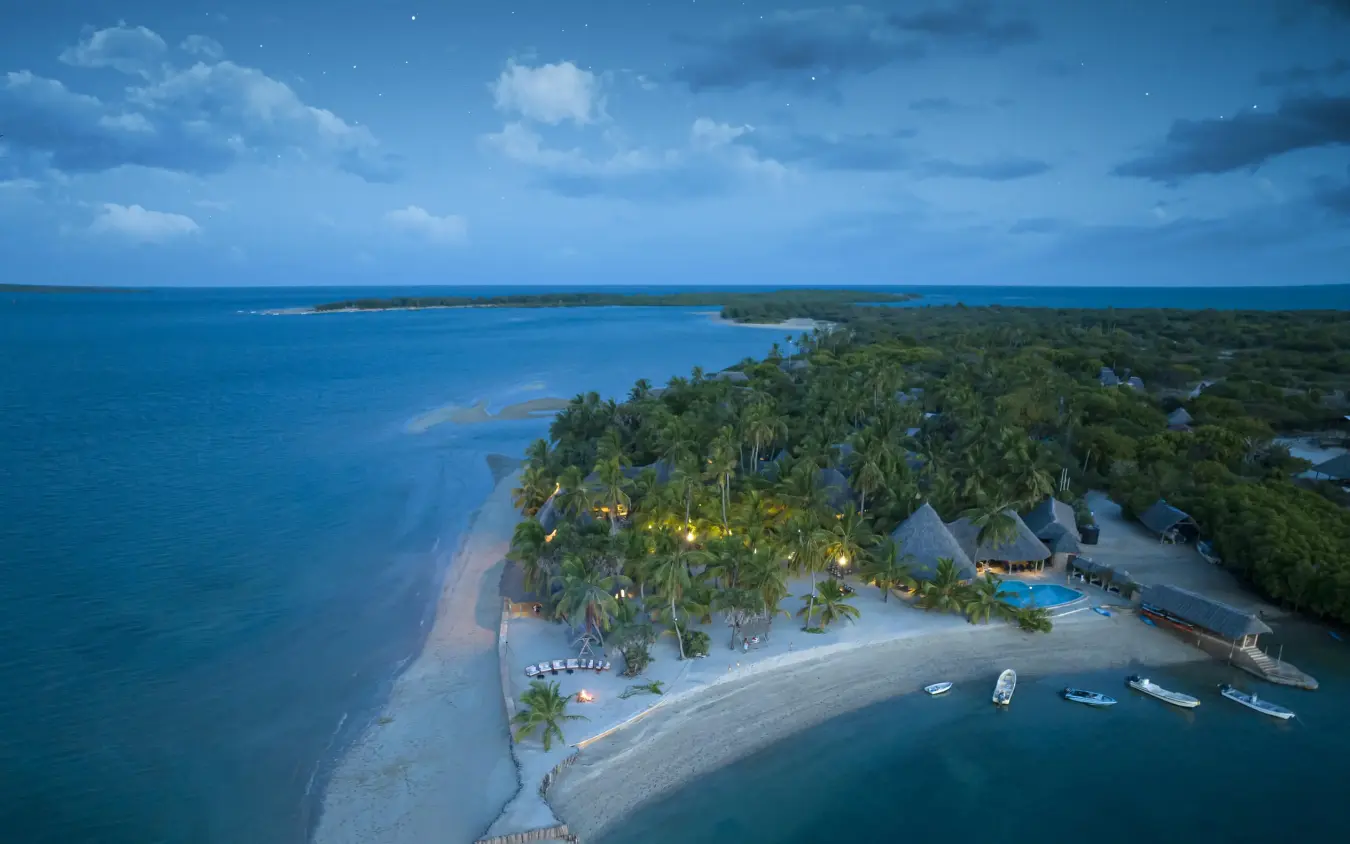
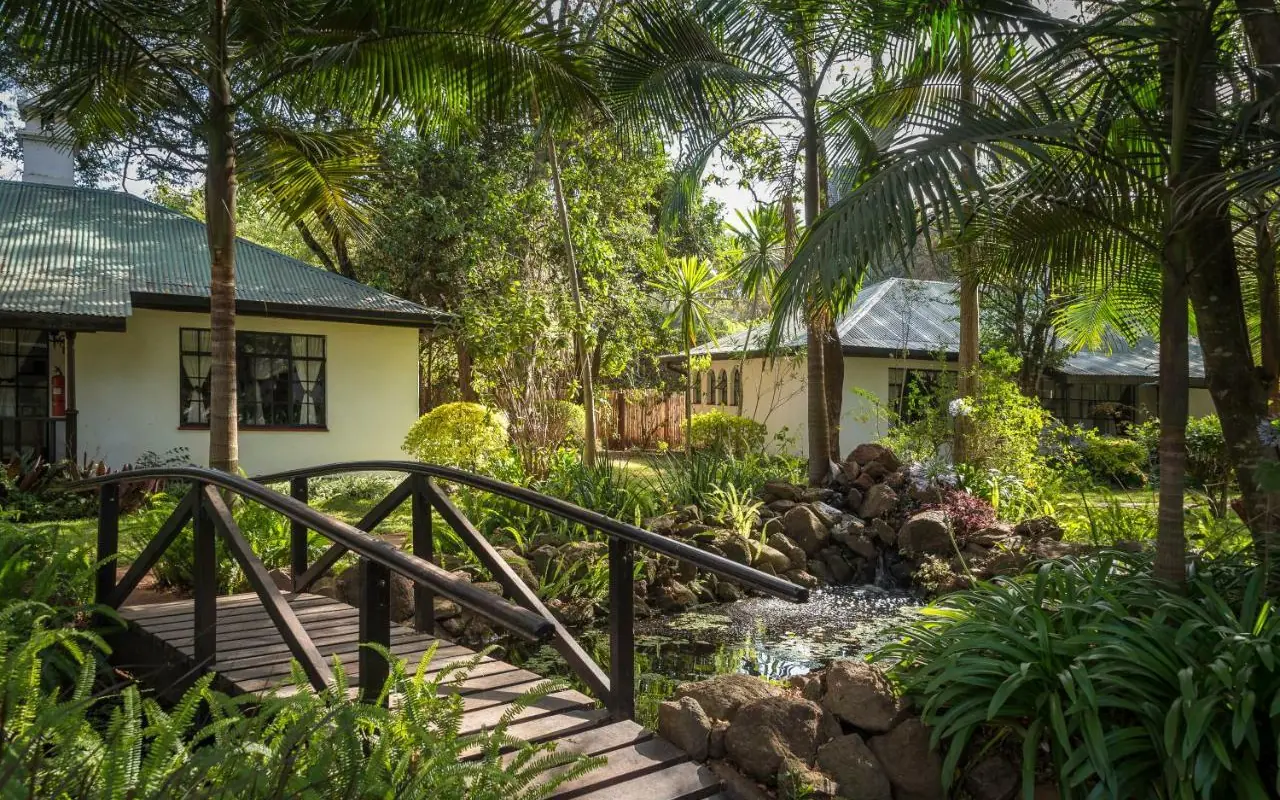
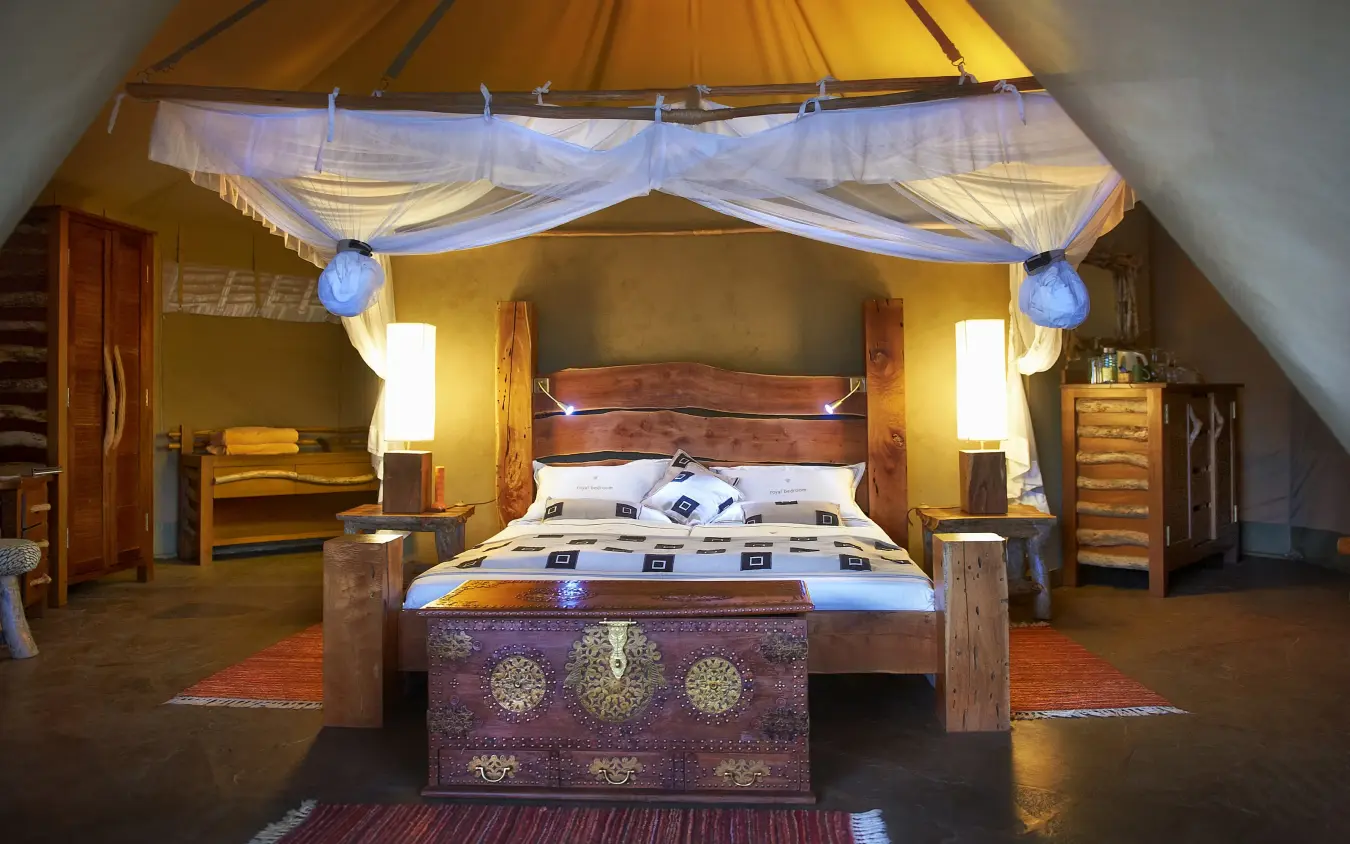
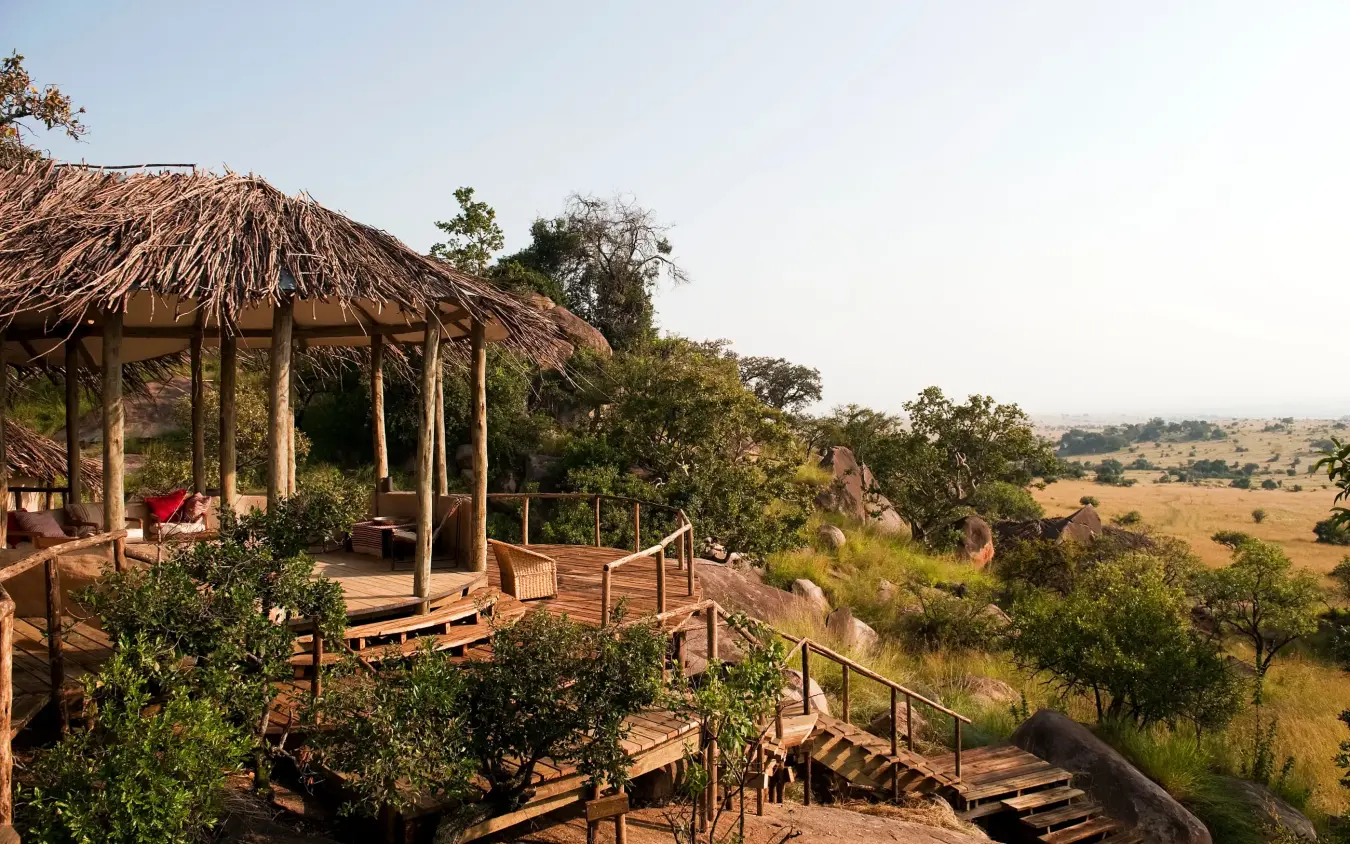
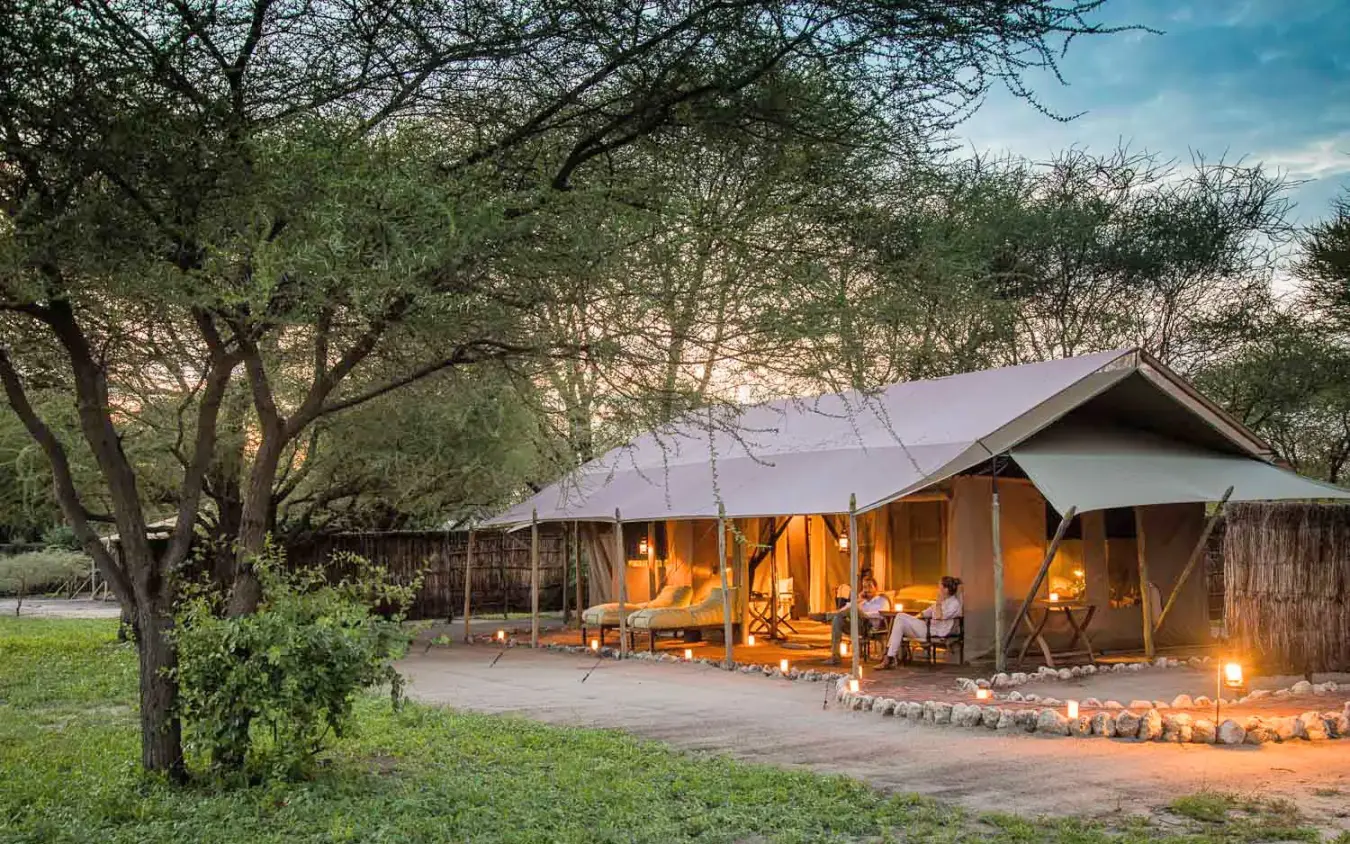
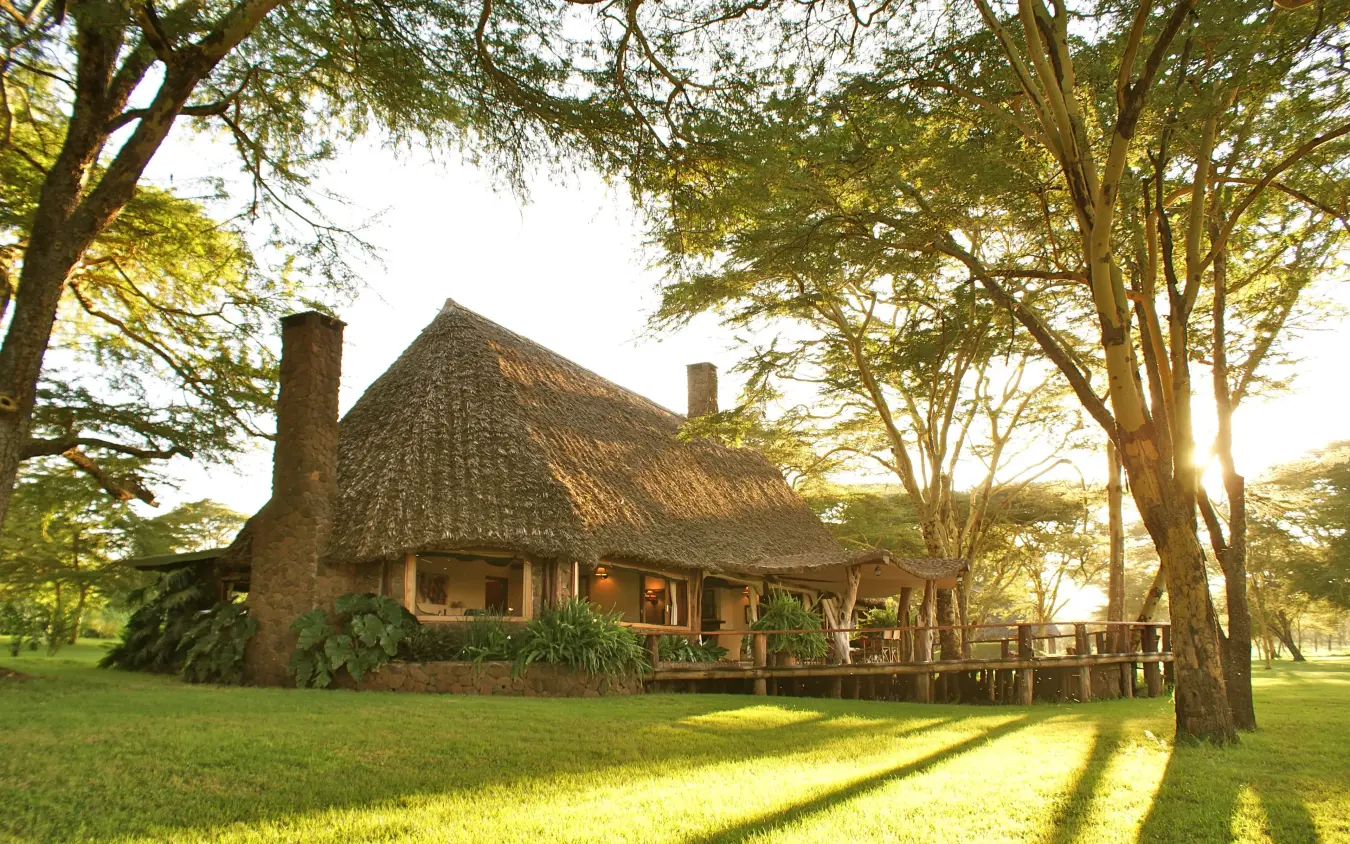
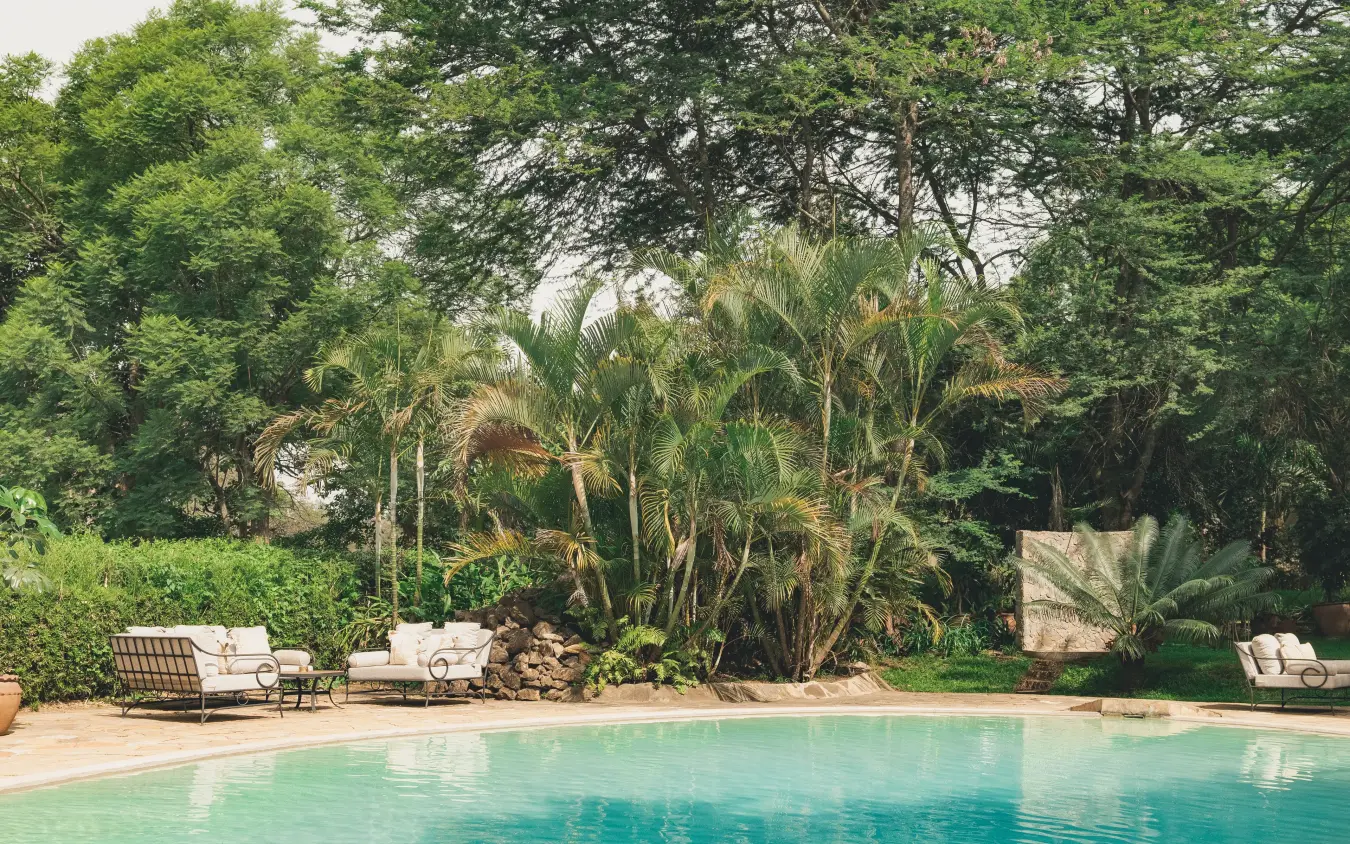
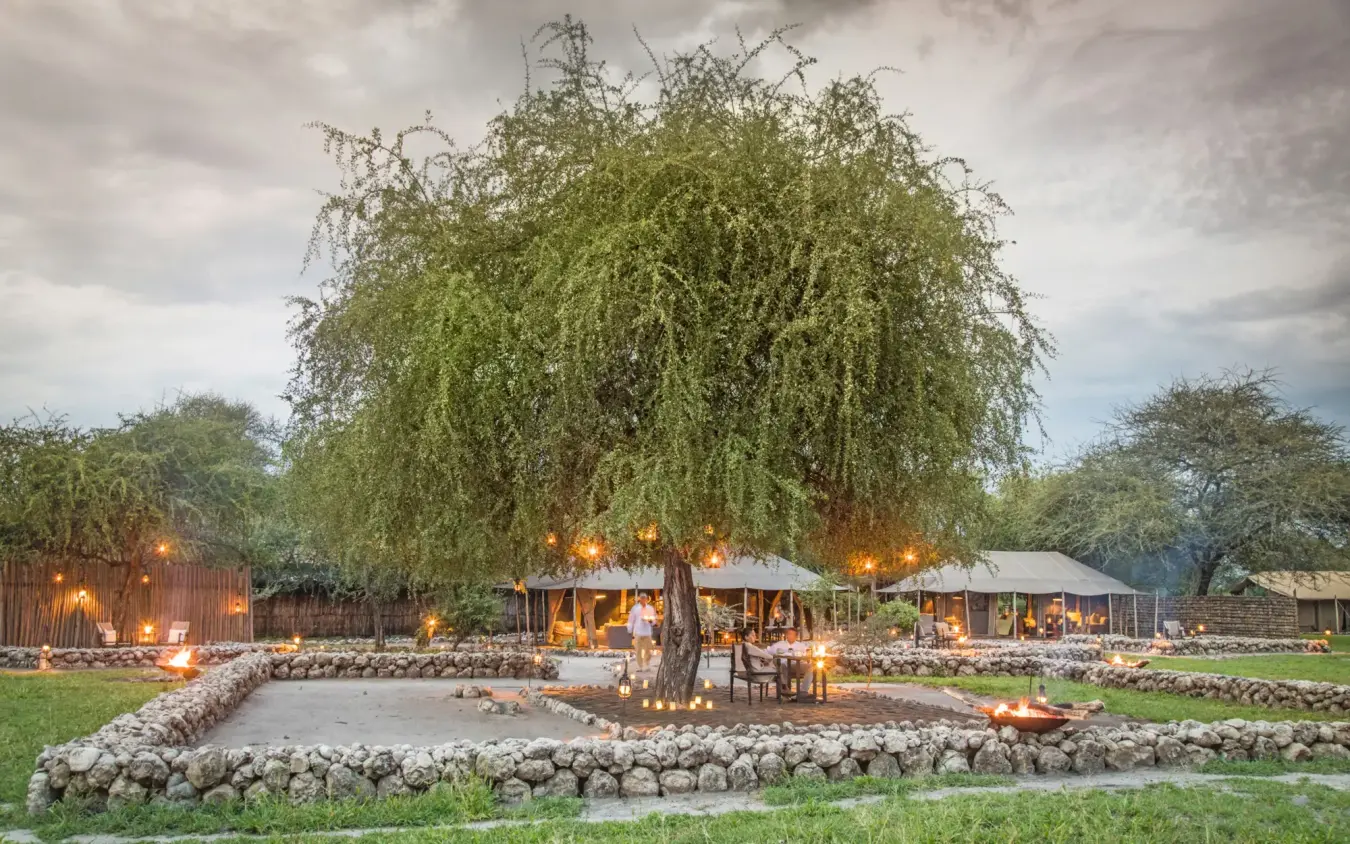
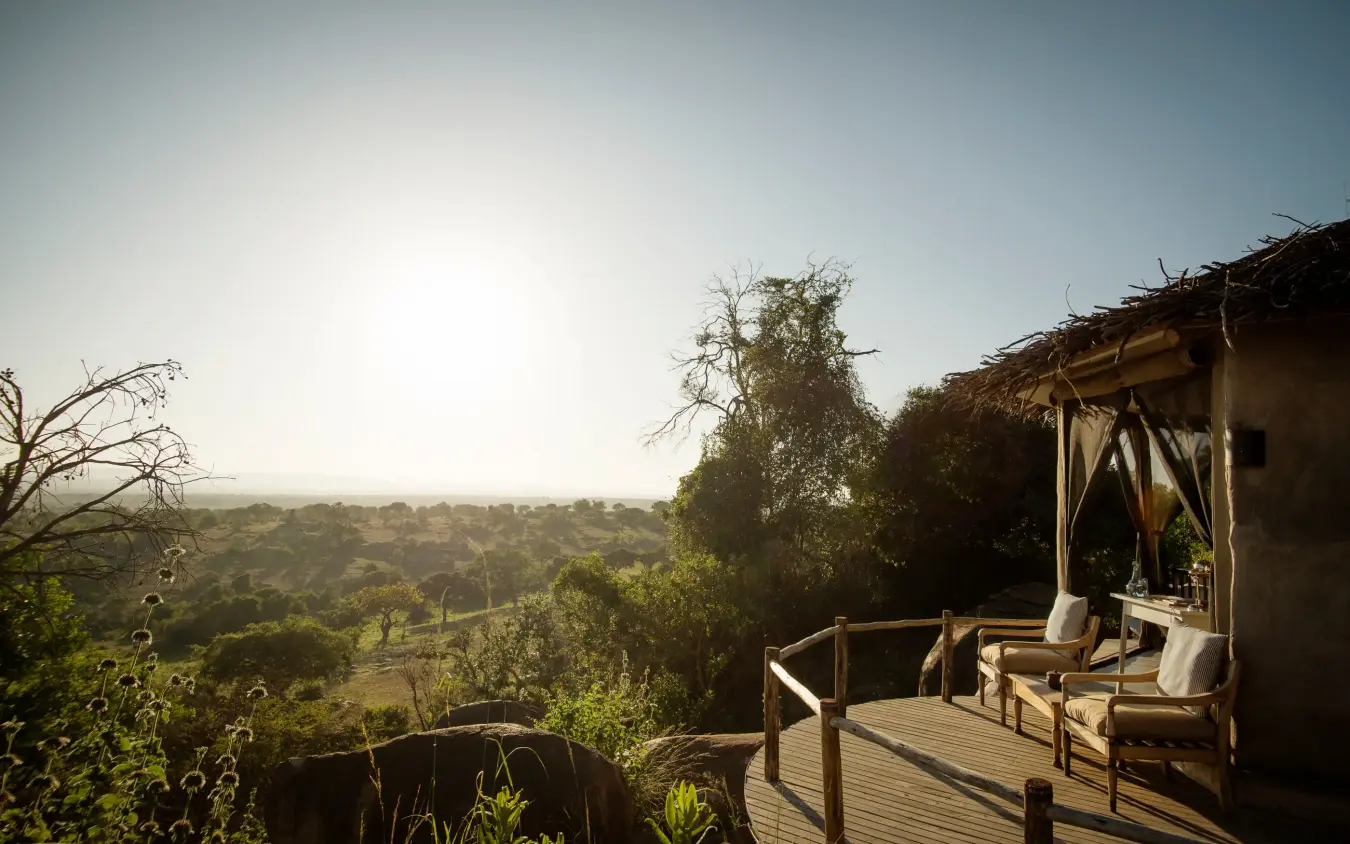
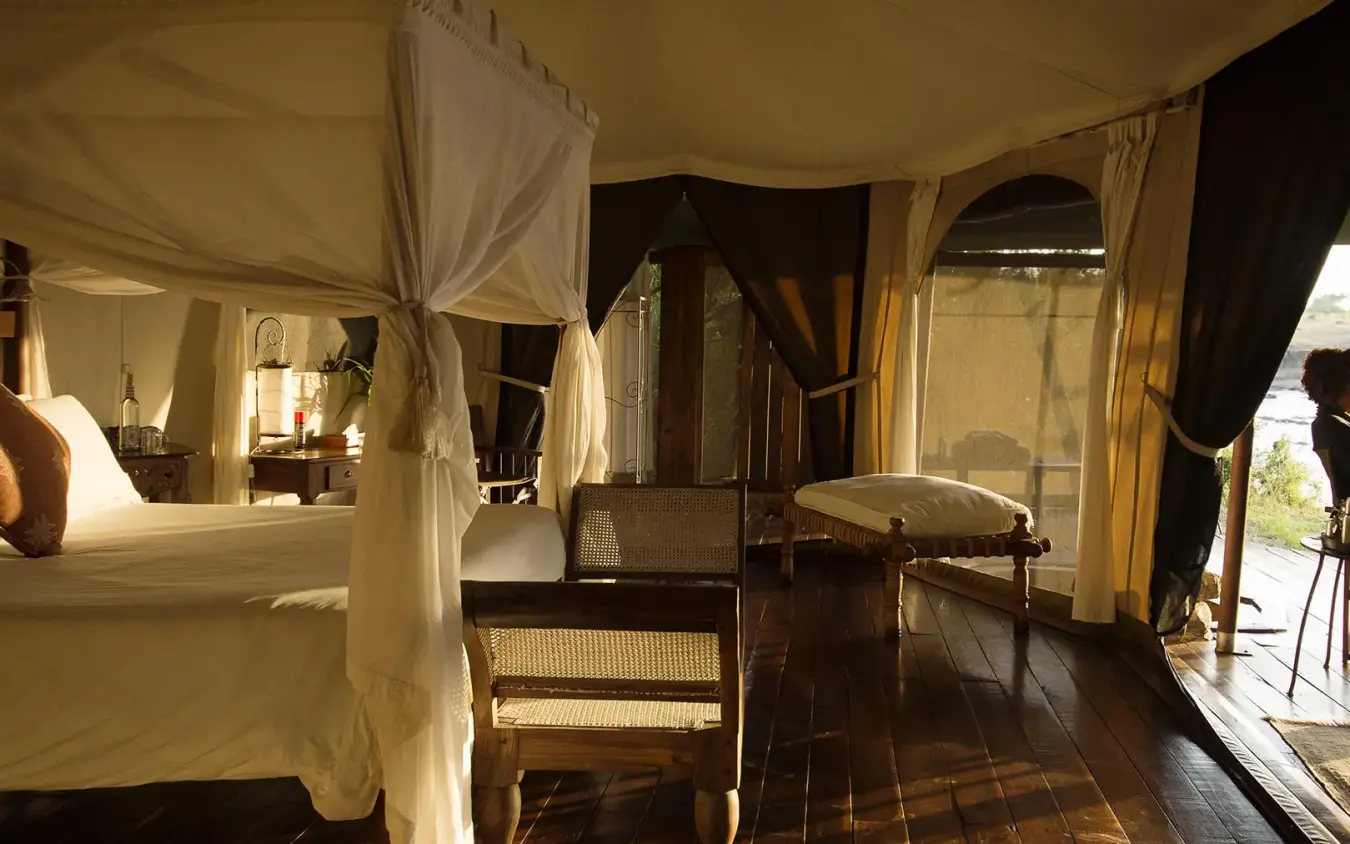
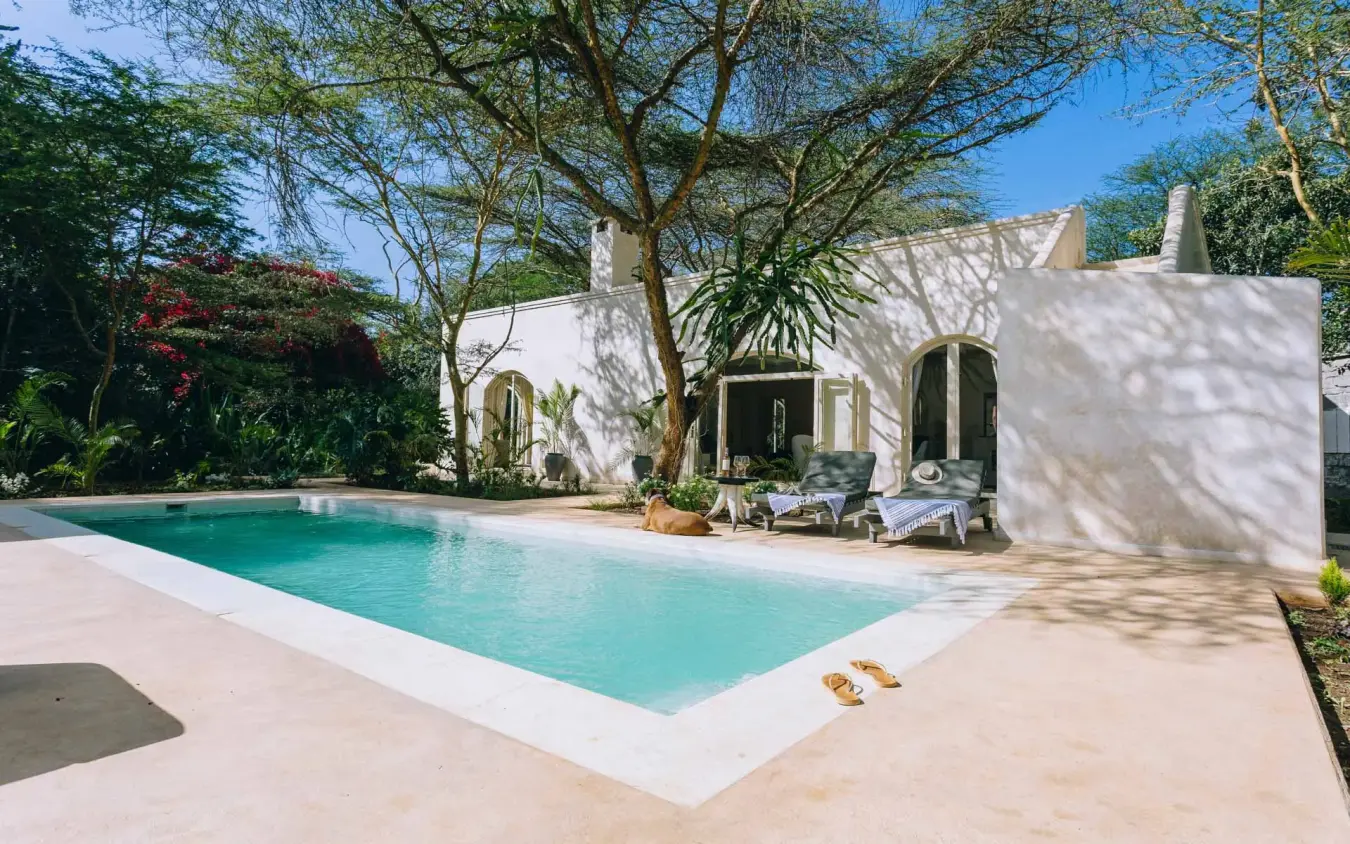
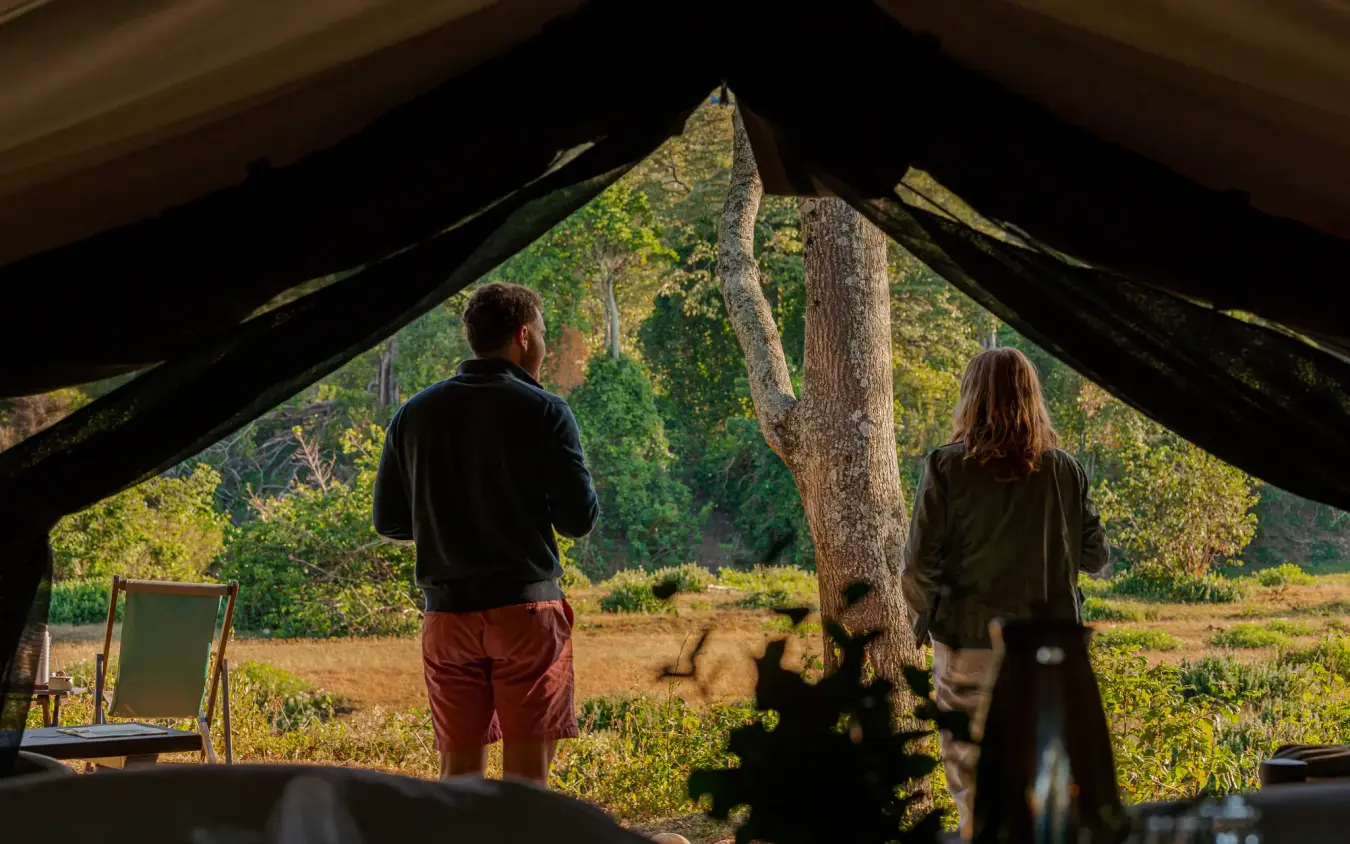
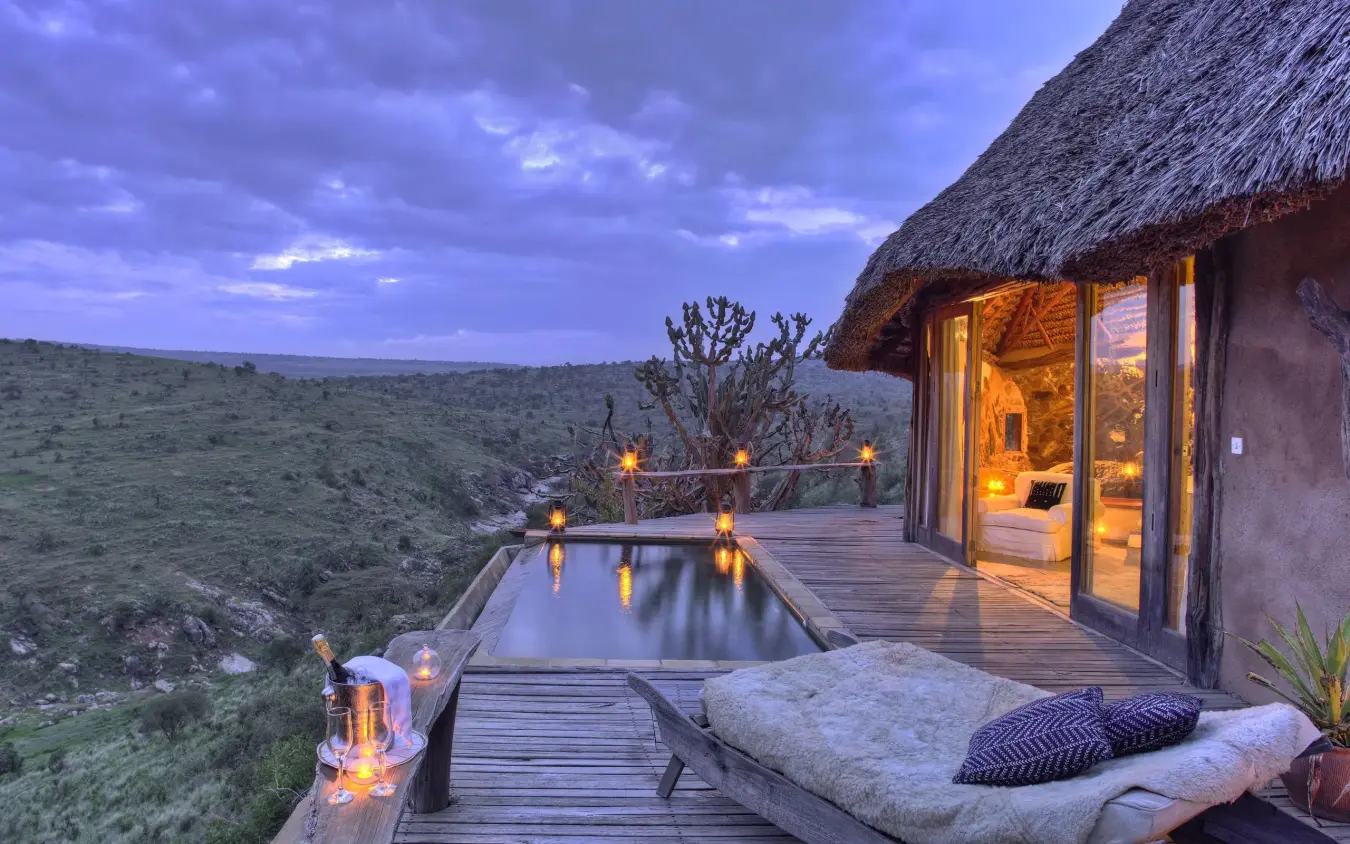
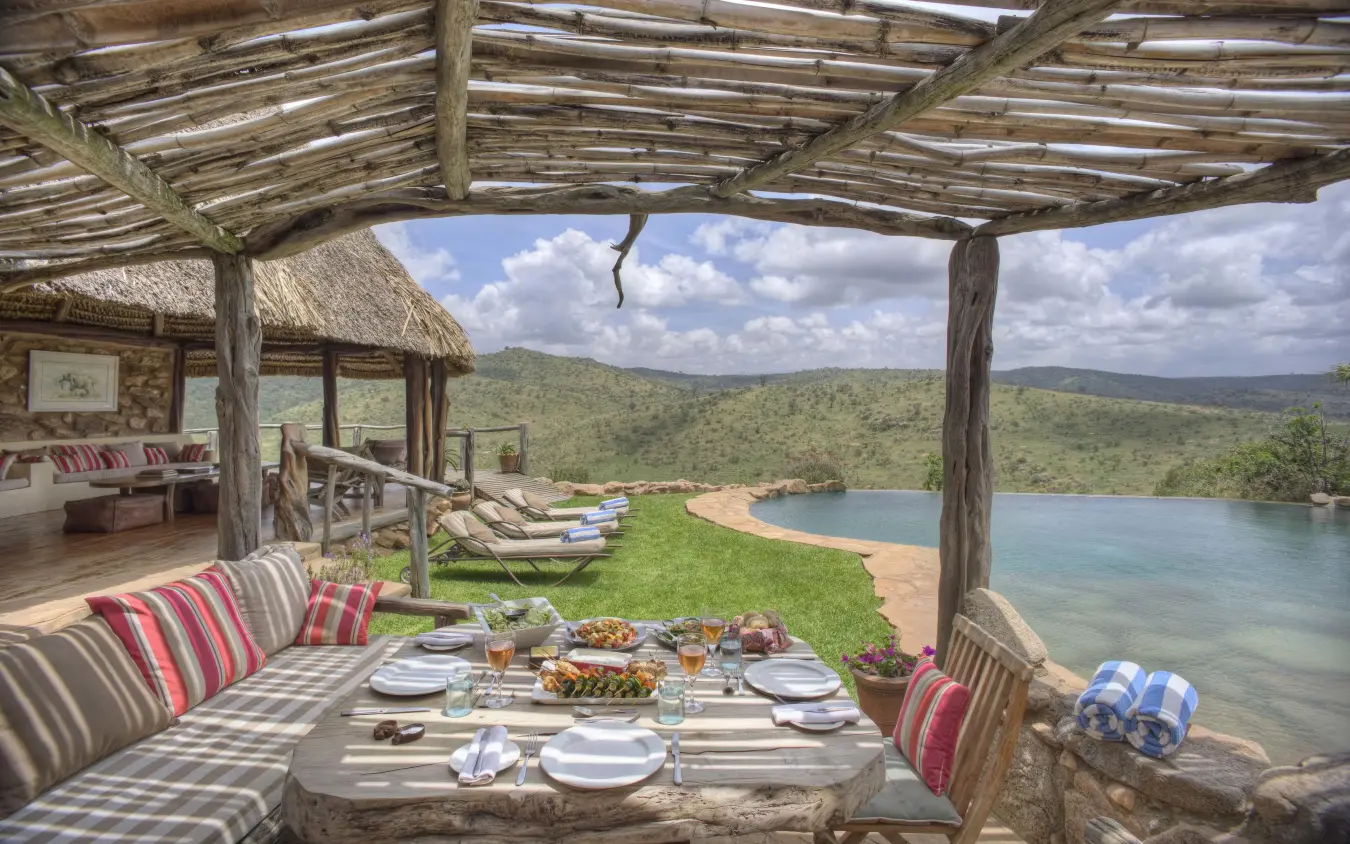
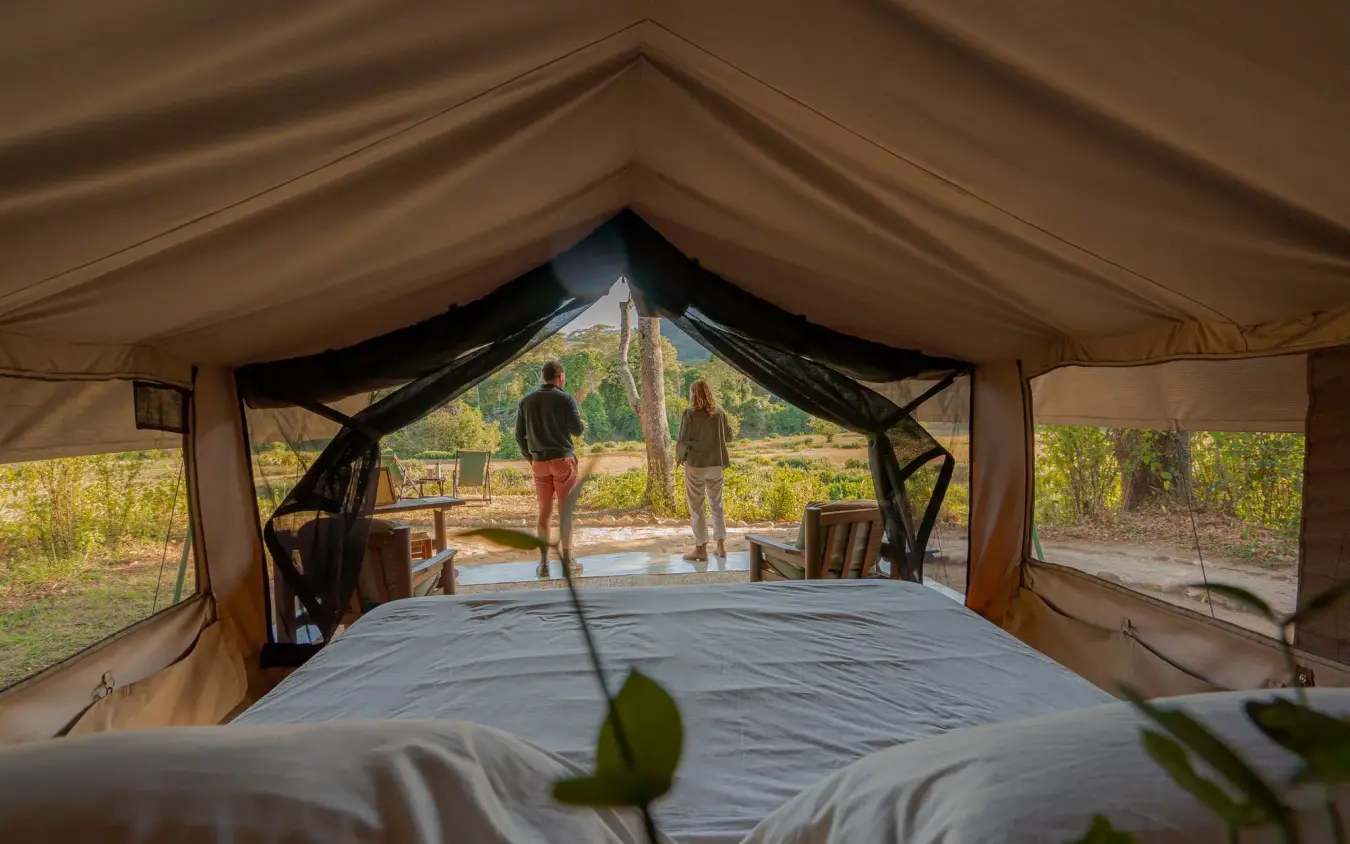
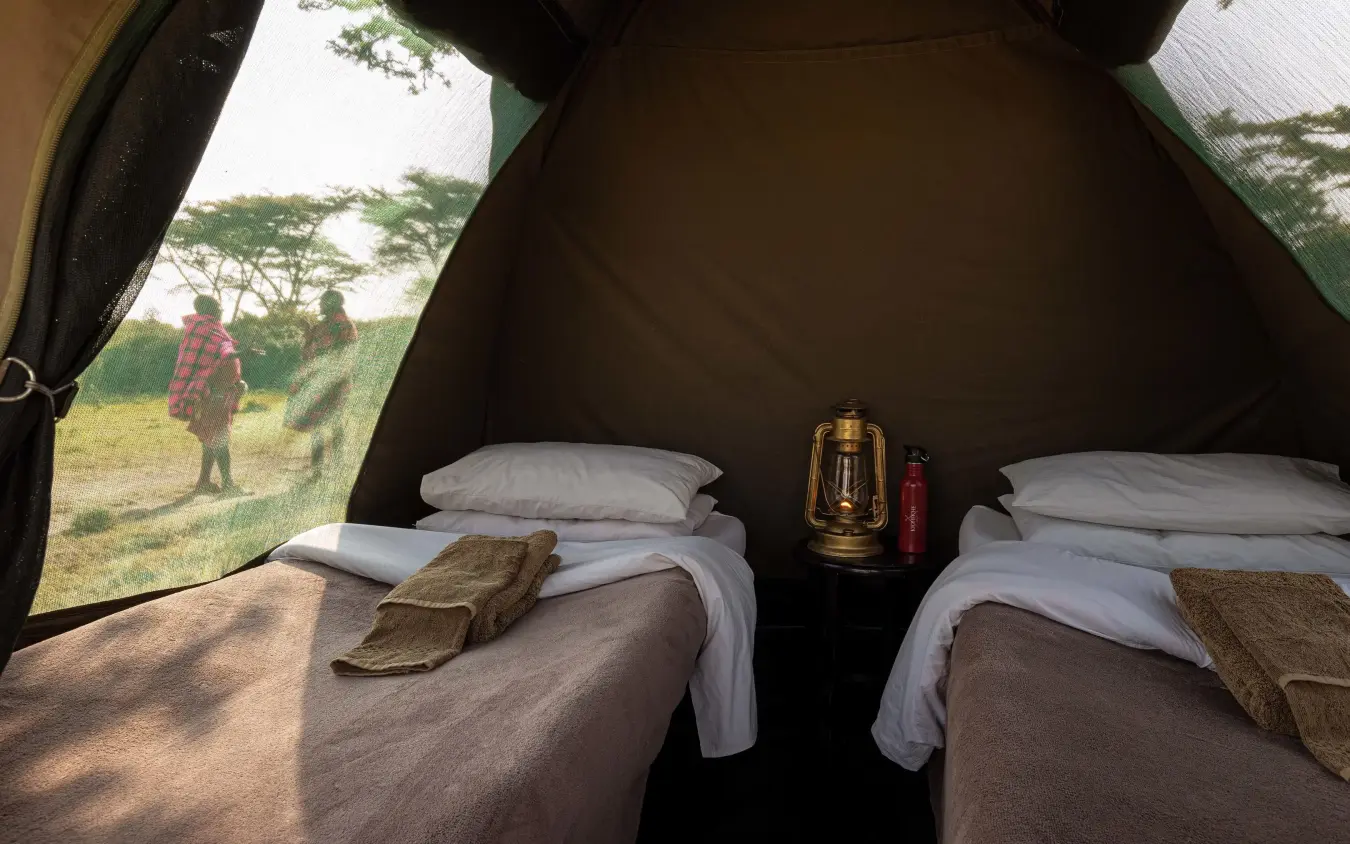
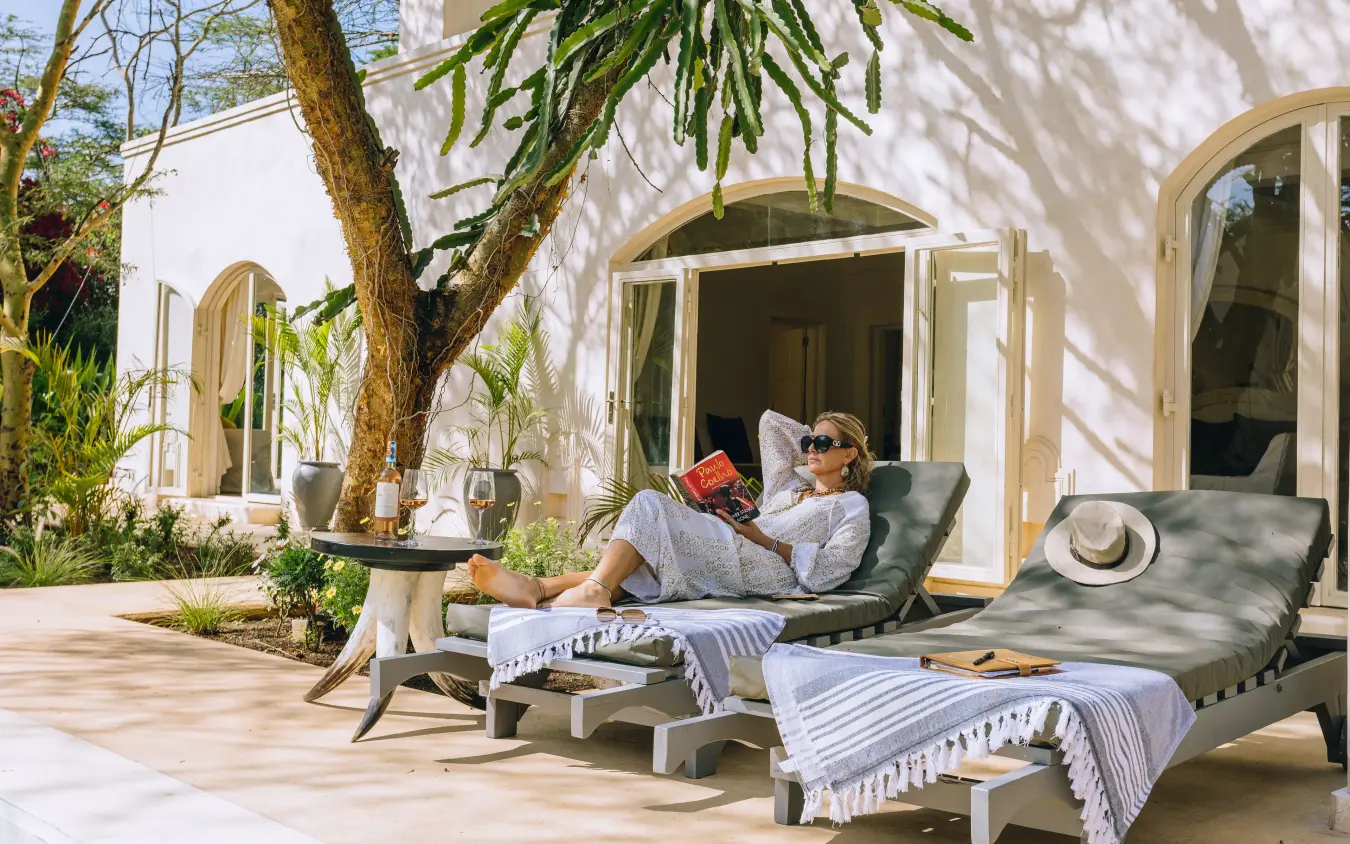
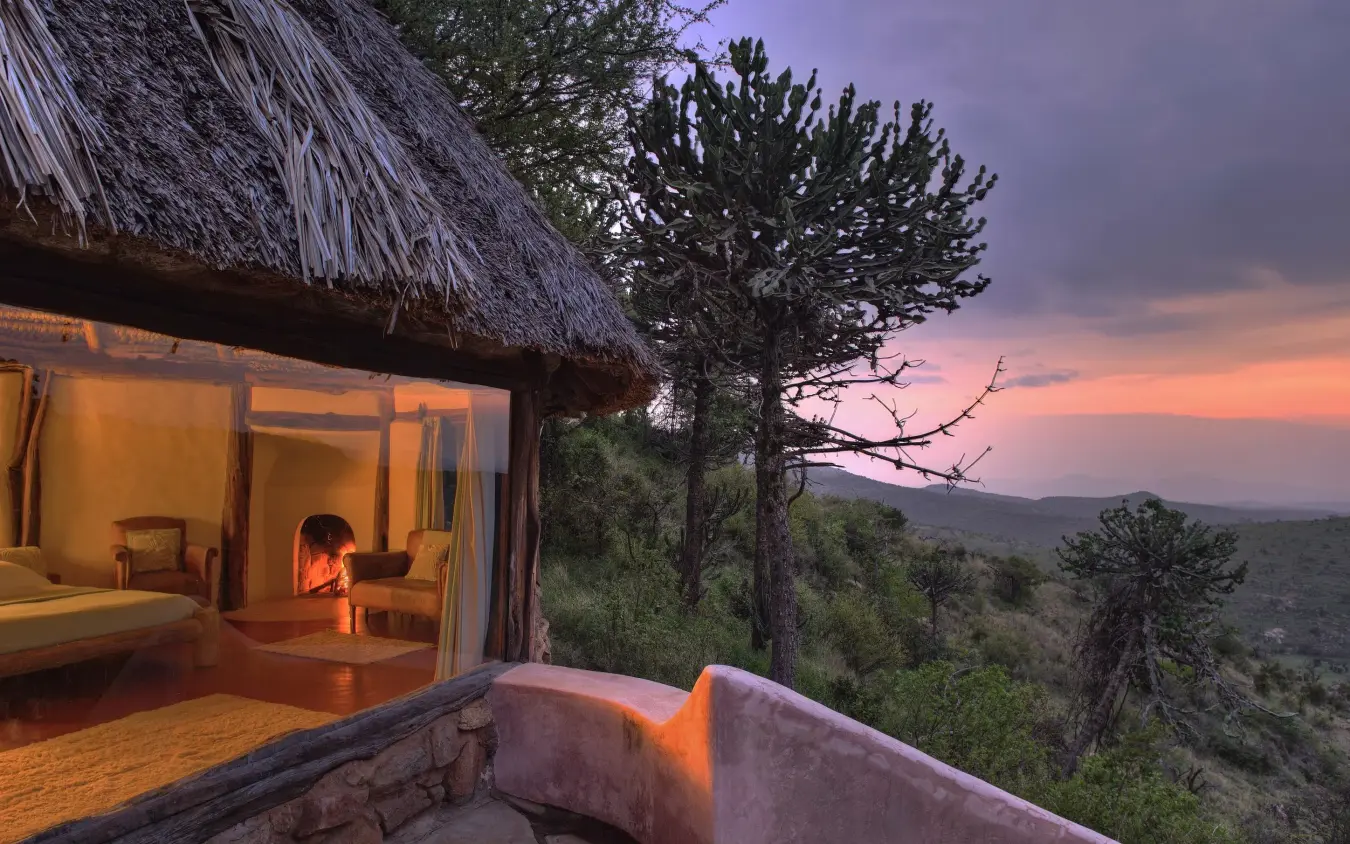
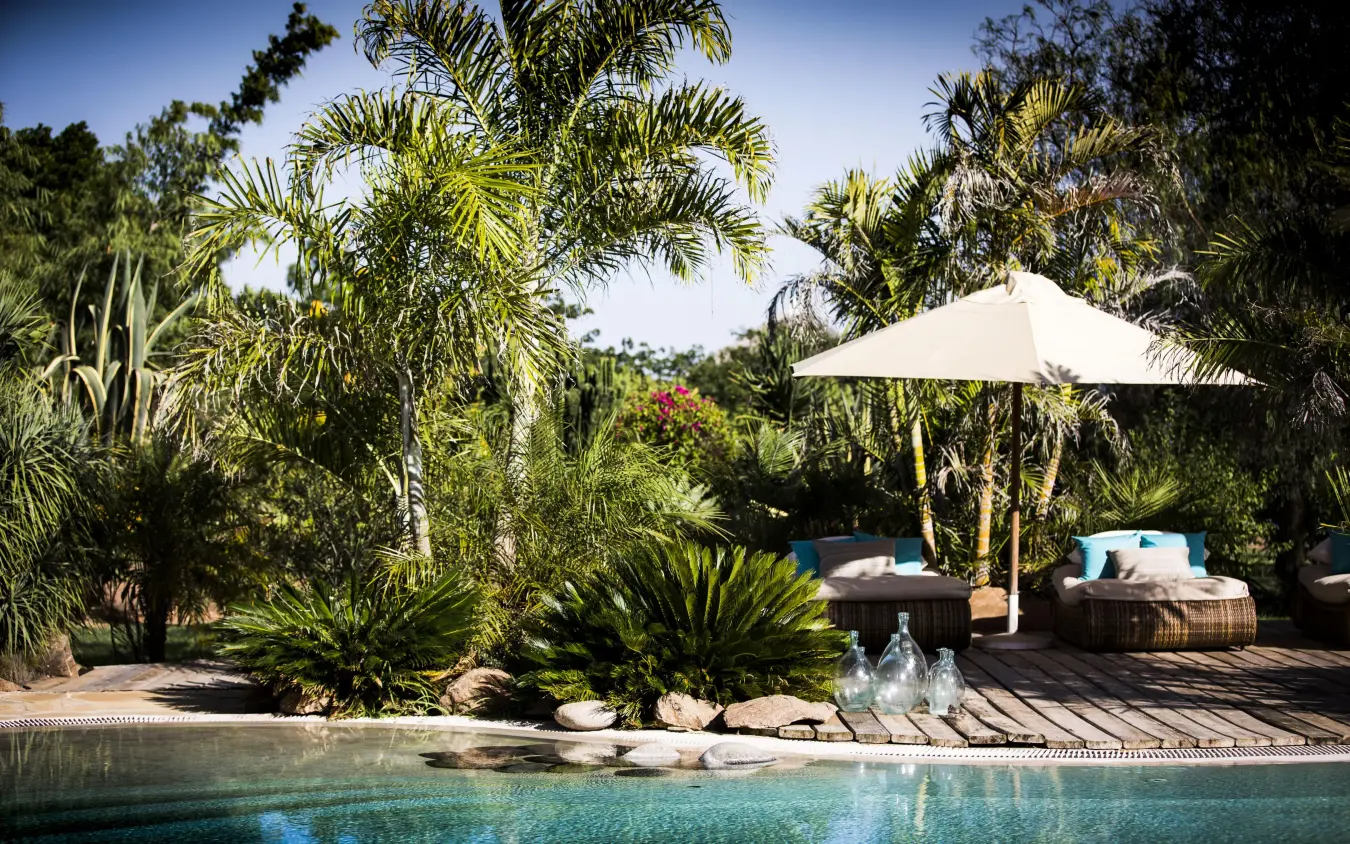
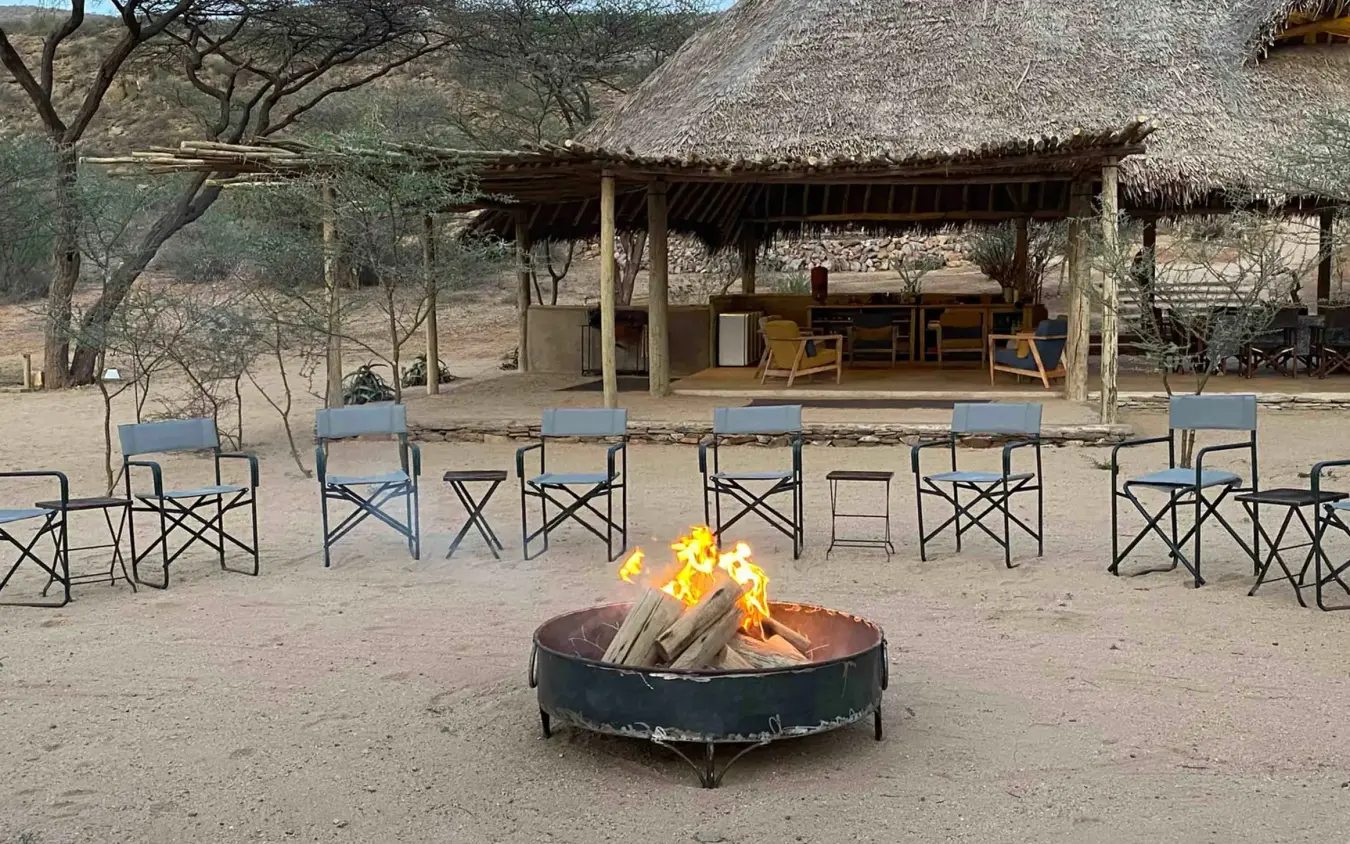
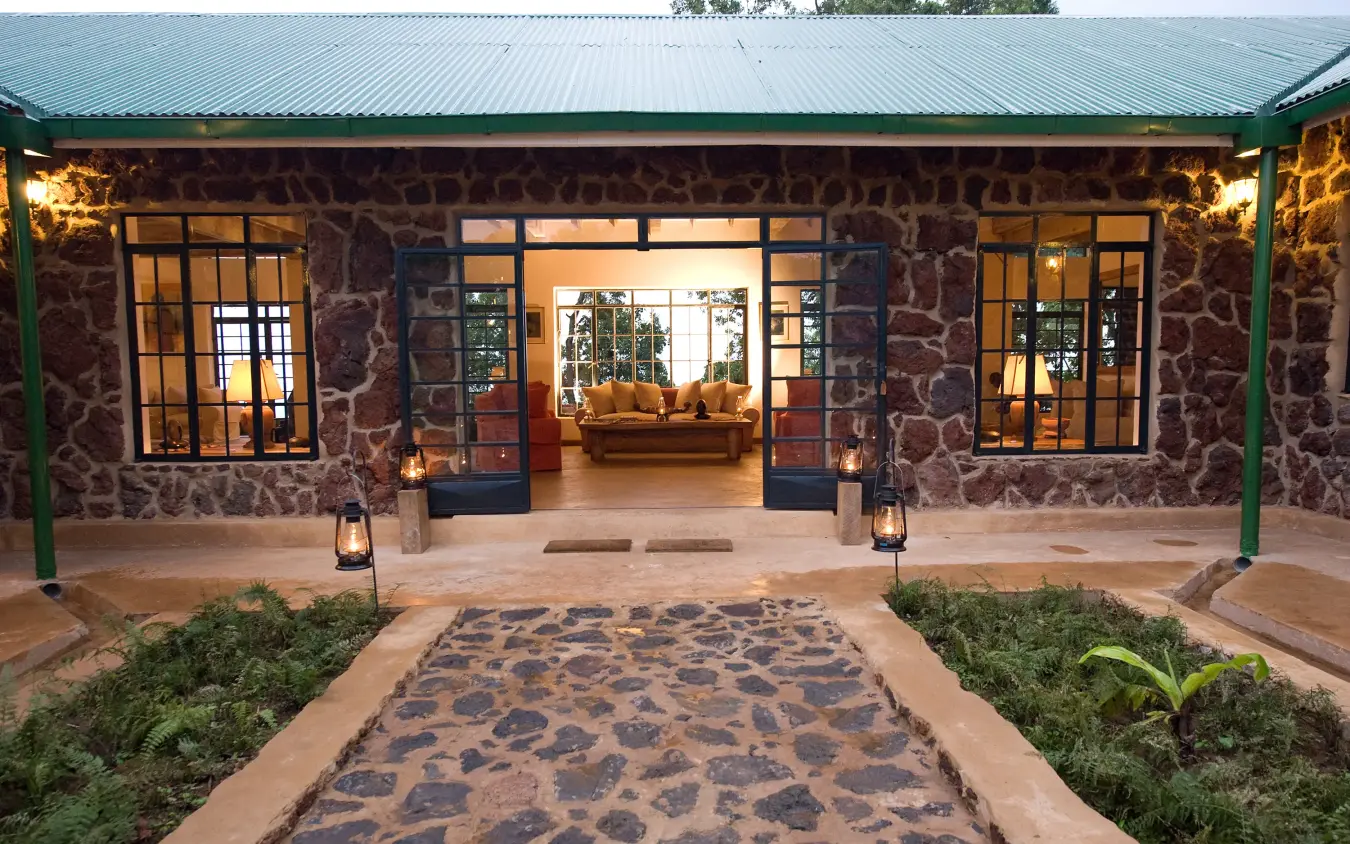
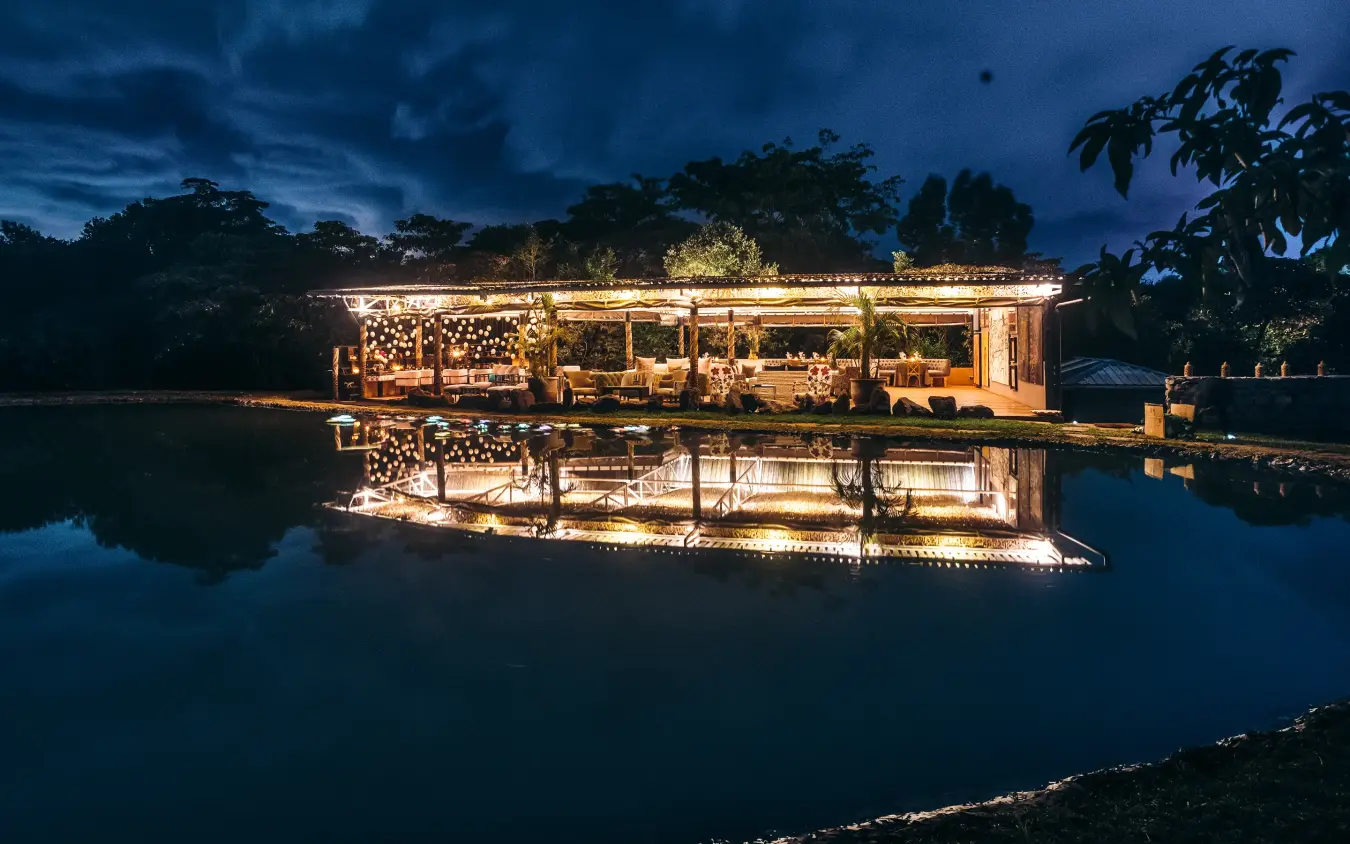
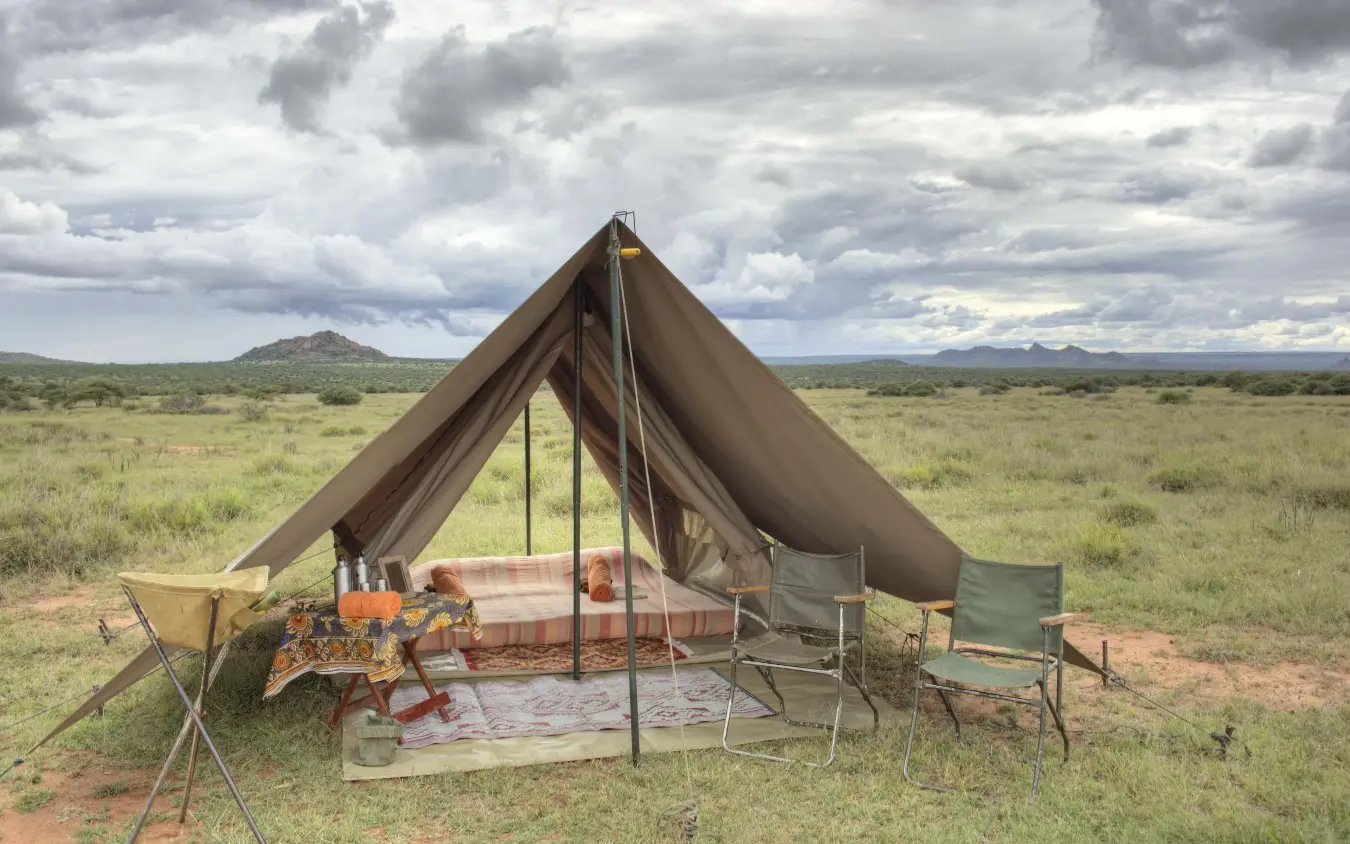
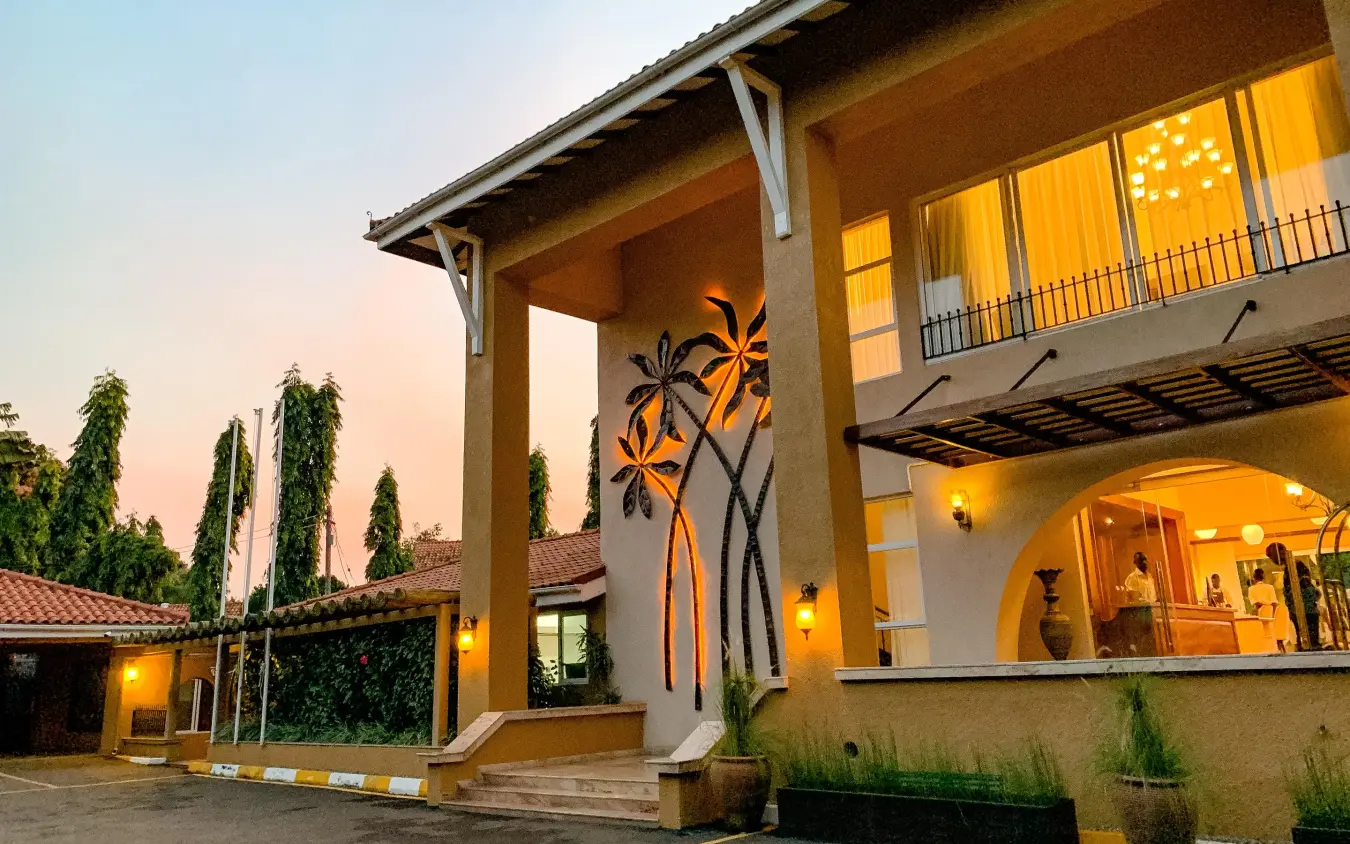
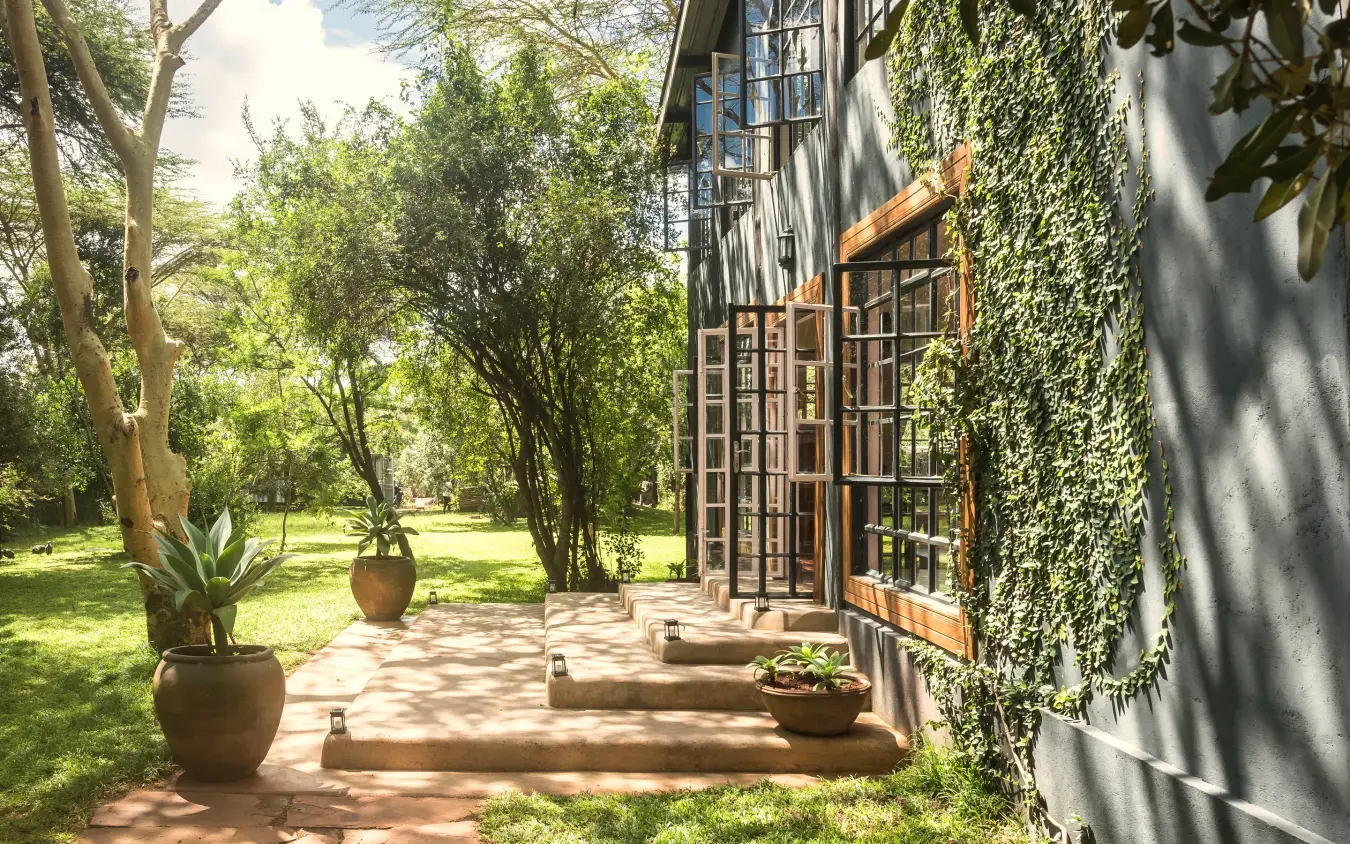
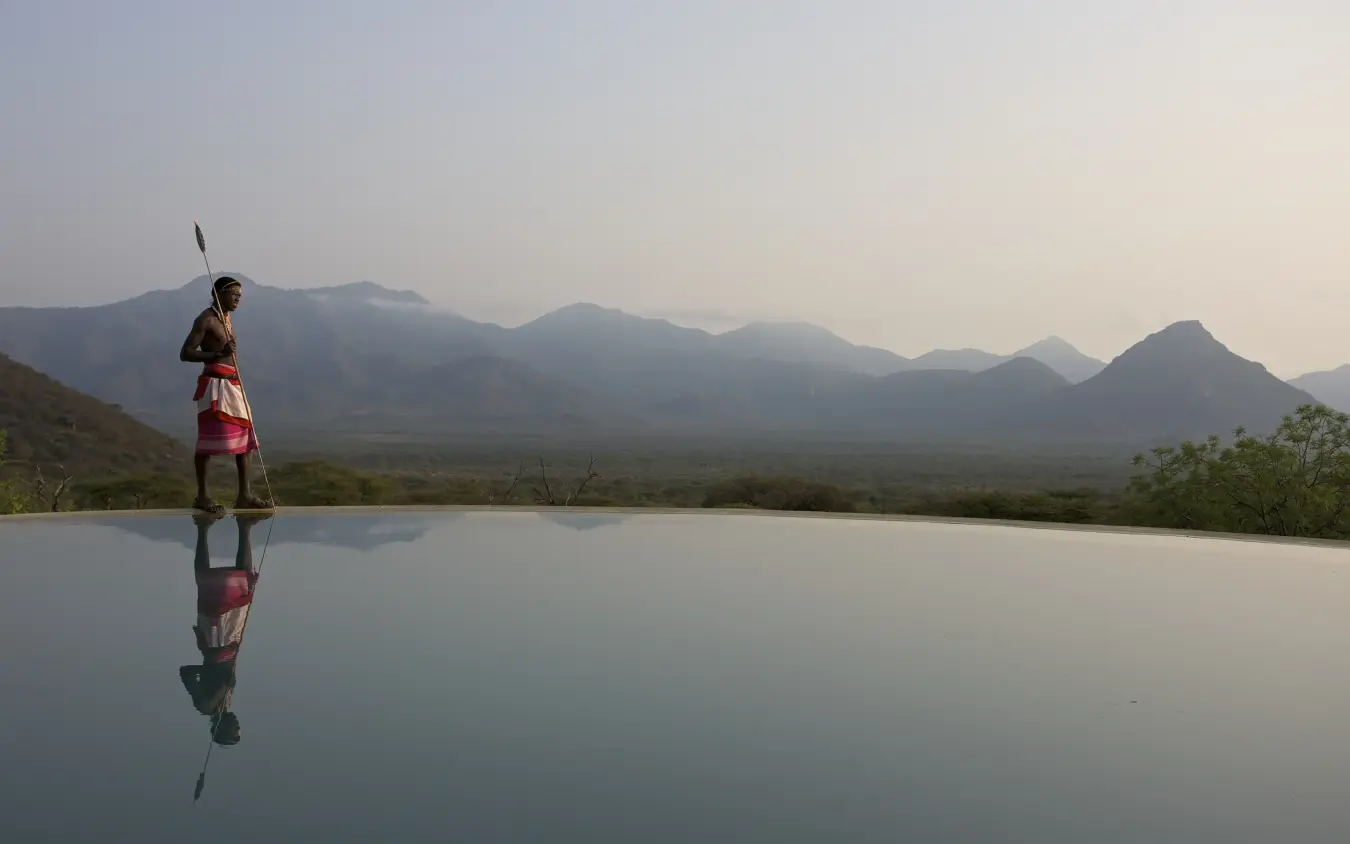
Private conservancies host intimate tented camps limiting guests to 20 across thousands of acres. Family-owned Laikipia lodges pair colonial architecture with active conservation. Community-owned operations range from walking camps to lodges with infinity pools. Exclusive-use houses suit multi-generational groups with private guides and staff. The coast offers converted mansions, private islands, and beach lodges. Mobile camps follow wildlife or establish bases in remote northern areas.
 01
01
 02
02
 03
03
 04
04
 05
05
 06
06
 07
07
 08
08
 09
09
 10
10
 11
11
 12
12
 13
13
 14
14
 15
15
 16
16
 17
17
 18
18
 19
19
 20
20
frequently asked questions
Reckon on $800 to $1,200 each a day for a well-run trip: a private guide, conservancy land rather than the public reserve, and camps small enough to know your name. That figure carries your rooms, all meals, park and conservancy fees, the guiding, the activities and the flights between areas.
Above it, $1,500 to $2,500 buys exclusive use, a guide who travels with you and helicopter legs where the road would waste a day. The far end is the northern expedition country, where a helicopter is the only sensible way in and a day can pass $5,000. We price all three side by side so you can see what the extra buys.
Seven to ten nights, which covers two regions properly: three or four nights in the Mara ecosystem and the same again in Laikipia or Samburu, with a night either side in Nairobi for the long-haul connections.
Two weeks lets you add the coast. The far north works best as a four or five night extension rather than a trip of its own. Kenya rewards staying put: the second morning in one place is almost always better than the first, and moving every two nights costs you more in airstrips than it gives you in country.
By light aircraft, on scheduled services that run daily. The Mara is about forty five minutes from Nairobi's Wilson airport, Laikipia an hour and Samburu about ninety minutes. Soft bags only, and we confirm the weight limit for your routing before you pack.
A private charter is worth pricing when the party is four or more, or when a scheduled hop would cost you a morning. Roads are fine over short distances and expensive in time over long ones. A helicopter opens ground that nothing else reaches, the Suguta Valley and Lake Turkana above all, and we quote it beside the alternatives.
The conservancies. Neighbouring landowners lease their ground to a small number of camps, the lease money goes to the families who own it, and in return the land carries far fewer beds than the national reserve next door. You get quiet sightings, night drives and walking, and the money stays where the wildlife is.
The range is the other reason. Glaciers on the equator, the Mara grasslands, the northern deserts and the reef, all inside one country with direct flights from Britain. It means a first safari and a fifth can both be built here without repeating themselves.
For July to October, twelve to eighteen months ahead. The small conservancy camps in the Mara are the first to go, and the best guides go with them.
January and February are excellent and need less notice, six to nine months in most years. Houses taken on exclusive use need planning whenever you travel, because there is only one of each. If you are flexible on dates we can often find something later, but the specific camp and the specific guide are what the lead time buys.
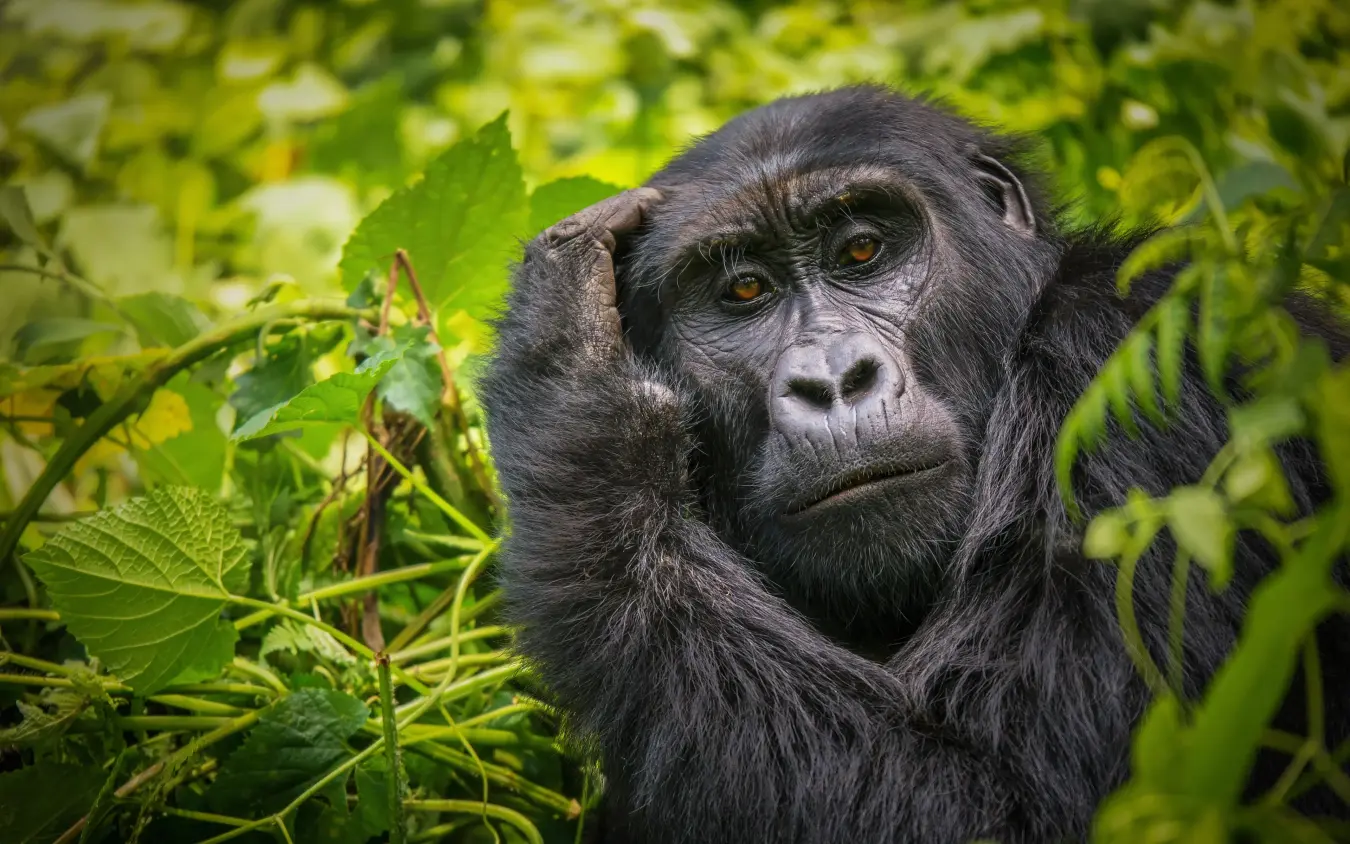
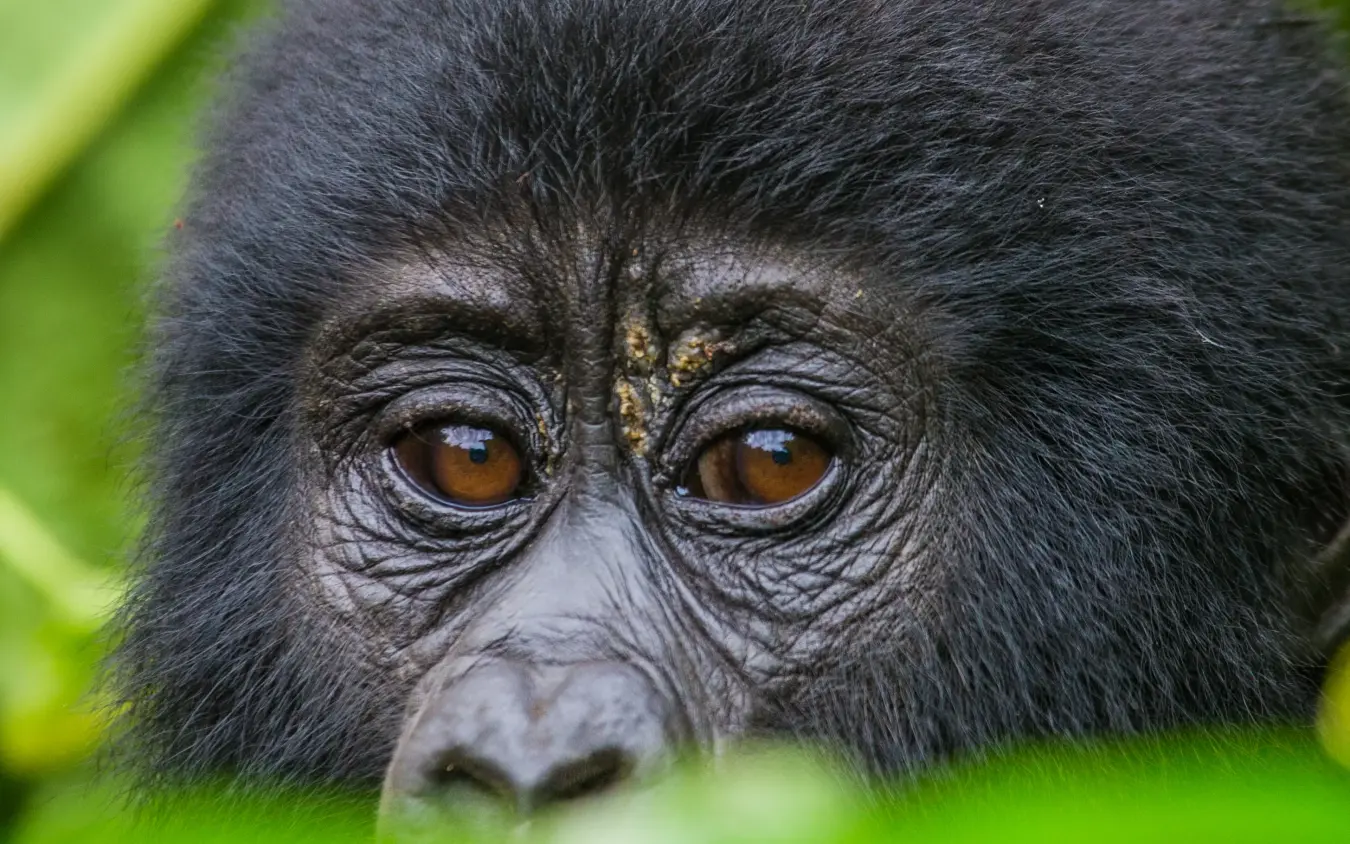
Northern Tanzania, which shares the same ecosystem across the border and makes an obvious second half. Uganda is an hour's flight from Nairobi if you want to add mountain gorillas. Ethiopia is the choice for something wholly different, historical rather than wild.
Inside Kenya, the coast is the natural finish: Lamu or Diani are about ninety minutes by charter straight off a safari airstrip, so nobody backtracks through Nairobi. The Seychelles sit three and a half hours away for a longer stretch of the same idea.
looking for inspiration?

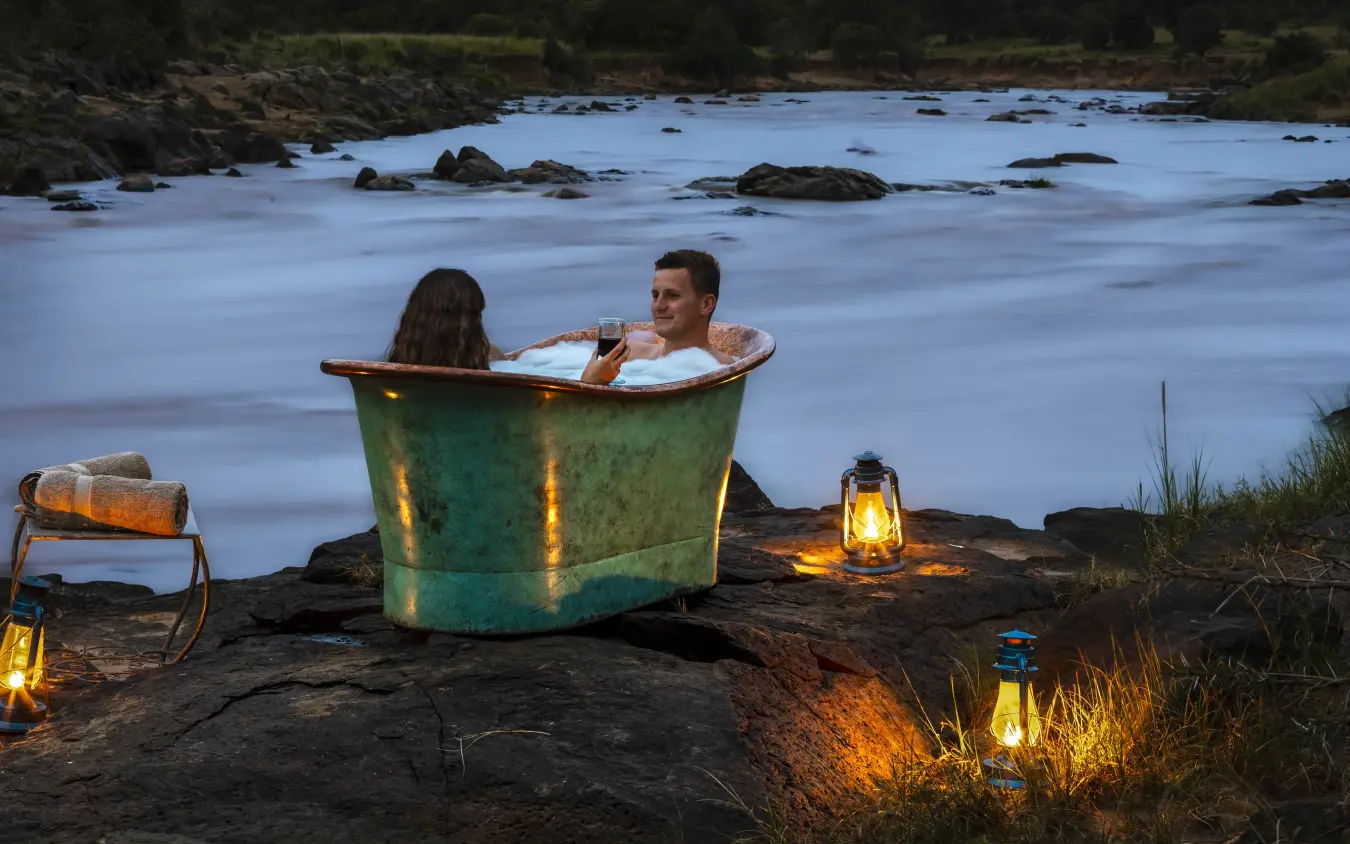
Seventeen nights from Rwanda's gorilla forests through Kenya's conservancies to a private house on Kilifi Creek.
- Private Safari
- From $50,570 pp
- 2 guests
- 17 nights
02 of 06
Kenya: The Elephant Corridor to Lamu
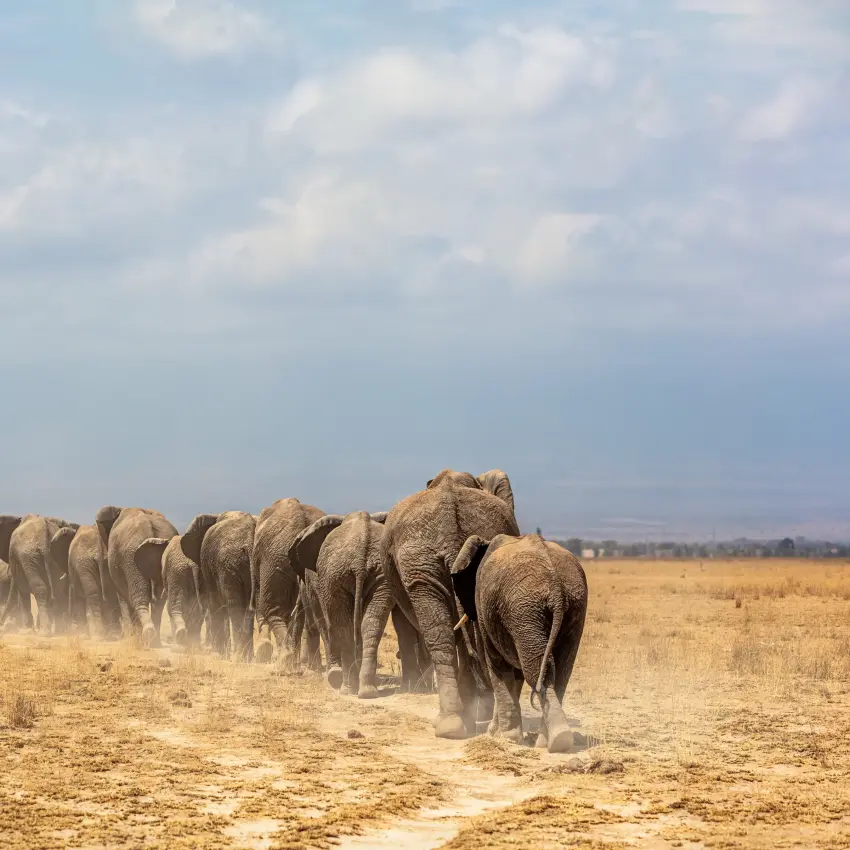
Ten nights from Nairobi through Amboseli's elephant corridor and Tsavo to a remote beach lodge on Manda Island.
- Private Safari
- From $5,485 pp
- 2 guests
- 10 nights
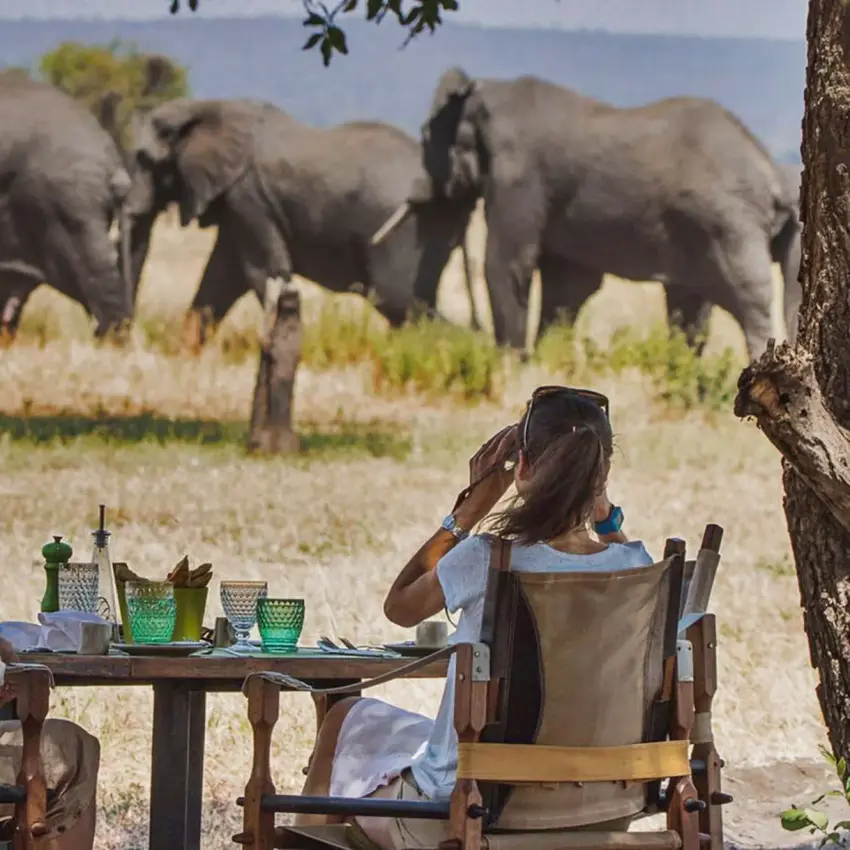
A 21-night route from a Serengeti kopje to a Mara riverbank and the private conservancies of Laikipia and Lewa.
- Private Safari
- From $42,760 pp
- 2 guests
- 21 nights
04 of 06
Kenya: Active Safari
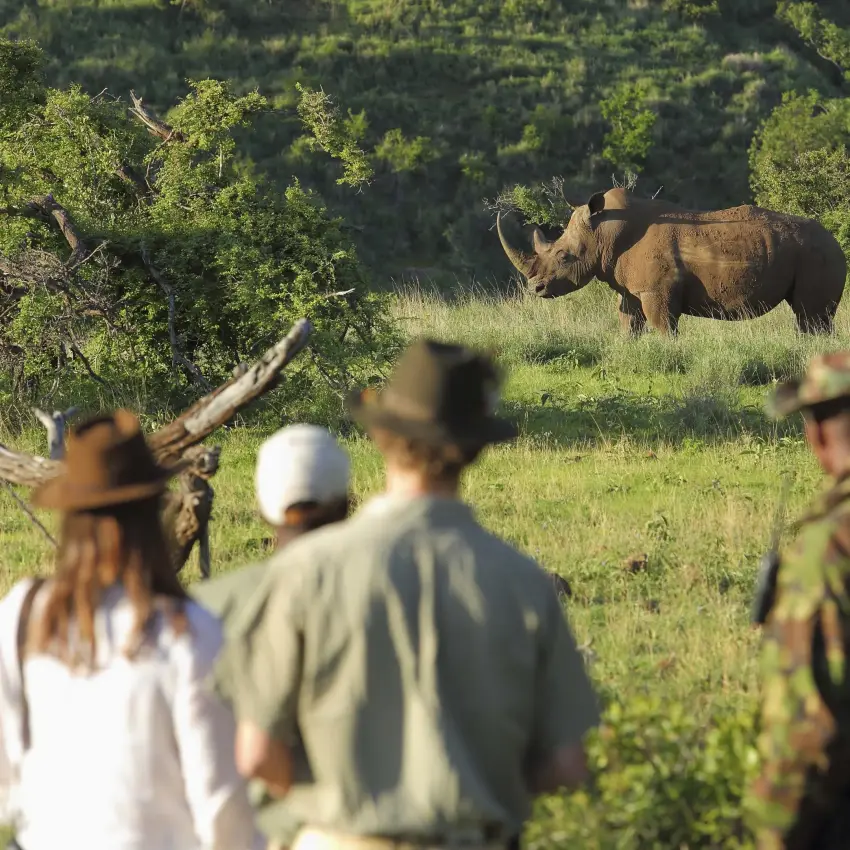
Thirteen nights across Kenya, from Laikipia rhino country and the Mathews Range forest to Naboisho and the Loita Hills.
- Private Safari
- From $15,885 pp
- 2 guests
- 13 nights
05 of 06
Kenya: Helicopter Safari
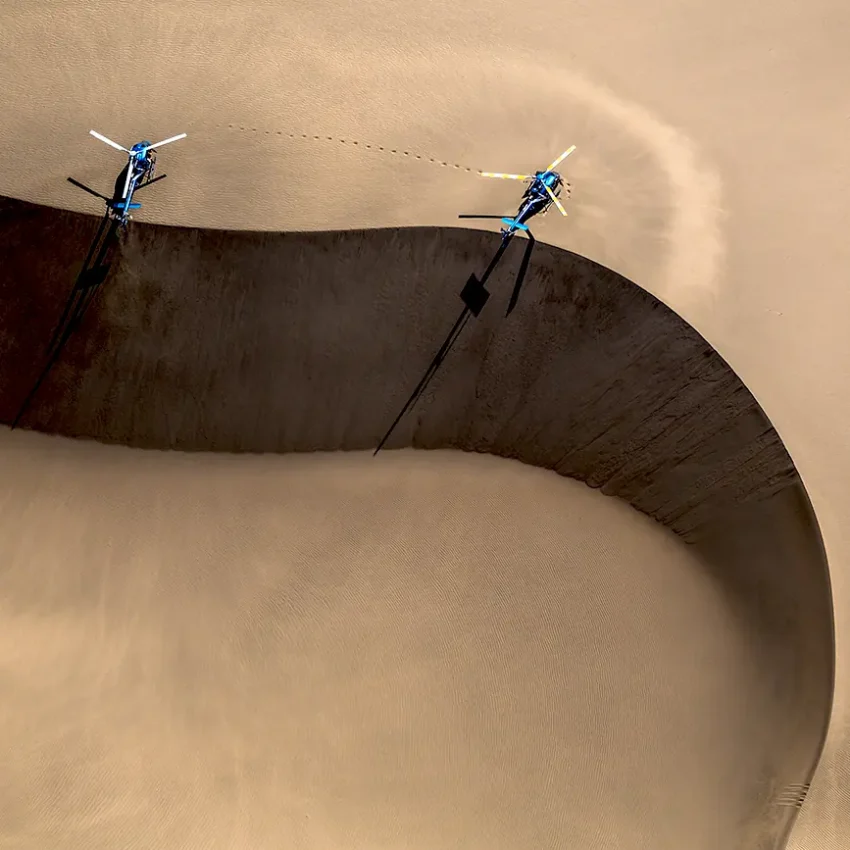
Twelve nights across Kenya by helicopter, from the Borana rhino conservancy over the Suguta Valley to Turkana, then Laikipia and the Kilifi coast.
- Private Safari
- From $37,100 pp
- 4 guests
- 12 nights
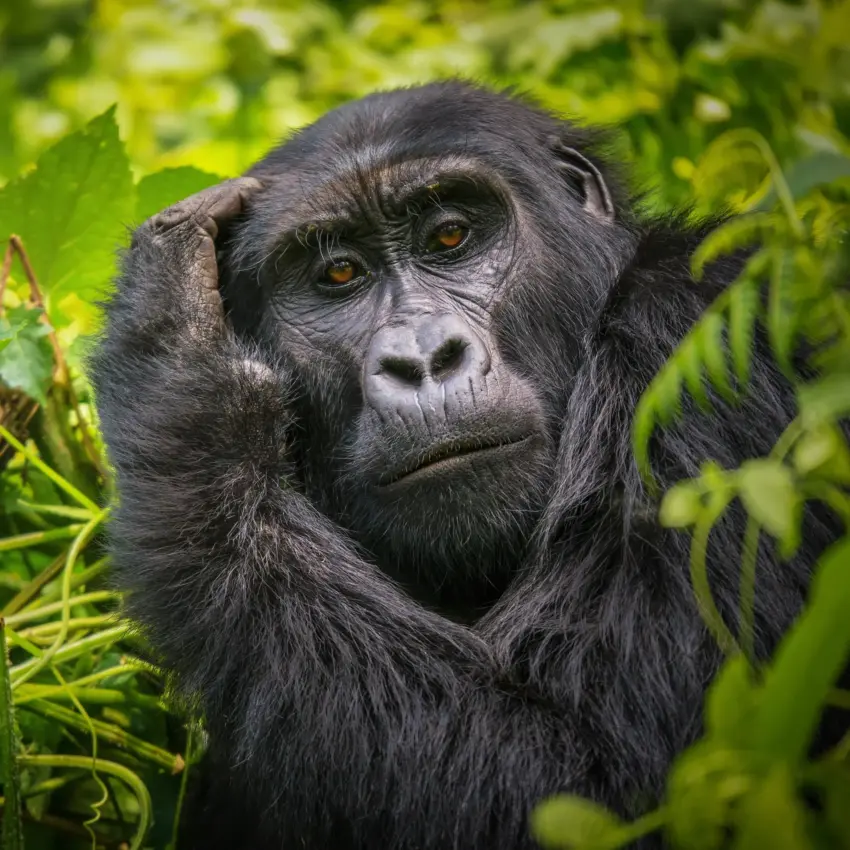
Fourteen nights from Uganda's Nkuringo gorillas across Kenya's Mara, Mathews Range and Laikipia walking country.
- Private Safari
- From $25,440 pp
- 2 guests
- 14 nights







rwanda & kenya
Gorillas and a Private Beach House
Seventeen nights from Rwanda's gorilla forests through Kenya's conservancies to a private house on Kilifi Creek.
- Private Safari
- From $50,570 pp
- 2 guests
- 17 nights





kenya
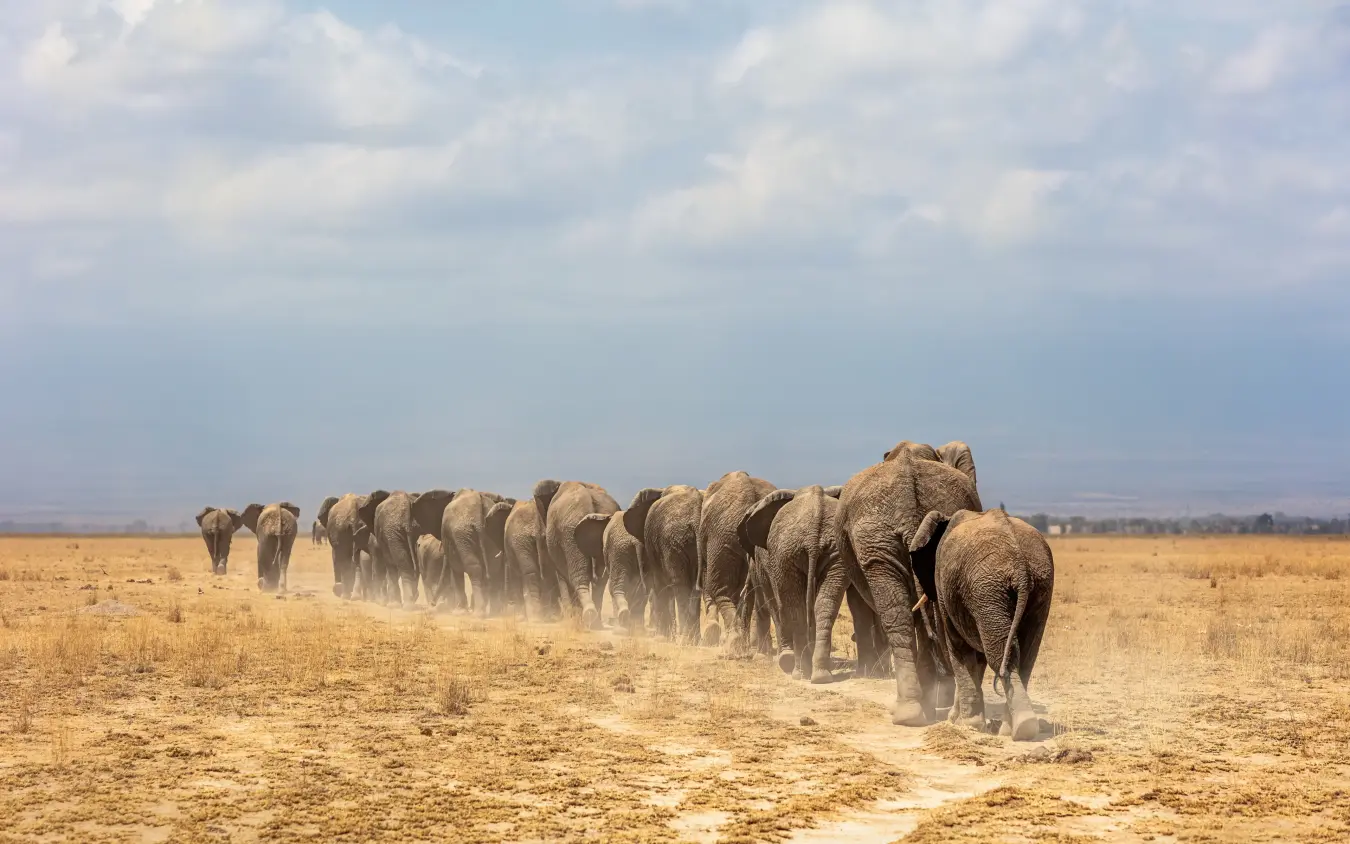
The Elephant Corridor to Lamu
Ten nights from Nairobi through Amboseli's elephant corridor and Tsavo to a remote beach lodge on Manda Island.
- Private Safari
- From $5,485 pp
- 2 guests
- 10 nights


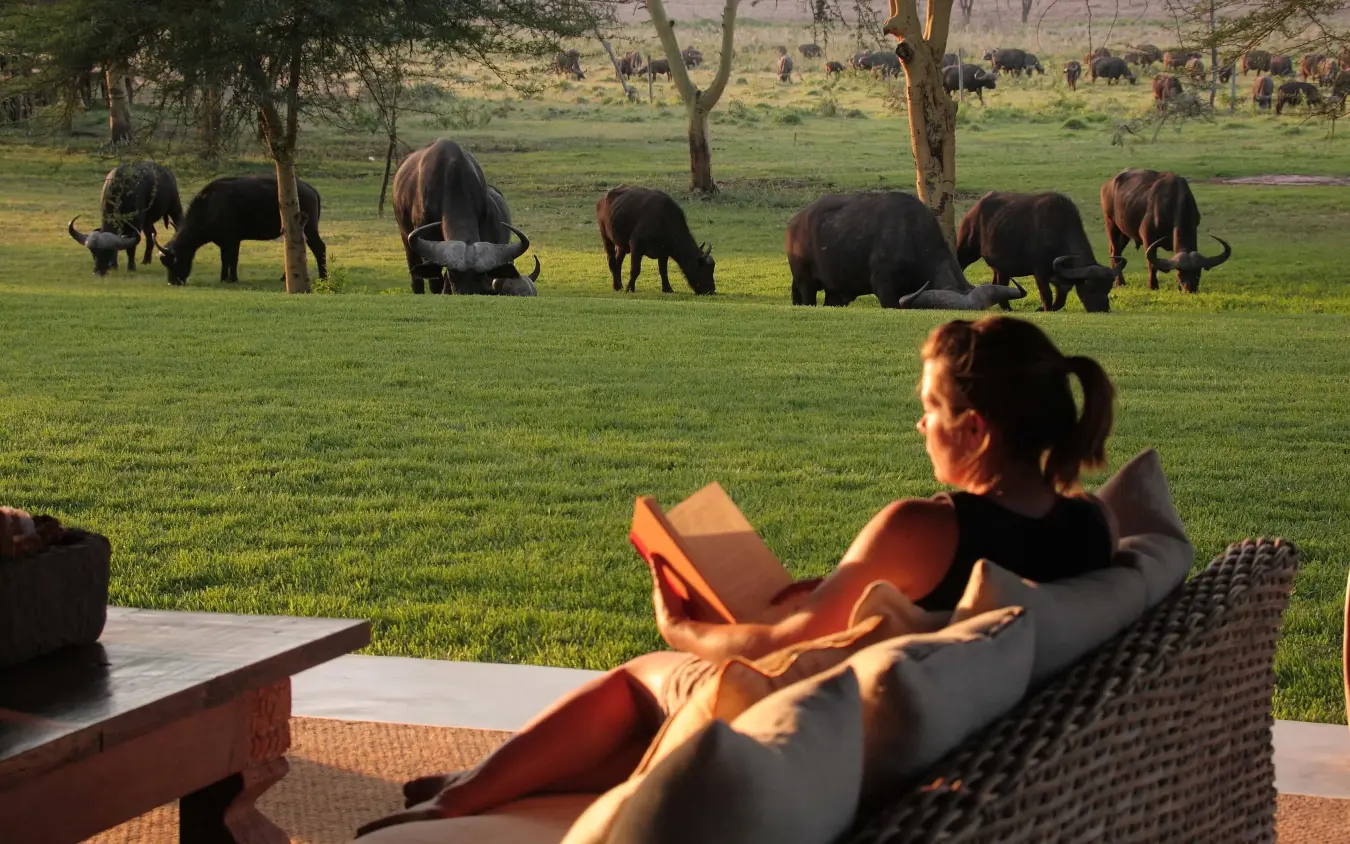
tanzania & kenya
The Serengeti Herds and Lewa’s Rhino
A 21-night route from a Serengeti kopje to a Mara riverbank and the private conservancies of Laikipia and Lewa.
- Private Safari
- From $42,760 pp
- 2 guests
- 21 nights


kenya
Active Safari
Thirteen nights across Kenya, from Laikipia rhino country and the Mathews Range forest to Naboisho and the Loita Hills.
- Private Safari
- From $15,885 pp
- 2 guests
- 13 nights




kenya
Helicopter Safari
Twelve nights across Kenya by helicopter, from the Borana rhino conservancy over the Suguta Valley to Turkana, then Laikipia and the Kilifi coast.
- Private Safari
- From $37,100 pp
- 4 guests
- 12 nights




uganda & kenya
Bwindi’s Gorillas and the Conservancies
Fourteen nights from Uganda's Nkuringo gorillas across Kenya's Mara, Mathews Range and Laikipia walking country.
- Private Safari
- From $25,440 pp
- 2 guests
- 14 nights
01
06
rated five stars by our clients

our approach
remote, exclusive
& personal
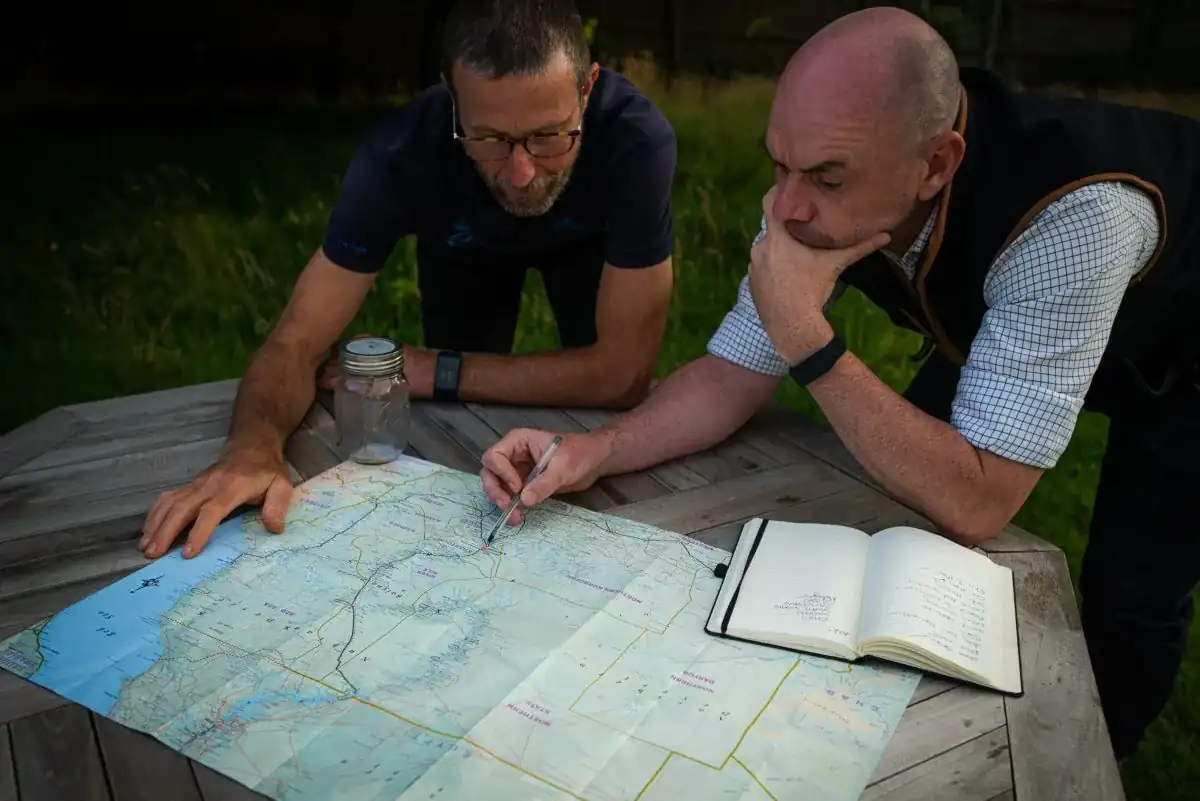
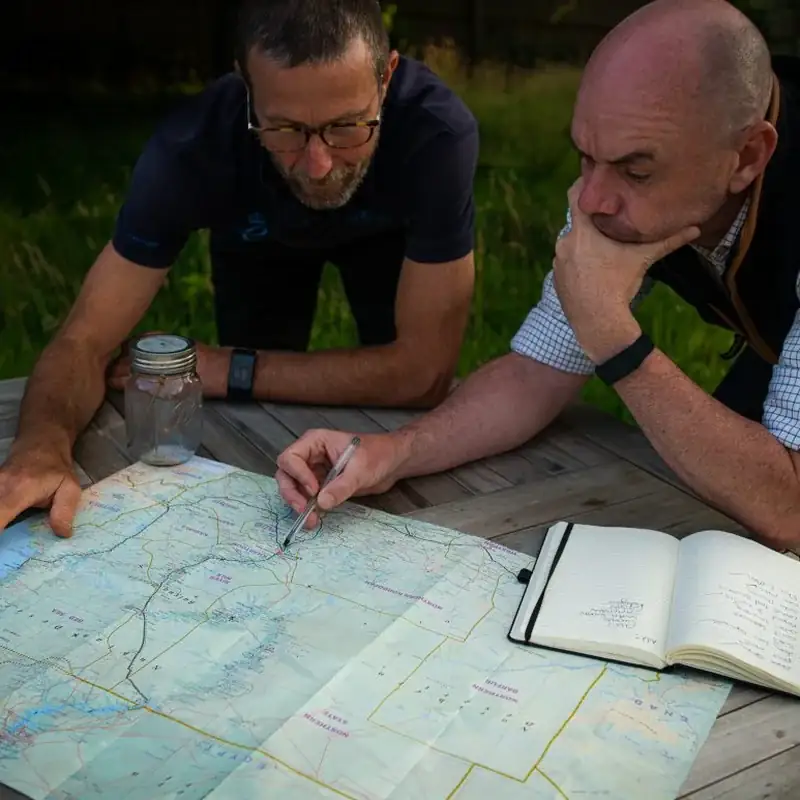
Every journey starts with a conversation. We take the time to understand your vision before we start planning.
Whether by phone or in person, we work with you directly to shape something that is considered, personal, and expertly delivered.
Every journey starts with a conversation. We favour a direct, personal approach: understanding your vision before anything else.
Whether by phone or in person, we work with you directly to shape a journey that is both thoughtfully considered and expertly delivered.
Get in touch to start planning yours.