
Where the Katuma shrinks to pools
Katavi National Park lies in the far west of Tanzania, in the Rukwa Rift Basin east of Lake Tanganyika, a long way from anywhere familiar. It spreads across 4,471 square kilometres of floodplain, miombo woodland and seasonal lake. Few people make the journey, and the emptiness is what stays with you.
It spreads across 4,471 square kilometres of floodplain
The Katuma River runs through the heart of it, feeding the Katisunga Plain and the seasonal Lake Chada. As the dry months advance, the river contracts to a chain of muddy pools, and the wildlife of an enormous landscape is drawn towards them. The result is one of the more dramatic concentrations of game in the country, played out on open ground with almost nobody watching.

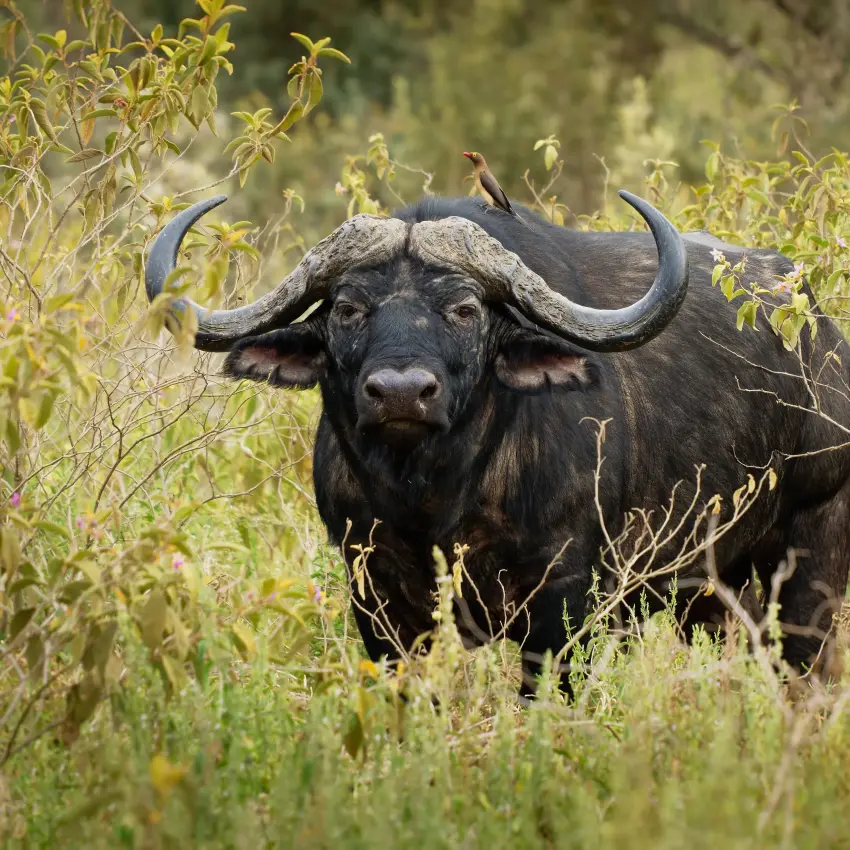
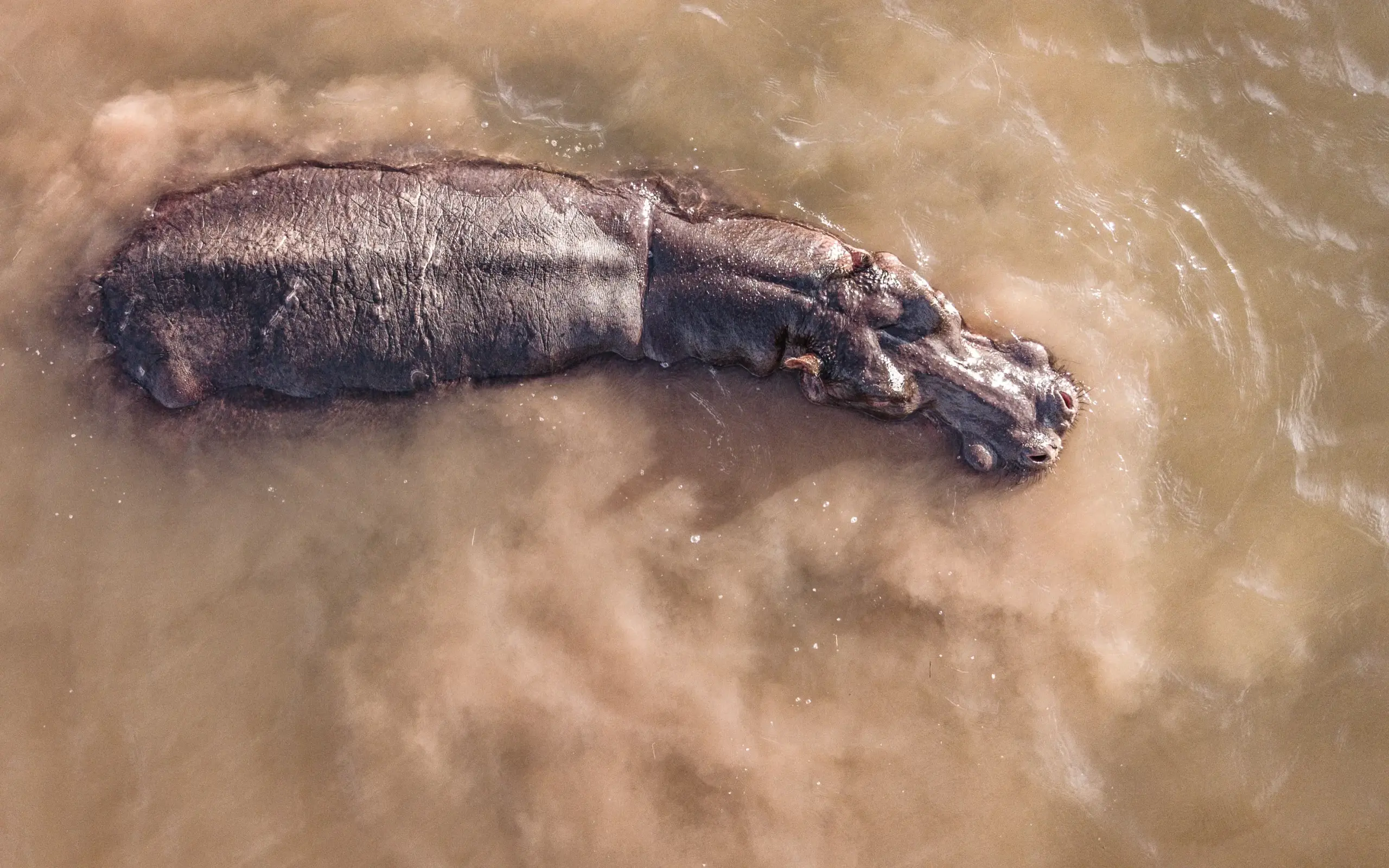
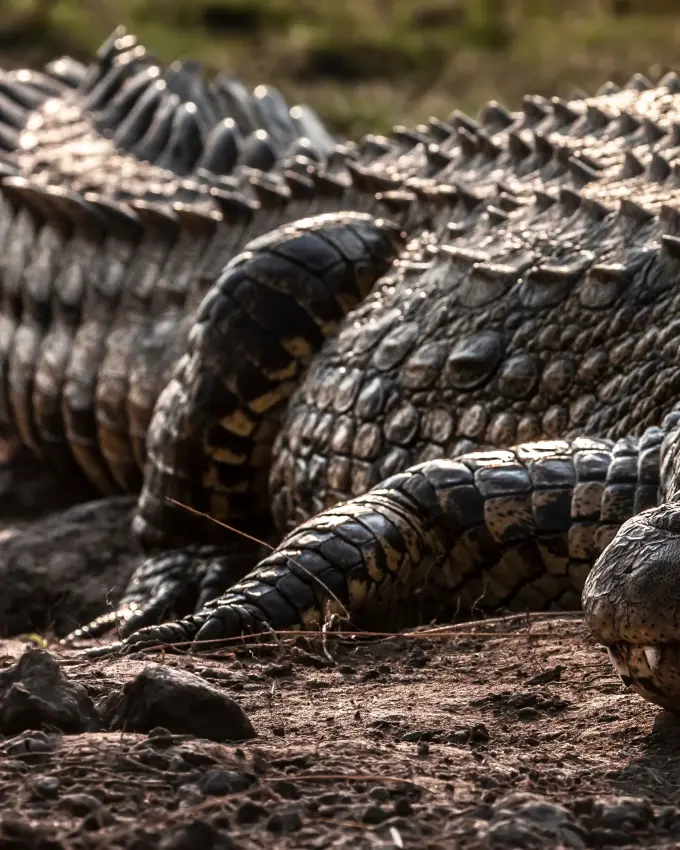
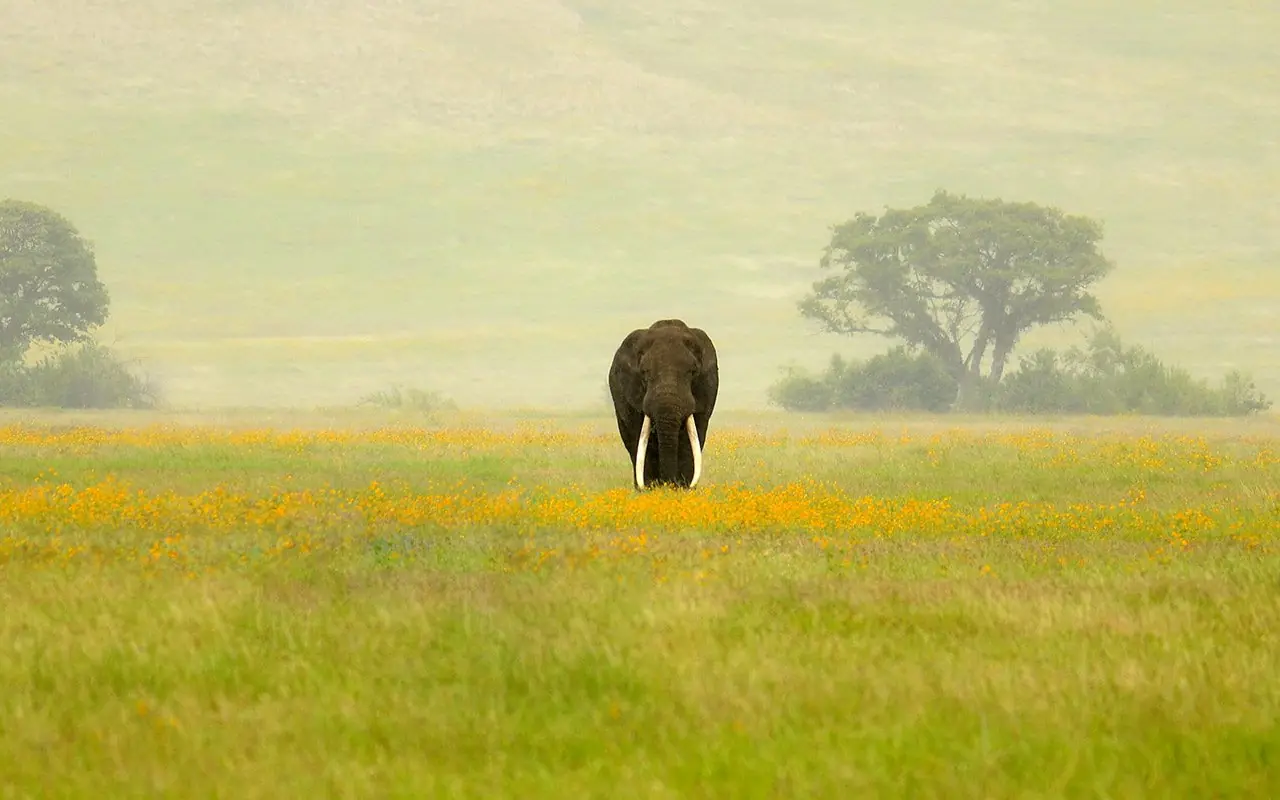
Buffalo gather here in herds of extraordinary size, moving across the floodplains in their thousands through the dry season. Elephants follow the same water, and lions work the edges of the herds in the open. The drama sharpens as the pools shrink. Hundreds of hippos crowd into narrowing channels, jostling for space, while large Nile crocodiles share the same diminishing water.
Hundreds of hippos crowd into narrowing channels, jostling for space
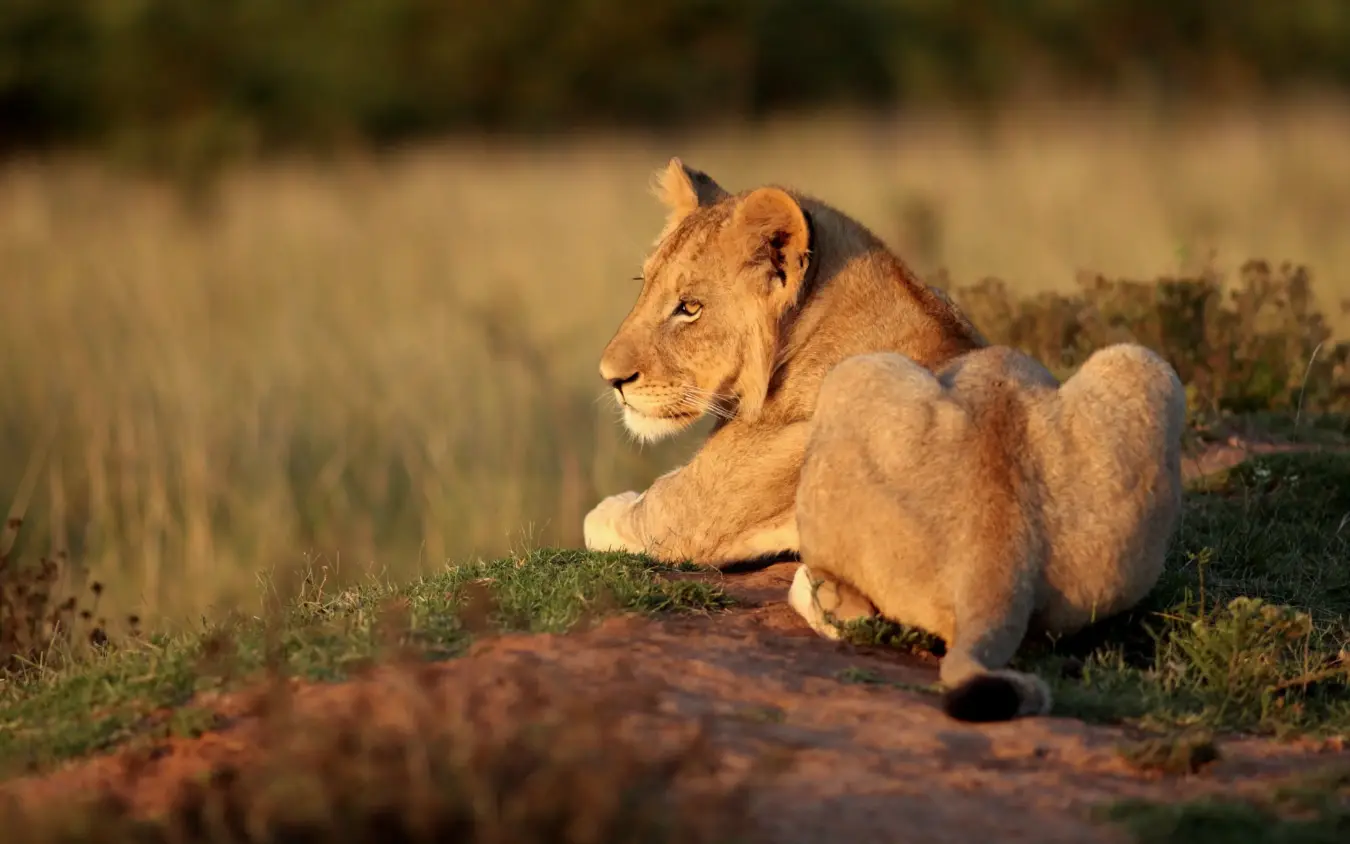
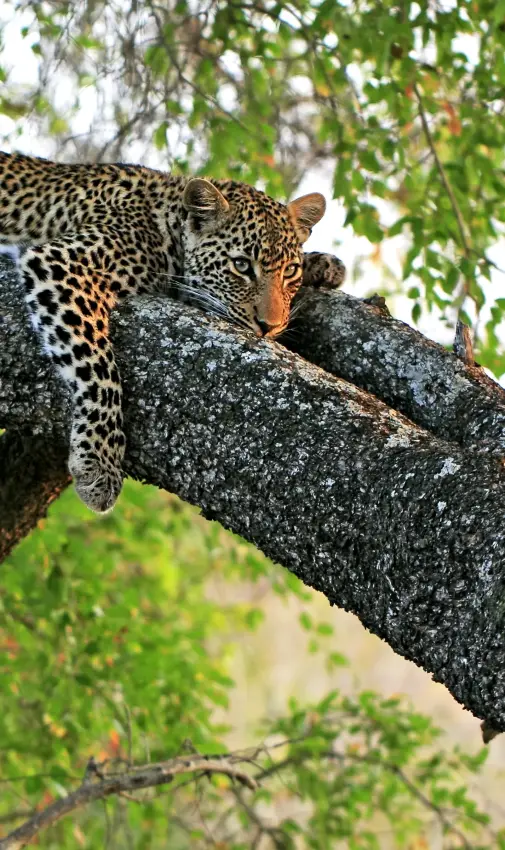
Spotted hyenas hunt and scavenge across the plains, and African wild dogs hold robust populations within the park. Leopards prowl the woodland fringes, and the occasional cheetah completes the picture. The combination of huge prey concentrations and few vehicles produces game viewing that feels closer to old Africa than to a modern safari operation.
The park’s name comes from a legendary hunter-spirit of the Wabende people, Katabi, whose spirit is said to reside in a tamarind tree near Lake Katavi. Local people still leave offerings at its base. The wider region carries deep human history, from Stone and Iron Age sites to the old Karema-Inyonga-Tabora slave route that passed through this corner of western Tanzania. Settlement has always been sparse here, and that isolation is much of why the wilderness survives so intact.
Habitat shifts with altitude. The floodplains give way to escarpments, with steep cliffs flanking the rift basin to east and west. Brachystegia-dominated miombo woodland covers much of the higher ground, while the plains carry dense grasses and reeds, and tamarind-lined rivers thread between them. More than 400 bird species have been recorded, and the wet season brings migrants to the flooded grasslands.
Settlement has always been sparse here, and that isolation is much of why the wilderness survives so intact.
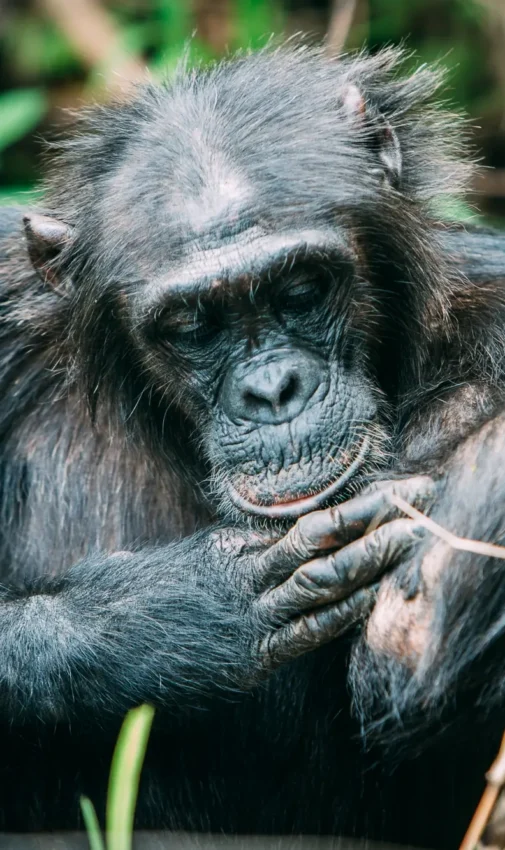
Katavi pairs naturally with Mahale Mountains National Park, on the shore of Lake Tanganyika, where wild chimpanzees are tracked through forested slopes. The two sit on the same light-aircraft routes, and together they form a western Tanzania itinerary far from the busier northern parks. The contrast is the point: open floodplains and big-game spectacle in one, dense forest and primates in the other.
Genuine remoteness limits both visitor numbers and easy access for management, and that isolation cuts both ways. It spares the park the pressures of mass tourism while keeping its buffalo, elephant and predator populations largely intact at landscape scale. Conservation work in the broader Katavi-Rukwa ecosystem continues to address poaching and the human-wildlife conflict that comes as farming spreads towards the park edges. Illegal upstream damming of the Katuma River has also been identified as a threat to the ecosystem that sustains everything here.
The best time to visit Katavi National Park
Jan
Feb
Mar
Apr
May
Jun
Jul
Aug
Sep
Oct
Nov
Dec
Recommended
Transitional
Challenging conditions
Come between June and October, when the bush thins and the Katuma River shrinks to a few muddy pools, drawing buffalo, elephant and predators to the water alongside Katavi's famous crowded hippo pods. August and September are the sweet spot; October is the peak but the hottest month. The green season is lush and quiet, but the heaviest rains from March to May close the camps.
accommodation in katavi national park
The handful of camps in Katavi keeps visitor density low. Most are small, intimate tented camps positioned along the Katisunga Plain or the Katuma River for game viewing from the deck. Styles range from classic expeditionary camps with a real bush character to more comfortable lodges with amenities such as swimming pools. Mobile and fly-camping operations add a lighter, more adventurous option at remote sites within the park. Several camps close during the height of the wet season when access becomes difficult.


activities
Game drives across open floodplains
Daytime game drives across the floodplains, river systems and woodlands form the core of any visit. Guided walking safaris run from camps accompanied by an armed TANAPA ranger. Fly-camping offers overnight immersion in remote park areas during the dry season. Birding peaks in the wet months, when migrants arrive to the flooded grasslands.

conservation
Tackling poaching and elephant conflict
The Wildlife Conservation Society works across the broader Ruaha-Katavi landscape on anti-poaching and community support. Wild Survivors addresses human-elephant conflict through beehive fences and supports women's groups in sustainable livelihoods. Friends of Katavi Ecosystem promotes conservation and sustainable use of the Katavi-Rukwa ecosystem. Illegal upstream damming of the Katuma River remains a recognised threat.

getting around
Light aircraft to Ikuu airstrip
Access is almost entirely by air. Light aircraft serve Ikuu airstrip near the Ikuu ranger post, with scheduled services from Dar es Salaam and Arusha, often linking on to Mahale Mountains. Private charters add flexibility. The road approach from Mbeya runs to around 550 kilometres and is long and rough; camp guests fly in.
other areas in tanzania
Mahale Mountains National Park is the natural companion, reached on the same charter routes for chimpanzee tracking on the forested shores of Lake Tanganyika. Ruaha National Park lies to the east, sharing a wild, low-density character with strong elephant and predator populations. Nyerere National Park offers boat safaris on the Rufiji River and a different riverine wilderness. For contrast, the Serengeti delivers the wildebeest migration and classic open-plains game viewing across northern Tanzania.




frequently asked questions
By charter flight to the airstrip inside the park, and there is no practical alternative.
Scheduled charters run from Arusha and Dar es Salaam and take three to four and a half hours, usually with a stop on the way. The camps meet the aircraft at Ikuu.
Most routes pair Katavi with Mahale, which is a short hop, so the long flight is done once rather than twice.
Soft bags only, and we book the whole chain together.
Concentrations of animals that people who have seen everything still talk about.
As the Katuma river dries, hundreds of hippo crowd into shrinking pools, crocodiles dig into the mud of the banks, and buffalo move across the floodplain in herds a thousand strong. The lion prides that work those herds are large and confident.
Nothing here is polished, and the camps are few and simple by design.
Very few visitors come here, which is a large part of the point.
Yes. Both TravelHealthPro, the UK's official travel health service, and the CDC treat mainland Tanzania as a malaria area and recommend antimalarial cover.
The park is low, hot and built around a river system, so the risk here is real rather than marginal, and it rises in the wet months.
We do not make medical recommendations. That is a conversation between you and your own doctor or a travel clinic.
On the practical part, cover up at dusk and carry repellent.
Both, and they suit the place.
Walking safaris with an armed guide run from the camps, and fly camping puts you out in a simple tent with nothing between you and the floodplain but canvas. Night drives are offered by some camps.
Walking carries minimum ages that vary, usually from twelve or sixteen.
This is a park for people who want the bush without the comfort blanket, and we will say so before you book it.
Honestly, no. It is a second or third one.
The journey is long, the camps are simple, the heat is real and the experience is unvarnished. What it gives back is wildlife in numbers and almost nobody else to share it with.
A first-time visitor is usually better served by the northern circuit or the southern parks.
Tell us what you have seen before and we will say plainly whether Katavi belongs in this trip.
Three, given what it takes to get there.
Three nights lets you see the river, the floodplain and the woodland, and take a walk without rushing. Two makes the flying hard to justify.
It pairs naturally with Mahale, and six or seven nights across the two is the usual shape.
Tell us the whole trip and we will say whether western Tanzania fits or waits.
rated five stars by our clients

our approach
remote, exclusive
& personal
Every journey starts with a conversation. We take the time to understand your vision before we start planning.
Whether by phone or in person, we work with you directly to shape something that is considered, personal, and expertly delivered.
Every journey starts with a conversation. We favour a direct, personal approach: understanding your vision before anything else.
Whether by phone or in person, we work with you directly to shape a journey that is both thoughtfully considered and expertly delivered.
Get in touch to start planning yours.