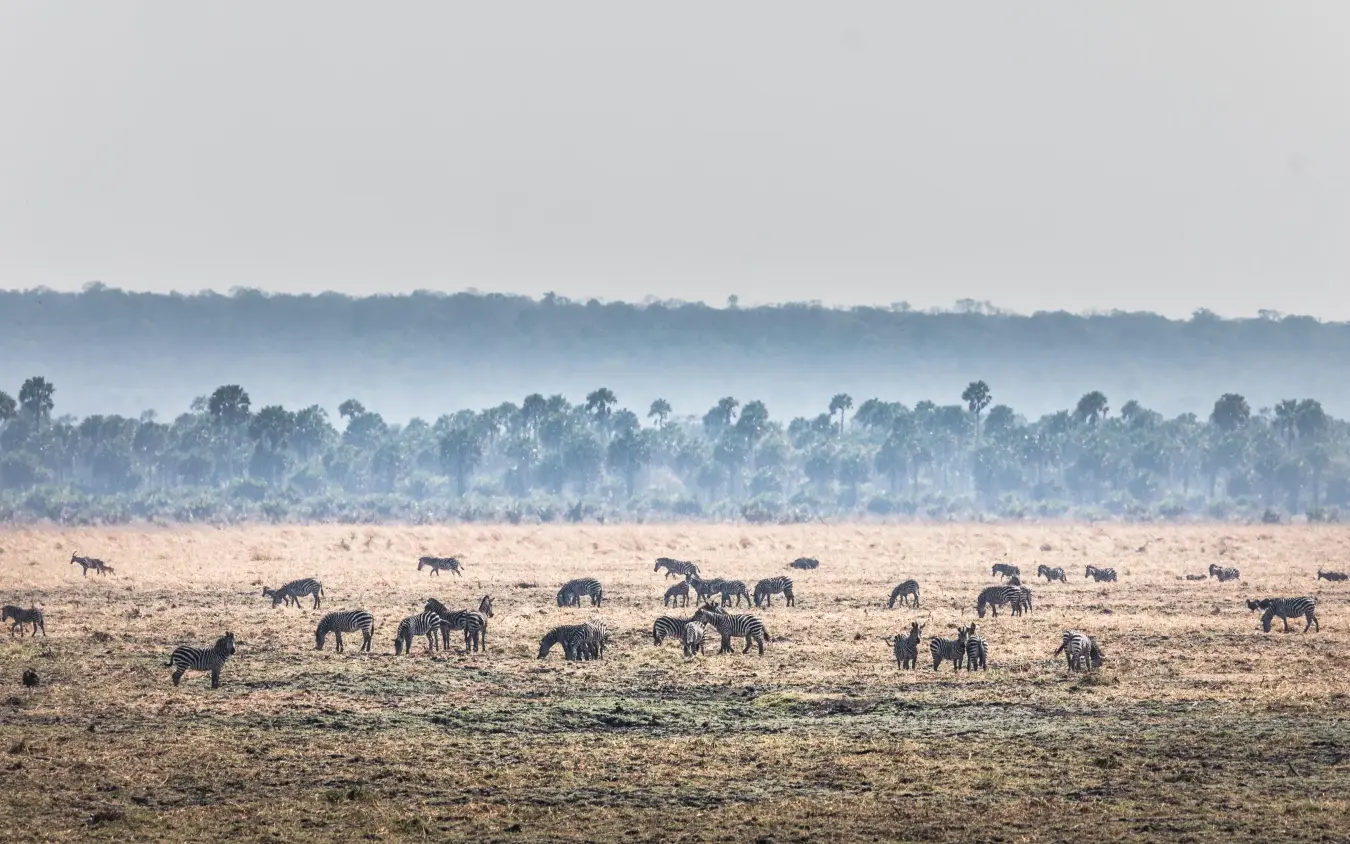
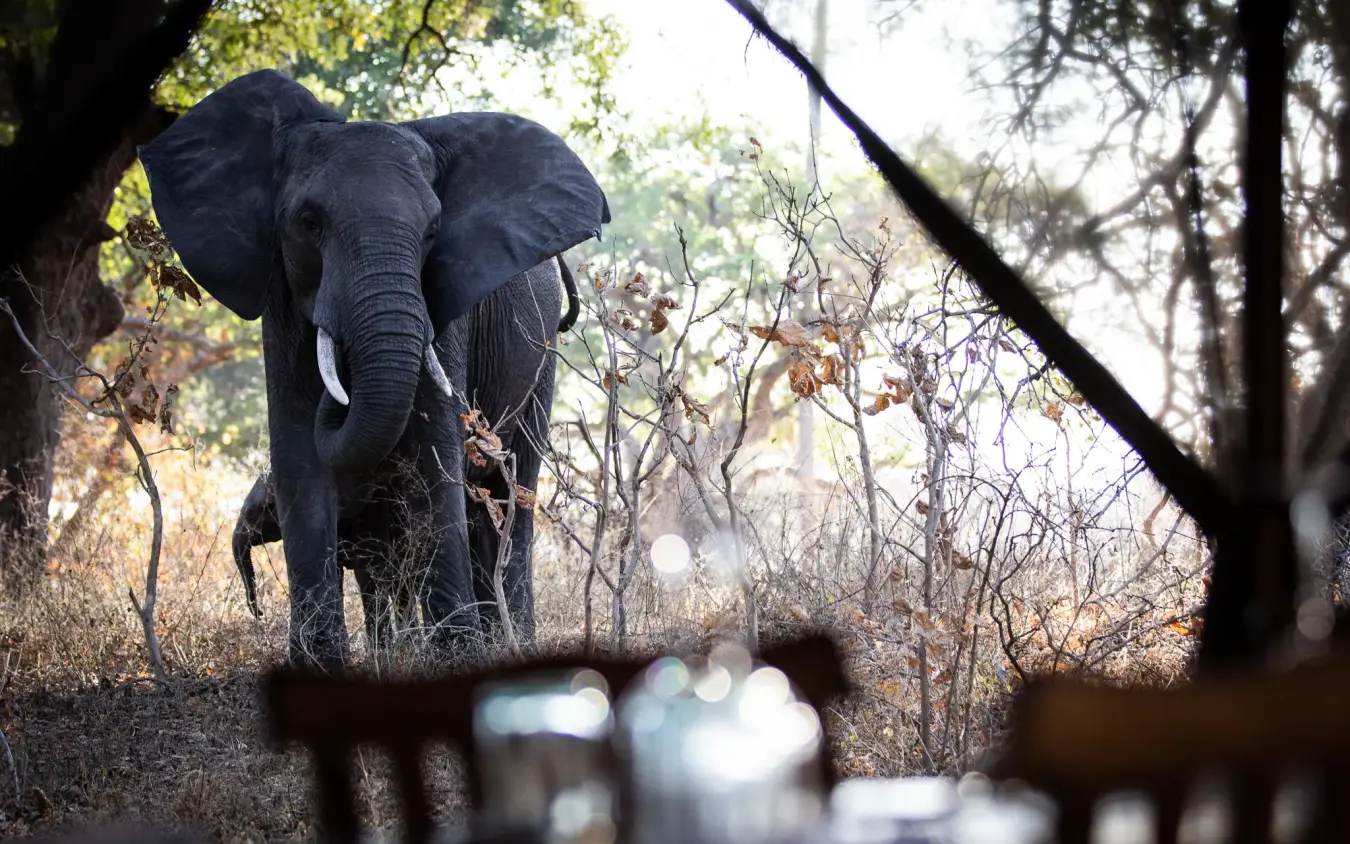
Katavi holds only a handful of permanent camps for a park of this size, which means guests at Chada tend to share their sightings with almost no one, often crossing an entire drive without meeting another vehicle. That solitude has a cost. The park is remote, reached most often by light aircraft on flights from Arusha that run several hours before a short road transfer or game drive from Ikuu airstrip brings guests into camp. It is a long way to come, and that is precisely the point.
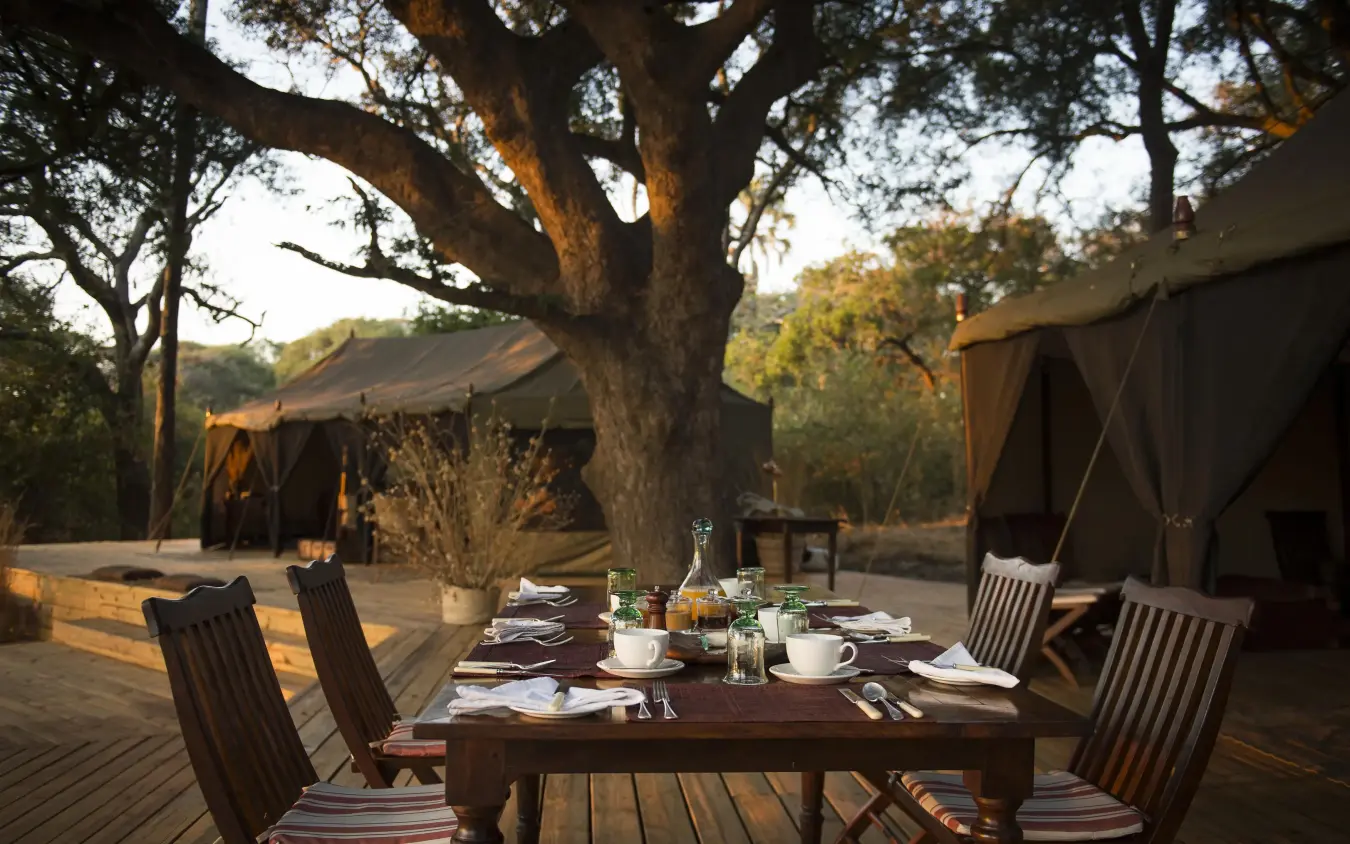
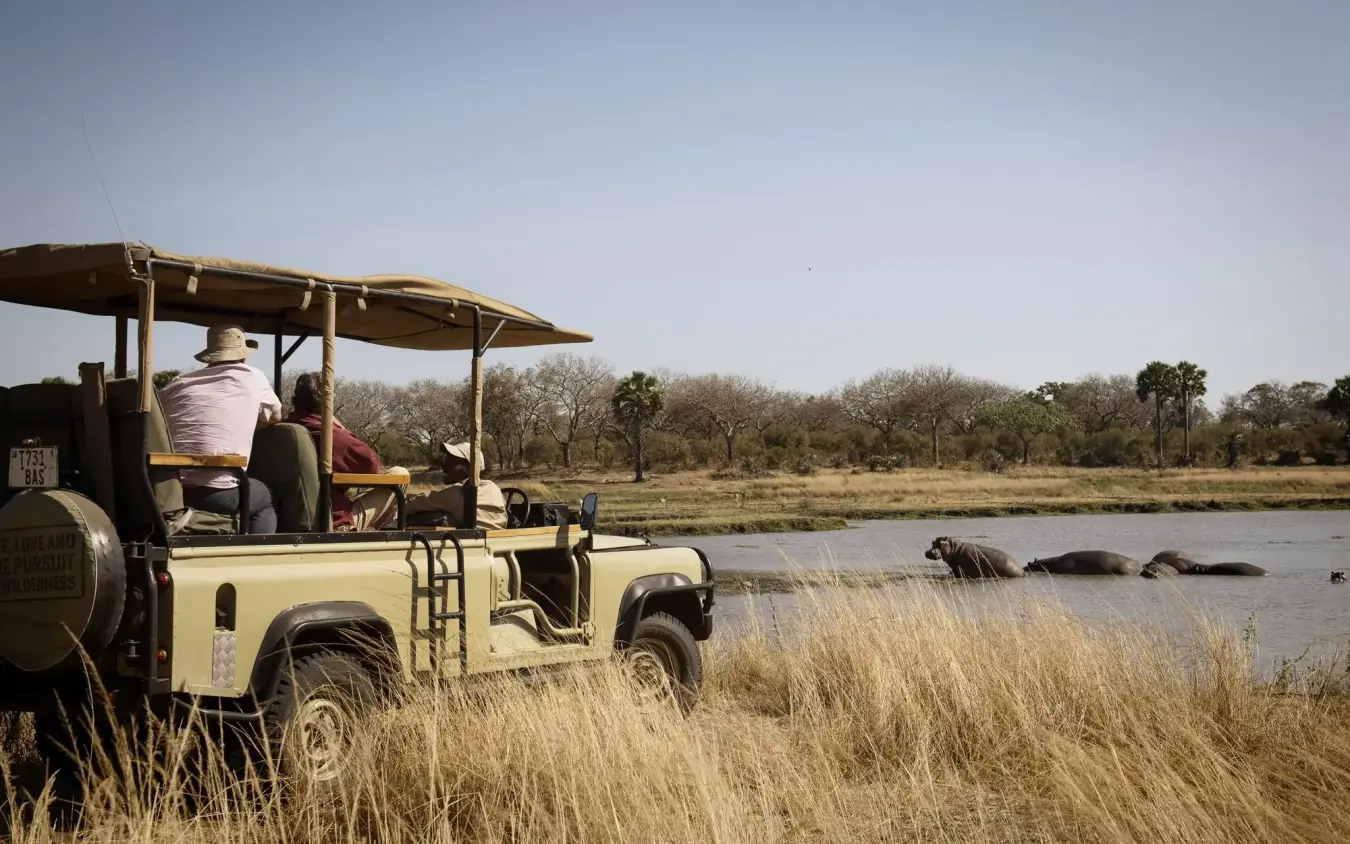
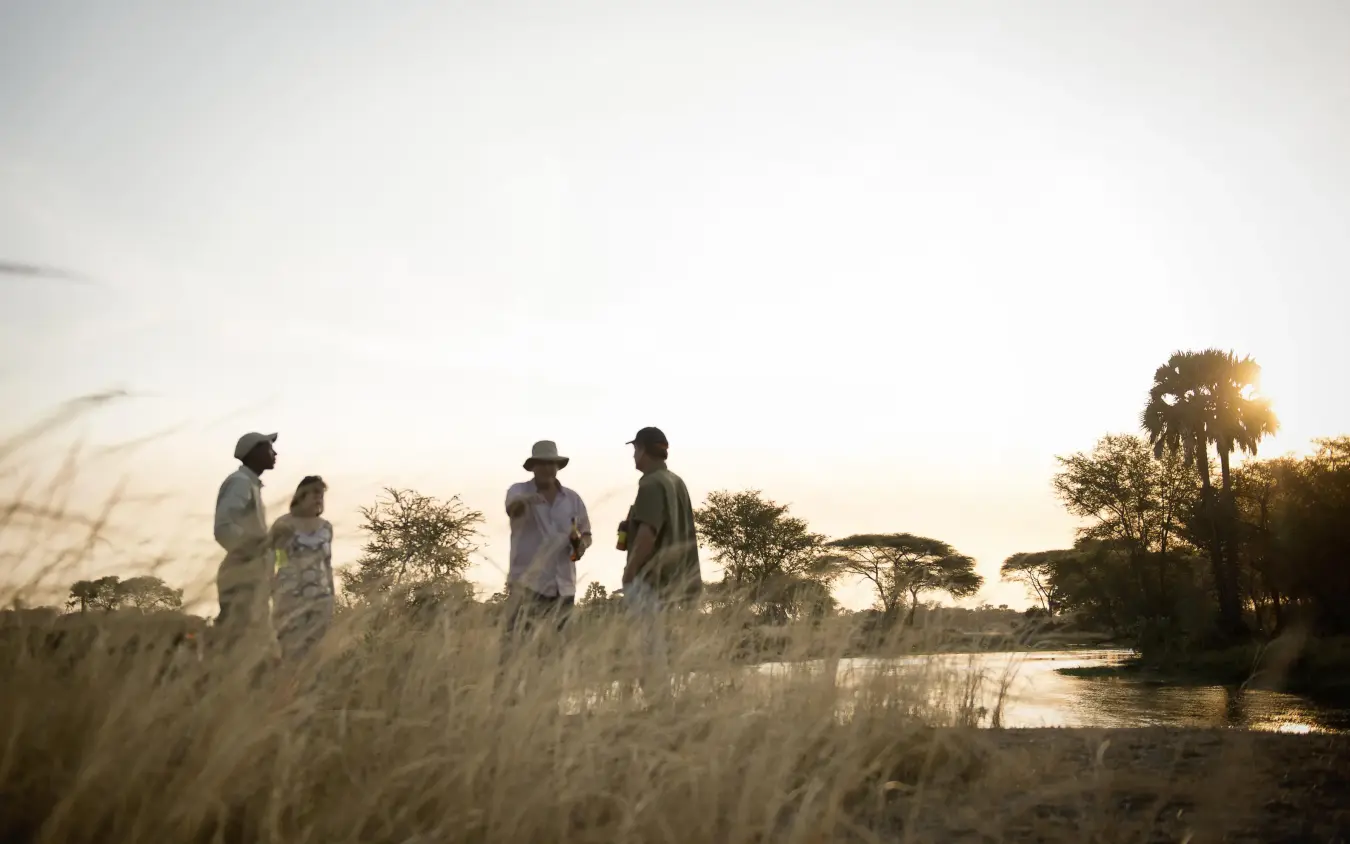
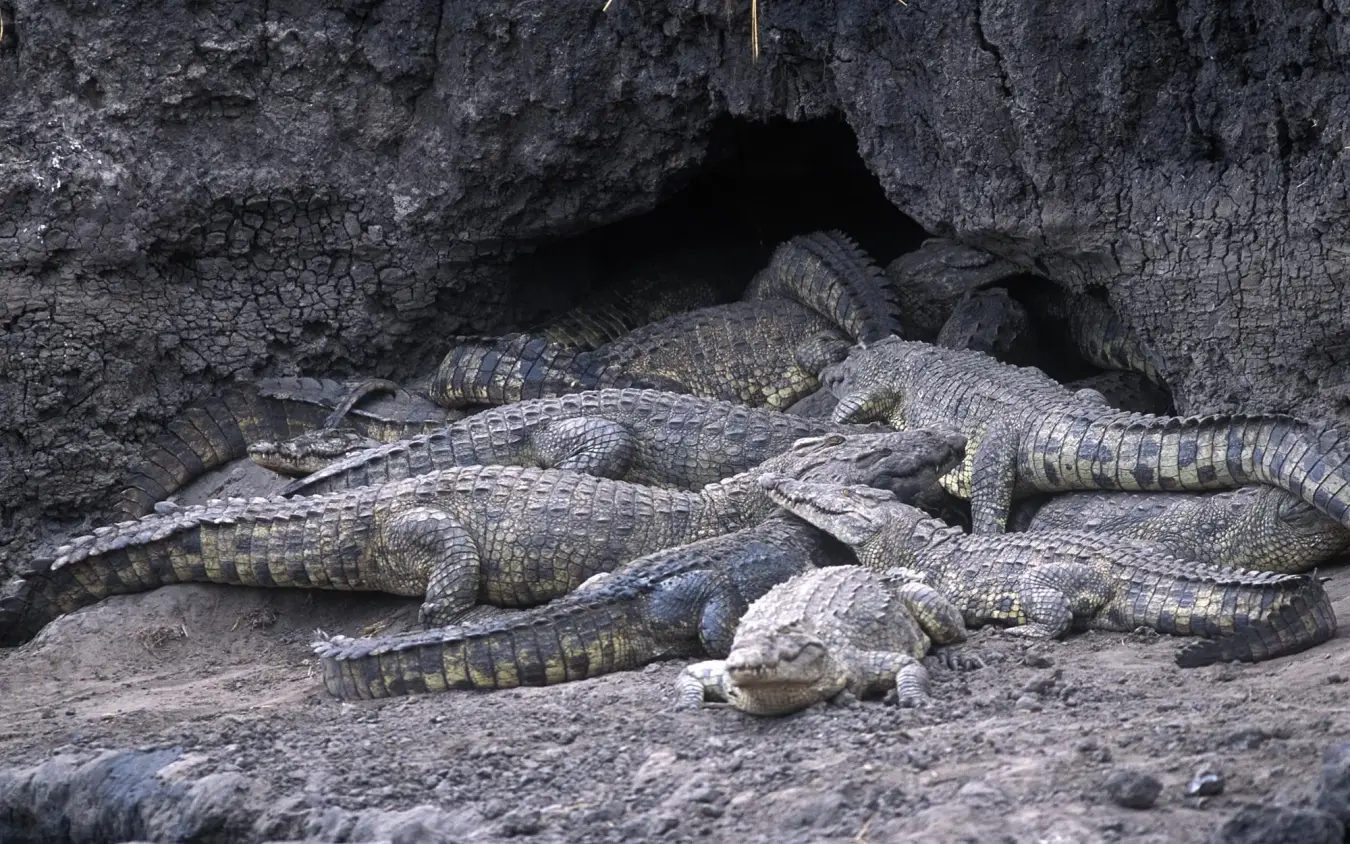
The days turn on morning, afternoon and full-day game drives in open 4×4 vehicles, and because Katavi’s regulations allow more than the busier parks, they need not stop there. Walking safaris set out with an experienced guide and an armed ranger, open to guests aged 12 and over. Those who want to go further can fly-camp, walking out after a three-course candlelit dinner in the bush to sleep under a mosquito net in a satellite camp. Even the meals follow the country, breakfasts and lunches laid out at scenic spots, sometimes beside a hippo pool.
Evenings gather around the campfire for drinks and stories before dinner
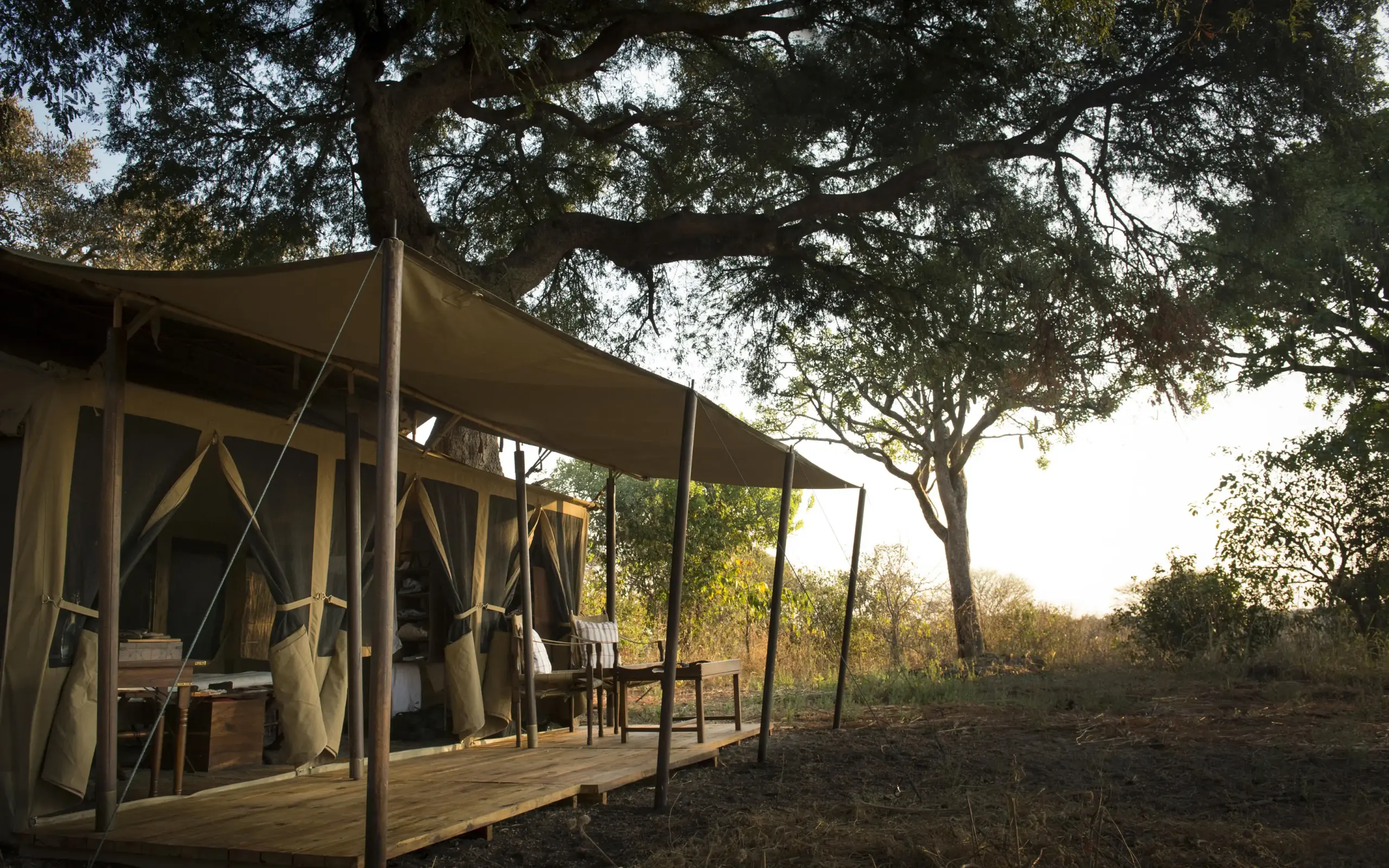
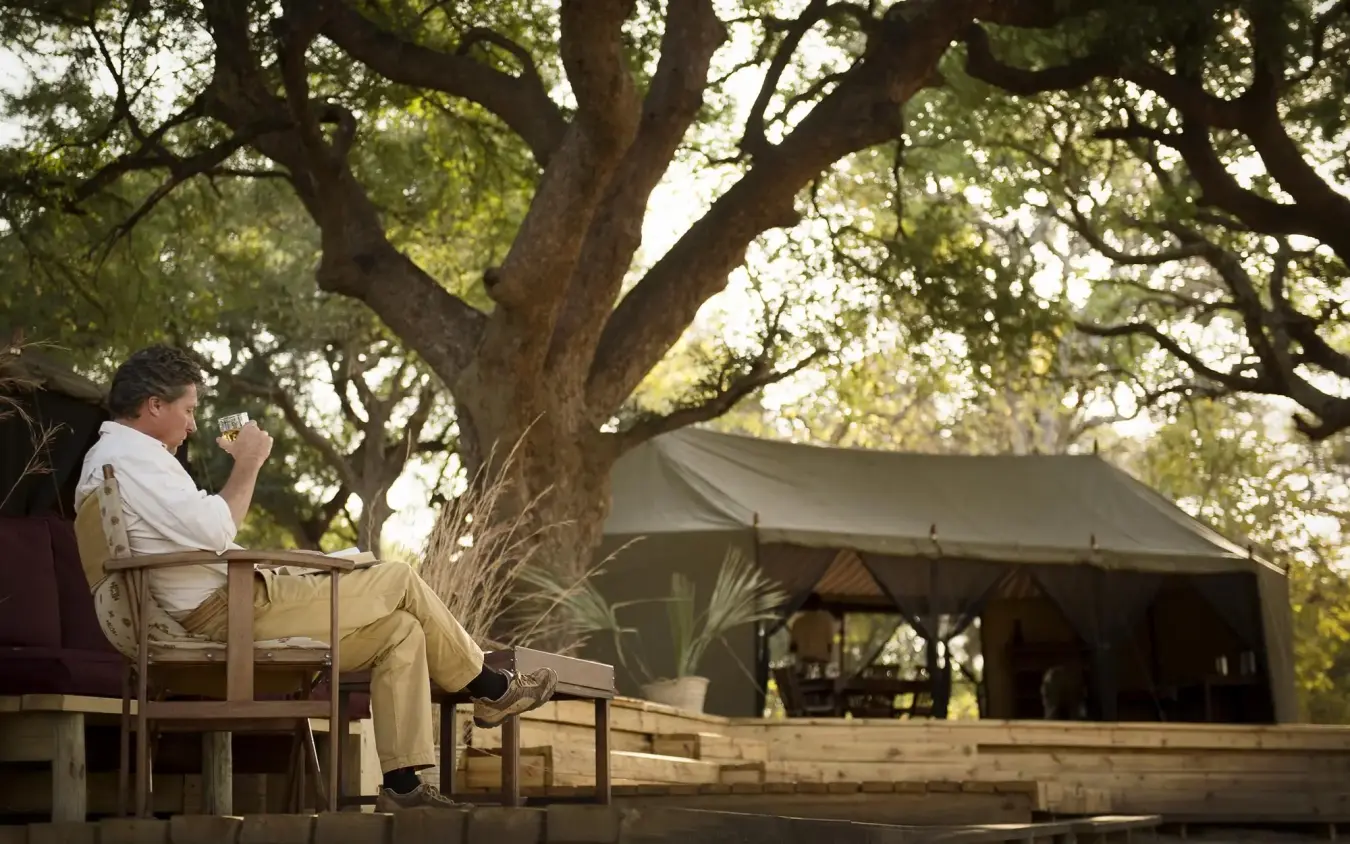
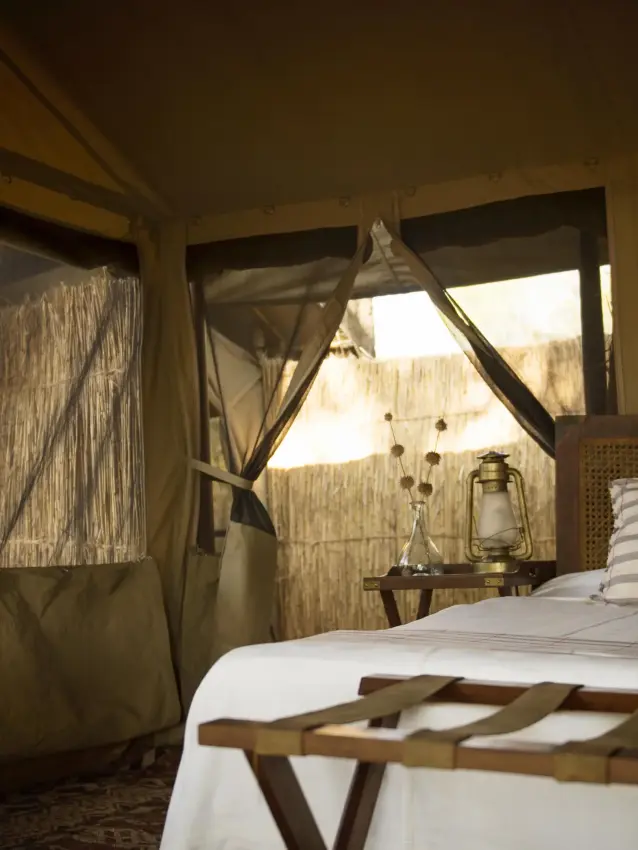
The six tents are classic safari style, set apart on raised wooden platforms that catch the breeze and the views. Open fronts and shade-net windows draw in light and air, and inside are fine linens, wooden furniture and woven rugs, with a private veranda and safari chairs just beyond the canvas. Each has an en-suite bathroom whose eco-flush toilet and bucket shower, filled with hot water on request, answer a landscape where water is scarce and worth respecting.
Evenings gather around the campfire for drinks and stories before dinner, served at a long communal table in the dining tent or out under the stars, the food carrying a hint of wood smoke from open-air cookery. Then night falls and the plain takes over, the grunt of hippos close by, the calls of lions and hyenas working the grass beyond the fire. You sleep with the country all around you, which is the whole reason to come this far.