 01
01
Coffee slopes below Meru
Most northern circuit safaris begin with a single night here. You land at Kilimanjaro International after dark and wake to Mount Meru’s outline before the drive to the parks begins. The town sits at 1,400 metres on the mountain’s southern slopes, in the eastern arm of the Great Rift Valley, and it works as the region’s logistical hinge rather than its main event.
Most northern circuit safaris begin with a single night here.
Arusha itself is commercial and busy, capital of its region and headquarters of the East African Community. The lodges worth choosing sit above that bustle, on Meru’s lower slopes among coffee estates and garden grounds. The altitude cools the air, and on a clear morning the mountain dominates the skyline.

Working coffee plantations cover much of the volcanic soil below Meru, and the better lodges are built directly into them, verandas looking over the rows toward the peak. Guests can walk the estate and watch the beans pulped and dried, then taste the roast at the end of it, all at an unhurried pace before the parks take over.
Working coffee plantations cover much of the volcanic soil below Meru.
A short drive covers the distance to Arusha National Park, a stretch of forest, crater and lake on Meru’s flank. Buffalo and warthog wallow on the swampy floor of Ngurdoto Crater, the Momella Lakes draw flamingos and hippos, and colobus monkeys move through the canopy above. Because lions are absent, walking safaris with an armed ranger and canoeing on the lakes are both permitted.
Mount Meru itself rises to 4,566 metres, a dormant volcano climbed over three to four days along a single designated route, with overnight stops in mountain huts. Many climbers use Meru to acclimatise before Kilimanjaro, to the east, though the trek stands on its own for those with the time. For a single free morning, shorter guided walks work the lower forested slopes, moving through fig, mahogany and juniper before the tree line gives way to giant heather and moorland higher up. All of it falls within Arusha National Park, so what you can do is set by national park rules rather than the wider scope a private conservancy allows.
The Waarusha and Wameru farm Meru’s terraced volcanic slopes with bananas, maize, beans and coffee, while Maasai pastoralists graze cattle across the surrounding plains, a pattern of land use set by altitude and rainfall. In town, the Cultural Heritage Centre gathers painting, sculpture and craft from across Tanzania and the wider continent, alongside a section devoted to Tanzanite and other gemstones. It fills an hour or two well for anyone with time before a flight.
Many climbers use Meru to acclimatise before Kilimanjaro, to the east.
The park also serves as a water catchment and forms part of a wildlife corridor connecting Meru with Kilimanjaro and the Amboseli ecosystem across the Kenyan border. Tanzania National Parks Authority manages it directly, alongside community revenue-sharing and support for local eco-enterprises. Wider regional work includes Project Kilimo Endelevu Arusha, which backs sustainable agriculture, and the Endangered Ecosystems in Northern Tanzania project, led by The Nature Conservancy, which is working to hold the broader landscape together for both people and wildlife.
For most guests, Arusha is a hinge between the airport and the parks rather than a place chosen for its own sake. That makes the choice of lodge the whole question. A pool, a garden, a walk among the coffee rows and a clear view of the mountain turn a necessary overnight into an actual pause, rather than a night endured before the drive west. It is a small decision, and it colours how the first and last days of the trip feel.

The best time to visit Arusha
Jan
Feb
Mar
Apr
May
Jun
Jul
Aug
Sep
Oct
Nov
Dec
Recommended
Transitional
Challenging conditions
Come in the dry months (roughly June to October, and December to February) for clearer views of Meru and Kilimanjaro, reliable trails and pleasant pool weather. These also align with peak northern safari timing. The wet seasons bring lush greenery but heavier afternoon showers and cloud over the peaks.
accommodation in arusha
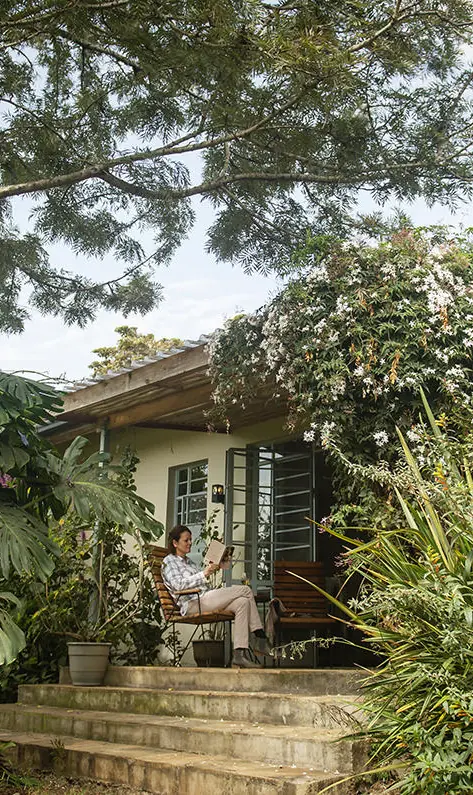
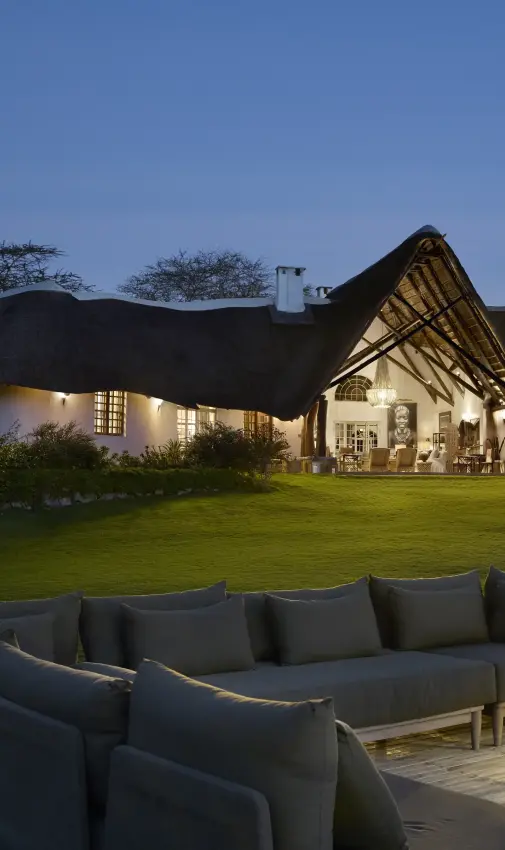
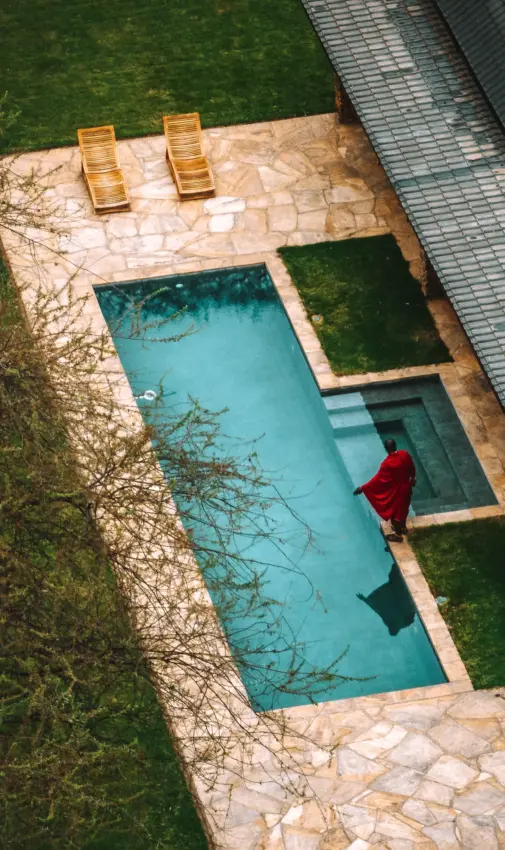
Lodges worth the stay sit on Meru's lower slopes rather than in town, most built into working coffee estates or established gardens. Expect boutique lodges and plantation houses with spacious suites, verandas, pools and spas, the mountain and coffee rows framing the view. A handful of exclusive-use villas suit families or groups. Larger city hotels serve business and diplomatic traffic, but the estate lodges deliver the calmer interlude.




activities
Coffee, walks and colobus
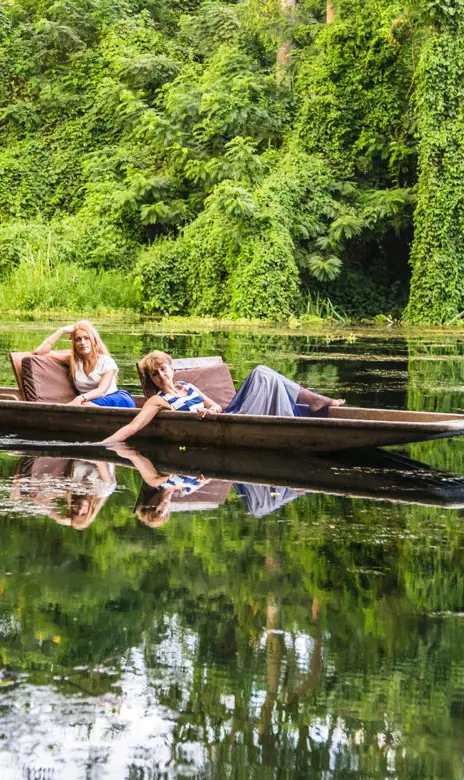
Coffee tours on the estate lodges cover cultivation, processing and tasting. Arusha National Park offers game drives, ranger-led walking safaris and canoeing on the Momella Lakes, all possible because lions are absent. Multi-day Mount Meru treks and a visit to the Cultural Heritage Centre round out a free day.

conservation
Corridors, coffee and catchment
Tanzania National Parks Authority manages Arusha National Park as a water catchment and as part of the Meru-Kilimanjaro-Amboseli wildlife corridor. Project Kilimo Endelevu Arusha supports sustainable agriculture on surrounding farmland, and the Endangered Ecosystems in Northern Tanzania project, led by The Nature Conservancy, works to secure the wider landscape.

getting around
Two airports, short transfers
Kilimanjaro International Airport, to the east, handles international arrivals, a 45 to 60 minute transfer to the lodges. Arusha Airport, close to town, hubs light-aircraft charters into Serengeti, Manyara and other park airstrips. Helicopter charters operate for scenic flights and transfers where required. Road links continue on to the parks from either airport.
other areas in tanzania
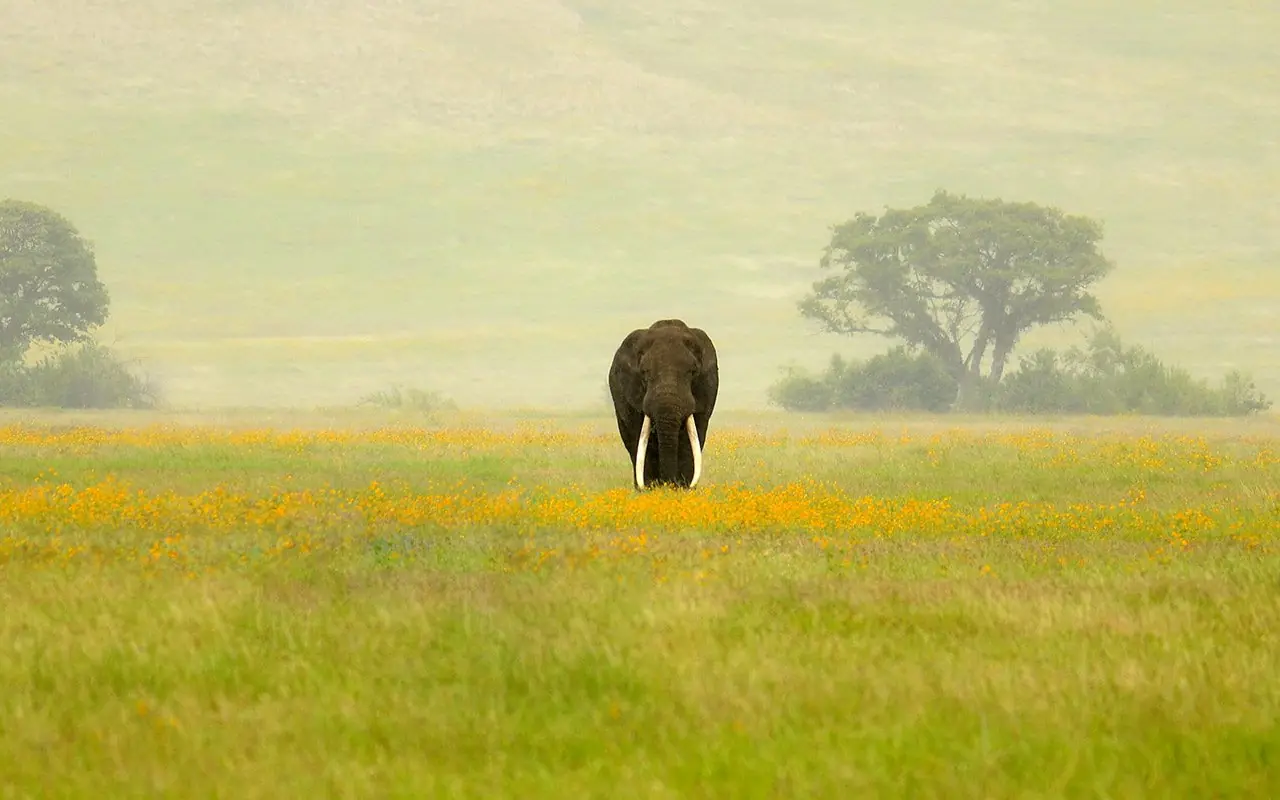
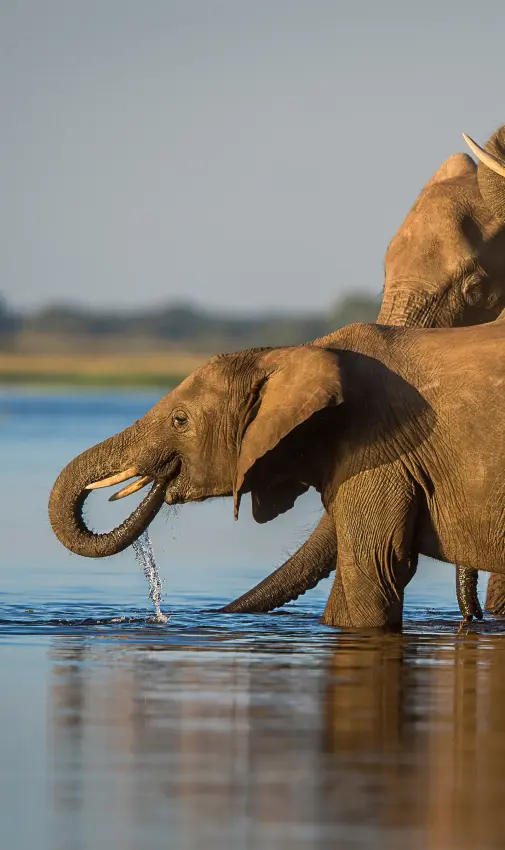
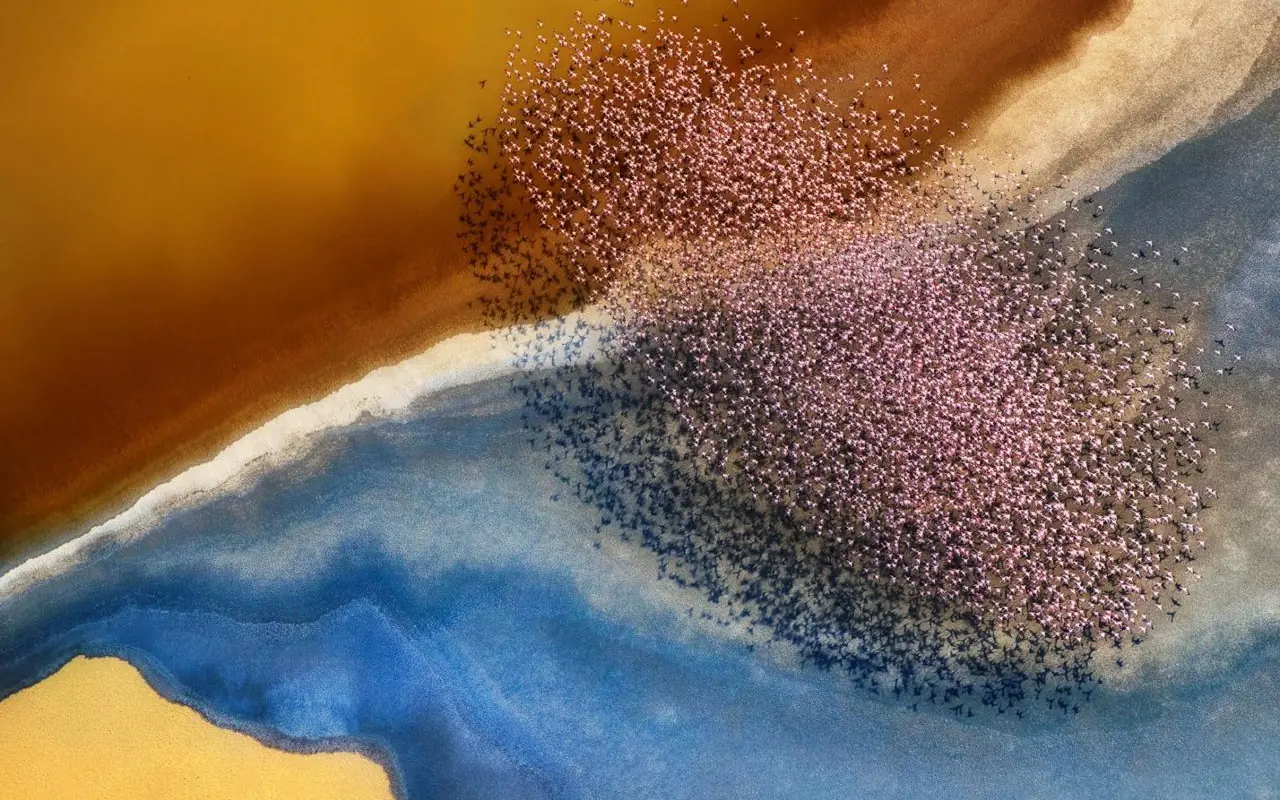
Serengeti National Park lies northwest, reached by light aircraft or road, holding the wildebeest and zebra migration and its resident predators. Ngorongoro Conservation Area encloses its crater, where Maasai graze cattle alongside resident wildlife. Tarangire draws large elephant herds among baobabs in the dry months, and Lake Manyara offers ground-water forest, flamingos and tree-climbing lions along the Rift escarpment. Kilimanjaro, to the east, adds a trekking chapter; Zanzibar makes a natural beach finale.





frequently asked questions
Fly to Kilimanjaro International Airport, which is about forty-five minutes to an hour from the town.
That airport takes the long-haul and regional flights. Arusha's own small airport, in the town itself, is where the light aircraft leave for the Serengeti and the rest of the northern circuit.
A few routes arrive through Nairobi and drive down, which is a long day at the border.
We arrange the transfers and the internal flights together so the connection is never tight.
Usually one at the start, and it is worth having.
Most international flights land in the evening, and the light aircraft and the drives to the parks leave in the morning, so a night here is what makes the first day of safari a real one.
It is also where the vehicle, the guide and the briefing come together.
A night at the end is less often needed, since the departures are late and a day room usually does instead.
More than a staging post deserves, and Mount Meru is the reason.
- Arusha National Park, for walking, canoeing on the Momella lakes and colobus monkeys
- A coffee estate morning, on the slopes below Meru
- The craft and cultural centre, for the best buying in the region
- A day walk on the lower slopes of Meru itself
Arusha National Park has no lion, which is why walking is permitted there.
It makes an excellent first day for anyone who has arrived with energy to spare.
Yes, and the altitude lowers it rather than removing it.
Arusha sits at about 1,400 metres, where both TravelHealthPro, the UK's official travel health service, and the CDC place the risk below that of the lowlands and the coast. Low risk is not the same as no risk, and the parks you are going on to are lower and warmer.
We do not make medical recommendations. That is a conversation between you and your own doctor or a travel clinic.
On the practical part, cover up at dusk and carry repellent.
At the start, and often at the end, as the hinge of the whole trip.
The usual shape runs a night in Arusha, then Tarangire or Lake Manyara, then the Ngorongoro highlands, then the Serengeti, either driving or flying between them.
Flying out of the Serengeti at the end can go straight to Zanzibar without returning here.
Tell us the whole route and we will say whether the last Arusha night is needed.
One, unless you want a day in Arusha National Park.
One night does the practical job: sleep, briefing, and away in the morning. A second night buys a walking or canoeing day under Mount Meru, which is a good way to shake off a long flight.
Beyond that the days are better spent in the parks.
Tell us your flight times and we will say whether one night or two is right.
rated five stars by our clients

our approach
remote, exclusive
& personal
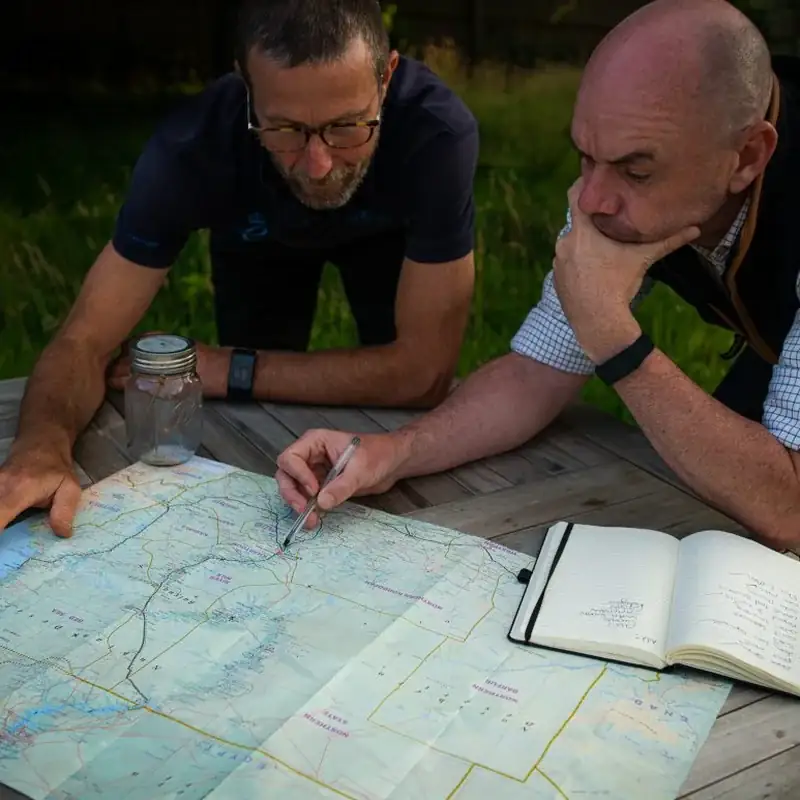
Every journey starts with a conversation. We take the time to understand your vision before we start planning.
Whether by phone or in person, we work with you directly to shape something that is considered, personal, and expertly delivered.
Every journey starts with a conversation. We favour a direct, personal approach: understanding your vision before anything else.
Whether by phone or in person, we work with you directly to shape a journey that is both thoughtfully considered and expertly delivered.
Get in touch to start planning yours.