 01
01
African safari’s connoisseurs’ choice
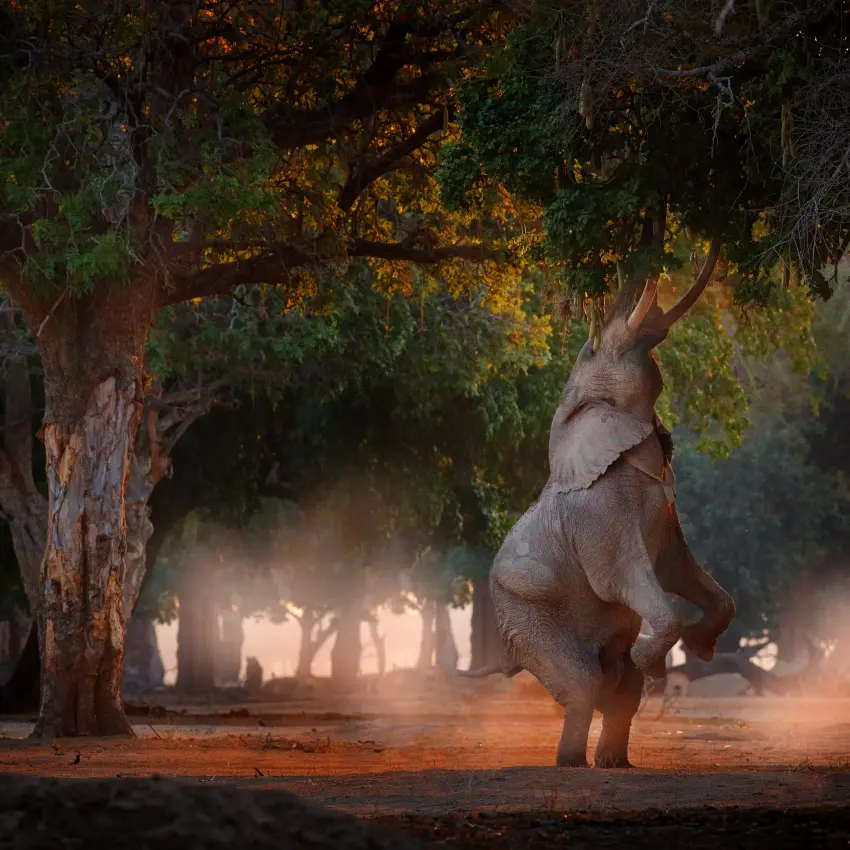
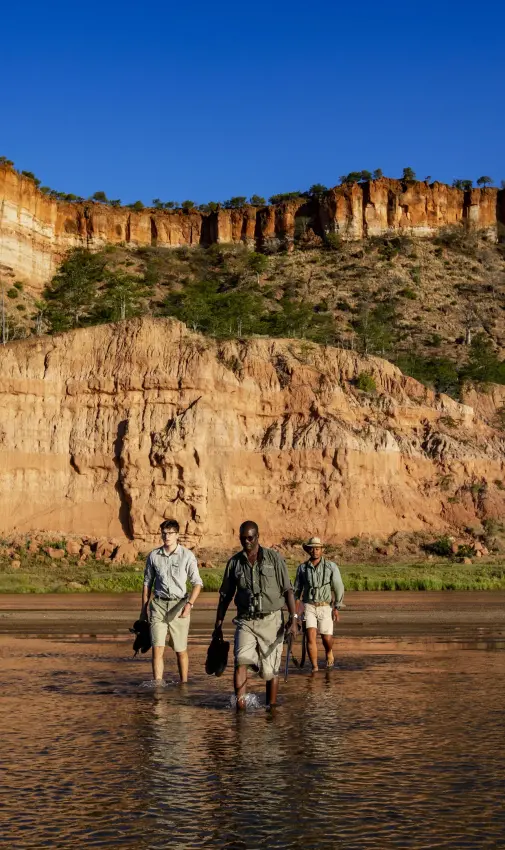
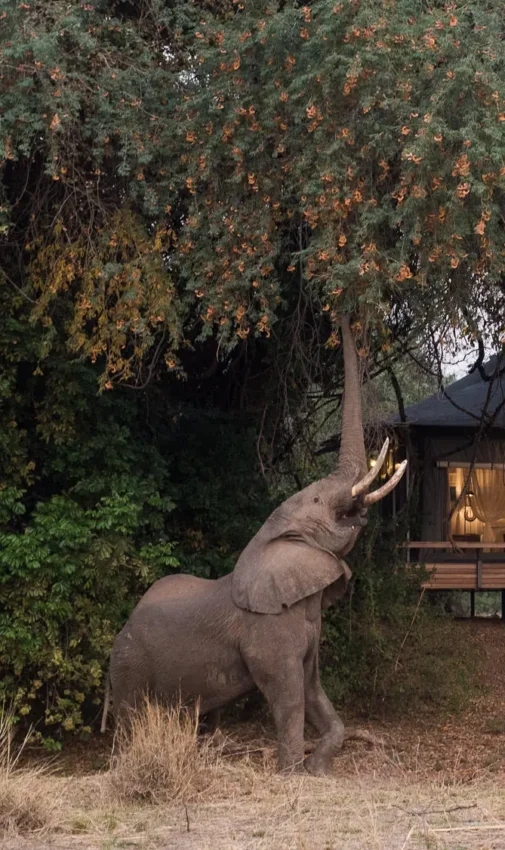
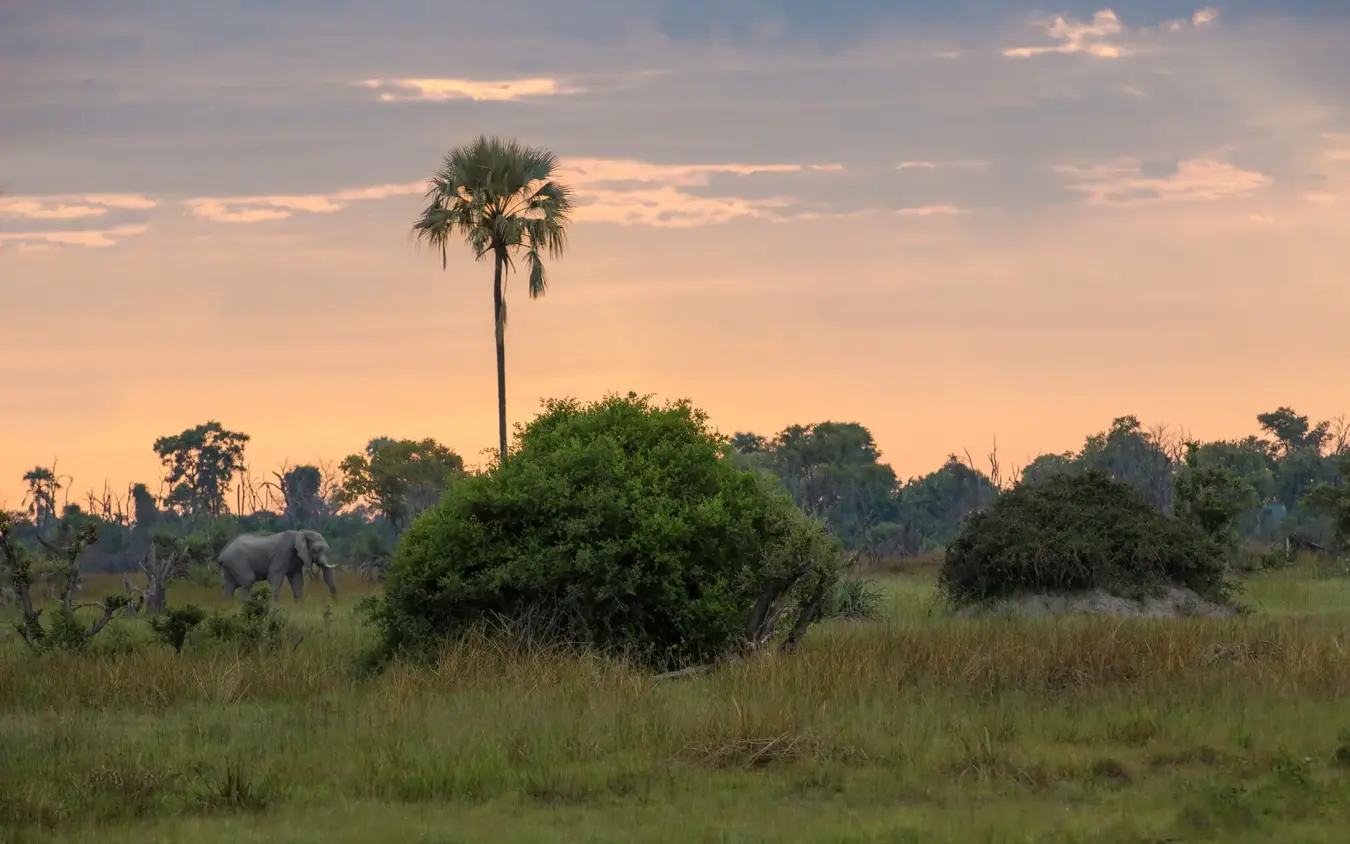
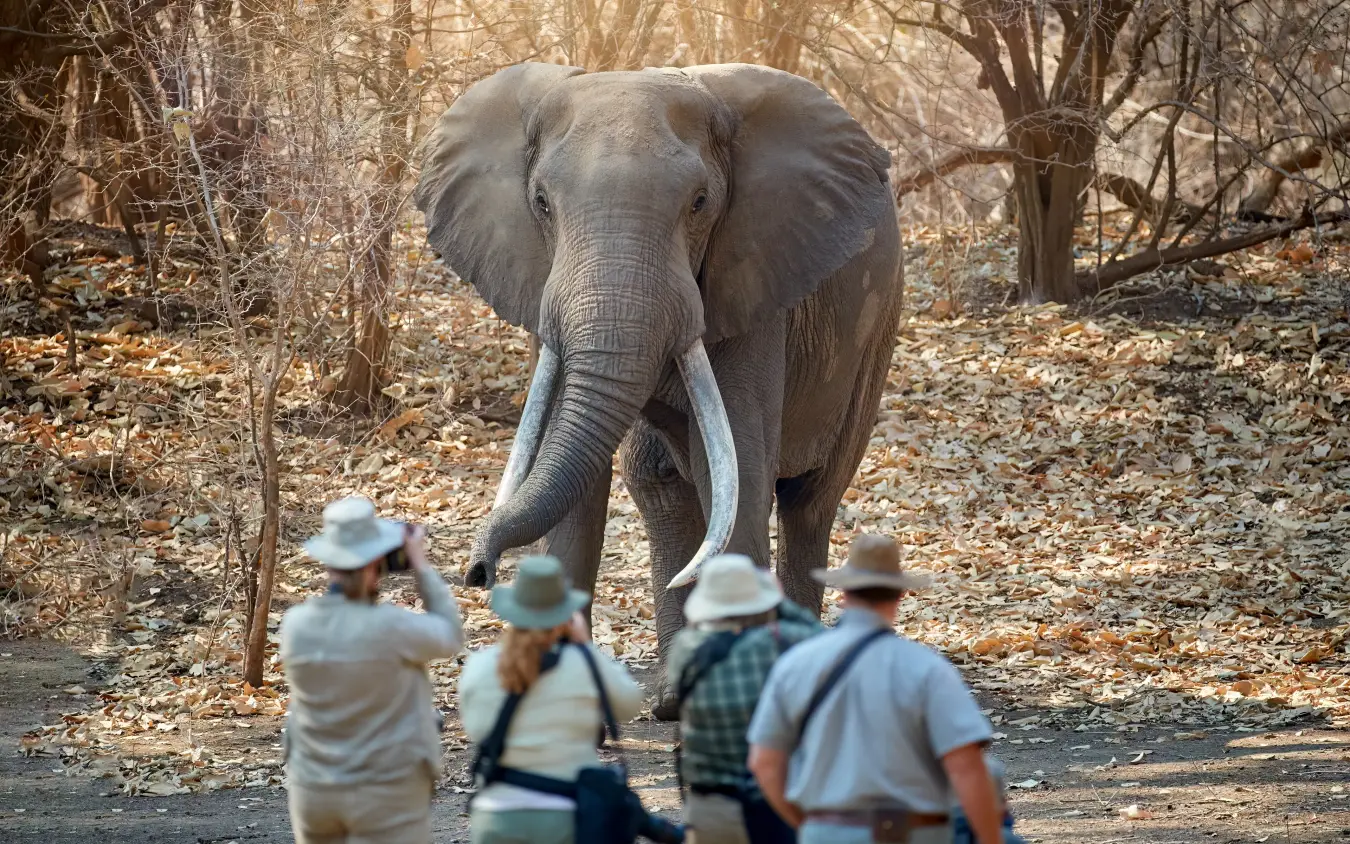
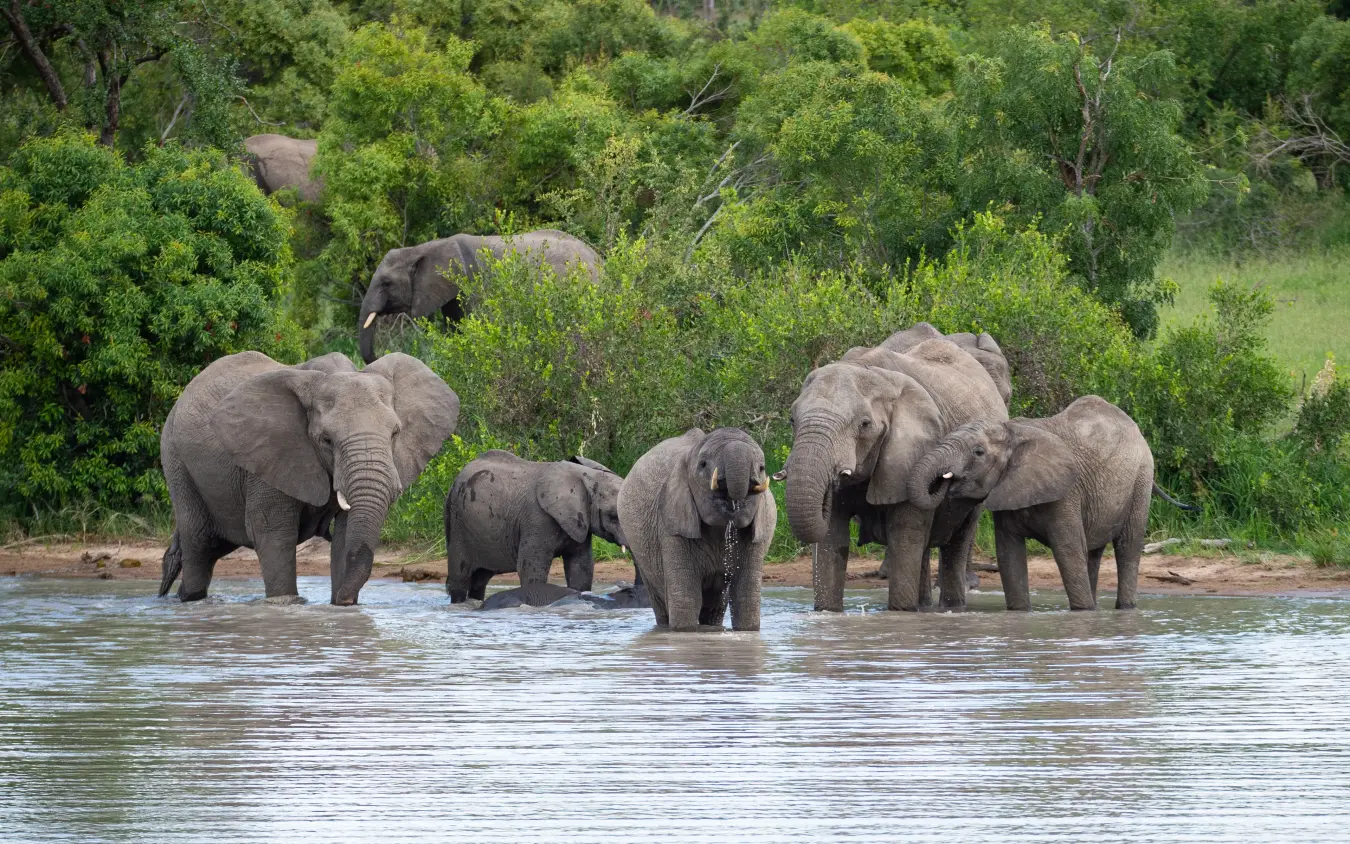
Along the Zambezi’s southern bank, elephants have learned to stand on their hind legs to reach acacia pods, a behaviour seen in Mana Pools and passed between generations. Zimbabwe’s professional guides undergo Africa’s most rigorous licensing examinations, mastering the tracking of dangerous game on foot and the ecological systems that concentrate animals.
The guiding defines the country more than the landscape.
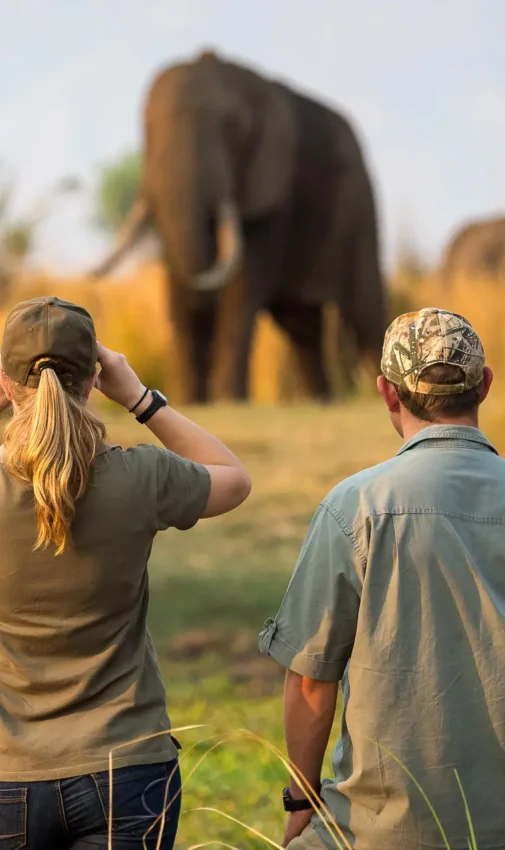
That training shows on every drive and every walk on foot. Hwange National Park covers 14,600 square kilometres. Mana Pools grants even greater solitude. Seasonal flooding draws wildlife from hundreds of kilometres, while sparse vegetation allows the visibility that makes walking safaris possible. The guiding defines the country more than the landscape.
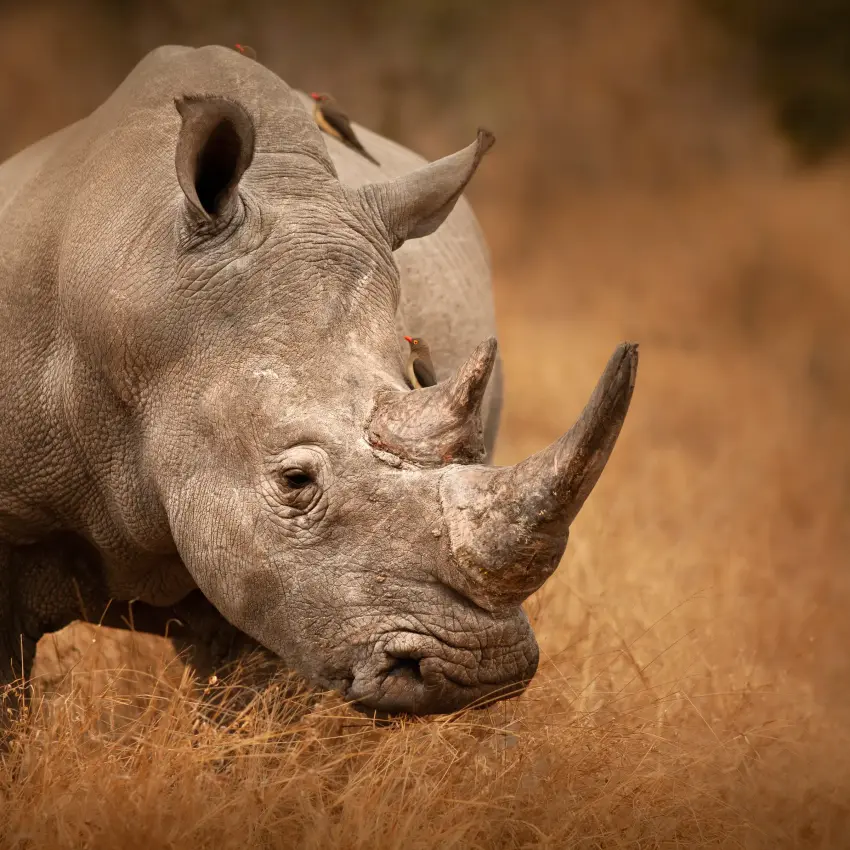
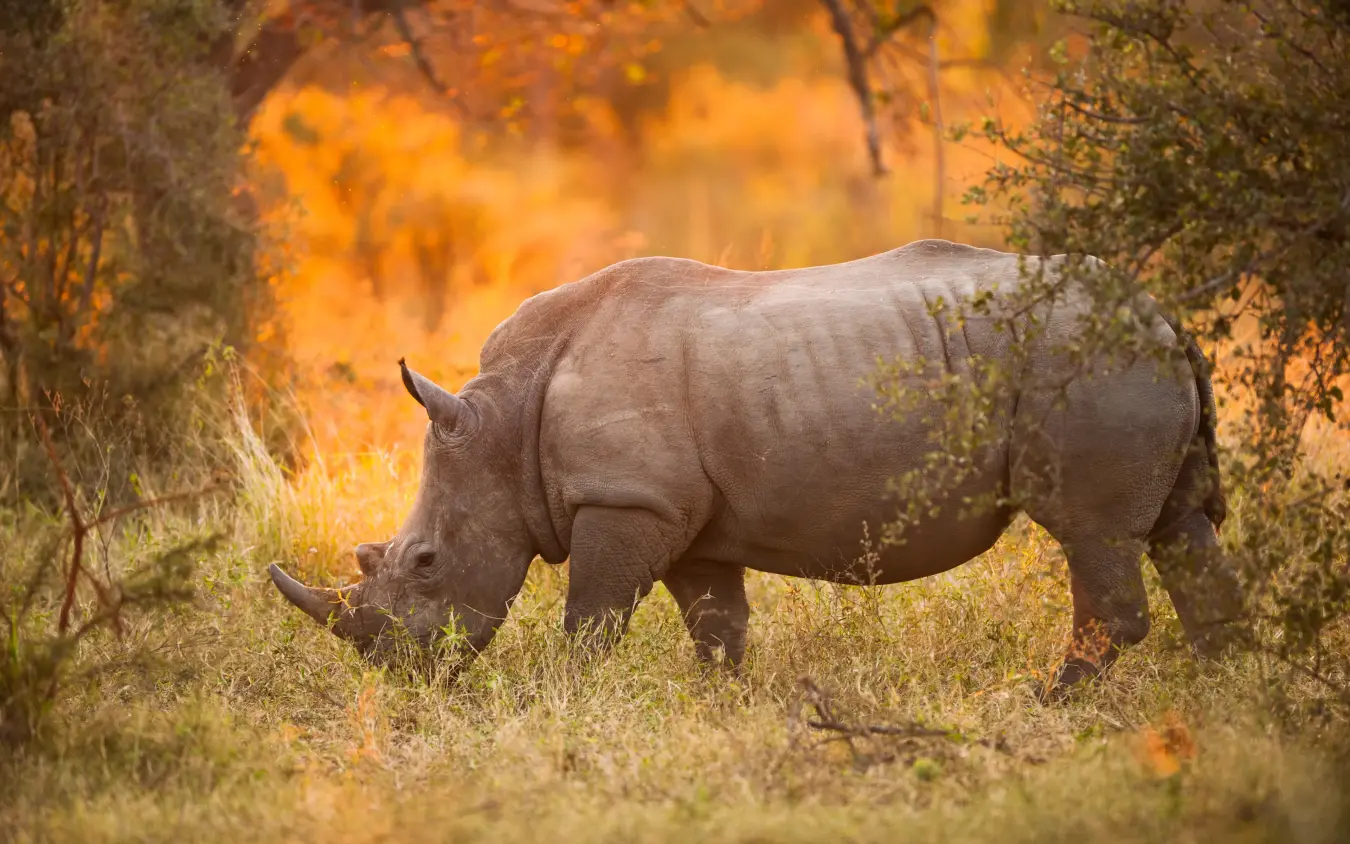
In the 1990s, ranchers across the southeast began joining their lands into vast conservancies, removing cattle entirely to restore historical wildlife corridors. The Save Valley Conservancy now manages 750,000 acres as a single ecological unit. Malilangwe Wildlife Reserve tells the sharper story: from 28 black and 15 white rhinos reintroduced in 1998, the reserve now protects significant concentrations of both species, becoming a source population for restocking programmes across the continent.
Ranchers pulled the cattle off entirely and let the old wildlife corridors return.
CAMPFIRE, the community conservation programme, channels wildlife revenues directly to rural councils. It emerged because Zimbabwe lacked the resources for centralised management. Other nations now study the results.
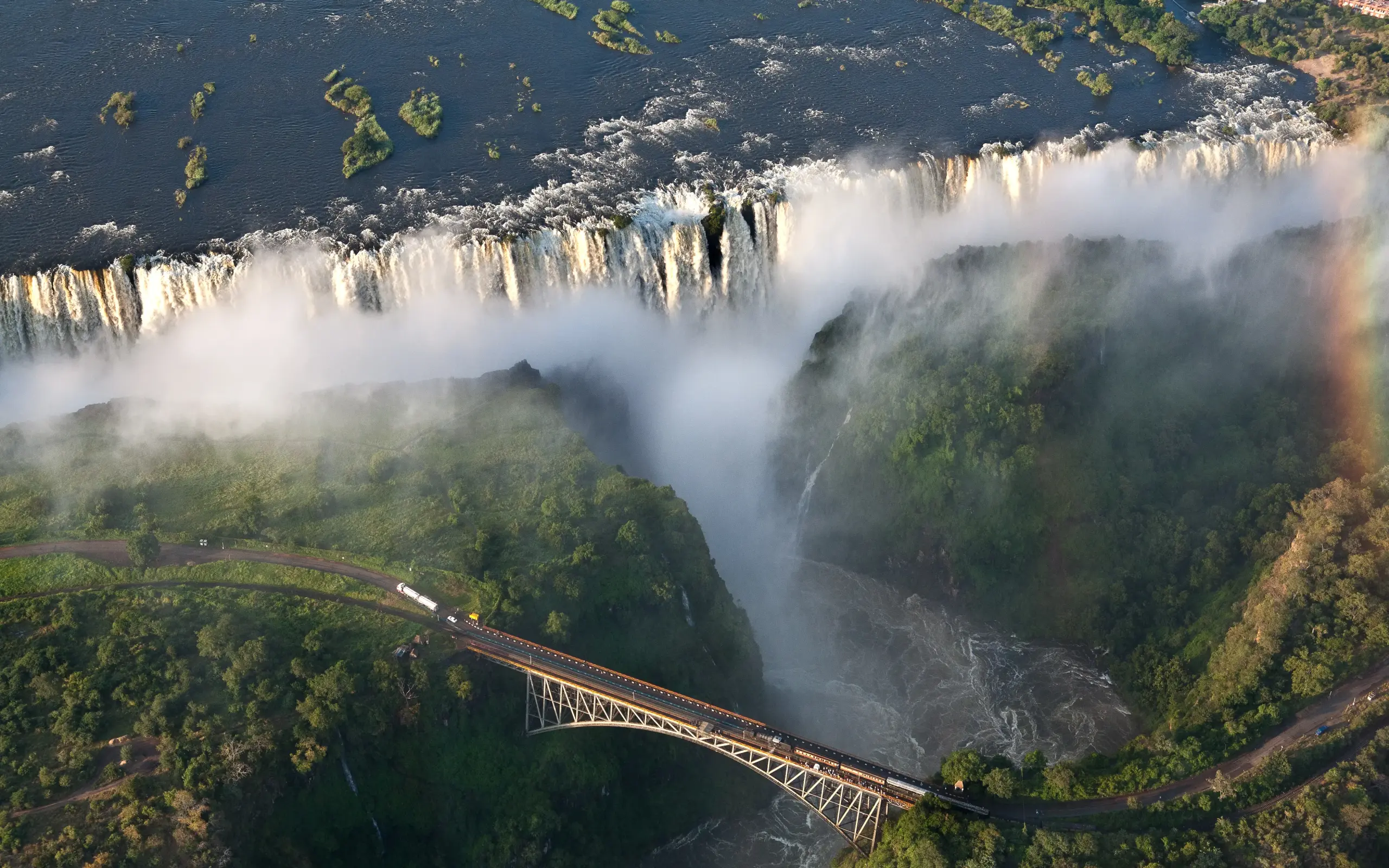
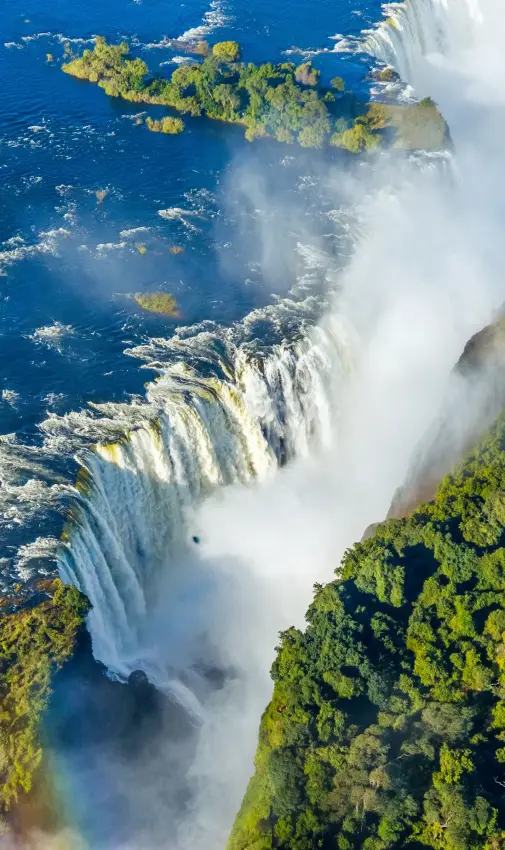
Victoria Falls opens most itineraries, its 108-metre cascade spanning nearly 1.7 kilometres where the Zambezi plunges into the Batoka Gorge. The country runs deeper than this spectacle. In Gonarezhou, meaning “place of elephants” in Shona, the Chilojo Cliffs glow red at sunset while below them move large herds of tusked elephants. Matusadona National Park occupies Lake Kariba’s southern shore, where drowned forests create a landscape of skeletal trees rising from the water, concentrating buffalo, elephants and predators as the dry season tightens.
Then the Eastern Highlands. Nyanga, Bvumba and Chimanimani ranges create montane environments where eland graze moorlands that could be Scotland until a troop of samango monkeys appears. These mountains see perhaps a few dozen visitors weekly. Hiking routes follow streams through indigenous forest, past San rock art sites, to peaks exceeding 2,500 metres.
eland graze moorlands that could be Scotland until a troop of samango monkeys appears
Great Zimbabwe ruins, from which the nation takes its name, rise from granite hills near Masvingo. Stone walls constructed without mortar between 1250 and 1450 AD enclosed a city of 18,000 at its peak. Imported Chinese ceramics and Arabian glass beads found in the ruins prove these “houses of stone” sat at the centre of trade networks reaching the Swahili coast six centuries before European arrival. The Matobo Hills hold different treasures: over 3,000 rock art sites where San peoples painted their spiritual world across granite canvases, some dating back over two thousand years.
John Stevens and Garth Thompson called Mana Pools home through great periods of their careers, teaching a generation how to track lions through mopane scrub and read elephant behaviour along the Zambezi. Nick Murray continues this tradition, leading walks where encounters happen on the animals’ terms. Beks Ndlovu built Zambezi Expeditions into a model for sustainable tourism. Zimbabwe’s licensing system produced them all. It demands more than knowledge: guides must prove judgment under pressure, knowing when to hold ground and when to fade into cover. The canvas tent might lack running water. The guide makes up the difference.

The best time to visit zimbabwe
Jan
Feb
Mar
Apr
May
Jun
Jul
Aug
Sep
Oct
Nov
Dec
Recommended
Transitional
Challenging conditions
June through October brings dry conditions that concentrate wildlife around permanent water, with May the cool, drying turn of the season. Hwange's pumped waterholes become magnets from July.
September and October deliver exceptional predator activity as prey weakens, though the Zambezi Valley can exceed 40u00b0C. November's first rains transform the landscape, bringing migrant birds and newborn antelope, though some camps close until April. June through August offers comfortable temperatures ideal for walking.
Areas to visit
Victoria Falls provides the gateway. Hwange National Park rewards patience with diverse habitats and reliable wildlife. Mana Pools offers the signature walking safaris along the Zambezi. Gonarezhou and Malilangwe in the southeast provide exclusive wildlife viewing. The Eastern Highlands suit active travellers seeking hiking and mountain scenery. Matobo Hills combines rock art, rhino tracking and cultural significance south of Bulawayo.


RECOMMENDED ACCOMMODATION
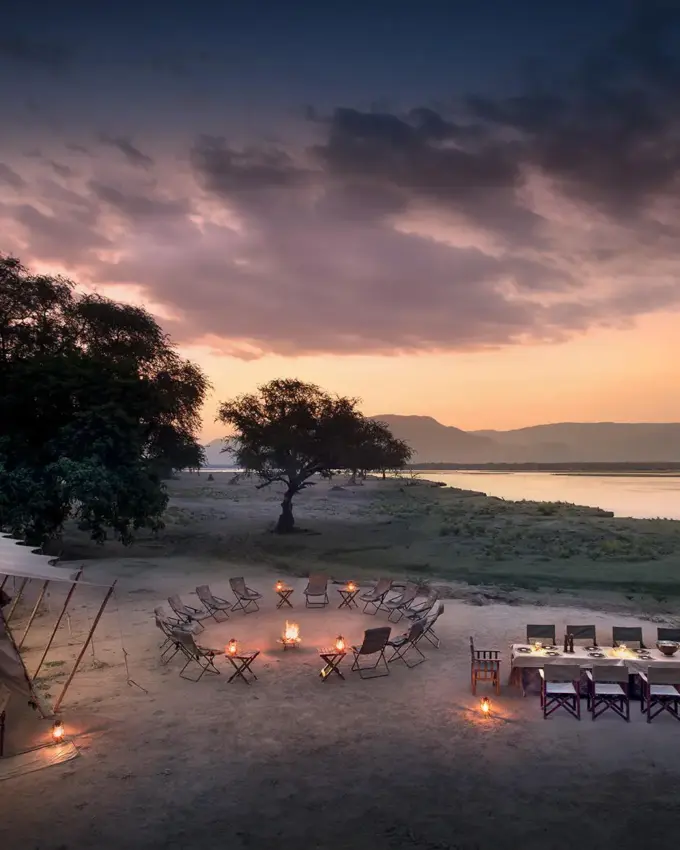
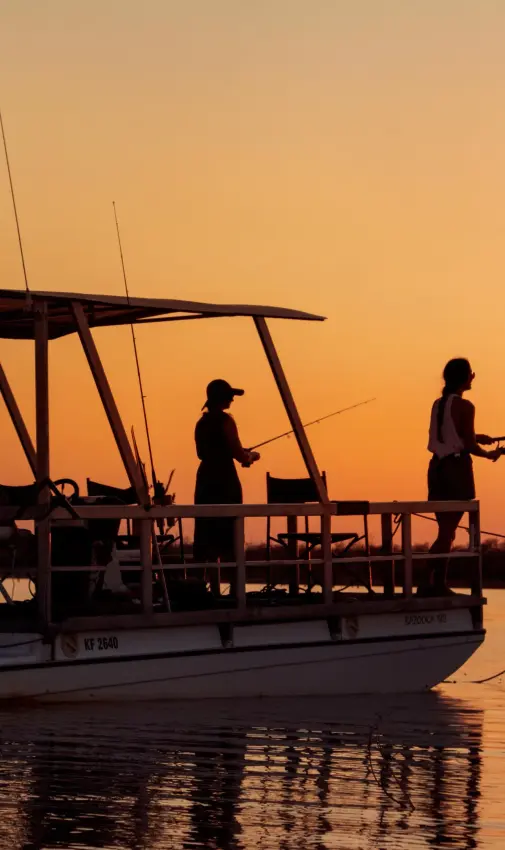
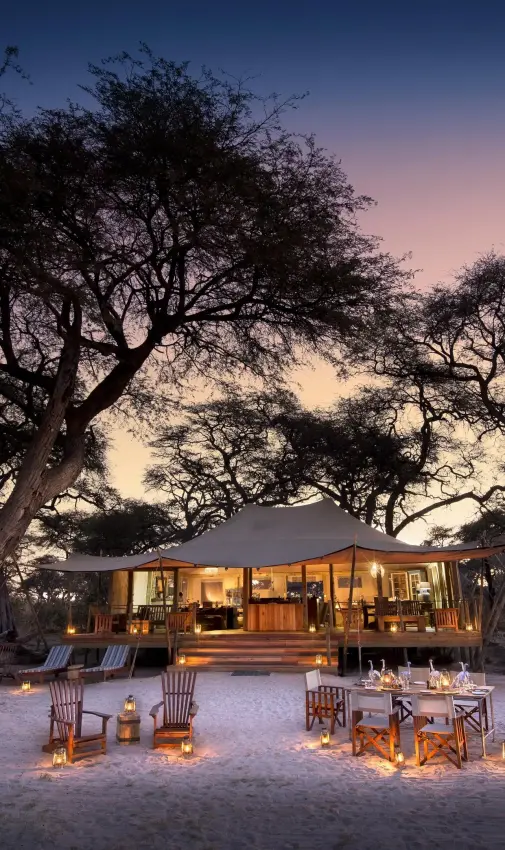
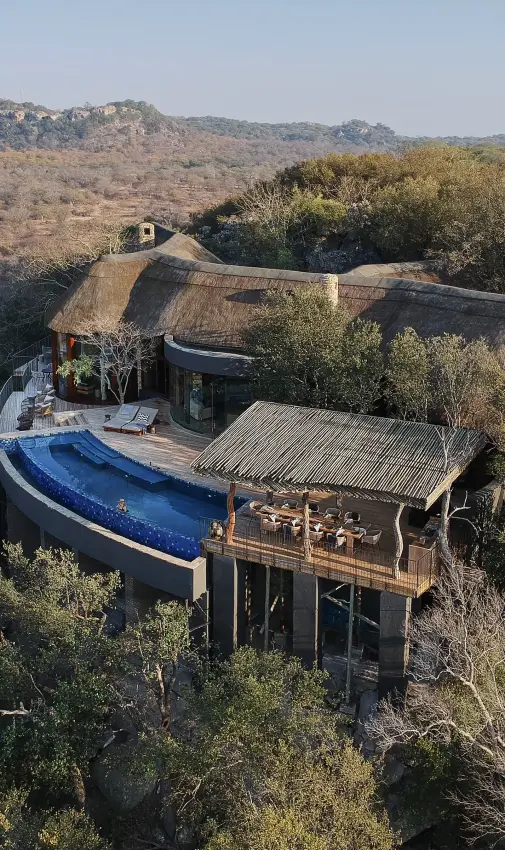
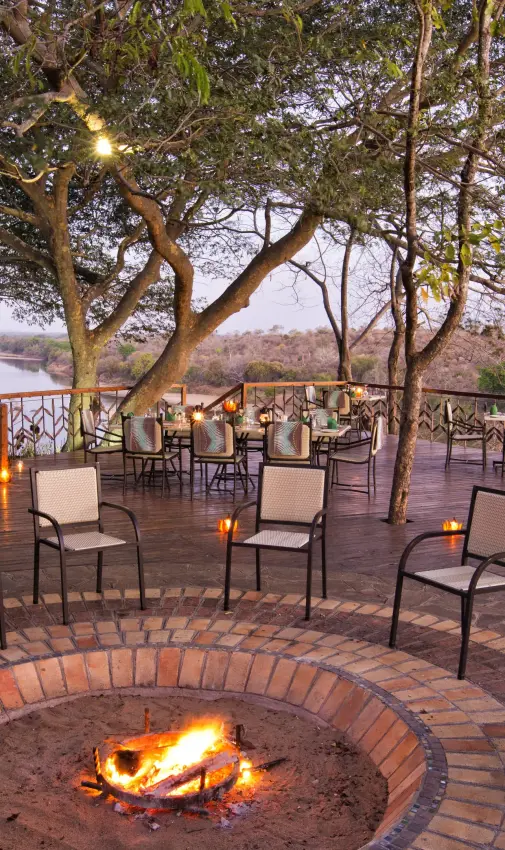
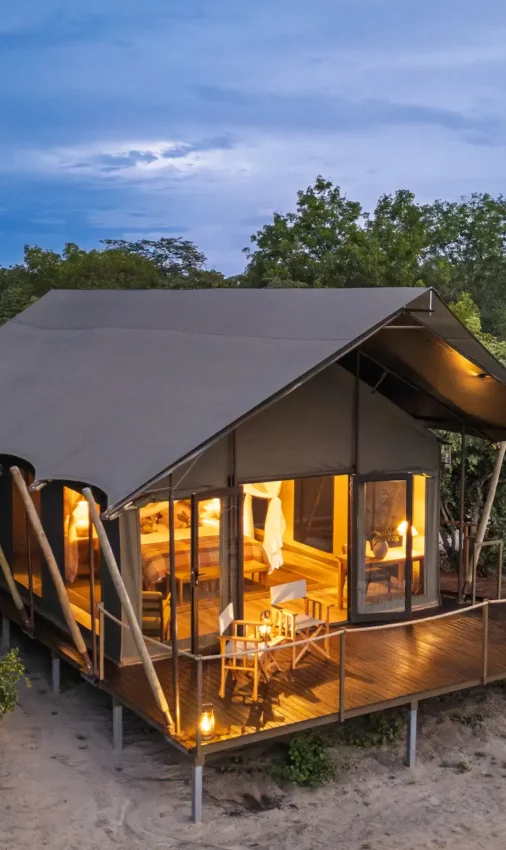
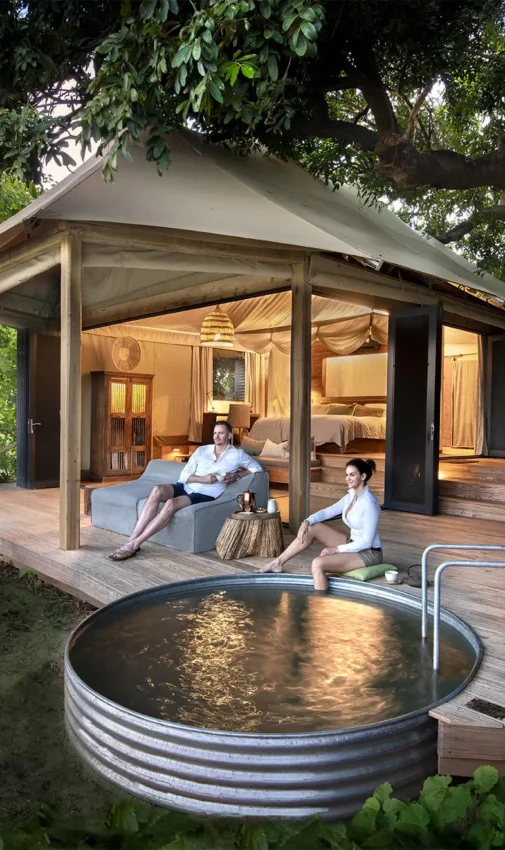
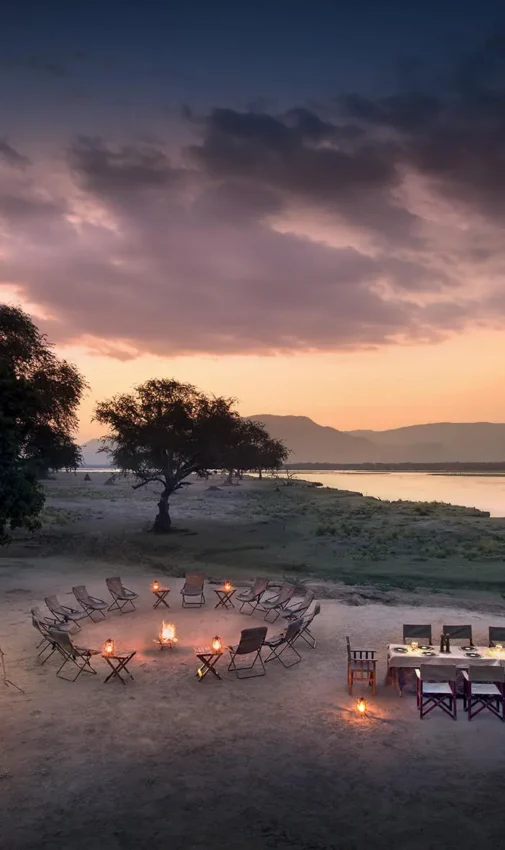
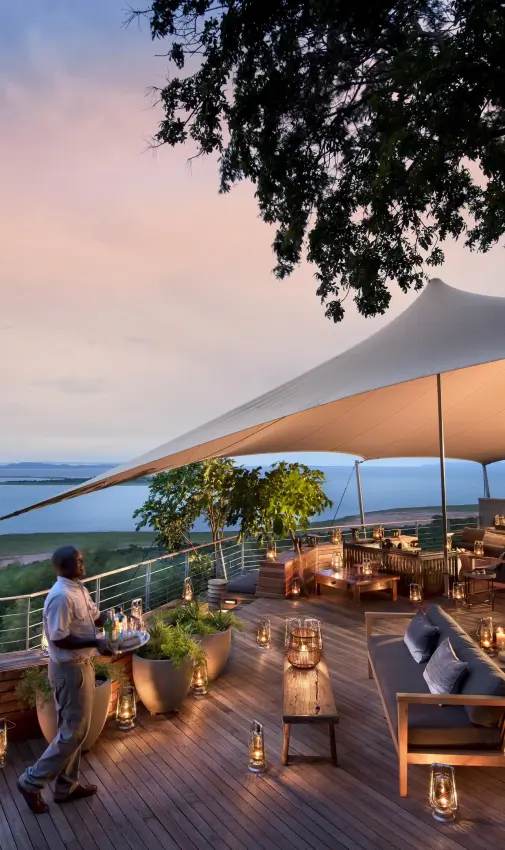
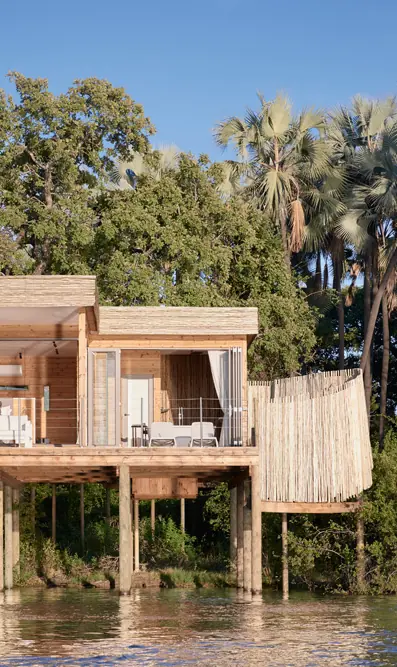
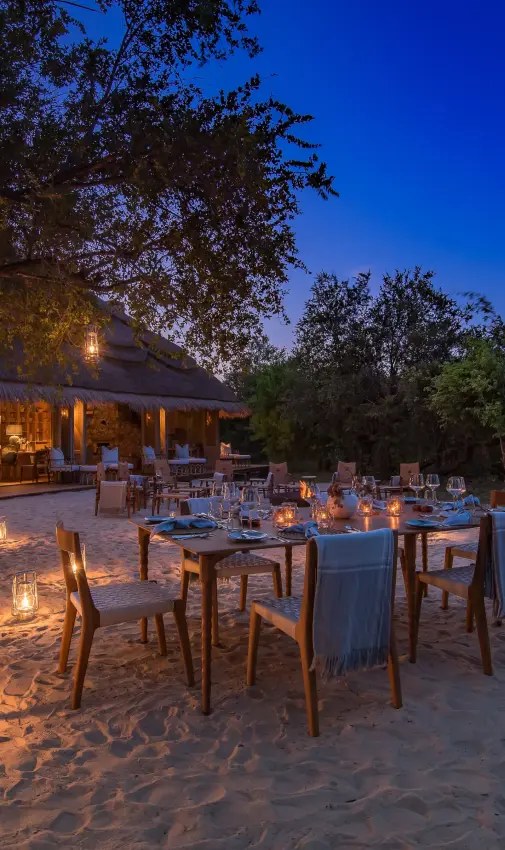
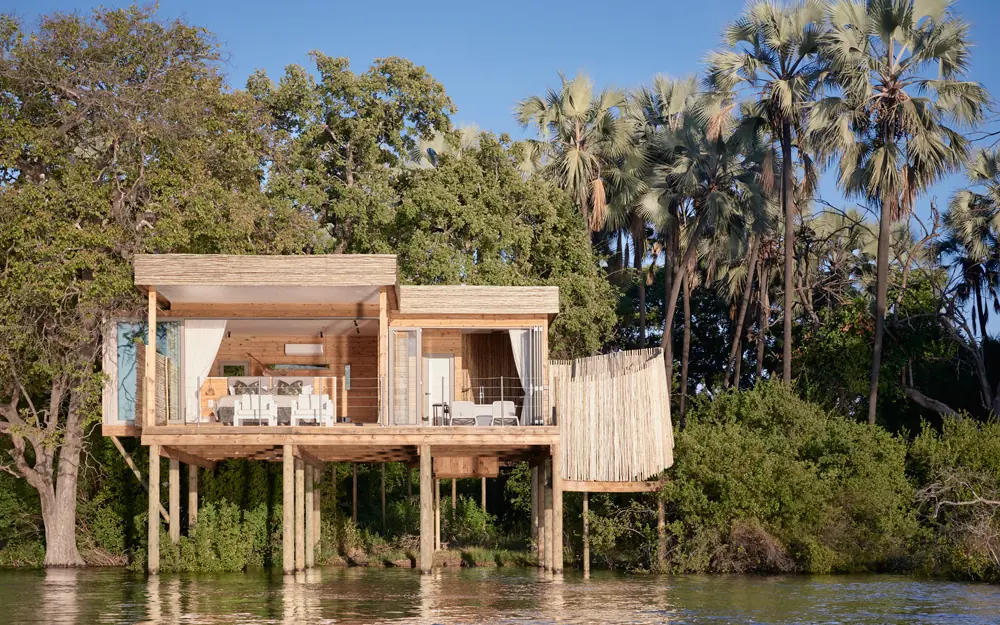
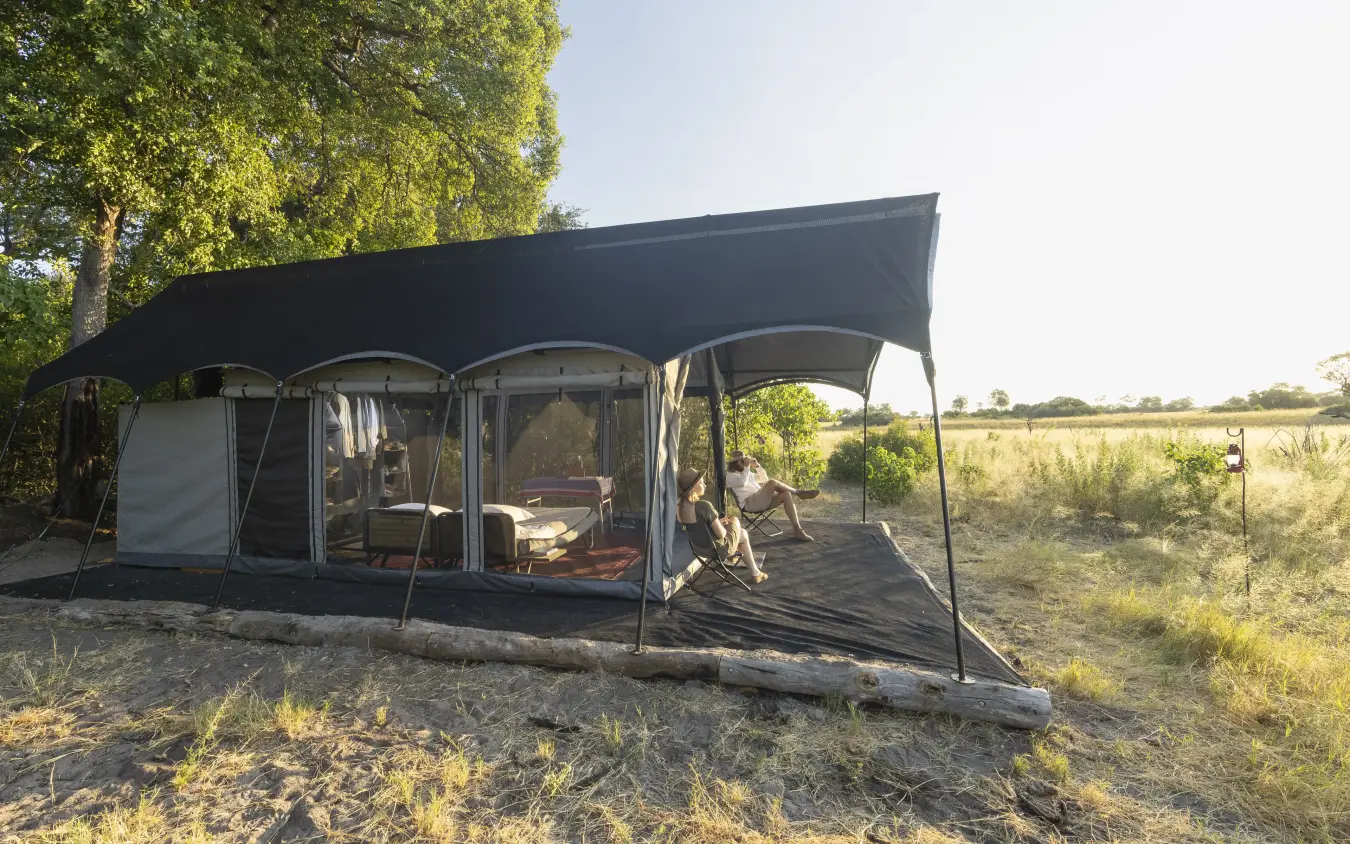
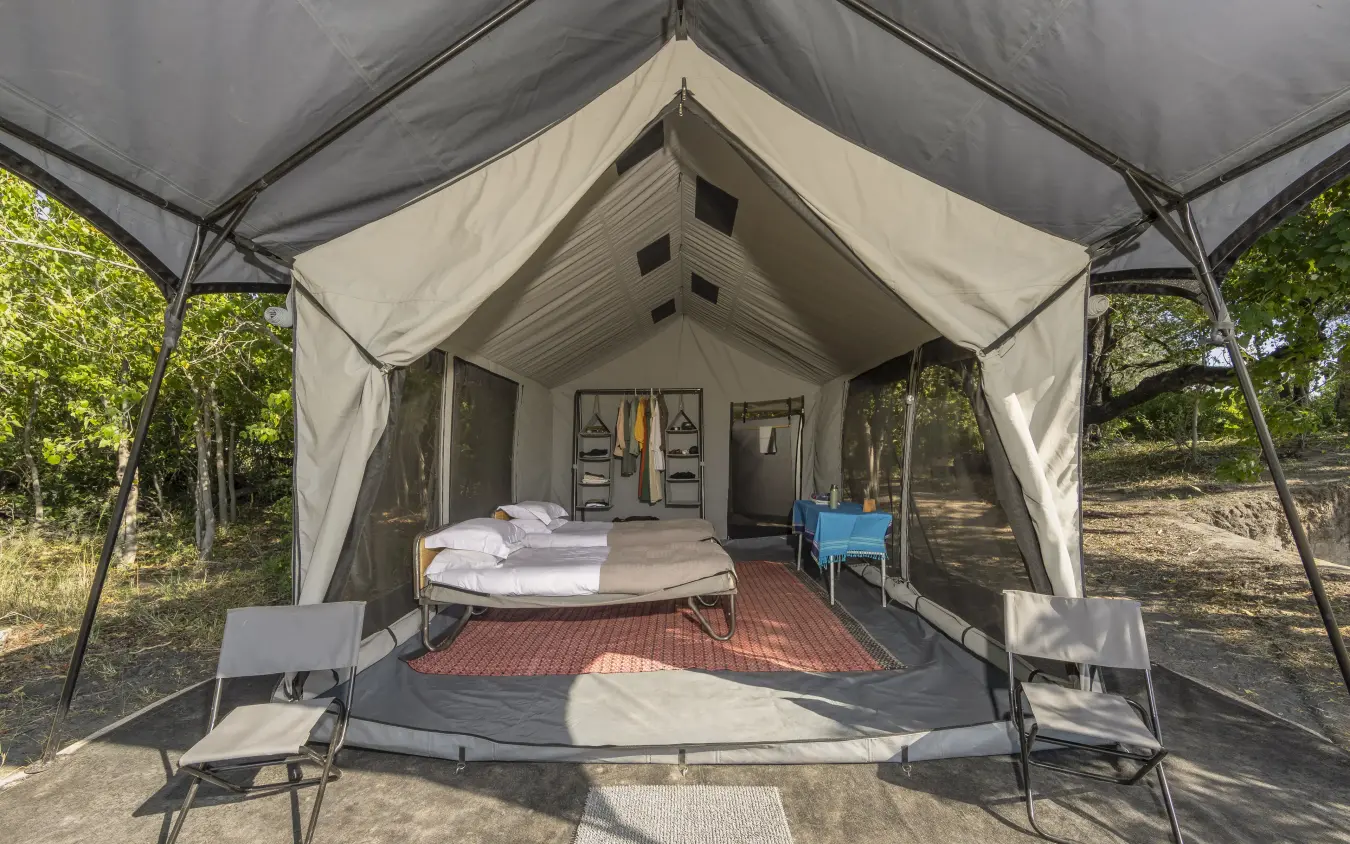
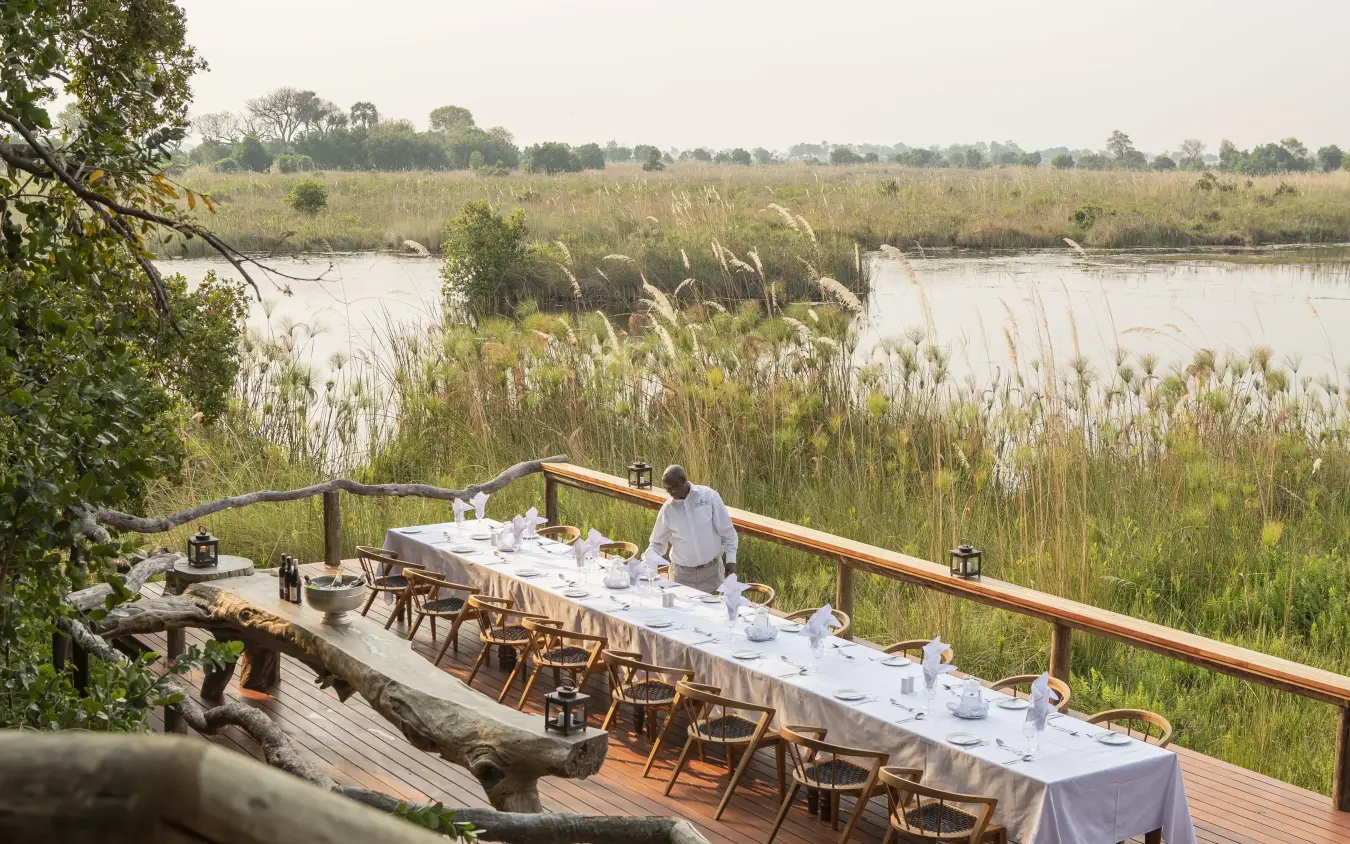
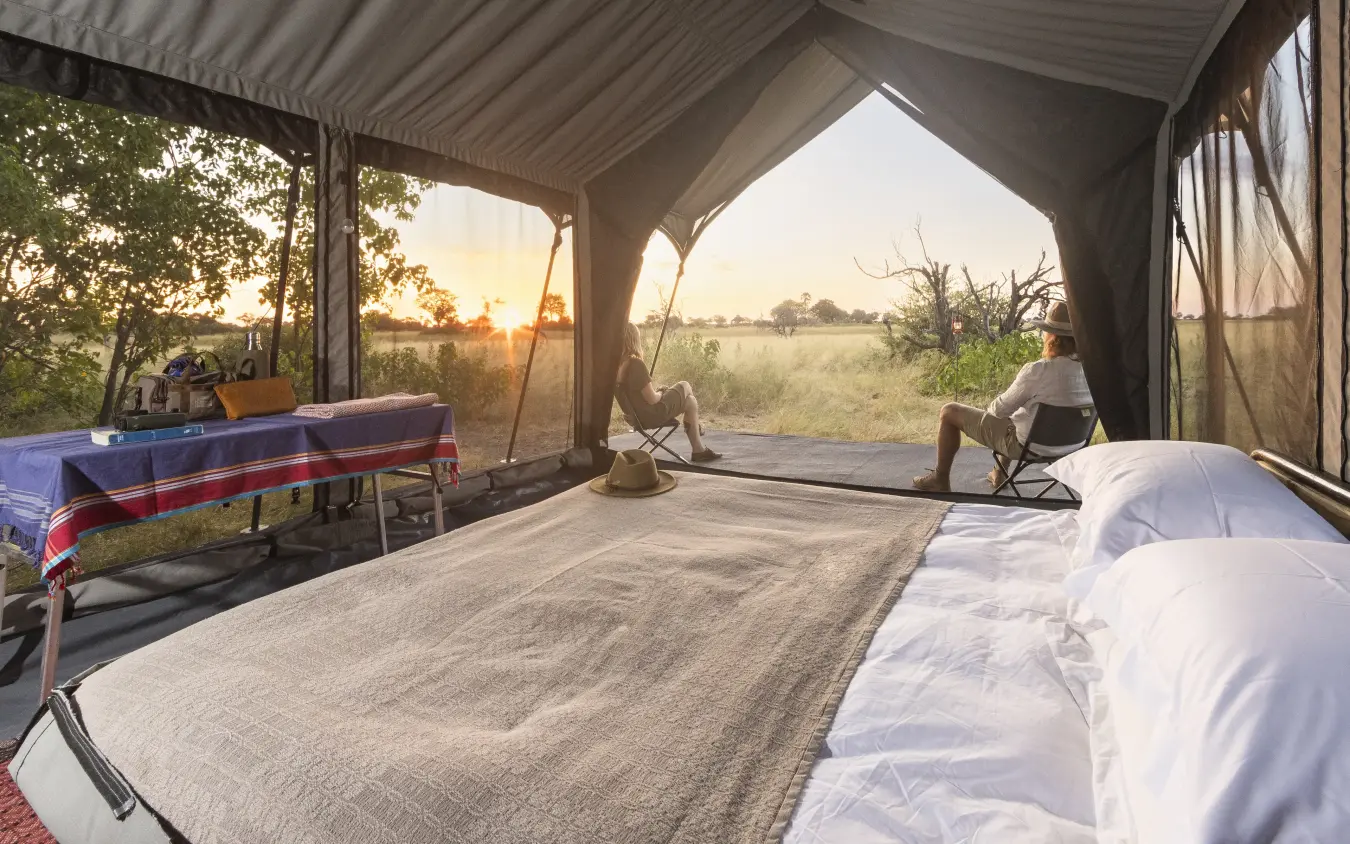
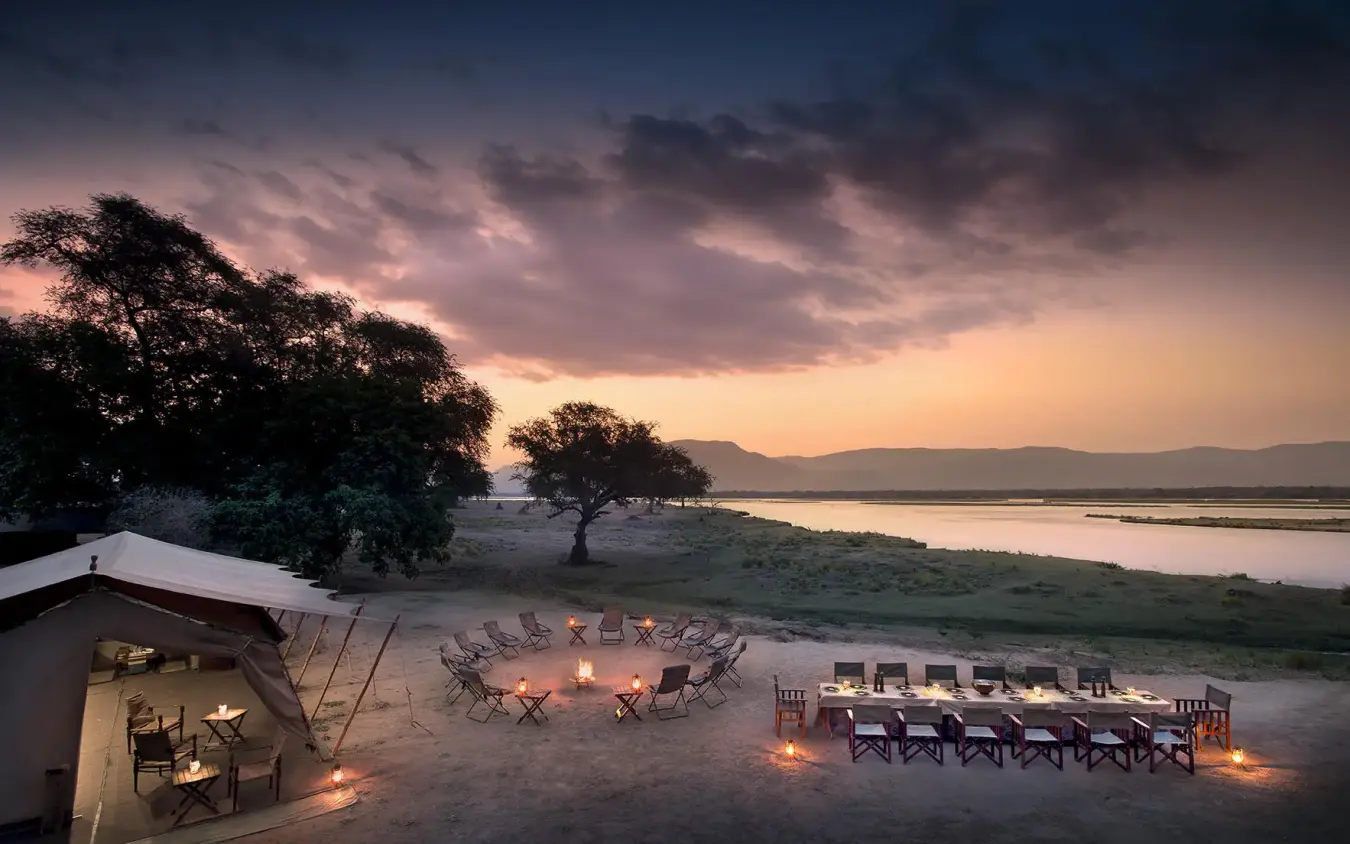
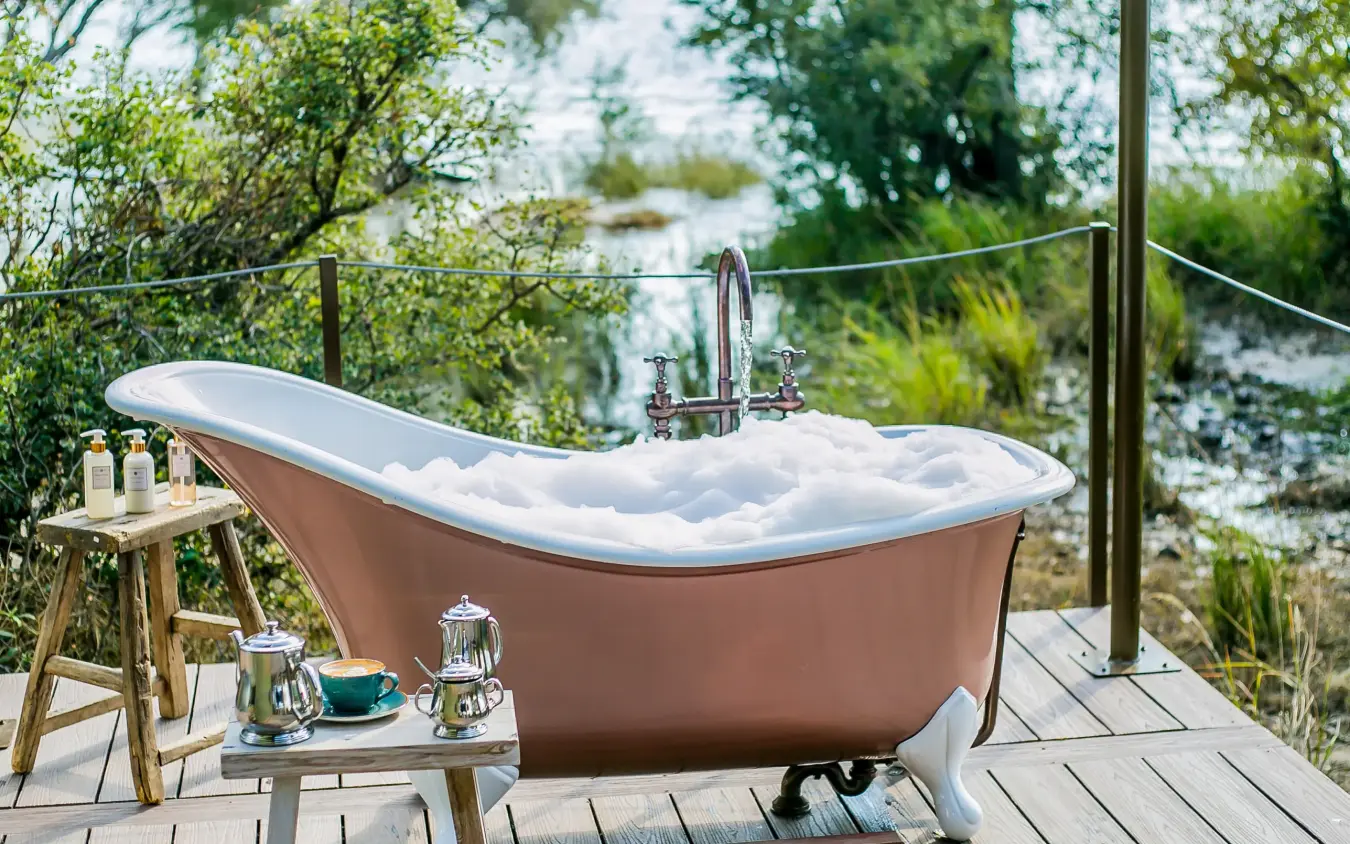
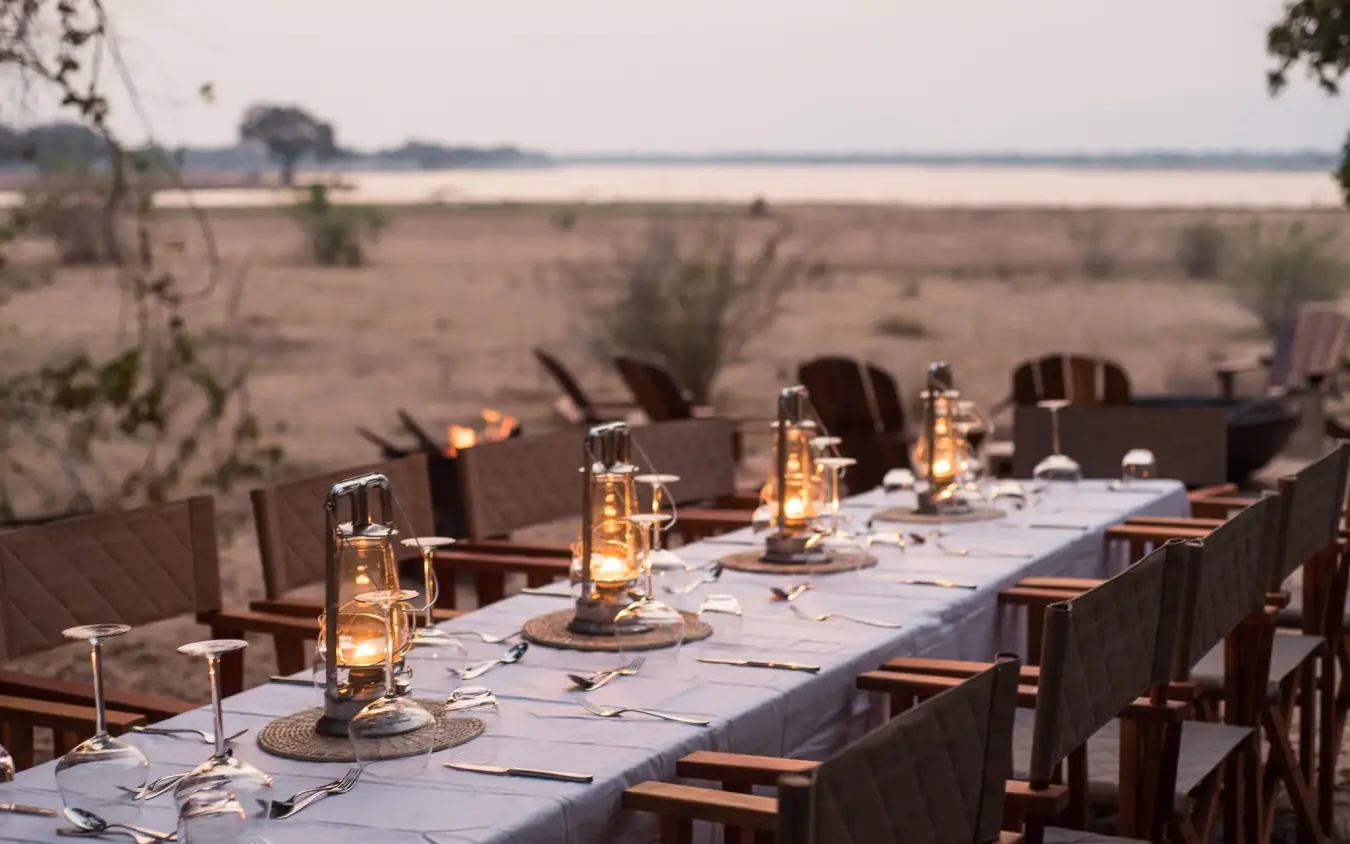
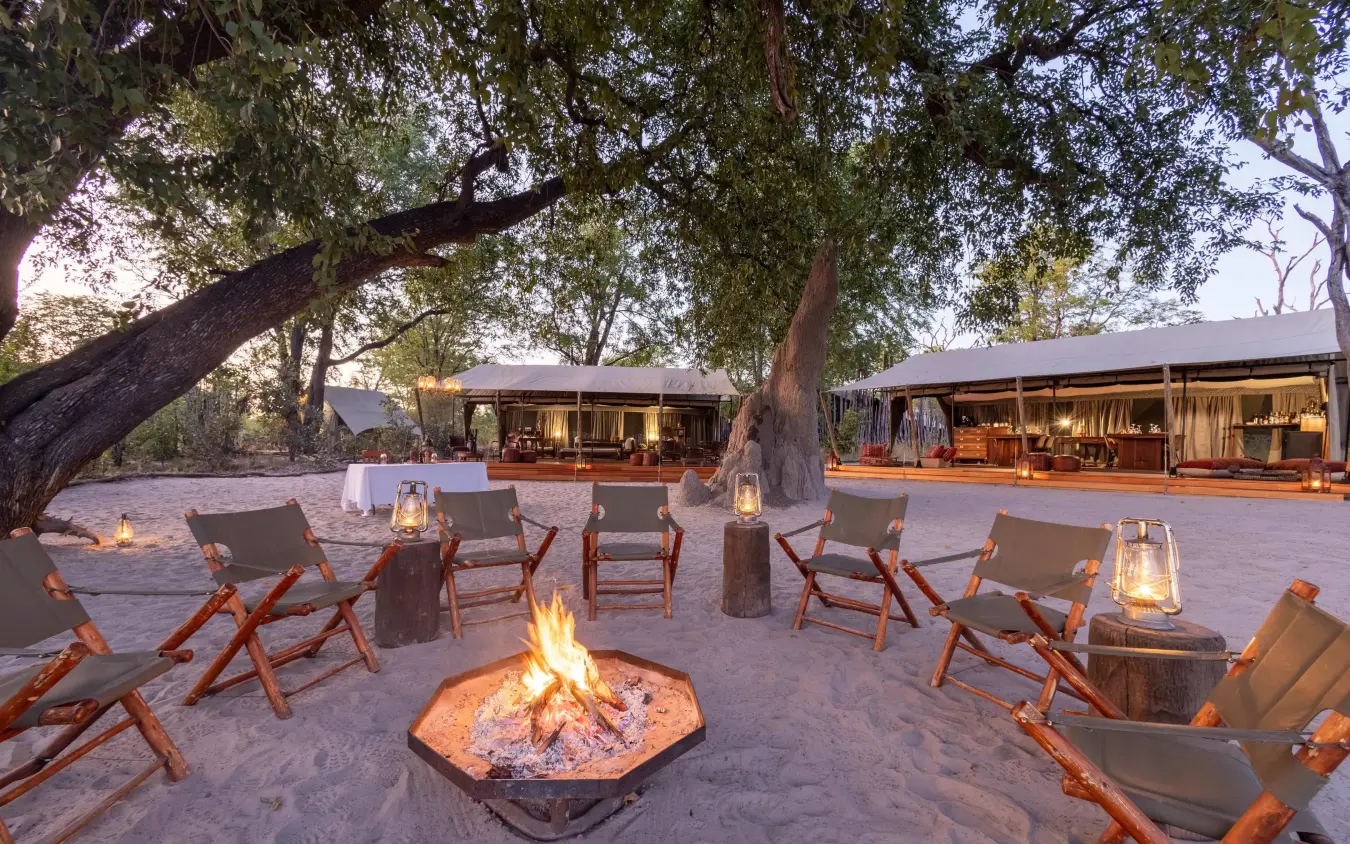
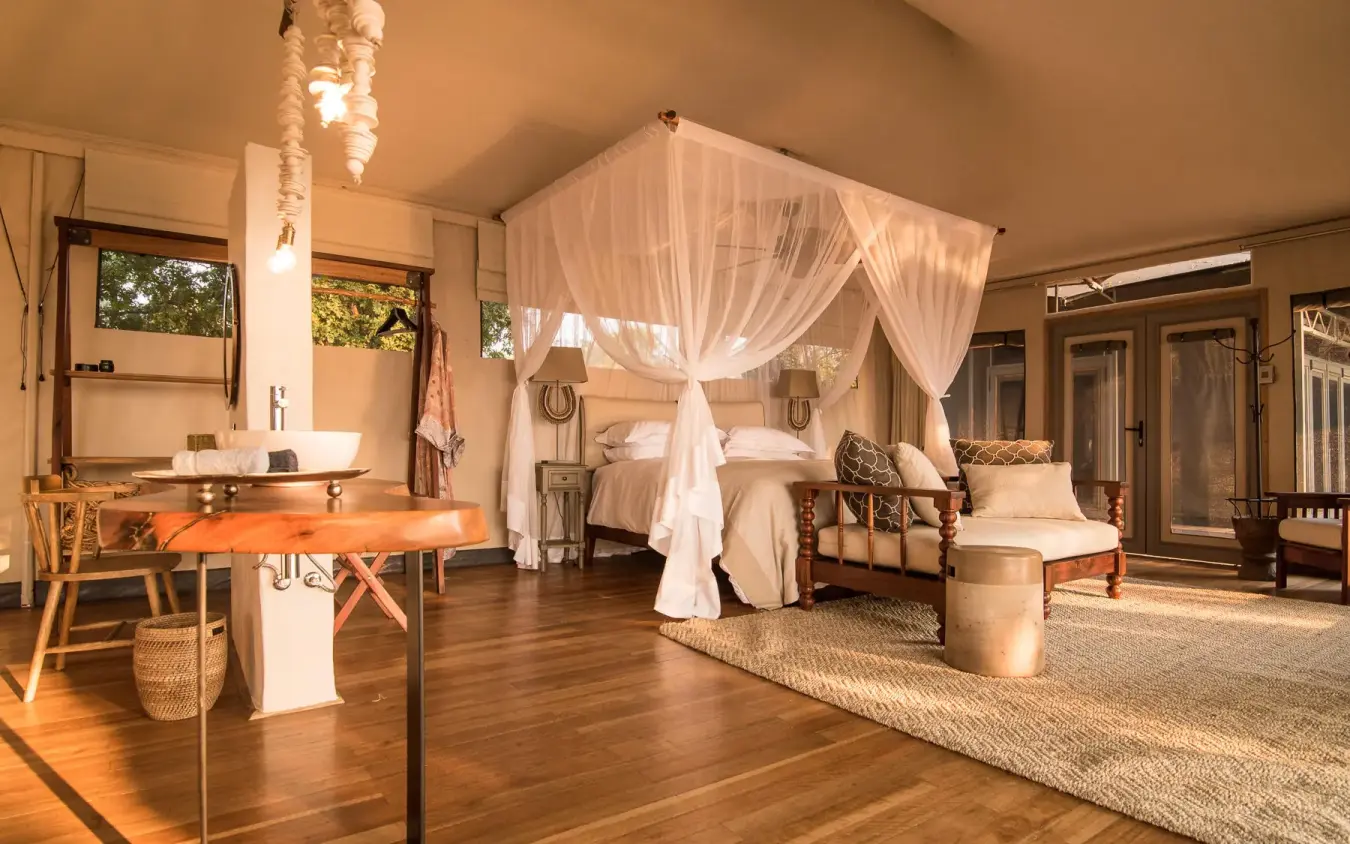
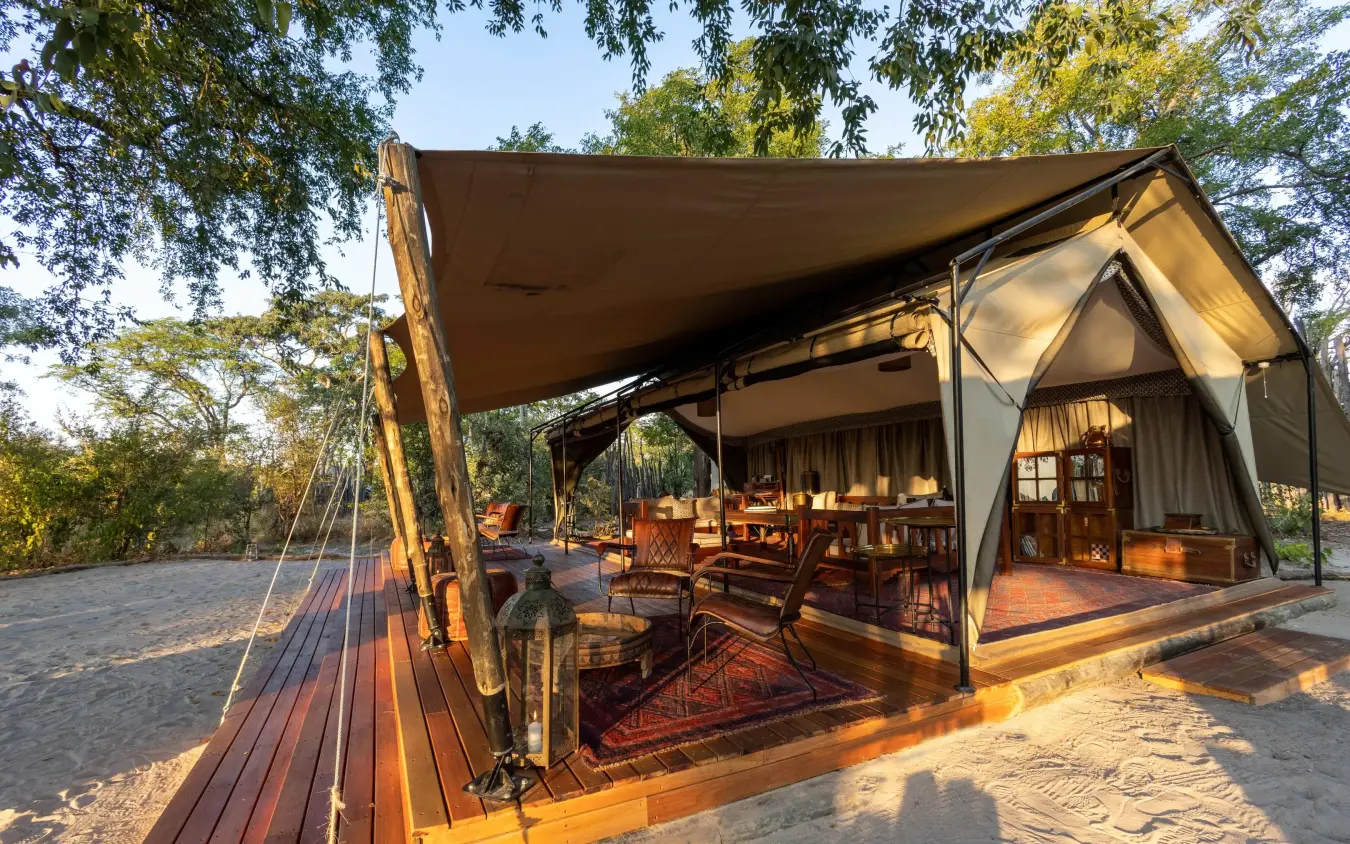
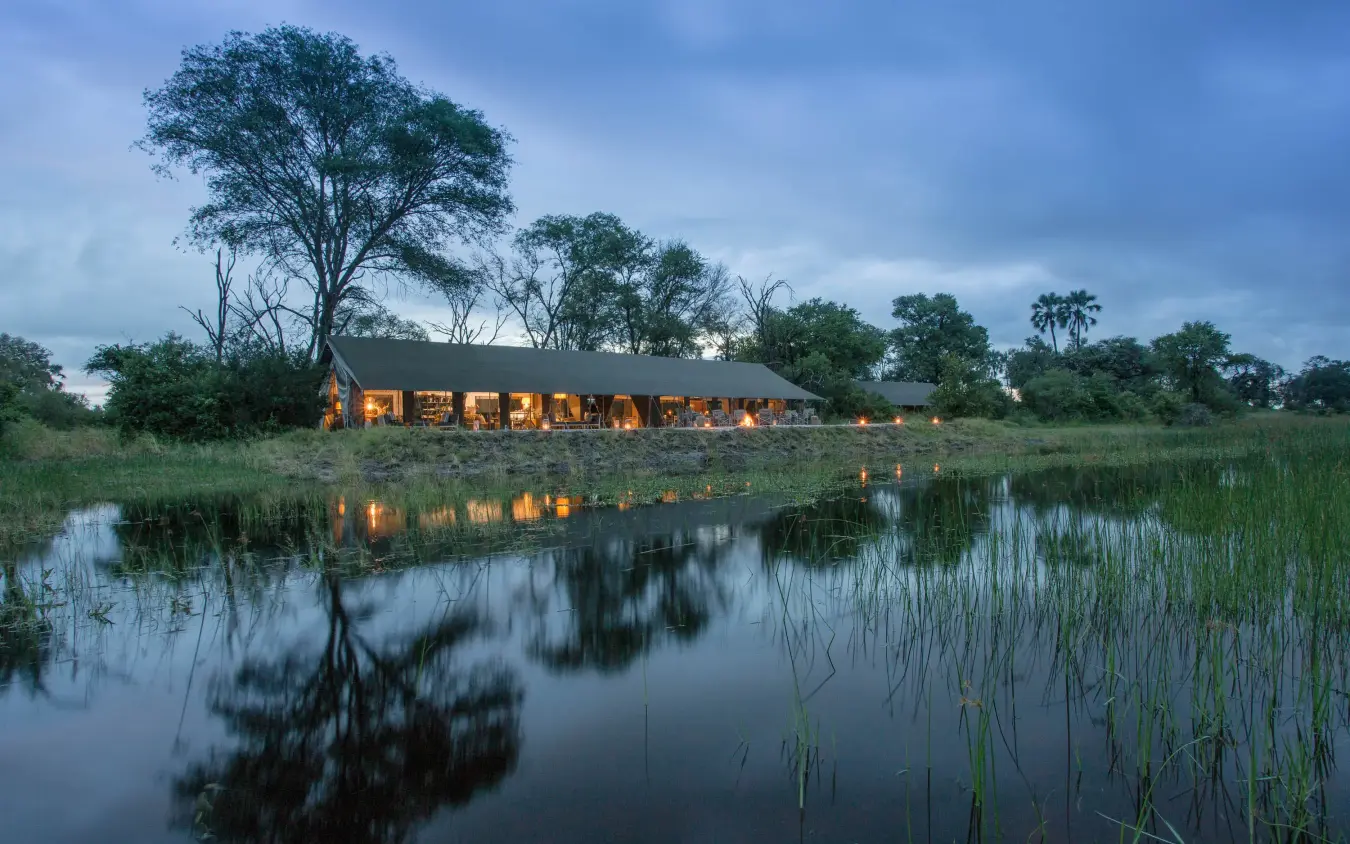
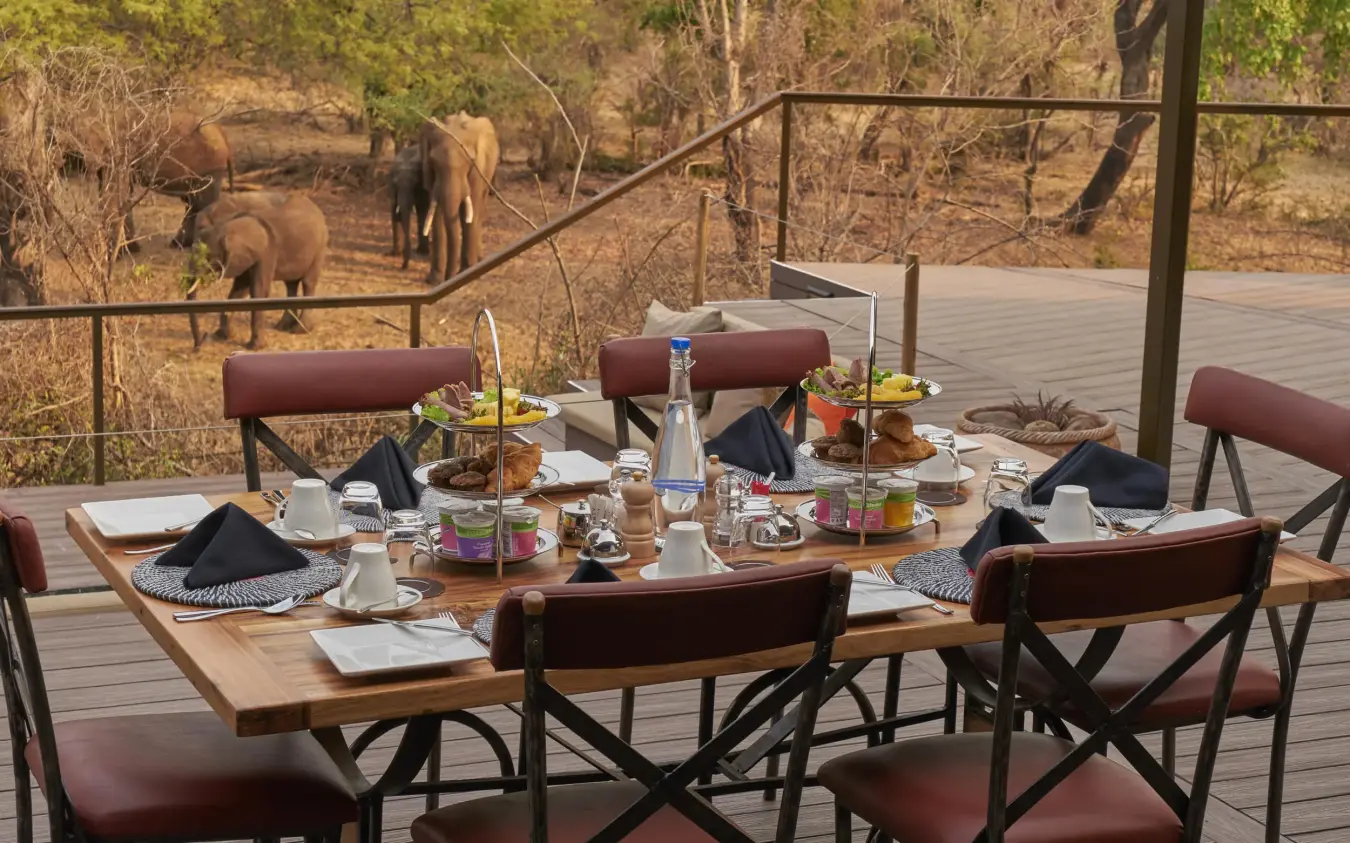
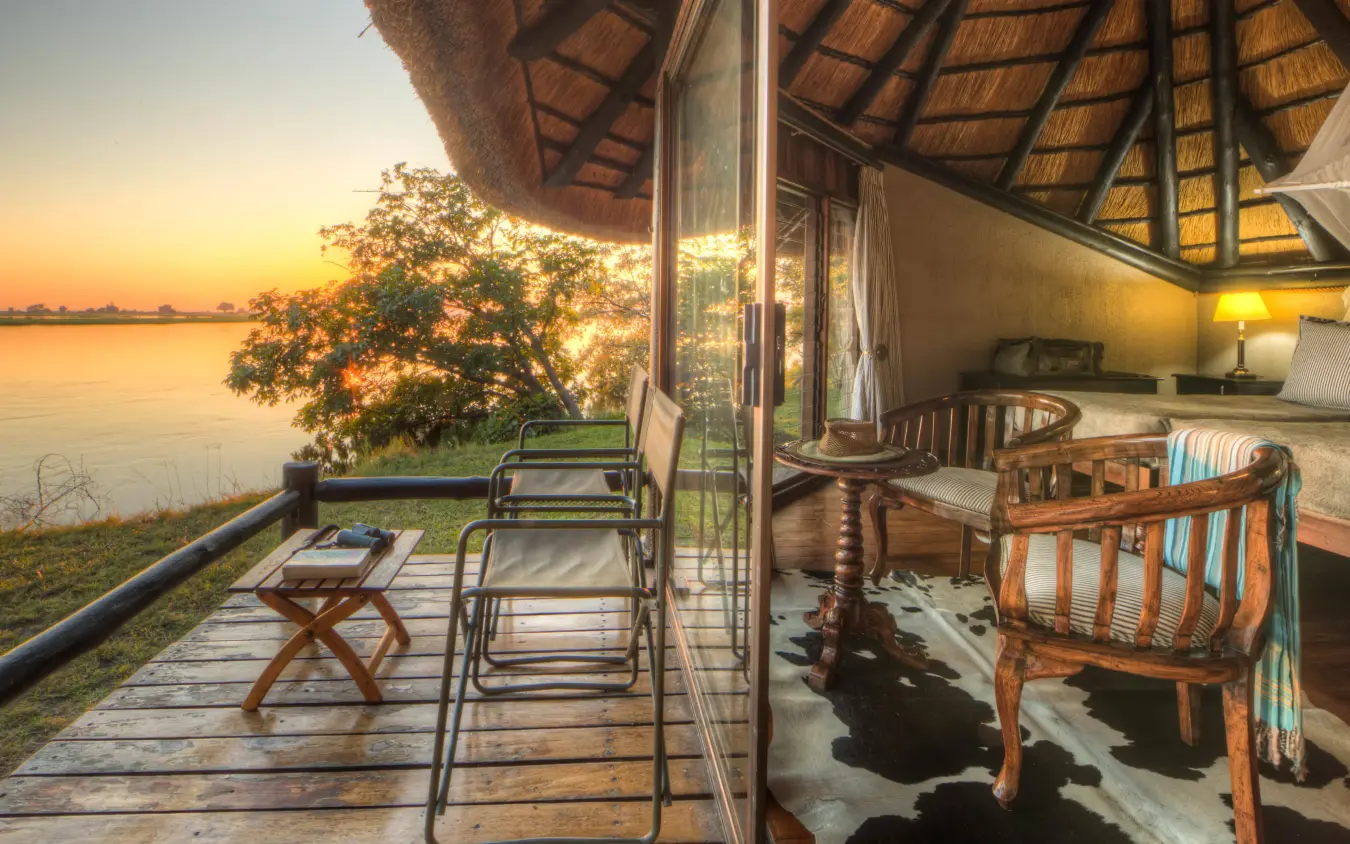
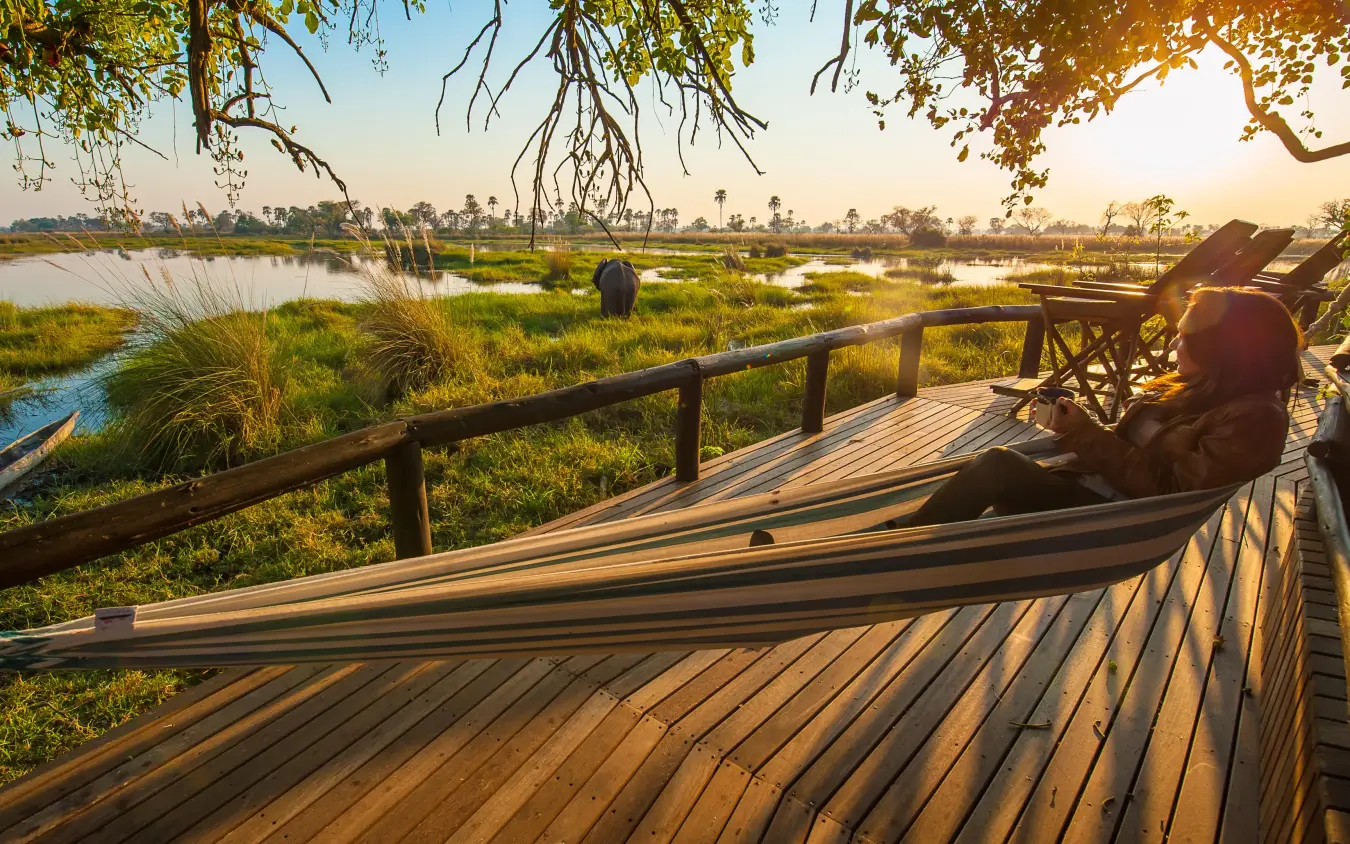
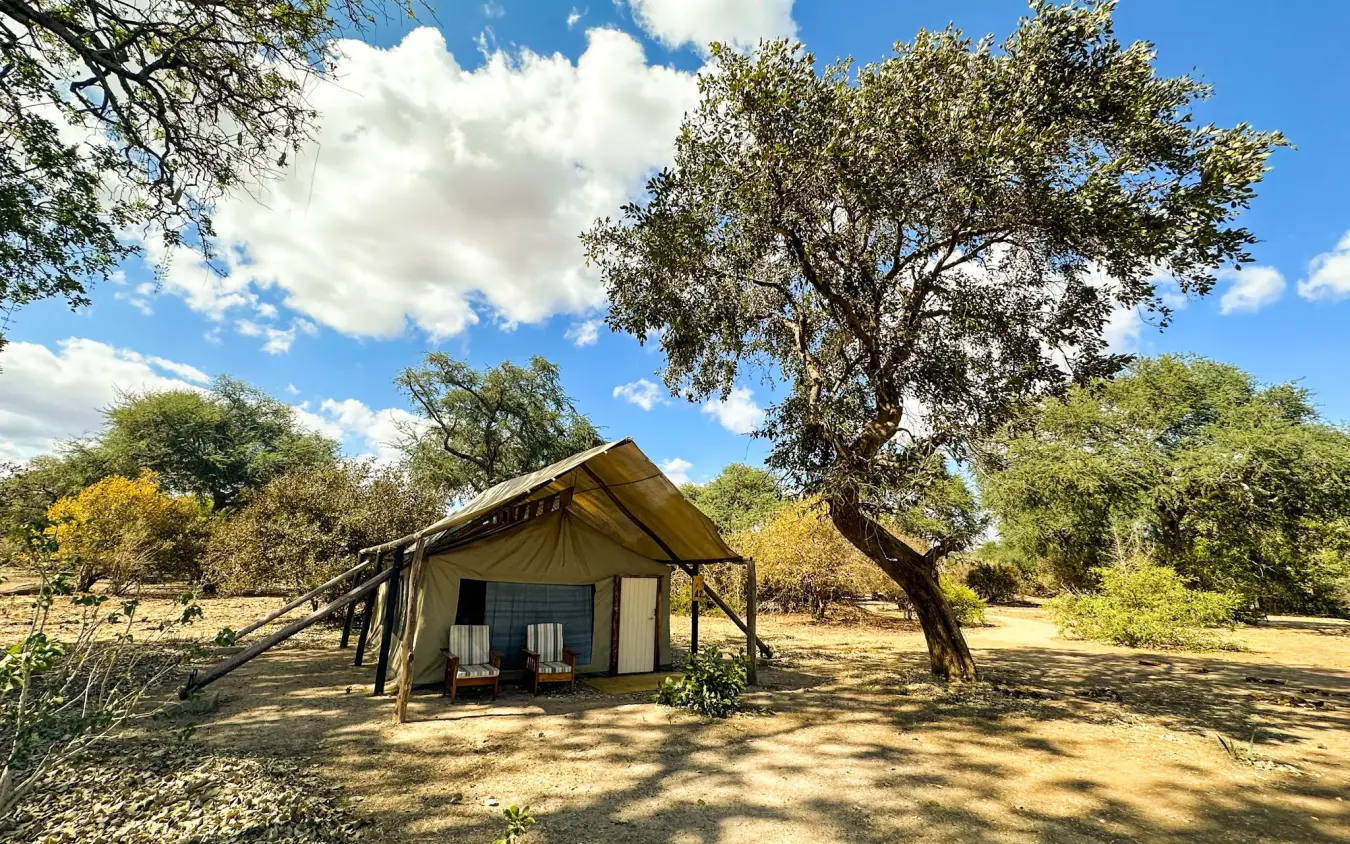
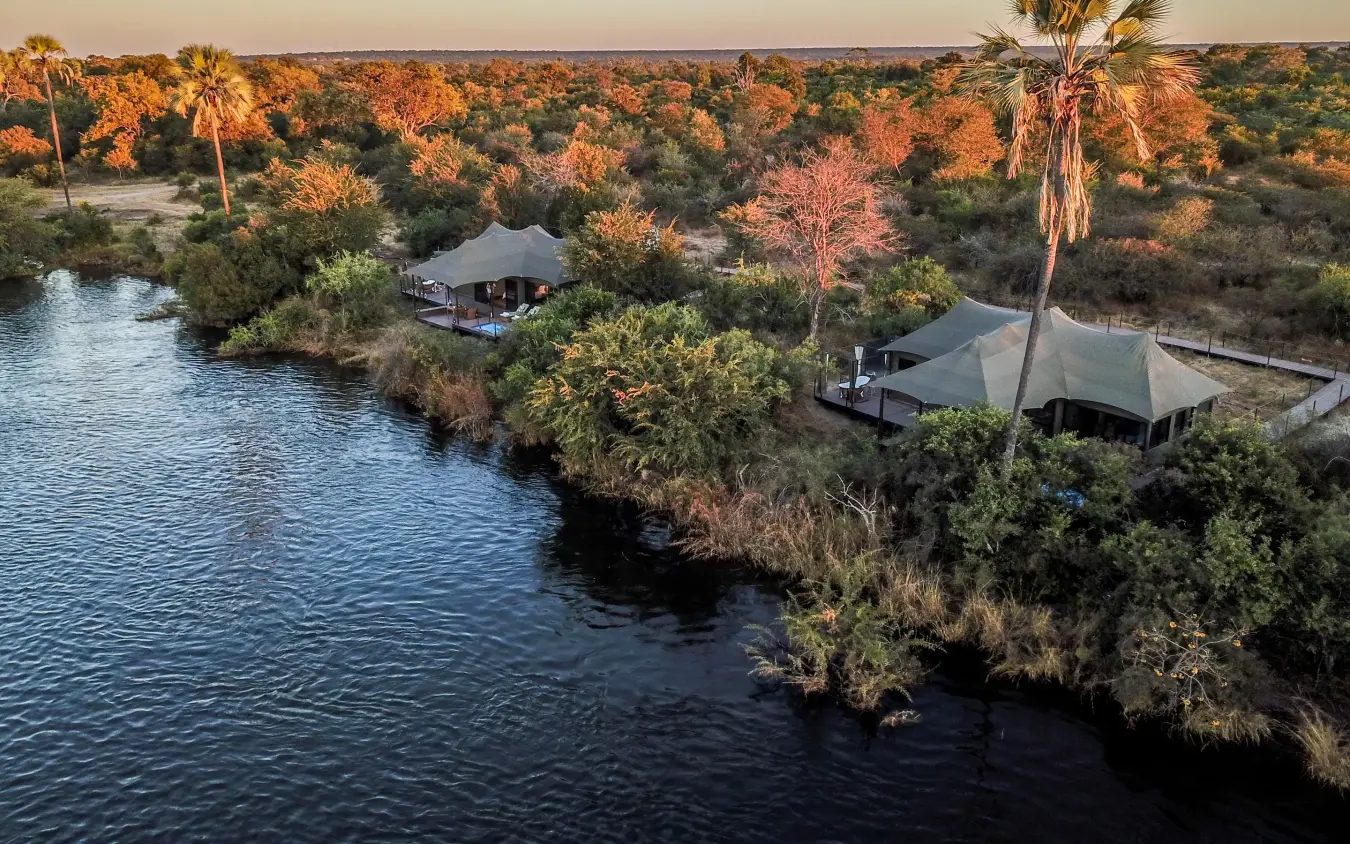
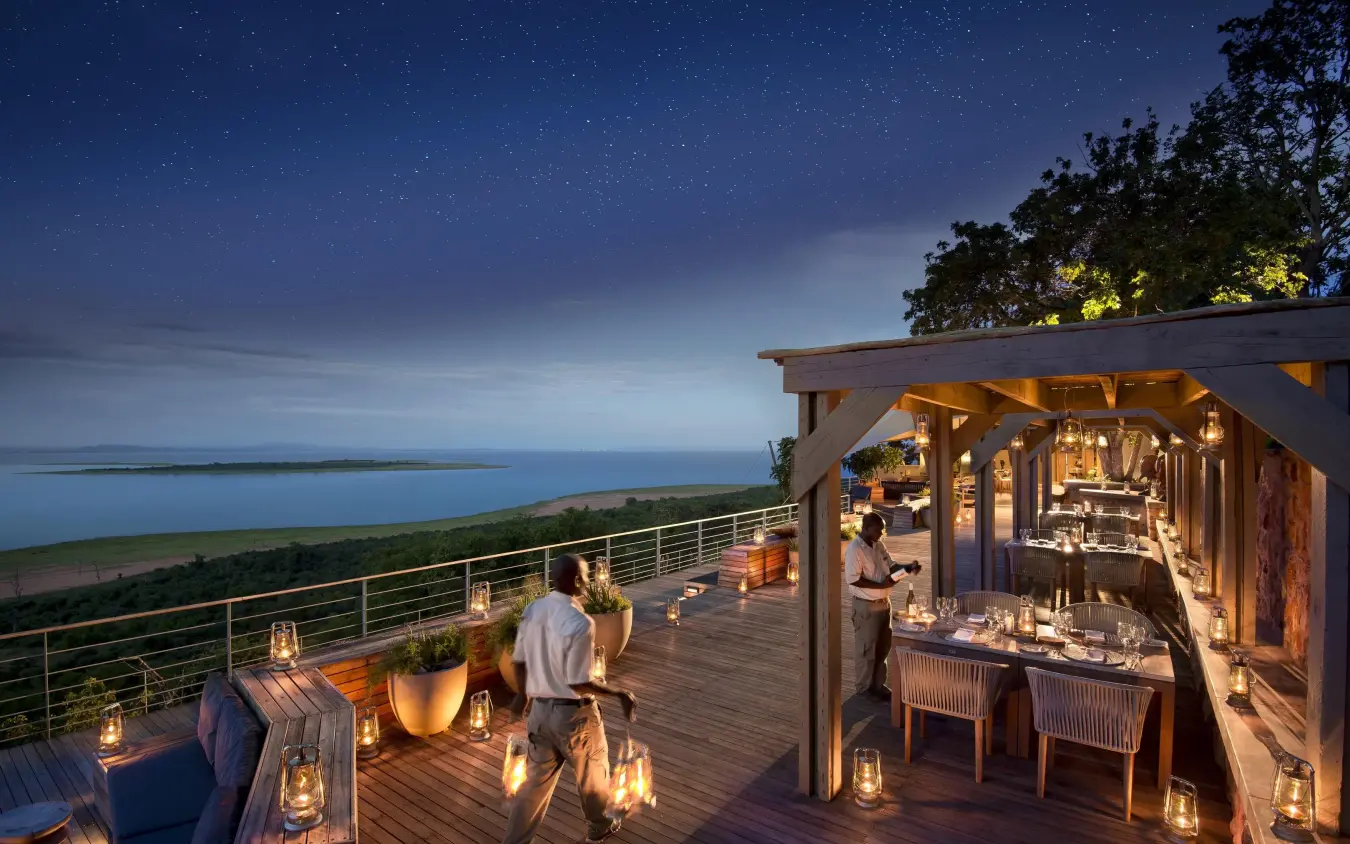
Camps here emphasise location and guiding over luxury amenities. Traditional canvas tents under thatch remain the standard in national parks, often without electricity or running water but positioned for exceptional wildlife access. Private conservancies add night drives and off-road tracking. Family-run operations bring personal attention and local knowledge. A few luxury lodges concentrate in private reserves. Lake Kariba houseboats provide a distinctly local style.
 01
01
 02
02
 03
03
 04
04
 05
05
 06
06
 07
07
 08
08
 09
09
 10
10
 11
11
 12
12
 13
13
 14
14
 15
15
 16
16
 17
17
frequently asked questions
A well-run private safari costs $800 to $1,500 each a day, and that carries the rooms, the meals, the activities, the park fees and the guiding.
Exclusive-use houses and the smarter lodges in the private reserves ask $1,500 to $3,000. Zimbabwe is the best value of the classic safari countries, which is a large part of why people who have been on safari before keep coming back to it.
Eight to twelve days. A trip that works: two or three nights at Victoria Falls, three or four in Hwange, then three or four in Mana Pools or at Malilangwe in the south east.
Matobo or the Eastern Highlands need another two or three nights each. Shorter than eight days and the distances start eating the trip, because the parks are a long way apart and the good ones are not near the airports.
Mostly by light aircraft charter. Scheduled flights only serve Victoria Falls, Harare and Bulawayo, so the parks in between are reached by charter or by road.
Road works well over the short legs: about two hours from Victoria Falls to Hwange, about an hour from Bulawayo to Matobo. Mana Pools and Gonarezhou really want a charter. We arrange every internal leg ourselves rather than leave you to it, because fuel and road conditions here are not something to discover on the day.
The guiding. A Zimbabwean professional guide licence takes years to earn and ends in an examination on foot among dangerous game, which is why so many of the continent's best-known guides trained here and why walking is a real activity in this country rather than a stroll near camp.
The parks are also quiet. You will spend longer watching one thing behave naturally, with nobody else at the sighting, than almost anywhere else you could go for the money. It suits a second safari more than a first.
There is less pressure here than in Kenya or Botswana, but the best guides and the smallest camps still go a year ahead for July to October.
The green months from November to April have good availability and better rates, though some camps close for the rains. Victoria Falls works all year. The remote camps can be harder to reach when the rain is at its heaviest, and we say so when it applies to your dates.
Botswana, with Victoria Falls as the hinge between the two. The Okavango or Chobe on one side, Hwange and Mana Pools on the other, and a short flight between them.
Mozambique's Bazaruto or the Quirimbas give you the Indian Ocean after a bush-heavy trip. Lake Malawi is the freshwater version of the same idea. Cape Town and the winelands work as an ending, connected through Johannesburg.
looking for inspiration?
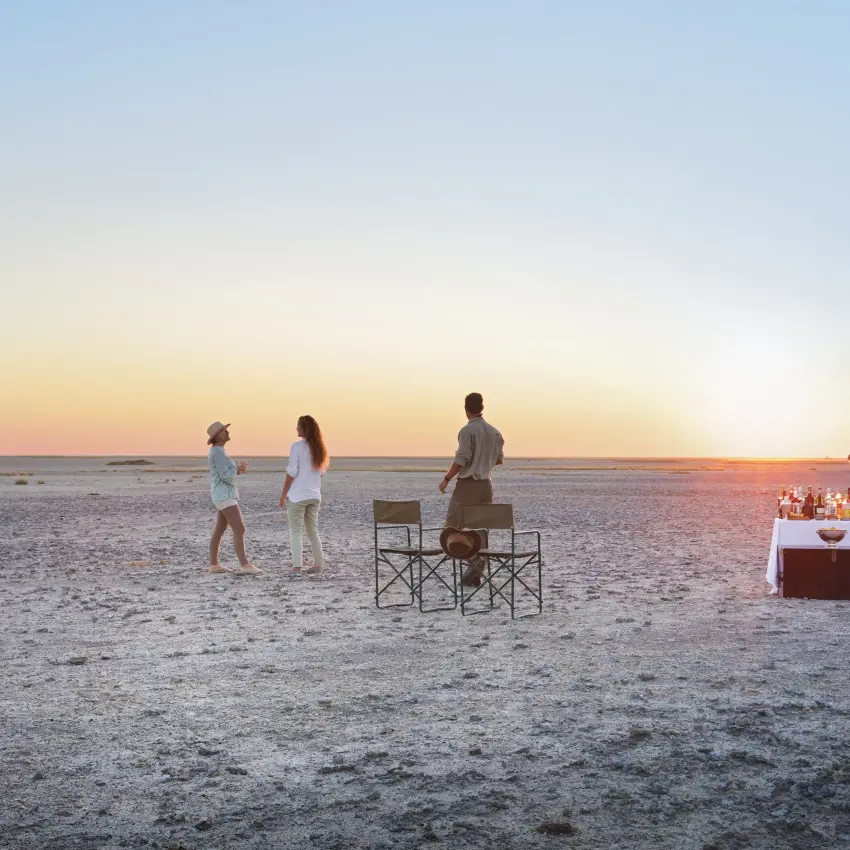
Twelve nights from Victoria Falls into Botswana, linking a walking concession, a permanent Delta lagoon and the salt pans.
- Private Safari
- From $24,480 pp
- 2 guests
- 12 nights
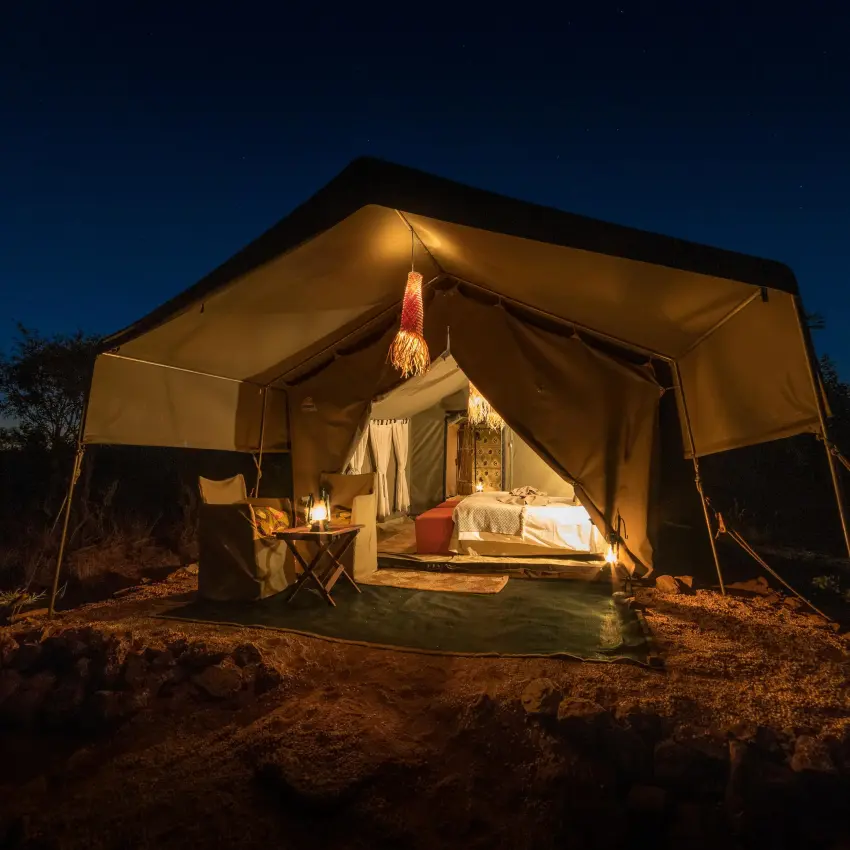
Nine nights in northern Zimbabwe, walking Hwange and Mana Pools by foot and canoe, finishing at Victoria Falls.
- Private Safari
- From $8,905 pp
- 2 guests
- 9 nights

Twelve nights from the Zambezi floodplain and Victoria Falls to Selinda's spillway and the Okavango's Gomoti channels.
- Private Safari
- From $22,955 pp
- 2 guests
- 12 nights
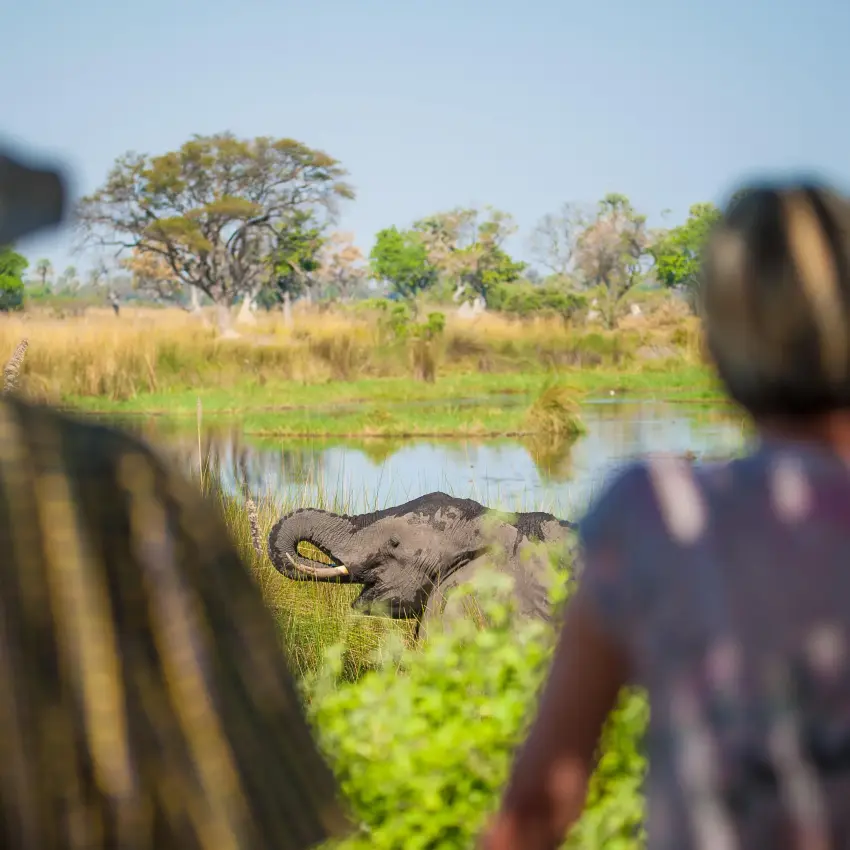
Twelve nights from Victoria Falls to the Chobe and across Botswana's Okavango, by vehicle, boat, mokoro and on foot.
- Private Safari
- From $8,995 pp
- 2 guests
- 12 nights

Twelve nights across Zimbabwe, from Victoria Falls and Mana Pools to Lake Kariba, Hwange and the granite of Matobo.
- Private Safari
- From $15,805 pp
- 2 guests
- 12 nights
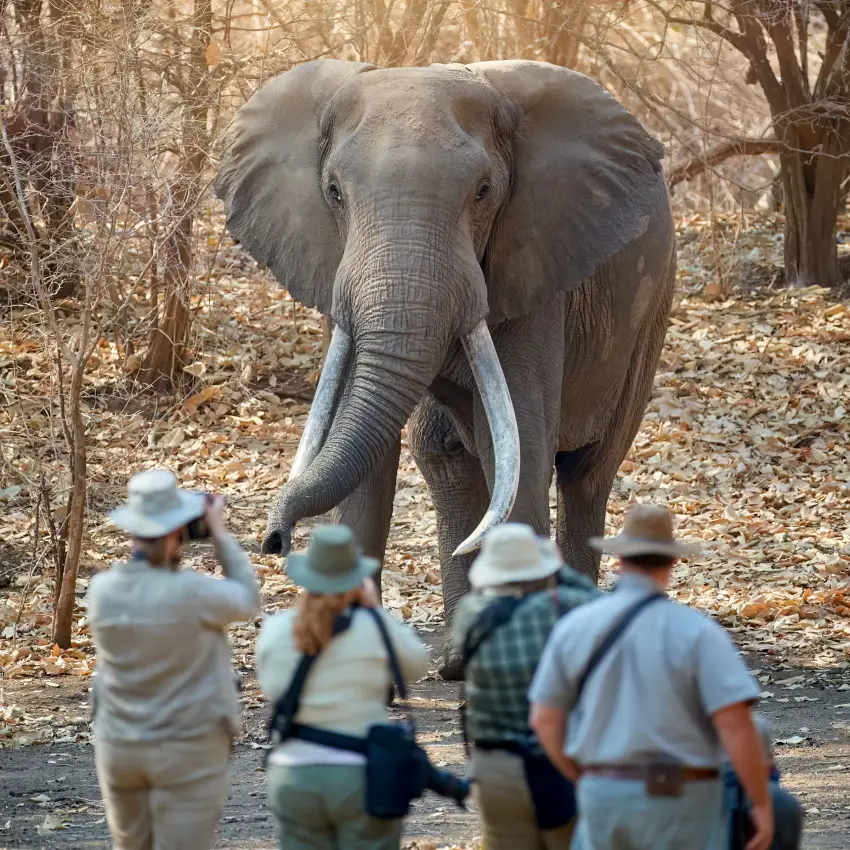
06 of 06
Zimbabwe: Walking With Elephants
Twelve nights across Zimbabwe, from Victoria Falls and Mana Pools to Lake Kariba, Hwange and the granite of Matobo.
- Private Safari
- From $9,986 pp
- 2 guests
- 12 nights



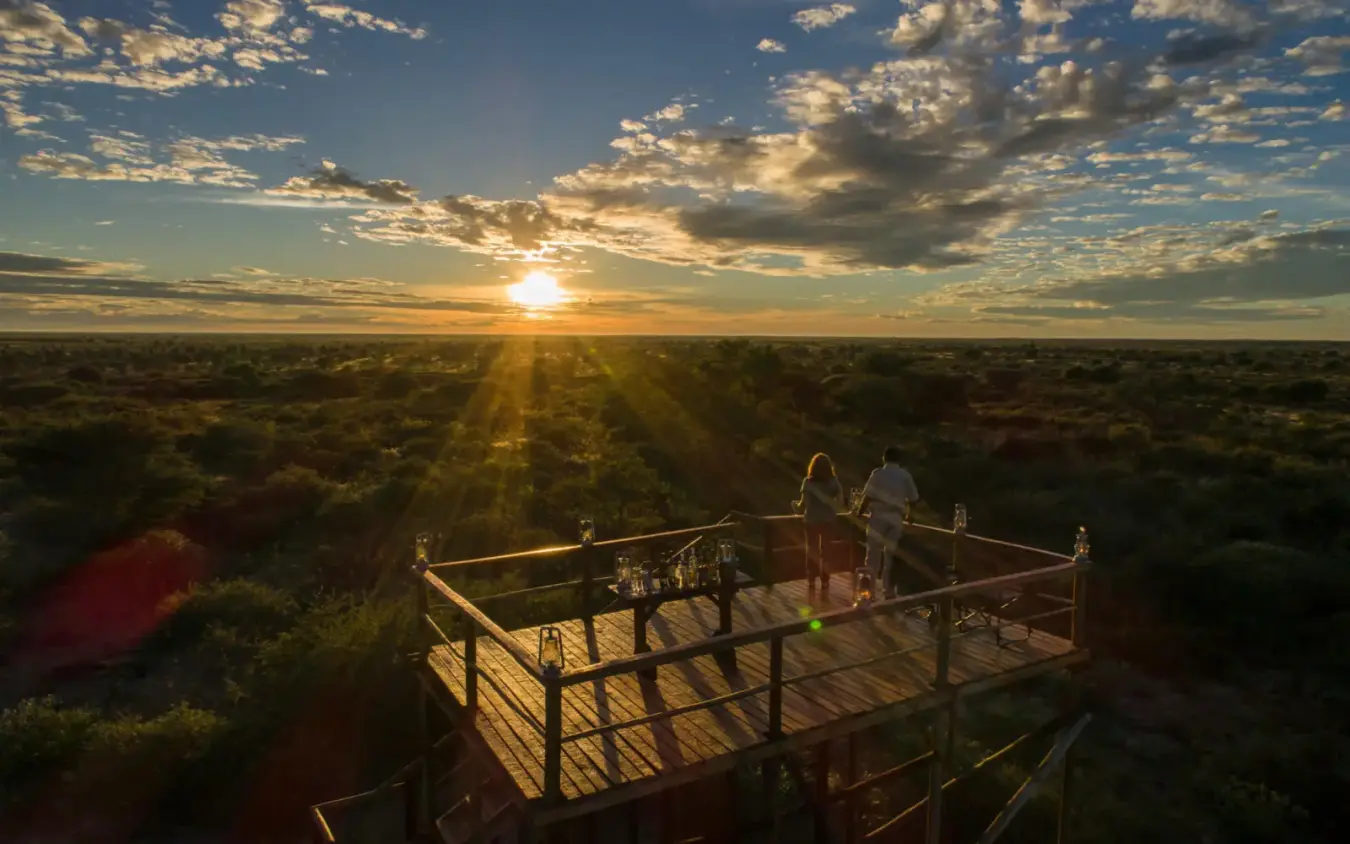

zimbabwe & botswana
The Falls, the Delta and the Pans
Twelve nights from Victoria Falls into Botswana, linking a walking concession, a permanent Delta lagoon and the salt pans.
- Private Safari
- From $24,480 pp
- 2 guests
- 12 nights

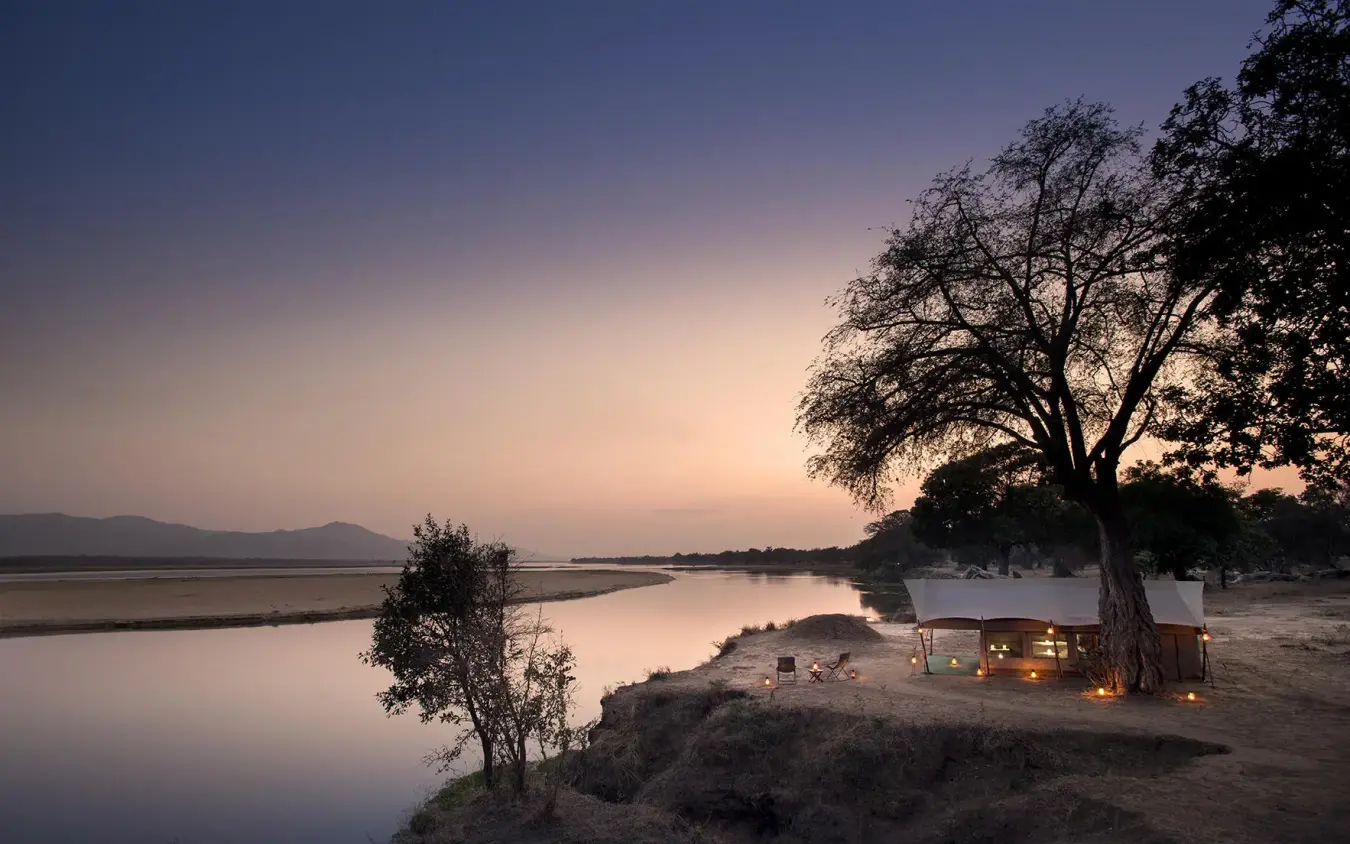

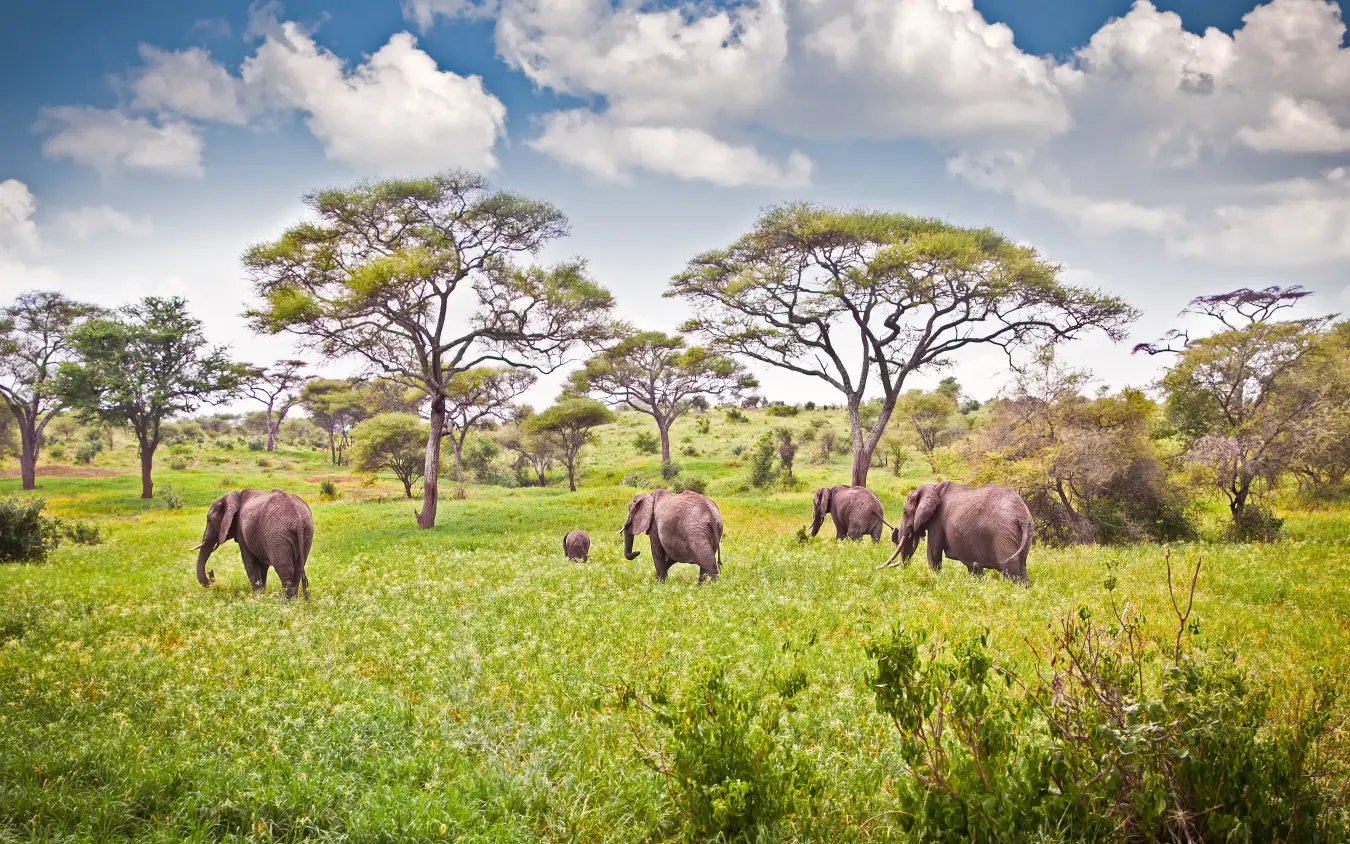
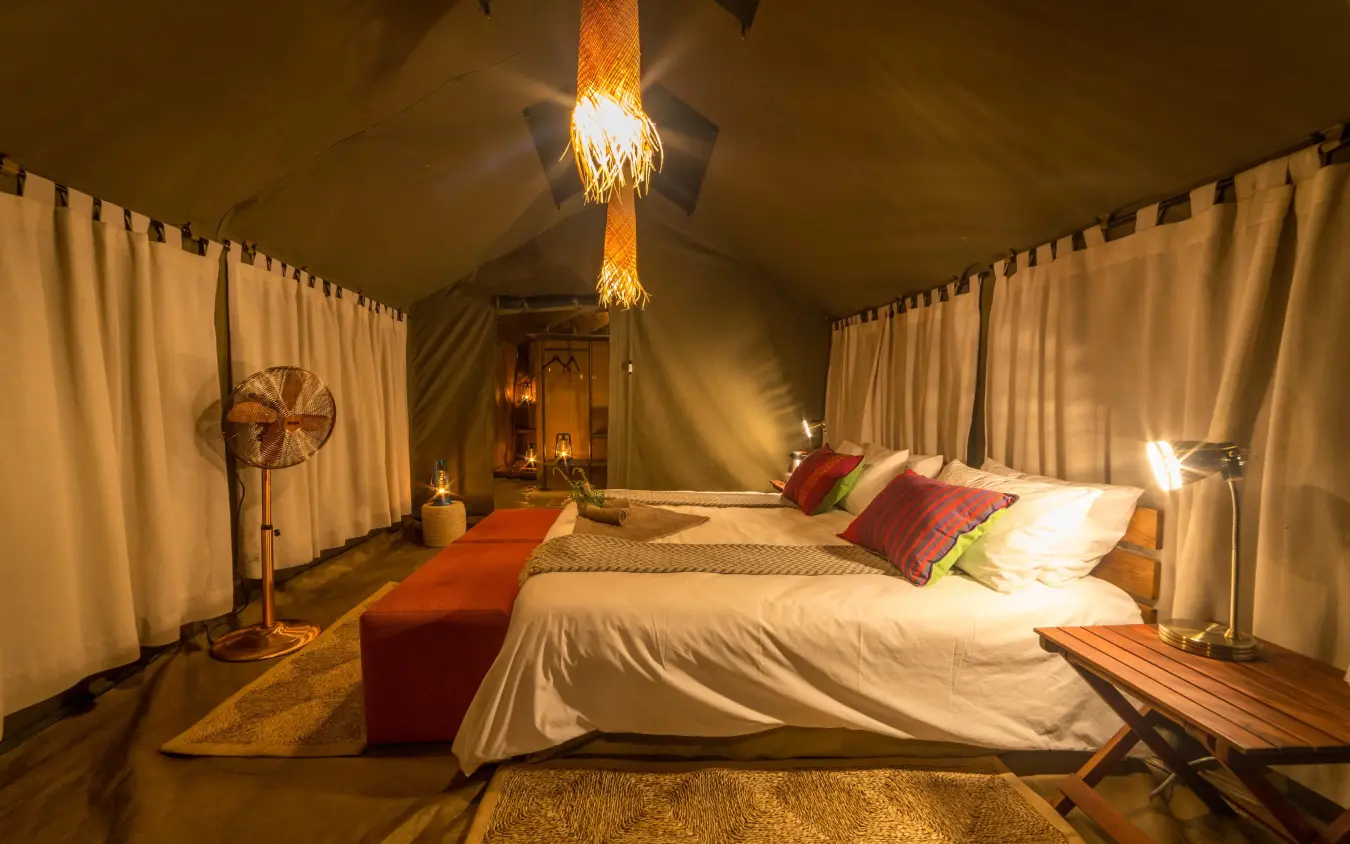


zimbabwe
Hwange and Mana Under Canvas
Nine nights in northern Zimbabwe, walking Hwange and Mana Pools by foot and canoe, finishing at Victoria Falls.
- Private Safari
- From $8,905 pp
- 2 guests
- 9 nights


zimbabwe & botswana
Zambezi to the Okavango
Twelve nights from the Zambezi floodplain and Victoria Falls to Selinda's spillway and the Okavango's Gomoti channels.
- Private Safari
- From $22,955 pp
- 2 guests
- 12 nights


zimbabwe & botswana
Khwai Camping to Chief’s Island
Twelve nights from Victoria Falls to the Chobe and across Botswana's Okavango, by vehicle, boat, mokoro and on foot.
- Private Safari
- From $8,995 pp
- 2 guests
- 12 nights






zimbabwe
Mana on Foot and the Matobo Rhino
Twelve nights across Zimbabwe, from Victoria Falls and Mana Pools to Lake Kariba, Hwange and the granite of Matobo.
- Private Safari
- From $15,805 pp
- 2 guests
- 12 nights
zimbabwe
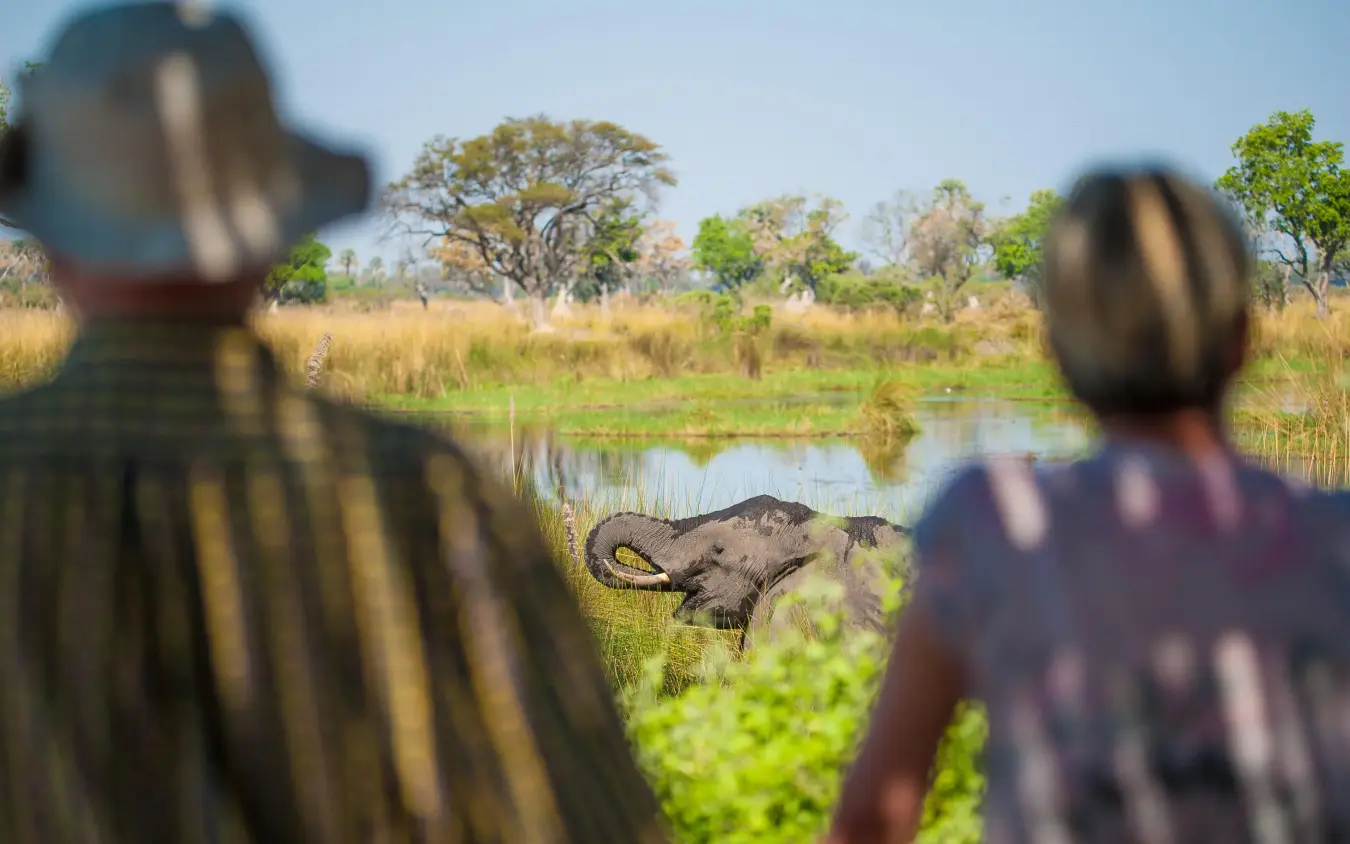
Walking With Elephants
Twelve nights across Zimbabwe, from Victoria Falls and Mana Pools to Lake Kariba, Hwange and the granite of Matobo.
- Private Safari
- From $9,986 pp
- 2 guests
- 12 nights
01
06
rated five stars by our clients

our approach
remote, exclusive
& personal
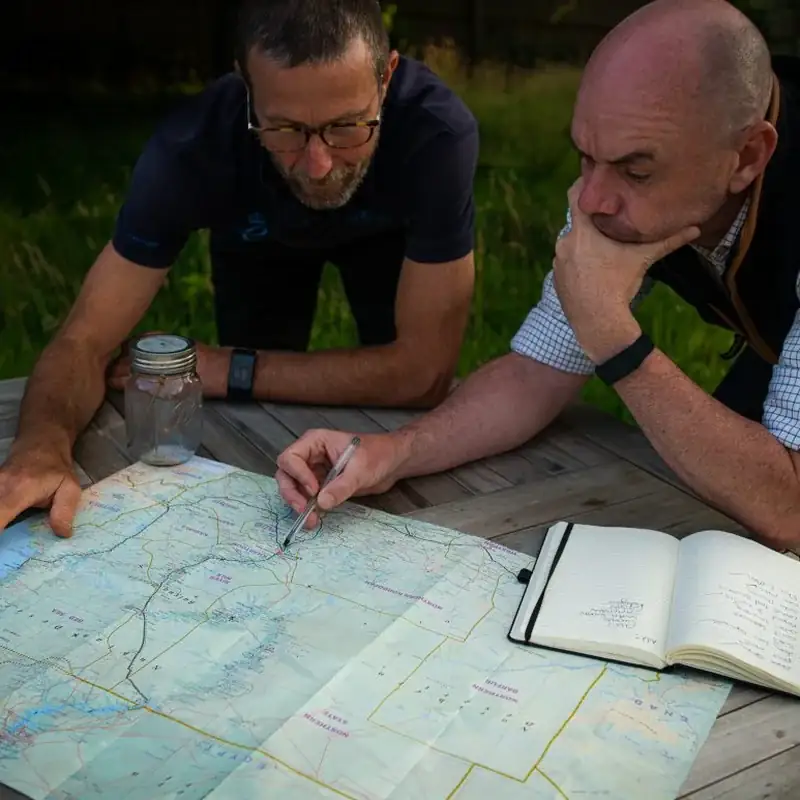
Every journey starts with a conversation. We take the time to understand your vision before we start planning.
Whether by phone or in person, we work with you directly to shape something that is considered, personal, and expertly delivered.
Every journey starts with a conversation. We favour a direct, personal approach: understanding your vision before anything else.
Whether by phone or in person, we work with you directly to shape a journey that is both thoughtfully considered and expertly delivered.
Get in touch to start planning yours.