

Maasai land under Kilimanjaro's ice
On Kilimanjaro’s dry western side, in northern Tanzania, open plains and acacia woodland run north to the Kenyan border, with Amboseli just beyond. Elephants cross the border and back below the mountain’s ice. The land belongs to the Maasai, who run it as a community wildlife area rather than a park, so cattle and elephants still graze the same grass.
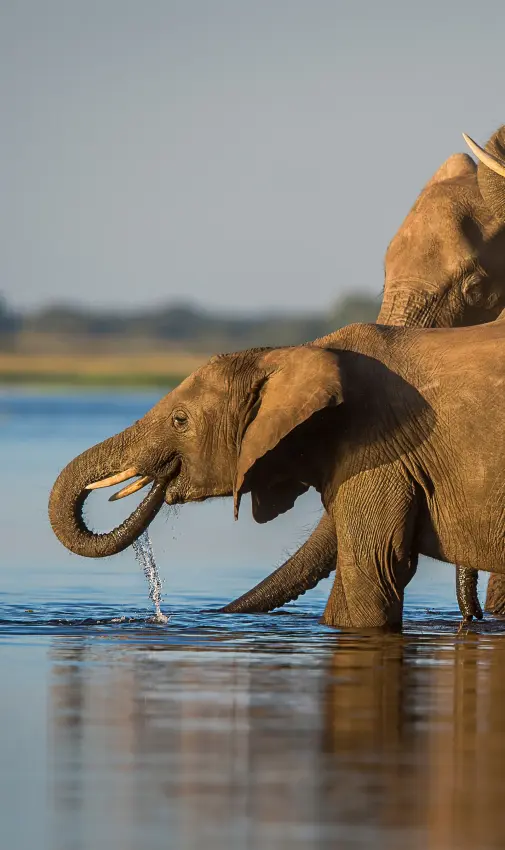
Elephants cross the border and back below the mountain’s ice.
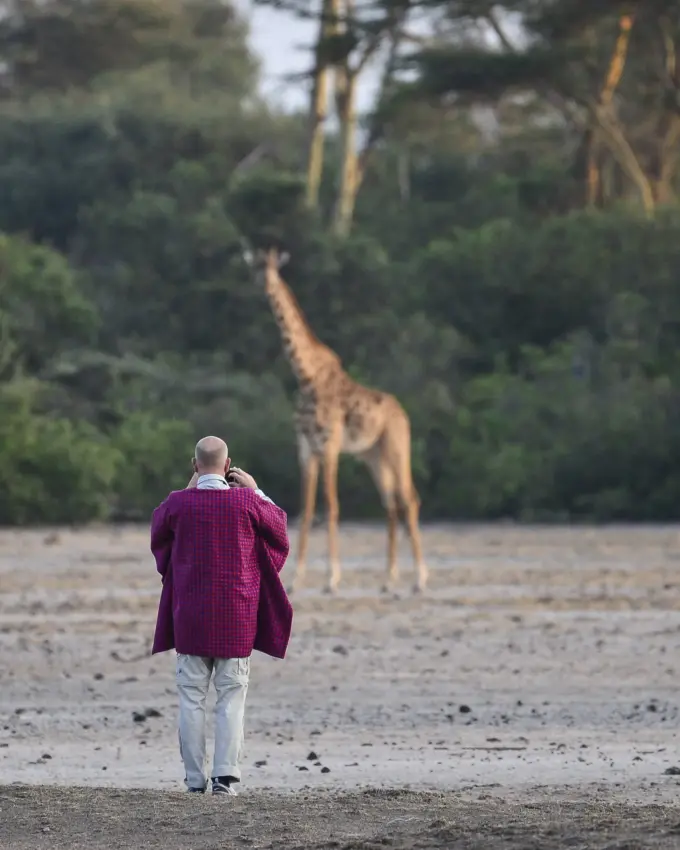
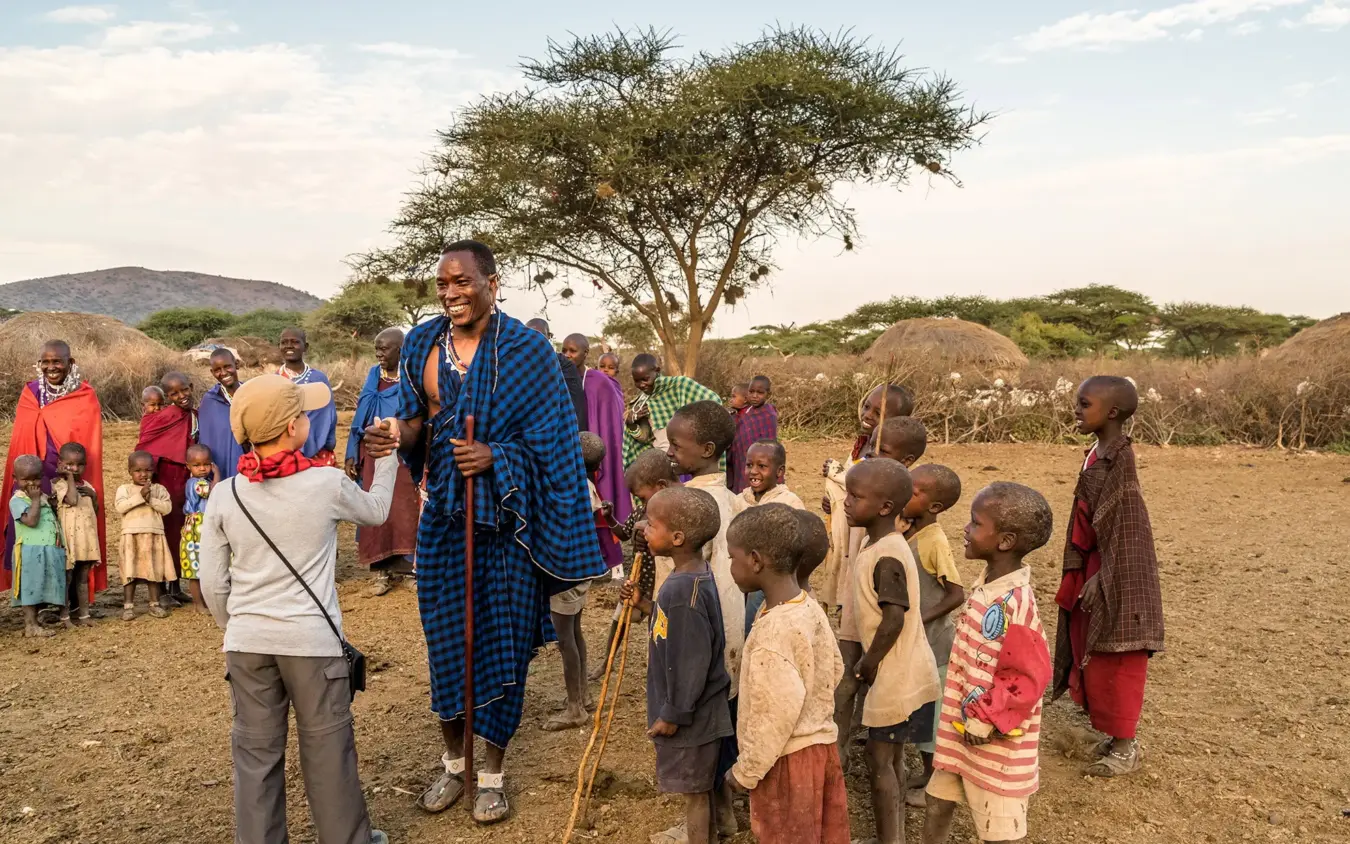
Enduimet Wildlife Management Area lies outside Kilimanjaro National Park, so Maasai warriors and naturalists lead guests on foot toward giraffes and gerenuk. Above 2,700 m the mountain is national park, where night drives are not permitted, but down on the community’s land the spotlights go out after dark and find striped hyenas and bat-eared foxes. Boma visits take place on the same grazing land.

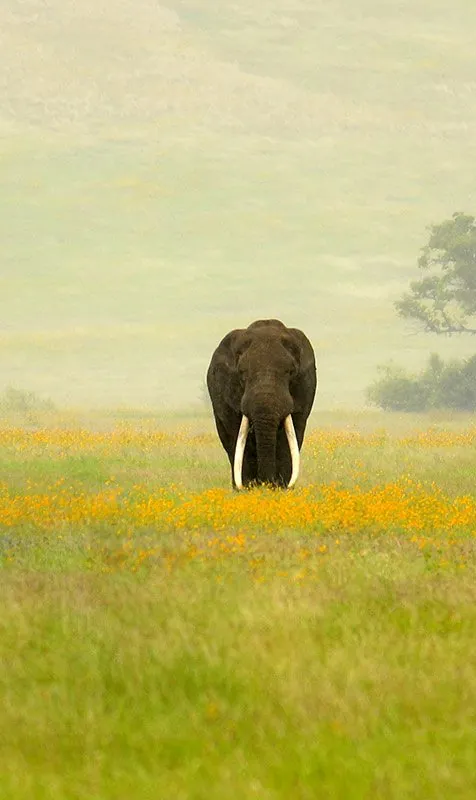
The northern stretch of the Kitendeni corridor runs through Enduimet, linking Amboseli with Kilimanjaro and Arusha national parks. When the rains green the plains, zebras, wildebeest and elephants move south along it out of Amboseli and onto the new grass. With the herds come elephant bulls carrying heavy ivory. In the same season, lions disperse into Sinya from the Kenyan side.
With the herds come elephant bulls carrying heavy ivory.
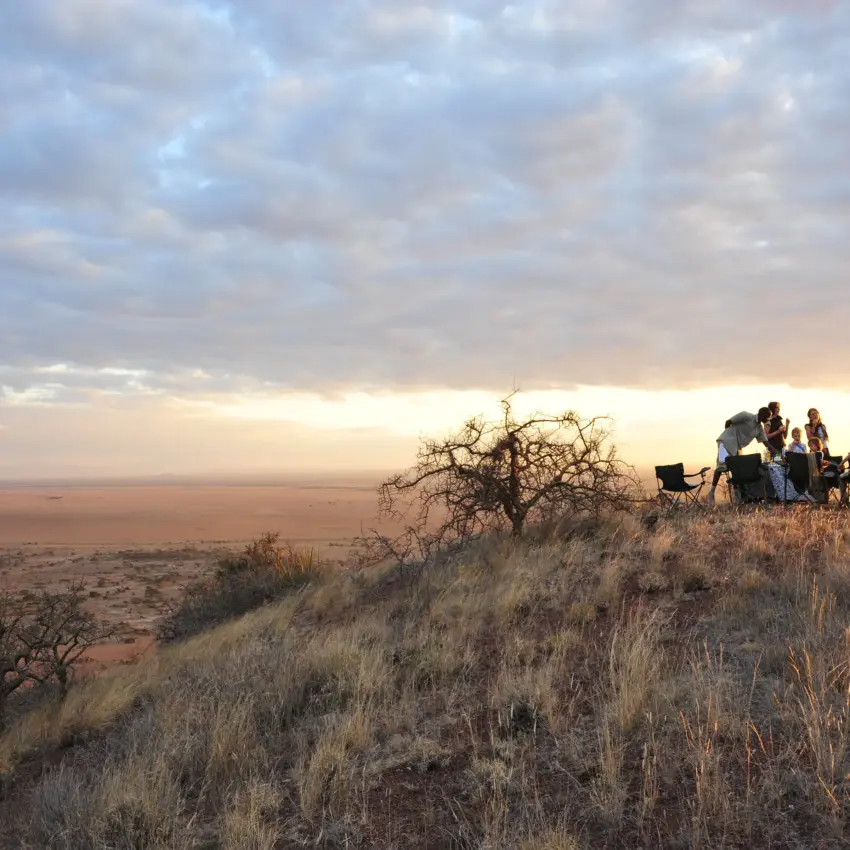
Climb toward Ol Molog and the plains give way to farmland on the mountain’s lower slopes, where the WMA keeps its operations office. Down on the dry Sinya side the land is Somali-Maasai biome, which explains the gerenuk, lesser kudu and oryx. Evenings end on the hilltops, where sundowners look out across Mount Meru, Ol Doinyo Longido and Ol Doinyo Orok to Kilimanjaro itself.
Several villages contributed land to Enduimet, which is divided into three zones: the Olkunonoi-Kitendeni corridor, the Engasurai zone and the Sinya Photographic Safari Zone. Engasurai was set aside for hunting, and hunting still continues there. Cattle still graze across much of it, and herders move through the same country as the game. On a morning walk you can pass a herd of cows and a herd of zebras within the hour. Lease and bed-night payments go back to the villages too, and have helped fund classrooms and teachers’ housing.
Some of the men now guarding the lions of Sinya once killed them. Lion Guardians extended its Amboseli programme here on 15 September 2012, recruiting from the warrior age-sets. Ten warriors were trialled over a week and four were chosen, one for each zone, to track the lions and defuse conflict with herders. The numbers they started with were small. The first survey, in late 2012, found one active group: a collared male called Shaka, a lioness and two cubs. When a lion took livestock near Nadosoito, the owner chose not to retaliate.
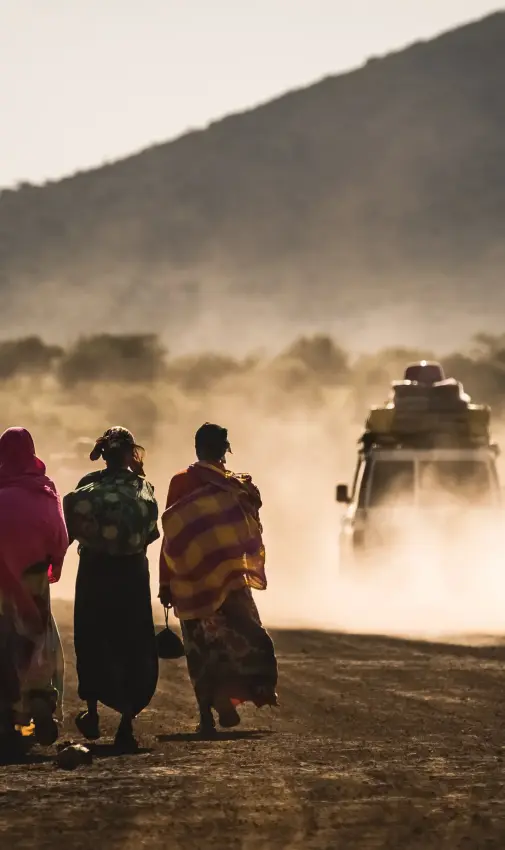
Cattle still graze across much of it, and herders move through the same country as the game
Dawn is when the mountain tends to show itself, before cloud gathers over Kibo, so the best of the day comes early. Game drives go out in open vehicles, and those that range into the Amboseli ecosystem end with a picnic breakfast on the plains. On foot the pace slows, and Maasai guides read the tracks and plants as they walk. The WMA also permits horse riding and cycling, or a night out in a fly camp. Higher up, a guided day hike climbs onto the Shira Plateau inside the national park, high ground where buffalo and eland graze.
Above all of it rises Kibo, the tallest of Kilimanjaro’s three cones, which tops out at Uhuru Peak, 5,895 m. The summit carried a German name until December 1961, when the Uhuru Torch was taken to the top and the peak renamed. Chagga and Maasai traditionally left the upper slopes alone, and some accounts call the mountain a place of spirits. Down on the plains the relationship is practical. Grazing and water depend on keeping the land open, and so does the villages’ share of visitor fees, which is why communities work with the camps to hold the elephant corridor clear.
The best time to visit West Kilimanjaro
Jan
Feb
Mar
Apr
May
Jun
Jul
Aug
Sep
Oct
Nov
Dec
Recommended
Transitional
Challenging conditions
Come June to October for peak conditions: clear snowcaps at dawn, game clustered at waterholes and prime walking. January and February offer a hot, dry second window with excellent resident viewing. The long rains from late March to May bring low crowds but veiled peaks, slippery tracks and seasonal camp closures.
accommodation in west kilimanjaro
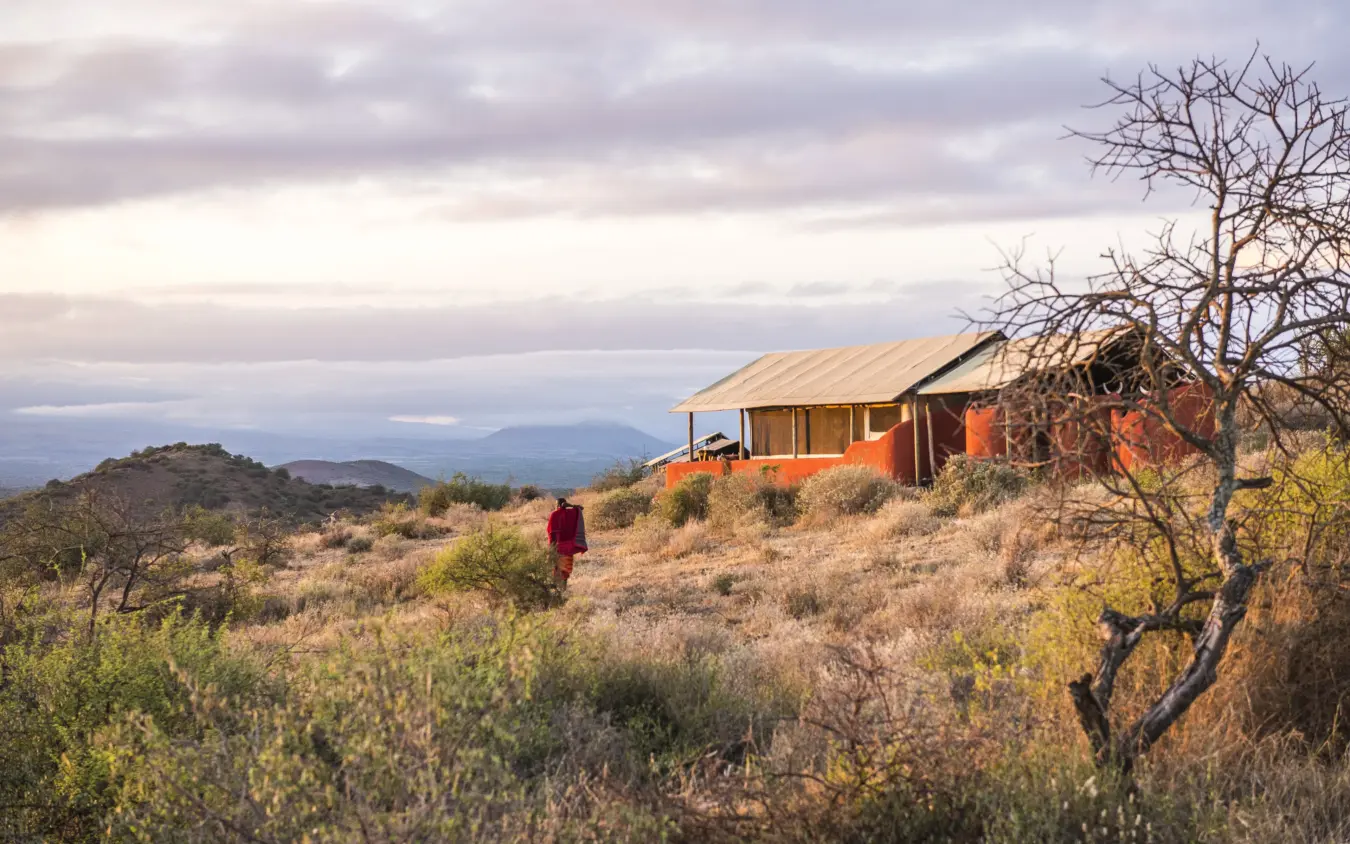
Accommodation in West Kilimanjaro is mostly under canvas, in a handful of small tented camps set on ridges and rises so the tents face Kilimanjaro or the Amboseli plains. Canvas suites have en-suite bathrooms and private verandas and run on solar power, and some camps add open-air showers and fireside dinners. For walking-led trips, fly camps can be pitched in quieter parts of the WMA. Many itineraries pair a camp here with a lodge in Arusha National Park below Mount Meru.


activities
Activities
Across the Enduimet WMA, Maasai warriors and naturalists lead walking safaris, and night drives go out with spotlights after dinner. On community land guests can also ride horses or camels, cycle, fly camp or visit a boma. Inside Kilimanjaro National Park the options are guided hikes, including onto the Shira Plateau, and summit climbs.

conservation
Conservation Projects
Lion Guardians began work in Sinya in 2012, recruiting Maasai warriors to track lions and defuse conflict with herders. Big Life Foundation and Honeyguides supported its logistics, and the African Wildlife Foundation arranged community permissions. Shu'mata Camp partners with Maasai communities to keep the elephant corridor open.

getting around
Connectivity and Logistics
International flights land at Kilimanjaro International Airport, served by KLM, Ethiopian Airlines, Kenya Airways, Qatar Airways and Turkish Airlines. Charter options to West Kilimanjaro are best confirmed with an operator. By road, allow up to three hours from Arusha, the last stretch on rough tracks that need a high-clearance 4x4.
other areas in tanzania
Arusha National Park lies on the way in, with Mount Meru, montane forest and black-and-white colobus, and makes an easy first night. Tarangire is baobab country along a river valley. Lake Manyara, the Ngorongoro Crater and the Serengeti follow naturally, and Zanzibar gives a beach finish to a northern Tanzania trip.





rated five stars by our clients


our approach
remote, exclusive
& personal
Every journey starts with a conversation. We take the time to understand your vision before we start planning.
Whether by phone or in person, we work with you directly to shape something that is considered, personal, and expertly delivered.
Every journey starts with a conversation. We favour a direct, personal approach: understanding your vision before anything else.
Whether by phone or in person, we work with you directly to shape a journey that is both thoughtfully considered and expertly delivered.
Get in touch to start planning yours.