 01
01
The desert that defines the country
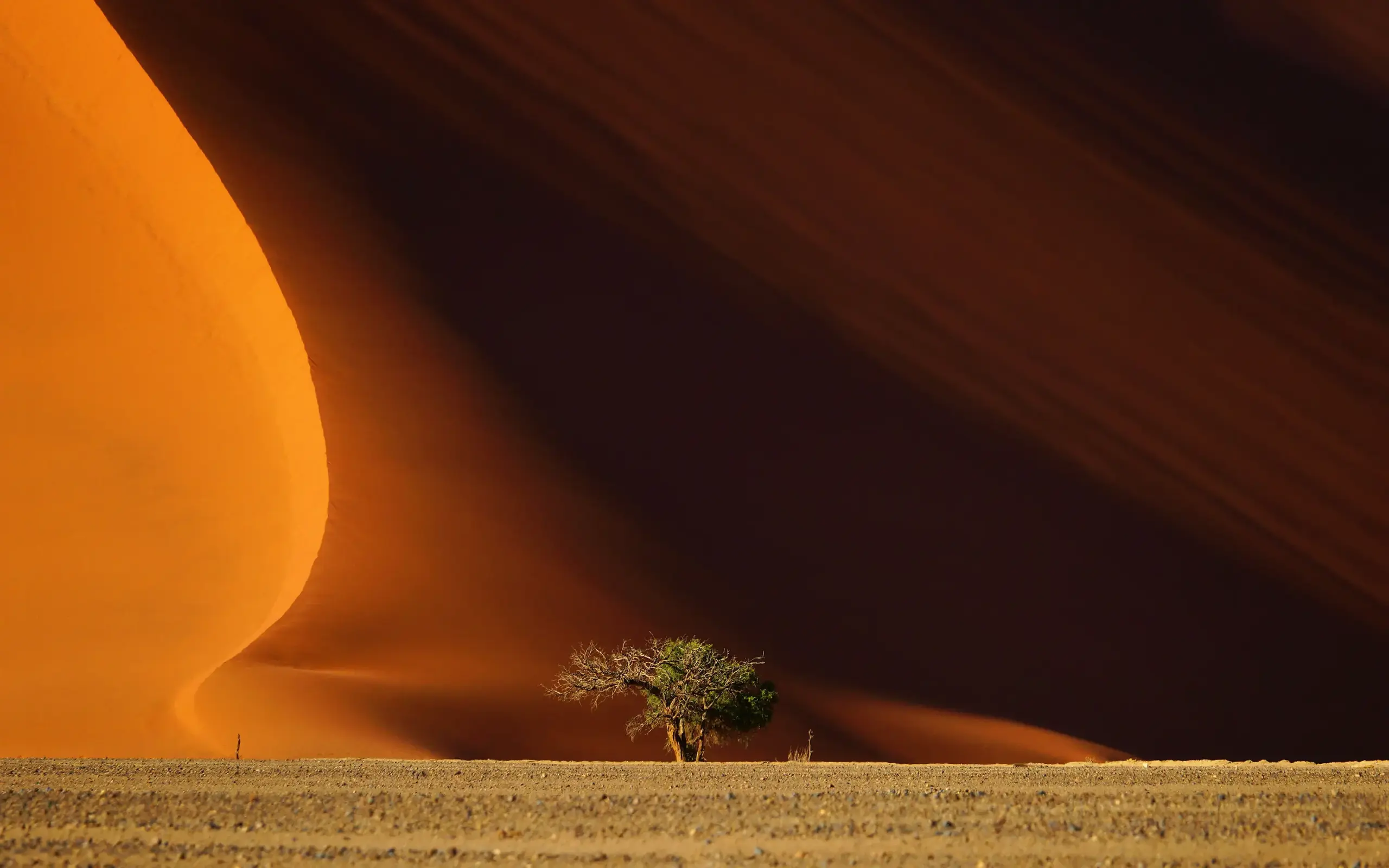
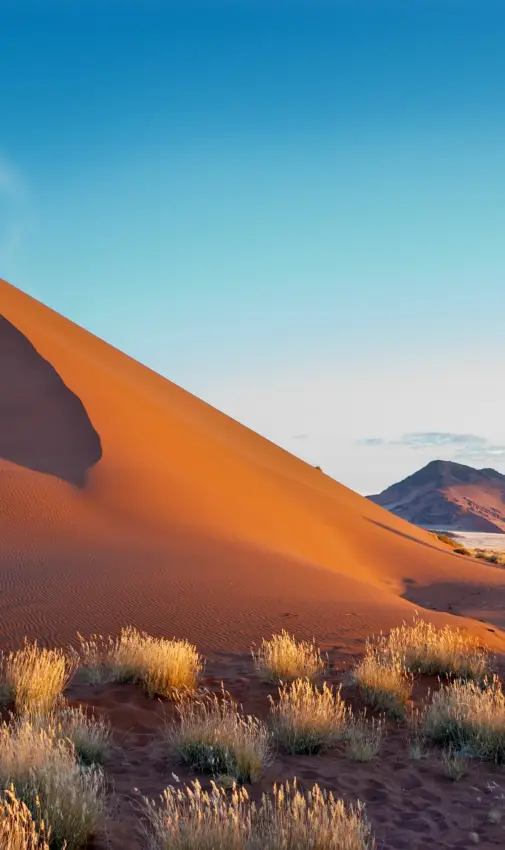
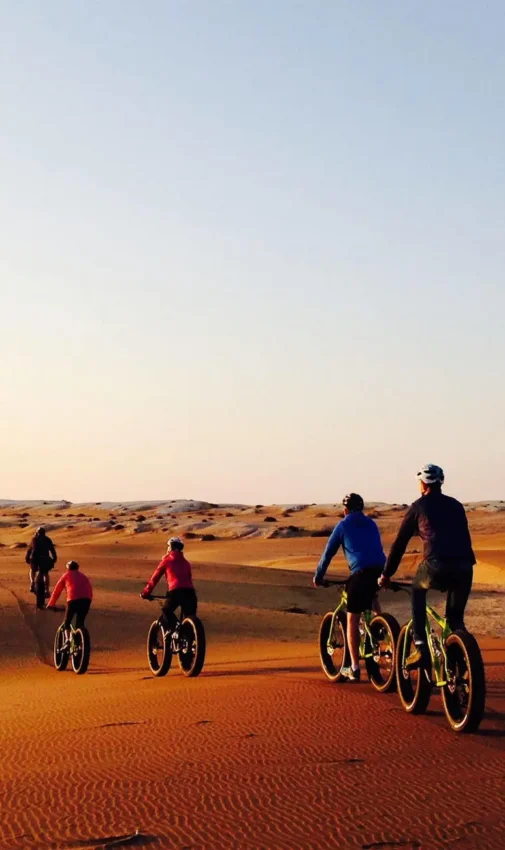
Red dunes rise 300 metres above white clay pans at Sossusvlei, and from their crests the Namib Desert runs to the horizon in every direction without a single structure in sight. Desert-adapted elephants, black rhinos, and lions survive here not because conditions are generous but because the space is so enormous that pressure never concentrates.
The space is not what is left over. It is the point.
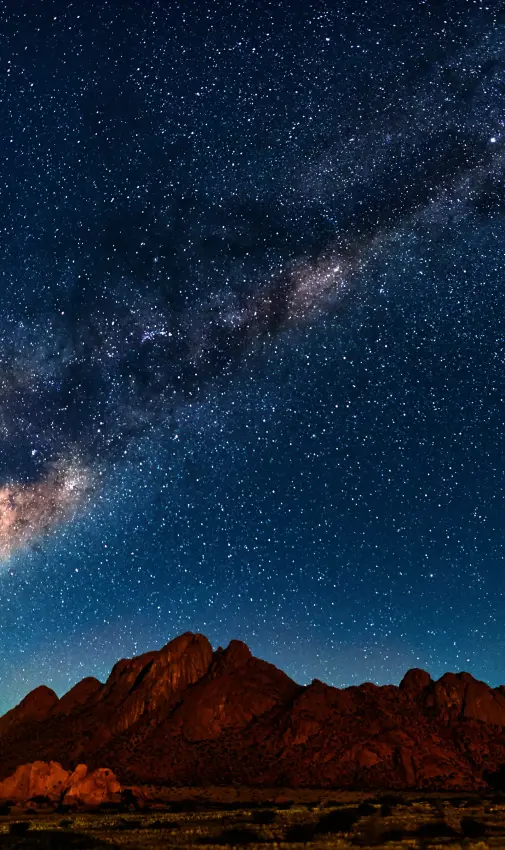
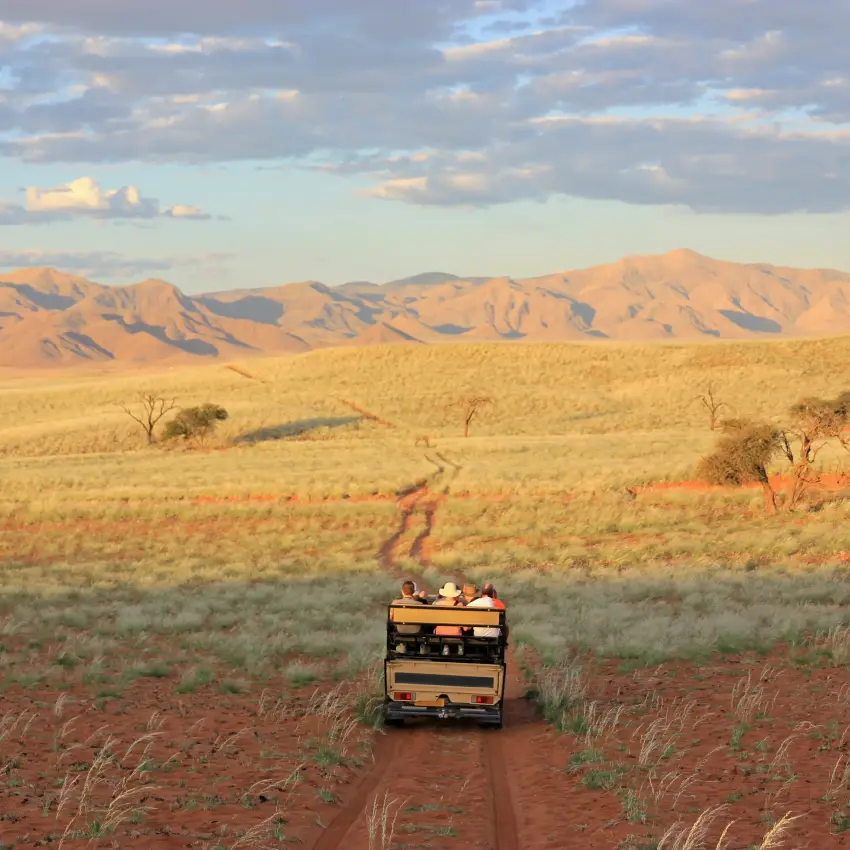
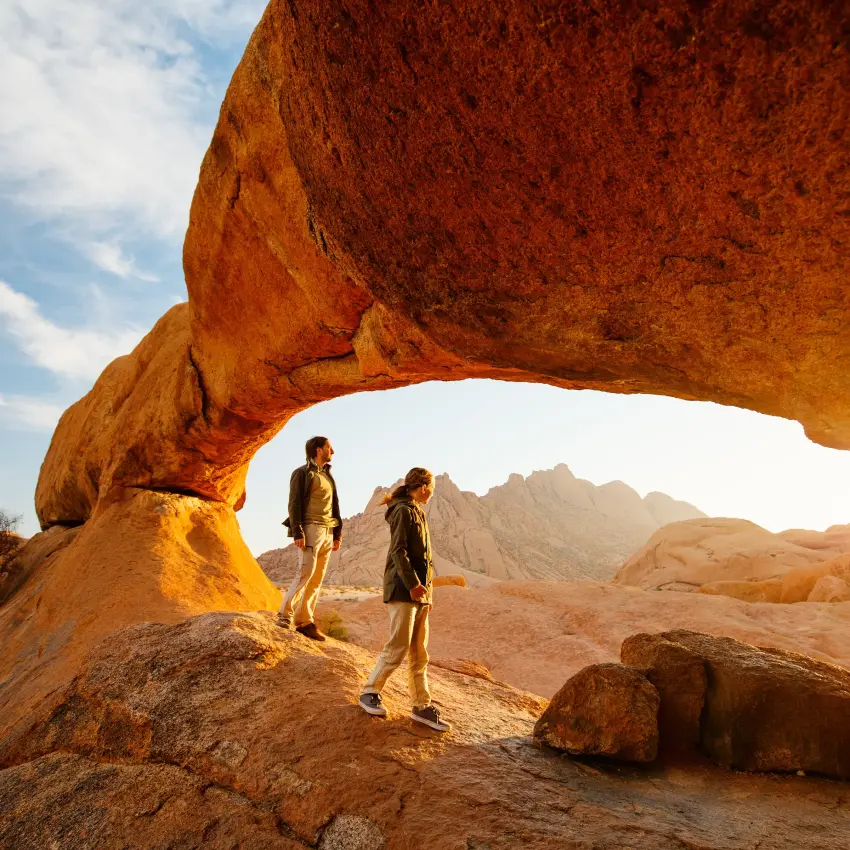
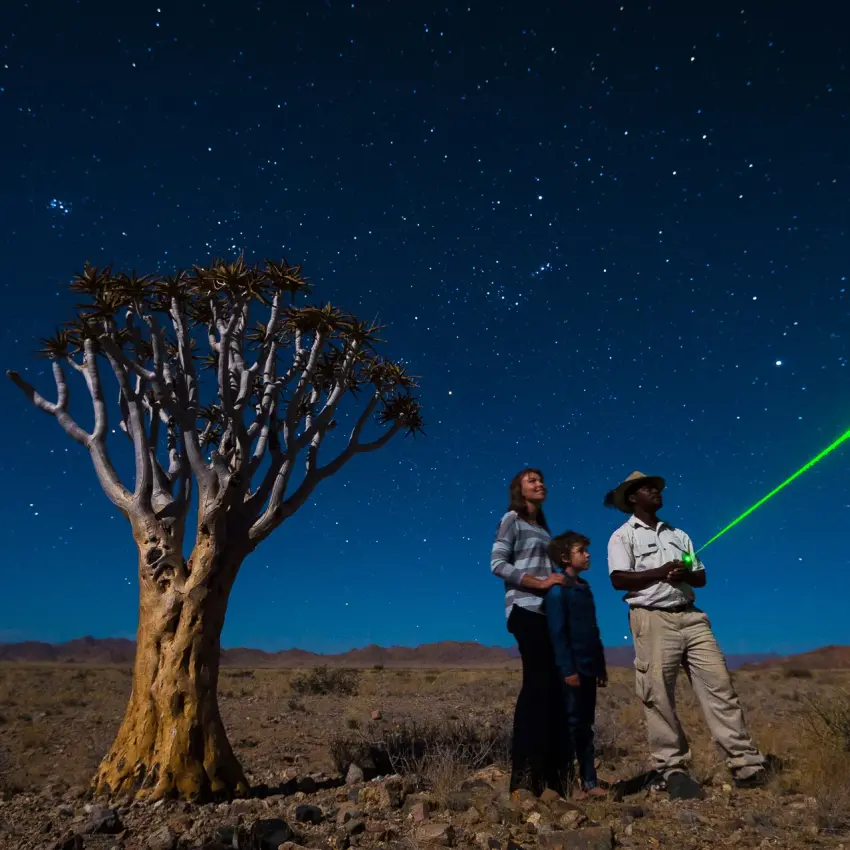
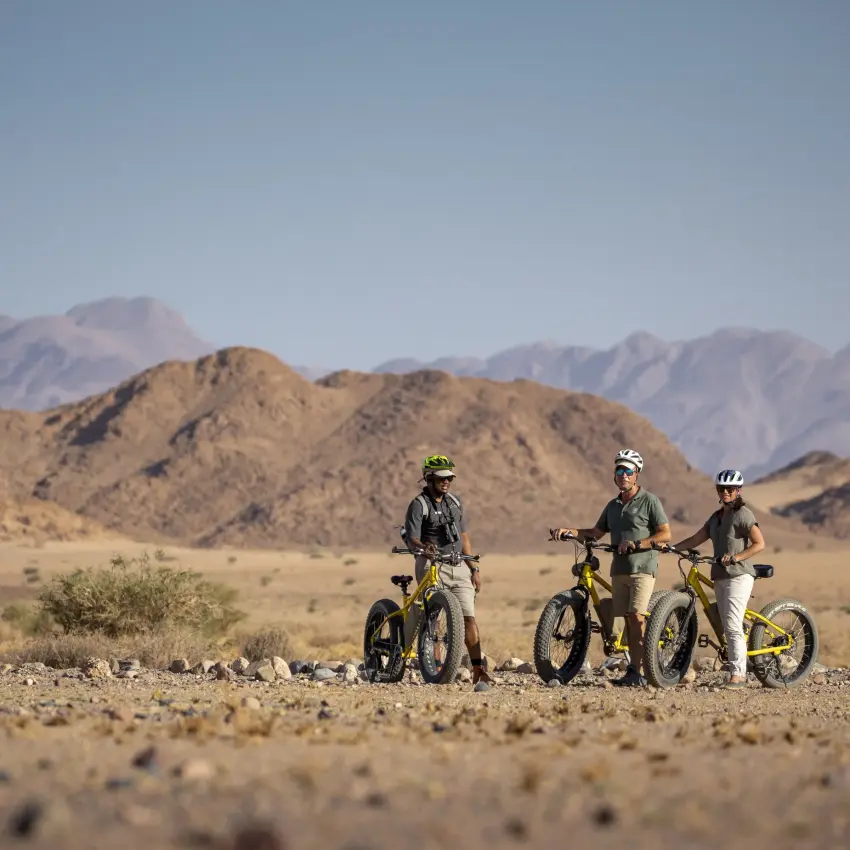
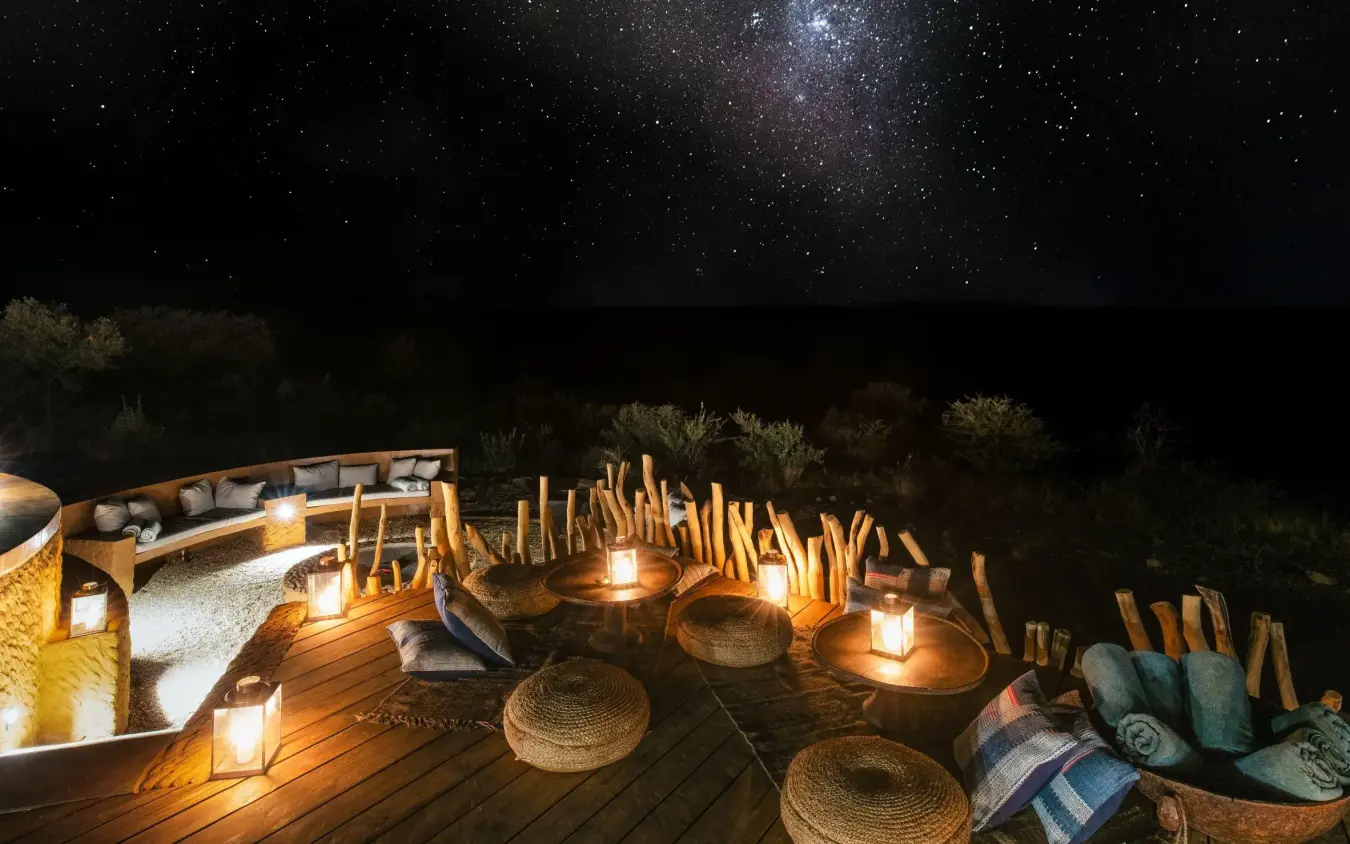
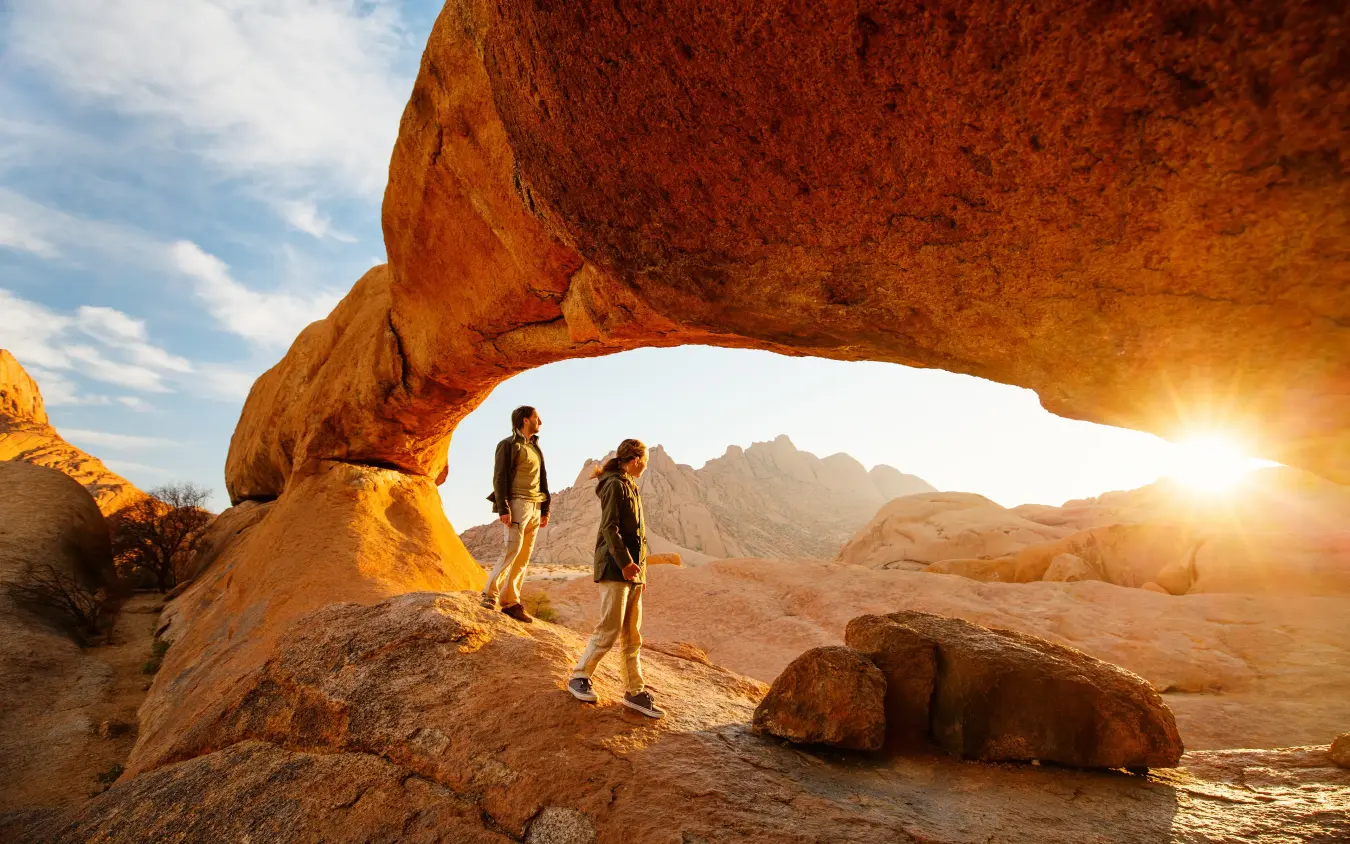
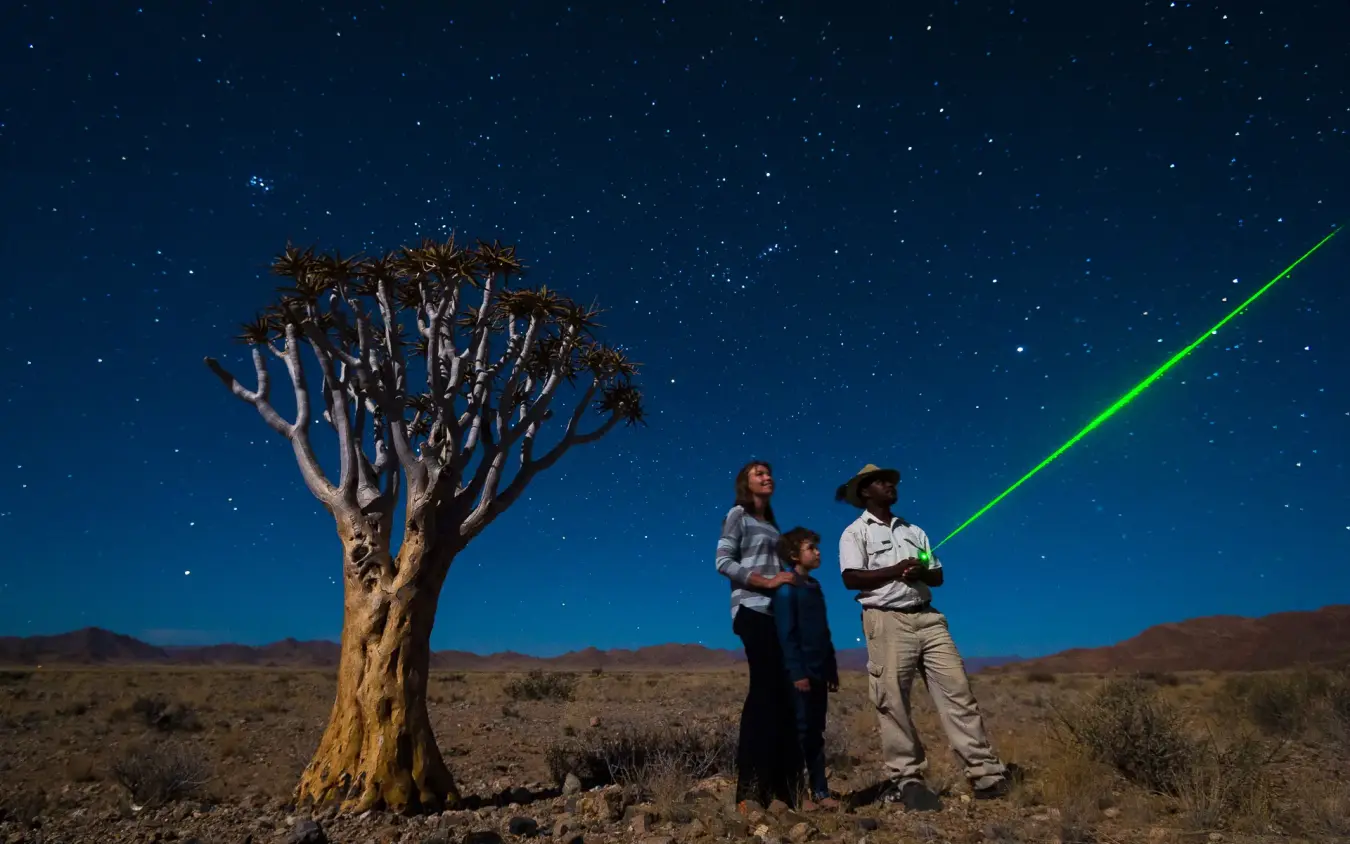
The Namib Desert is the oldest on Earth, and its landscapes have no equivalent. NamibRand Nature Reserve enforces a ratio of one guest bed per thousand hectares across its 215,000-hectare expanse, and holds designation as Africa’s first International Dark Sky Reserve. The rhythm here is different from a traditional safari: tracking desert-adapted elephants across gravel plains for hours, earning each sighting through patience rather than guaranteed waterhole congregations.

When independence arrived in 1990, wildlife populations had collapsed from decades of drought and conflict. The government’s response was to write conservation into the constitution and hand rural communities direct ownership of wildlife through conservancies. Today those 86 conservancies cover 166,000 square kilometres, and communities profit from photographic tourism and carefully managed hunting, generating millions annually.
Namibia wrote conservation into its constitution and handed communities direct ownership of their wildlife.
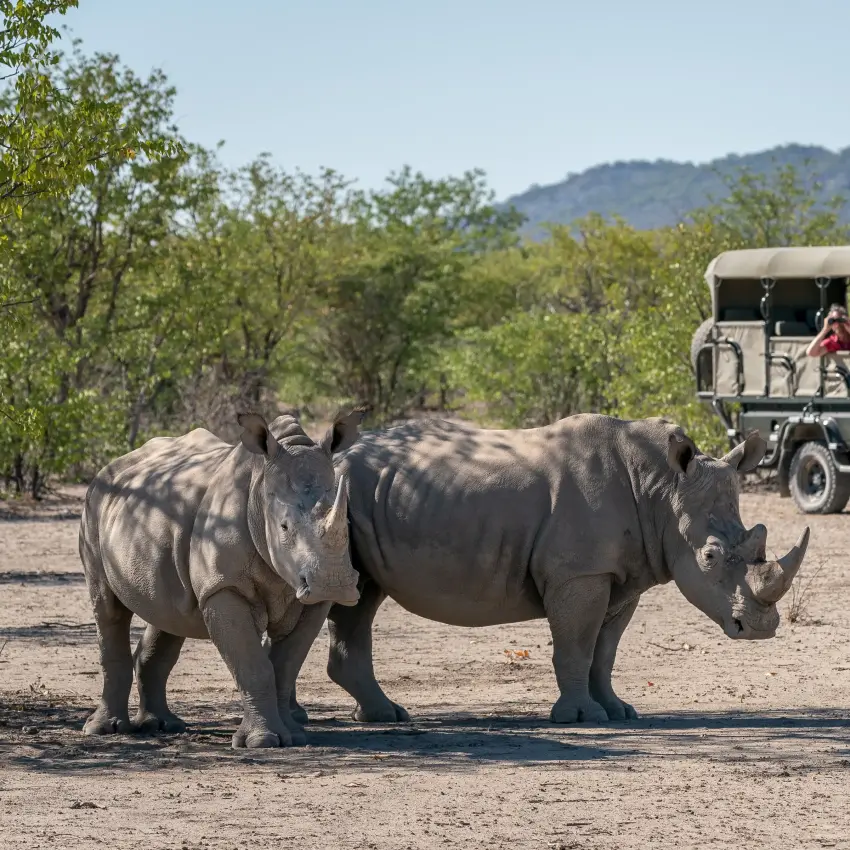
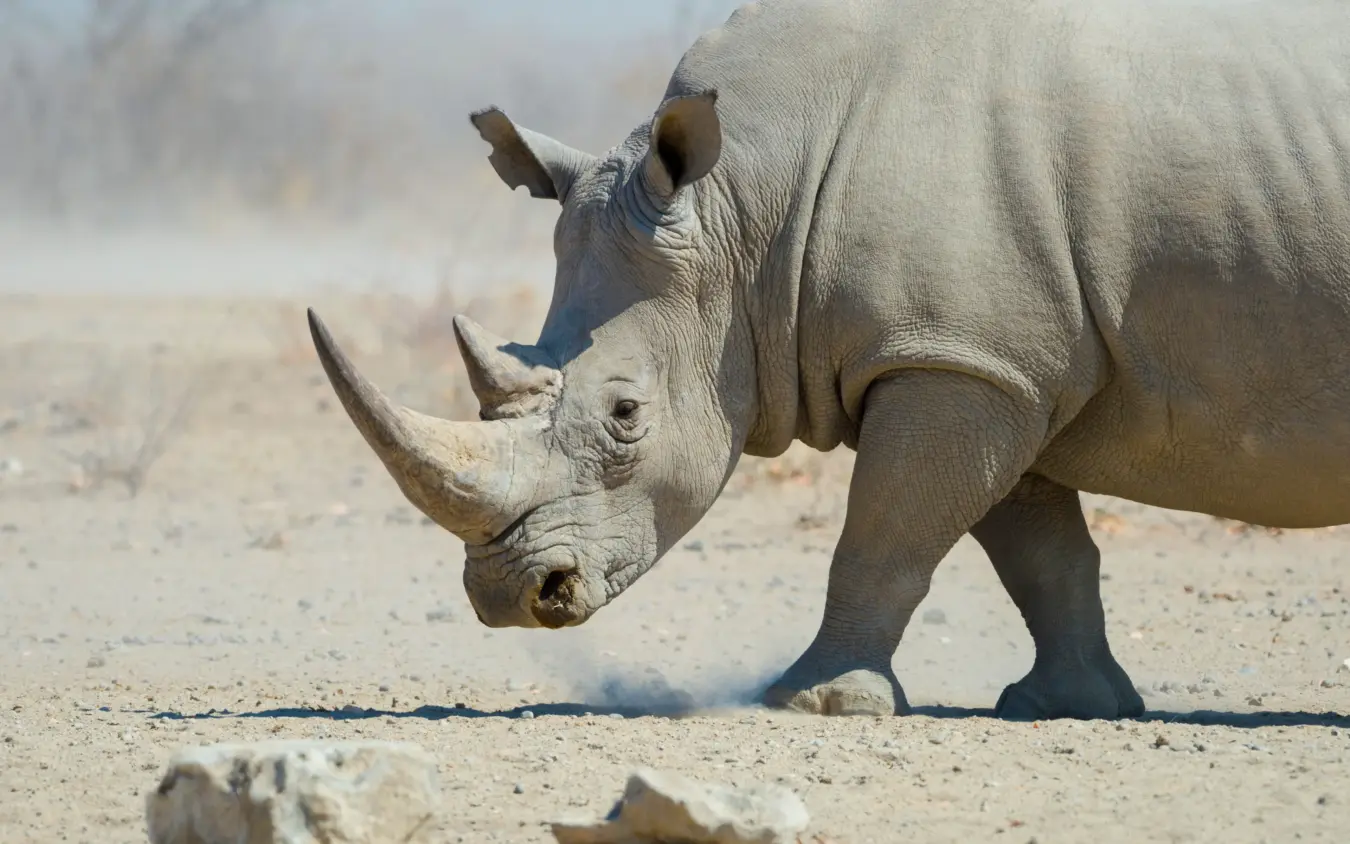
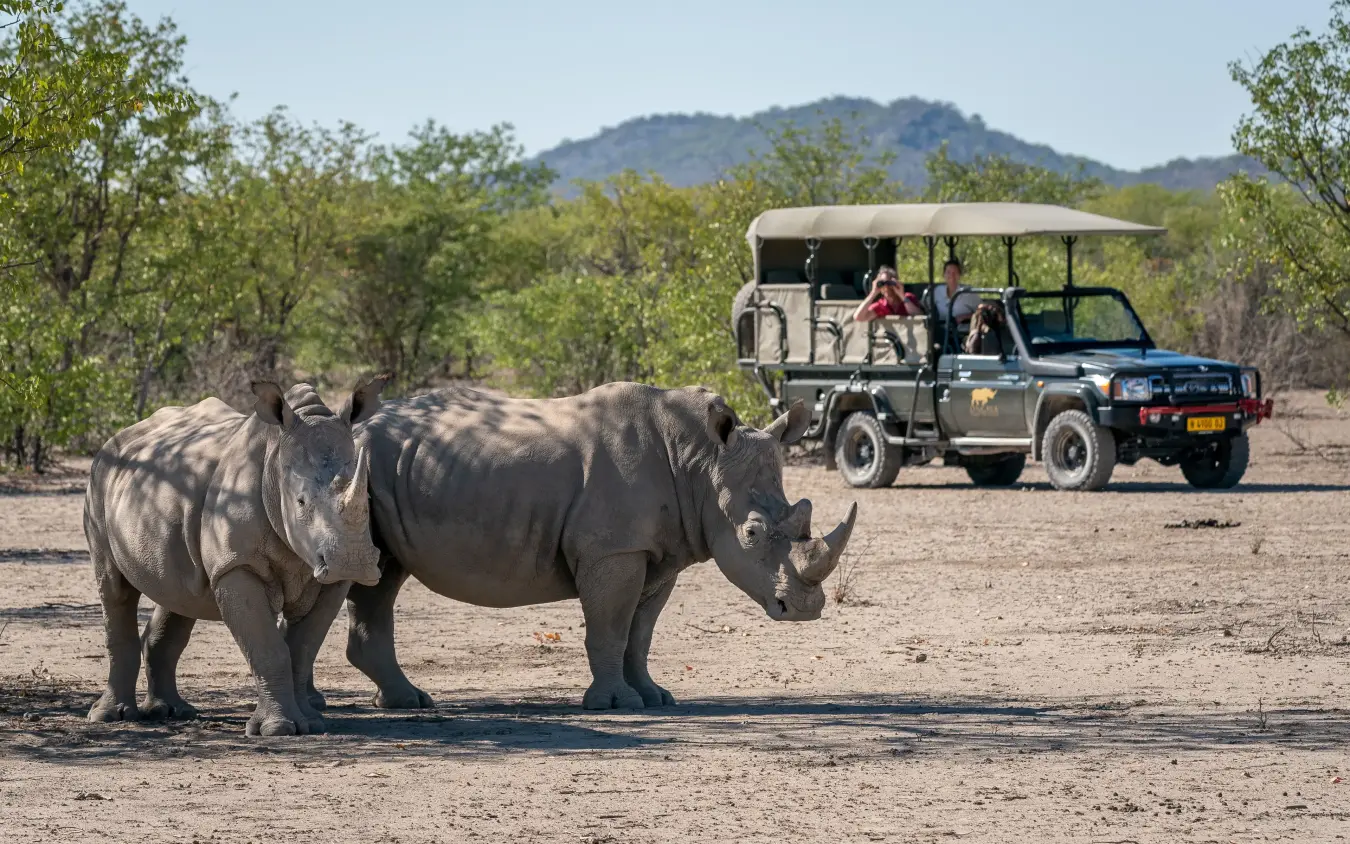
Desert-adapted black rhinos, reduced to near extinction, now survive under daily monitoring by Save the Rhino Trust trackers who patrol 25,000 square kilometres of the Kunene region. The country holds the largest free-roaming population of desert-adapted black rhino anywhere.
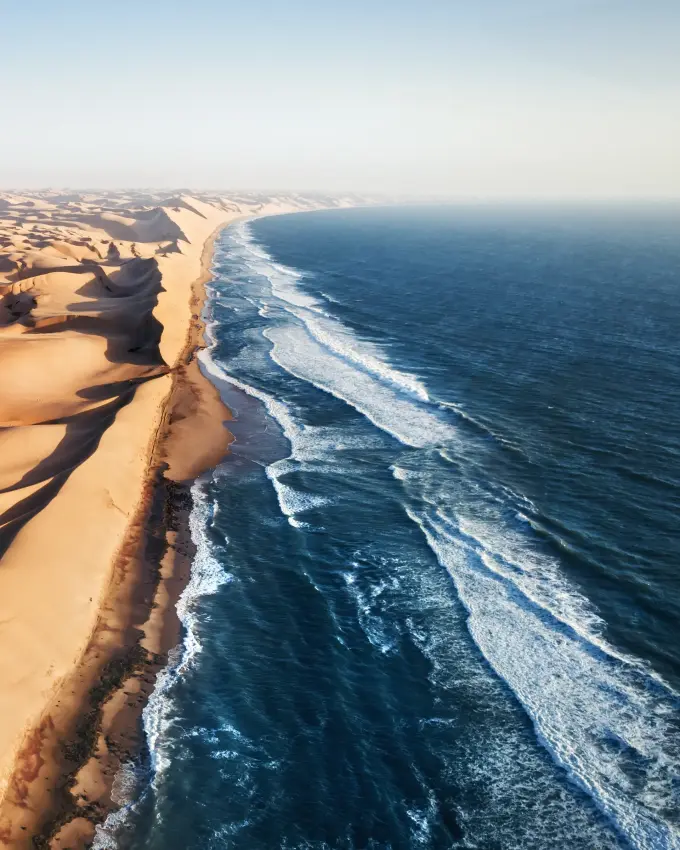
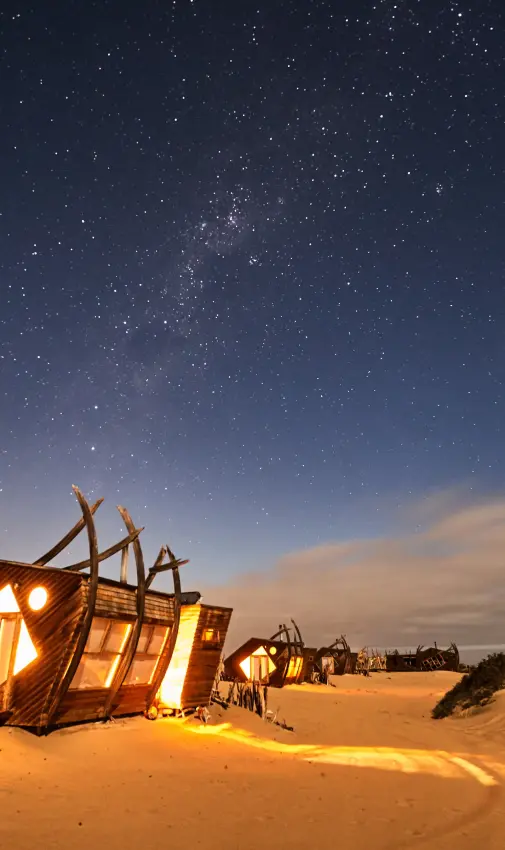
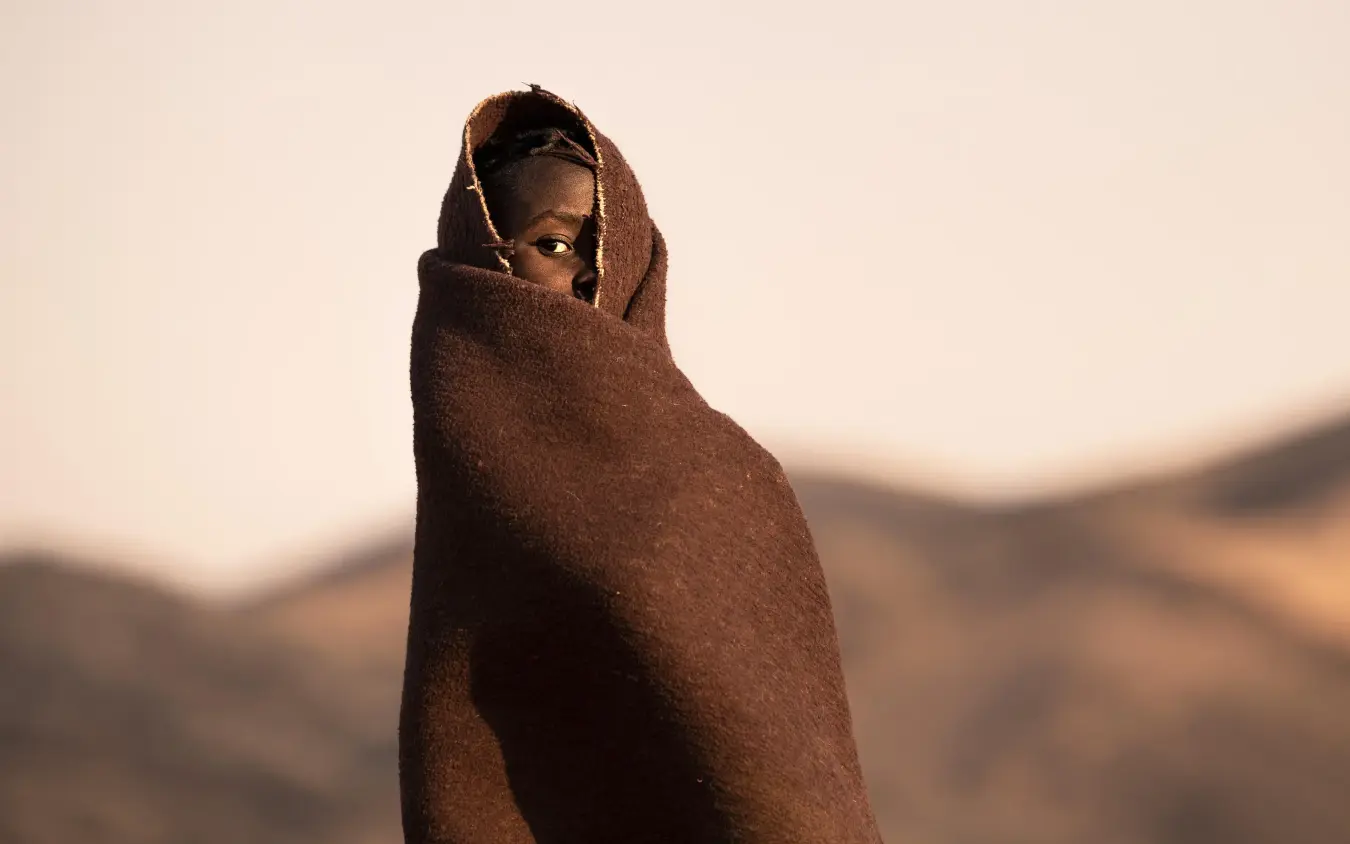
Serra Cafema sits on the Kunene River where Angola begins, accessible only by light aircraft, deeply remote even by Namibian standards. Desert elephants dig wells in dry riverbeds nearby, their knowledge of hidden water passed through generations. The Skeleton Coast stretches over 480 kilometres of Atlantic shoreline where cold Benguela currents meet scorching desert, creating fog that sustains life in seemingly impossible conditions. Shipwrecks disappear slowly under advancing dunes. The Kaokoveld interior supports Himba communities who continue semi-nomadic pastoralism, their daily routines still shaped by cattle and seasons rather than tourism.
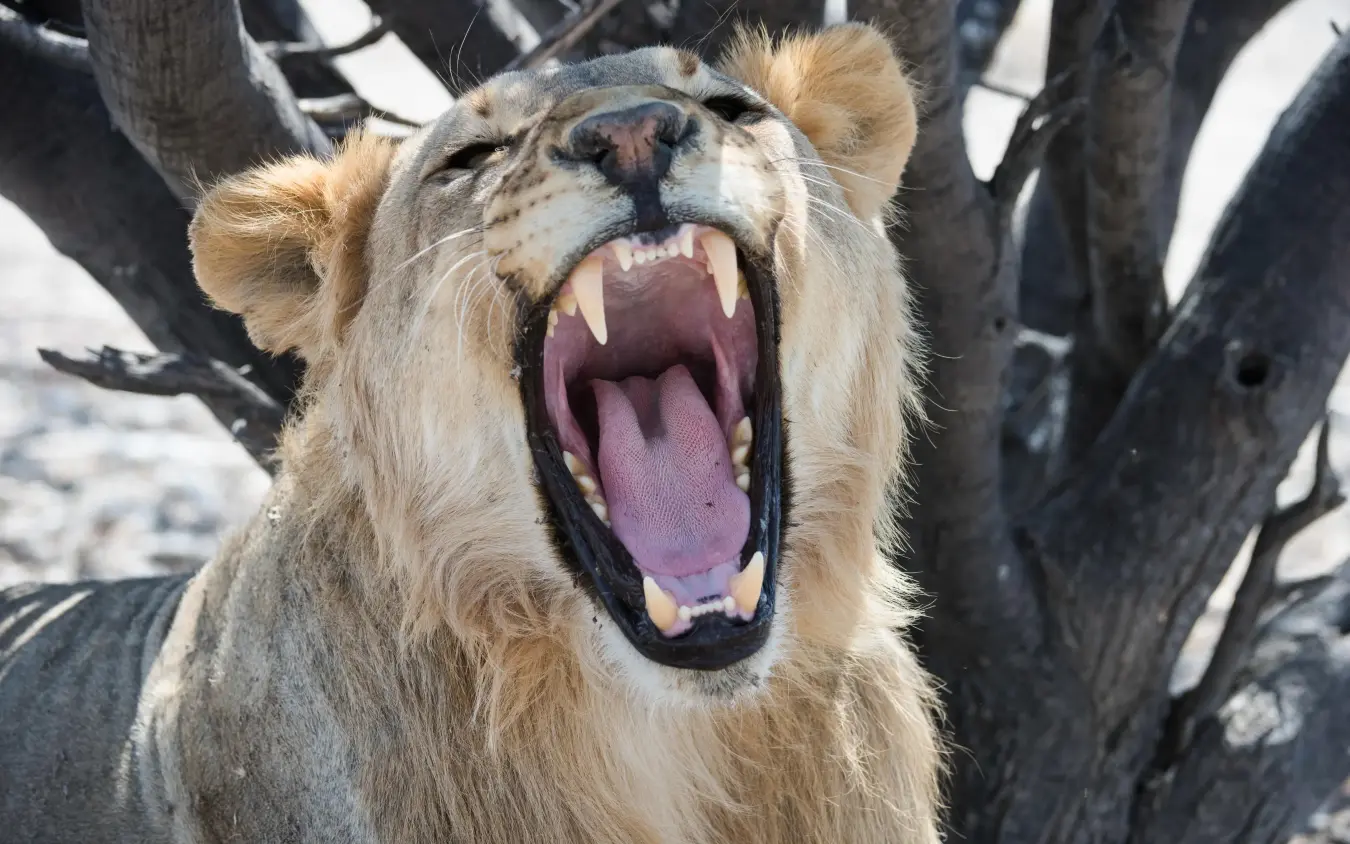
In Damaraland, desert-adapted lions range across territories far larger than their savannah counterparts require. Twyfelfontein preserves thousands of rock engravings made over millennia. Etosha National Park centres on a vast salt pan that concentrates wildlife at waterholes during dry months, where the behaviour becomes the focus rather than the species count. Ongava Game Reserve, bordering Etosha, permits walking safaris alongside both black and white rhinos, activities impossible inside the national park.
On the Skeleton Coast, cold Benguela currents meet scorching desert, and the fog they raise sustains life.
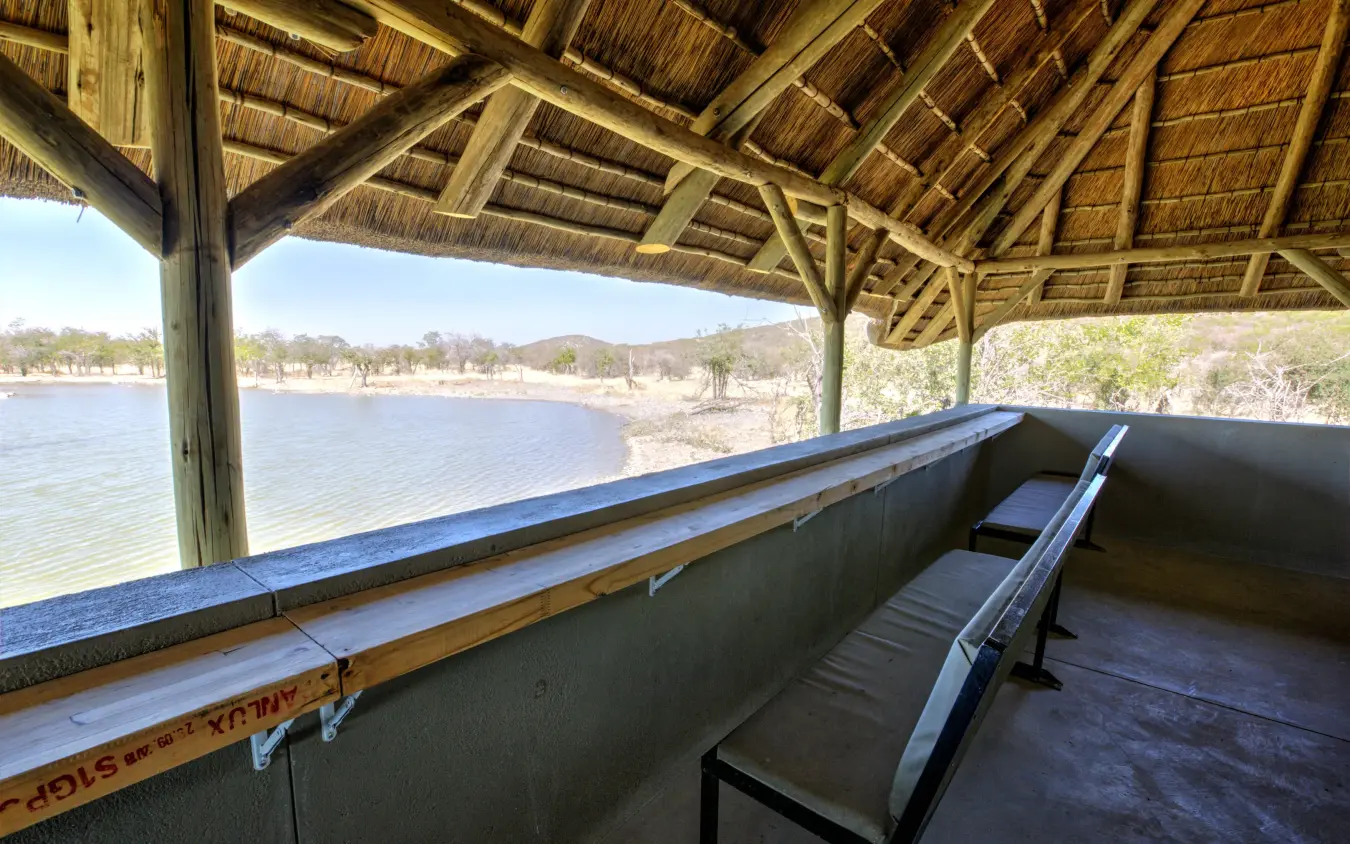
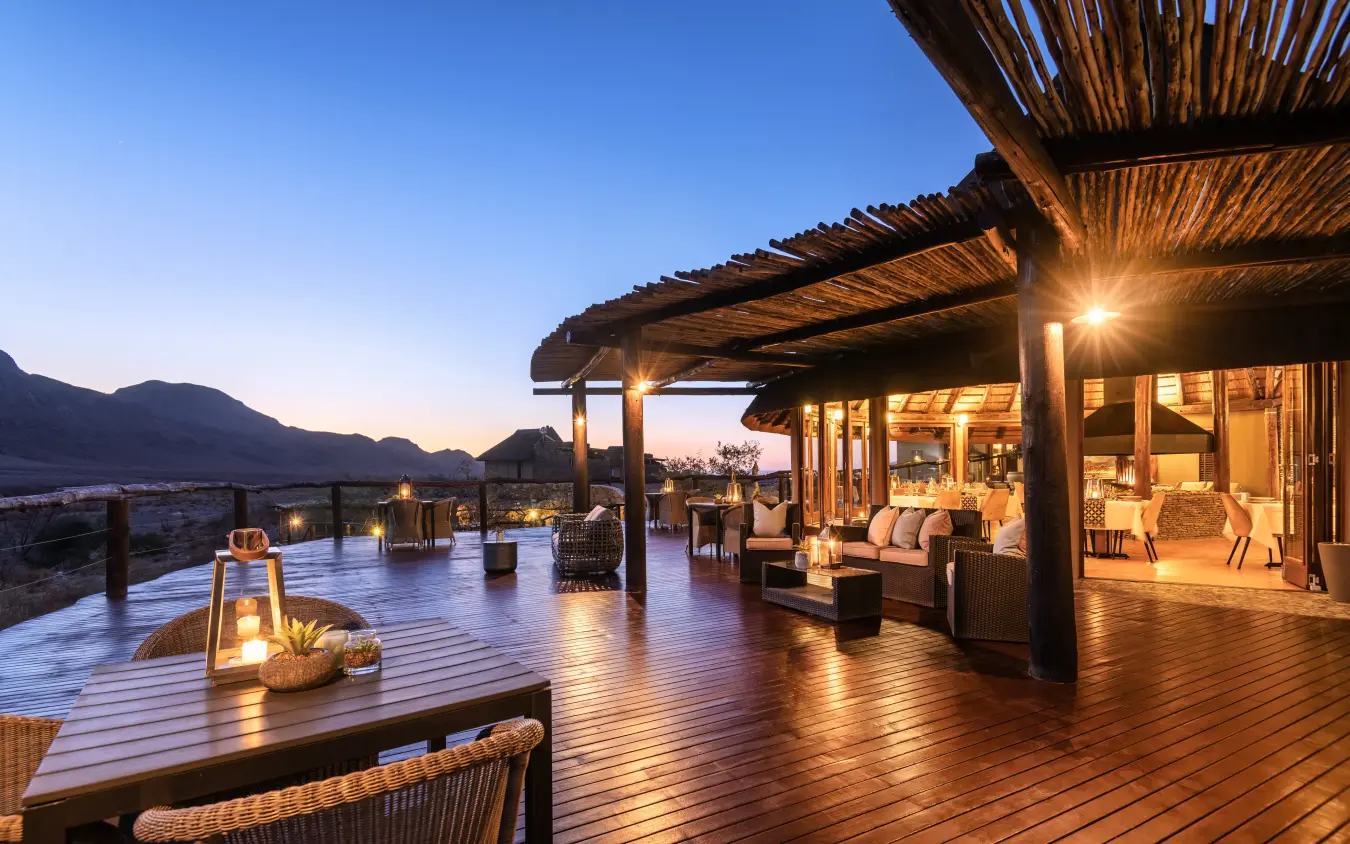
The Fish River Canyon cuts 160 kilometres through southern Namibia, one of the largest canyons on Earth. A network of private airstrips connects remote camps, while self-drive routes follow good gravel roads through spectacular emptiness. Lodges range from glass-and-stone structures in private reserves to simple tented camps where bucket showers maintain focus on the surrounding desert.
Namibia is one of the few African countries where self-driving works well, with clear routes and manageable distances in the south and centre. For the north and Skeleton Coast, light aircraft become essential. The accommodation philosophy throughout matches the landscape: small, spare, designed to recede rather than compete with what surrounds it. The emptiness is the amenity.
The best time to visit namibia
Jan
Feb
Mar
Apr
May
Jun
Jul
Aug
Sep
Oct
Nov
Dec
Recommended
Transitional
Challenging conditions
May through October delivers dry conditions and concentrated wildlife viewing. Winter months (June-August) produce cold desert nights but comfortable days and clear skies. September and October warm considerably, with Etosha’s waterholes at their most productive. November to April brings scattered rainfall that transforms the landscape with ephemeral grass and wildflowers. The coast keeps its own schedule, with morning fog year-round. Desert experiences suit cooler months.
Areas to visit
Sossusvlei provides the monumental dunes and surreal desert landscapes. Damaraland offers rock art at Twyfelfontein and desert-adapted wildlife tracking. Etosha concentrates game viewing around permanent waterholes. The Skeleton Coast delivers isolation and desert-ocean contrasts. The Kaokoveld supports Himba communities and remote wilderness camps including Serra Cafema. Fish River Canyon rewards hikers. Private reserves like NamibRand and Ongava offer activities prohibited in national parks.
01

 02
02
 03
03
 04
04
 05
05
 06
06
 07
07
 08
08
 09
09
RECOMMENDED ACCOMMODATION
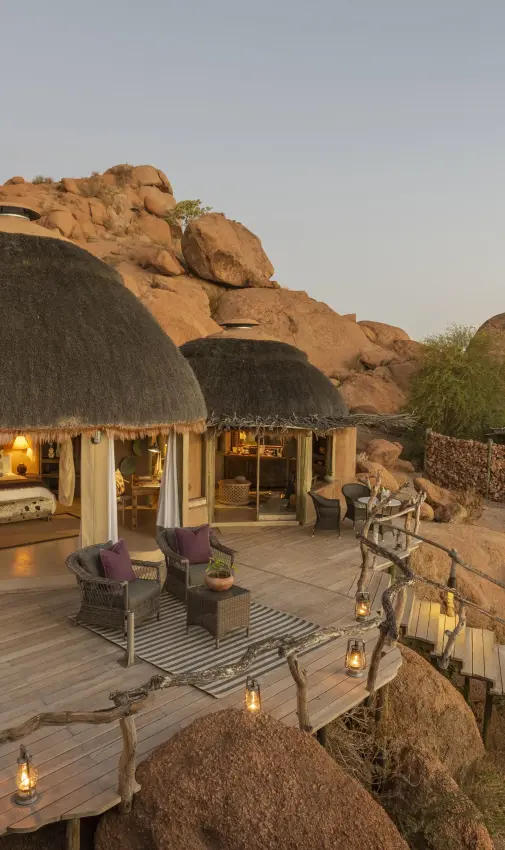
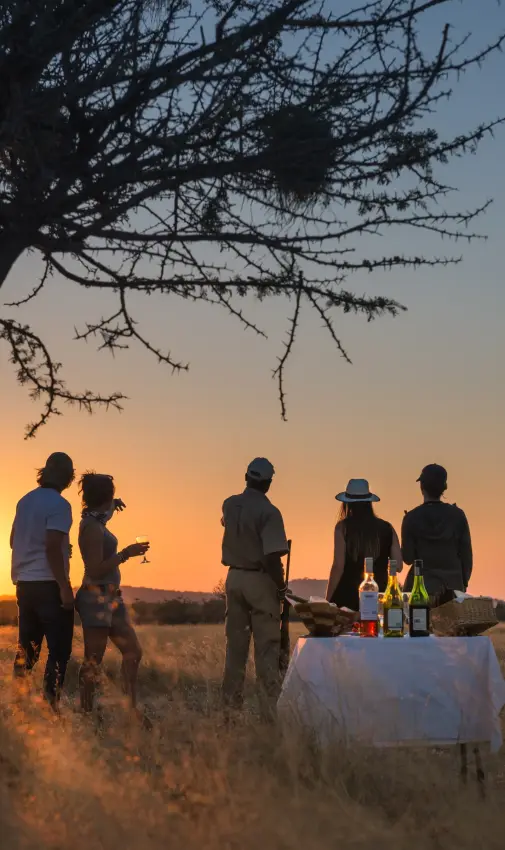
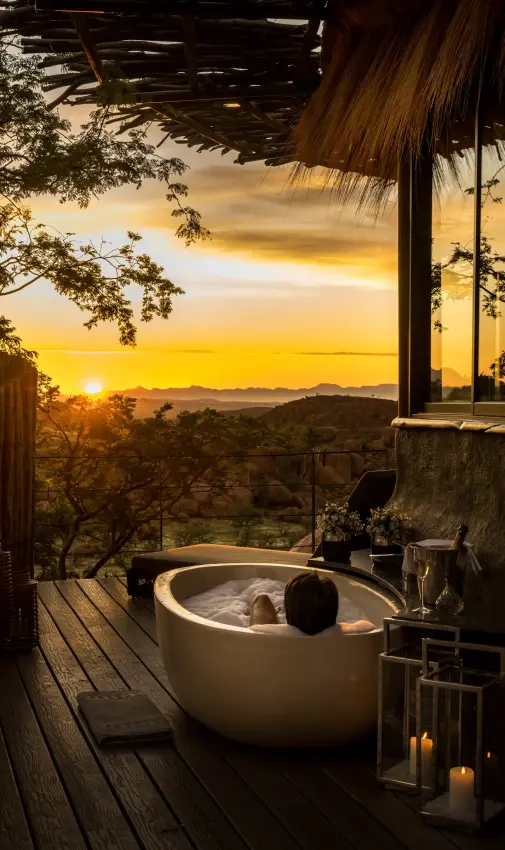
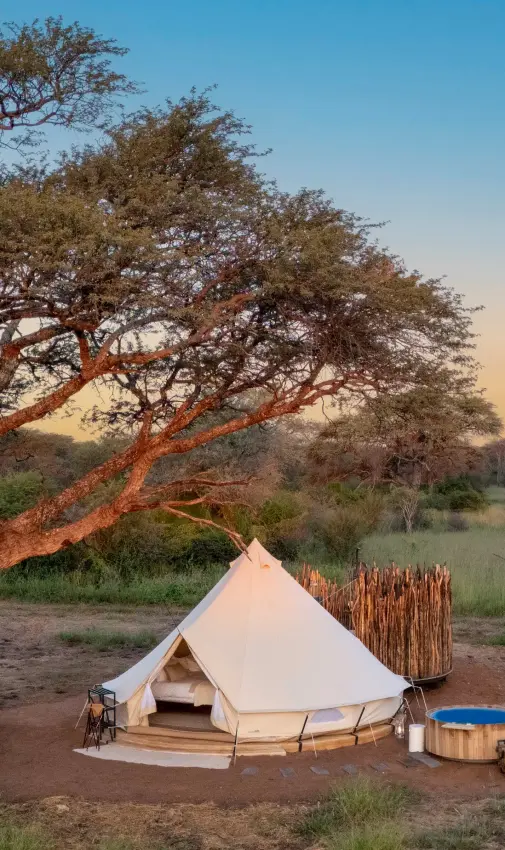
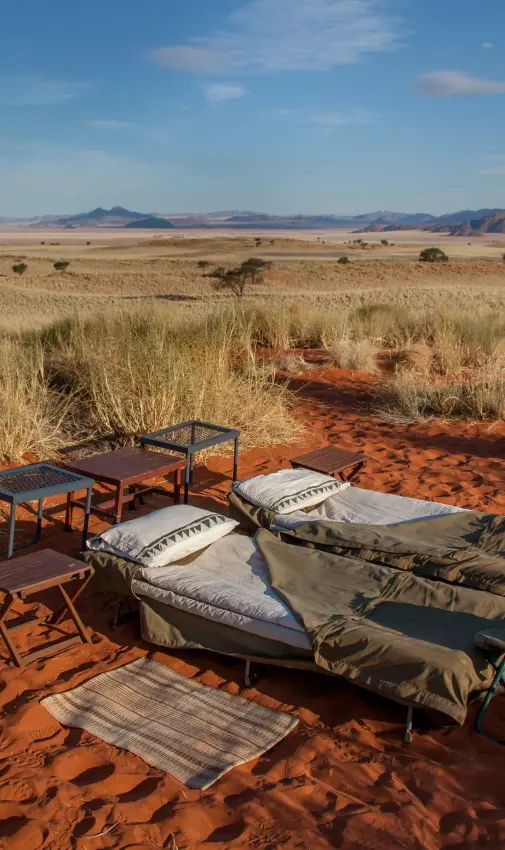
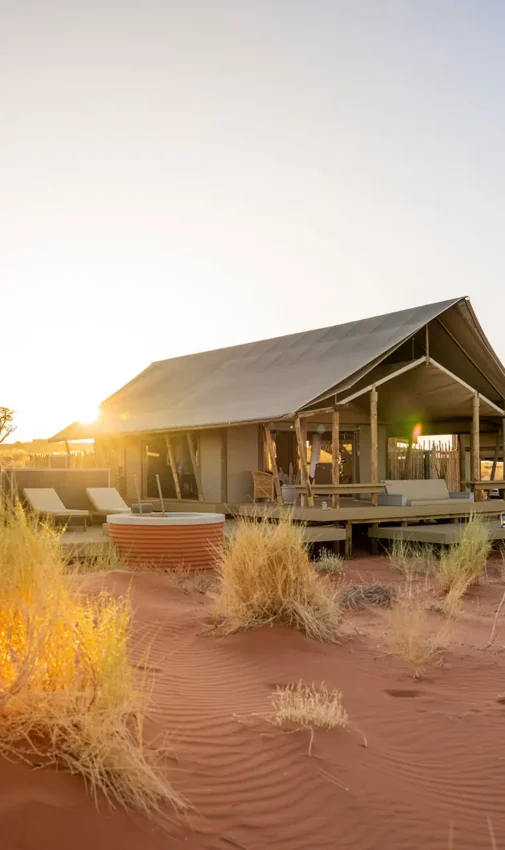
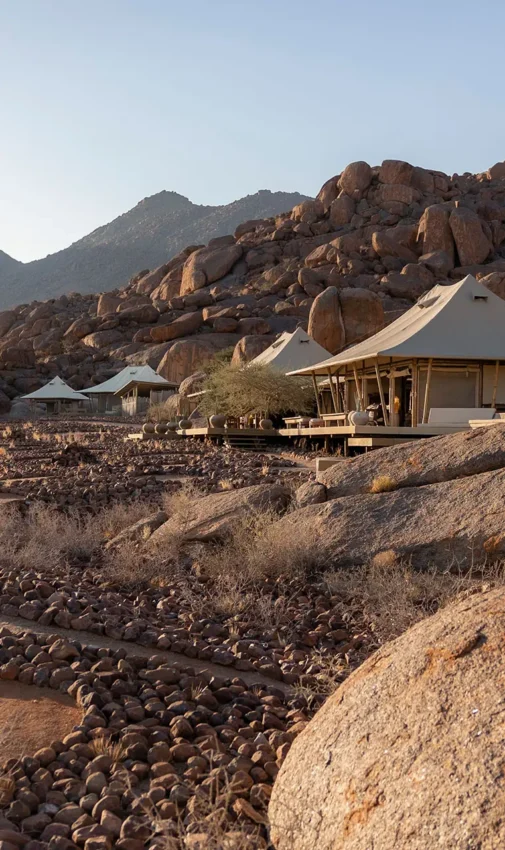
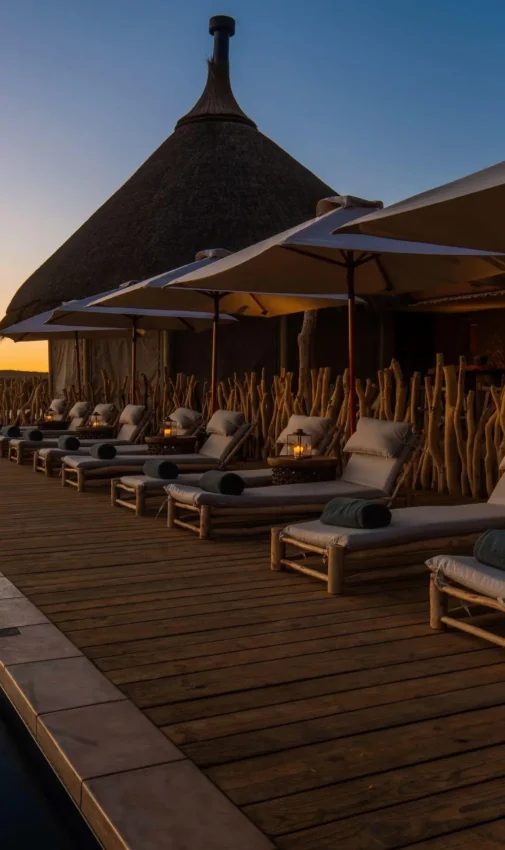
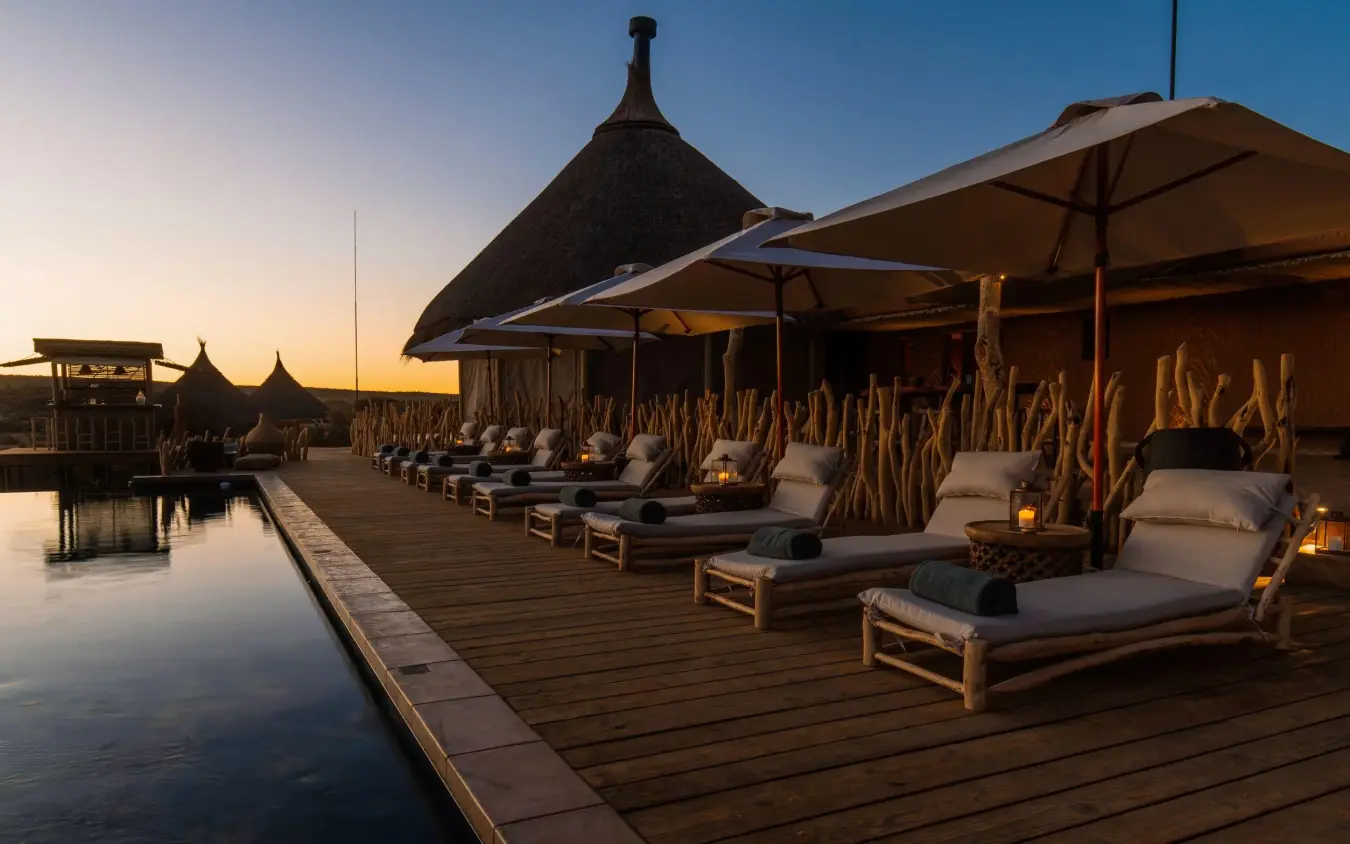
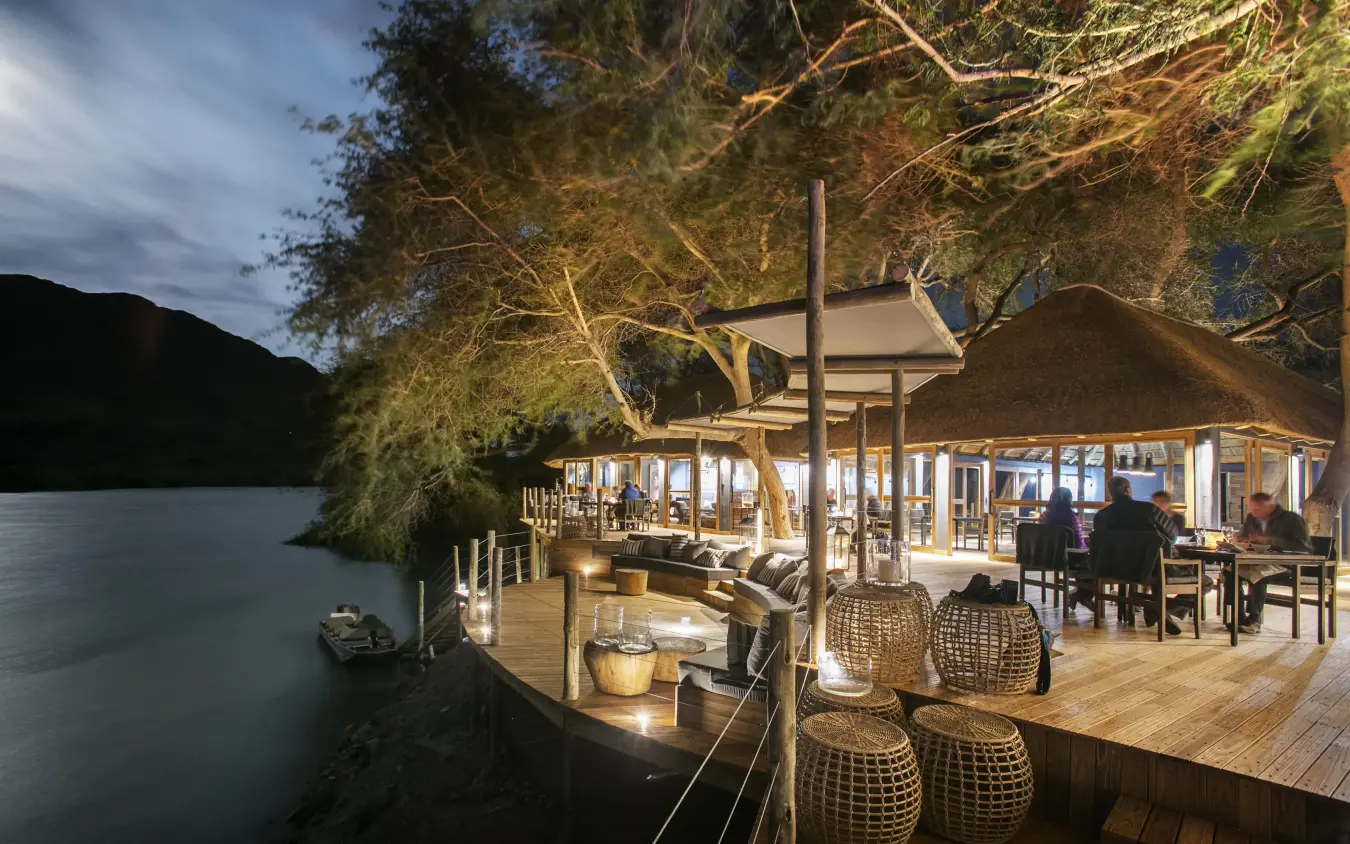
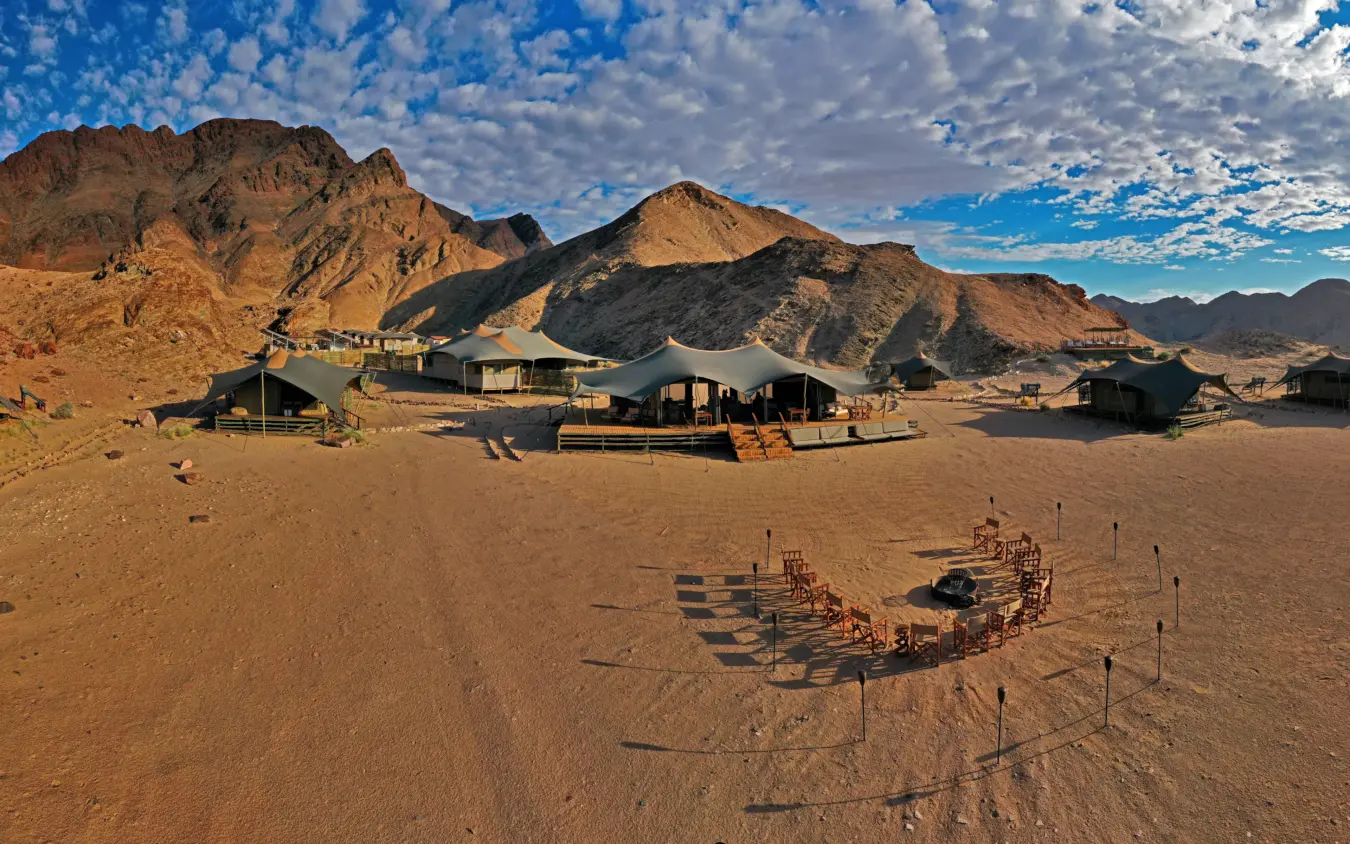
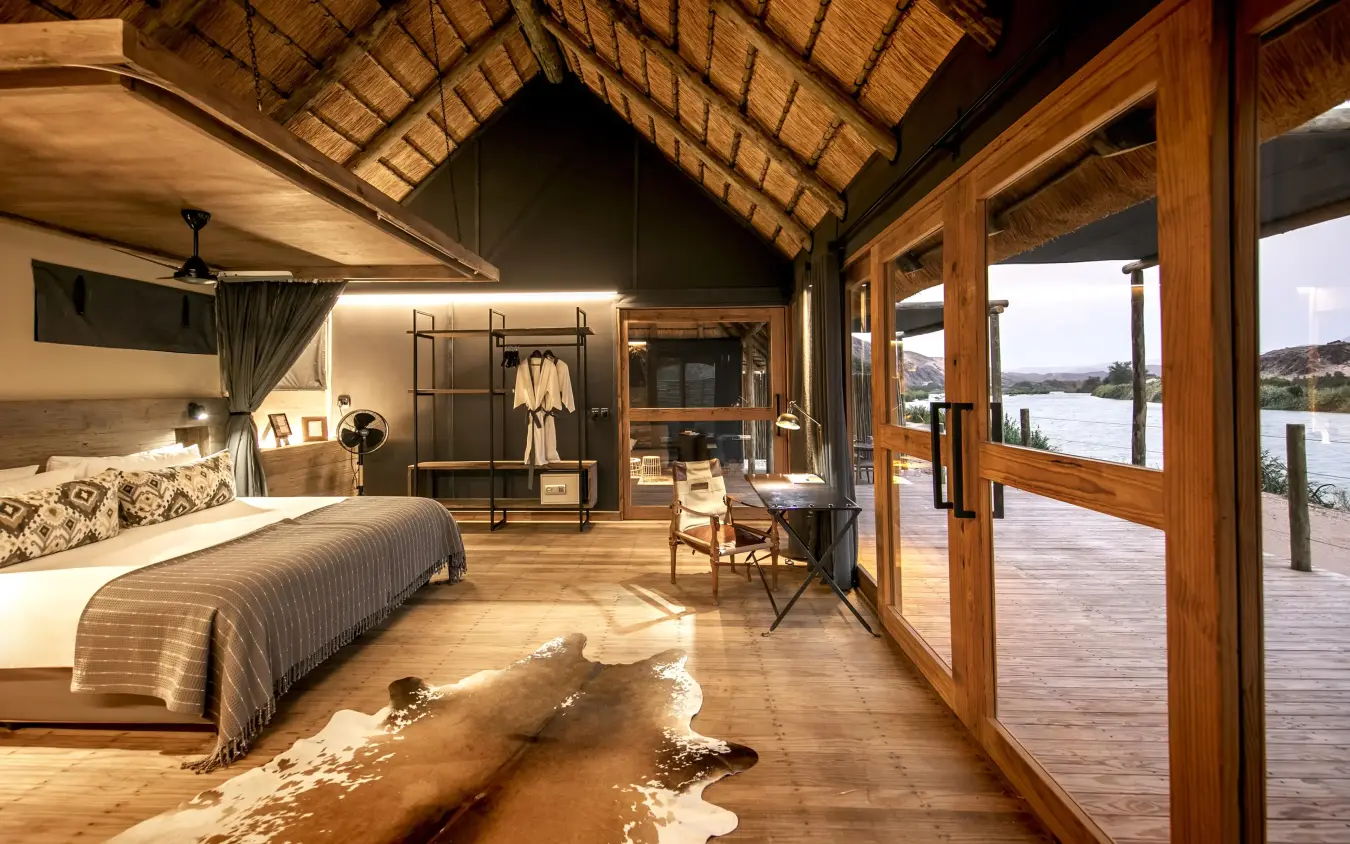
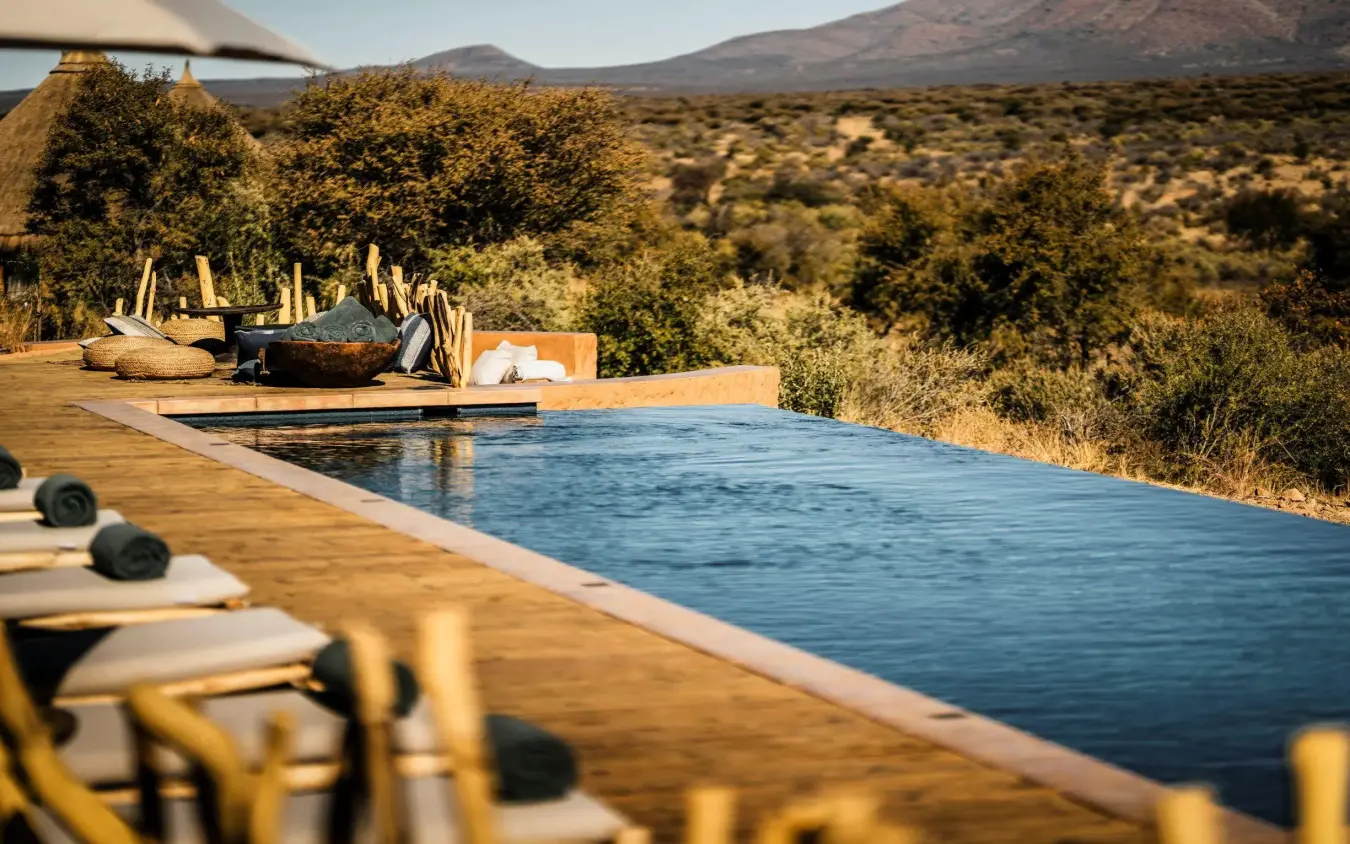
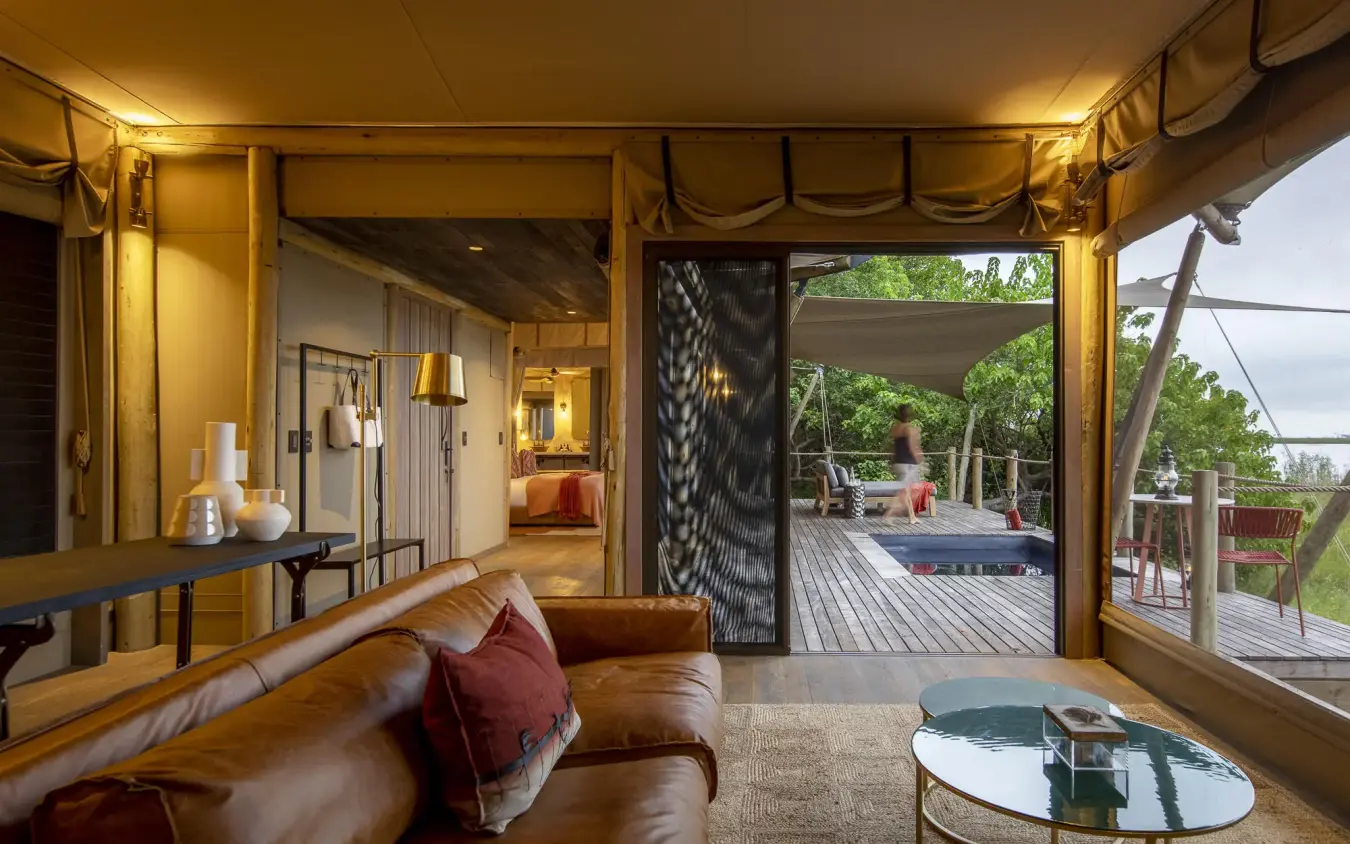
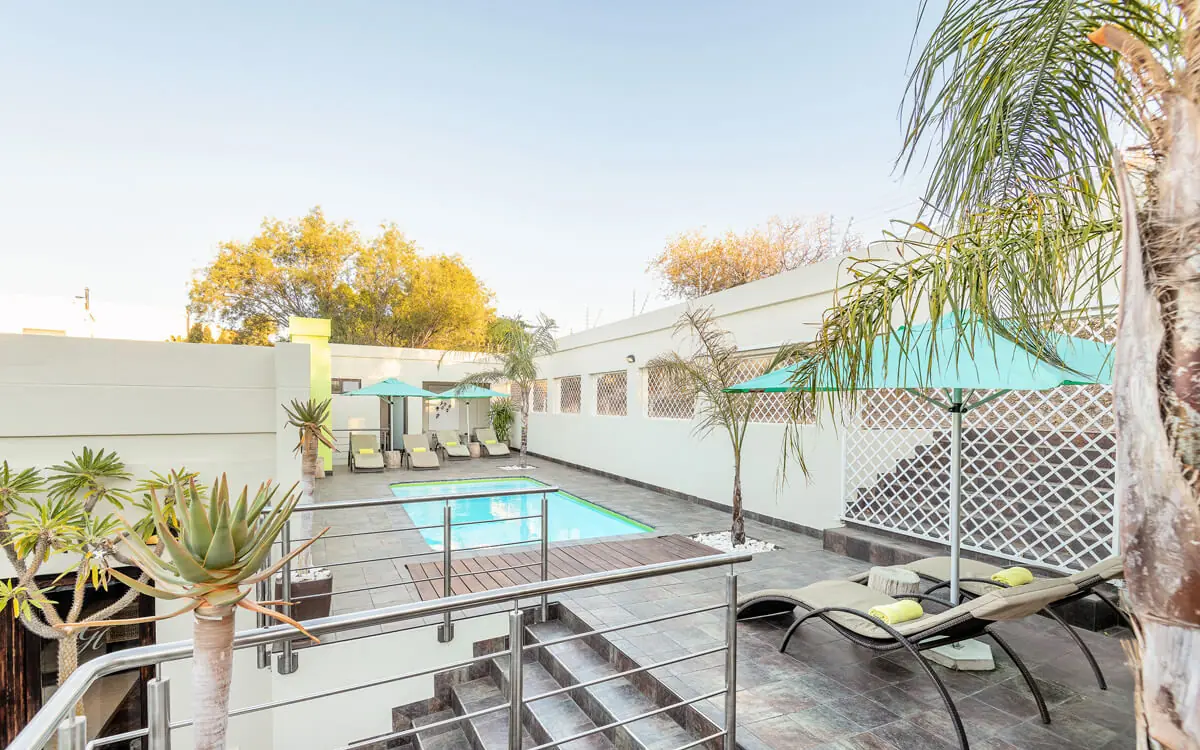
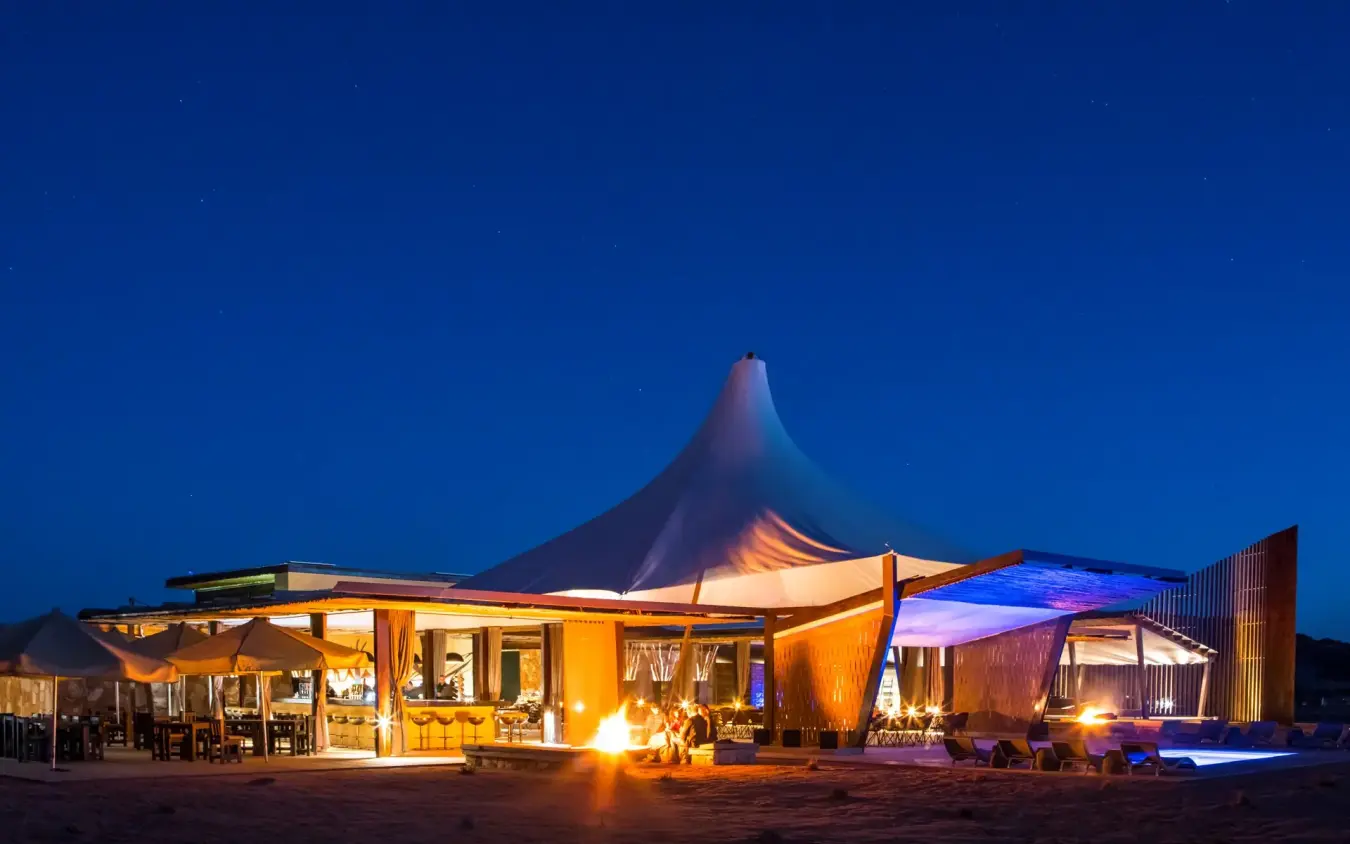
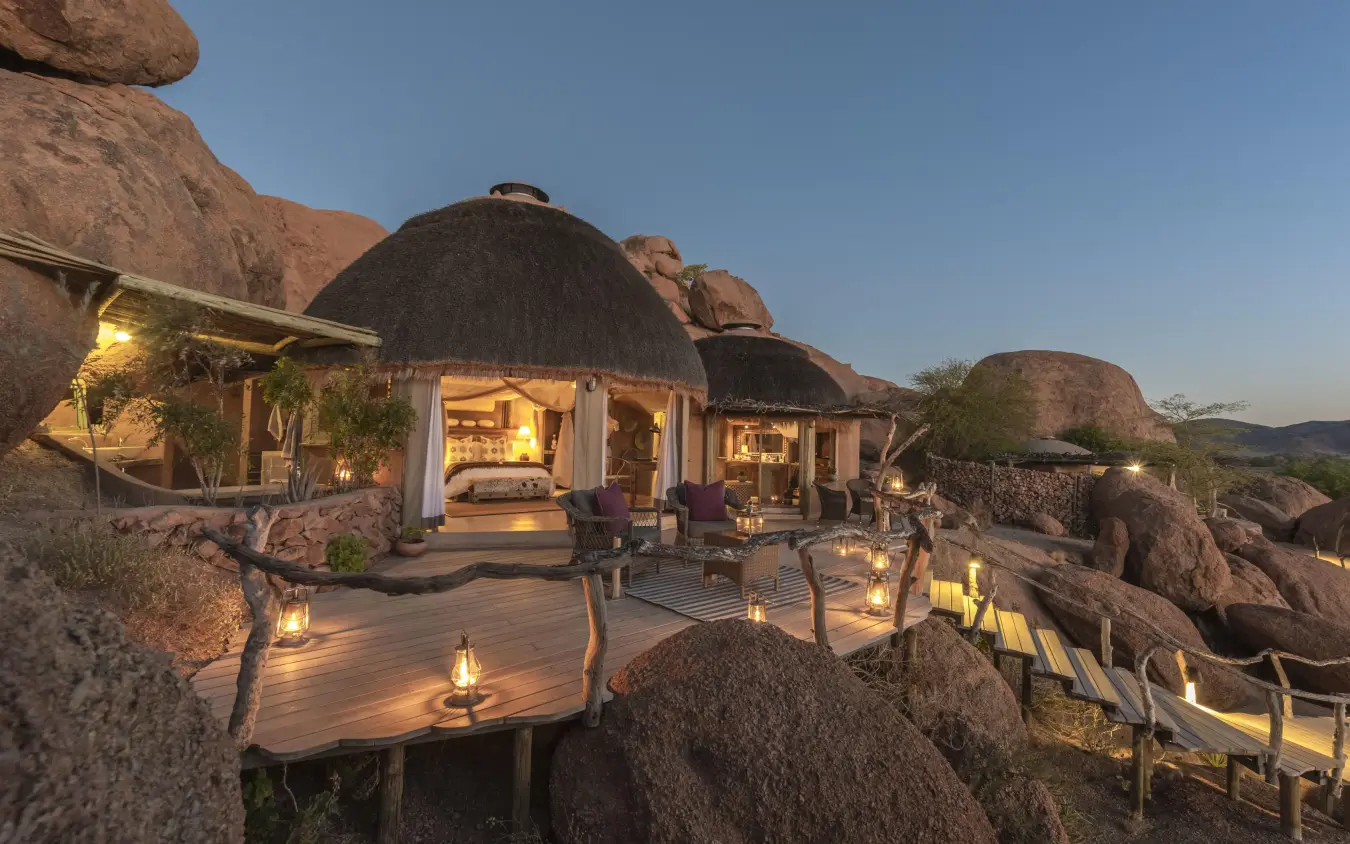
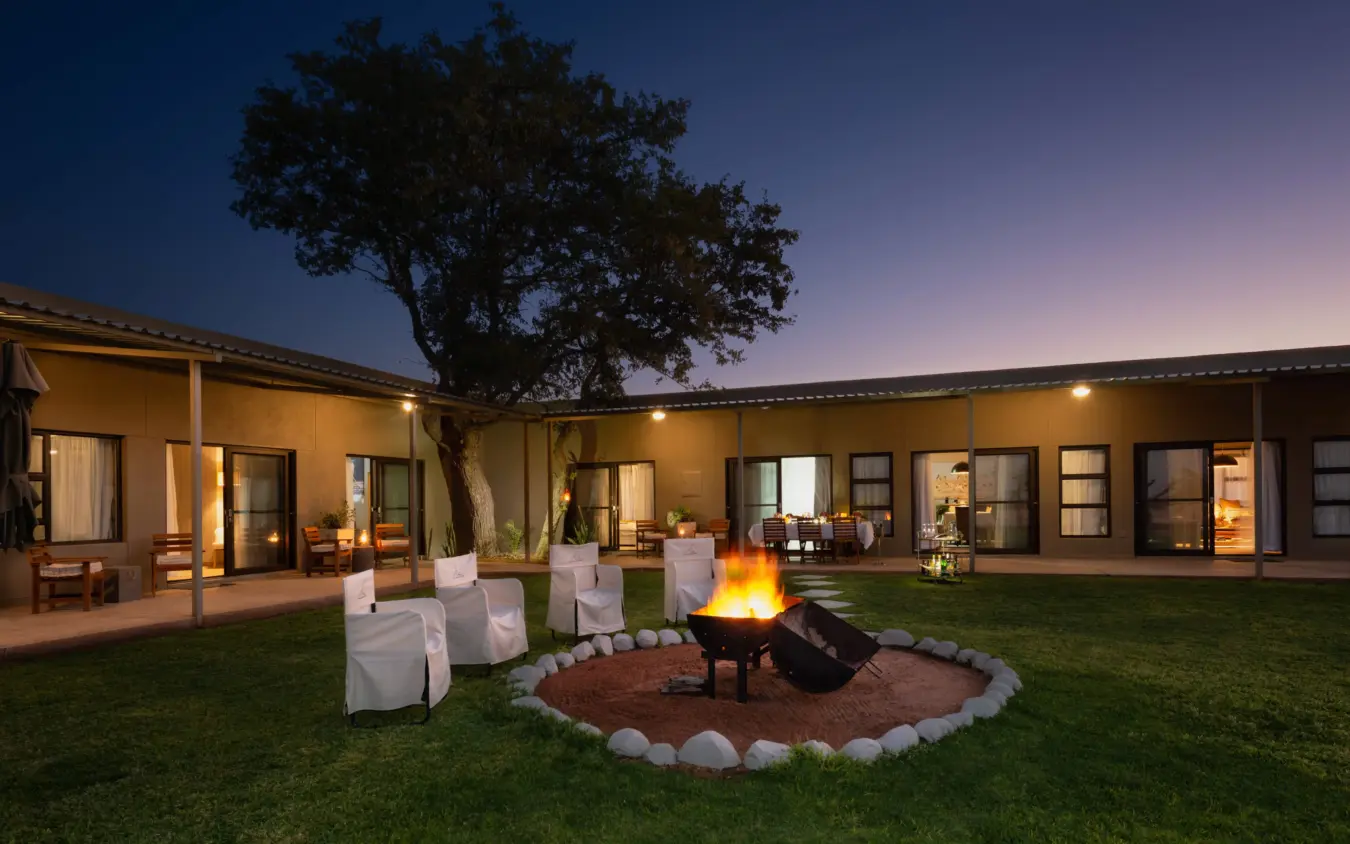
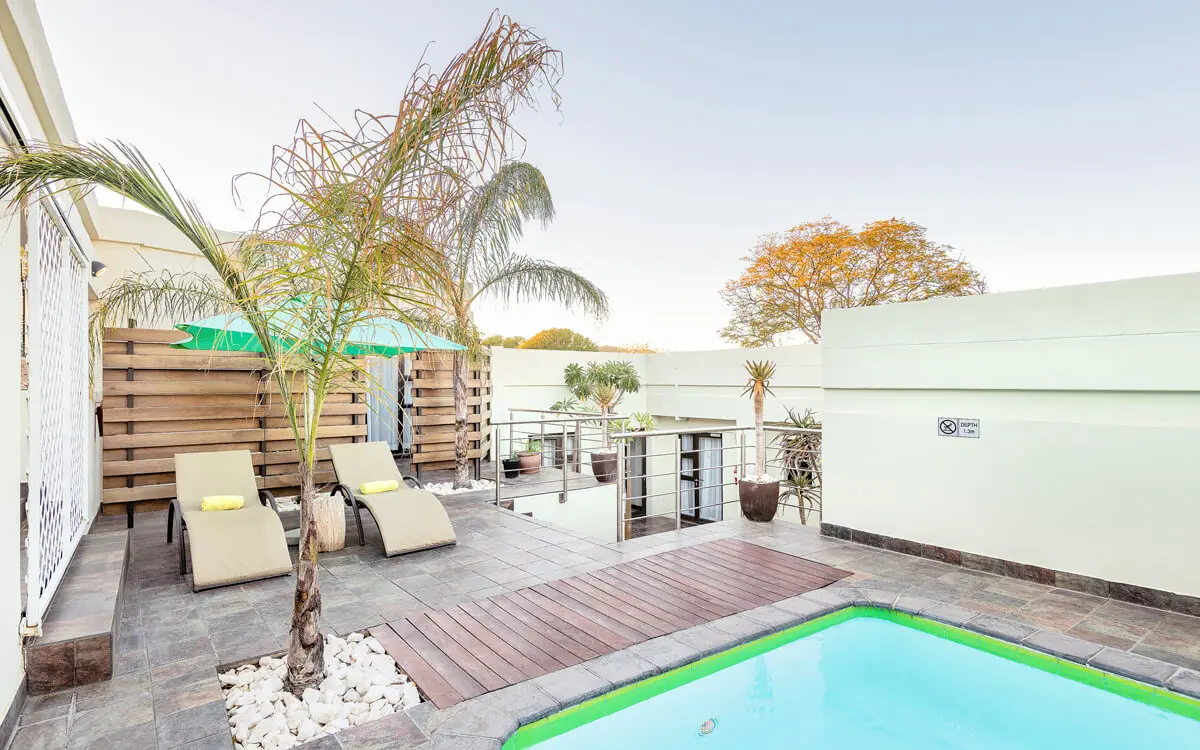
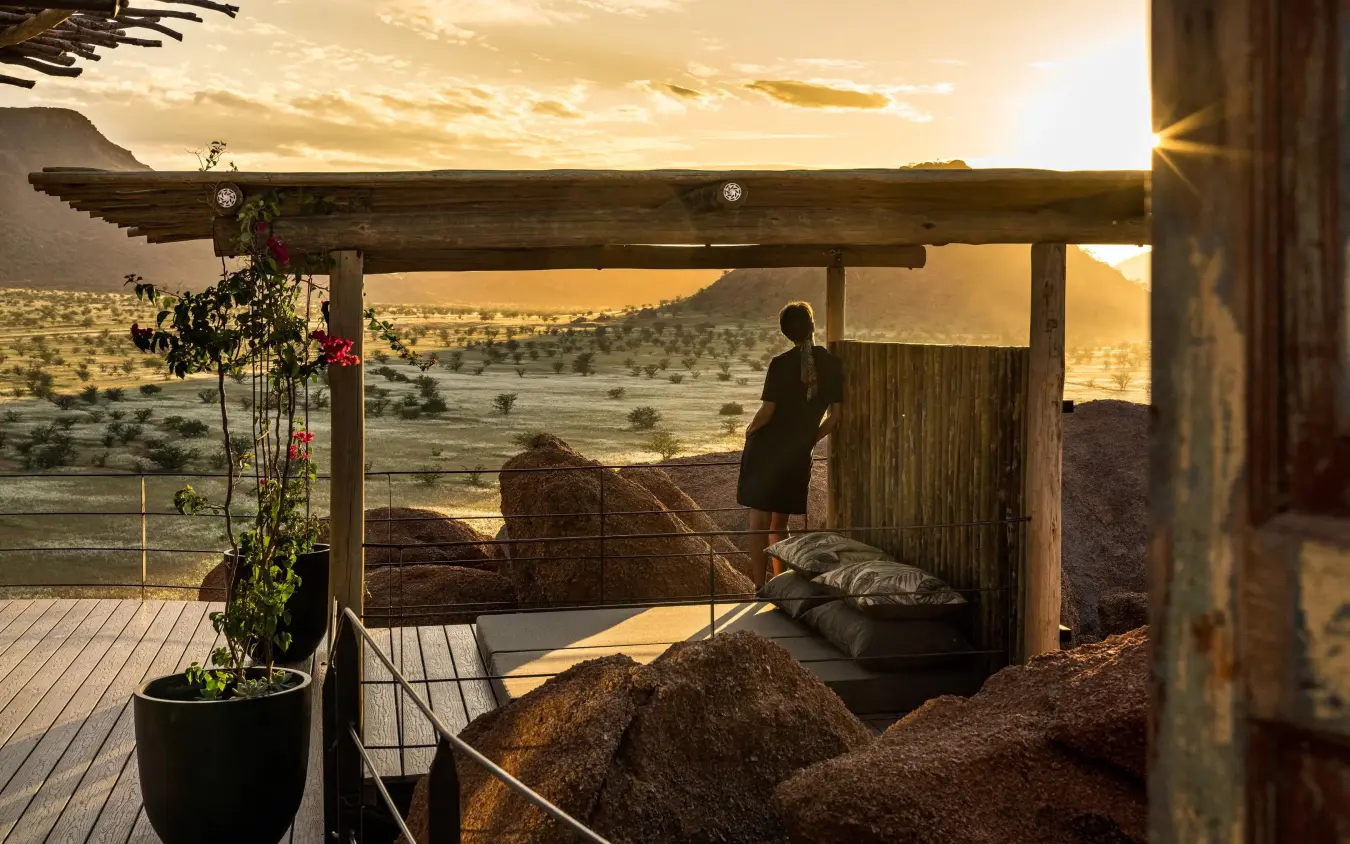
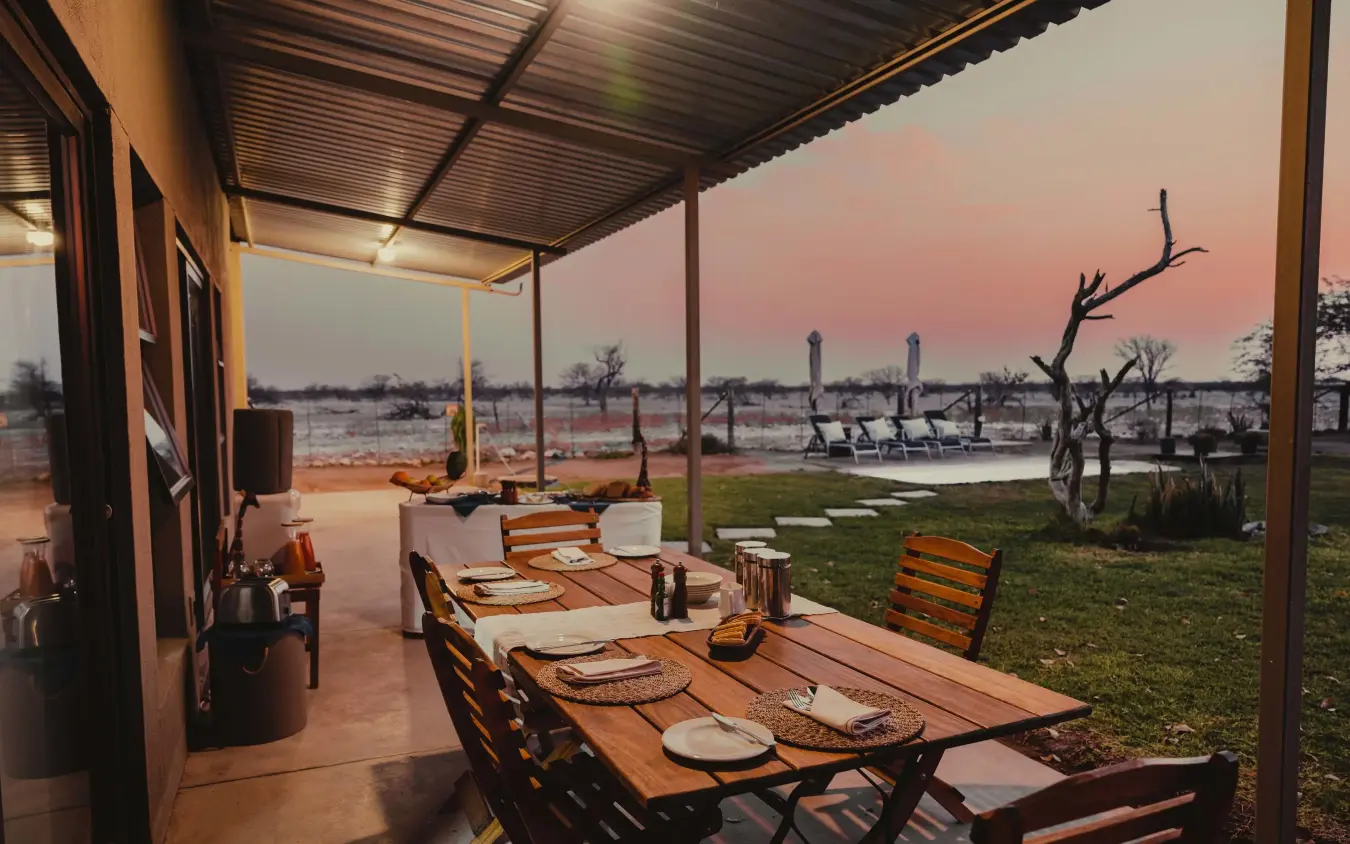
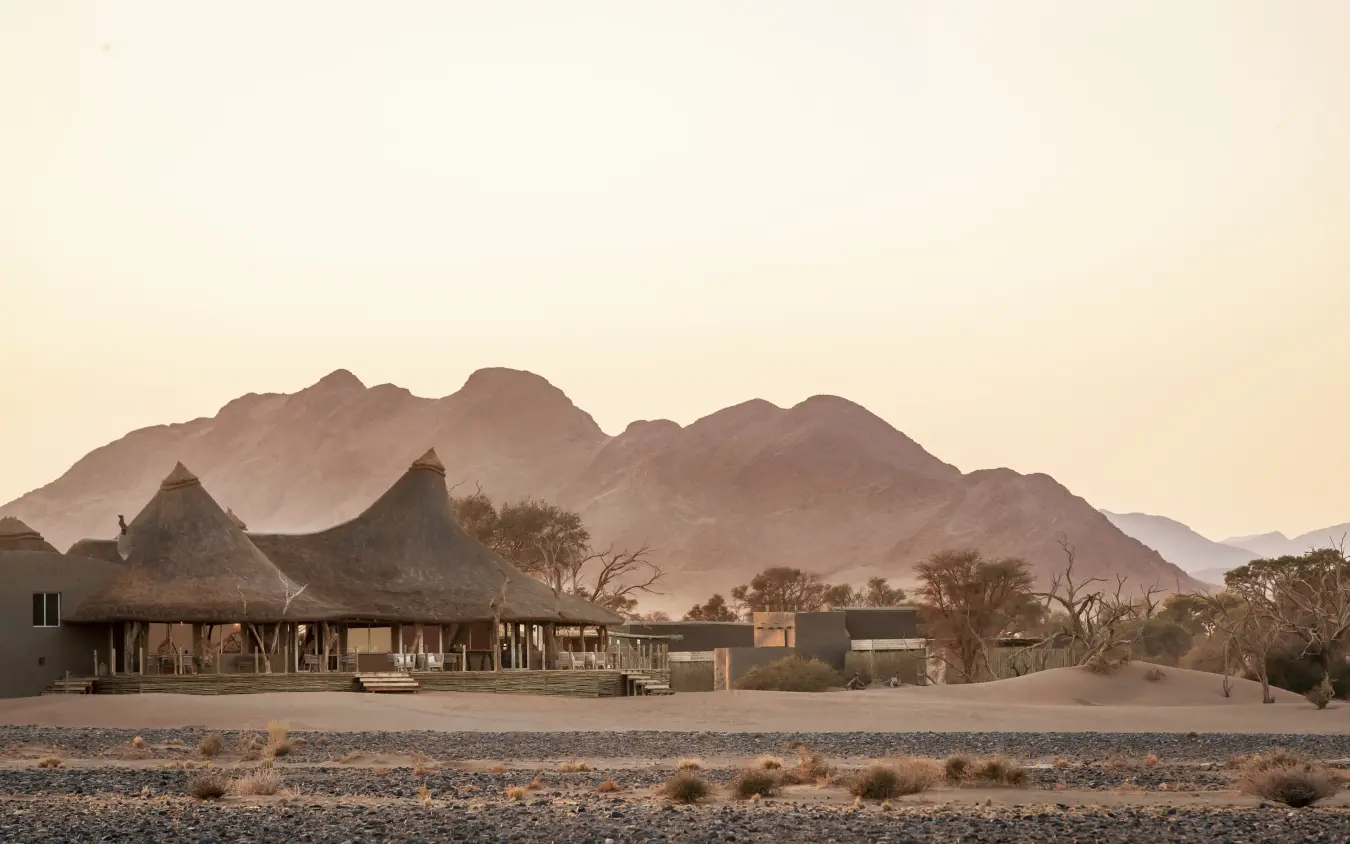
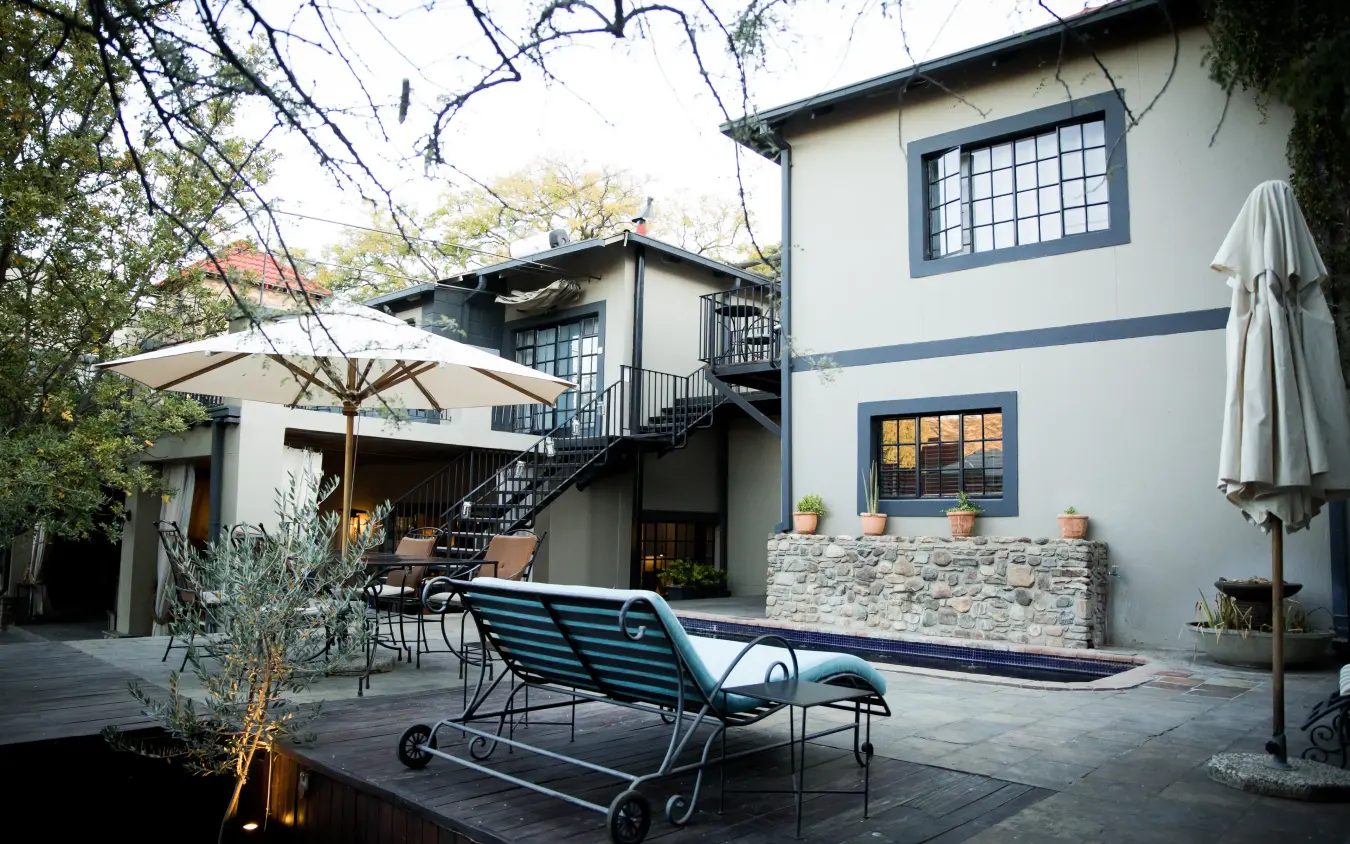
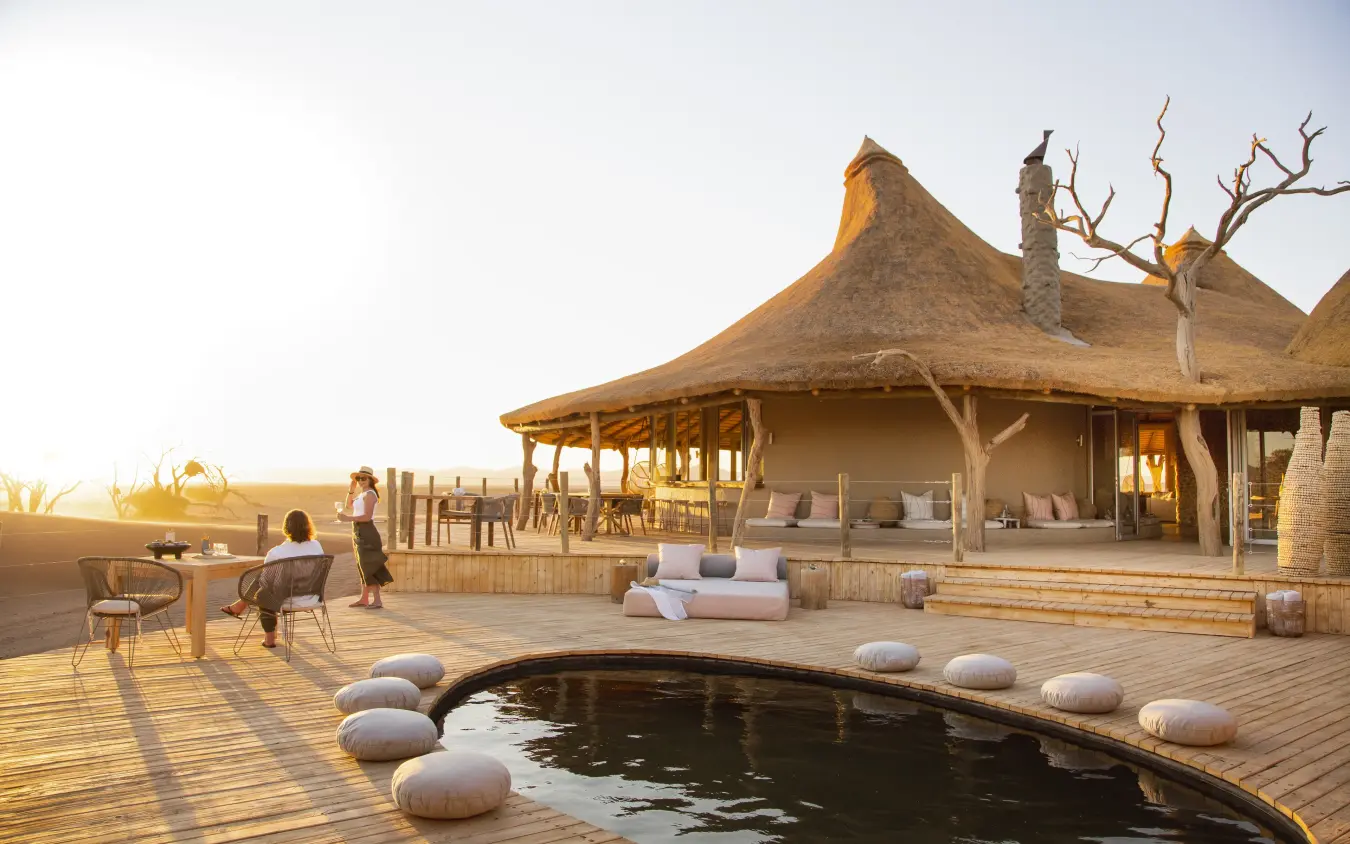
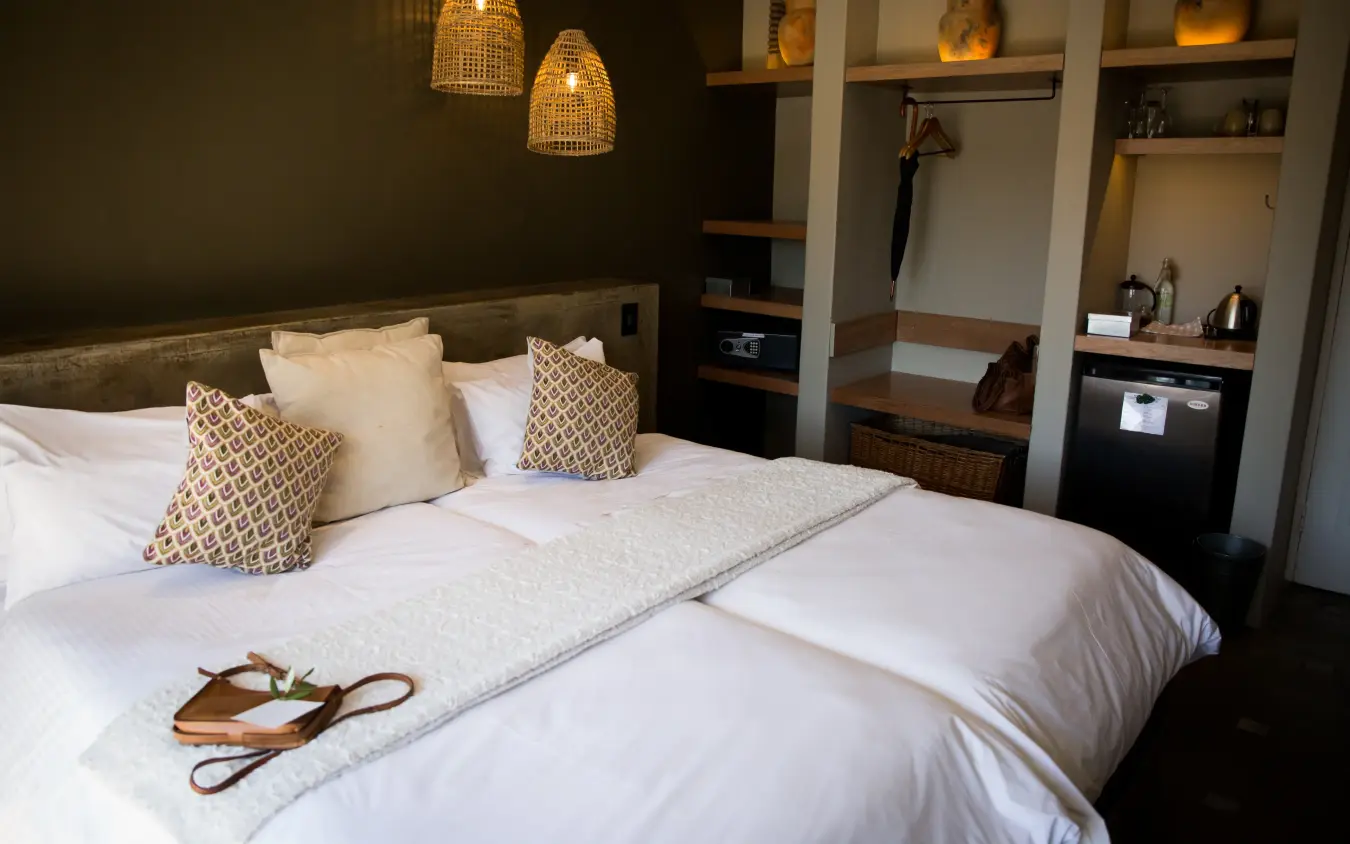
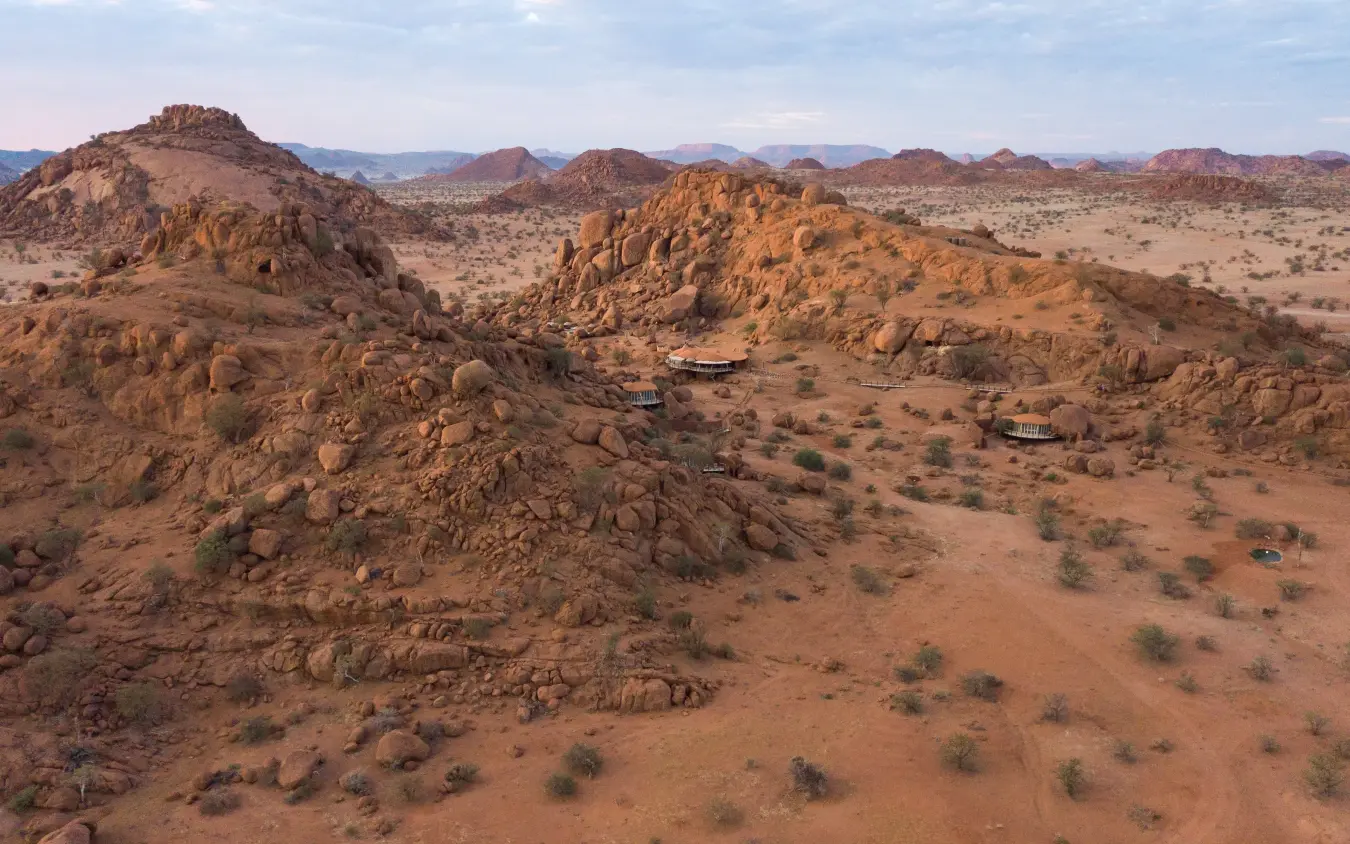
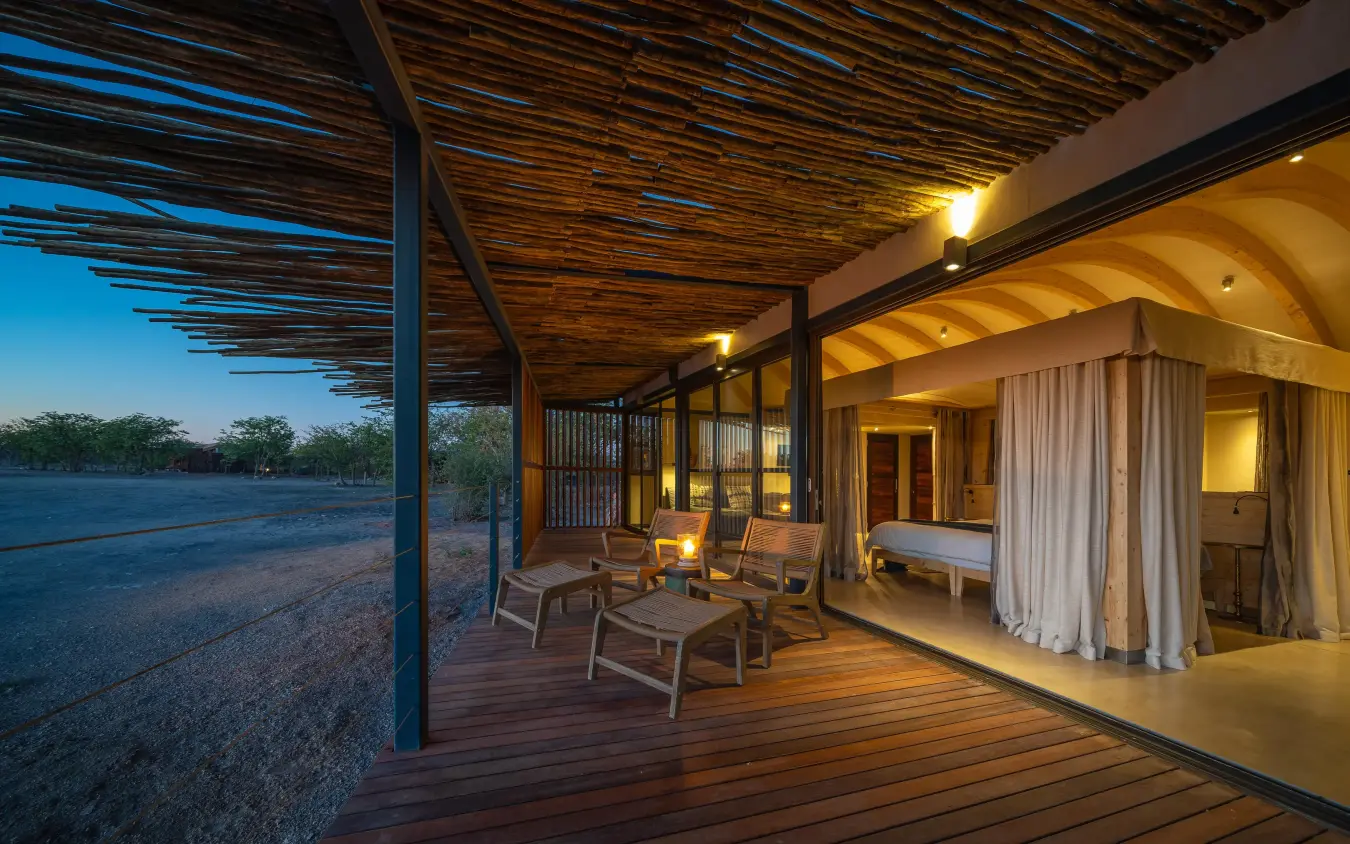
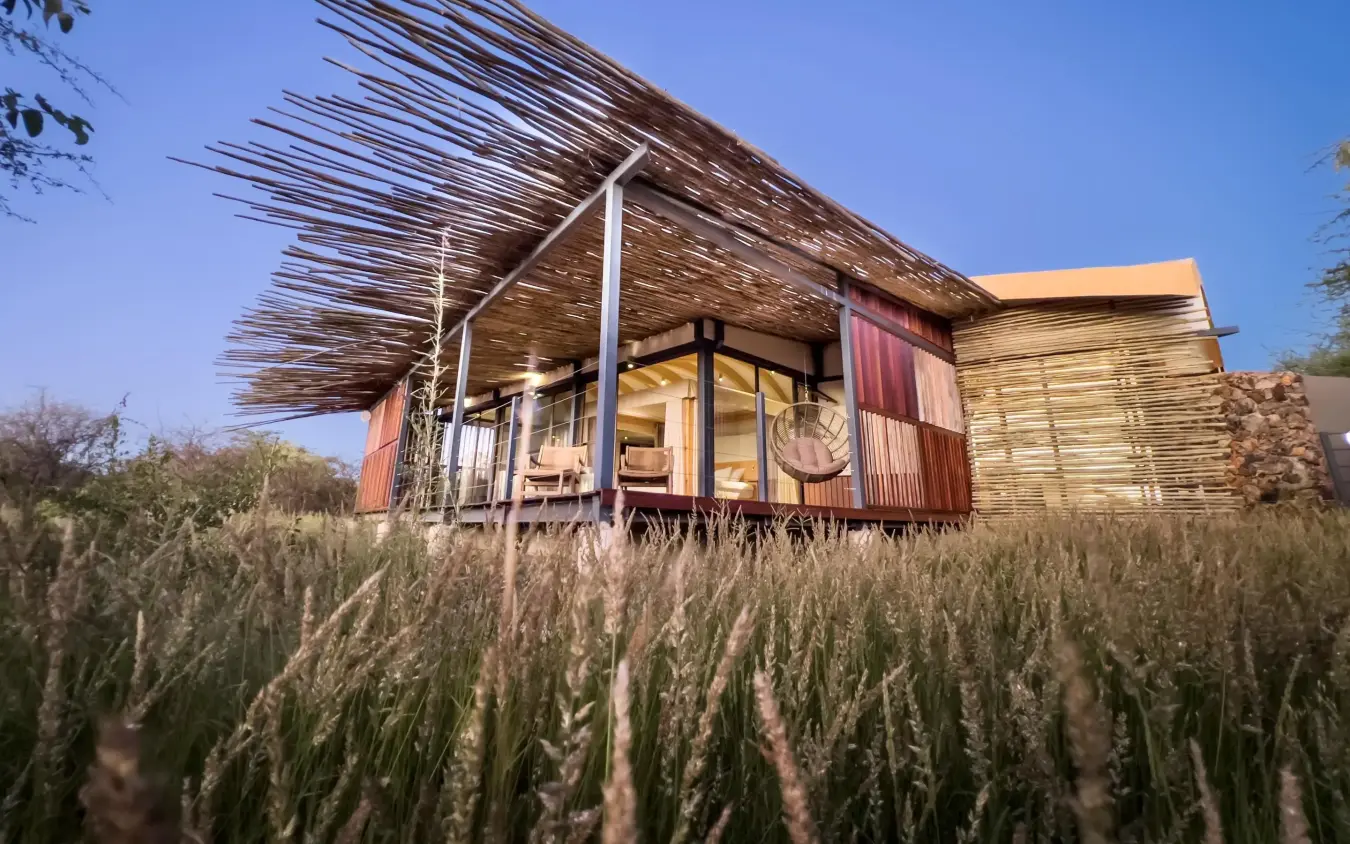
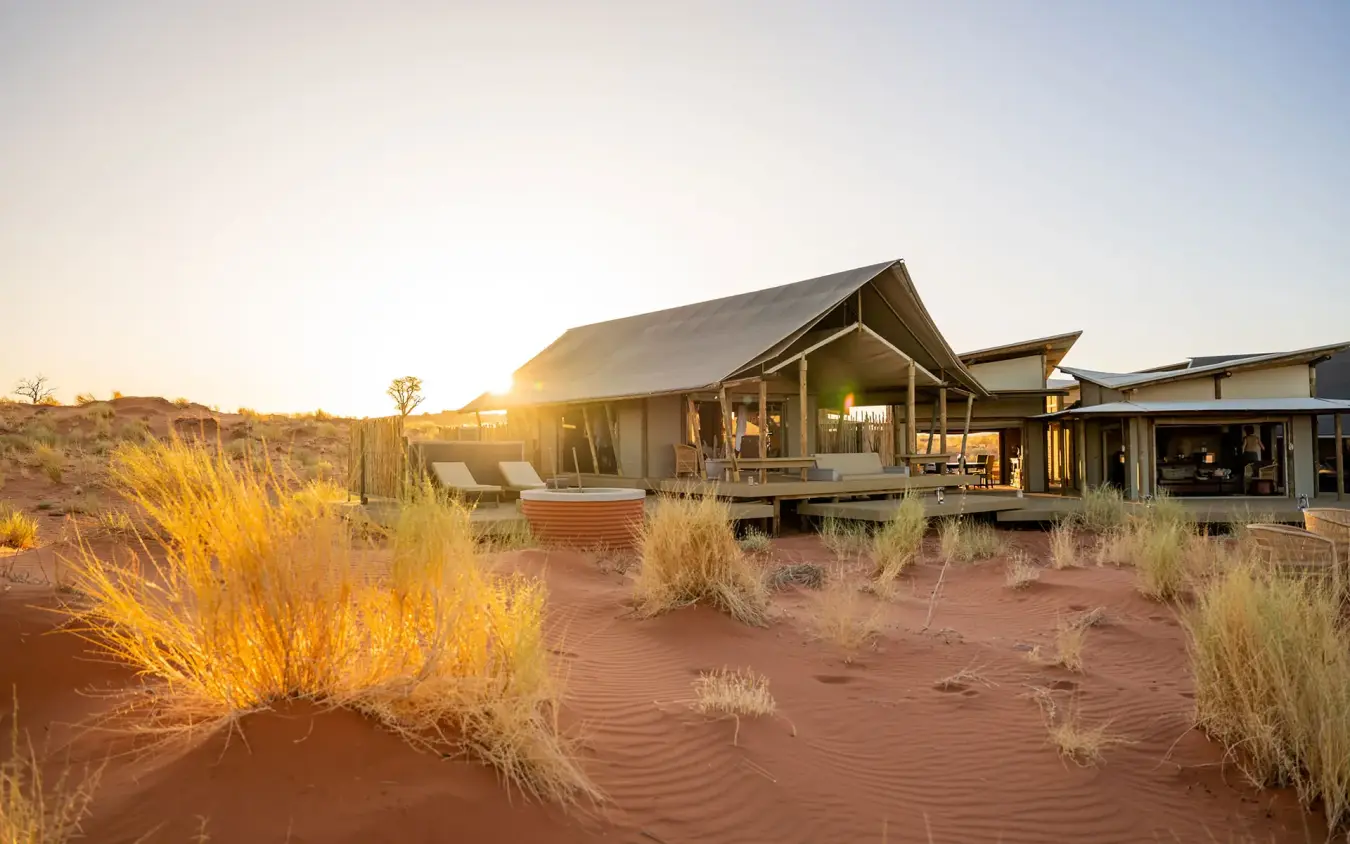
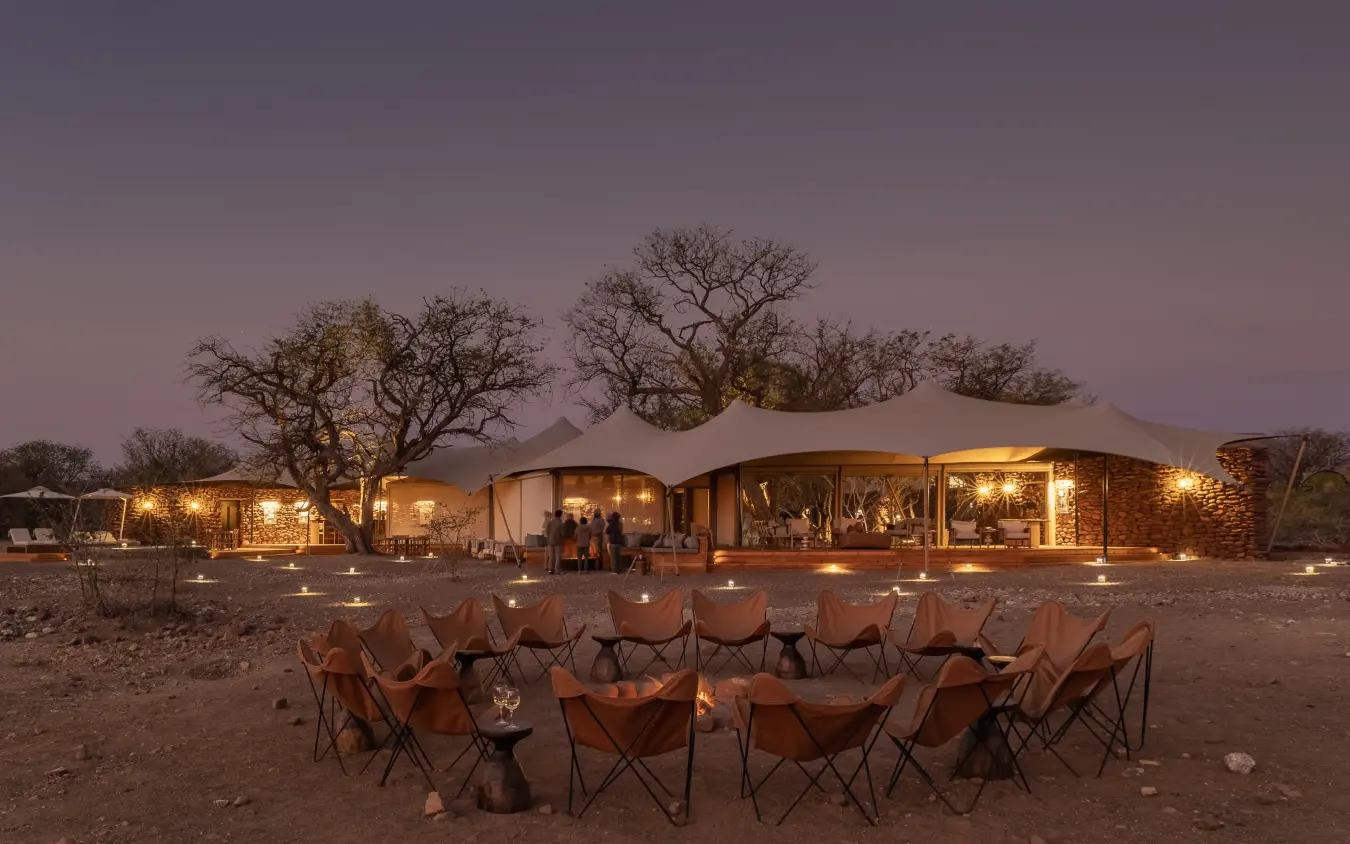
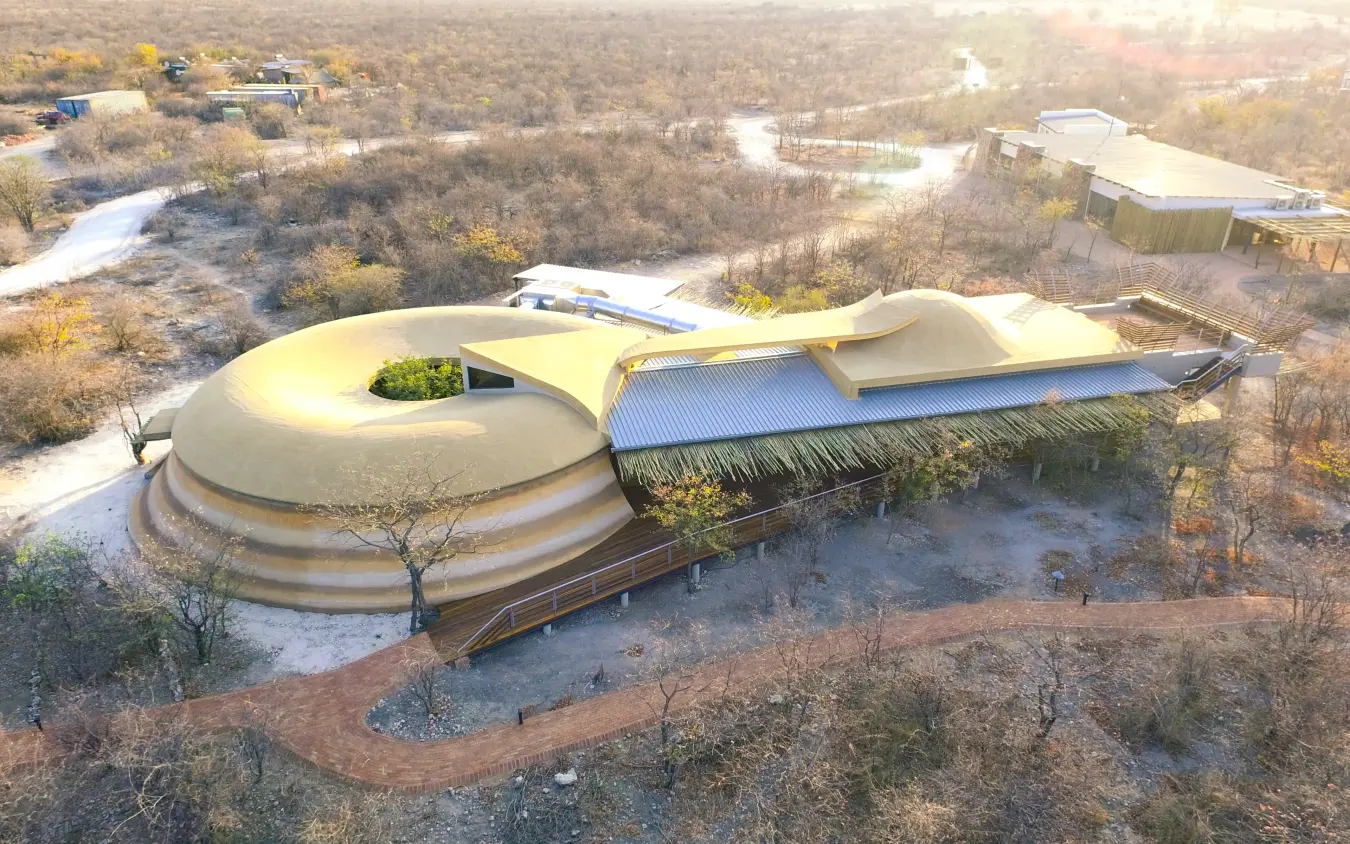
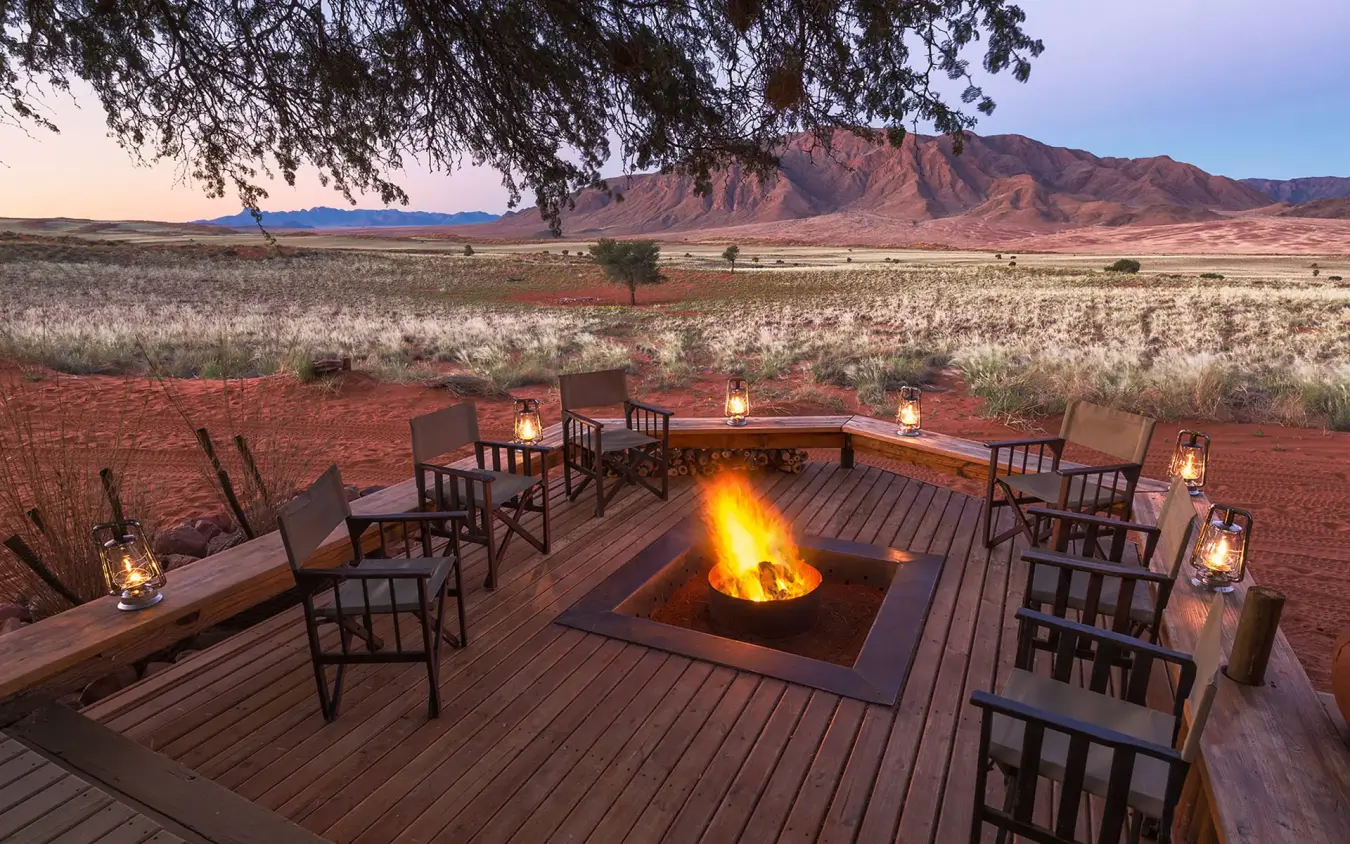
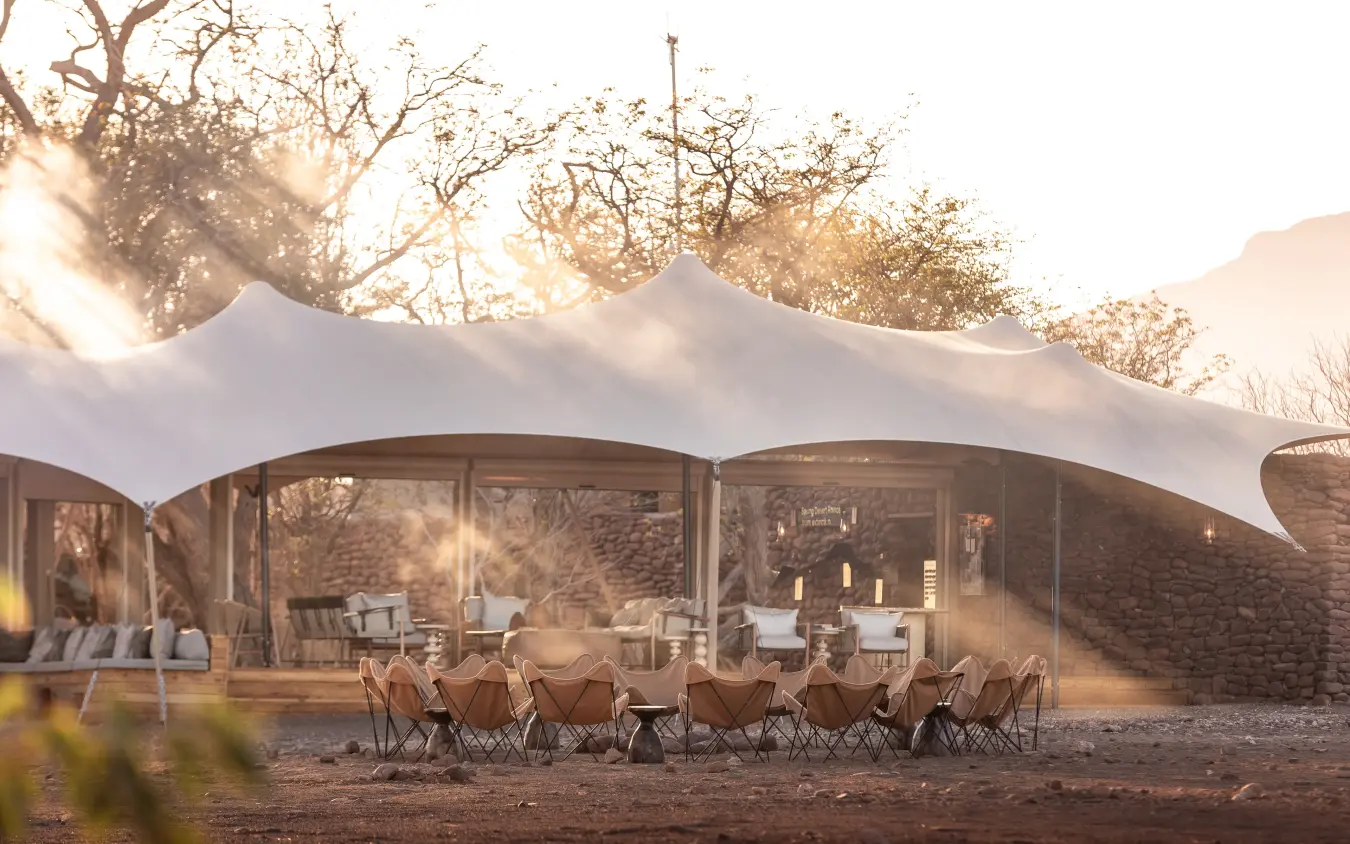
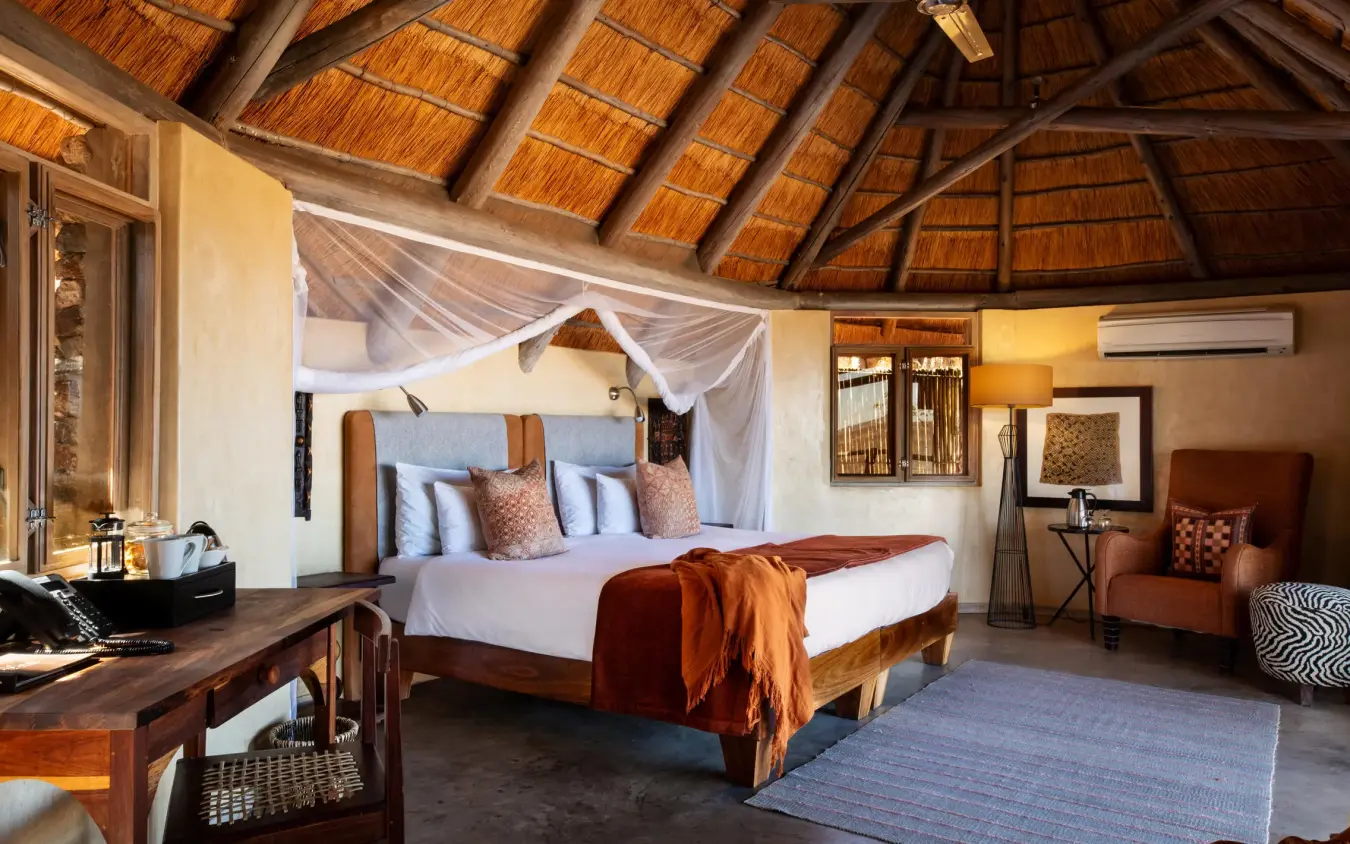
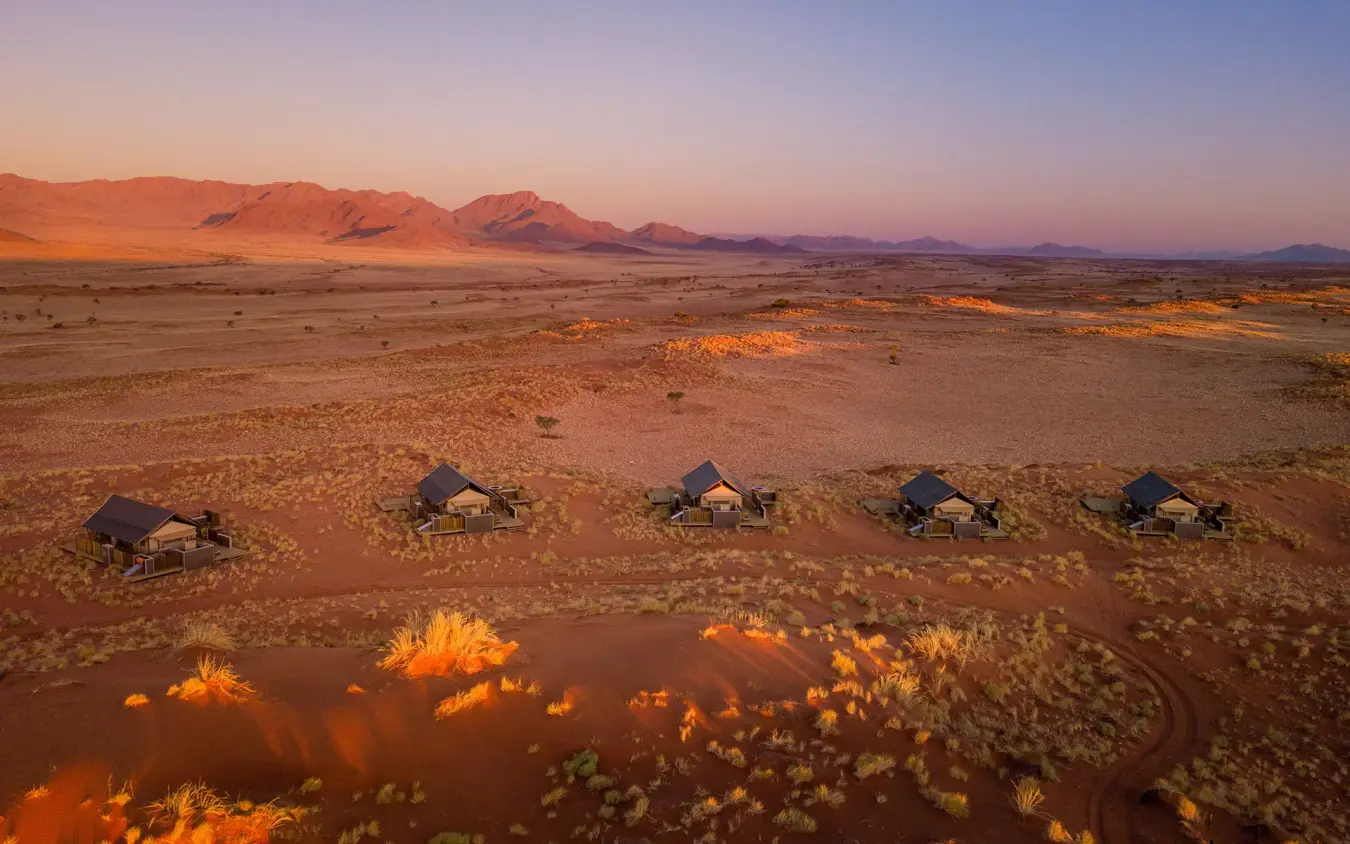
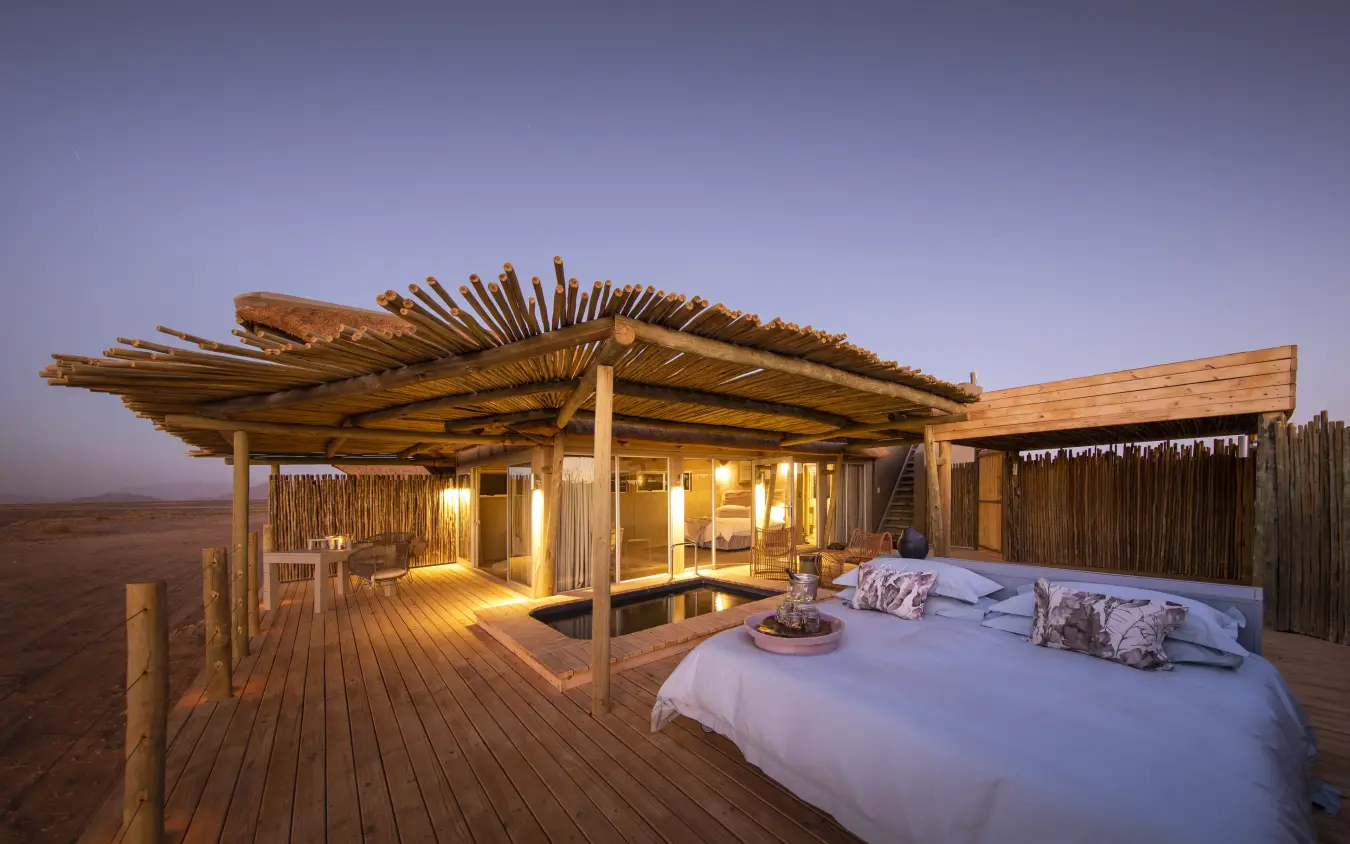
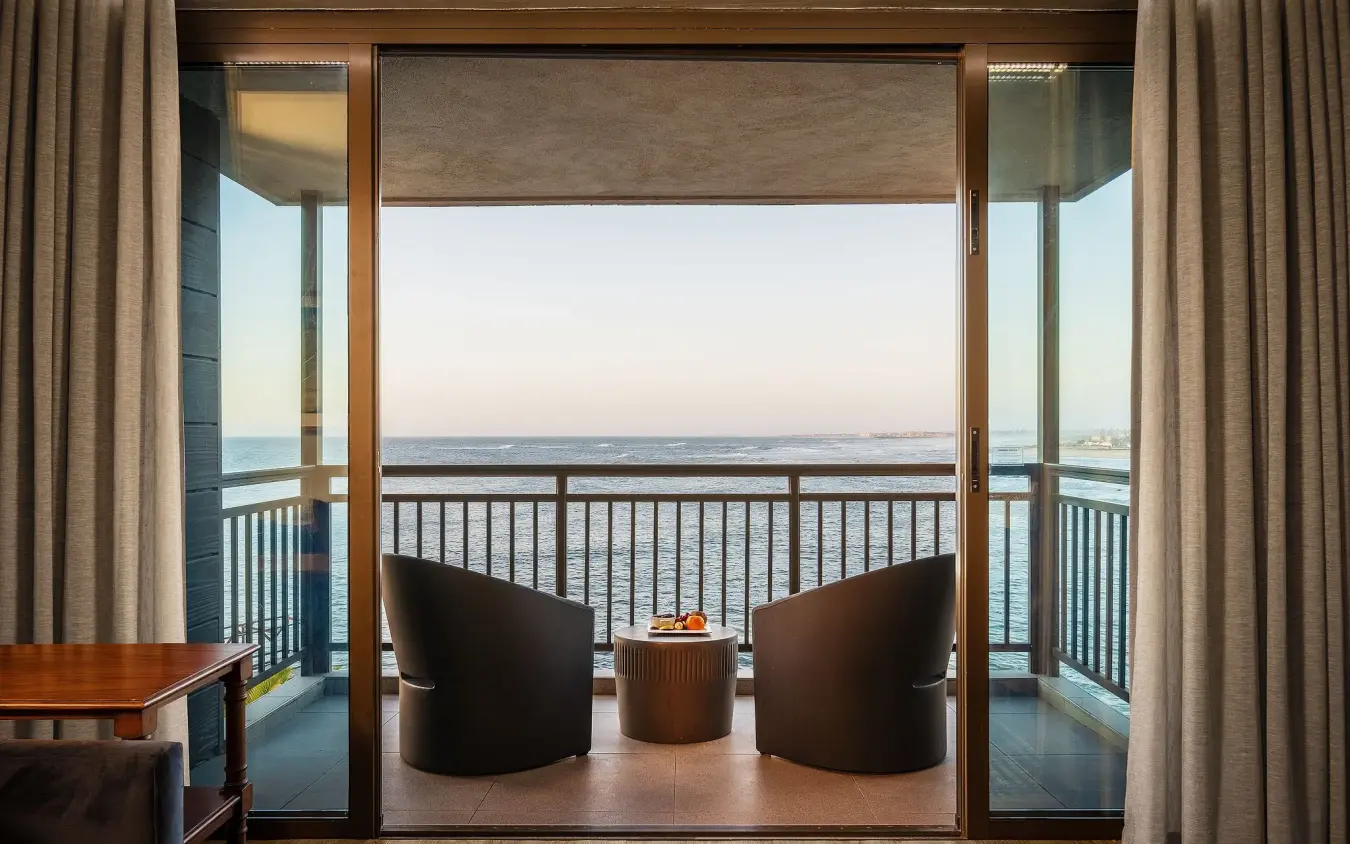
Small, remote, and integrated into vast spaces. Canvas tents overlook ephemeral rivers in Damaraland. Glass-and-stone lodges in private reserves frame endless desert views. The Skeleton Coast hosts exclusive fly-in camps. Family-run lodges near Etosha combine traditional hospitality with conservation ethics. Architecture recedes into the landscape throughout: rough stone, weathered wood, neutral tones. Bed numbers are limited everywhere. The style is spare rather than lavish.
 01
01
 02
02
 03
03
 04
04
 05
05
 06
06
 07
07
 08
08
 09
09
 10
10
 11
11
 12
12
 13
13
frequently asked questions
A comfortable lodge with proper guiding runs $800 to $1,500 each a day. Fly-in camps on private reserves ask $2,000 to $3,500.
At the top, helicopter access to the Skeleton Coast, private mobile camping and exclusive-use arrangements reach $4,000 to $5,000. Driving yourself between good lodges is the cheapest way to see the country properly, and for the south and the centre it is also one of the best.
Ten to fourteen days, because the distances are the point and rushing them wastes the country. A week does either the south, Sossusvlei and the Fish River Canyon, or the north, Etosha, Damaraland and the Skeleton Coast.
Two weeks takes in both and leaves room for somewhere genuinely remote such as Serra Cafema or the Kaokoveld, which is where Namibia stops resembling anywhere else.
Both, on most trips. Light aircraft reach the northern camps and the places with no road worth driving, Serra Cafema and the Skeleton Coast among them.
Driving yourself works well in the south and the centre, where the gravel roads are good and the route is obvious, and where the drive is half of what you came for. We usually build a trip that drives where the landscape earns it and flies where the map does not.
For the landscape first and the animals second. This is the country for people who want space, silence and geology, and who are not counting species at the end of the day.
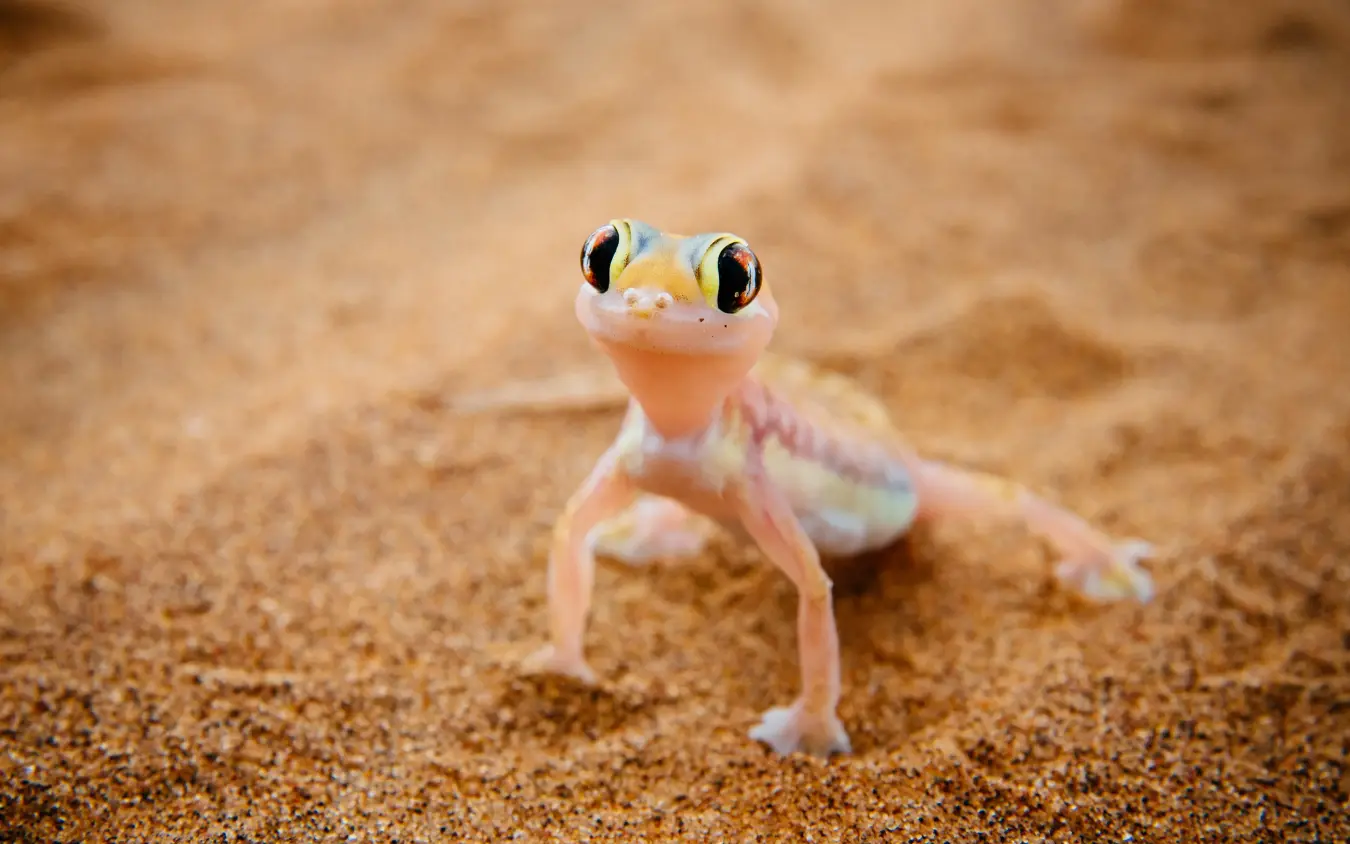
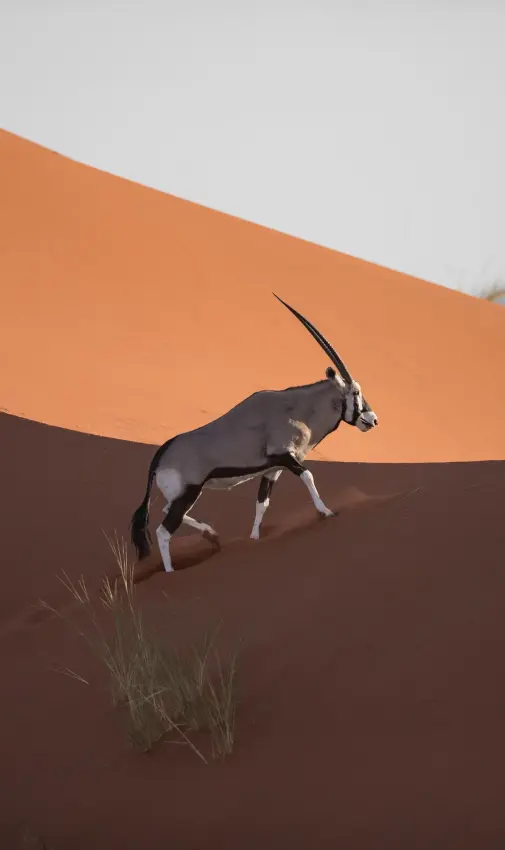
What lives here has adapted to living here: desert elephant, desert lion, oryx on ground that should not support them. The conservancy system puts the land in community ownership, which is why the wildlife has come back across so much of the north-west. It suits a second or third safari better than a first.
A year or more ahead for July to October, particularly the fly-in properties on the Skeleton Coast and in the Kaokoveld, where a camp may hold six rooms in a concession of a million acres.
A self-drive trip is far more flexible. The green months from November to April have good availability and lower rates, and rain turns the desert into something most visitors never see.
Botswana, over the border, for the water and the game density that Namibia deliberately does not have. Maun is the usual joining point.
Victoria Falls works either through the Caprivi or by air from Windhoek. Cape Town and the winelands make a natural ending with direct flights from Windhoek. Zimbabwe's Hwange is the choice if you finish wanting elephant in numbers.
looking for inspiration?

Ten nights from northwest Namibia's deserts and the Kunene to Botswana's Linyanti and its elephant corridors.
- Private Safari
- From $20,915 pp
- 2 guests
- 10 nights
02 of 06
Namibia: Desert Landscapes Journey
Kayak with seals at Walvis Bay, track desert-adapted elephants in Damaraland and finish on a private reserve beside Etosha.
- Group Departure
- From $6,727 pp
- 7 guests
- 10 nights
Thirteen nights linking the Sossusvlei dunes, the Skeleton Coast, the Kunene River and Etosha's rhino country.
- Private Safari
- From $17,960 pp
- 2 guests
- 13 nights

04 of 06
Namibia: Luxury Desert Safari
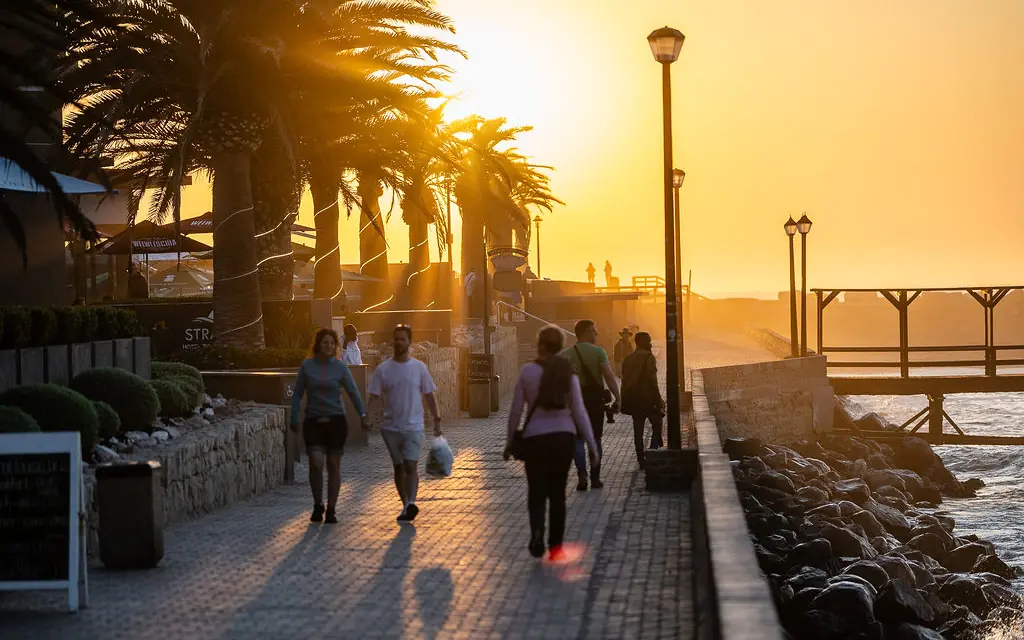
Eleven nights across Namibia, from the Sossusvlei dunes and Swakopmund coast to Damaraland's desert elephants and Etosha.
- Private Safari
- From $10,116 pp
- 2 guests
- 11 nights
05 of 06
Namibia: Tracking Desert Rhino
Twelve nights across Namibia, from the Namib dunes and the Atlantic coast to rhino tracked on foot in Damaraland and at Ongava.
- Private Safari
- From $12,735 pp
- 2 guests
- 12 nights
Eleven nights across Namibia, from the Sossusvlei dunes and the Atlantic coast to the granite ridges of Damaraland.
- Private Safari
- From $11,090 pp
- 2 guests
- 11 nights




namibia & botswana
The Desert Coast to the Linyanti
Ten nights from northwest Namibia's deserts and the Kunene to Botswana's Linyanti and its elephant corridors.
- Private Safari
- From $20,915 pp
- 2 guests
- 10 nights



namibia
Desert Landscapes Journey
Kayak with seals at Walvis Bay, track desert-adapted elephants in Damaraland and finish on a private reserve beside Etosha.
- Group Departure
- From $6,727 pp
- 7 guests
- 10 nights




namibia
Dunes, the Hoanib and the Kunene
Thirteen nights linking the Sossusvlei dunes, the Skeleton Coast, the Kunene River and Etosha's rhino country.
- Private Safari
- From $17,960 pp
- 2 guests
- 13 nights



namibia
Luxury Desert Safari
Eleven nights across Namibia, from the Sossusvlei dunes and Swakopmund coast to Damaraland's desert elephants and Etosha.
- Private Safari
- From $10,116 pp
- 2 guests
- 11 nights



namibia
Tracking Desert Rhino
Twelve nights across Namibia, from the Namib dunes and the Atlantic coast to rhino tracked on foot in Damaraland and at Ongava.
- Private Safari
- From $12,735 pp
- 2 guests
- 12 nights

namibia
The Namib Dunes to Damaraland
Eleven nights across Namibia, from the Sossusvlei dunes and the Atlantic coast to the granite ridges of Damaraland.
- Private Safari
- From $11,090 pp
- 2 guests
- 11 nights
01
06
rated five stars by our clients

our approach
remote, exclusive
& personal
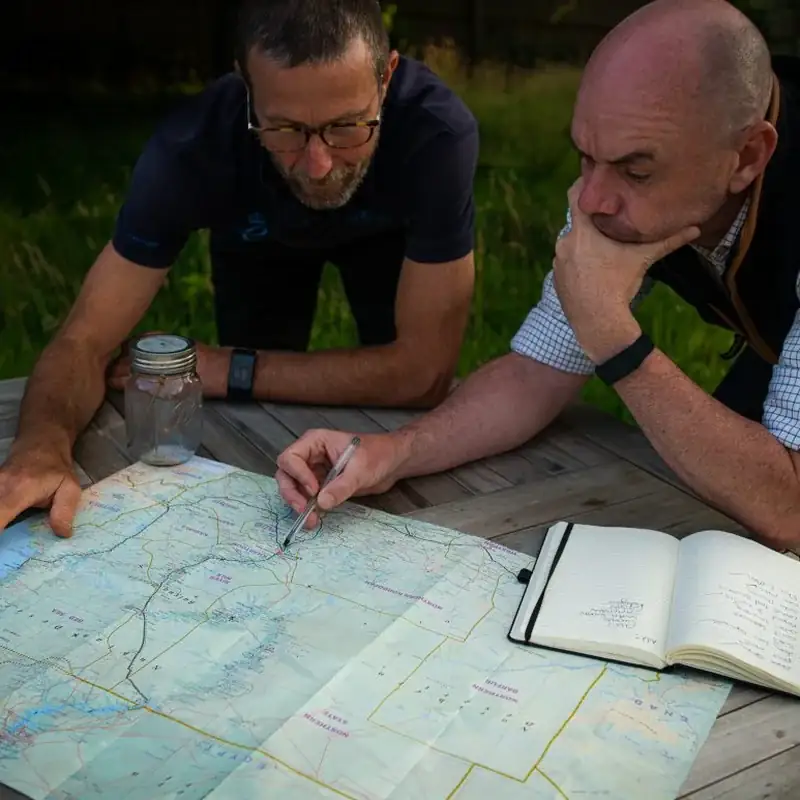
Every journey starts with a conversation. We take the time to understand your vision before we start planning.
Whether by phone or in person, we work with you directly to shape something that is considered, personal, and expertly delivered.
Every journey starts with a conversation. We favour a direct, personal approach: understanding your vision before anything else.
Whether by phone or in person, we work with you directly to shape a journey that is both thoughtfully considered and expertly delivered.
Get in touch to start planning yours.