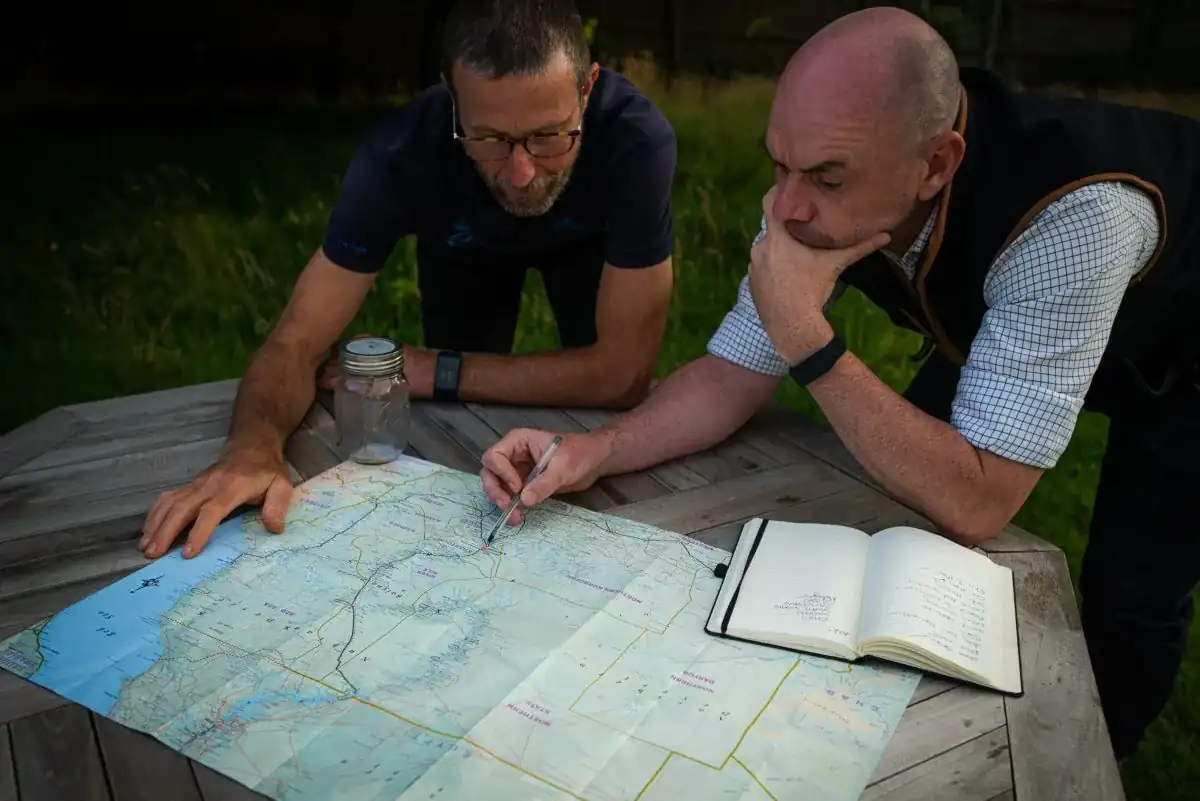

 01
01
The Rufiji braids through the park
Nyerere National Park was carved from the northern sector of the old Selous Game Reserve in 2019. At 30,893 square kilometres of southeastern Tanzania it is Tanzania’s largest national park, and the Rufiji River is what gives it shape. The river braids through channels, sandbanks and ox-bow lakes, with miombo woodland rolling away from the water on either side.
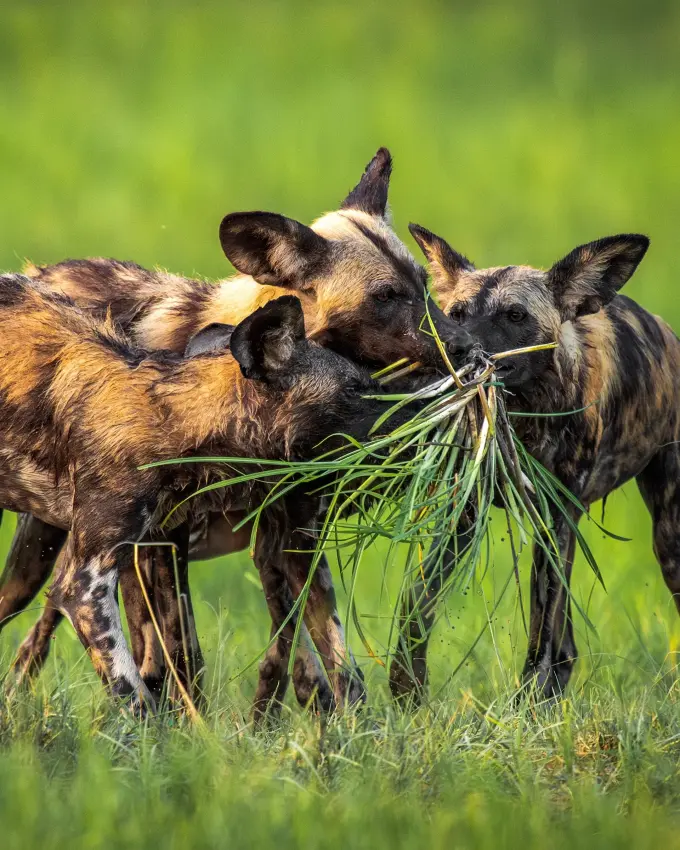
Nyerere holds one of Africa’s strongest populations of wild dog
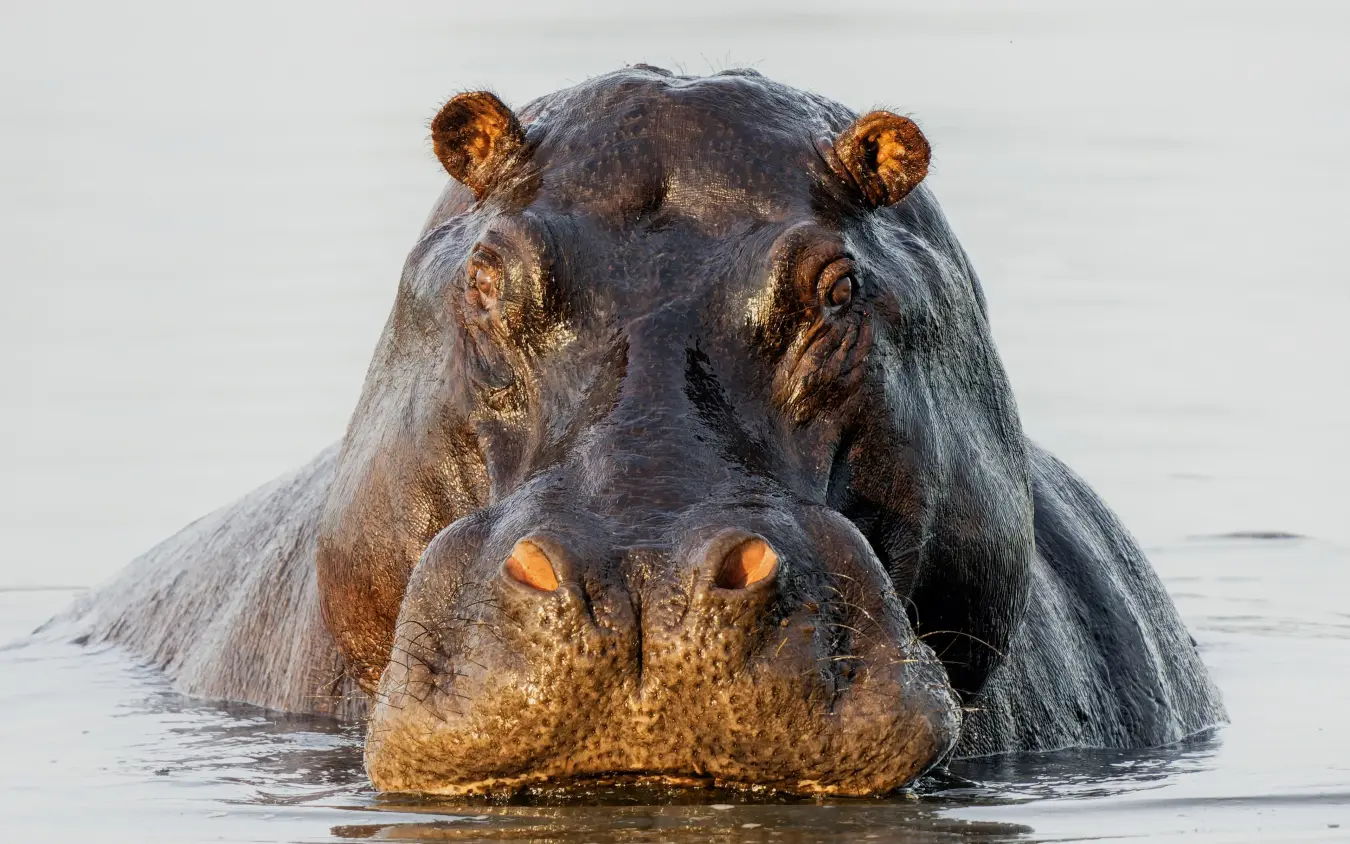
The feel here owes little to the open plains of the northern circuit. Boats slide past hippo pods and Nile crocodiles hauled up on the sandbanks, borassus and doum palms fringe the lakes, and the camps are scattered thinly enough that you rarely see another vehicle. Nyerere holds one of Africa’s strongest populations of wild dog, hunting the woodland edges where the miombo gives way to water.

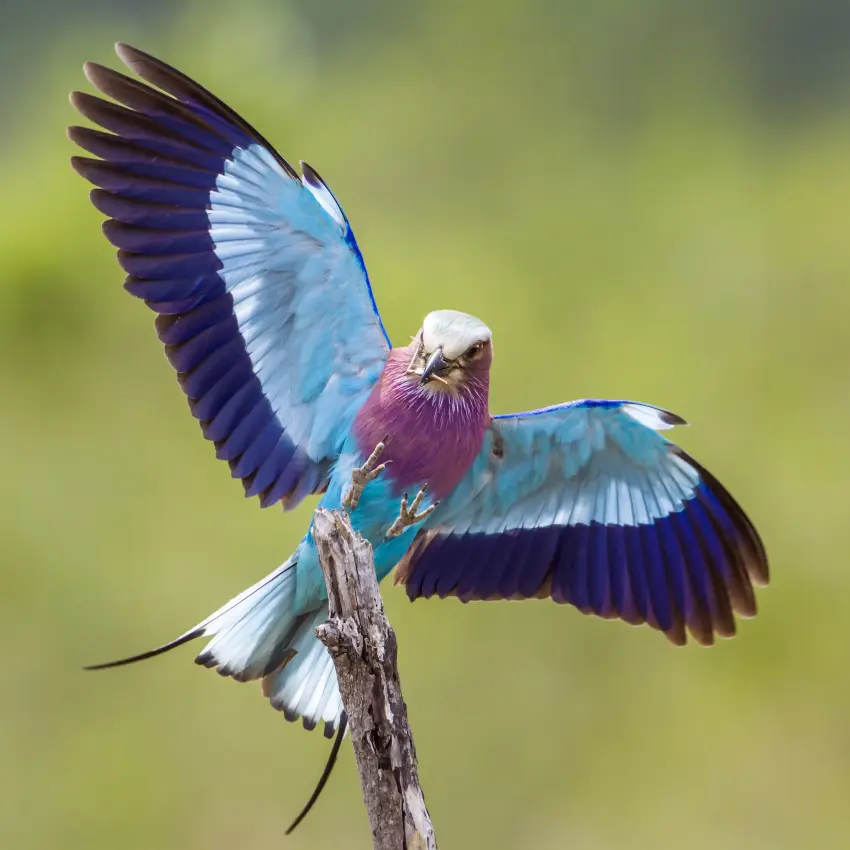
As the dry season deepens, the permanent lakes on the Rufiji system draw the wildlife in. Lake Nzerakera, in the northeastern sector, anchors much of the boating, its lagoons holding water long after the seasonal pans have gone. Lake Tagalala lies further inland, reached by game drive, a warm pool set among grazing wildlife.
Movement is local, tied to wherever the water lingers longest
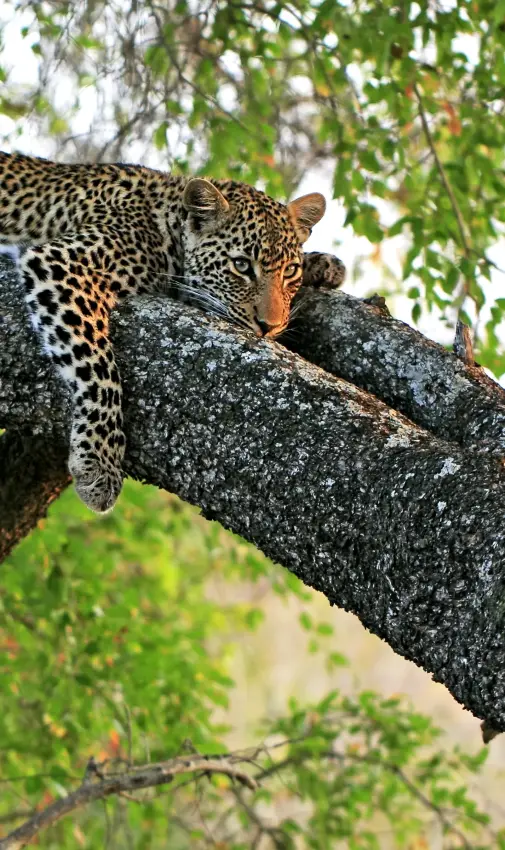
At Stiegler’s Gorge the Rufiji narrows sharply between steep walls, a landmark noted since the earliest exploration of this stretch of river. Elephant, buffalo, lion and leopard move between the miombo plateaus and the water, while fish-eagles, herons, storks, bee-eaters and kingfishers work the channels. There is no long-distance migration here. Movement is local, tied to wherever the water lingers longest.
Three activities set the rhythm of a stay. Boat safaris run on the Rufiji and its connected lakes, drifting among hippo and Nile crocodiles, threading past flooded forest and sandbanks, and ending with sundowners on the water. Guided walking safaris are a genuine part of the operating model here, not an occasional add-on, taking guests on foot through riverine forest and woodland under licensed guides. Multi-day walks finish at fly-camps set out in remote clearings, lightweight and quiet, and well away from the permanent camps.
Game drives fill out the day, working the lake margins, the open glades and the mosaic of woodland and riverine forest. A drive to Lake Tagalala usually takes in the hot springs. Stiegler’s Gorge has traditionally been reached by boat and on foot, though the Julius Nyerere Hydropower Station on the river, now complete and fully operational, has altered access in places. Sport fishing for tigerfish and catfish is offered on the Rufiji under permit, one more reason to spend the day on the water rather than in a vehicle.
Guided walking safaris are a genuine part of the operating model here.
From June to October the pans dry out and the wildlife concentrates along the Rufiji, its lagoons and the permanent lakes. This is the core safari window, when game drives and boat trips are at their most productive. The green months from November to April bring lush scenery, breeding birds and migrant species, with wildlife dispersed deeper into the miombo and fewer vehicles about. Heavy rain then closes much of the park from the end of March to 31 May, when it becomes largely inaccessible.
A short flight from Dar es Salaam or Zanzibar reaches the airstrips scattered around Nyerere, and the same light aircraft link it onward to Ruaha for a longer southern itinerary. That pairing sets the river-and-boating focus here against Ruaha’s baobab country and its large lion prides. Closer to home, village visits with communities near gates such as Mloka add another dimension, offering time with the people who live alongside this floodplain rather than inside it.
The best time to visit Nyerere National Park
Jan
Feb
Mar
Apr
May
Jun
Jul
Aug
Sep
Oct
Nov
Dec
Recommended
Transitional
Challenging conditions
Come mid-June to October for the clearest wildlife viewing, when sparse bush and low water draw animals to lakes and river banks for game drives and boat safaris. Peak months deliver predictable density. The green season (Nov-Mar) is quieter and better for birding, though game is more dispersed.
accommodation in nyerere national park
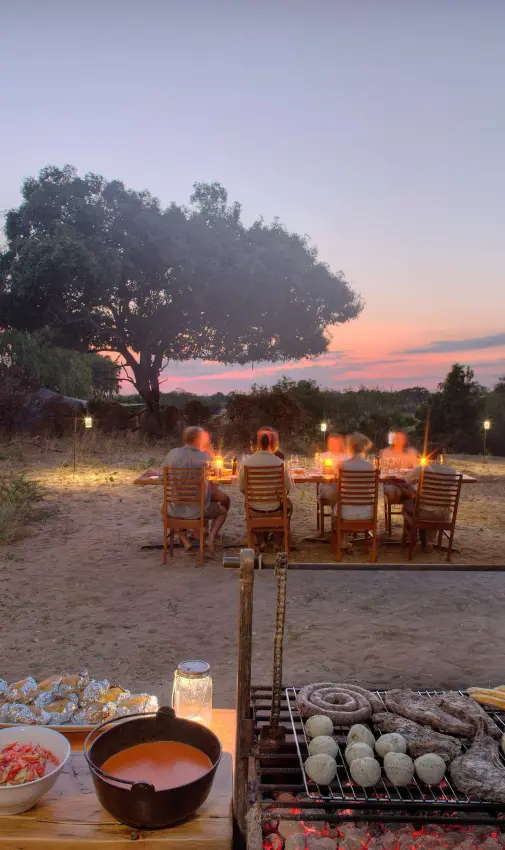
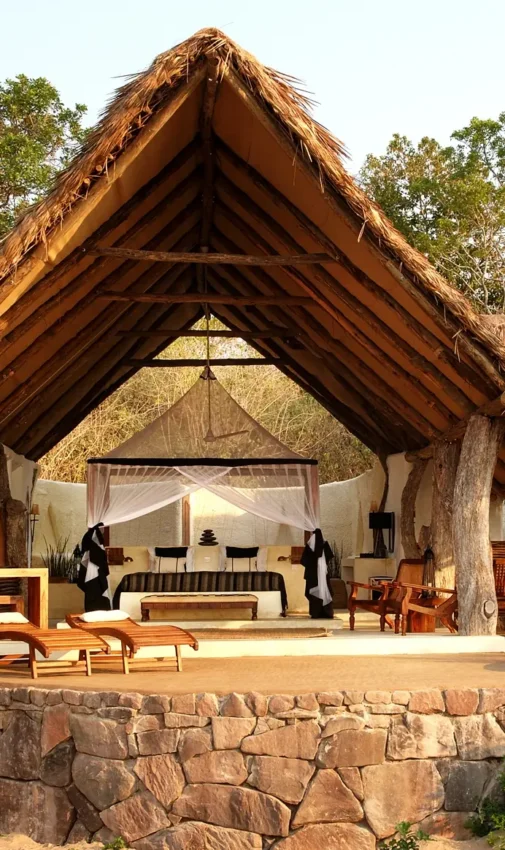
Accommodation across Nyerere runs to small, low-density camps spread across a vast wilderness. Semi-permanent luxury tents front the Rufiji, classic bush camps sit back in the woodland, and permanent lodges open onto river views. Most offer boat access to the channels and lakes, and all stay intimate and small in scale.



activities
Boats, walking and fly-camping
Boat safaris on the Rufiji and its lakes bring hippo, crocodiles and sundowners on the water, all within the national park. Guided walking safaris and multi-day walks ending at fly-camps operate here under permit, unusual for a Tanzanian national park. Game drives take in the Lake Tagalala hot springs, and licensed sport fishing adds another way to spend time on the river.

conservation
From reserve to national park
Gazetting the northern part of the old Selous as Nyerere National Park in 2019 brought this landscape under TANAPA's non-hunting management, with hunting concessions now confined to the reserve south of the Rufiji River. The shift, prompted partly by sustained poaching pressure on elephant, has increased photographic tourism that helps fund anti-poaching work and community programmes across the wider miombo ecosystem.

getting around
Fly-in from Dar or Zanzibar
Scheduled light aircraft reach airstrips scattered around Nyerere in around 45 minutes from Dar es Salaam, with connections from Zanzibar. The same aircraft link the park to Ruaha for a combined southern itinerary, and private charter suits bespoke routing. Road access from Dar es Salaam to Mtemere Gate takes five to six hours and is used mainly for lower-budget transfers.
other areas in tanzania
Ruaha National Park lies to the west, a rugged park of large lion prides, elephant herds and baobab-studded woodland, linked to Nyerere by a short flight and forming a natural southern pairing. Mikumi National Park makes an easy savannah stopover between the coast and the southern highlands, while the forests and waterfalls of Udzungwa Mountains National Park offer endemic primates and hiking for travellers wanting contrast with the floodplain. Zanzibar's beaches and Stone Town round off a trip, a short flight from Nyerere's airstrips.





frequently asked questions
By light aircraft from Dar es Salaam, in about forty-five minutes to an hour.
Scheduled flights serve several airstrips, Mtemere, Siwandu and Beho Beho among them, and the camps meet the aircraft. It is the quickest transfer from an international arrival to a camp anywhere in Tanzania.
A private charter goes when the schedule does not suit, and connects on to Ruaha or the coast.
Soft bags only, and we book the whole chain so the connection is not left to chance.
Get out of the vehicle and onto the water, which is the whole reason to come.
- Boat safaris on the Rufiji River and its lakes, for hippo, crocodile and birds
- Walking safaris with an armed guide, at a pace no drive can match
- Fly camping, a night out in a simple tent away from the camp
- Night drives, which most northern parks forbid
The river is the spine of the park and the game comes to it in the dry months.
A morning on the water and an afternoon on foot is a different kind of safari from the northern circuit.
Yes. Both TravelHealthPro, the UK's official travel health service, and the CDC treat mainland Tanzania as a malaria area and recommend antimalarial cover.
The park is low, warm and full of water, so the risk here is higher than in the cooler highlands, and it rises further in the wet months.
We do not make medical recommendations. That is a conversation between you and your own doctor or a travel clinic.
On the practical part, cover up at dusk and keep repellent to hand by the river.
Big numbers with few vehicles, and some species the north does not hold.
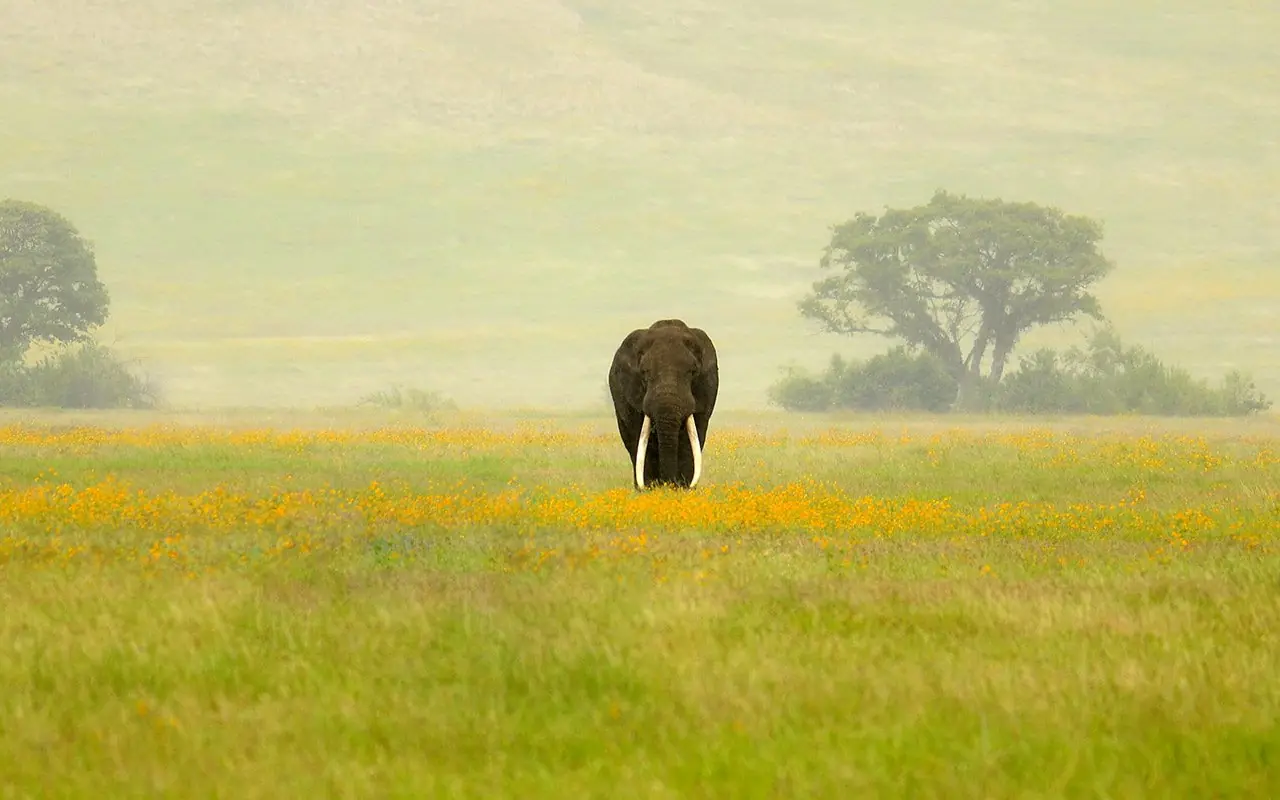
Elephant, buffalo, giraffe, hippo and crocodile are everywhere along the river, and the lion here are numerous. African wild dog are seen more reliably in this part of Tanzania than almost anywhere else on the continent.
Leopard are present and shy. The birding along the water is excellent.
What you will not see is a crowd: the park is enormous and the camps are few.
Older children particularly, because the days are varied.
A boat safari holds a child's attention far better than a long drive, and the fishing, the walking and a night of fly camping suit teenagers well.
Age limits apply: walking usually starts at twelve or sixteen depending on the camp, and boats have their own rules.
Tell us their ages and we will pick the camp and the activities that genuinely work rather than merely permit them.
Three, and four if you want to fly camp.
Three nights lets you take a boat morning, a walking morning and a proper drive without rushing any of them. Two gives you one full day and a sense of having only sampled it.
It pairs naturally with Ruaha or with the coast, and the flights connect without a long day.
Tell us the whole route and we will say how many nights it earns.
rated five stars by our clients

our approach
remote, exclusive
& personal
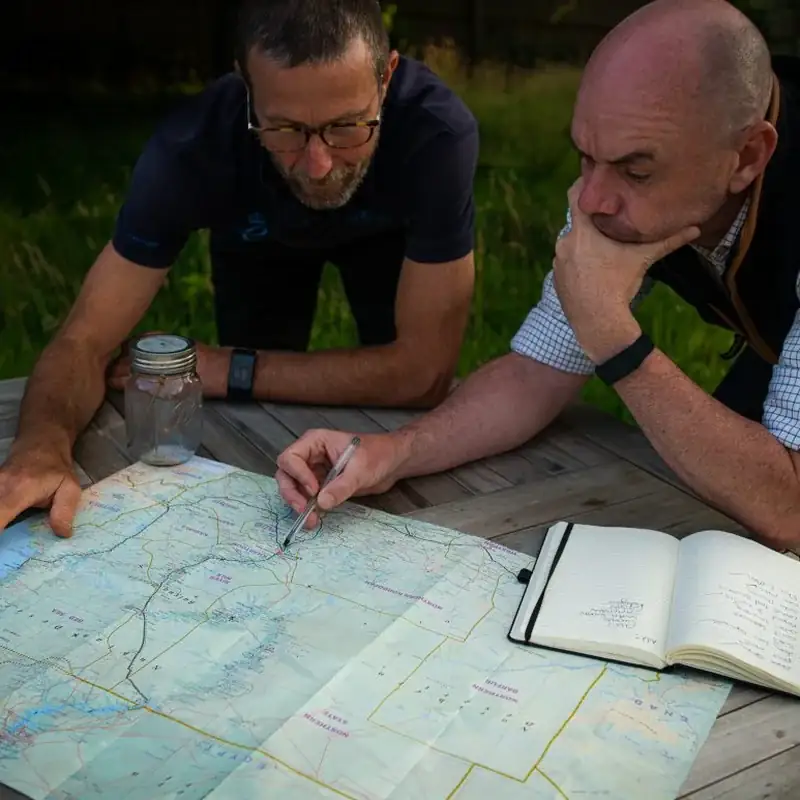
Every journey starts with a conversation. We take the time to understand your vision before we start planning.
Whether by phone or in person, we work with you directly to shape something that is considered, personal, and expertly delivered.
Every journey starts with a conversation. We favour a direct, personal approach: understanding your vision before anything else.
Whether by phone or in person, we work with you directly to shape a journey that is both thoughtfully considered and expertly delivered.
Get in touch to start planning yours.