With a guide who answers to one party, a morning drive can stay with a good sighting through to a late lunch, and the afternoon drive sets out once the heat drops. At the main camp the resident guides rotate between parties, and none can be booked privately. The routes cross riverine country and miombo woodland, then open, lightly wooded savannah. Some pass First World War trenches, where artefacts still lie scattered on the ground. About five kilometres from camp lies the grave of Frederick Courteney Selous, killed in action in 1917, whose name the old game reserve carried.
Lake Tagalala is under an hour’s drive from the house, and a morning there is spent on the water. The boat spends an hour and a half among hippos, crocodiles and water birds. Breakfast is laid out on the lakeshore afterwards, and then comes the drive home to the hill. Back at the house the hot hours are no loss, because the hippo pools stay in view from the sun deck and the plunge pool is close at hand. Birdlife across the park is rich in every month the camp is open, so there is always something on the wing.
Some pass First World War trenches, where artefacts still lie scattered on the ground
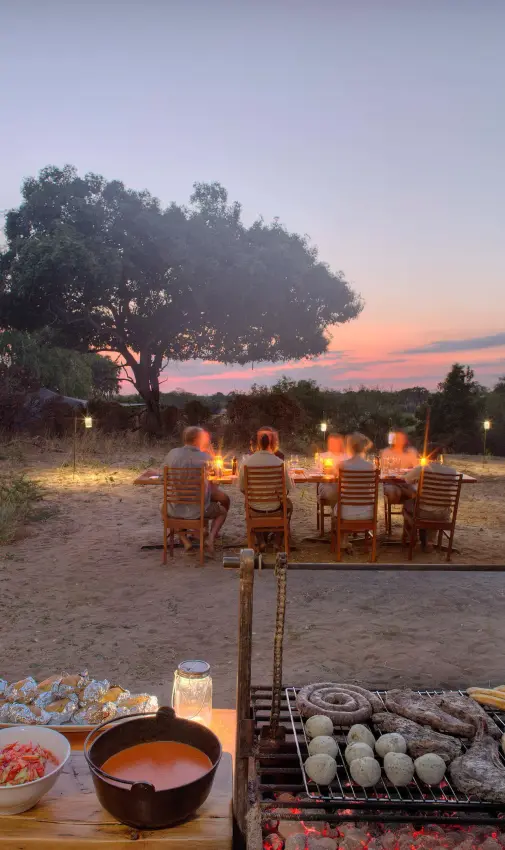
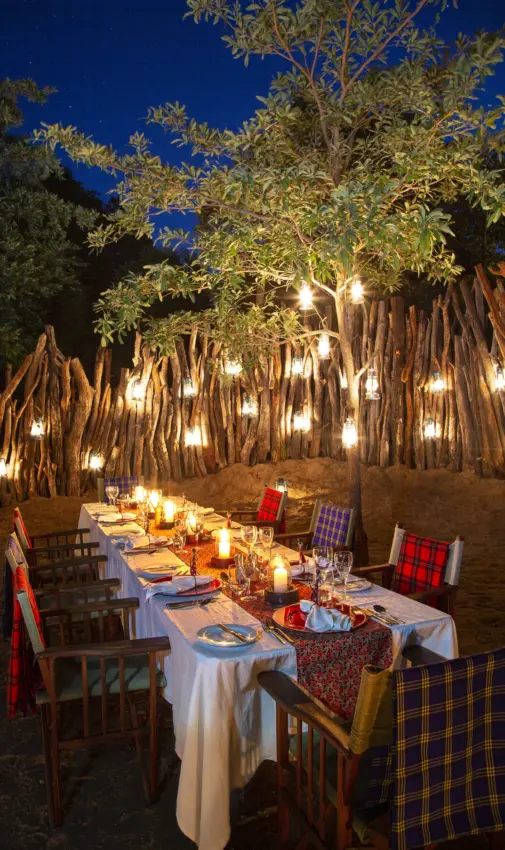
At the main camp every meal is shared, hosted like a dinner party with guides and managers at the table. Bailey’s Banda is where a party eats by itself. Lunch is often a buffet in the open-sided dining room, and dinner moves around the grounds, beside the plunge pool one night and somewhere kept as a surprise the next. The arrangement suits honeymooners and friends travelling together. It suits families spanning generations best of all, since they set their own tone and their own bedtimes. Children are welcome from the age of twelve, as they are across Beho Beho.
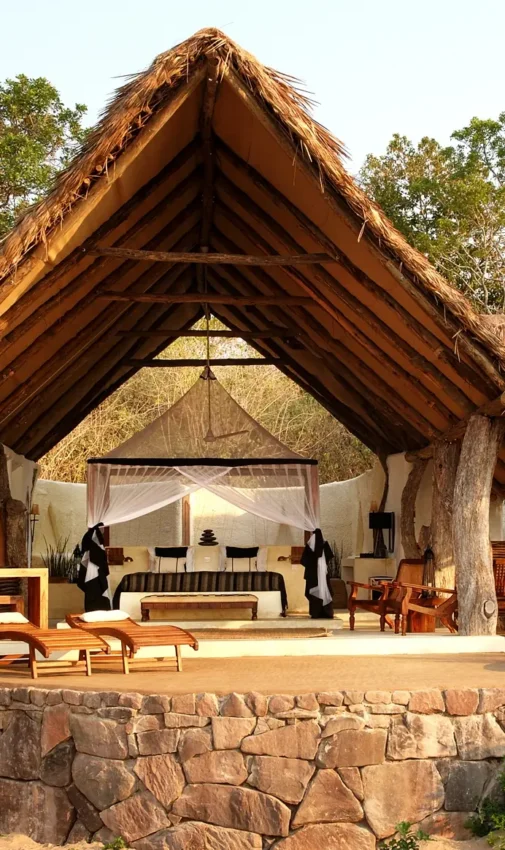
Flights from Dar es Salaam take about 45 minutes to reach the Beho Beho airstrip, a few minutes’ drive from the house, and a private Cessna Caravan or Pilatus PC-12 can be chartered to the same strip. The estate at the end of the drive has been in the Baileys’ hands since 1977, and it has stayed small. One family house and seven bandas share a single hillside, all built in locally sourced stone under palm thatch. The season runs from the first of June to mid-March, when the long rains arrive and the camp closes until the end of May.