Lodge

Kiba Point

A four-suite, exclusive-use camp on the Rufiji River in Tanzania’s Nyerere National Park, taken by one group at a time.

Country: Tanzania
Location: Rufiji River, Nyerere National Park
Number of rooms: 4

Four suites, one river, one group

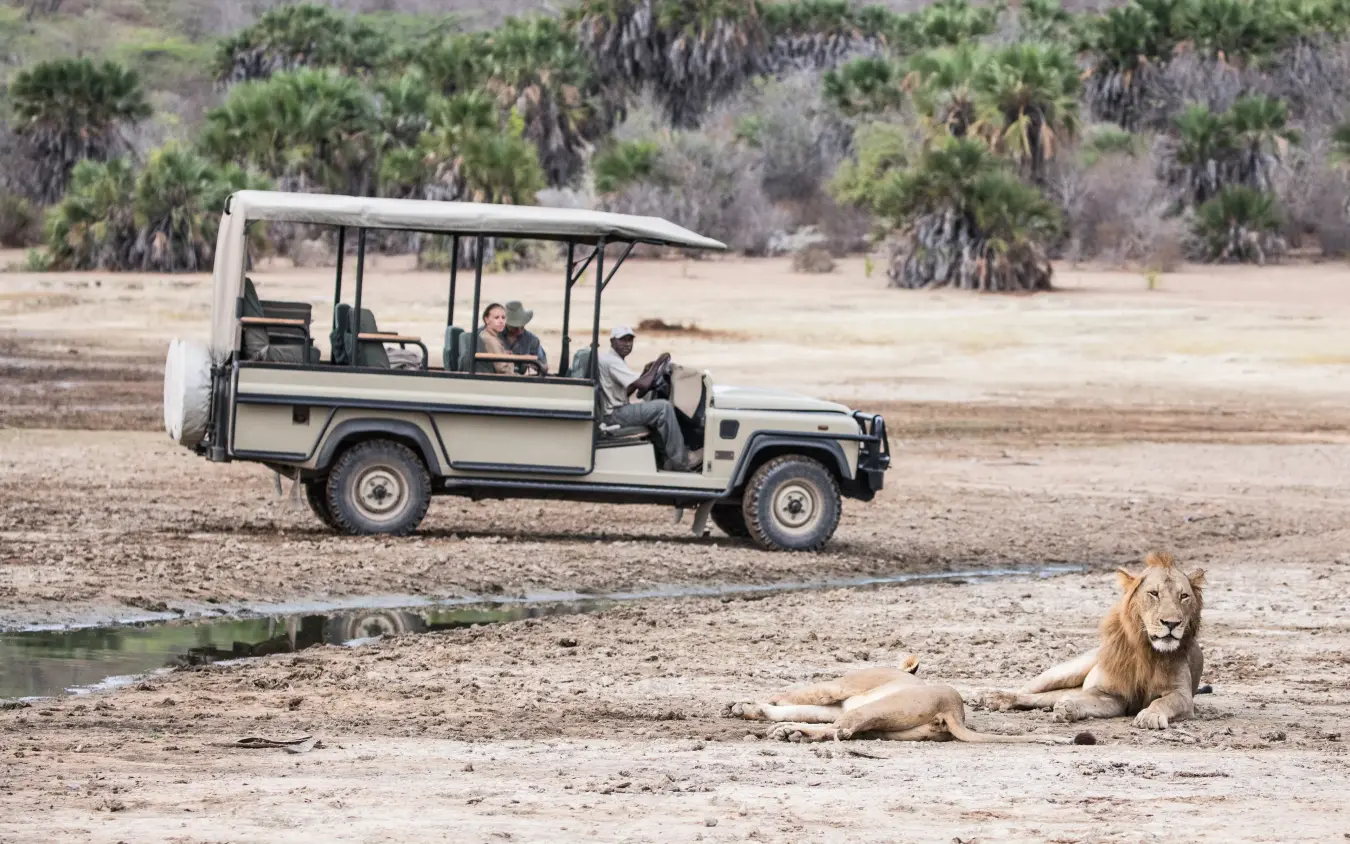
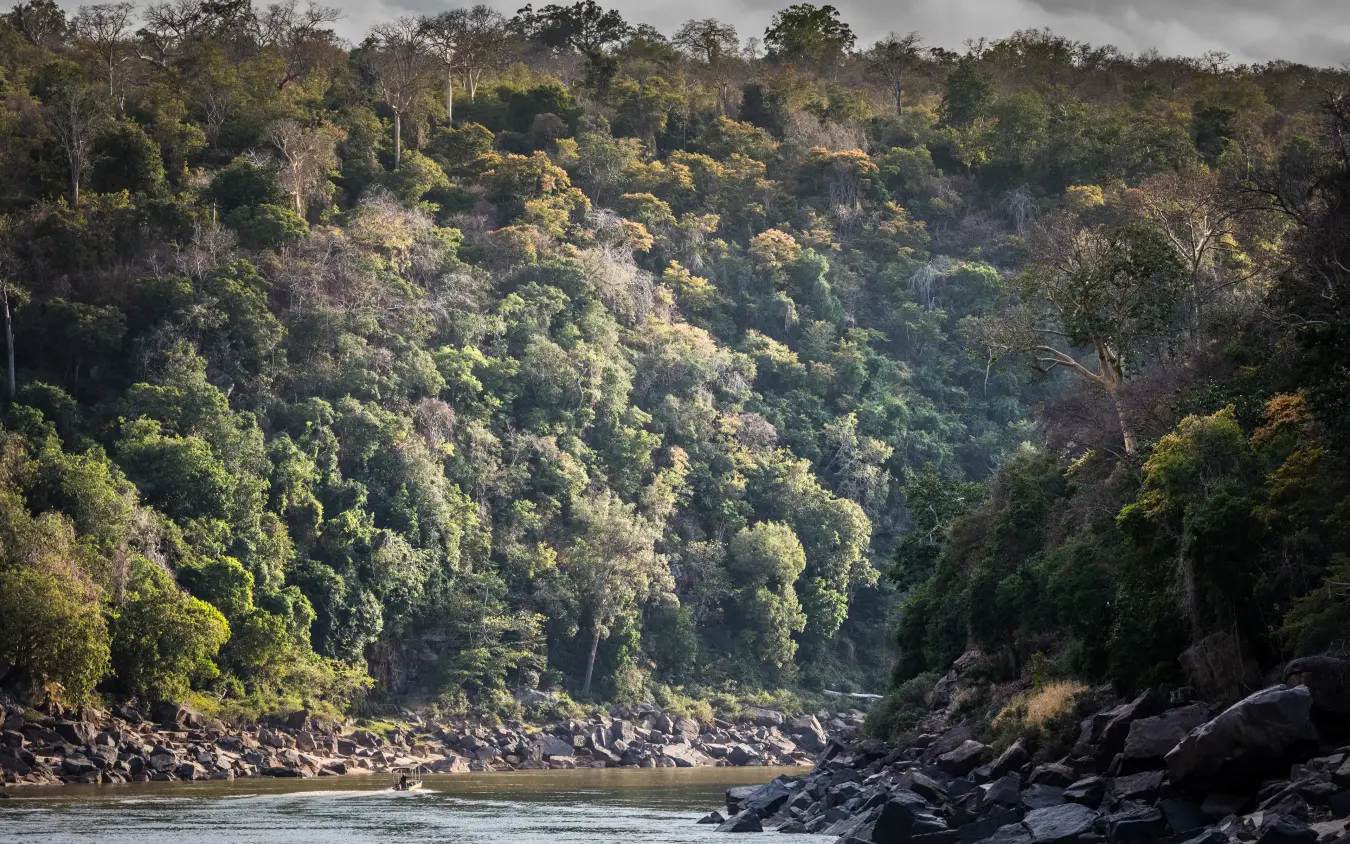
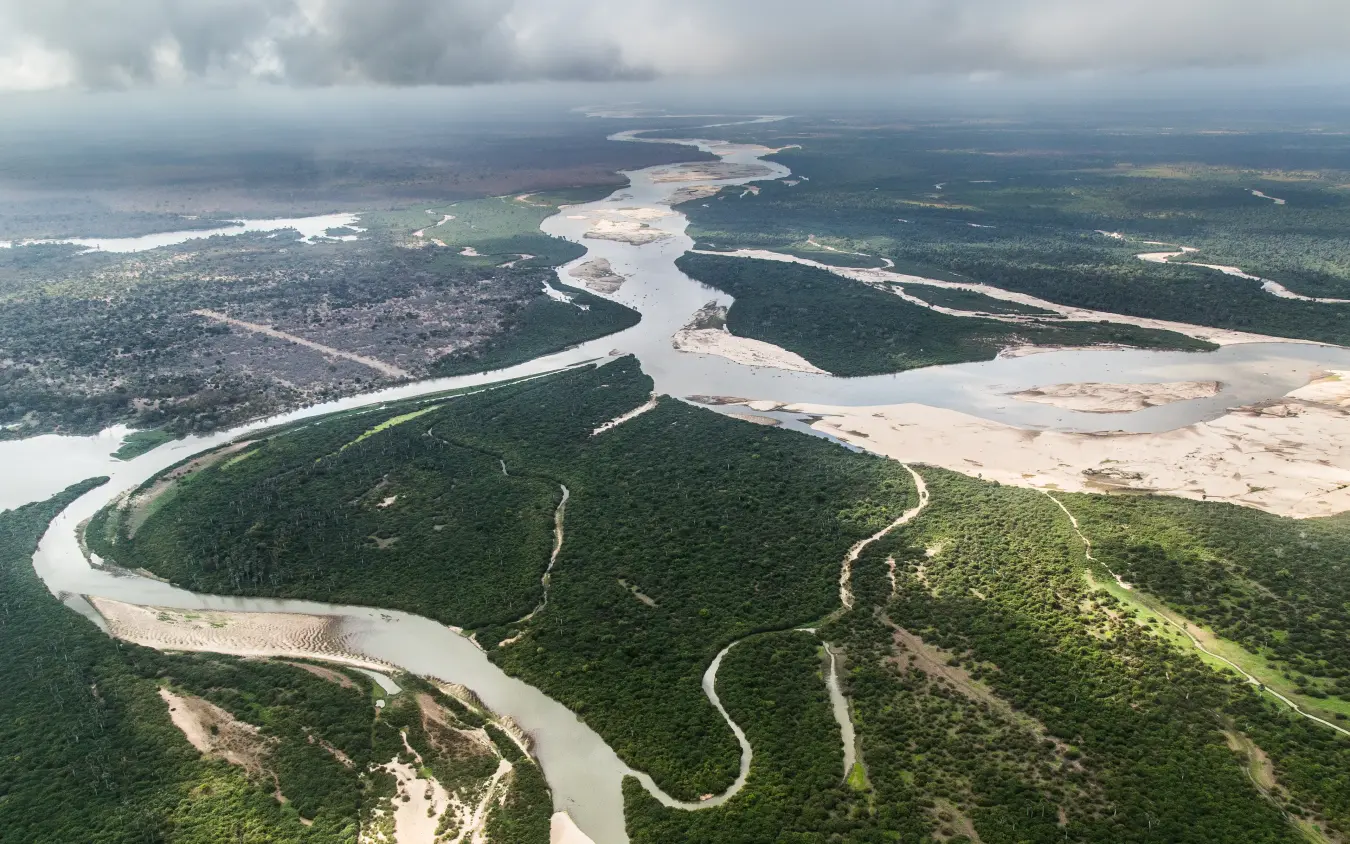
Four suites face the Rufiji River at Kiba Point, and for the length of a stay they belong to a single party. Hippos and crocodiles hold the sandbanks directly below the suites, and there is no shared schedule to work around. No set drive times, no dining timetable, no other guests. A private guide, vehicle and boat come with the booking, so a morning on the water or an afternoon in the plunge pool follows whatever pace the group sets.

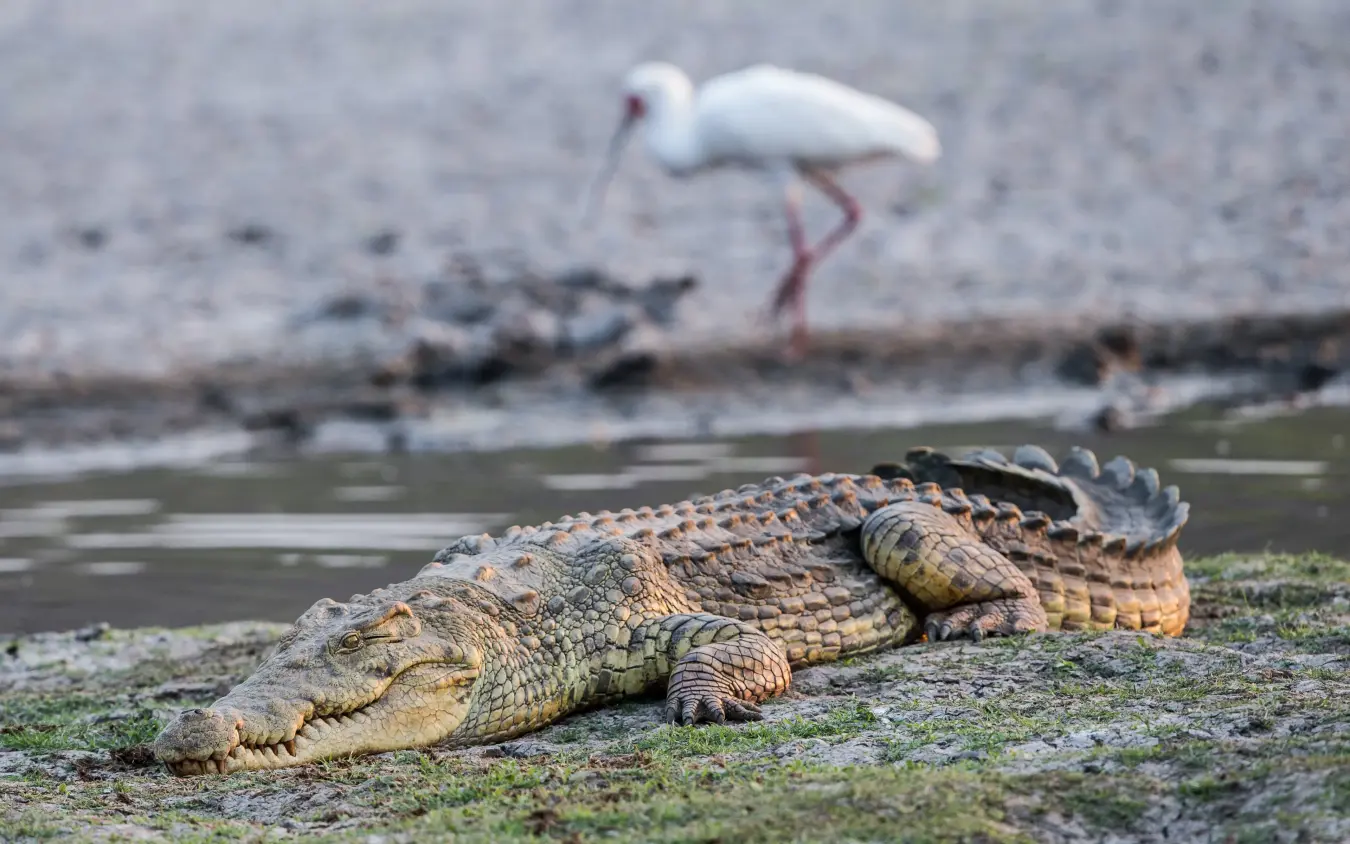
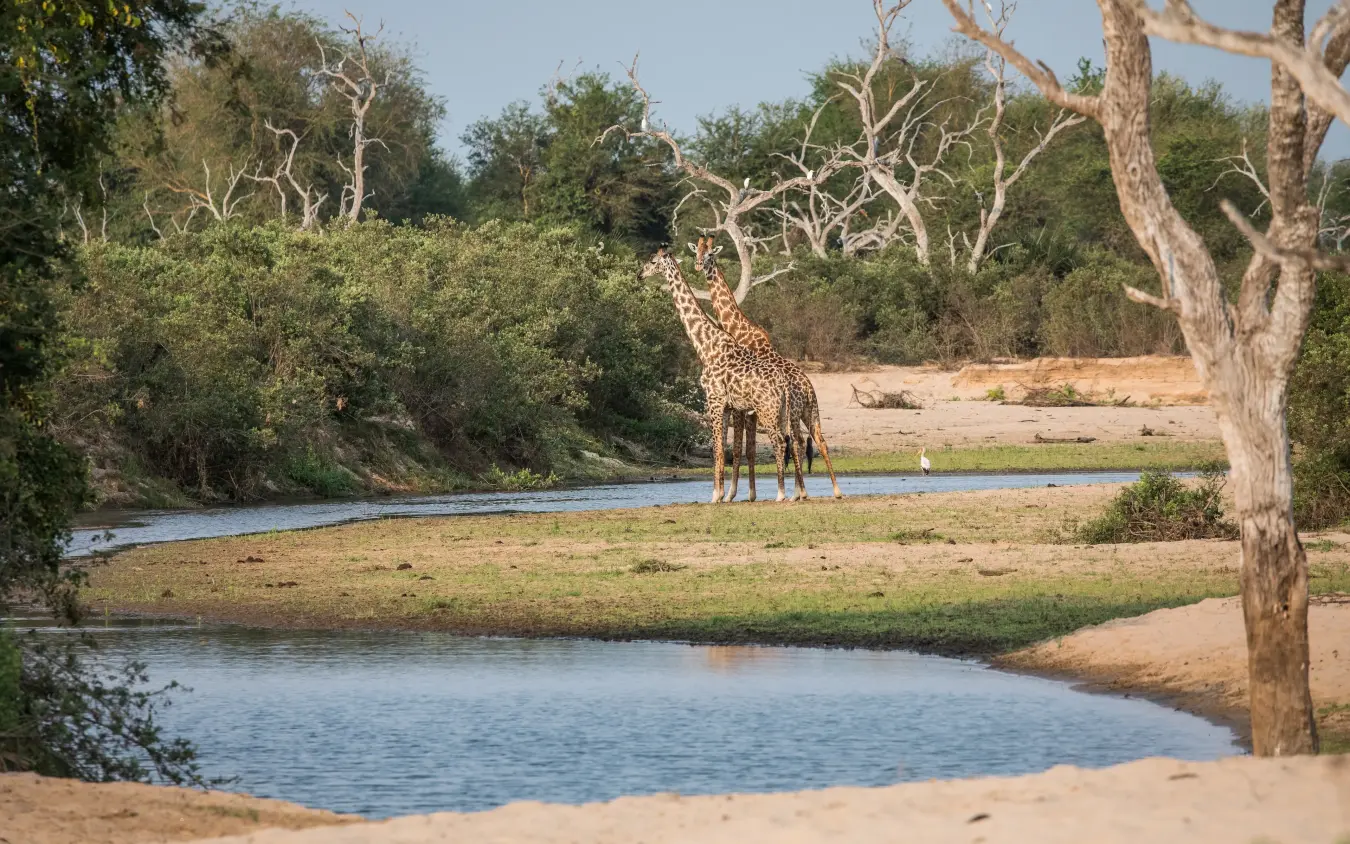
Hippos and crocodiles hold the sandbanks directly below the suites

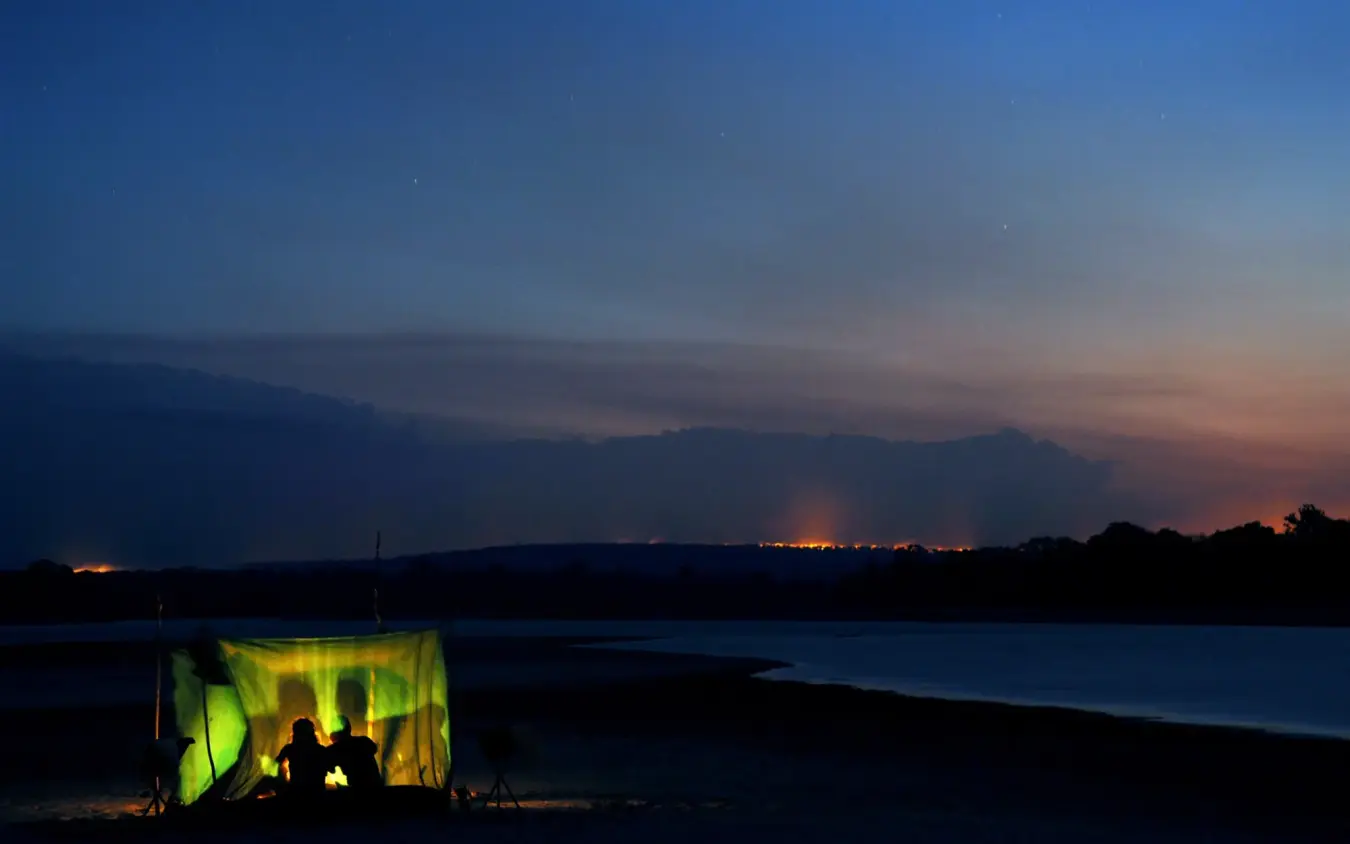
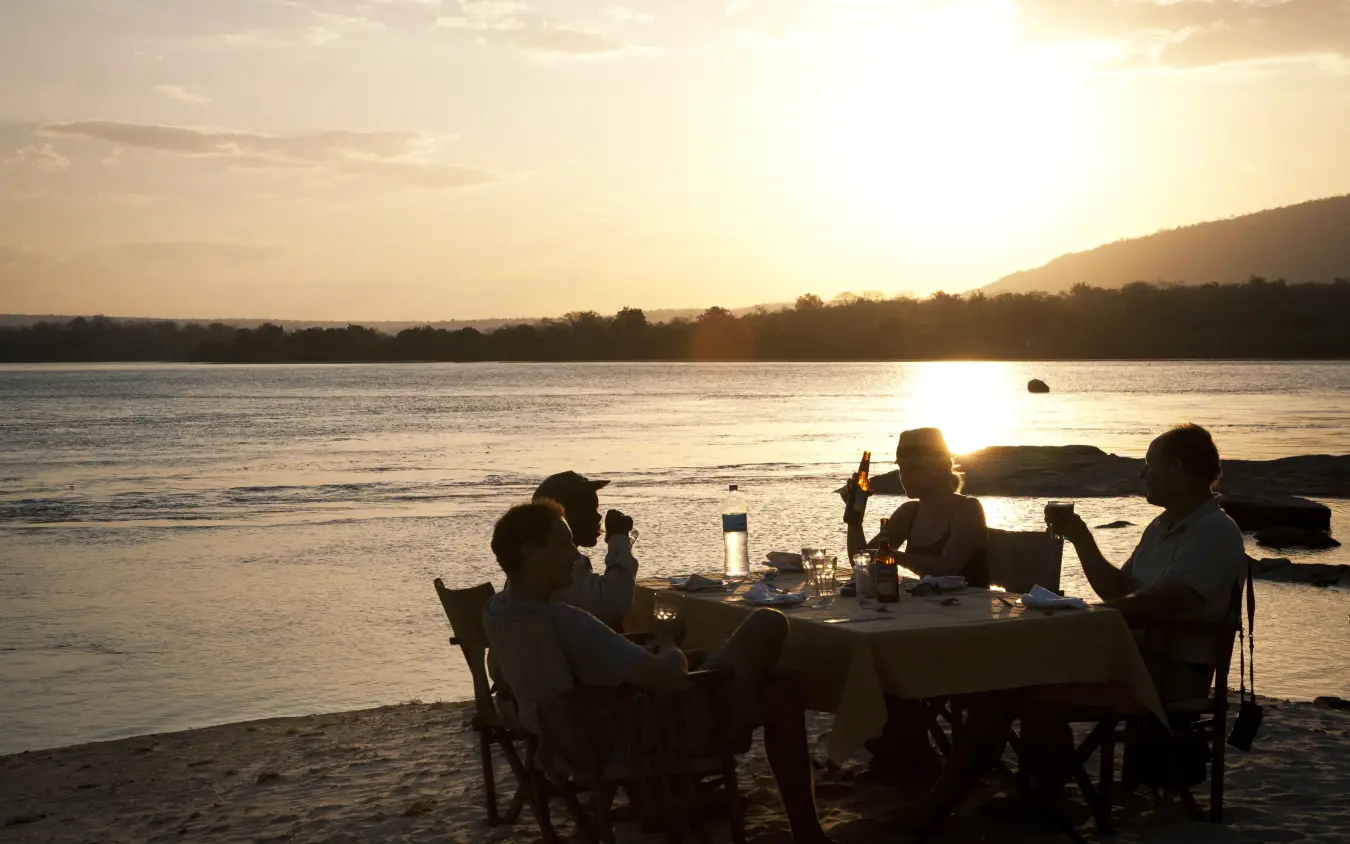
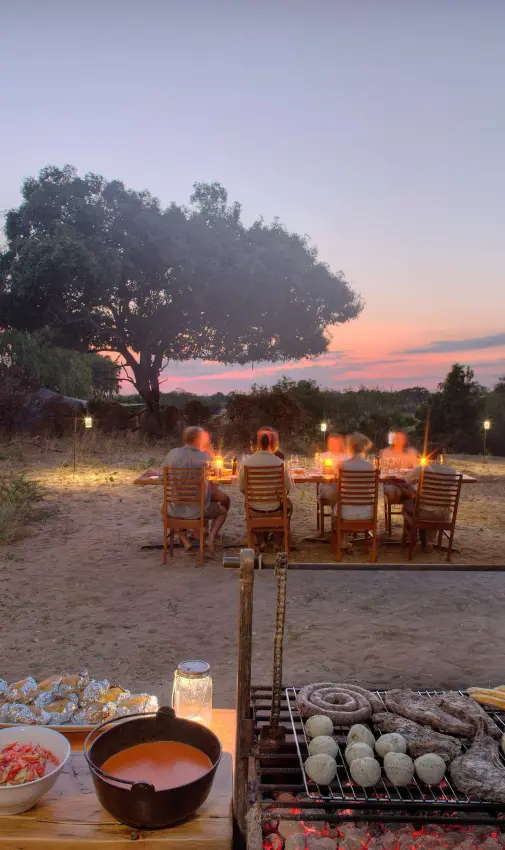
Exclusivity here changes the texture of a stay, not only its privacy. Meals shift to fit the day rather than the day bending around meals, and the river supplies most of the entertainment regardless. Fish eagles call through the long afternoons. Once the sun drops, the frogs and the distant lions take over the night, and there is no one else to keep to but your own.

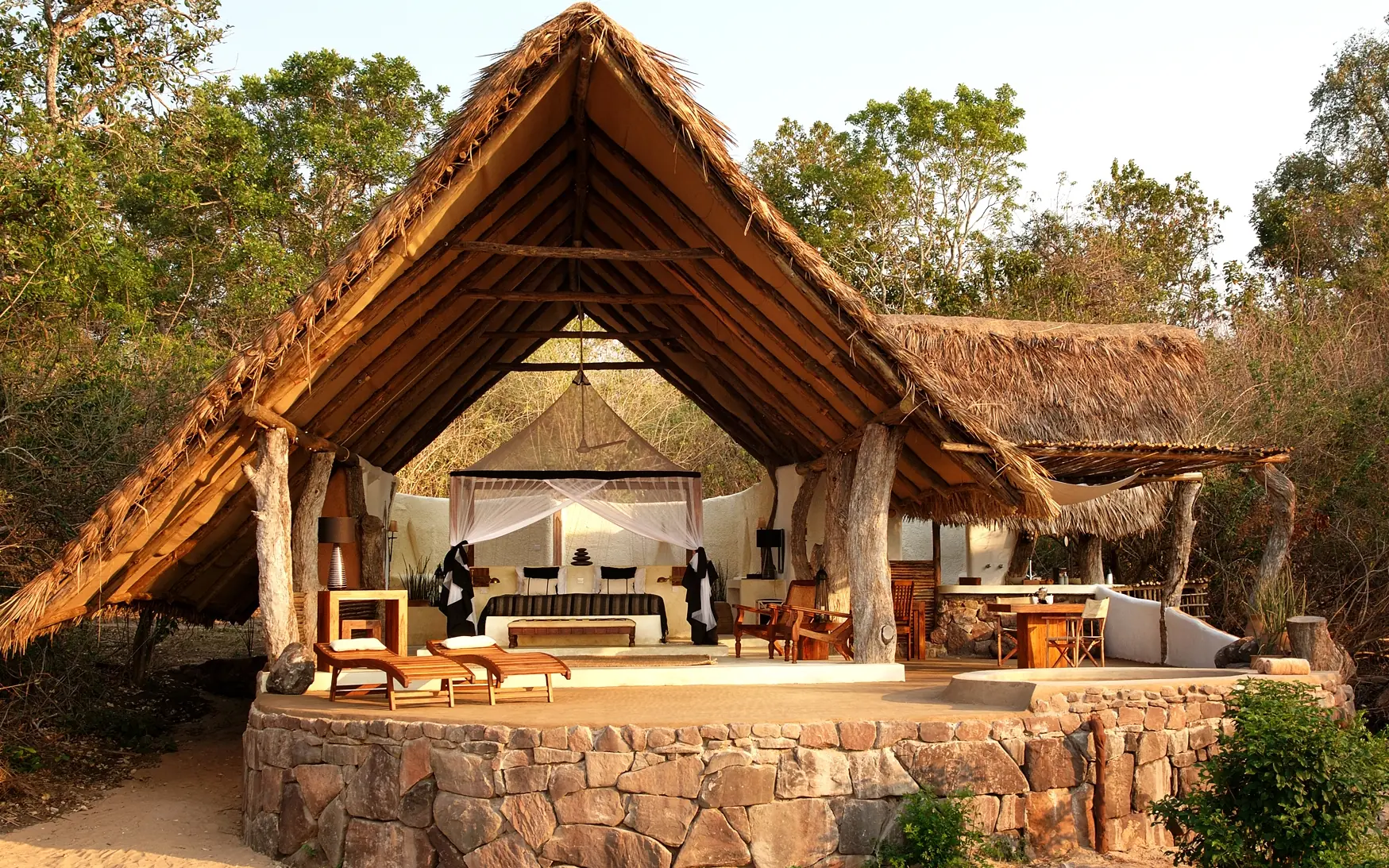
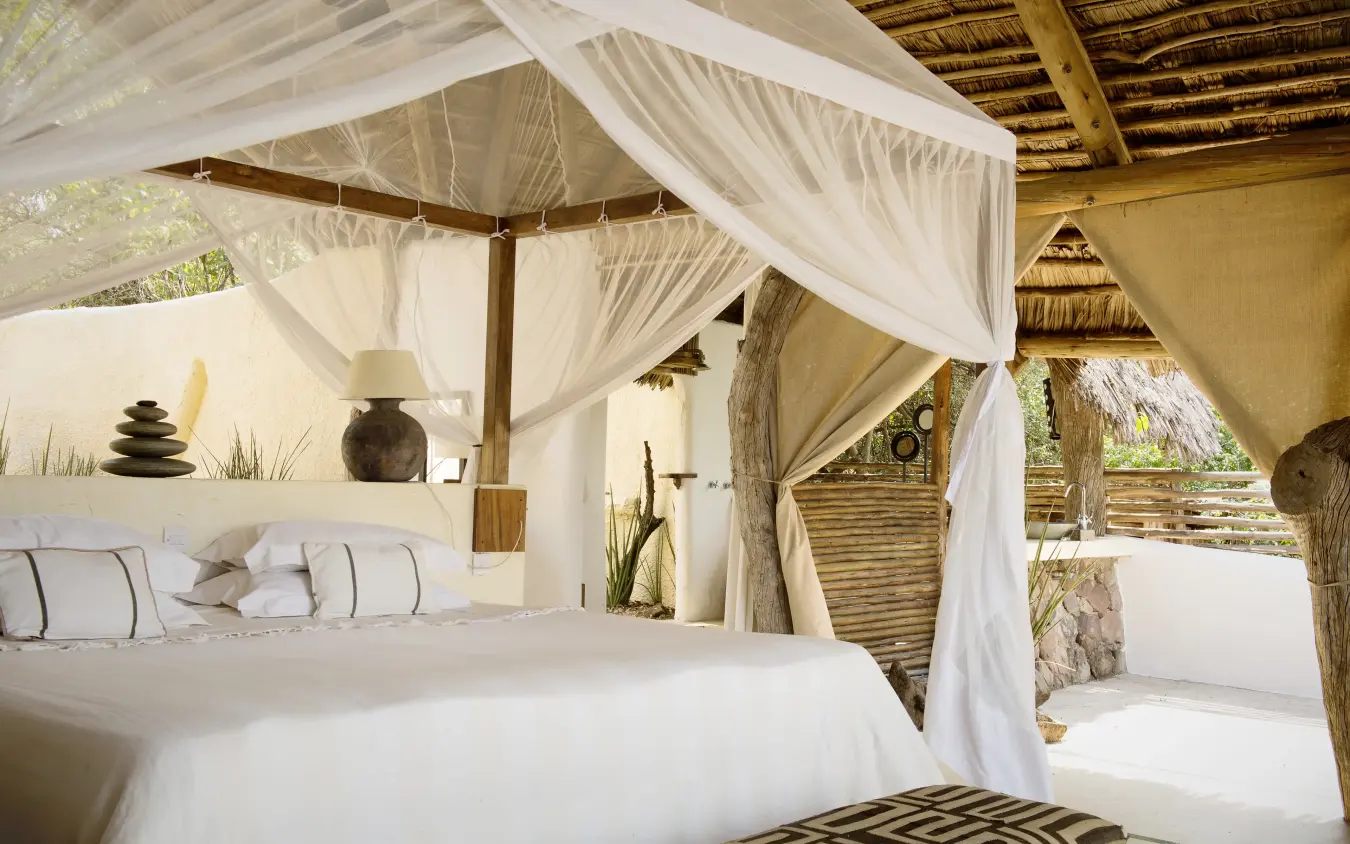
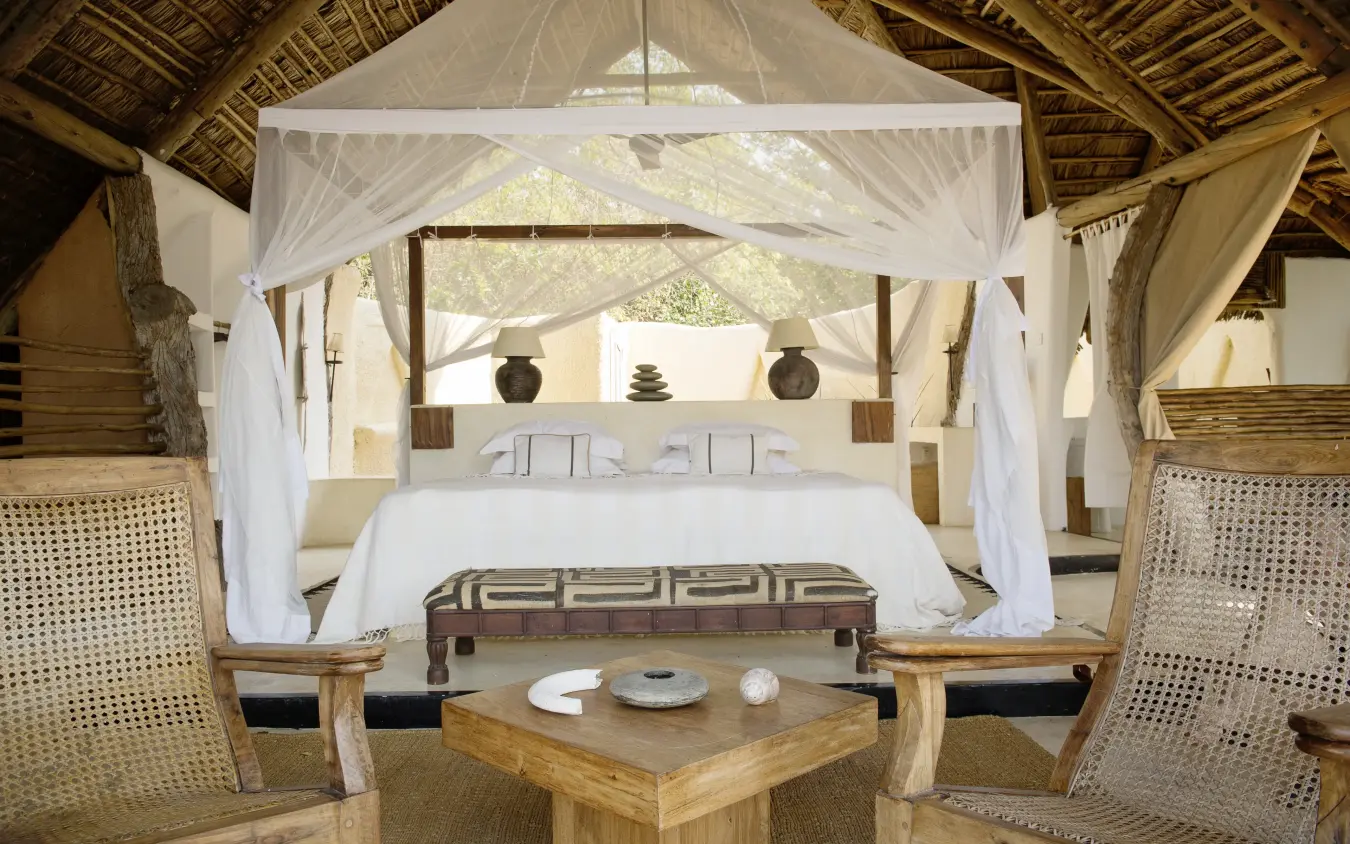
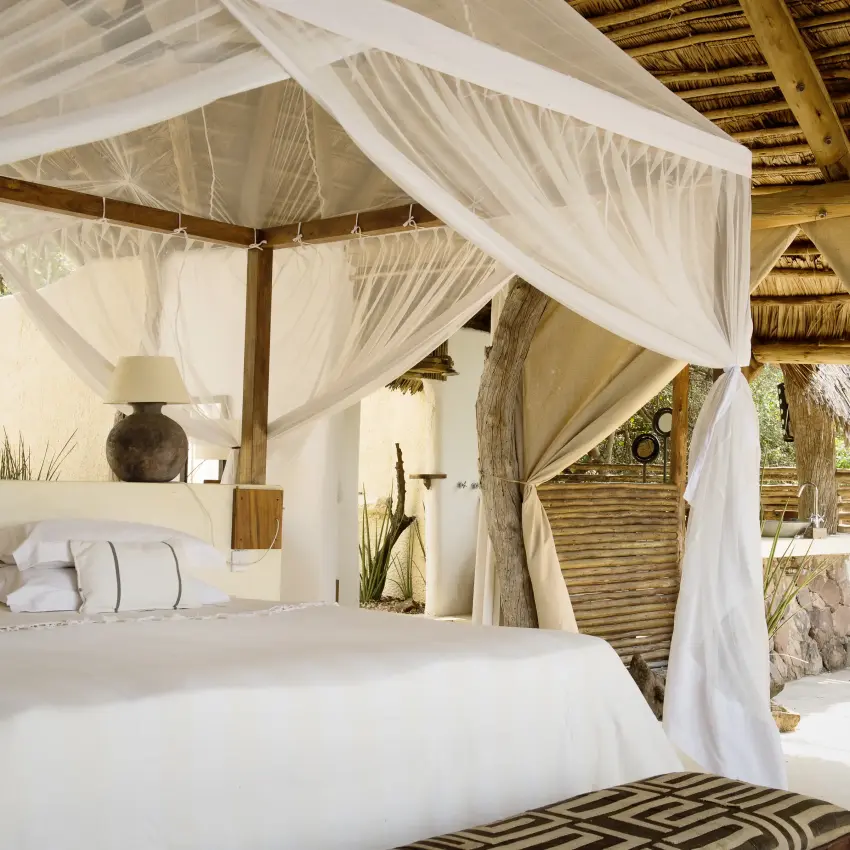
Luxury safari bedroom with flowing white canopy curtains and thatched roof, Kiba Point, Nyerere National Park, Tanzania
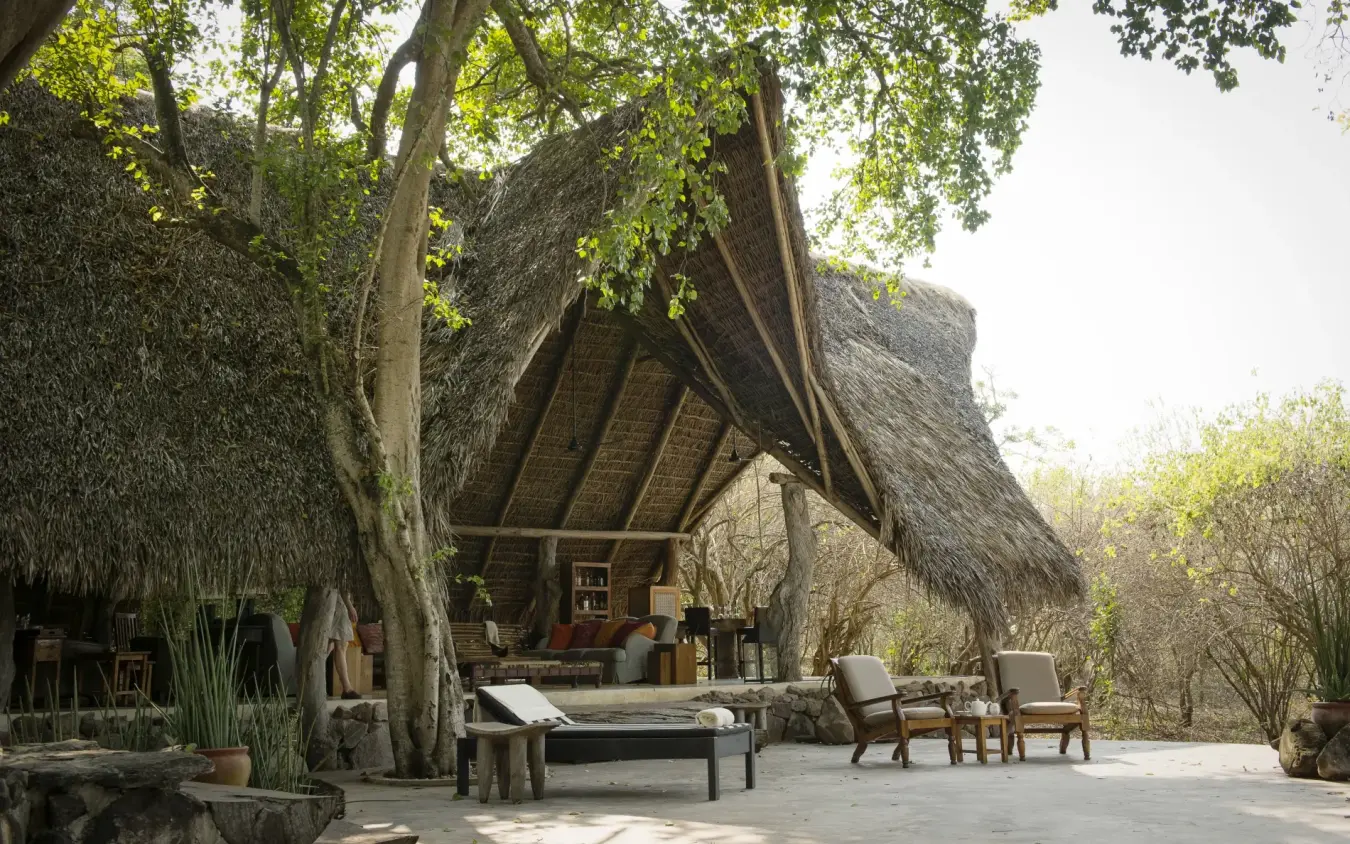
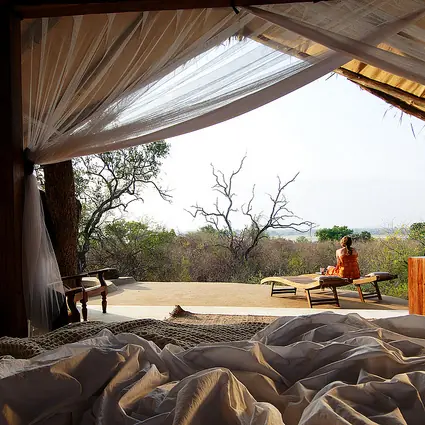
Open-air safari lodge pavilion with day beds overlooking savanna landscape, Kiba Point, Nyerere National Park, Tanzania

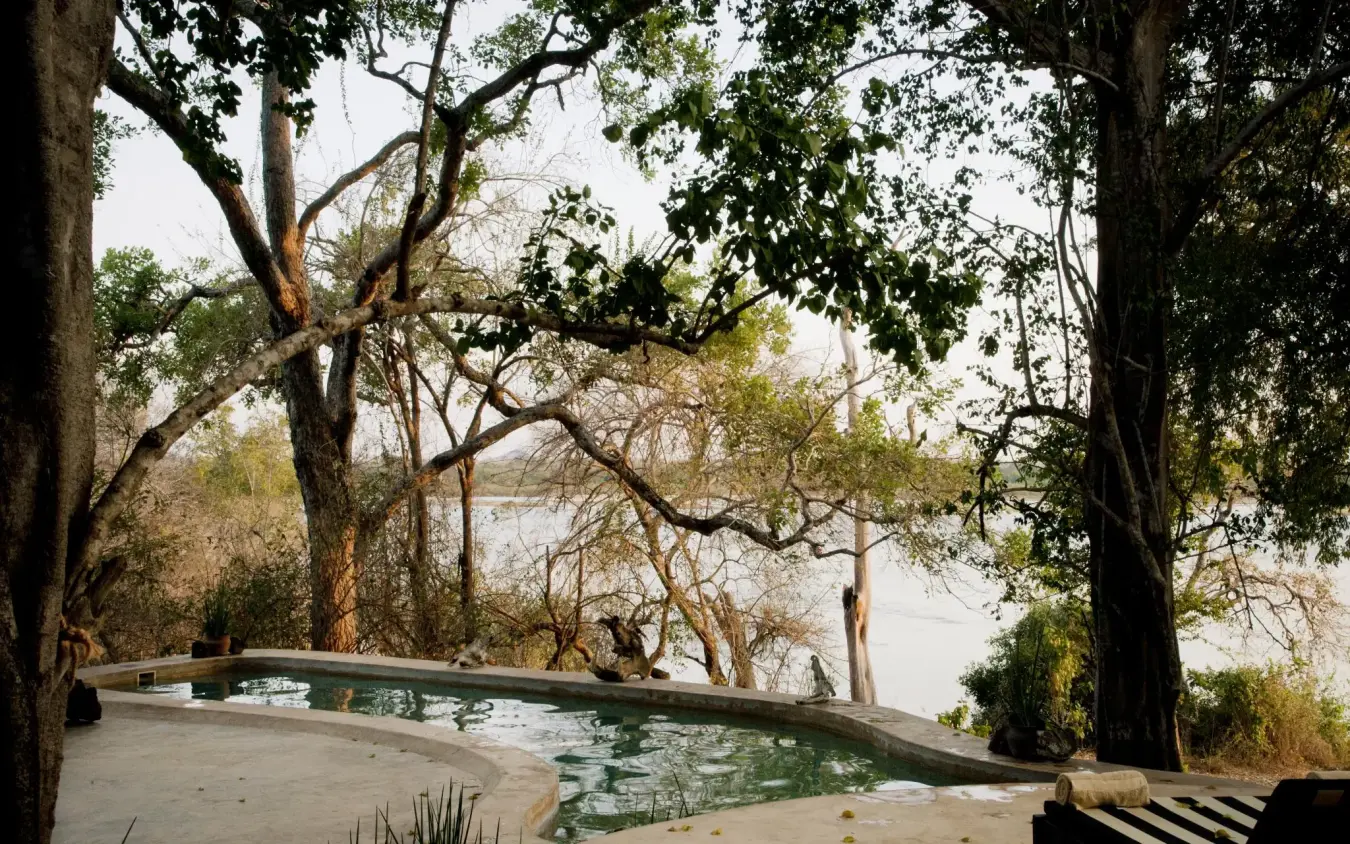
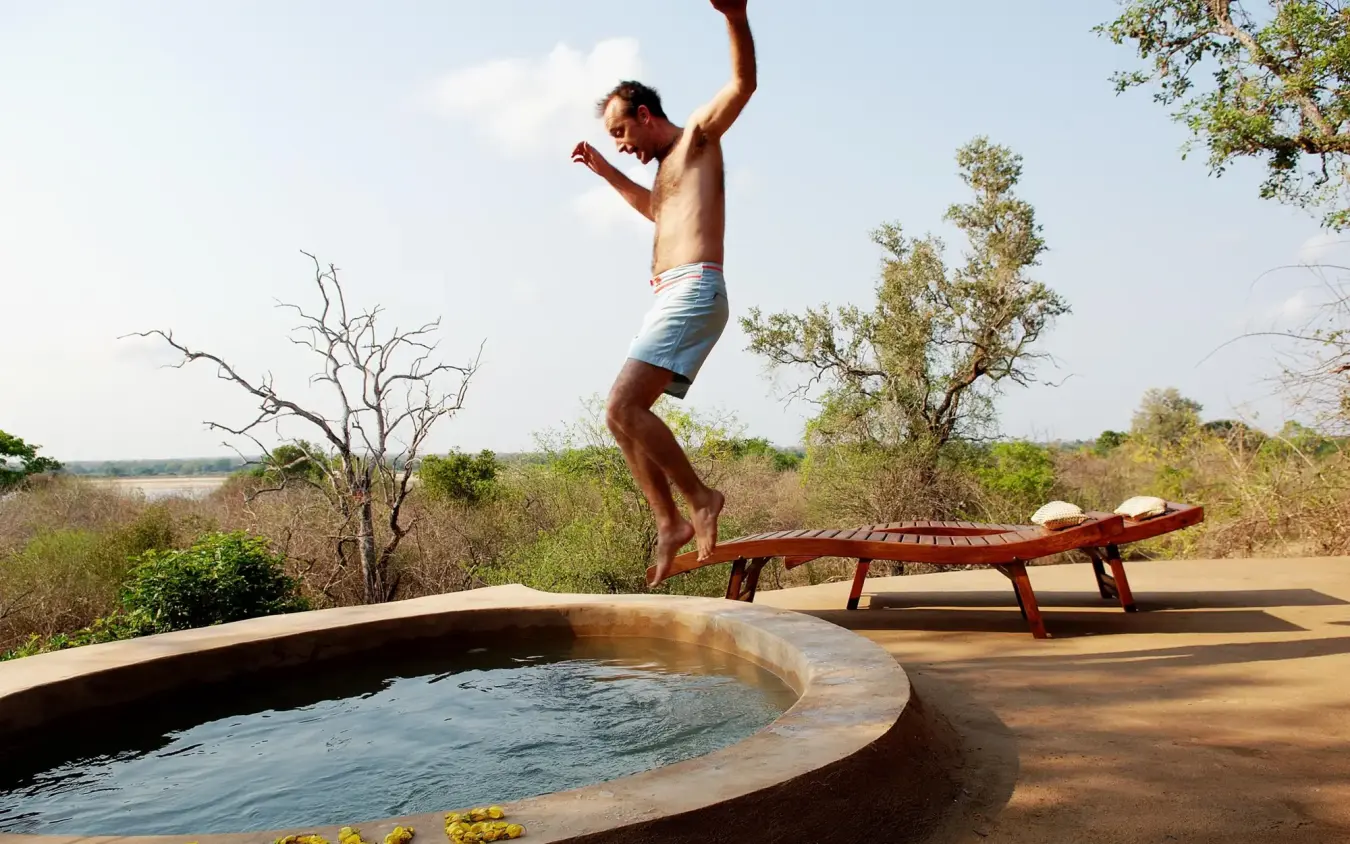
Each suite opens straight onto the river, rolled canvas and mosquito netting standing in for a front wall. Sunrise arrives over the water while guests are still in bed, and every suite has its own plunge pool set into the edge of a raised deck. The interiors are kept plain, all stone and hardwood in neutral tones, with a large bed beneath a four-poster net and showers both indoors and out.

Sunrise arrives over the water while guests are still in bed

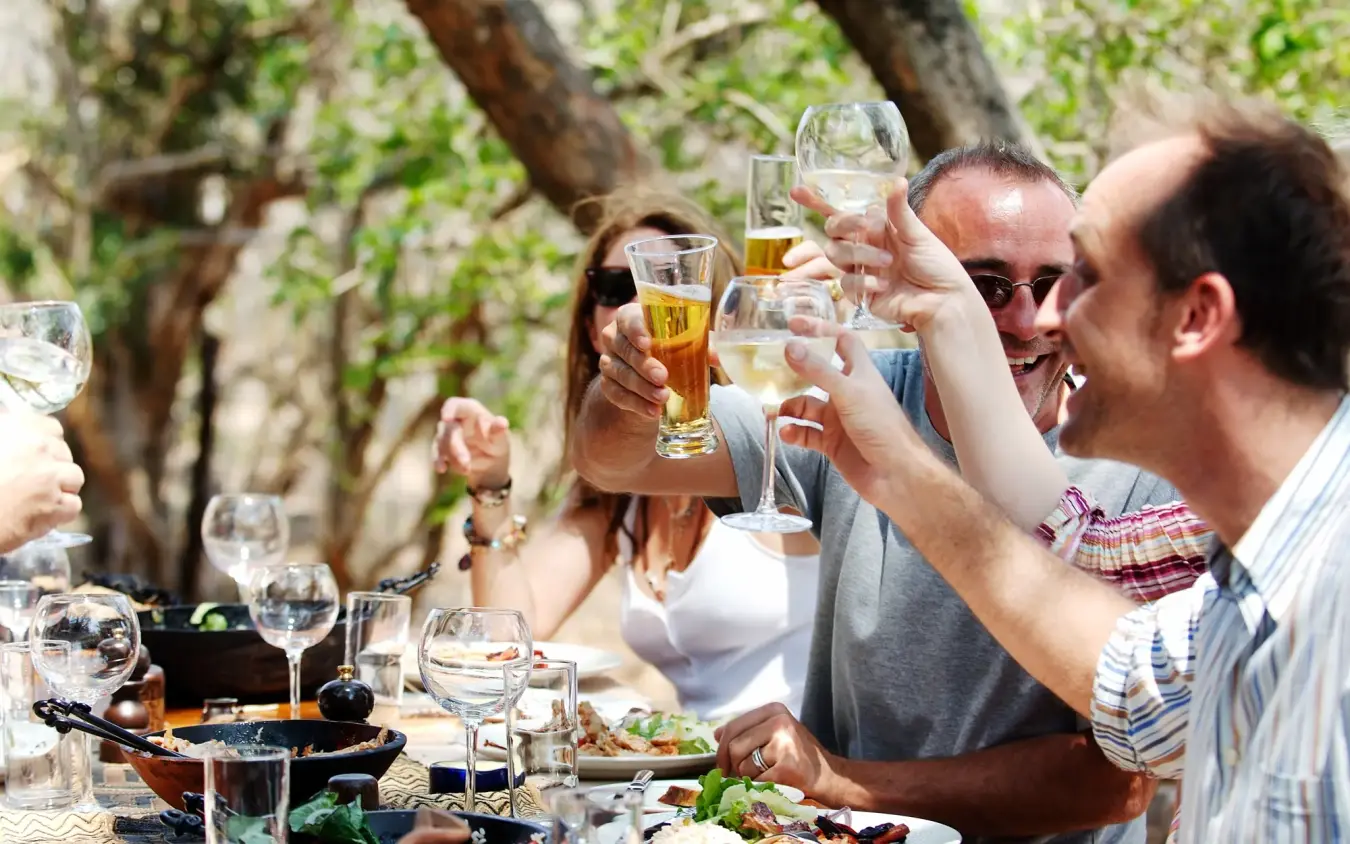
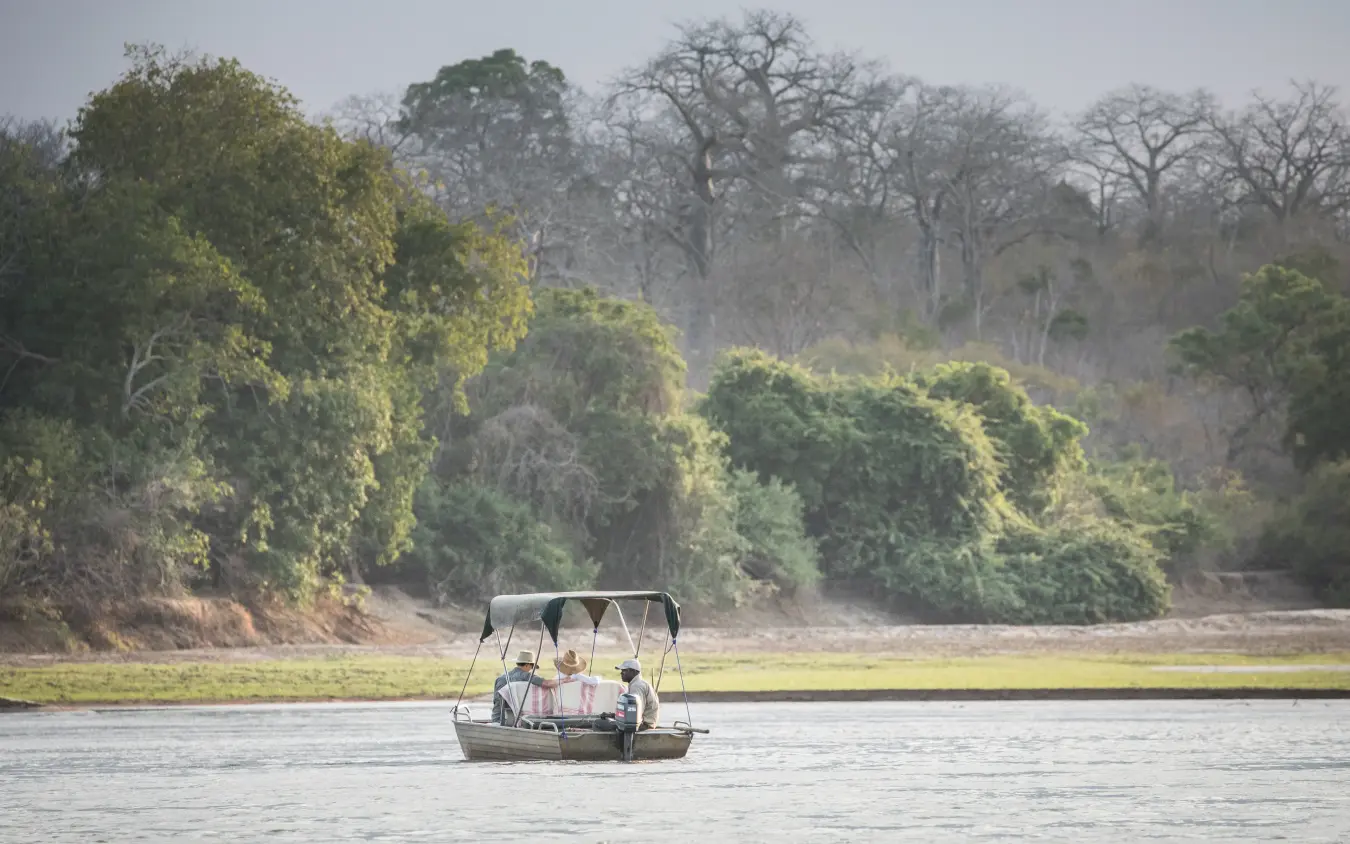
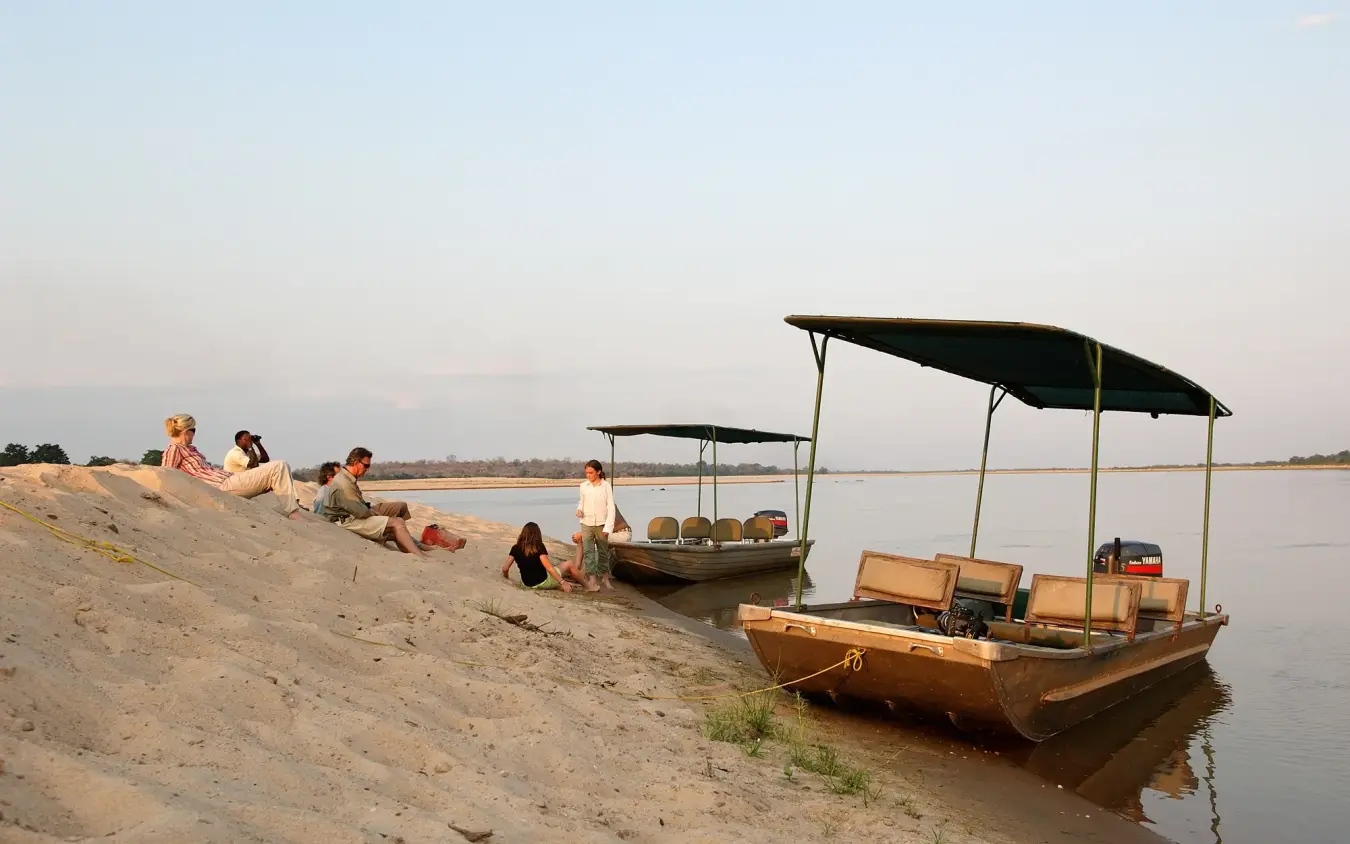
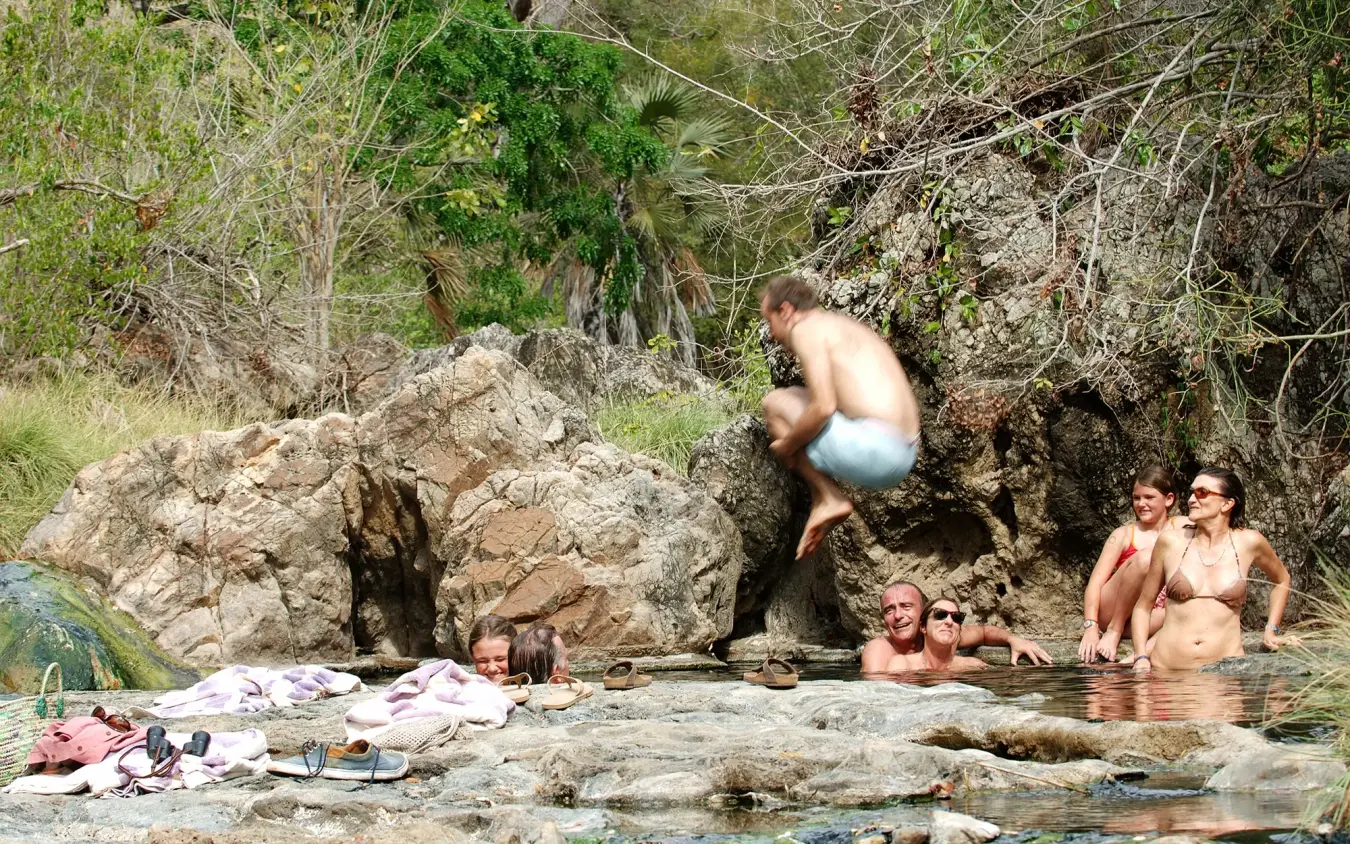
Nyerere National Park was gazetted in 2019 from the northern reaches of the former Selous Game Reserve, and its rules permit both boating and walking safaris, activities that many northern Tanzanian parks restrict. That opens the river to slower forms of exploration than a game drive alone allows. You can drift downstream past pods of hippo, cast for tigerfish, or swim in the warm sulphur pools at Tagalala with a bush picnic laid out afterwards.

Luxury safari bedroom with sheer canopy drapes and wooden furnishings, Kiba Point, Nyerere National Park, Tanzania 01

accommodation

Four Open-Fronted Suites on Rufiji River

Four open-fronted stone-and-thatch suites on raised decks along the Rufiji River, configured as two doubles and two twins for up to eight adults, with a children's annexe adjoining one suite. Each has a private plunge pool, a large bed under a four-poster net, a writing desk, and an en-suite bathroom with indoor and outdoor showers.

Group of people bathing in natural hot spring pool surrounded by rocks and vegetation, Kiba Point, Nyerere National Park, Tanzania 02

activities

Game Drives, Walking Safaris, Rufiji Boating

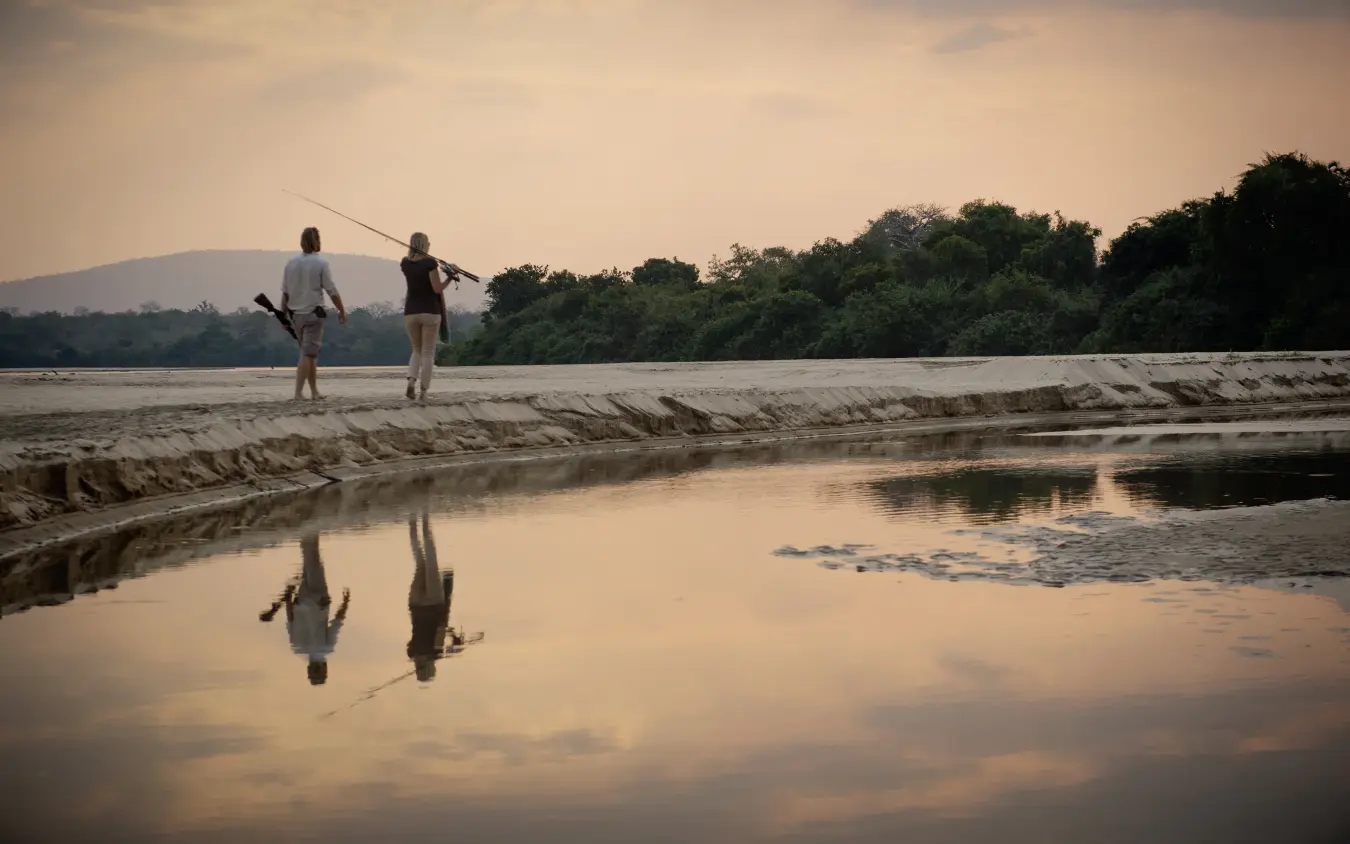
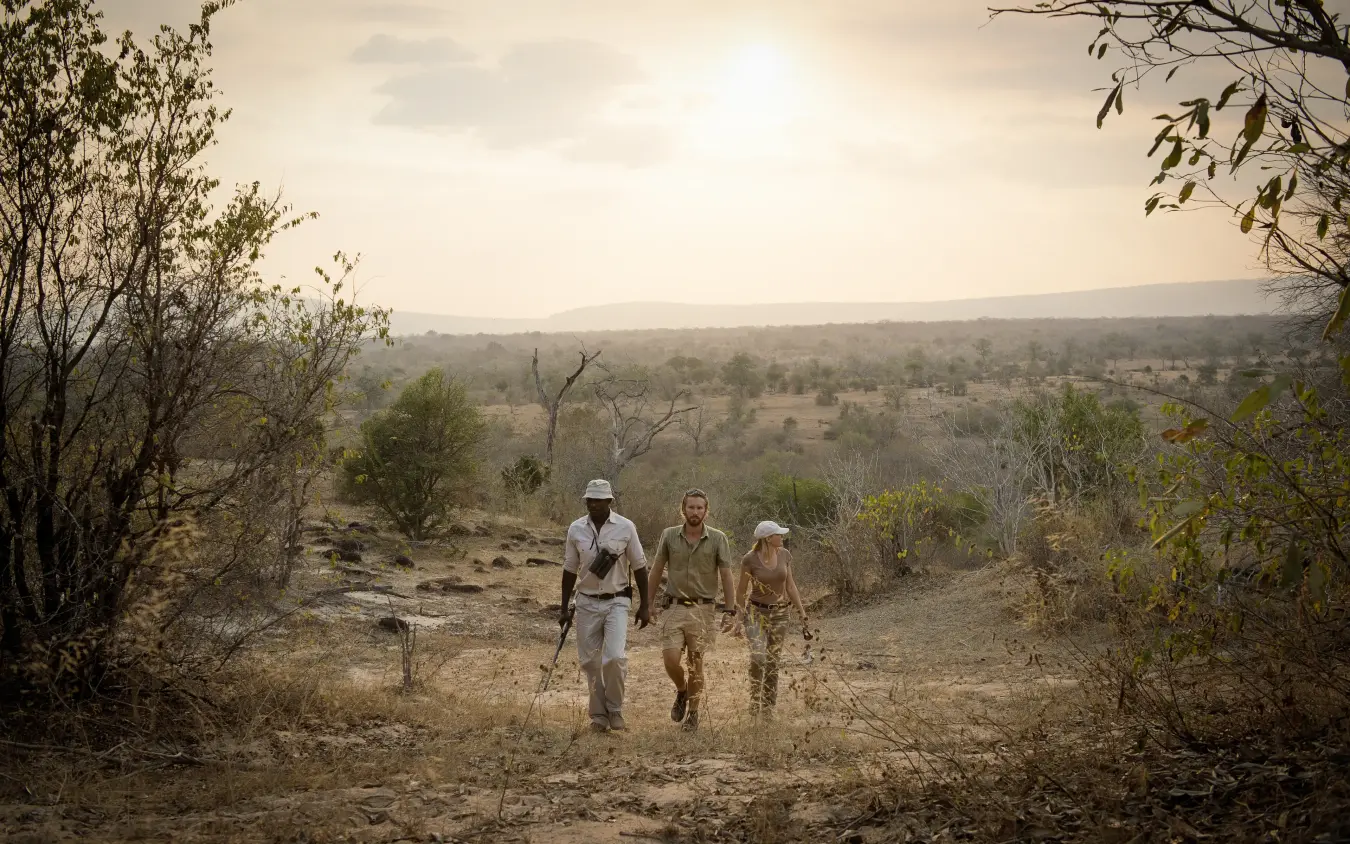
Game drives in open 4x4s with off-road driving for significant sightings, walking safaris with armed guides, and boating on the Rufiji River, all permitted within Nyerere National Park. Also catch-and-release fishing for tigerfish and catfish, excursions to the Tagalala hot springs, birdwatching, and an optional fly-camp sleep-out on a river sandbank.

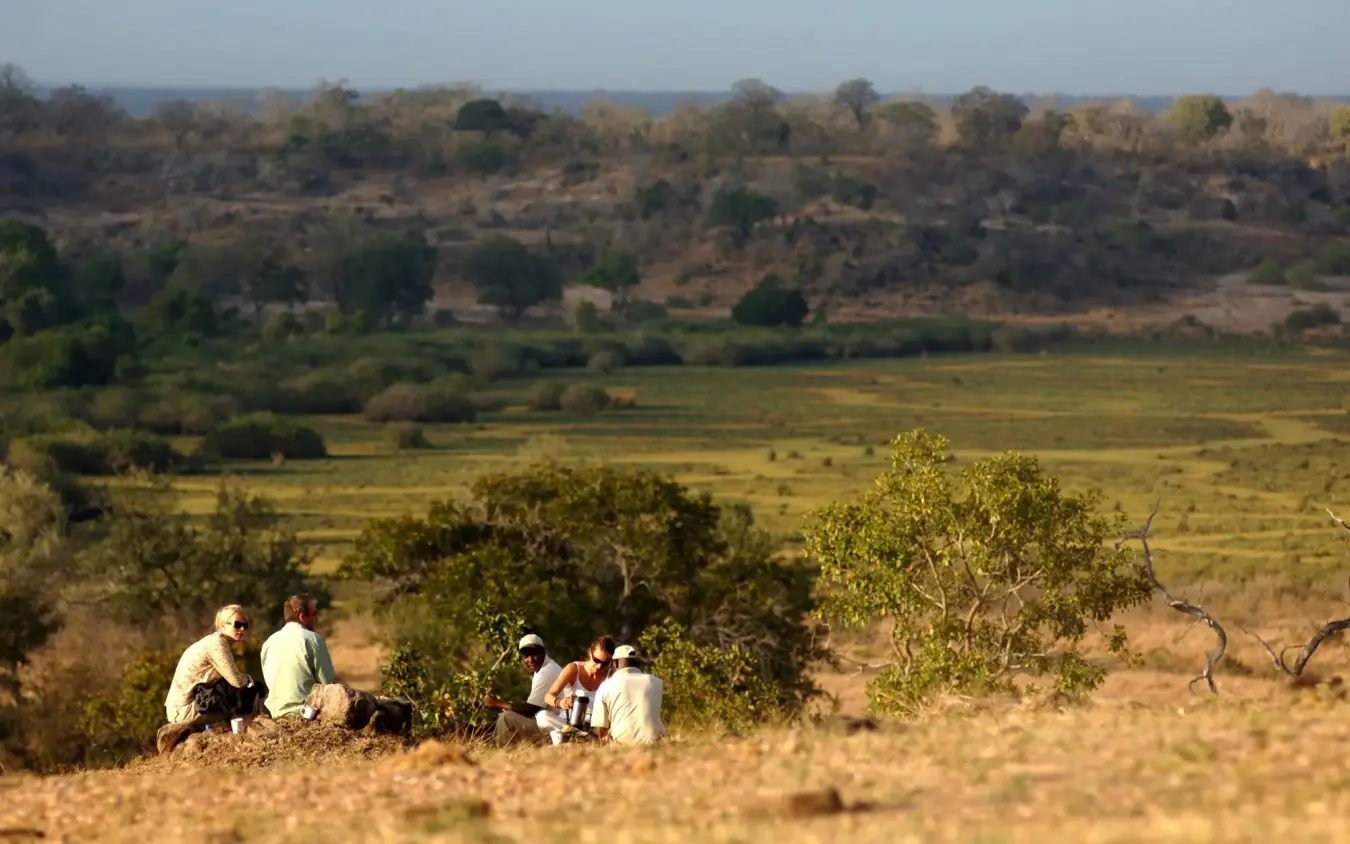
Guides walking through bushland landscape with distant valley view, Kiba Point, Nyerere National Park, Tanzania 03

conservation

Nomad Conservation Fund Supporting Nyerere

Funding flows through the Nomad Conservation Fund, established in 2007, supporting the Frankfurt Zoological Society and the Honeyguide Foundation on the park's margins. Most staff are recruited and trained from communities bordering Nyerere National Park, and a guide micro-finance scheme helps guides buy and equip their own safari vehicles.

ready to get started?

Get in touch and let’s start the conversation. An initial consultation helps us understand what you’re looking for, whether that’s specific experiences, luxury touches, or marking a special occasion, and from there we’ll guide you through what’s possible so you can decide if we’re the right fit.

Alternative accommodation in nyerere national park

frequently asked questions

Fly into Dar es Salaam, then take a light aircraft about forty-five minutes south to Kiba airstrip, from which the camp is roughly a fifteen-minute drive. The strip also takes flights connecting from Zanzibar, Mafia and Ruaha. Since the camp is booked by one group at a time, many parties simply charter, typically a Cessna Caravan or Pilatus PC-12, and fly everyone in together on their own schedule, which is how we would usually plan it.

On the scheduled services, seats are shared and luggage is soft bags only, around 15 to 20kg per person depending on the airline. We confirm the exact limit before you pack.

Yes. The Rufiji valley sits low, far under the 1,800 metre threshold both the CDC and the UK's official travel health advice use for malaria risk in Tanzania, so antimalarial tablets are recommended for every member of the group, children included. Nets and repellent help; the tablets and long sleeves after dark do the heavier lifting.

Advice shifts year to year, so have everyone confirm the current position with a travel clinic or their doctor before travelling.

Hot and low-lying, with the June to October dry season giving reliable sun, warm nights and building heat toward October, and the rains greening the country from November and again in earnest from March to May. Cold weather gear has no place on this packing list.

Light neutral clothing, a proper sun hat, sunscreen and closed shoes for walking cover the essentials, with swimwear for the plunge pools and the hot springs. Everything goes in soft bags for the flights.

June to October, when the river drops, the game crowds the water and the ground firms up for walking. October is the hottest and often the most concentrated month. The green season is beautiful and full of birds, though the long rains from March to May shut down most of this part of the park.

With the whole camp yours, three nights is the workable minimum and four or five lets the group actually use the freedom, a river day here, a walking morning there, without choosing between them.

Very little of either. This stretch of the Rufiji is properly remote, so treat any wifi as a main-area convenience rather than a working connection, and assume phone signal will be absent more often than not.
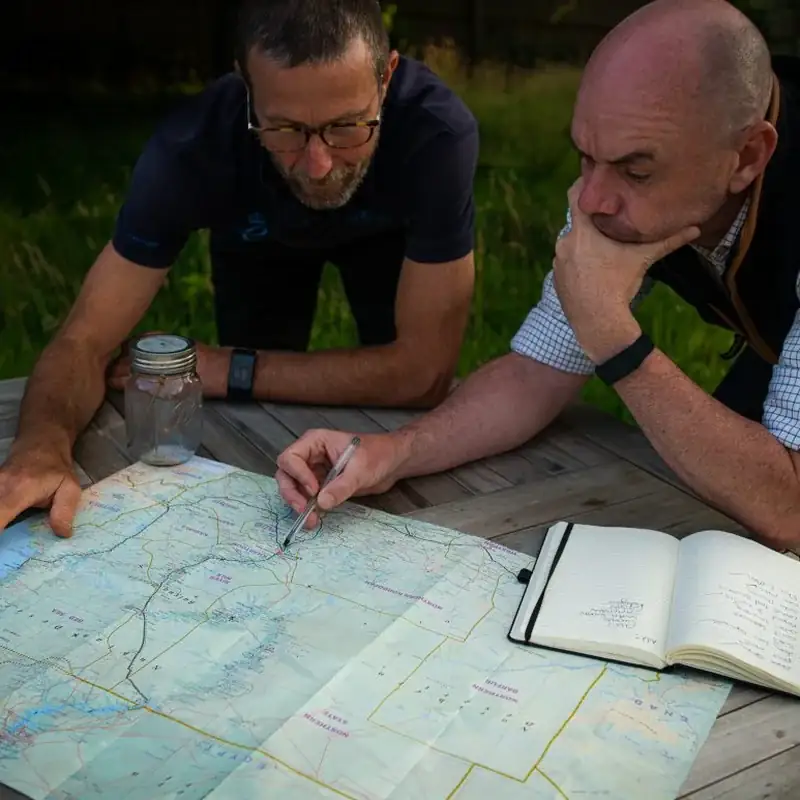
For a group taking the whole camp that usually lands as a gift rather than a problem. If someone genuinely must stay contactable, tell us and we will establish exactly what is possible before you book.

rated five stars by our clients

other areas in tanzania

African wild dog standing alert in grassland 01

Ruaha National Park

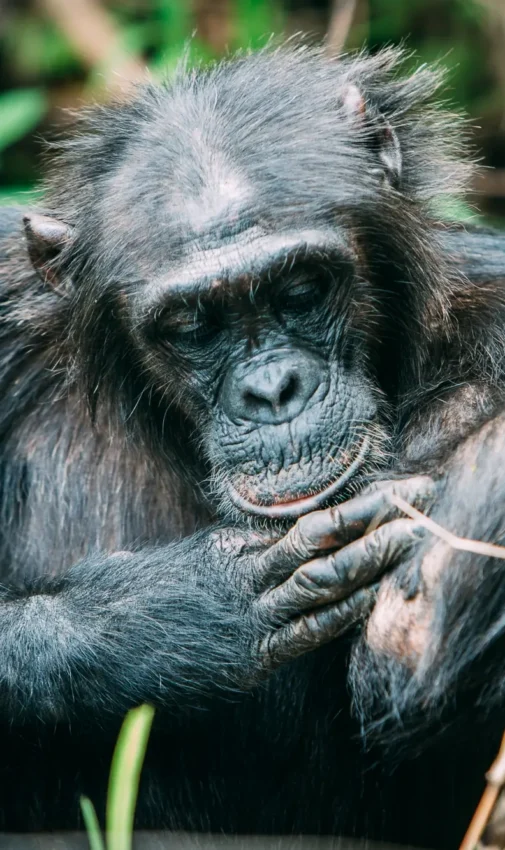
Chimpanzee holding branch while foraging in forest, Mahale Mountains, Tanzania 02

Mahale Mountains

Guests relax in chairs by river with child wading, Lake Manyara, Tanzania 03

Lake Manyara

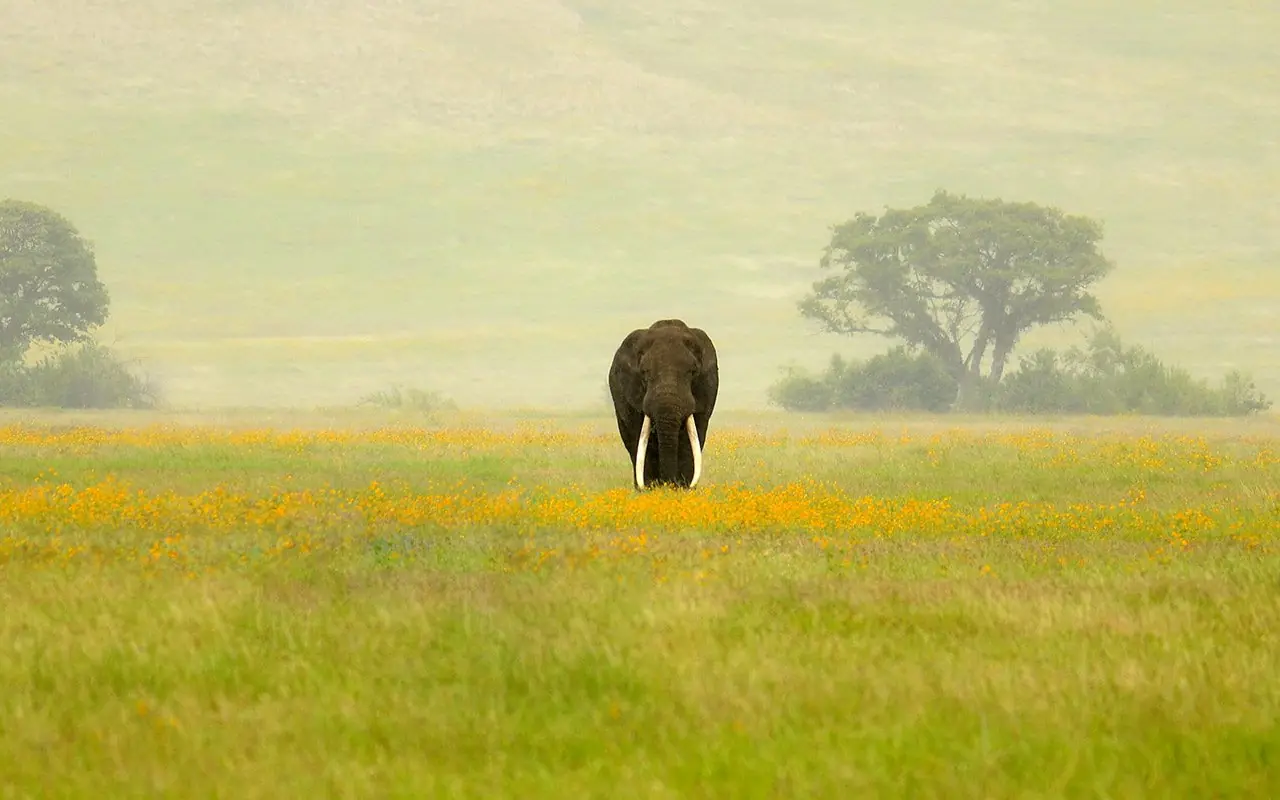
Elephant walking alone across golden savanna grassland 04

Ngorongoro Crater

Silhouetted herd of wildebeest in dusty savanna landscape 05

Serengeti National Park

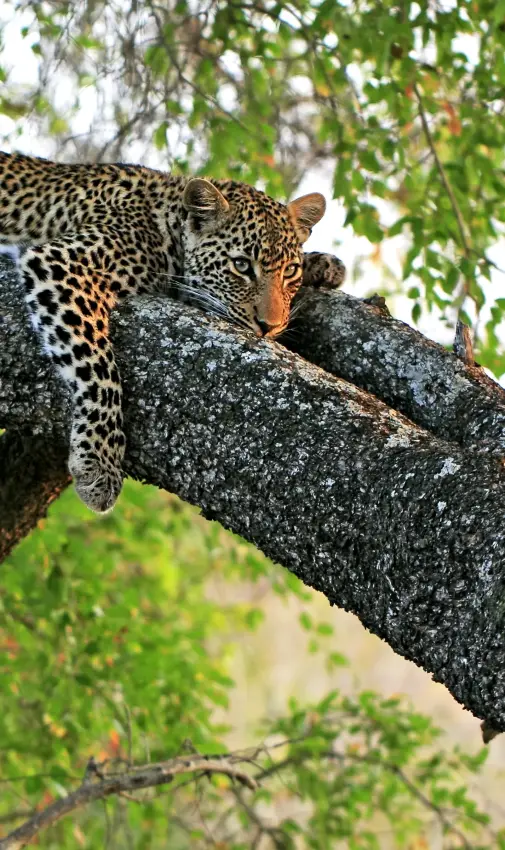
Leopard resting on tree branch surrounded by green foliage 06

Tarangire National Park

Hippopotamuses in water with heads above surface 07

Katavi National Park

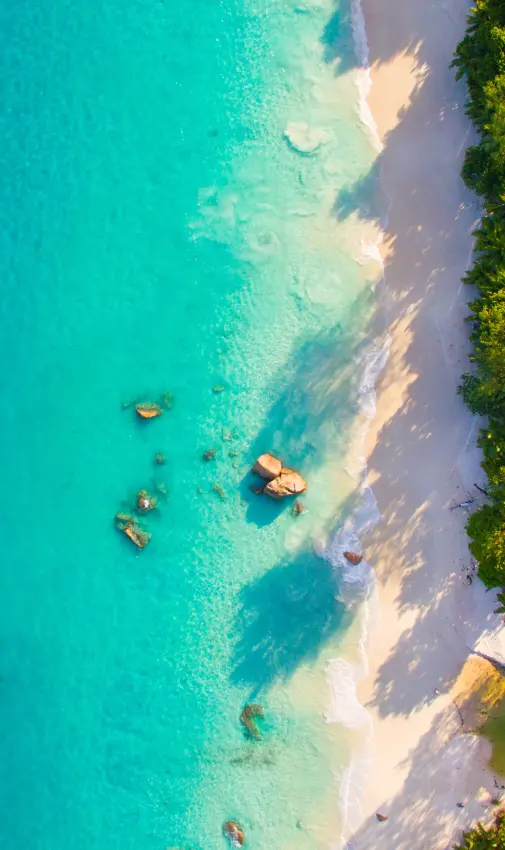
Turquoise water beach with boats and tropical vegetation 08

Zanzibar & Pemba

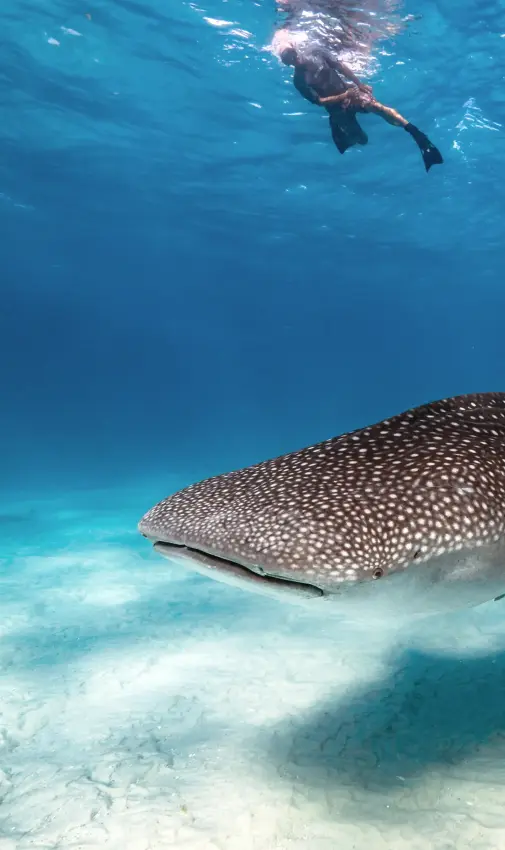
Snorkeler swimming alongside whale shark in shallow turquoise water, Mafia Archipelago, Tanzania 09

Mafia Archipelago

Chimpanzee among vegetation looking toward camera, Rubondo Island, Tanzania 10

Rubondo Island

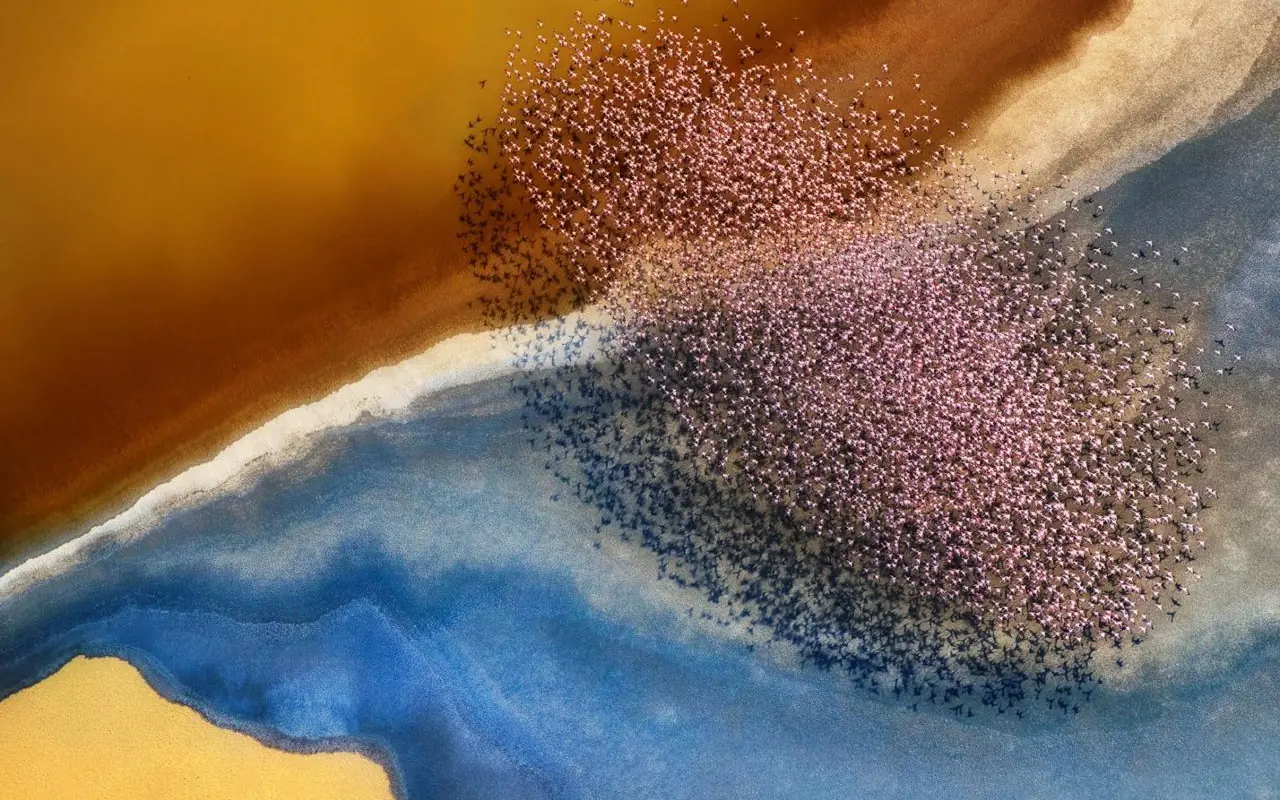
Aerial view of colorful salt lakes and mineral deposits 11

Lake Natron

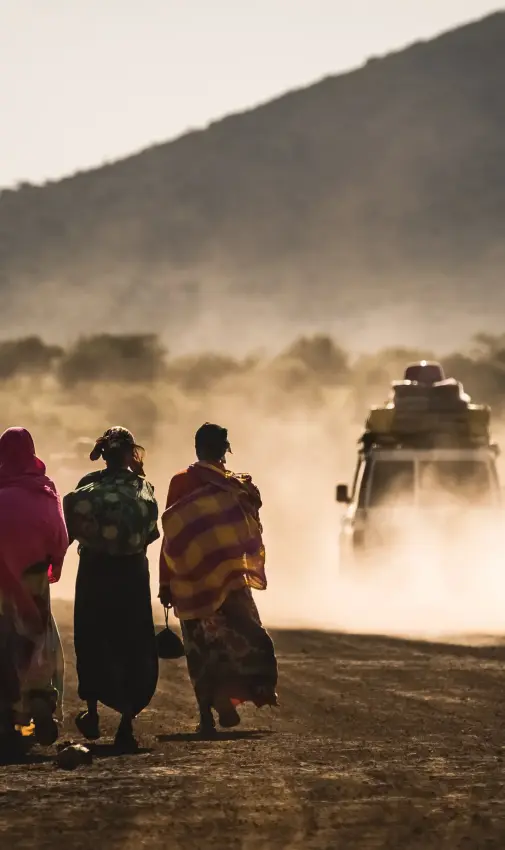
Local people walking on dusty road with vehicle approaching 12

Arusha

13

Ugalla River National Park

Planning a journey together

our approach

remote, exclusive
& personal

Every journey starts with a conversation. We take the time to understand your vision before we start planning.

Whether by phone or in person, we work with you directly to shape something that is considered, personal, and expertly delivered.

get in touch
destinations ideas & inspiration our process about us contact us