Camp

Beho Beho

The Bailey family’s hillside bush home in Tanzania’s Nyerere National Park, where every meal is served somewhere new.

Country: Tanzania
Location: Nyerere National Park
Number of rooms: 8

The cooling breeze above the Rufiji

For decades Beho Beho was the Bailey family’s private bush home, and it opened to guests in the mid-2000s. The camp looks out over the Rufiji floodplain from high ground in the northern sector of Nyerere National Park. Elephants and giraffes move along the ridgelines below the bandas. Buffalo travel them too, and walks with the camp’s armed guides leave from the door.

Elephants and giraffes move along the ridgelines below the bandas.

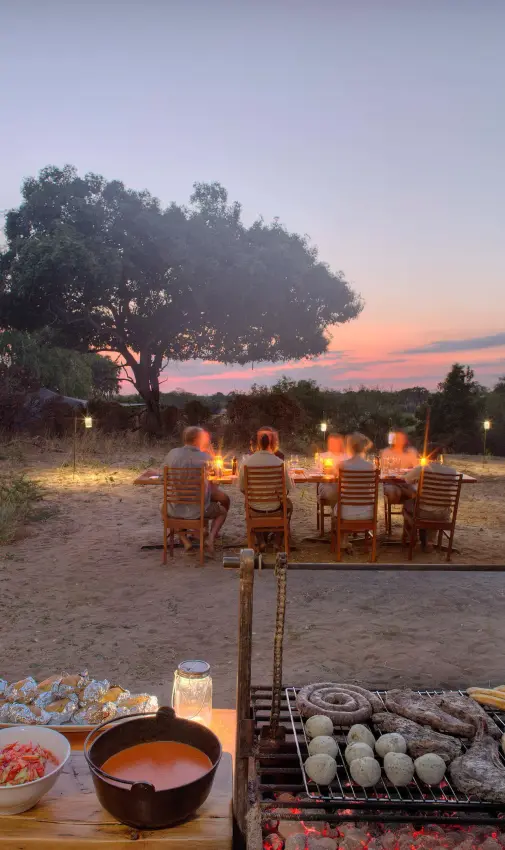
The name means cooling breeze, fitting for a camp on a hillside when most of the park’s lodges keep to river and lake shores. The Baileys have owned it for more than four decades, and it has never settled into being a hotel. The table moves around the camp, by the pool, up at the Eagle’s Nest or out under the stars, and the guides eat with the guests, going back over the day’s tracks.

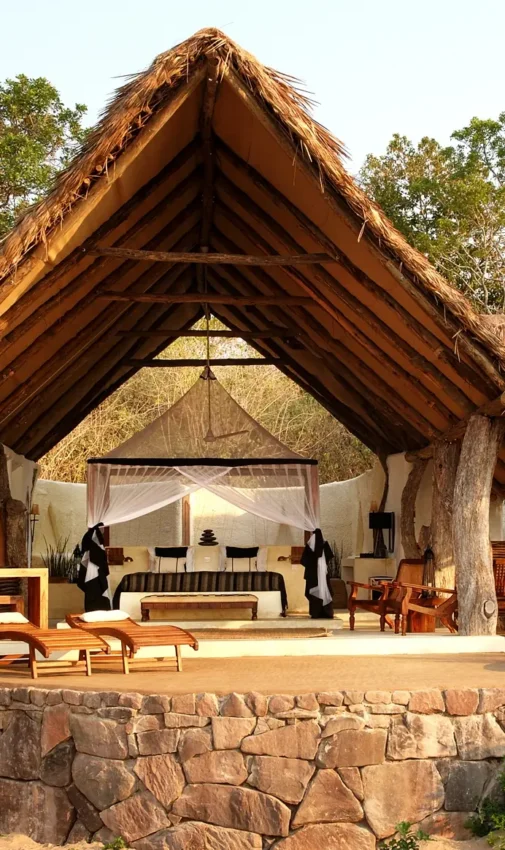
Open-sided thatched lounge with four-poster bed and stone-floored seating area, Beho Beho, Nyerere National Park, Tanzania
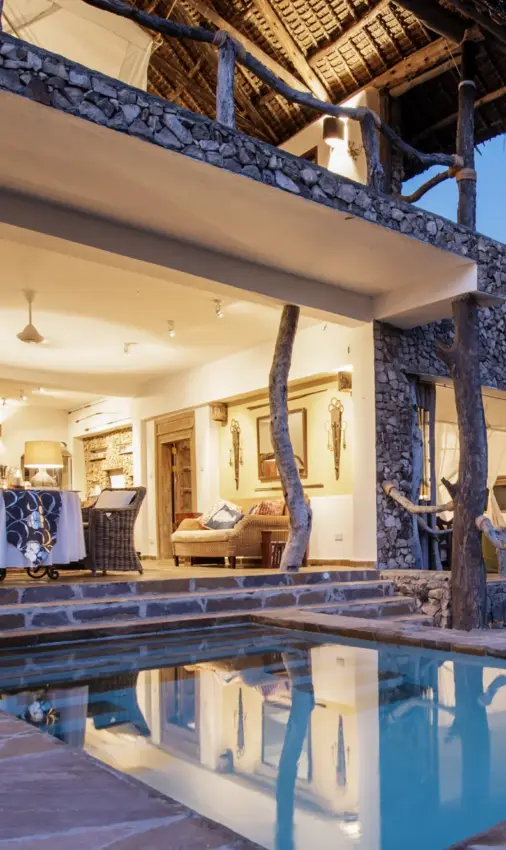
Stone-walled pool terrace overlooking green wooded valley and hills, Beho Beho, Nyerere National Park, Tanzania

After dark a floodlight comes on over a small waterhole on the slope beneath the main house, near enough to watch through a mounted telescope. In the dry season lion, leopard, serval and genet visit the waterhole. By day the view runs the other way, past the baobabs on the hillside to hippos on the Rufiji floodplain, made small by the distance.

In the dry season lion, leopard, serval and genet visit the waterhole.

The main house has almost no walls, and the bush is open on every side. Inside, it feels more like a family’s sitting room than a lodge. Persian rugs and African carvings lie among stacks of coffee-table books, and the library keeps old maps beside First World War artefacts. Family photographs hang on the walls. After dinner, the click of balls on a full-size billiard table carries out into the dark.

Beho Beho, Nyerere National Park, Tanzania 01

accommodation

Seven Stone Bandas With Plunge Pools

Seven stone bandas under palm thatch make up the main camp, open at the front to a verandah and zipped shut with canvas at night. Each now has a plunge pool on a private sun deck. Inside are king or twin beds under nets, a Zanzibari day bed, writing desk, dressing room, twin basins and an open-air shower.

Wooden lounge chair on veranda overlooking savanna woodland, Beho Beho, Nyerere National Park, Tanzania 02

activities

Game Drives and Lake Tagalala Boat Trips

Game drives in Nyerere National Park run morning and late afternoon in open-sided vehicles with the resident guides. Walks of two to five hours leave from camp with armed guides, as park rules require. A morning boat trip on Lake Tagalala goes out among hippos, crocodiles and water birds, then ends with breakfast on the lake shore.

Beho Beho, Nyerere National Park, Tanzania 03

dining

Shared Tables, Bush Breakfasts and Every Drink Included

There is no fixed dining room and no in-room dining in the main camp. Guests and guides eat together, family-style, in a different spot for each meal: a light bite before the early start, then a full breakfast out in the bush under an acacia. Dinner is always the event of the day. Every meal and every drink is included, and a birthday or anniversary becomes a celebration for the whole table.

ready to get started?

Get in touch and let’s start the conversation. An initial consultation helps us understand what you’re looking for, whether that’s specific experiences, luxury touches, or marking a special occasion, and from there we’ll guide you through what’s possible so you can decide if we’re the right fit.

Alternative accommodation in nyerere national park

frequently asked questions

By light aircraft from Dar es Salaam, about forty-five minutes in the air. Coastal Aviation flies to the Nyerere airstrips three times a day from Dar es Salaam, at half past eight, a quarter to eleven and half past four, with a morning flight from Zanzibar and a late-morning one from Ruaha. The camp has its own airstrip, five minutes' drive away, and its team meets every arrival there.

Scheduled flights sometimes call at another strip in the park first, so the landing time can shift. For a direct arrival at an hour that suits you, we can put in a private charter, typically a Cessna Caravan, straight onto the camp's own airstrip. Flights follow the camp's season: from mid March to the start of June the long rains close the airstrips and nothing flies in.

Yes. TravelHealthPro, the UK's official travel health service, rates every part of Tanzania below 1,800 metres as high risk for malaria, and the American CDC draws the same line at 1,800 metres. Nyerere is hot, low country: the Beho Beho airstrip lies at about 120 metres, far below that height, so the advice applies in every month the camp is open.

We are travel planners, not medical professionals, so we make no recommendations about tablets. Both services advise antimalarial medicine for Tanzania, and which one suits you and anyone travelling with you is a conversation for your own doctor or a travel clinic. The practical side we can speak to: cover arms and legs from dusk, keep repellent to hand, and sleep under the net over each bed.

From the age of twelve, and it suits older children who enjoy grown-up company. The camp takes children of twelve and over, and its atmosphere is decidedly adult, particularly at mealtimes, since everyone in the main camp eats together. A teenager who likes walking, birds and long talk at dinner will be in their element.

A family who would rather keep its own table and timetable can take Bailey's Banda, the private two-bedroom house up the hill, with its own chef, guides and vehicle for up to five. Walks from camp run two to five hours with armed guides, so for younger walkers we would choose the shorter ones. Tell us everyone's age at enquiry and we will shape the days around them.

Mornings and afternoons go to game drives in open-sided vehicles with raised, shaded seats, or to walks of two to five hours straight from camp with the camp's armed guides, so you never walk alone. You go out with several of the resident guides in turn rather than one. All meals, drinks and game activities are included, so there is no bill to settle in camp.

Once in a stay everyone drives to Lake Tagalala, under an hour away, for a shaded boat trip of about ninety minutes among hippo, crocodile and water birds, with breakfast on the shore. Meals move around, from the bush to the poolside, always shared with the guides. After dark the floodlit waterhole below the main house draws lion, leopard, serval and genet, busiest in the dry season.

The camp opens on 1 June and closes on 14 March, shutting through the long rains of April and May, when the roads are impassable and the airstrips close. Mid-June to October is the dry season and the strongest stretch for game, as the bush thins and animals gather at permanent water; June to August are the coolest months.
The green season has a real case. From November to the March closing the country is lush, the birding is at its best and there are fewer guests in camp. Short rains are likely in November and December, and January to March is hot and humid with occasional showers. Game spreads out through thicker bush, so it takes more patience, but the colour and the stormy light reward a photographer.
Frederick Courteney Selous was a hunter, explorer and conservationist, and the great game reserve of southern Tanzania carried his name for about a century. He was killed in action at Beho Beho on 4 January 1917, serving as a captain against German forces in East Africa, and was buried near where he fell. His grave, a recognised war grave, lies close to the camp.

In 2019 the northern part of the Selous Game Reserve was gazetted as a national park and named after Julius Nyerere, Tanzania's founding president. Beho Beho lies inside it, so the name on the map changed while the bush around the camp did not.

rated five stars by our clients

other areas in tanzania

African wild dog standing alert in grassland 01

Ruaha National Park

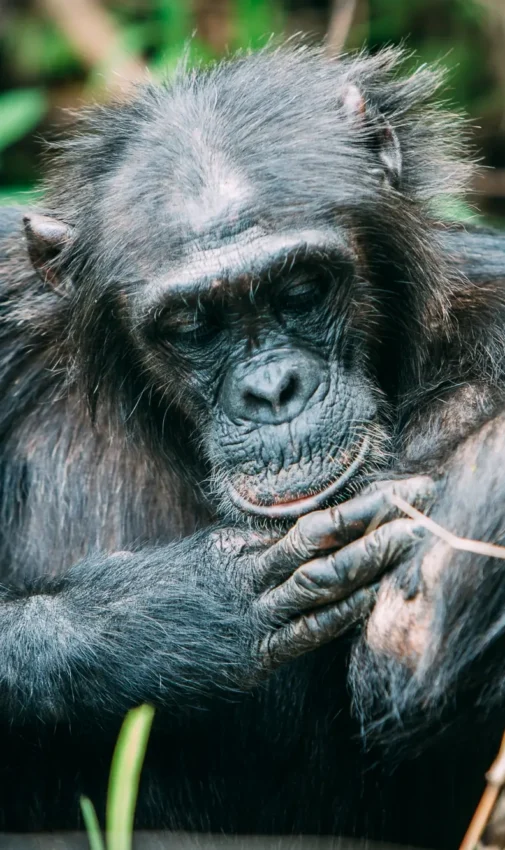
Chimpanzee holding branch while foraging in forest, Mahale Mountains, Tanzania 02

Mahale Mountains

Guests relax in chairs by river with child wading, Lake Manyara, Tanzania 03

Lake Manyara

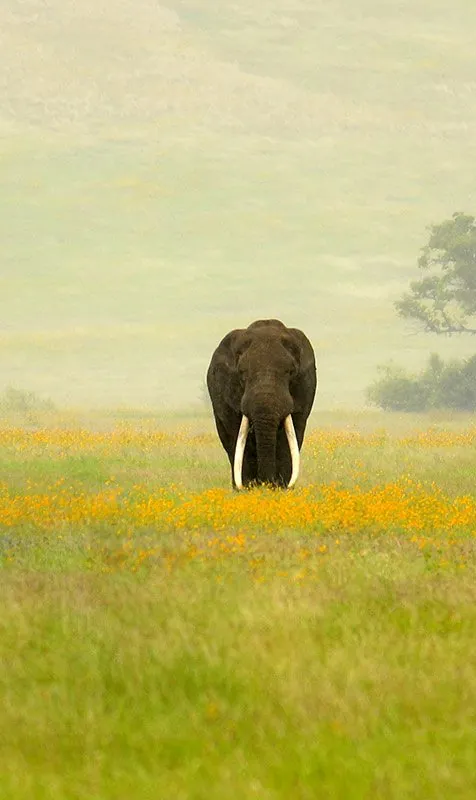
Elephant walking alone across golden savanna grassland 04

Ngorongoro Crater

Silhouetted herd of wildebeest in dusty savanna landscape 05

Serengeti National Park

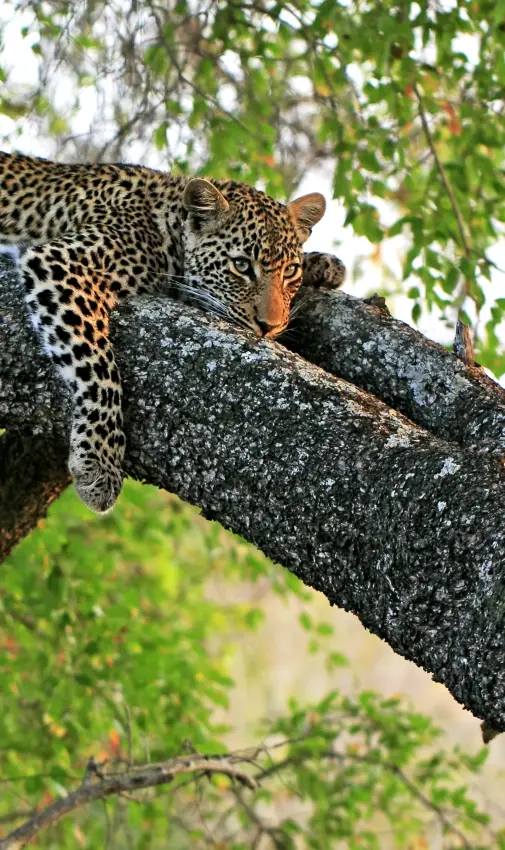
Leopard resting on tree branch surrounded by green foliage 06

Tarangire National Park

Hippopotamuses in water with heads above surface 07

Katavi National Park

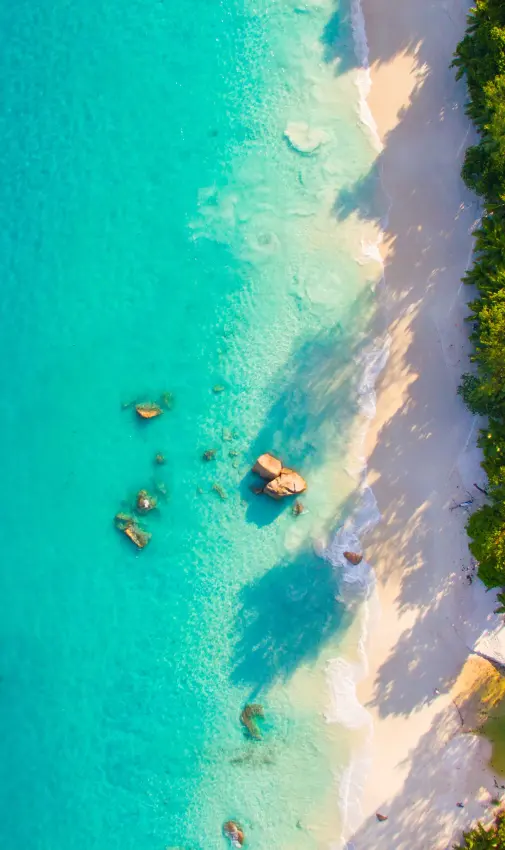
Turquoise water beach with boats and tropical vegetation 08

Zanzibar & Pemba

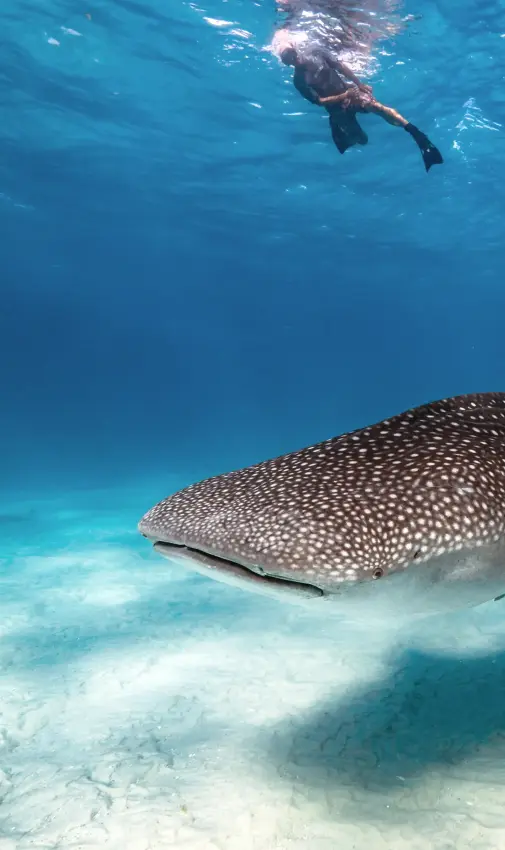
Snorkeler swimming alongside whale shark in shallow turquoise water, Mafia Archipelago, Tanzania 09

Mafia Archipelago

Chimpanzee among vegetation looking toward camera, Rubondo Island, Tanzania 10

Rubondo Island

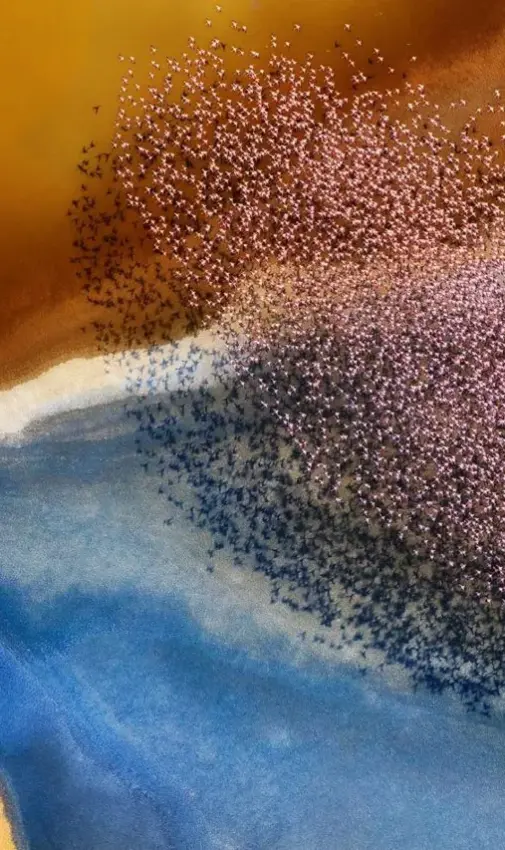
Aerial view of colorful salt lakes and mineral deposits 11

Lake Natron

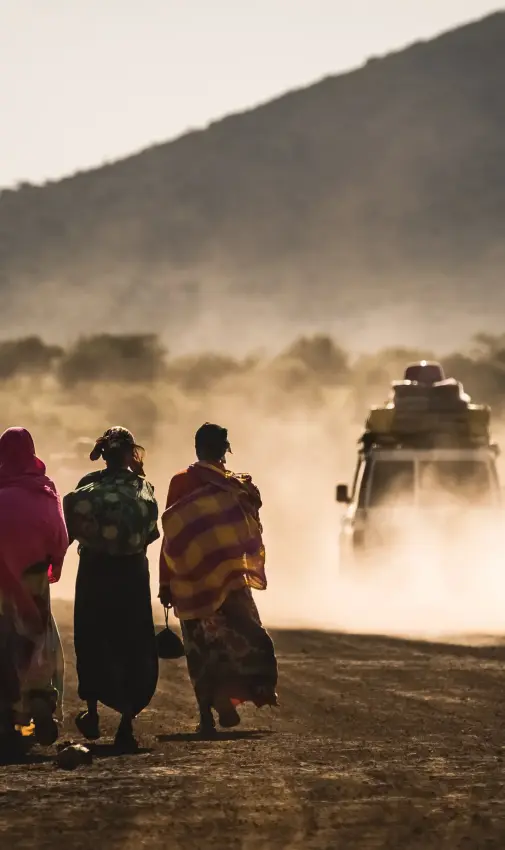
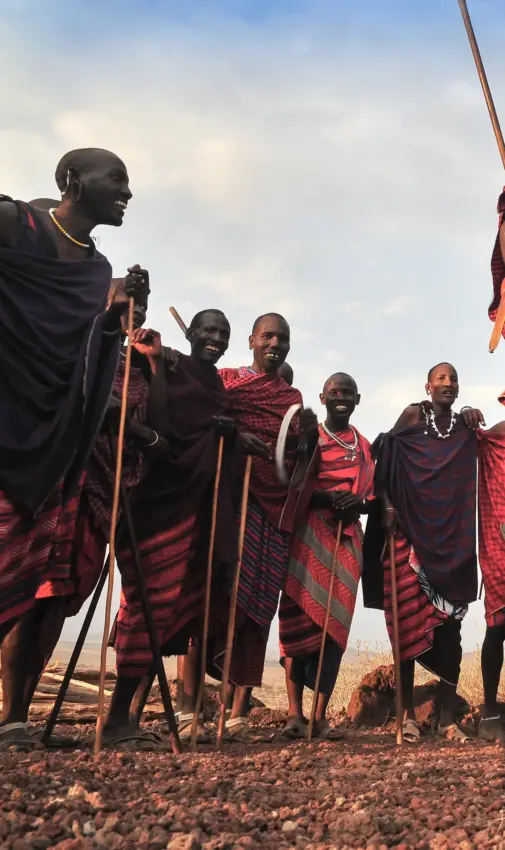
Local people walking on dusty road with vehicle approaching 12

Arusha

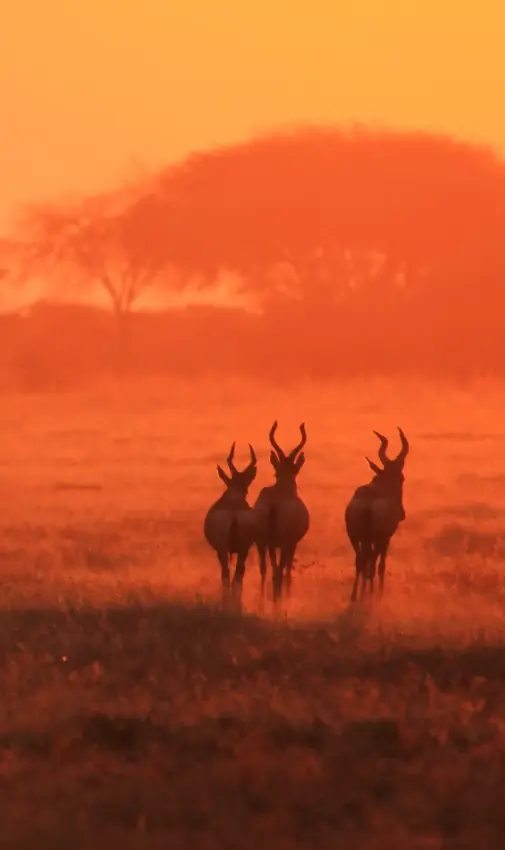
Herd of antelope silhouetted against orange sunrise 13

Ugalla River National Park

West Kilimanjaro, Tanzania 14

West Kilimanjaro

Planning a journey together

our approach

remote, exclusive
& personal

Every journey starts with a conversation. We take the time to understand your vision before we start planning.

Whether by phone or in person, we work with you directly to shape something that is considered, personal, and expertly delivered.

get in touch
destinations ideas & inspiration our process about us contact us