 01
01
Spice farms, dhow sails, coral walls
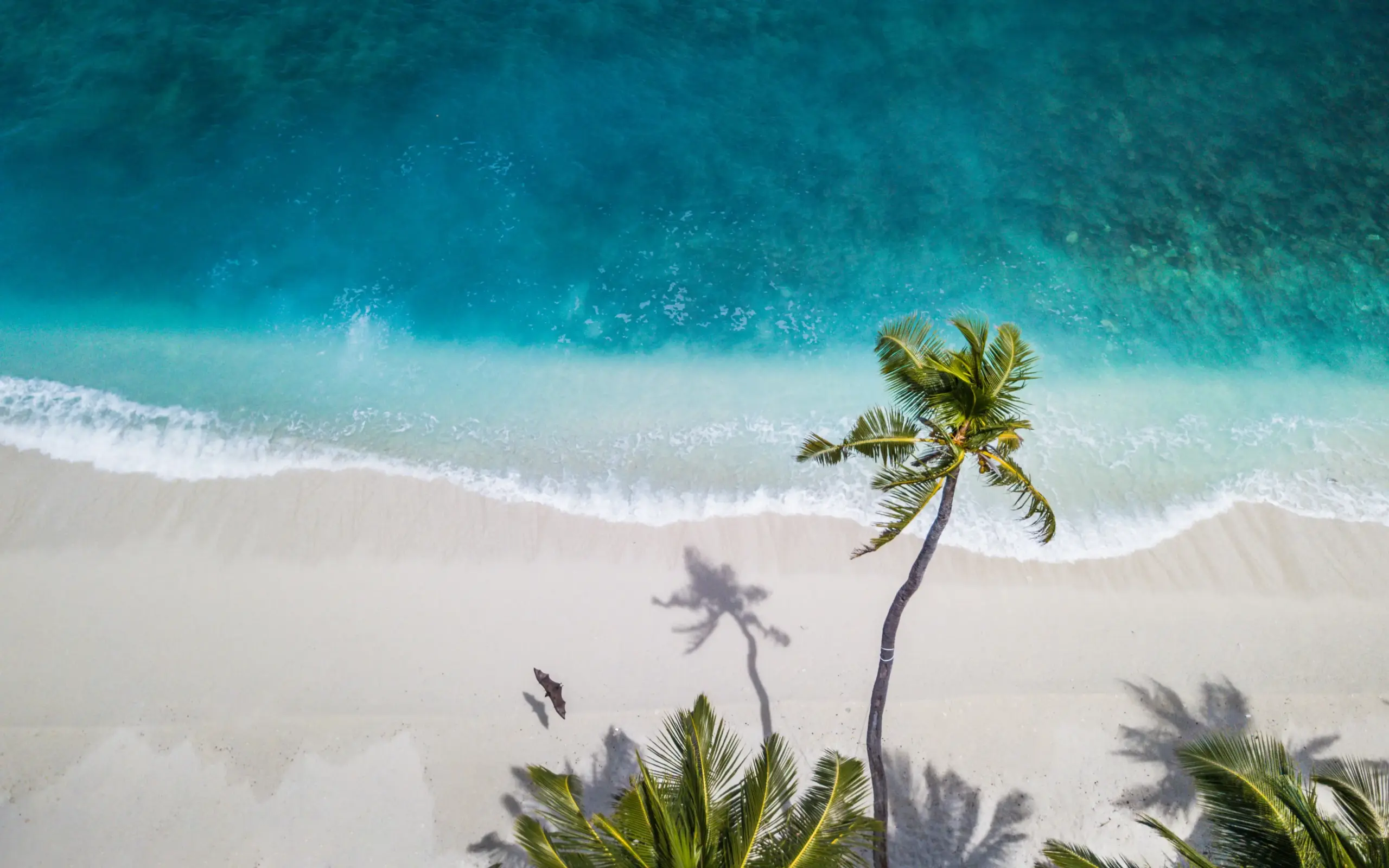
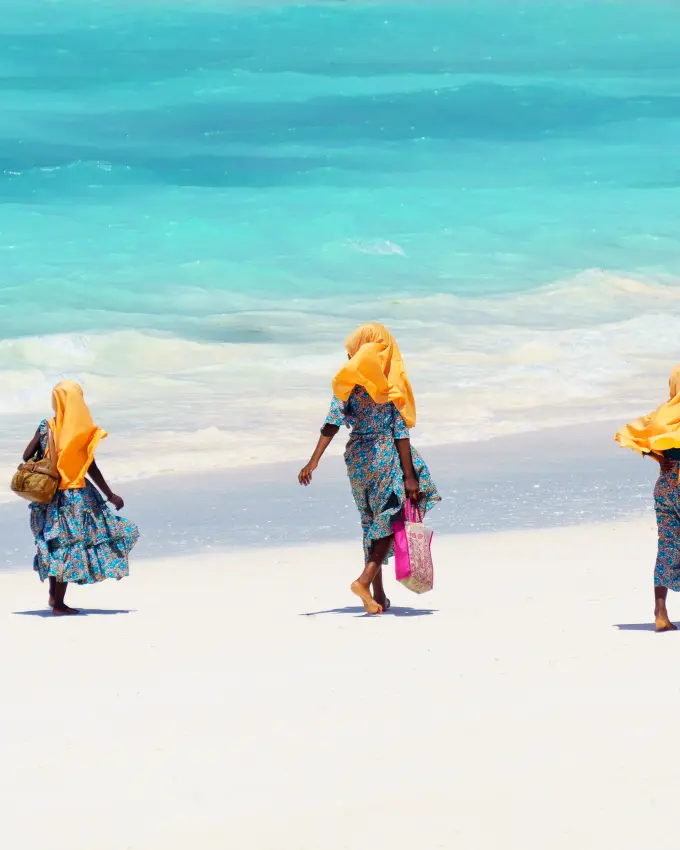
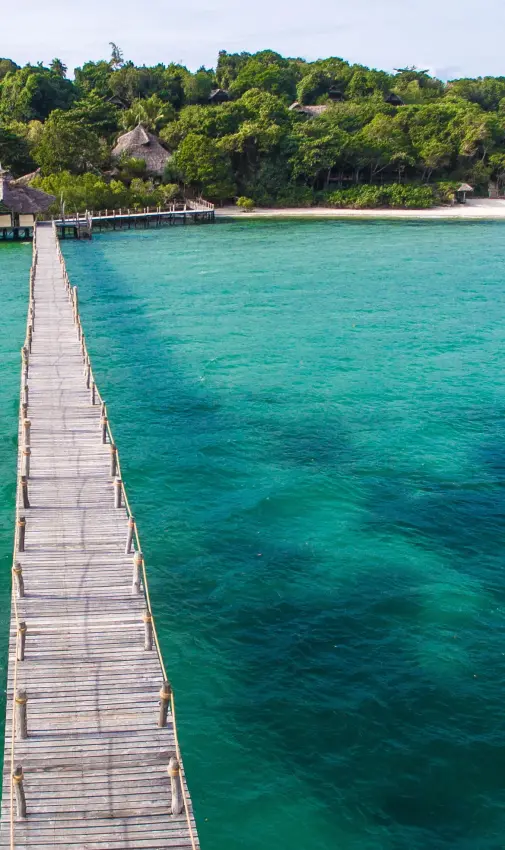
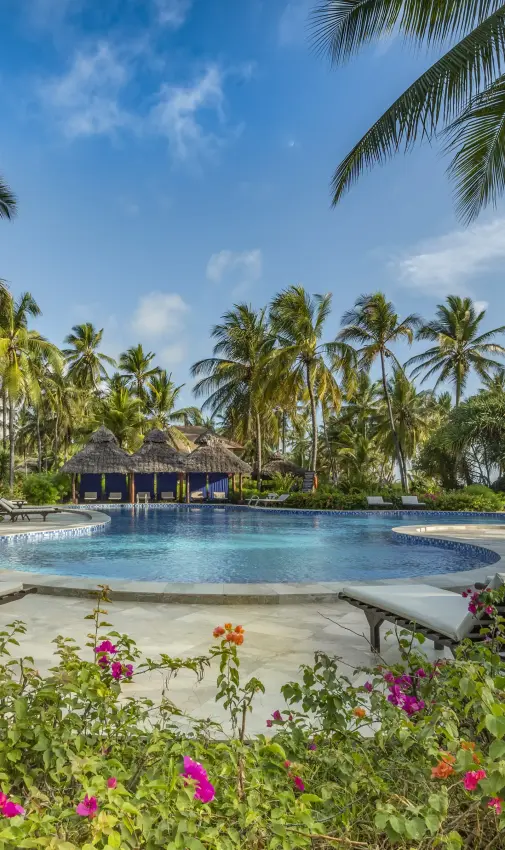
Zanzibar and Pemba lie in the Indian Ocean off Tanzania’s Swahili Coast, the natural close to a mainland safari. Unguja, the main island, carries the white sand and turquoise water most people picture. Coral reefs fringe its east and north coasts, and Stone Town anchors its heart with centuries of Swahili history.
The white sand and turquoise water most people picture
The two islands offer very different trips. Unguja pairs Stone Town’s heritage and busy beaches with easy reef access. Pemba keeps its coral islands and deserted sands for a handful of secluded lodges. Both close a Tanzania safari with warm seas, dhow sailing, and reefs that rank among East Africa’s finest diving.

Stone Town is the historic centre of Zanzibar City, a UNESCO World Heritage Site built from the meeting of African, Arab, Persian, Indian and European traders along the Indian Ocean monsoon routes. Labyrinthine alleys run between carved wooden doors and old merchant houses, past mosques and the former palaces of sultans.
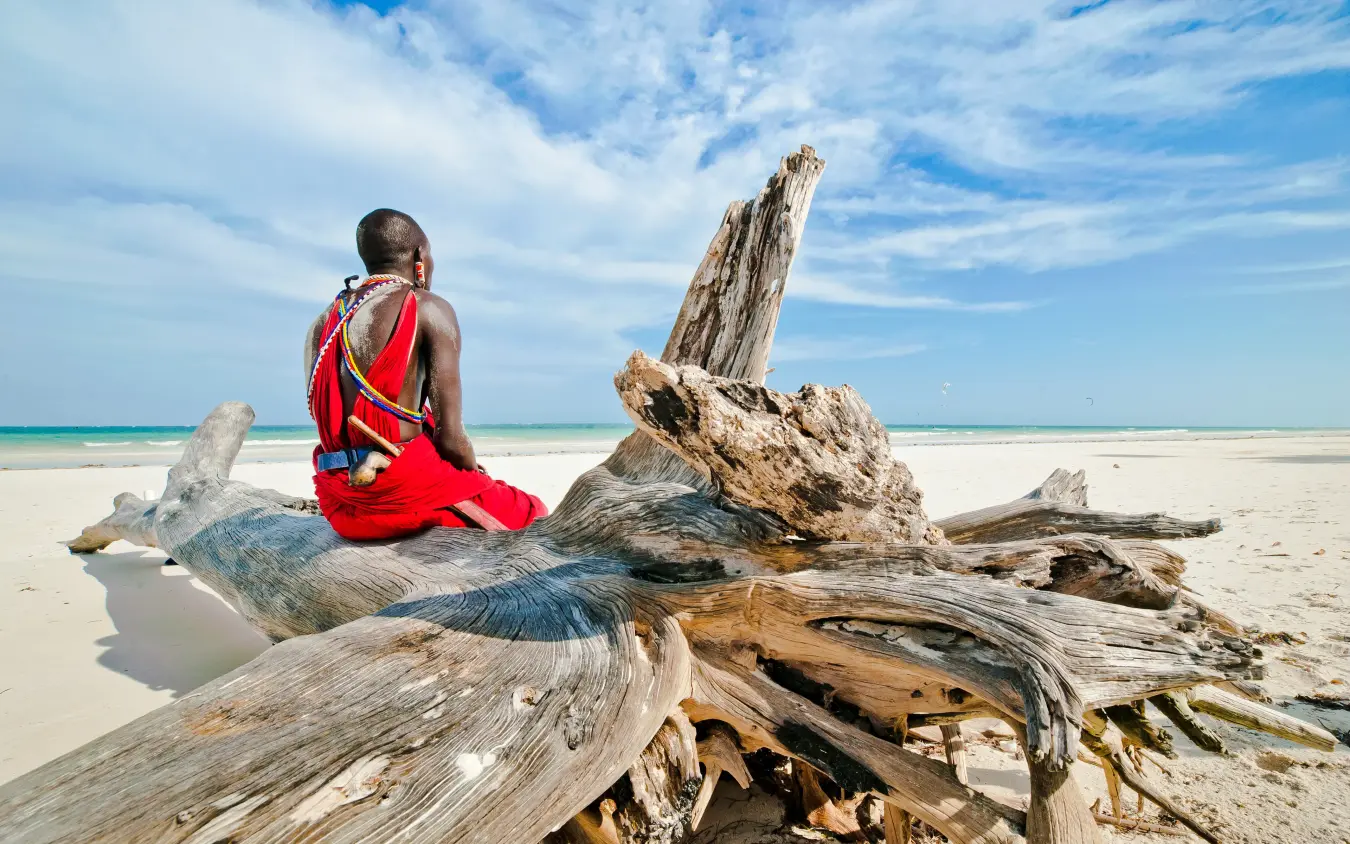
The culture across both islands is Swahili and predominantly Muslim
Cloves, cinnamon, nutmeg and black pepper grow on these farms, and Pemba remains a major clove producer today. The culture across both islands is Swahili and predominantly Muslim, with deep traditions in dhow building, fishing and spice cultivation. Kiswahili is the everyday language, shaped by centuries of Arabic contact, and English is widely understood.
Coral reefs ring both Unguja and Pemba, alive with reef fish, rays, octopus and turtles, while the deep Pemba Channel draws larger pelagic life to its walls and drop-offs. Off Pemba, spinner and bottlenose dolphins gather in the channel, and offshore coral islands hold sugar-white sand and turtle nesting beaches reached only by boat. Sea turtles come ashore at night to lay on these remote cays, which lodges access under careful control. Humpback whales pass through Zanzibar’s waters between July and October, following their seasonal migration along the Swahili Coast.
Unguja’s land wildlife centres on Jozani-Chwaka Bay, the islands’ only national park. Its forest and mangrove protect the Zanzibar red colobus, a primate found nowhere else, with a population estimated at around 5,862. Game drives give way to guided walks here, along boardwalks and forest paths through country that is woodland and wetland rather than open plain. Smaller antelope including the Aders’ duiker, monkeys and 168 recorded bird species share the coastal forest and the habitat around it.
Spice and clove plantations, low-key village walks and cycling fill the hours between dives
Pemba reads as a different island altogether. Densely vegetated and long considered the more fertile of the two, it has very few lodges and beaches that stay largely deserted. The deep channel and healthy reefs make it serious diving water, with walls, vivid coral and big-fish encounters drawing those who want seclusion over scene. The island is also home to the Pemba flying fox, one of the world’s largest bats, and the Pemba scops owl, both endemic. Spice and clove plantations, low-key village walks and cycling fill the hours between dives.
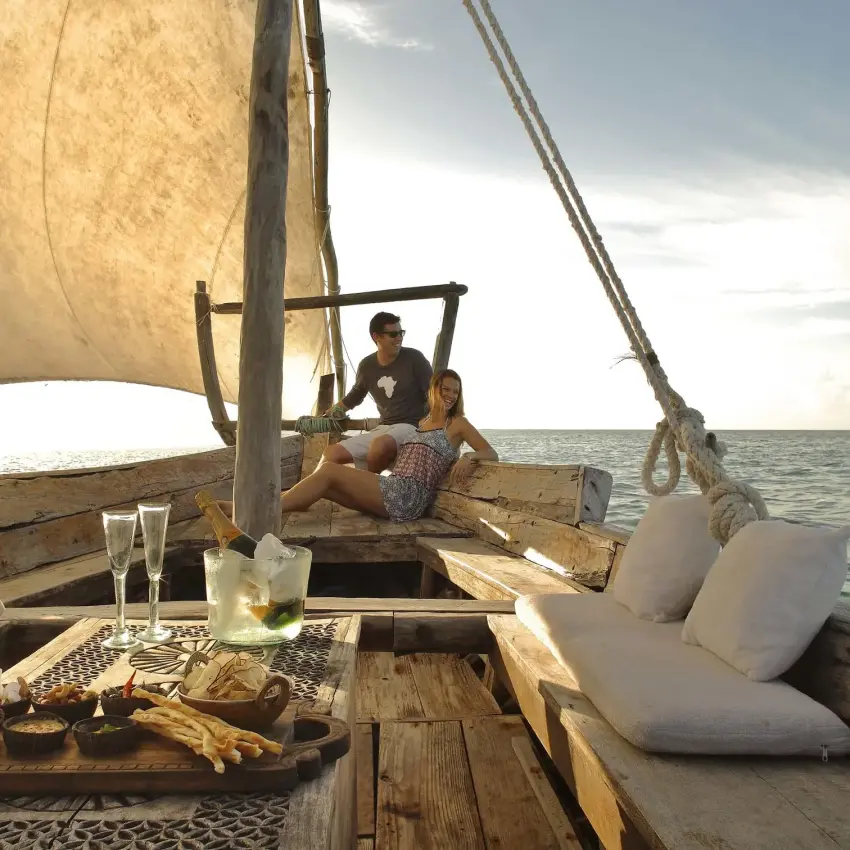
A classic itinerary pairs the bush with the beach. Mainland parks such as the Serengeti, Ngorongoro Crater, Tarangire and the remote southern reserves supply the wildlife; the Spice Islands supply the wind-down, with dhow sailing, snorkelling, diving and a wander through Stone Town. Zanzibar and Pemba connect easily by air to Dar es Salaam and Arusha, so the move from savannah to Indian Ocean is a matter of a short flight rather than a long day.
The best time to visit Zanzibar & Pemba
Jan
Feb
Mar
Apr
May
Jun
Jul
Aug
Sep
Oct
Nov
Dec
Recommended
Transitional
Challenging conditions
For settled beaches and the clearest diving, come in the cool dry season from June to October, when the Kusi monsoon brings calm water and visibility that peaks in September and October, with Pemba's walls best in August and September. February is the standout of the hot season. Avoid the long rains of April and May, when rough seas cut visibility and many lodges and dive centres close.
accommodation in zanzibar & pemba
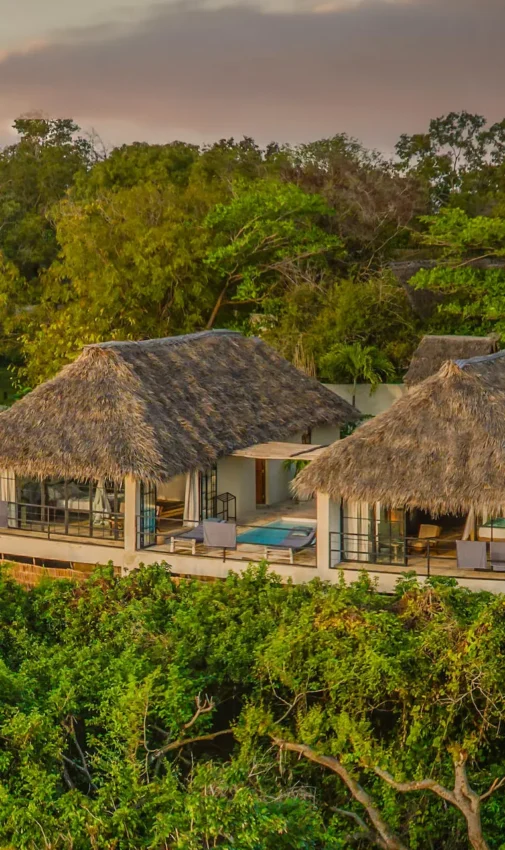
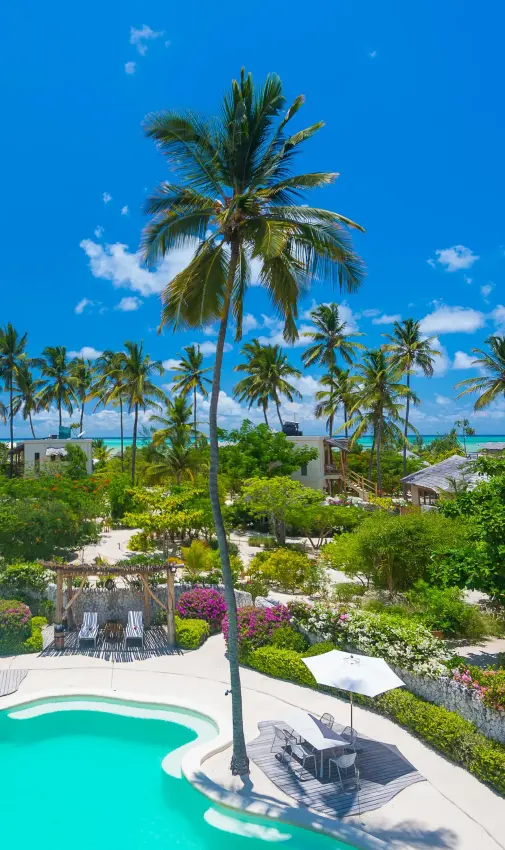
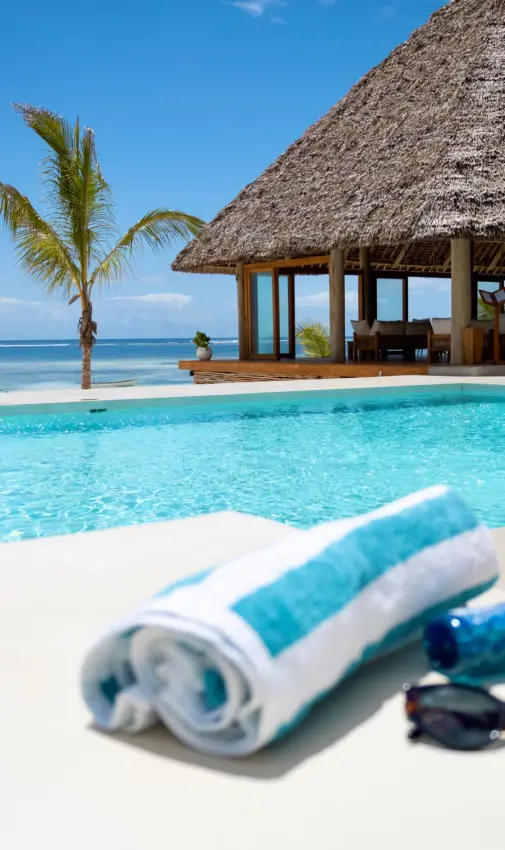
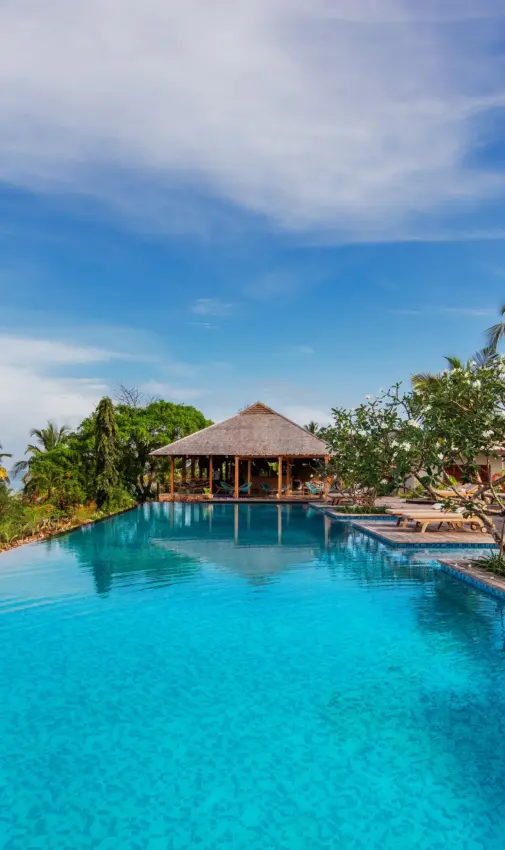
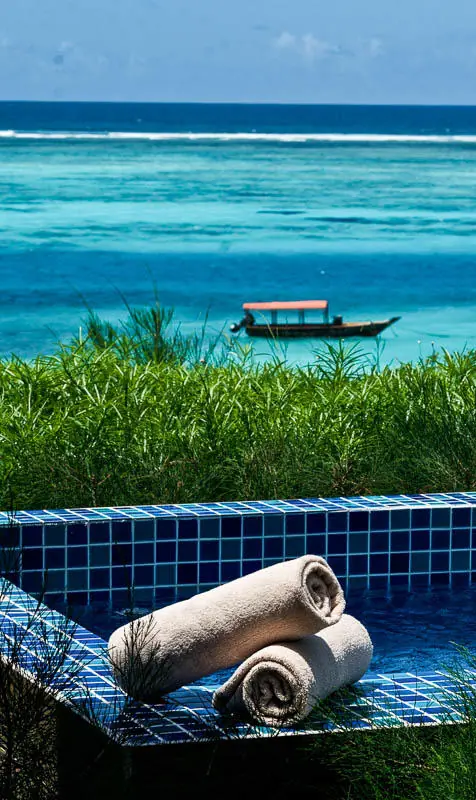
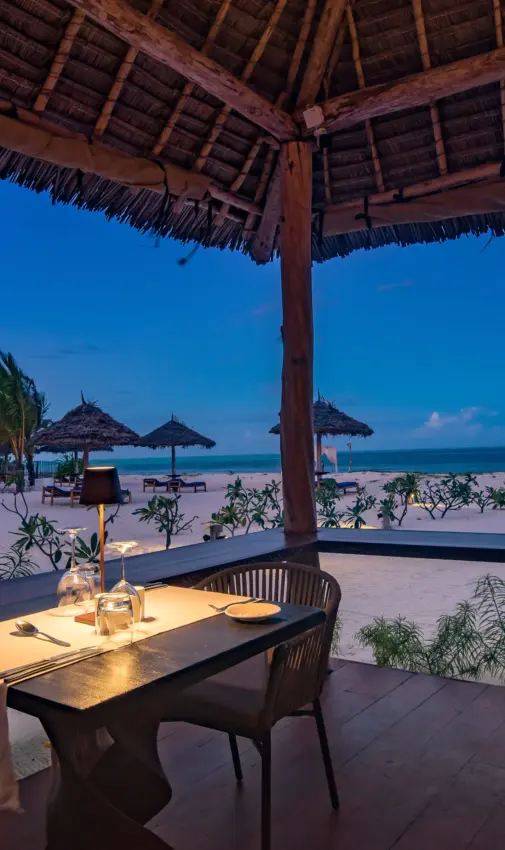
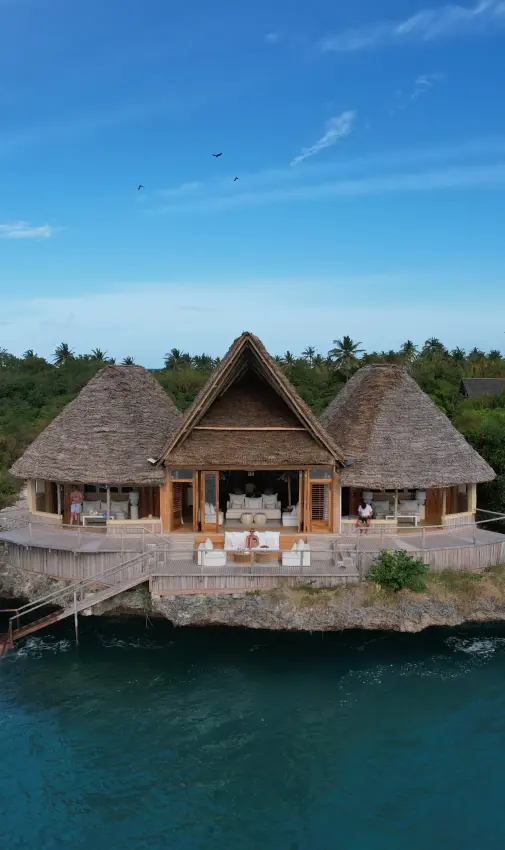
Unguja carries the broadest range, from boutique heritage hotels in restored Stone Town merchant houses to full-service beach resorts and private villas along the north, east and south coasts. A small number of eco-lodges and offshore island retreats offer limited rooms and direct reef access. Pemba keeps things scarce and secluded, with a few small luxury lodges positioned for diving and privacy, several reached by speedboat and effectively running their own stretches of beach and reef.
01

 02
02
 03
03
 04
04
 05
05
 06
06
 07
07
 08
08
 09
09
 10
10
 11
11
 12
12
 13
13

activities
Diving, dhows and Stone Town
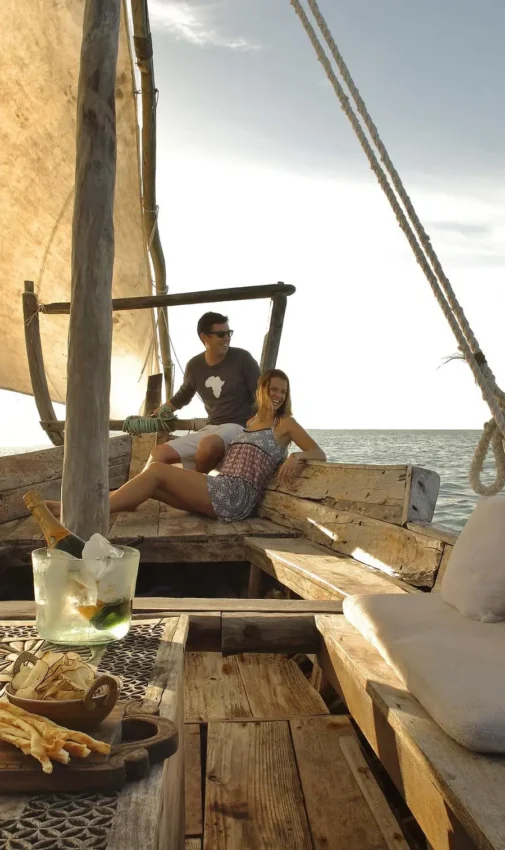
Reef diving and snorkelling run off both islands, with Pemba's channel walls and Mnemba Atoll the standout sites. Dhow sailing, sunset cruises, Stone Town walking tours and spice farm visits cover the cultural side. Jozani-Chwaka Bay offers guided forest and mangrove walks. Paje on Unguja's southeast coast draws kitesurfers.

conservation
Reefs, channels and clove islands
The Pemba Channel Conservation Area protects coral reefs and threatened species. Menai Bay Conservation Area and Chumbe Island Coral Park anchor marine protection around Unguja, both managed with community and NGO partners including WWF. Jozani-Chwaka Bay National Park safeguards the Zanzibar red colobus and its forest.

getting around
Short flights from safari country
Abeid Amani Karume International Airport near Zanzibar City handles scheduled and charter flights from Dar es Salaam, Arusha and Kilimanjaro, plus regional and some long-haul services. Pemba's airport near Chake Chake connects via Zanzibar and Dar es Salaam, with speedboat transfers onward to offshore lodges. Helicopter transfers can be arranged for bespoke connections between islands or from mainland airstrips.
other areas in tanzania
The Spice Islands close itineraries that begin in Tanzania's wildlife regions. The Serengeti delivers the Great Migration and its predators; Ngorongoro Crater concentrates plains game within a single caldera; Tarangire is known for elephant herds and baobabs. Further south and west, Ruaha and Katavi offer far less visited reserves for those wanting remote game viewing before the beach. Each connects to the coast by a short flight.





frequently asked questions
By air, and it is a short hop from the mainland.
Zanzibar's Abeid Amani Karume airport takes international flights as well as the domestic services, so you can arrive directly or connect through Dar es Salaam. From the Tanzanian bush strips the scheduled flights come in under two hours, which is why the islands sit at the end of so many safaris.
Pemba is a further short flight north, or a slower boat, and it is the quieter of the two.
The transfer from the airport to the north or east coast hotels is one to two hours by road.
Yes. The islands are part of Tanzania's malaria country, and both TravelHealthPro, the UK's official travel health service, and the CDC include them.
Risk on Zanzibar is lower than on the mainland after years of control work, but lower is not the same as none.
We do not make medical recommendations. Which tablets suit you, and what is right for a child, are questions for your own doctor or a travel clinic.
On the practical part, cover up at dusk and keep repellent to hand in the garden before dinner.
Enough for two or three days, and it is worth taking one.
- Stone Town: the old streets, the doors, the market and the spice trade history
- Jozani forest, for the red colobus that live nowhere else
- A spice farm morning, which is better than it sounds
- Diving and snorkelling on the reefs, and dhow sailing at sunset
Pemba is a diving island above all, with steep walls and far fewer boats.
We will build in the day trips you want and leave the rest of the stay empty, which is the point of being there.
On the east coast, a great deal, and it catches people out.
The east coast beaches sit behind a reef with a long tidal range, so the sea retreats a long way twice a day and swimming off the sand is a matter of timing. The north coast, around Nungwi and Kendwa, holds deeper water through the tide.
A pool matters on the east coast; on the north coast it is a bonus.
Tell us how much you care about swimming from the beach and we will put you on the right coast.
Yes, and it is the easy end of a Tanzanian trip.
The short flight from the bush, the warm shallow water and the hotels with family rooms make it straightforward. Older children get the diving, the snorkelling and the dhow trips.
What to weigh is the heat, the tides on the east coast and the modest dress expected away from the hotels, since this is a Muslim community.
Tell us their ages and we will choose the coast and the hotel to match.
Four or five at the end of a safari.
That gives you a day for Stone Town or the forest and three genuinely empty ones, which is what the islands are for. Two or three nights and the travelling eats the stay.
Pemba suits a longer, quieter stay and divers in particular.
Tell us what the safari looks like and we will say how many beach nights it has earned, and which coast to spend them on.
rated five stars by our clients

our approach
remote, exclusive
& personal
Every journey starts with a conversation. We take the time to understand your vision before we start planning.
Whether by phone or in person, we work with you directly to shape something that is considered, personal, and expertly delivered.
Every journey starts with a conversation. We favour a direct, personal approach: understanding your vision before anything else.
Whether by phone or in person, we work with you directly to shape a journey that is both thoughtfully considered and expertly delivered.
Get in touch to start planning yours.