








namibia
dunes, shipwrecks and the skeleton coast
Nine nights across Namibia, from the red dunes of Sossusvlei to the Atlantic and the remote Skeleton Coast.
- Private Safari
- From $9,765 pp
- 2 guests
- 9 nights

This ten-night journey links Namibia’s distinct regions in turn: the dunes of Sossusvlei and the Deadvlei pan in the Namib Naukluft Park, the coast at Swakopmund and Walvis Bay, the Brandberg and river valleys of Damaraland, and the Etosha Heights Private Reserve adjoining Etosha National Park.
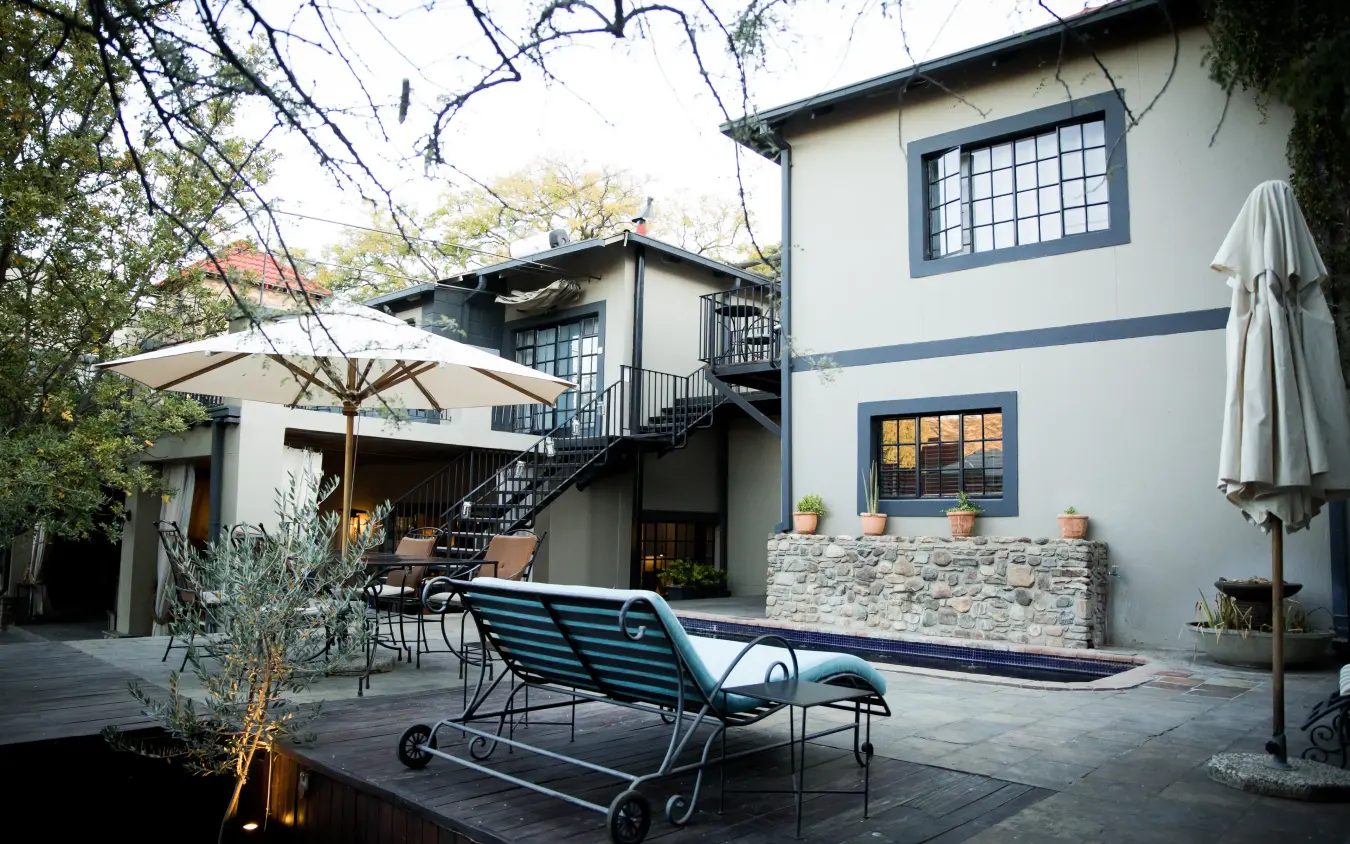
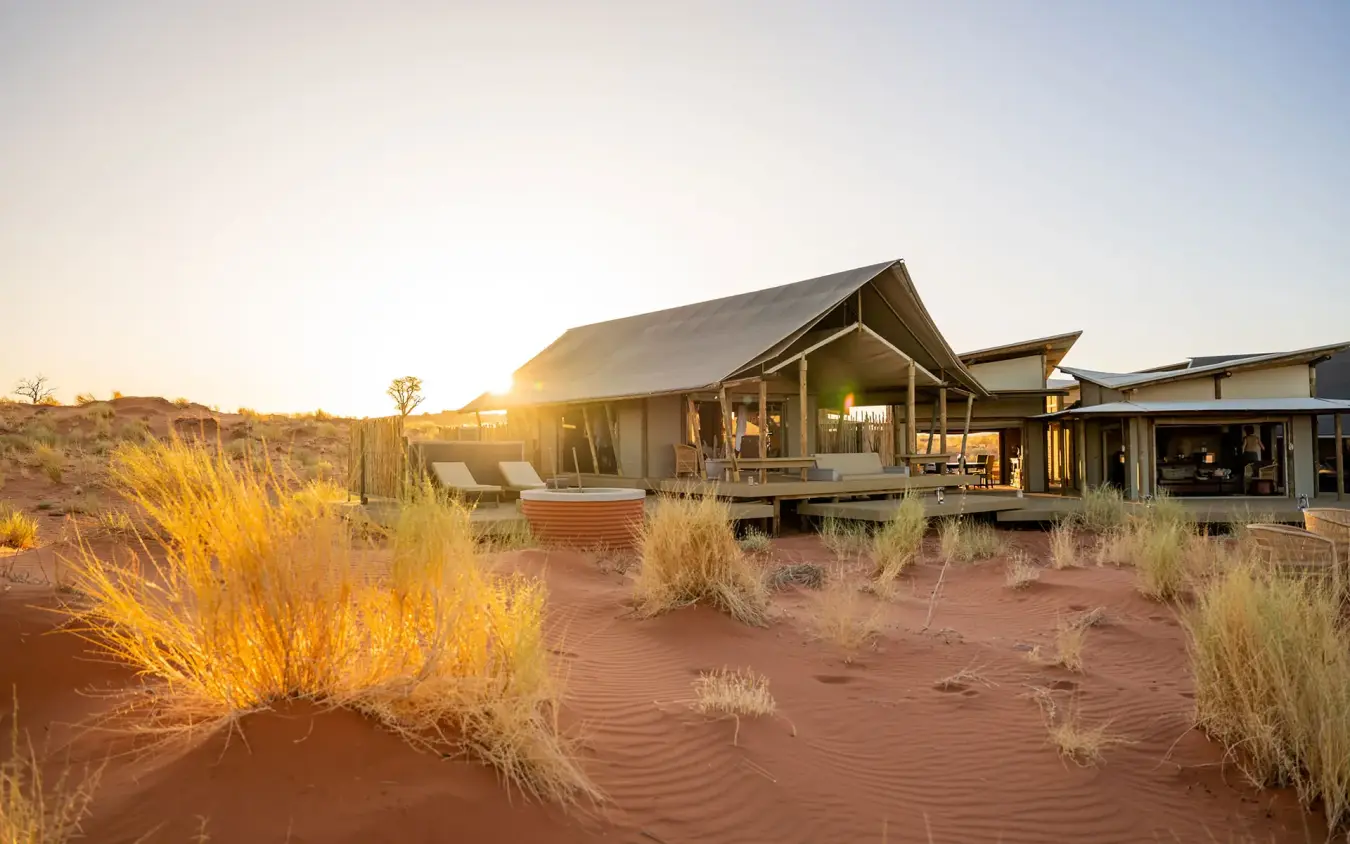
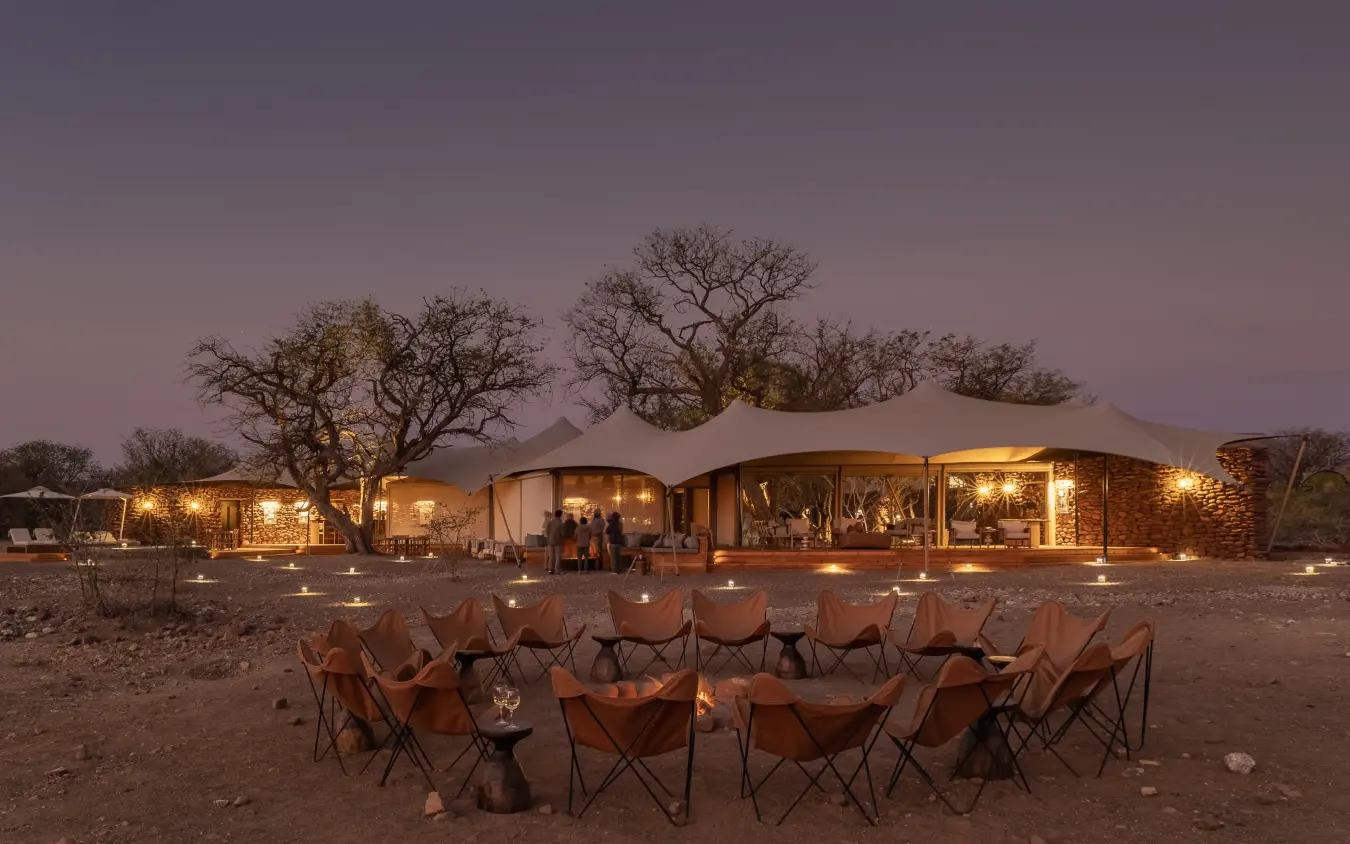
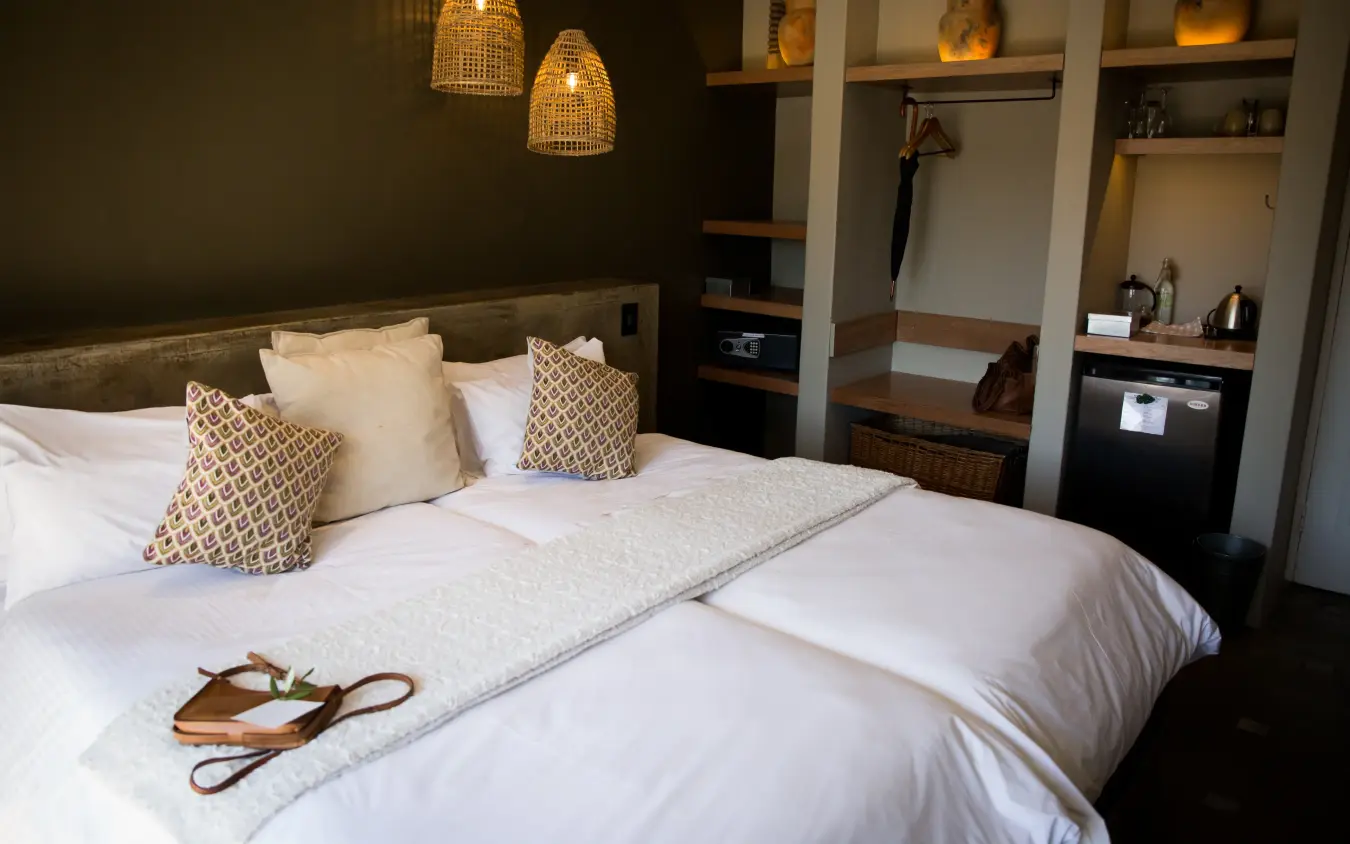
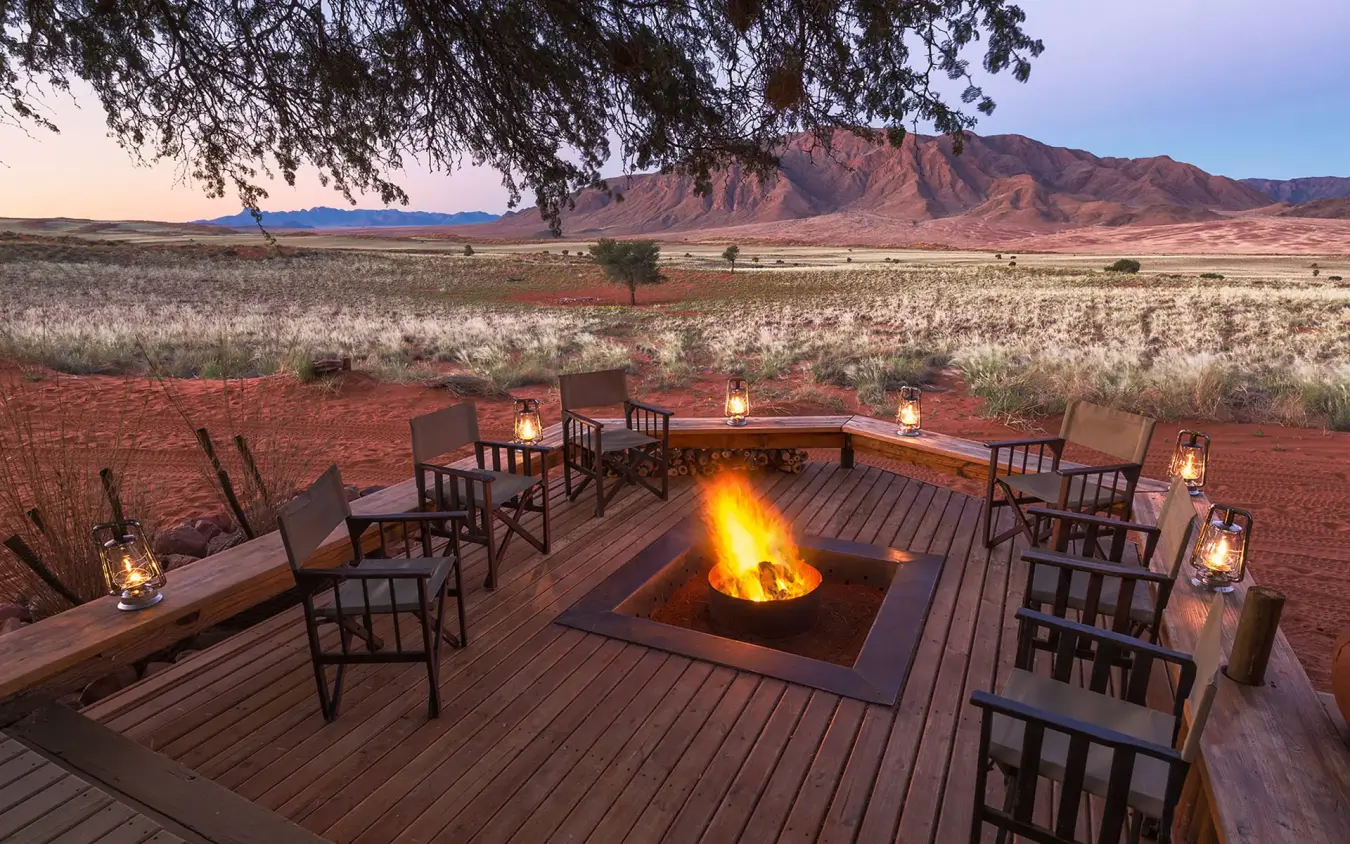
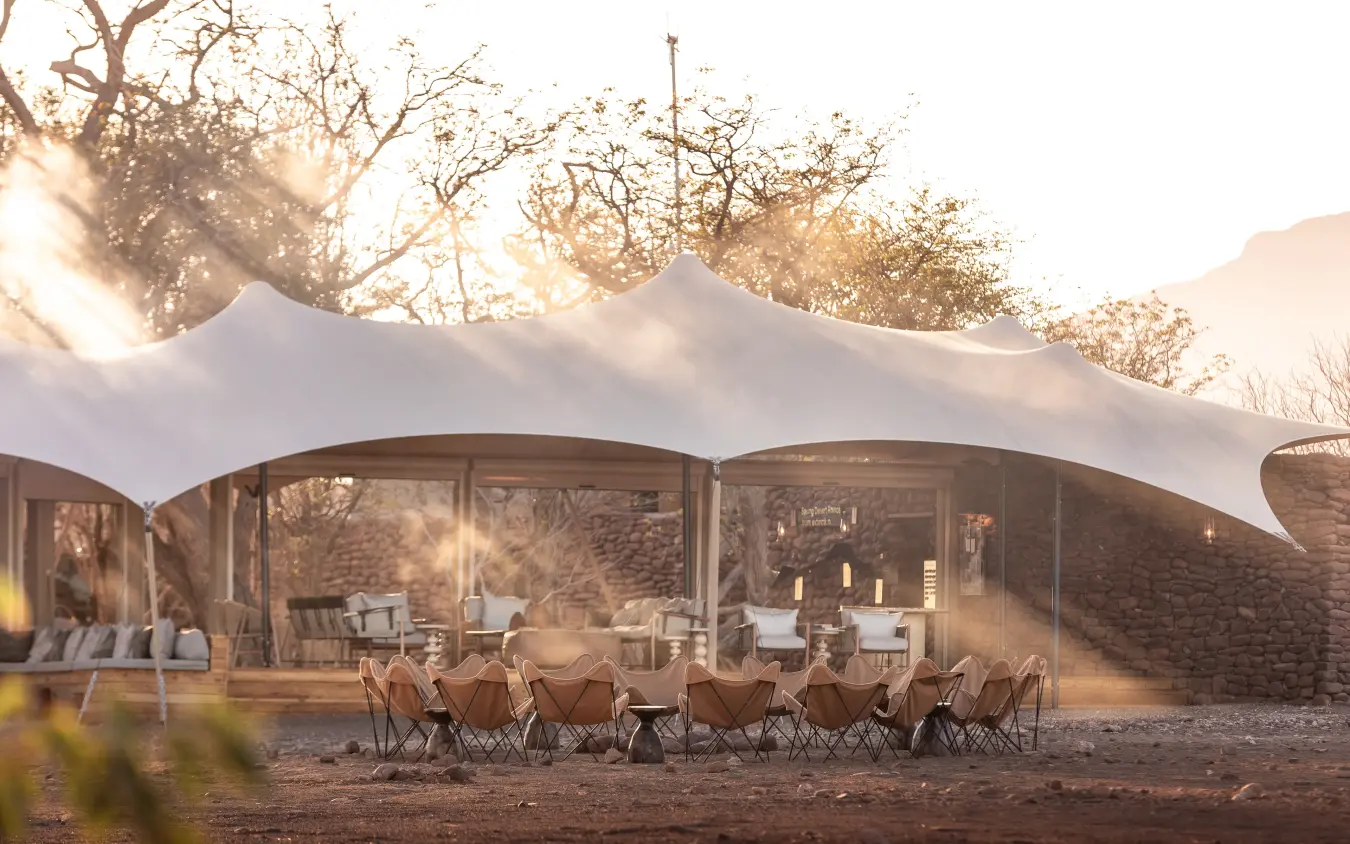
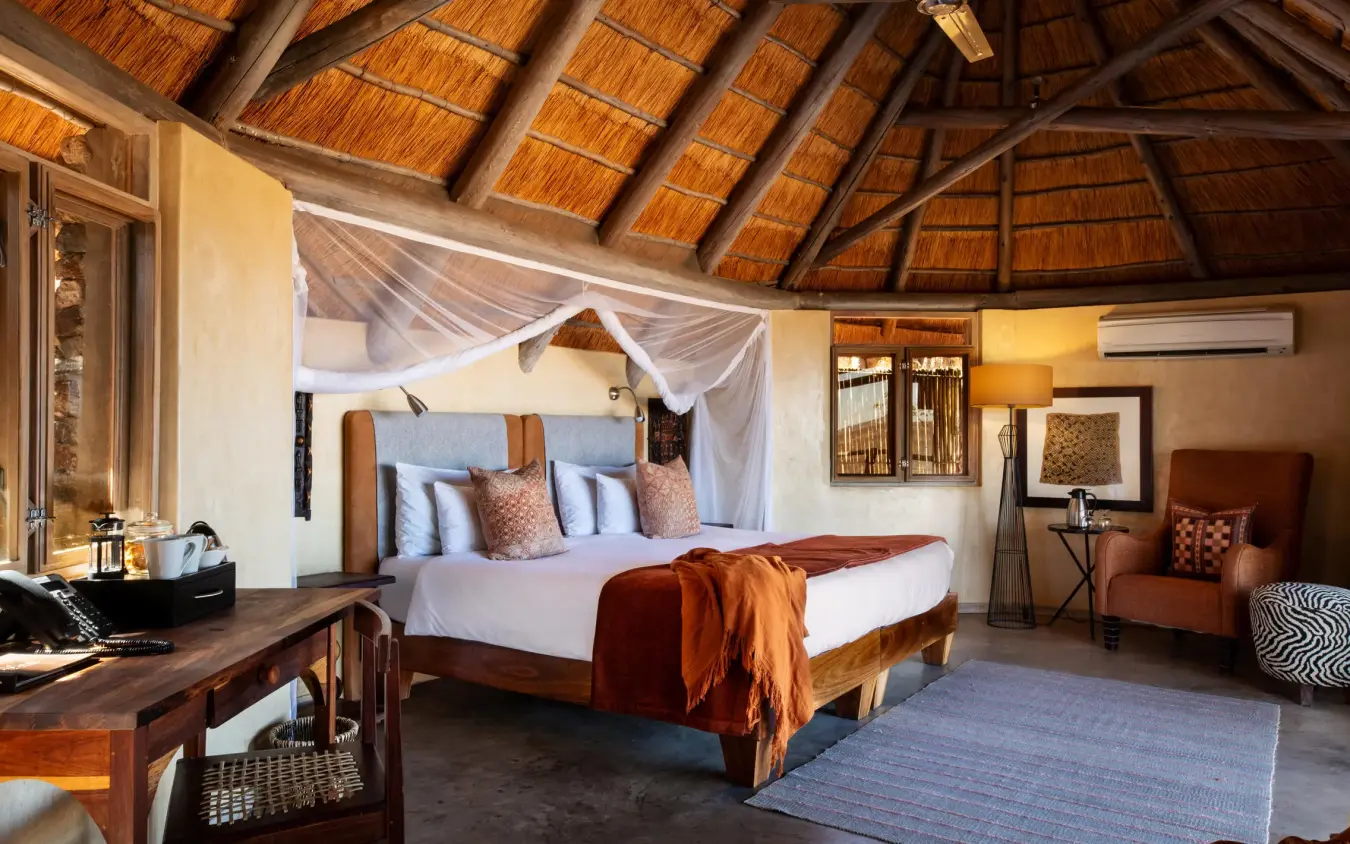
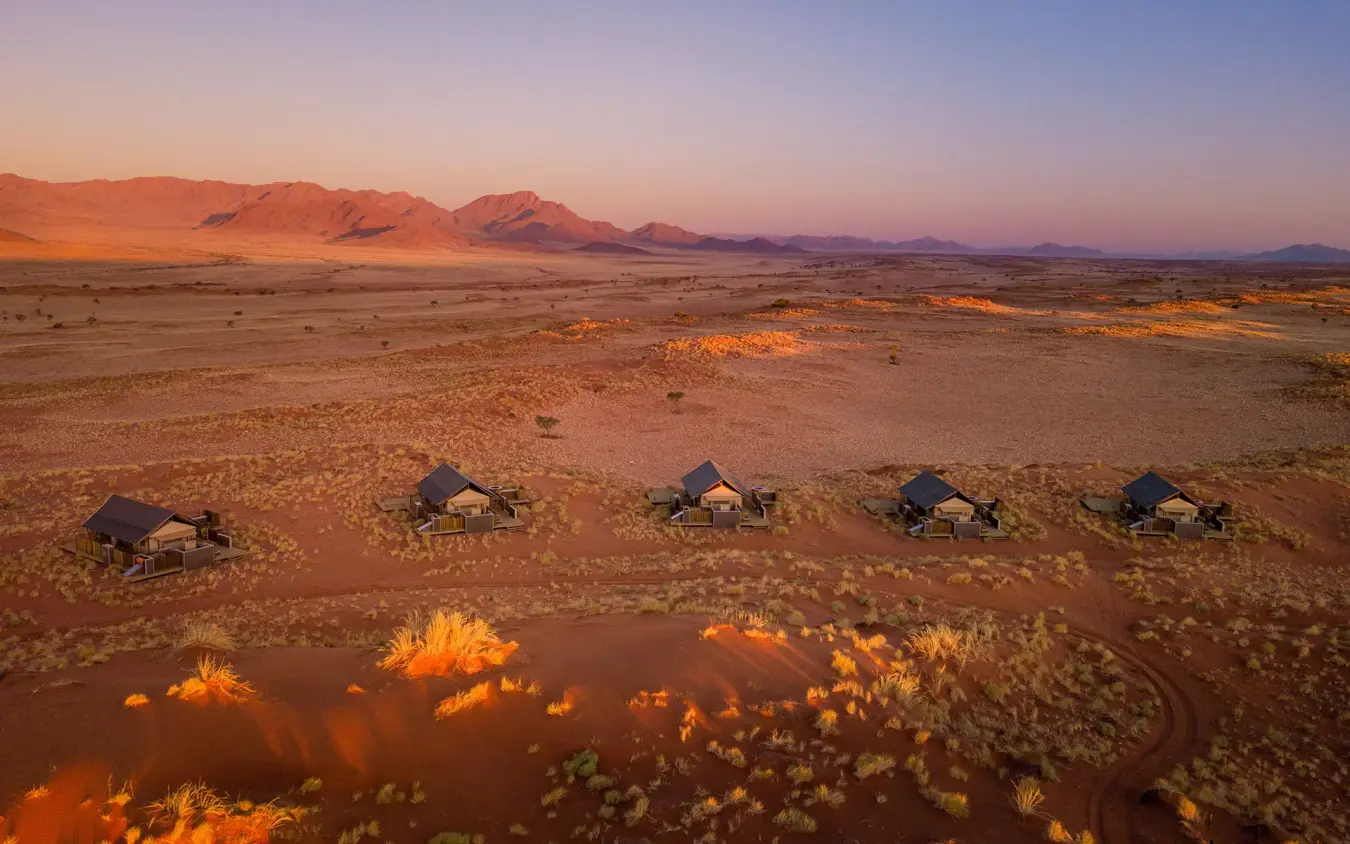
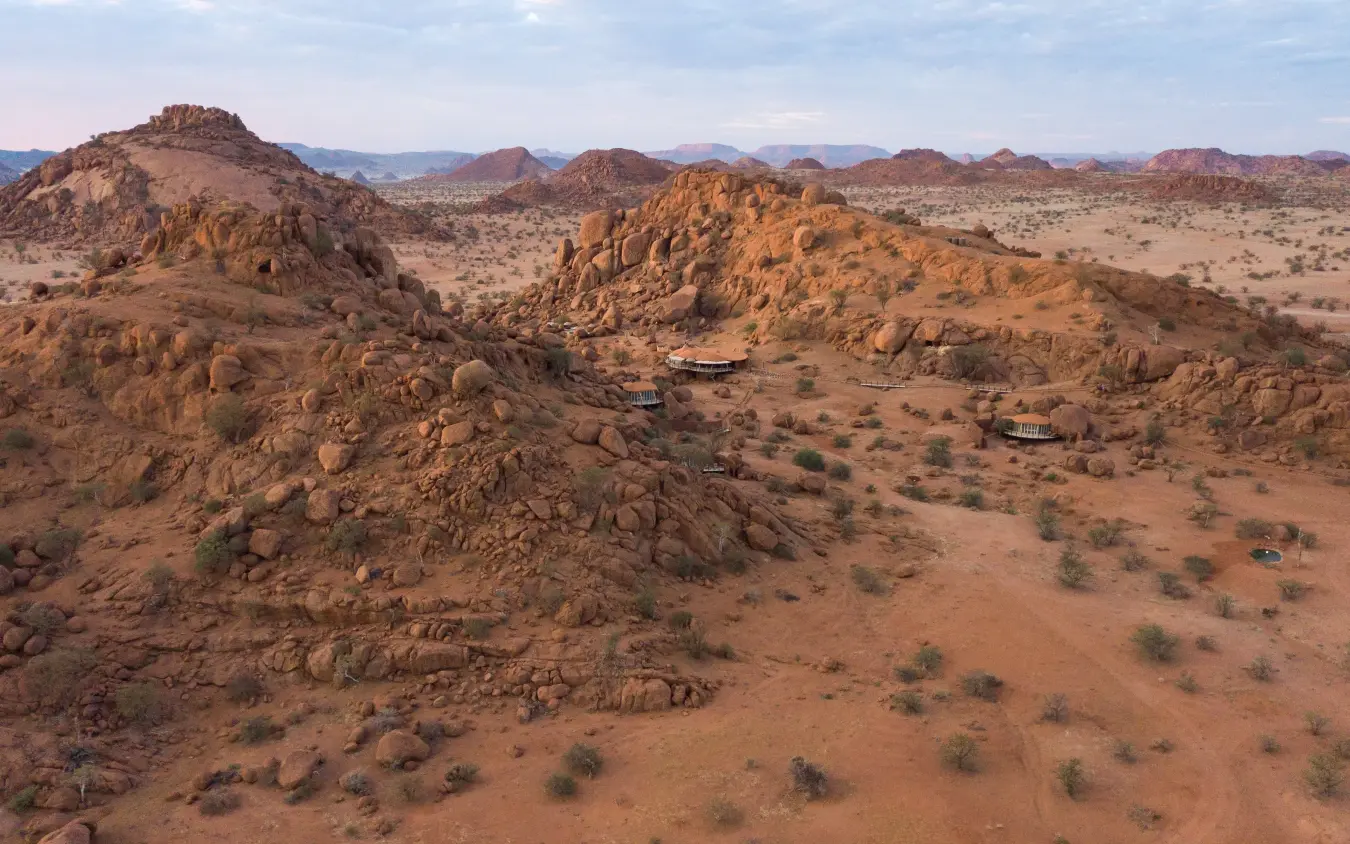
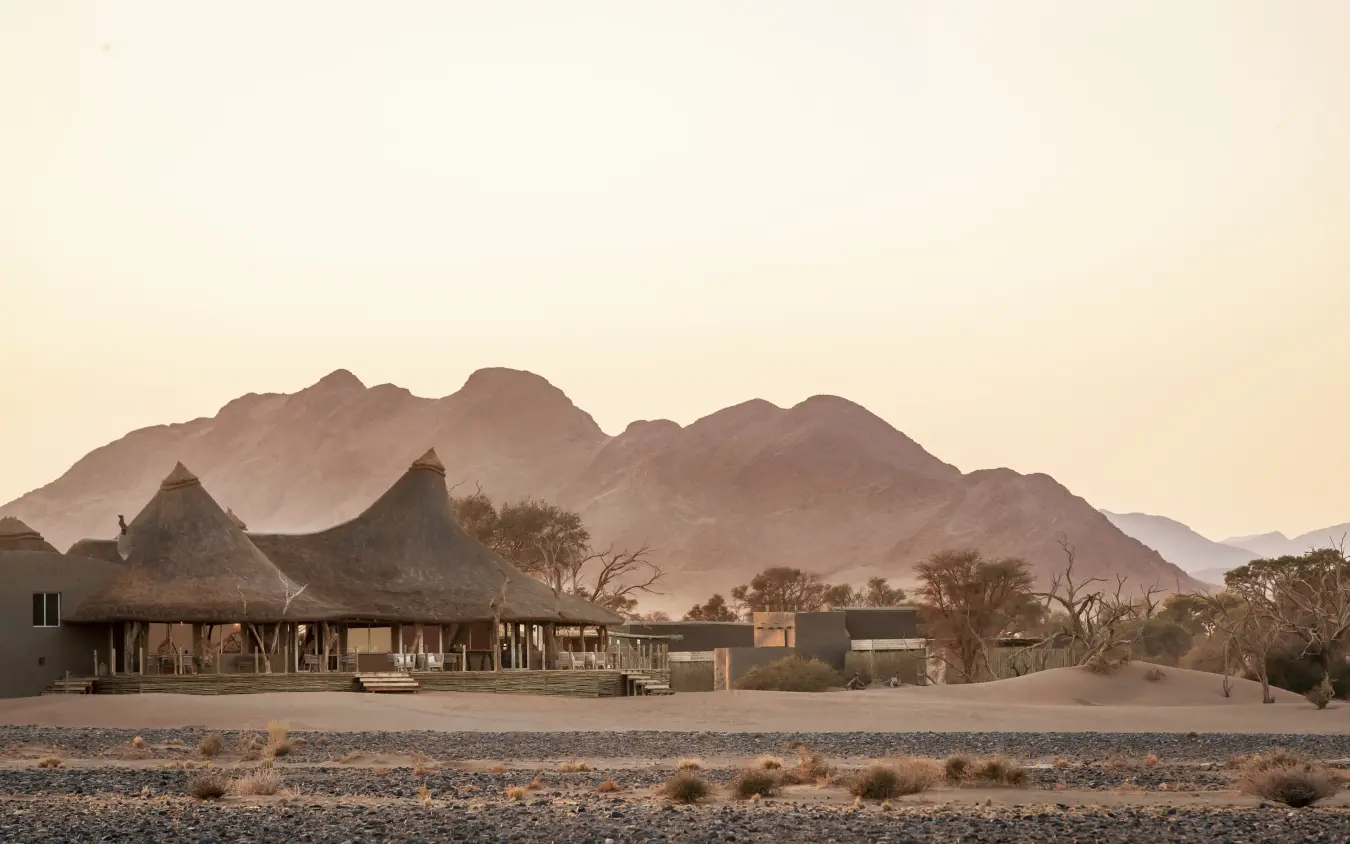
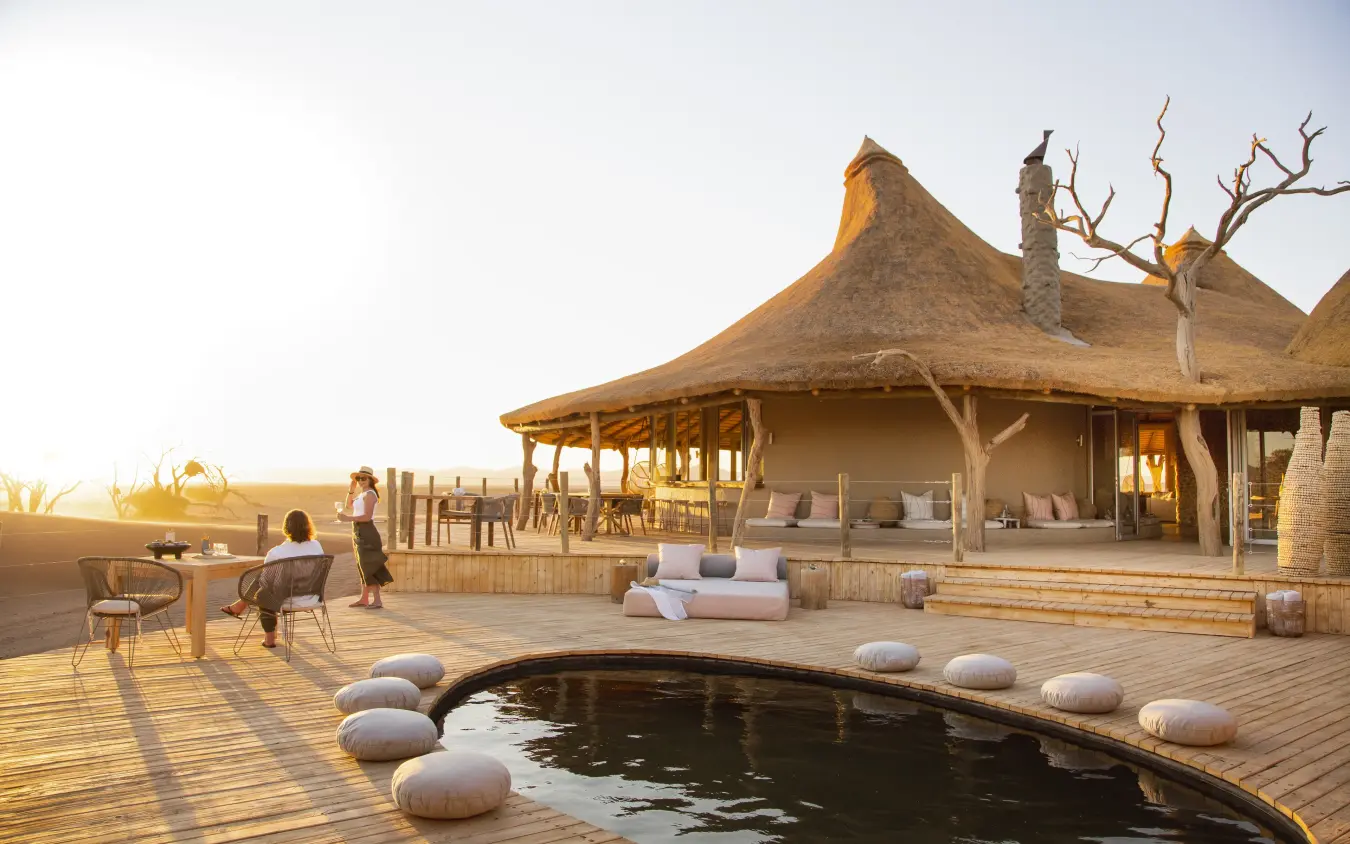
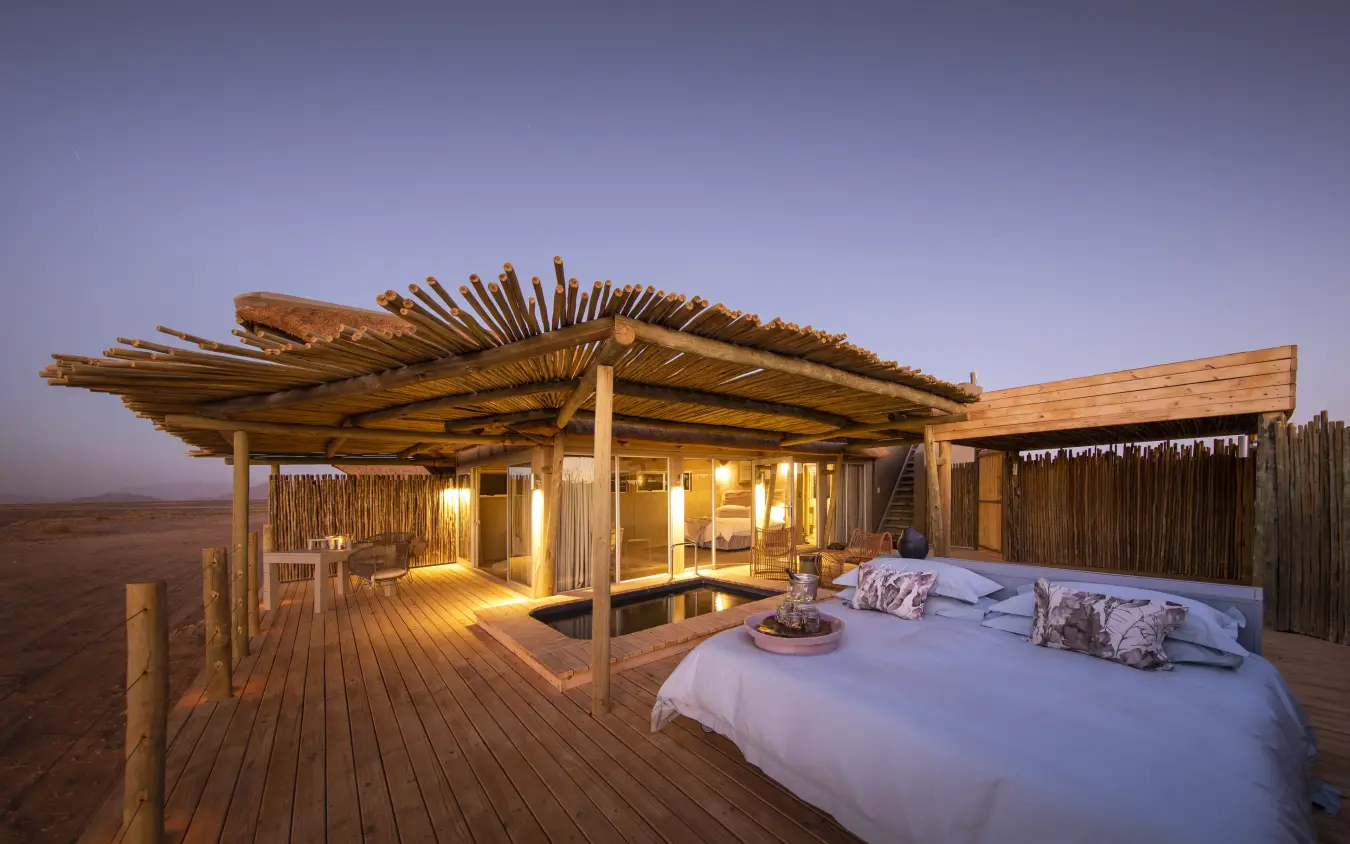
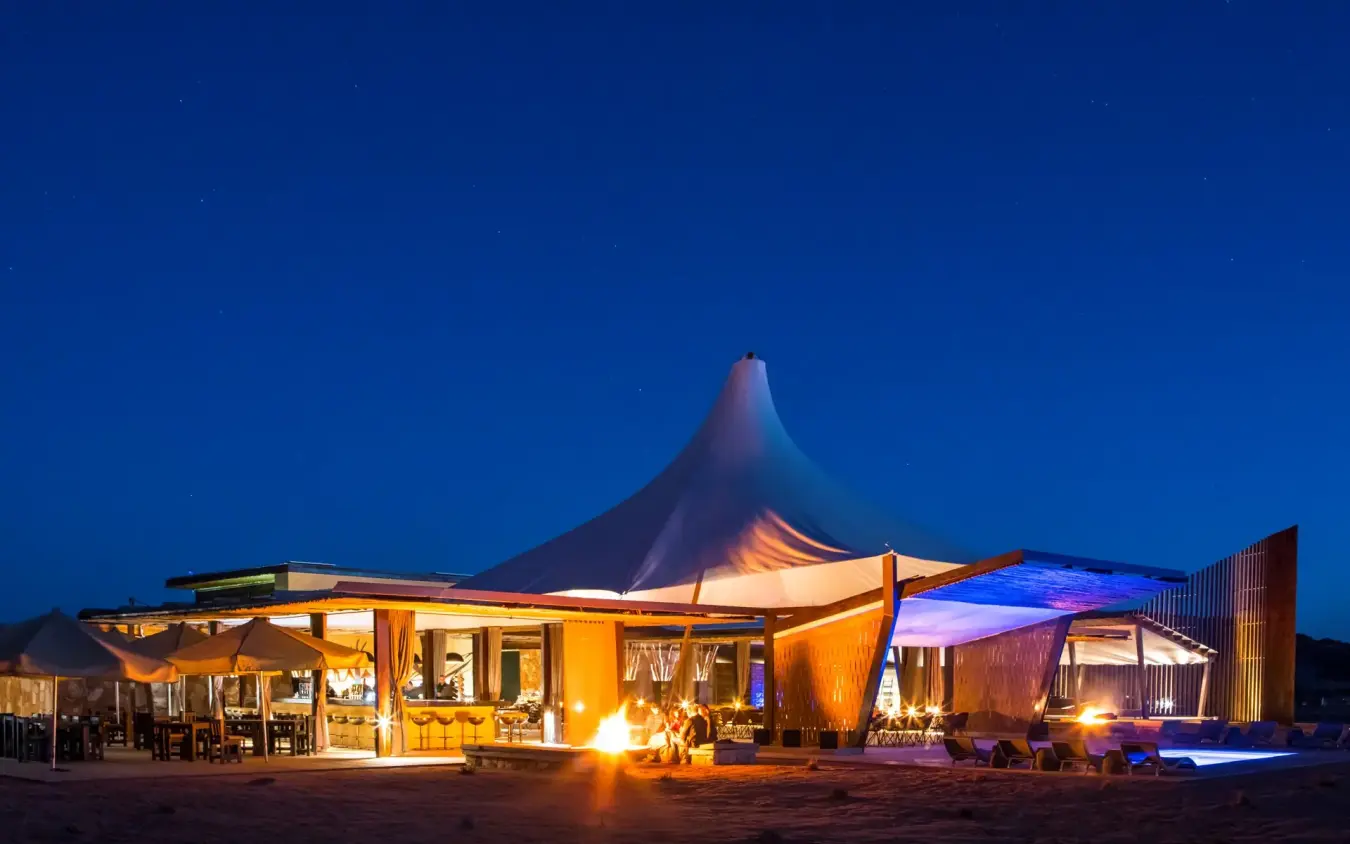
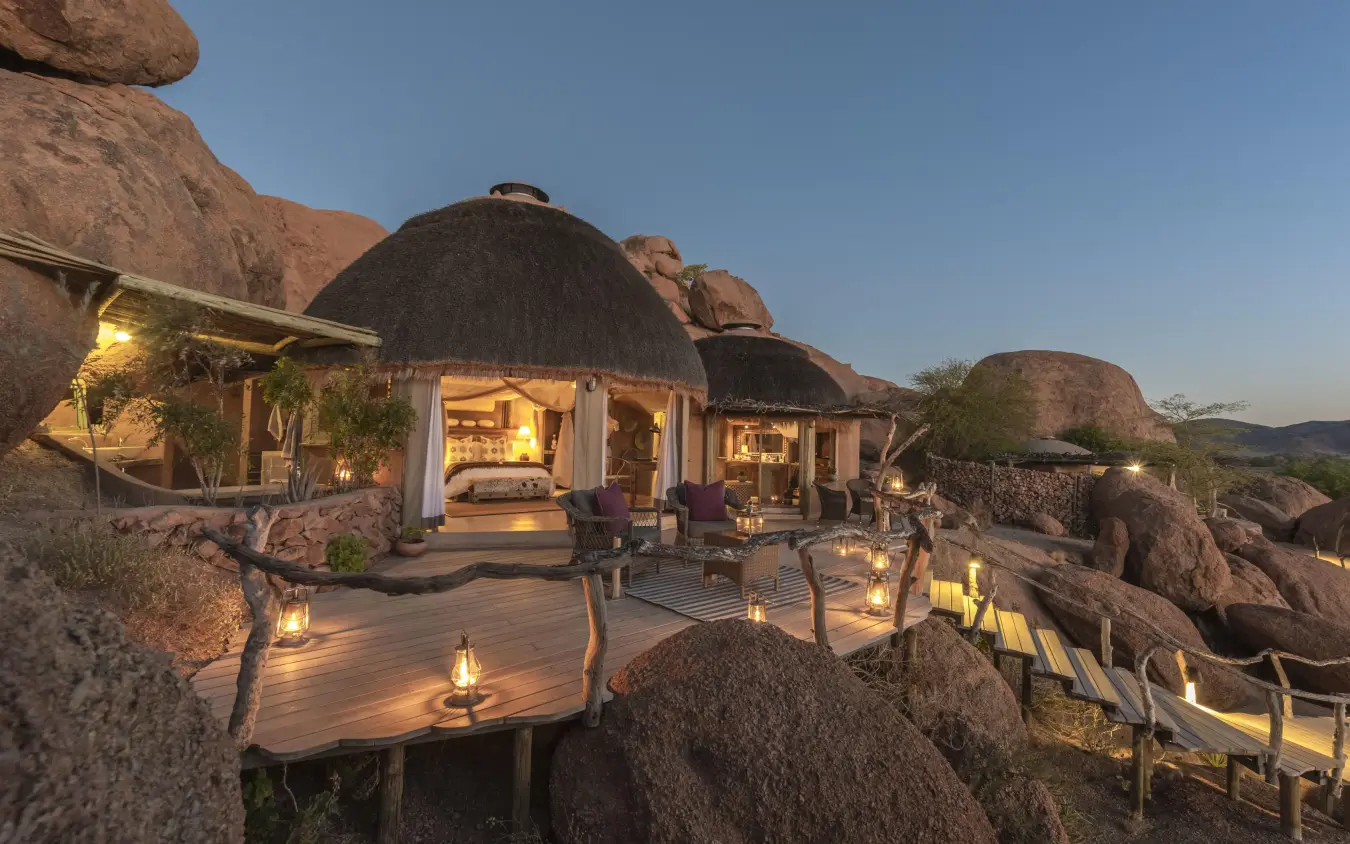
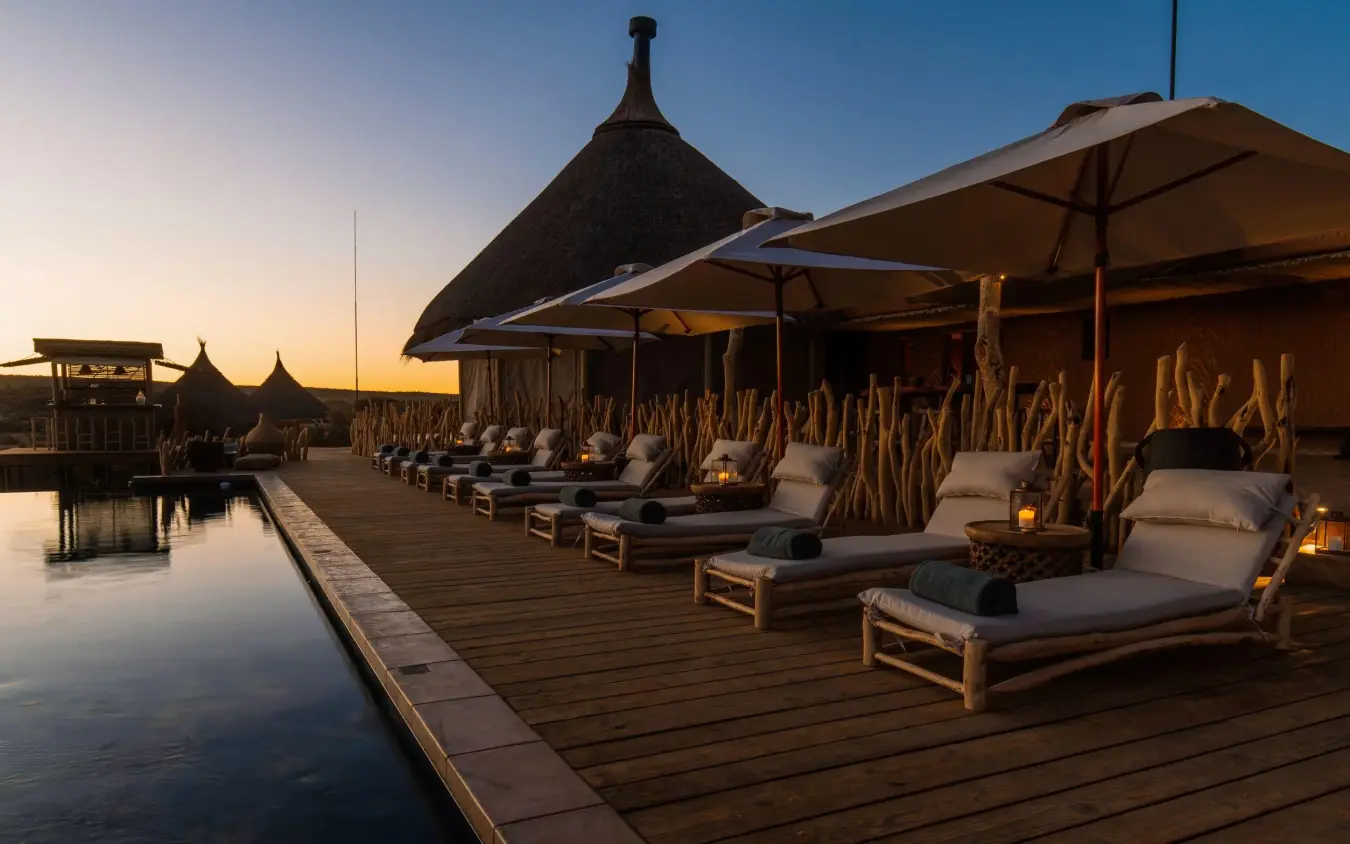
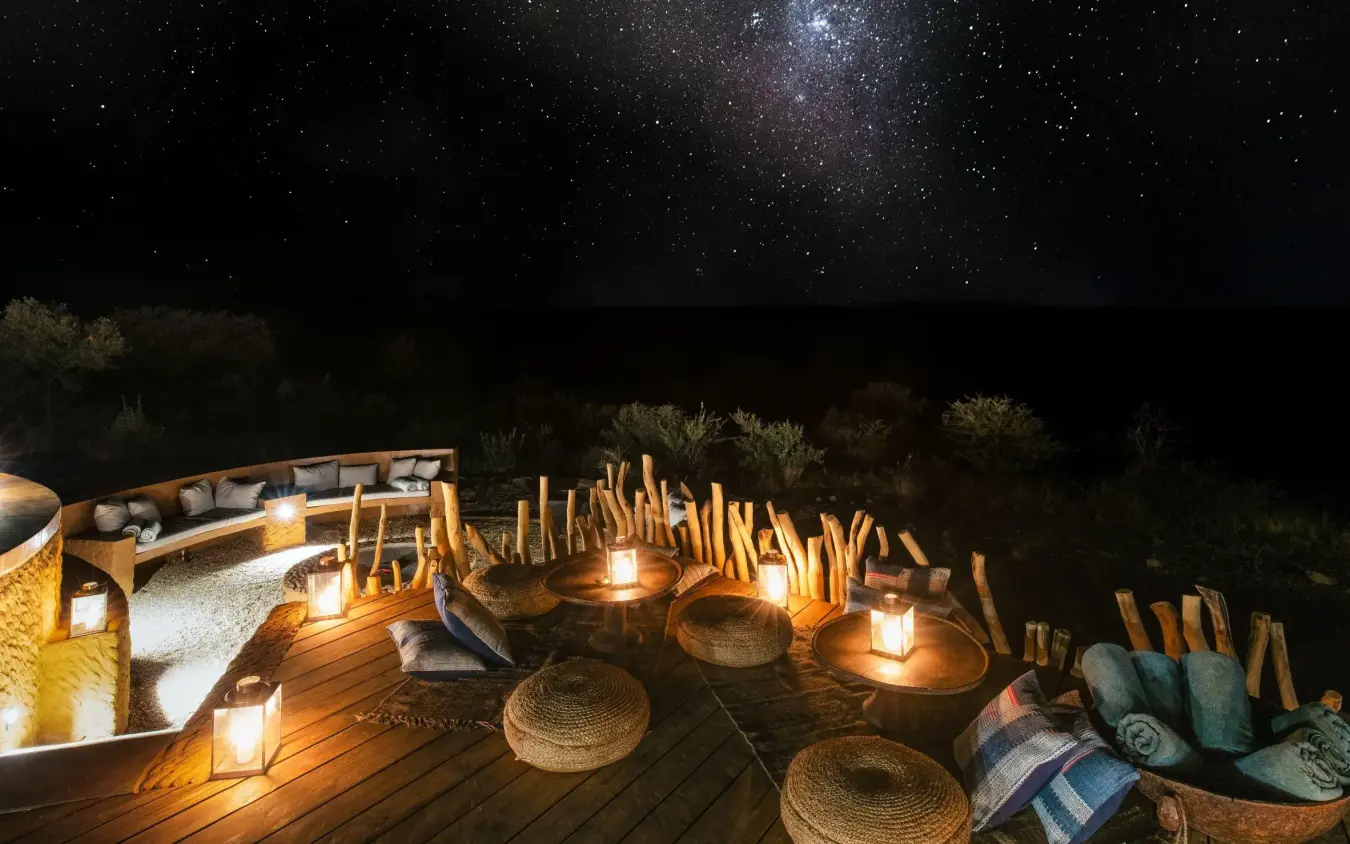
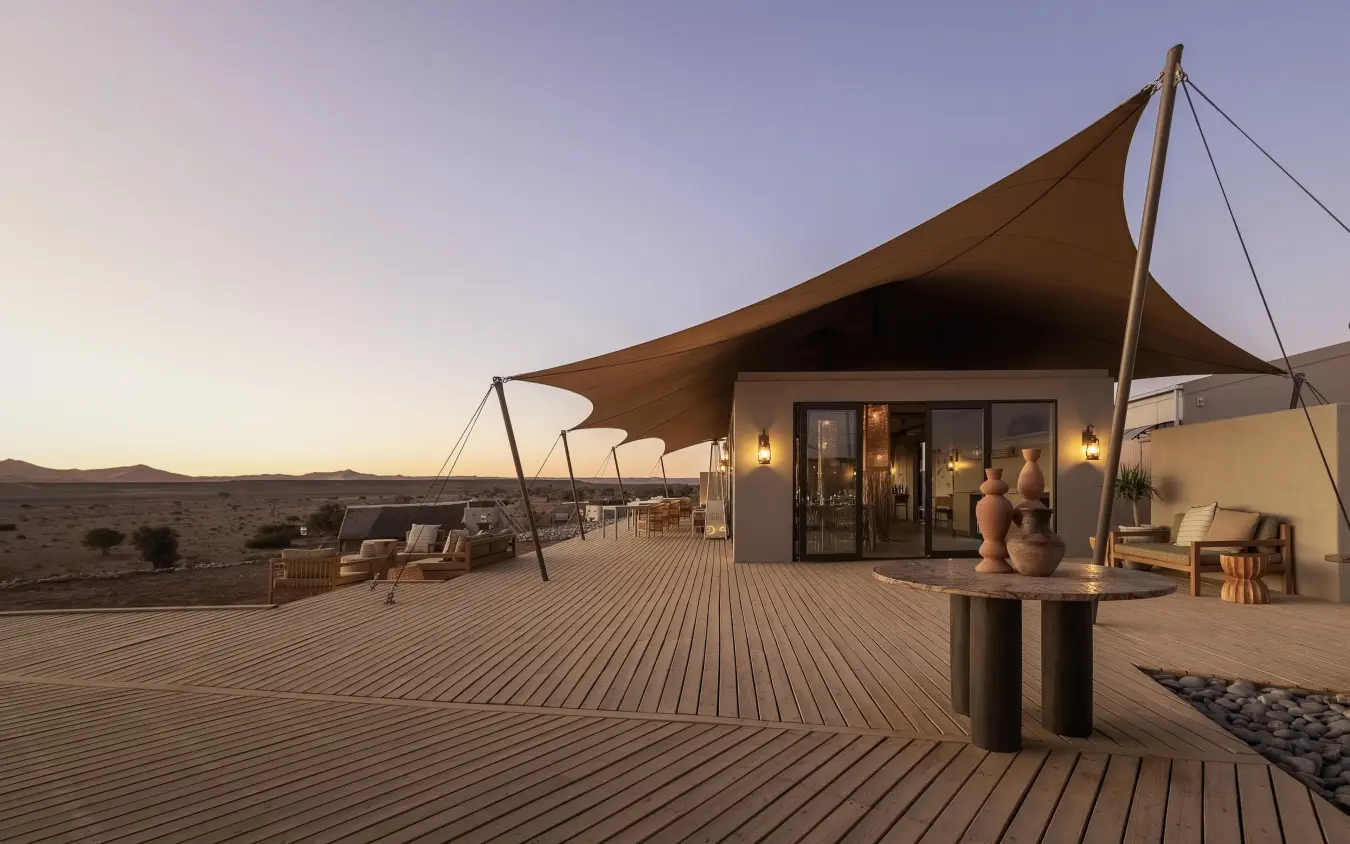
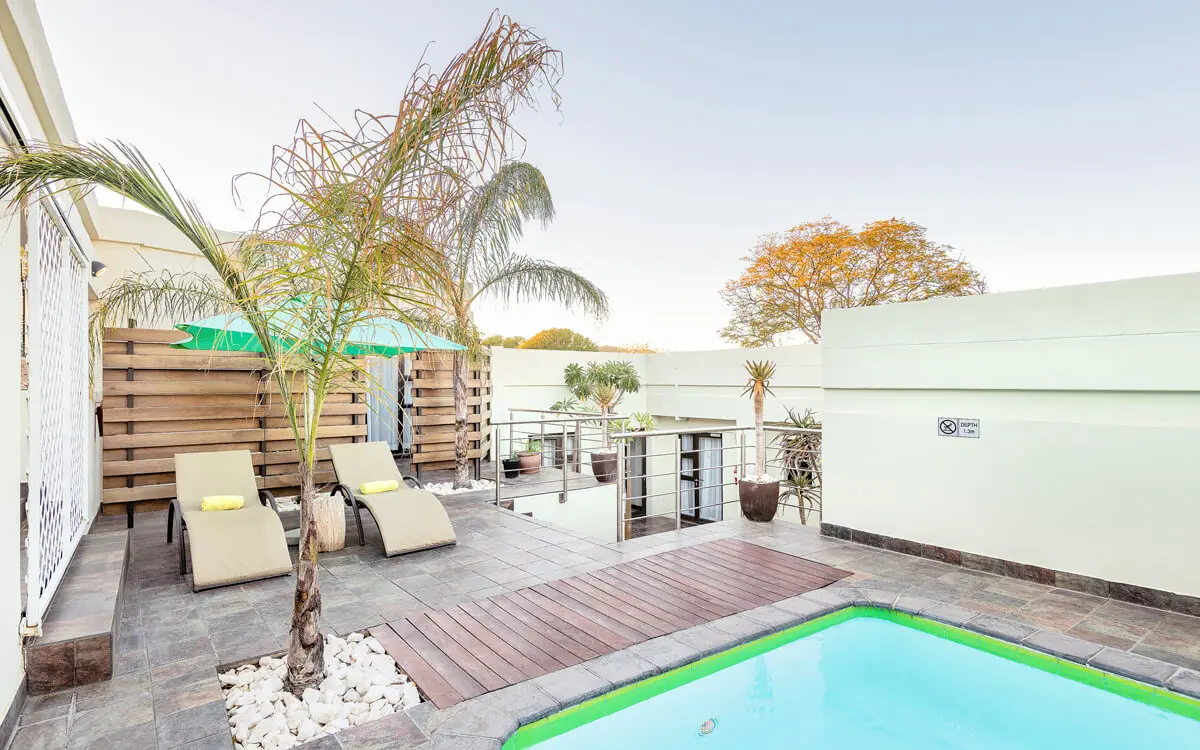
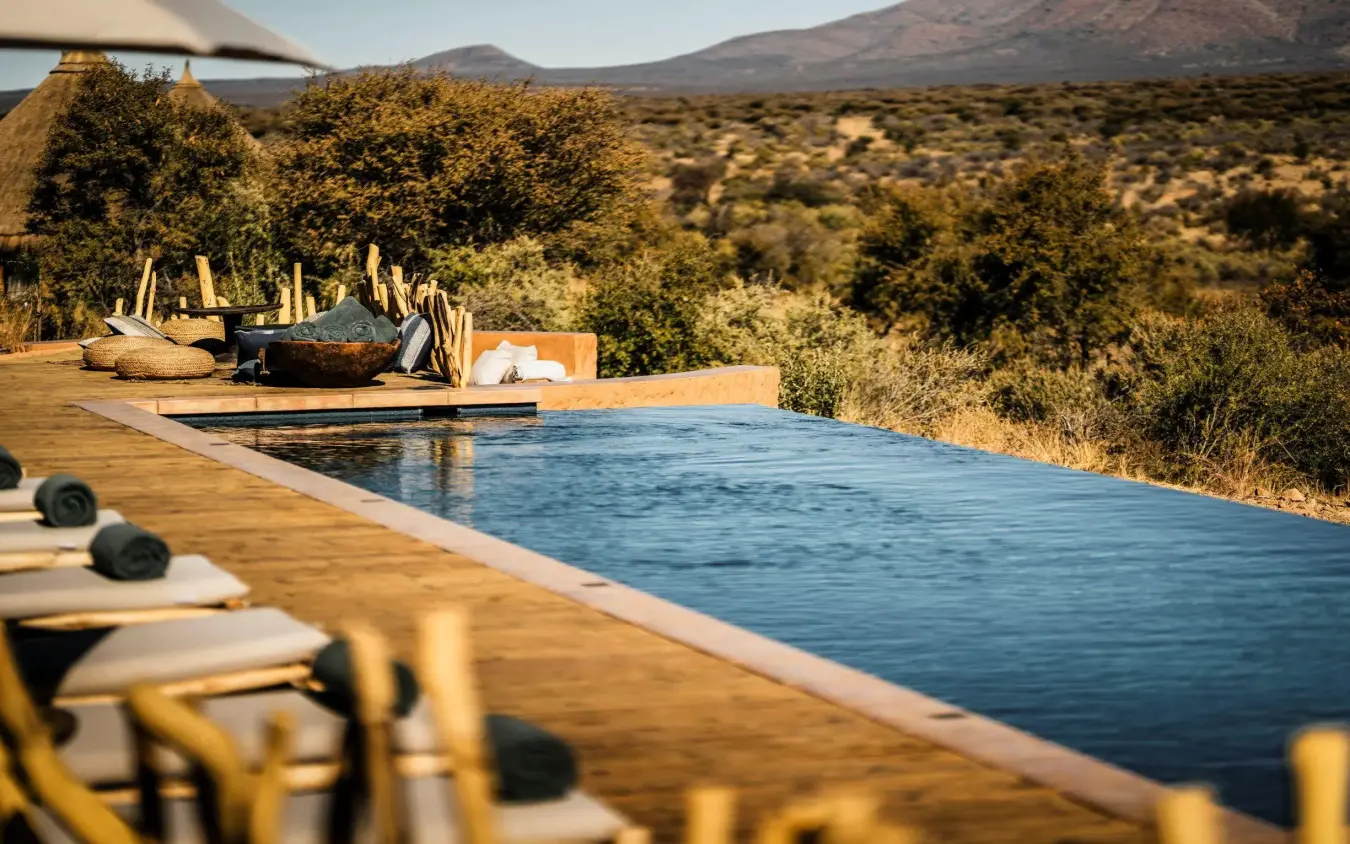
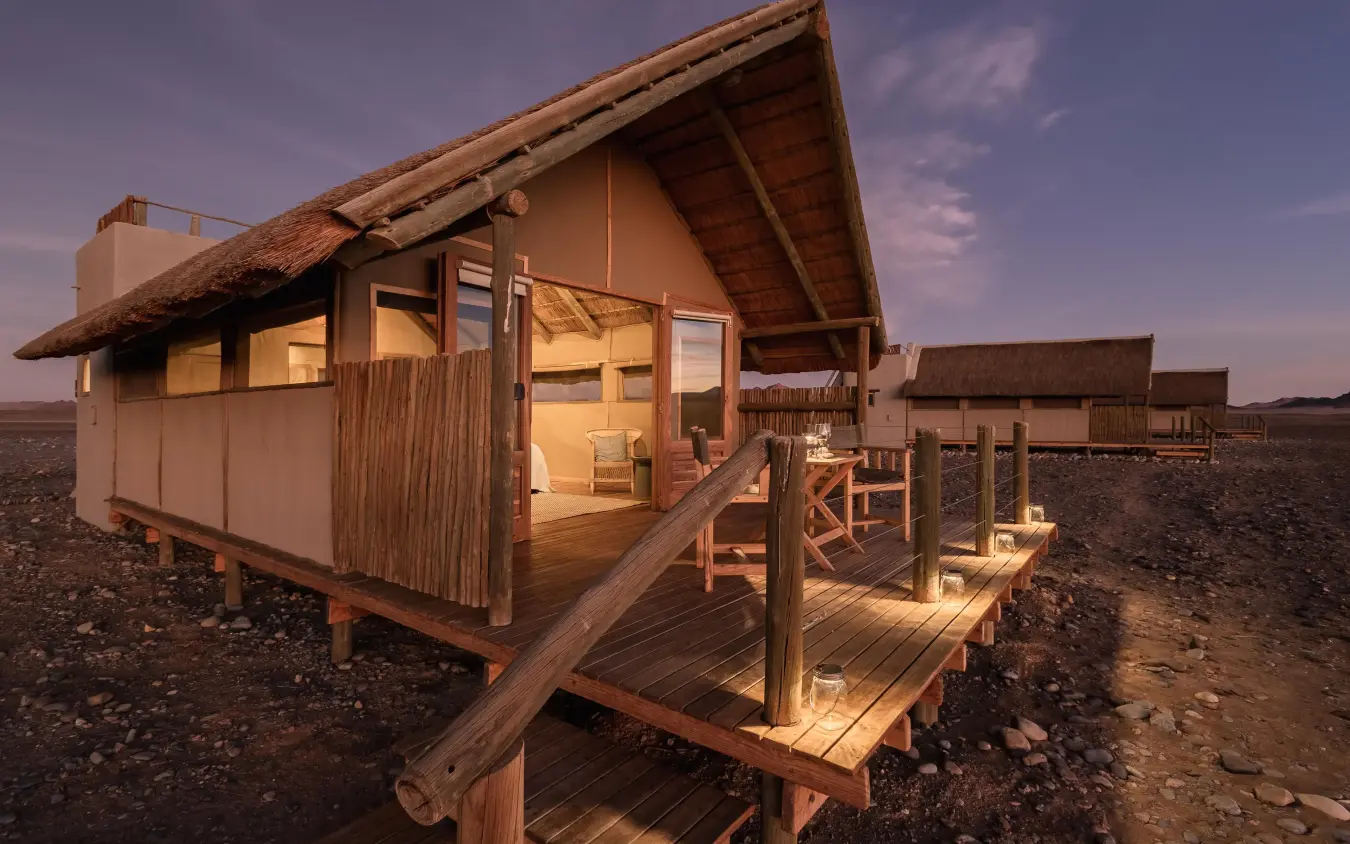
You travel by 4WD from Windhoek across the Khomas Hochland Highlands, with a kayaking trip at Walvis Bay, game drives in Damaraland and two days on a private reserve beside Etosha. Accommodation is chosen for its quality and location, from Galton House to Dead Valley Lodge, Camp Kipwe and Safari House.
Prices are per person sharing, in US dollars.
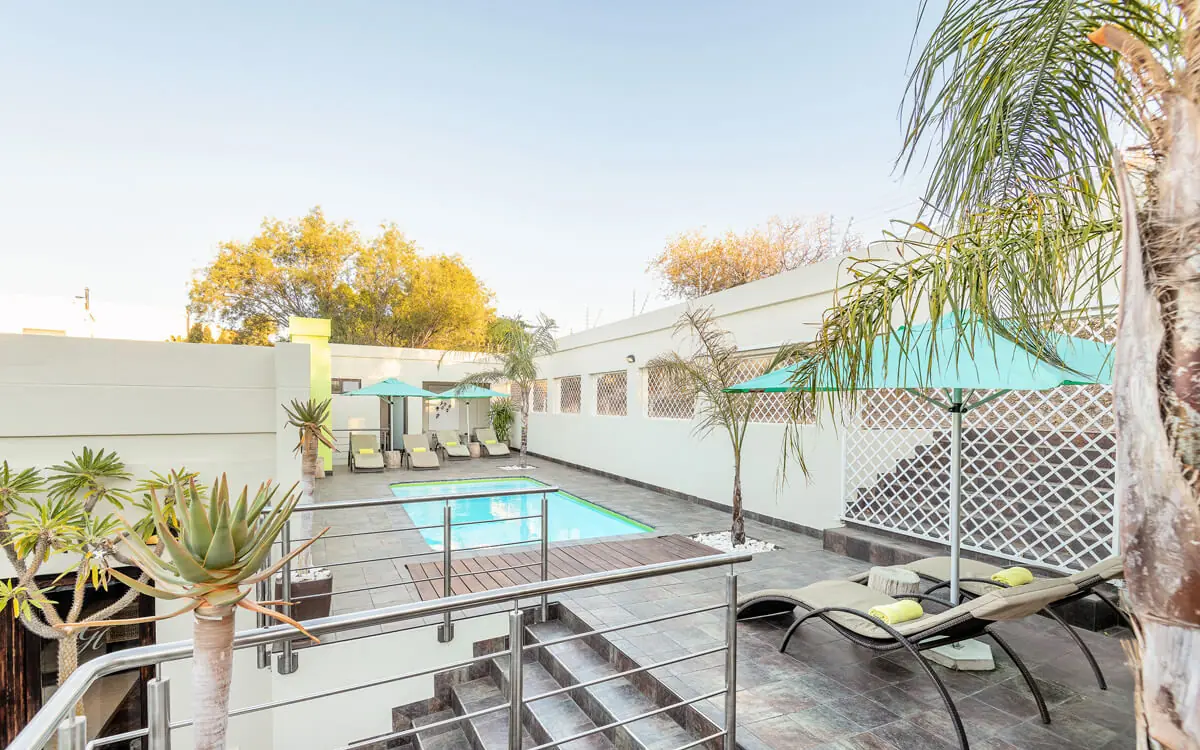
After arriving at Windhoek Airport, you will be met by your driver who will transfer you to the comfortable Galton House.
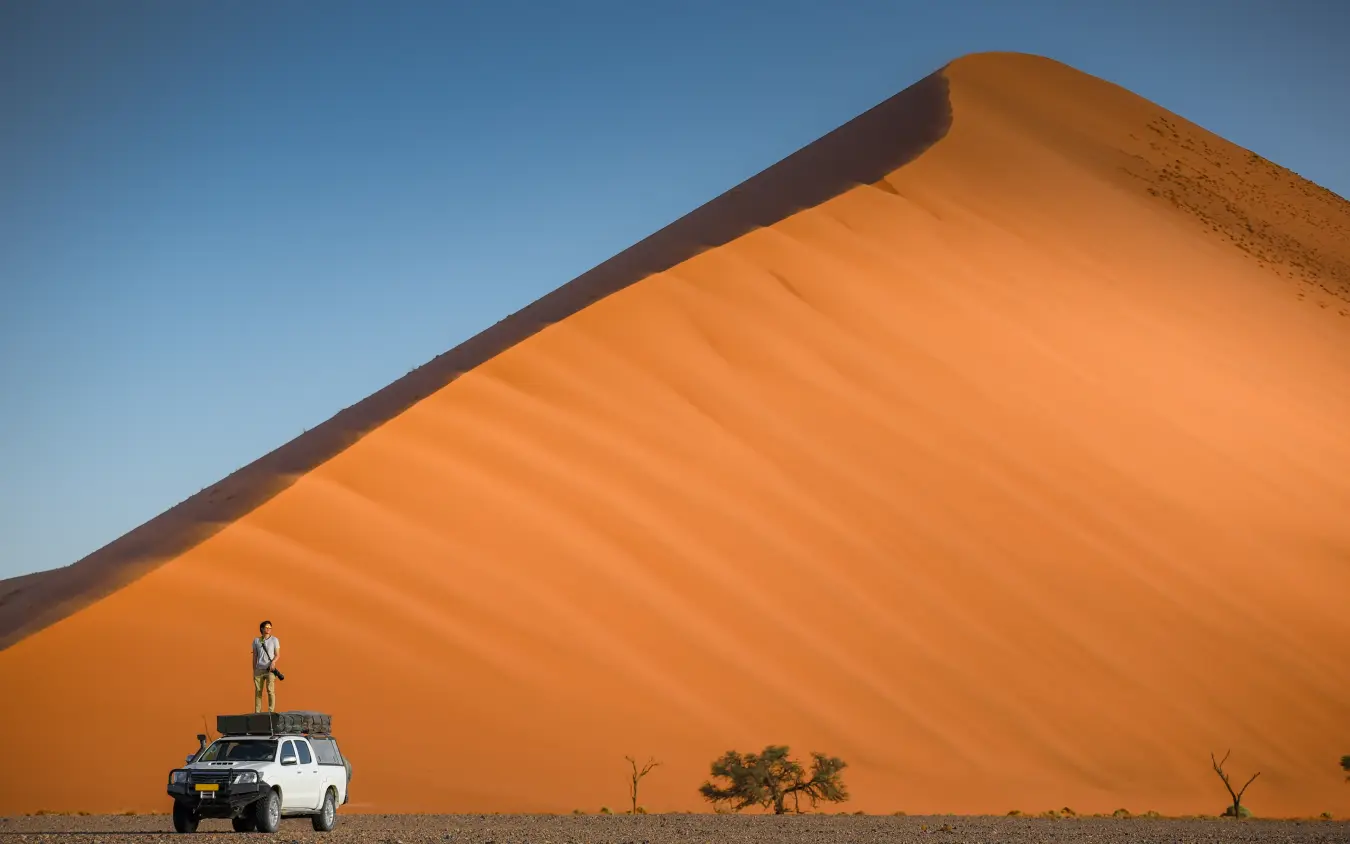
Depart Windhoek early, travelling by 4WD through the Khomas Hochland Highlands and descending the Great Escarpment into the Namib Desert. The following morning, arrive before sunrise at the Namib Naukluft Park’s well-known dunes of Sossusvlei and the Deadvlei pan to experience them in early light.
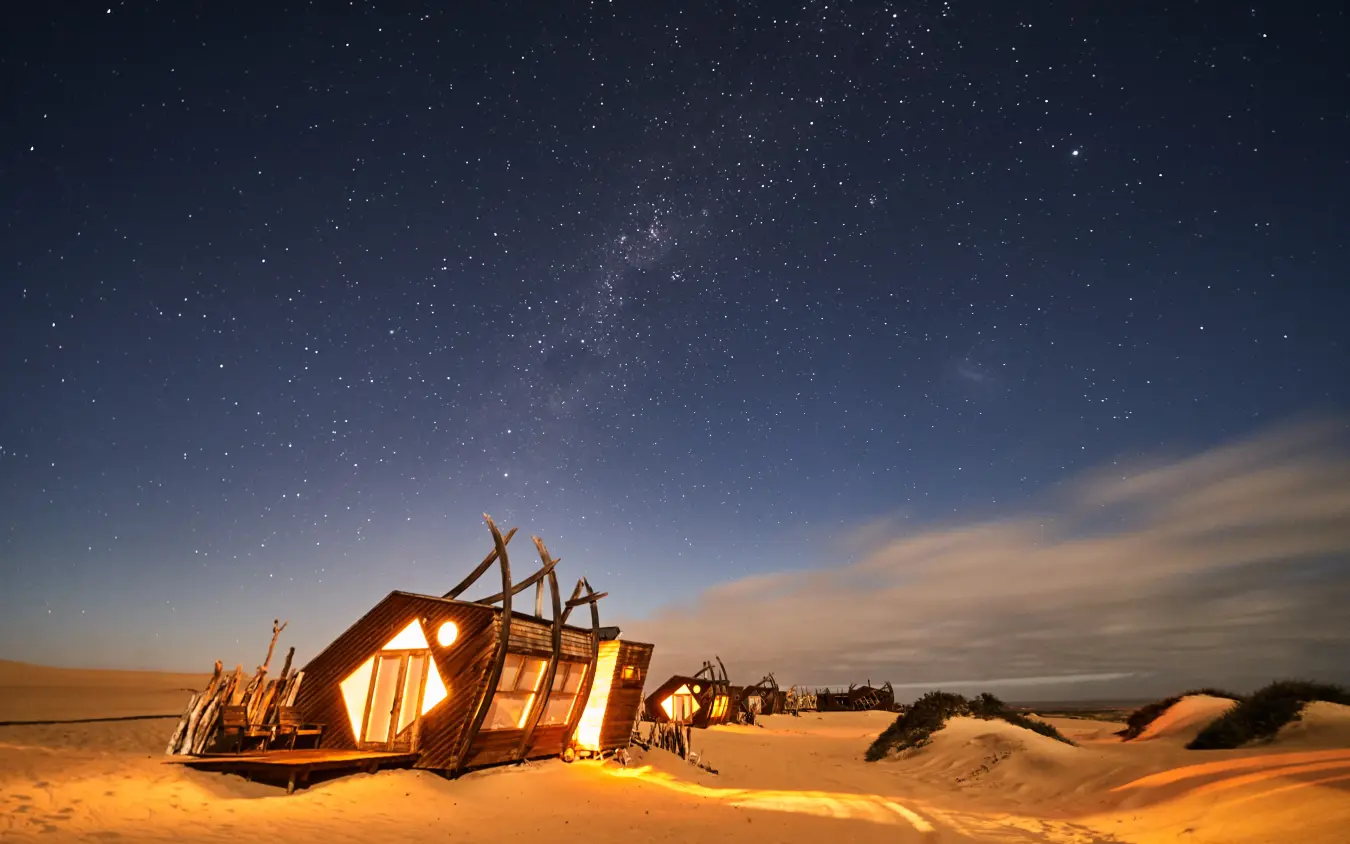
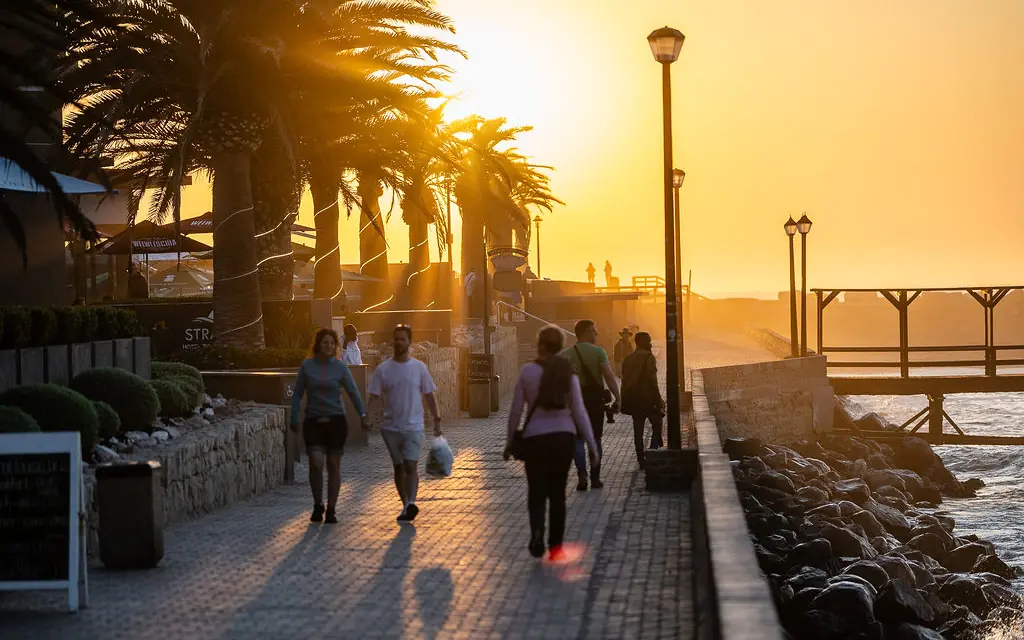
This morning there is an opportunity to take to the skies for an optional sunrise balloon flight. After breakfast, depart Dead Valley Lodge and travel northwest through the Namib Naukluft National Park’s desert landscape. The following morning, after an early breakfast, continue along the coast to Walvis Bay for a kayaking trip to view cape fur seals, dolphins, pelicans, flamingos, whales, leatherback turtles, and sunfish.
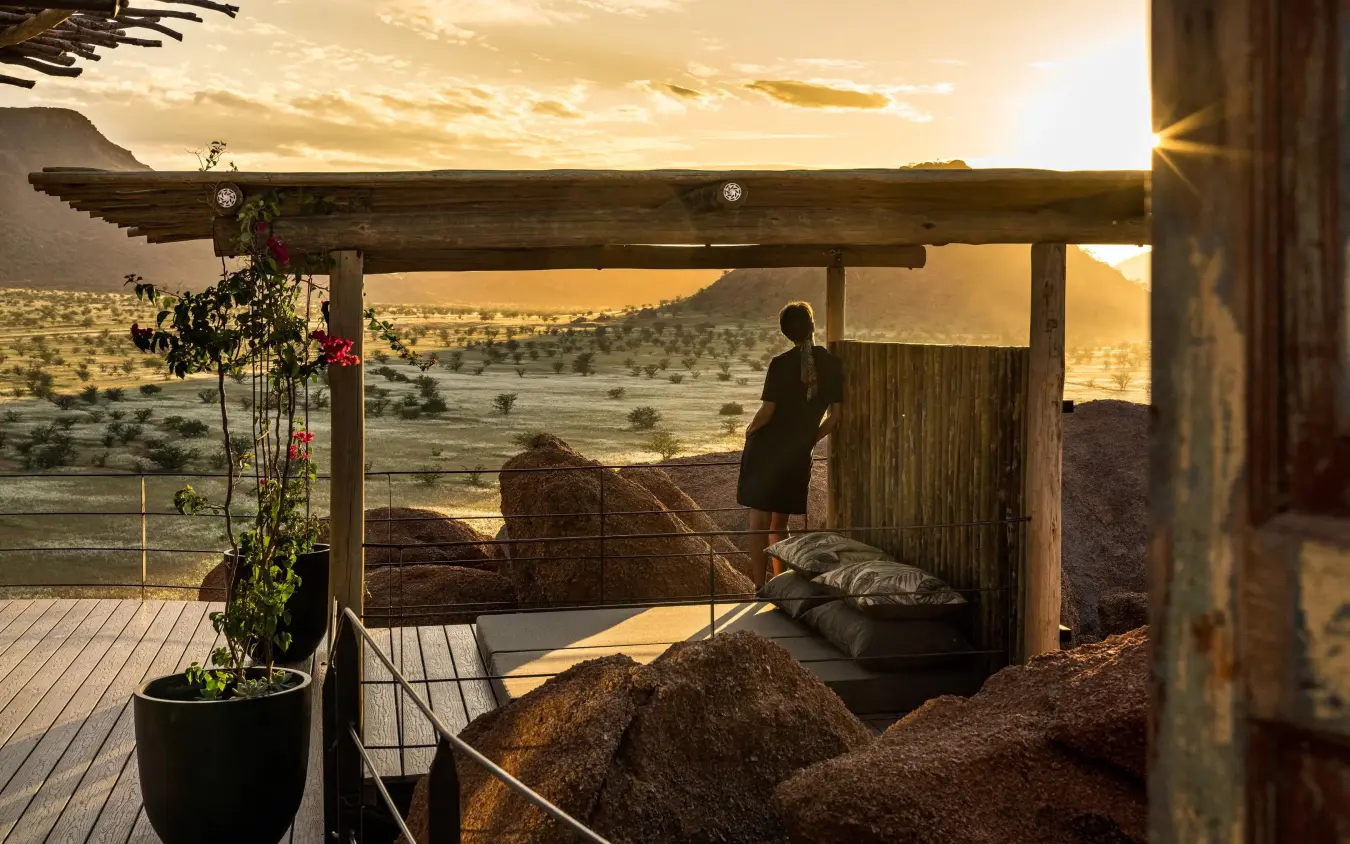
Today we will be setting off to the wonderfully diverse region of Damaraland. Passing by the Brandberg, Namibia’s highest mountain which peaks at 2,573 m above sea level, by way of a game drive taking time to view game along the way. The next day we will spend the morning on a 4WD excursion along the ephemeral Aba Huab and Huab River valleys, hoping for a sighting of the elusive desert adapted elephants that inhabit the area. Conditions allowing, we also take in the rock engravings at Twyfelfontein and the geology around them. Conditions allowing, we also take in the rock engravings at Twyfelfontein and the geology around them.
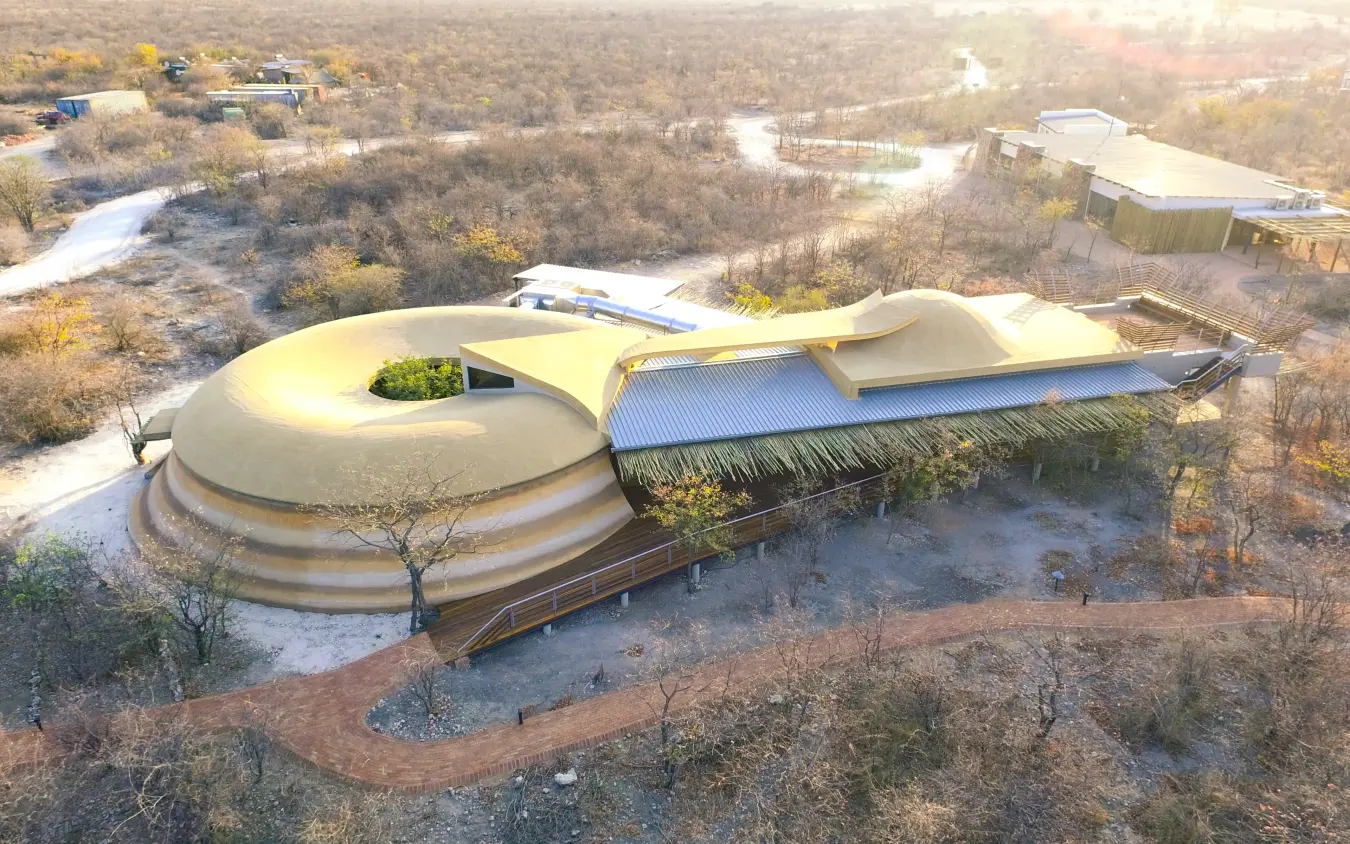
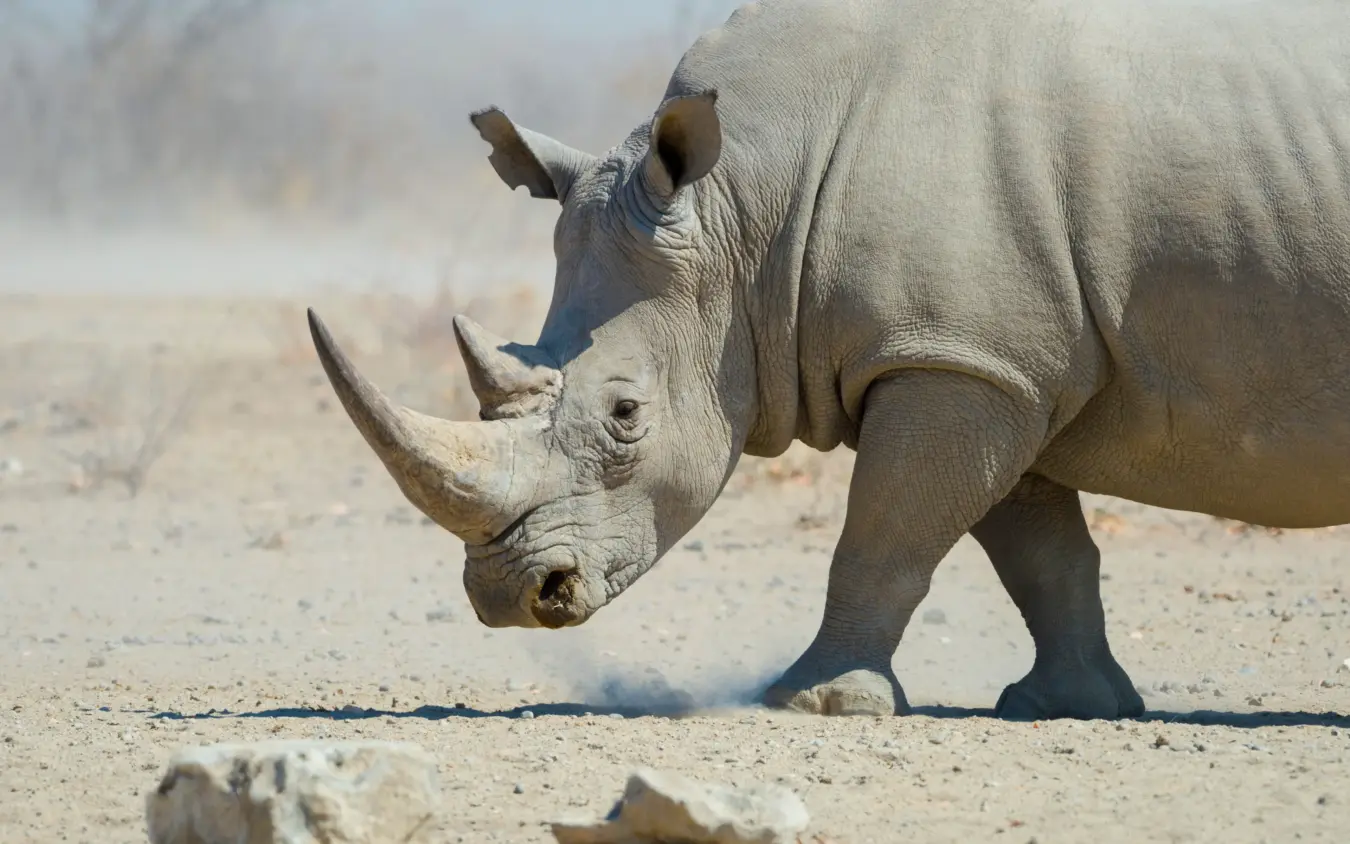
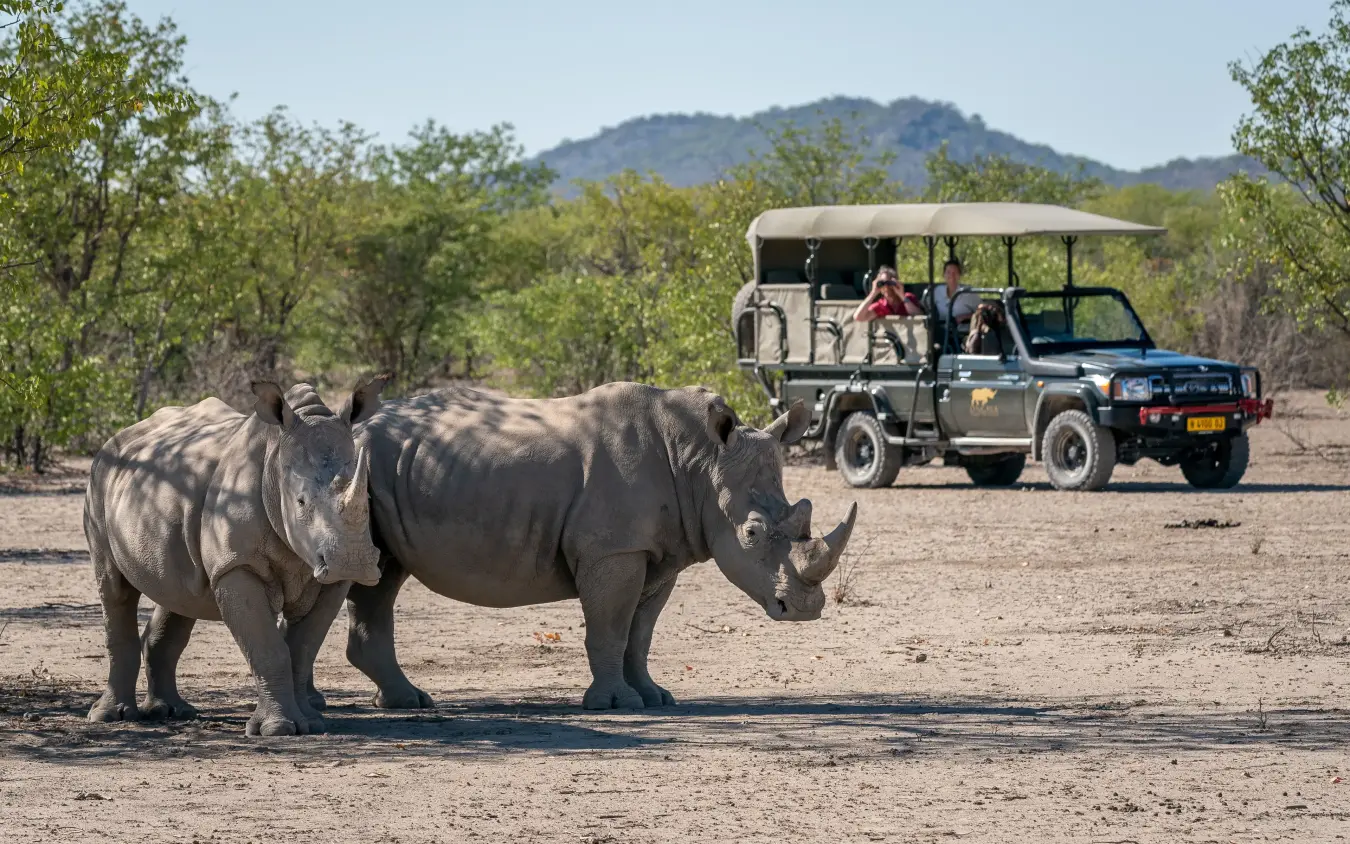
Early this morning we head north east into Etosha National Park, entering through Anderssons Gate for a picnic lunch and an afternoon at the waterholes, before continuing out to the Etosha Heights Private Reserve on the park's south western boundary. The following day is spent on the reserve itself, with morning and afternoon game drives in an open vehicle accompanied by a ranger, looking for black and white rhino among the plains game.
We leave the reserve after an early breakfast and travel south via Outjo, Otjiwarongo and Okahandja, with lunch on the way, reaching Windhoek in the late afternoon. The final night is at Galton House, with time to shower, repack and rest before the flight home the following day.
The group is capped at seven guests.
You travel in one 4WD with a specialist naturalist guide who stays with you from Windhoek back to Windhoek. With so few people the travelling days run to time, everybody can hear the guide in the field, and the plan can bend: longer with the elephants, or an earlier start for the dunes.
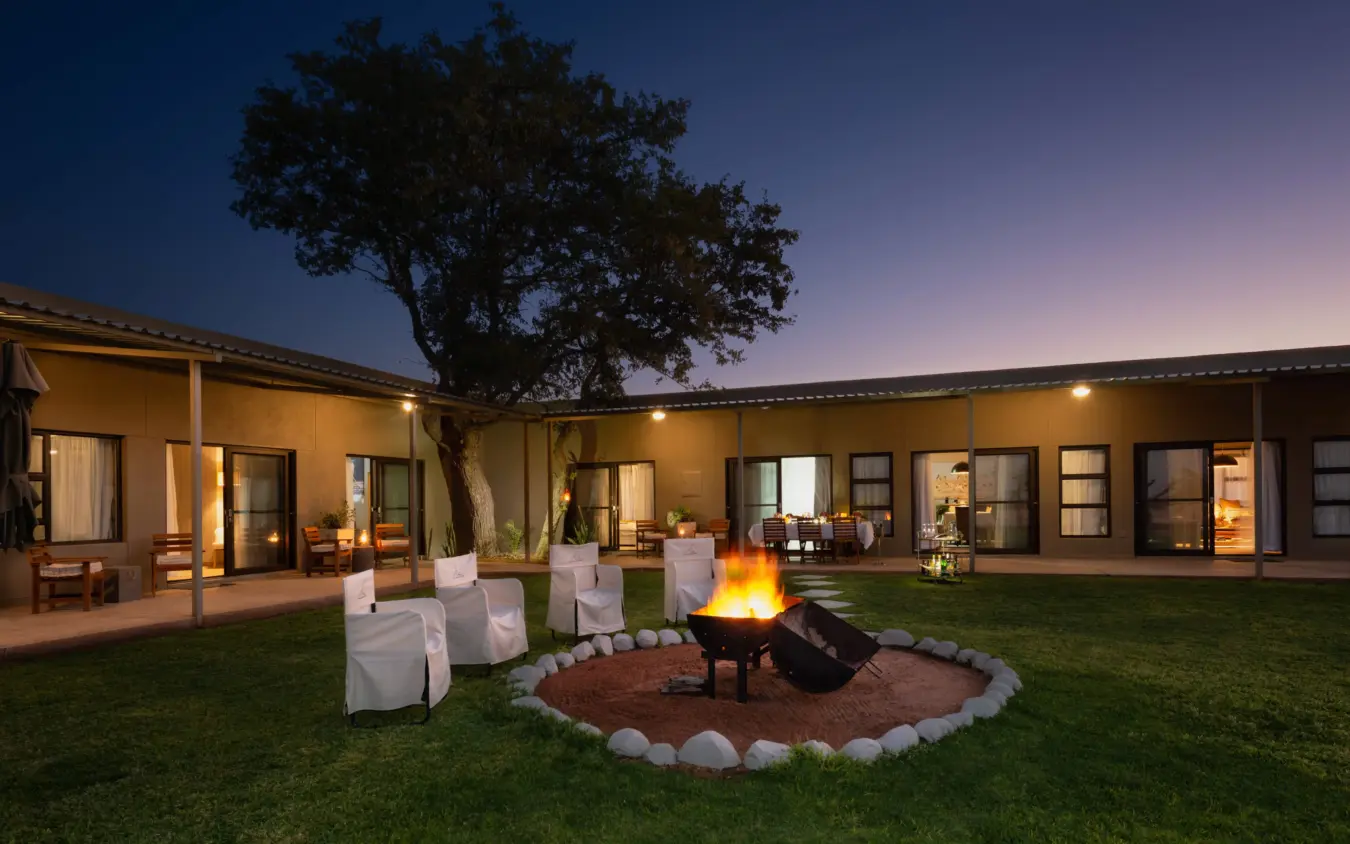
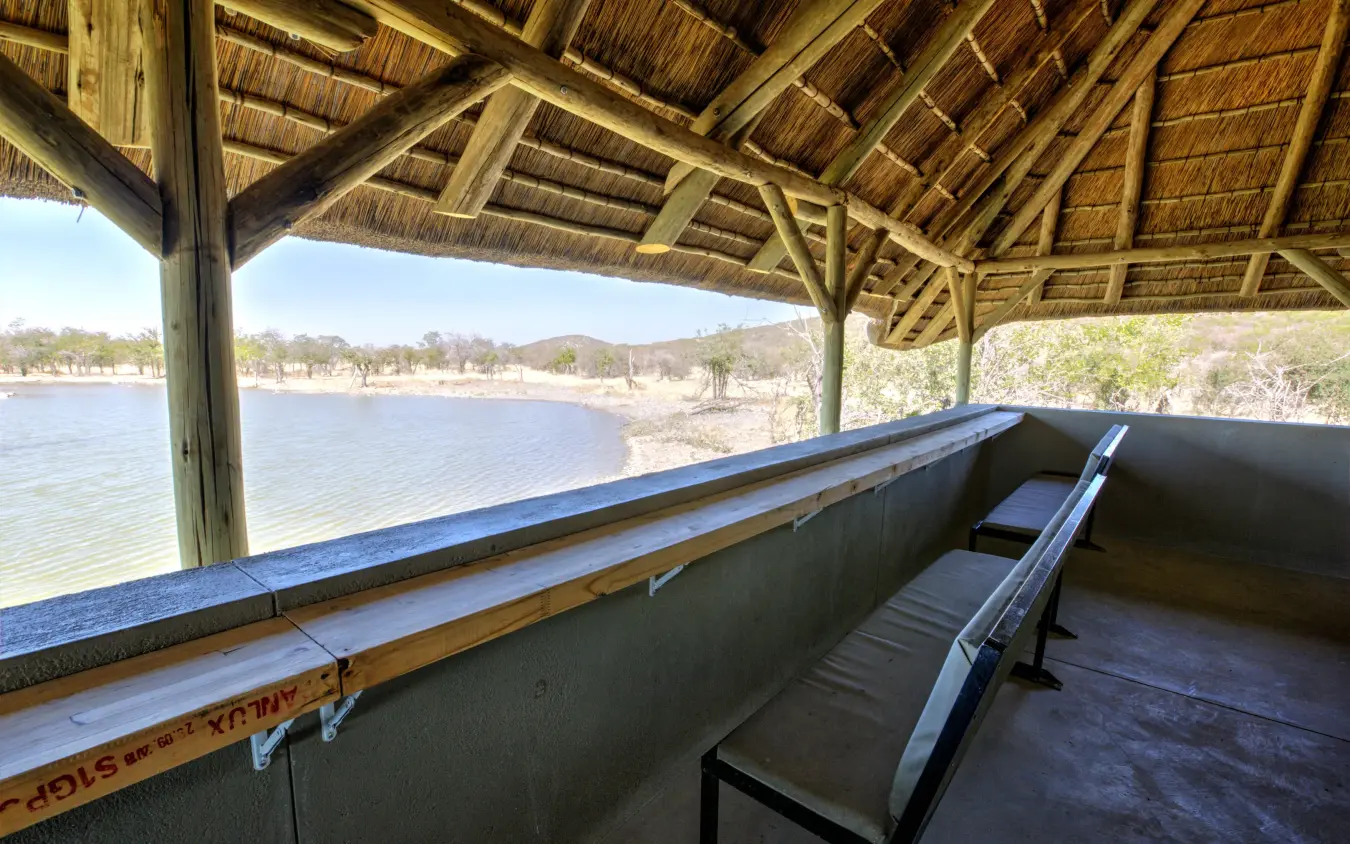
On the Etosha Heights reserve the game drives are in an open vehicle with the reserve's own ranger, and the group has Safari House, a farmhouse beside its own waterhole, to itself. At Sossusvlei, in Swakopmund and at Camp Kipwe you stay in lodges and a hotel shared with other travellers.
Solo travellers are welcome, and pay a single traveller's price rather than the sharing one.
A lot, and it is better to know that before you book.
Namibia's sights lie far apart and most of its roads are gravel, where sensible speeds stay under 80 kilometres an hour. The drives are these:
Each of those days is broken by stops on the way, and the first four are each followed by a full day based in one place, which is why the trip stays two nights everywhere except Windhoek.
There is a good chance of both in the dry months, a lesser one after rain, and never a promise.
Around 150 desert-adapted elephants live across north west Namibia, and the Huab and Aba Huab valleys below Camp Kipwe are part of the range of one monitored population. They are ordinary African elephants that have learned desert habits, not a separate species, and the breeding herds tend to keep in or near the dry riverbeds, where the water and forage are.
That makes the morning drive along those riverbeds a sound plan from about June to October, when the country is dry. After summer rain, roughly December to March, the elephants feed more widely on new grass and are harder to find, and nobody publishes a success rate.
At Etosha Heights both black and white rhino live on the reserve, which is best known for them. You have a morning and an afternoon drive there, so two proper chances.
June, July, August and September are the months we put first at every stop on the route: dry, clear days, animals gathered at Etosha's waterholes and along Damaraland's riverbeds, and cool mornings for the dunes.
Nights are cold then, and these are the busiest dates. May is nearly as good.
April, October and November are in-between months: April is still green, while October and November are hot, though October is when Etosha's waterholes are at their busiest.
December, January and February are the dates we rate as challenging: the desert heat is fierce by mid morning and summer rains spread the game out.
The summer dates do give something back. January and February are the lowest priced dates of the year, the lodges are quiet, a rare desert storm over the dunes is a spectacle, many antelope have young, and if the Etosha pan fills it draws flamingos.
The coast keeps its own cool, often foggy climate all year, so the Swakopmund days are comfortable on any date.
You choose how much to do, and nothing is compulsory.
Big Daddy, the highest dune in the area at about 325 metres, is a real effort: allow one and a half to two hours to climb a ridge of soft sand.
Dune 45 is far lower and gives a fine view for a fraction of the work, and Deadvlei itself needs no climb, only a walk of about twenty minutes across the sand from where the vehicle stops.
What matters most is the clock. By about nine in the morning the sand is too hot for comfort, which is why the group sets out before sunrise. Dead Valley Lodge stands inside the park gate, so you are already on the road to the dunes while visitors staying outside wait for the gate to open at around sunrise.
Carry water, wear a hat, and use the free afternoon to rest, as the itinerary intends.
The guide and vehicle throughout, all park and conservancy fees, and the activities in the itinerary:
You are met at Windhoek airport and driven back to it at the end. At Walvis Bay you choose between the guided kayak trip and a boat cruise to see the seals and dolphins, so nobody has to paddle.
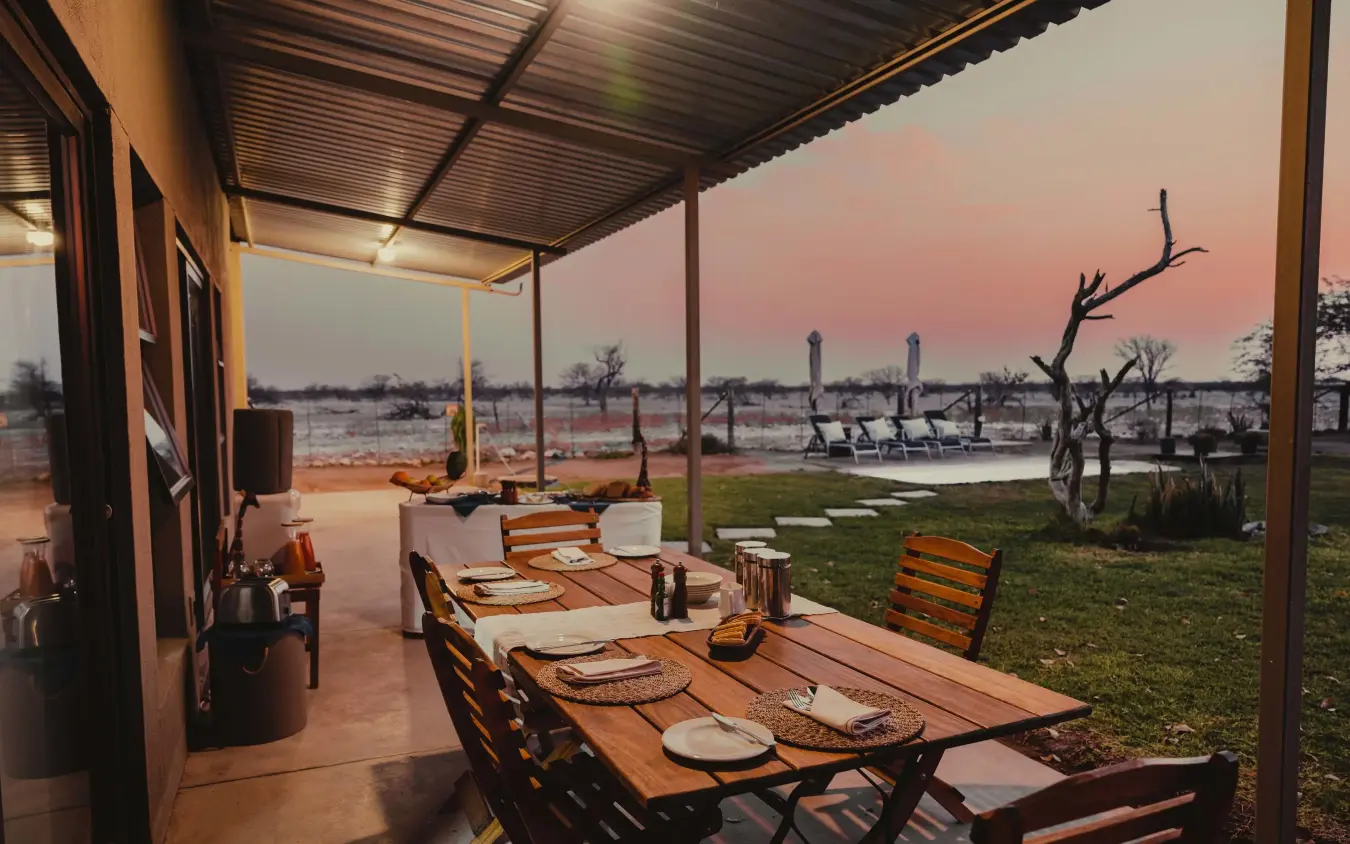
Dead Valley Lodge and Camp Kipwe are full board, and Safari House includes all meals and drinks apart from certain premium ones. Windhoek and Swakopmund are bed and breakfast, so dinners in both towns, and lunches in Swakopmund, are your own. A table is booked for your first evening on the coast.
Not included: tips, the optional sunrise balloon flight, other optional extras such as scenic flights, and any rise in park fees or government charges.
Ed Charles, BBC Producer
Fitzroy are true specialists in accessing the wilderness. They know where to go and importantly, when to go there. Highly recommended.
namibia
Nine nights across Namibia, from the red dunes of Sossusvlei to the Atlantic and the remote Skeleton Coast.
namibia
Twelve nights across Namibia, from the Namib dunes and the Atlantic coast to rhino tracked on foot in Damaraland and at Ongava.

namibia
Eleven nights across Namibia, from the Sossusvlei dunes and the Atlantic coast to the granite ridges of Damaraland.
rated five stars by our clients

our approach
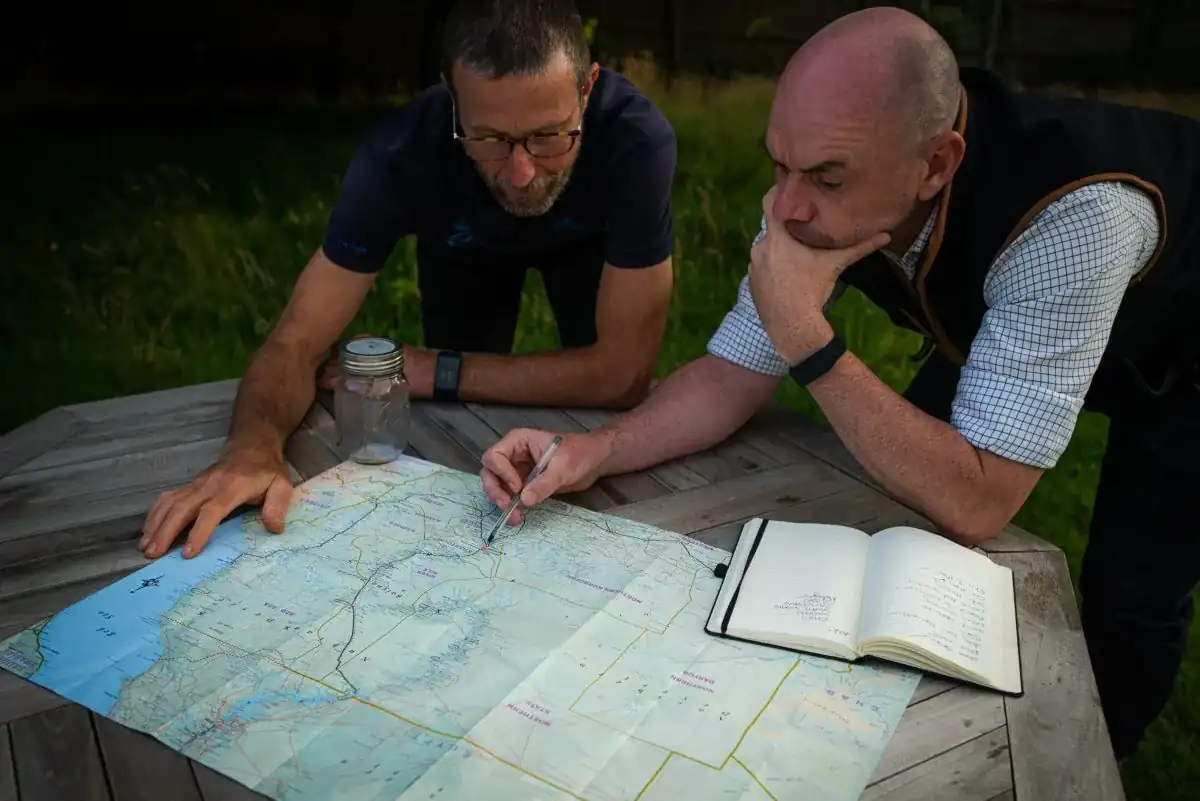
Every journey starts with a conversation. We take the time to understand your vision before we start planning.
Whether by phone or in person, we work with you directly to shape something that is considered, personal, and expertly delivered.
Every journey starts with a conversation. We favour a direct, personal approach: understanding your vision before anything else.
Whether by phone or in person, we work with you directly to shape a journey that is both thoughtfully considered and expertly delivered.
Get in touch to start planning yours.