 01
01
Baobabs and the elephant river
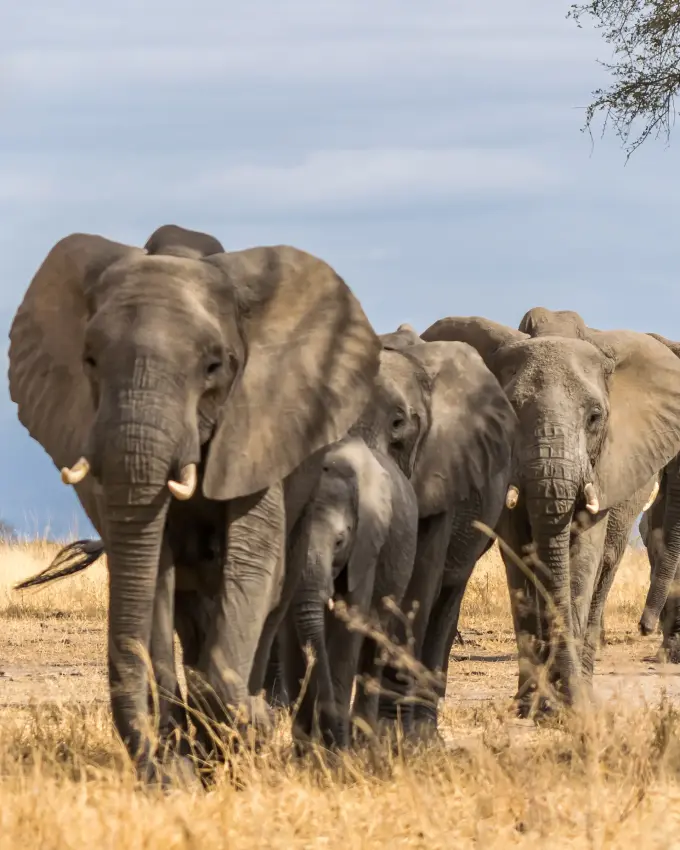
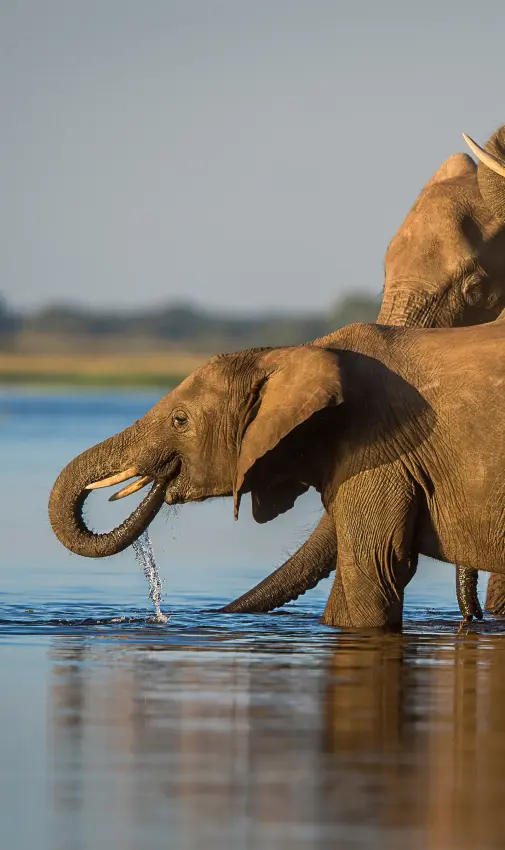
Few places concentrate elephants the way Tarangire National Park does in the dry months. This semi-arid stretch of northern Tanzania lies southwest of Arusha, and it runs on the rhythm of a single perennial river. When the surrounding Maasai Steppe dries out, the Tarangire River becomes the only reliable water for miles, and the game packs in.
The Tarangire River becomes the only reliable water for miles
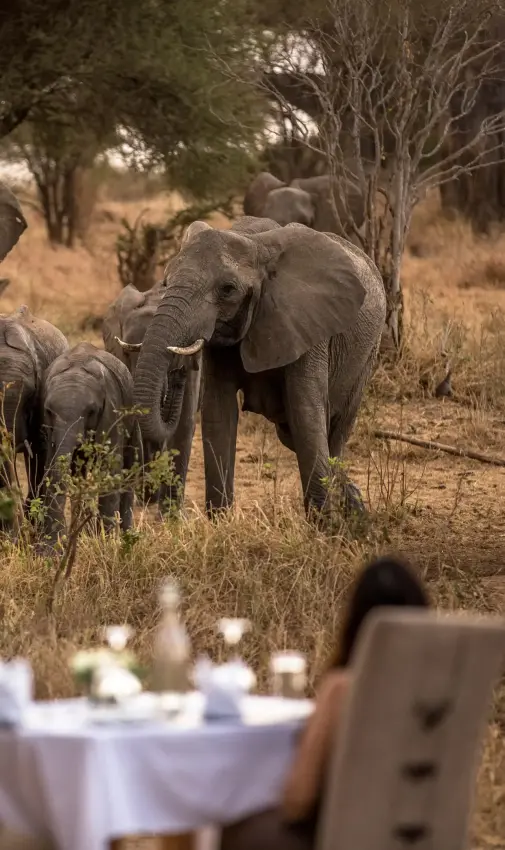
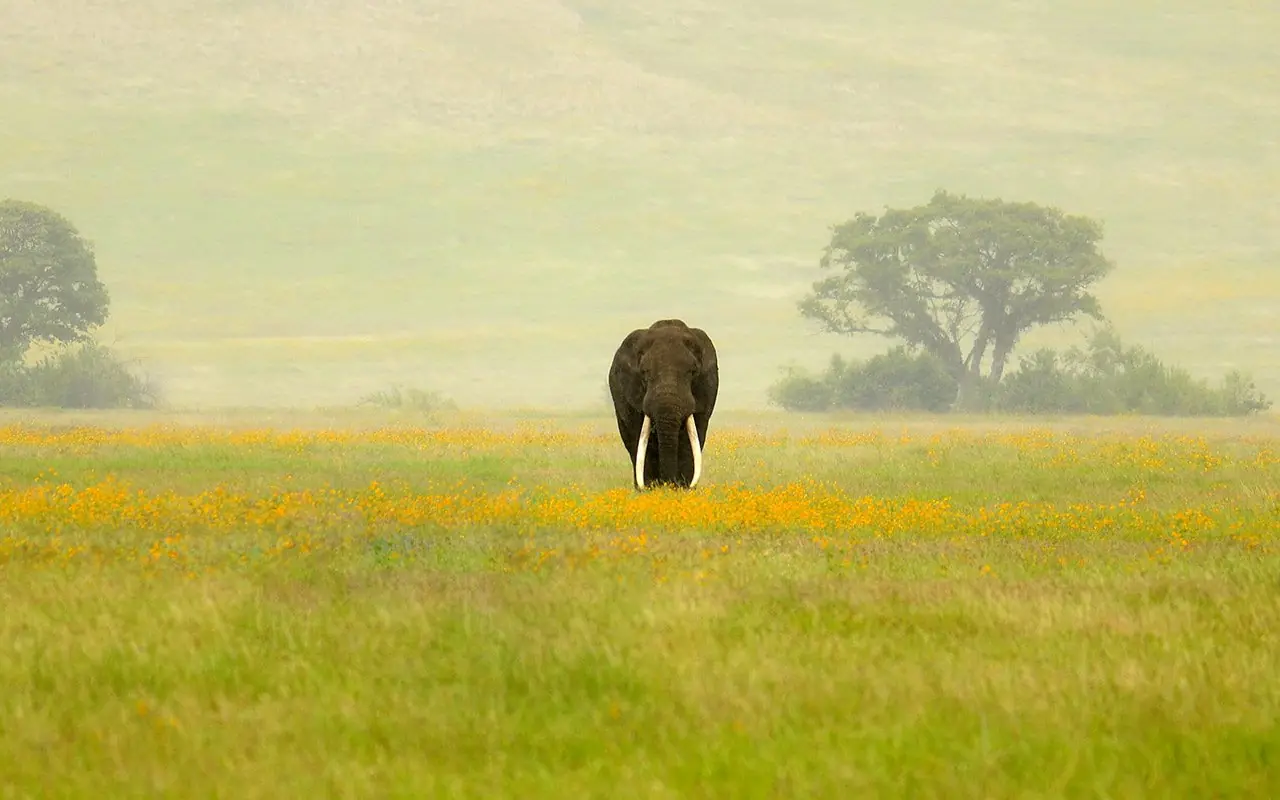
Ancient baobabs give the landscape its signature. Some are centuries old, scattered across granitic ridges and rolling savannah, and herds of up to 300 elephants gather along the river to feed among them. They are drawn down from the community lands and steppe, where temporary water has long since gone. It is a quieter migration than the Serengeti’s, but no less driven by water.
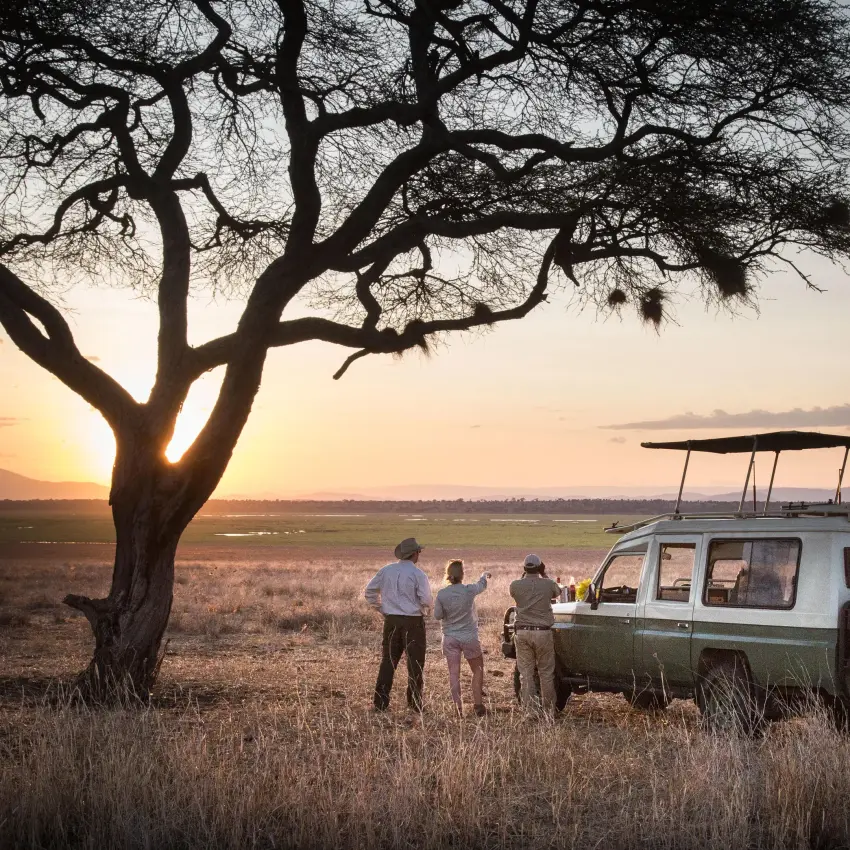
The river is one draw; the swamps are another. Silale Swamp, in the south, holds water deep into the dry season. It becomes a refuge that pulls in buffalo, elephants and grazers when the plains have nothing left. Acacia and combretum woodland, riverine forest and fever-tree stands around the swamp margins build a habitat range that supports far more than one headline species.
The river is one draw; the swamps are another.
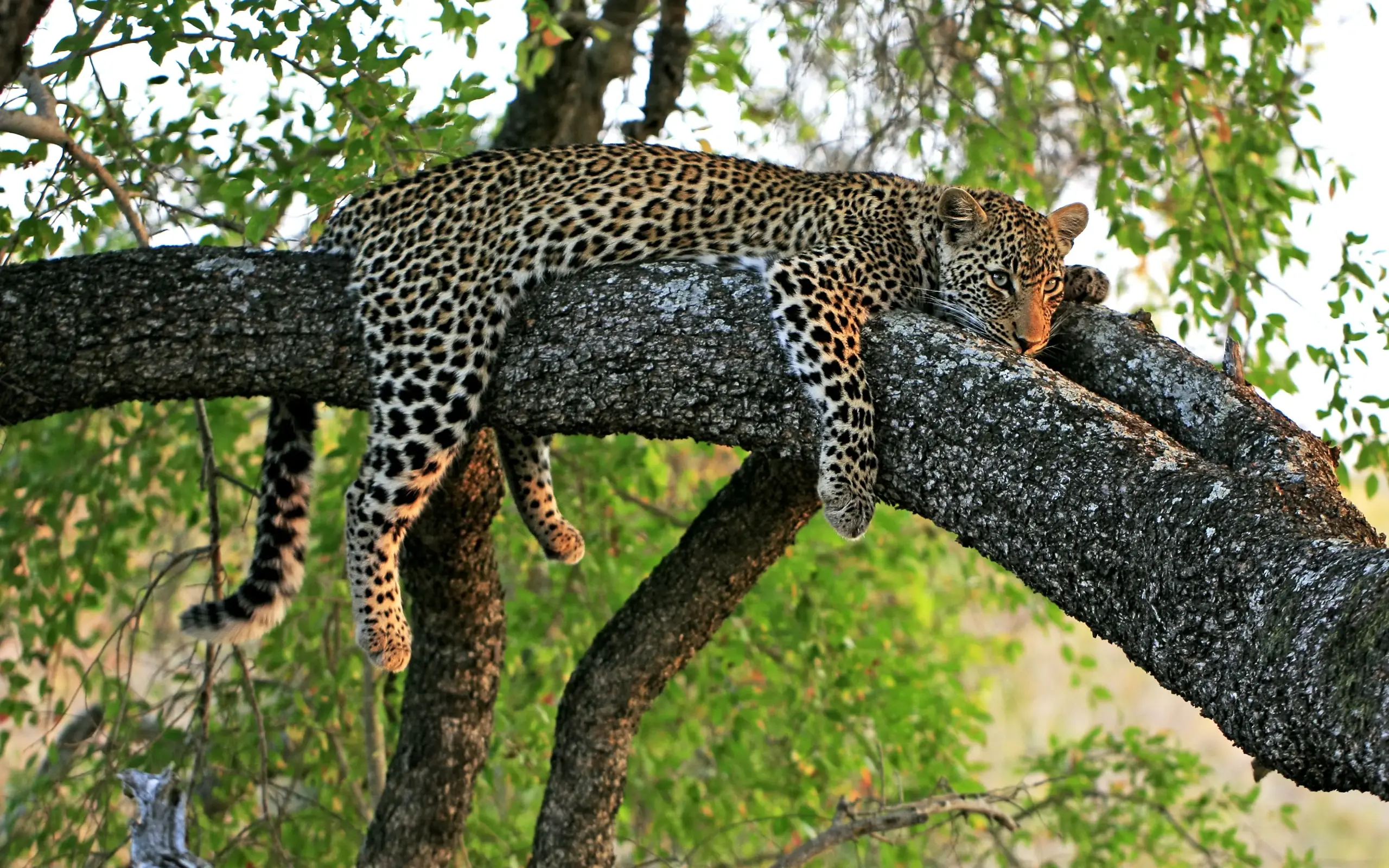
That variety extends to the birds, with more than 500 species recorded across the park. Yellow-collared lovebirds, kori bustards, secretarybirds and hornbills work the woodlands and open ground, while the swamps and seasonal Lake Burunge to the west draw the waterfowl. The dry season concentrates the predators too, and lion, leopard, cheetah and spotted hyena follow the gathered herds.
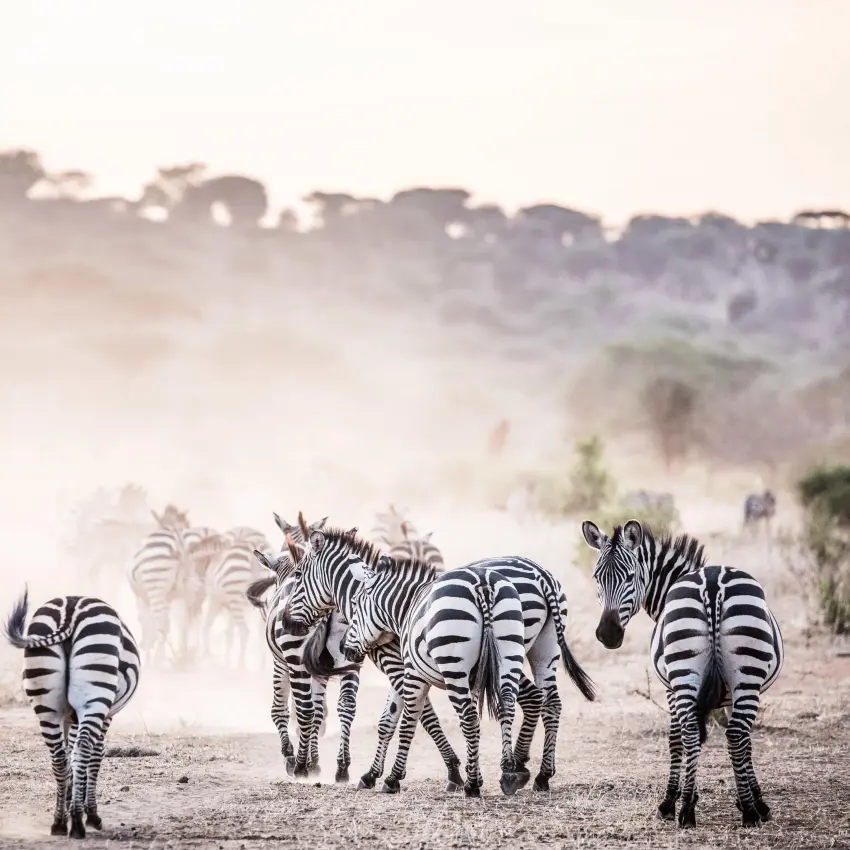
Tarangire works on a clear seasonal logic. From June to October the park reaches its peak, with the Tarangire River and Silale Swamp pulling in elephants, buffalo, zebra and wildebeest from the wider ecosystem in a dry-season concentration that thins out only when the rains return. Vegetation falls back, sightlines open, and predators hunt the gathered herds. The trade-off comes in the wet season, from November to May, when many animals disperse onto surrounding plains and the park turns green and quiet.
That green season has its own rewards. Calving grasses pull herbivores out to the Simanjiro Plains and beyond, but the birding sharpens as migrants arrive, the baobabs stand against dramatic skies, and the vehicles thin out. Heavy long rains in March and April can make the black-cotton soils difficult, and some outlying roads slow or close for a time. For intense game viewing the late dry months are the obvious window; for greener landscapes and birds, the shoulder seasons reward those who don’t mind dispersed wildlife.
Exclusive-use private houses suit families and small groups wanting their own guide and vehicle
Tarangire rarely stands alone on a northern Tanzania itinerary. Its position makes it a logical first stop before Lake Manyara, the Ngorongoro Conservation Area and the Serengeti, each a short hop by road or light aircraft. The habitats complement one another: baobab savannah here, groundwater forest and rift escarpment at Manyara, a volcanic caldera at Ngorongoro, then the open plains of the Serengeti. A few days at Tarangire early in a trip front-loads the elephant experience before the journey climbs into the highlands.
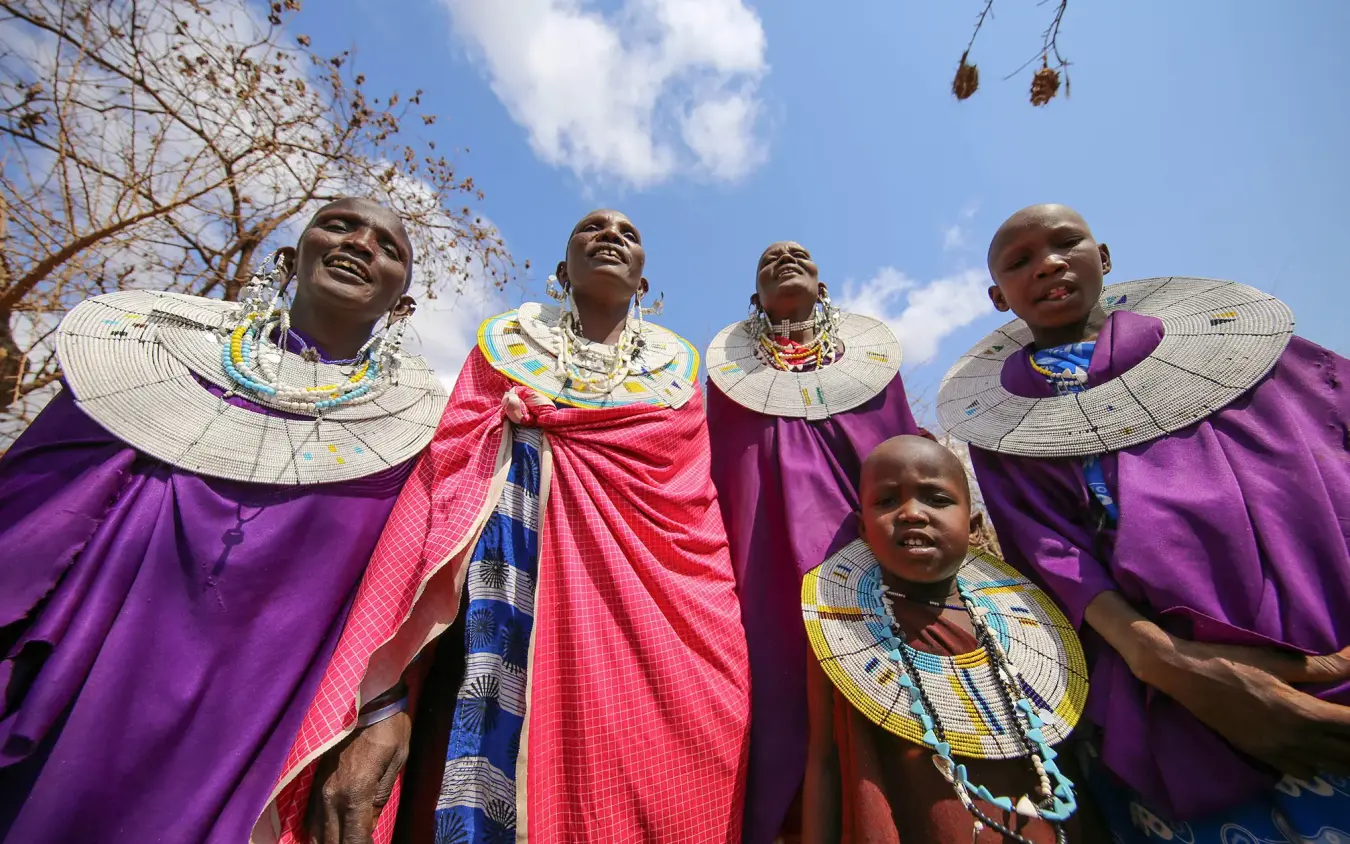
The wider Tarangire ecosystem overlaps lands long used by Maasai and other pastoralists, and community Wildlife Management Areas now border the park. These buffer zones link tourism revenue to wildlife protection, and they help keep partly open the migration corridors that feed the dry-season concentration. Pressure from cultivation and settlement remains real on the park edges, but the elephant population is widely described as strong, sustained by a dry-season refuge that has functioned since the park’s creation in 1970.
The best time to visit Tarangire National Park
Jan
Feb
Mar
Apr
May
Jun
Jul
Aug
Sep
Oct
Nov
Dec
Recommended
Transitional
Challenging conditions
Come between July and October, when shrinking waterholes draw Tarangire's big elephant herds and concentrated game back to the river and the thinning bush opens up clear viewing. August and September are the peak. The green season from November to May is quiet and best for birding, though the March to April long rains disperse the game and close some camps.
accommodation in tarangire national park
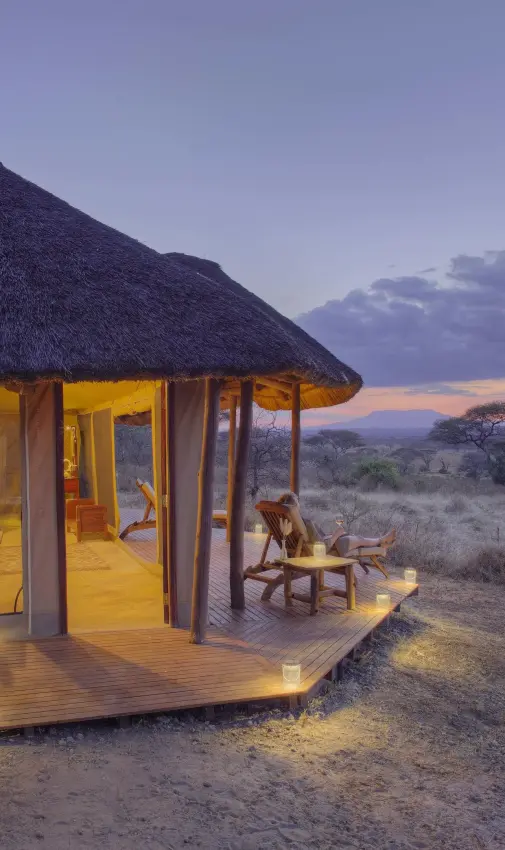
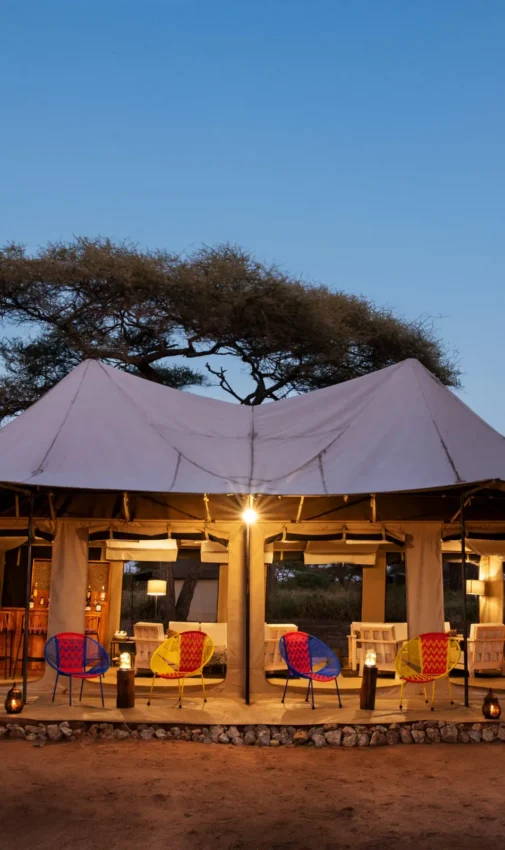
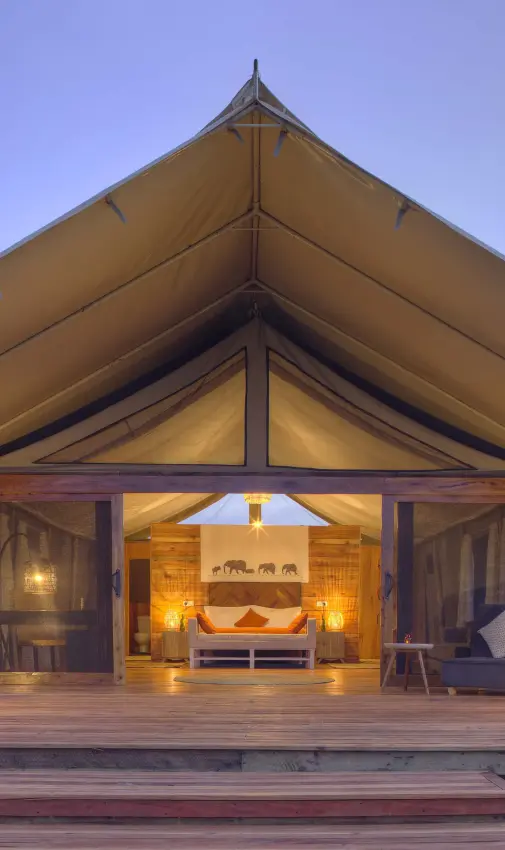
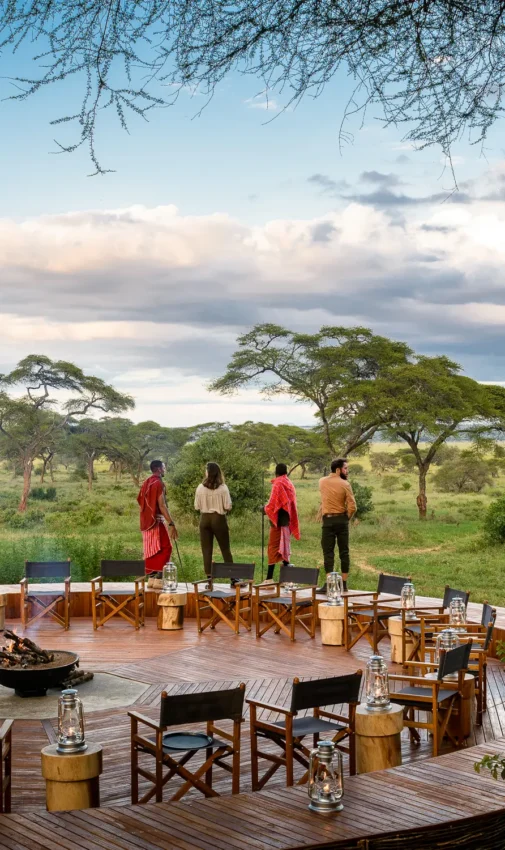
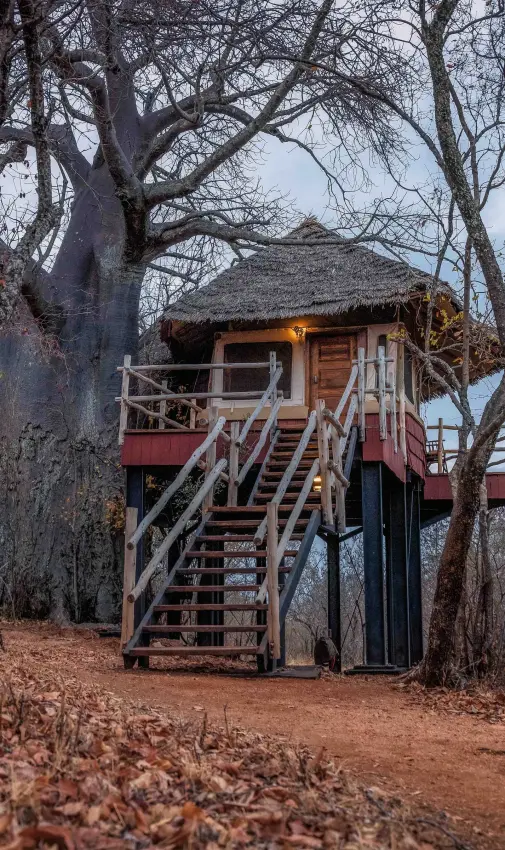
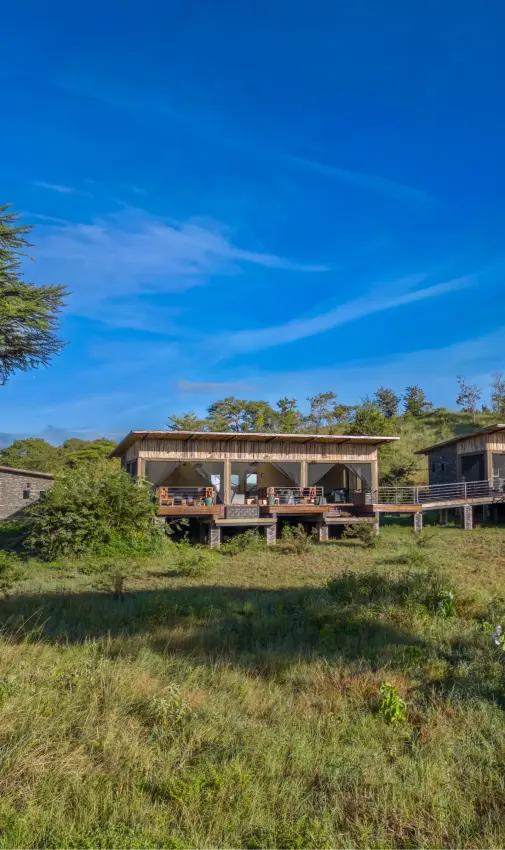
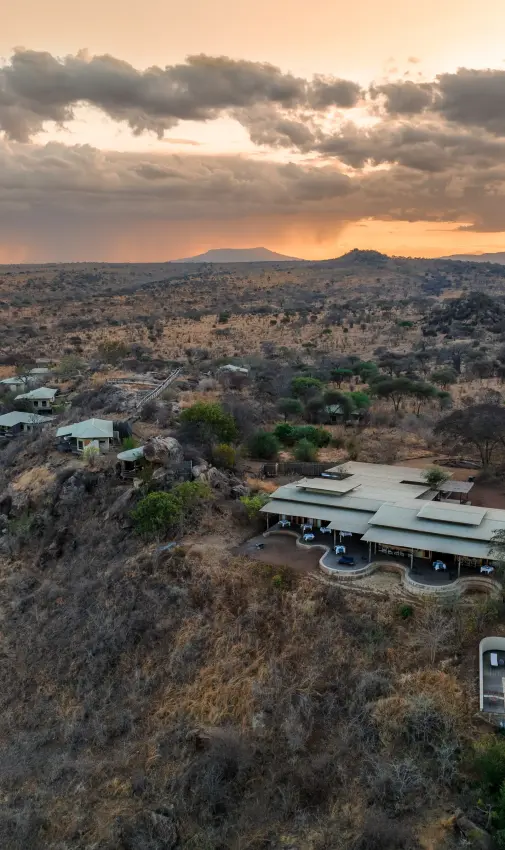
Accommodation spans permanent tented camps with canvas suites on raised decks, often set above the river or on hillsides, through to solid lodges built on ridgelines and kopjes for the views. Seasonal river-front and swamp-edge camps follow the dry-season game, while peripheral concessions hold luxury tented camps and a treehouse-style camp set among baobab and marula. Exclusive-use private houses suit families and small groups wanting their own guide and vehicle.
01

 02
02
 03
03
 04
04
 05
05
 06
06
 07
07
 08
08
 09
09
 10
10

activities
Activities
Game drives along the Tarangire River valley and Silale Swamp are the core activity inside the national park, where TANAPA rules restrict movement to designated roads in daylight. Adjacent Wildlife Management Areas and private concessions allow night drives, walking safaris with armed guides and Maasai-led nature walks. Dawn balloon flights drift over the river and plains in the dry season.

conservation
Conservation Projects
The Wildlife Conservation Society runs the long-running Tarangire Elephant Project, identifying individual elephants and tracking population dynamics over more than 25 years. The African Wildlife Foundation, The Nature Conservancy and partners work on rangeland management, open corridors and human-wildlife conflict mitigation, including living walls to protect livestock from predators. Community Wildlife Management Areas tie local revenue to keeping dispersal routes open.

getting around
Connectivity and Logistics
Scheduled light aircraft serve Kuro airstrip inside the park, with Air Excel, Auric Air and Coastal Aviation flying from Arusha, Kilimanjaro and the Serengeti. Private charters and helicopter transfers reach the central airstrips and lodge landing zones in adjacent concessions. By road, the park gate sits roughly two hours from Arusha on paved highway, with a short gravel stretch at the end.
other areas in tanzania
Tarangire opens a northern Tanzania loop naturally extended by Lake Manyara, close by, with its groundwater forest, rift escarpment and flamingos when the lake fills. The Ngorongoro Conservation Area offers a volcanic caldera with dense wildlife and black rhino, while the Serengeti delivers vast plains and the Great Migration. Post-safari, many travellers fly to Zanzibar for Swahili culture and reef diving. For a wilder contrast, the southern parks of Ruaha and Nyerere combine into a longer north-south itinerary.





frequently asked questions
By road from Arusha, or by light aircraft to Kuro inside the park.
The drive from Arusha is the usual arrival on a northern Tanzania route, and it is straightforward. Flying saves a morning: scheduled services reach Kuro, and a private charter, typically a Cessna Caravan or a Pilatus PC-12, can land at Randilen, which is closer to some camps and the neatest arrival of all.
Soft bags only on the light aircraft, about fifteen kilograms a person.
We book the leg with the rest of the routing, because Tarangire usually sits at the start of a circuit that ends in the Serengeti.
Elephant herds, baobabs and the river that holds the whole place together.
In the dry months the Tarangire River is the only reliable water for miles, so the elephant gather along it in big herds, with zebra, wildebeest and buffalo behind them and lion following the lot. The baobab country gives it a look nothing else on the northern circuit has.
It is also the best of the northern parks for birds, with a list well into the hundreds.
What it is not is a migration park. The herds here are the local ones, and they are at their most concentrated from July to October.
Yes. Tarangire sits well below the 1,800 metre line that both TravelHealthPro, the UK's official travel health service, and the CDC use, so both treat it as a malaria area and list antimalarial tablets among their recommendations.
We do not make medical recommendations. Which tablets suit you, and what is right for a child, are questions for your own doctor or a travel clinic.
On the practical part, cover up from dusk and keep repellent to hand.
Not inside the national park, but you can just outside it.
The park's rules are the usual ones: daylight hours, no walking safaris and no leaving the track. The camps on the conservancies and community land along the boundary, Randilen among them, run walking safaris, night drives and off-road driving.
Several of those camps are twenty minutes from the park gate, so you can have the park by day and the freedoms by night.
That is the pairing we book most often here, and it costs no more than staying inside.
Yes, and it is often the gentlest start to a Tanzania trip.
Several camps have family tents with two bedrooms, and elephants walking through camp on their own routes give children something to watch without a drive. The park is a short road transfer from Arusha, so the first day is not spent flying.
Minimum ages vary: some camps take children from six, with under-fifteens sharing a tent with their adults, and the walking and night drives on the conservancies carry their own limits.
Tell us their ages and we will pick the camps that genuinely work rather than the ones that merely allow it.
Two, and three if the elephants are the reason you came.
Two nights give you a full day in the park with an afternoon either side, which is enough to see the river and the baobabs. A third lets you take a walking safari or a night drive on the boundary land, which is what people remember.
On a northern circuit, Tarangire first, then Ngorongoro, then the Serengeti is the order that works, and the last leg is better flown than driven.
Tell us your total nights and we will say where Tarangire earns them.
rated five stars by our clients

our approach
remote, exclusive
& personal
Every journey starts with a conversation. We take the time to understand your vision before we start planning.
Whether by phone or in person, we work with you directly to shape something that is considered, personal, and expertly delivered.
Every journey starts with a conversation. We favour a direct, personal approach: understanding your vision before anything else.
Whether by phone or in person, we work with you directly to shape a journey that is both thoughtfully considered and expertly delivered.
Get in touch to start planning yours.