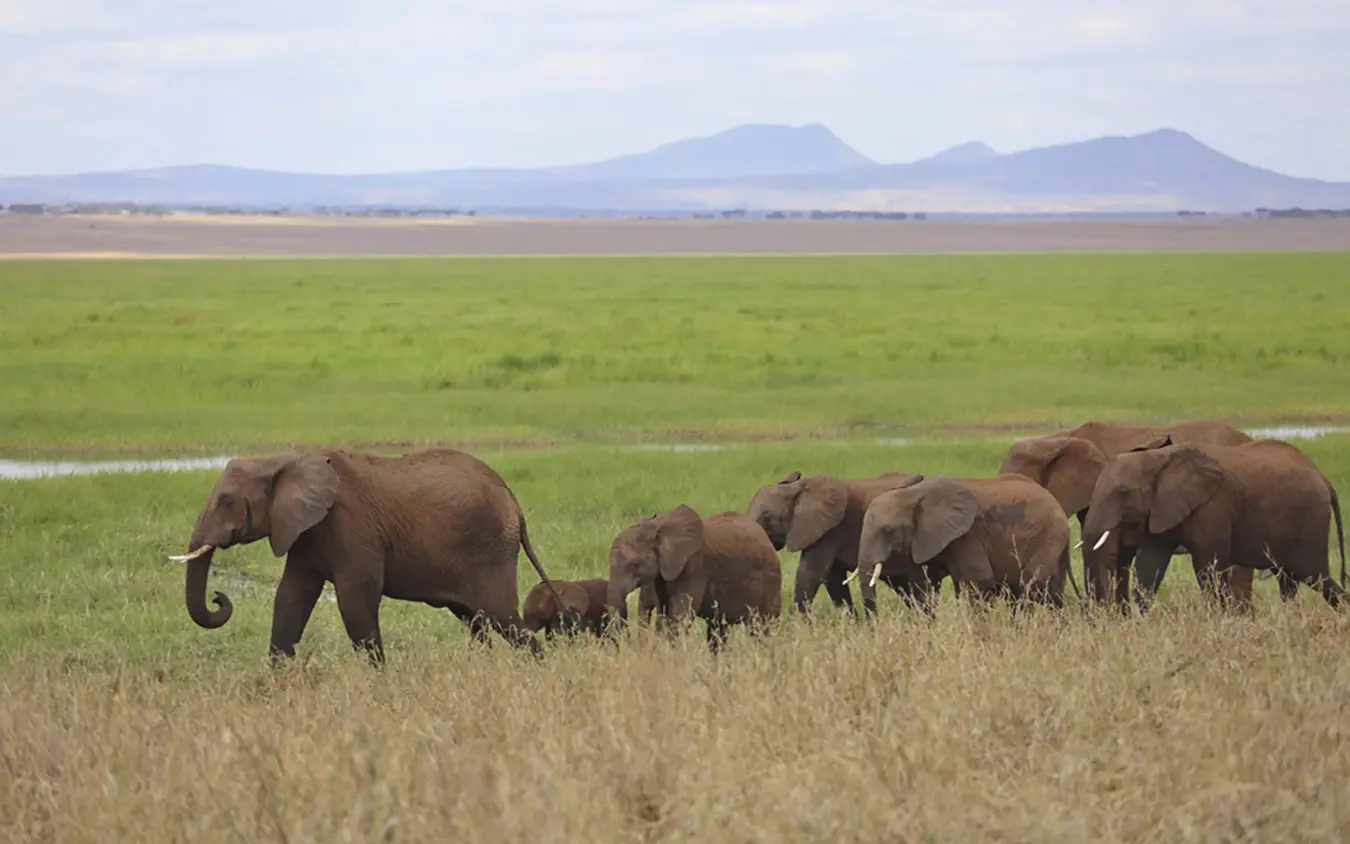
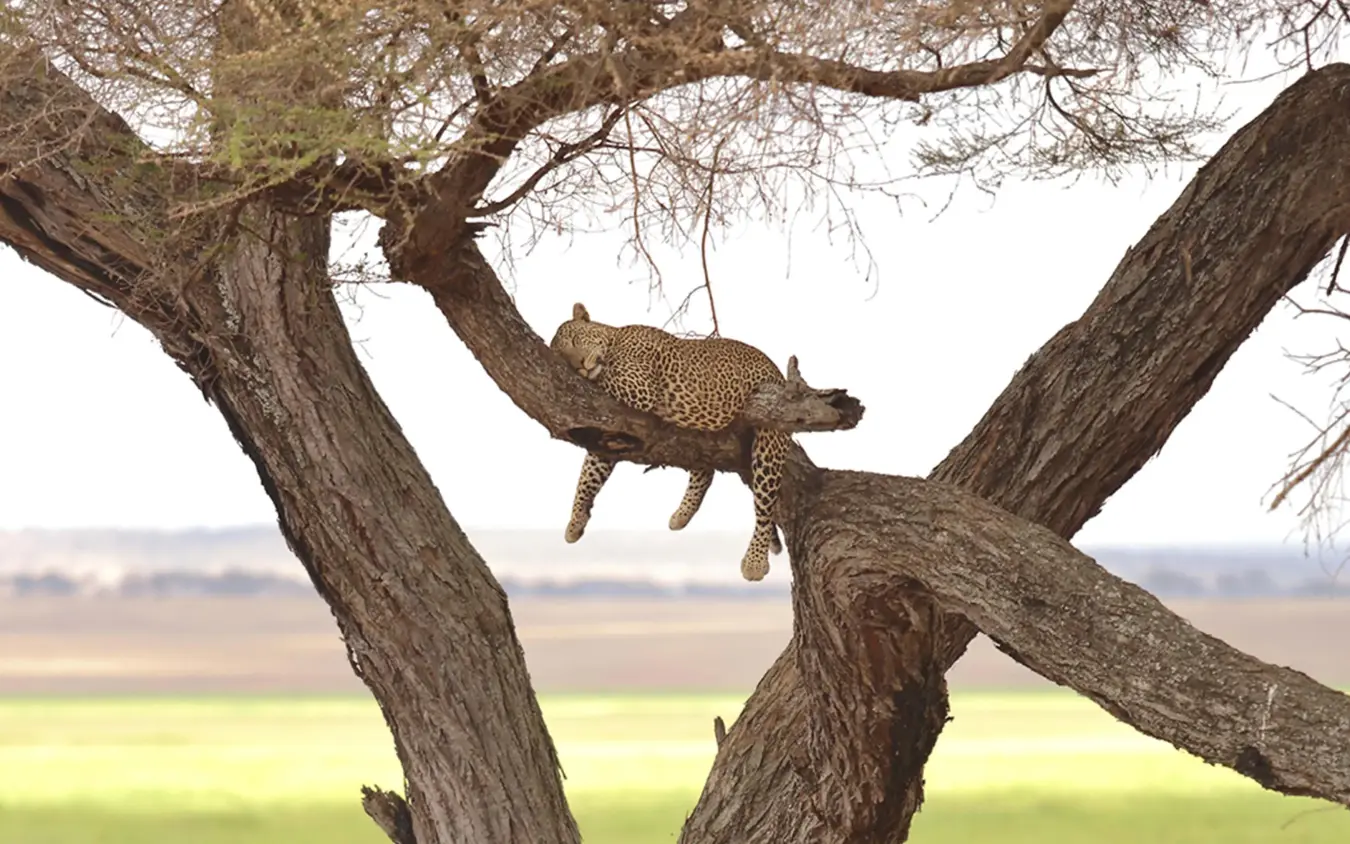
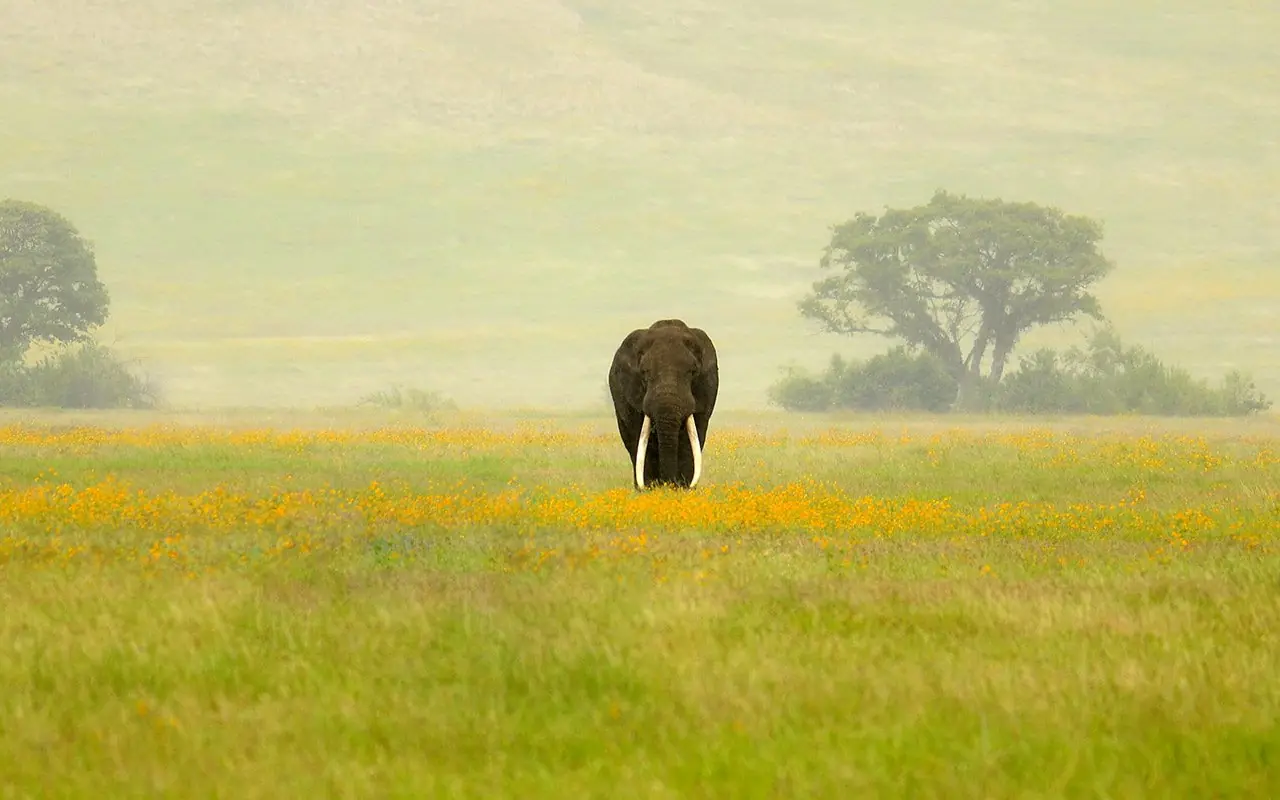
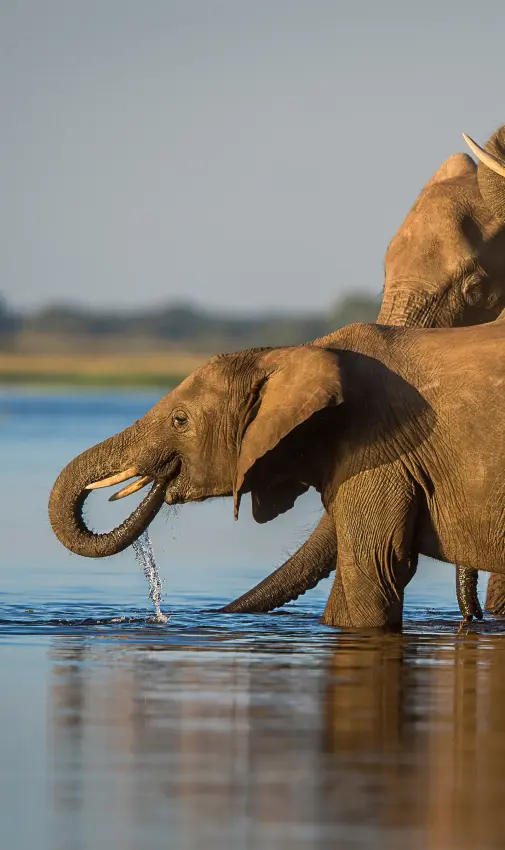
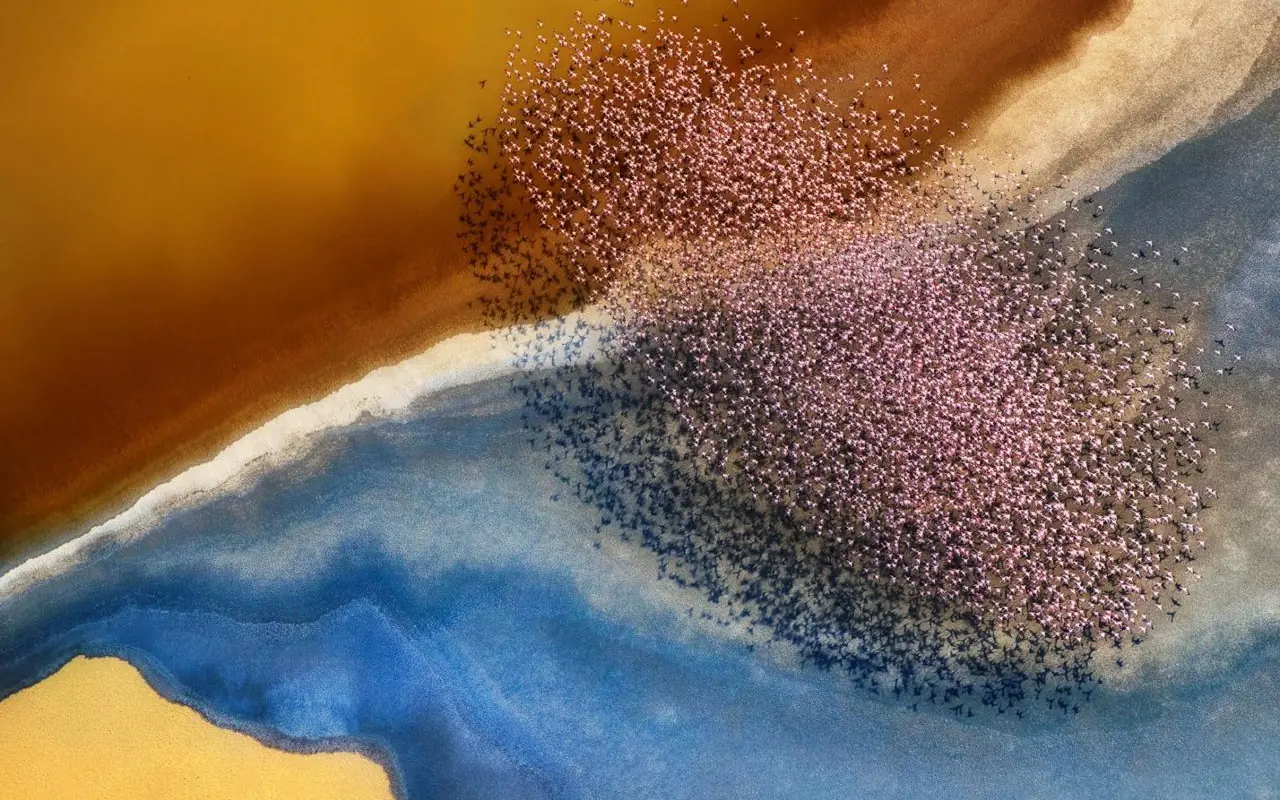
Tarangire fills up in the dry season, roughly June to October, as the herds funnel toward permanent water. The Silale Swamp is one of the great magnets, drawing elephants in large numbers alongside buffalo, lion, leopard and cheetah. Birdlife gathers thickly around the permanent pools and wetland near camp. Being deep in the south-east means fewer vehicles at sightings and a wilderness feel that the busier ground near the main gate simply does not offer.
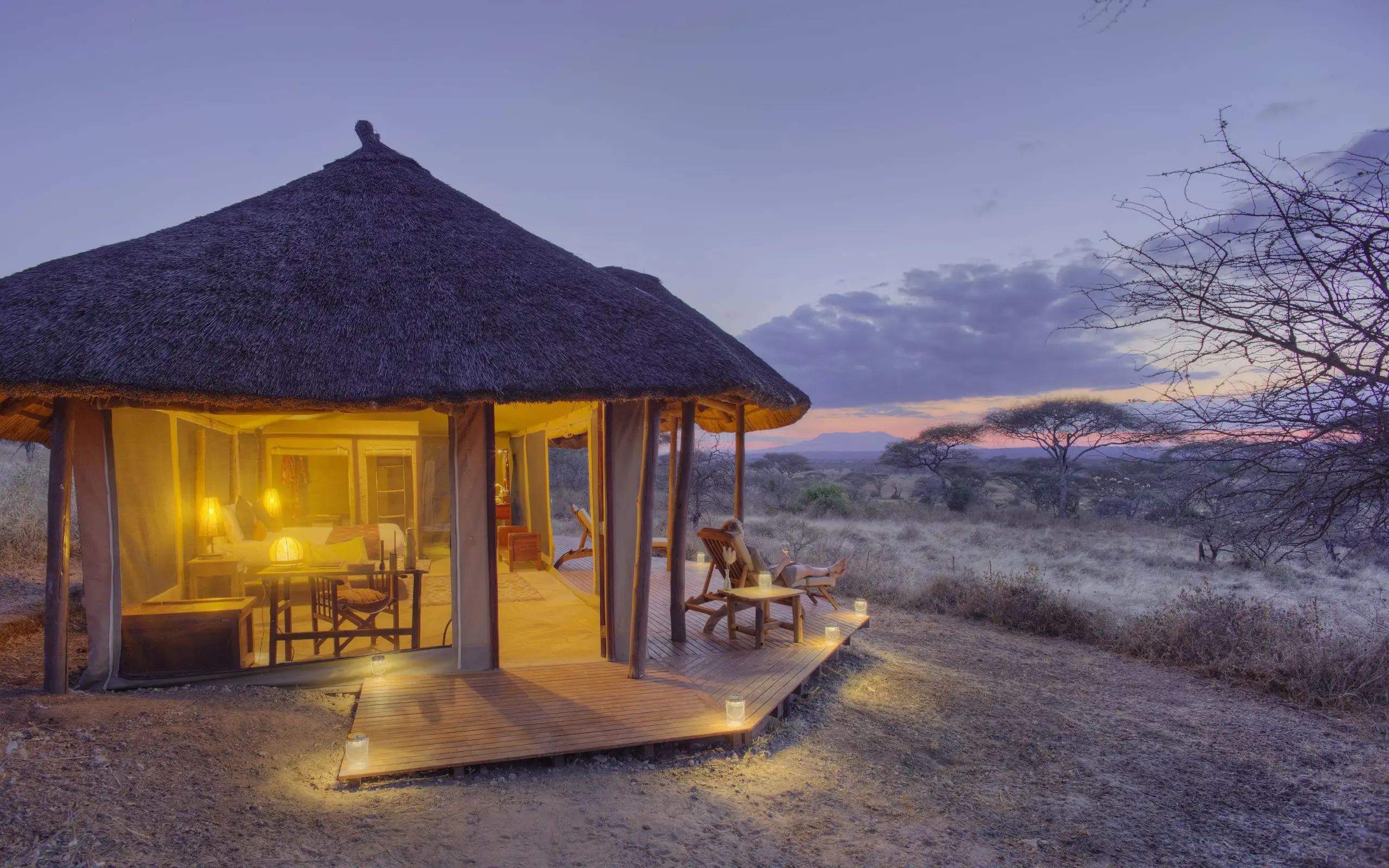
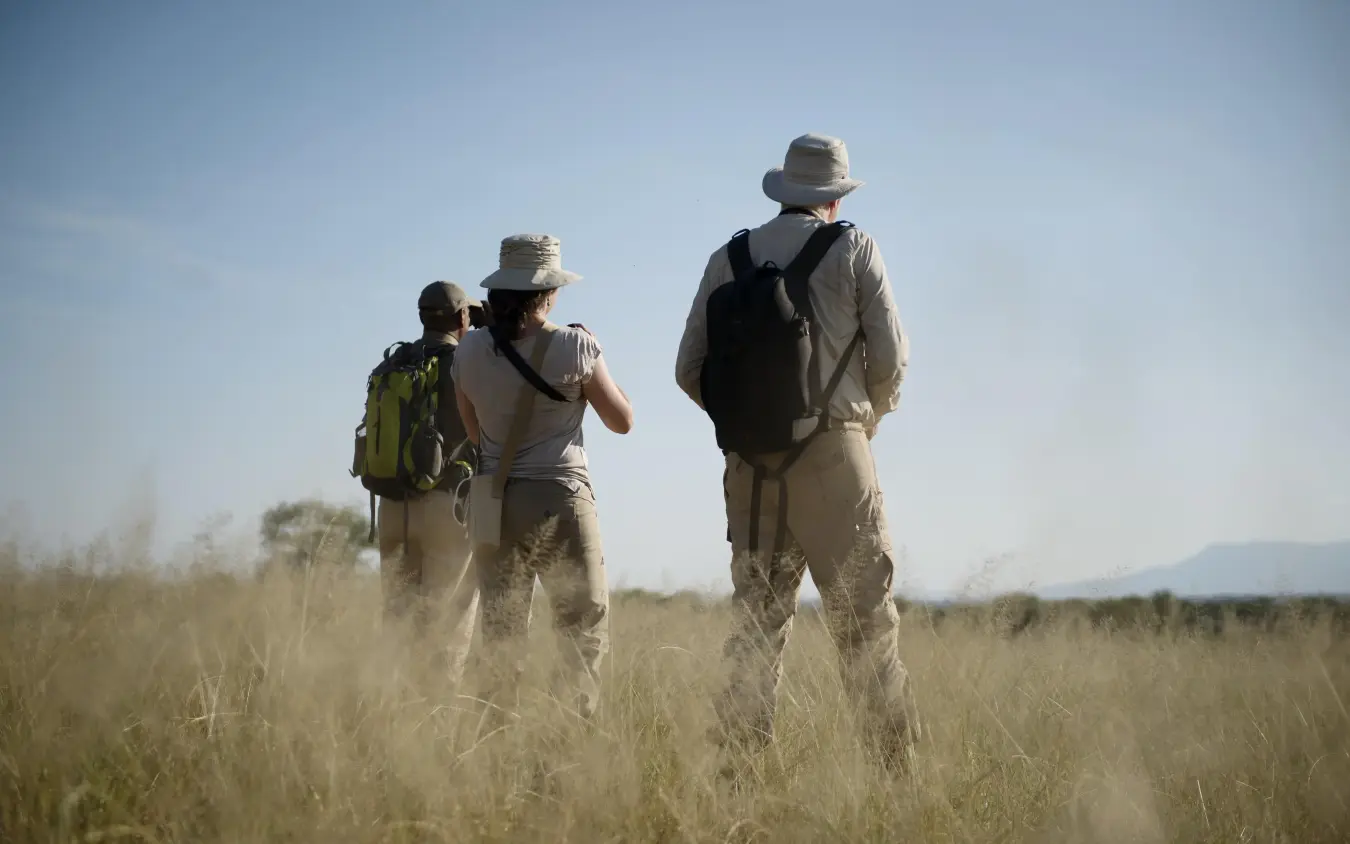
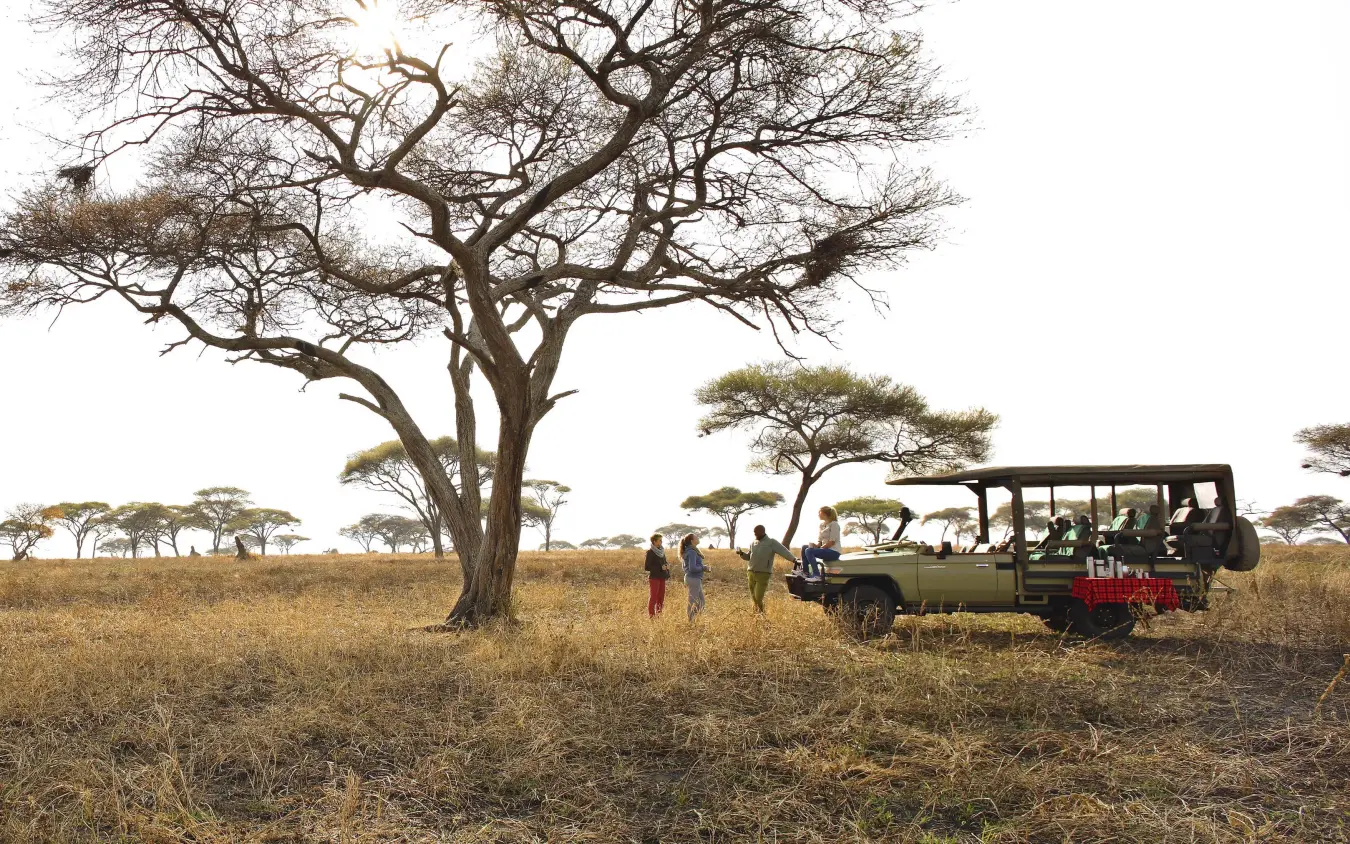
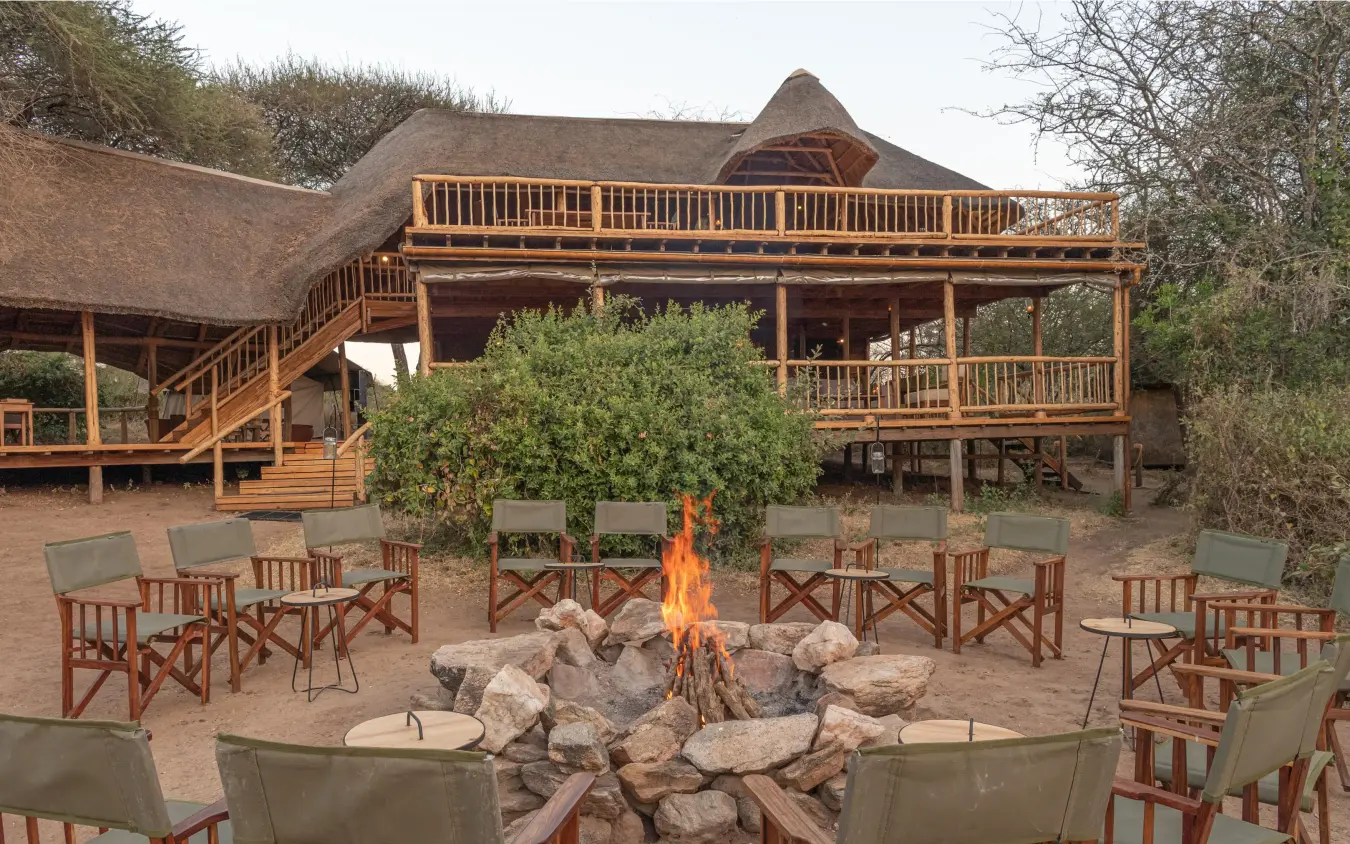
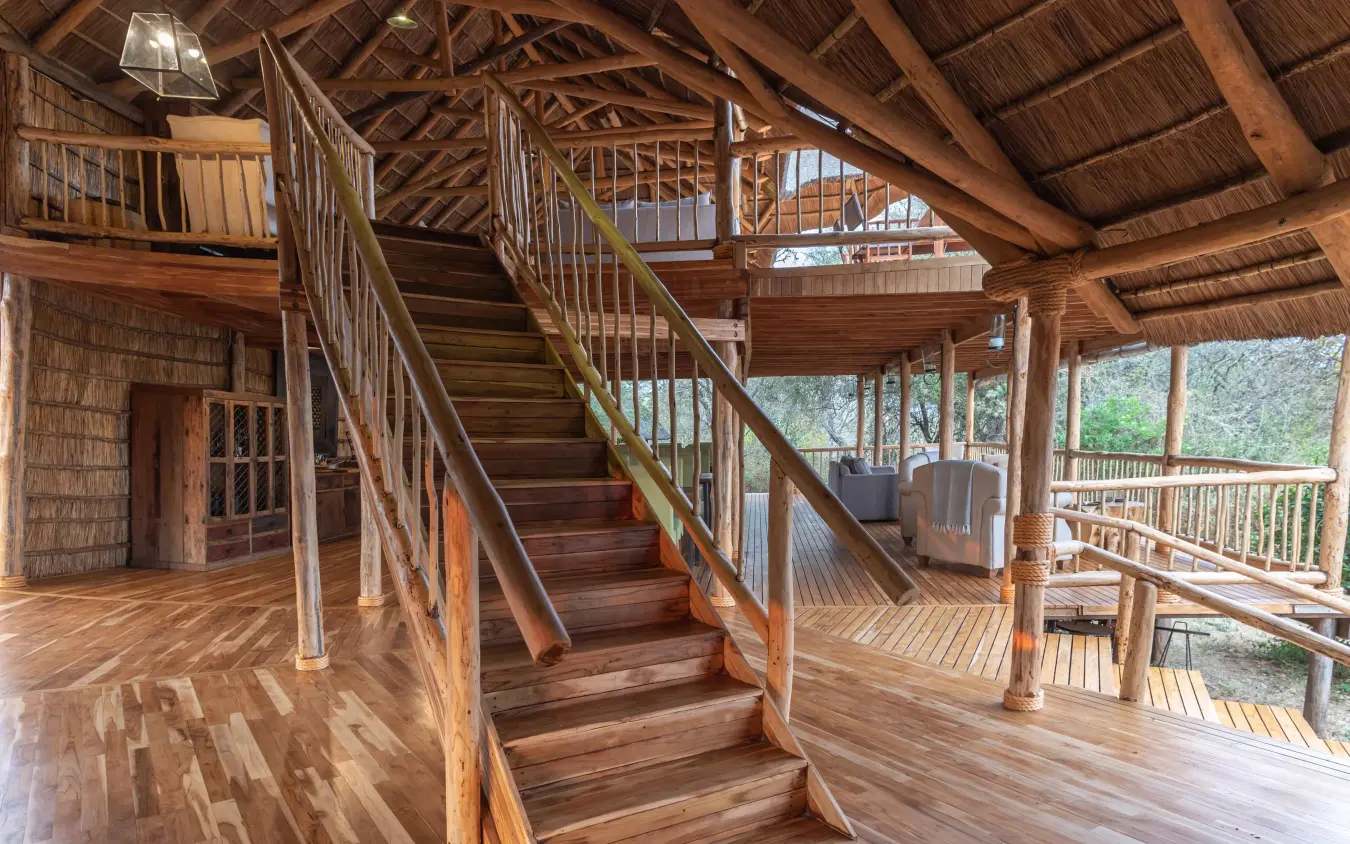
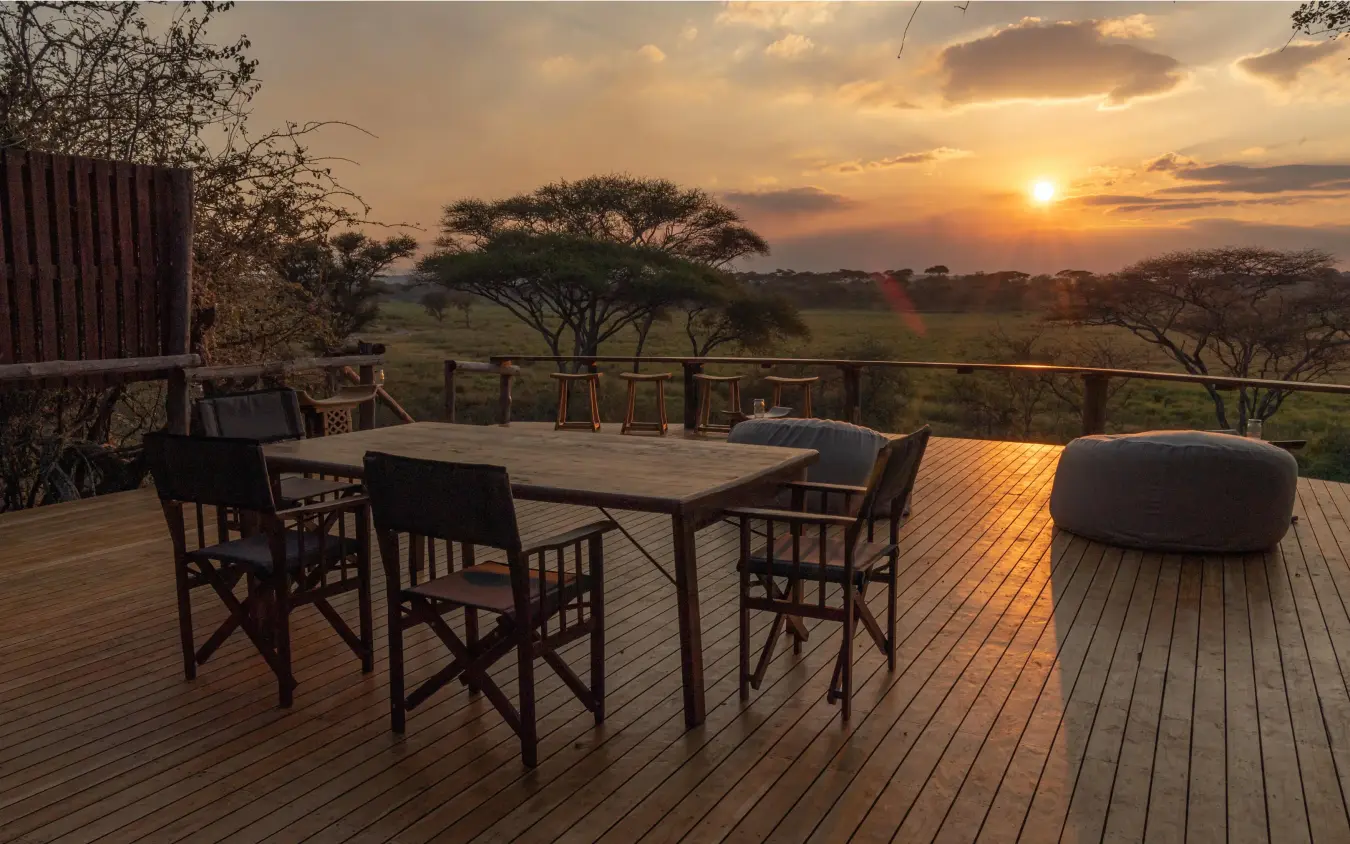
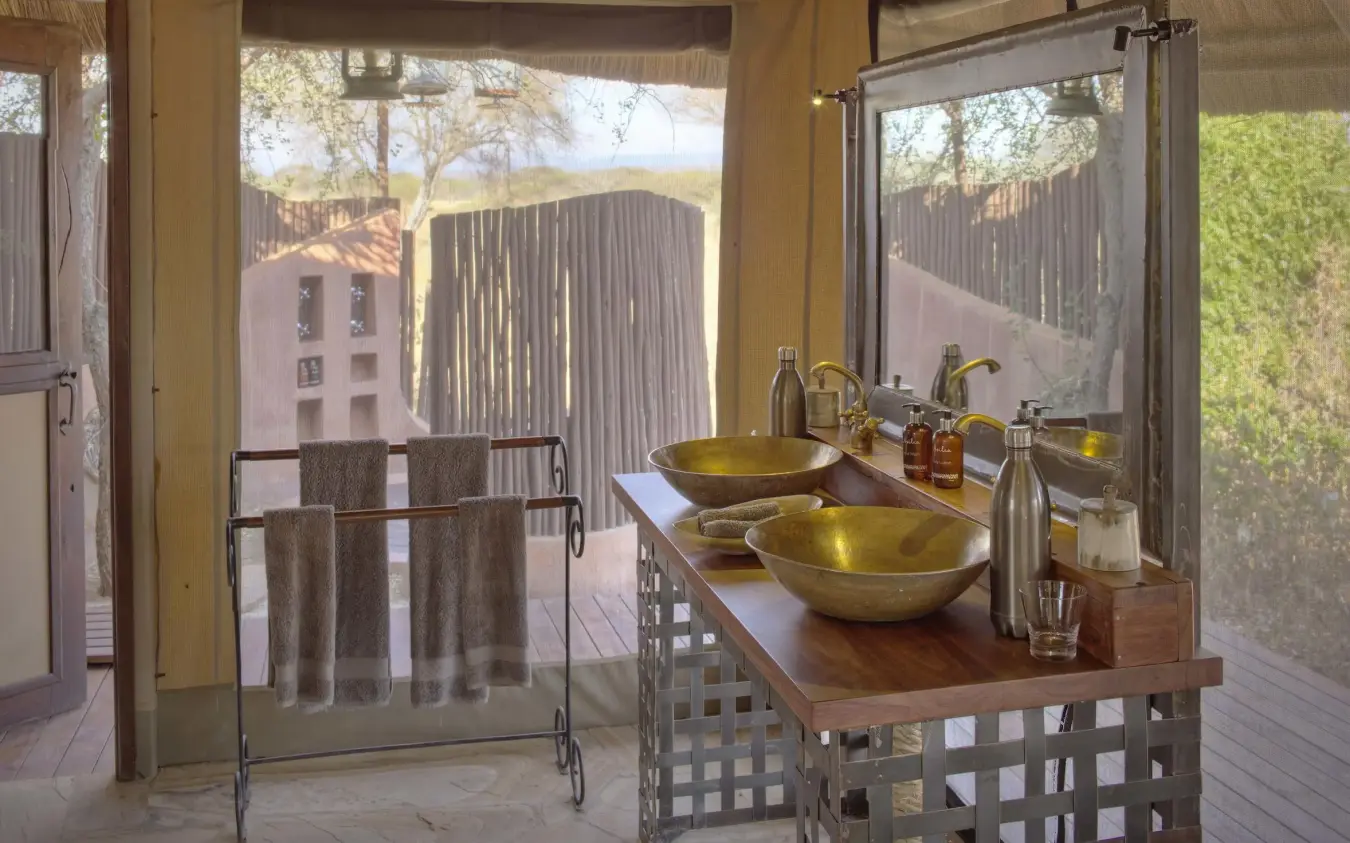
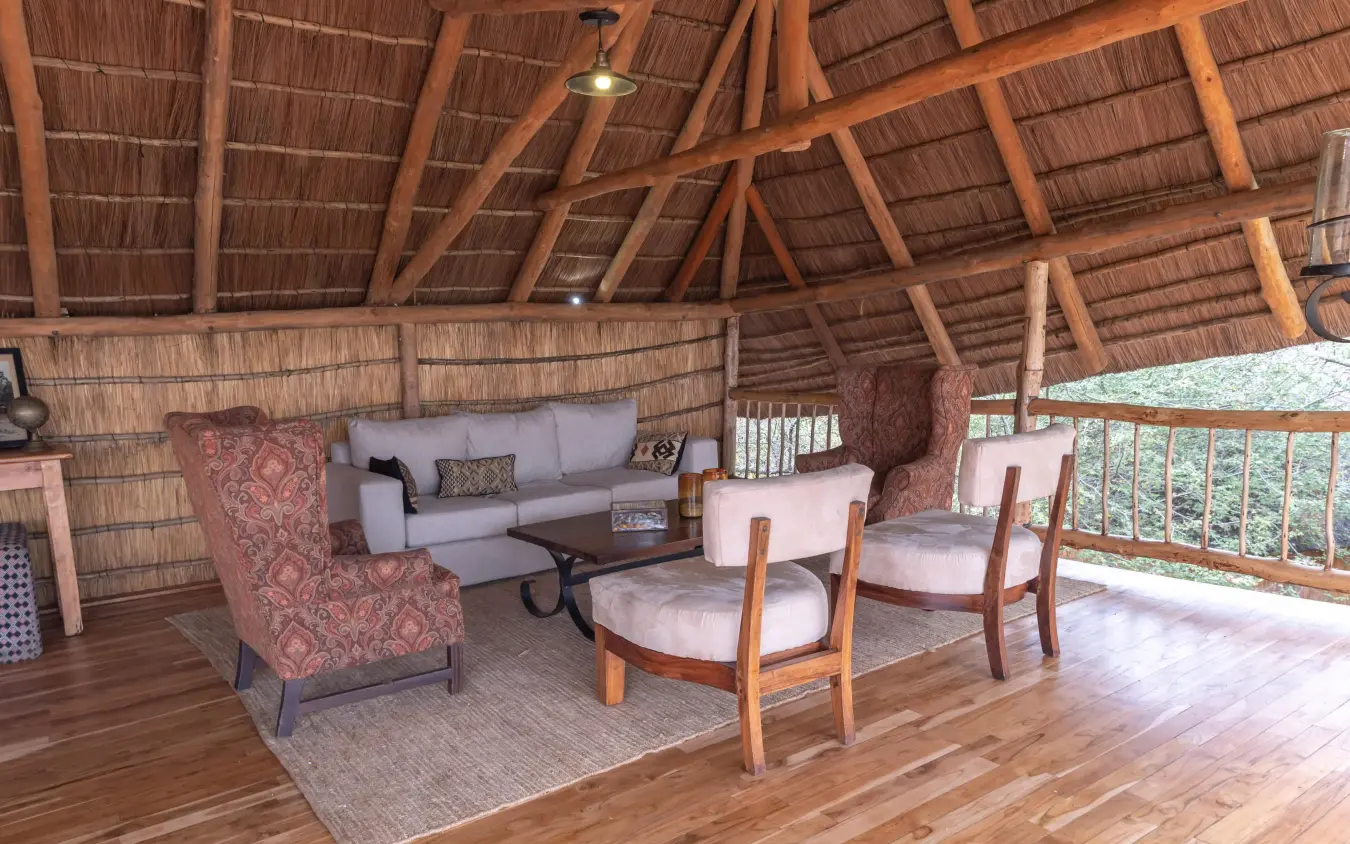
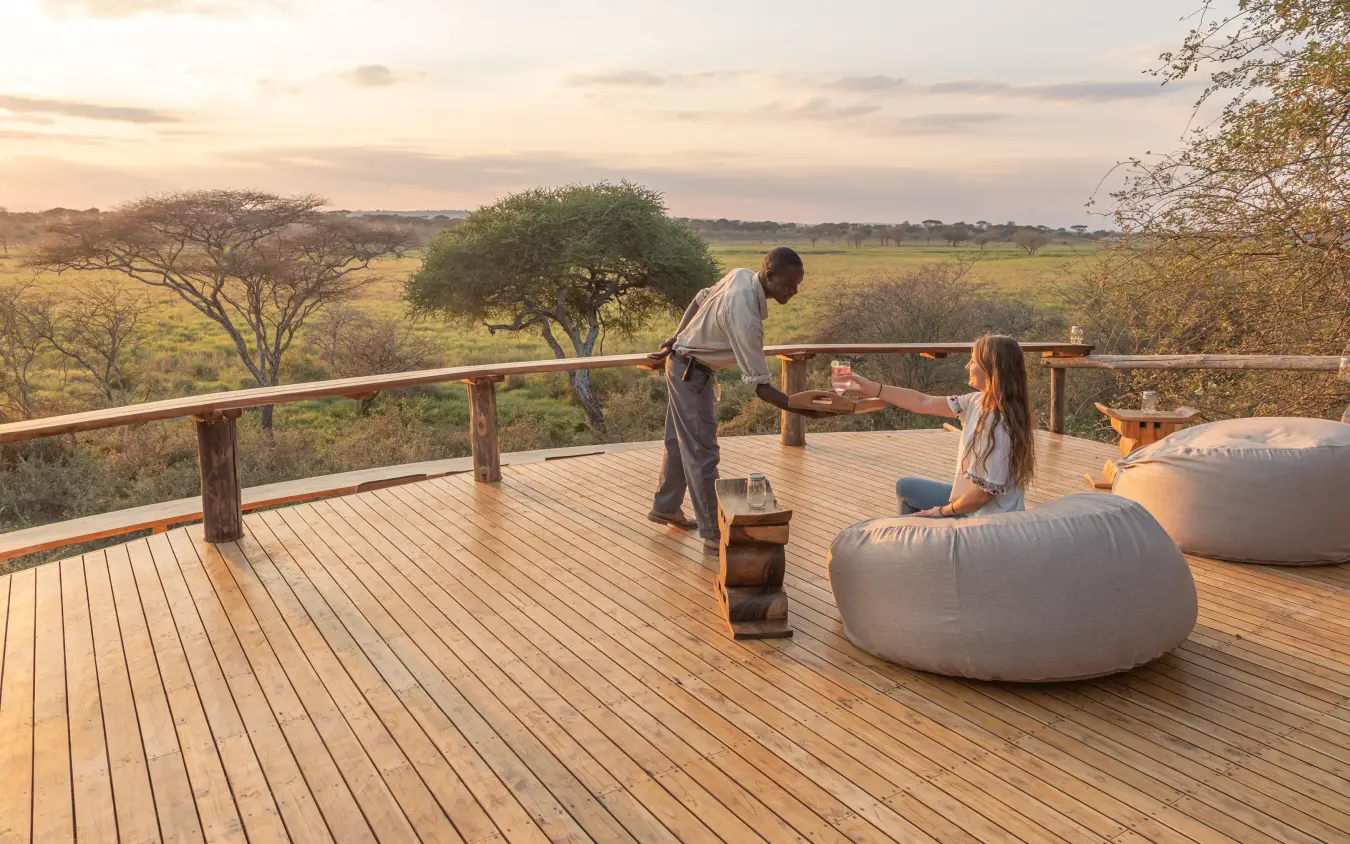
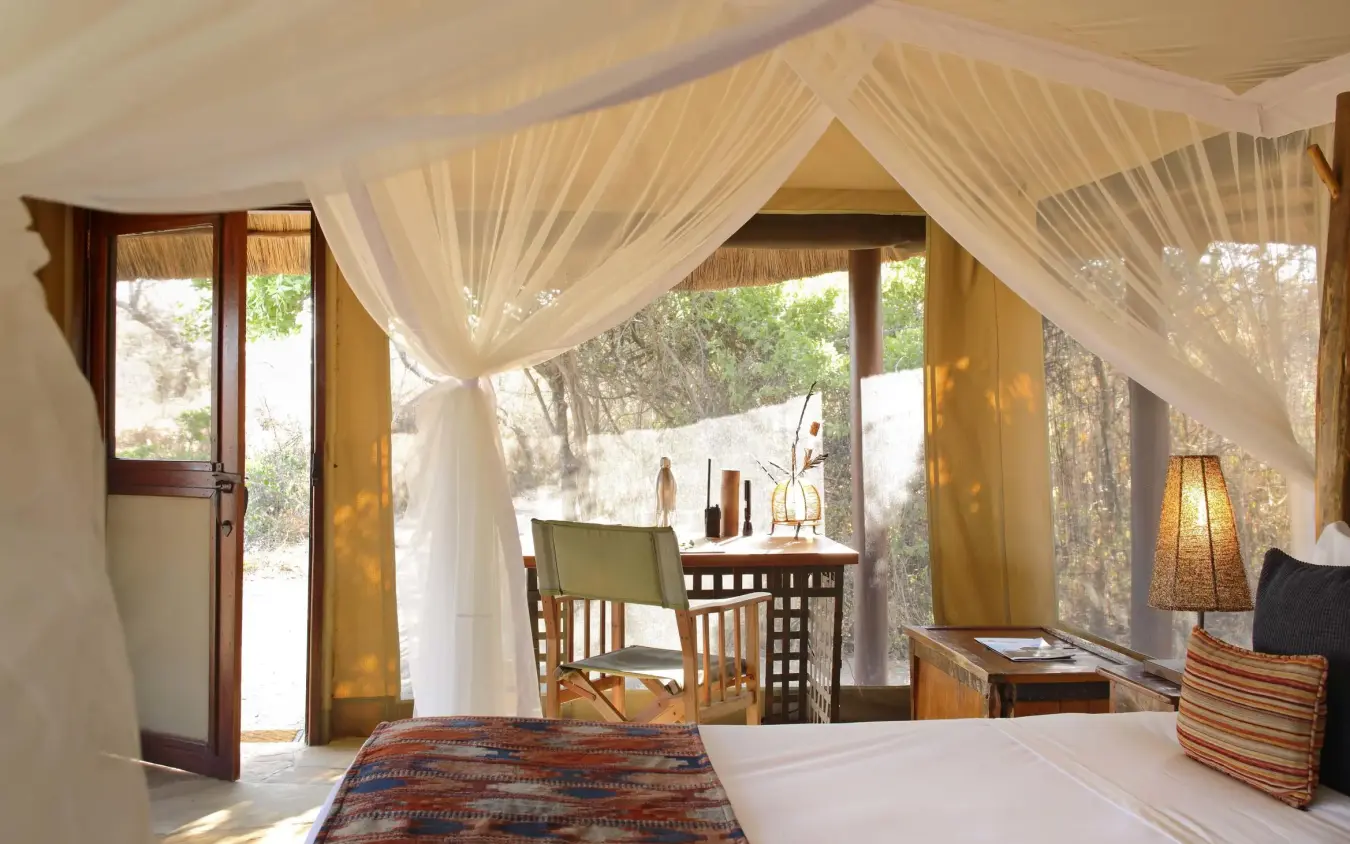
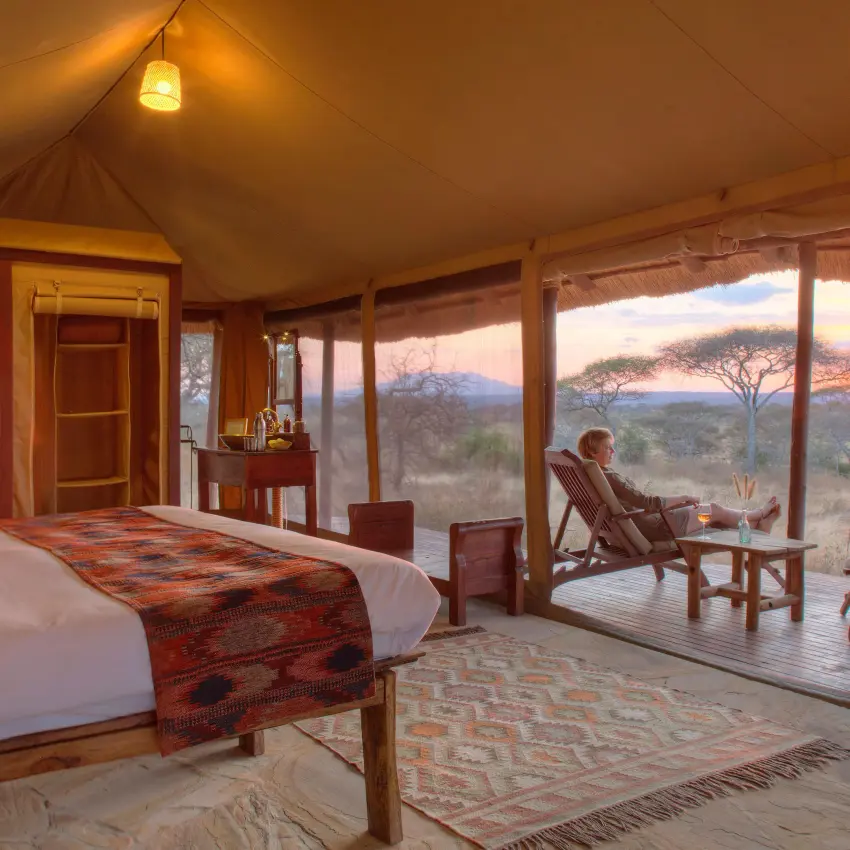
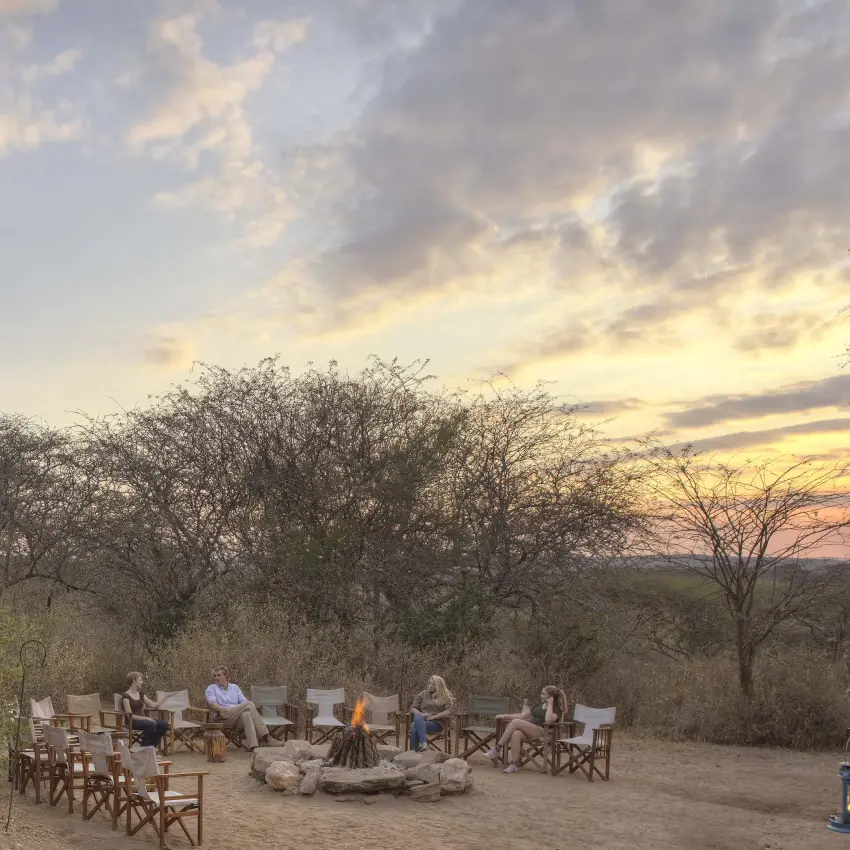
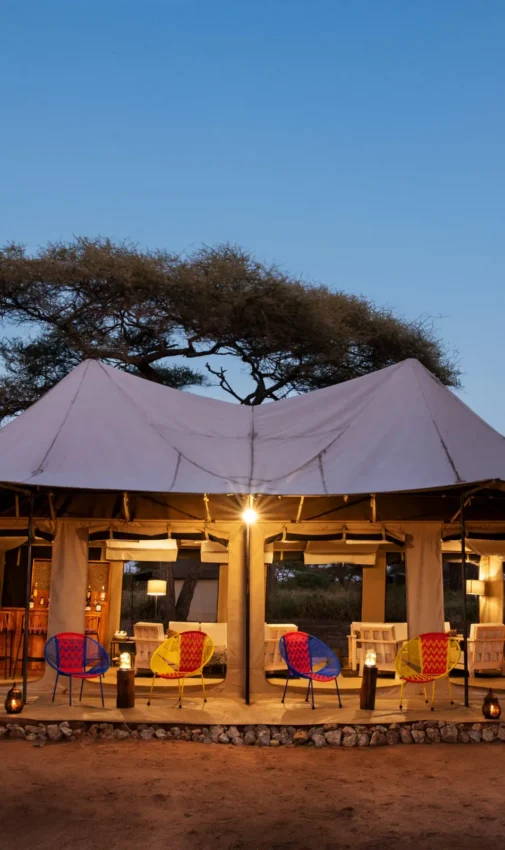
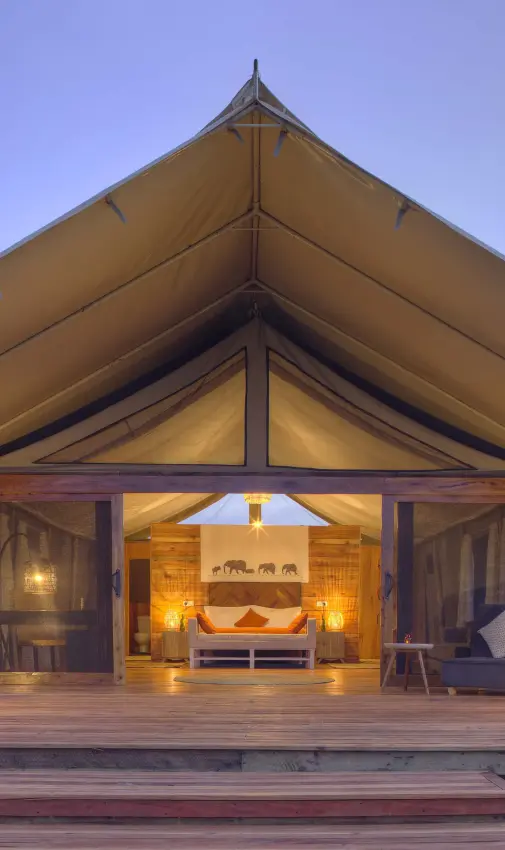
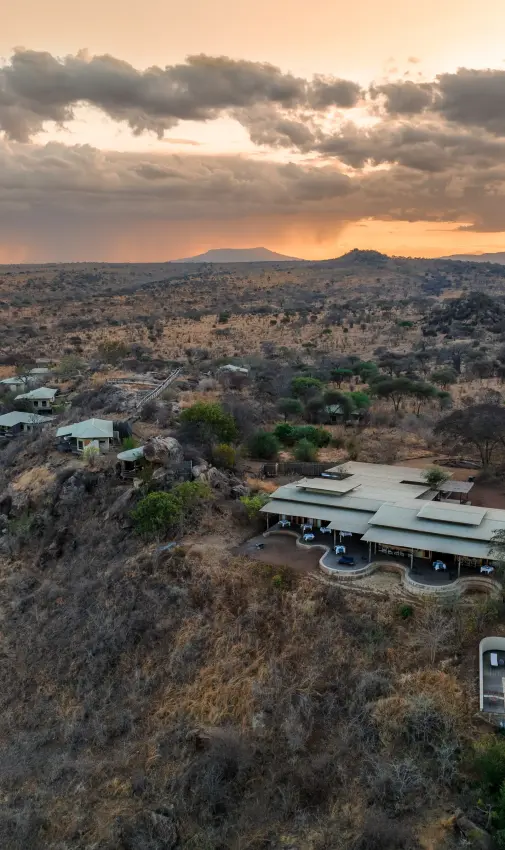
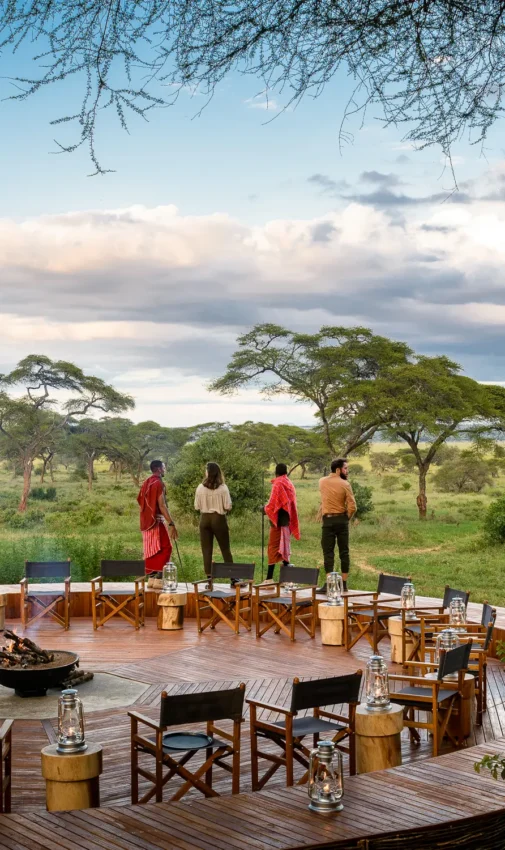
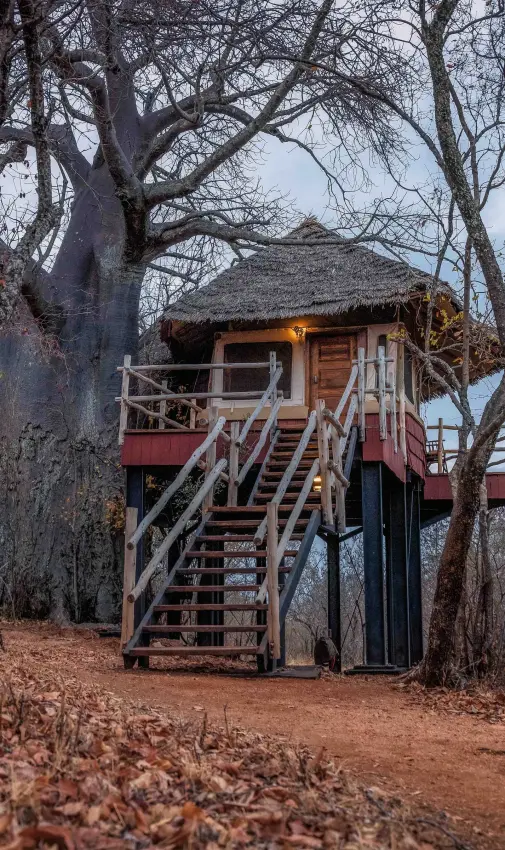
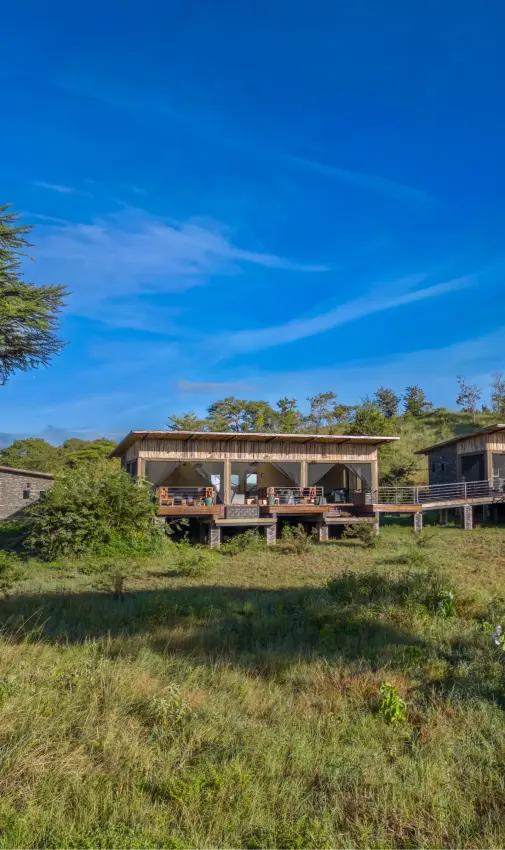
The camp reads as a classic tented safari camp, not a polished lodge. Its two-storey main area is an open-sided structure of timber and thatch facing the floodplain, with red leather armchairs that echo the ochre soils and a stone fire pit for the evenings. Days follow the rhythm of the bush. Coffee is delivered to the tent at first light, a morning walk or drive follows, meals are taken communally under canvas or the stars, and sundowners come as the light drops across the baobab-studded plains.
Birdlife gathers thickly around the permanent pools and wetland near camp
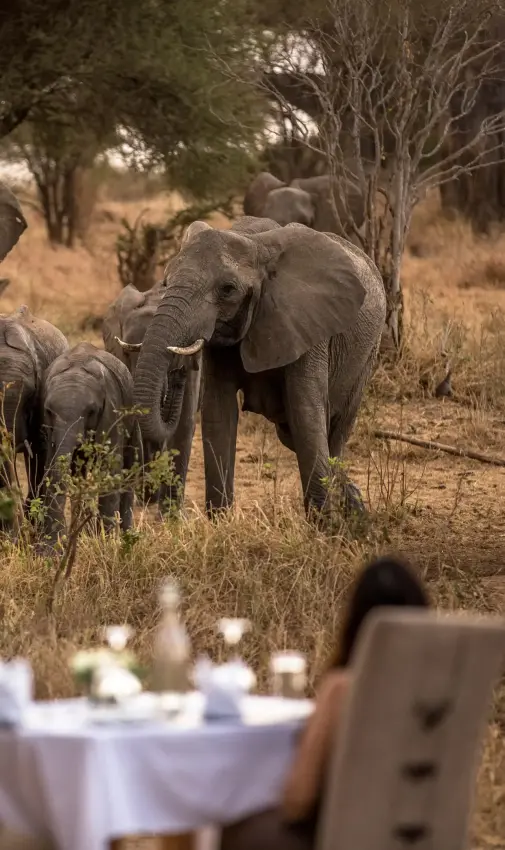
Elephants pass silently through camp at night, and their tracks are read in the sand along the paths the following morning, while lion calls and hyena carry across the floodplain after dark. Meals are taken at a long communal table with the guides and hosts, generous and fresh for a camp this far from anywhere. The crew has worked together for years, and it shows in a welcome that feels closer to staying with friends than checking into a hotel.
None of this stands apart from the country that holds it. Oliver’s Camp runs largely on solar power and offsets its remaining emissions through Carbon Tanzania. It was certified under Sustainable Travel International’s STEP programme, among the first African camps to hold it. It funds schools on the Simanjiro Plains, and partners with the Tarangire Lion Project on monitoring local prides.