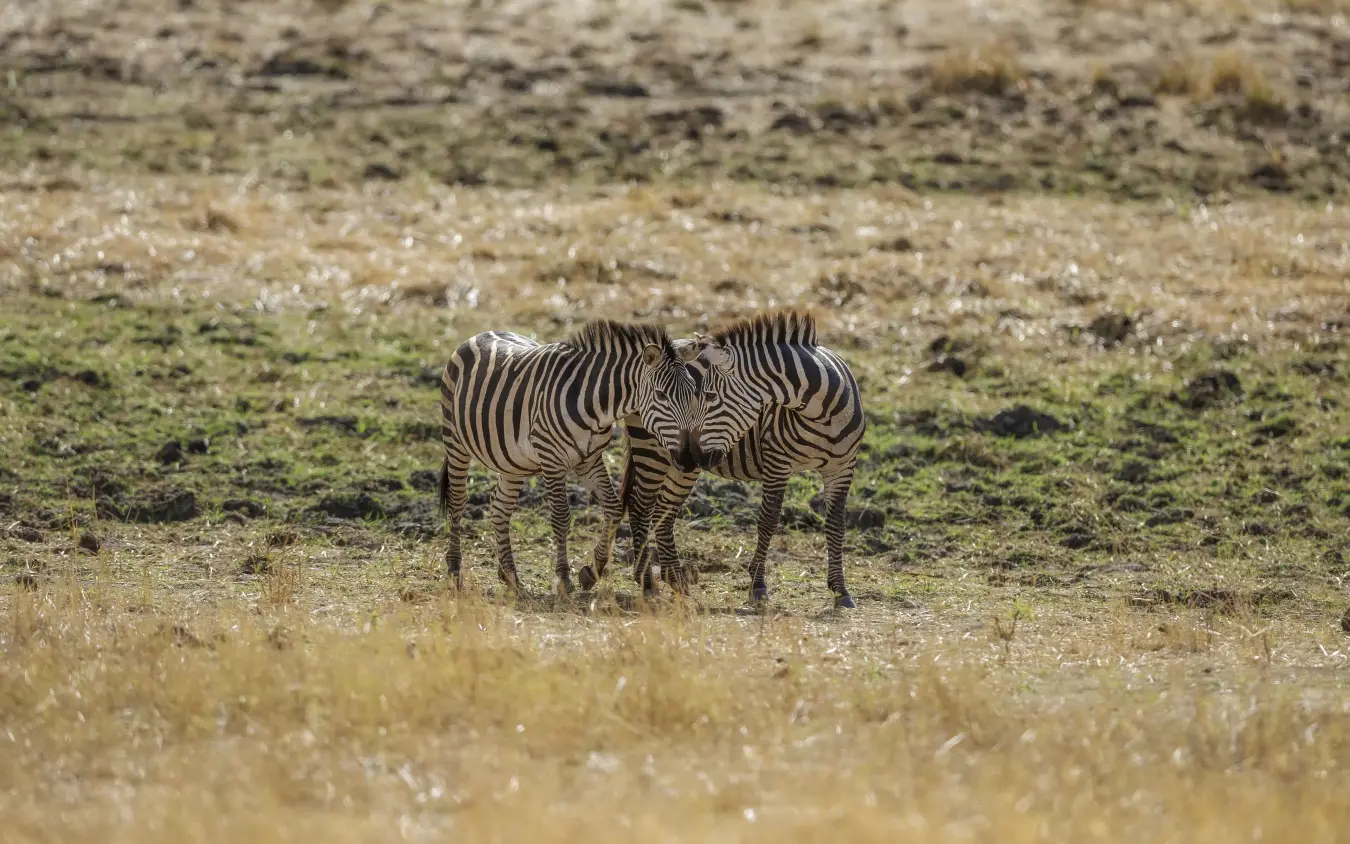
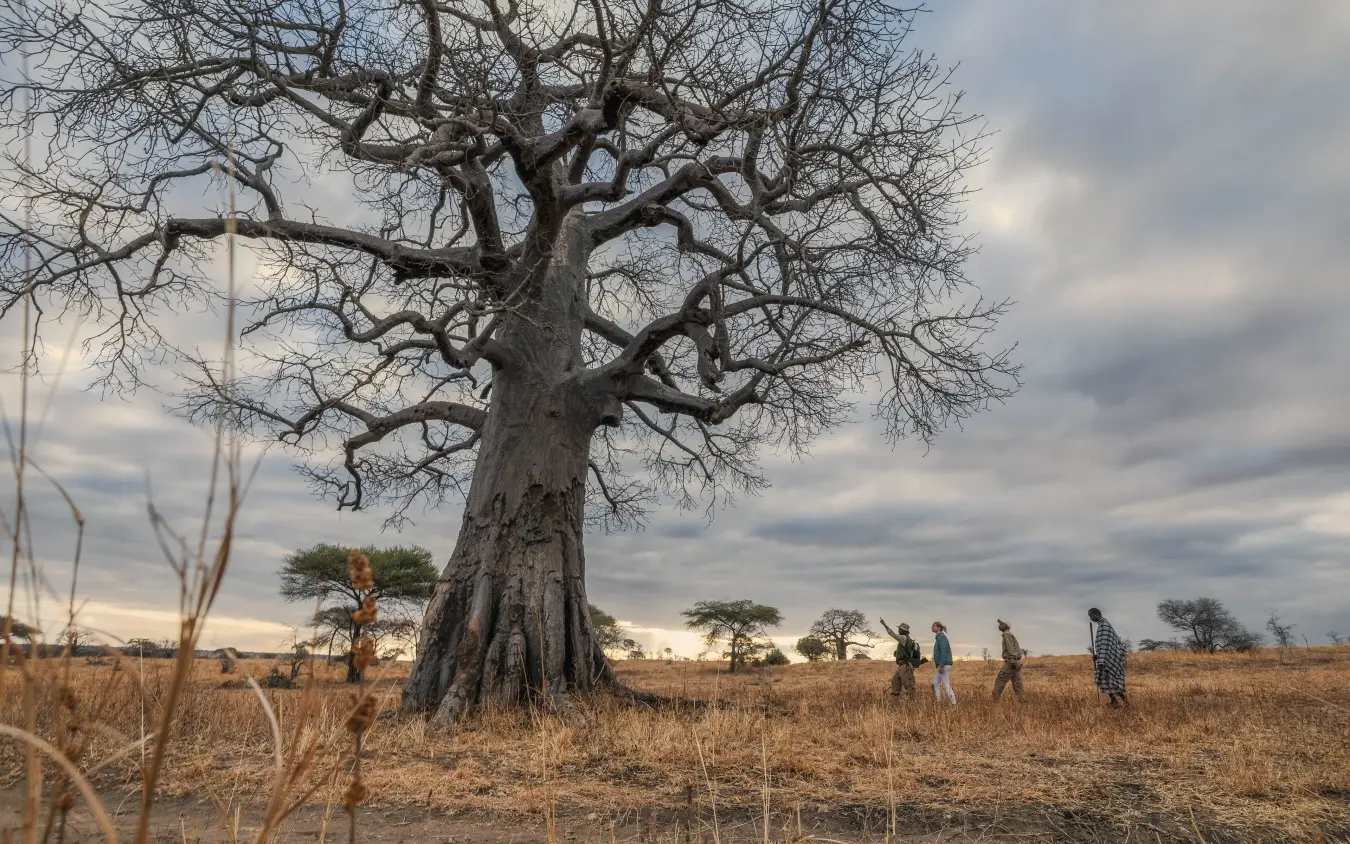
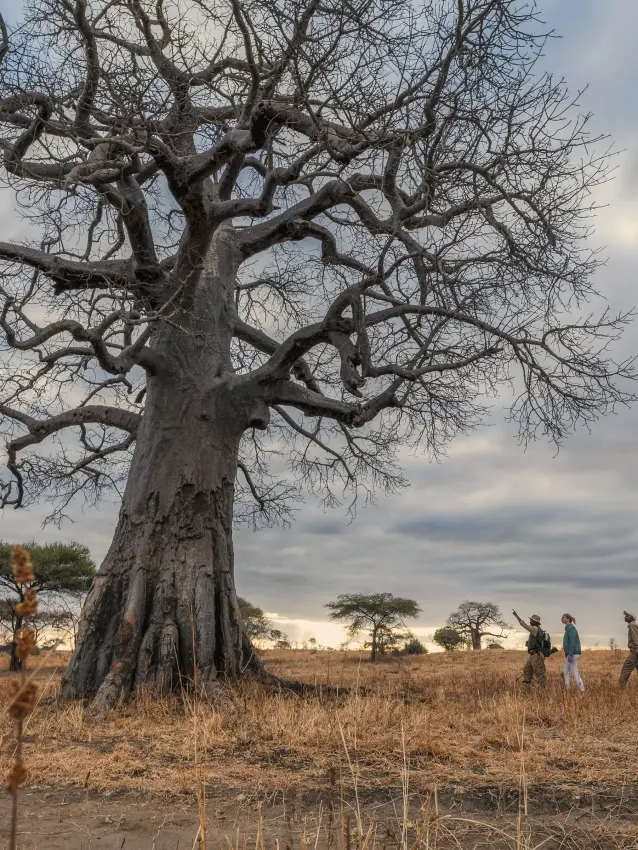
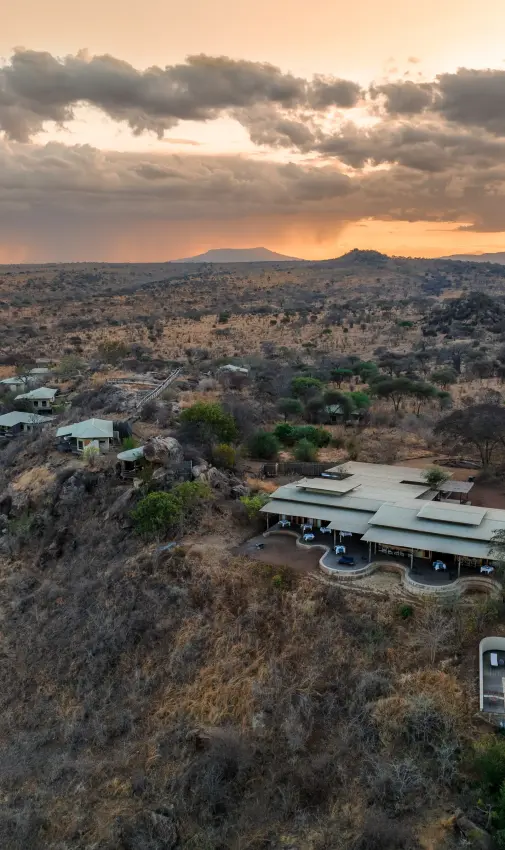
The turn off the park road into Randilen leaves the busier parts of the region behind. The track winds through open woodland thick with baobab and marula until the main lodge appears, wrapped around its baobab, its decks hovering above the scrub. The conservancy covers 312 square kilometres of community-managed Maasai land, a buffer and a migration corridor set between Tarangire National Park and the Maasai Steppe. That position is much of the reason the wildlife moves through so freely, following the same paths it always has.
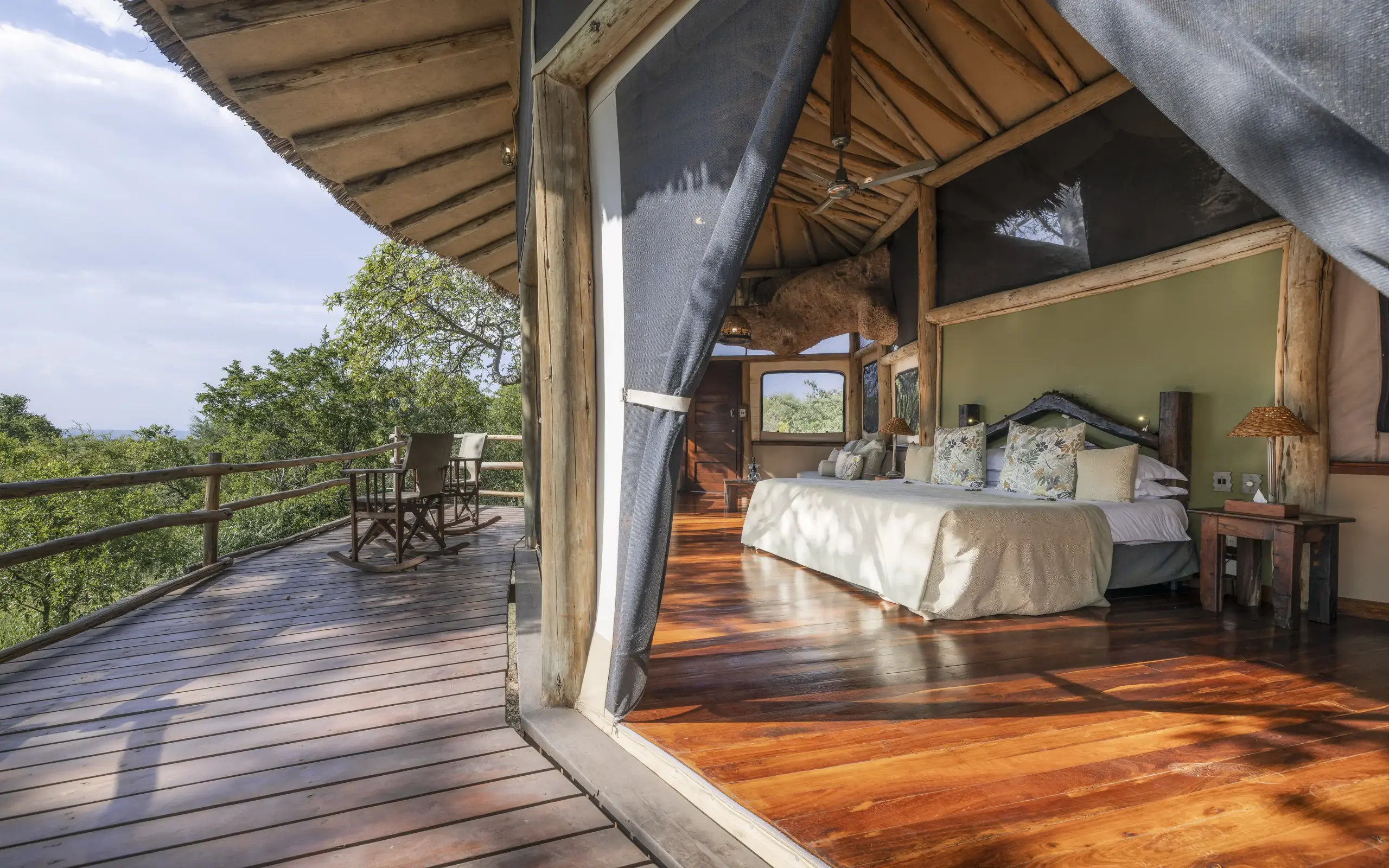
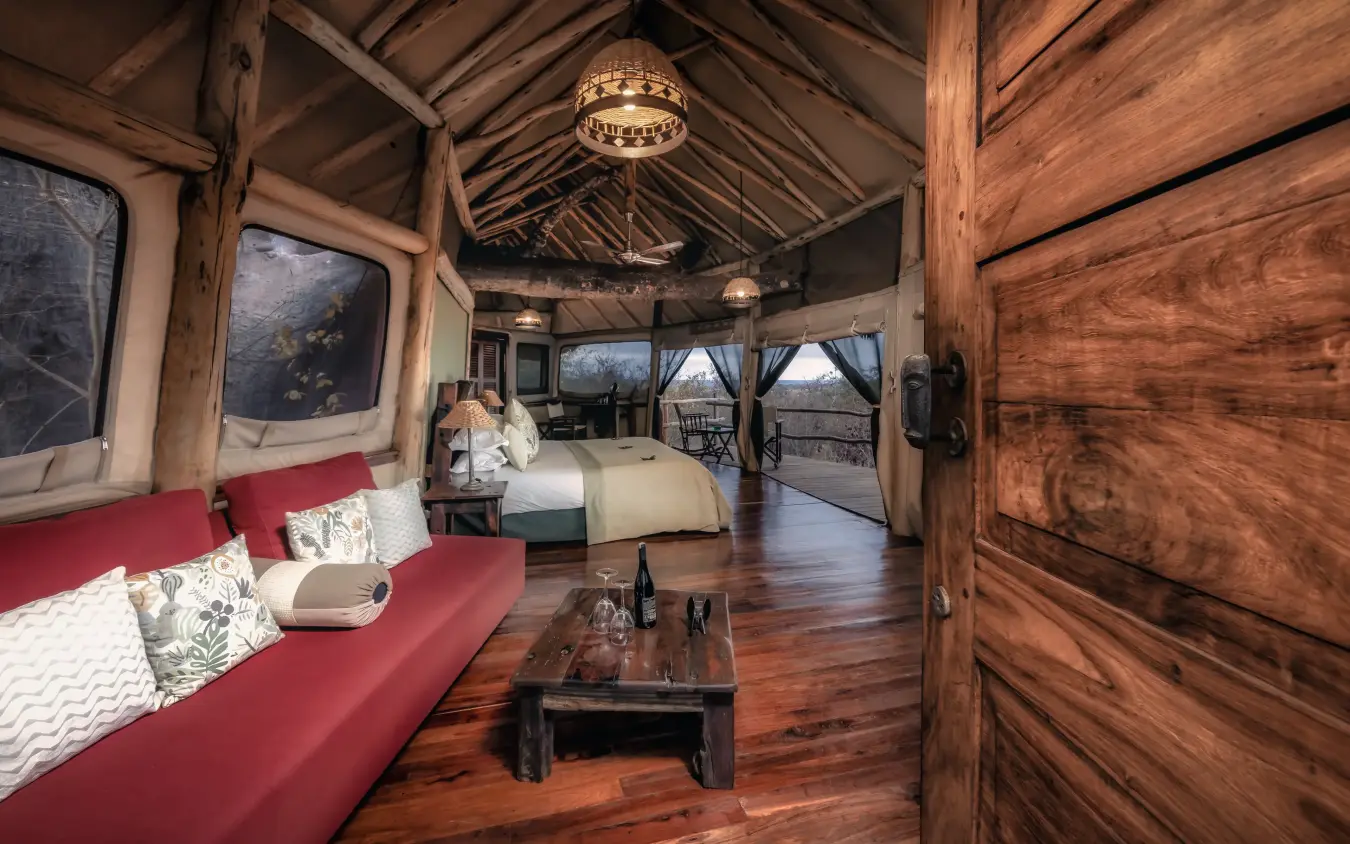
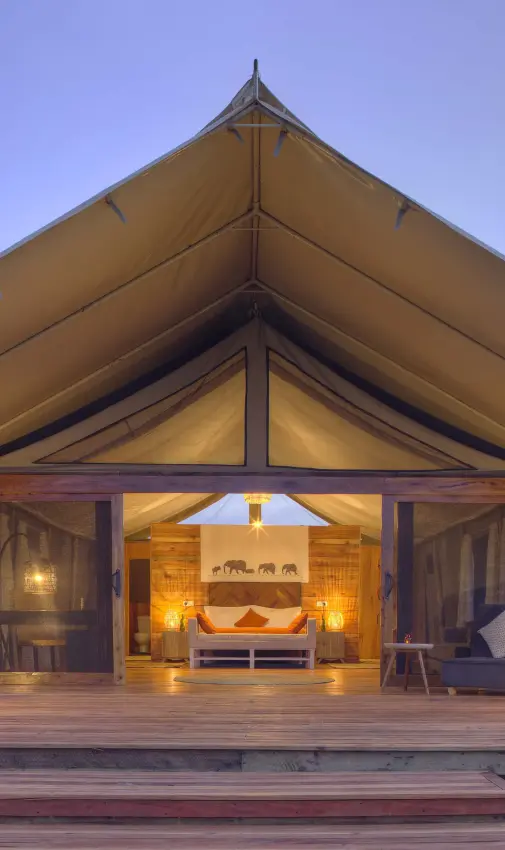
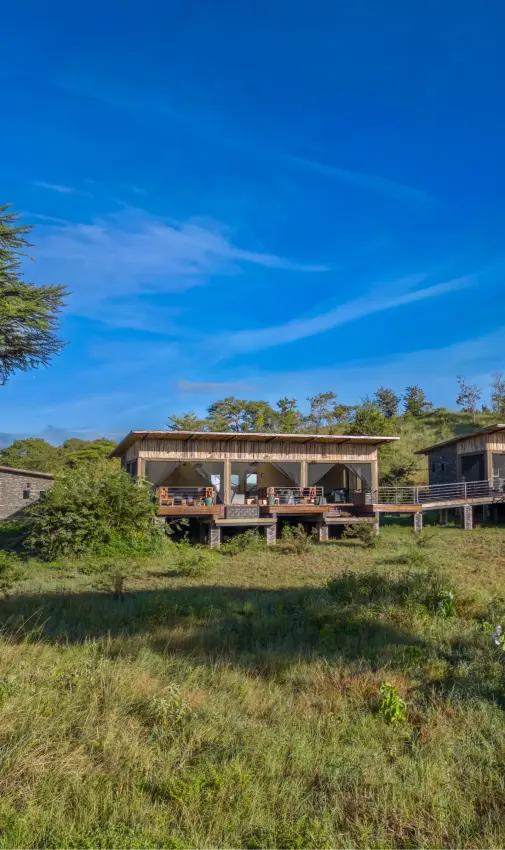
Each of the twenty treehouse rooms spans roughly 65 square metres, among the larger bedrooms found anywhere in East Africa, and each is reached by a raised timber walkway that heightens the sense of leaving the ground behind. Trunks pass straight through floors and railings. The open fronts are screened with mosquito gauze rather than glass, so the bush is never quite shut out. Inside there are double rain showers and wide beds under netting, and a private wrap-around veranda where the dawn light filters through the canopy and the hornbills begin to call.
The open fronts are screened with mosquito gauze rather than glass, so the bush is never quite shut out
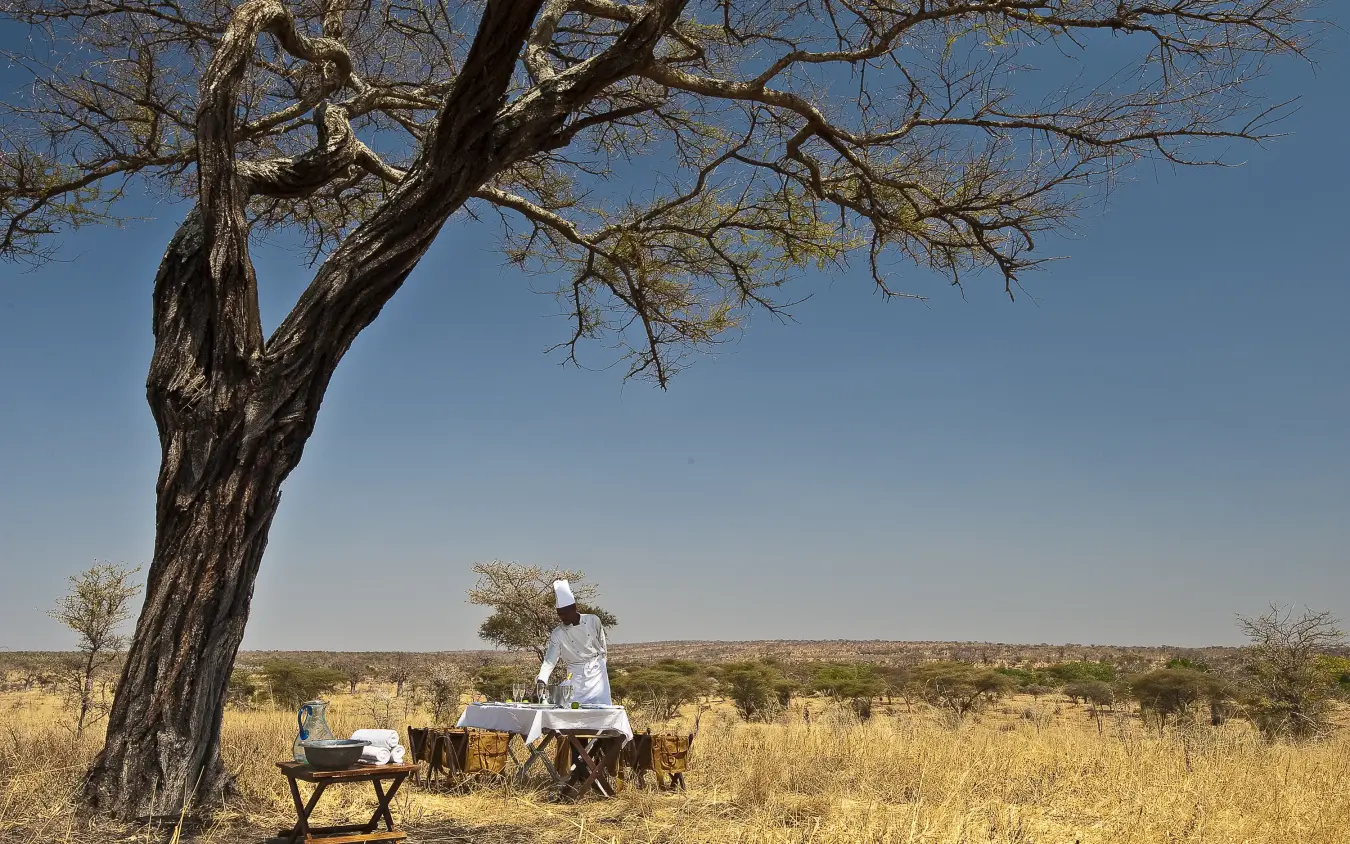
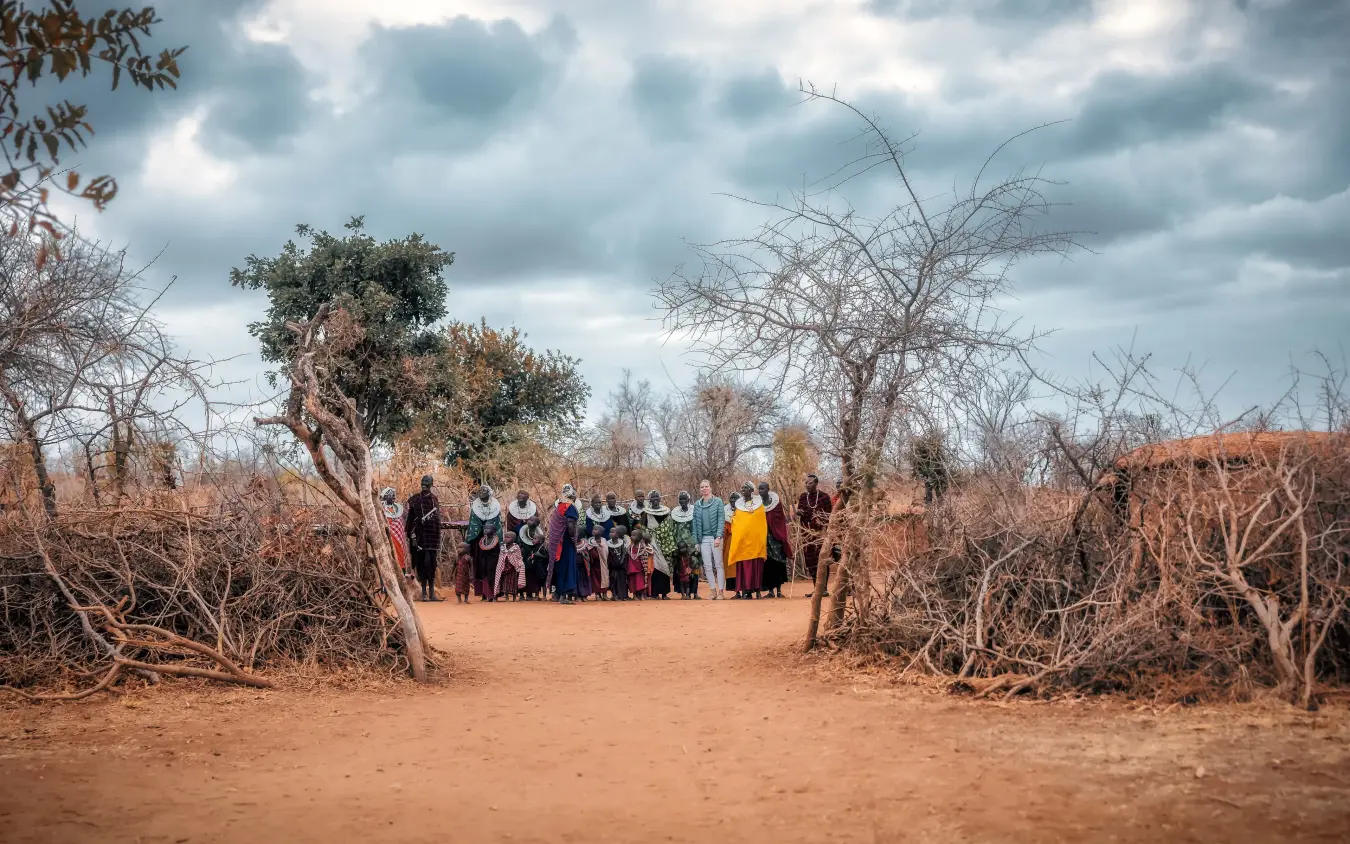
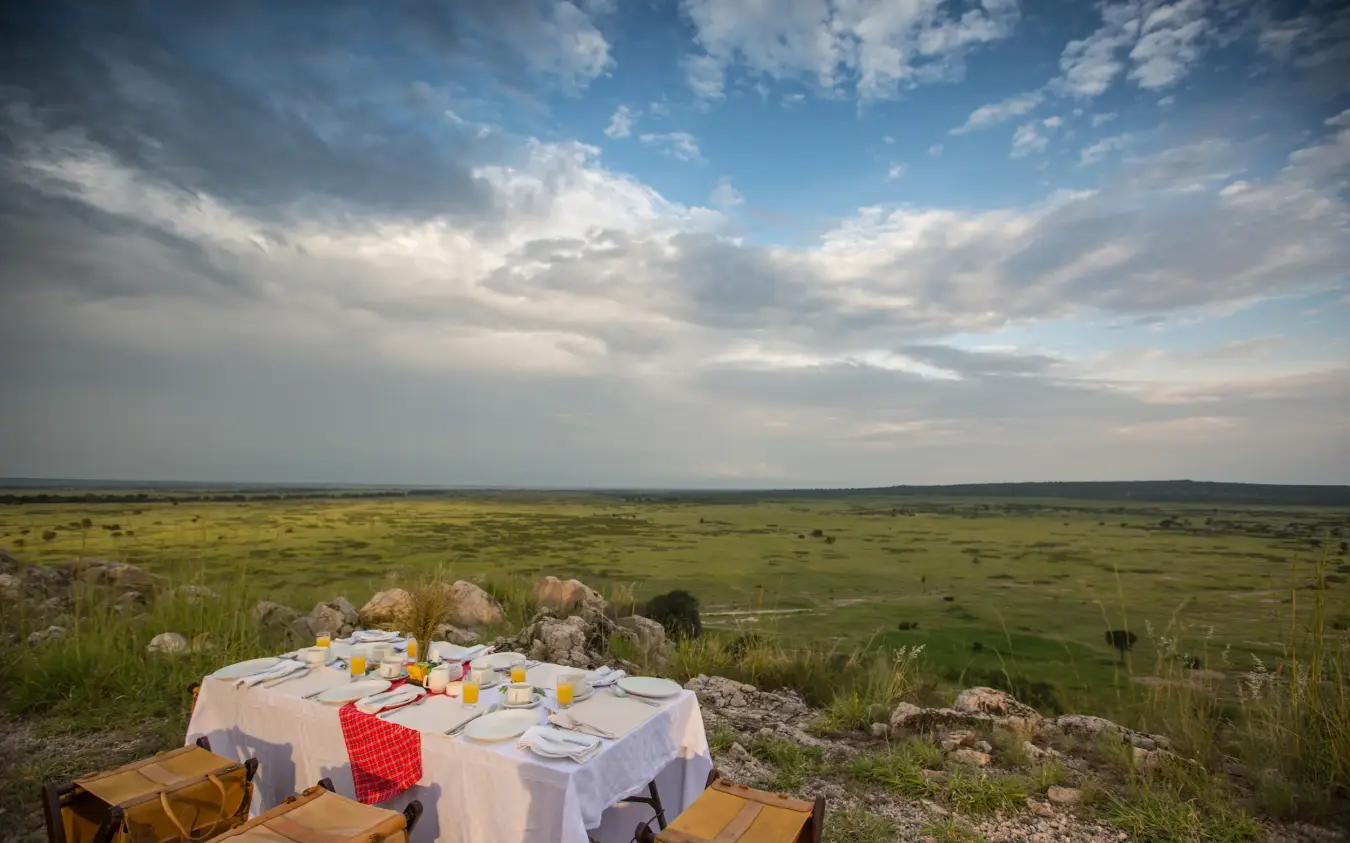
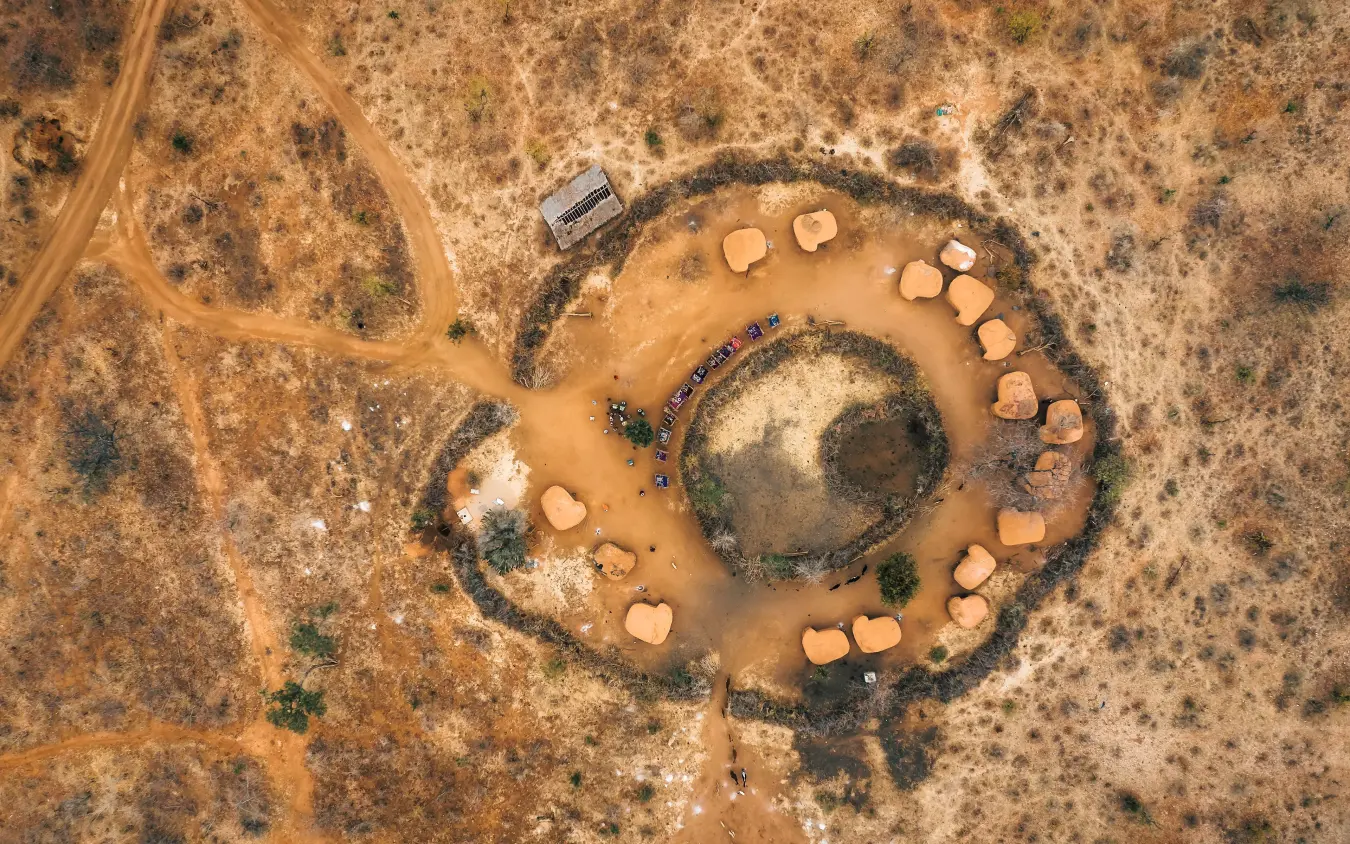
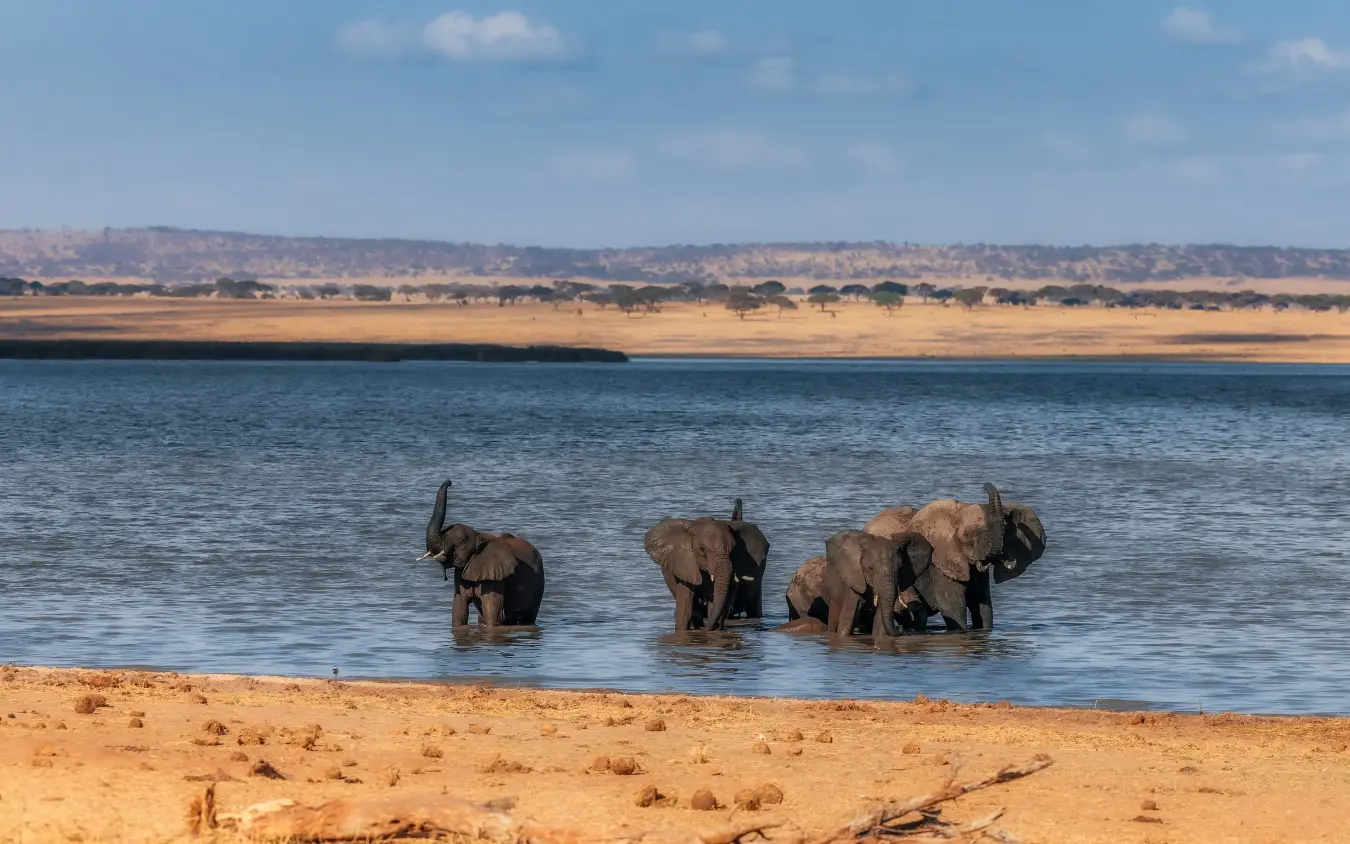
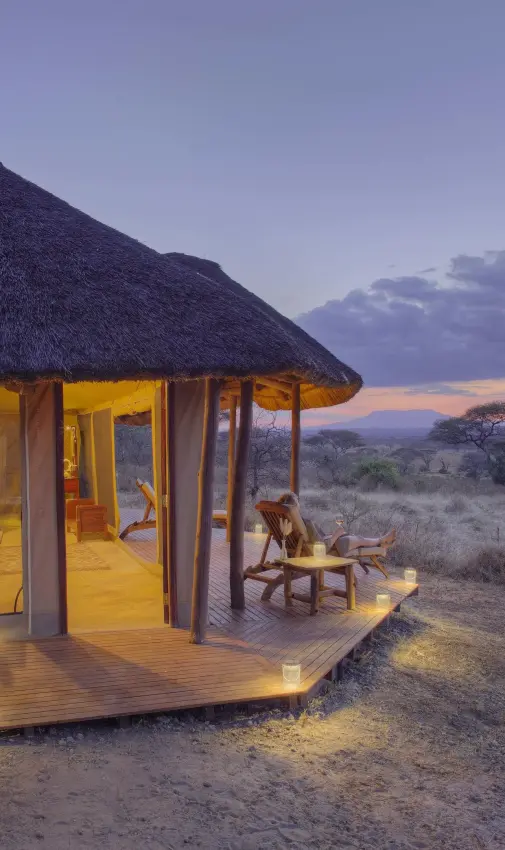
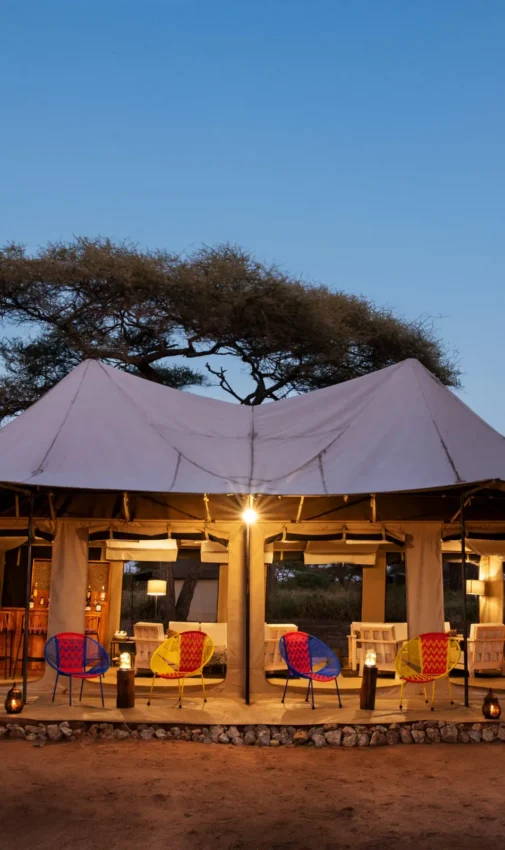
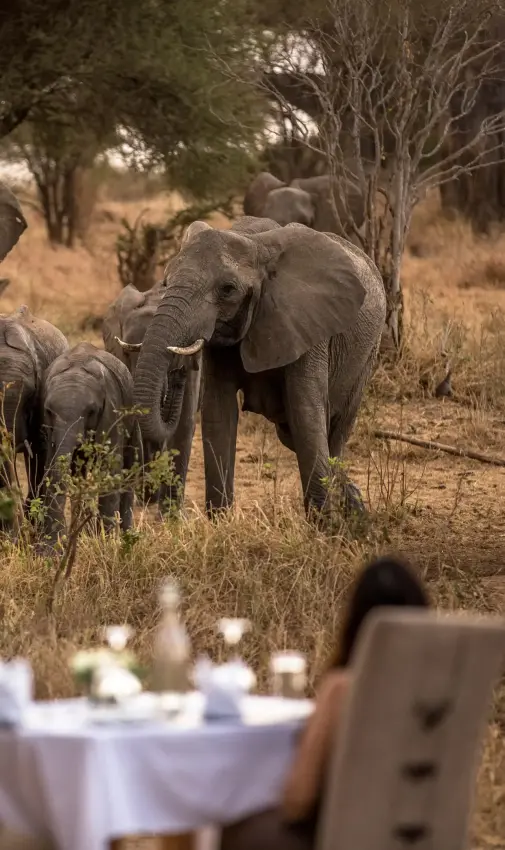
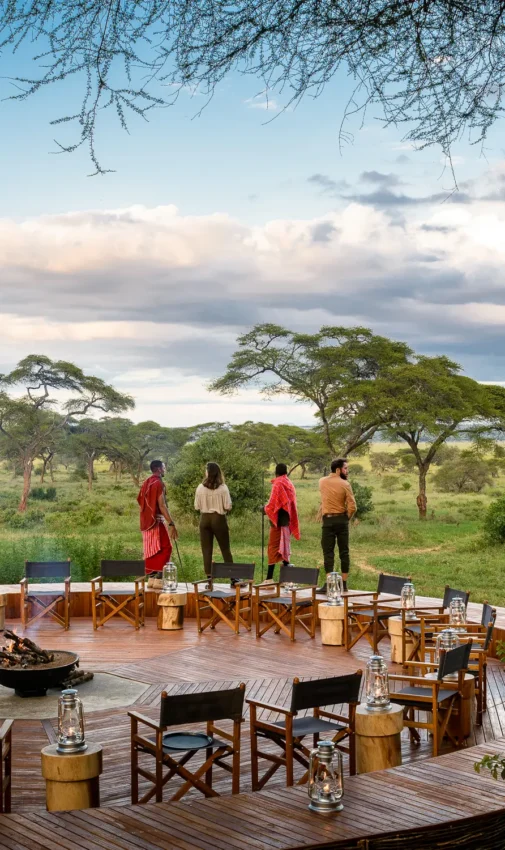
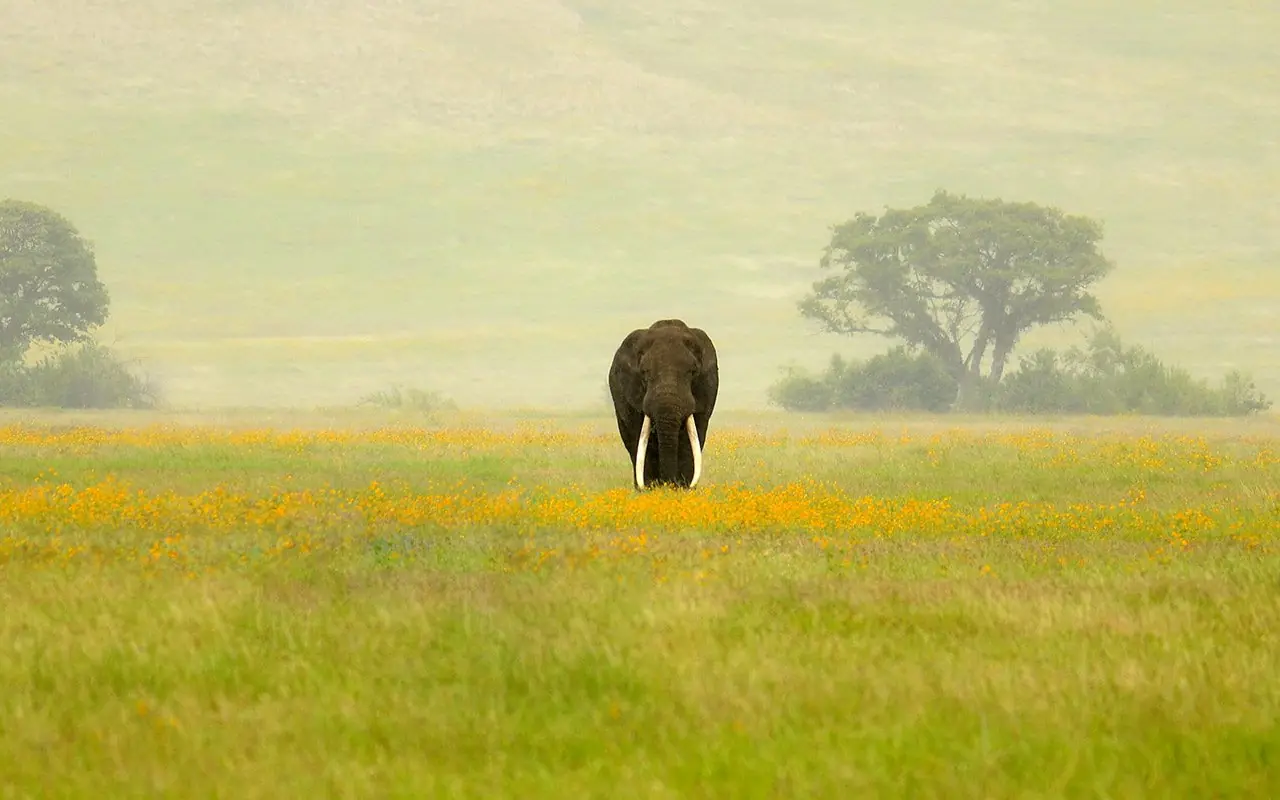
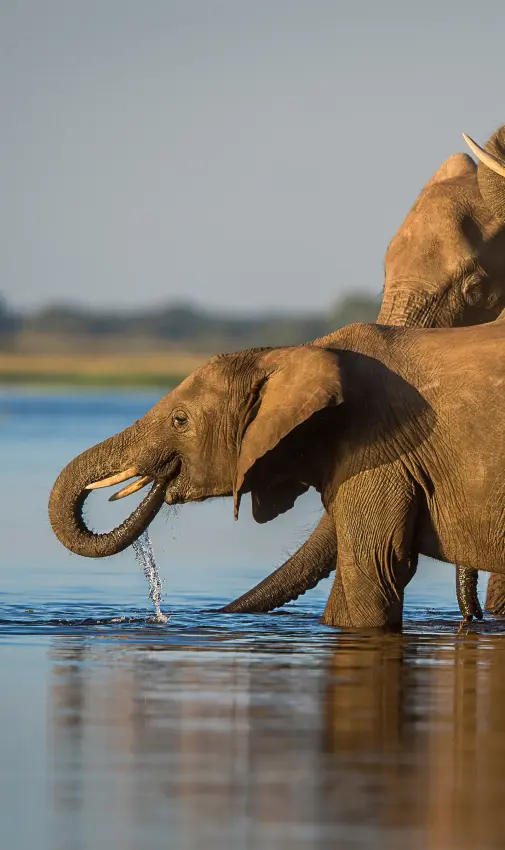
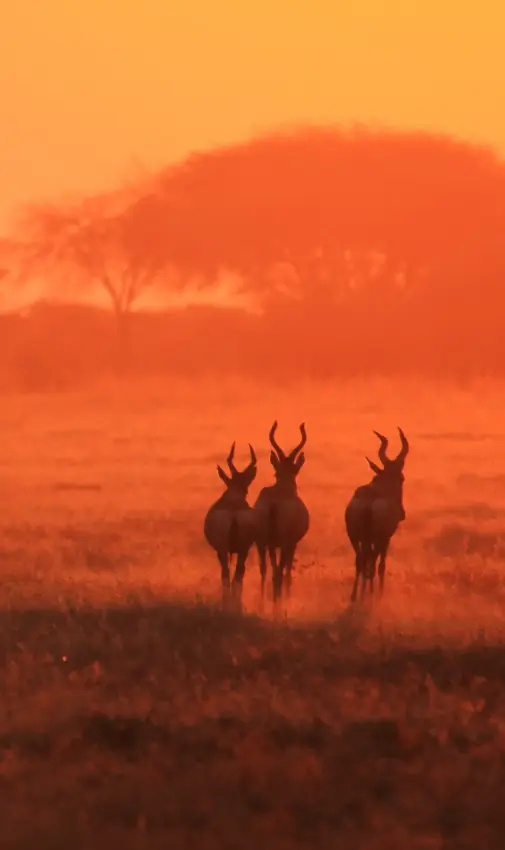
Evenings gather around the waterhole and the pool deck. As the light turns, waterbuck and other game edge out of the thicket, sometimes joined by elephant families following the corridor between park and lake. Staff light lanterns along the walkways, and dinner might be laid in the Maasai boma by candlelight, singing from the local community carrying across the fire alongside the smell of grilled meats. When the sun drops behind the escarpment, Sunset Hill is the place for sundowners.
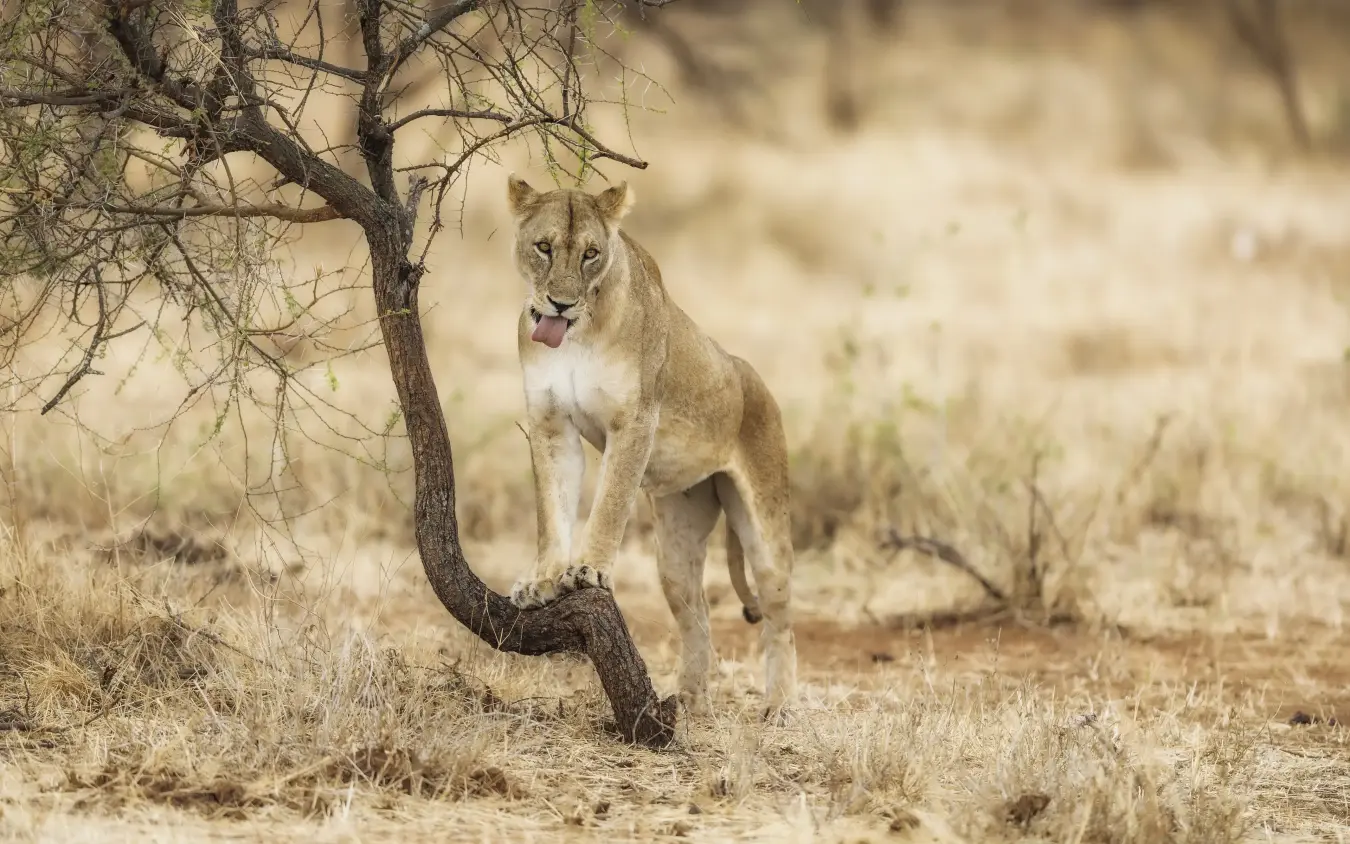
Guides sweep the conservancy with spotlights on night drives, catching the eyeshine of civet and genet, owls on the termite mounds, and the grey shapes of elephants moving through the dark, all of it well away from park traffic. Much of what makes this possible flows back to the community. Randilen’s fees help fund local game scouts, healthcare clinics and water systems, and the conservancy is divided into grazing and core zones so that Maasai herders and wildlife can share the same land.