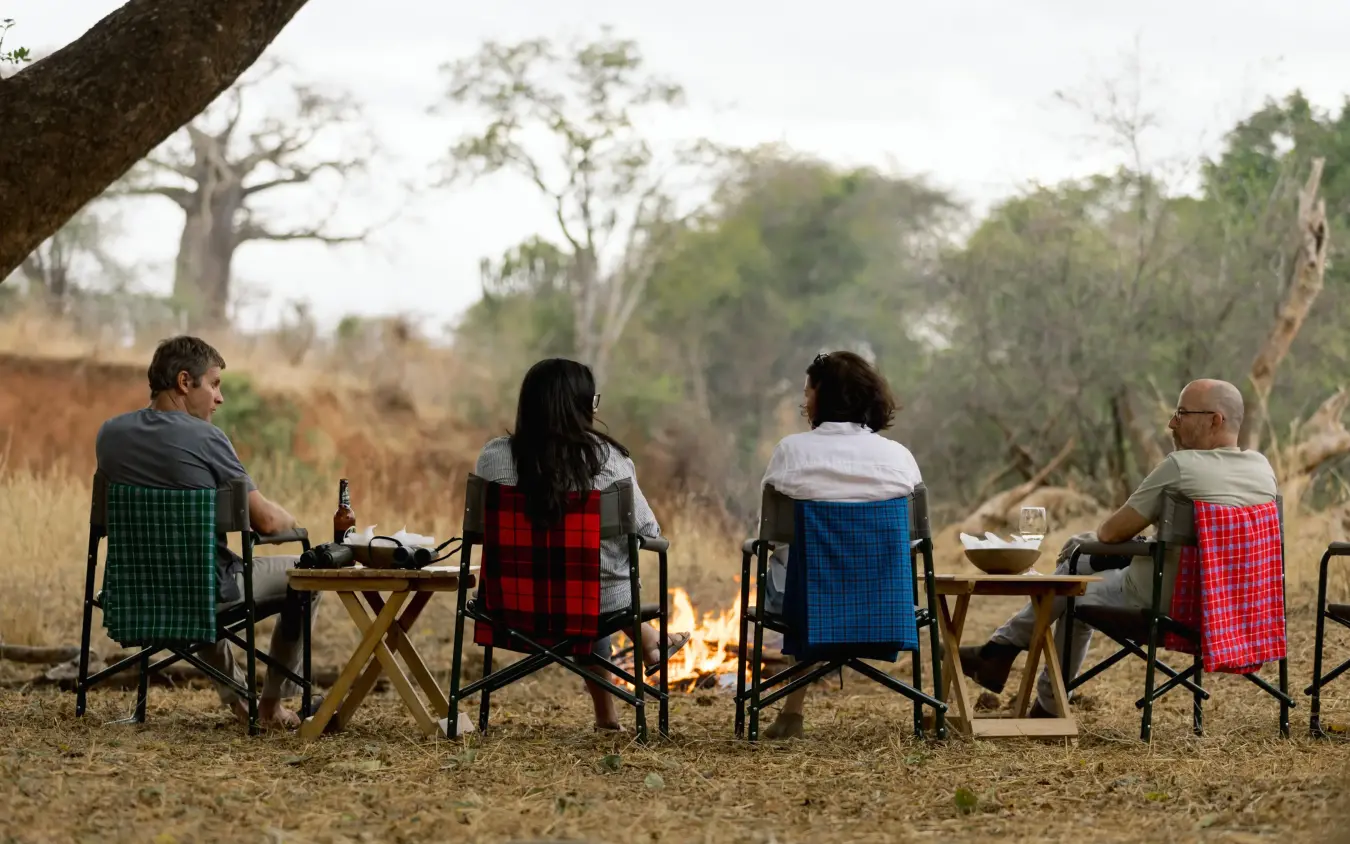
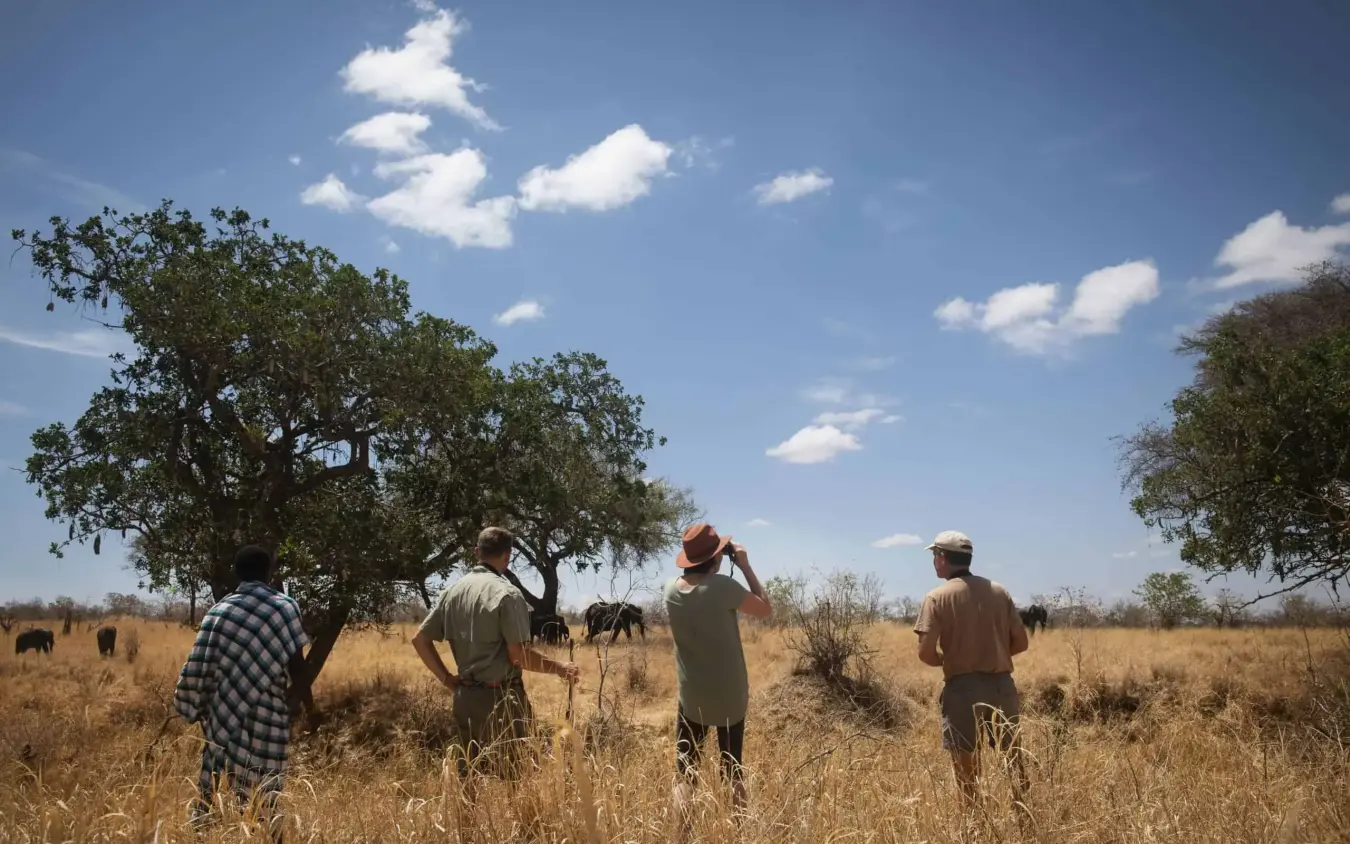
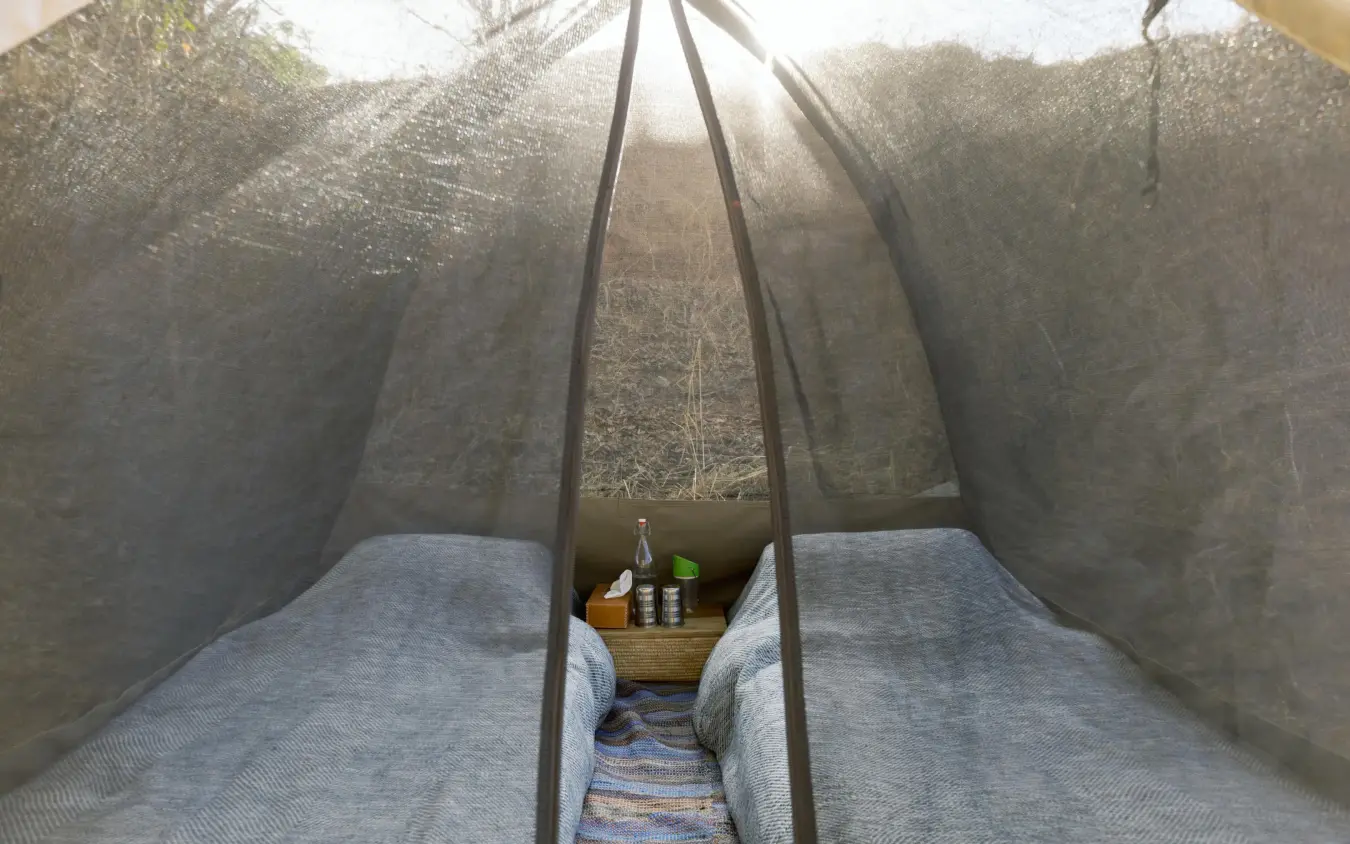
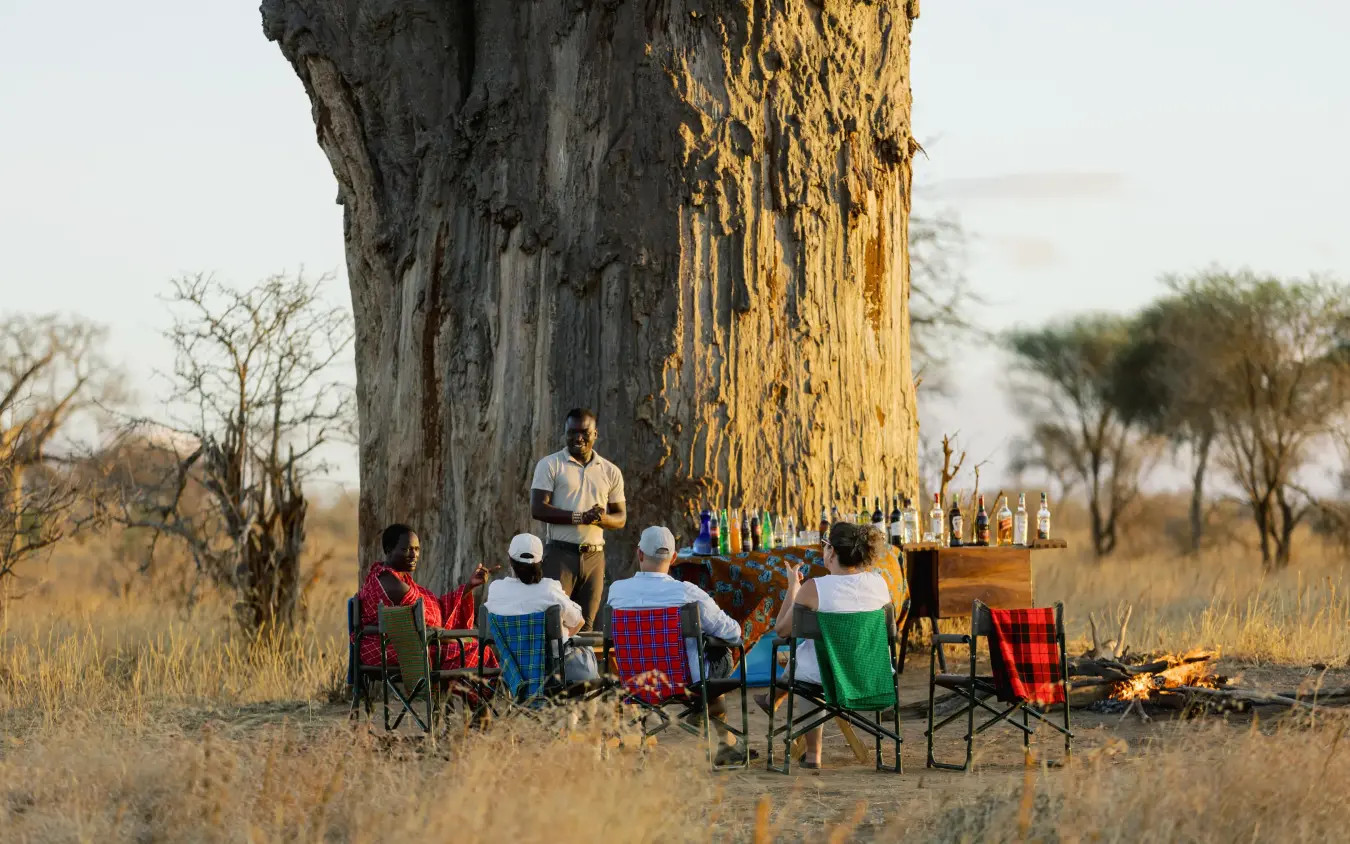
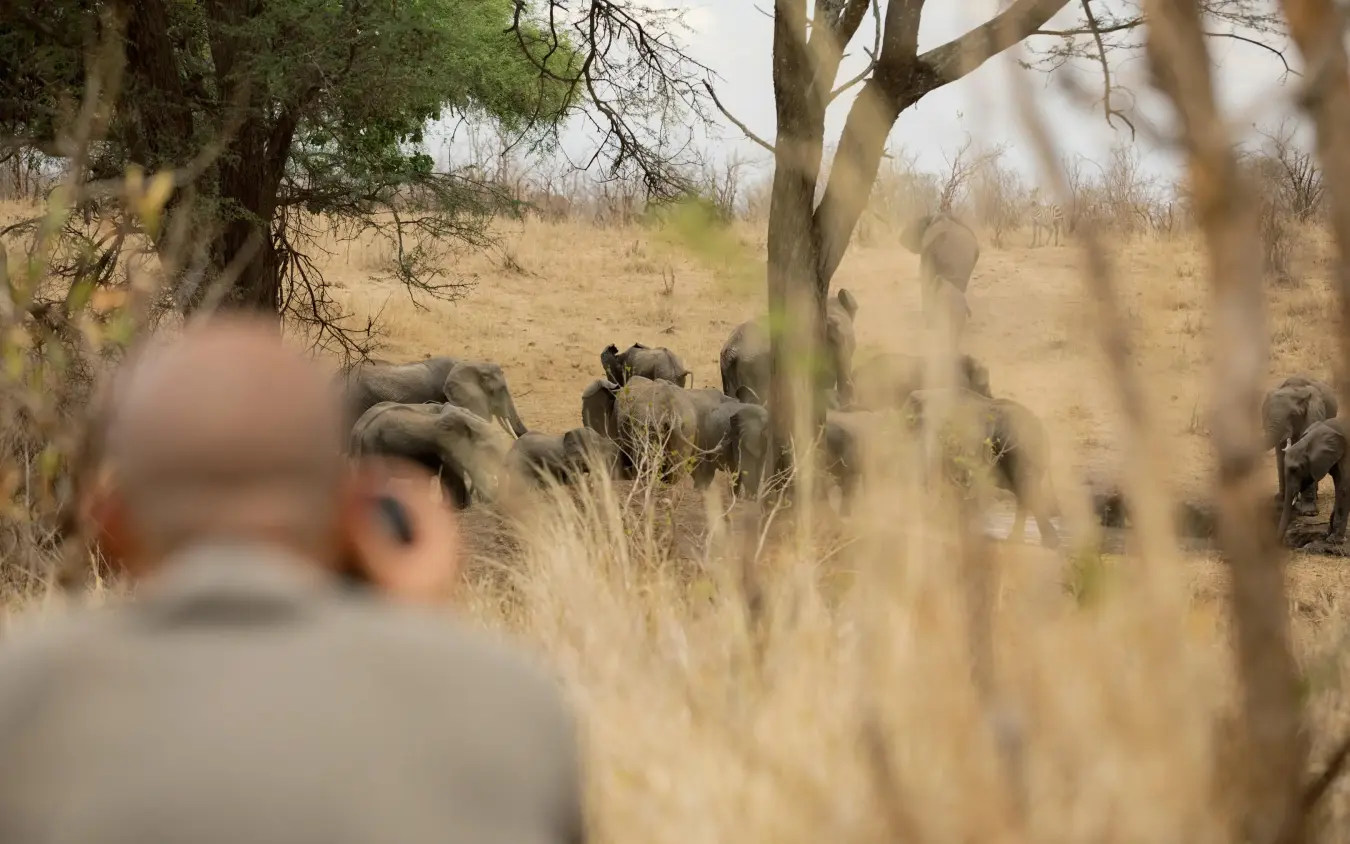
The line between Randilen and the national park is the whole point of a stay here. Inside Tarangire National Park, the day is confined to drives on designated tracks, and it ends when the light does. Randilen runs on a different model. Here a guide will walk you out into the bush on foot, the vehicles keep going after dark to find the nocturnal species that daytime drives never reveal, and a night under canvas in the wider wilderness is yours for the asking.
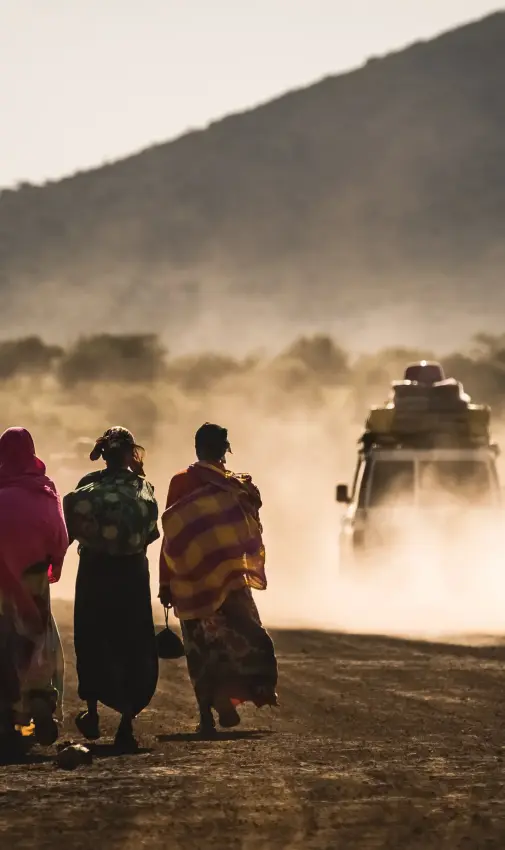
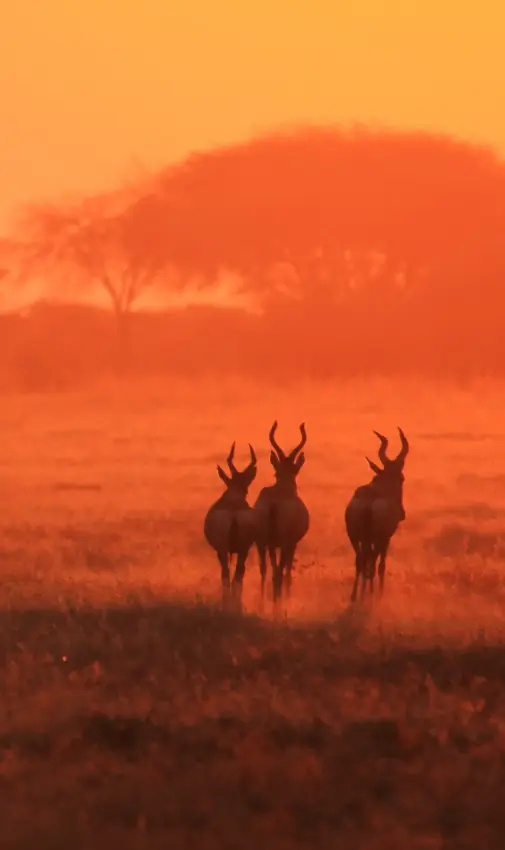
The Randilen Wildlife Management Area was built to hold two things at once: wildlife and Maasai cattle. Through the dry season the land works as a grass bank for the herds, while the game moves freely across it the year round. That balance has held for more than a decade now, and the animals show it. General game across Randilen is settled and unbothered by vehicles, close enough to watch at leisure rather than glimpse and lose.
Beyond them, Randilen and the Greater Tarangire ecosystem carry giraffe
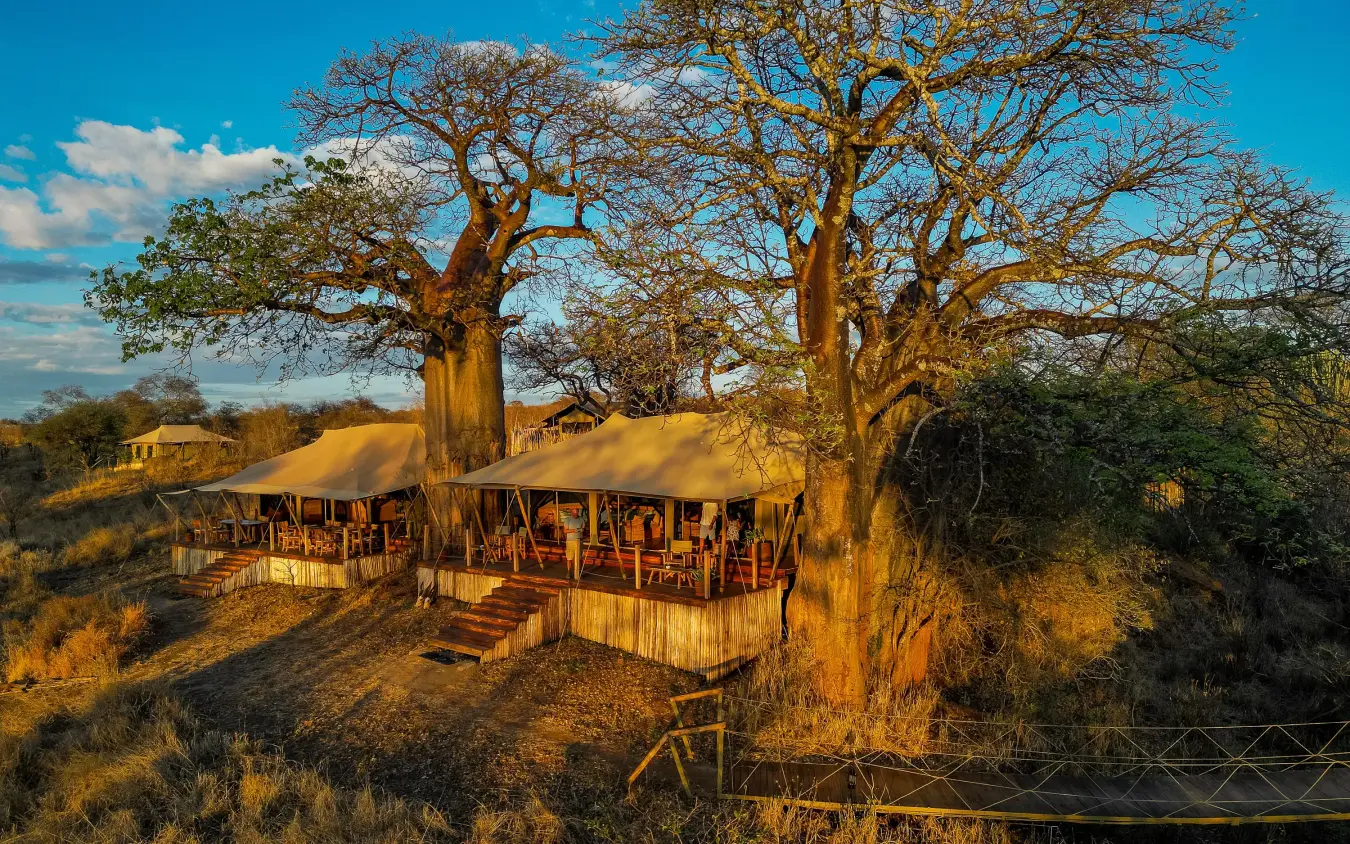
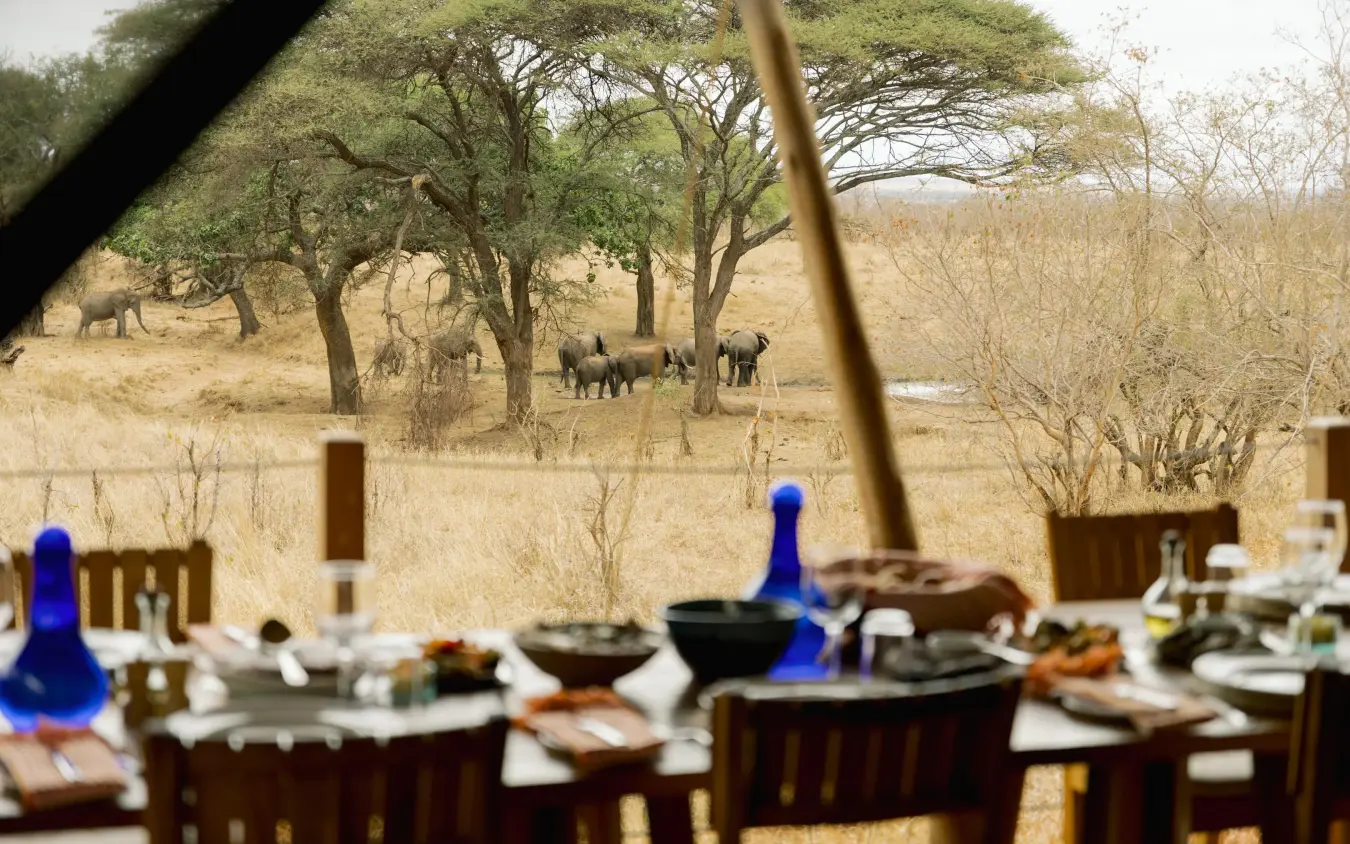
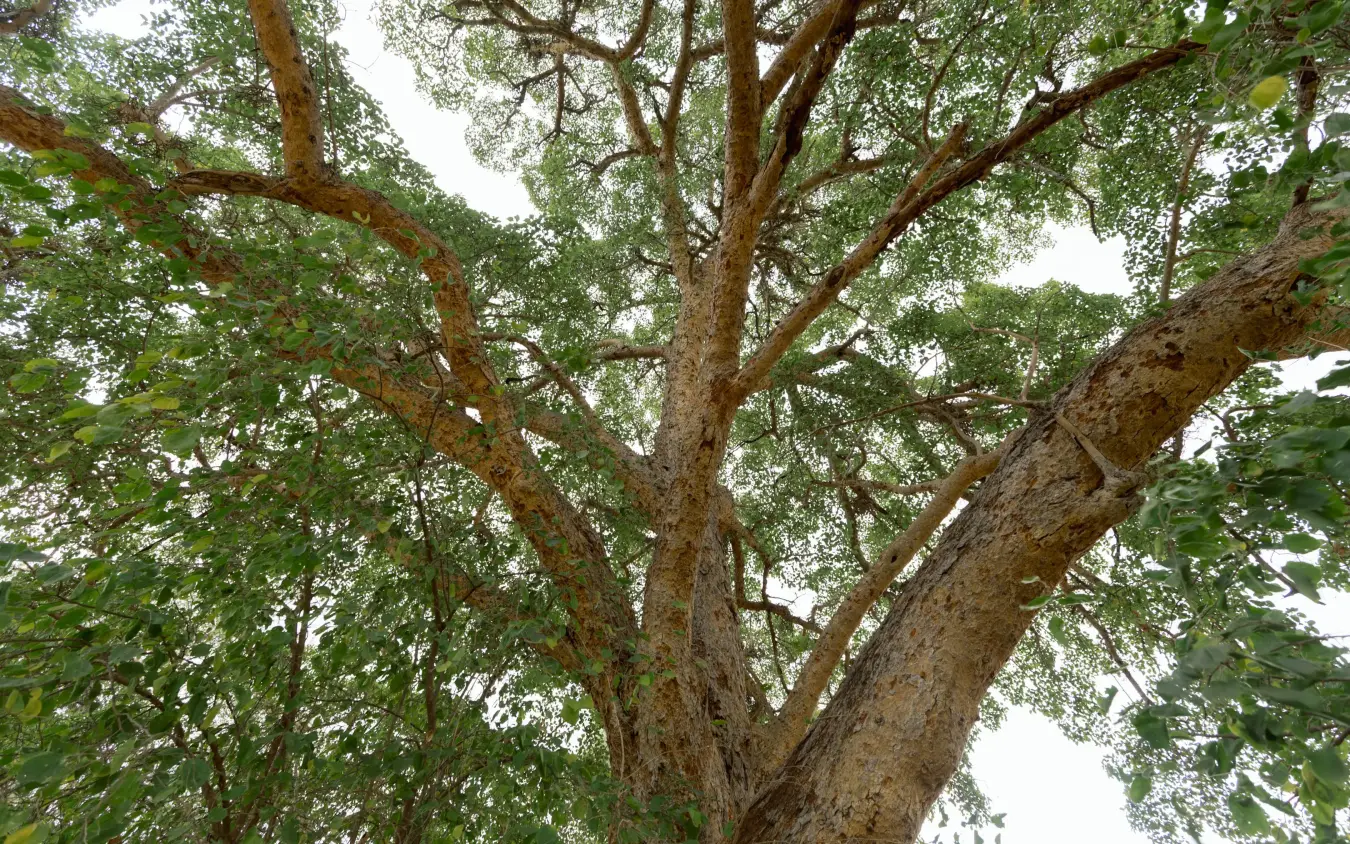
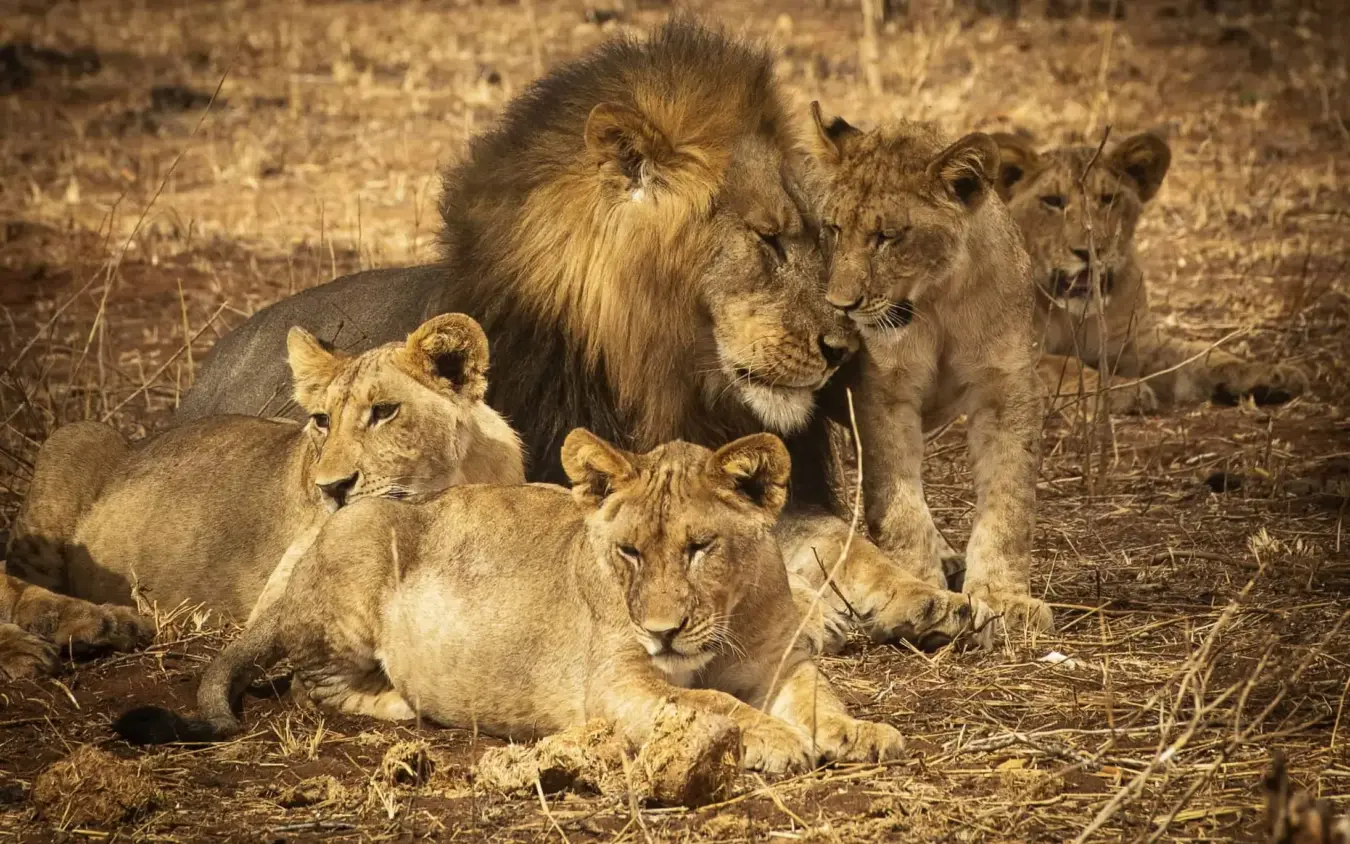
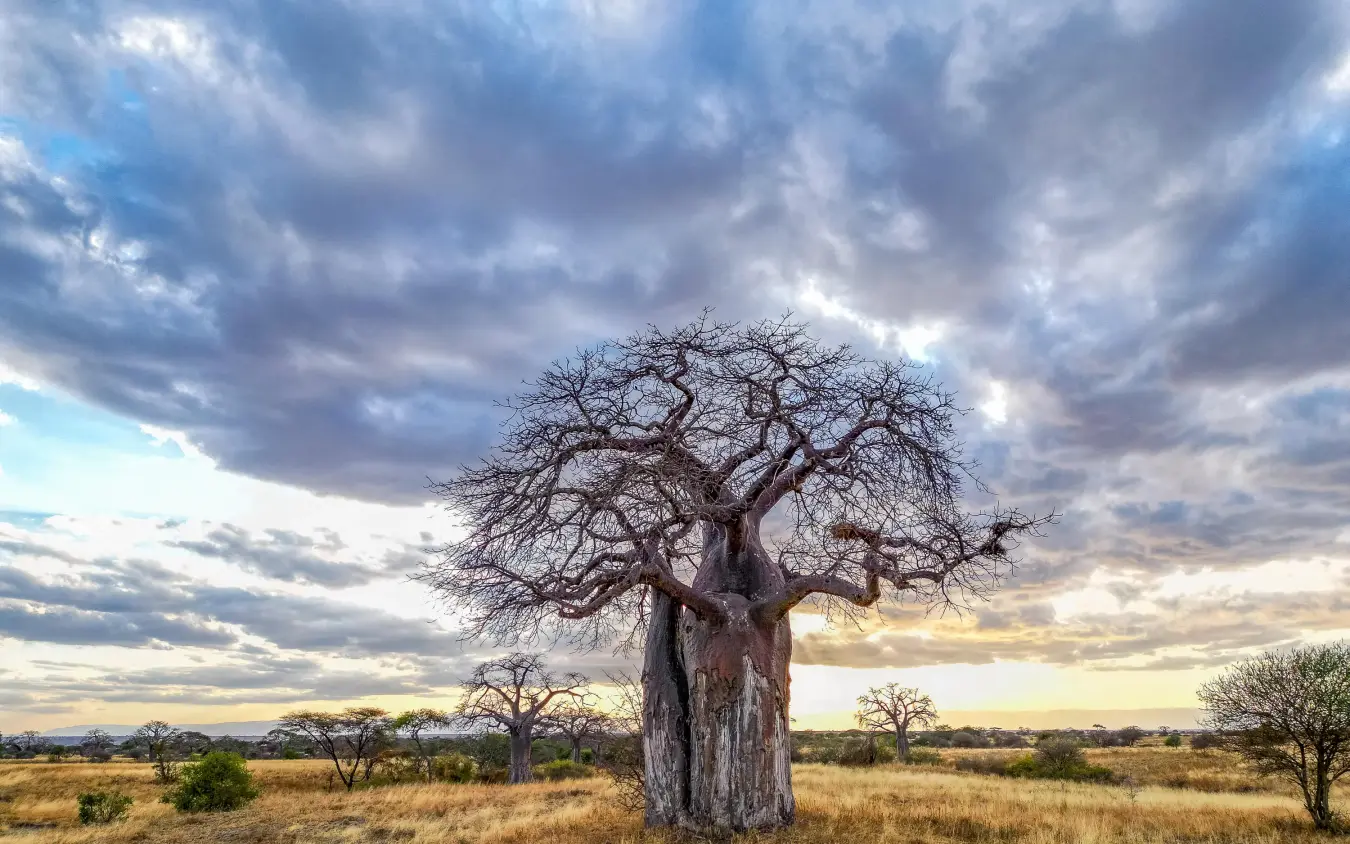
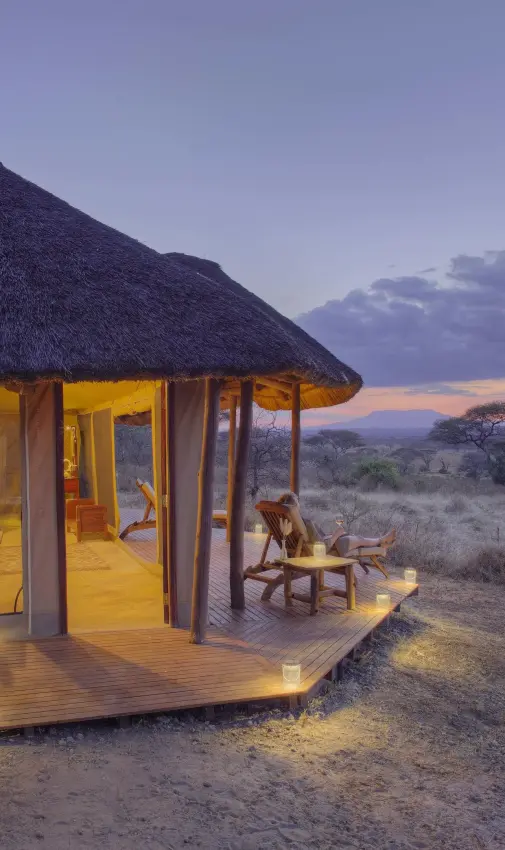
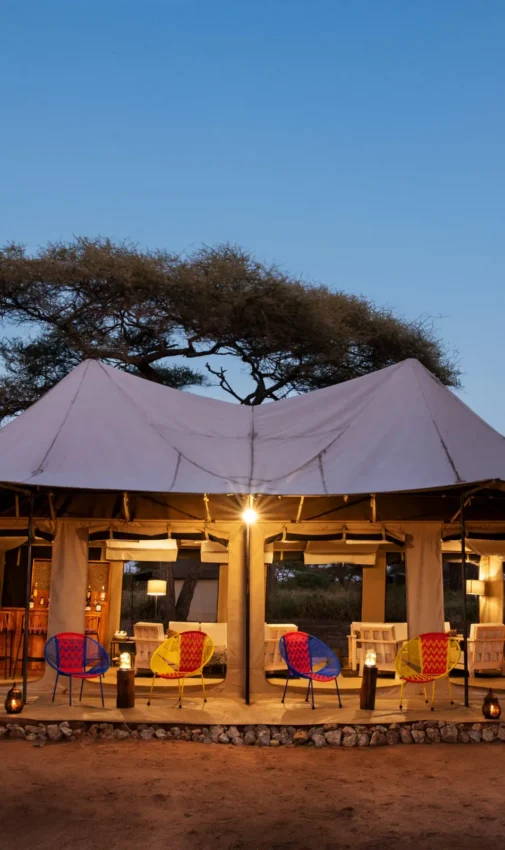
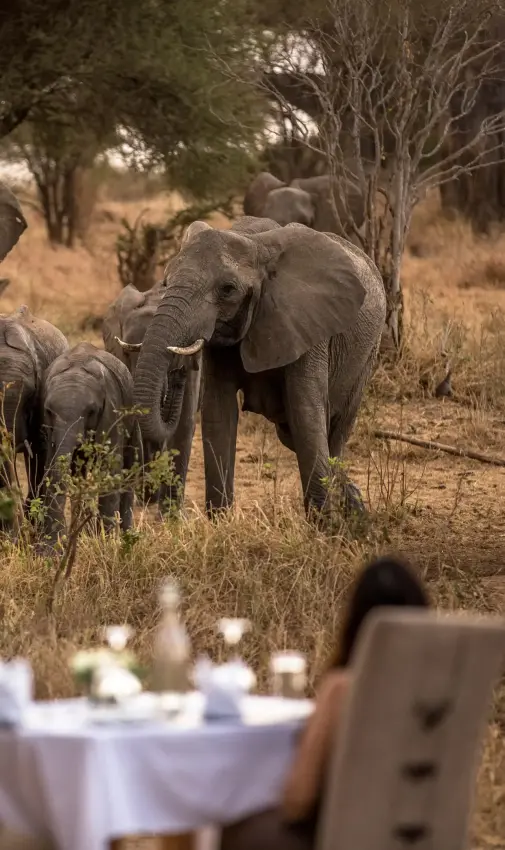
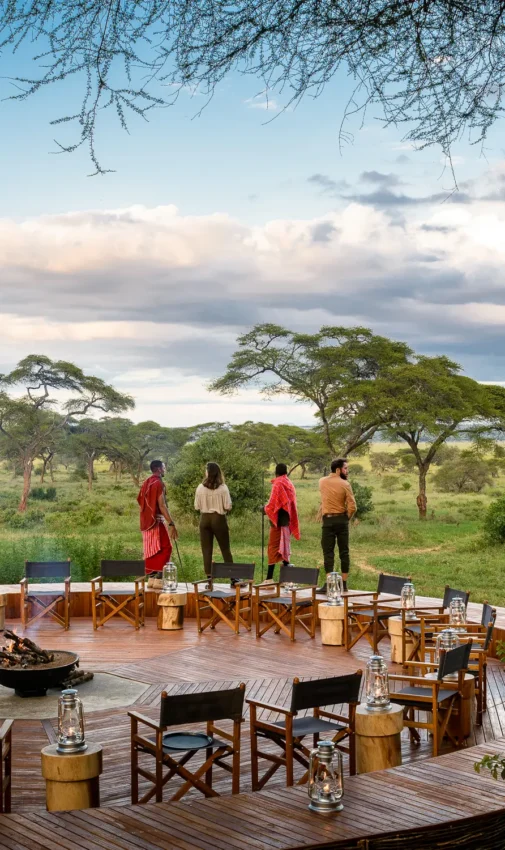
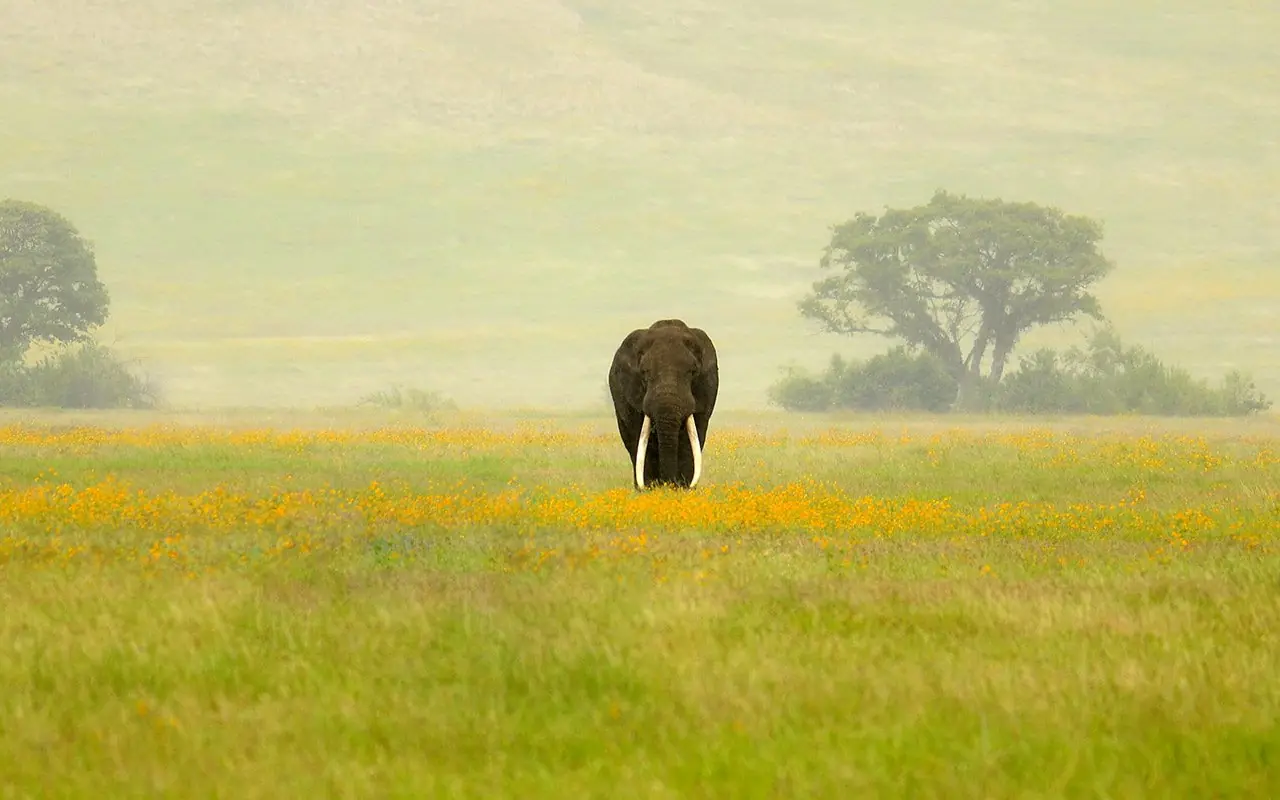
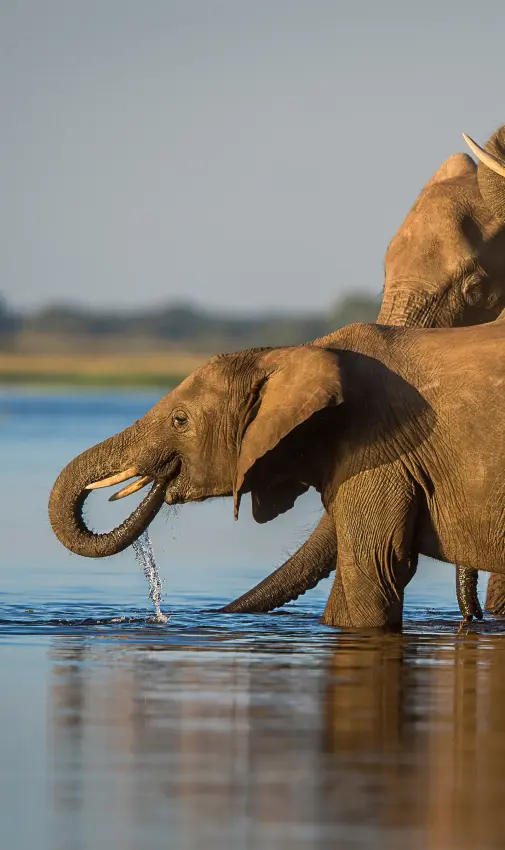
Baobab-studded woodland is the signature of this country, and elephant its most reliable sighting. Beyond them, Randilen and the Greater Tarangire ecosystem carry giraffe, buffalo and zebra, lion, leopard and cheetah, with birdlife best found on foot or from an open vehicle. And the viewing does not stop when the vehicles are parked. From the mess tent, the waterhole keeps the day’s parade going long after everyone has come home.
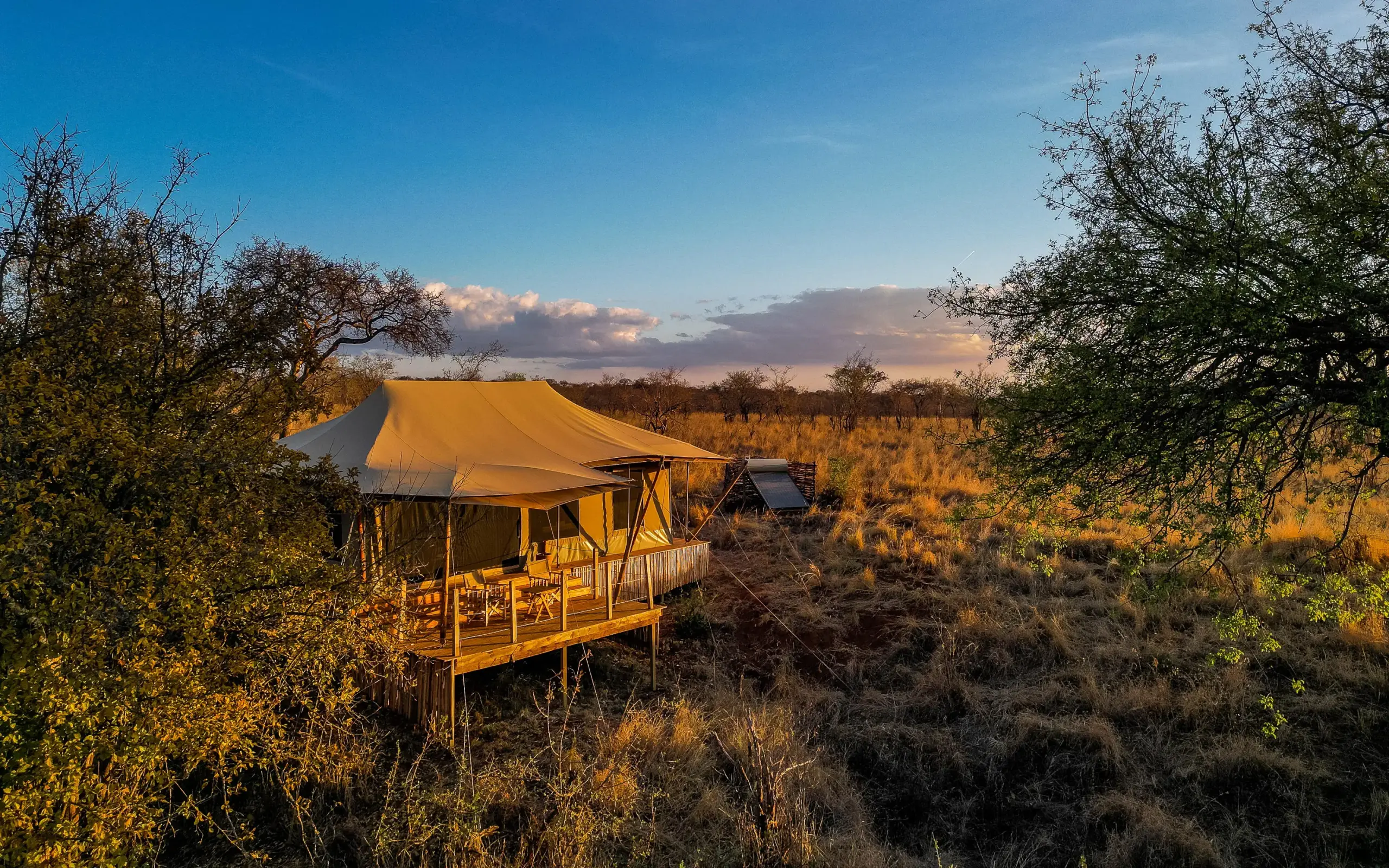
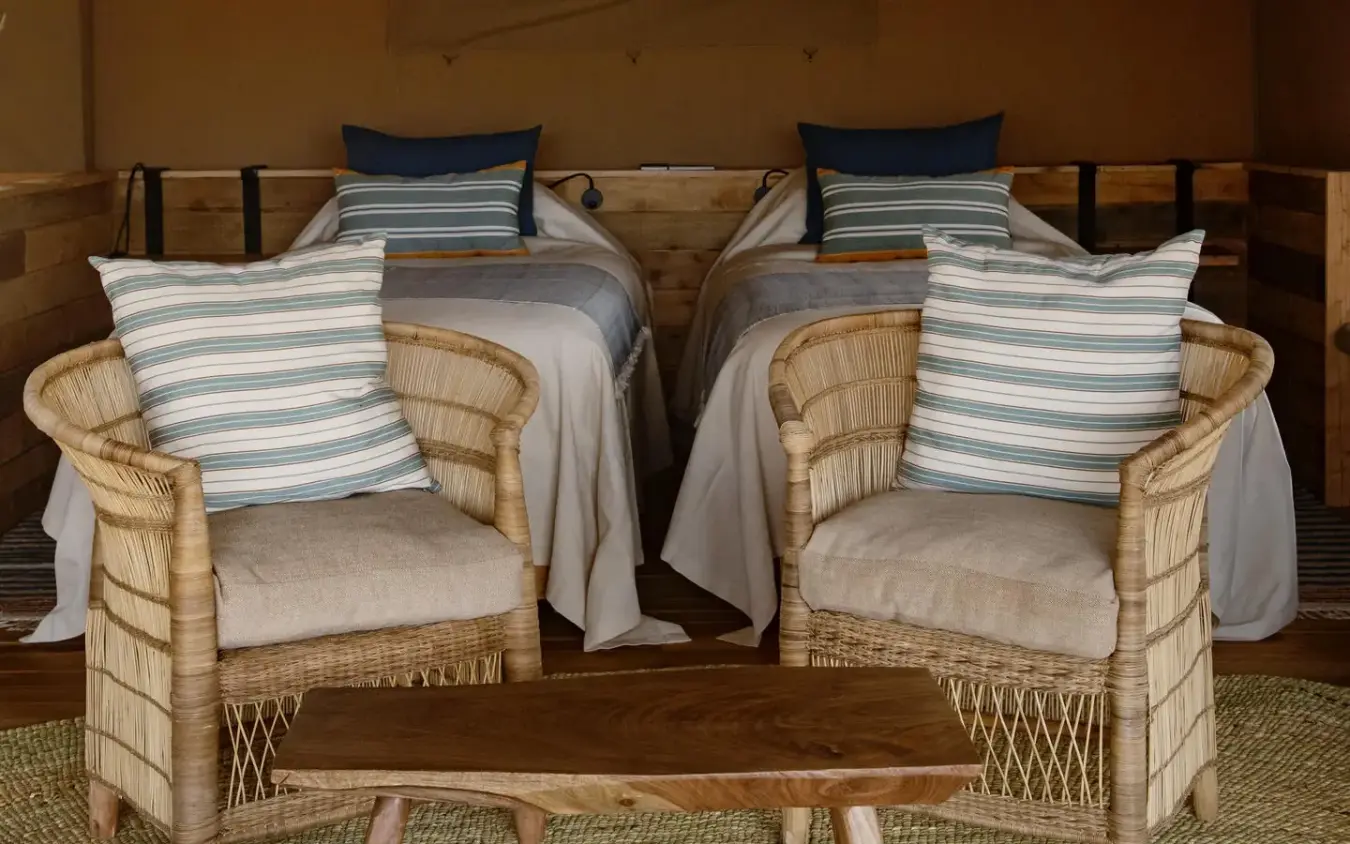
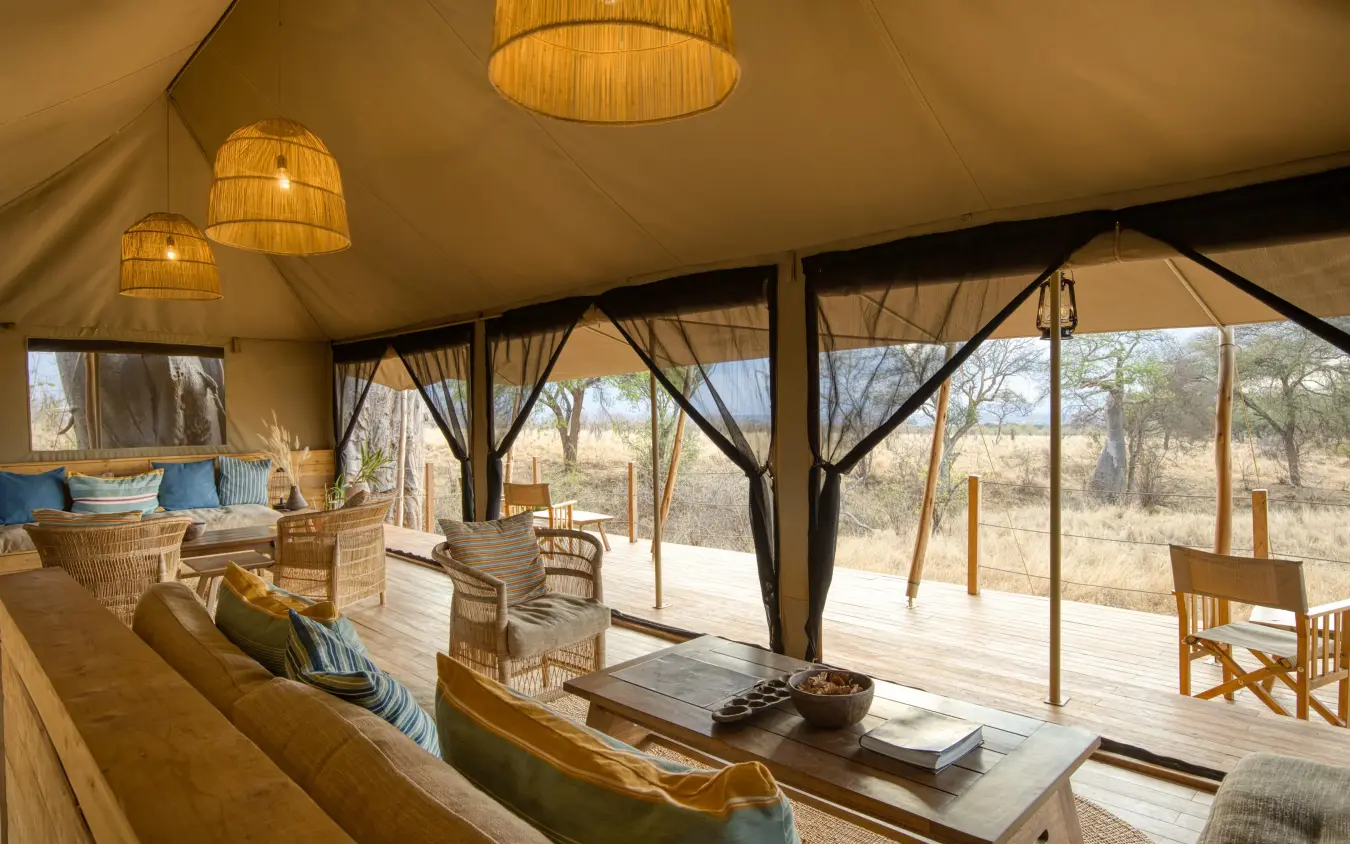
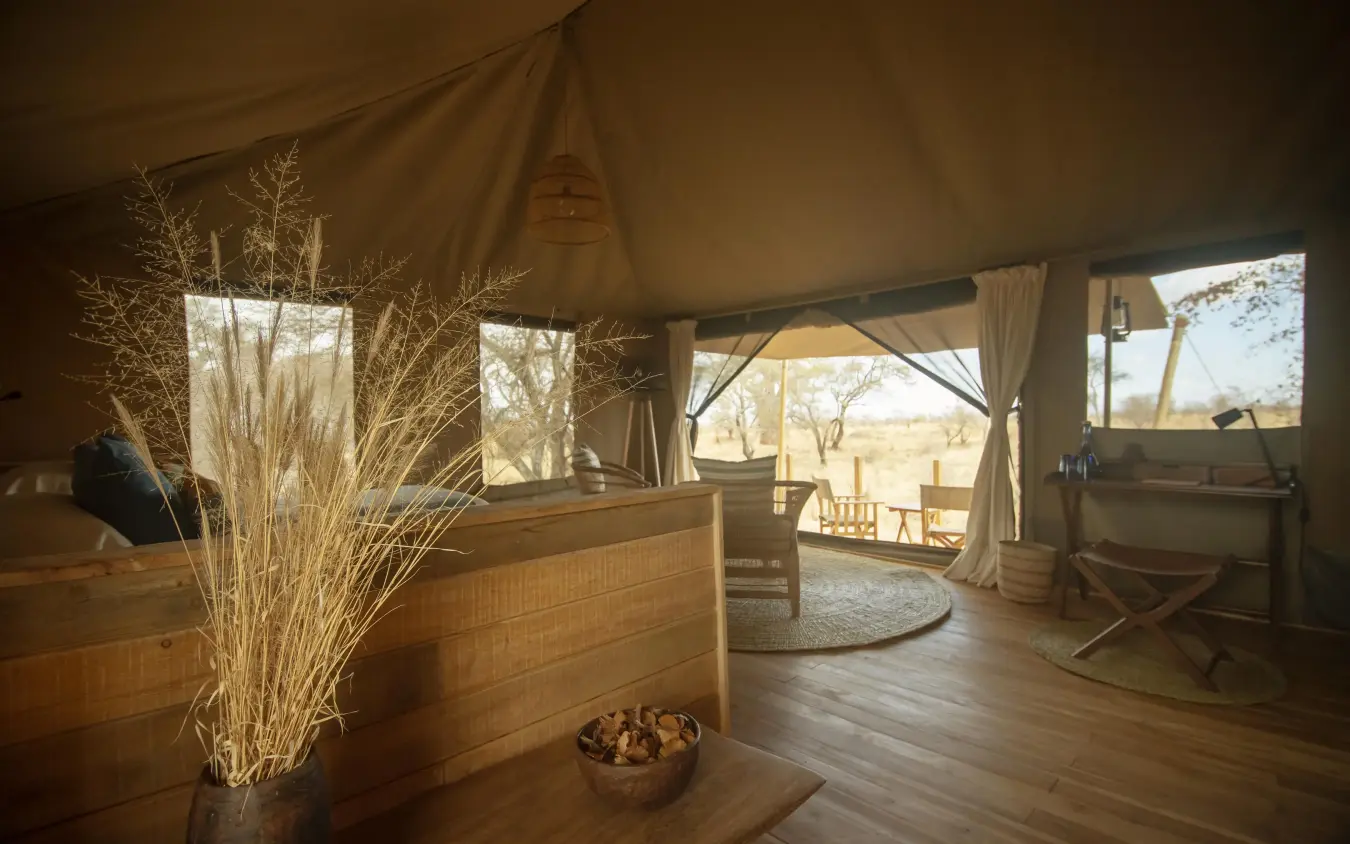
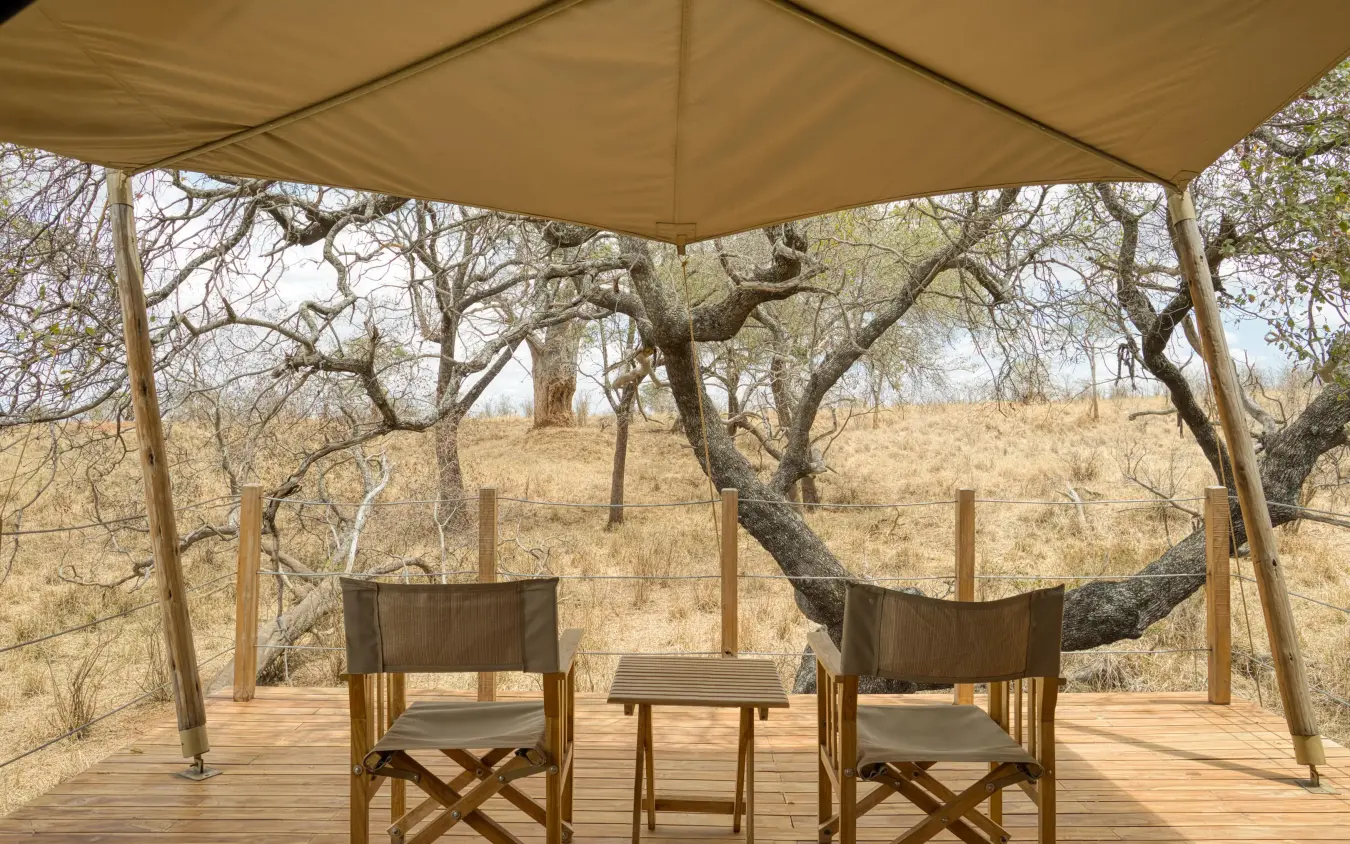
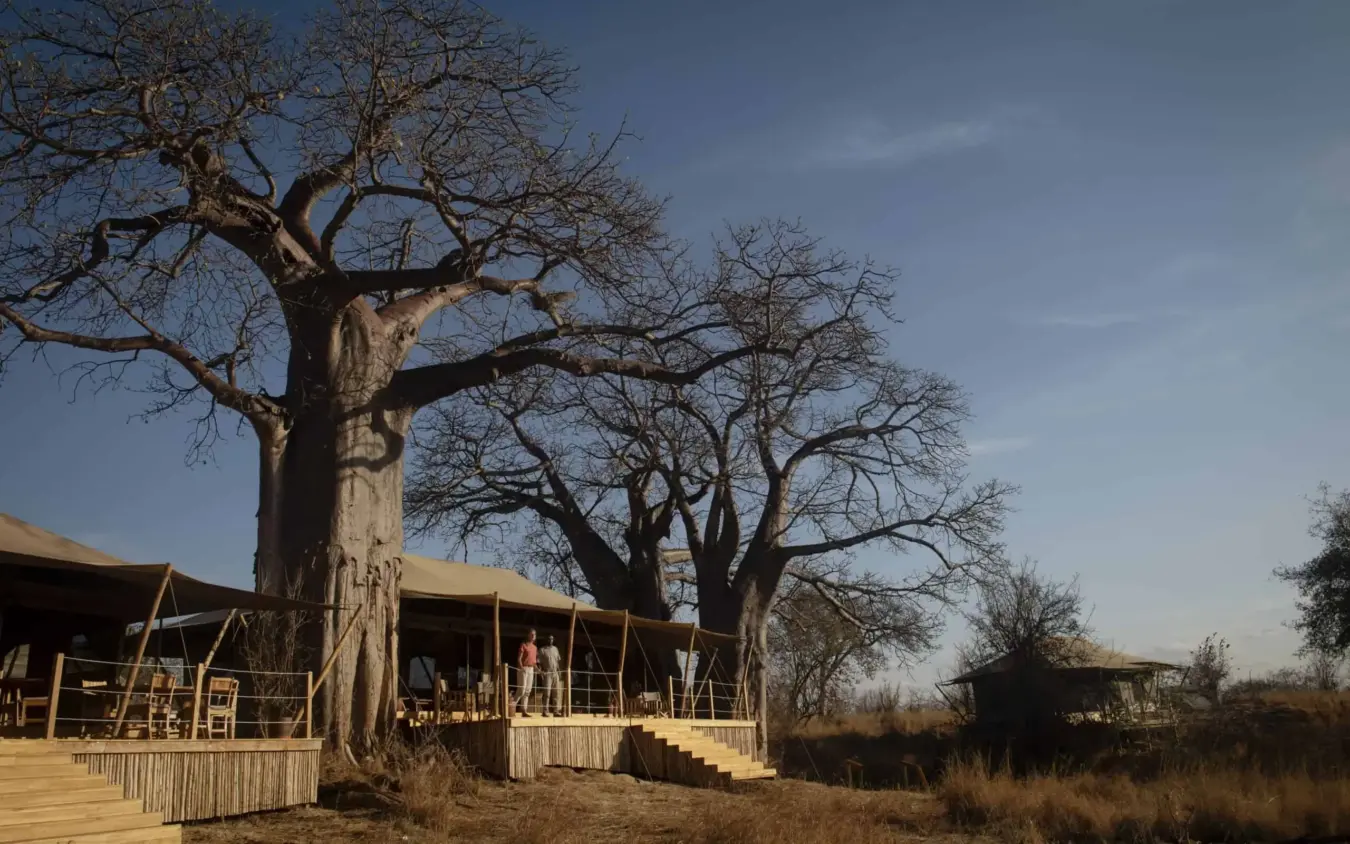
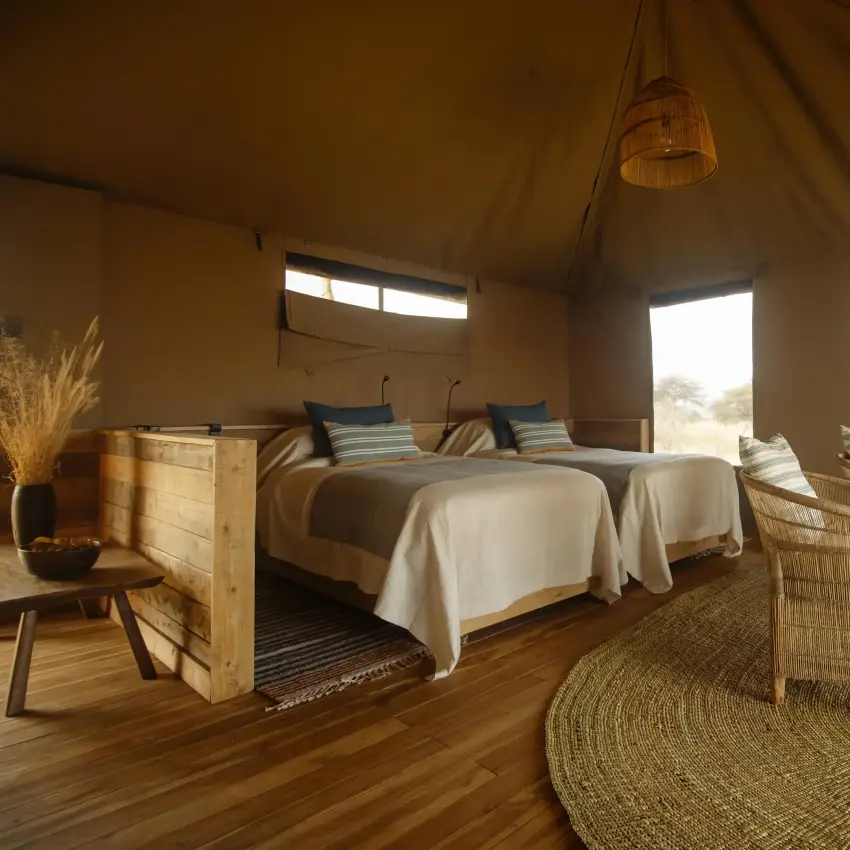
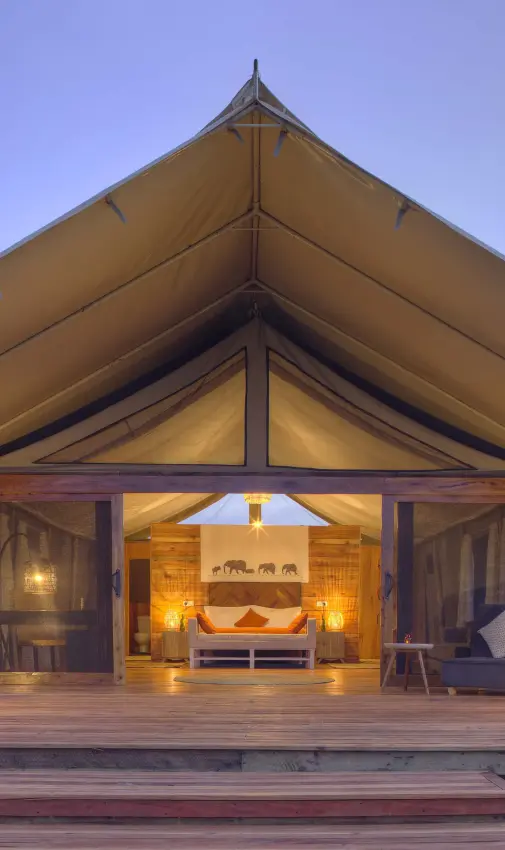
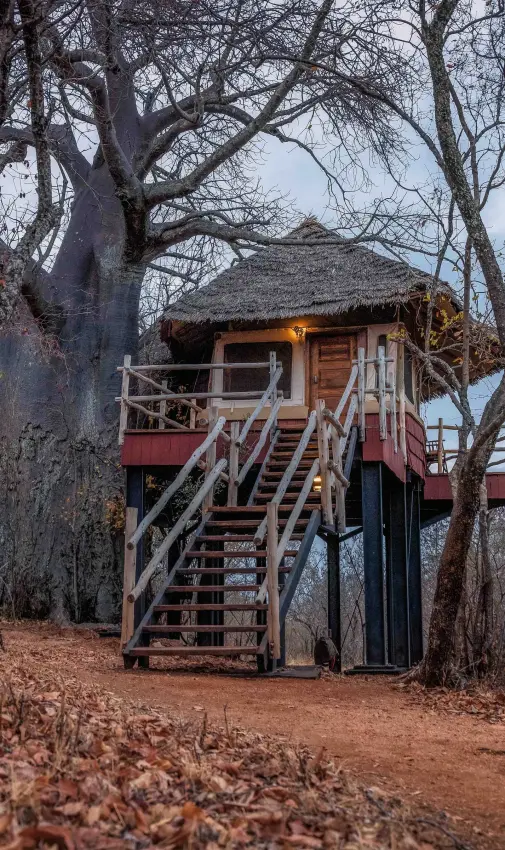
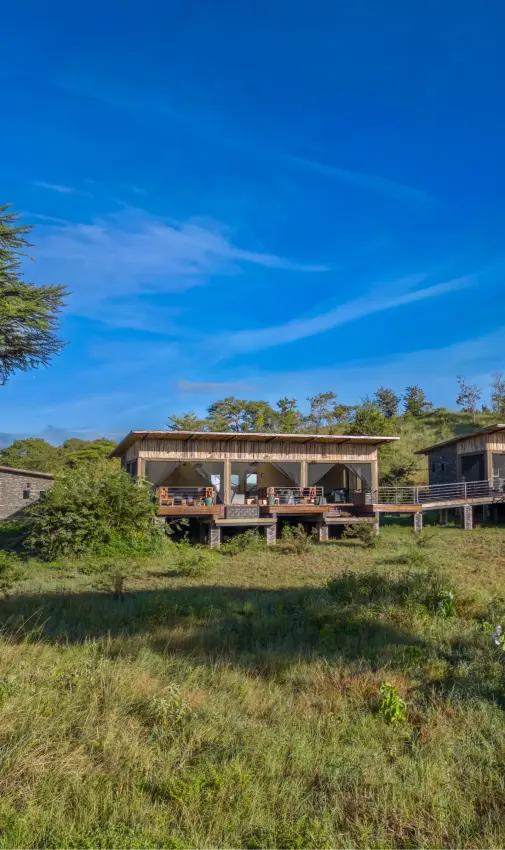
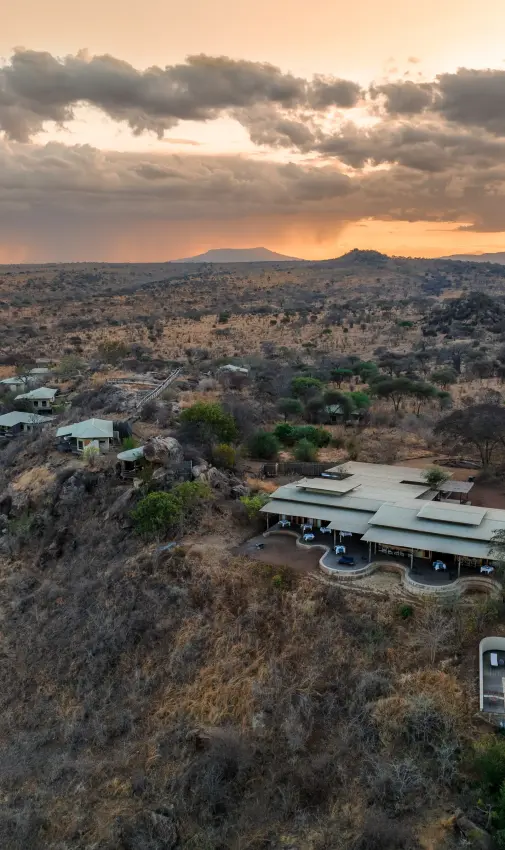
Reaching Olkeri is easy by light aircraft, a thirty-minute drive from Randilen airstrip or about ninety minutes from Kuro airstrip inside the national park. The eight tents suit couples and families in equal measure. But it is the travellers who have already ticked off the classic drive-only safari who feel the difference most sharply. The freedom to walk, to drive at night, and to sleep out under canvas is what sets time at Olkeri apart.