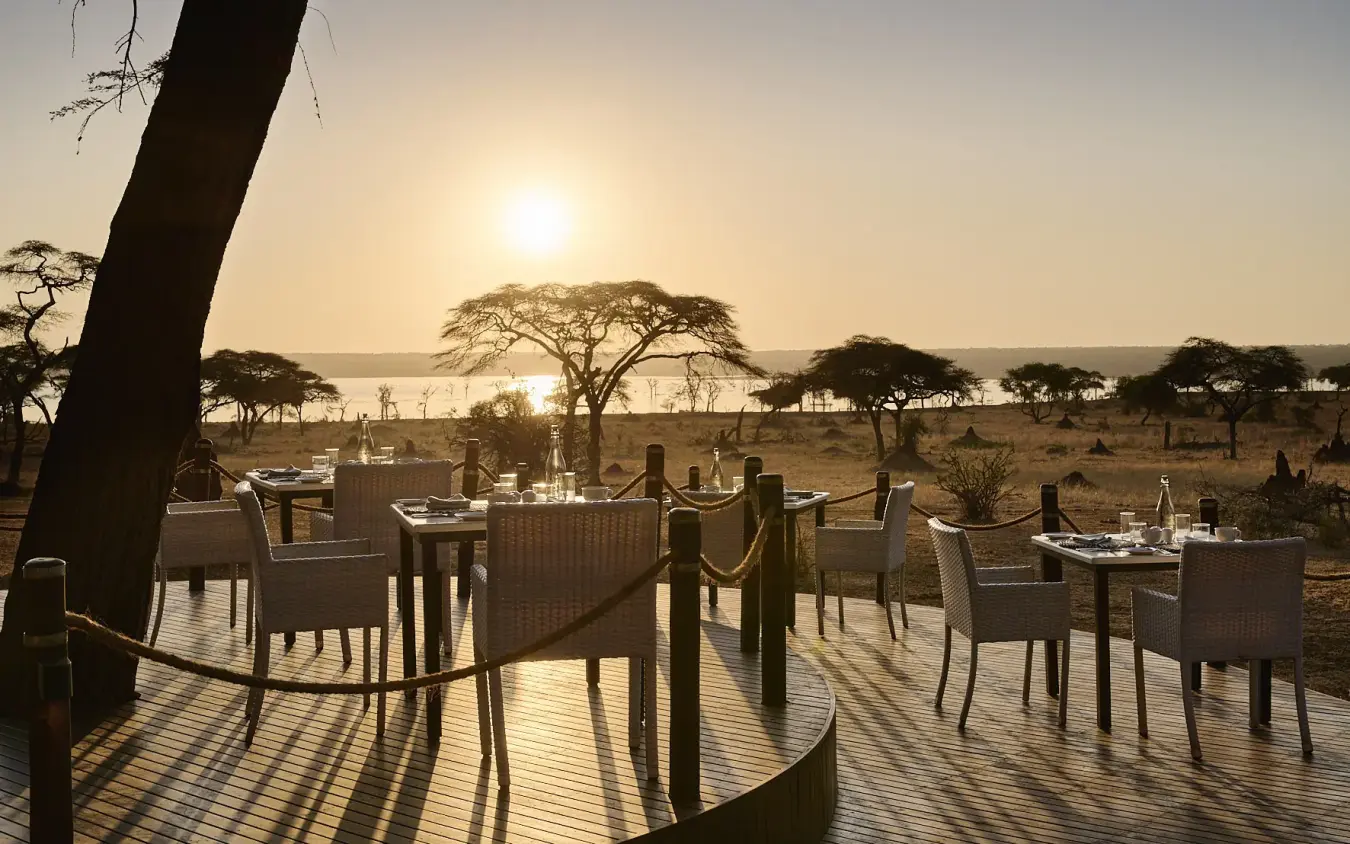
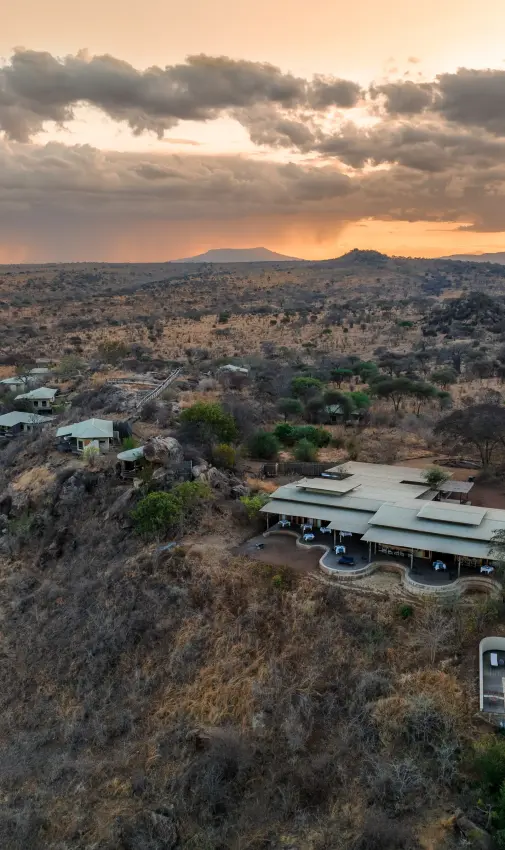
Geoffrey Kent opened the first of the camps in Kenya. Expansion into Tanzania followed in 2000, and Sanctuary Swala opened in the years after. The southern location was chosen for what it still delivers: seclusion, and a waterhole that keeps working right through the day and on into the night, drawing wildlife to the camp’s doorstep when the rest of the park has emptied of vehicles.
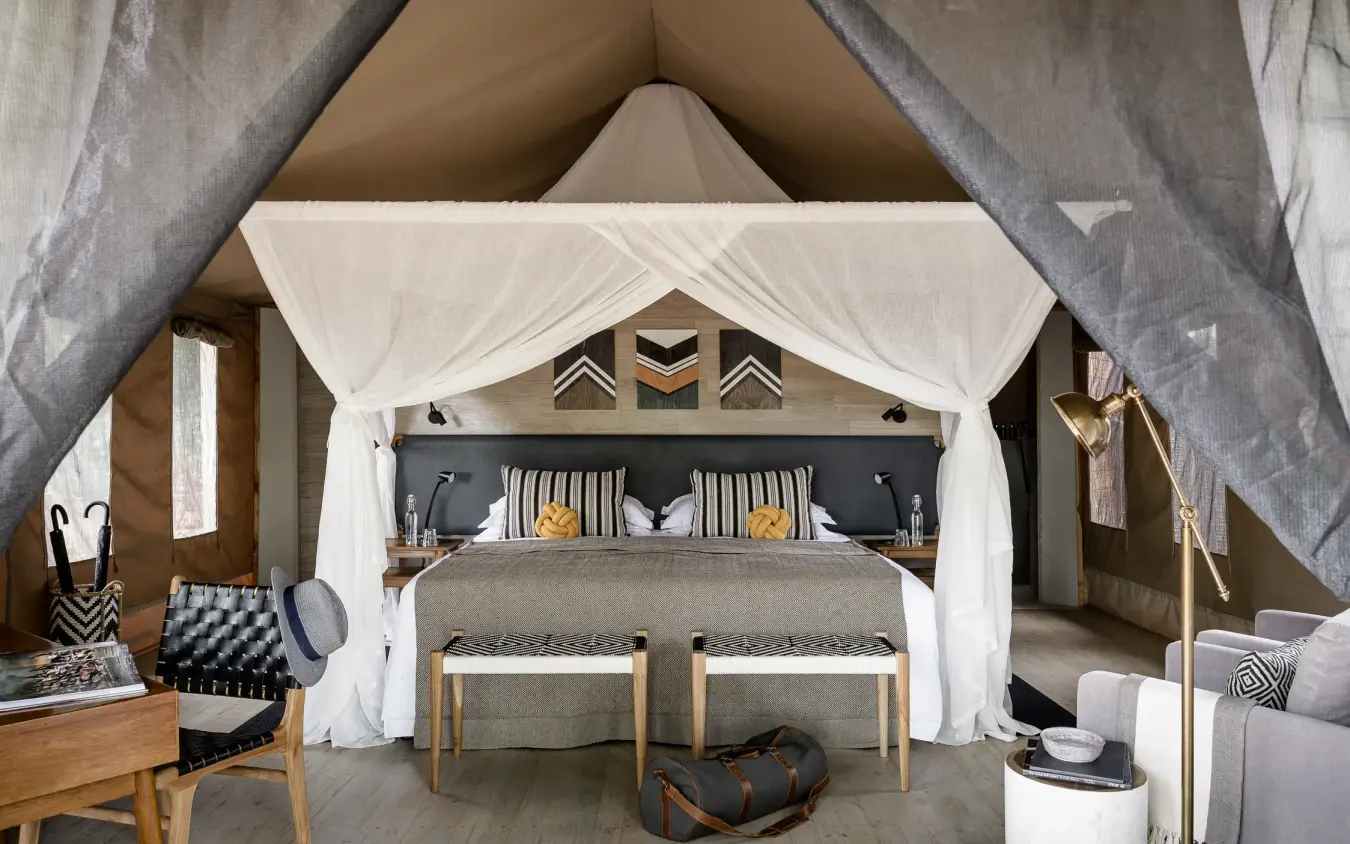
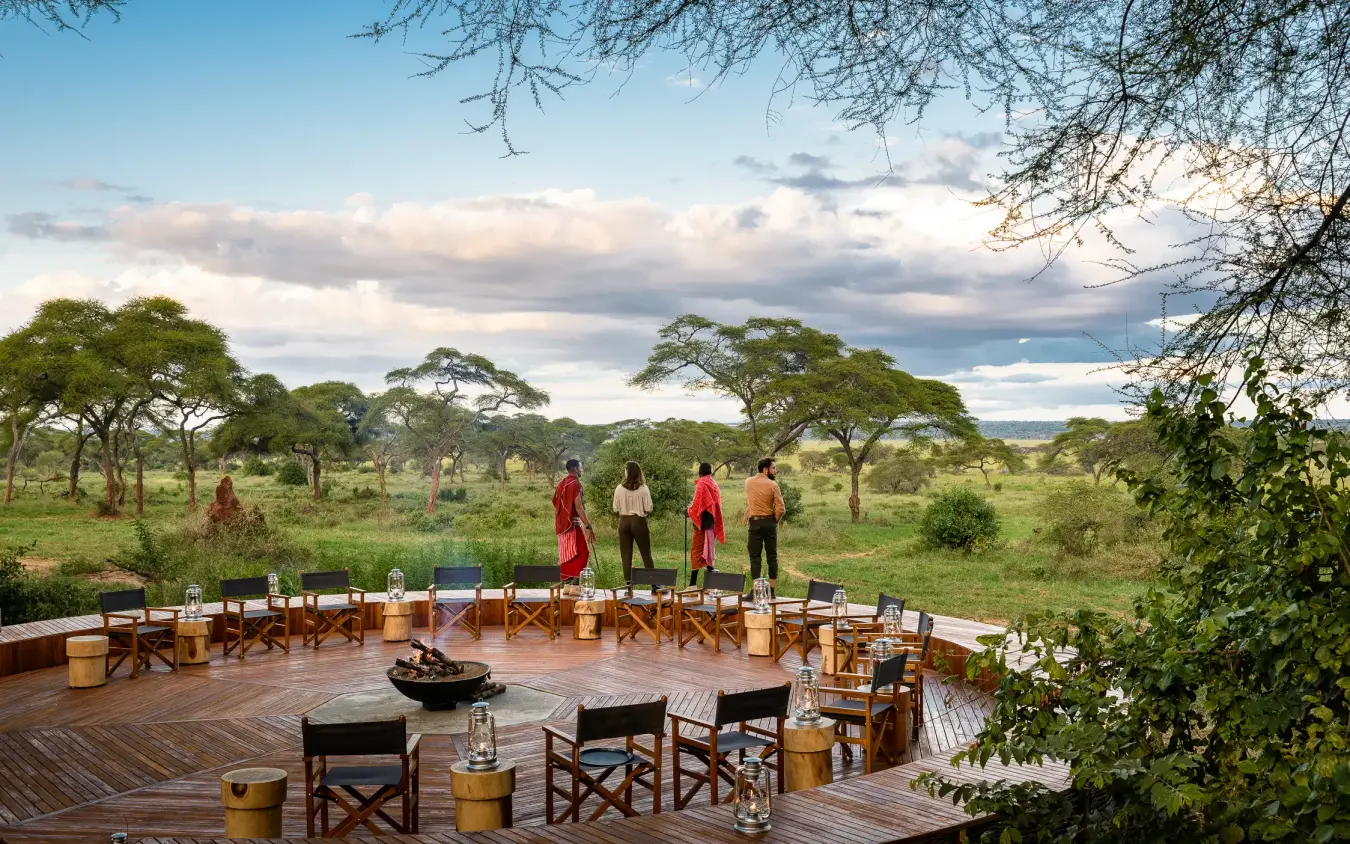
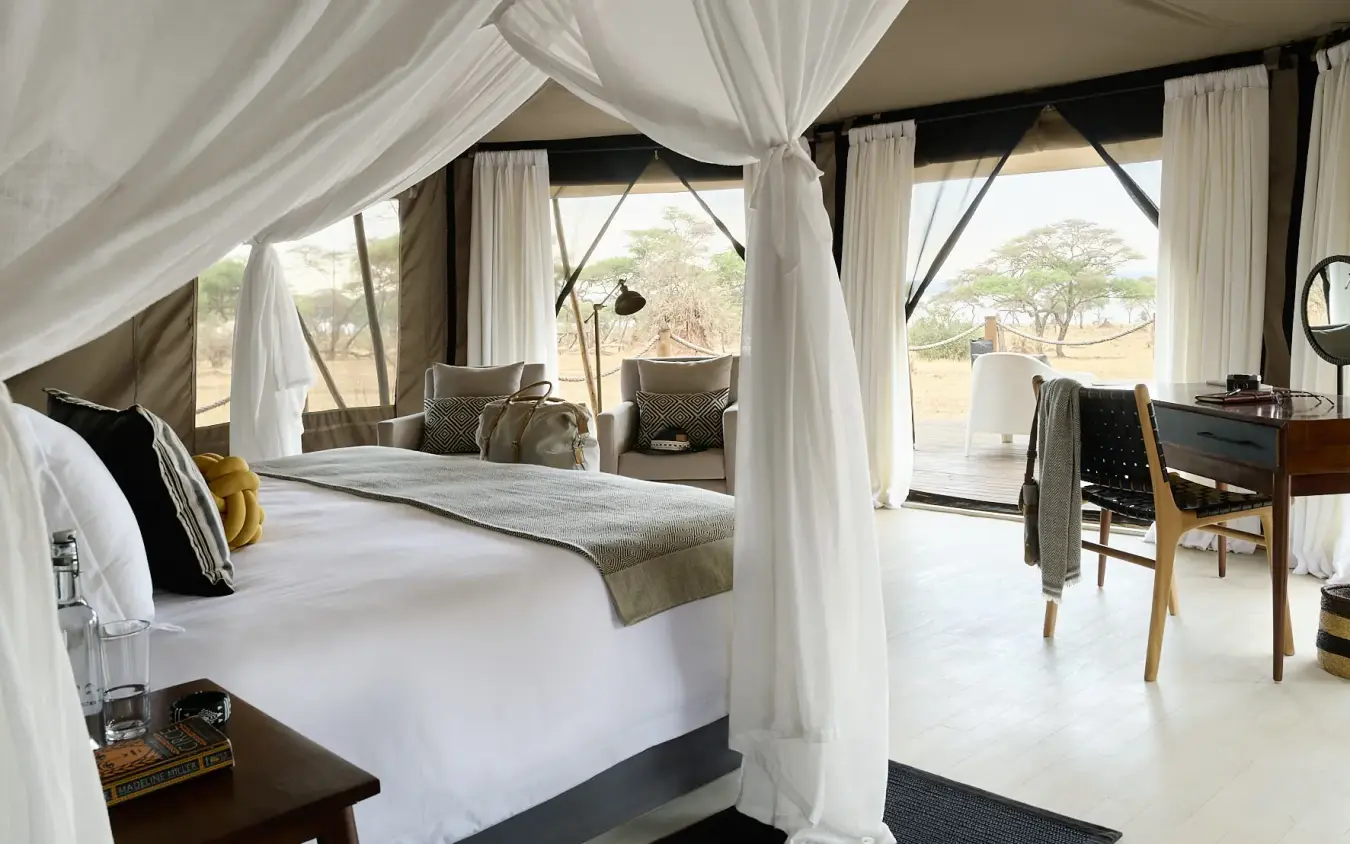
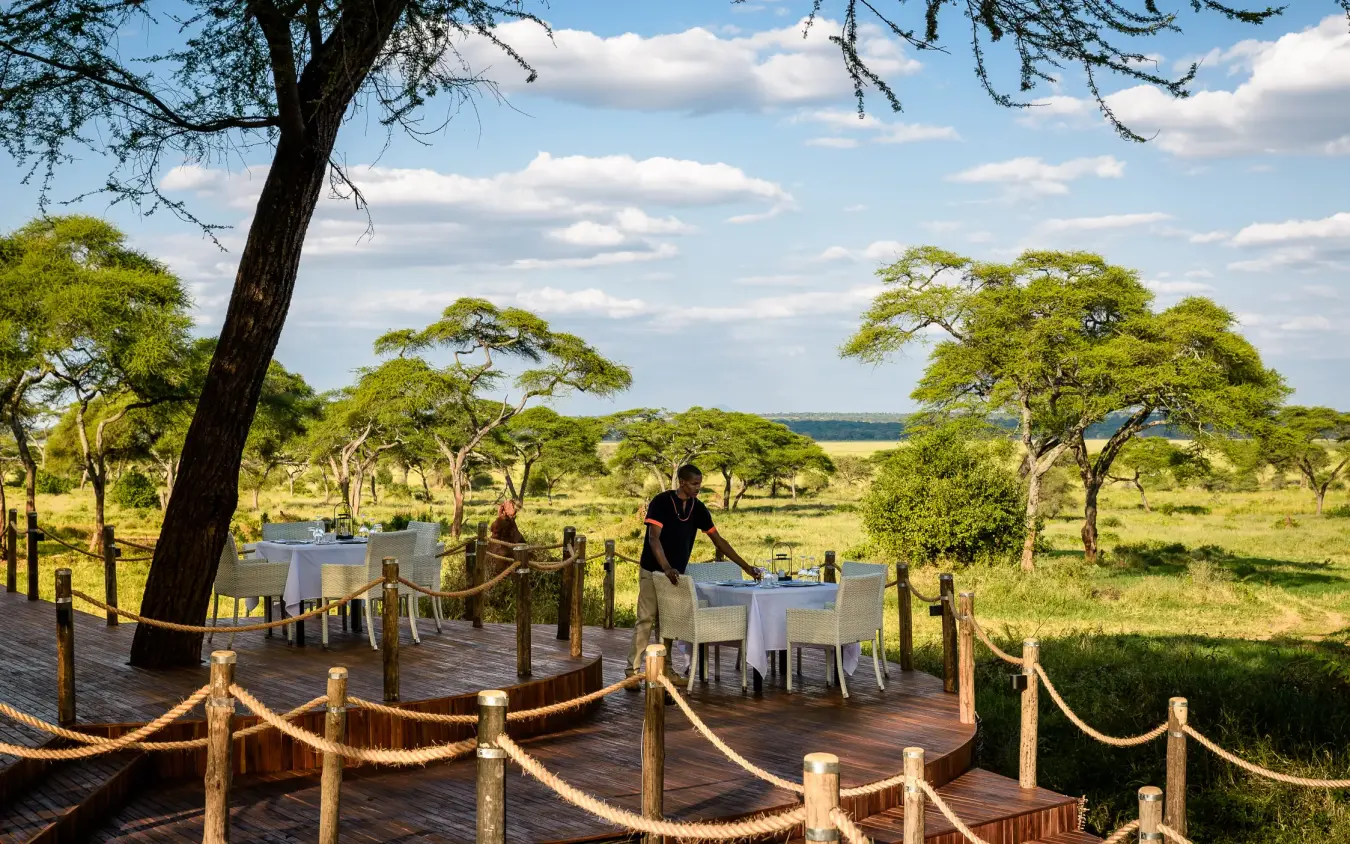
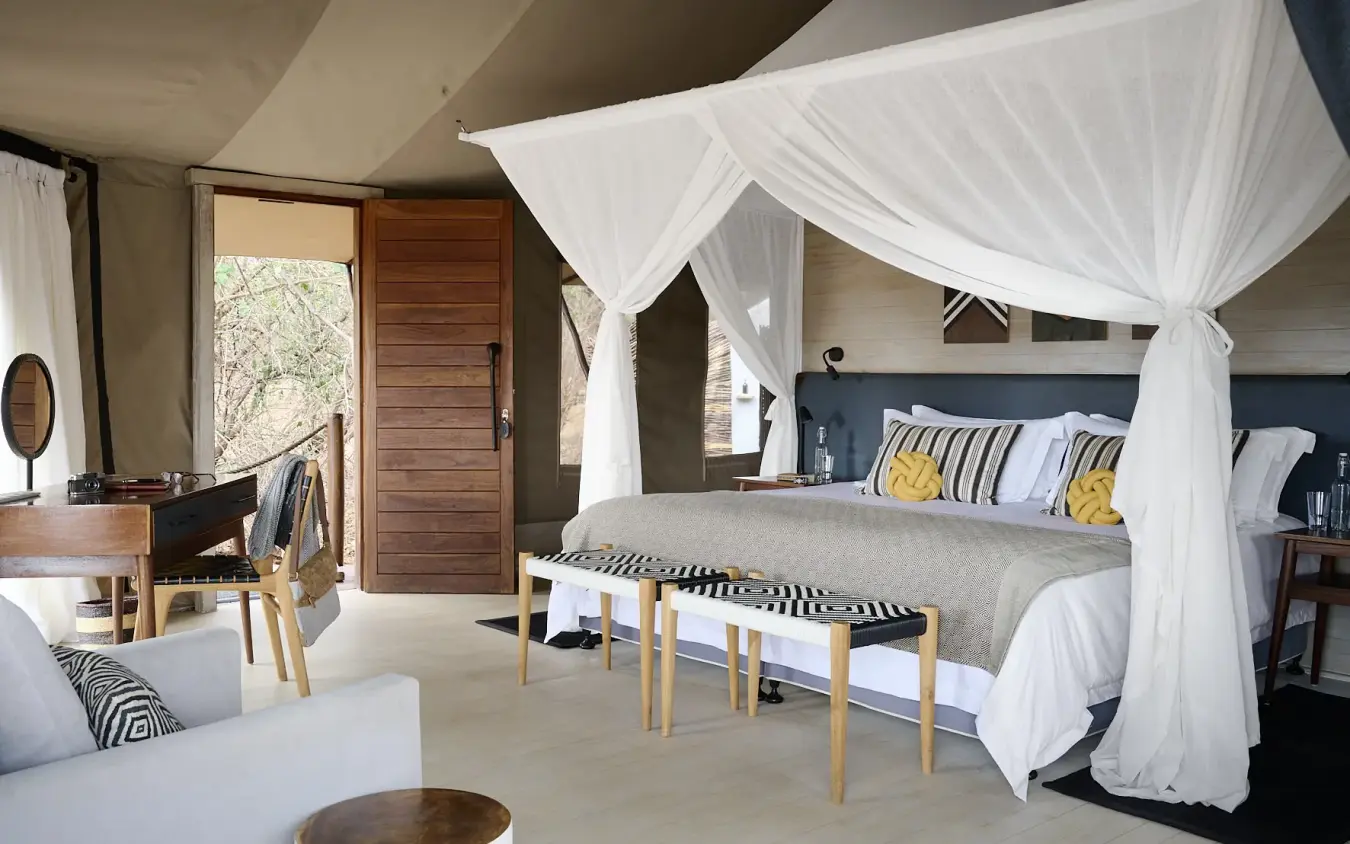
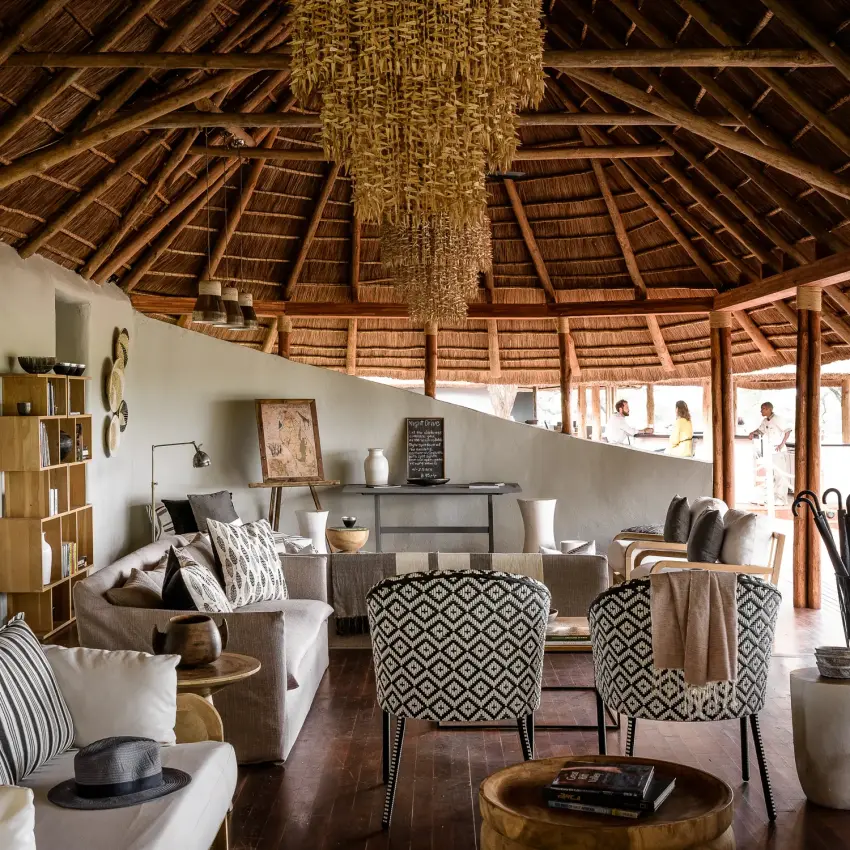
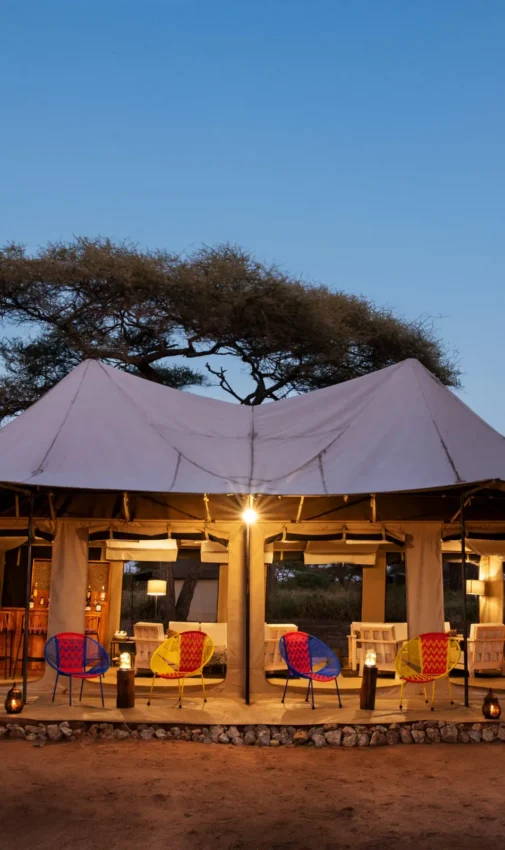
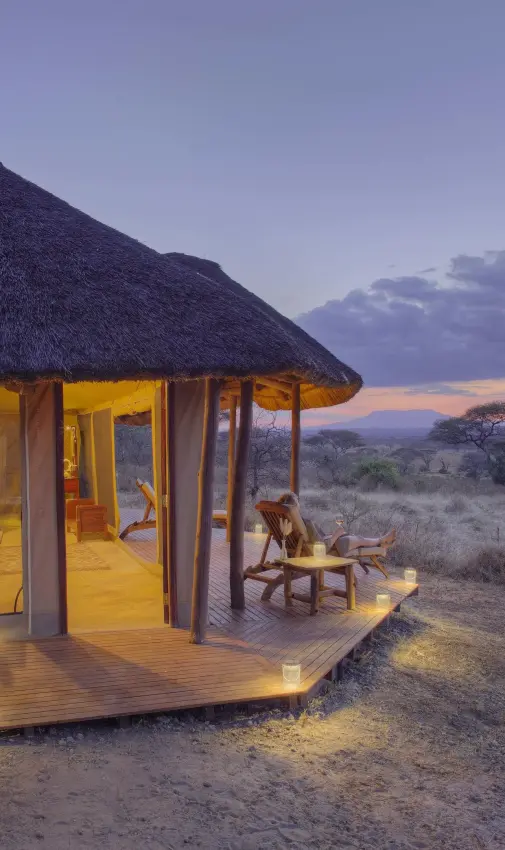
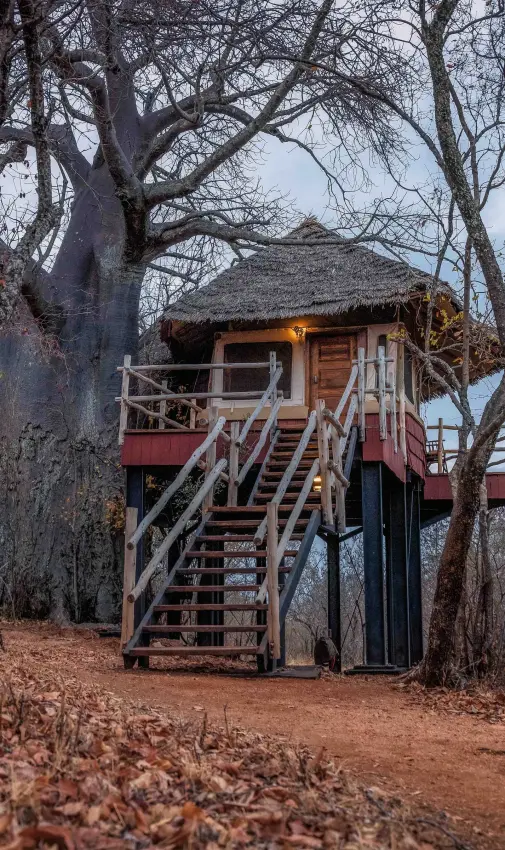
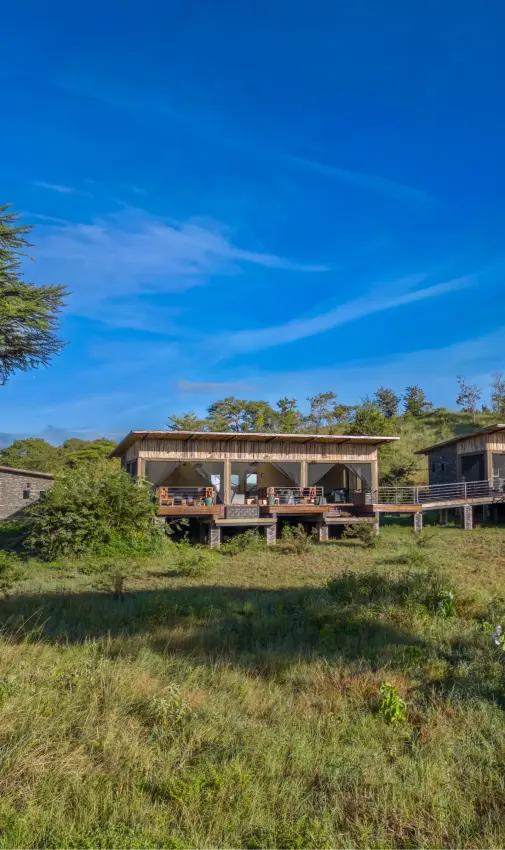
The heart of the camp sits in two large thatched structures, raised on timber stilts and built around a living baobab, so the view to the water stays open from nearly every seat in the lounge, dining area, library and bar. The interiors mix colonial and Afro-chic influences, all neutral creams and beiges, black-and-white patterned cushions and polished hardwood floors. After dark, lanterns and soft electric light take over, and with almost no light pollution the night sky is left intact above the tents.
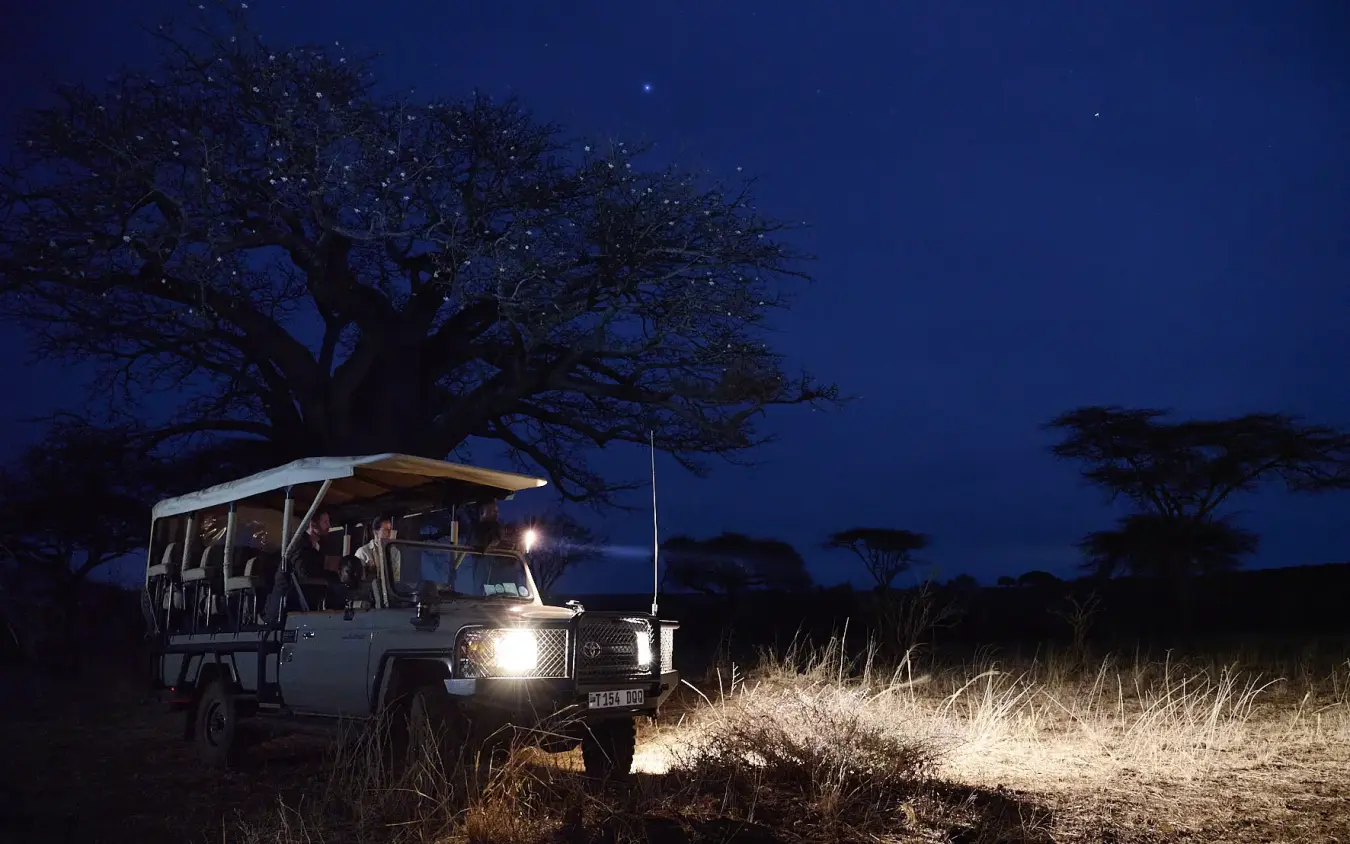
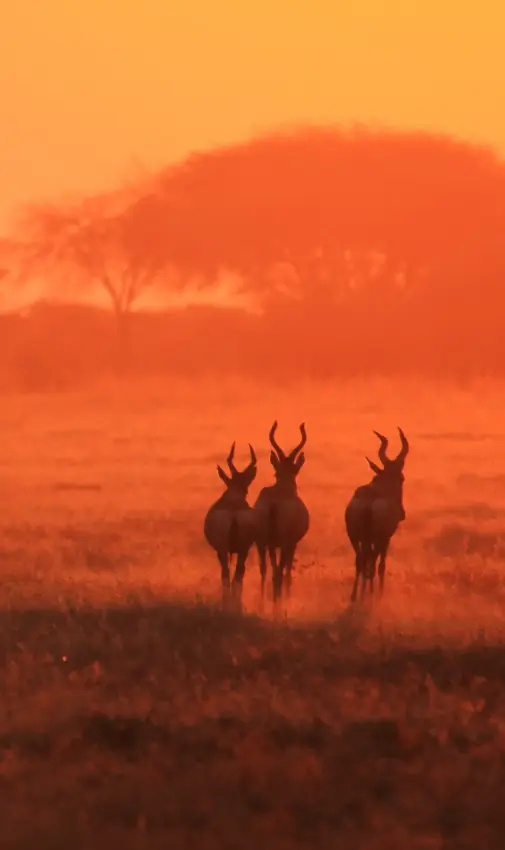
Game drives run into the quiet southern grasslands and the baobab country further north
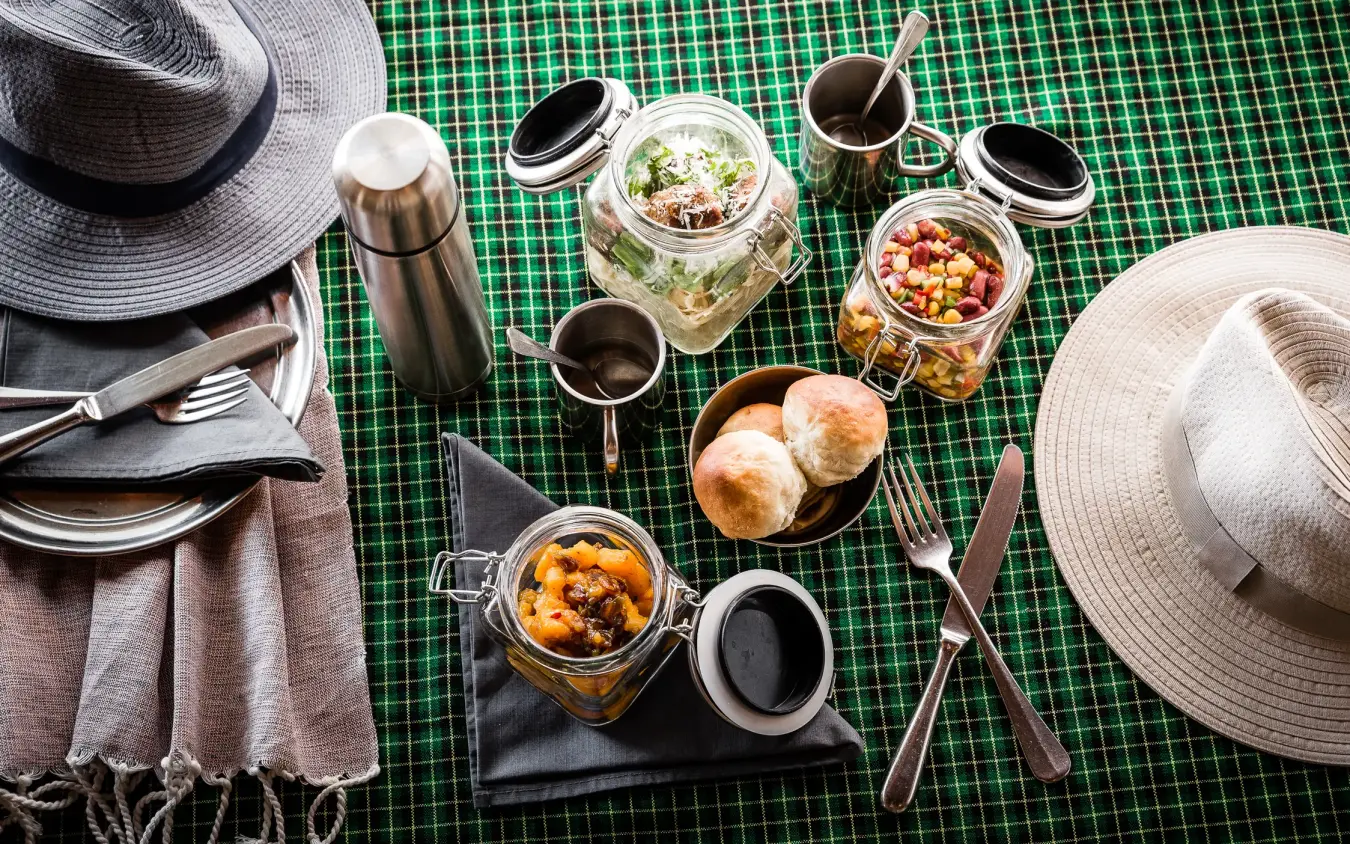
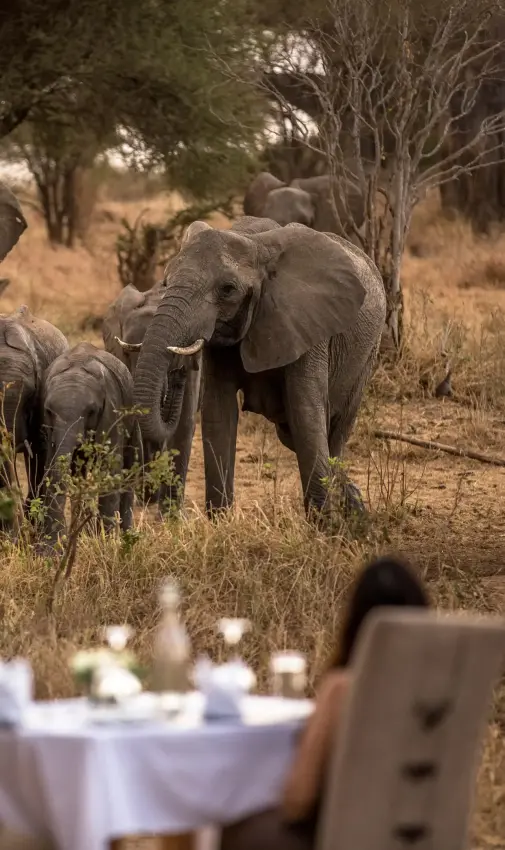
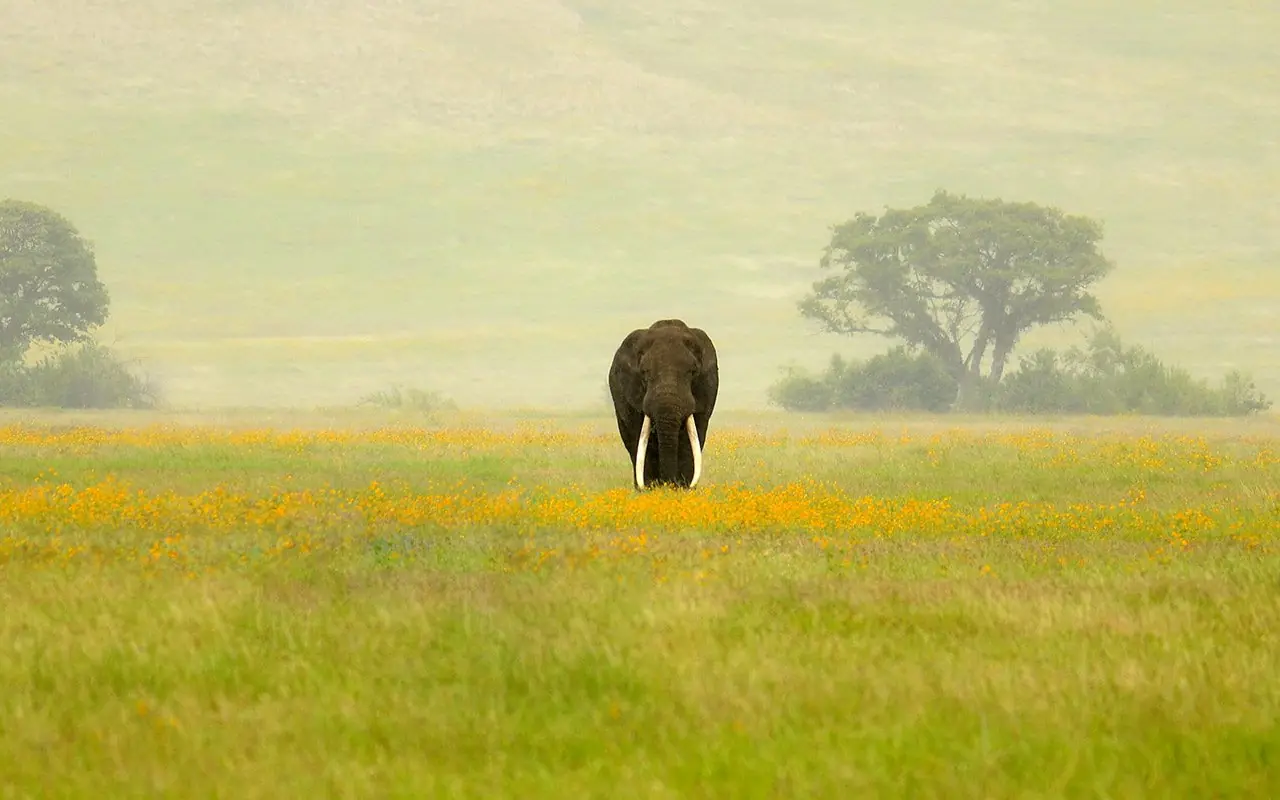
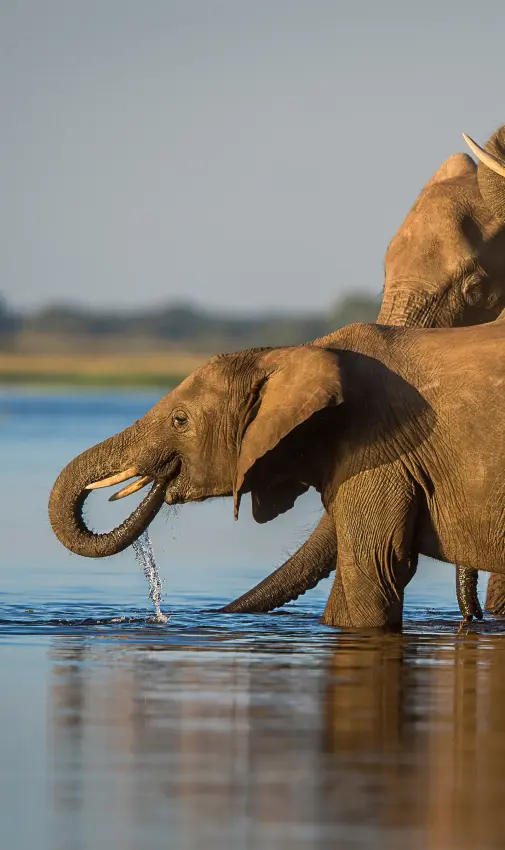
Mornings begin with birdsong and the splash and rumble of elephants at the water. Game drives run into the quiet southern grasslands and the baobab country further north, and guests return to an infinity pool set directly above the waterhole. The meals shift with the day: bush breakfasts under the acacias, torchlit dinners away from camp, pizzas from a wood-fired oven, and a chocolate dessert the camp has made its own. A dedicated attendant looks after each stay from beginning to end.
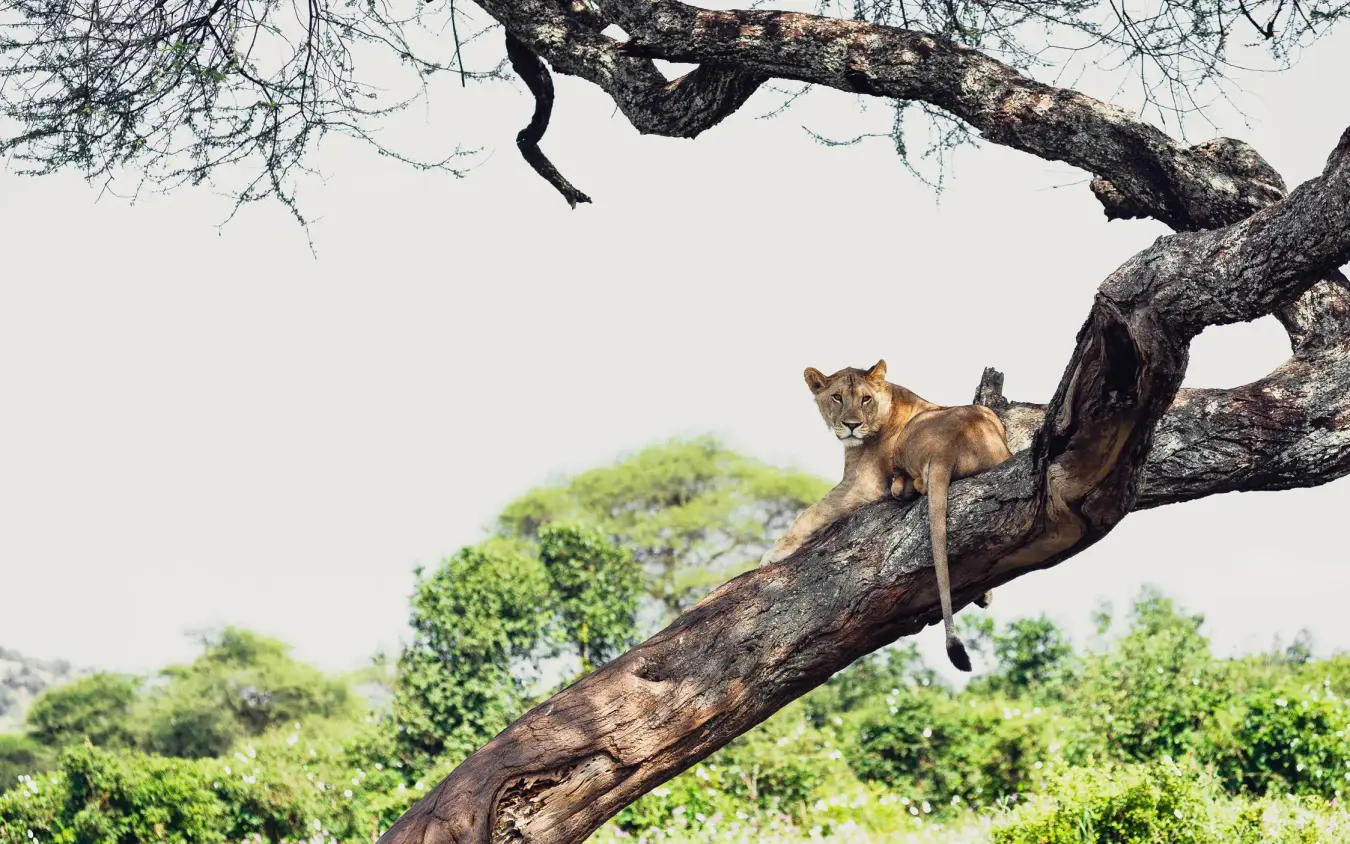
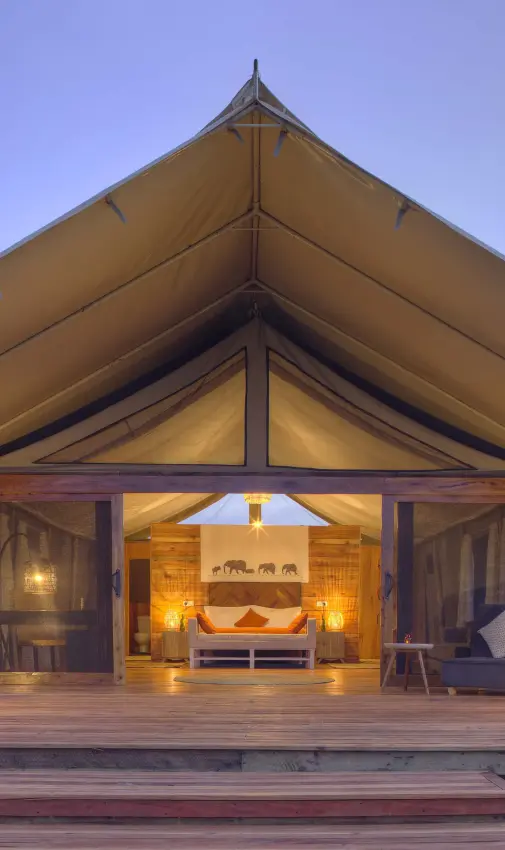
Evenings close around the fire, with lions calling from the direction of the swamp and Maasai askari on hand to walk guests back to their tents. At sunrise, hot-air balloon flights over the baobabs can be arranged for those who want the country from the air. The camp rewards slow time as much as active game viewing. Here the wildlife is often the one doing the travelling, and the best hours are frequently the ones spent waiting for it to arrive.