Lodge

Roho ya Selous

Eight tents on a wooded peninsula in Lake Nzerakera, in the core game area of Tanzania’s Nyerere National Park.

Country: Tanzania
Location: Lake Nzerakera peninsula, Nyerere National Park
Number of rooms: 8

Lake Nzerakera by boat and on foot

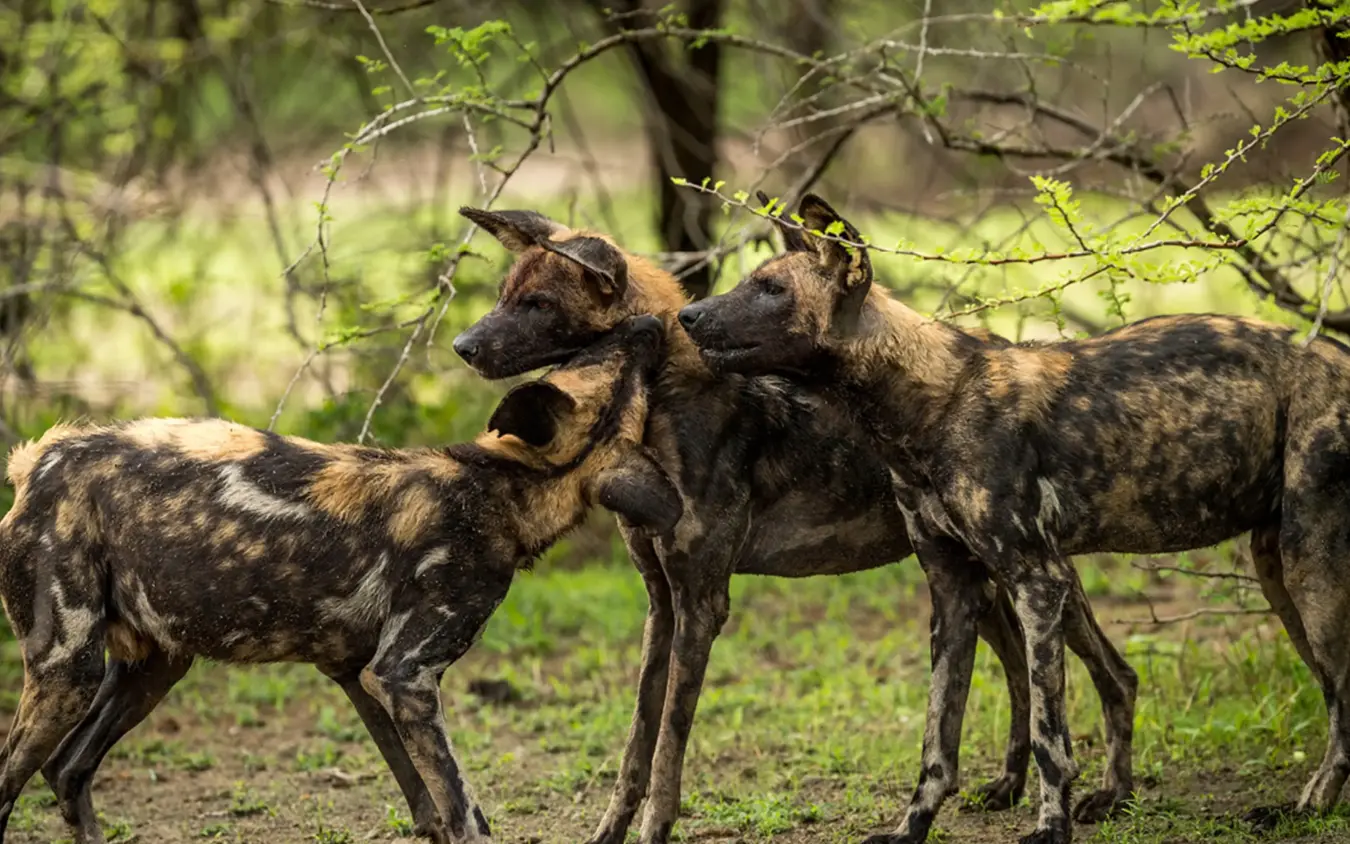
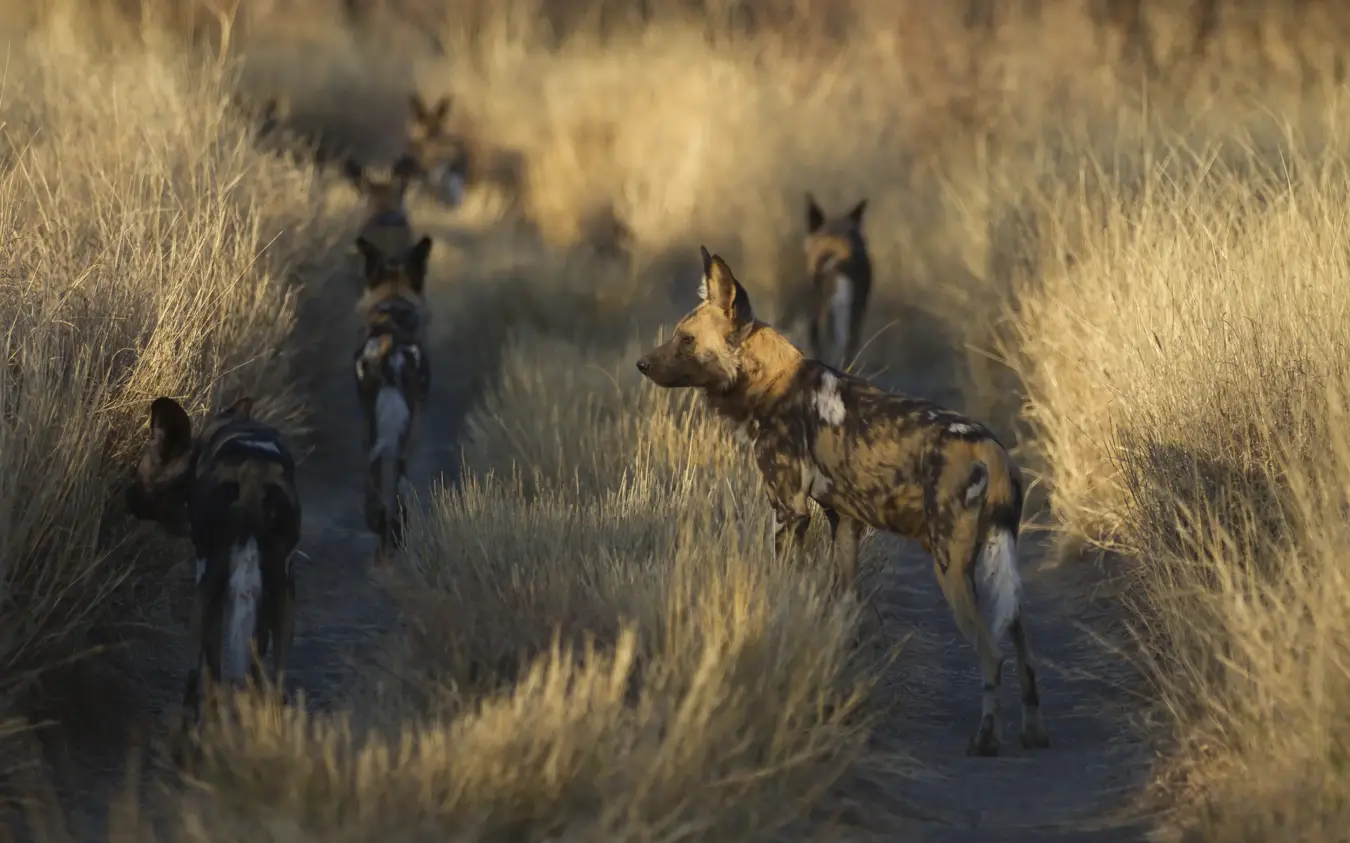
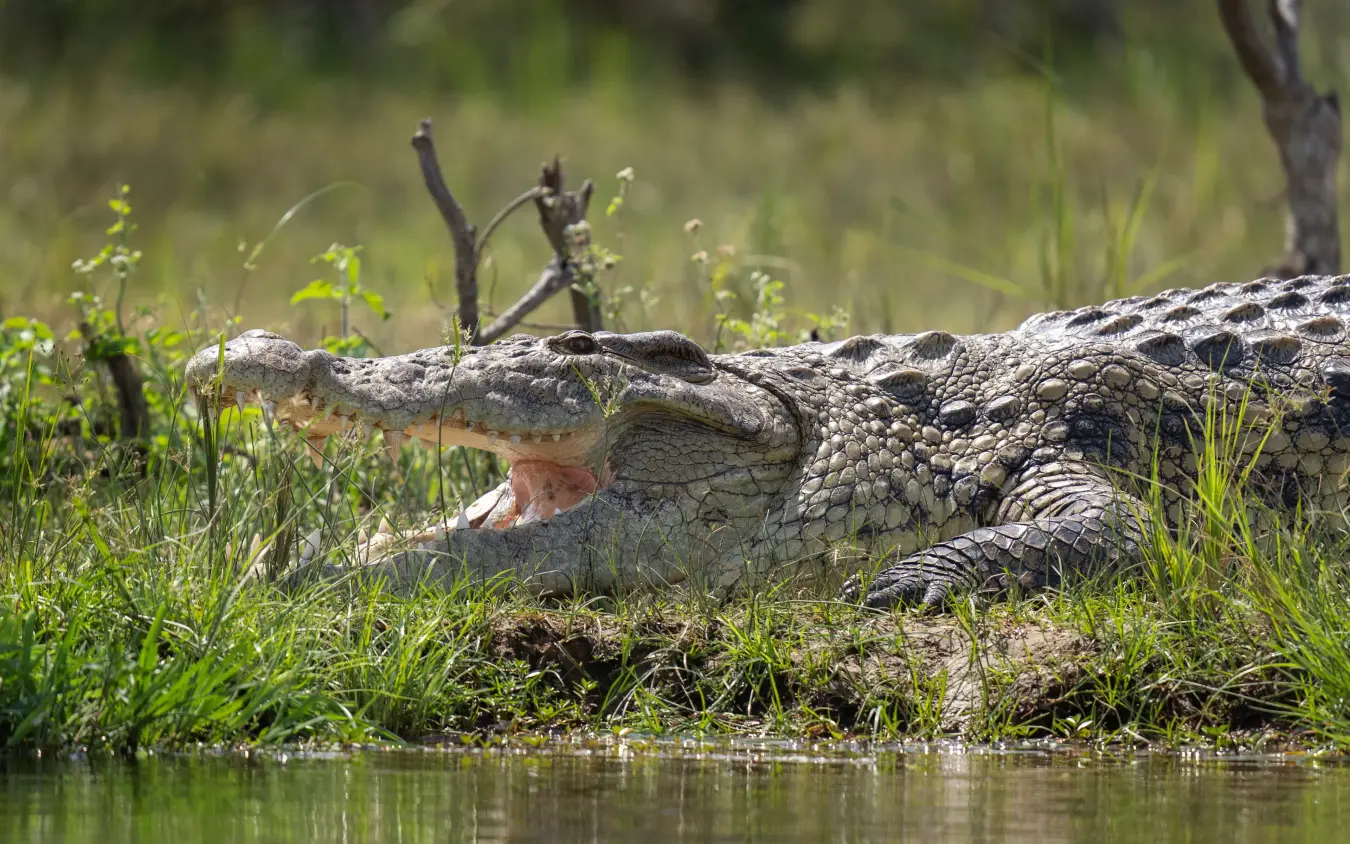
At Roho ya Selous, boating and walking are given the same standing as the game drive. The camp occupies a low, wooded peninsula pushing into Lake Nzerakera, in the core game area of Nyerere National Park, and its eight stretch-canvas tents look over channels thick with hippo and crocodile. African wild dogs live in this part of the park in notable numbers.

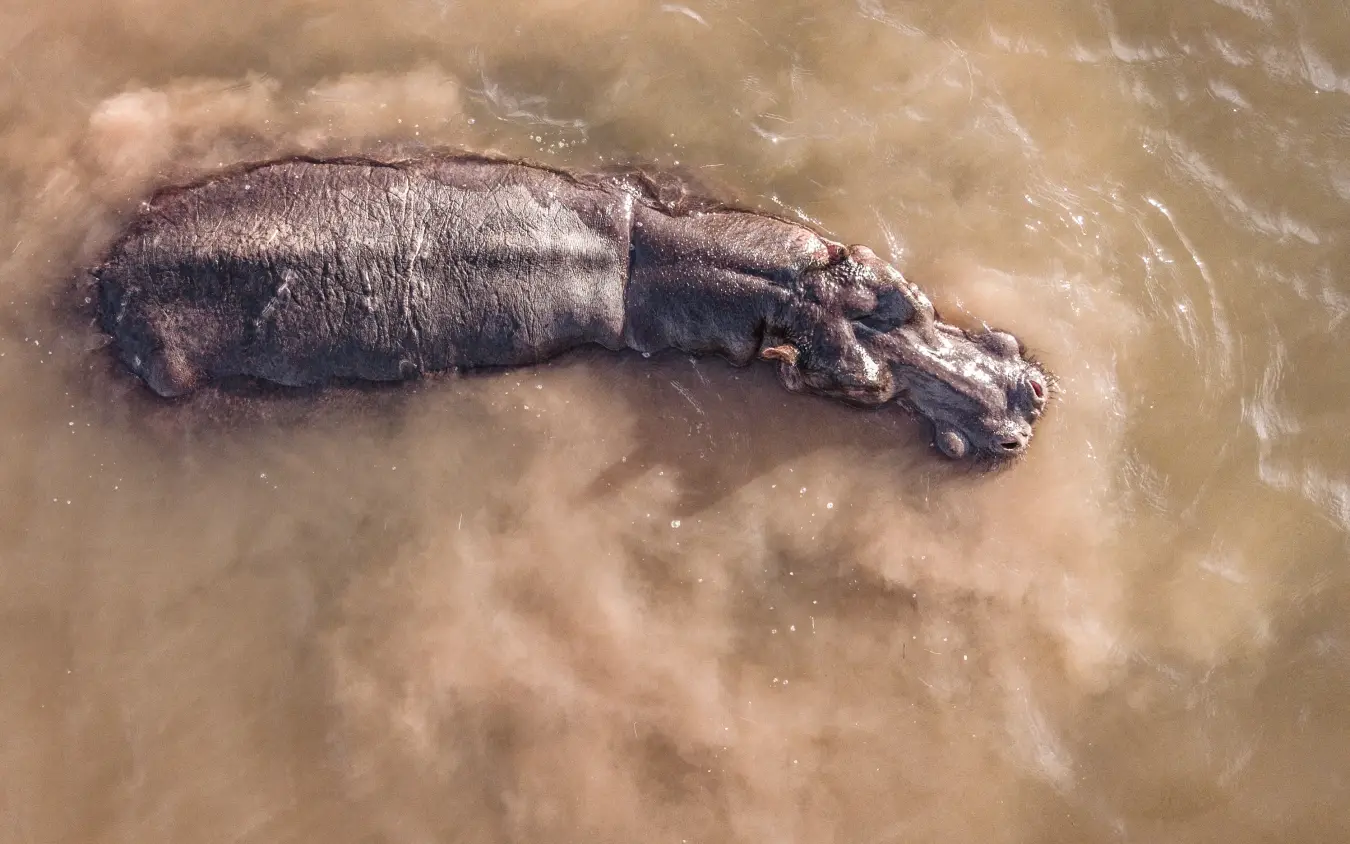
Hippo pods and basking crocodiles are met at water level.

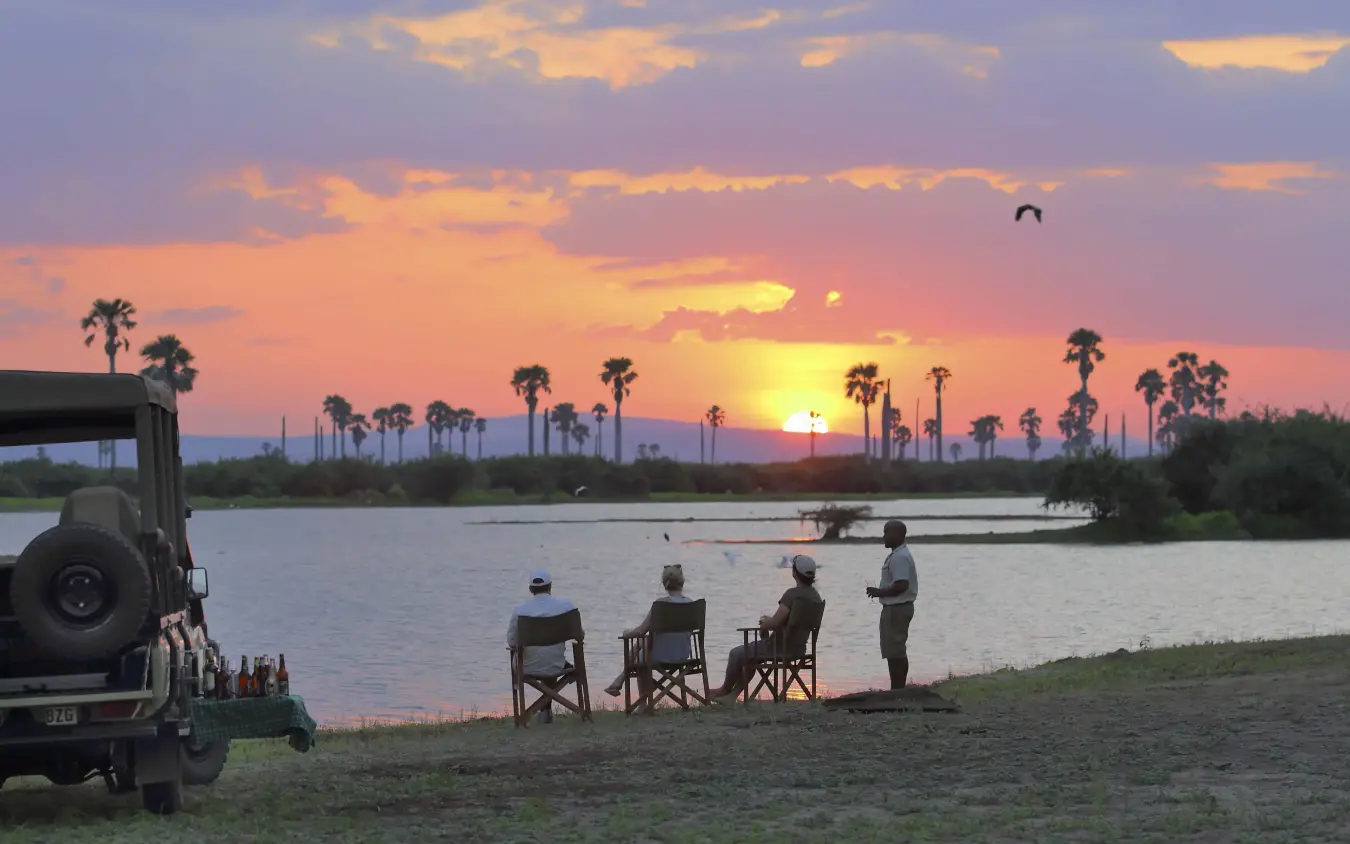
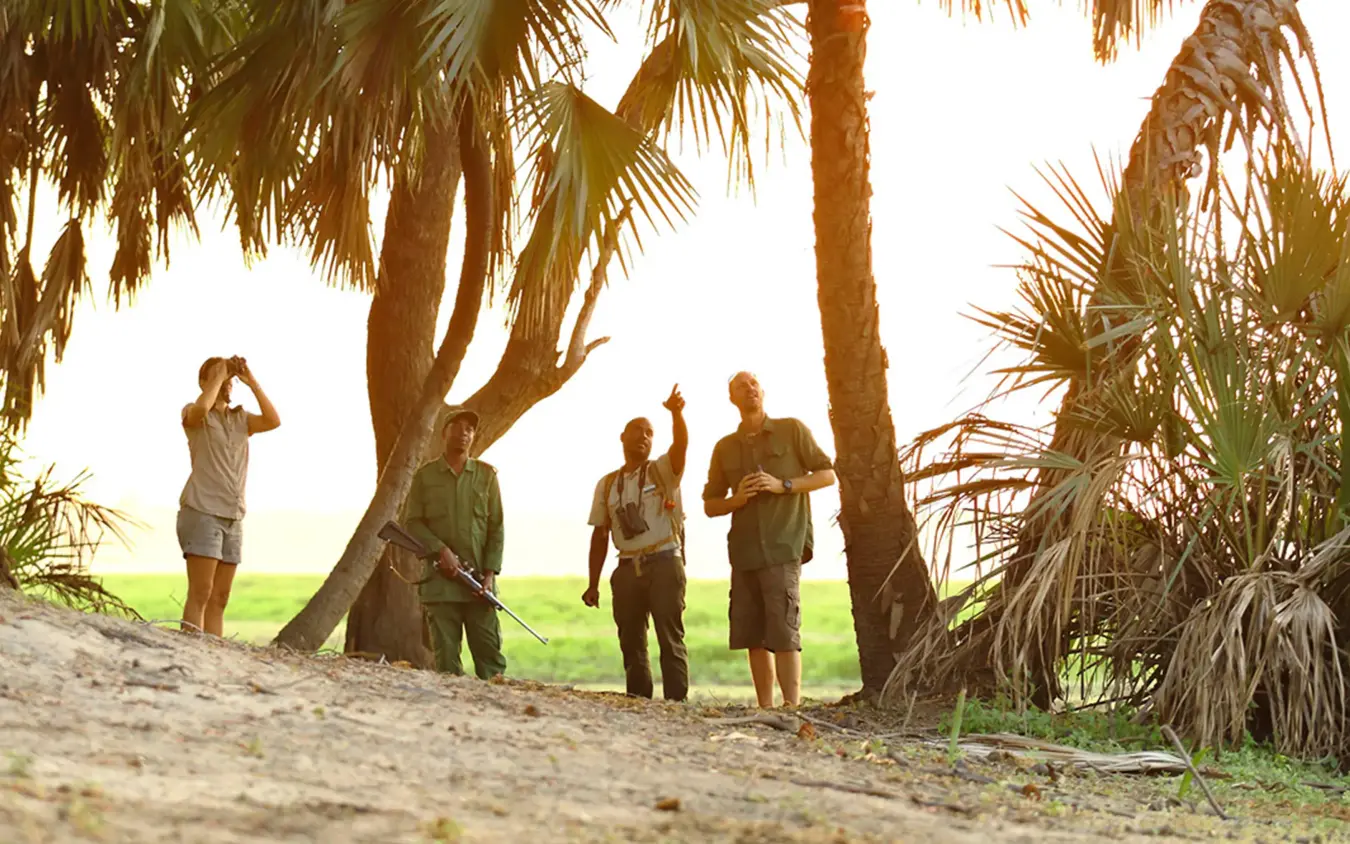
As the light comes up, the boat eases out onto Lake Nzerakera and follows the palm-fringed channels. Hippo pods and basking crocodiles are met at water level. Walks go out later with a camp guide and a national park scout, slowing the pace to tracks and birdlife. Afternoons belong to game drives in open 4x4s around the lake, ending with sundowners on the boat as the water reddens.

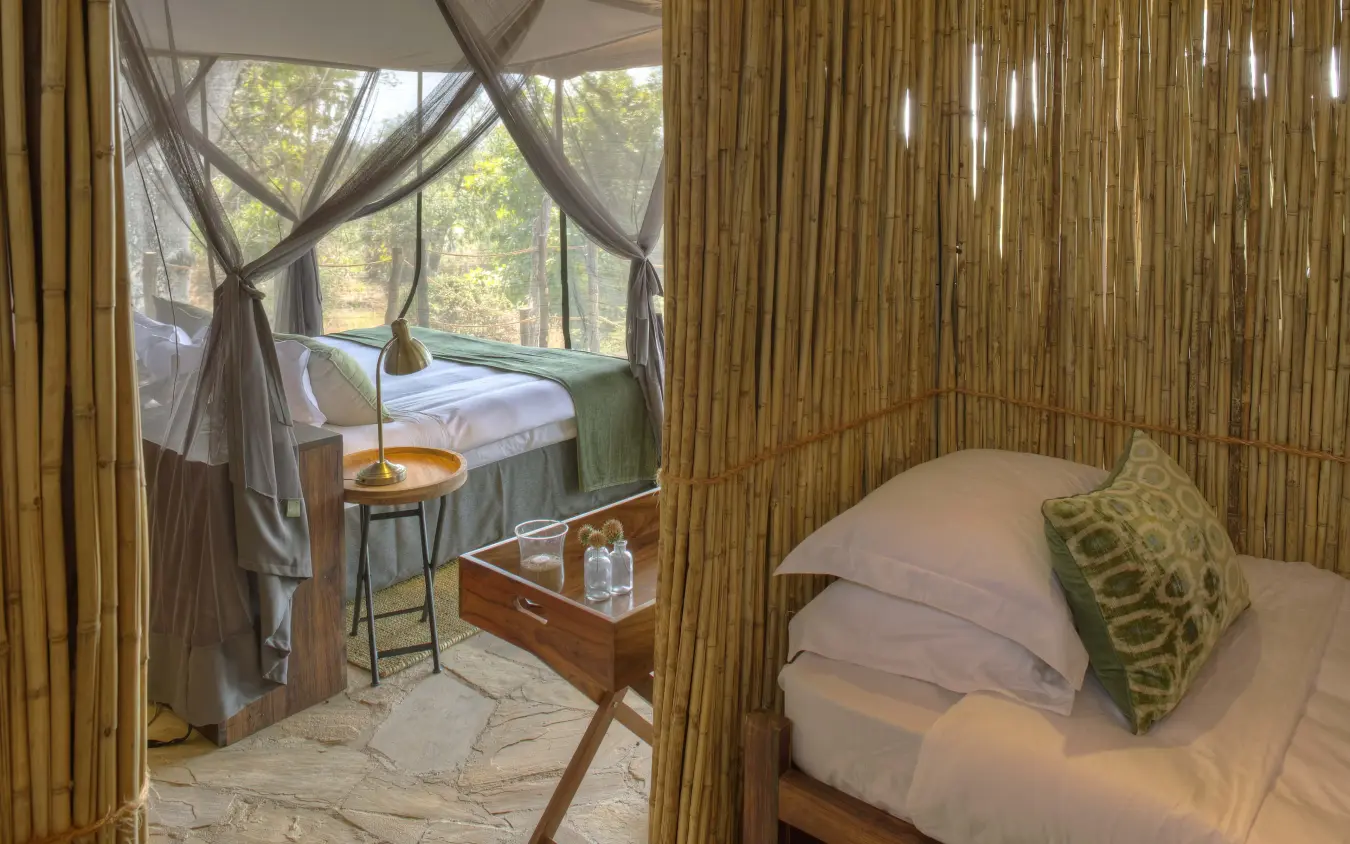
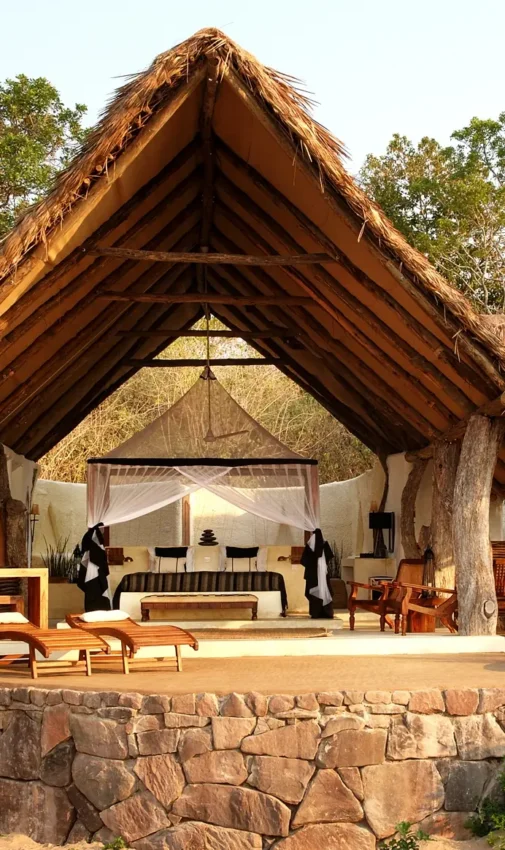
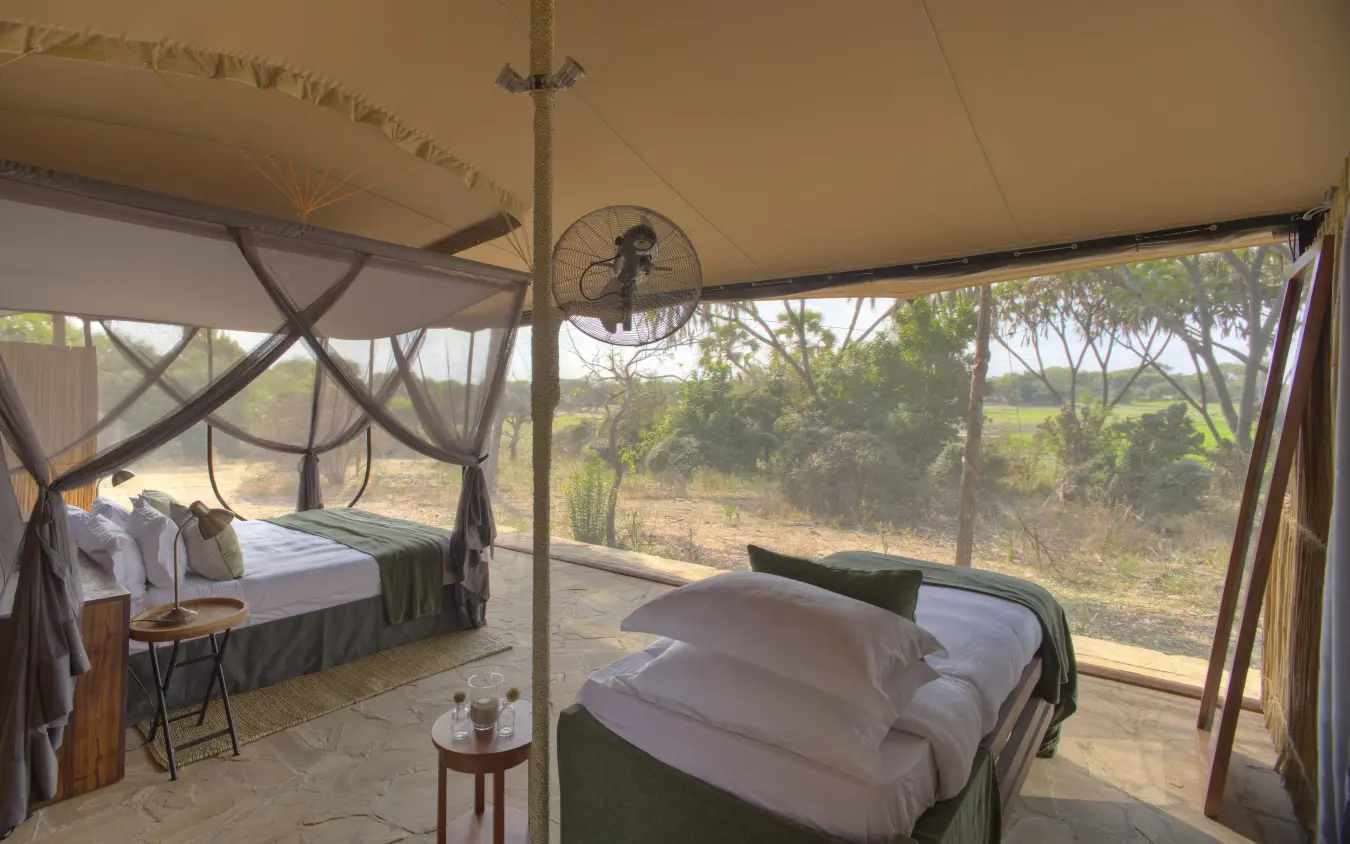
Luxury safari tent bedroom with large windows overlooking savanna, Roho ya Selous, Nyerere National Park, Tanzania
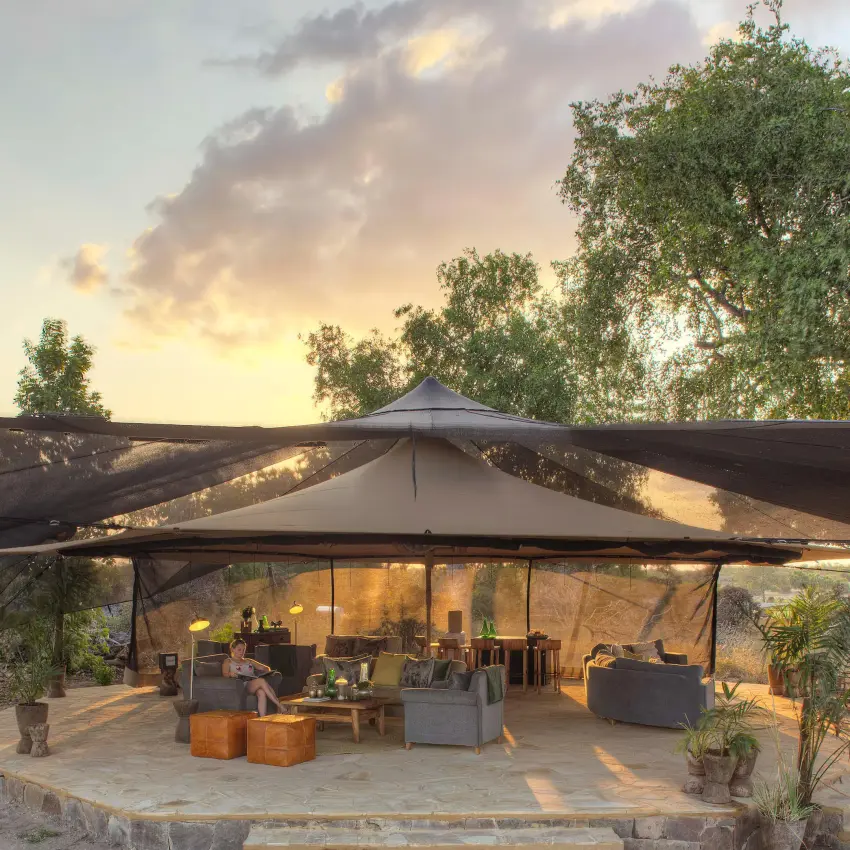
Open-sided canvas tent lounge at sunset with seating areas, Roho ya Selous, Nyerere National Park, Tanzania

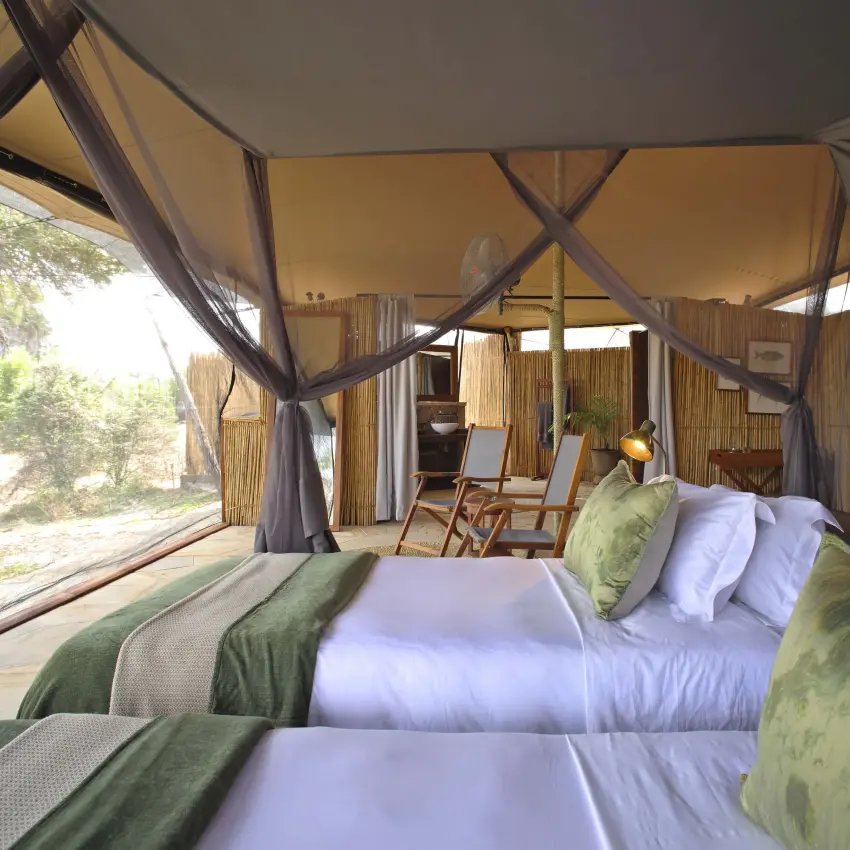
Eight tents, seven standard and one family, are spaced through the trees on raised stone platforms. Stretch-canvas walls and mesh windows open them to 180-degree views over the waterways, and the screened sides let guests watch wildlife moving through camp. Lions can be heard in the dark as animals move to and from the water. An Evening Breeze unit over each bed quietly cools the hotter months.

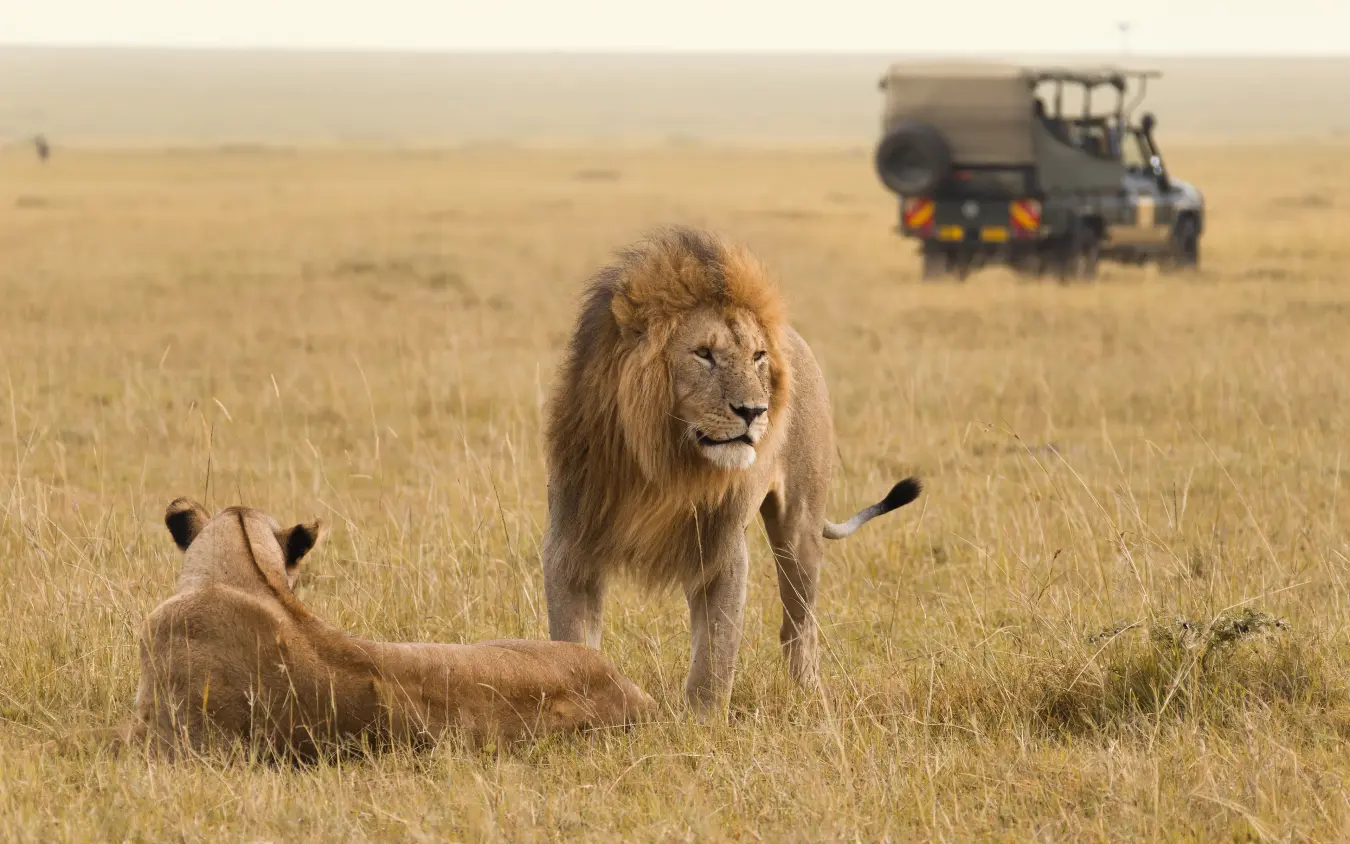
Lions can be heard in the dark as animals move to and from the water.

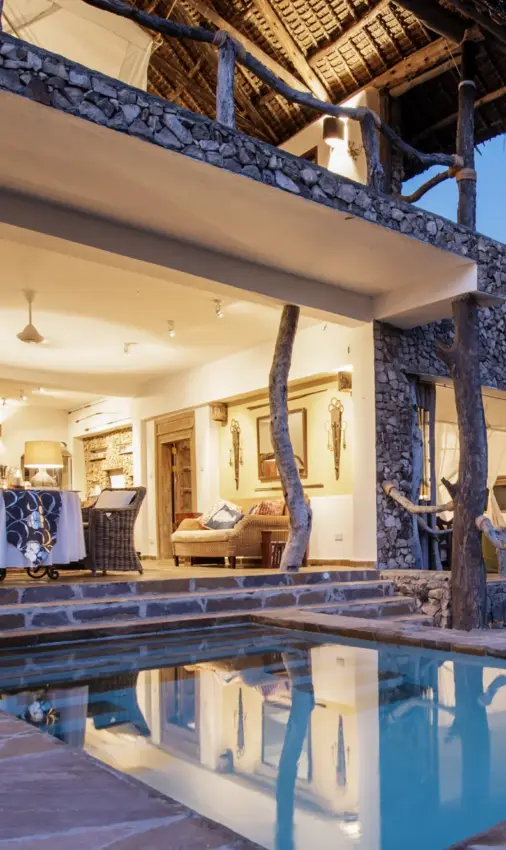
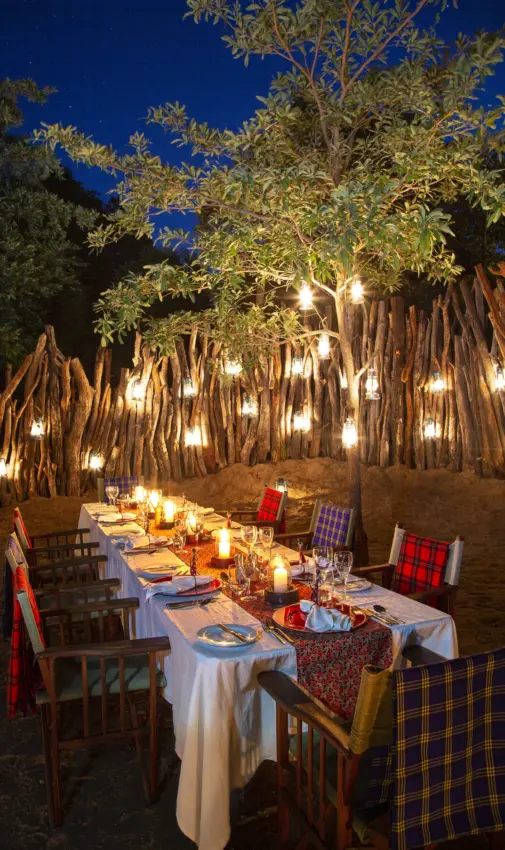
Inside, the style is light and contemporary, the greens and blues taken from the landscape. Between outings the pace slows to almost nothing, to the small kidney-shaped pool or the shade of a veranda. The open-sided lounge and dining area is floored in slate and turned towards the lake, and dinner is three courses by candlelight, followed by the campfire.

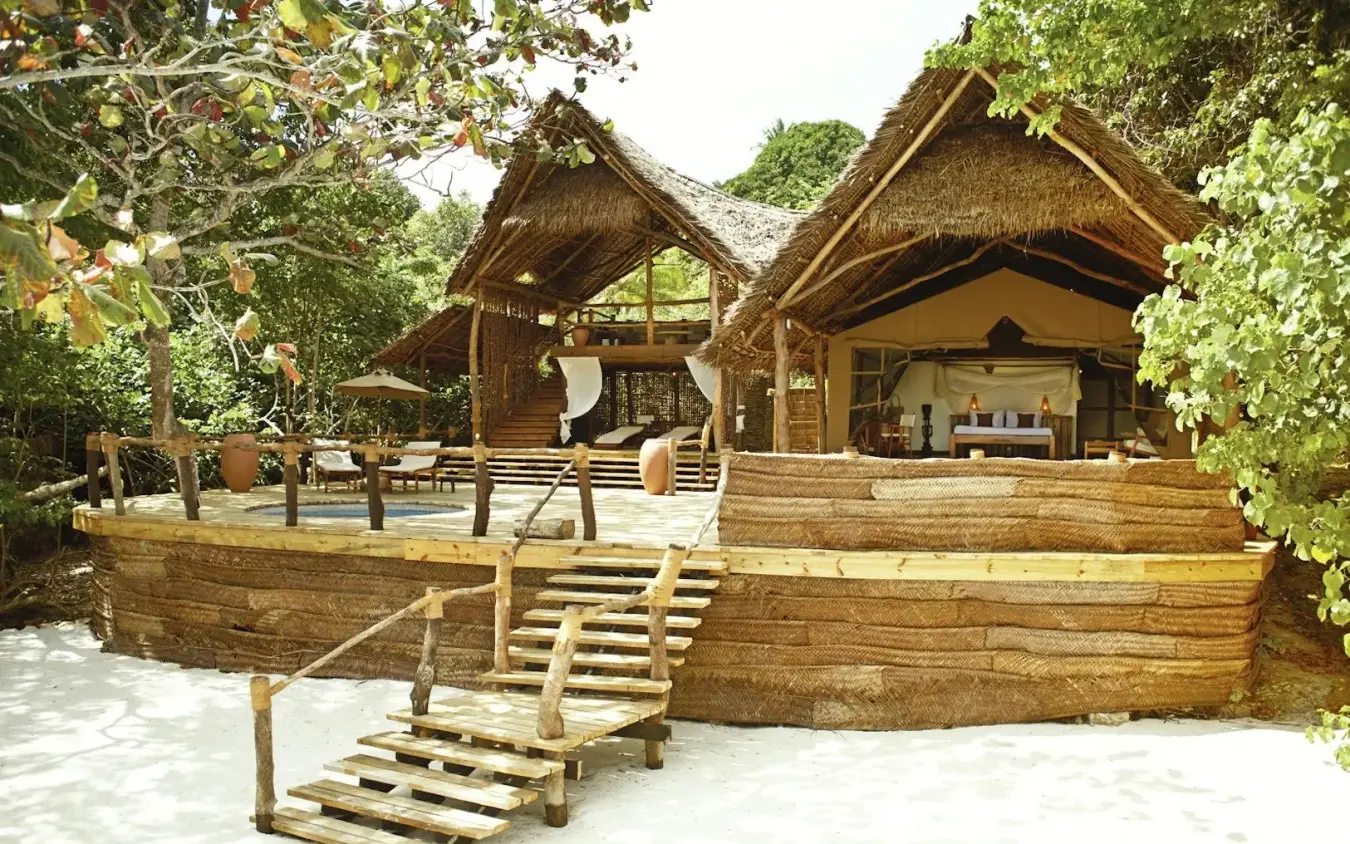
Canvas safari tent with dark awning at dusk, lit interior, Roho ya Selous, Nyerere National Park, Tanzania 01

accommodation

Seven Standard Tents and One Family

Eight stretch-canvas tents, seven standard and one family, stand on raised stone platforms among the trees. Wide mesh windows look onto the lake and slate floors keep the rooms cool. Each has a bedroom, an en-suite bathroom with indoor and outdoor showers, a lake-facing veranda and an Evening Breeze unit over the bed.

Boat with passengers on calm water at sunrise, Roho ya Selous, Nyerere National Park, Tanzania 02

activities

Lake Nzerakera Boat Safaris and Game Drives

Boat safaris cover Lake Nzerakera and the Rufiji channels; game drives go out morning and afternoon in open 4x4s. Guided walks in the park are led by a camp guide with a park scout. Catch-and-release fishing runs from camp on designated water. Birdwatching runs throughout, with sundowners on the boat or in the bush.

Guide briefing guests under palm trees in bush setting, Roho ya Selous, Nyerere National Park, Tanzania 03

conservation

Twende Porini Mentorship and Guide Training

Twende Porini brings local children into camp for mentorship and conservation learning alongside guides and staff. A guest conservation charge supports wider community and conservation work, including guide training and educational scholarships. The camp runs on solar power with generator backup, on low-impact platforms.

ready to get started?

Get in touch and let’s start the conversation. An initial consultation helps us understand what you’re looking for, whether that’s specific experiences, luxury touches, or marking a special occasion, and from there we’ll guide you through what’s possible so you can decide if we’re the right fit.

Alternative accommodation in nyerere national park

Accommodation across Nyerere runs to small, low-density camps spread across a vast wilderness. Semi-permanent luxury tents front the Rufiji, classic bush camps sit back in the woodland, and permanent lodges open onto river views. Most offer boat access to the channels and lakes, and all stay intimate and small in scale.

frequently asked questions

Fly into Dar es Salaam, then take a light aircraft about forty-five minutes south into the park. For most of the season, June to November, you land at Siwandu airstrip and drive thirty minutes to camp; in the December to March weeks the flights use Mtemere instead, with a longer transfer.

We line the connections up so it all happens in one day, and we can also arrange a private charter, typically a Cessna Caravan or Pilatus PC-12.

The light aircraft take soft bags only, around 15 to 20kg per person including hand luggage depending on the airline, which we confirm before you pack.

Yes. The camp sits at lake level, far below the 1,800 metre line the CDC and the UK's official travel health advice both use for malaria risk in Tanzania, so antimalarial tablets are recommended, along with covering up once the light fades. The tents are well screened and netted, but screens are the second line of defence, not the first.

We do not make medical recommendations. We are travel planners, not doctors. Which tablets are right for you, whether they suit your own health or anyone else's in the party, and what is appropriate for a child, is a conversation between you and your doctor or a travel clinic.

The practical side we can speak to is not medical: cover arms and legs from late afternoon and keep repellent to hand.

Yes, from the age of five. The family tent takes up to five people, with its own children's room, and there is no age restriction on the game drives or the boat safaris, which for most children are the highlight. The walking safaris are the one limit, held to guests sixteen and over under park rules.

The camp is unfenced and wildlife moves through it, so younger children need an adult close at all times. Tell us the ages when we plan and we will set the days up to fit them.

June to October is the prime window, when the dry weather draws game to the lakes and the boating, walking and drives all run at full stretch. The camp closes from mid-March to the end of May for the long rains, and the November to March weeks in between are green, quieter and excellent for birds.

Give it three nights if you can. The point of this camp is the mix, a boat at dawn, a walk the next morning, drives in the afternoons, and a two-night stay forces choices a third night removes.

Month by month: the best time to visit Nyerere National Park

Warm to hot the year round, this being low country, with dry heat and mild nights from June to October and heavier, greener humidity as the rains build from November. Real cold never features, though the dawn boat rides can feel fresh on the water.

Pack light neutral clothing, a fleece or light jacket for those early starts, a sun hat, sunscreen and closed shoes for the walks. Binoculars repay the space for the birdlife along the channels.

The camp does run wifi, and it is best treated as a means of checking messages rather than a working connection, in keeping with everywhere in Tanzania's remote south. Phone signal around the lakes is patchy and disappears entirely on activities.

If you need dependable contact for work or family, tell us before you book and we will confirm the current setup rather than leave it to chance.

Safari that stays at roho ya selous

An example safari that includes a stay here. It is a starting point: we work with you to customise the route, the pace and the places to match your interests.

rated five stars by our clients

other areas in tanzania

Ruaha National Park lies to the west, a rugged park of large lion prides, elephant herds and baobab-studded woodland, linked to Nyerere by a short flight and forming a natural southern pairing. Mikumi National Park makes an easy savannah stopover between the coast and the southern highlands, while the forests and waterfalls of Udzungwa Mountains National Park offer endemic primates and hiking for travellers wanting contrast with the floodplain. Zanzibar's beaches and Stone Town round off a trip, a short flight from Nyerere's airstrips.

African wild dog standing alert in grassland 01

Ruaha National Park

Chimpanzee holding branch while foraging in forest, Mahale Mountains, Tanzania 02

Mahale Mountains

Guests relax in chairs by river with child wading, Lake Manyara, Tanzania 03

Lake Manyara

Elephant walking alone across golden savanna grassland 04

Ngorongoro Crater

Silhouetted herd of wildebeest in dusty savanna landscape 05

Serengeti National Park

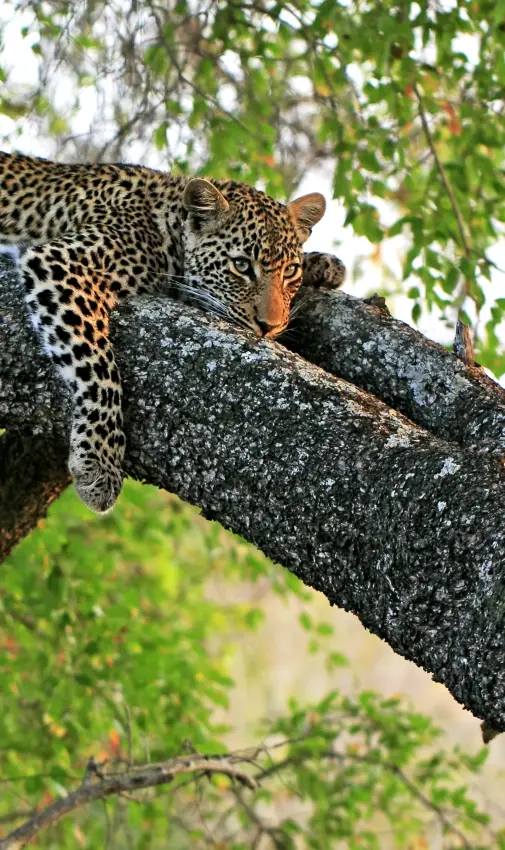
Leopard resting on tree branch surrounded by green foliage 06

Tarangire National Park

Hippopotamuses in water with heads above surface 07

Katavi National Park

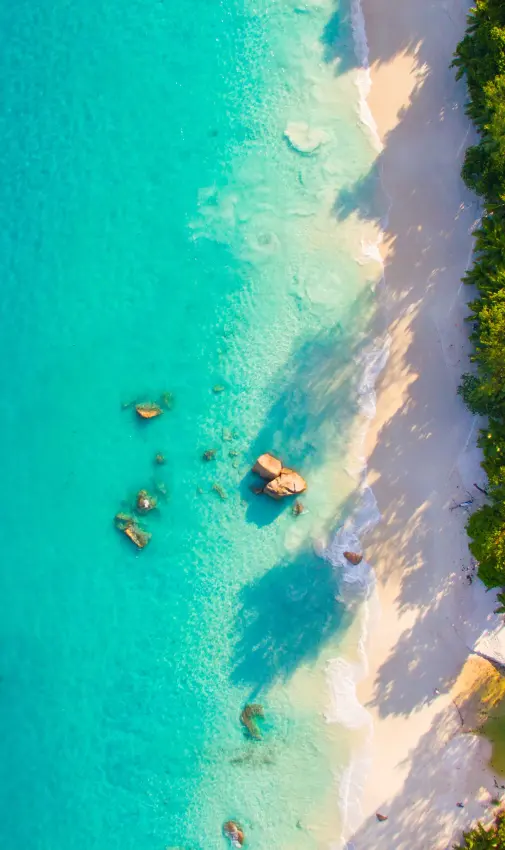
Turquoise water beach with boats and tropical vegetation 08

Zanzibar & Pemba

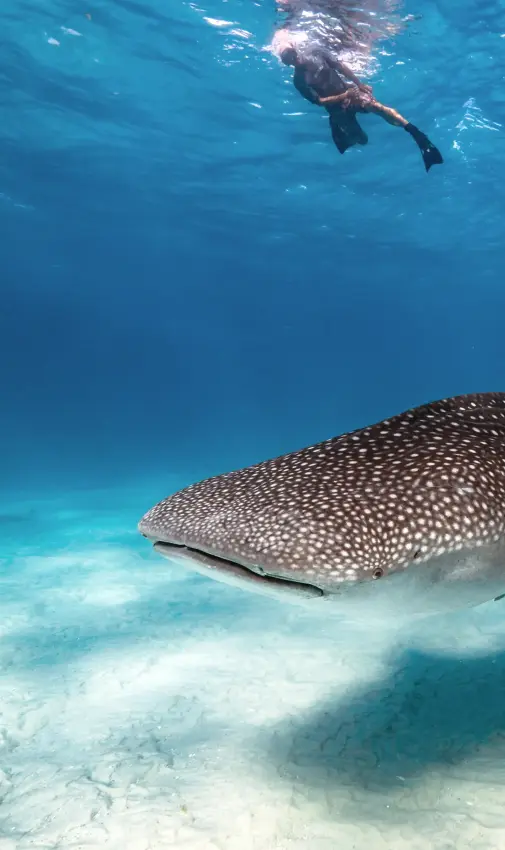
Snorkeler swimming alongside whale shark in shallow turquoise water, Mafia Archipelago, Tanzania 09

Mafia Archipelago

Chimpanzee among vegetation looking toward camera, Rubondo Island, Tanzania 10

Rubondo Island

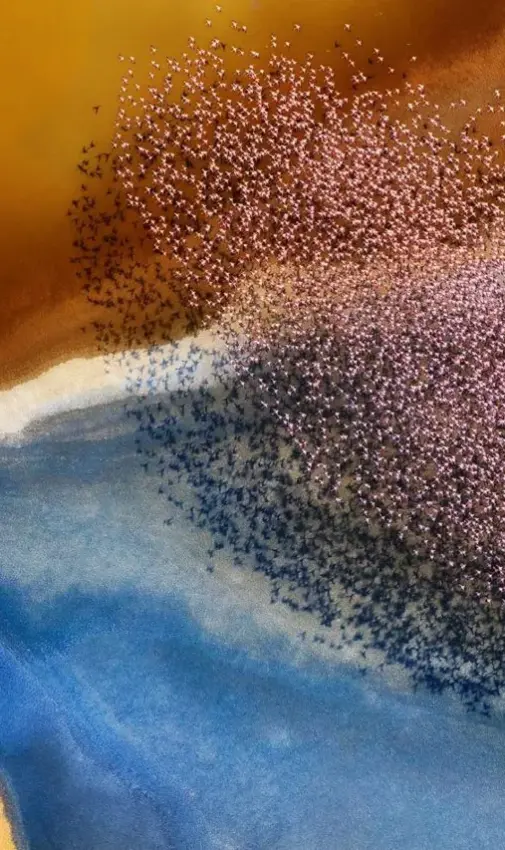
Aerial view of colorful salt lakes and mineral deposits 11

Lake Natron

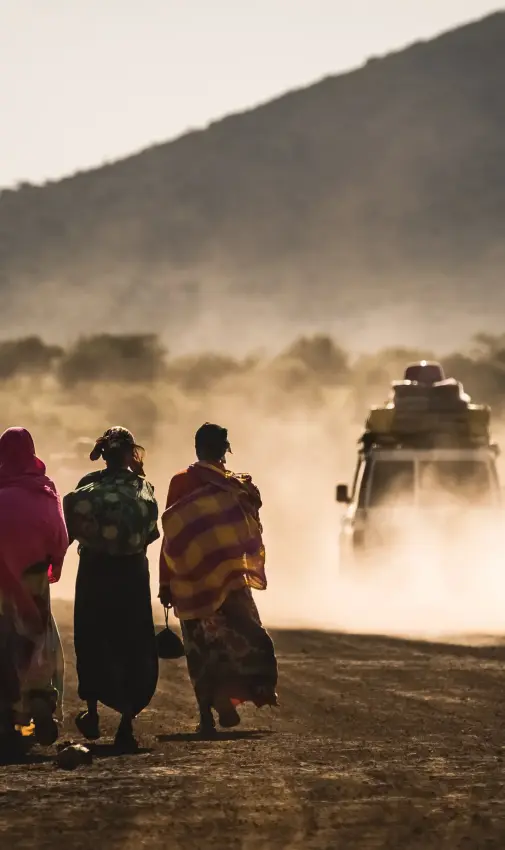
Local people walking on dusty road with vehicle approaching 12

Arusha

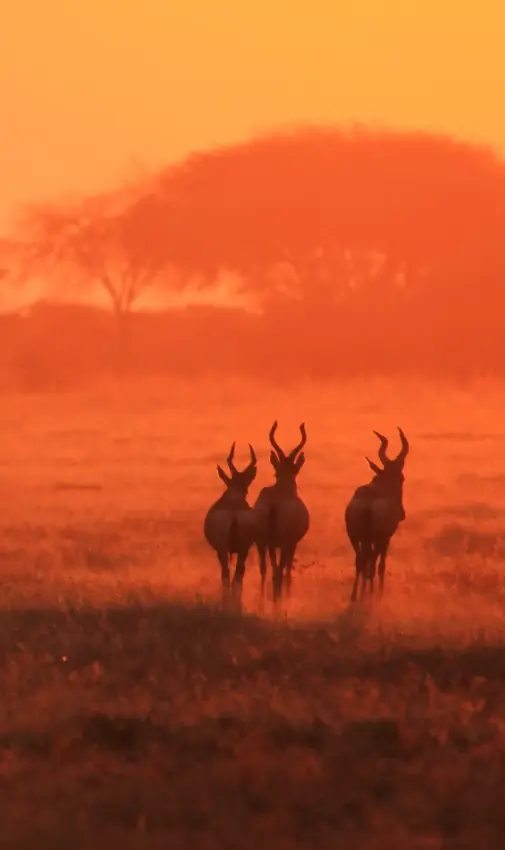
Herd of antelope silhouetted against orange sunrise 13

Ugalla River National Park

West Kilimanjaro, Tanzania 14

West Kilimanjaro

Planning a journey together

our approach

remote, exclusive
& personal

Every journey starts with a conversation. We take the time to understand your vision before we start planning.

Whether by phone or in person, we work with you directly to shape something that is considered, personal, and expertly delivered.

get in touch
destinations ideas & inspiration our process about us contact us