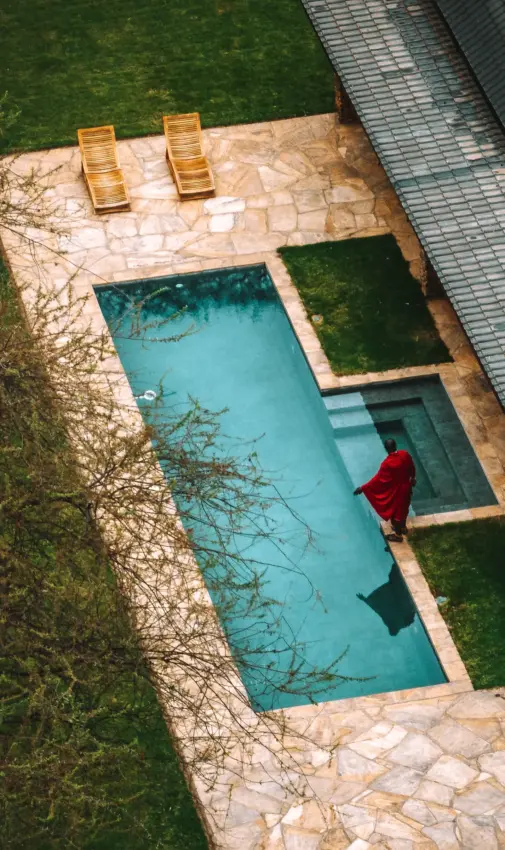
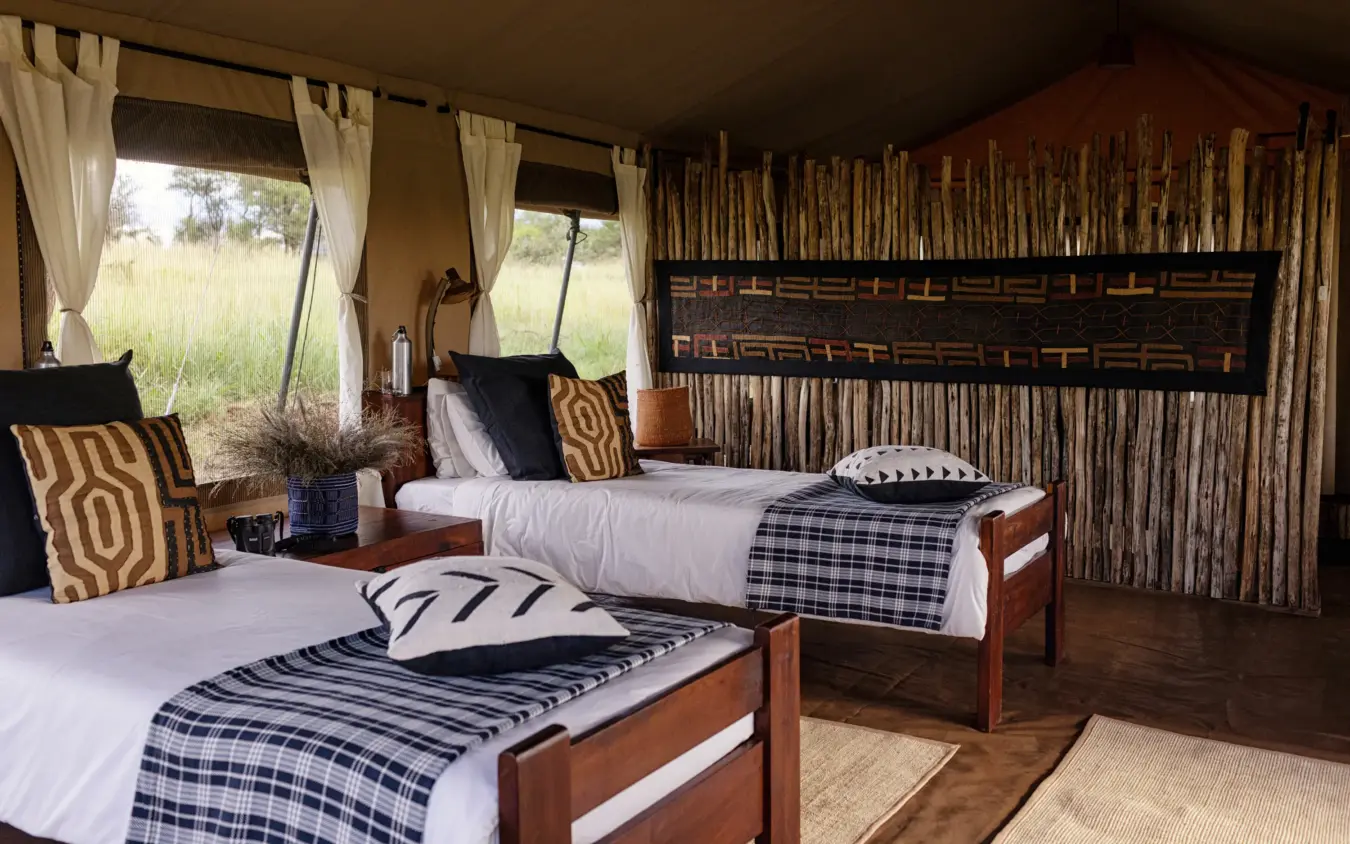
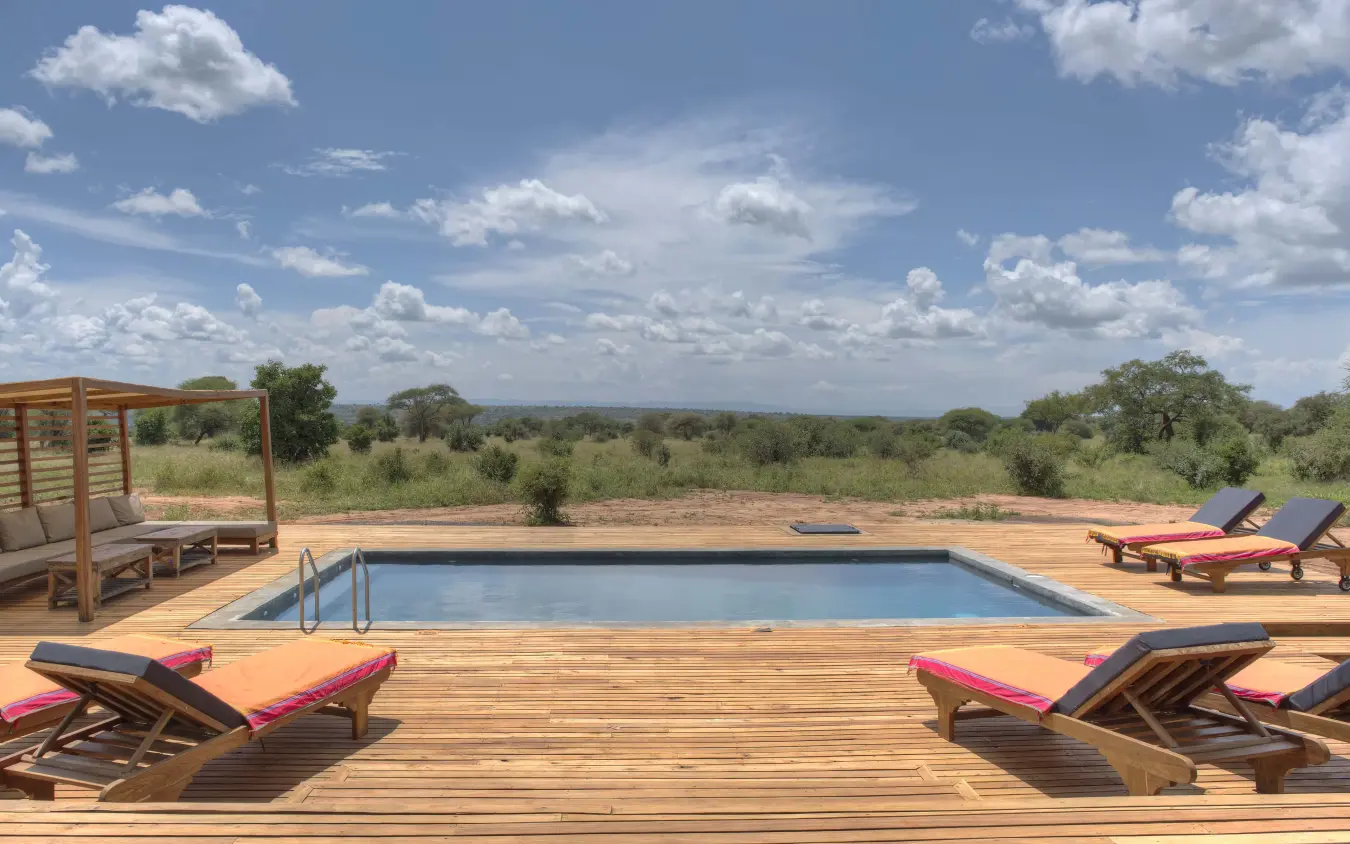
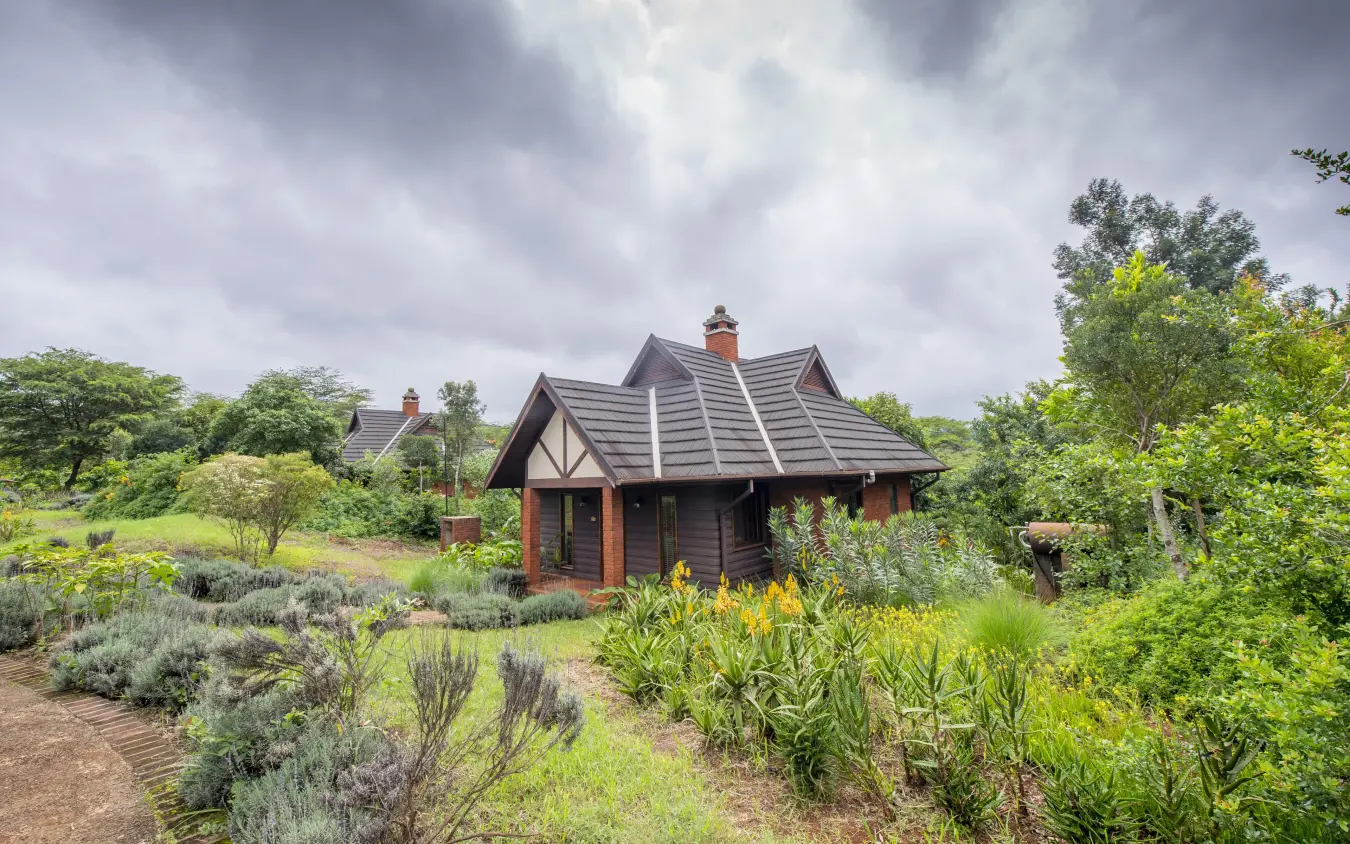
Kilimanjaro International Airport lies east along the Arusha to Moshi road, with the inn between it and town. Guests off an overnight flight can be under the trees within the hour of landing, with no need to drive on through town and out the far side of it. Departures run the same way in reverse. A slow last morning in the gardens gives way to a massage in the garden banda beside the pool, then a short and predictable drive to the terminal. Light aircraft heading out to the northern parks leave from Arusha’s domestic airport.
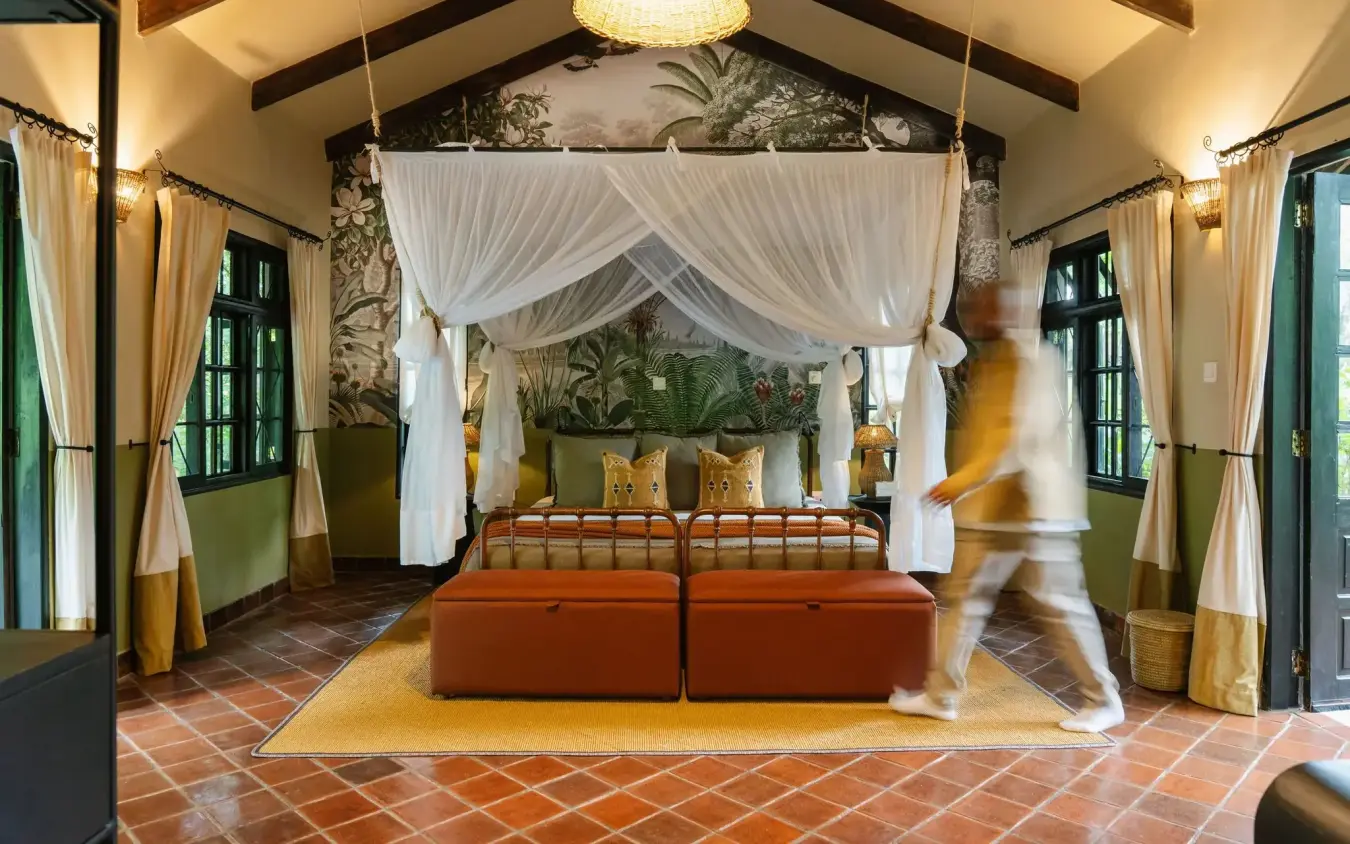
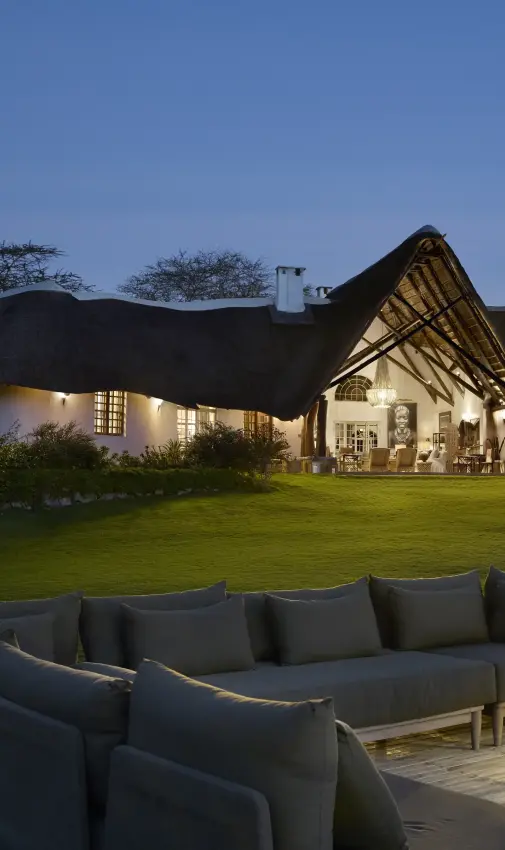
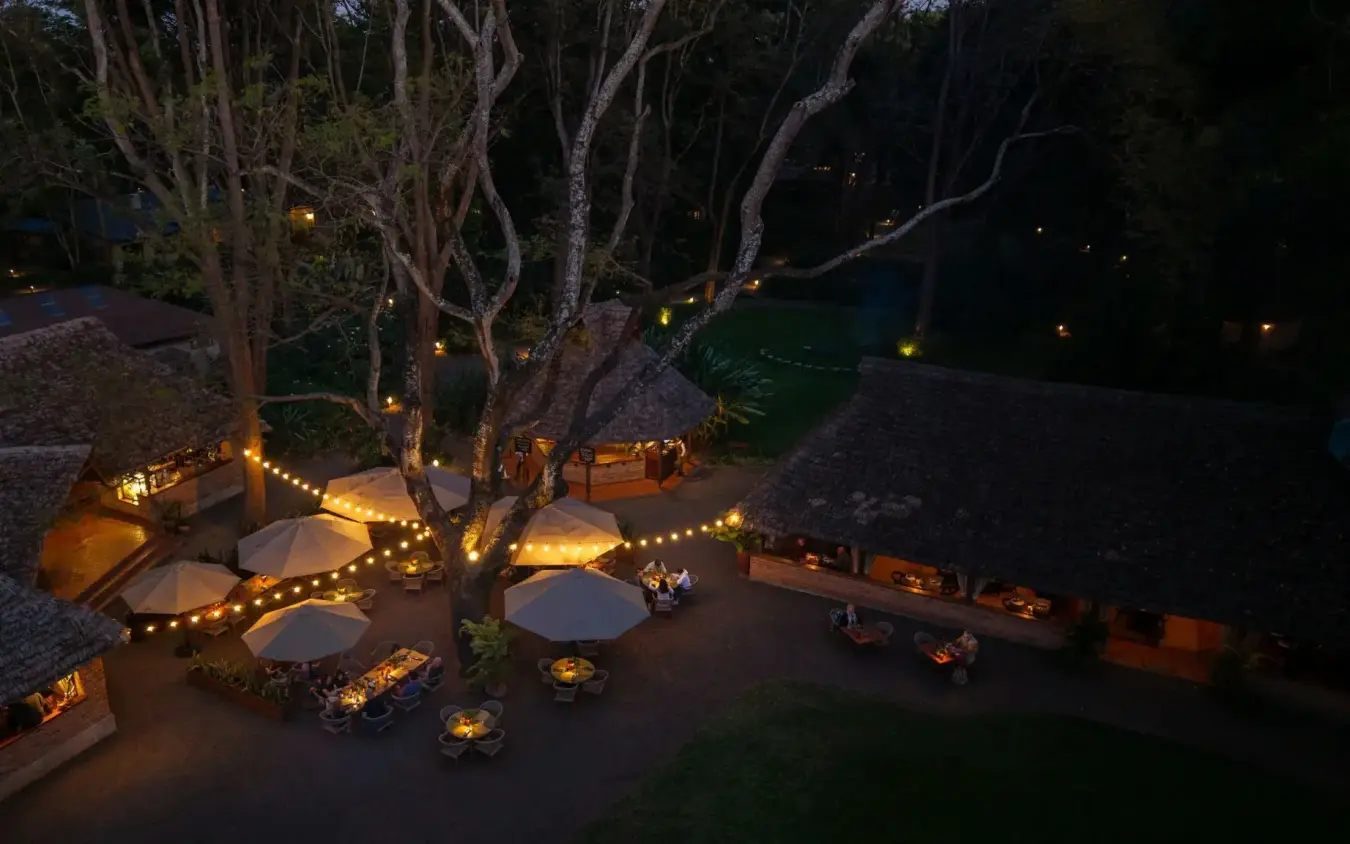
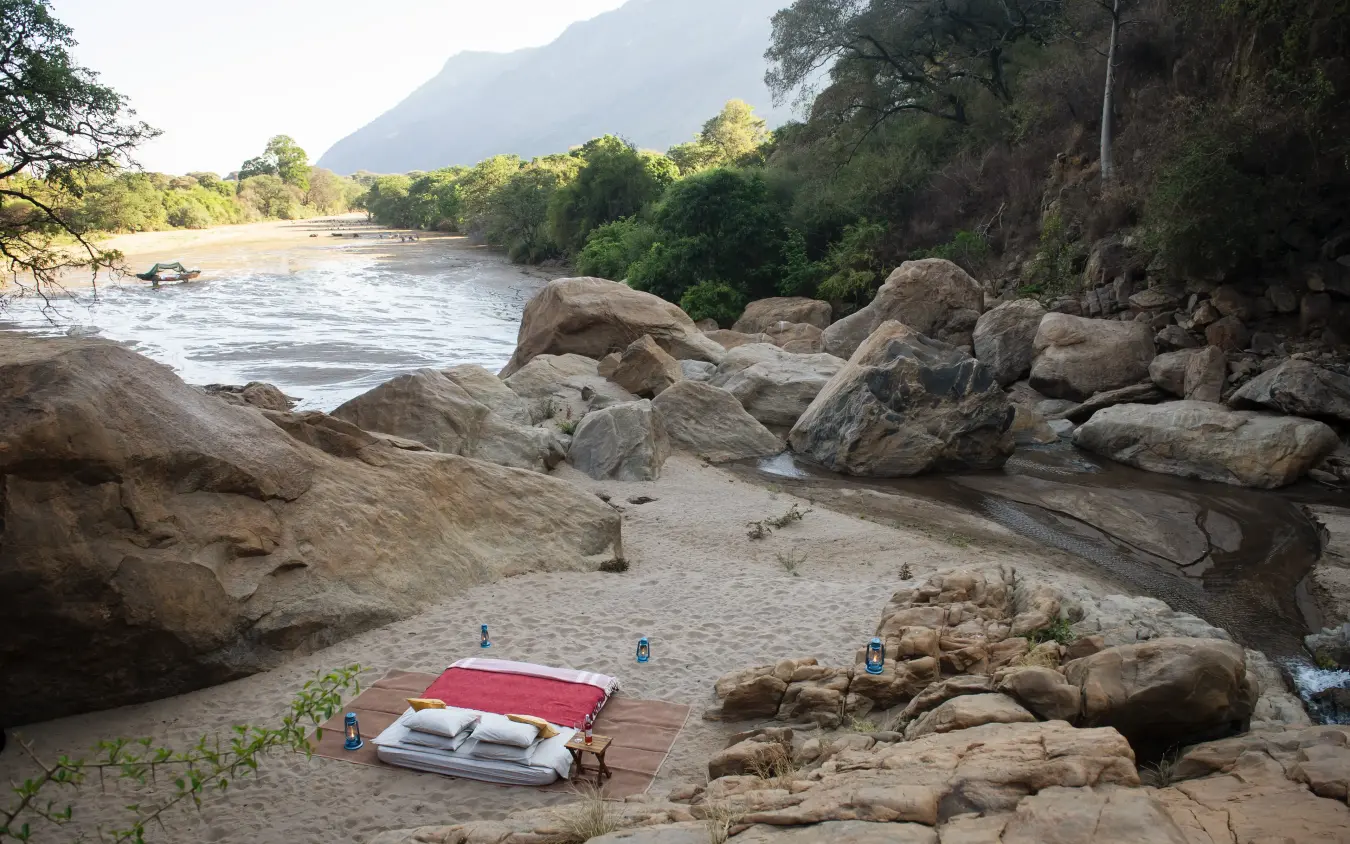
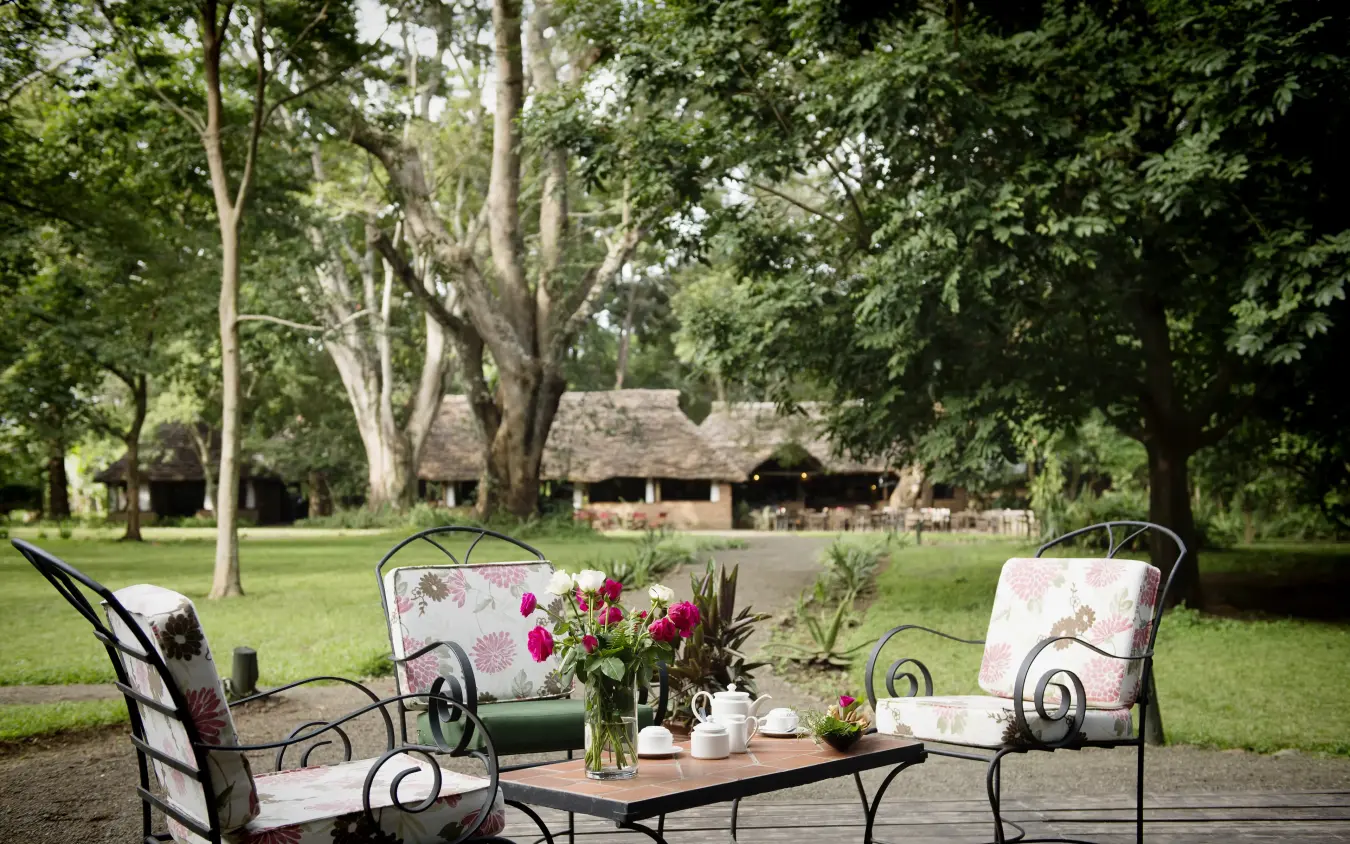
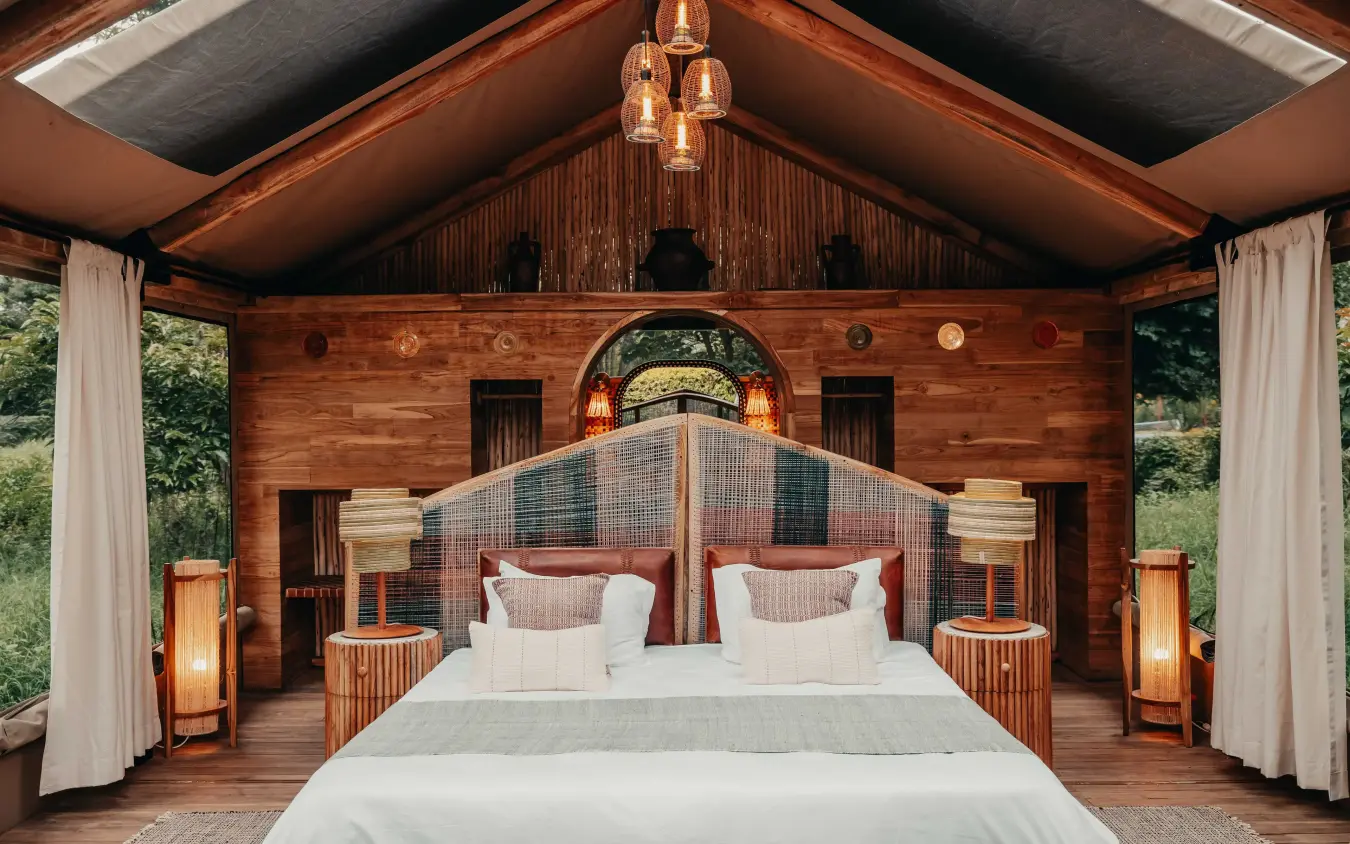
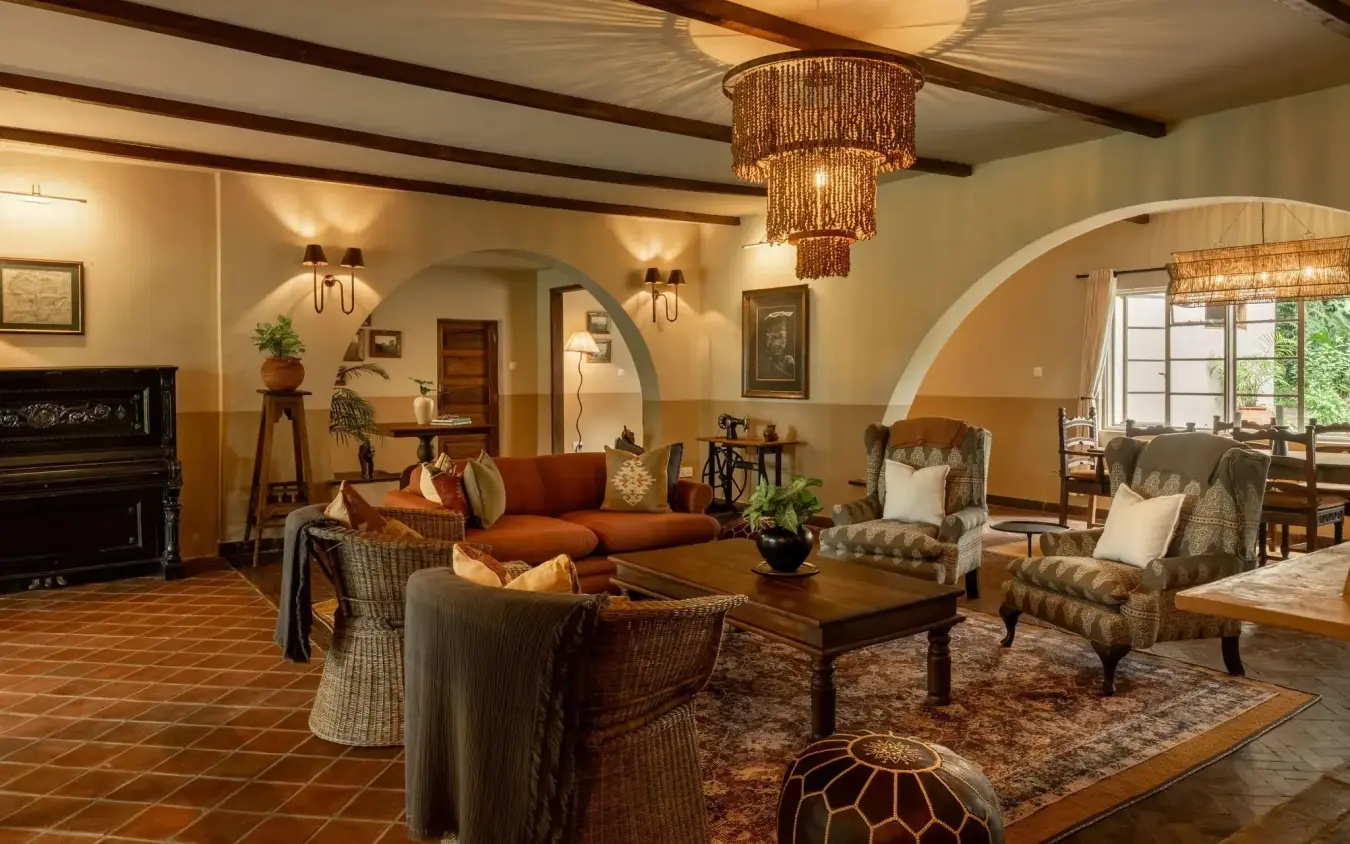
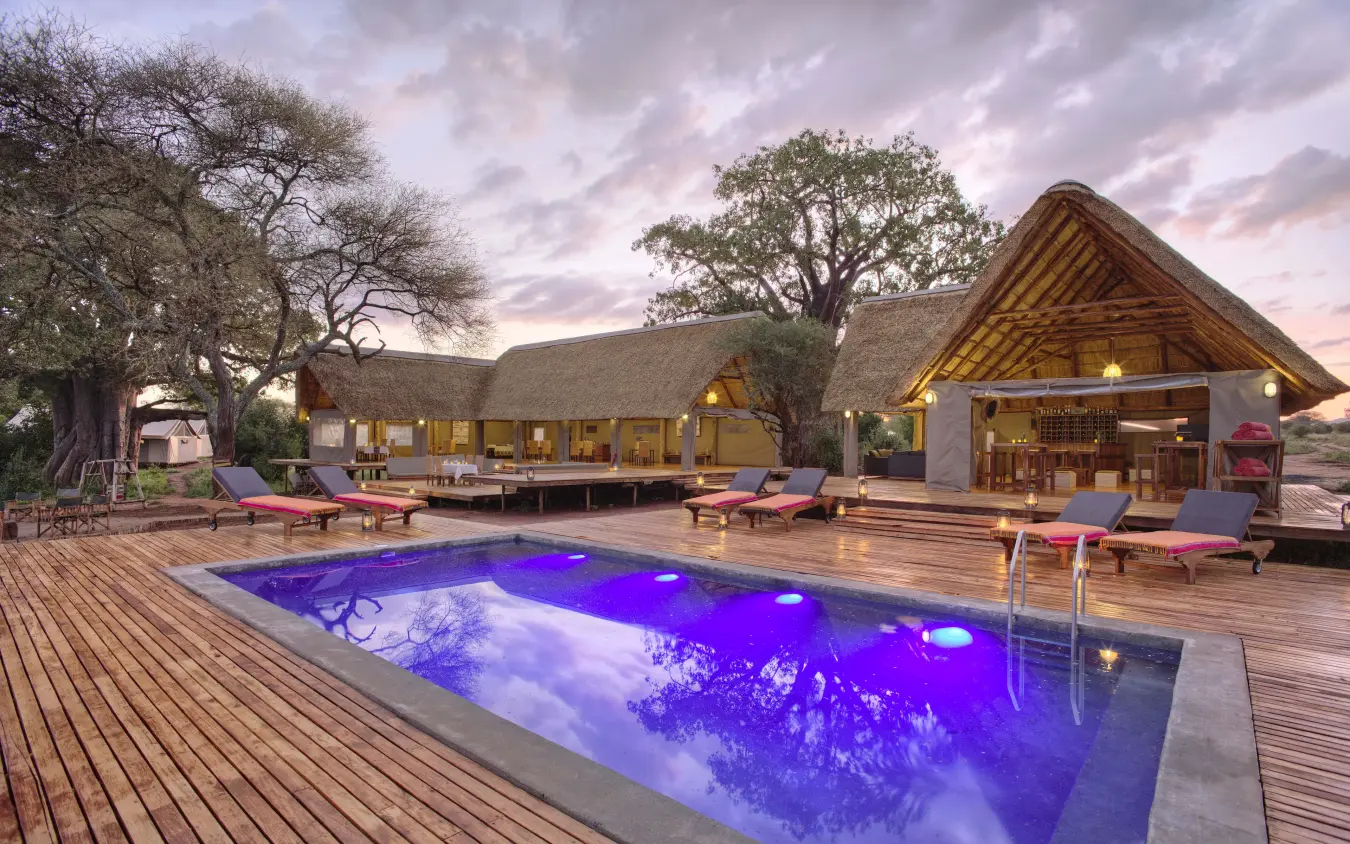
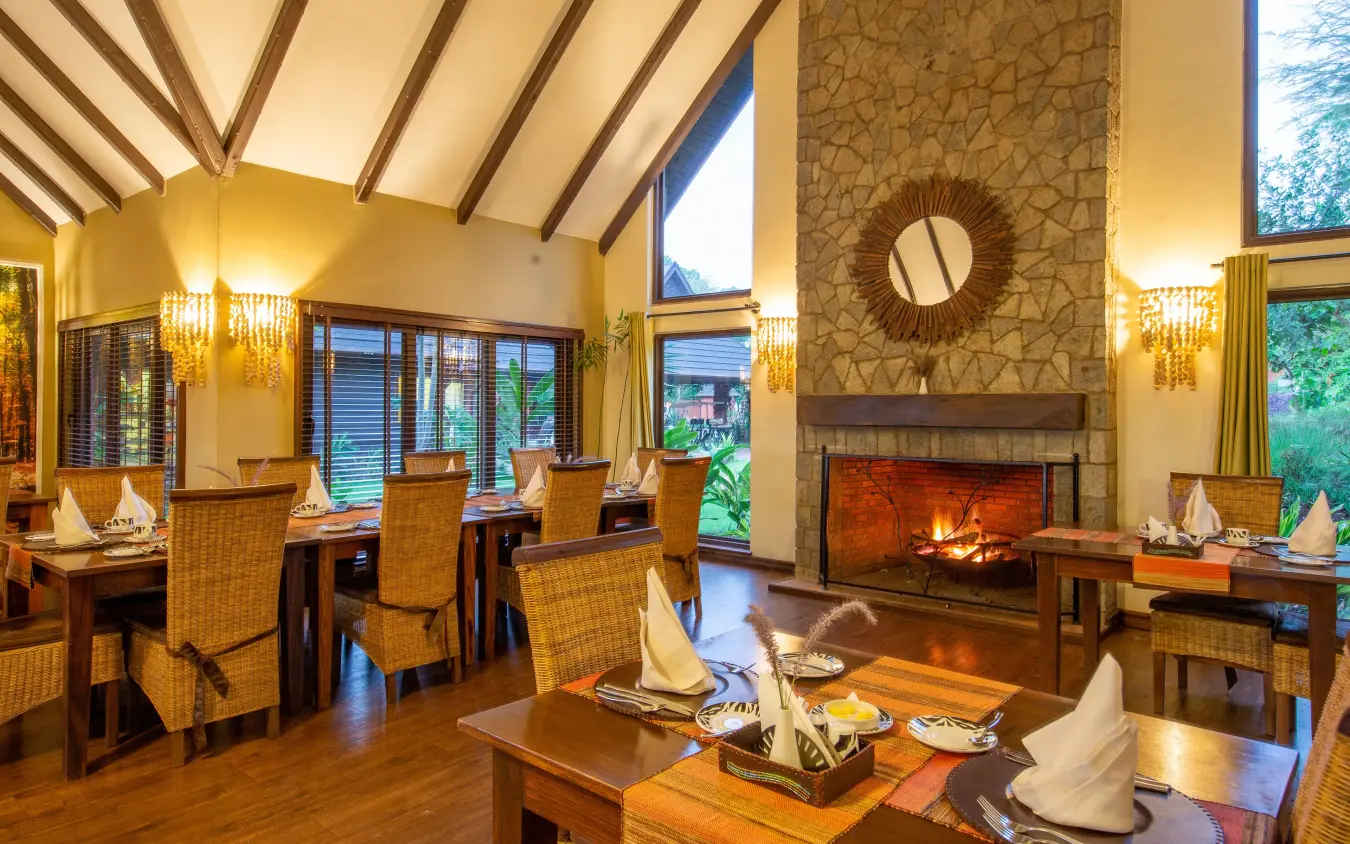
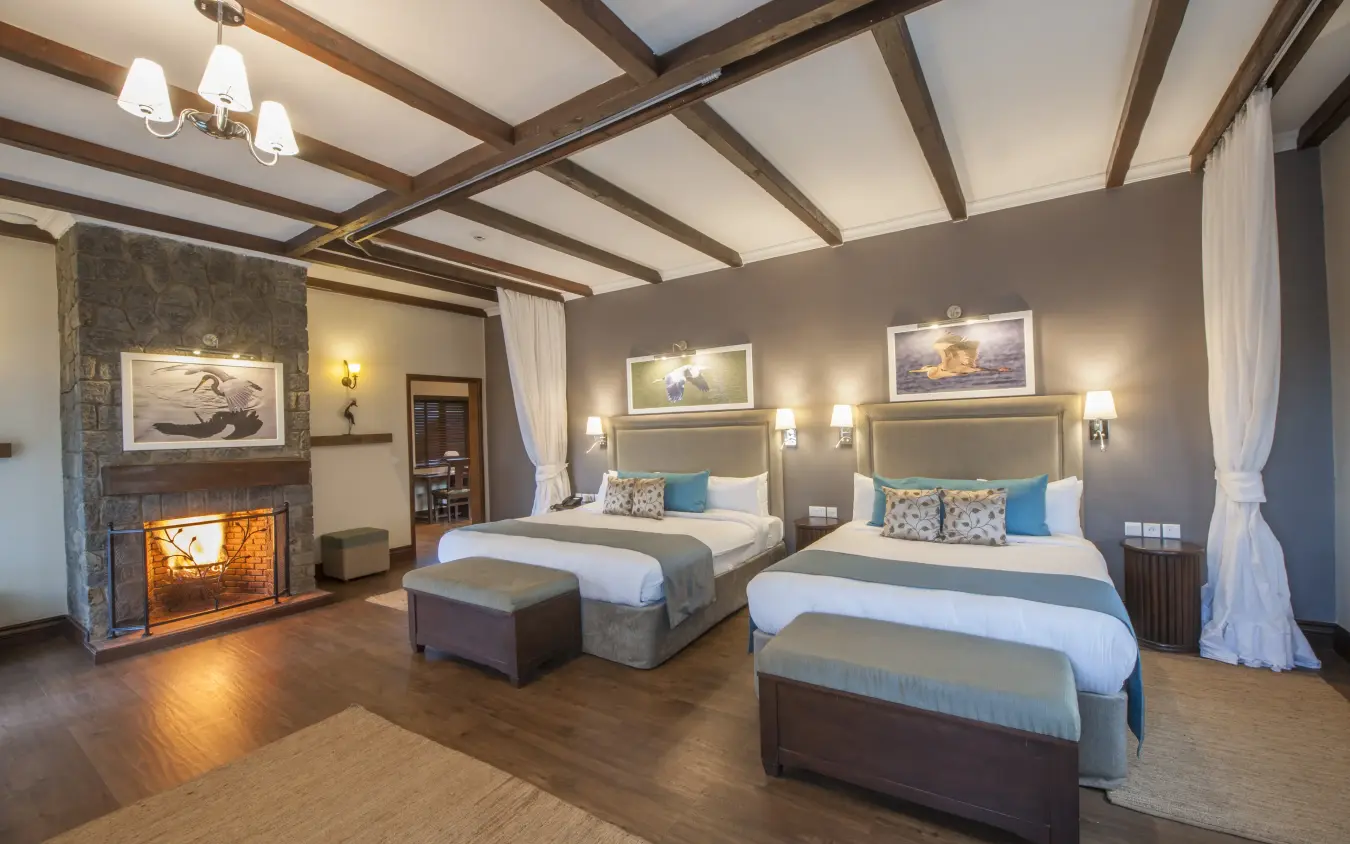
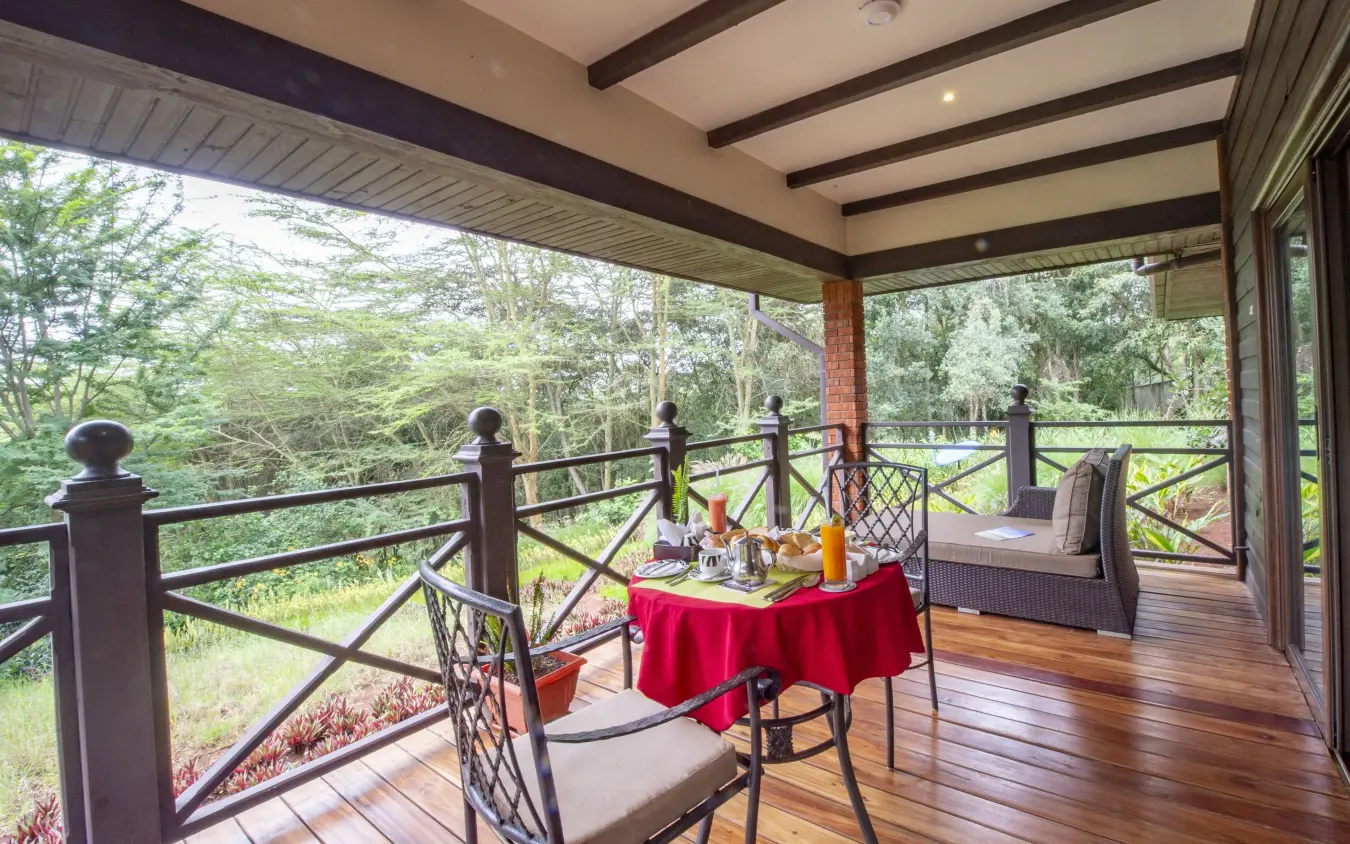
The kitchen bakes its bread and rolls each morning and makes its own jams, and meals lean on what the gardens produce. Lunch might be on the paved terrace under the big trees. Dinner is in the main dining room beneath its timber trusses, or at a single table laid on the riverbank. The wood-fired pizza oven has a following of its own, drawing people in from the surrounding farms as well as guests staying the night. In the old farmhouse, family antiques and portraits fill the rooms, and log fires are laid in the sitting room on cool evenings.
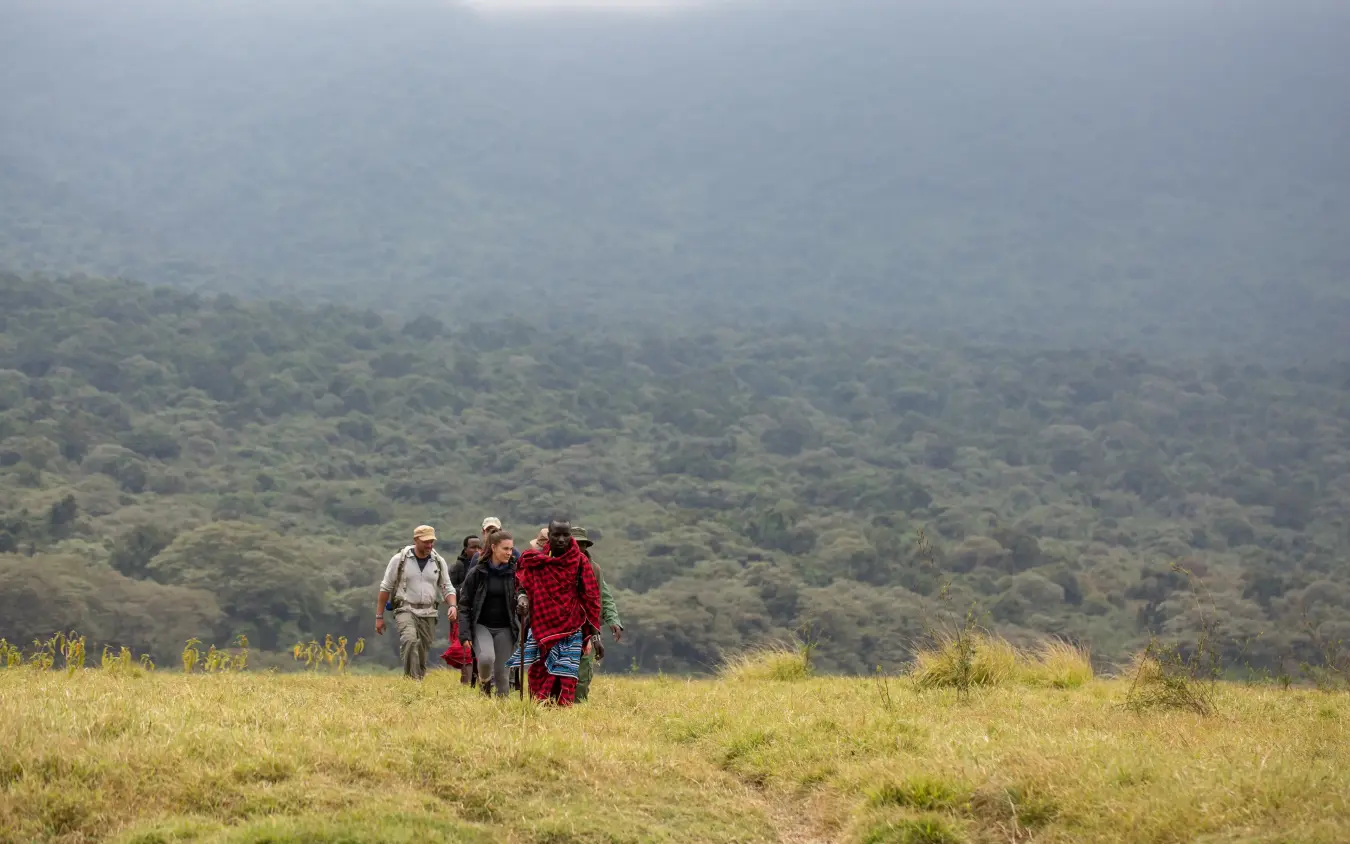
Game drives run there, and so do walks, always in the company of an armed park ranger
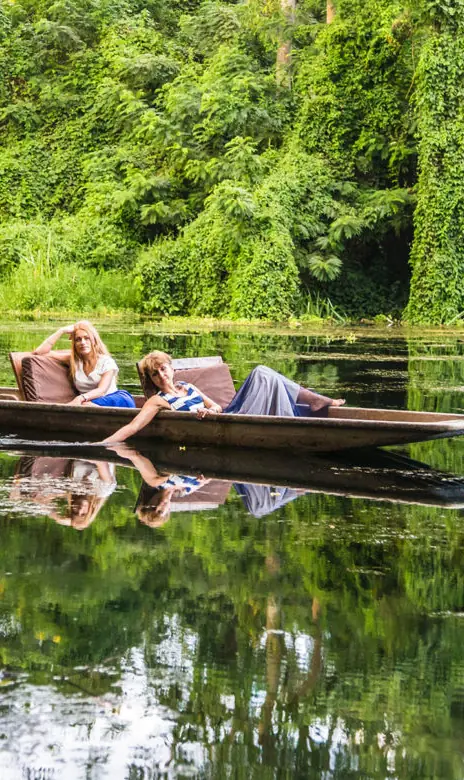
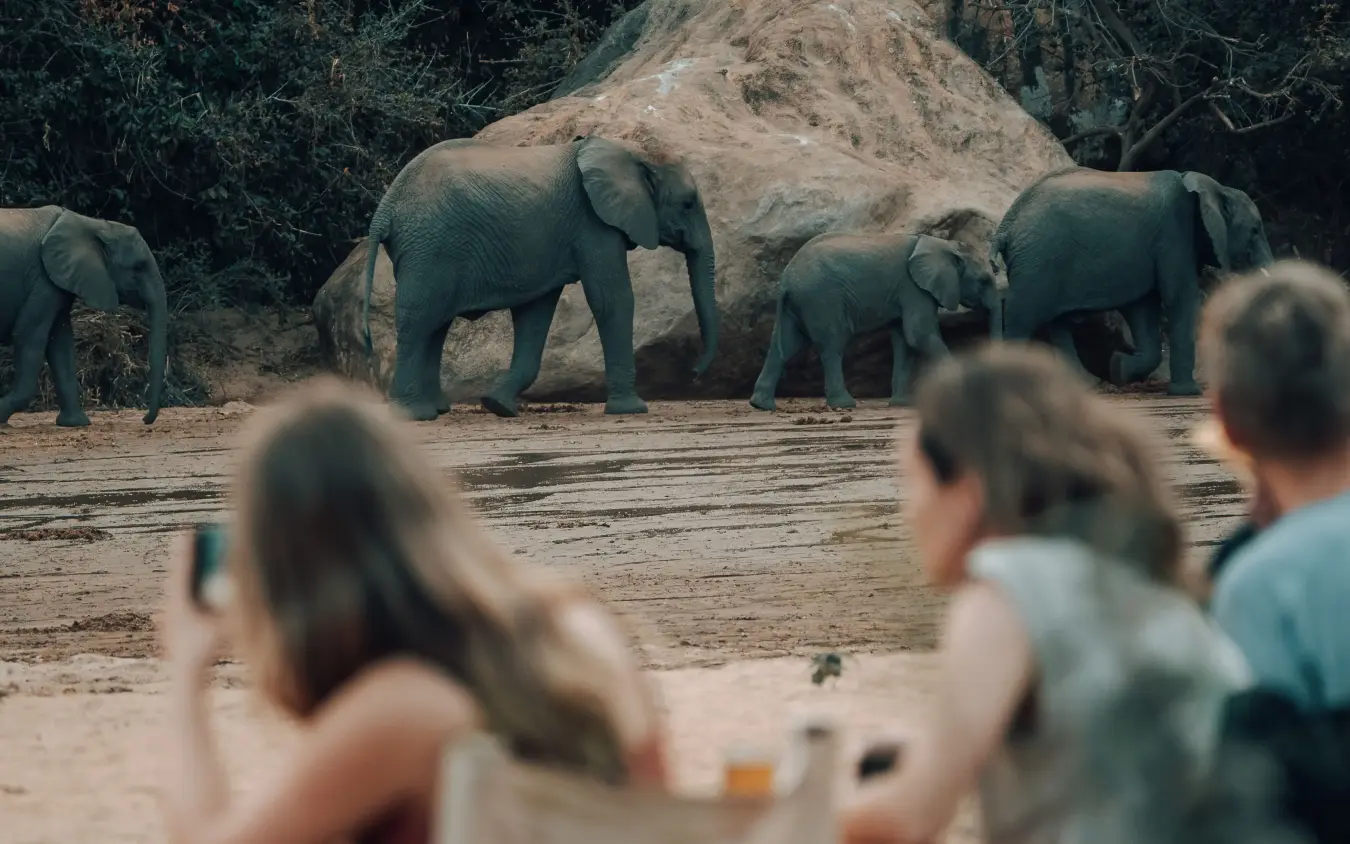
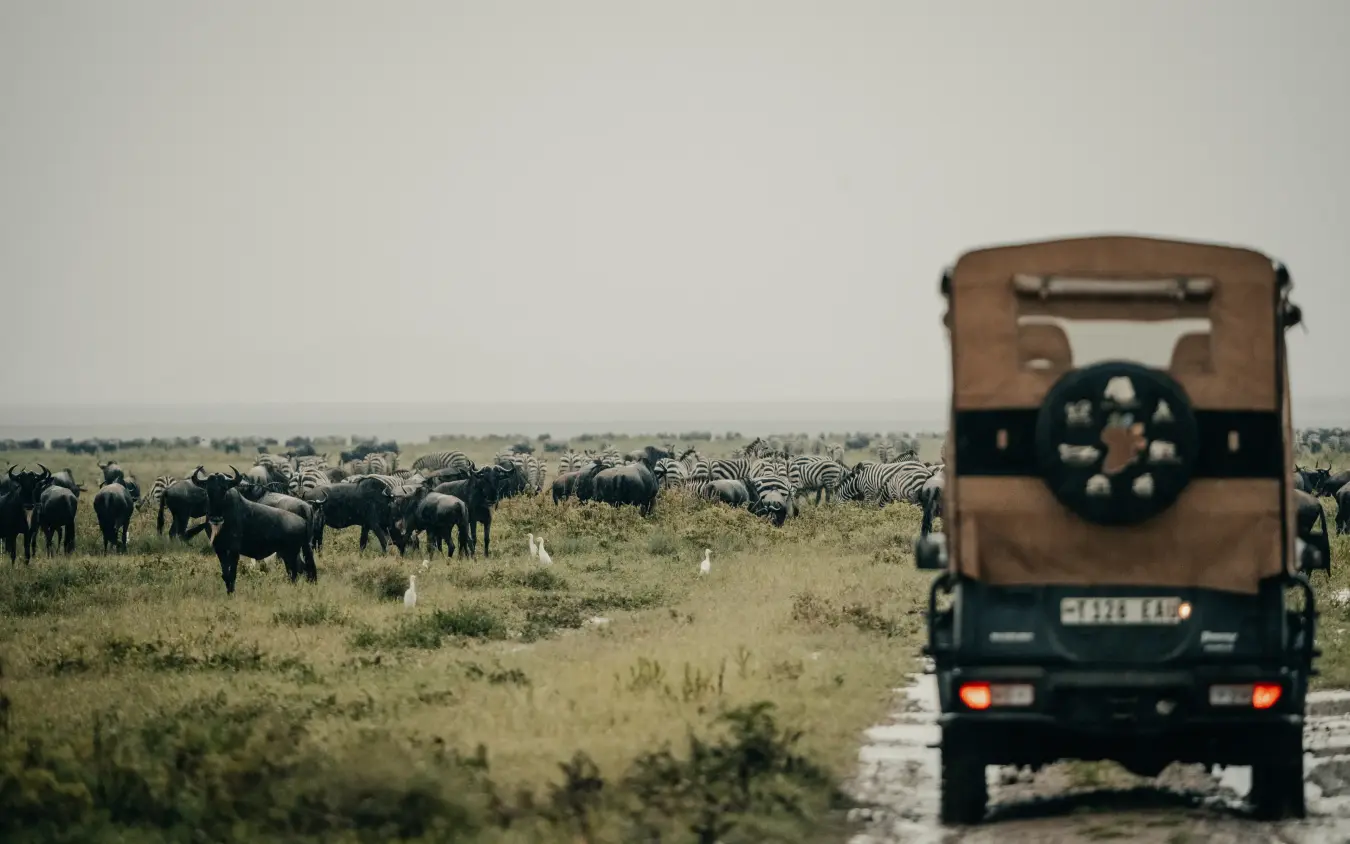
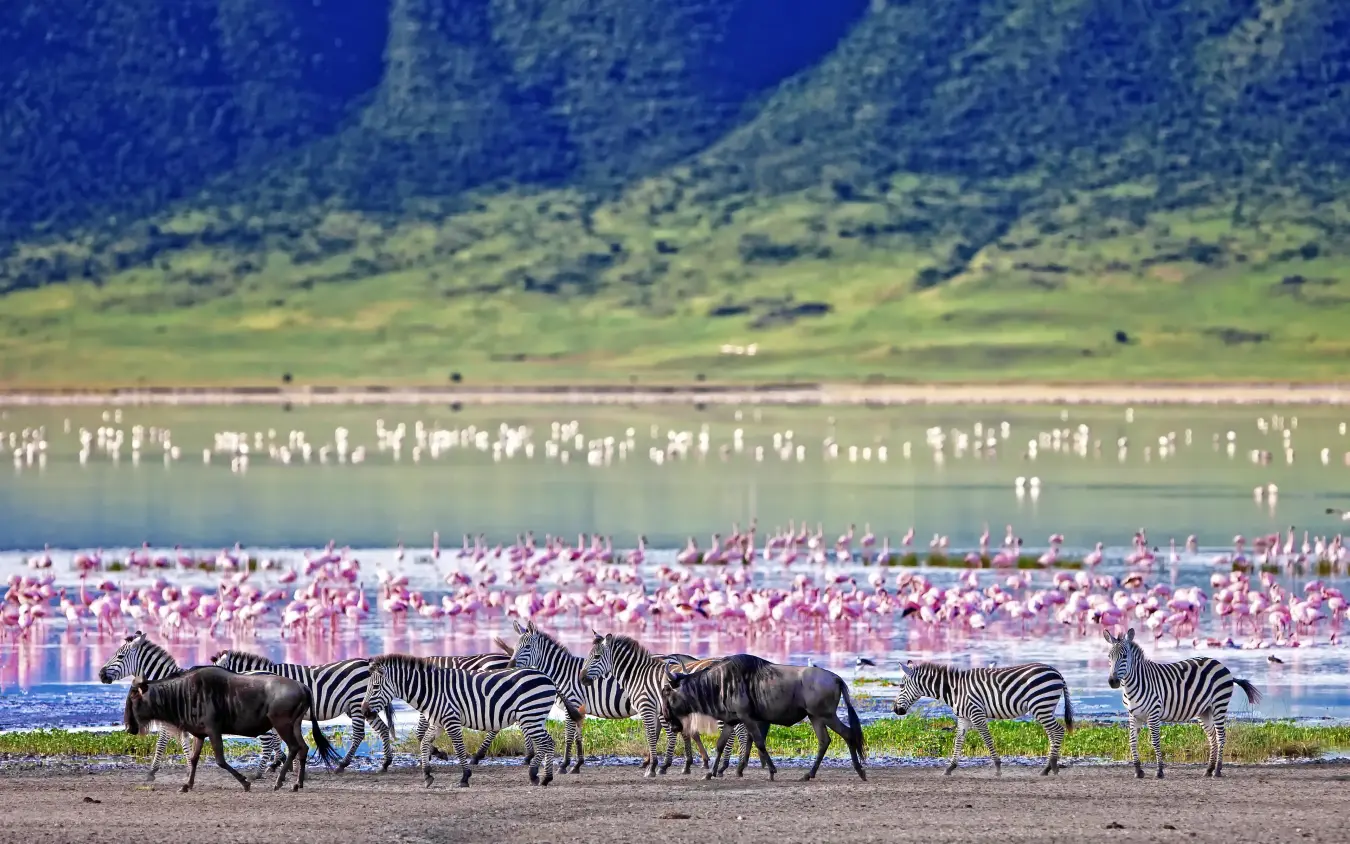
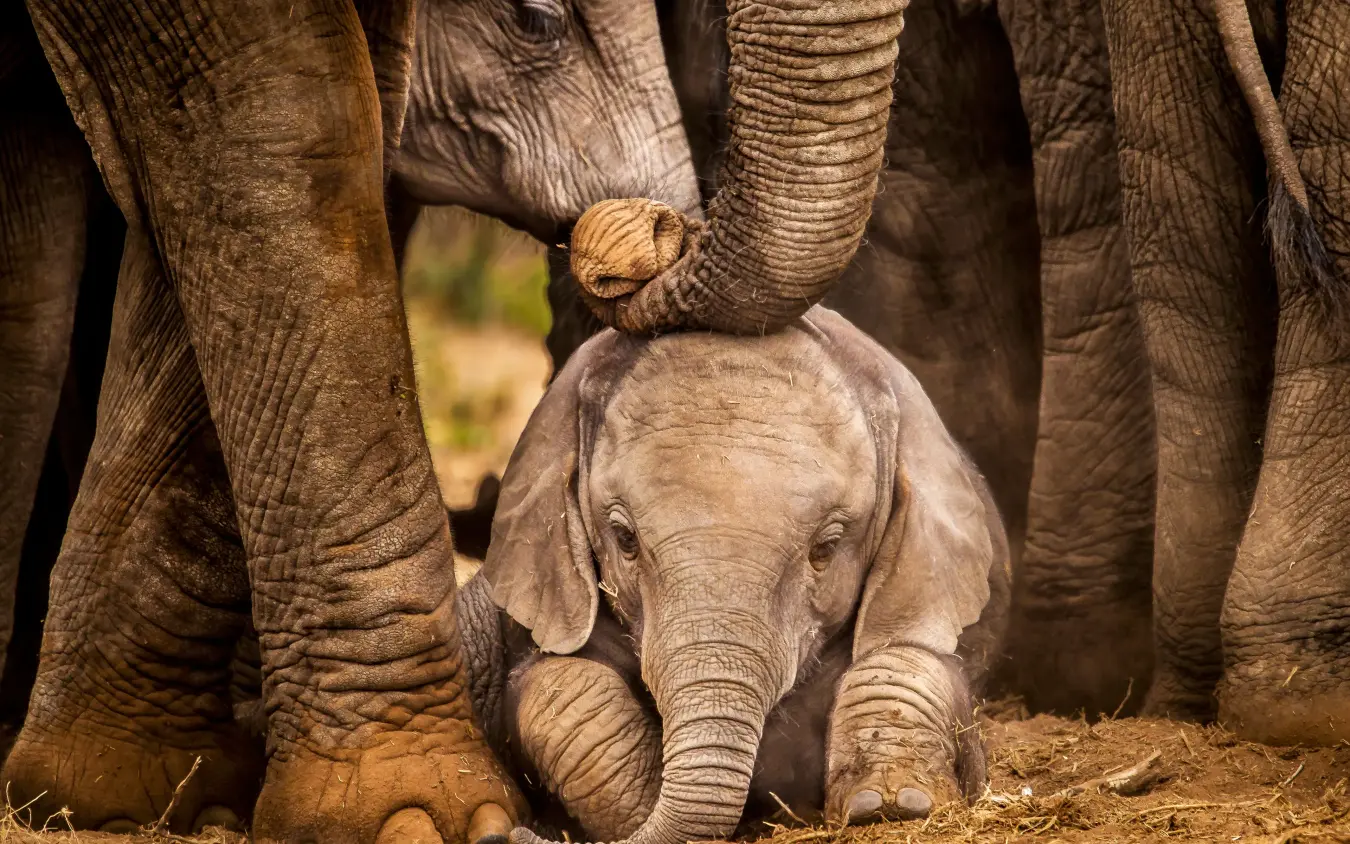
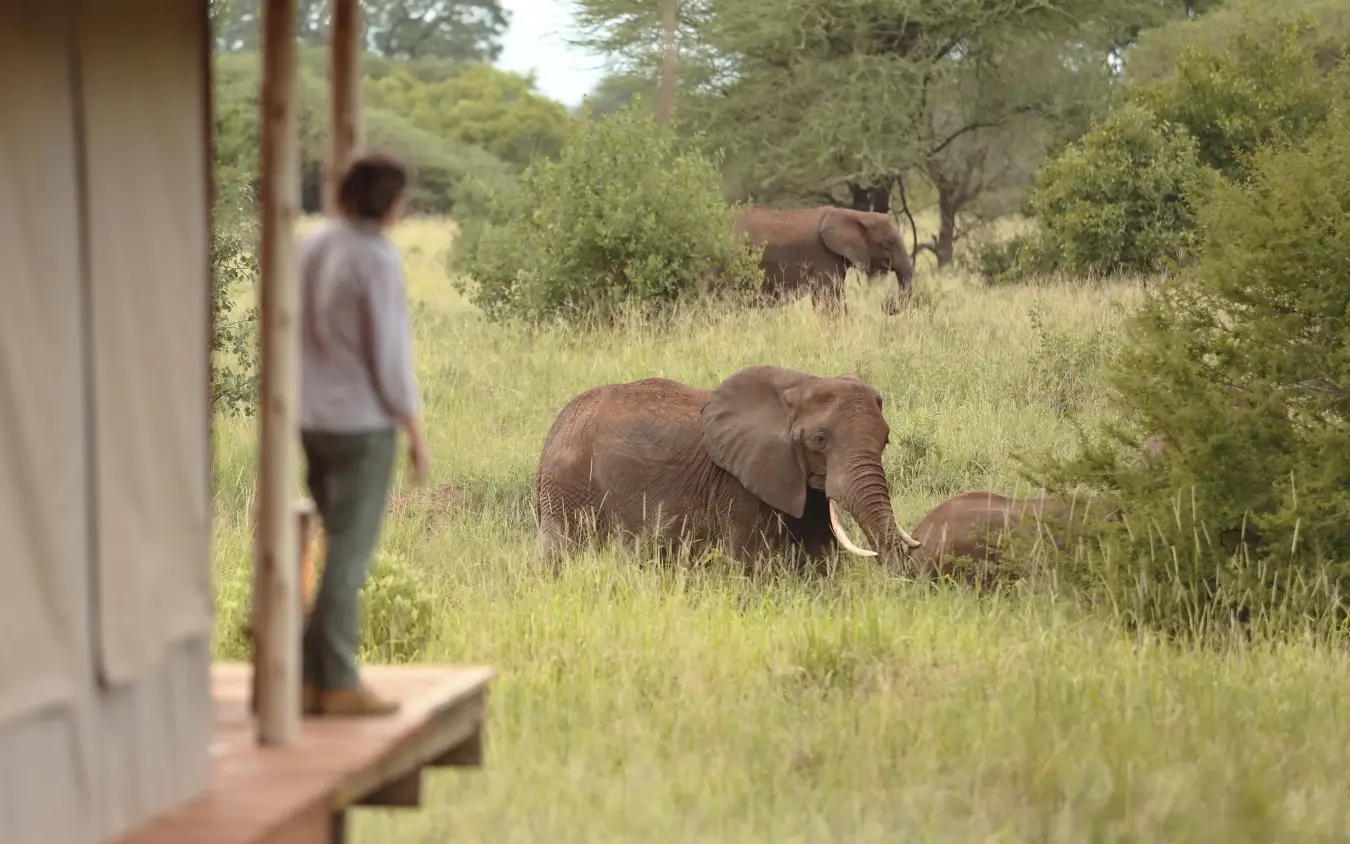
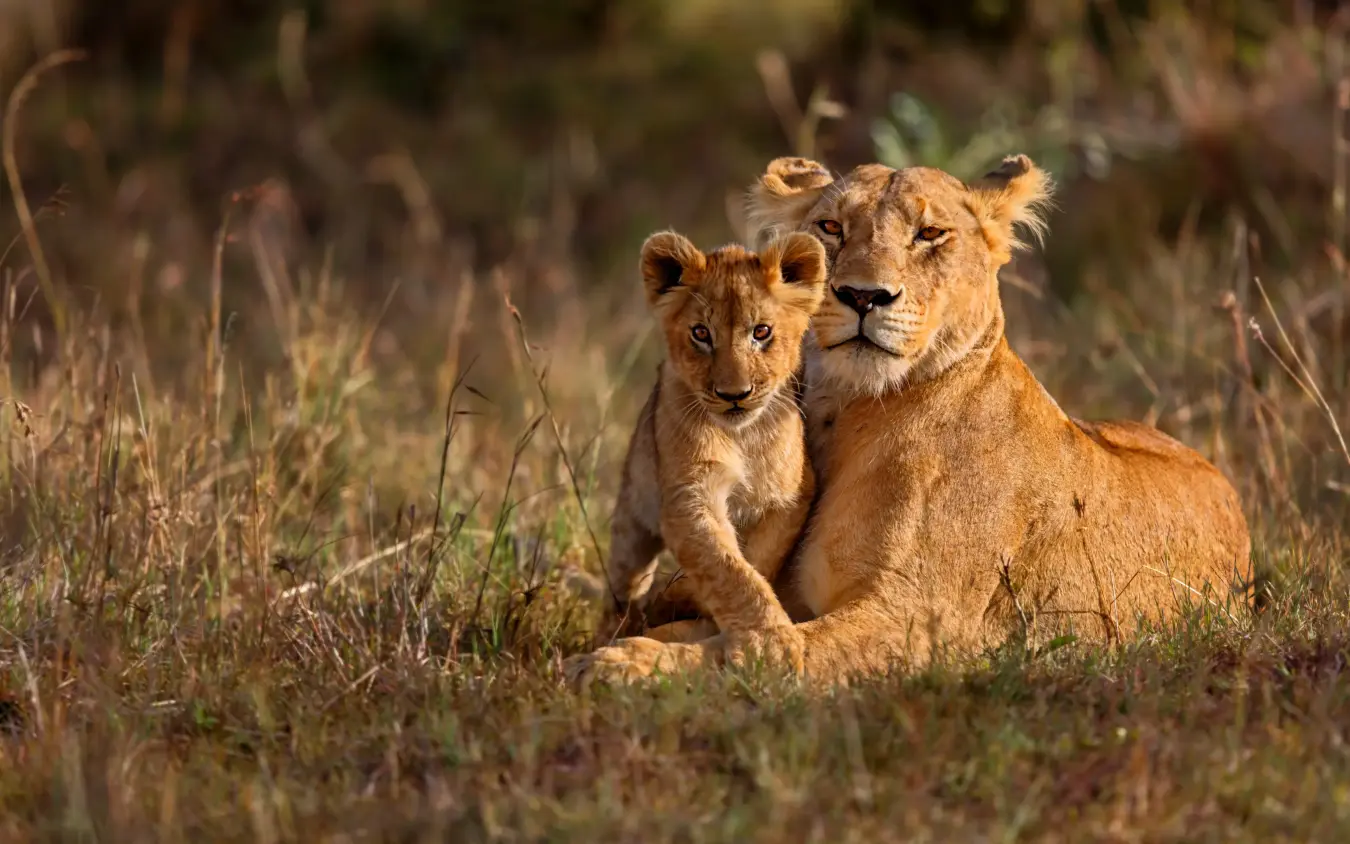
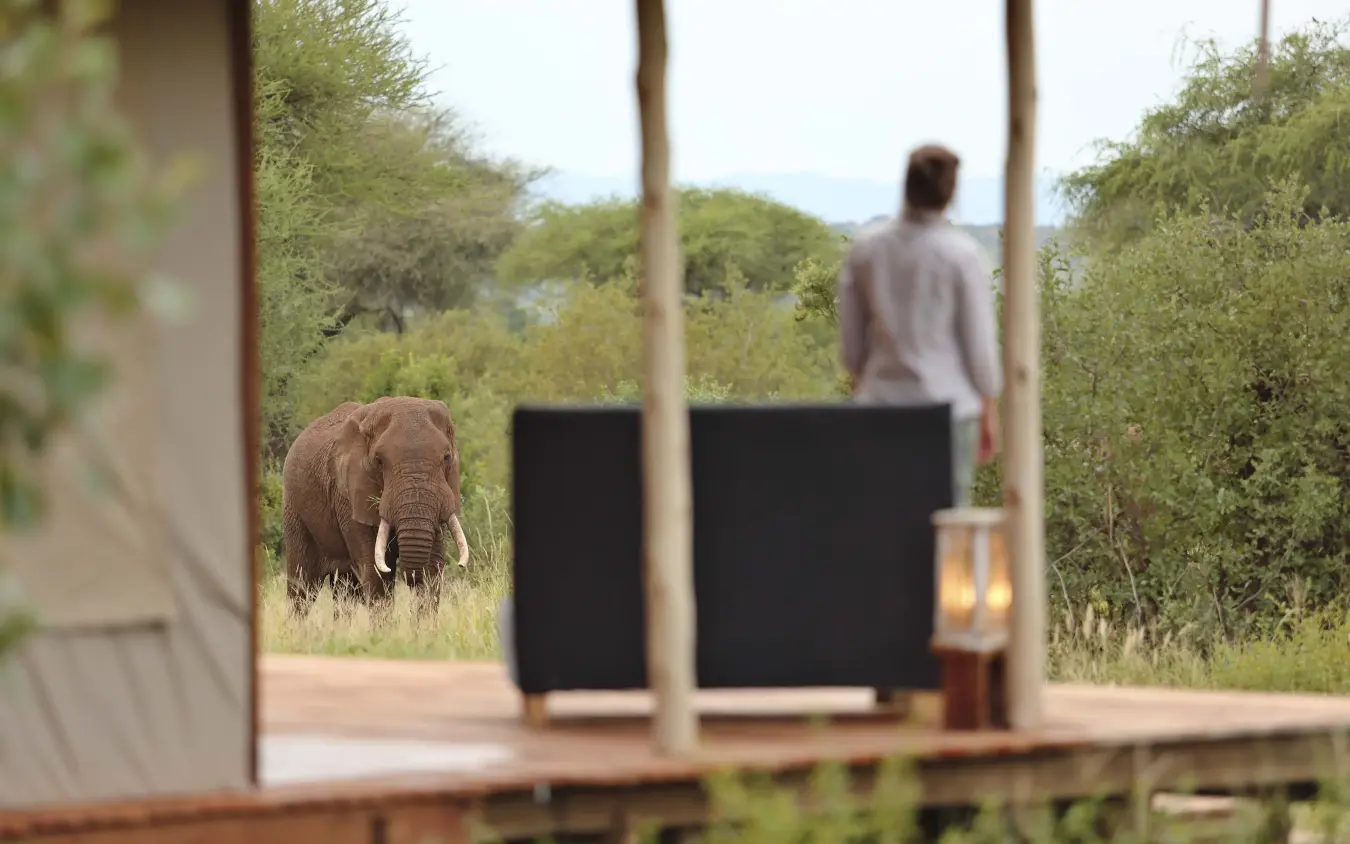
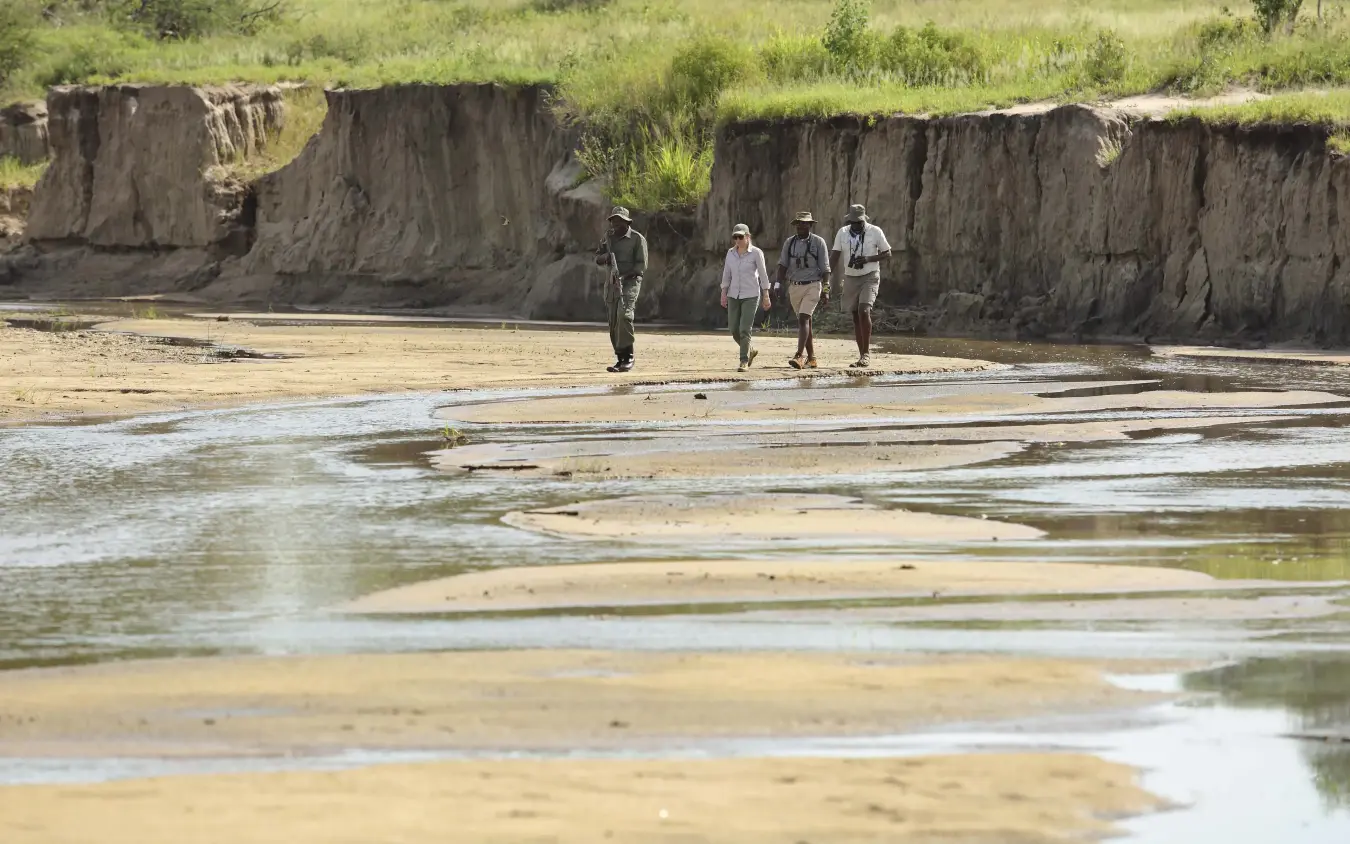
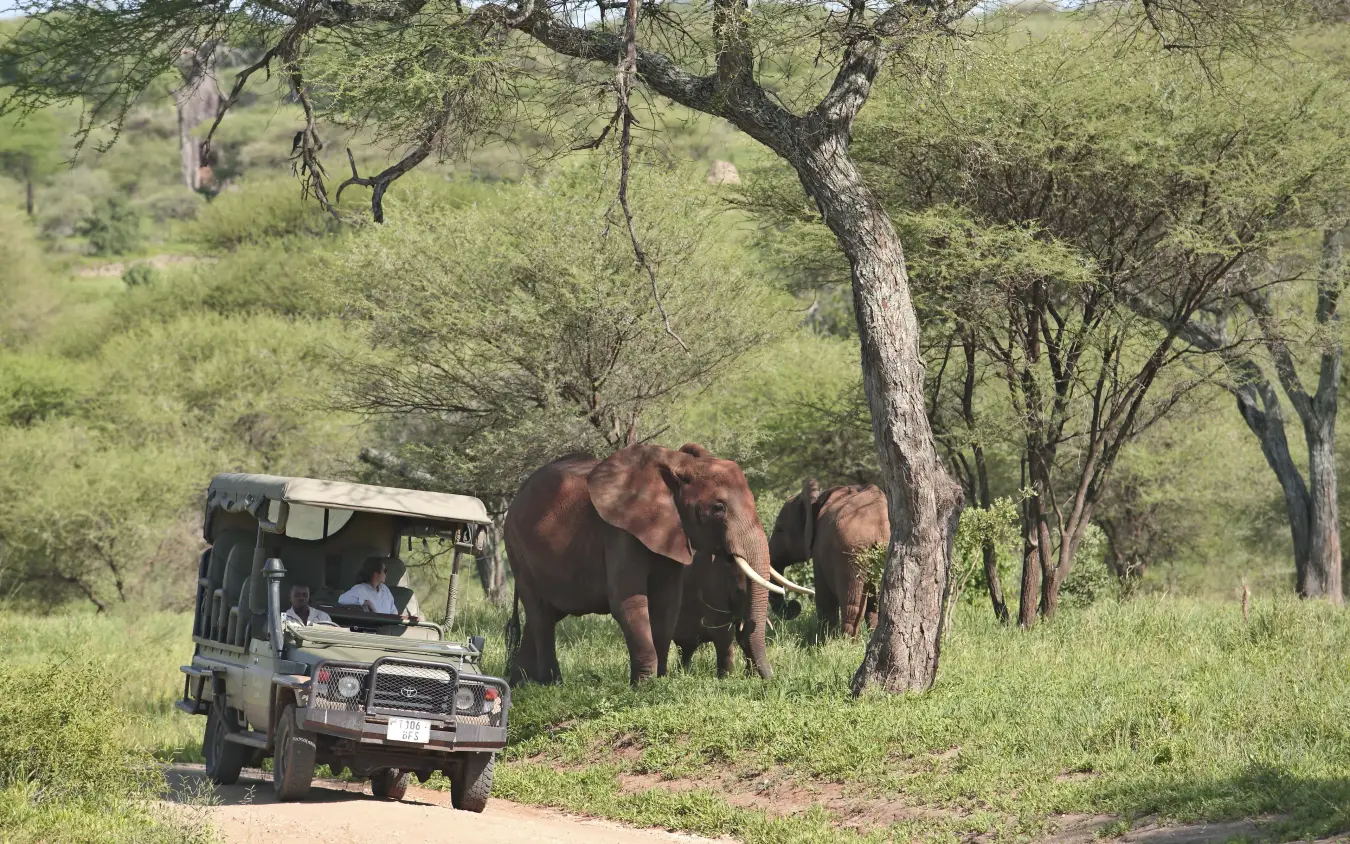
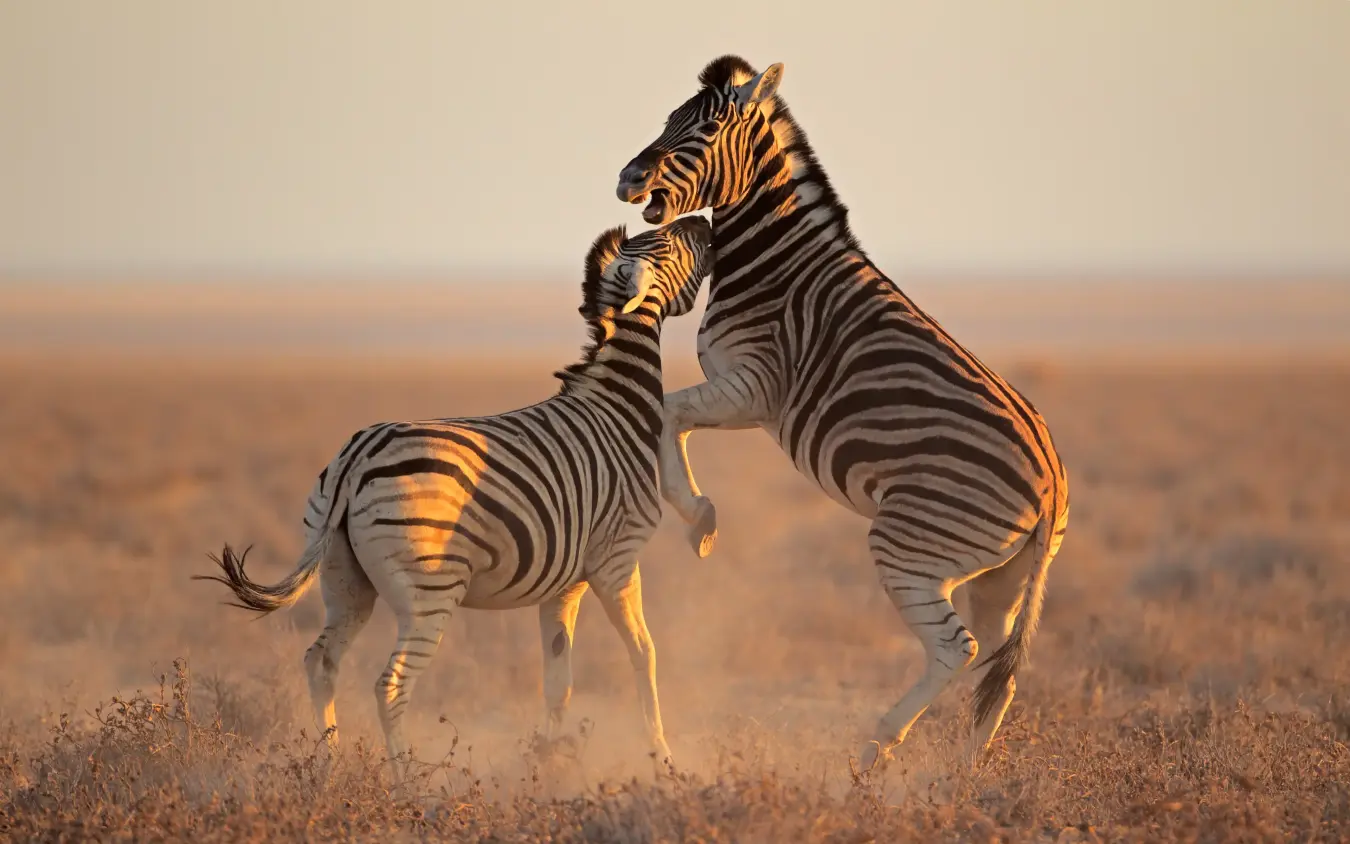
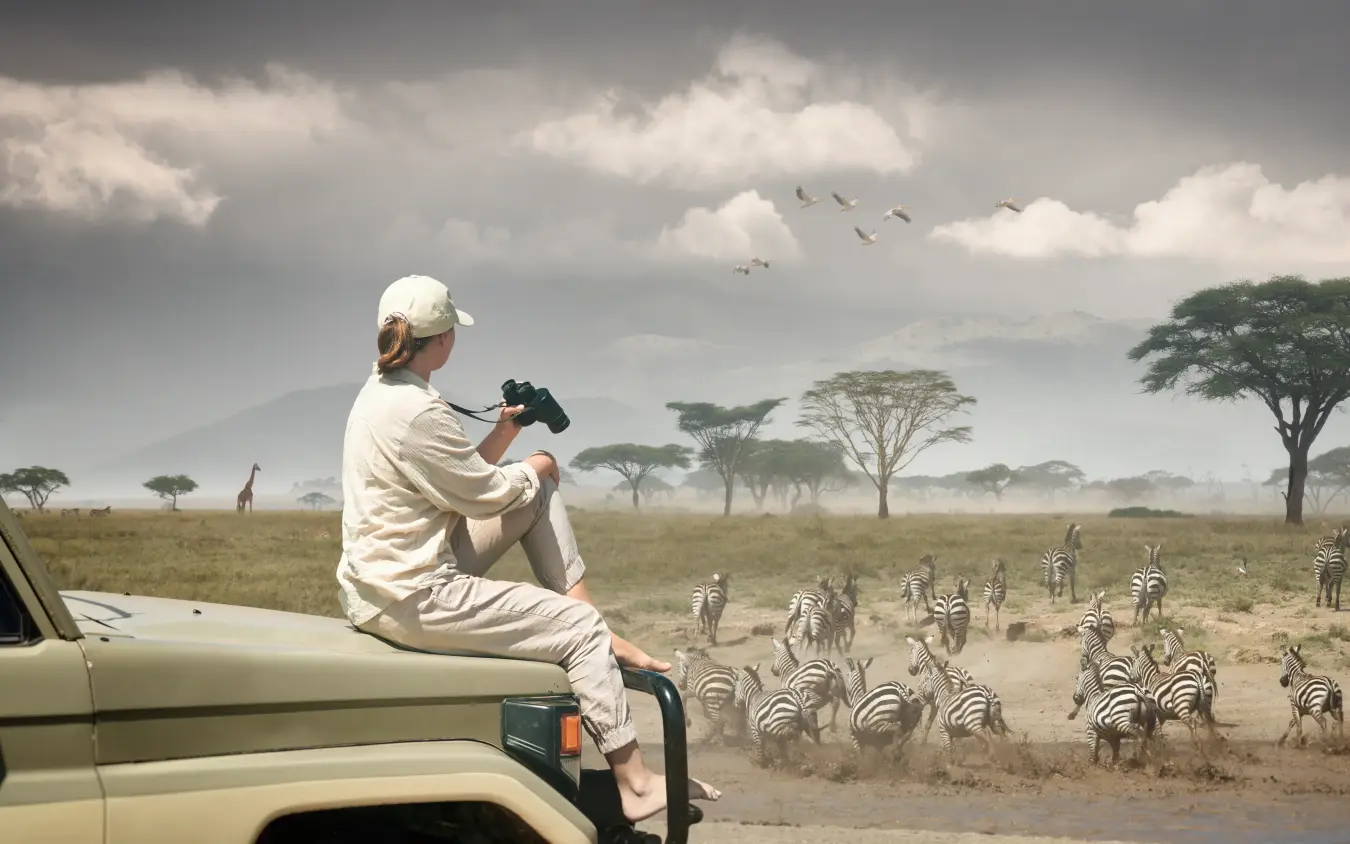
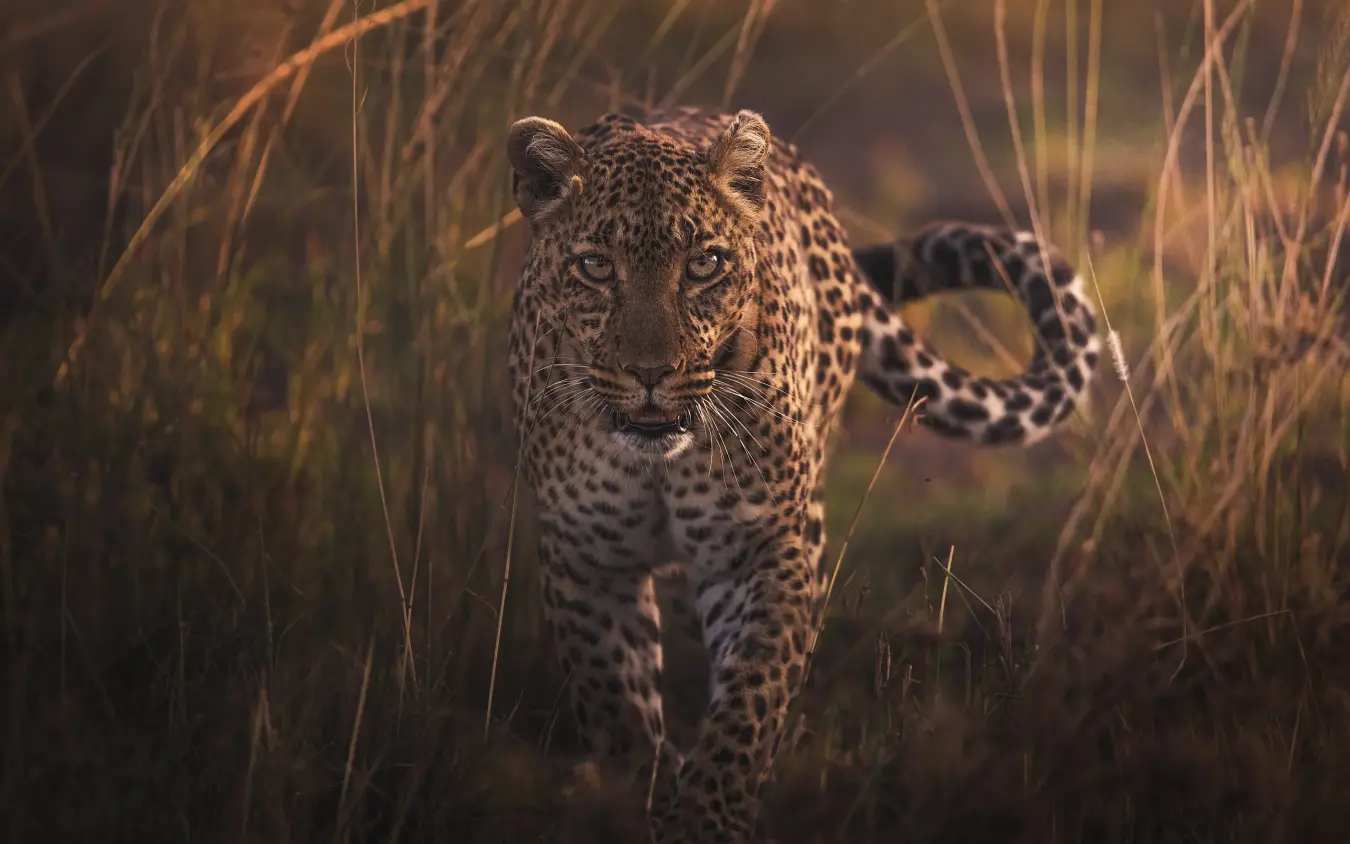
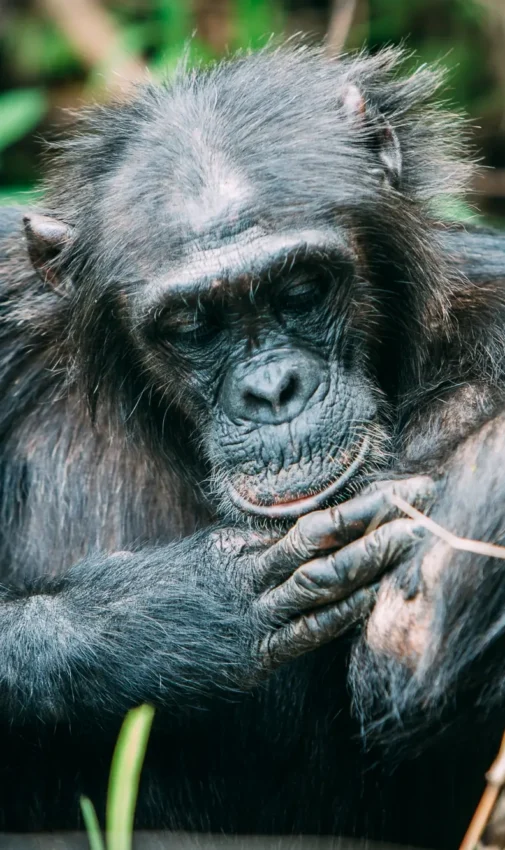
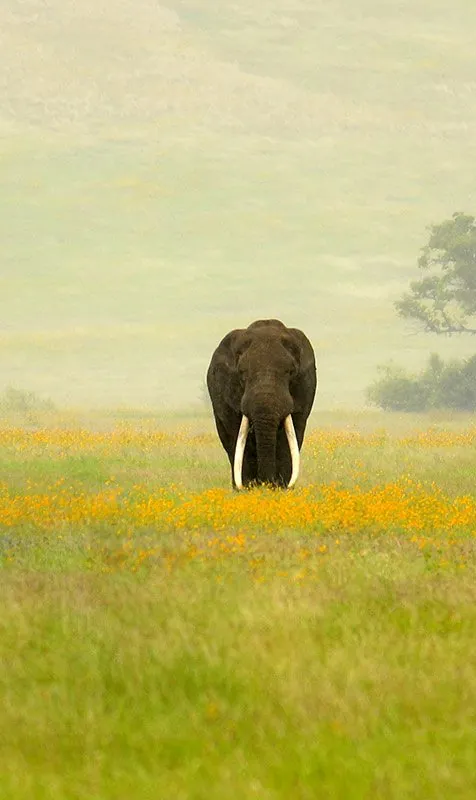
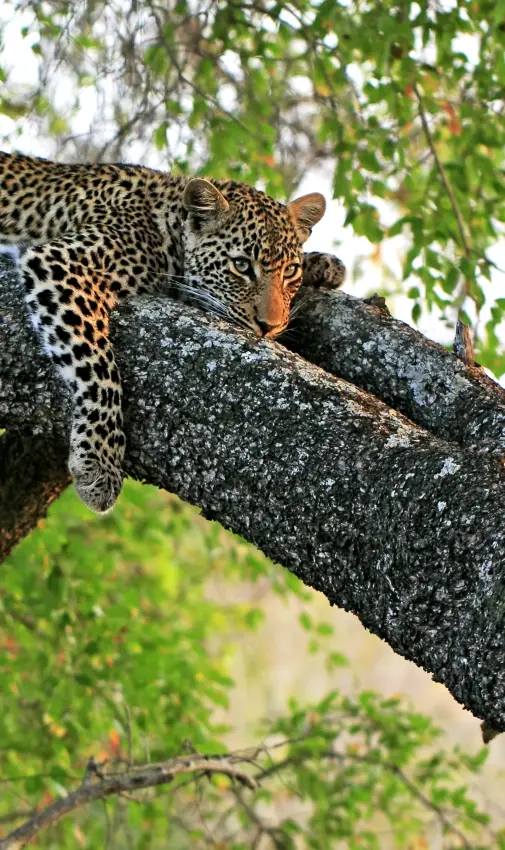
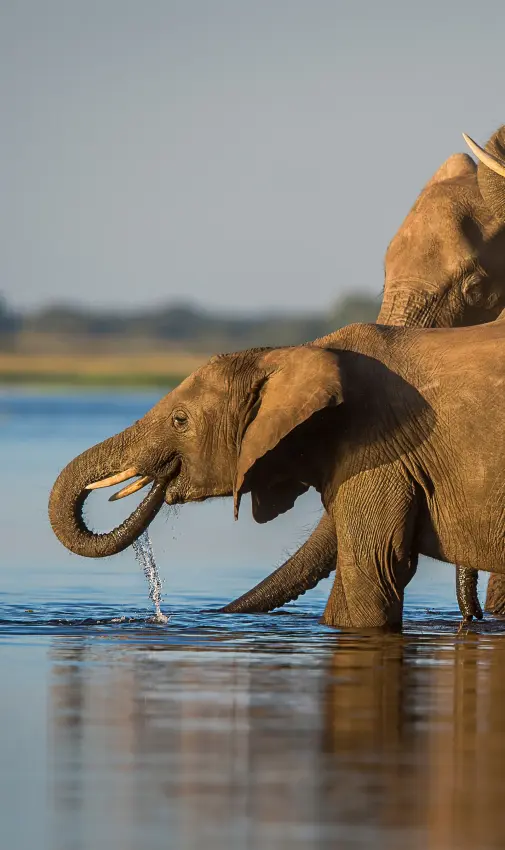
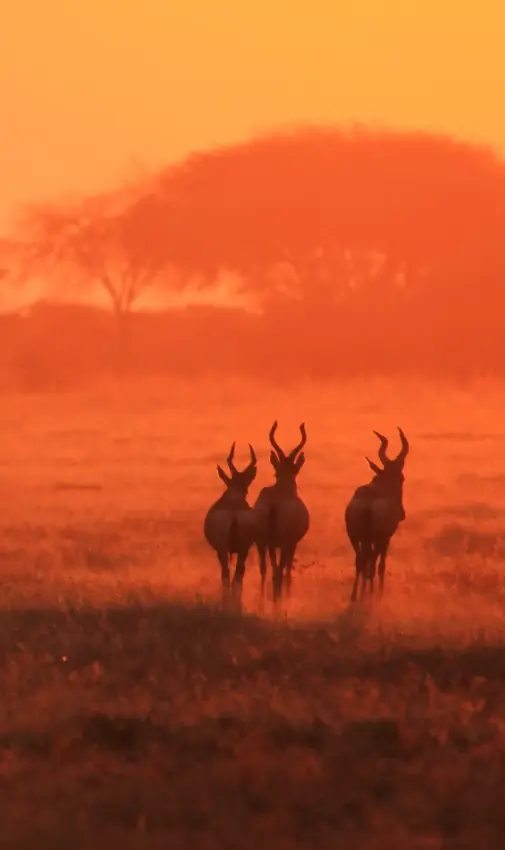
Those with a day to spare find wildlife close at hand. Giraffe, buffalo and colobus monkeys gather below Ngurdoto Crater in Arusha National Park. Game drives run there, and so do walks, always in the company of an armed park ranger. On quieter days Lake Duluti, a forested crater lake fifteen minutes away, is paddled by canoe, and mountain bikes go out through the neighbouring villages. Longer day trips reach Tarangire for its elephants and baobabs, and Lake Manyara for its flamingos and tree-climbing lions.
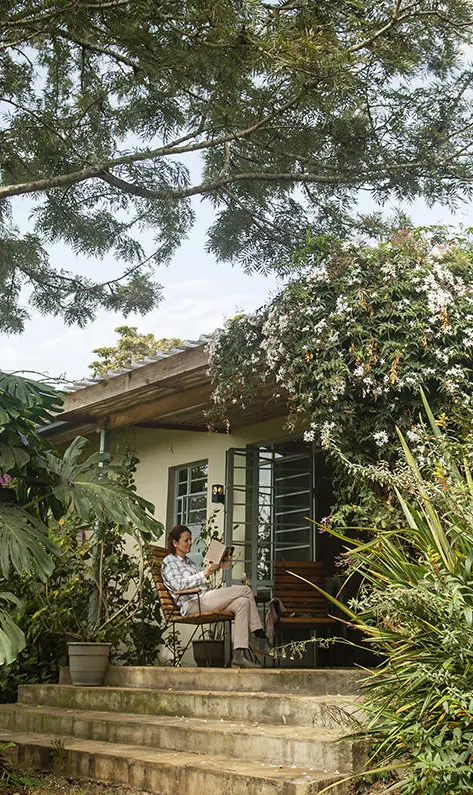
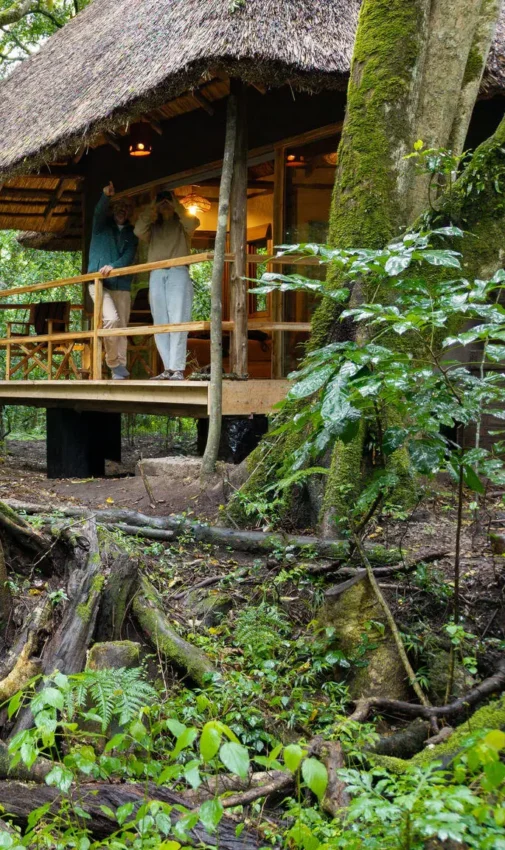
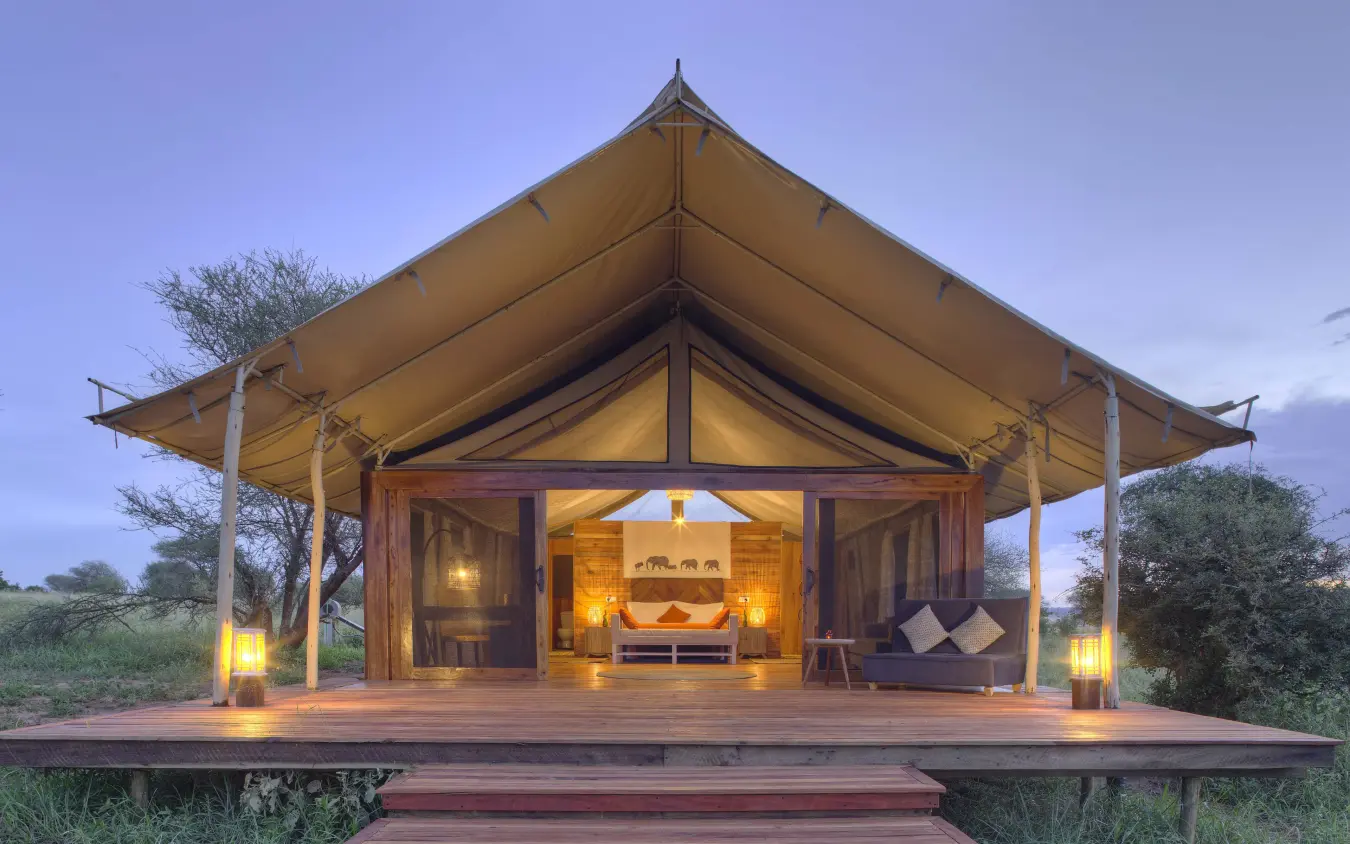
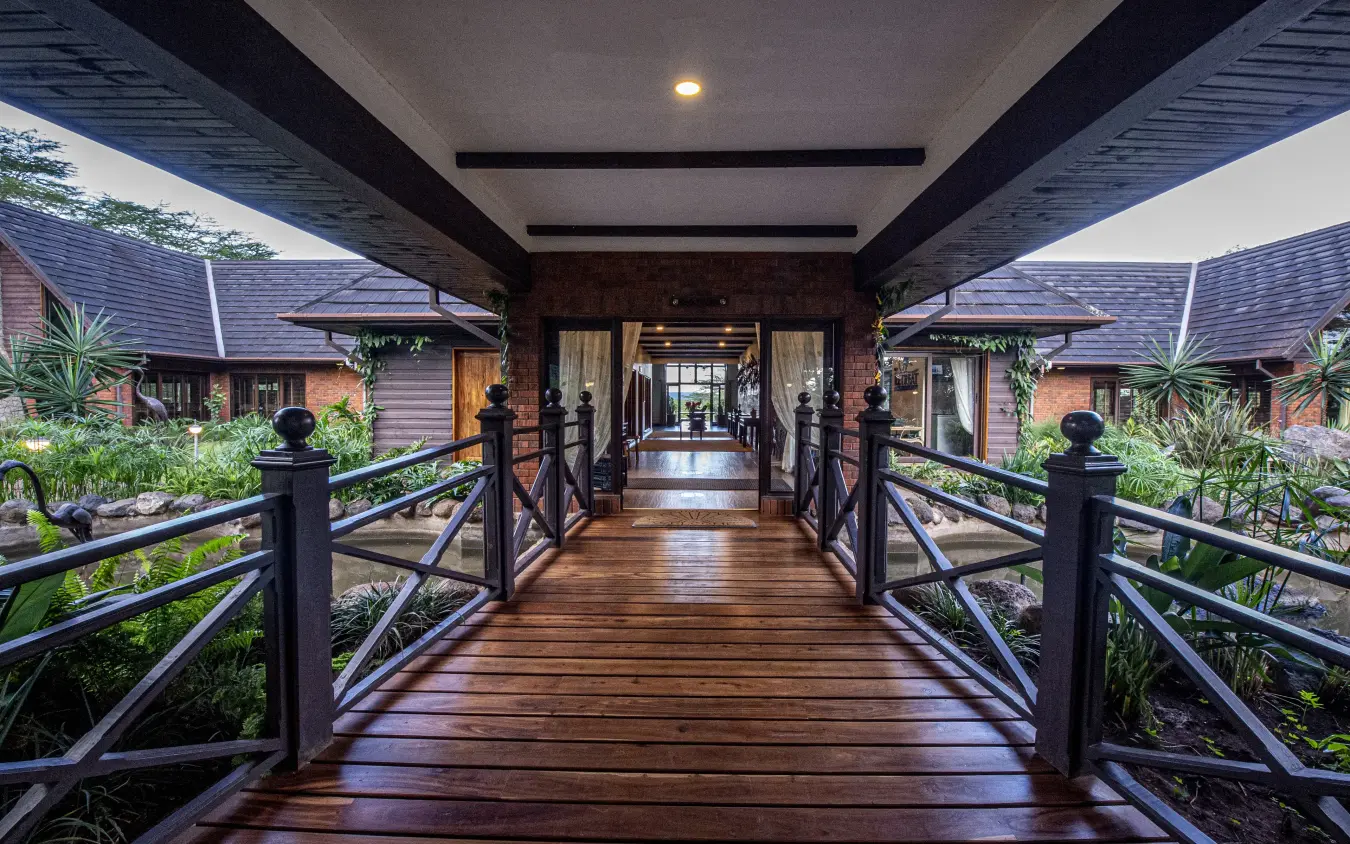
The ten acres along the Usa River are kept as a bird and wildlife sanctuary. Hornbills and resident owls turn up along the lawns and the river, and guided walks follow the water and continue into the village. Martina has channelled proceeds from weddings and events into local health, education and water projects through a small trust of her own. Birdsong fills the gardens at dawn and again late in the afternoon, and the colobus start up at first light. A last night after safari here is a quiet one.



 01