


rwanda & tanzania
gorillas and mnemba island
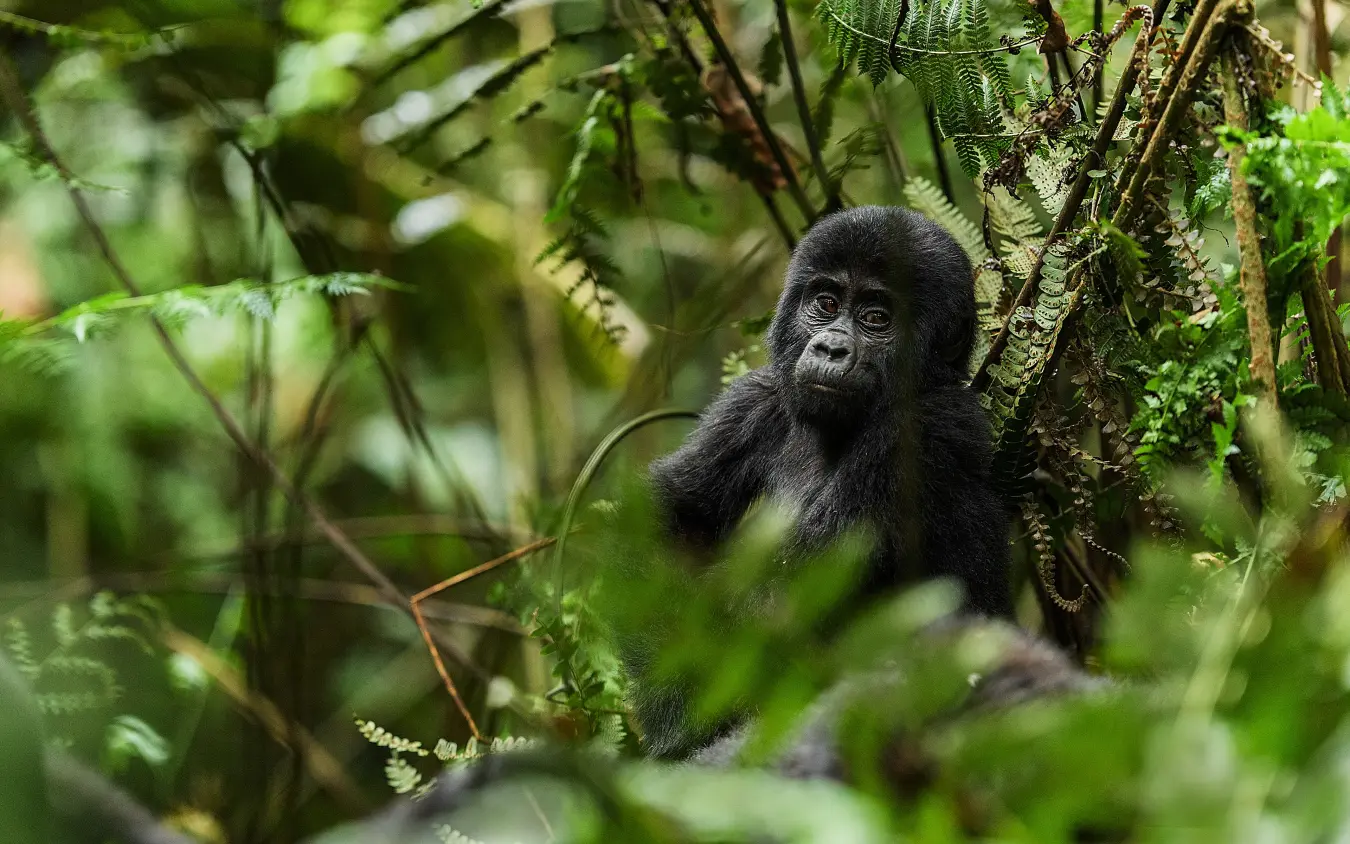
Eight nights linking gorilla trekking in Rwanda's Volcanoes National Park with a private island off Zanzibar.
- Private Safari
- From $18,925 pp
- 2 guests
- 8 nights
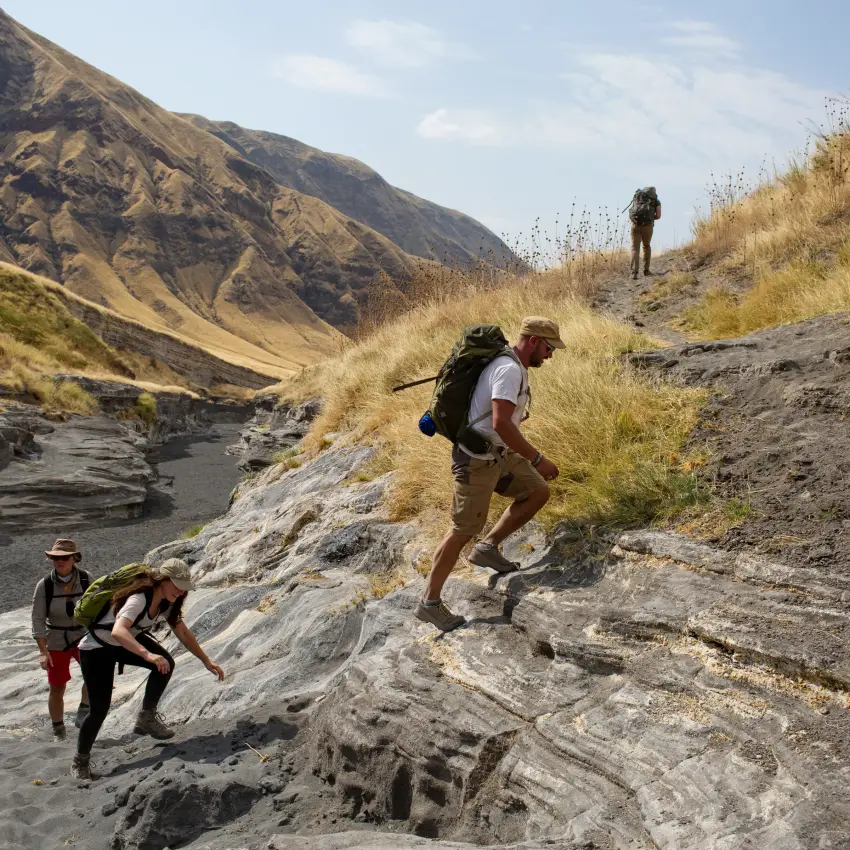
Eleven nights link the northern circuit from a single arrival night at Arusha, beneath Mount Meru, out to the far side of the Rift. From the quiet southern half of Lake Manyara National Park you cross on foot from Empakai down to Lake Natron, the alkaline soda lake below Ol Doinyo Lengai, before finishing on the Serengeti plains with a camp that moves with the wildebeest.
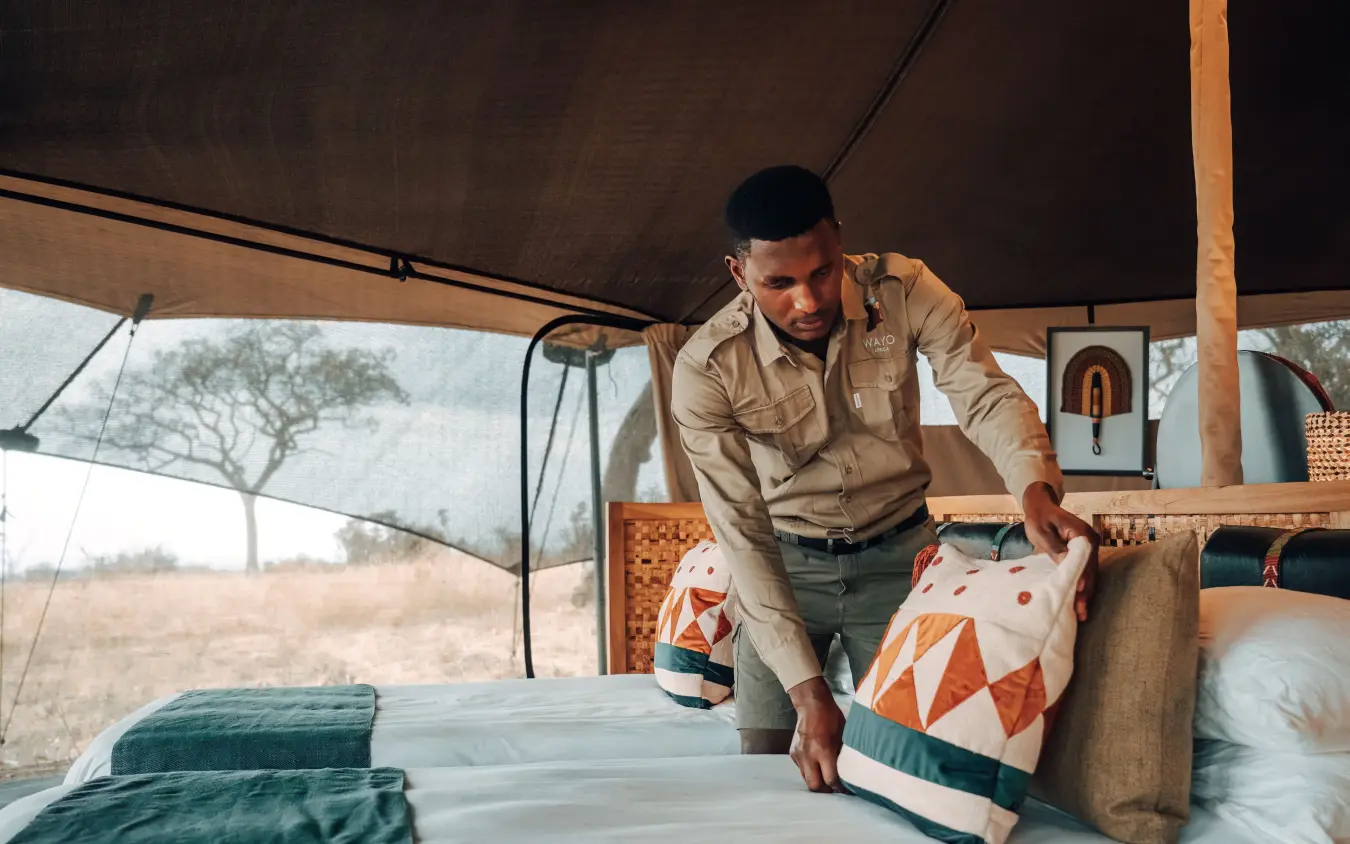
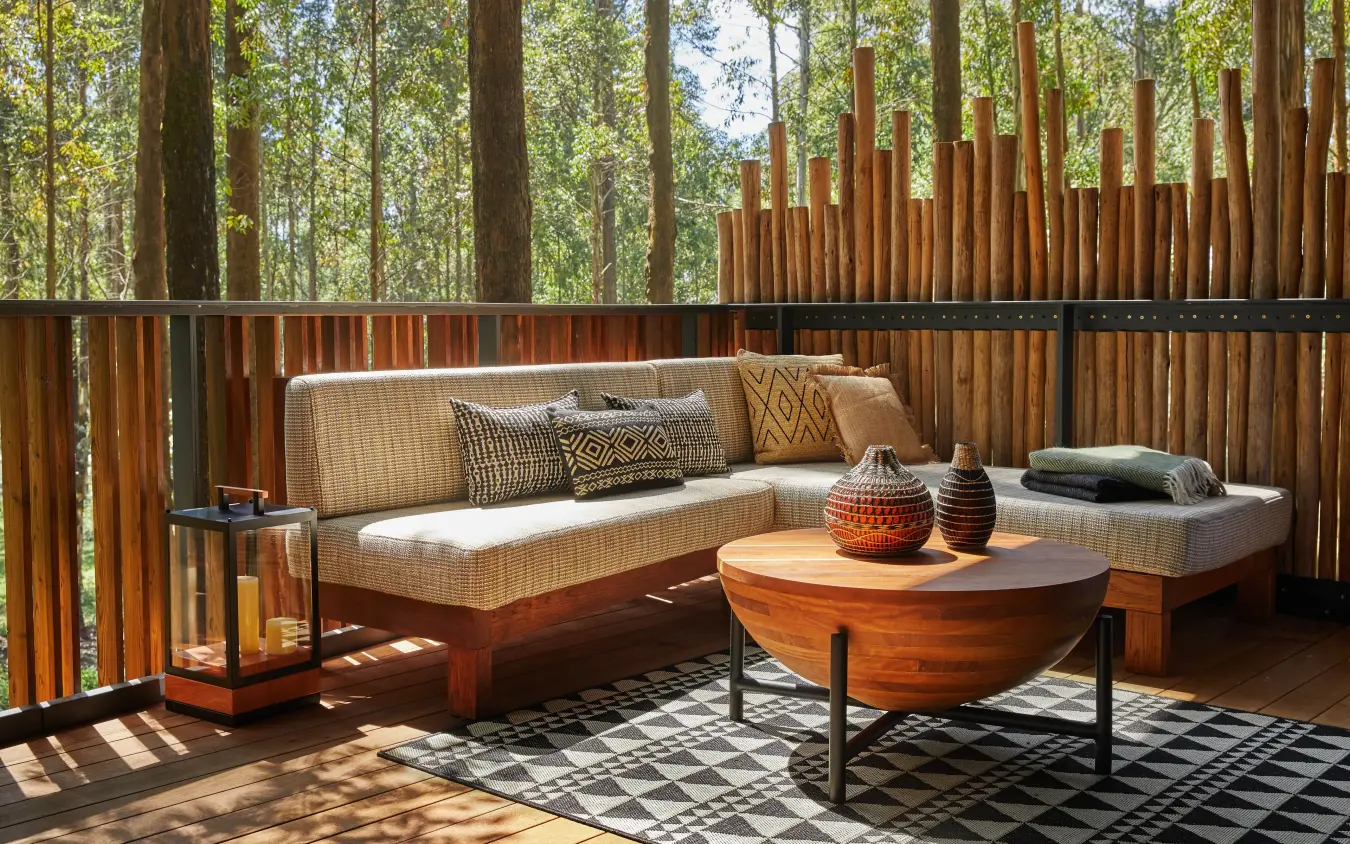
The route is built around walking, with armed guides and, on the plains, a national park ranger. Game drives, night drives and canoeing fill in around the trail. You stay in low-impact tented camps and one lightweight mobile camp on the hike, plus a country inn on the first night, each placed for the terrain it sits in rather than for polish.
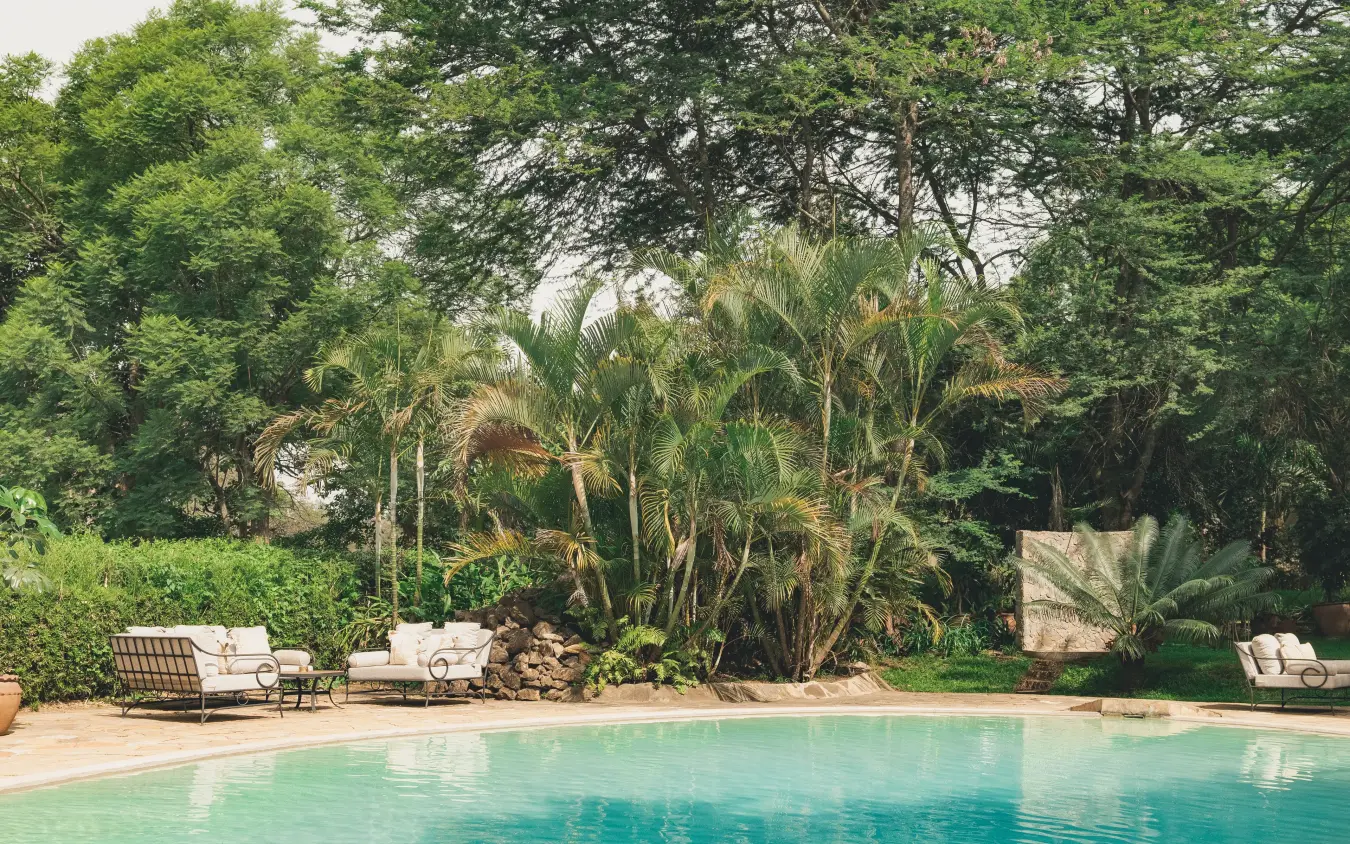
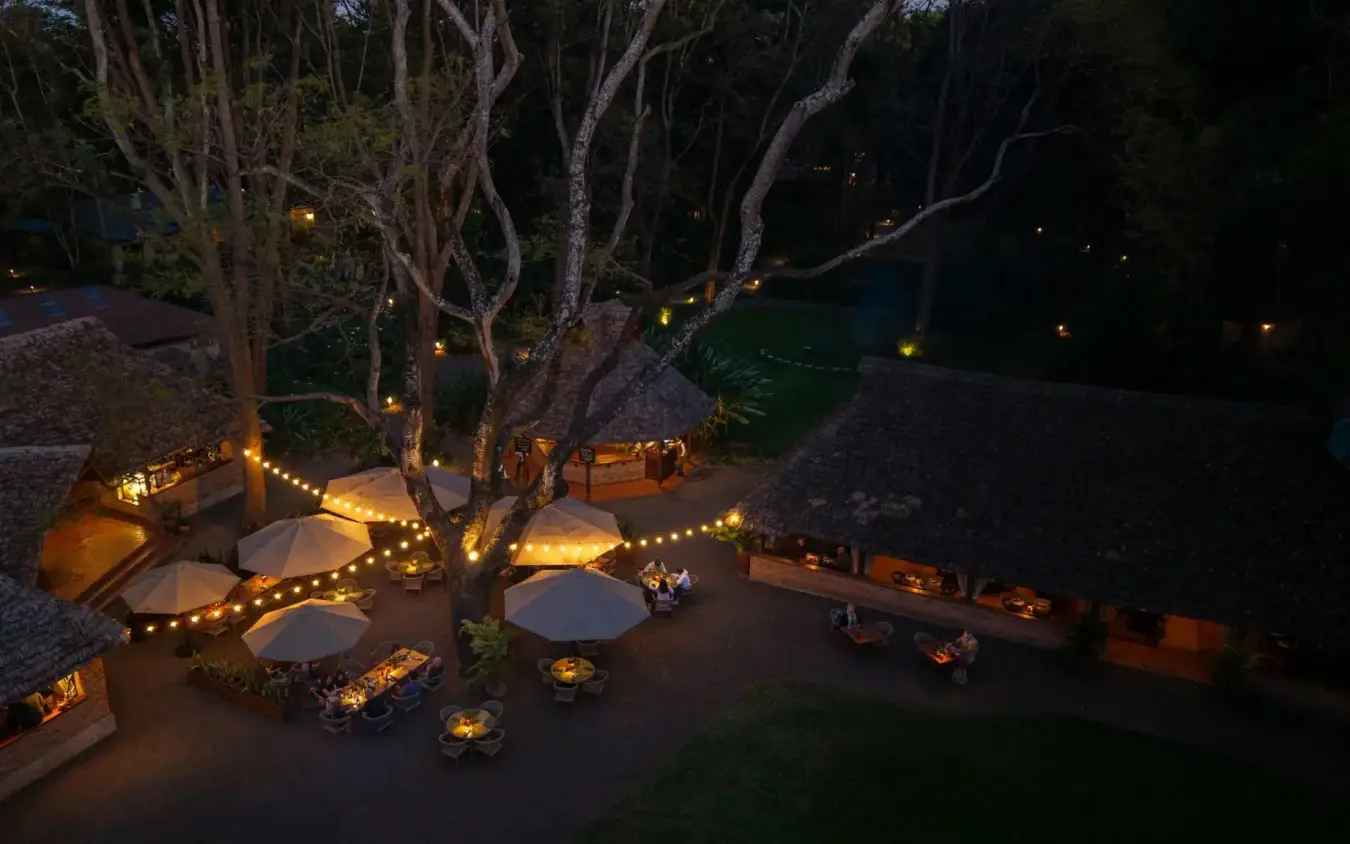
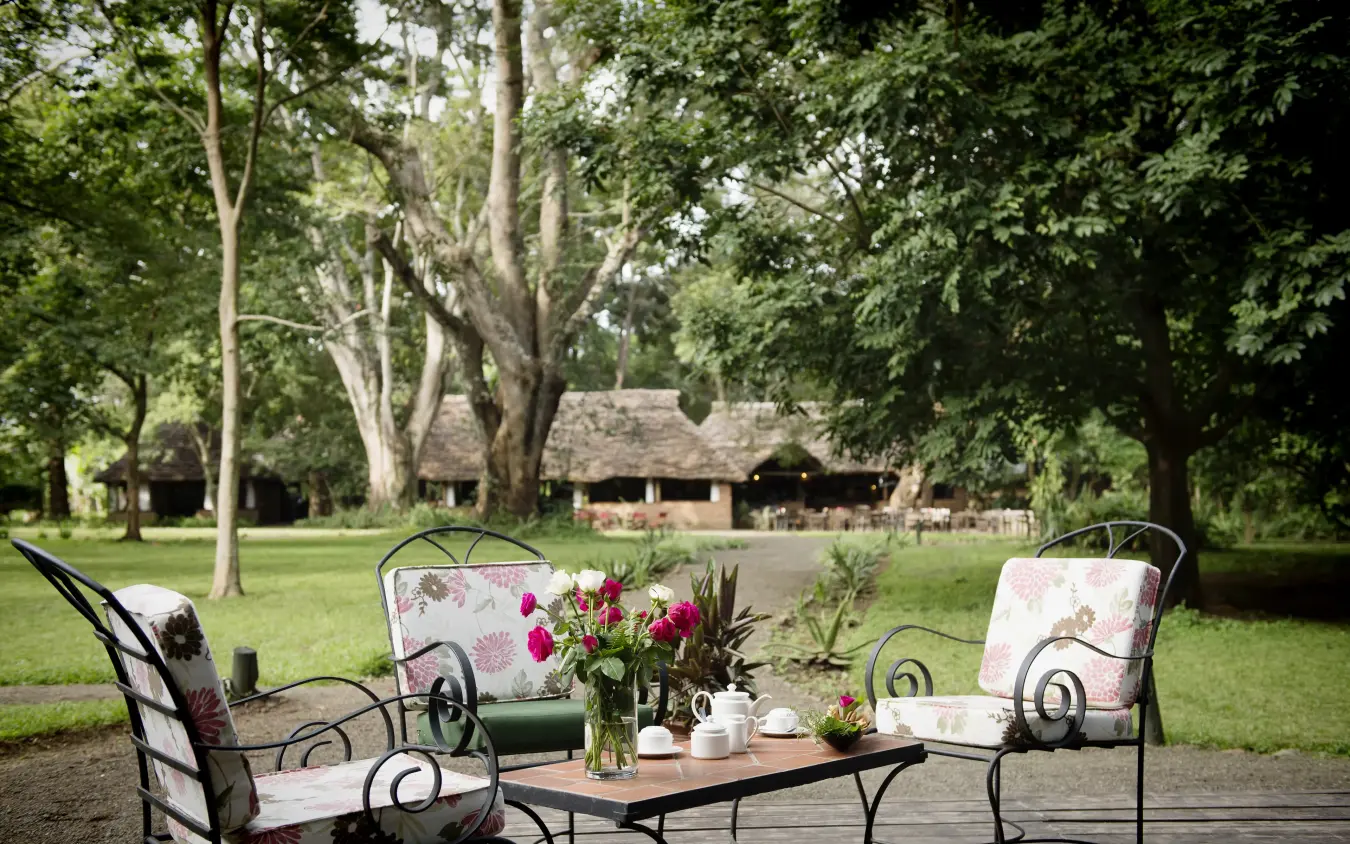
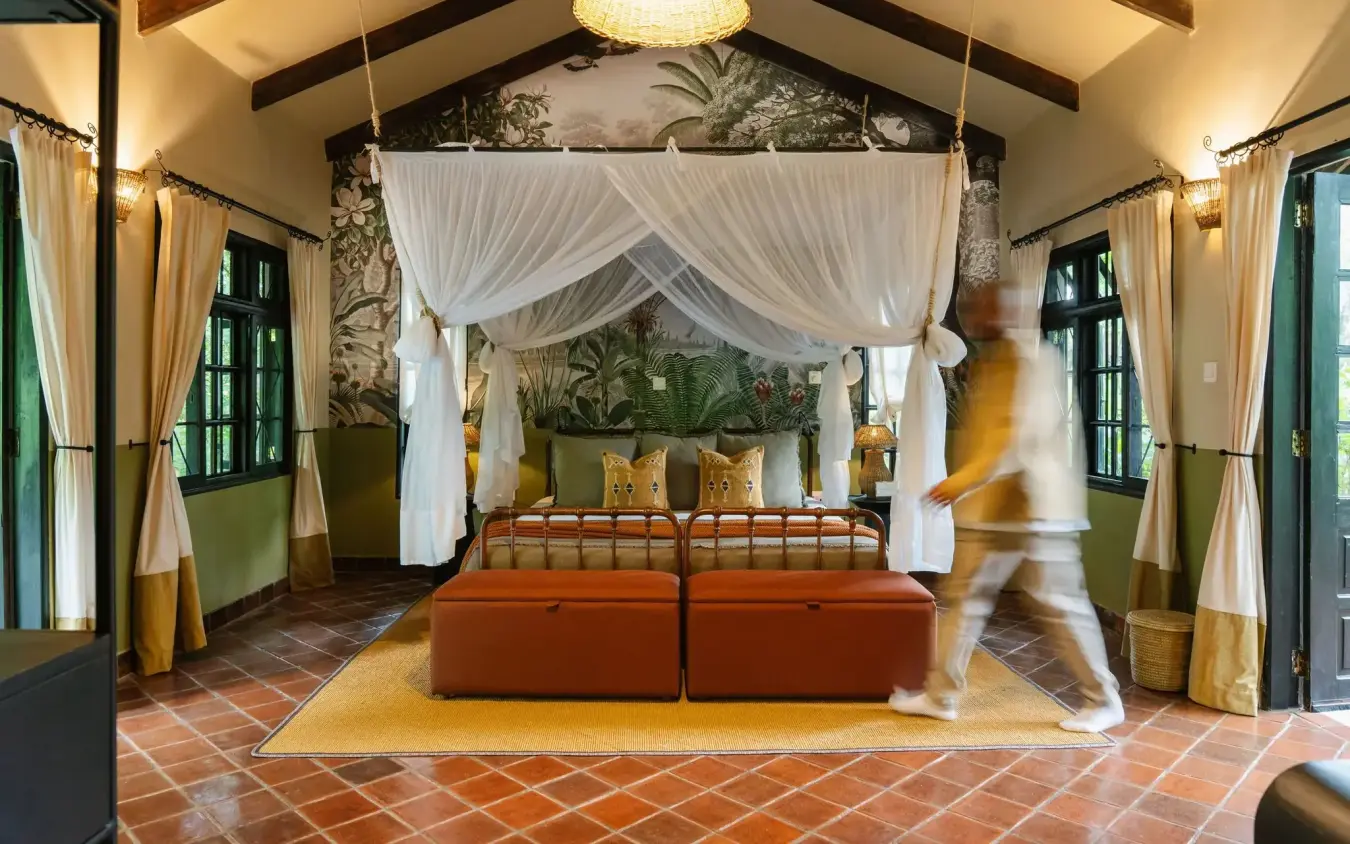
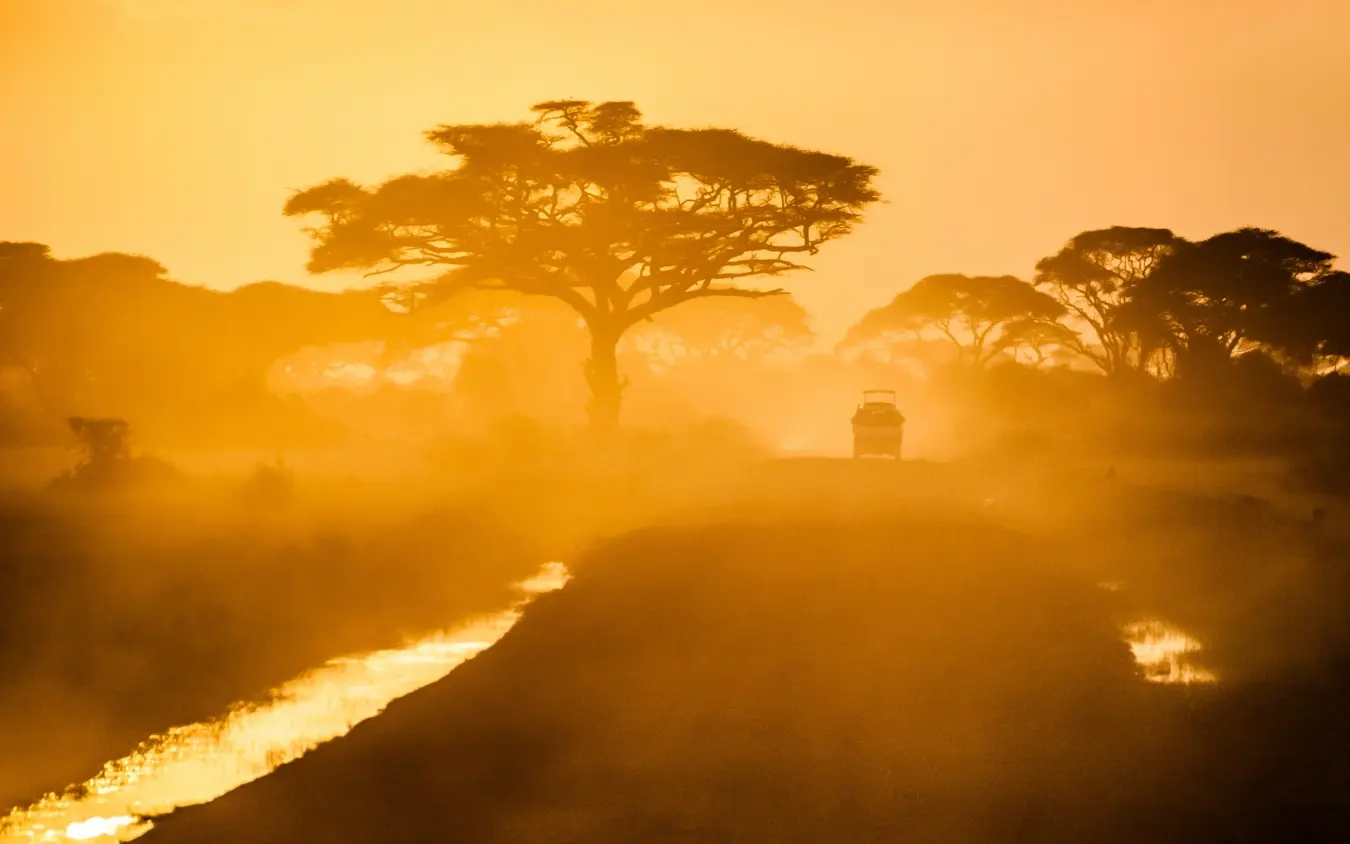
Northern circuit safaris begin here, at 1,400 metres on Mount Meru's southern slopes in the eastern arm of the Great Rift Valley. You land at Kilimanjaro International, thirty to forty minutes east along the Arusha to Moshi road, and wake to the mountain's outline before the drive to the parks. Rivertrees Country Inn occupies a former coffee estate on the banks of the Usa River, with lawns running down to the water under jacarandas and a troop of black-and-white colobus monkeys working the canopy above the gardens.
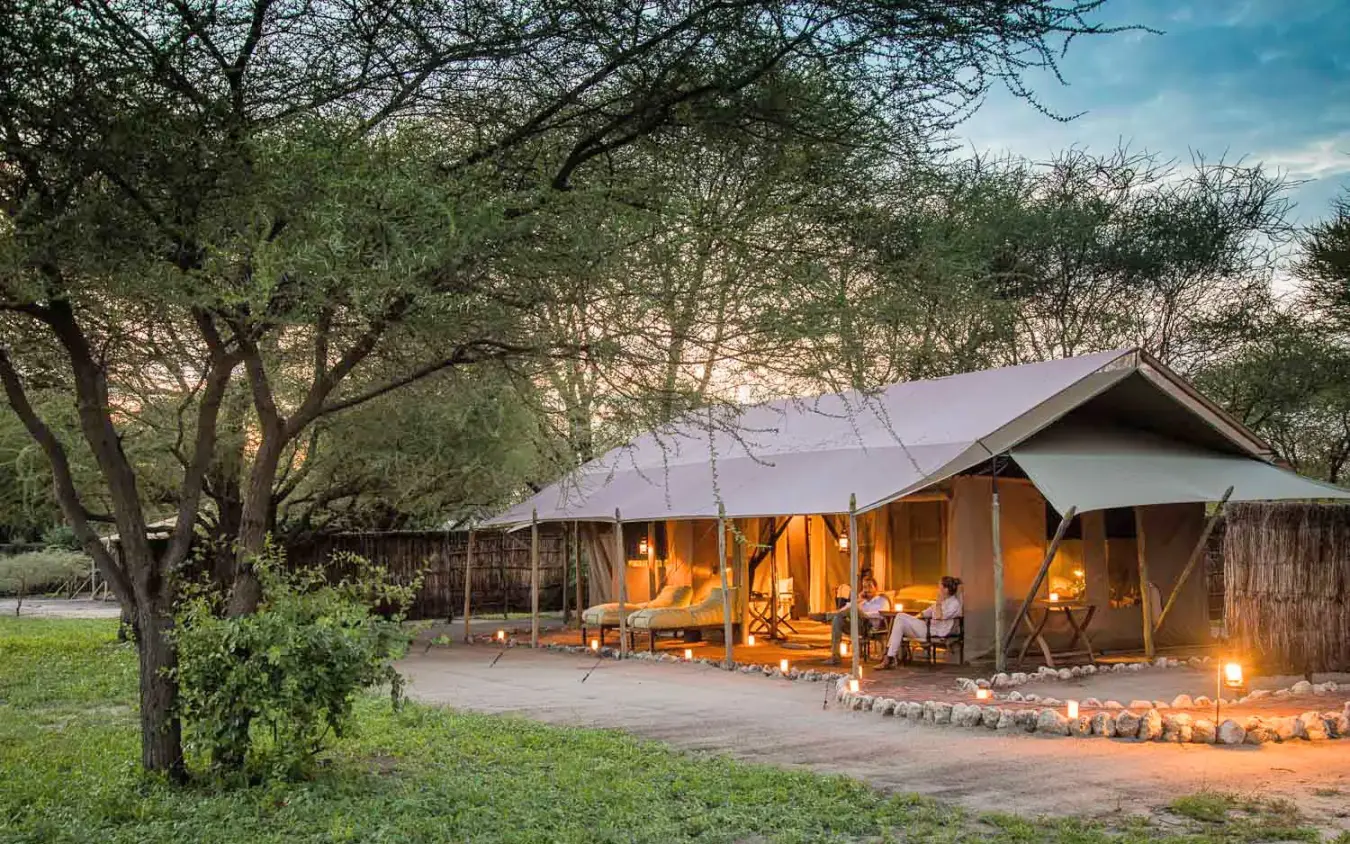
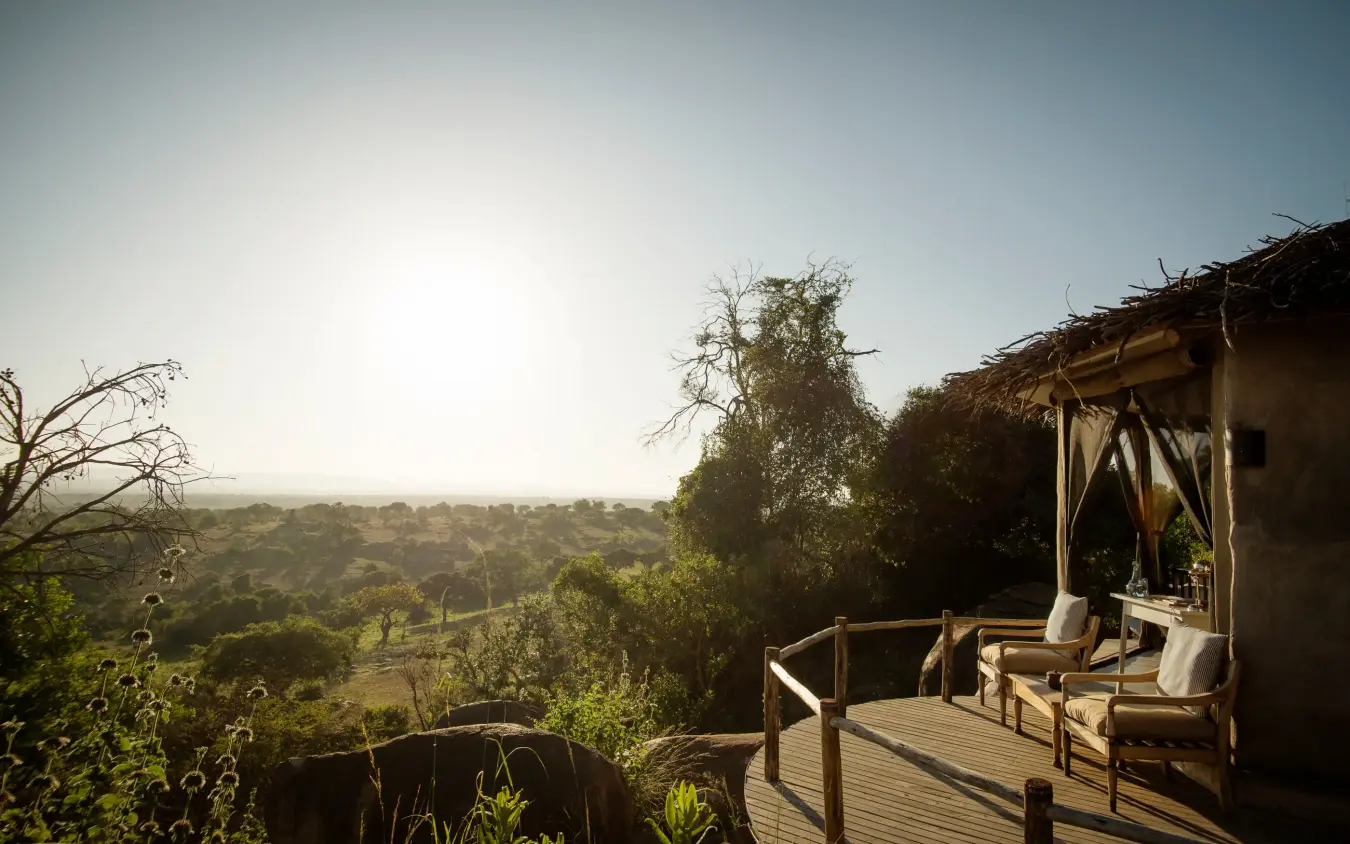
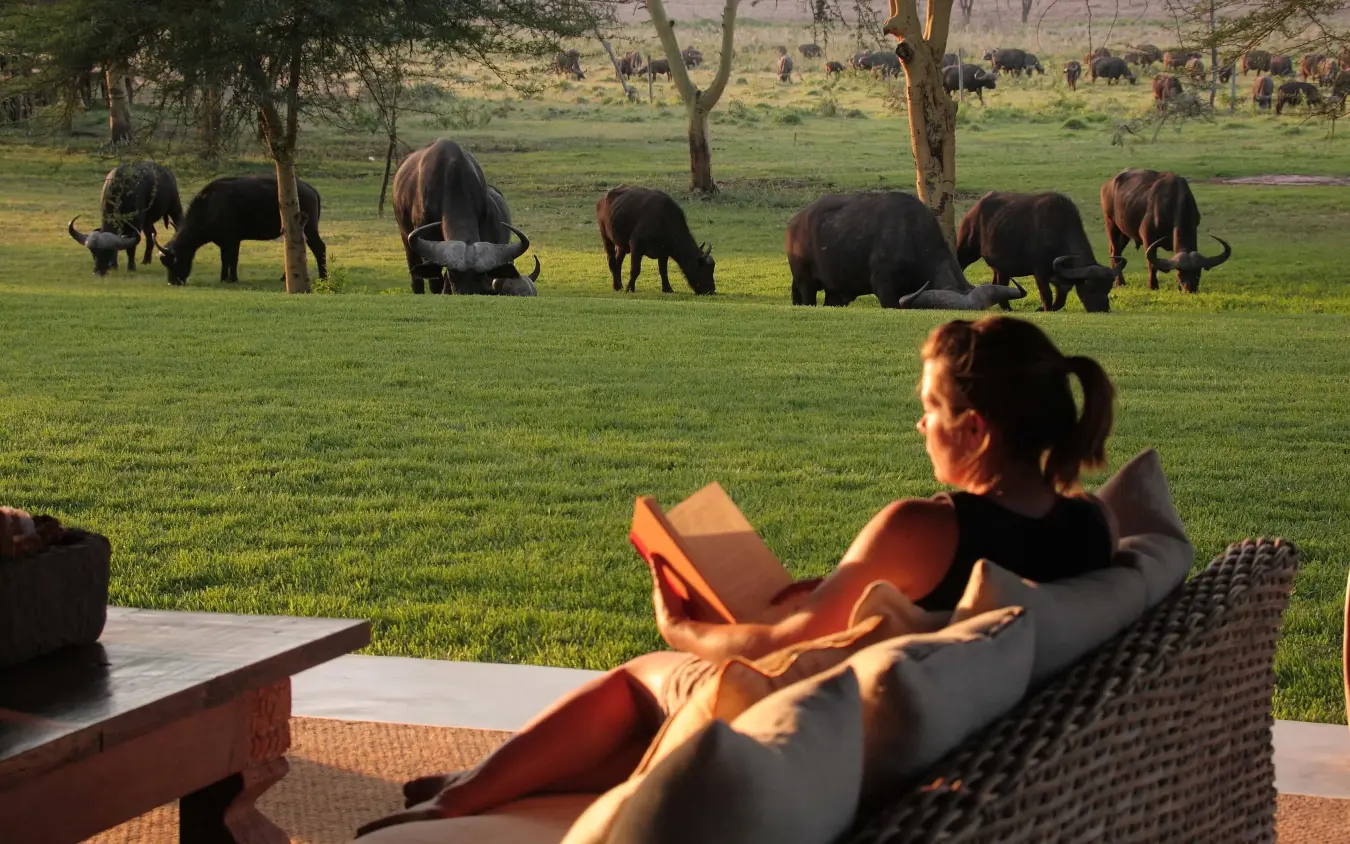
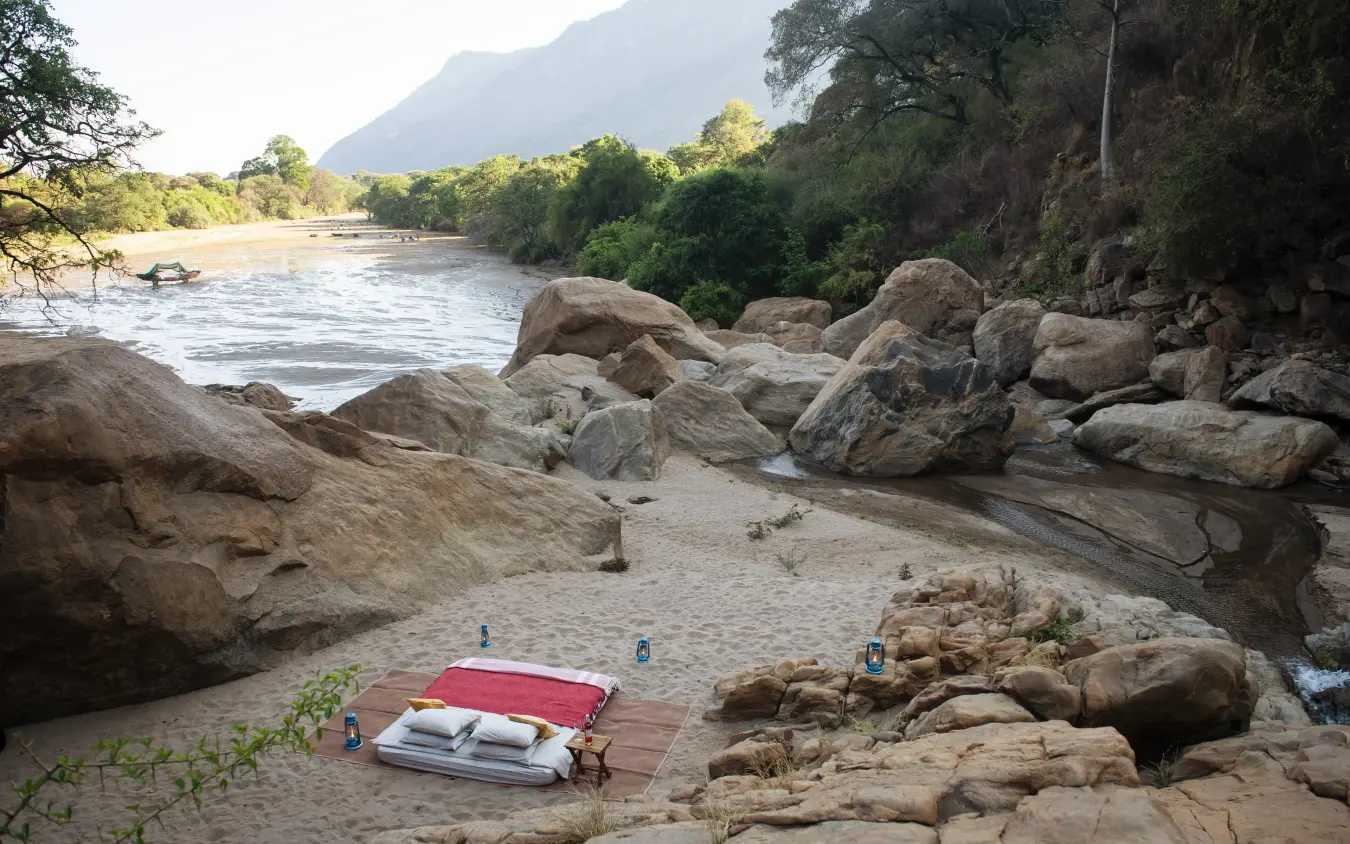
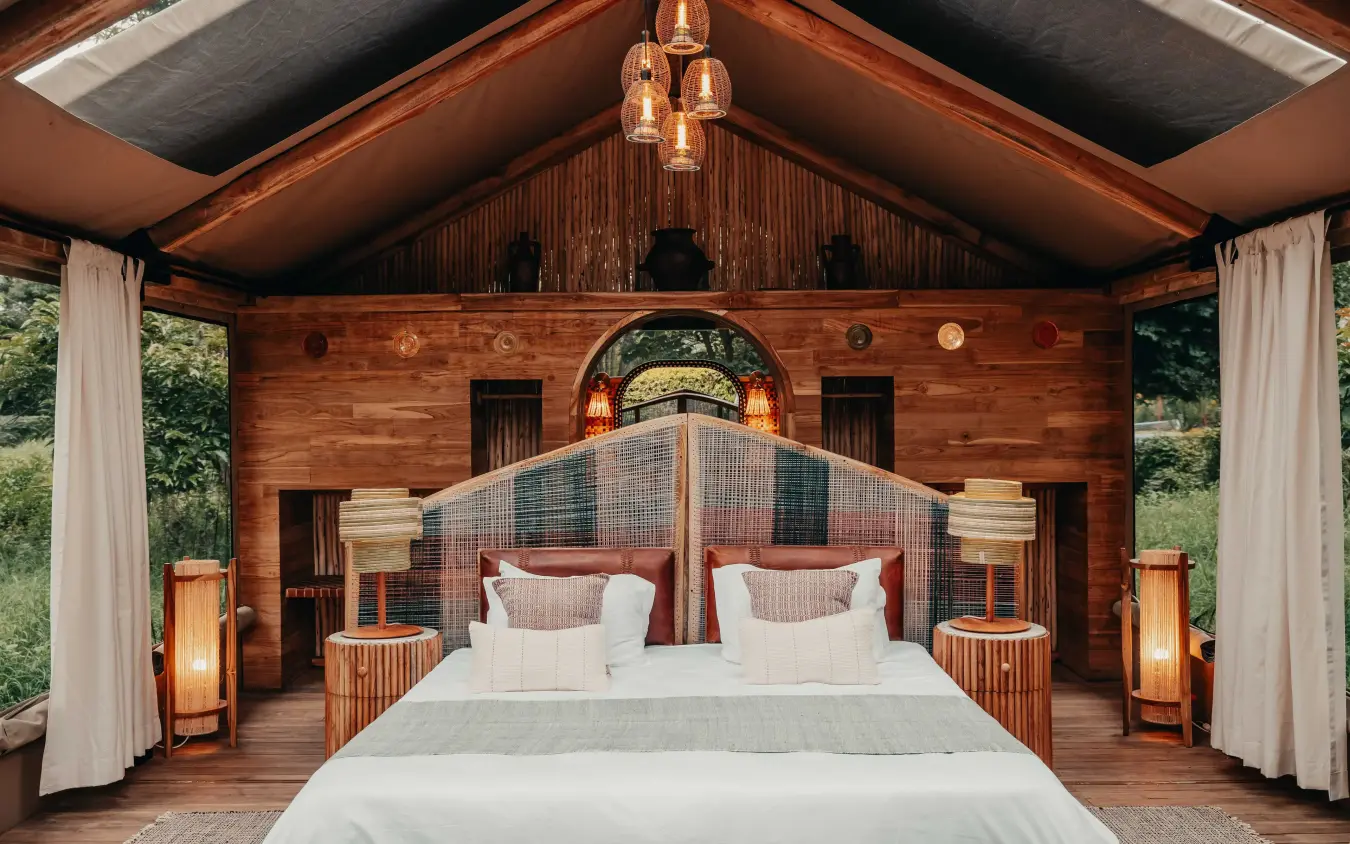
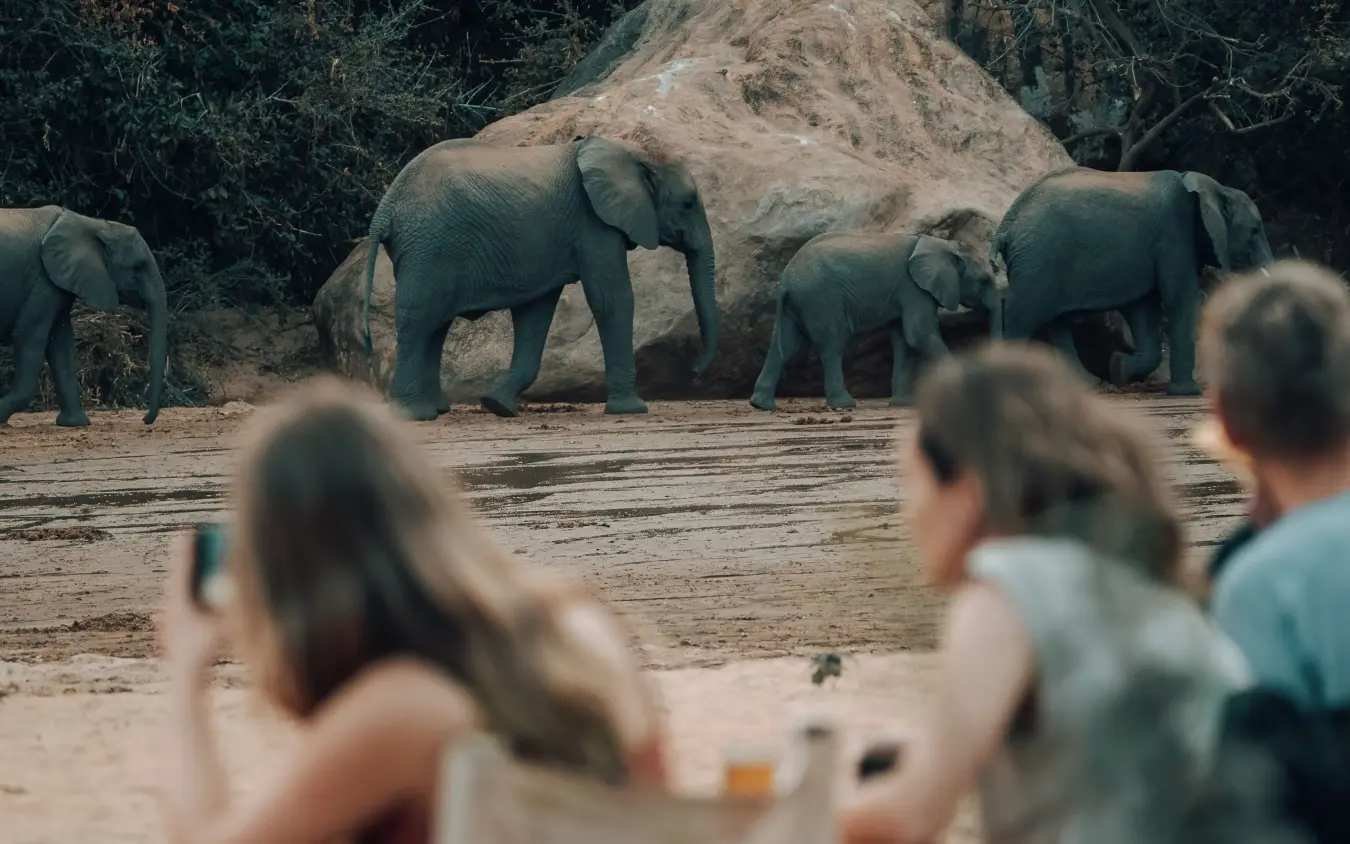
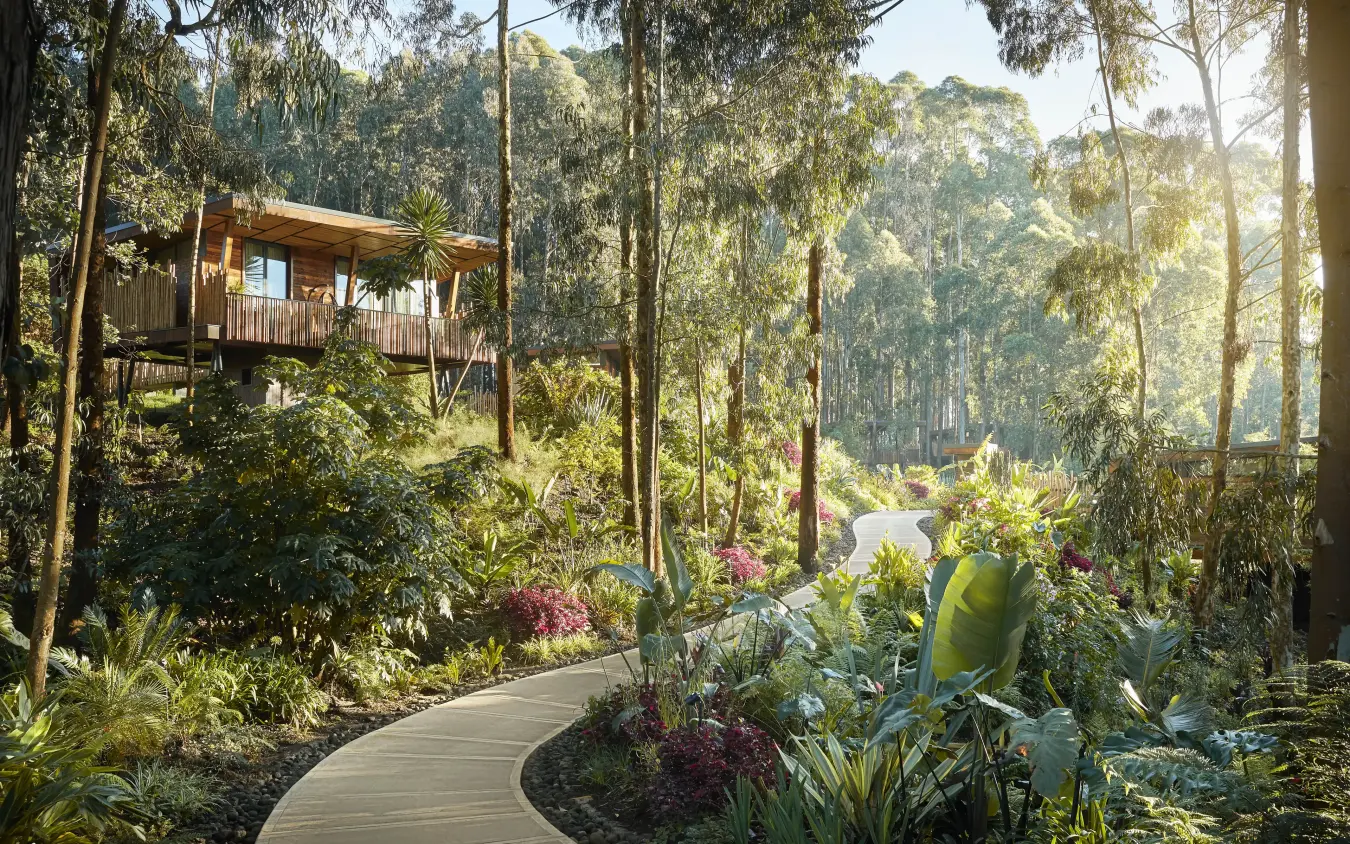
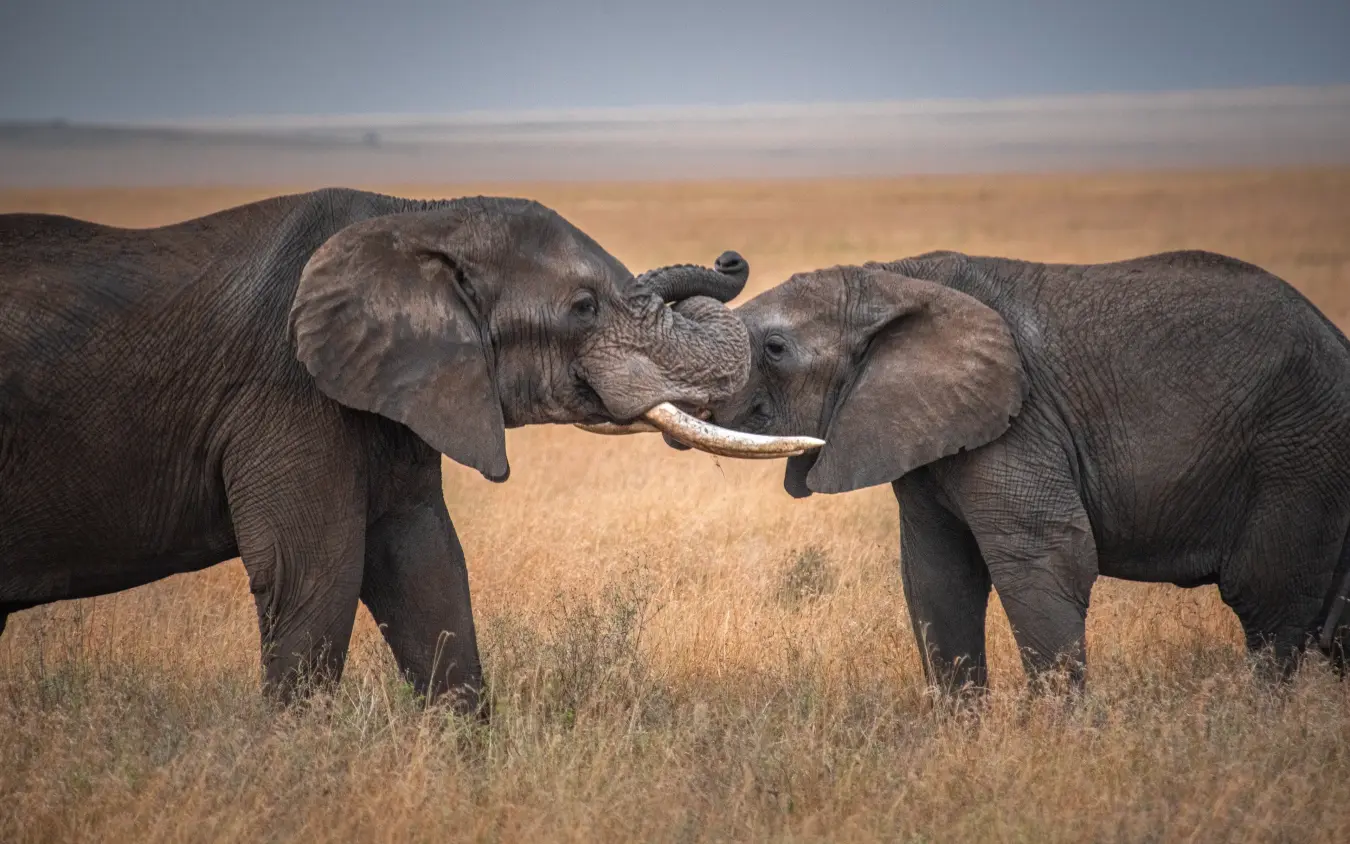
Three nights in the remote southern half of Lake Manyara National Park, the part most day-trippers never reach, where forest closes in and the gorge carries animals between the escarpment and the lake basin. In the dry months the Endabash is one of the few water sources for miles, and it draws elephants and buffalo down to drink within sight of camp. Days run to morning and afternoon game drives, night drives and walks, with canoeing when water levels allow and a treetop walkway eighteen metres up. Manyara Green Camp sets eight tents on raised decks along the Endabash River, directly beneath the waterfall.
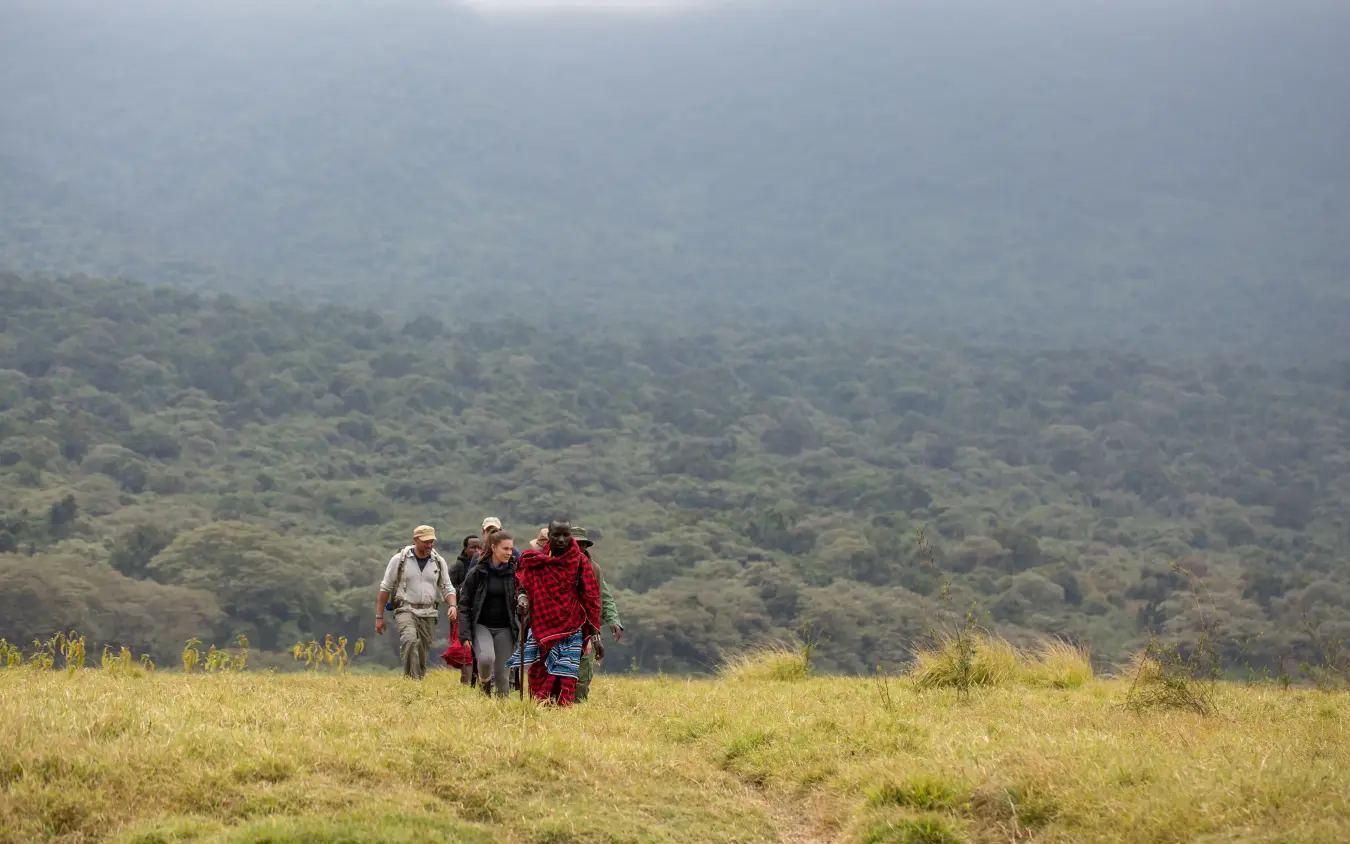
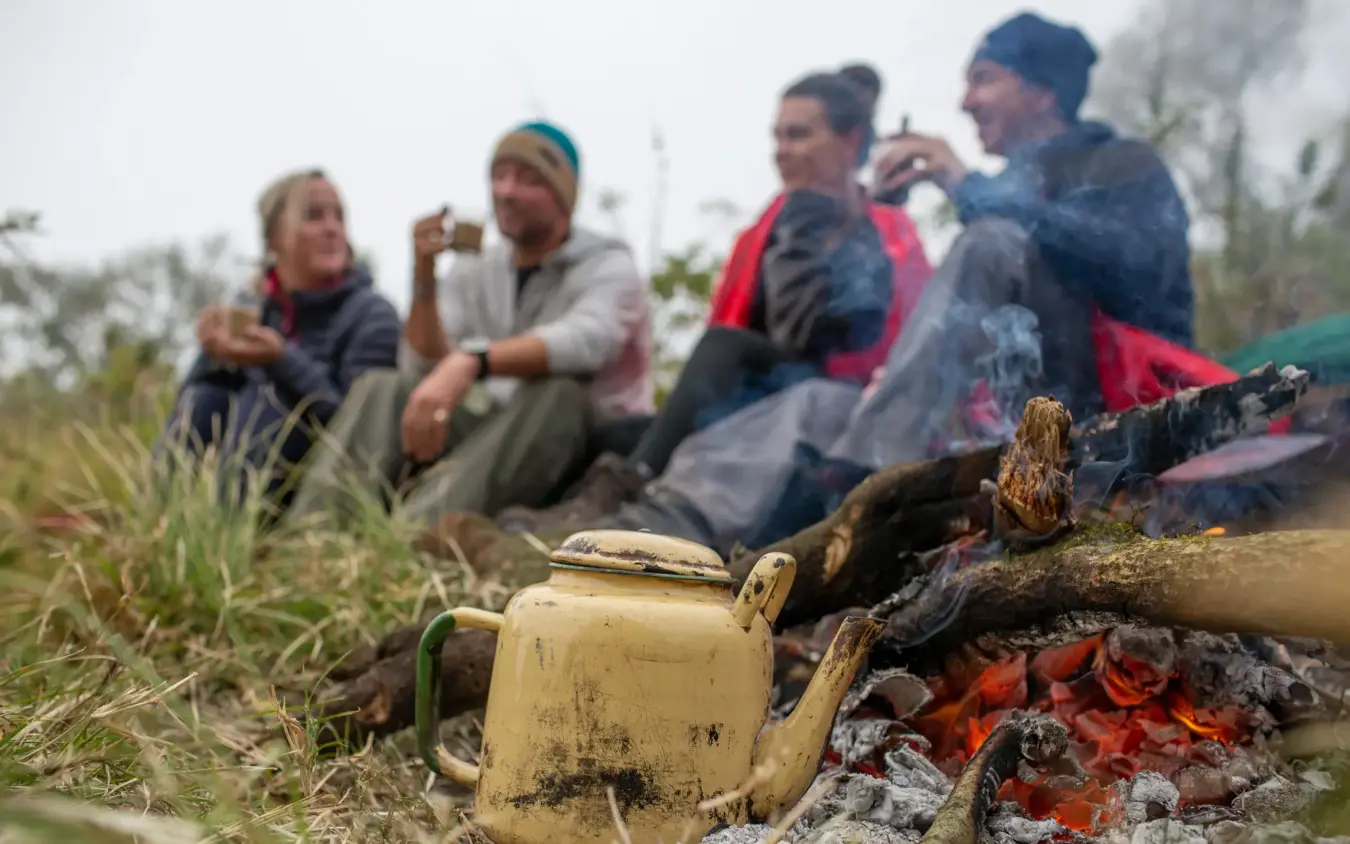
Two nights on the trek that crosses the Rift on foot, descending from Empakai toward Lake Natron and the alkaline flats below Ol Doinyo Lengai. This is self-propelled travel through country that behaves like nowhere else in Tanzania, reading the ground at a pace no vehicle allows. You sleep in Simple Lightweight Camp, a lightweight mobile camp carried along the route rather than a permanent property, put up where the day's walking ends.
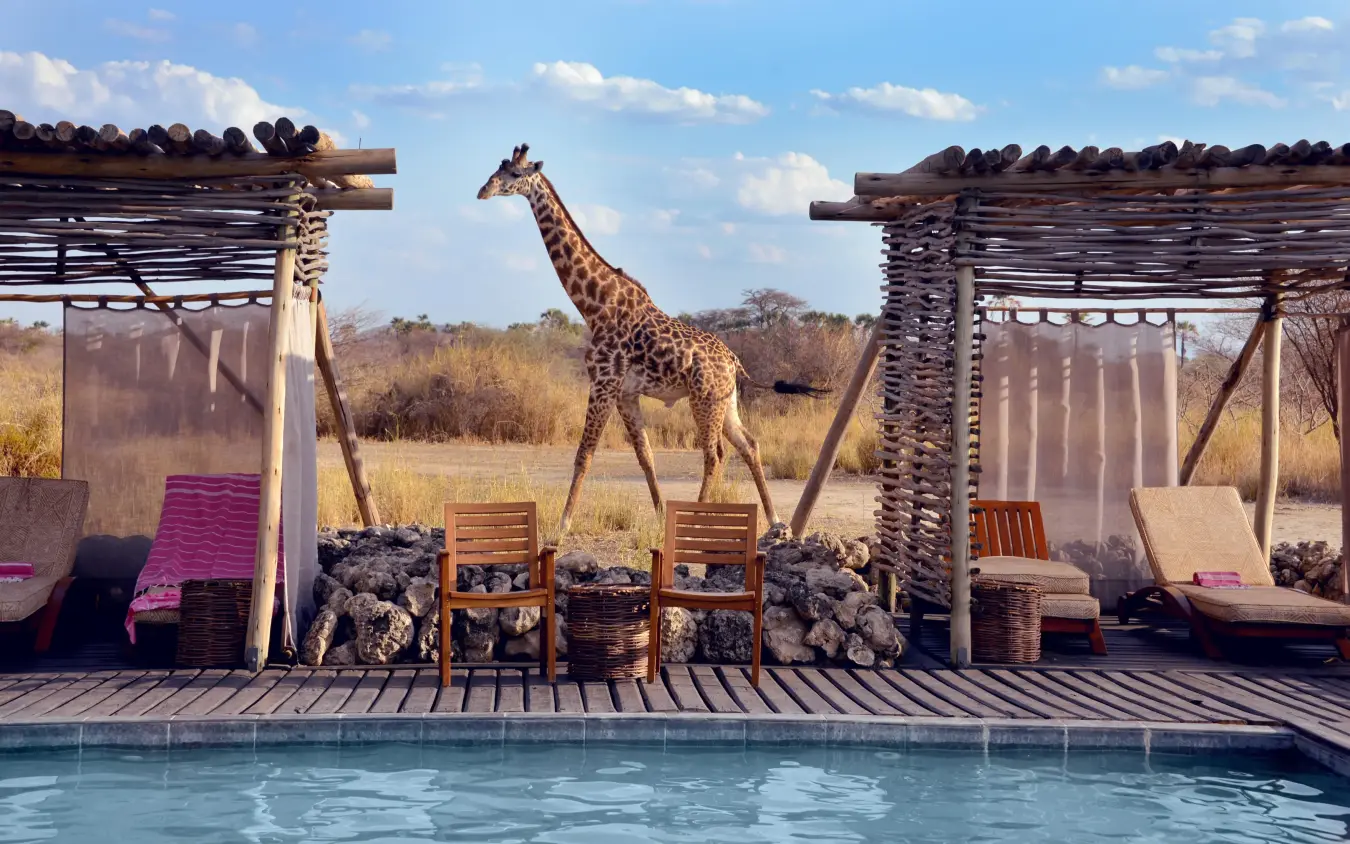
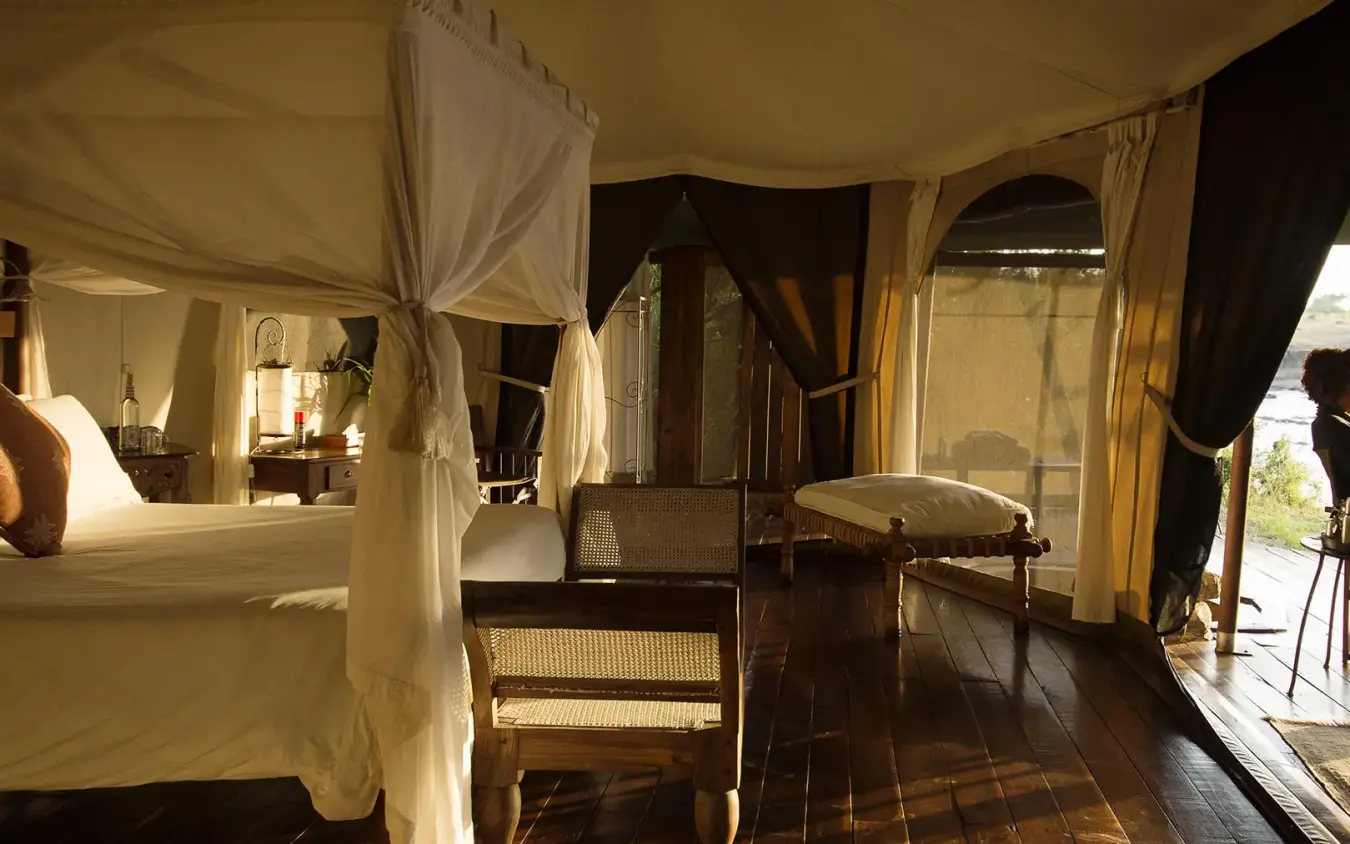
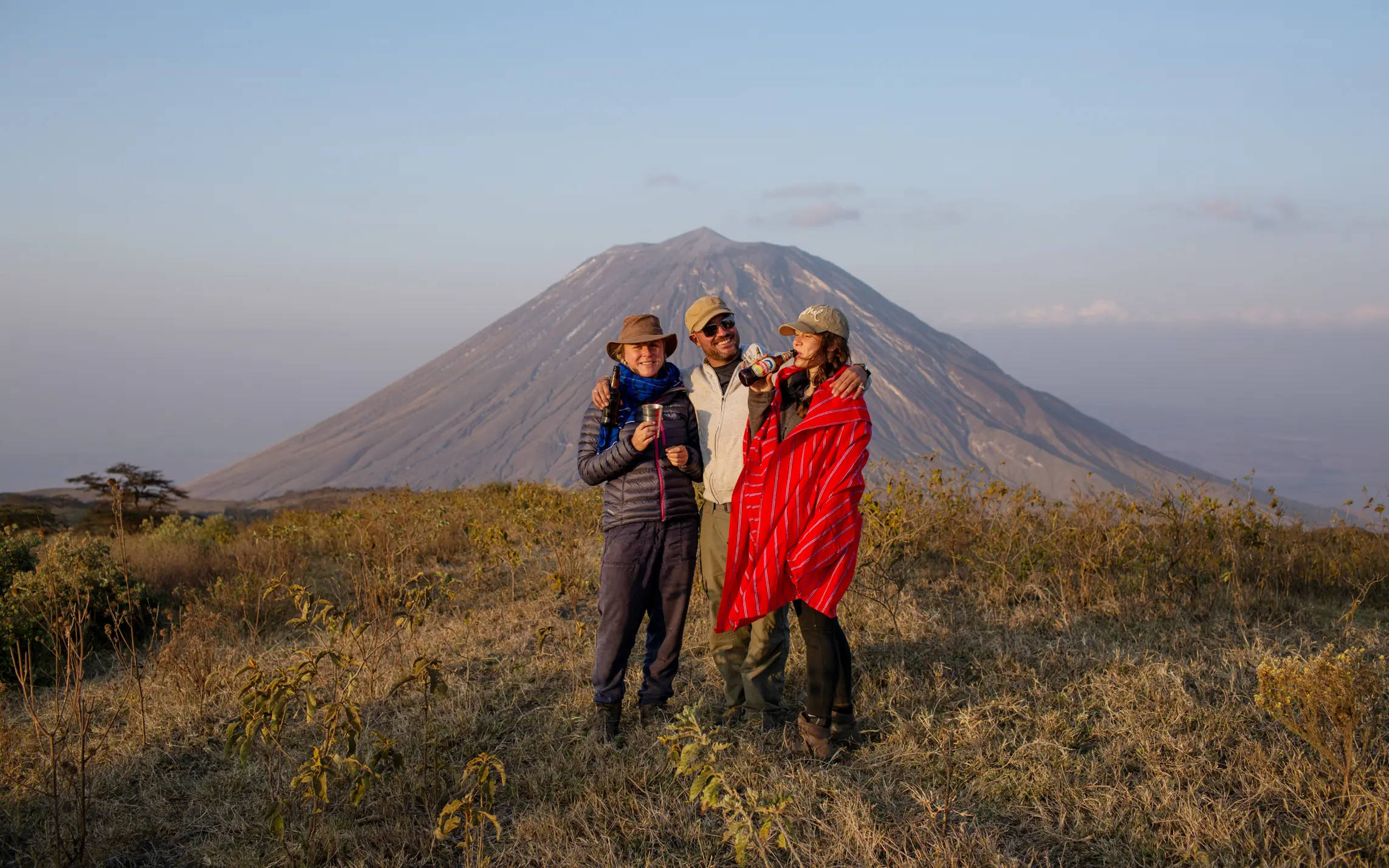
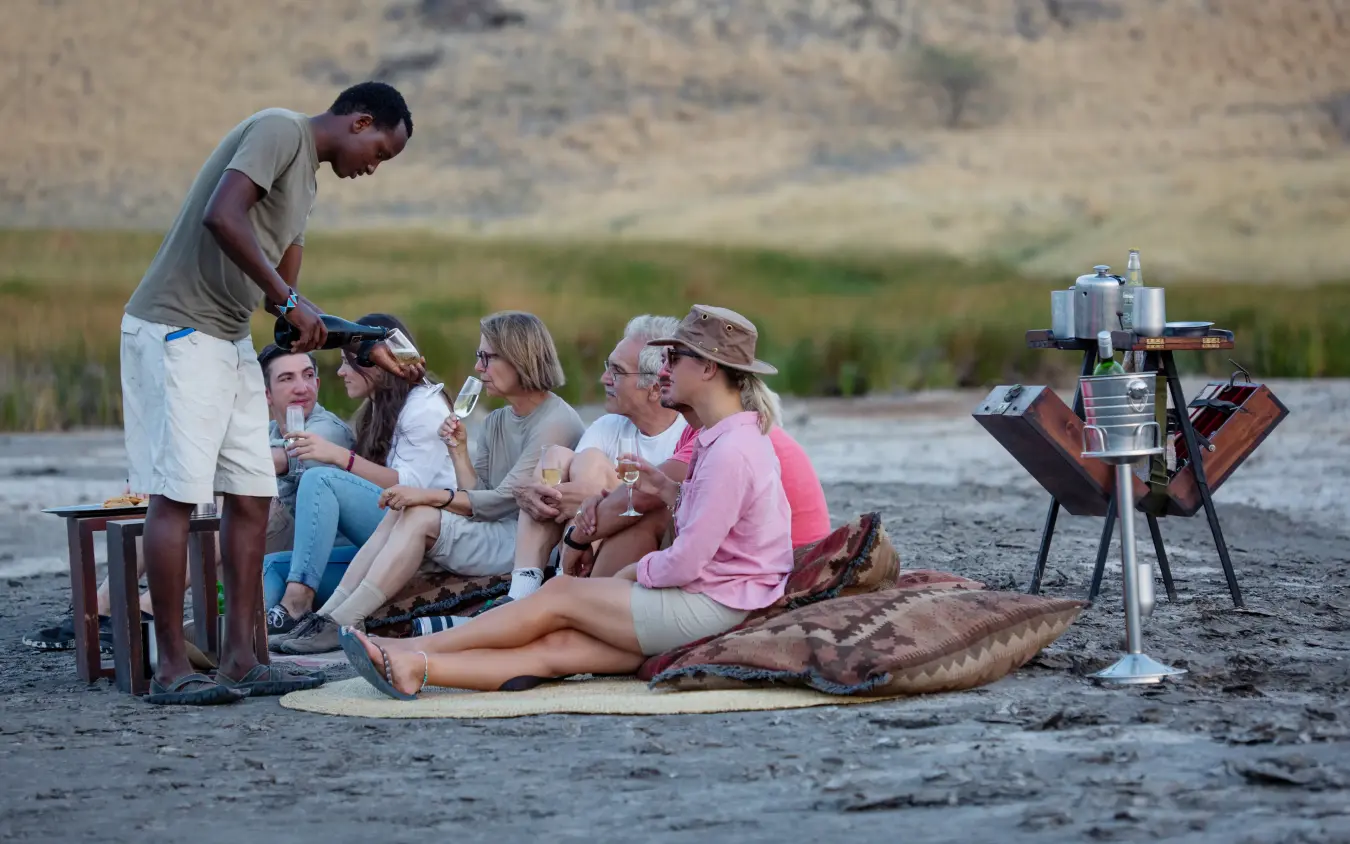
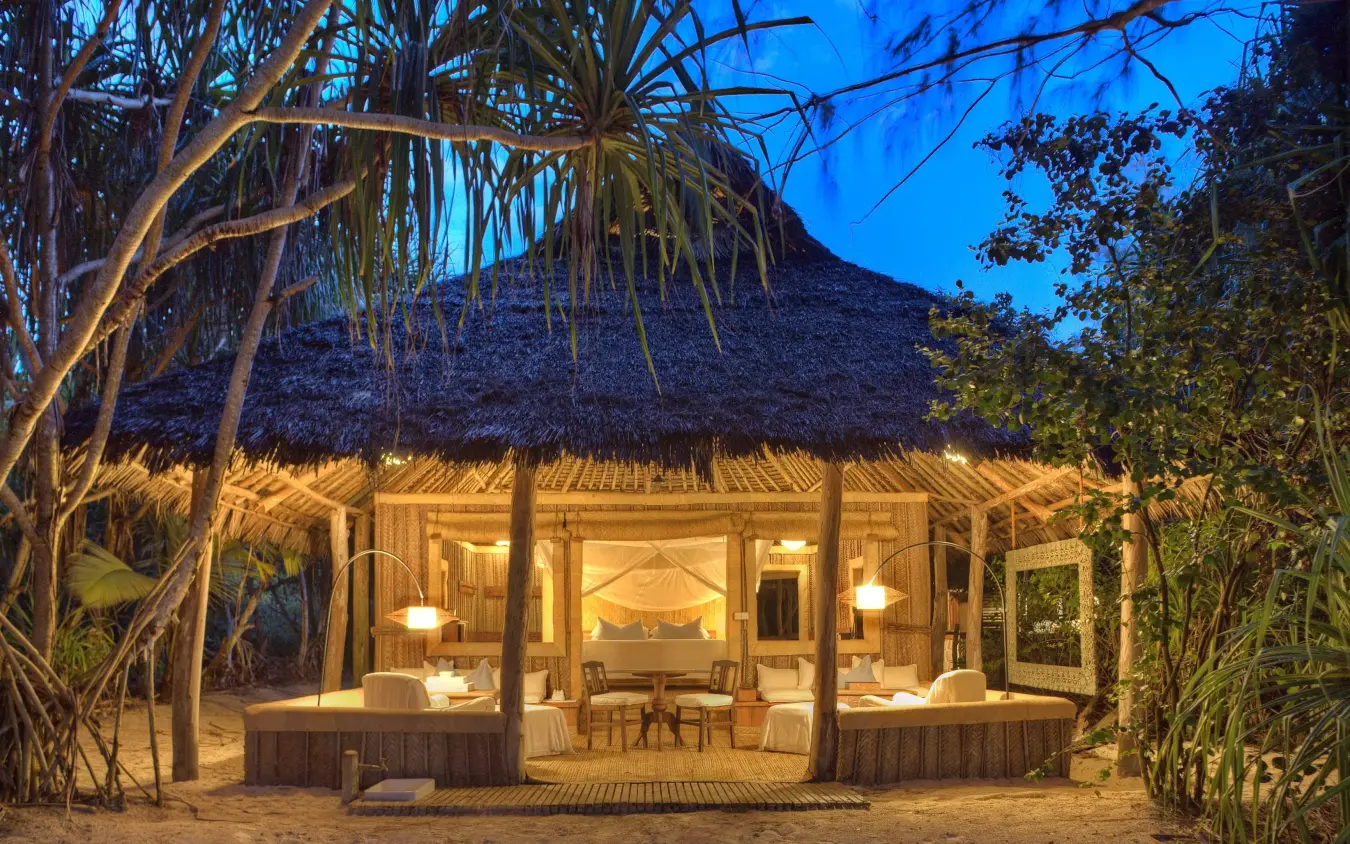
The walk reaches Lake Natron, a hyper-alkaline soda lake at the southern end of a private Maasai concession, its shallows stained red and orange beneath crusts of white salt. There are no game drives here. At dawn you walk out onto the flats where lesser flamingos feed, and wade up the Ngare Sero gorge to waterfalls cool enough to swim in; Ol Doinyo Lengai, the carbonatite volcano the Maasai call the Mountain of God, is climbed at night for sunrise. Lake Natron Camp runs nine tented suites on elevated decking beneath camouflage netting, with a spring-fed pool at its centre against the constant heat.
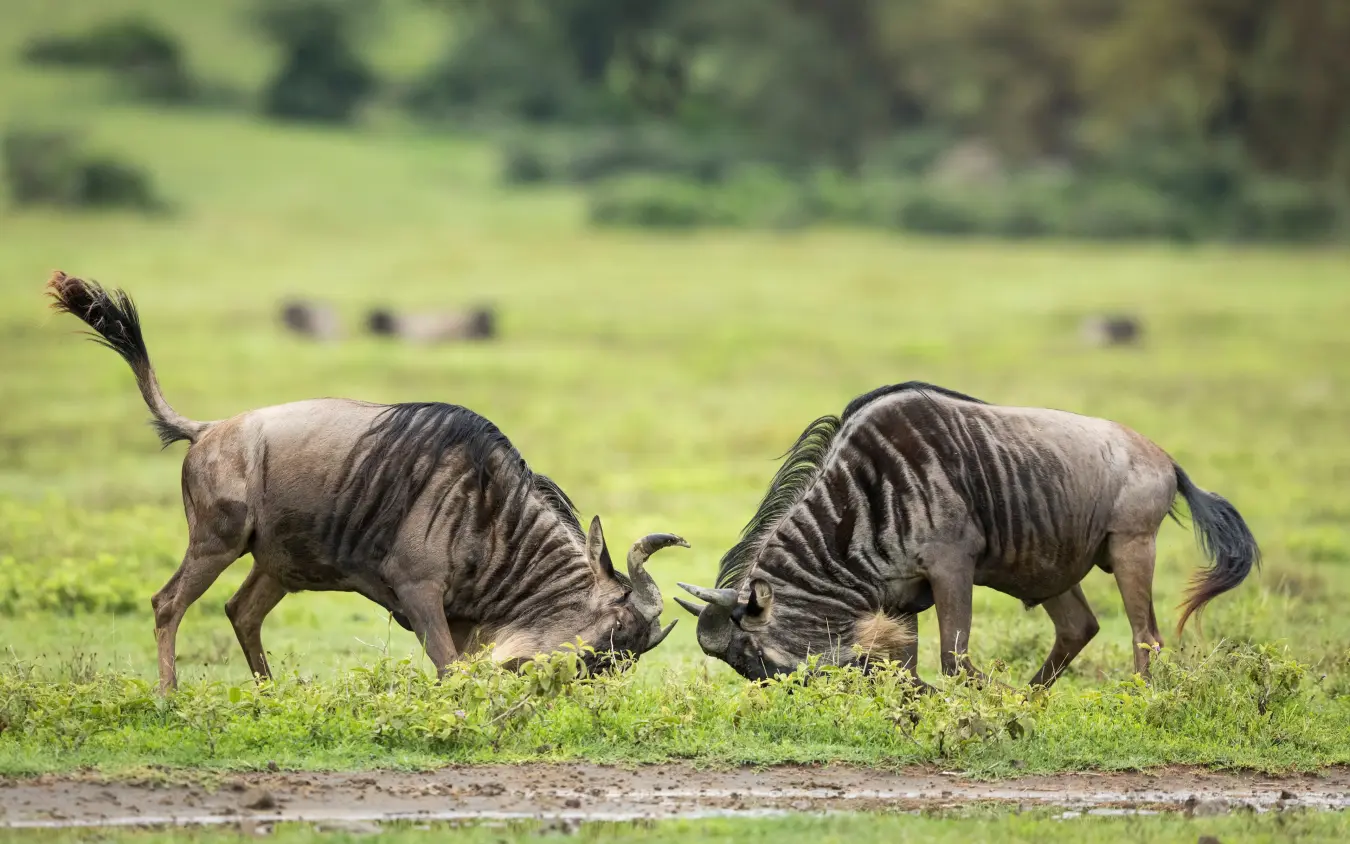
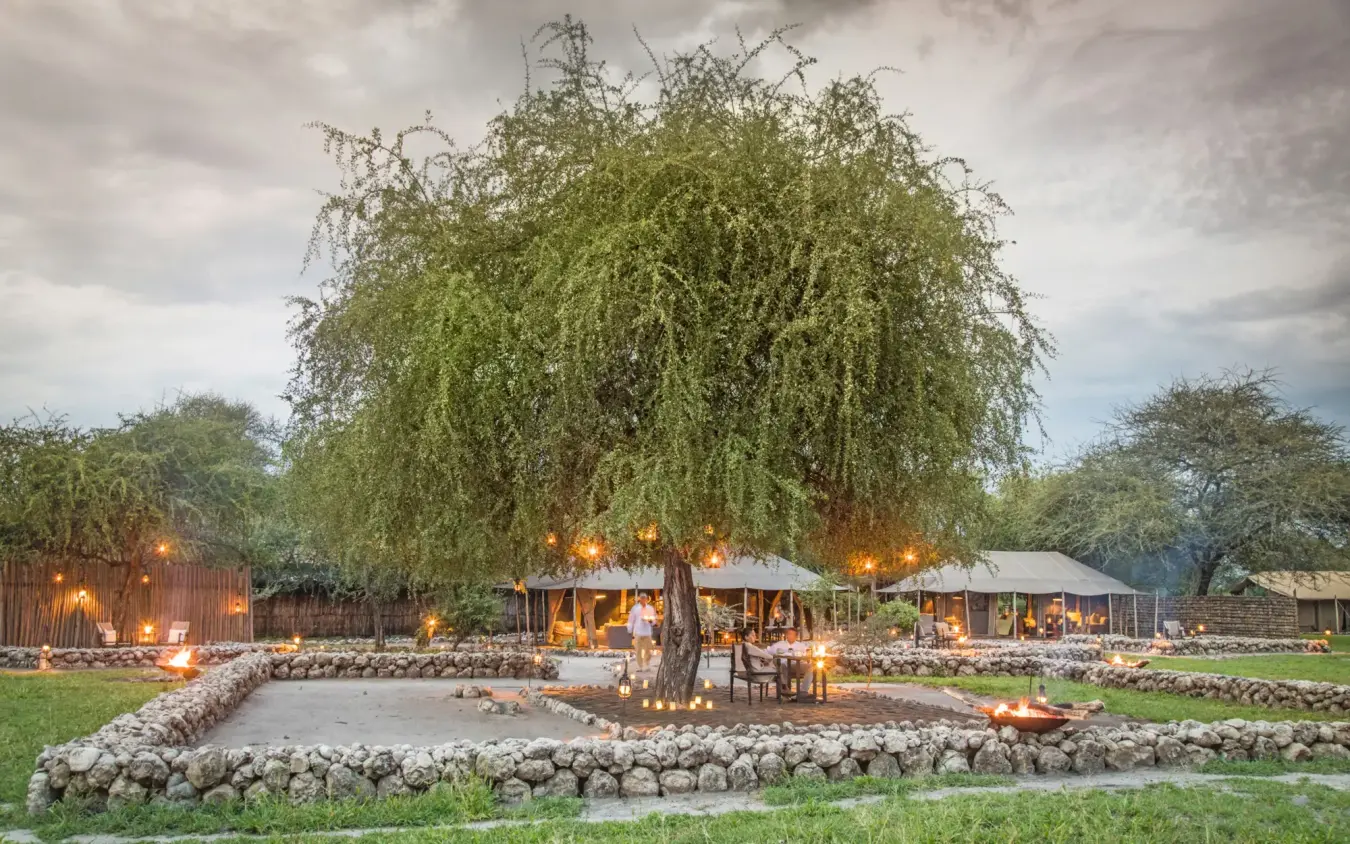
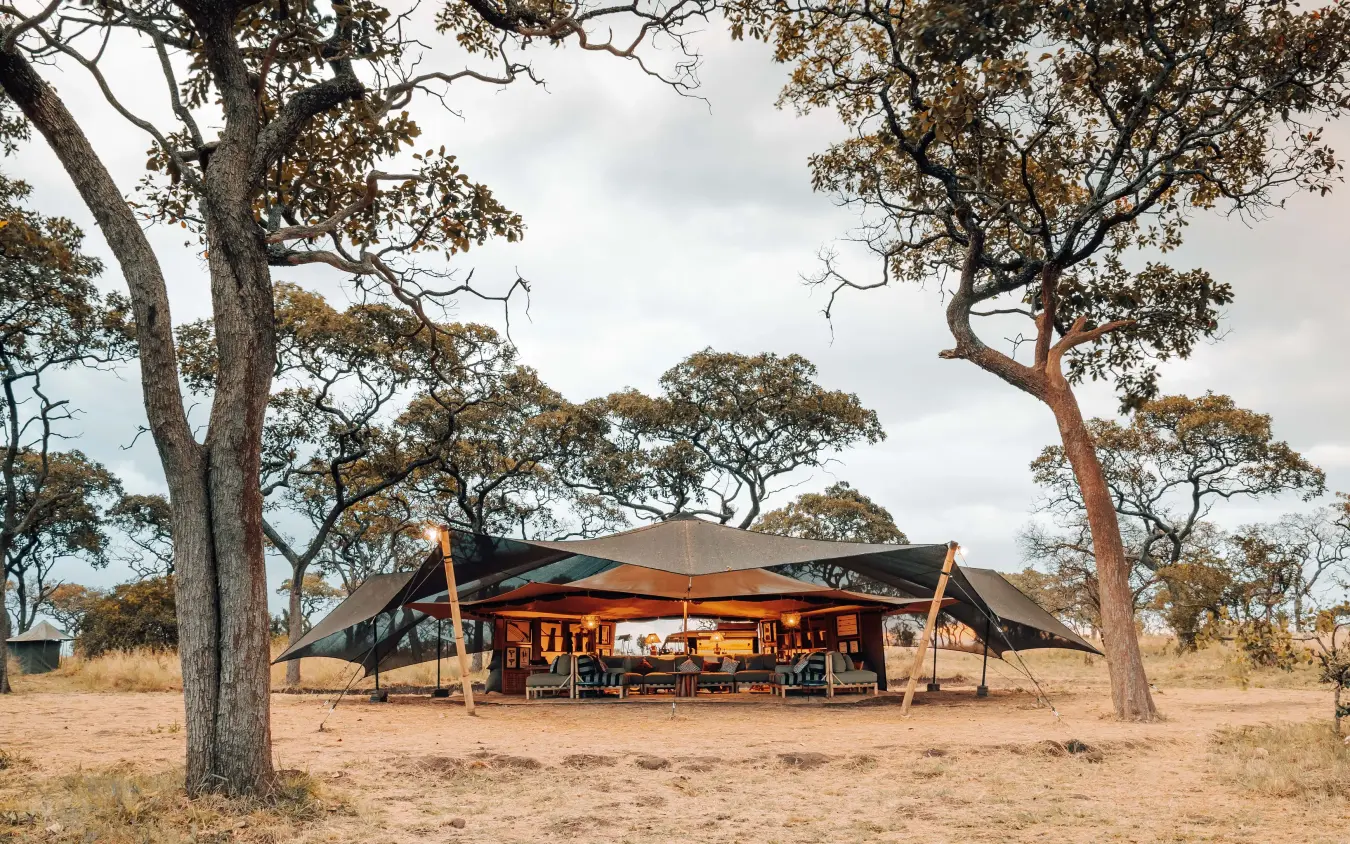
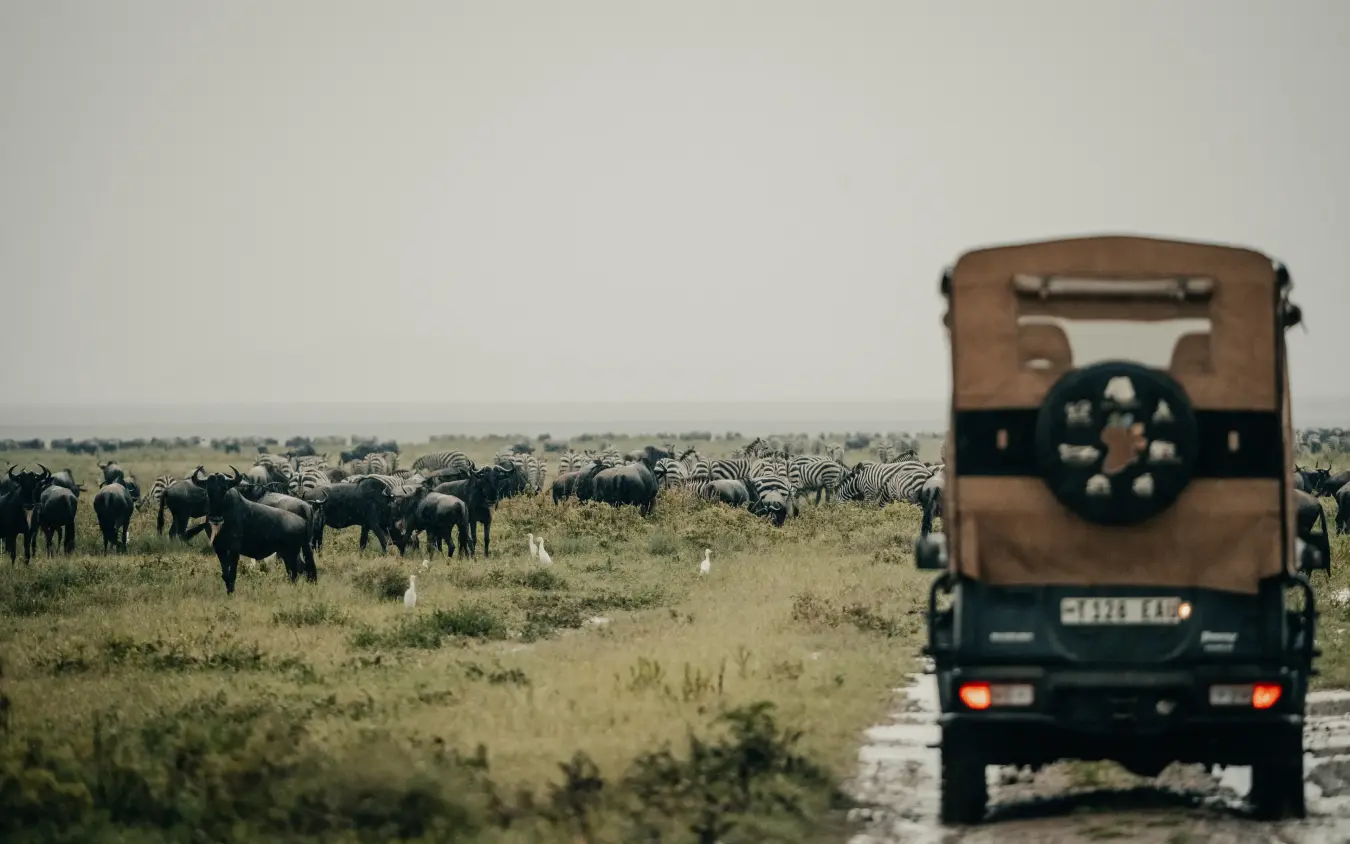
Three nights on the open Serengeti, in a camp positioned within a few hours of the wildebeest and away from the busier parts of the park. Walking is the reason it exists in this form: armed guides, with a national park ranger, lead outings from a couple of hours to a full day, reading tracks, grasses and insects. Game drives run morning and afternoon as standard. Serengeti Green Camp is taken down and rebuilt to keep pace with the herds, south at Kusini from December to April for the February calving on the volcanic soils, and north to Nyamalumbwa within range of the Mara River crossings from June to October.
It is the hardest part of the route, and it is mostly a descent, which is its own kind of hard on the knees.
We grade the highland crossing towards Natron as strenuous and put it at about a day and a half; this route allows two days and camps where each day's walking ends.
The drop is the thing. You leave crater country in the Ngorongoro highlands and finish at a lake whose surface sits at around 600 metres, so the air warms as you go down and the last hours are hot.
The distance is commonly put at around sixteen kilometres, so treat that as a guide rather than a measurement. You need to be comfortable on your feet for several hours over rough, stony ground at a pace set by Maasai guides.
Walking inside the Empakai crater itself requires an armed ranger.
Very hard, and it is the one part of this route that asks for hill fitness you already have.
The volcano stands at 2,962 metres and the walk sets off in the small hours, usually around midnight, so that the summit comes at sunrise and the descent is finished before the heat builds.
The climb gains more than 1,600 metres in about five kilometres, on loose volcanic ash and rock with little to hold on to. The round trip takes twelve to fourteen hours, and we rate it one of the most demanding single day climbs in East Africa.
Nobody goes up without a local guide. If you have any doubt that a climb like this suits you, put it to your own doctor before you book.
Say so if you would rather not: the two Natron days hold plenty without it.
Armed and licensed people throughout, and twelve is the age floor inside the national parks.
Inside the national parks the published fee bands run to adults and to children of twelve and upwards, with nothing below that age, and they split a walk at the four hour mark.
On the Serengeti plains the camp's own guides are rifle trained and go out accompanied by a park ranger, which is the arrangement the park requires. In the Ngorongoro Conservation Area the rule is the conservation authority's rather than the park's, and an armed ranger goes with anyone walking inside the Empakai crater.
At Lake Natron the walking is on a private Maasai concession with Maasai guides and no big game to speak of, which is why the days there feel so different. At Lake Manyara the walks run from a short shore amble to a climb up the escarpment.
That depends on the month, because the camp moves with them.
It stands on the southern short-grass plains near Nabi Hill from December to March, which is when and where the wildebeest calve, and it is taken down and rebuilt near Kogatende and the Mara River from around July to October for the crossings.
Between those two spells the herds are somewhere in the middle of the park and much harder to place, because the pattern follows rainfall and shifts from one year to the next.
In some seasons the camp stays a little longer at each end, south from December into April and north from June, so tell us your dates and we will confirm where it will be standing before anything is booked. Wherever it stands, the walking is the constant.
June to September, and on this route the deciding factor is heat rather than game. Those are the months our own Lake Natron advice rates highest.
In January and February the lake runs above 40 degrees and walking is workable only around dawn and dusk, which is a poor way to spend two days on foot. July to September is also dry in Lake Manyara and the Serengeti, with firm ground underfoot and the northern herds arriving from about July.
October is a fair alternative, hotter at Natron but still good in the parks. The stretch to leave alone is the long rains from March to May, when the highland tracks soften and Manyara is at its wettest.
If your dates are fixed, tell us and we will move the walking hours rather than the route.
A good deal, and none of it from a vehicle.
Natron is a hyper-alkaline soda lake at around 600 metres whose water can exceed a pH of 12, and that chemistry is exactly why it matters. It is the only regular breeding place in East Africa for lesser flamingos, and about three quarters of the world's lesser flamingos are hatched on its evaporite islands, which the caustic water shields from predators.
At dawn you walk out onto the flats where the birds feed, before the day heats up. The other half of the day goes to the Ngare Sero gorge, waded rather than walked, which ends at waterfalls cool enough to swim in.
Days start early and stop early here for a reason: temperatures at the lake are frequently above 40 degrees.
Ed Charles, BBC Producer
Fitzroy are true specialists in accessing the wilderness. They know where to go and importantly, when to go there. Highly recommended.
rwanda & tanzania
Eight nights linking gorilla trekking in Rwanda's Volcanoes National Park with a private island off Zanzibar.
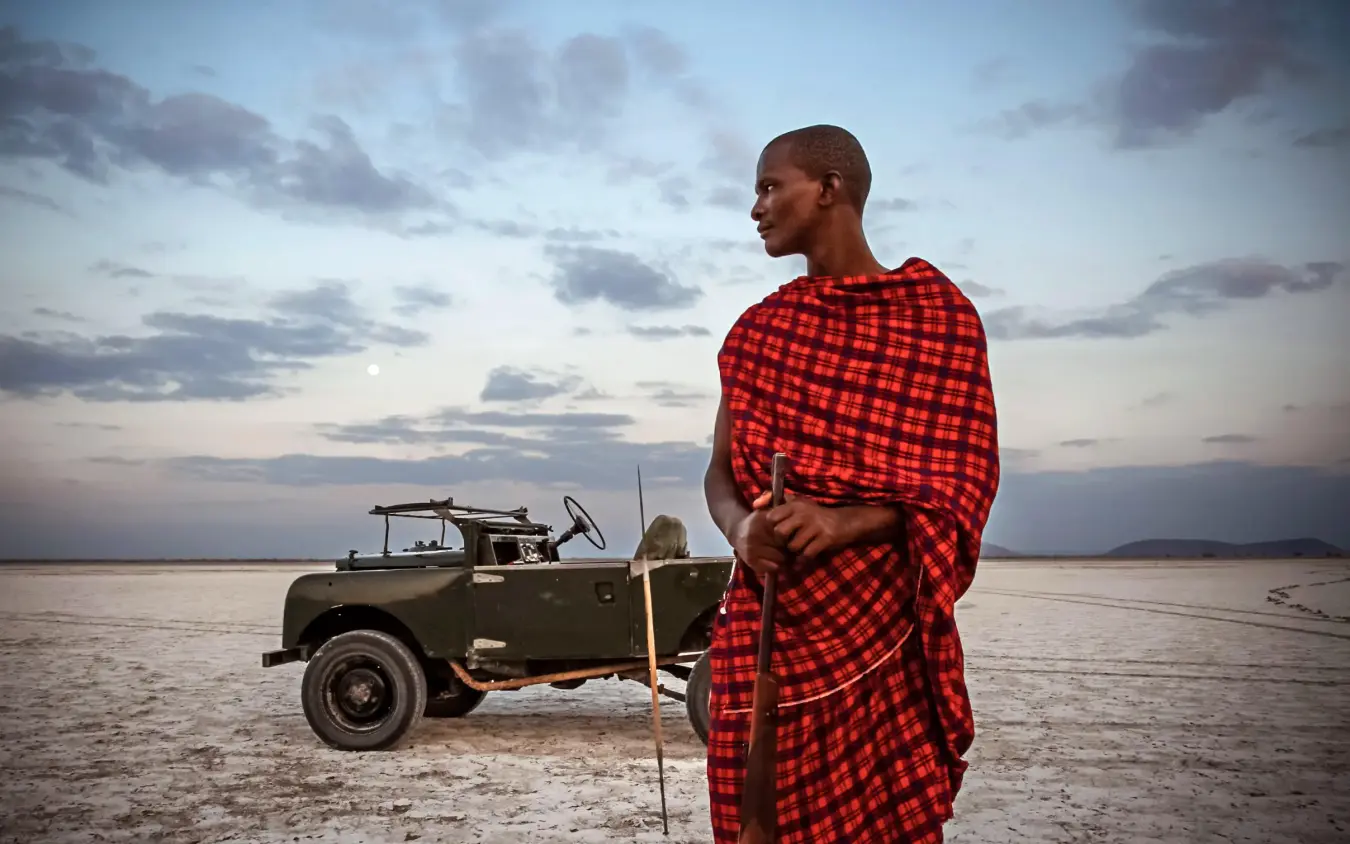
tanzania
Twelve nights across northern Tanzania, from the Serengeti and a private granite reserve to the Ngorongoro Highlands and the Rift.

tanzania & kenya
A 21-night route from a Serengeti kopje to a Mara riverbank and the private conservancies of Laikipia and Lewa.
rated five stars by our clients

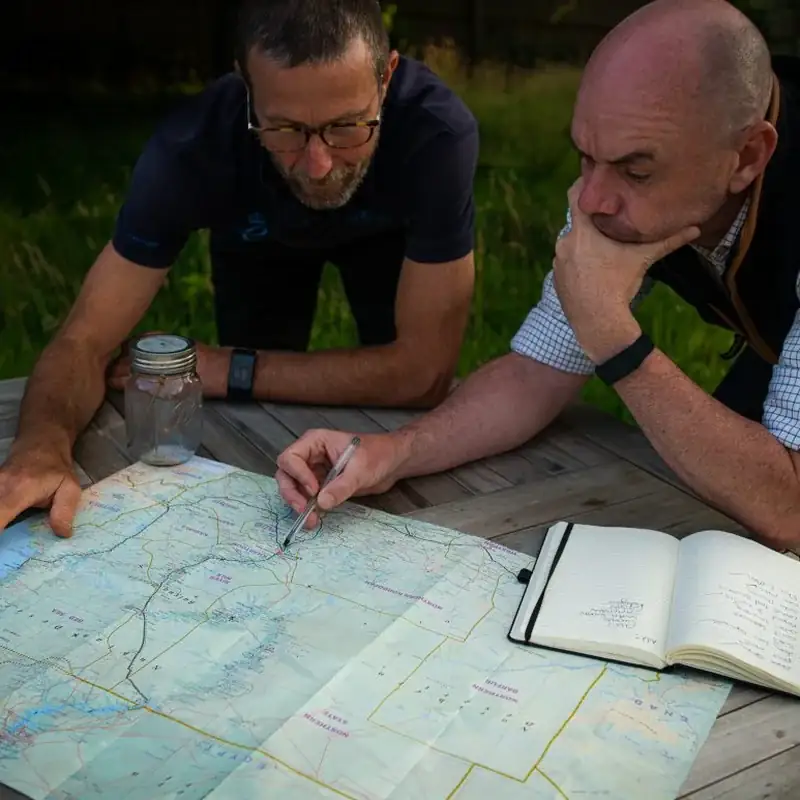
our approach
Every journey starts with a conversation. We take the time to understand your vision before we start planning.
Whether by phone or in person, we work with you directly to shape something that is considered, personal, and expertly delivered.
Every journey starts with a conversation. We favour a direct, personal approach: understanding your vision before anything else.
Whether by phone or in person, we work with you directly to shape a journey that is both thoughtfully considered and expertly delivered.
Get in touch to start planning yours.