










tanzania & kenya
craters, plains and rhino
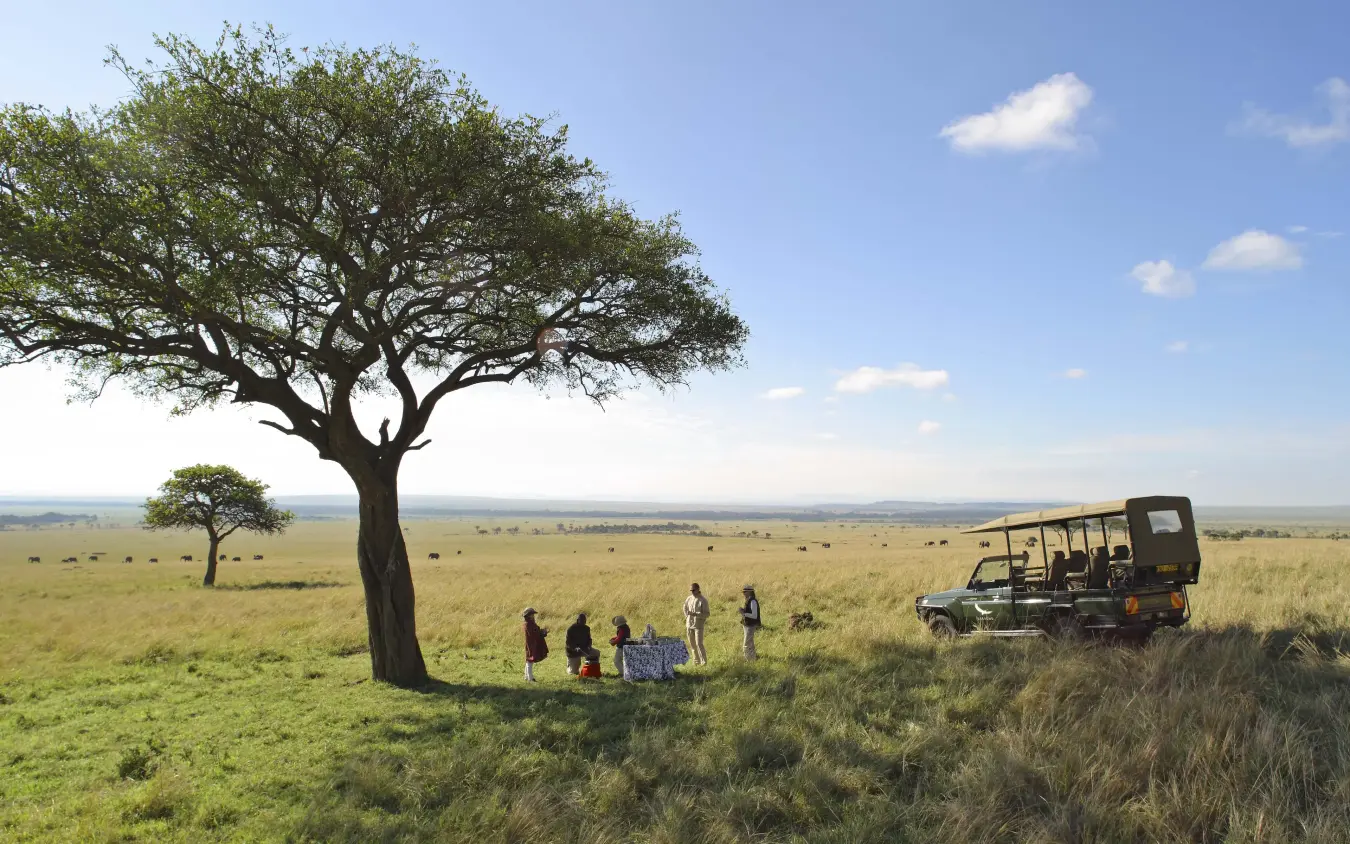
Sixteen nights from the Ngorongoro Crater and the Serengeti into Kenya's Maasai Mara, Laikipia and Borana Conservancy.
- Private Safari
- From $27,180 pp
- 2 guests
- 16 nights
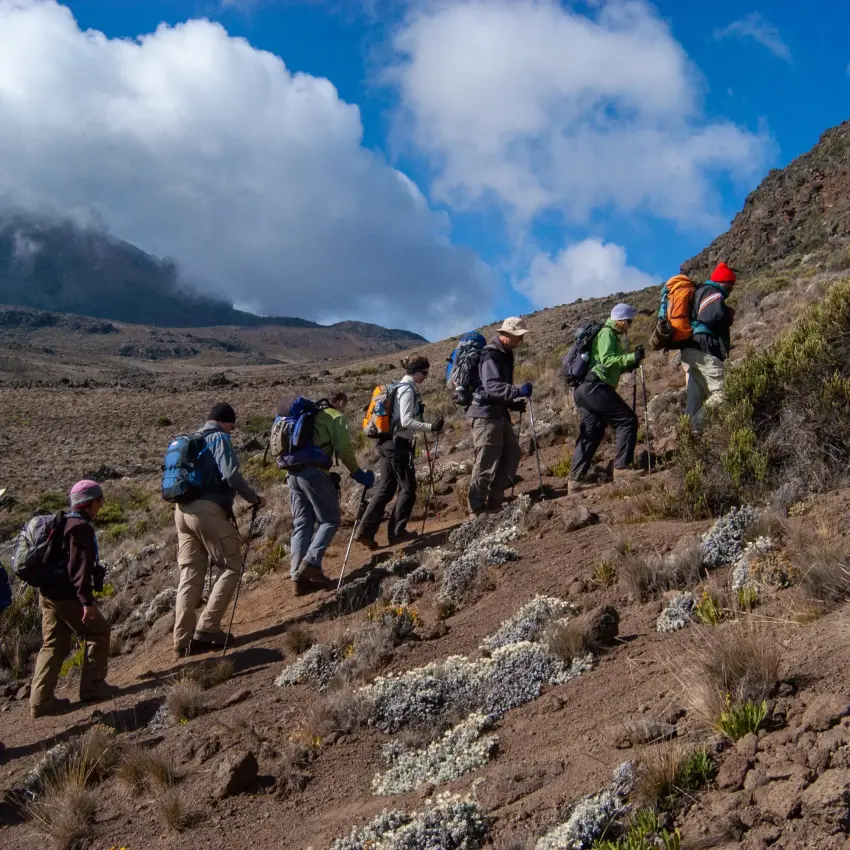
The trip opens beneath Mount Meru at Arusha, northern Tanzania’s staging town, then climbs Kilimanjaro over eight days on the Lemosho route, from forest across the Shira Plateau to the summit and down to Mweka. Back on Meru’s slopes you recover at a lakeside farmhouse before crossing to Rwanda: two nights in Kigali, then Volcanoes National Park for the mountain gorillas of the Virunga Massif.
You walk the mountain in stages, each night in a camp along the route, with acclimatisation built in. Either side, the pace is slower: forest walks near Arusha and gorilla trekking from a lodge on the park boundary. Accommodation runs from a forest camp and a historic lakeside farmhouse to a boutique hotel in Kigali and a design-led lodge at Bisate.
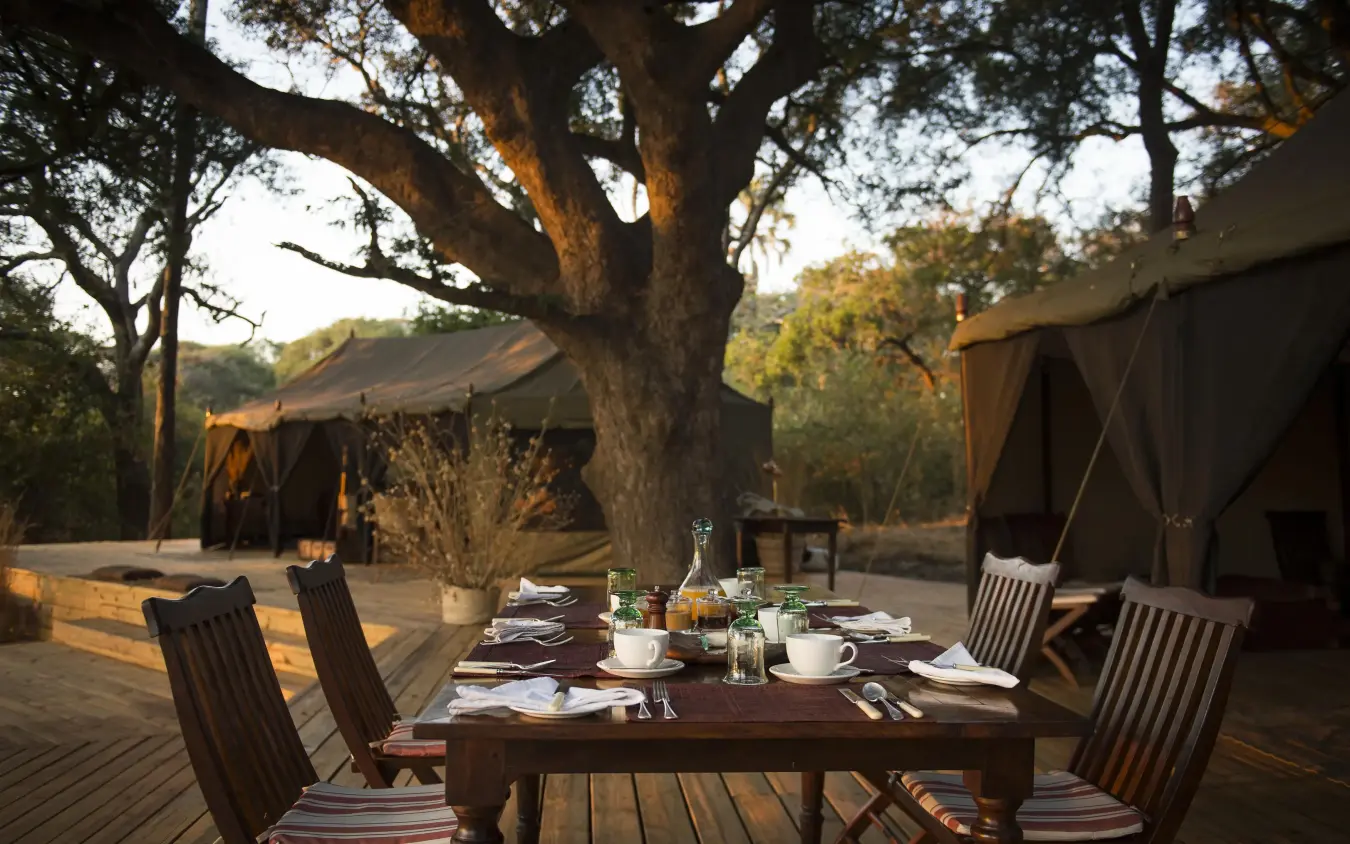
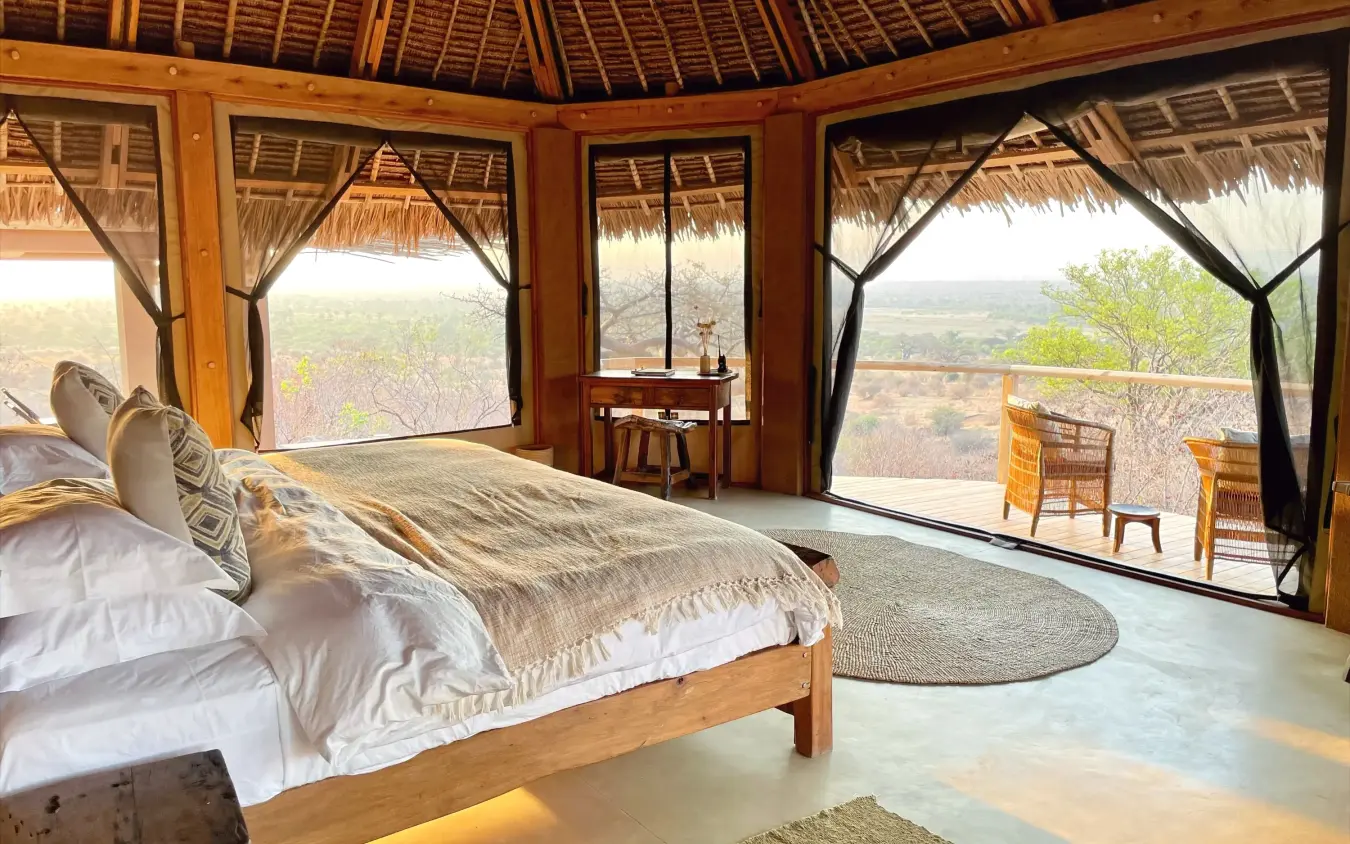
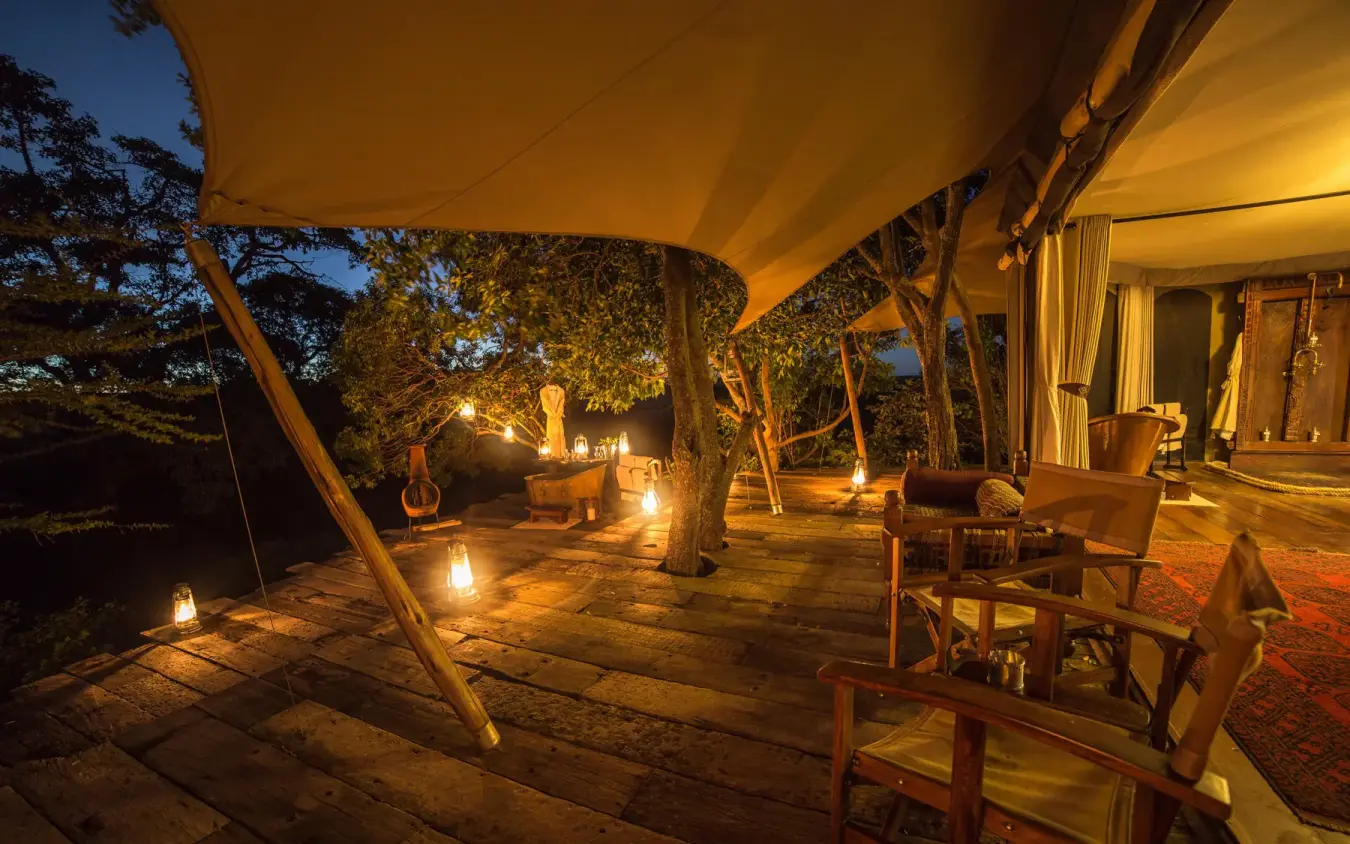
You land at Kilimanjaro International Airport, an hour's drive from camp, and begin not on the plains but in montane forest on Mount Meru's lower slopes, inside Arusha National Park. Days here are walked rather than driven: an hour among the fig trees with an armed ranger, the viewpoints on the Ngurdoto Crater rim, where buffaloes and elephants graze a floor closed to all visitors since 1967, or birding for silvery-cheeked hornbills. Colobus monkeys call at first light. Koroi Forest Camp opened in July 2025, eight rooms and a treehouse suite on raised timber platforms above a glade where giraffes move through the trees.
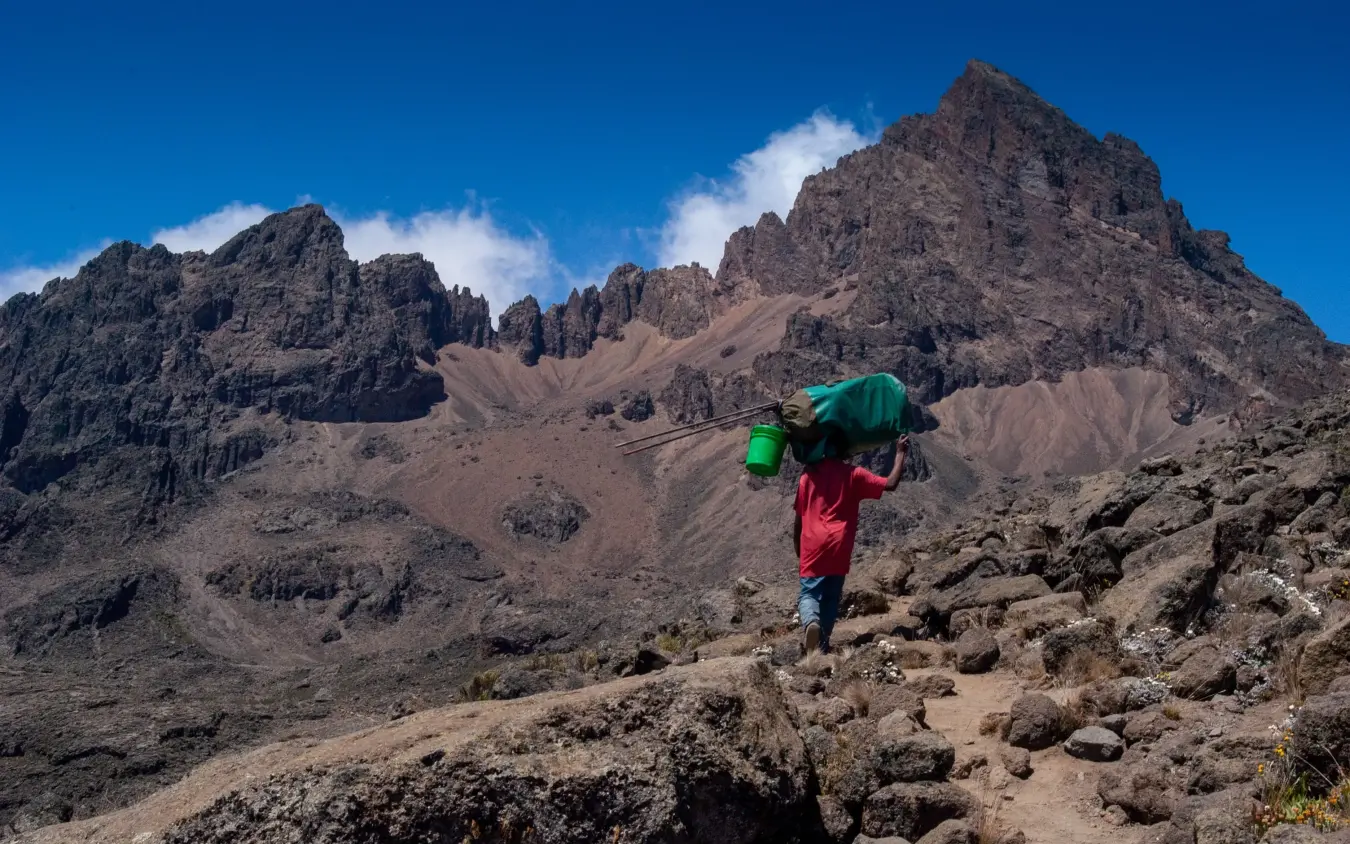
The Kilimanjaro climb begins in forest. The Lemosho route enters through dense montane woodland, and the first day's walking is unhurried, a way to settle into the pace of a staged ascent while the canopy still closes overhead. This is the start of eight days on the mountain, each night in a camp set up along the route. Forest Camp is your first night under canvas, before the trees give way to open ground higher up.
The forest ends and the route climbs onto the Shira Plateau, a broad expanse of high moorland below the peaks. The change is abrupt: trees behind you, open ground and long views ahead, the air already thinner. Days at this stage are about walking steadily and letting the body adjust to the altitude. Shira Camp is a camp on the climb, pitched on the plateau for the night.
From the Shira Plateau the route bears higher toward Moir, a quieter camp used to build acclimatisation before the summit approach. The day's walking gains height gradually, and there is time for short climbs above camp that take you higher still before you sleep lower, the pattern that helps the body adjust. Moir Camp is a camp on the climb, set apart from the busier stops on the mountain.
The route now works across the mountain and drops to Barranco, part of the walk-high, sleep-low rhythm that carries you through the altitude. The descent into camp gives the legs a different day after the climbing above Moir, and the views open out as you go. Barranco Camp is a camp on the climb, set in a valley that the following morning's walk climbs out of.
A shorter day brings you across to the Karanga valley, the last staging point before the summit base. The walking crosses ridges and valleys, still gaining height, with the summit now close above. Time here is spent resting and eating well before the hardest section of the climb. Karanga Camp is a camp on the climb, a night to gather strength before Barafu.
The walk to Barafu is short but takes you onto exposed, rocky ground high on the mountain. This is the summit base, and the day is given over to rest and an early night, because the summit attempt begins in the dark. Barafu Camp is a camp on the climb, the last night before the top and the point the summit push sets out from.
You set out in darkness for the summit, the long climb to the top of Kilimanjaro timed for sunrise on the highest ground of the trip. From the top the descent runs down through the changing vegetation zones to Mweka, on the forest edge, a long day on the legs after the effort of the night. Mweka Camp is a camp on the climb, the final night on the mountain before you walk out.
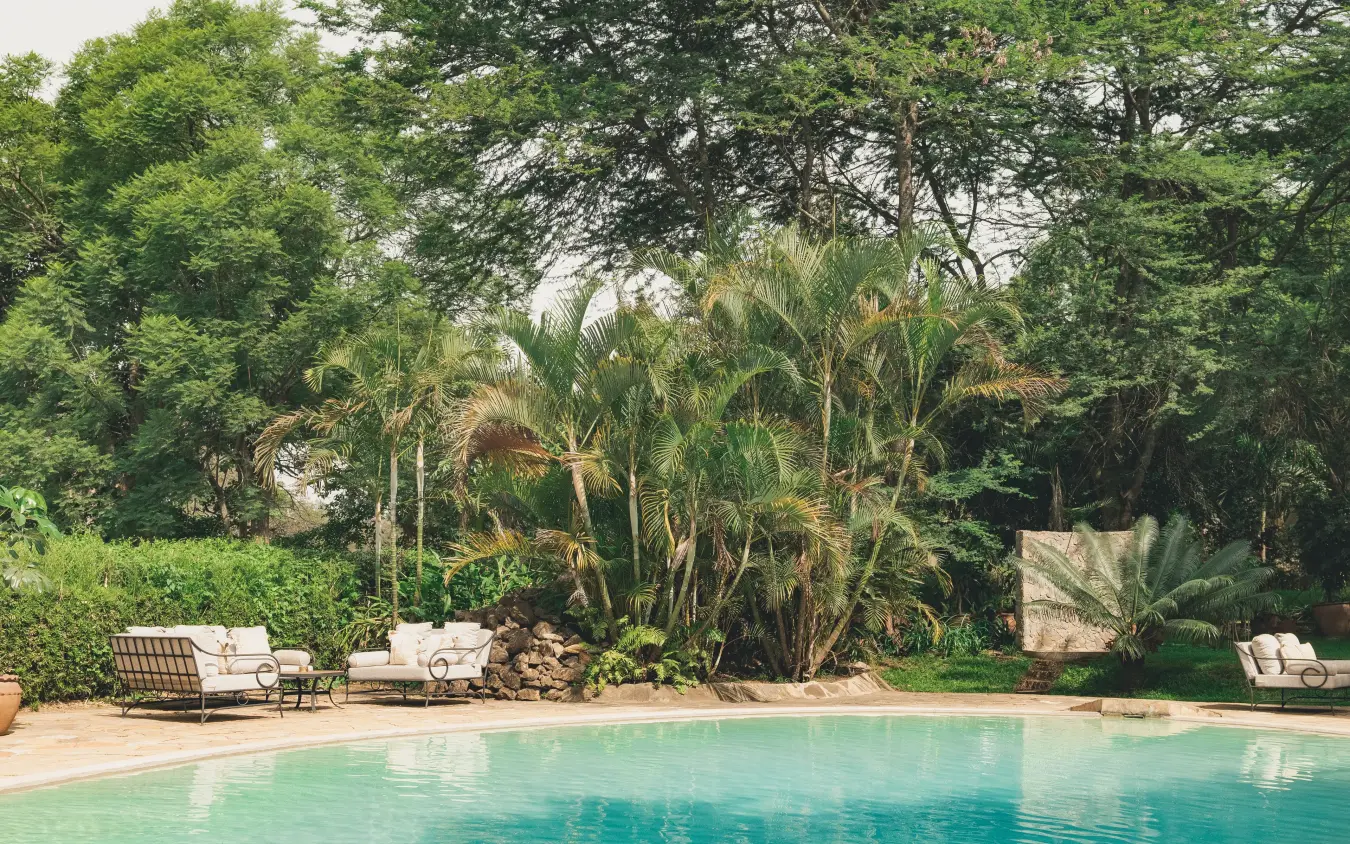
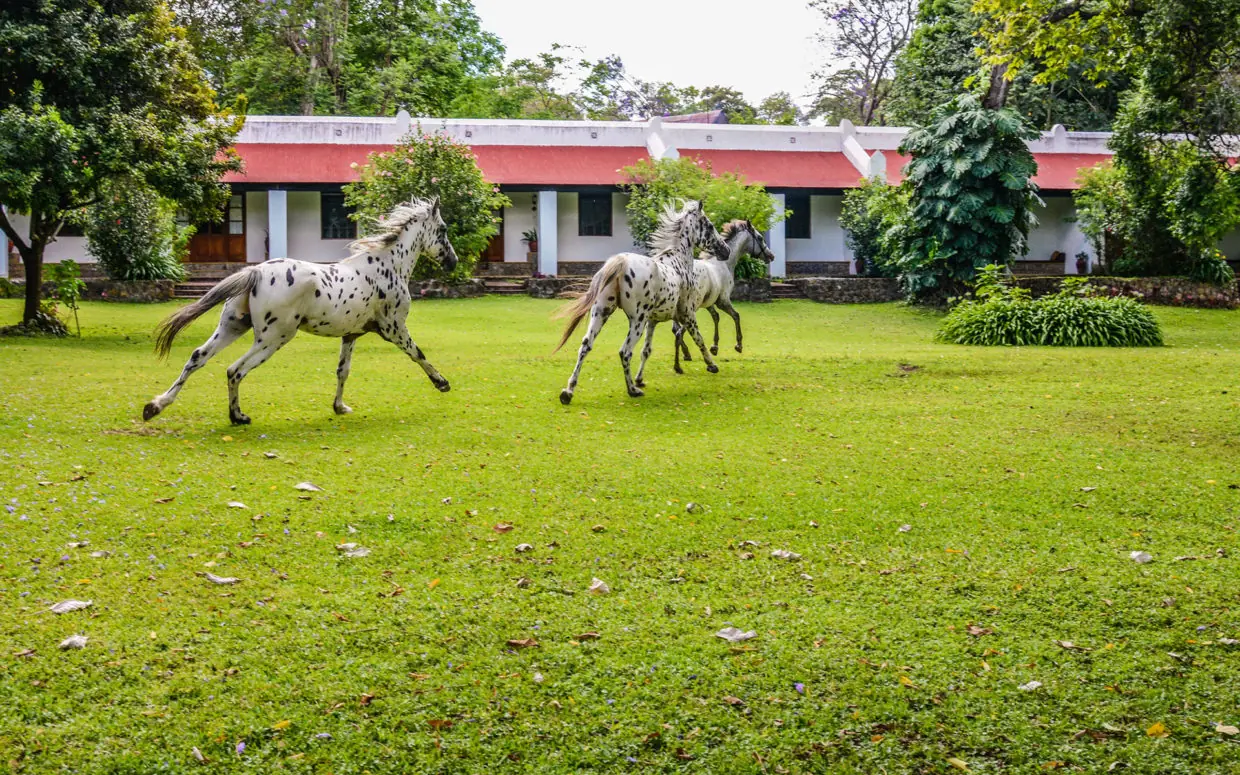
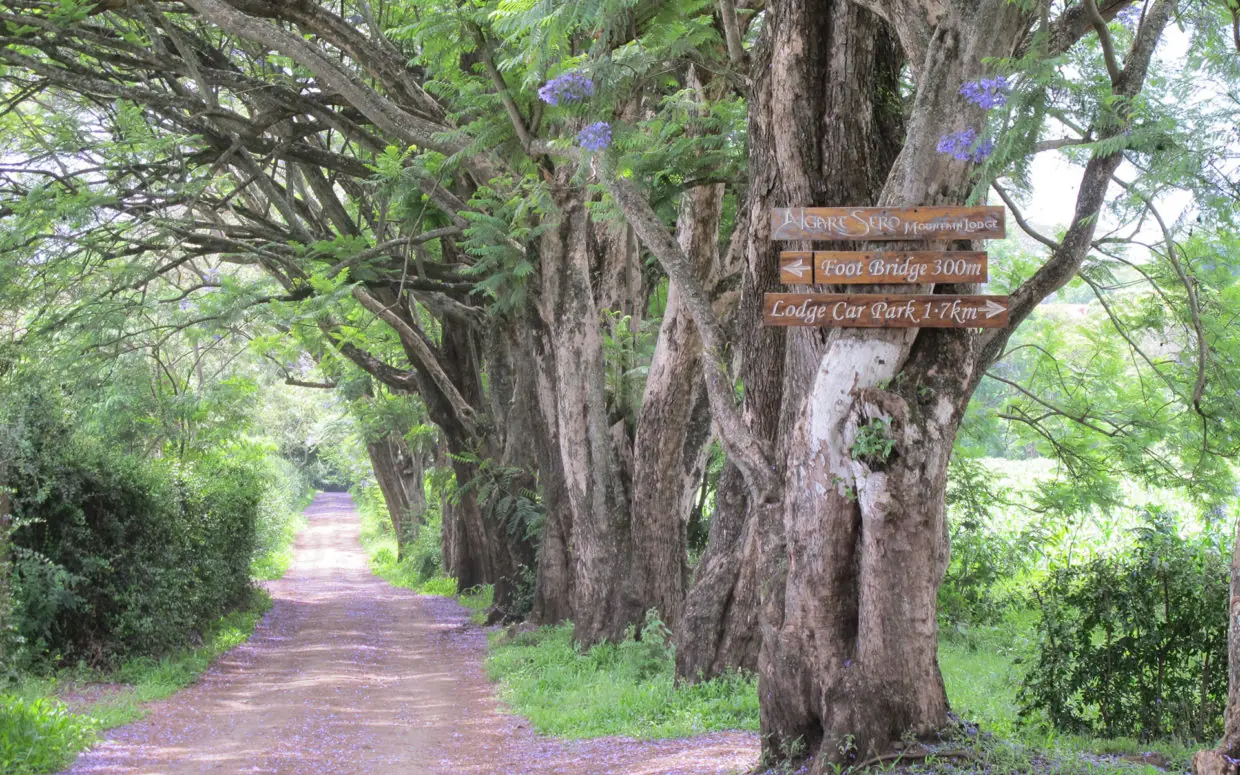
Off the mountain, you slow down on the forested lower slopes of Mount Meru, around 20 kilometres east of Arusha. Days here take their rhythm from the water and the trees: a boat out on the spring-fed lake, a ride on the estate's horses, a walk in the private forest, colobus and Sykes' monkeys in the canopy. On clear mornings the glaciers of Kilimanjaro come into view. Ngare Sero Mountain Lodge is a 1905 colonial farmhouse the Leach family has run since 1974, with meals from its own organic garden and freshly caught trout.
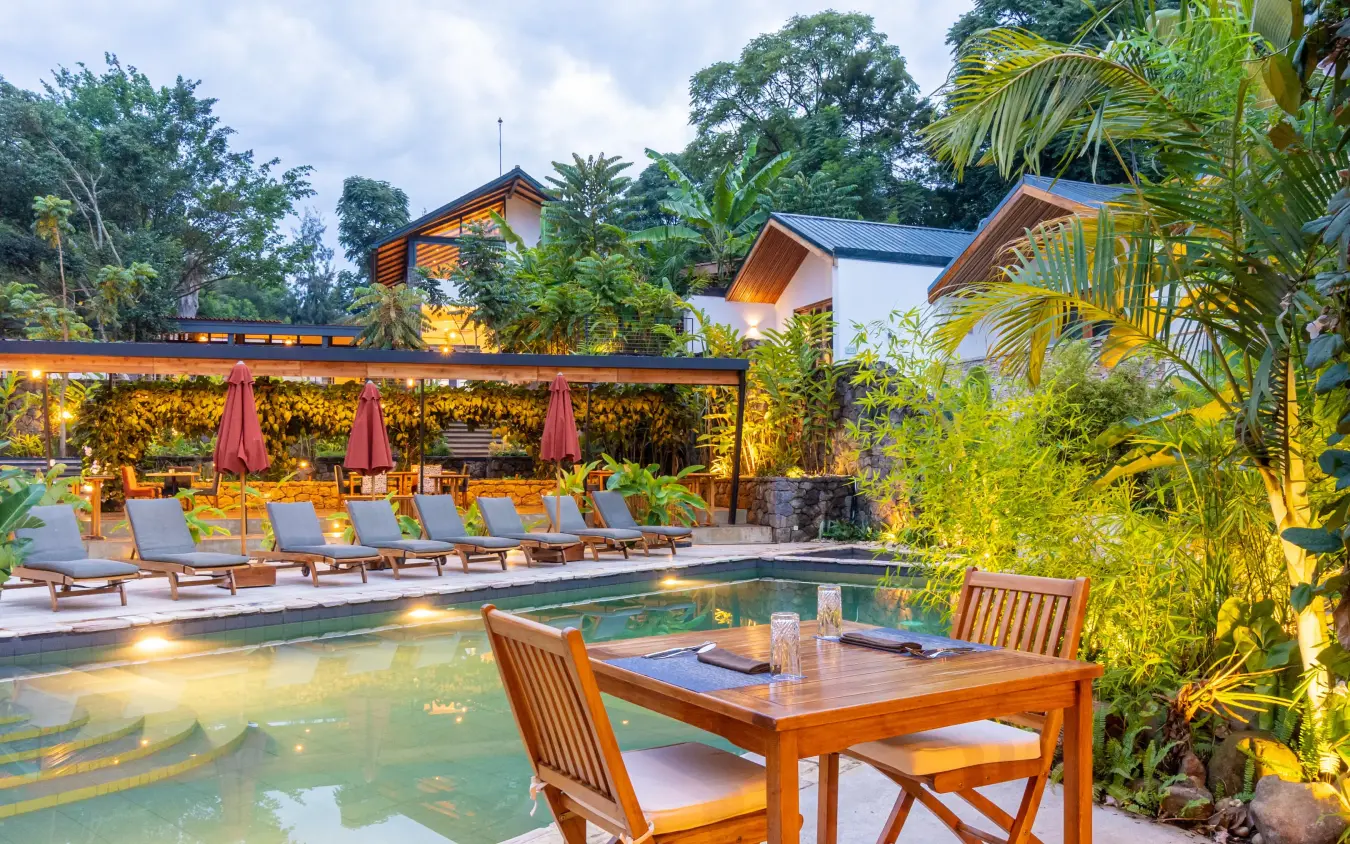
You leave Tanzania for Rwanda's capital, spread across ridges at the centre of the country and widely regarded as the cleanest city in Africa. Two nights give you time for the Kigali Genocide Memorial at Gisozi, the textile stalls of Kimironko Market and the Inema Arts Center, all reached by private driver-guide. Hemingways Retreat Kigali is a 20-room boutique hotel of stone and teak in the leafy Kiyovu district, with a solar-heated saltwater pool and farm-to-table dining.
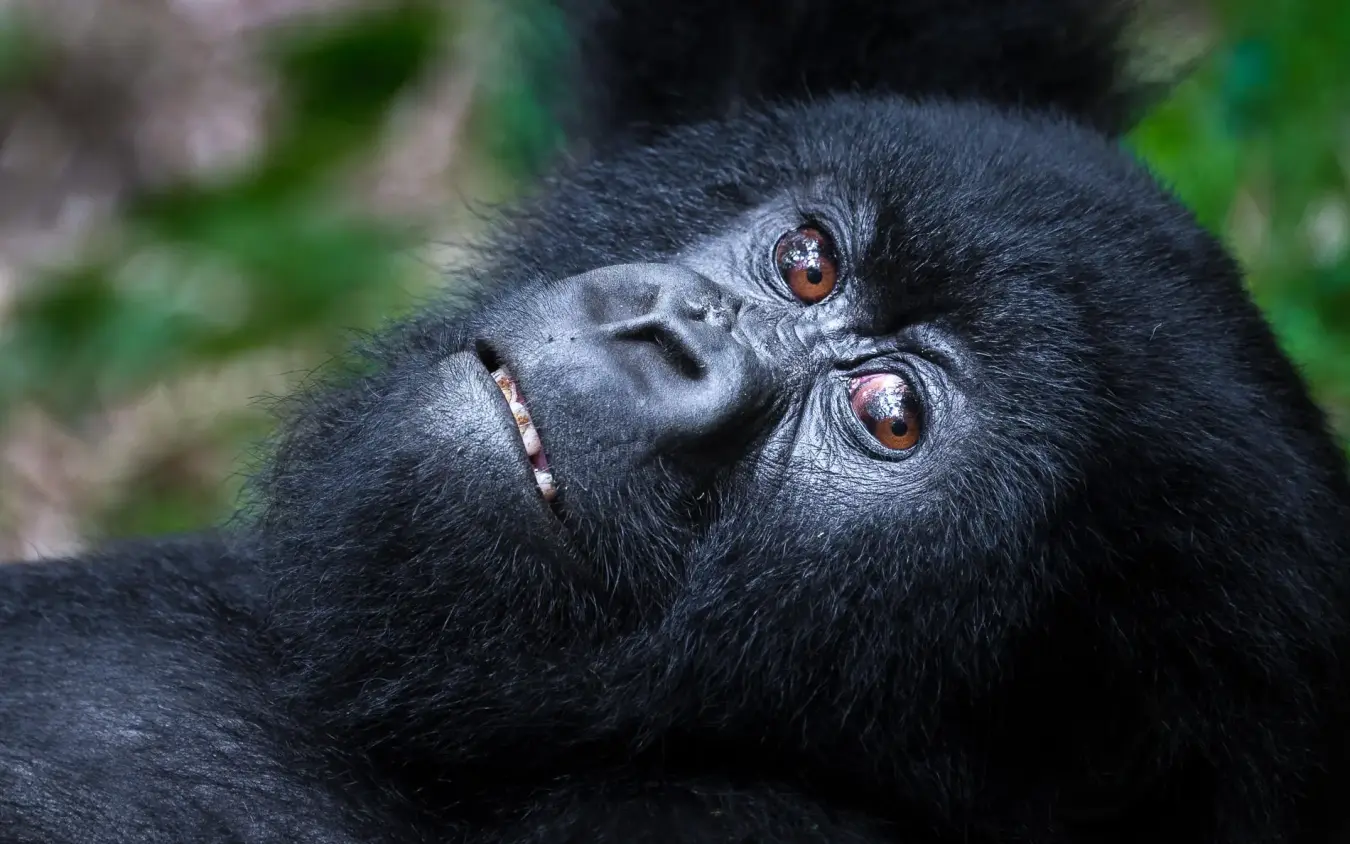
Kigali lies about two and a half hours by road from Volcanoes National Park, where the mountain gorillas live across the forested Virunga peaks. Treks assemble at Kinigi Park Headquarters by 7am and climb through bamboo and Hagenia woodland to a habituated family, a permit granting one hour with the gorillas and only eight visitors per gorilla family each day. The park also holds golden monkeys, endemic to the Virungas. Bisate Lodge stands on 42 hectares of reforested farmland, six thatched villas with views spanning six volcanoes.
Hard in the way a week of long days is hard, rather than technical.
We call Kilimanjaro a high walk rather than a climb, and a few months of regular hill walking is the right preparation.
Height, not strength, decides the summit, and this route is built around that: you climb above Moir and sleep lower again, drop into the Barranco valley, then take a short day to Karanga before Barafu, six nights on the mountain before the dark start.
The UK travel health service calls under seven days a concern. One study of a four or five day ascent found 61 per cent summited, another of a six-day ascent 88 per cent; separate studies on other routes, so a direction rather than a forecast.
We are travel planners, not medical professionals: ask your own doctor about altitude.
The recovery is longer than one night suggests.
You summit and drop to Mweka on day eight, walk off the mountain the next morning to the lakeside farmhouse on Meru's slopes, then have two unhurried nights in Kigali and a travelling day before the forest, so the legs get four or five days.
Climbing first is also the sensible order: summit night is the hardest thing on this trip and wants fresh legs, while a gorilla trek can be matched to how you feel that morning, since families are allocated at the briefing by fitness.
The one thing the trek asks for is a return to height: the gorillas live anywhere from about 2,500 metres up to 4,000, so at the top of that band you are back at Barranco's altitude. If you want more room, the simplest change is a second night at the farmhouse.
Different in every way except the altitude.
Kilimanjaro is a long graded walk on a made path; the Volcanoes trek is short, steep and wet, through bamboo and stinging nettles on ground that slides, and it takes anything from 30 minutes to four hours or more depending on where the family fed.
It is also far likelier to deliver what you came for. Rwanda publishes no success rate, but we put the figure at better than 95 per cent. Trackers are with each family from first light, and that is what the number rests on.
Everyone meets at the Kinigi headquarters at 7am and families are allocated by fitness, so anyone still stiff from the mountain should say so. You get one hour once the gorillas are reached, eight visitors to a family, and nobody under 15 may trek.
On one regional flight, and with a second visa.
Rwanda, Kenya and Uganda share a joint tourist visa and Tanzania is outside it, so you hold one for each country; the Foreign Office points British passport holders to the online Tanzanian e-visa ahead of travel, and a single entry can also be granted on arrival.
The flight is the only link between the two countries on this route. The Rwandan carrier serves both Kigali and Kilimanjaro, though parts of its published schedule connect through Dar es Salaam, so we pin the routing down for your dates rather than take a direct hop for granted.
Kigali to the volcanoes is a drive of two and a half to three hours, or roughly thirty minutes by helicopter, typically an Agusta, which is worth a thought with mountain legs.
June to September suits both halves, and it is the one long stretch that does.
Those months carry our recommended rating for Arusha, for the volcanoes and for Tanzania and Rwanda as a whole, and the Kilimanjaro dry stretch runs from late June to September, with cool nights and clear days. August is usually the busiest month on the mountain.
January and February are the honest second choice: they are dry as well, our gorilla pages rate them highly, and the slopes are quieter, although cloud and showers are likelier low down.
April and May are the months we would rule out, when the long rains soak the forest section and snow piles on the summit. November carries the short rains.
The wetter months do bring easier permits and quieter trails.
Two wardrobes, and the mountain one decides what the bag weighs.
Temperatures fall by roughly six degrees for every thousand metres climbed and the summit can reach minus twenty at night, so a properly rated sleeping bag and real layers matter more than anything else you carry. Park rules cap each porter at 25 kilograms including their own kit, which is why the main bag is kept light and soft-sided.
For the gorillas the problem is wet rather than cold, so we suggest:
Our own Rwanda pages note that the volcanoes take rain in any month. In between, Kigali and the farmhouse need nothing but ordinary clothes. We send a full list when you book.
Ed Charles, BBC Producer
Fitzroy are true specialists in accessing the wilderness. They know where to go and importantly, when to go there. Highly recommended.
tanzania & kenya
Sixteen nights from the Ngorongoro Crater and the Serengeti into Kenya's Maasai Mara, Laikipia and Borana Conservancy.
tanzania
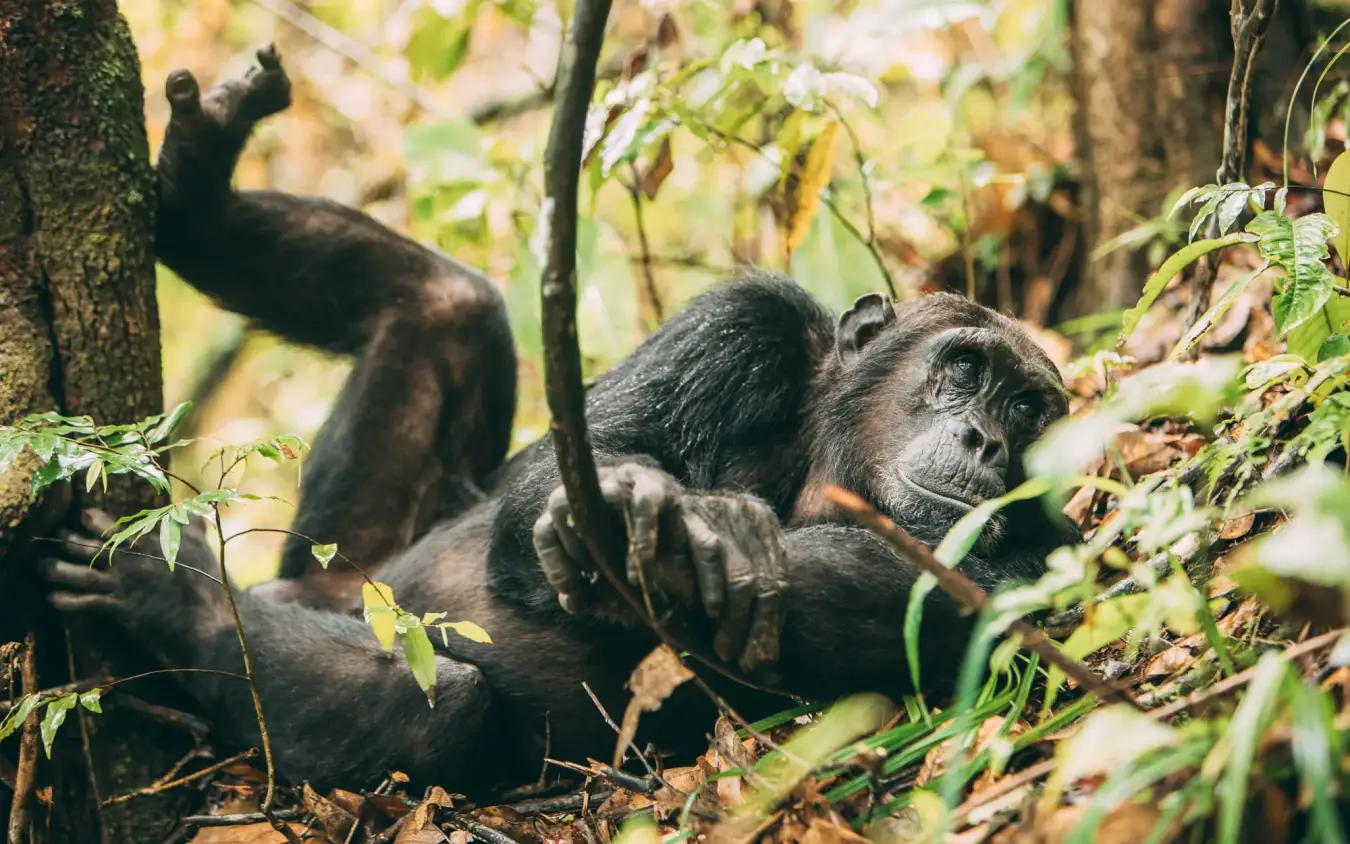
Ten nights across Tanzania's wild south and west: walking Ruaha, Katavi's dry-season game and Mahale's chimpanzees.

kenya & tanzania
Fourteen nights from Nairobi's park and a Mara balloon flight to nine nights at Kendwa Beach on Zanzibar, for families with children from eight.
rated five stars by our clients

our approach
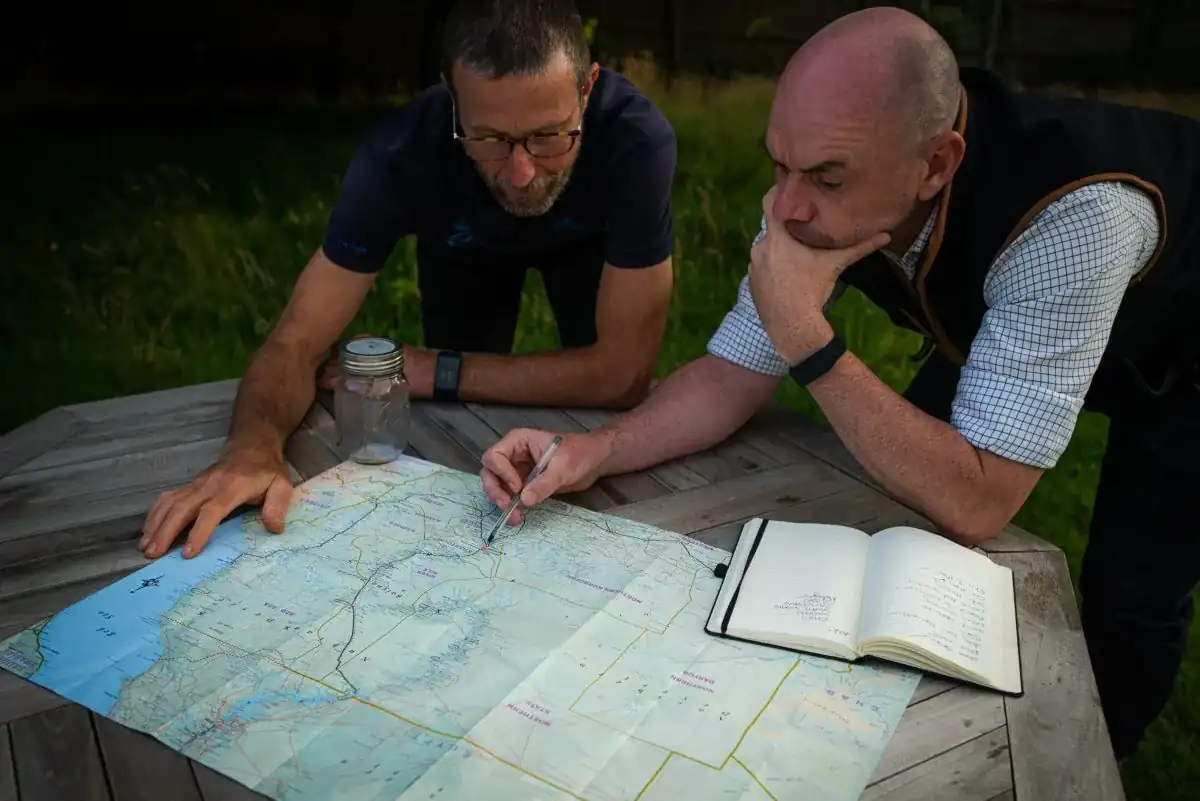
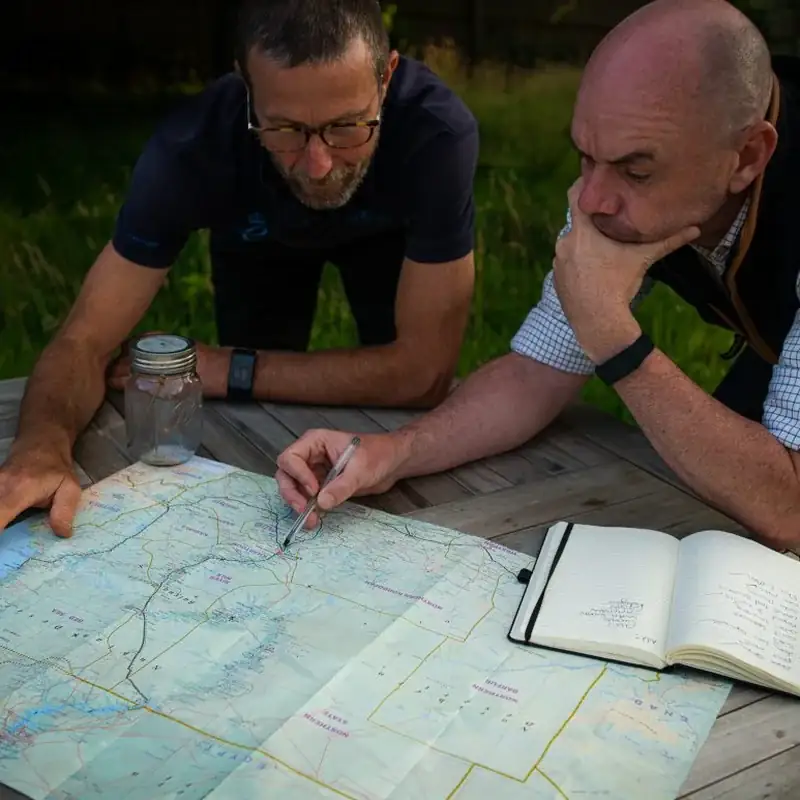
Every journey starts with a conversation. We take the time to understand your vision before we start planning.
Whether by phone or in person, we work with you directly to shape something that is considered, personal, and expertly delivered.
Every journey starts with a conversation. We favour a direct, personal approach: understanding your vision before anything else.
Whether by phone or in person, we work with you directly to shape a journey that is both thoughtfully considered and expertly delivered.
Get in touch to start planning yours.