










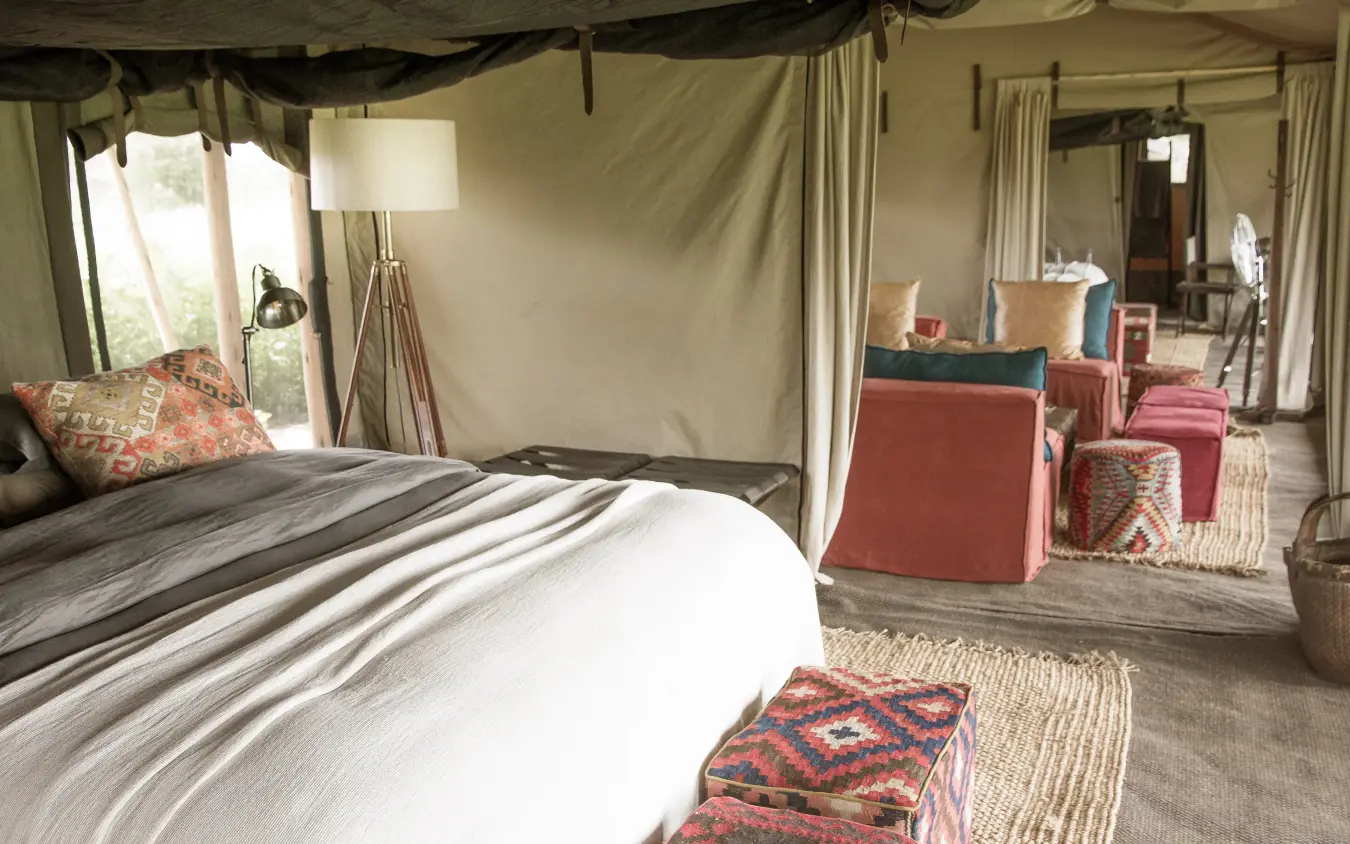
tanzania
great migration safari
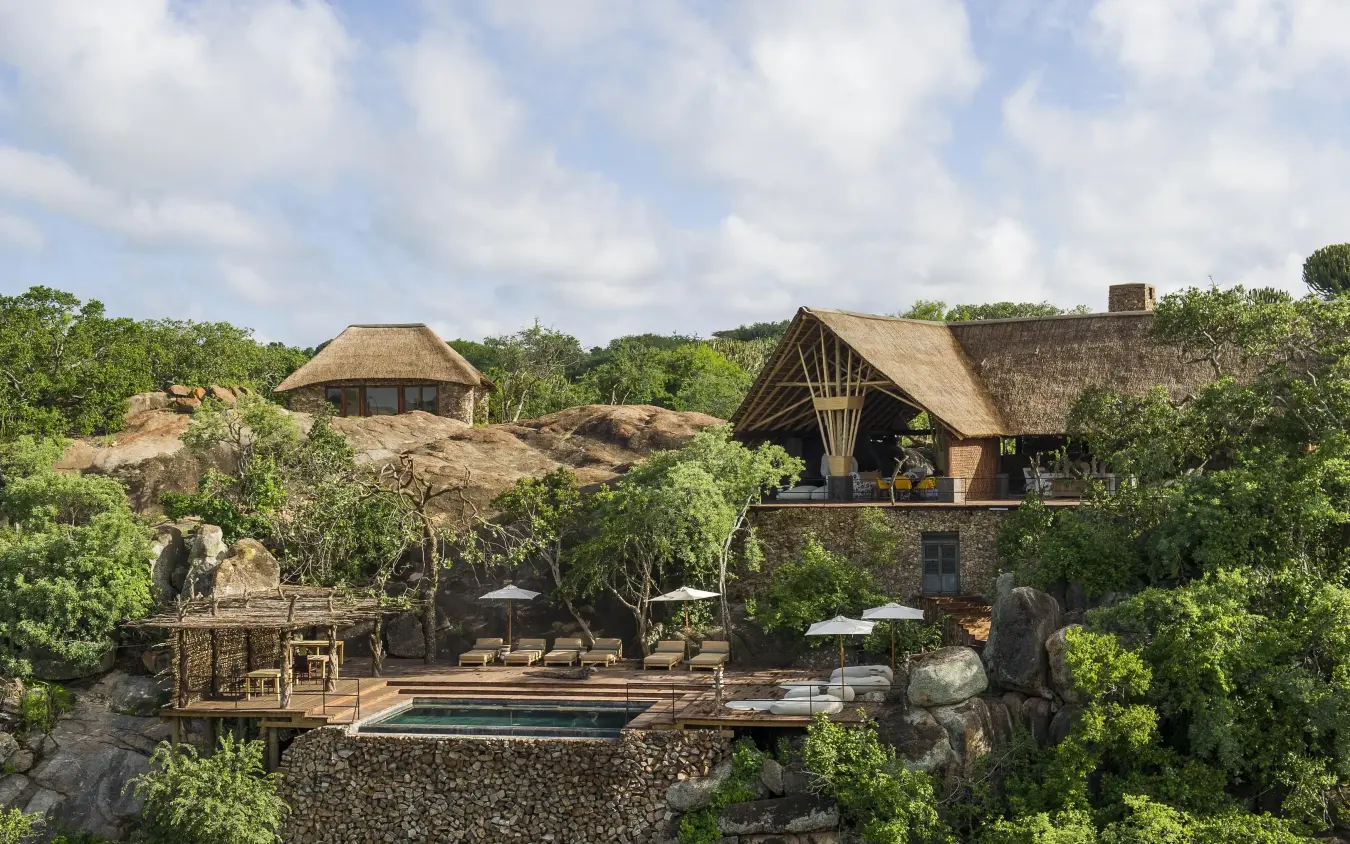
Twelve nights across northern Tanzania, from the Serengeti and a private granite reserve to the Ngorongoro Highlands and the Rift.
- Private Safari
- From $23,925 pp
- 2 guests
- 12 nights

This is western and southern Tanzania linked in order, well away from the northern circuit. A single night in Arusha, below Mount Meru, opens the trip before three nights in Ruaha, the country’s second-largest park, where big game is tracked on foot across plains and riverbeds. Three nights in Katavi follow, a remote floodplain where dry-season thirst gathers game around shrinking pools. It closes with three nights in Mahale, tracking wild chimpanzees on forested slopes above Lake Tanganyika.
You travel by light aircraft between parks, with a dhow transfer along the lake into Mahale. The service west flies on Mondays and Thursdays only, so one of the two stays, at Katavi or at Mahale, runs to four nights rather than three, and we set which way round it falls when your dates are fixed. Days turn on walking safaris and game drives in Ruaha and Katavi, then chimp treks and afternoons on the water at Mahale. The camps are small and remote, built around guiding rather than polish, with Legendary Lodge the calm first night at the start.
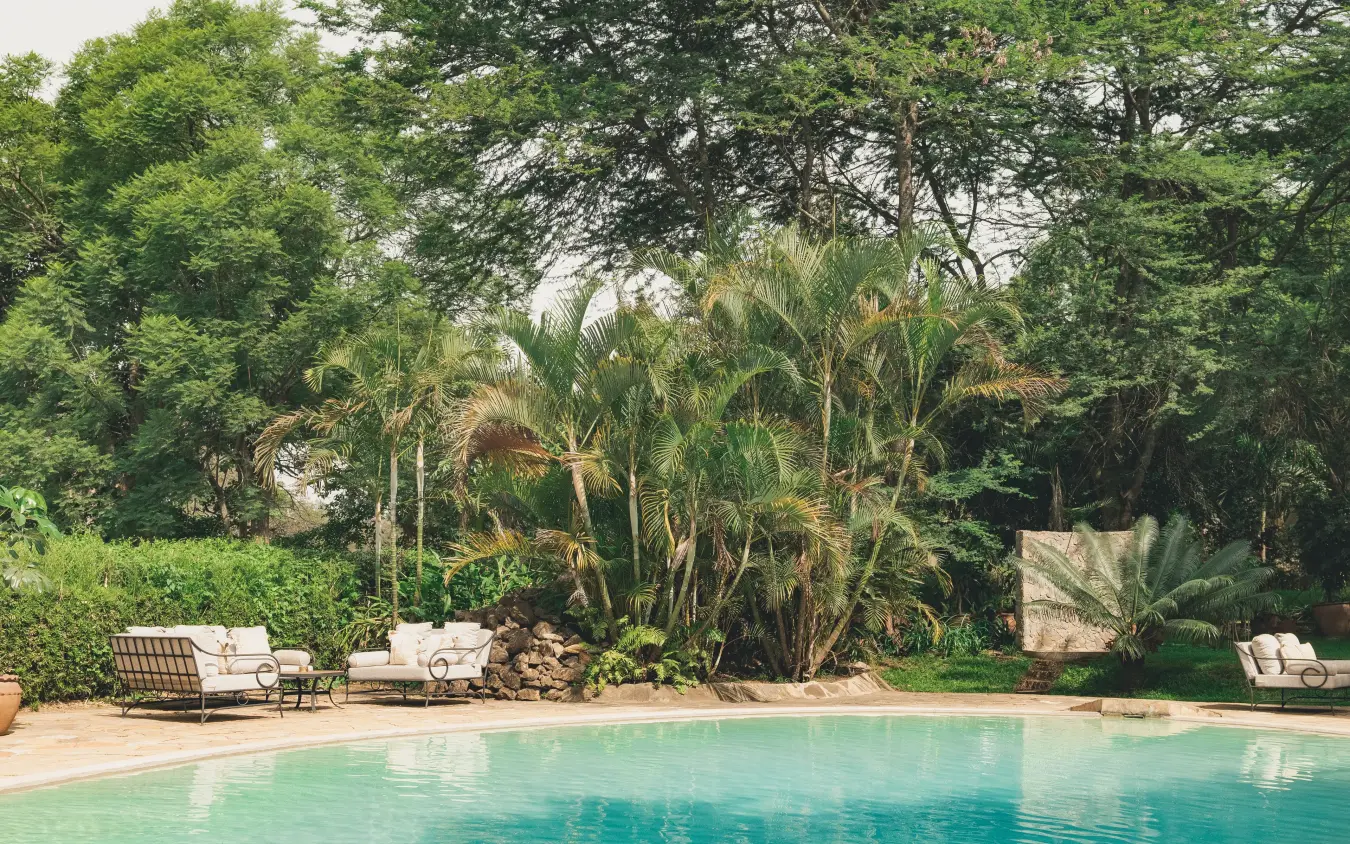
The trip opens with a single night in Arusha, the staging town where northern safaris begin, set at 1,400 metres on Mount Meru's southern slopes among coffee estates. It is a quiet place to settle after long flights before the parks take over, with time to walk the estate and taste the roast. Legendary Lodge stands on the century-old Selian Coffee Estate, twelve cottages scattered through tropical gardens and rows of coffee below Meru. The airport is fifteen minutes away, and arrivals are met with warm towels and fresh juice.
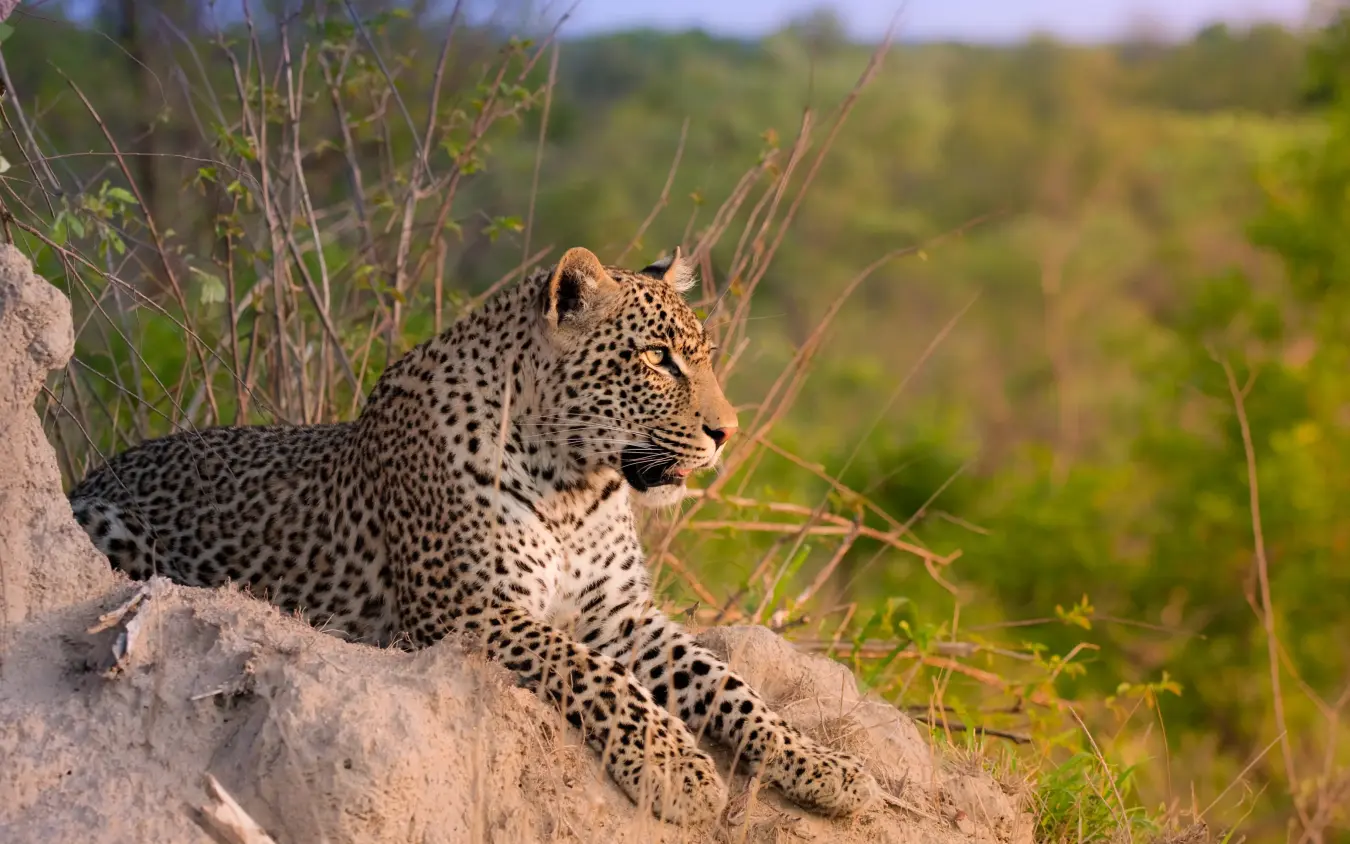
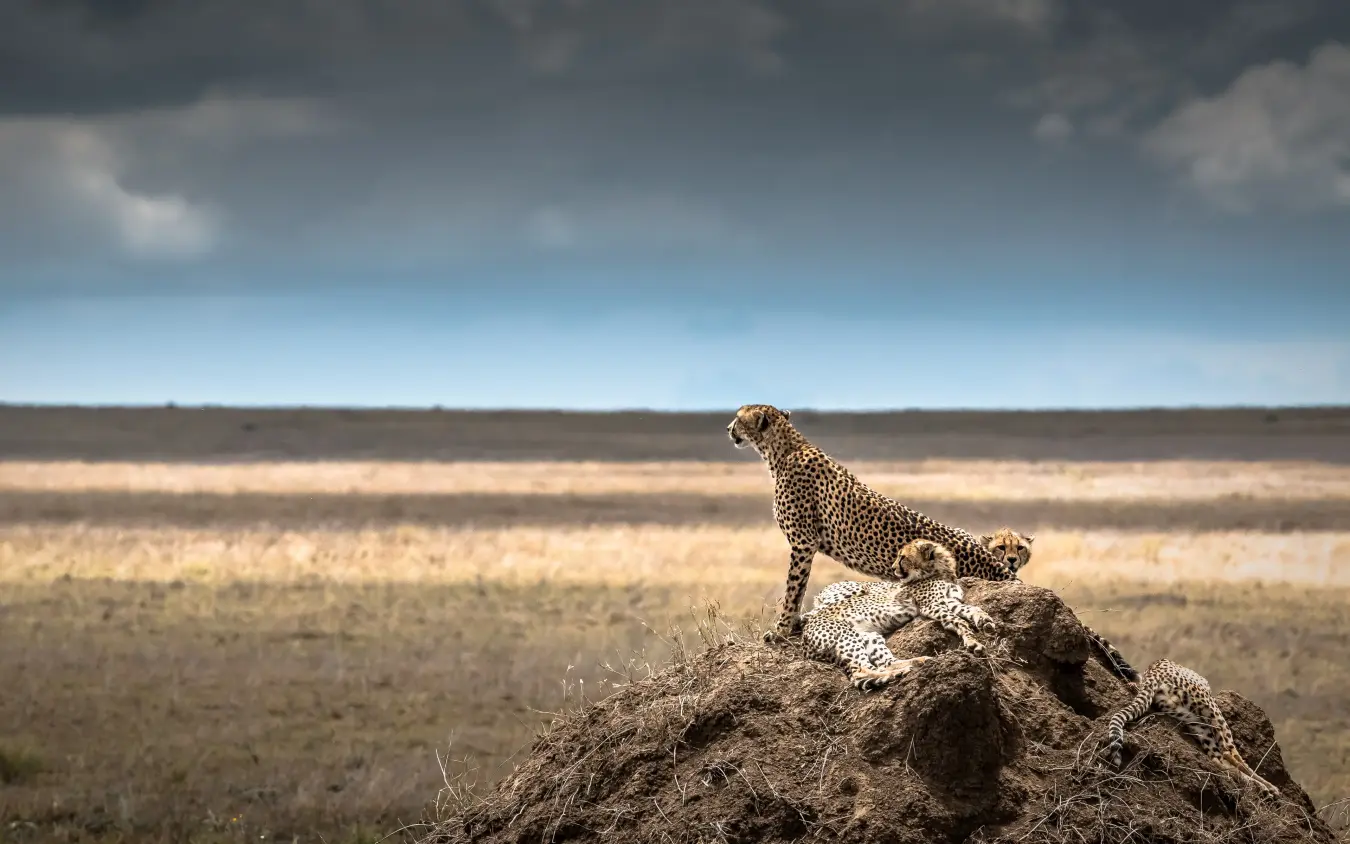
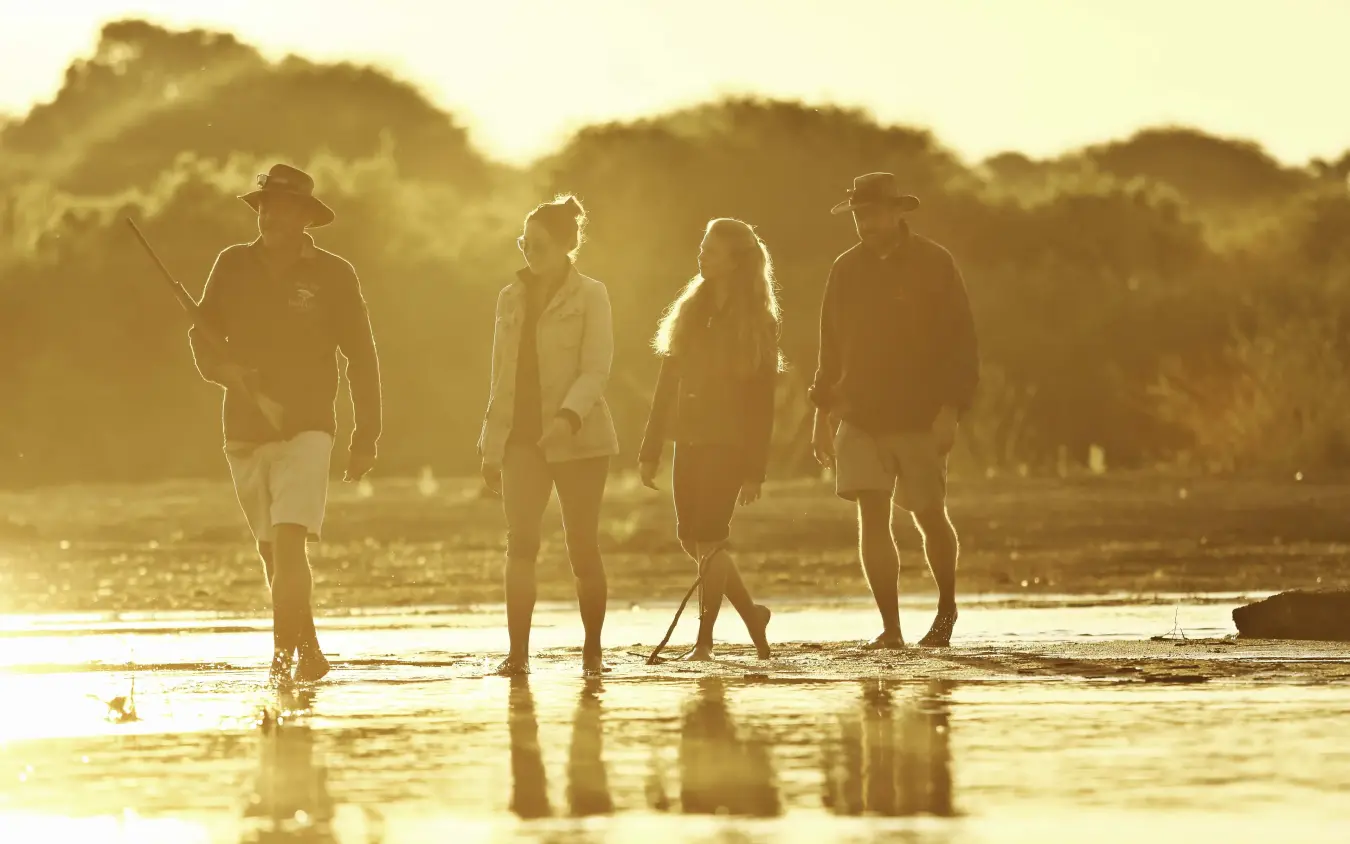
Three nights in Ruaha, one of Tanzania's largest parks, given over to understanding big game on foot. You track elephant and buffalo across open plains, sandy riverbeds and craggy hills, learning to read spoor and behaviour with a guide and armed ranger, the distance to the animals closing slowly. This is strong predator country, with large lion prides, leopard, cheetah and wild dog moving among kudu, sable and roan. Kichaka Expeditions sits in the park's wild eastern corner, built around walking; game drives cover ground and night drives run under park licence, but the walking sets the pace.
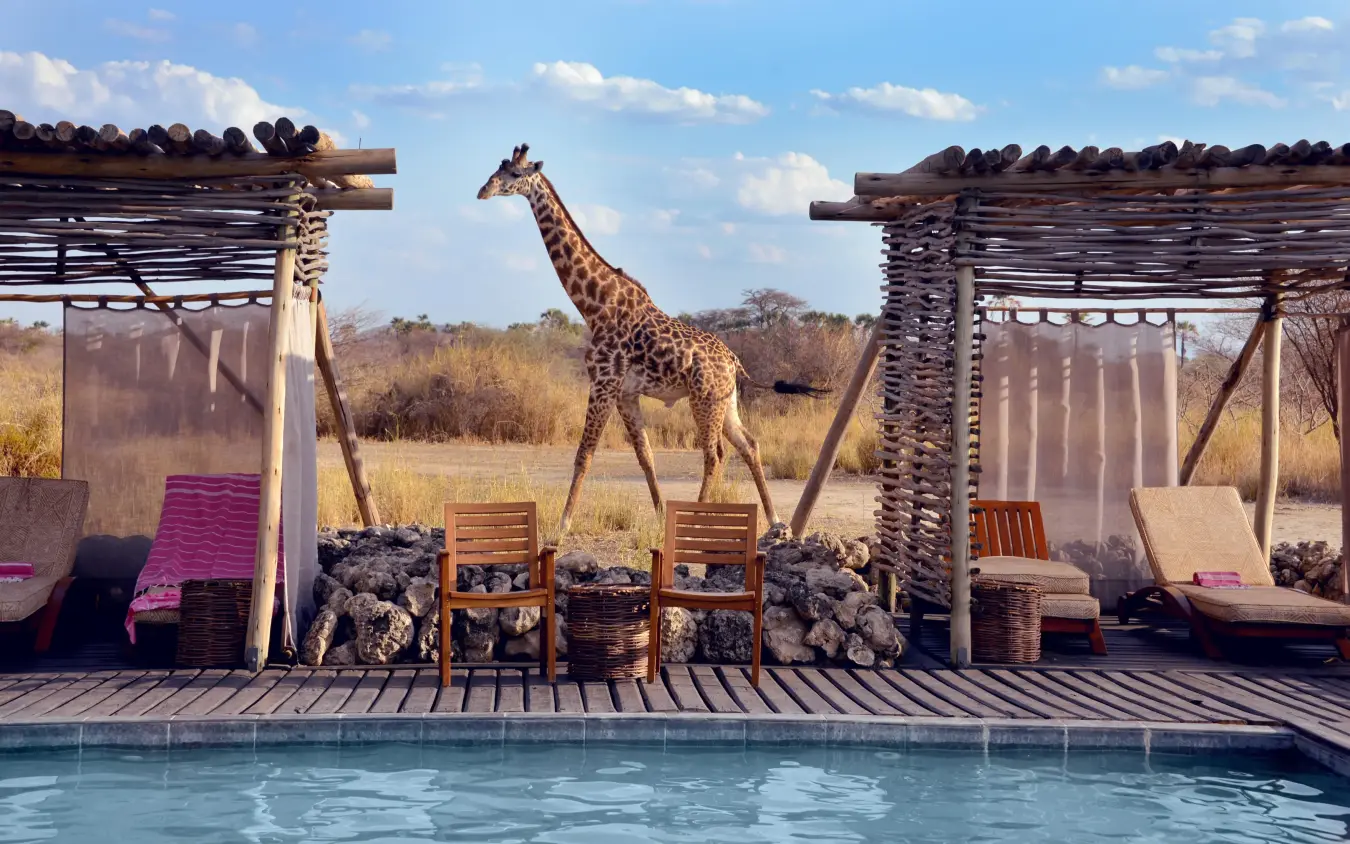
Fly on to Katavi, a floodplain wilderness in the far west with only a handful of camps. As the dry season tightens from June to October, the Katuma River contracts to muddy pools and the game concentrates around what water remains, buffalo in their thousands, hundreds of hippos crowding the channels, crocodiles on the banks and lions working the edges. Days turn on morning, afternoon and full-day drives in open 4x4s, often without meeting another vehicle. Chada Camp is six tents beneath tamarind and acacia on the edge of the Chada Plain, with elephants wandering through for the tamarind fruits.
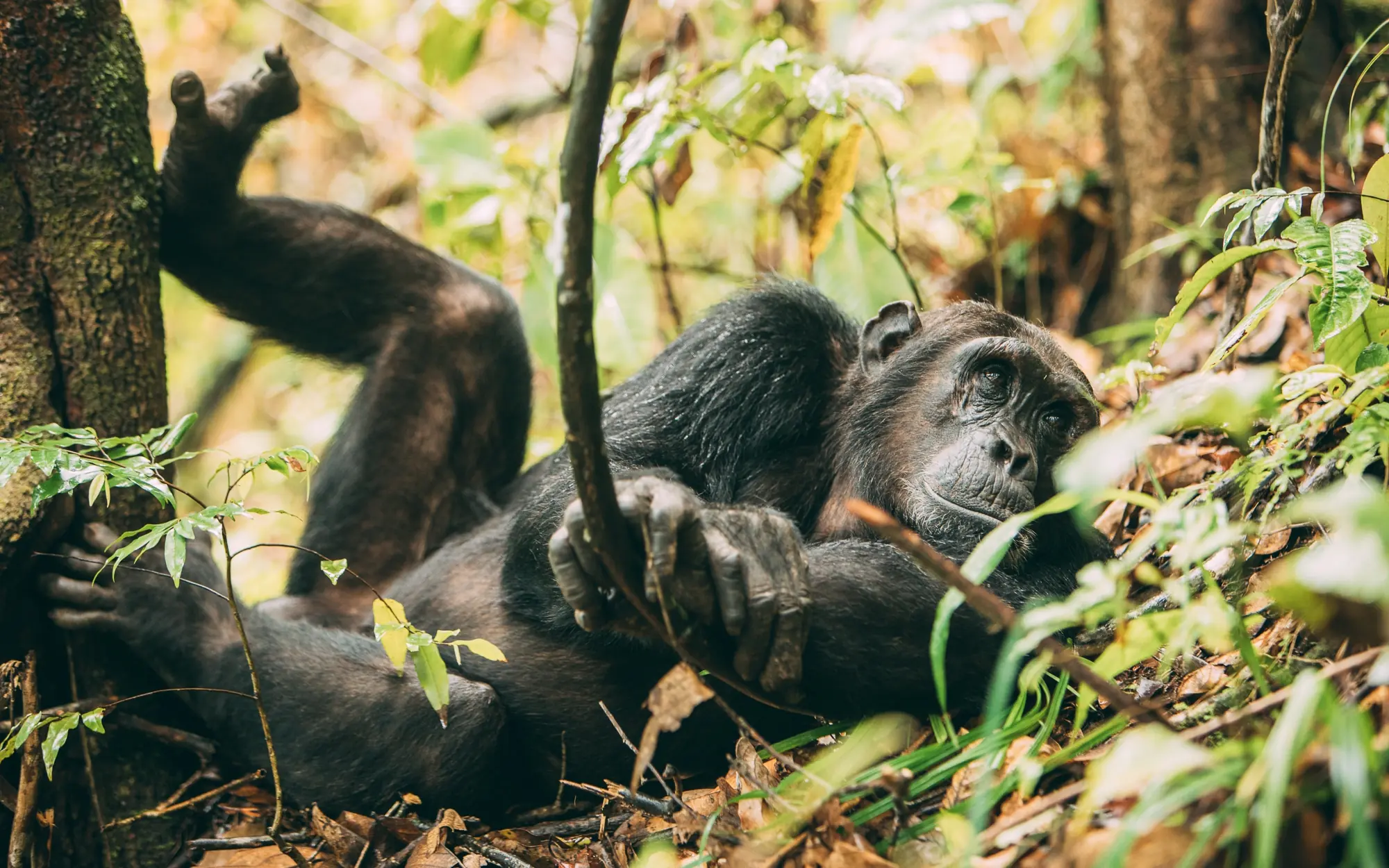
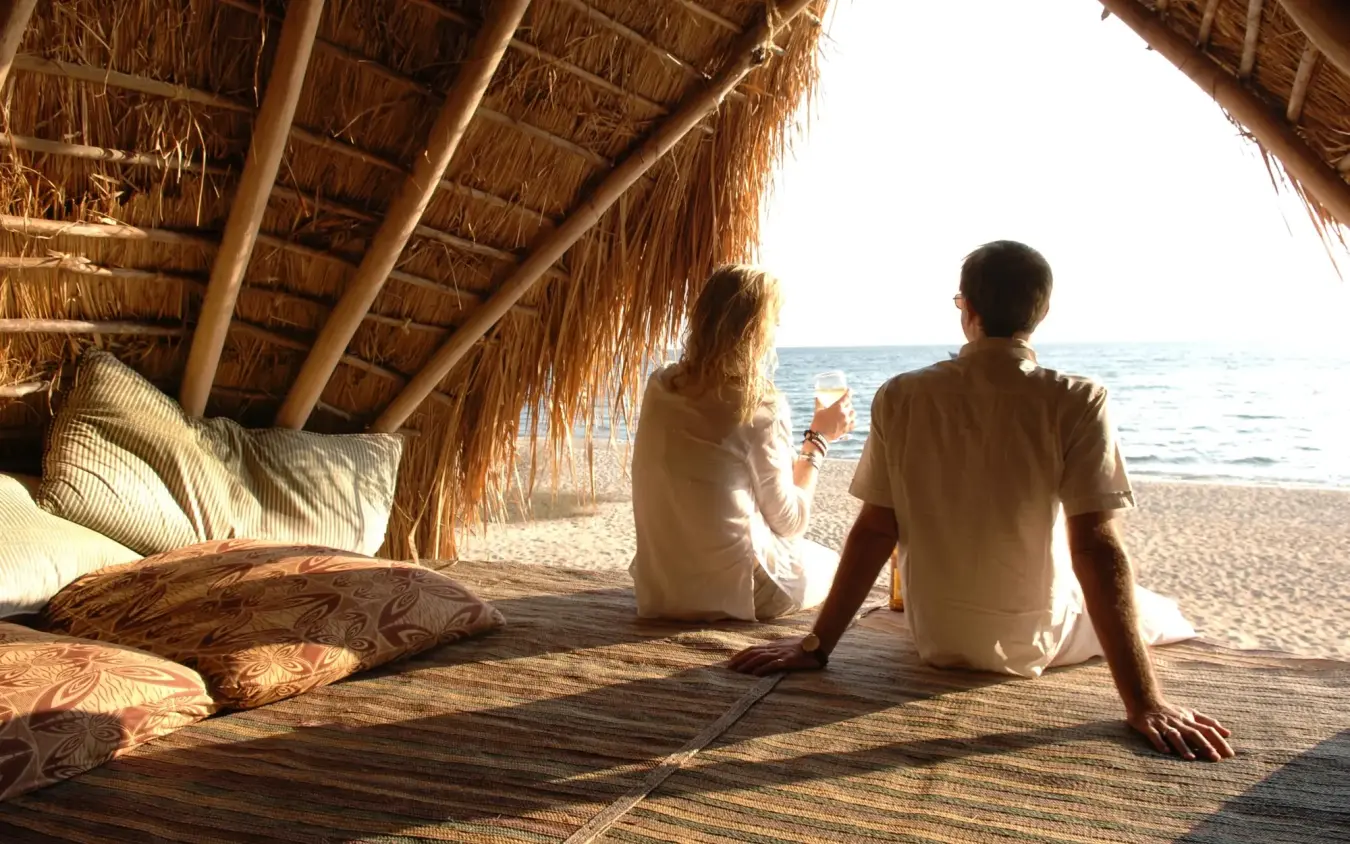
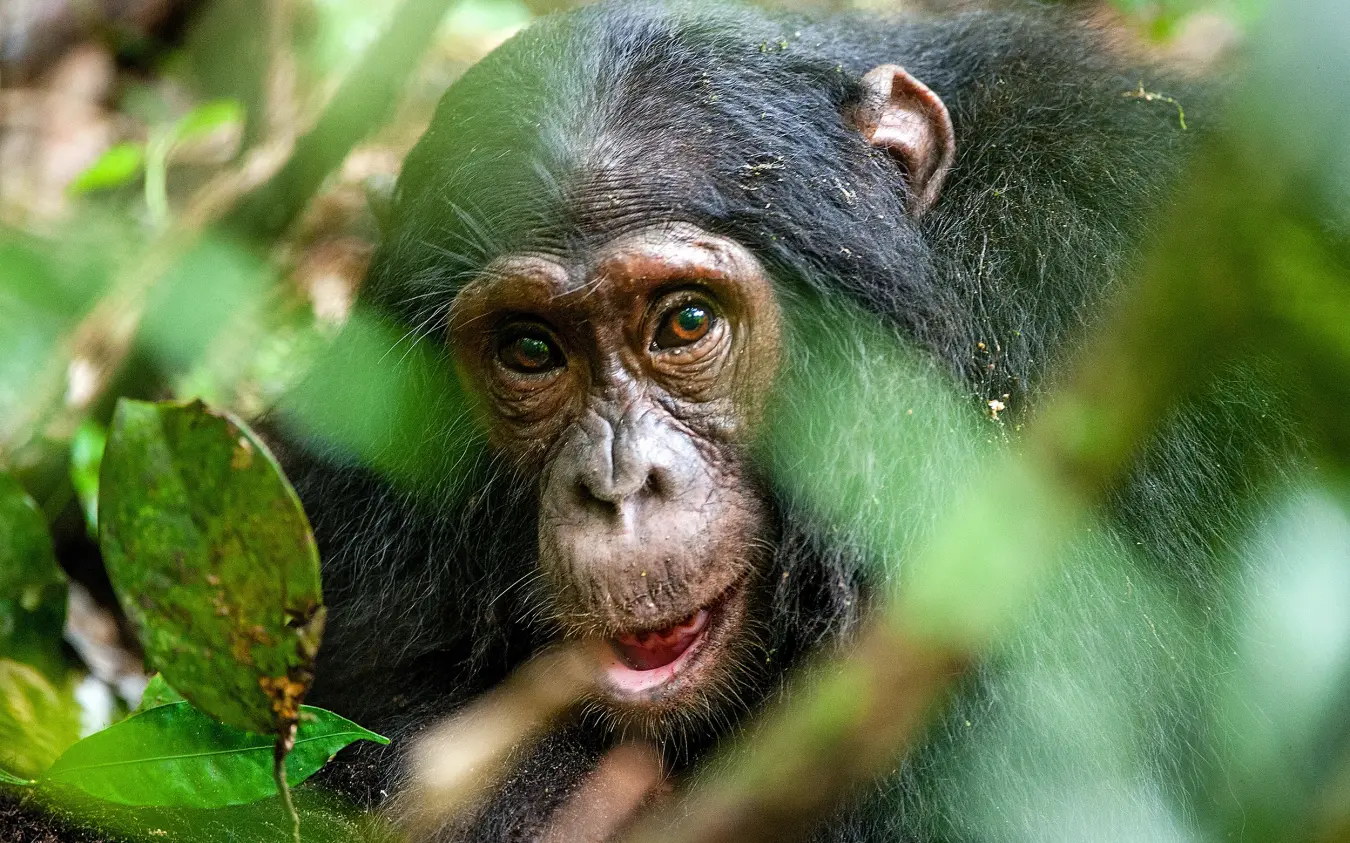
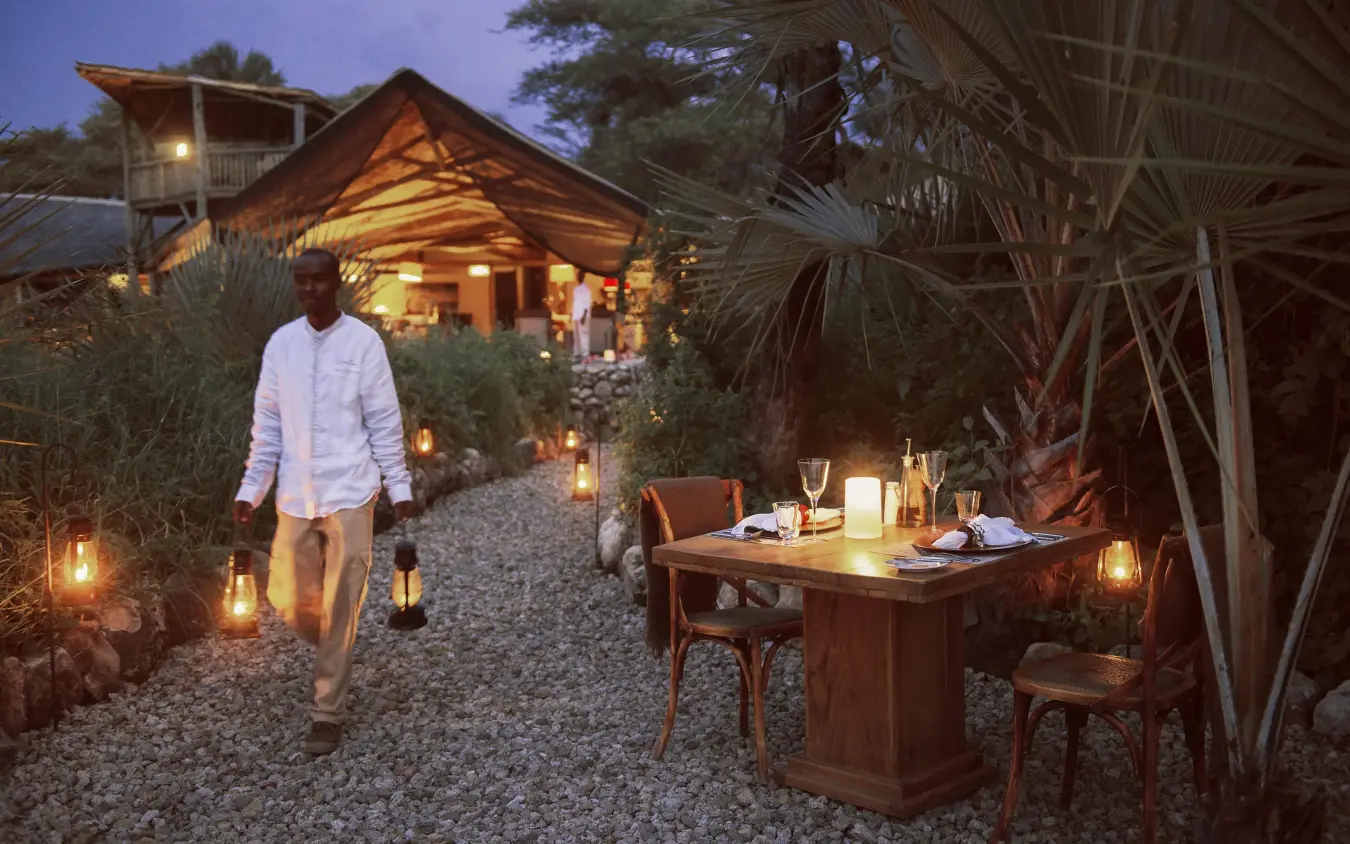
The trip closes with three nights in the Mahale Mountains, reached by light aircraft and then a dhow along Lake Tanganyika to a white-sand beach with rainforest rising behind. Mornings begin with a trek into the hills, guides and rangers reading the signs until the habituated M-group chimpanzees are found, a walk that might be gentle or several steep hours. Afternoons belong to the lake, with swimming, snorkelling among the cichlids, kayaking and sunset on the dhow. Greystoke Mahale is eight dhow-wood bandas opening to the water, with no roads reaching it and no vehicle between you and the forest.
Sightings are usually good, though nobody promises a wild animal and no official success rate exists for Mahale, so we quote none.
The M group has been studied and habituated for more than forty years, the trackers start from where it was last seen, and a trek is often one to four hours on steep, humid forest trails.
Late in the dry months, roughly August to October, the chimpanzees tend to feed on the lower slopes near the lakeshore, which shortens the walk.
Once they are found the park authority's rules take over:
Tracking stops three hours after the first sighting whatever happens.
Three of these ten nights are given to walking, so this leg asks for someone happy on their feet for a few hours rather than an athlete.
A guide and an armed ranger lead, the pace is slow, and the ground is sandy riverbed, open plain and rocky hills. A walk of this kind covers no great distance, stopping often to work out what passed and when, so patience counts for more than stamina.
Trainers or light boots both work, open shoes and sandals are not allowed, and the camp asks for greens, browns and khaki so the party is harder to pick out. Nights from June to September in Ruaha can fall to around five degrees, so bring a warm layer.
Game drives and night drives fill the hours the walking does not.
By light aircraft, on a timetable that runs twice a week.
The shared charters serving Katavi and Mahale go on Mondays and Thursdays only, so every stay out west falls into a block of either three nights or four, and that is what sets the shape of this route.
Flying time into Katavi is three to five hours, depending on how many airstrips the aircraft calls at, and Ikuu is a further thirty to forty-five minutes by game drive. Mahale has no road at all, so a dhow completes the arrival, ninety minutes down the lakeshore from the park airstrip.
The service linking Ruaha to Mahale by way of Katavi runs from June to October, which narrows the months this route works in. Bags must be soft and are held to about 15 kilograms each, hand luggage counted in.
July to October, and this is one of the few routes where the calendar decides for you.
Ruaha, Katavi, Mahale and Arusha all carry our top rating then, the western flights that link them run from June to October, and the chimpanzees tend to be lower down the slopes then, with August and September the pick. Katavi is at its most concentrated as the Katuma shrinks, though October is its hottest month.
June works as well, with Mahale a little wetter underfoot and the forest greener.
March, April and May are out rather than a compromise, since the camps in Katavi and Mahale shut for the long rains, and we would point you at another part of the country for those dates.
Water, or the shortage of it, drives everything here.
From June to October the Katuma River contracts to muddy pools and the Chada plain dries out, so buffalo gather in herds of hundreds, hippos crowd whatever water is left, crocodiles line the banks and lion work the edges. Katavi is best known for those crowded hippo pools.
The park is large and holds only a handful of camps, so a whole day can pass without meeting another vehicle, which is most of the reason people come this far west.
Days run to morning, afternoon and full-day drives in open vehicles, and the camp also offers guided walks, night drives, bush meals and a night out at its fly camp, any of which we can build in before you travel.
Most of it can move.
The nights divide differently between the three parks, a fourth night at Mahale is the change we suggest most often, and Gombe, further north on the same lake, can be added for a second chimpanzee population.
Two things do not move. The first is the calendar: the Katavi camp runs from June to mid November and from mid December to mid February, the Mahale camp from June to mid March, and both shut for the long rains, so this route cannot run between the middle of February and the end of May, nor in the month between the middle of November and the middle of December.
The second is the flight pattern, since the western services fly on Mondays and Thursdays and that sets the length of each stay. The minimum age at both camps is twelve, which is also the park authority's limit for visiting chimpanzees.
Ed Charles, BBC Producer
Fitzroy are true specialists in accessing the wilderness. They know where to go and importantly, when to go there. Highly recommended.
tanzania
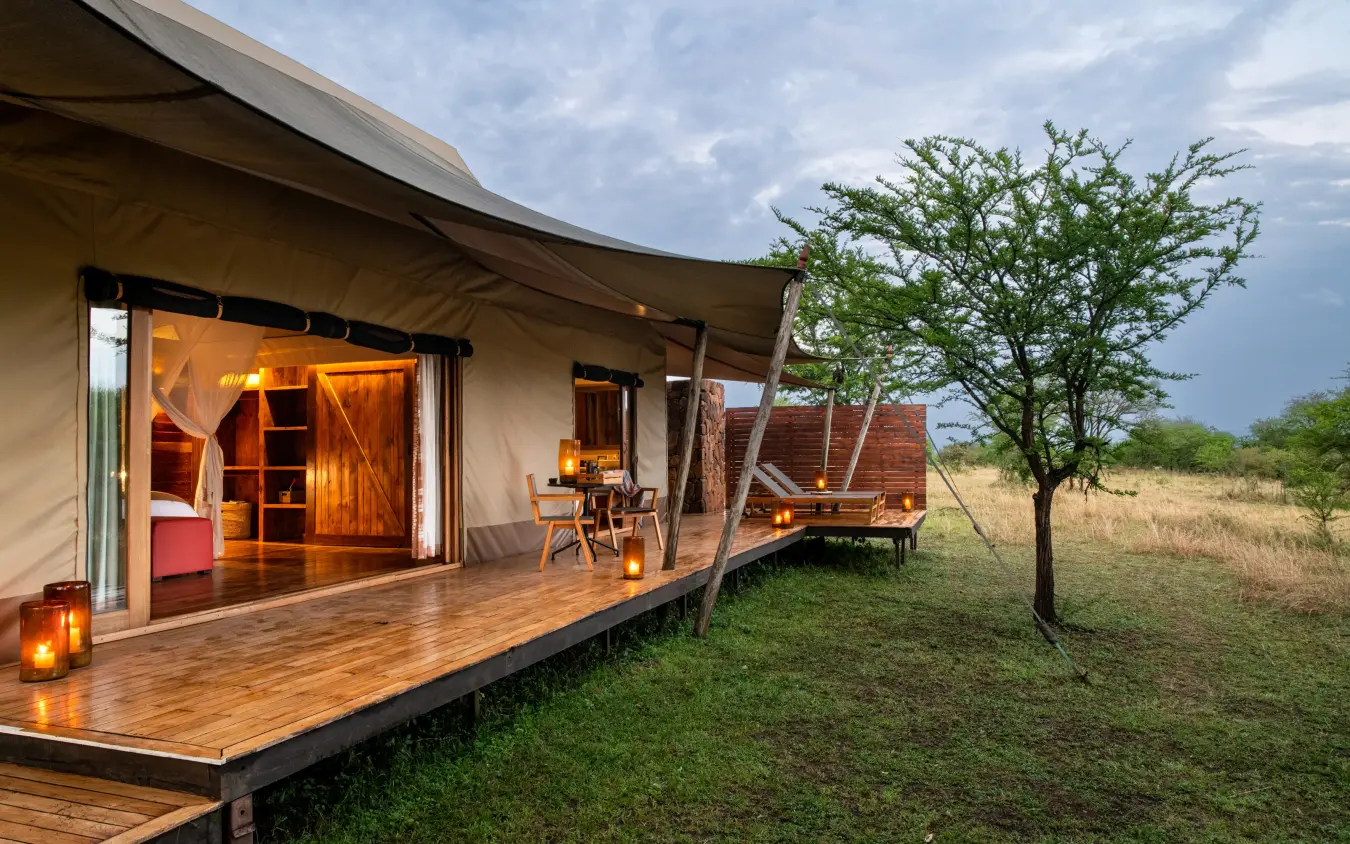
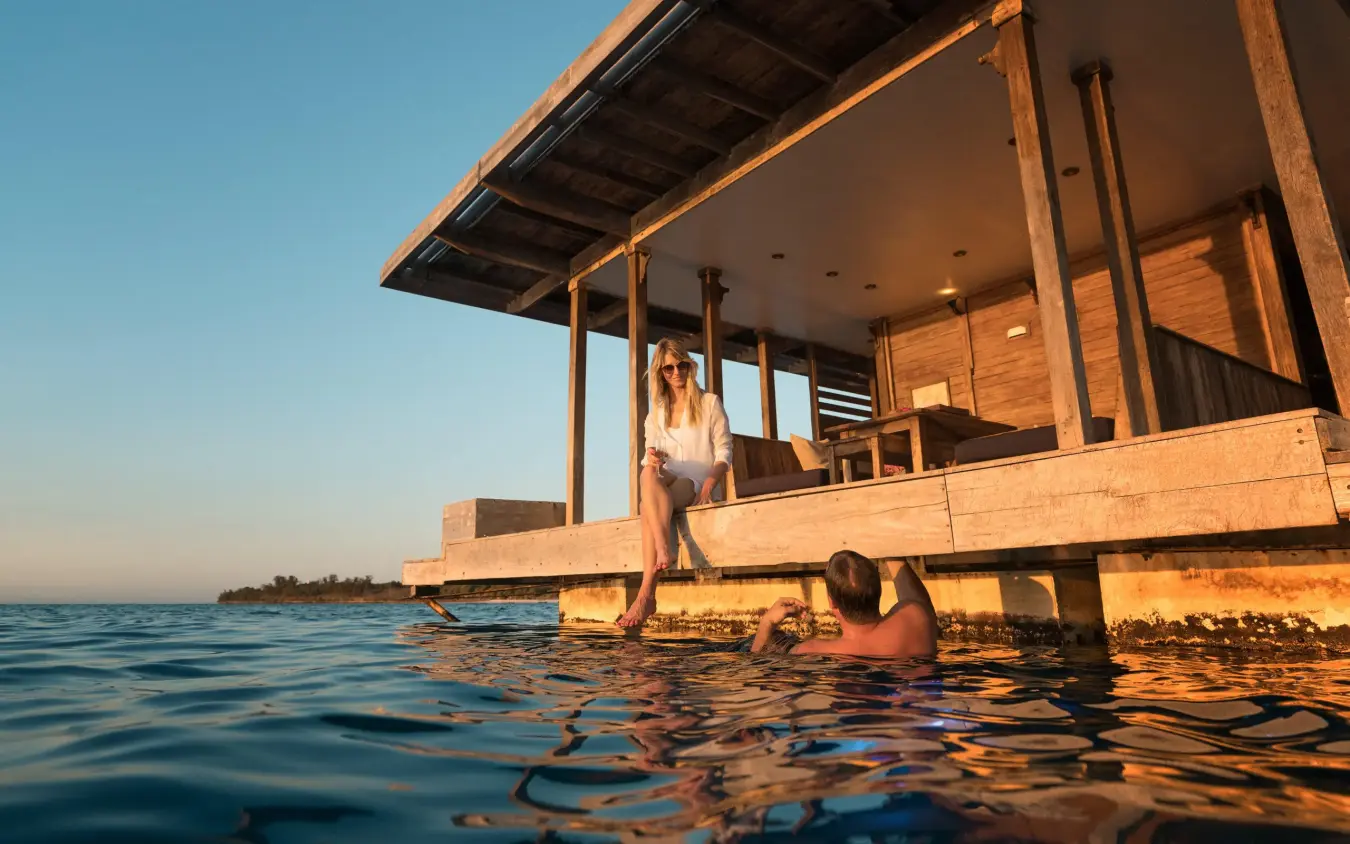
Twelve nights across northern Tanzania, from the Serengeti and a private granite reserve to the Ngorongoro Highlands and the Rift.

tanzania & uganda
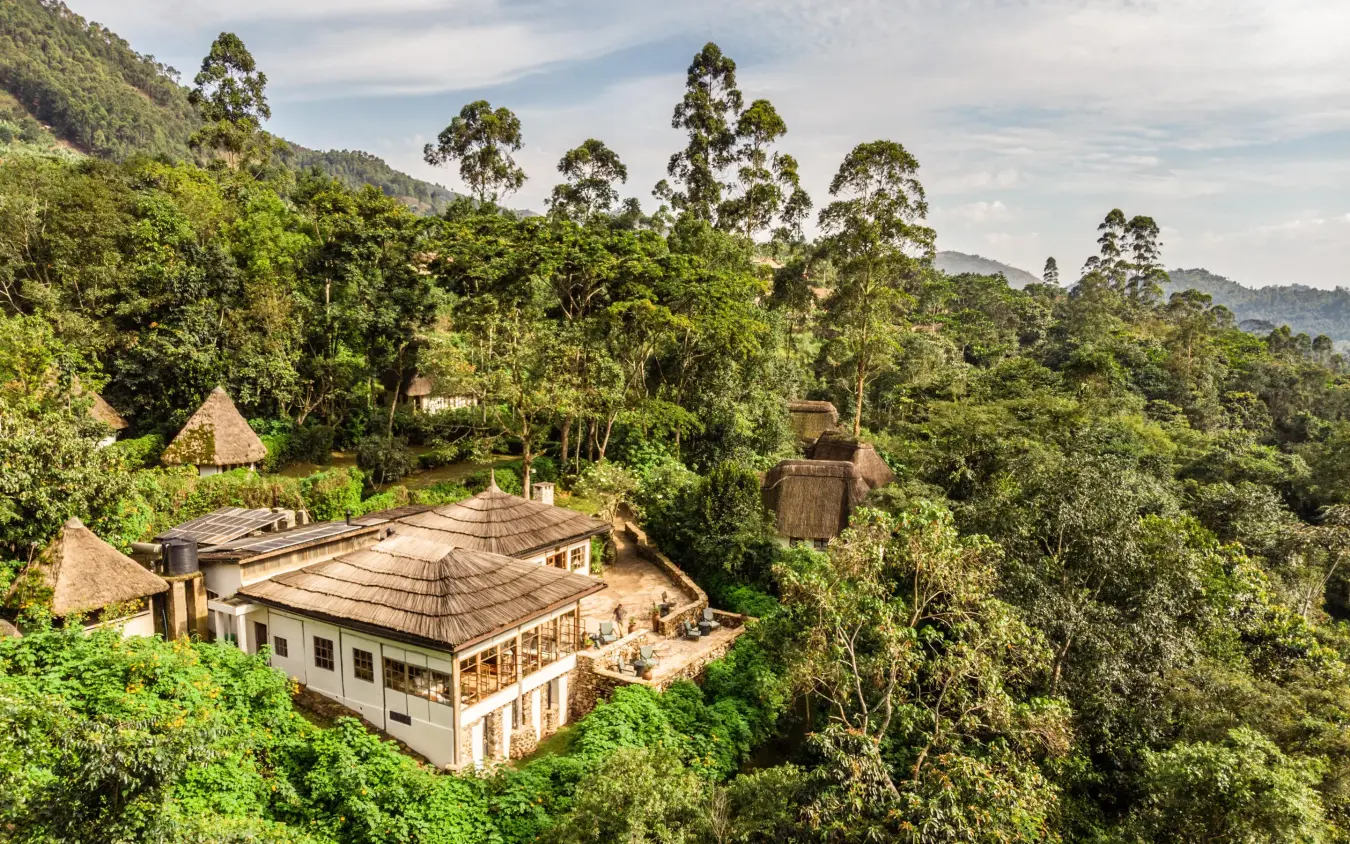
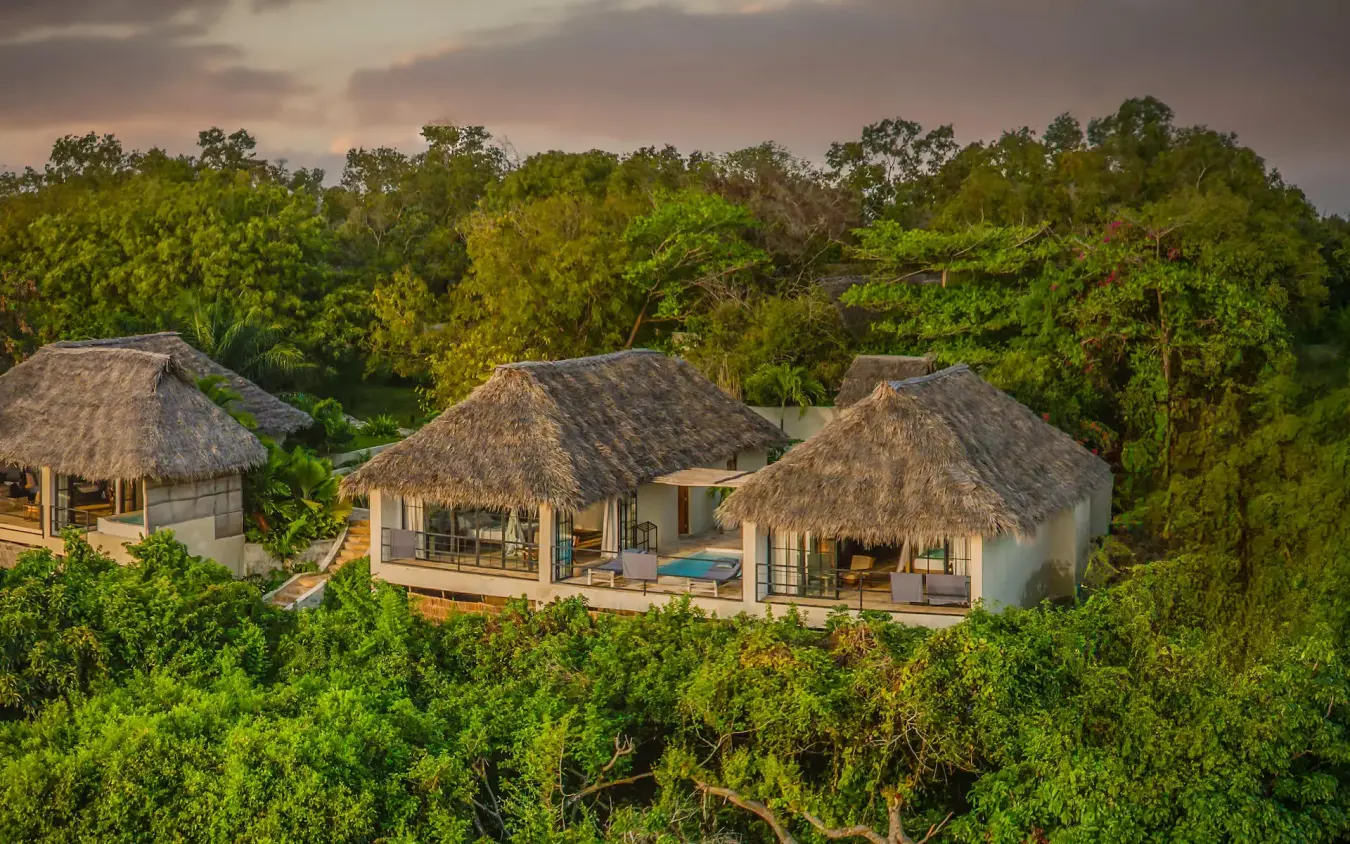
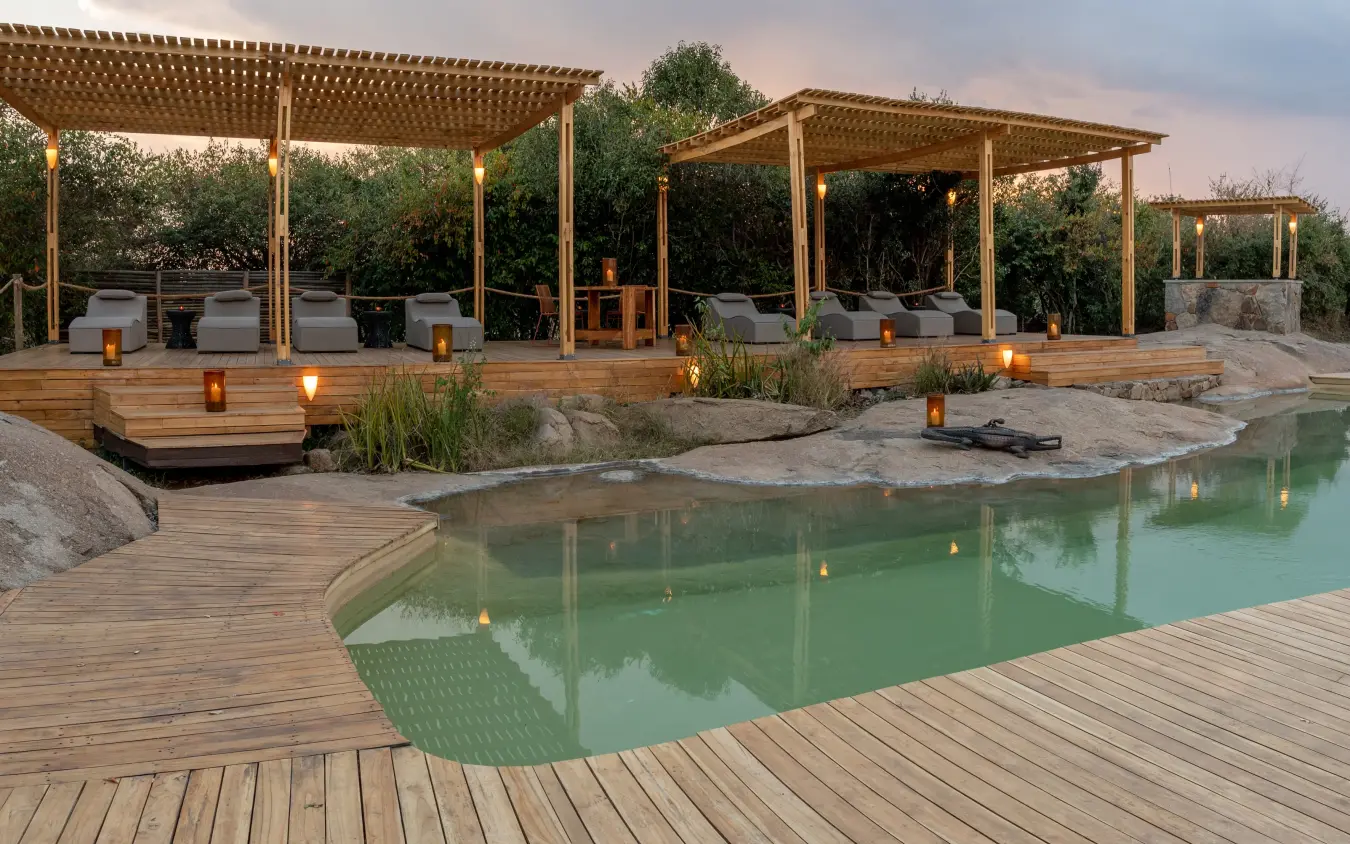
Uganda's gorillas, the northern Serengeti crossings and eight nights diving Pemba, across 17 nights and five stays.
tanzania
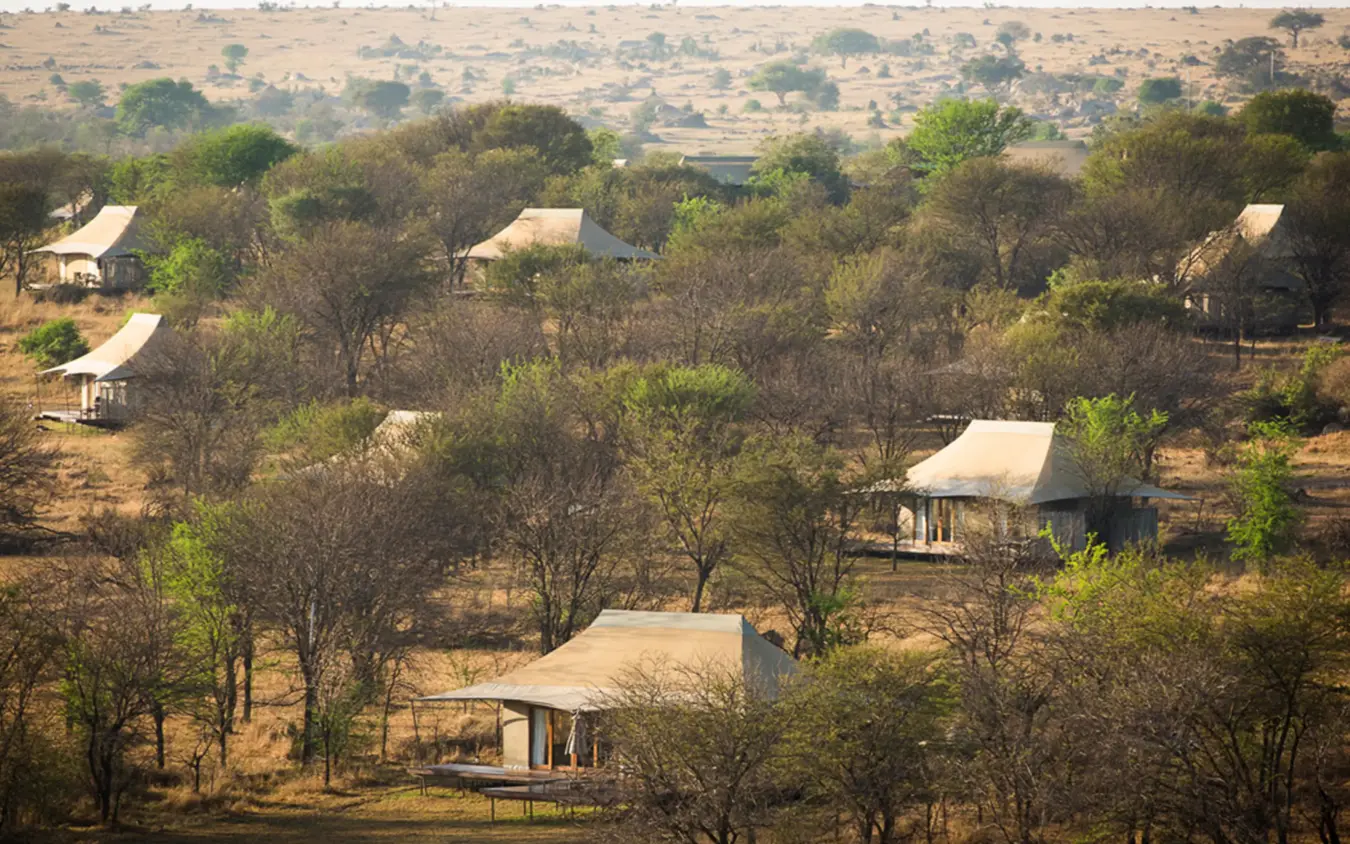
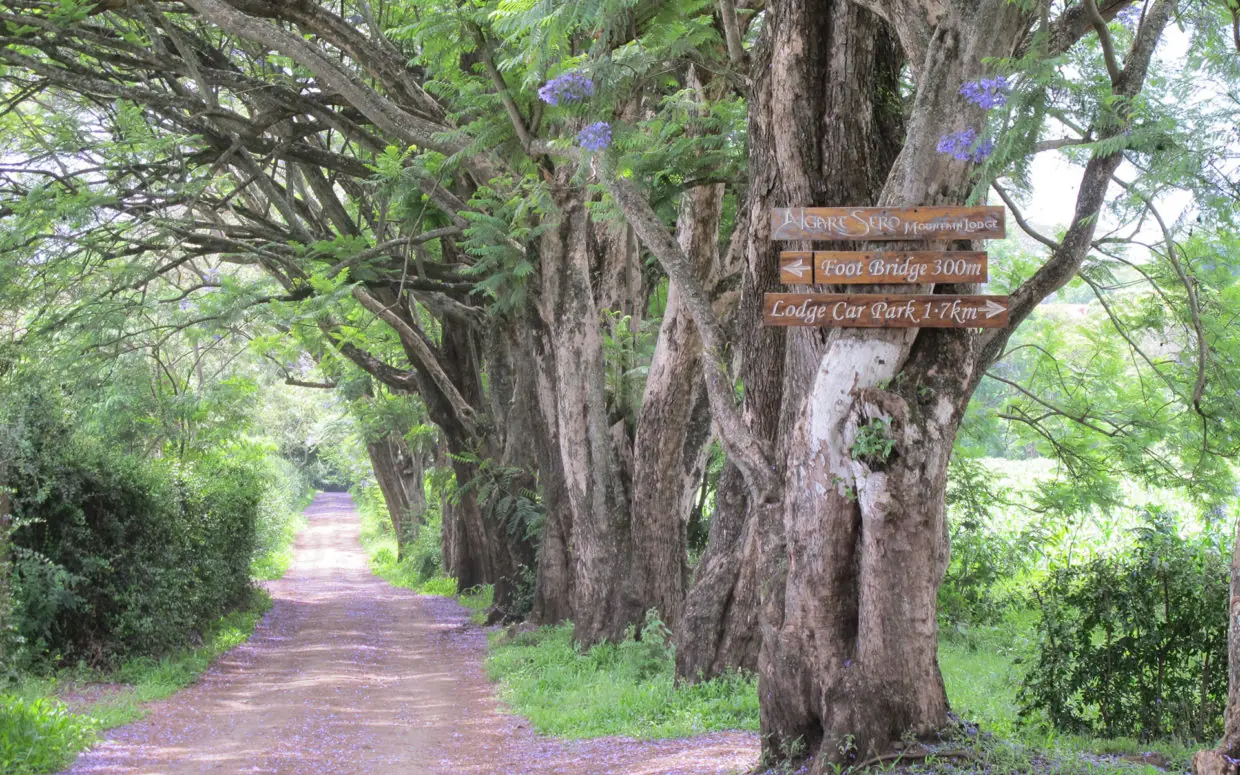
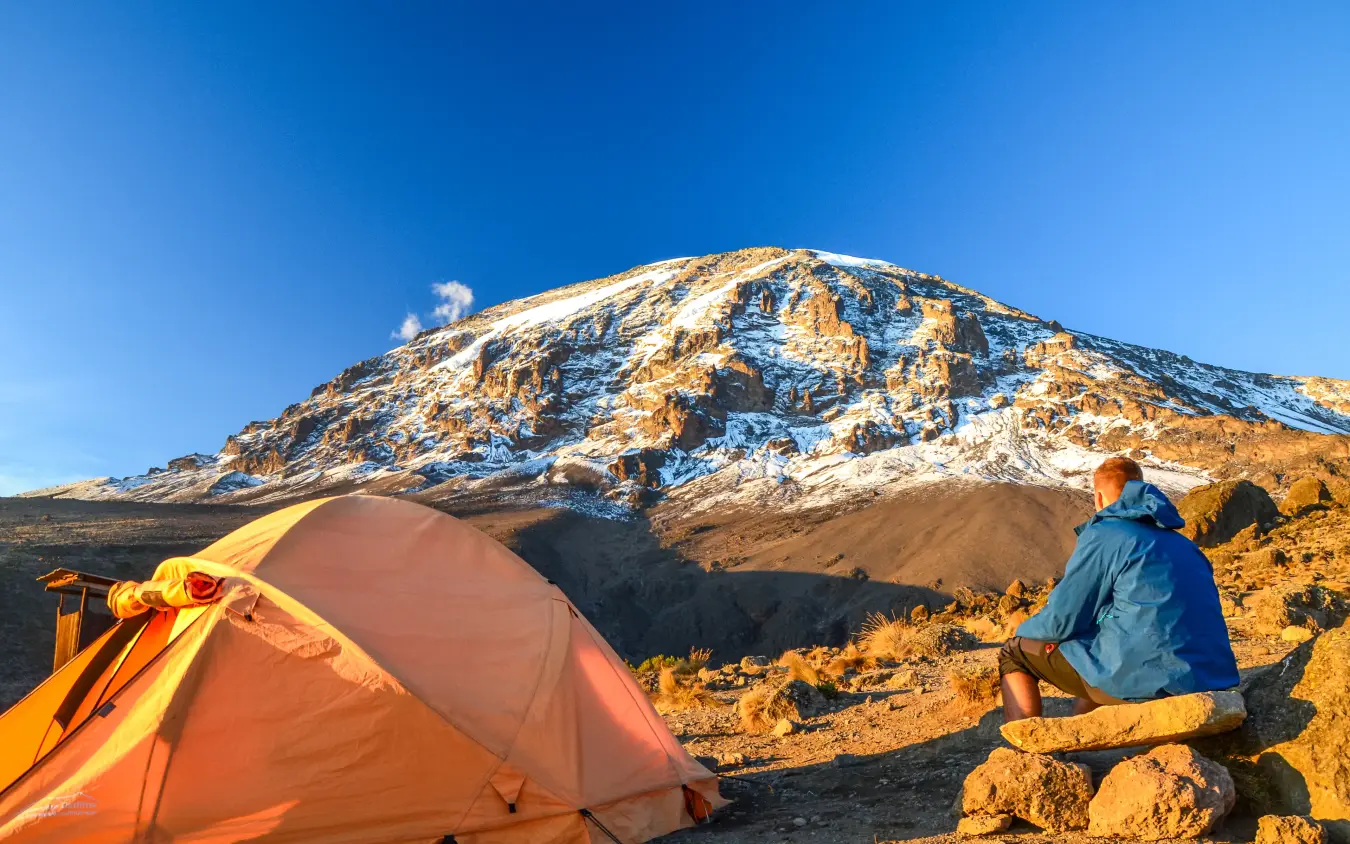
Ten nights in northern Tanzania climbing Kilimanjaro by the Lemosho route, with two nights at Ngare Sero on Mount Meru.
rated five stars by our clients

our approach
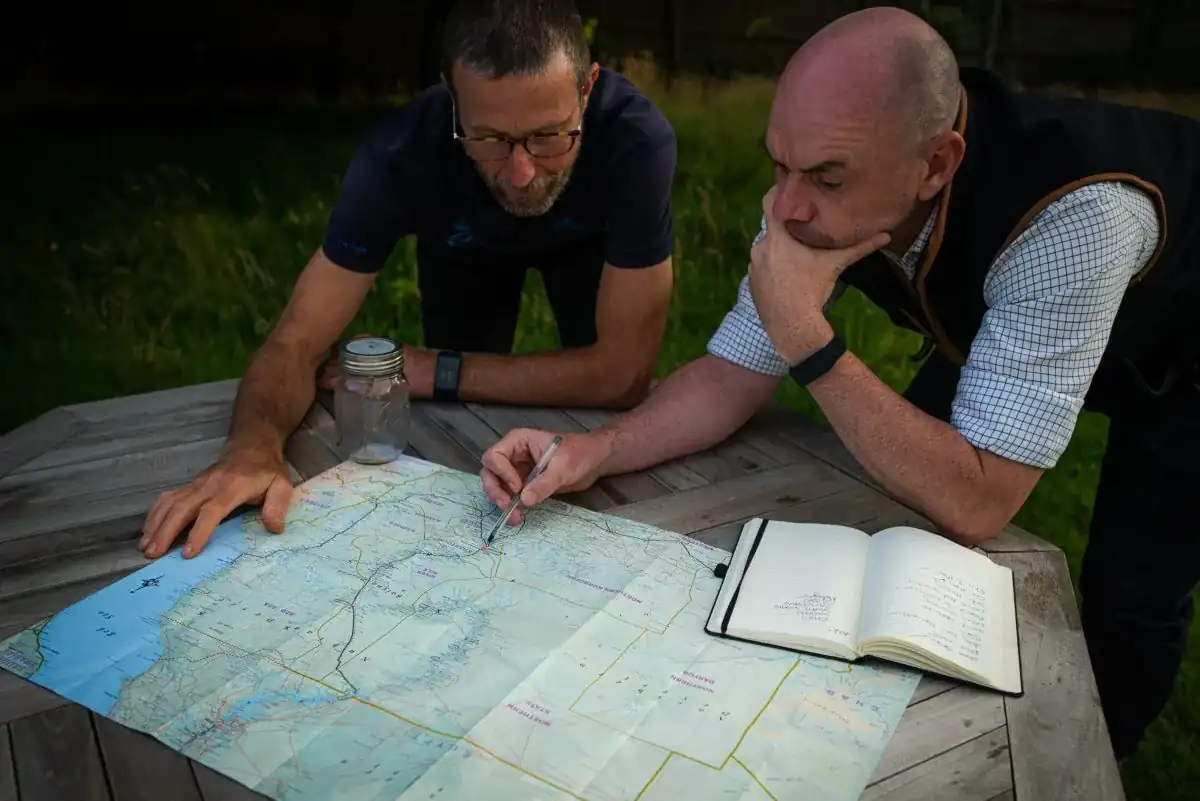
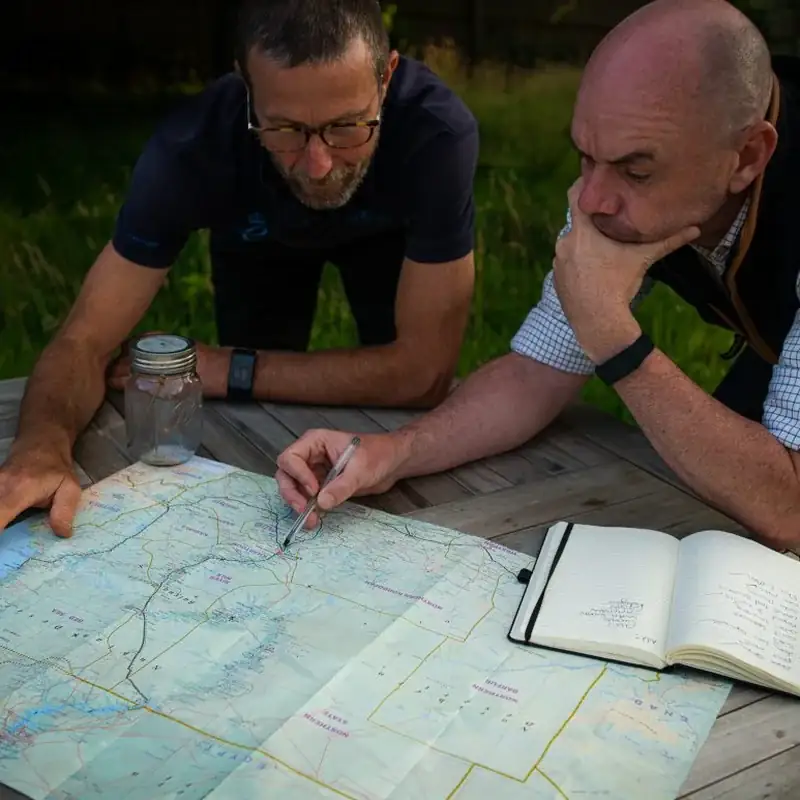
Every journey starts with a conversation. We take the time to understand your vision before we start planning.
Whether by phone or in person, we work with you directly to shape something that is considered, personal, and expertly delivered.
Every journey starts with a conversation. We favour a direct, personal approach: understanding your vision before anything else.
Whether by phone or in person, we work with you directly to shape a journey that is both thoughtfully considered and expertly delivered.
Get in touch to start planning yours.