







tanzania
chimpanzee tracking
Ten nights across Tanzania's wild south and west: walking Ruaha, Katavi's dry-season game and Mahale's chimpanzees.
- Private Safari
- From $16,326 pp
- 2 guests
- 10 nights
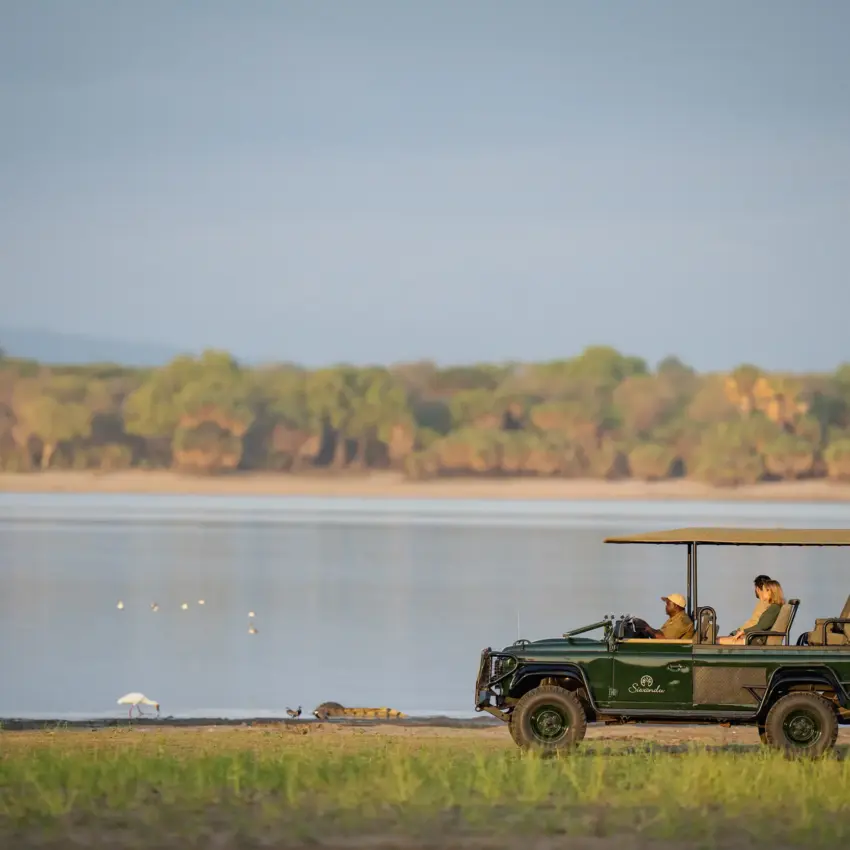
Ten nights across southern Tanzania and out to the Indian Ocean, linking three distinct places. You begin in the remote southern reaches of Ruaha National Park, where a seasonal sand river draws elephants, kudu and lions. Next comes Nyerere National Park on the Rufiji, country built for walking and boating where wild dog are a consistent feature. The trip closes on Pemba Island, a forest-backed beach with wall diving in the Pemba Channel.
You travel by light aircraft between the parks, then a flight and road transfer to Pemba. Days run to game drives, walks with armed rangers and boat safaris on the Rufiji, before the pace settles to diving and forest walks on the coast. Each stay is a small, well-set camp or resort chosen for its setting rather than its size.
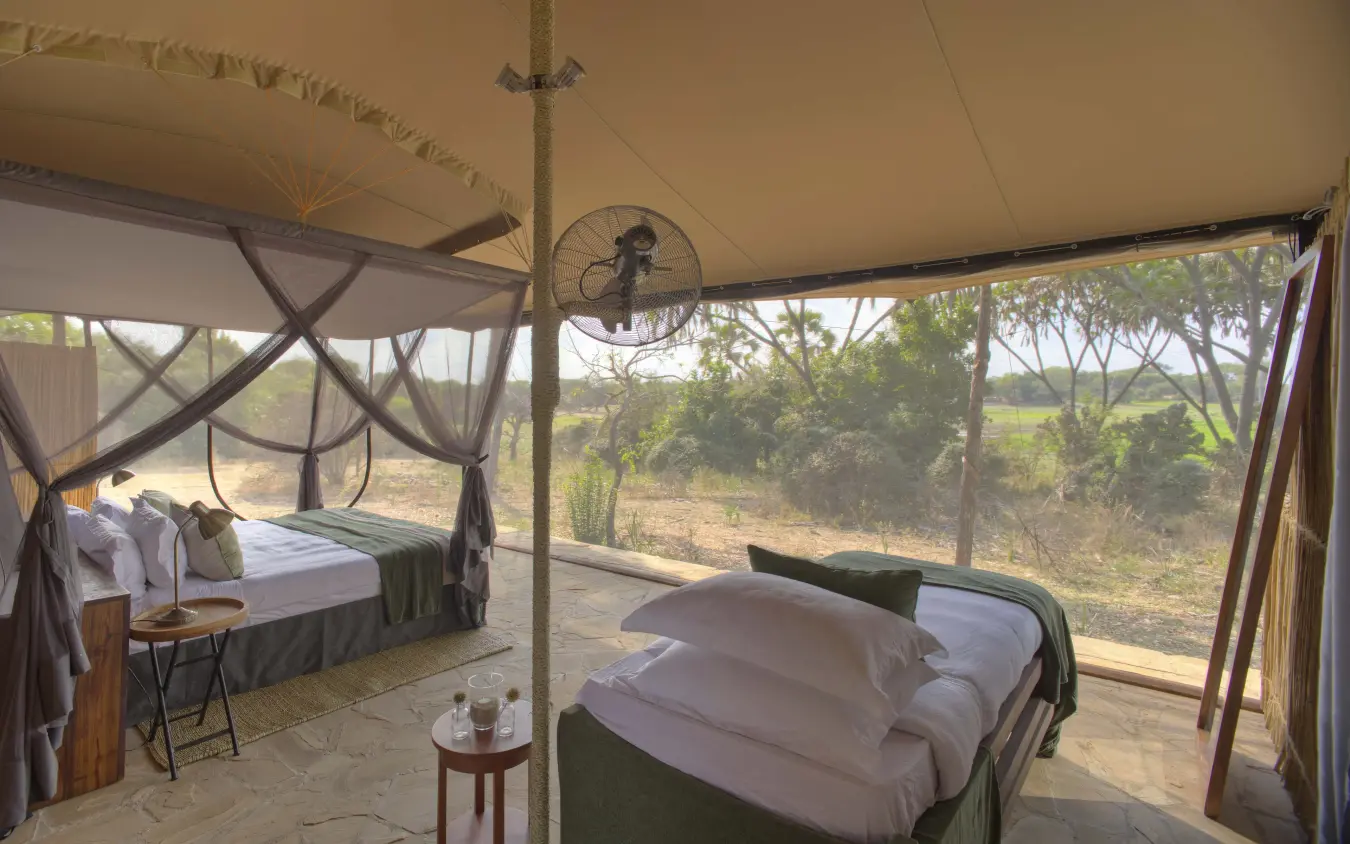
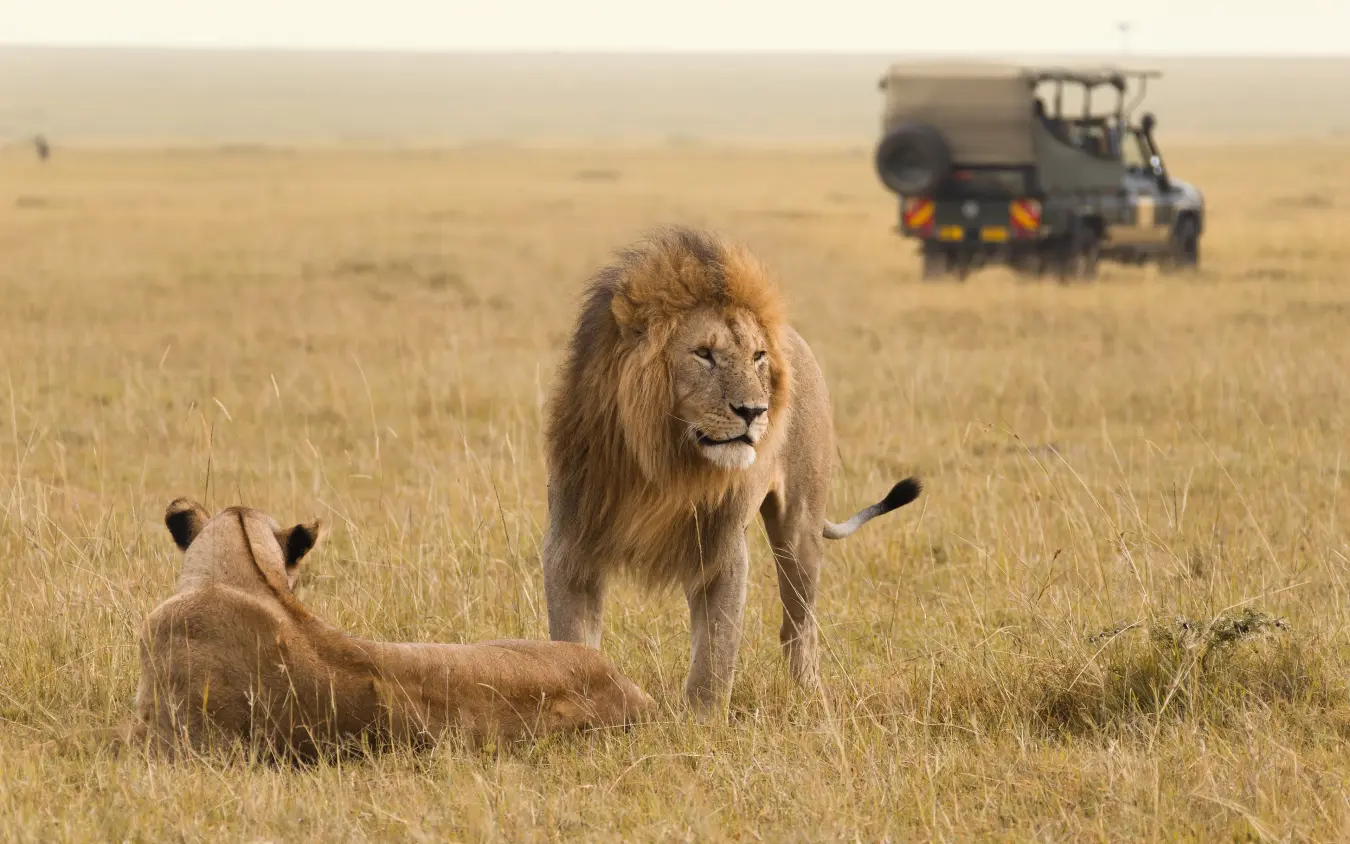
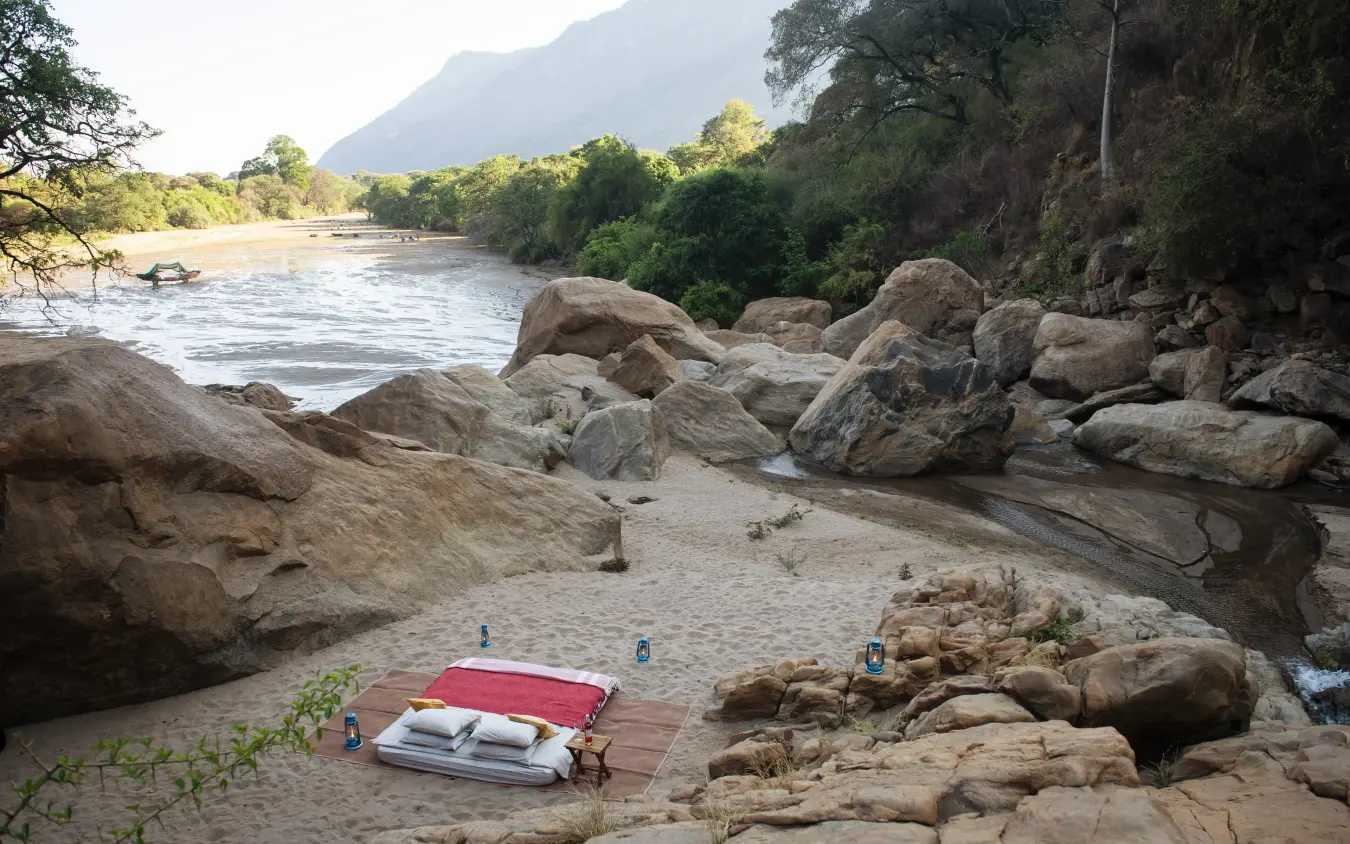
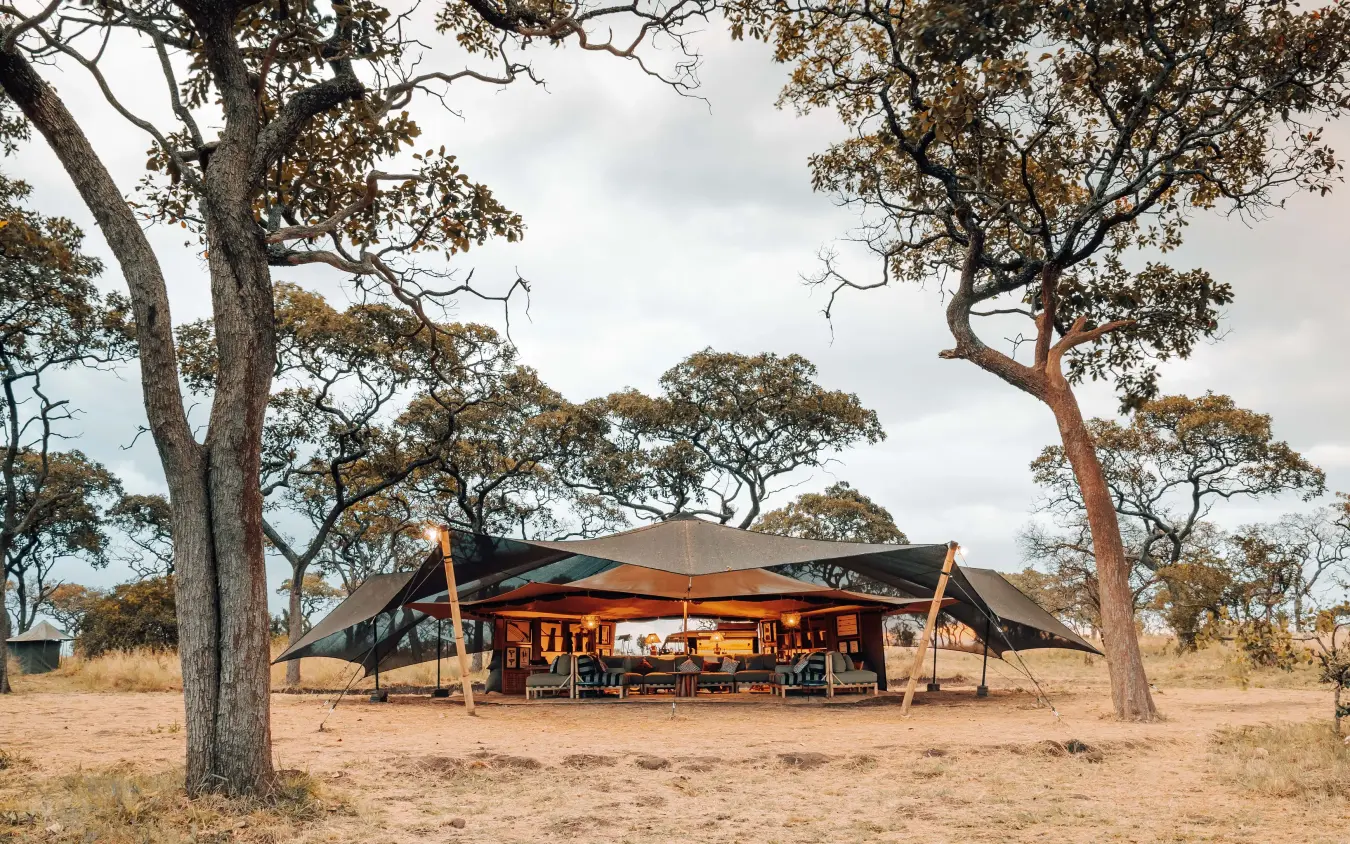
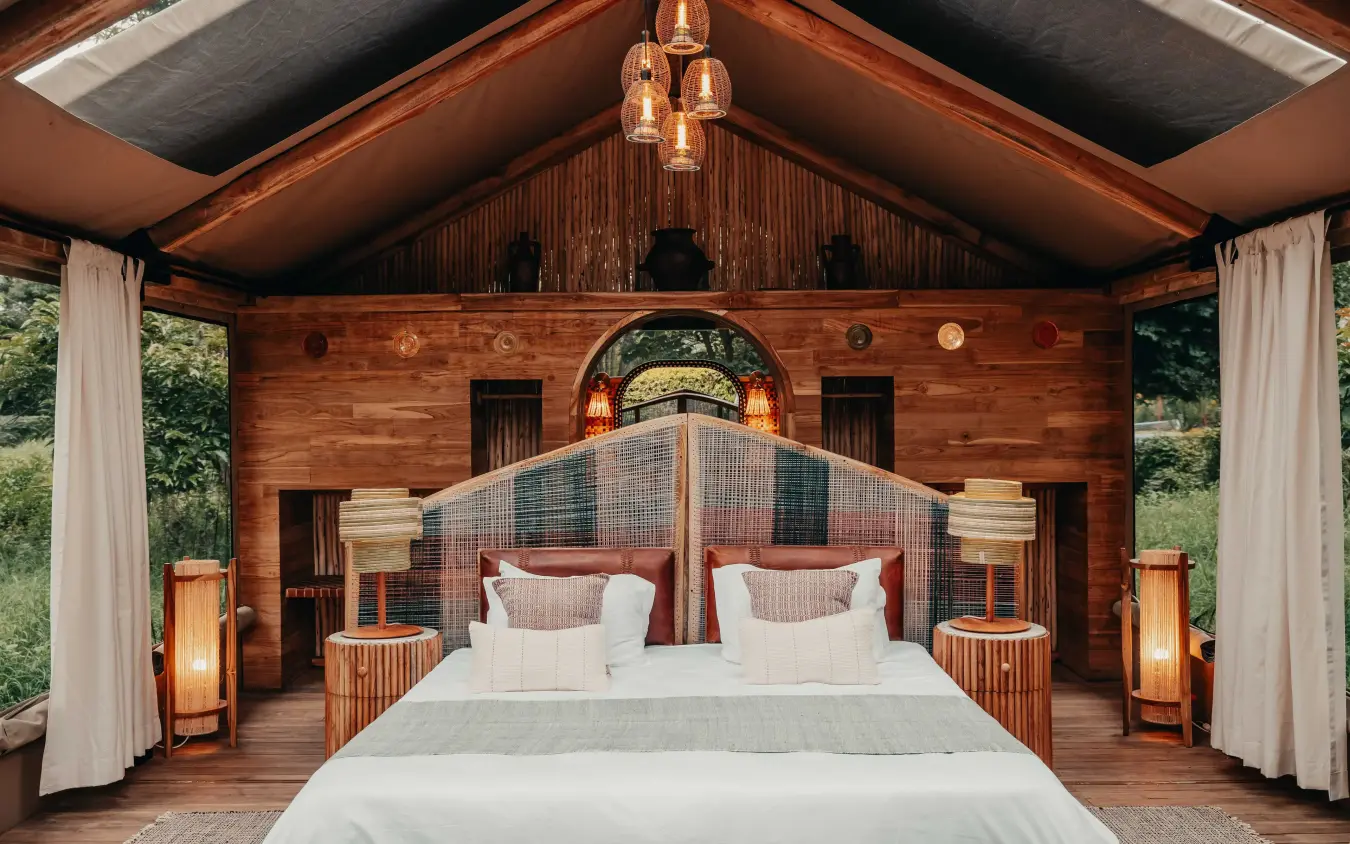
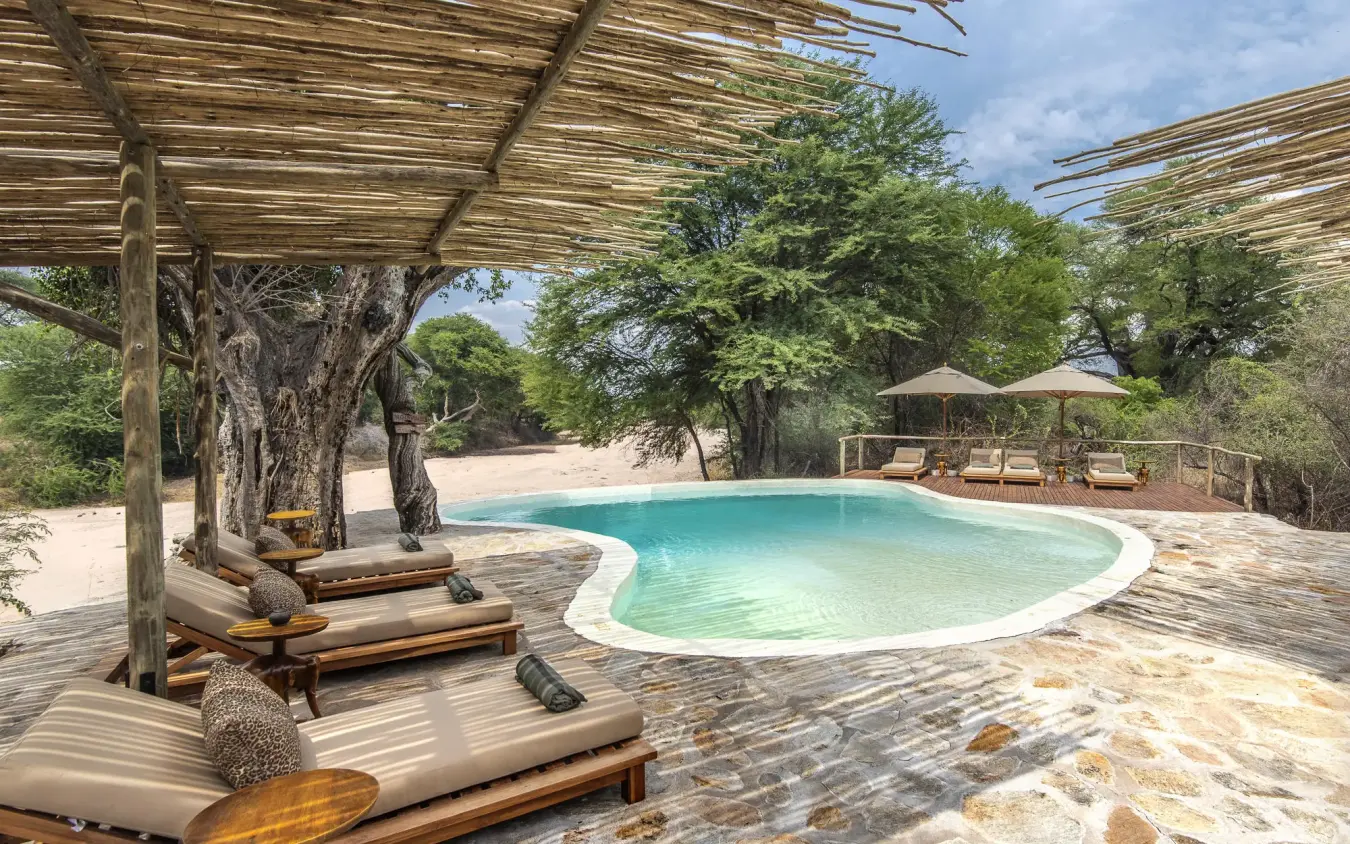
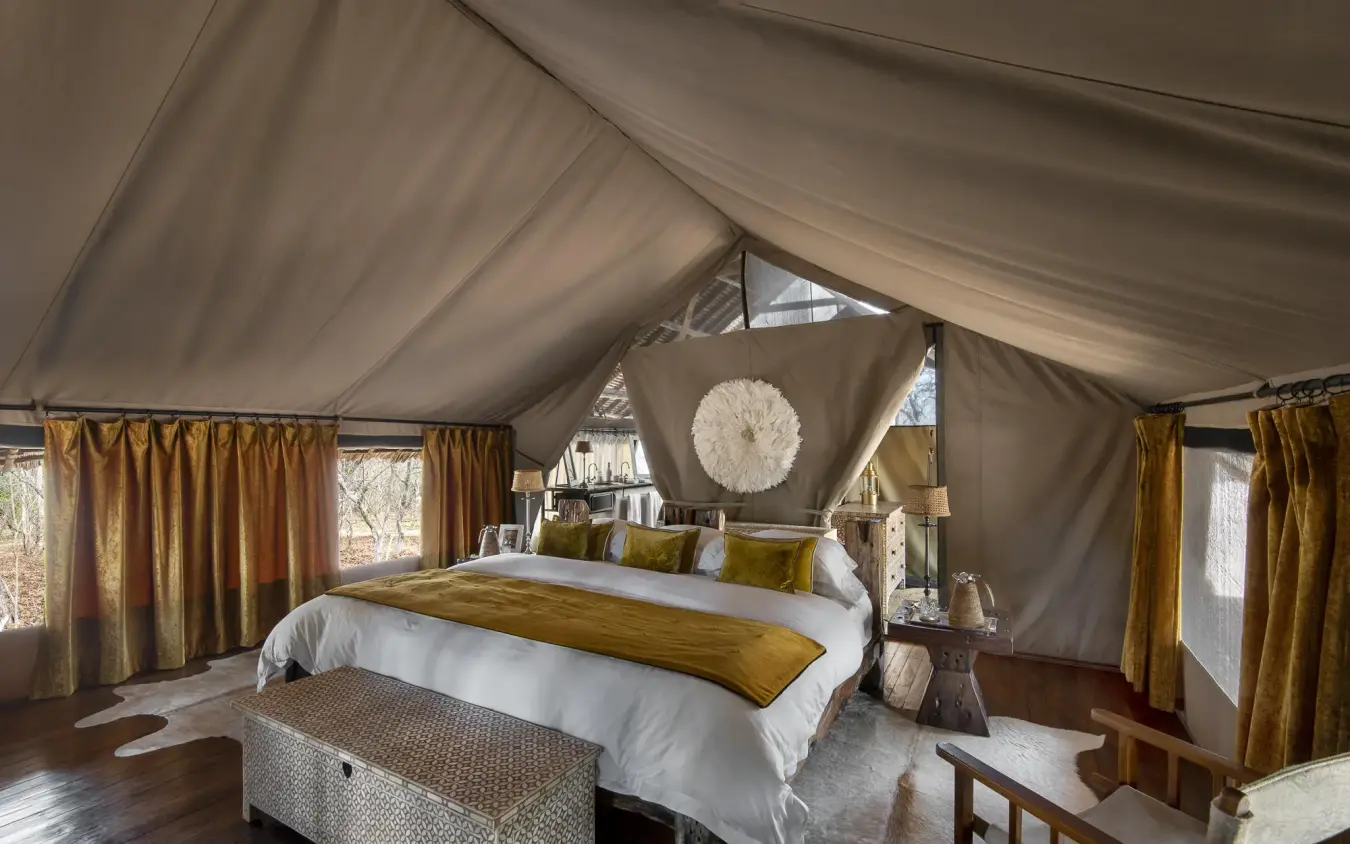
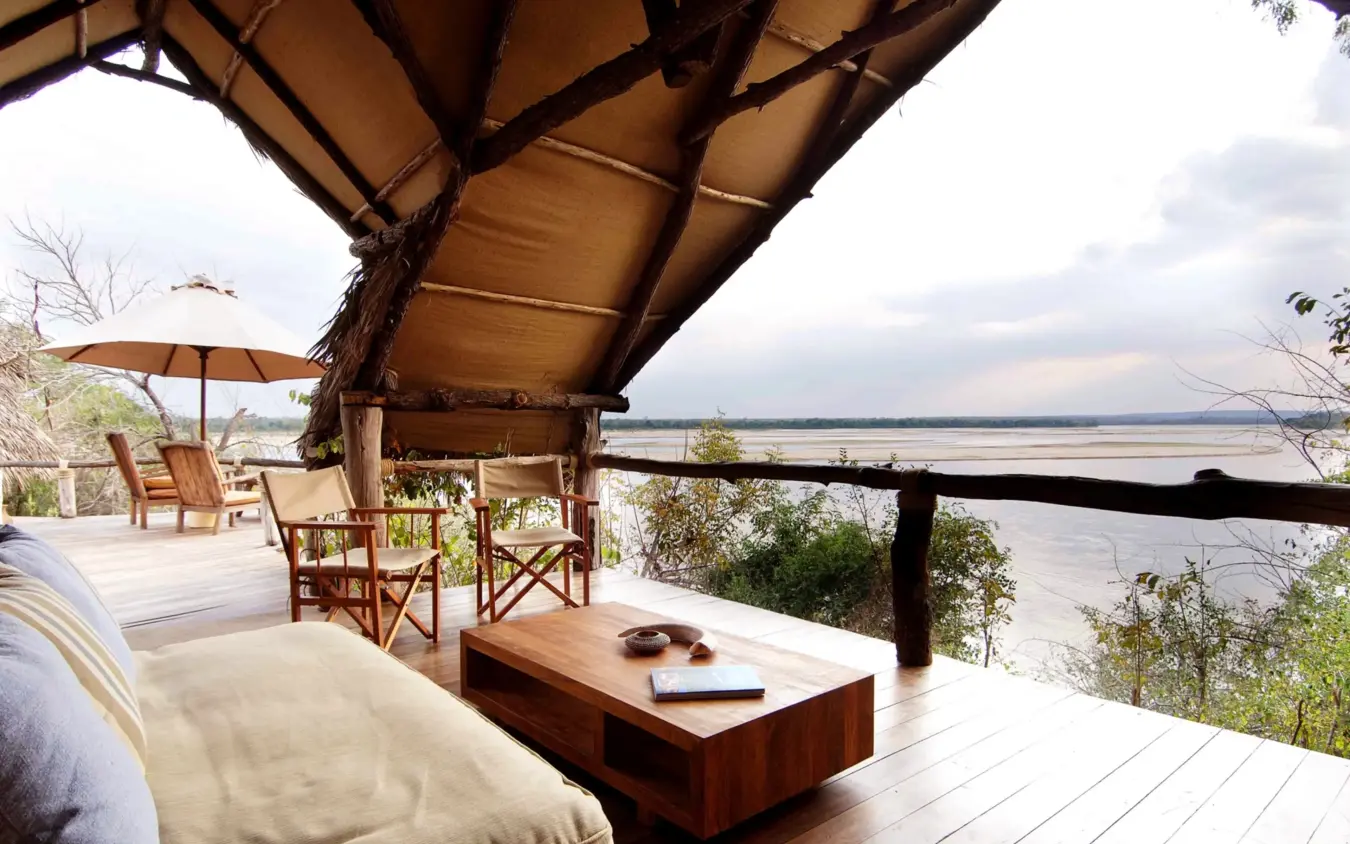
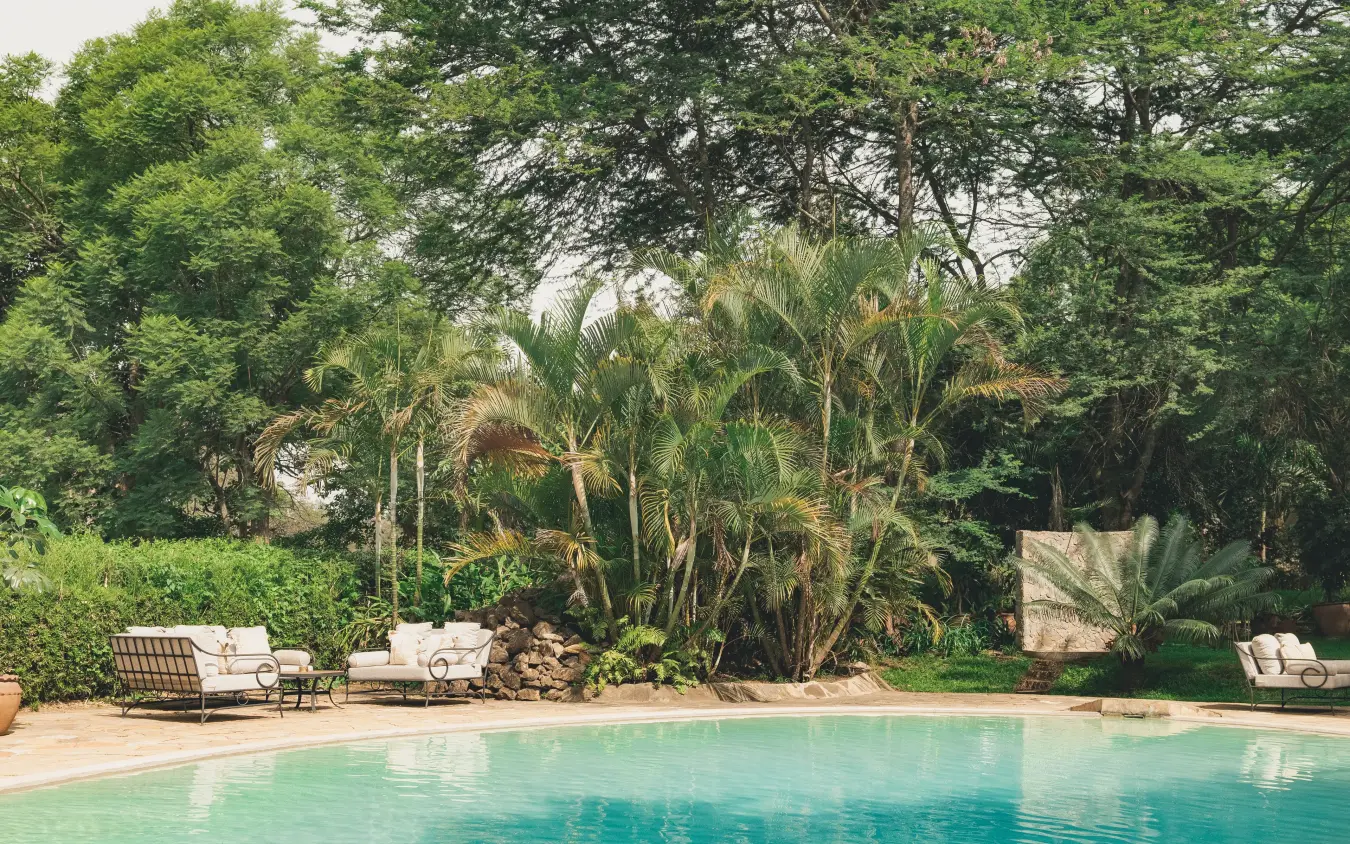
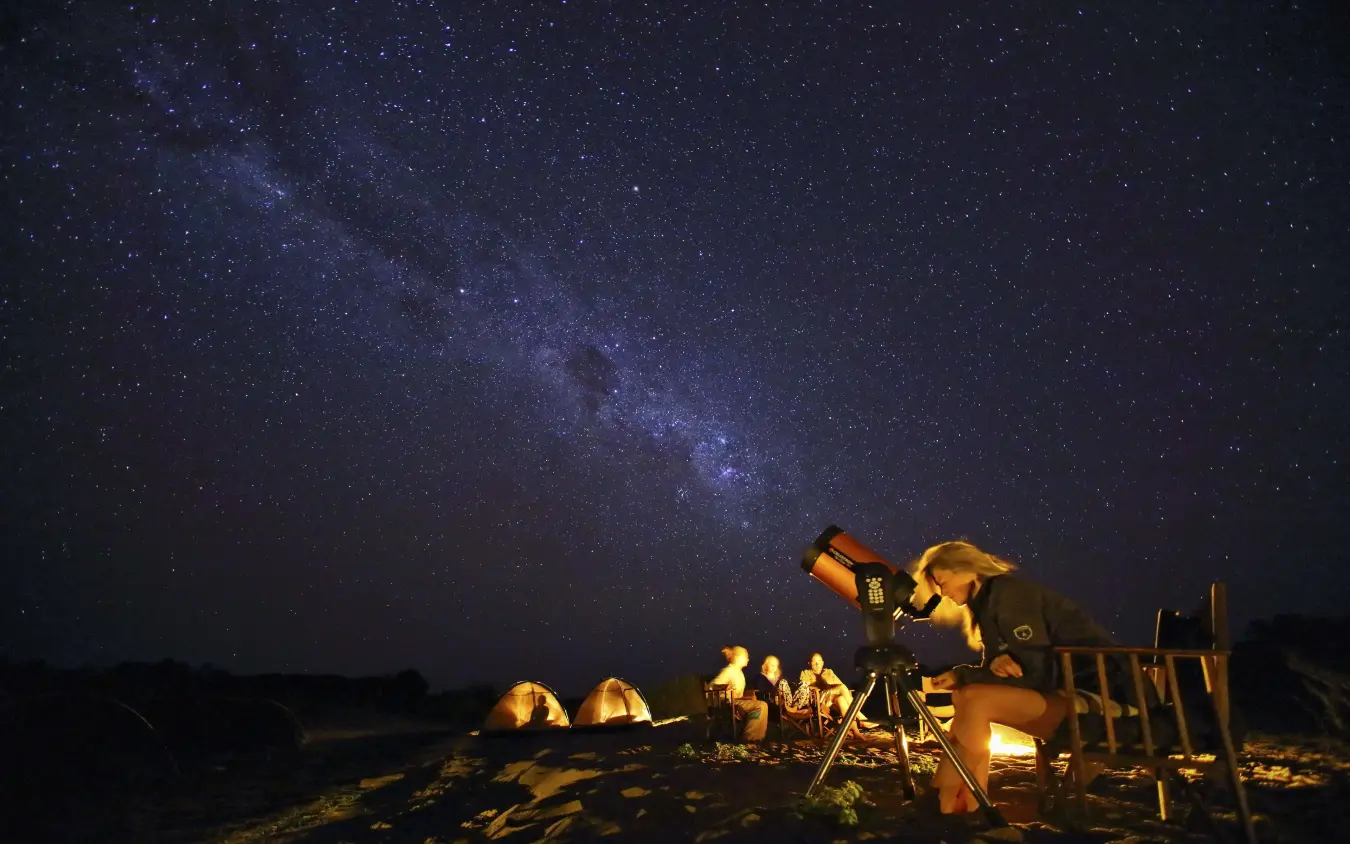
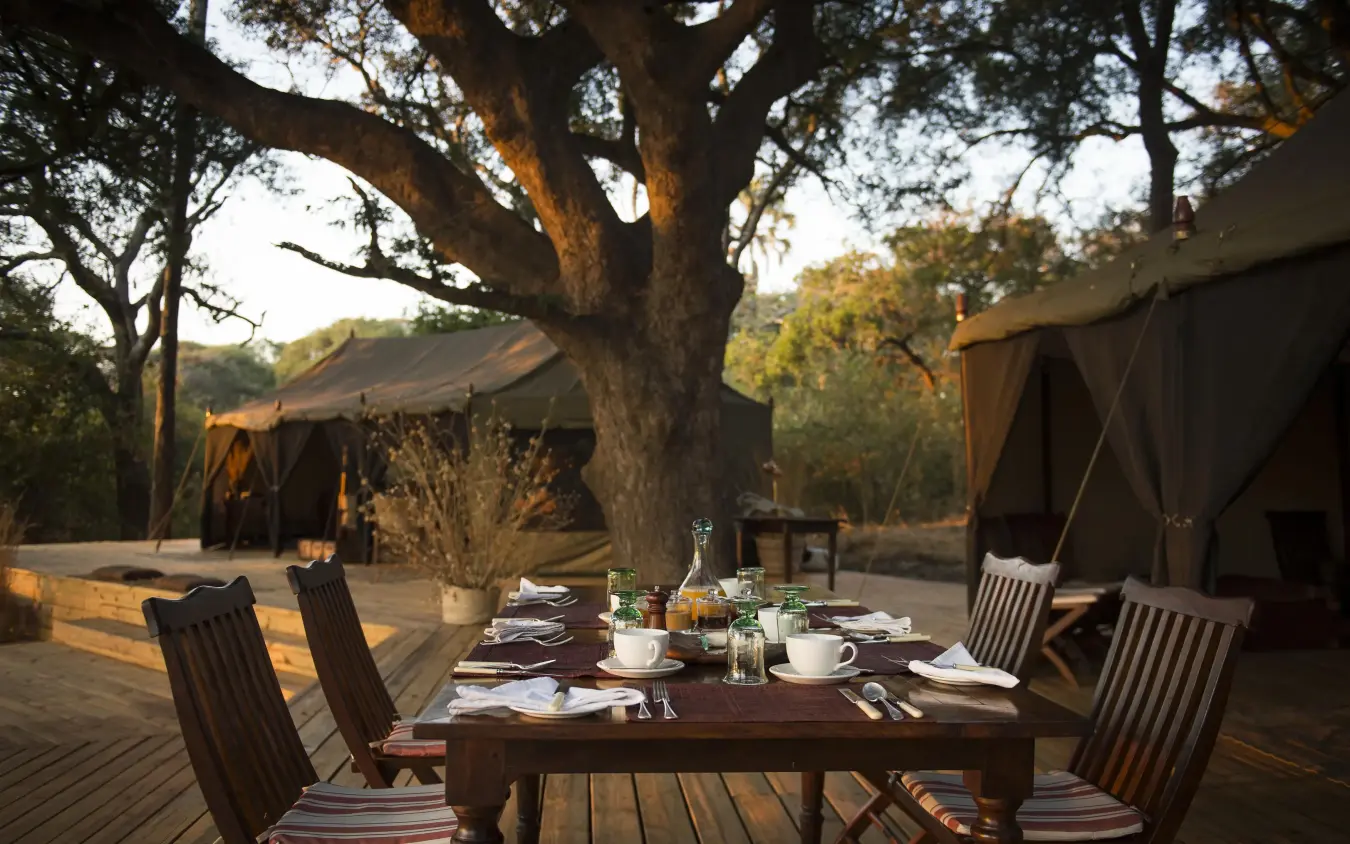
Days deep in the southern reaches of Ruaha National Park, out on game drives that rarely meet another vehicle, with walking on the sand river in the dry season led by a qualified guide and an armed park ranger. Elephants, kudu and baboons move along the riverbed within sight of the tents, and lions have been heard passing through camp in the dark. Fly-camping is available for a night out under canvas. Jongomero Camp stands alone on the Jongomero sand river, eight canvas tents on raised wooden decks beneath makuti thatch, with an open-sided lounge, a dining terrace and a pool at its centre.
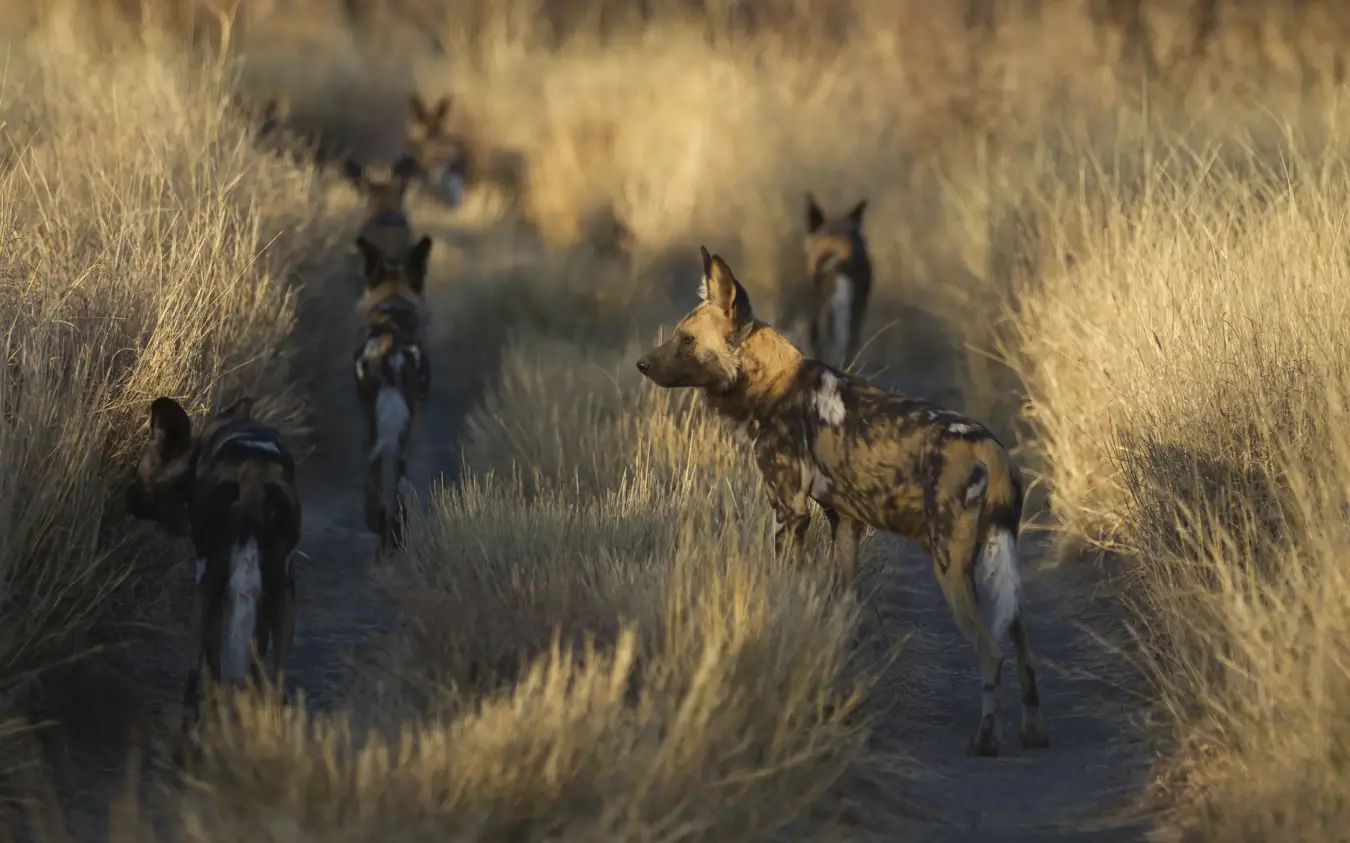
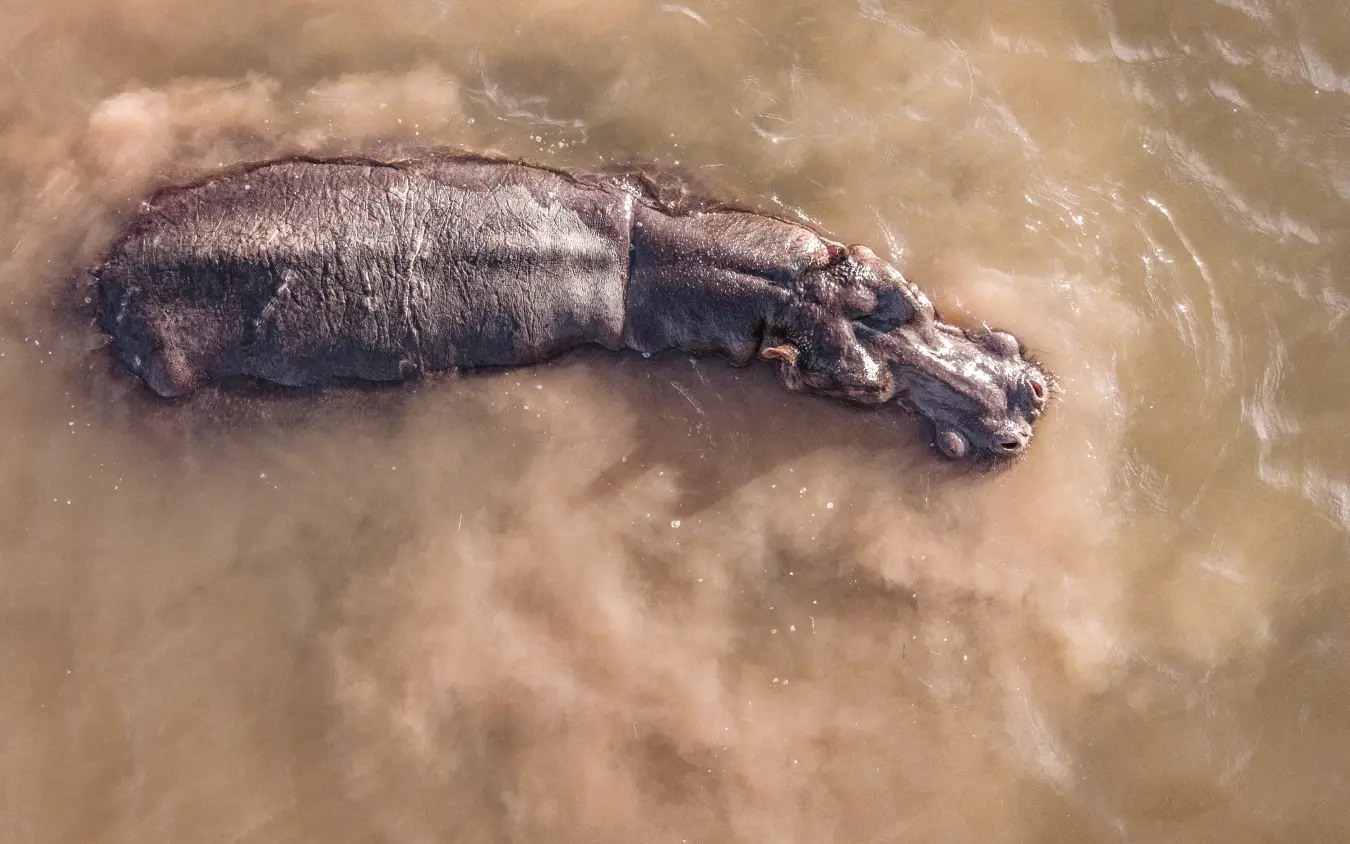
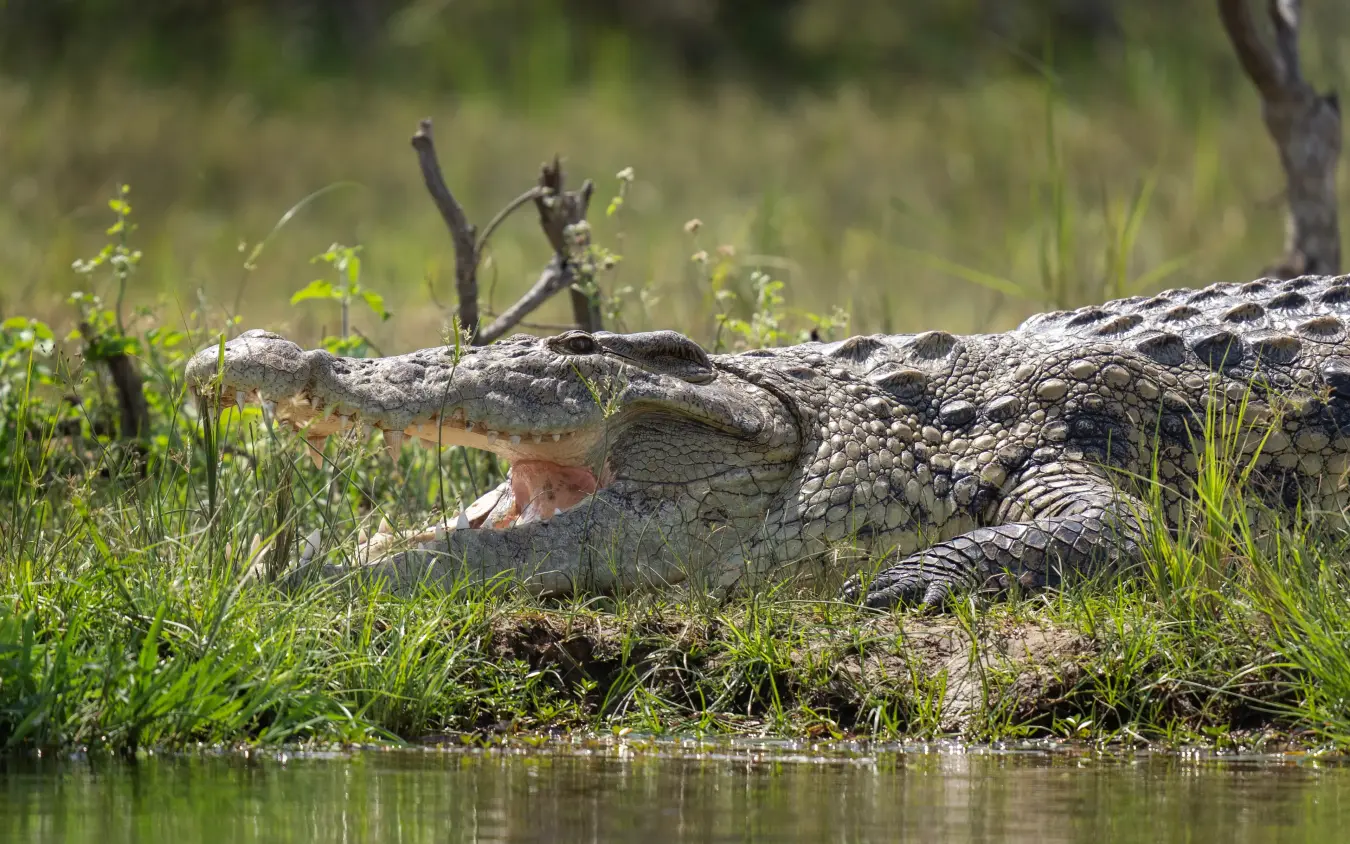
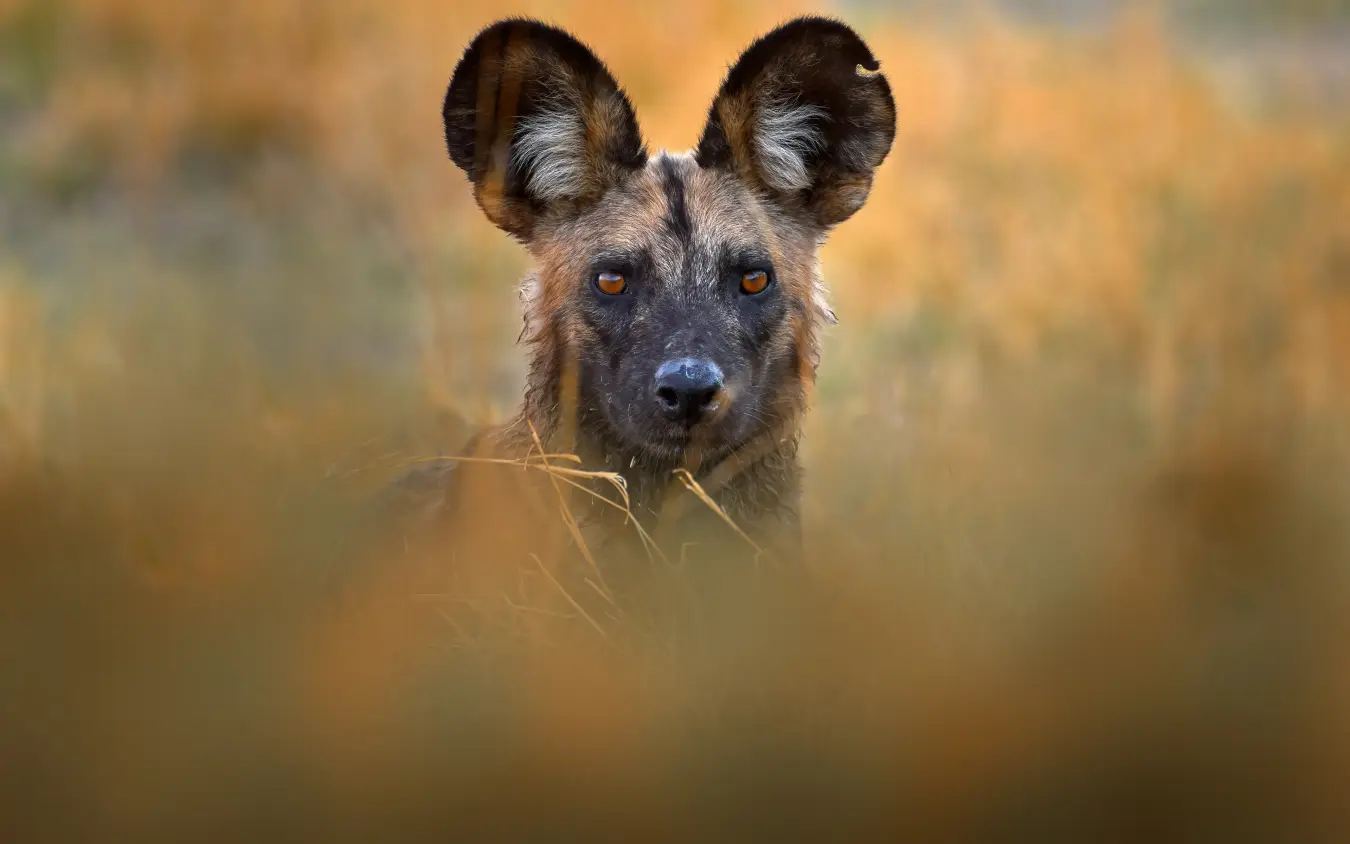
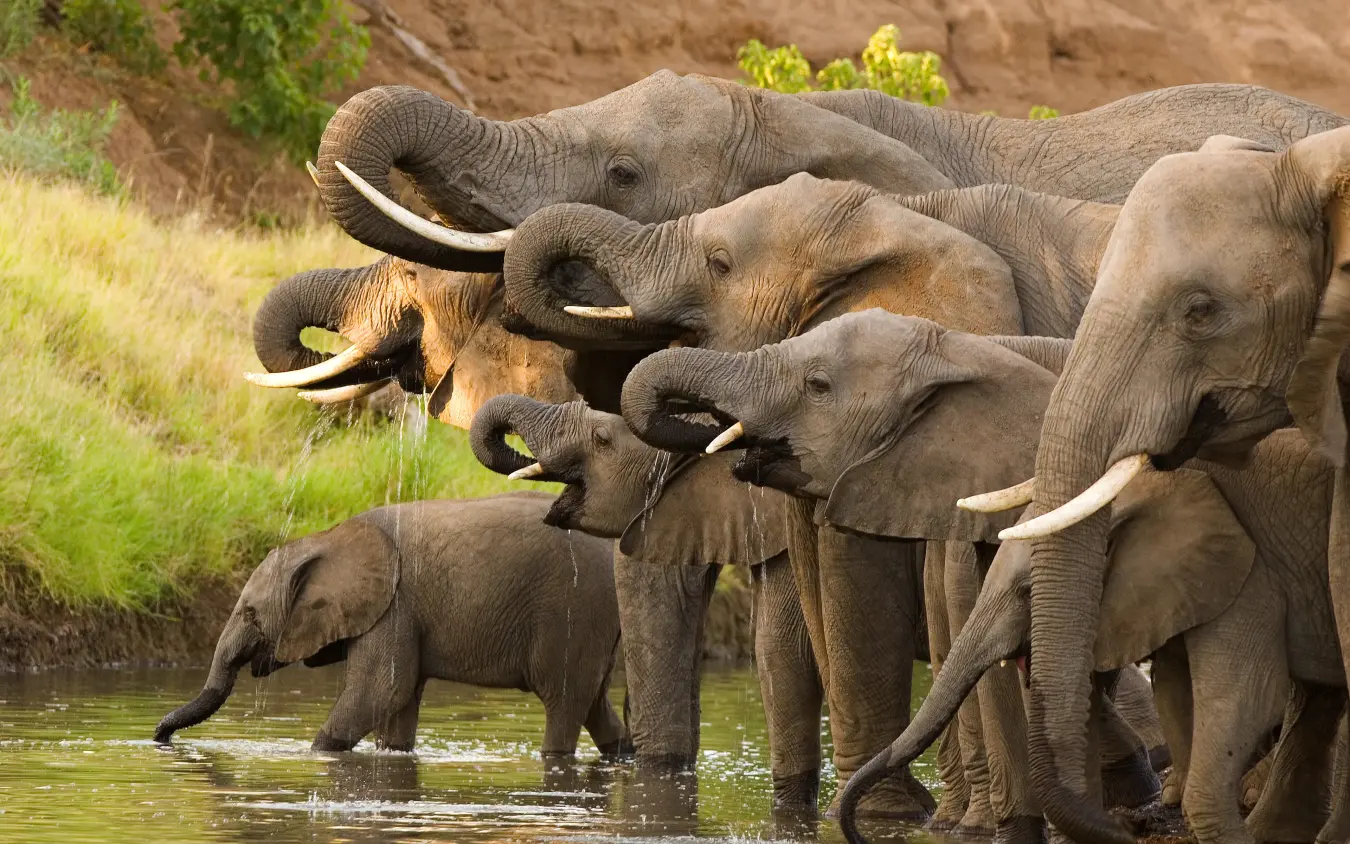
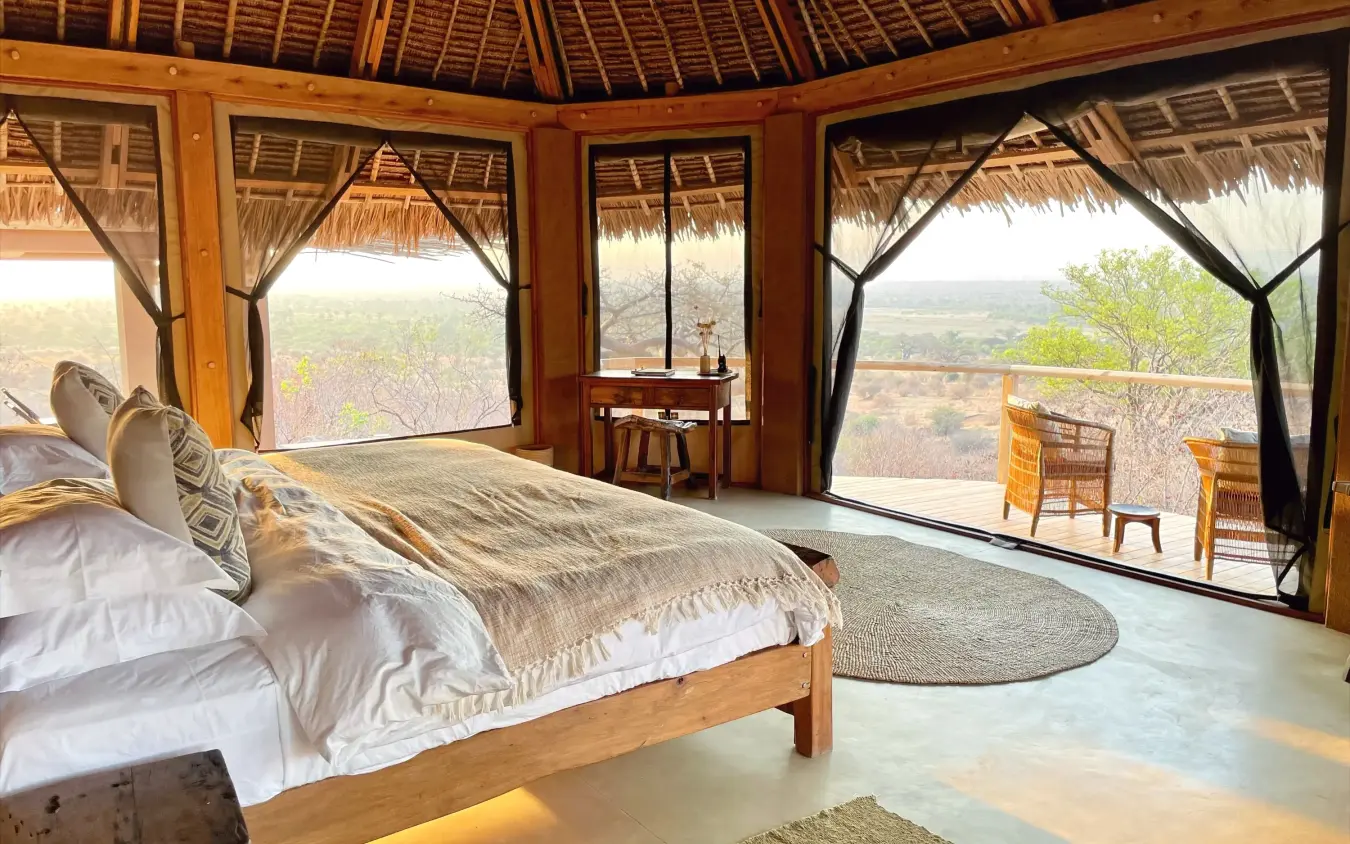
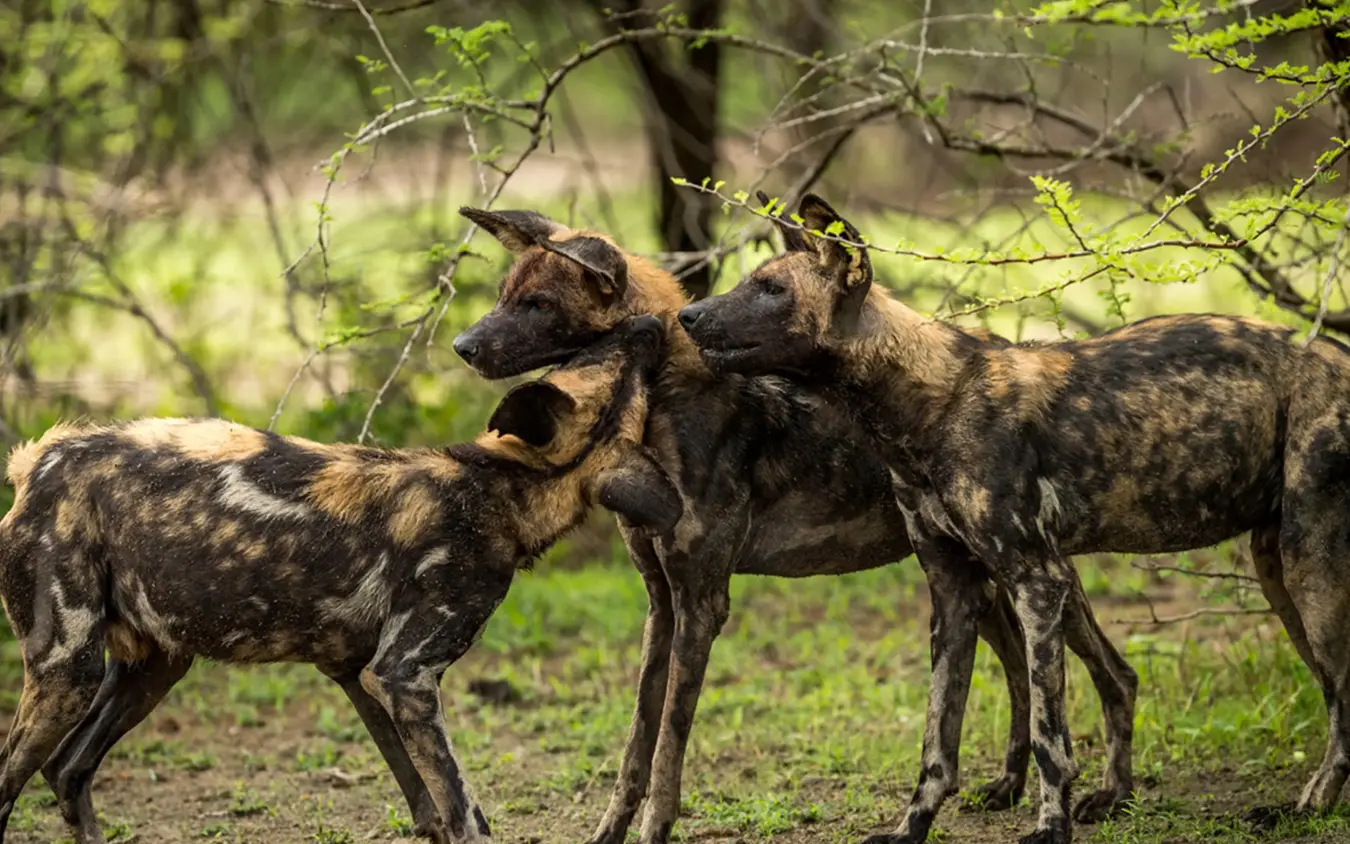
From Ruaha you continue to Nyerere National Park, on the northern bank of the Rufiji, where the days turn on walking safaris with armed rangers and boat safaris on the river and its lakes. Wild dog are a consistent feature here, while lion and hyena are close to certain and elephant and buffalo gather at the water through the dry season. Motorboats run upstream to Stiegler's Gorge and downstream past pelicans and nesting bee-eaters, and the Tagalala hot springs lie a few kilometres from the water. Sand Rivers has eight stone-and-thatch cottages open to a bend of the Rufiji, with hippos and crocodiles on the sandbanks below.
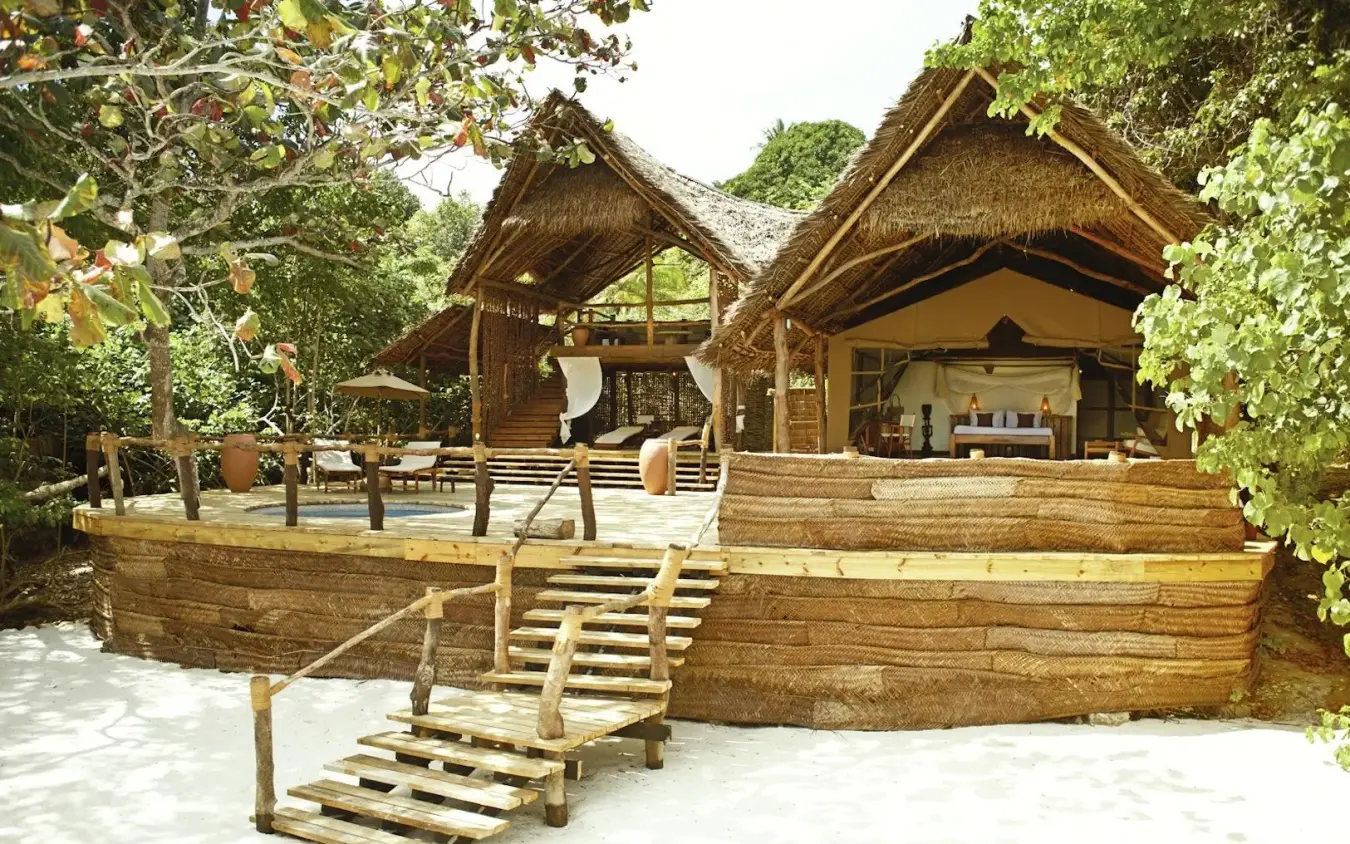
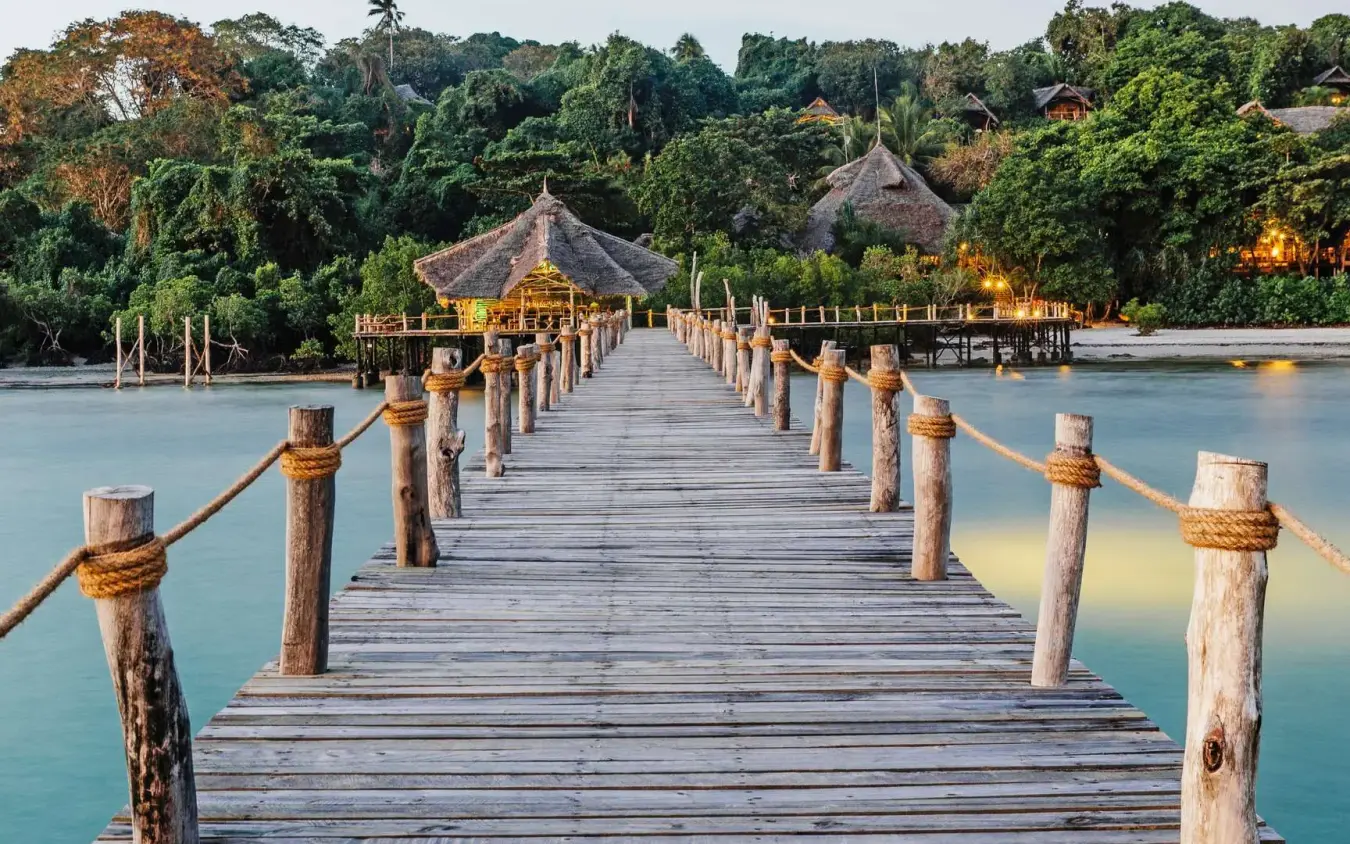
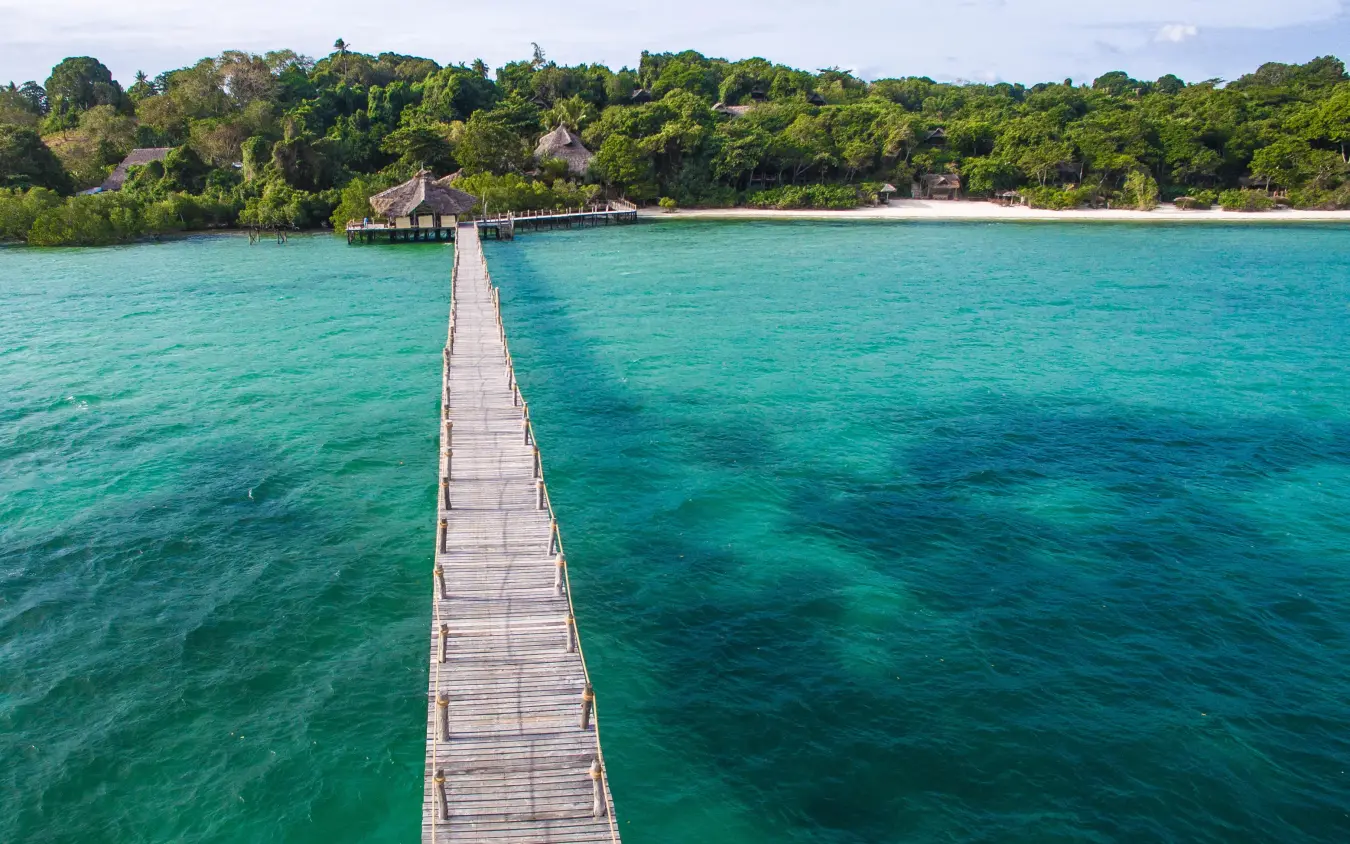
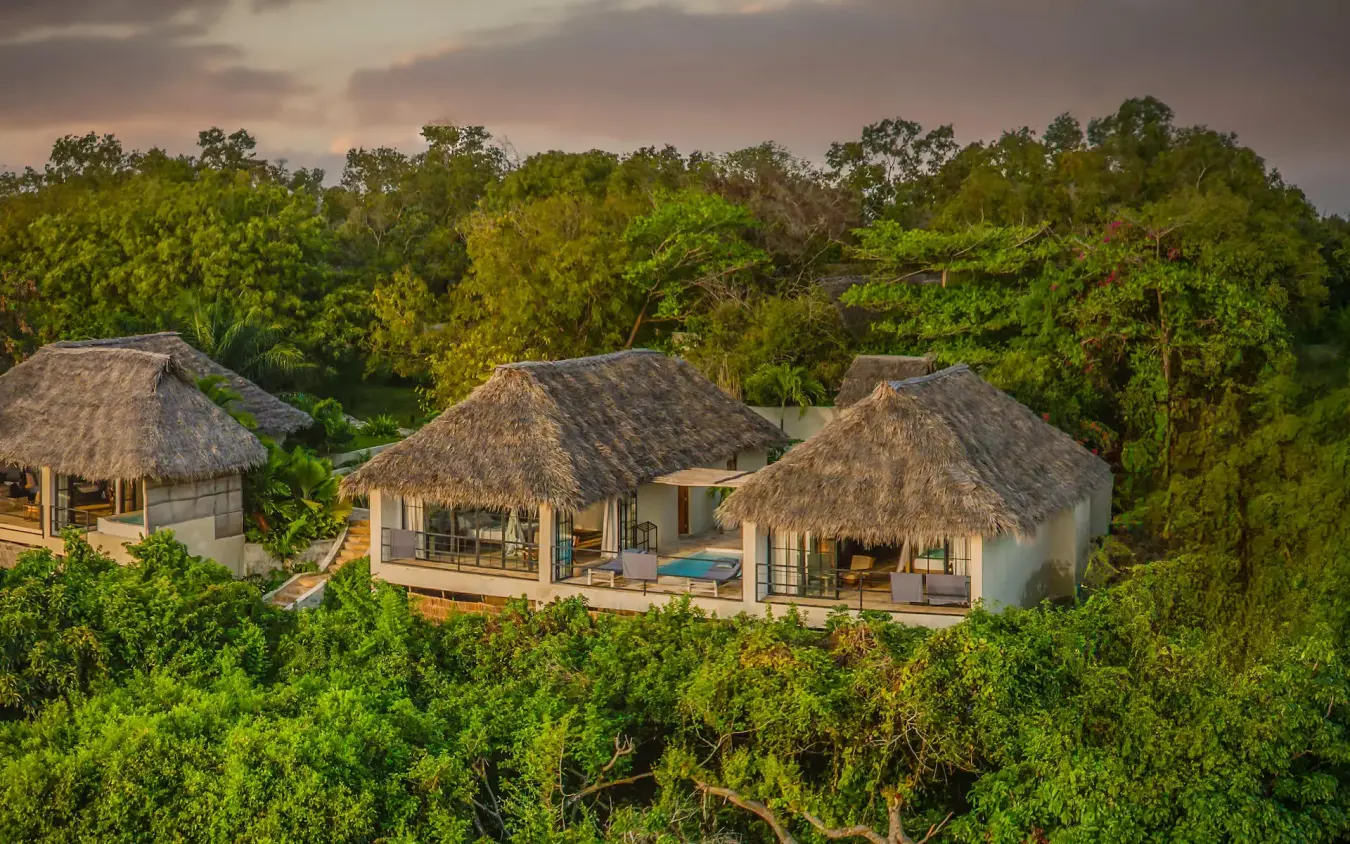
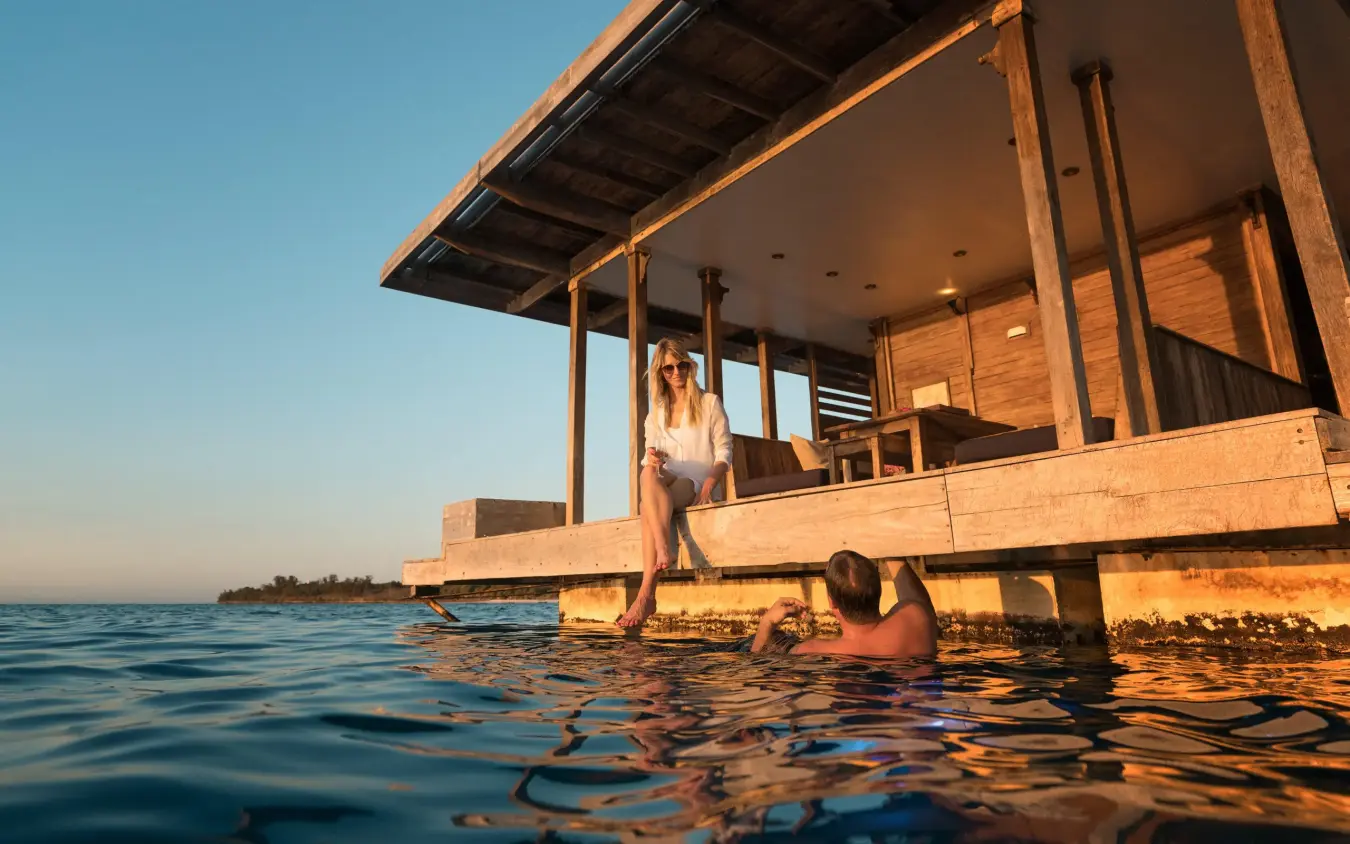
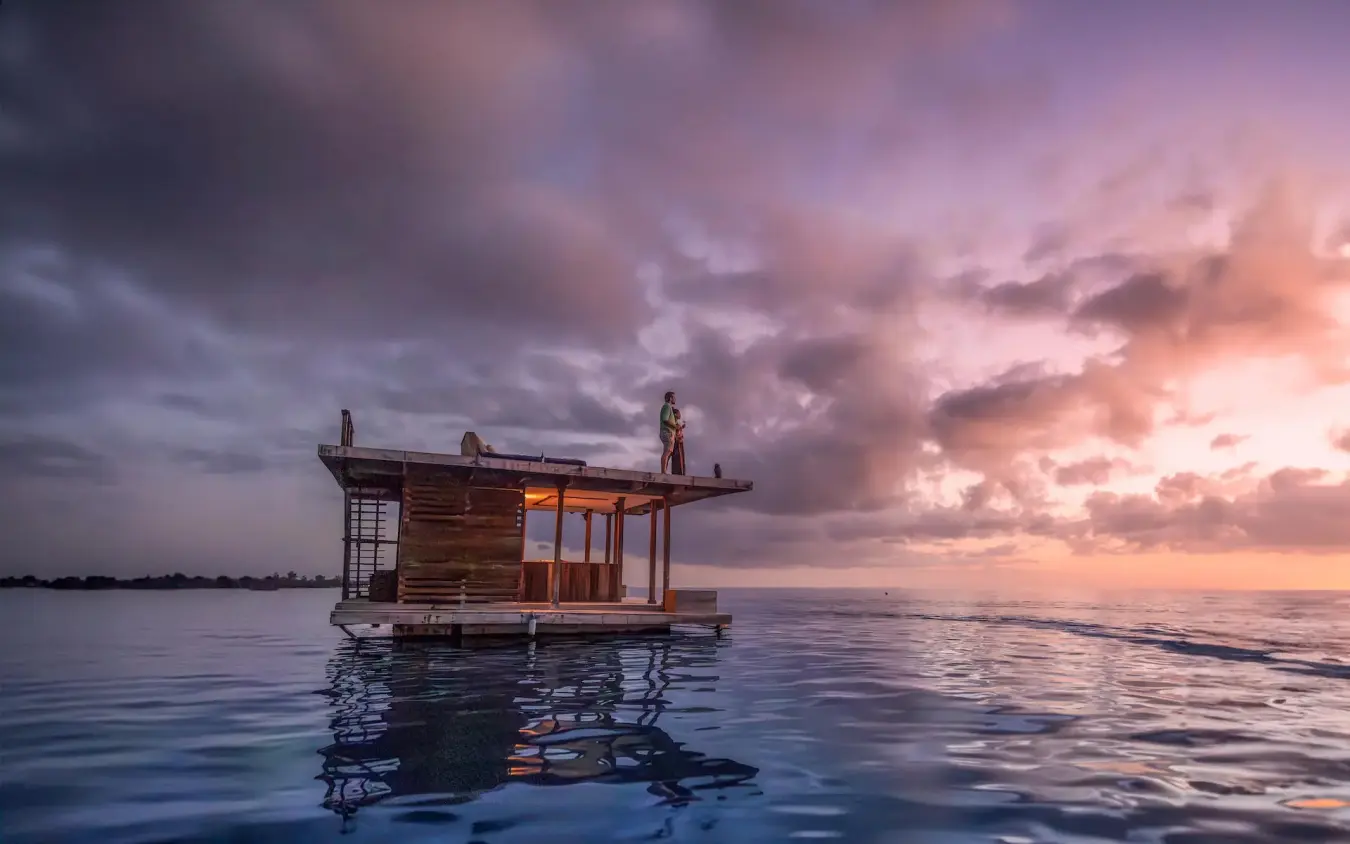
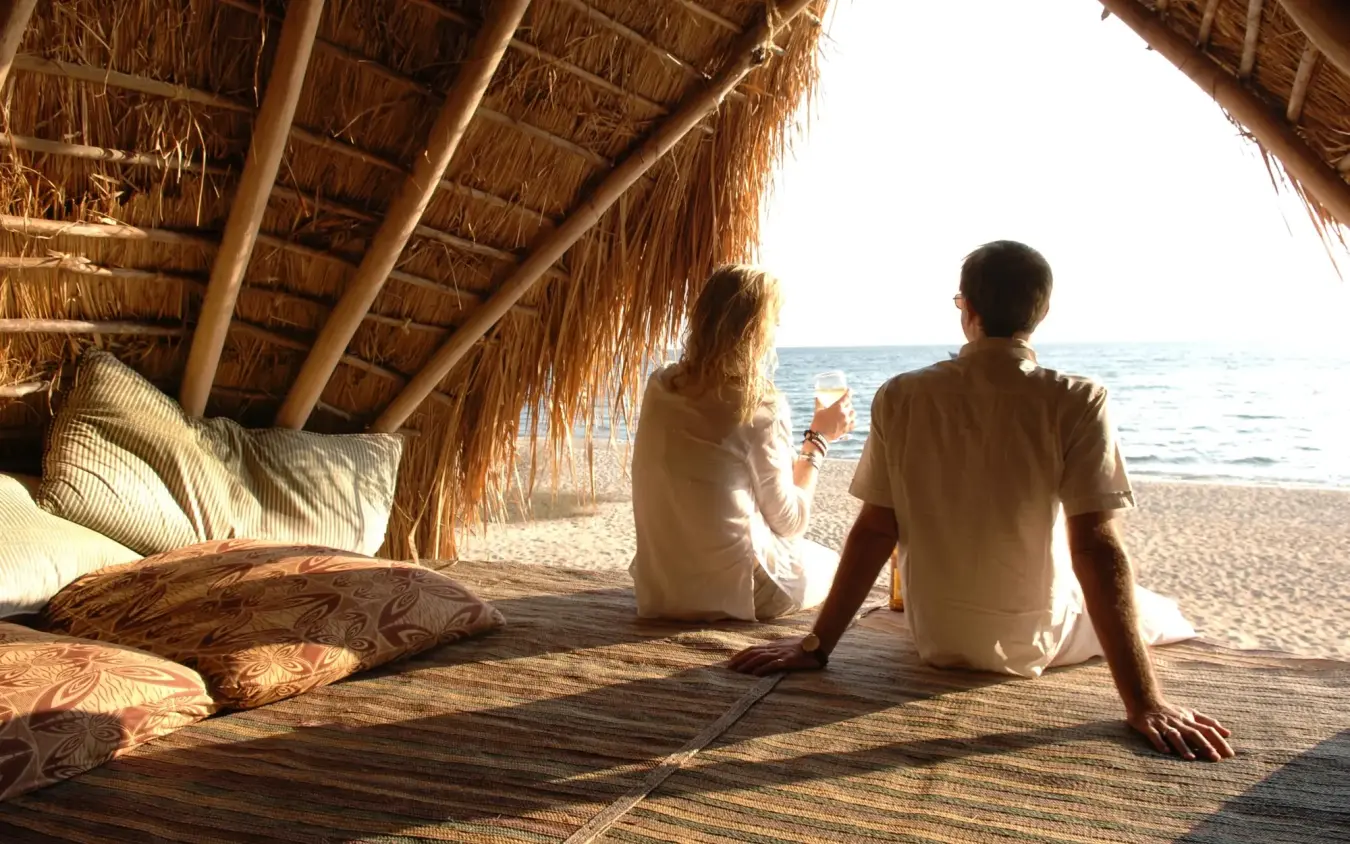
The trip ends on the northern tip of Pemba Island, reached by flight and then a road transfer through clove plantations and villages, skirting the Ngezi Forest Reserve. Diving starts close to shore, where the reef falls sheer into the Pemba Channel and wall and drift dives run past turtles, eagle rays, reef sharks and schooling barracuda. Guided walks into Ngezi, a stronghold of the endemic Pemba flying fox, fill the hours between dives. The Manta Resort keeps to one stretch of beach, its rooms low under makuti thatch, with its best-known bedroom moored some 250 metres out and sunk four metres below the surface behind glass.
Not hard, but it is seasonal and it carries an age limit.
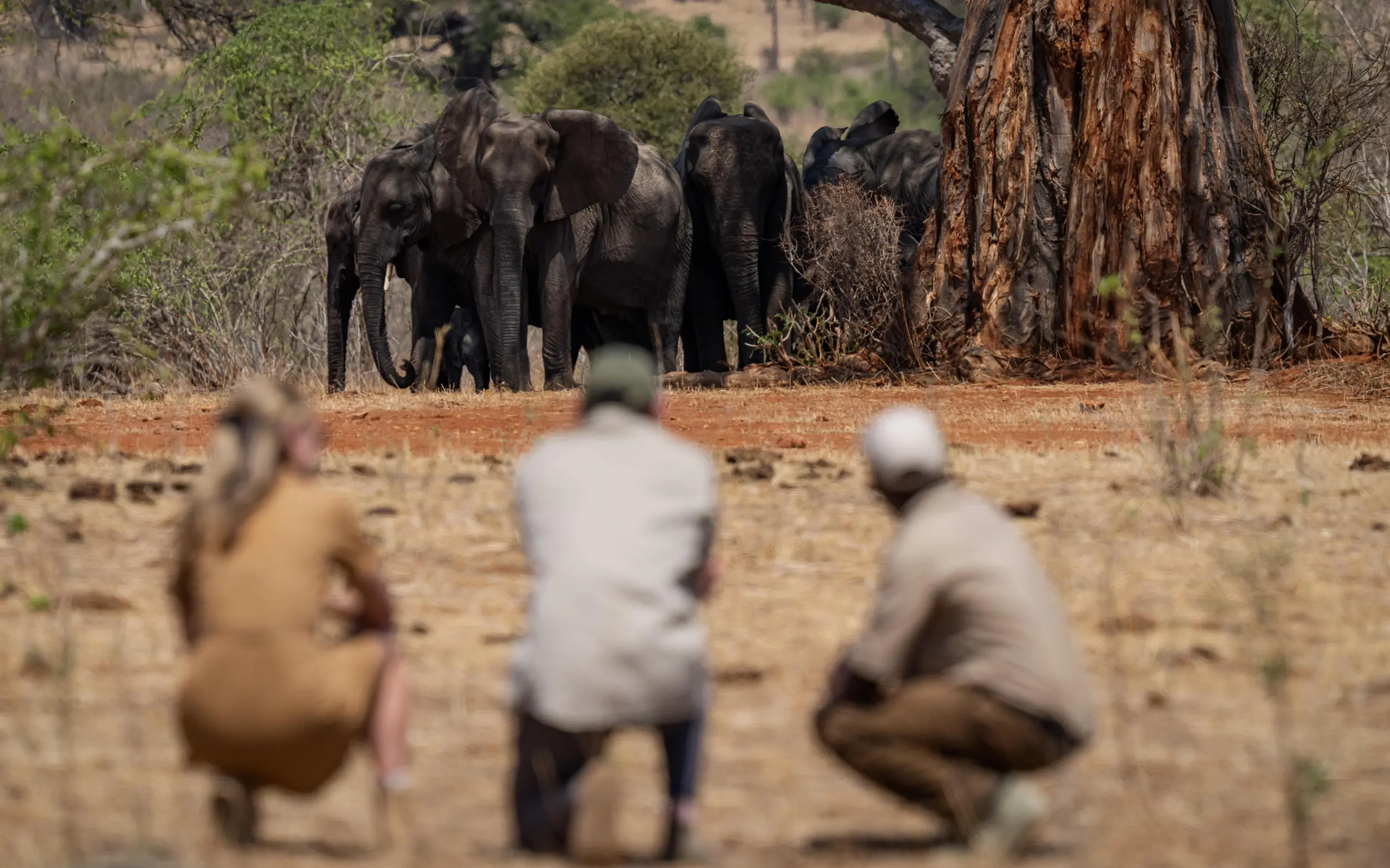
Walks in both parks go out with a qualified guide and an armed park ranger, slowly, over a few kilometres, stopping to read tracks and look at plants, so they turn on what you notice rather than what you cover and ordinary fitness is enough.
The timing is the catch. Walking in southern Ruaha runs from about the end of June to the beginning of December, and the camp on the Rufiji offers guided walks alongside drives, boating and fishing, with nobody under twelve on a walk or at its fly camp.
Starts are early, before the heat builds. Closed shoes with grip and neutral colours matter more than any specialist kit.
It is two nights away from the main camp under canvas, and it has to be arranged before you travel.
The camp runs it as a three-day, two-night excursion for a minimum of two guests and a maximum of six, from mid July to mid November, weather permitting, so it only fits a dry-month trip.
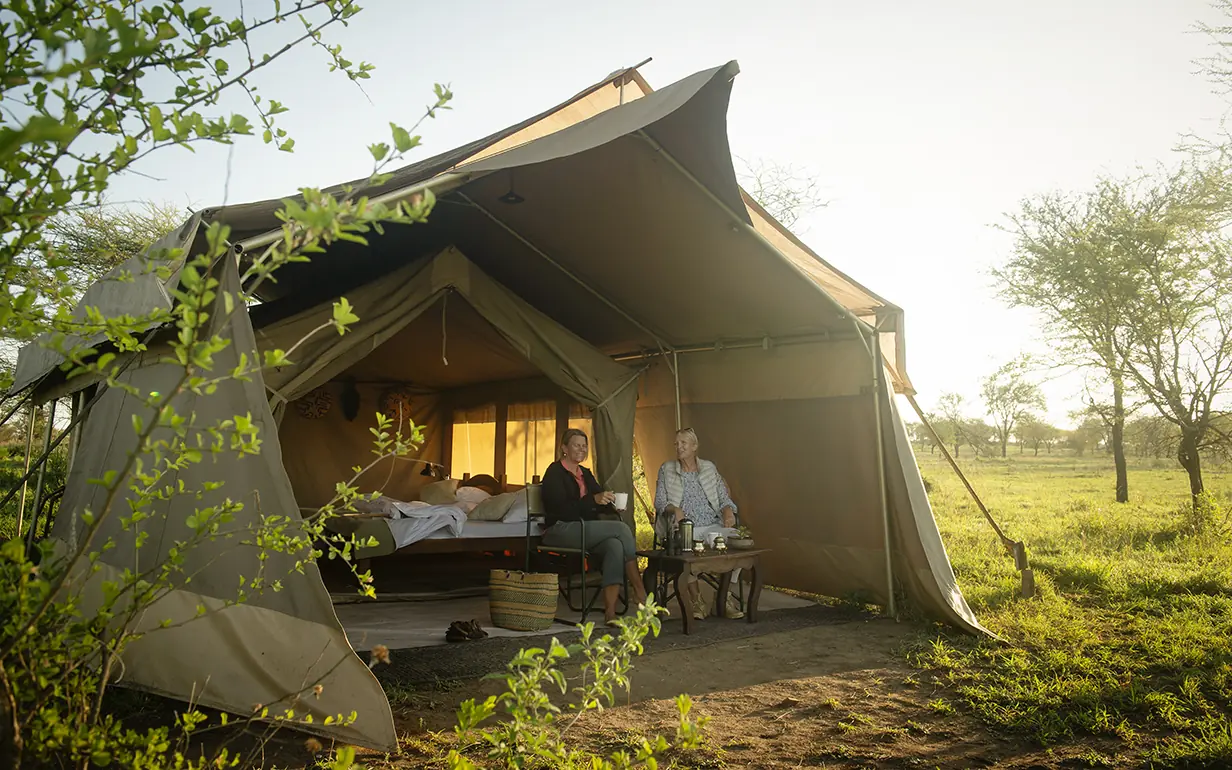
Fly camping of this kind means a small tent, a bedroll and a bucket shower rather than plumbing, a fire to sit at and nothing but mesh between you and the sounds of the sand river.
It suits people who have done a few safaris and want the bush closer than a lodge allows. Tell us early and we will shape the Ruaha nights around it, because it changes them.
Ruaha is drive and foot country, the Rufiji is water country, which is why three nights and four beat a week in either.
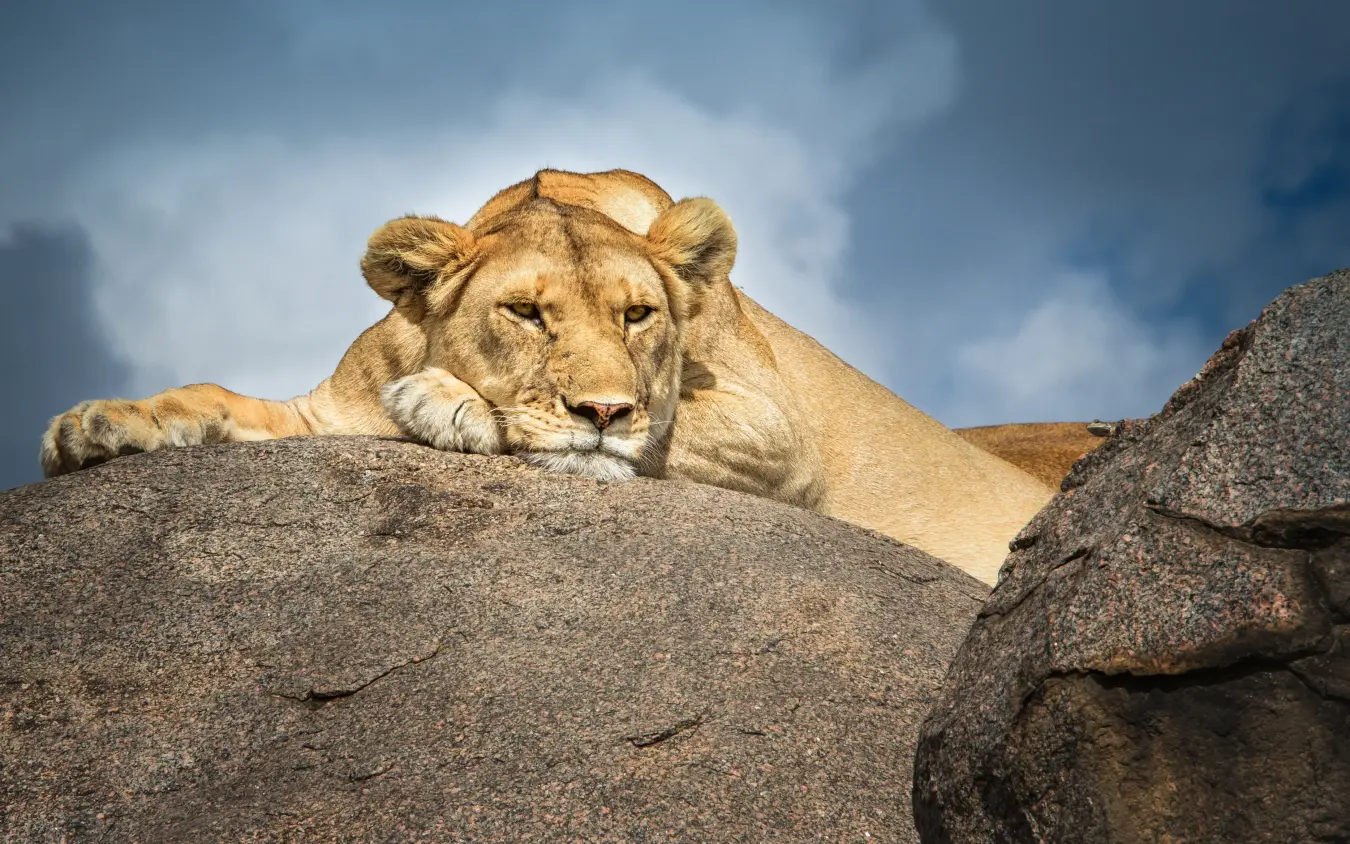
In southern Ruaha you sit above a seasonal sand river where elephant dig down through the bed for water, kudu come to it and lion are heard from the tents at night. The park straddles the meeting point of two wildlife regions, eastern and southern, so greater and lesser kudu, sable and roan share one place.
On the Rufiji the boat is the difference: hippo, crocodile, pelicans and nesting bee-eaters from the water, a run upstream into Stiegler's Gorge, hot springs a short way inland, and a stretch of park that is a key stronghold for wild dog.
Both reward walking, and neither is crowded.
It is a floating structure moored about 250 metres off the beach, built on three levels:
You reach it by boat and you sleep out there, with the rest of the resort a short ride away.
There is only one of them, so it books further ahead than the rooms on shore, and with three nights on Pemba on this route we would want to hold it early if you want it. Treat it as one night added to the stay rather than the shape of the whole visit.
Steep, and better suited to some divers than others.
The Pemba Channel rises towards the island's west coast in near-vertical walls, with clear blue water, drop-offs and healthy shallow reefs above them.
Some sites take beginners, and the resort's dive centre runs discover-scuba and open water courses. Others are set aside for experienced divers, with strong currents and one wall that starts at thirty metres and falls away from there, so be straight with us about what everyone holds.
Non-divers are well served. The same reefs snorkel, and inland there are guided walks in the Ngezi Forest Reserve, which has two trails and a visitor centre and shelters the Pemba flying fox, a large endemic fruit bat, and the rarely seen Pemba scops owl.
July to October, and this route argues for it more strongly than most.
All four of the places on it carry our highest rating then: both parks are dry with animals drawn to the rivers, walking in Ruaha is inside its window, the fly camp runs from mid July, and on Pemba the cool monsoon brings the clearest water of the year, with the walls at their best in August and September.
June is nearly as strong in the parks, a little greener.
November to February turns both parks green and quiet, which suits birding, and on the coast February is the strongest of the hot months, with game more scattered as the trade.
Leave March, April and May alone: that is the long rains, both camps are shut, and the resort on Pemba closes through April and May.
Ed Charles, BBC Producer
Fitzroy are true specialists in accessing the wilderness. They know where to go and importantly, when to go there. Highly recommended.
tanzania
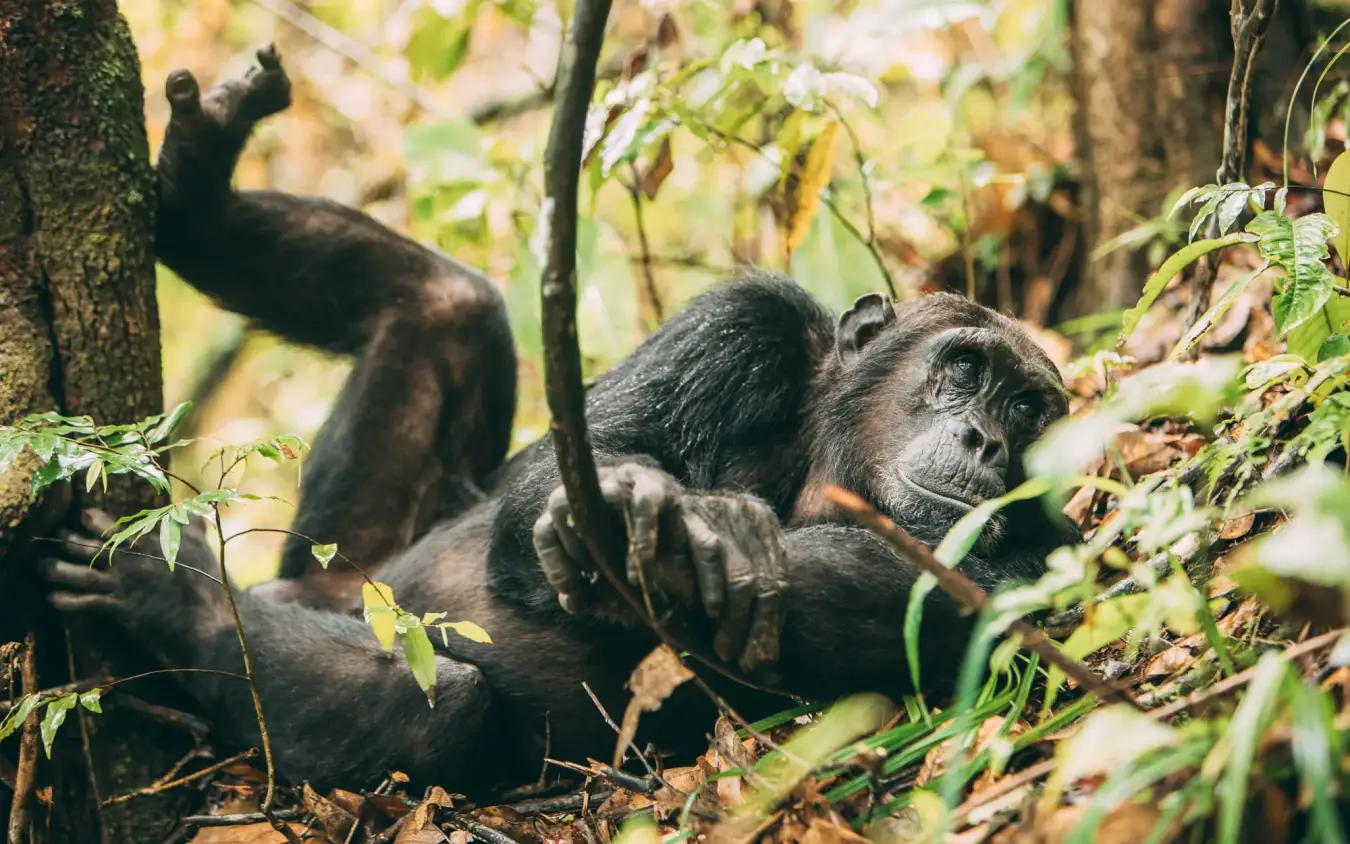
Ten nights across Tanzania's wild south and west: walking Ruaha, Katavi's dry-season game and Mahale's chimpanzees.
tanzania
Ten nights in Tanzania, from boat and walking safaris on the Rufiji lakes to the reefs and forest of Pemba Island.
tanzania
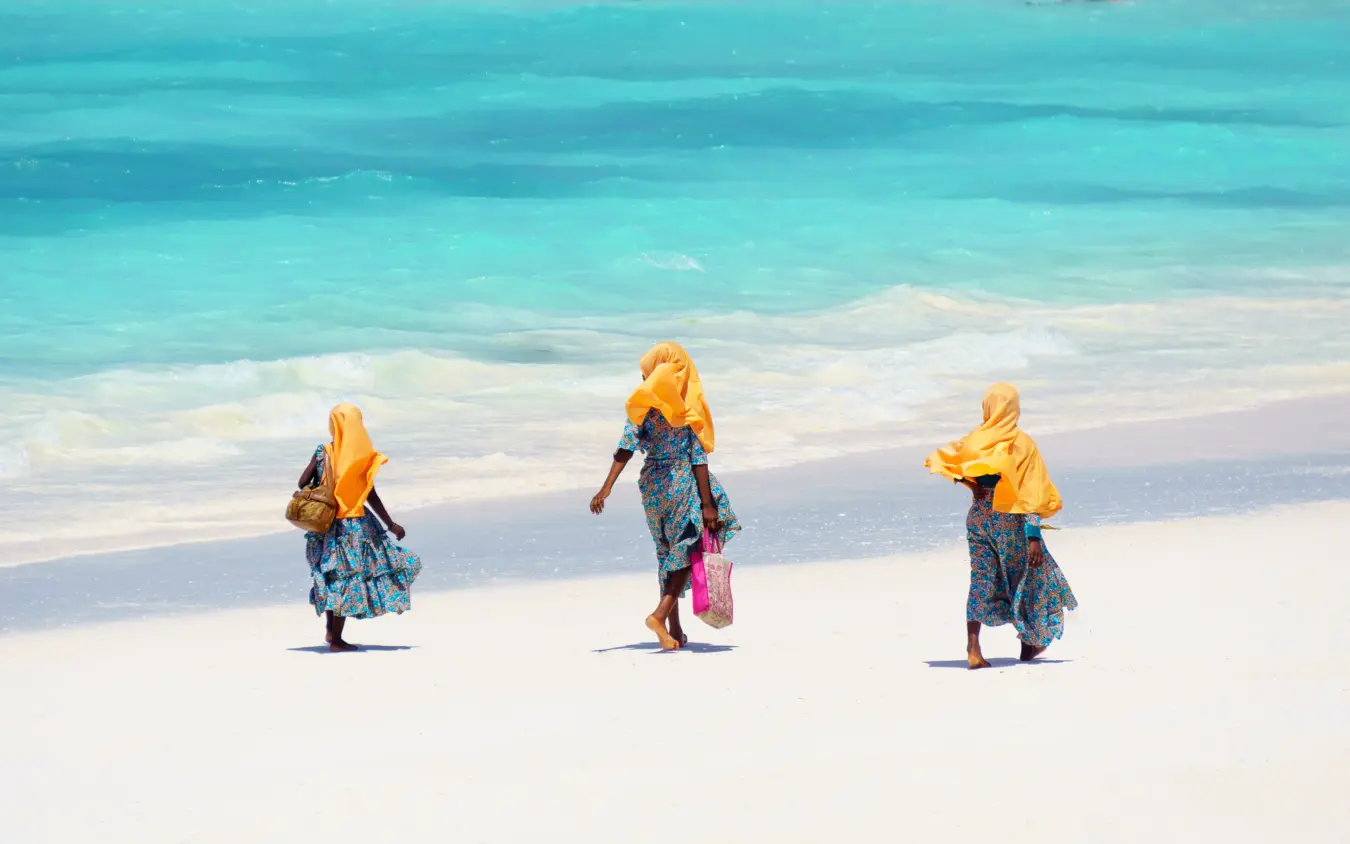
Walking safaris through Tanzania's Rift Valley and Serengeti, then five nights in a private villa on Zanzibar's coast.
rated five stars by our clients

our approach
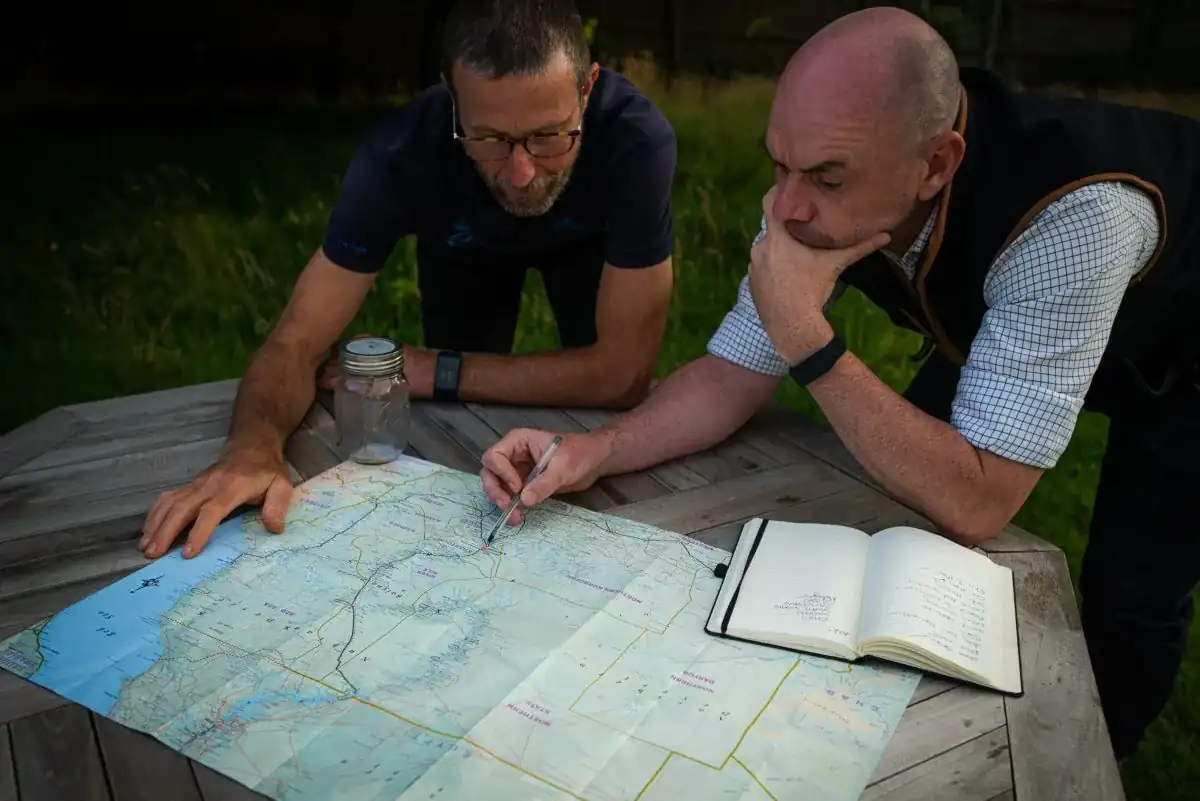
Every journey starts with a conversation. We take the time to understand your vision before we start planning.
Whether by phone or in person, we work with you directly to shape something that is considered, personal, and expertly delivered.
Every journey starts with a conversation. We favour a direct, personal approach: understanding your vision before anything else.
Whether by phone or in person, we work with you directly to shape a journey that is both thoughtfully considered and expertly delivered.
Get in touch to start planning yours.