










tanzania
migration away from the crowds
Ten nights across Tanzania, from the eastern and southern Serengeti to chimpanzee trekking at Mahale on Lake Tanganyika.
- Private Safari
- From $15,635 pp
- 2 guests
- 10 nights
This route runs for 21 nights across northern Tanzania and Kenya, linking six stays in order. It opens with a single night on a coffee estate below Mount Meru at Arusha, then moves to the Kwakuchinja corridor between Tarangire and Lake Manyara, the granite kopjes of the northern Serengeti, and the west bank of the Mara River. It closes in Kenya’s Laikipia Highlands, on a family ranch above the Ewaso Ng’iro and inside the Lewa Wildlife Conservancy.
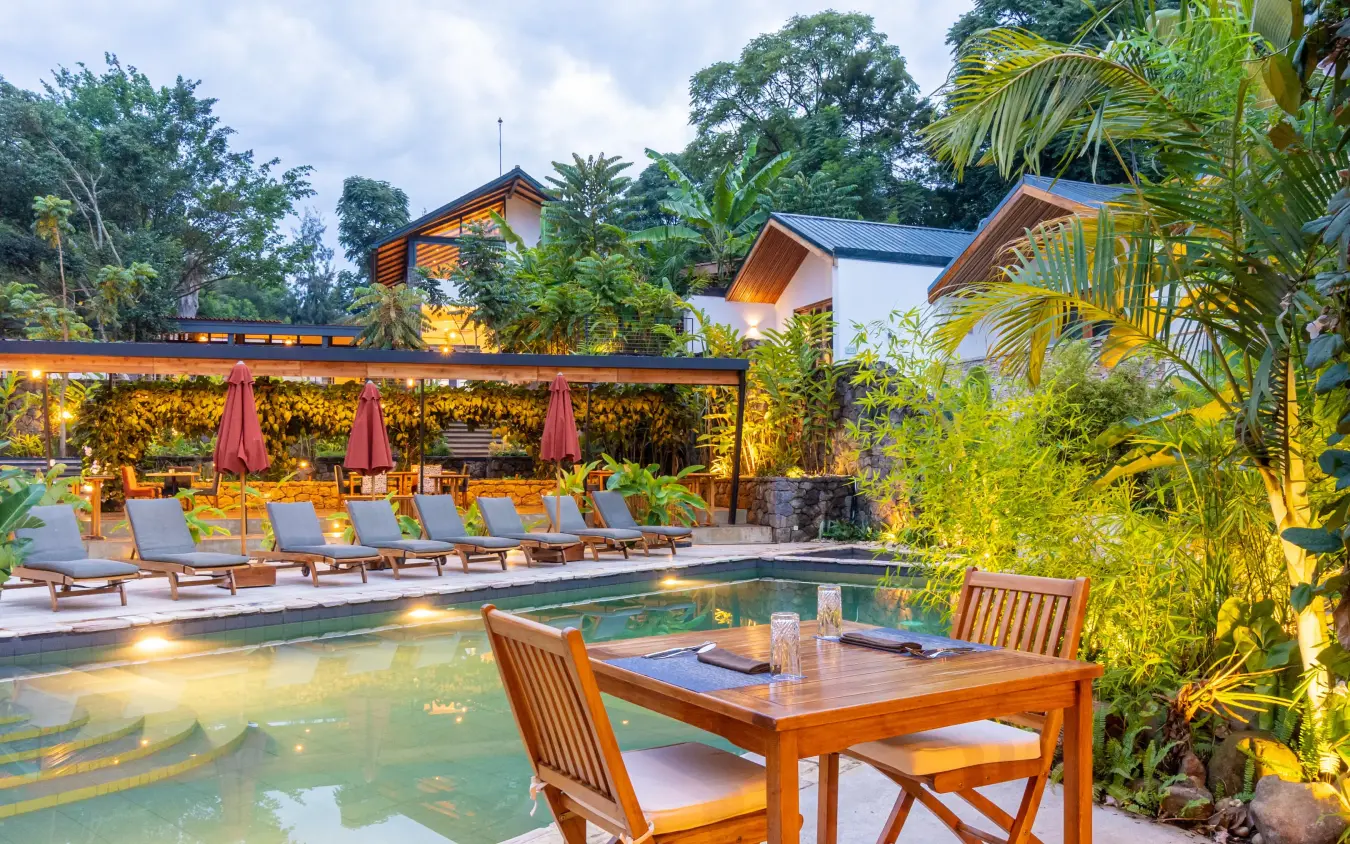
Much of the trip sits on private concessions and conservancies, where a dedicated vehicle, guide and spotter come as standard and the day bends to you. That opens walking, off-road driving and night drives that national parks do not permit. The lodges and camps are small and owner-led, from tented rooms built into rock to hand-built stone cottages on a cliff.
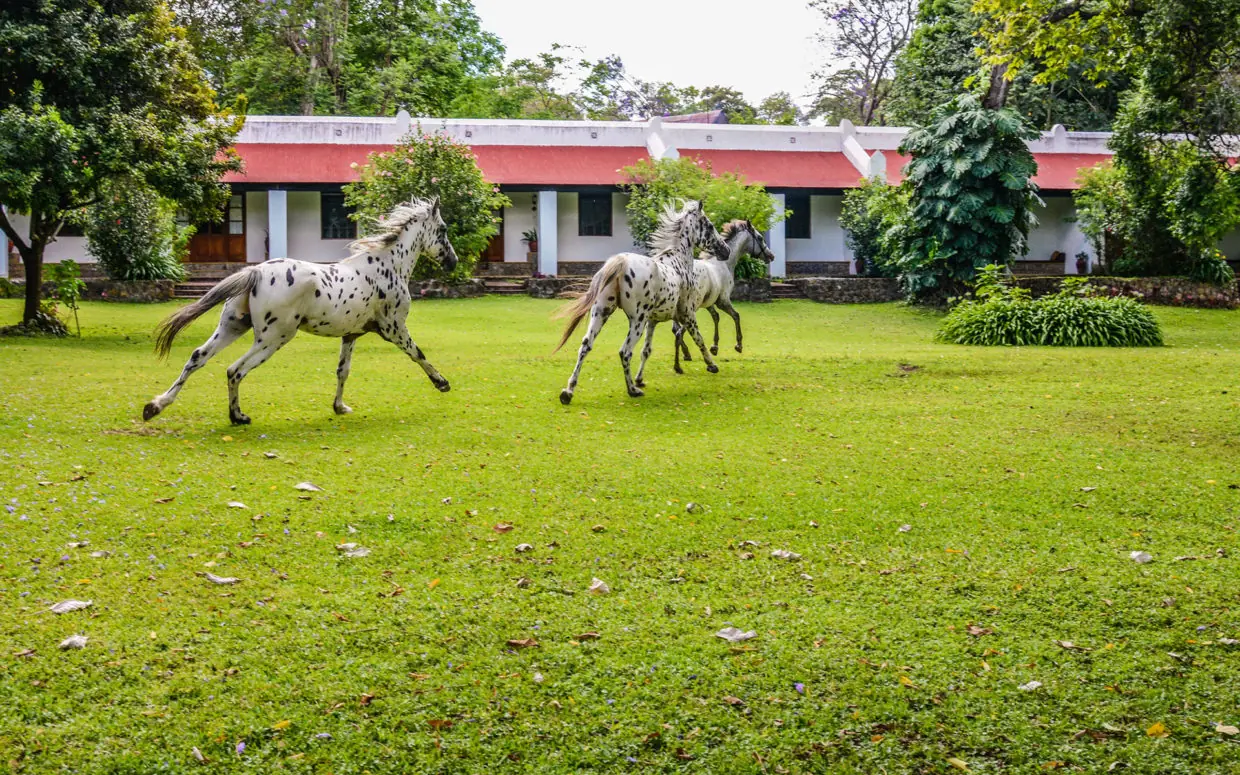
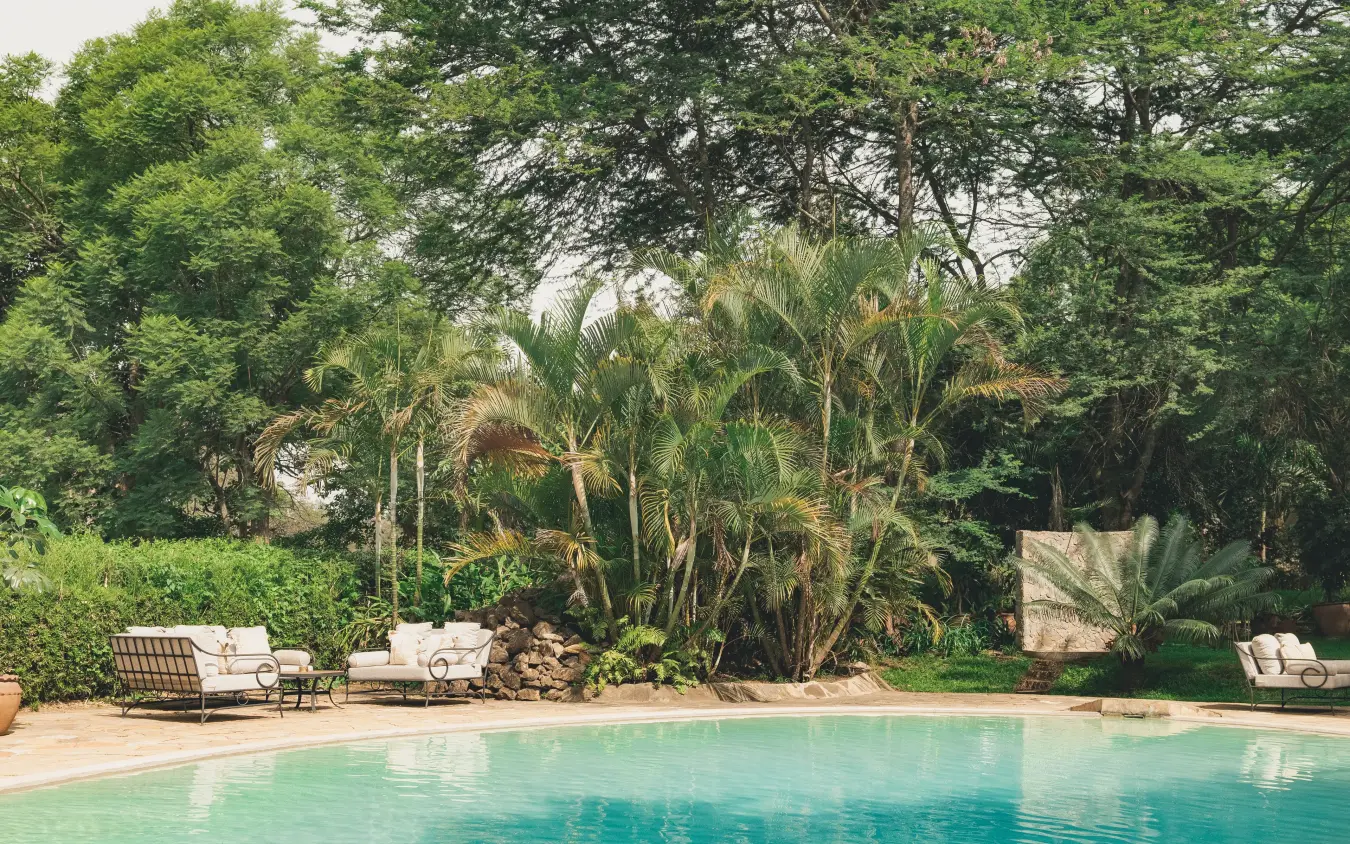
The trip begins with one night on the Selian Coffee Estate, a century-old working farm on the western edge of Arusha at the foot of Mount Meru. Twelve cottages sit among tropical gardens and rows of coffee, with dik-dik on the grounds and birdsong in the mornings. The airport is fifteen minutes away, and the staff are practised in smooth arrivals, meeting transfers with warm towels and fresh juice on landing.
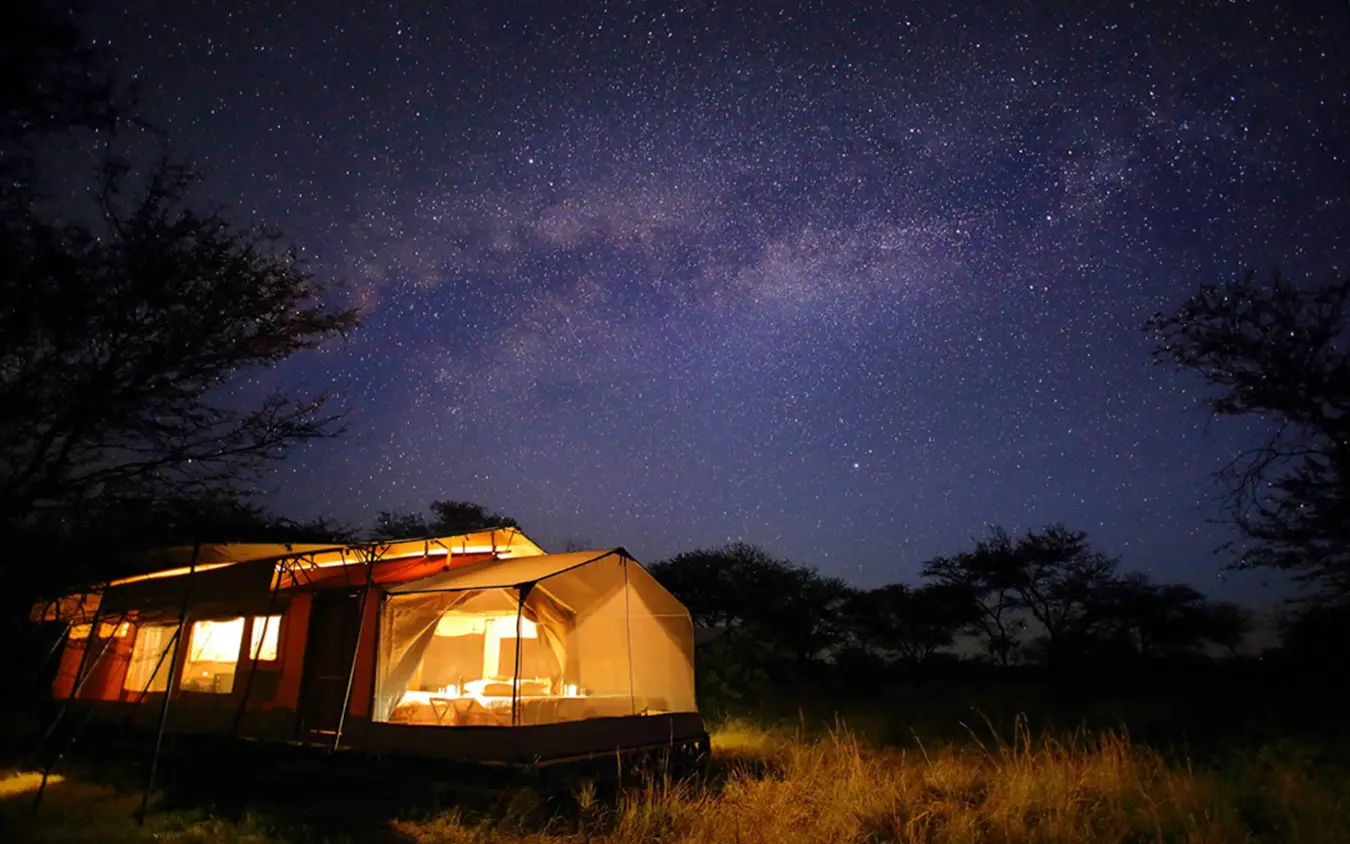
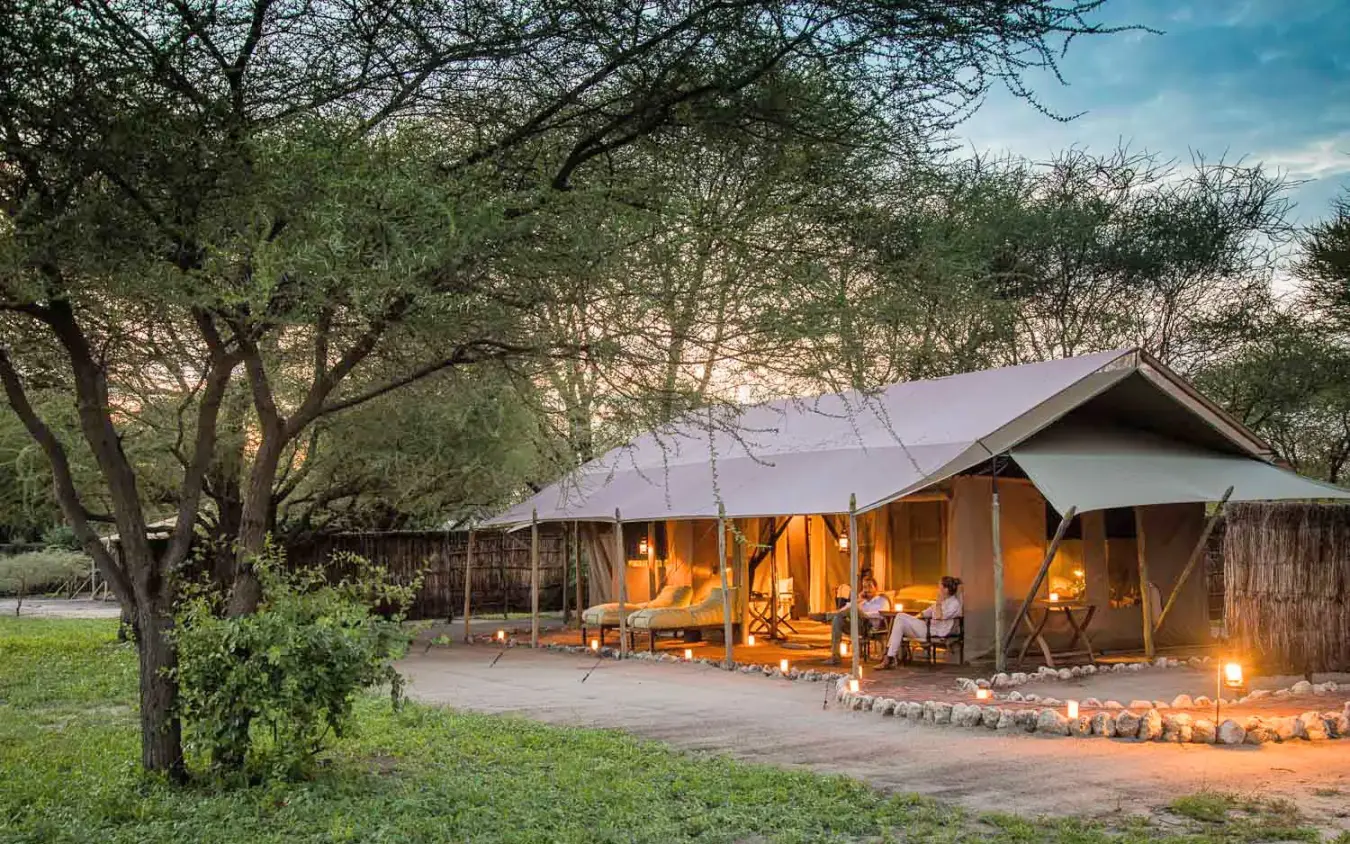
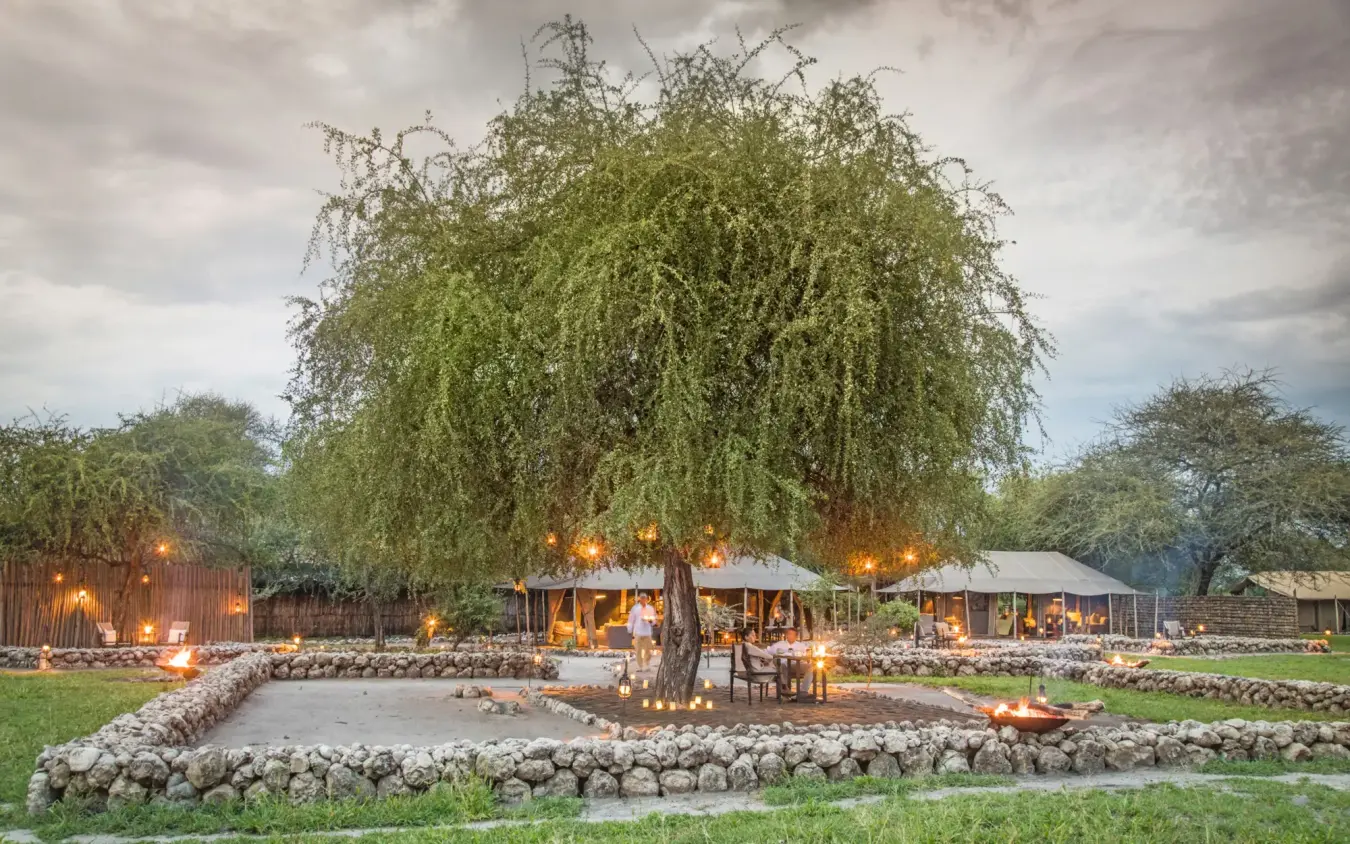
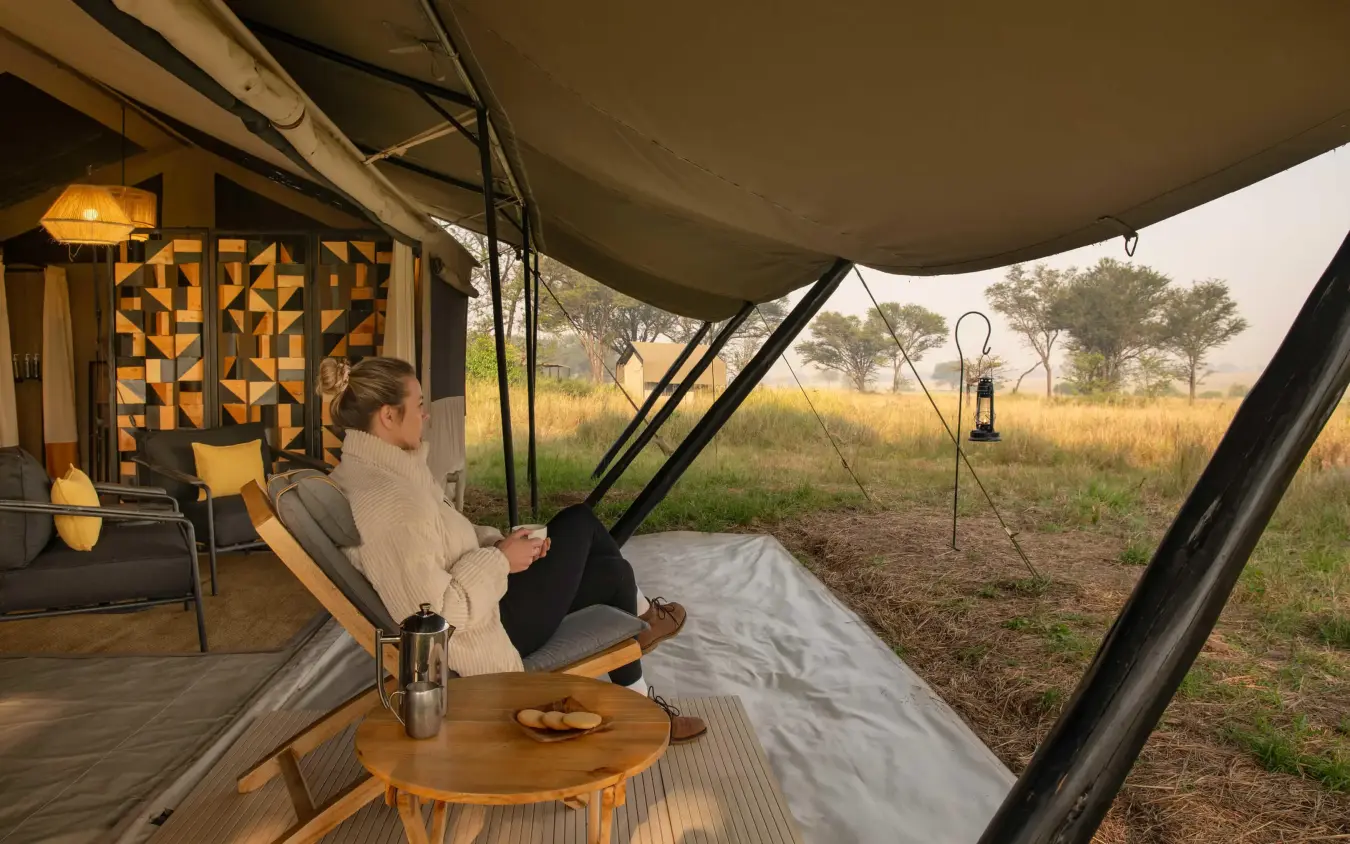
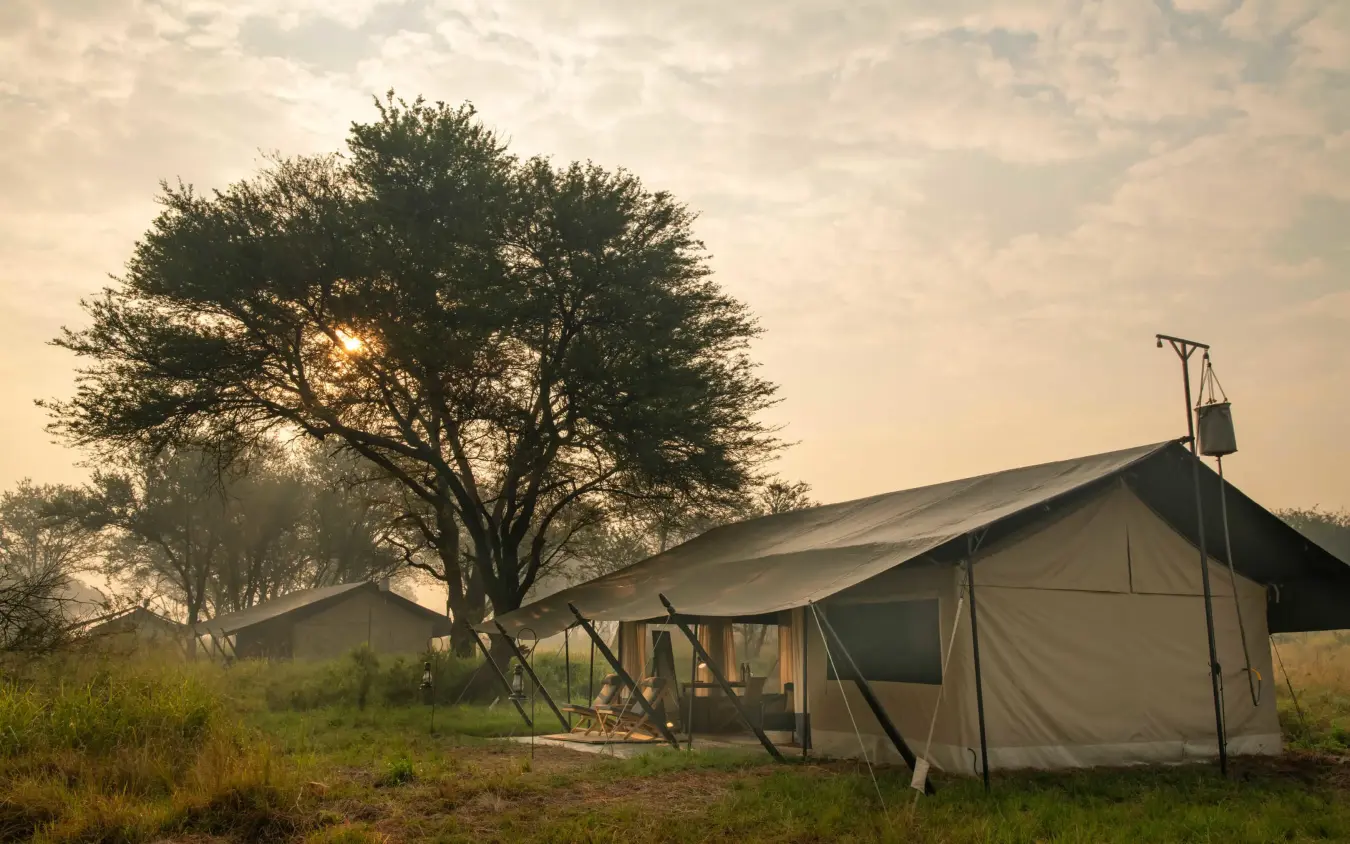
Four nights at a six-tent camp on a private concession in the Burunge Wildlife Management Area, within the corridor that once linked Tarangire and Lake Manyara. Because this is private land, the days can hold walks tracking spoor with a Maasai guide, off-road drives and night drives that the parks do not allow. The concession carries lion, cheetah, leopard, eland and lesser kudu, with elephant herds drawn to the seasonal waterholes through the dry months. Every stay comes with a private guide and vehicle.
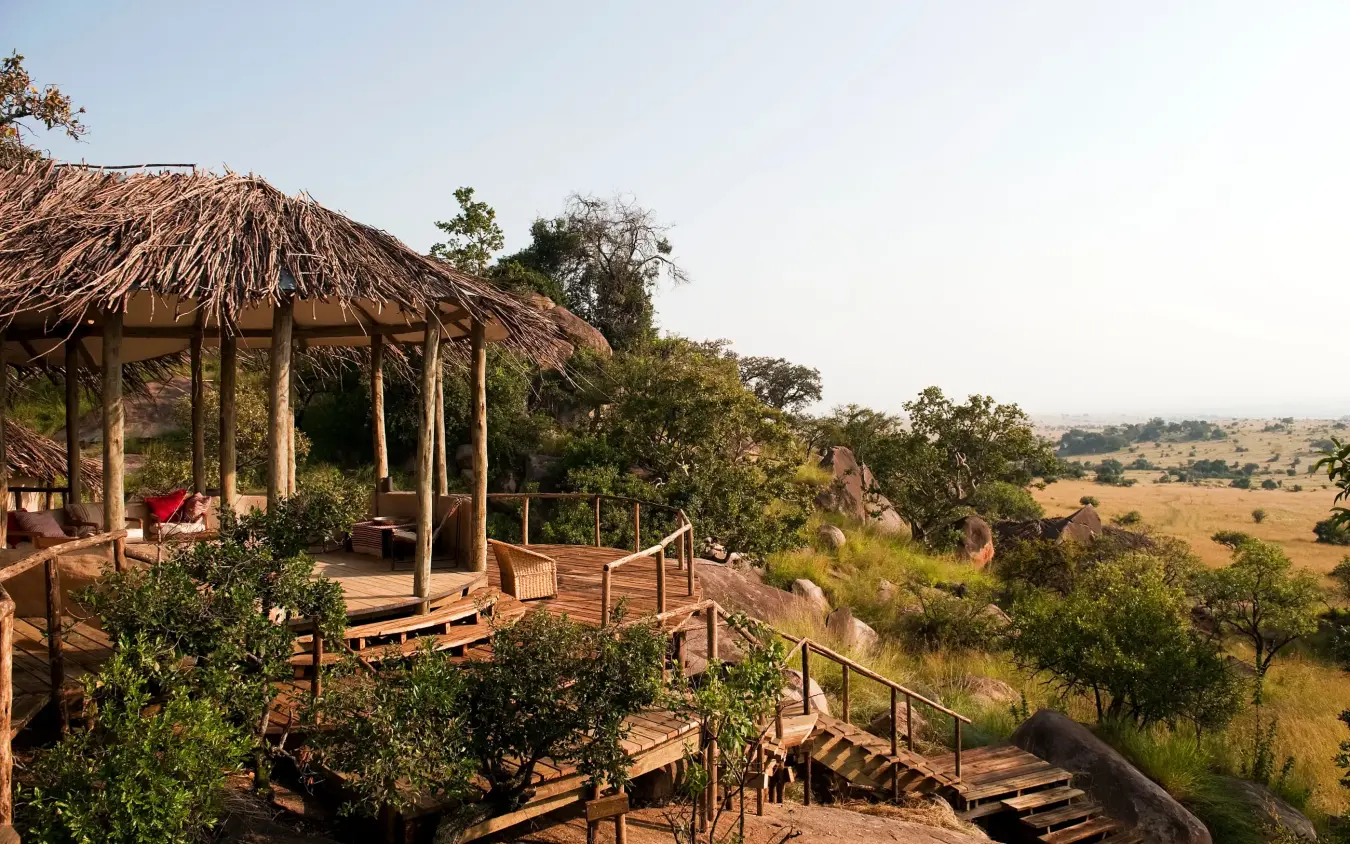
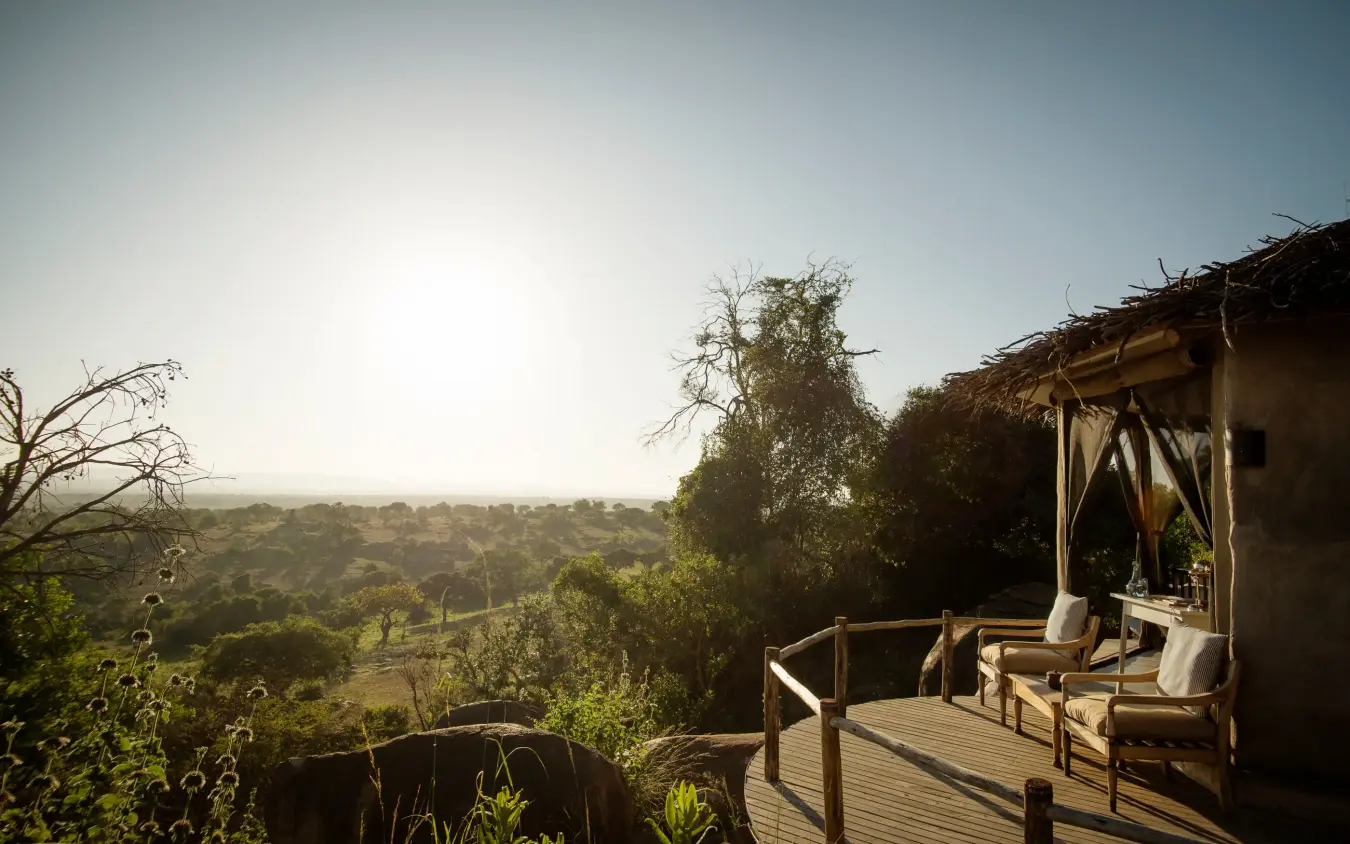
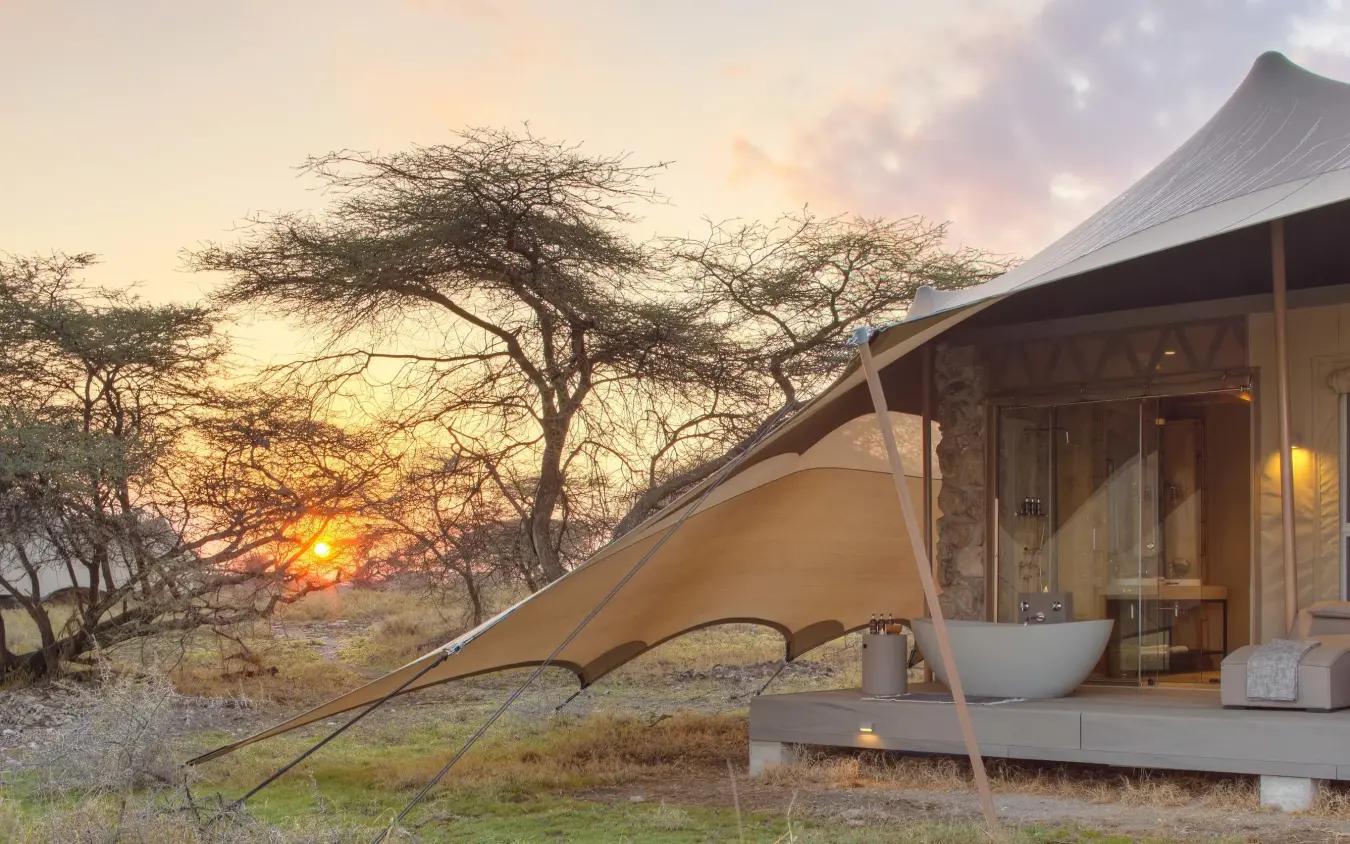
Four nights high on Kogakuria Kopje in the far north of the Serengeti, where twelve open-fronted rooms step up through granite boulders and look north toward the Lamai Wedge. The lodge sits only a few kilometres from the Mara River crossing points, where the migration turns dramatic between July and October, and this far north vehicle numbers stay lower. Resident lion, elephant and plains game work the Wedge outside the crossing months too.
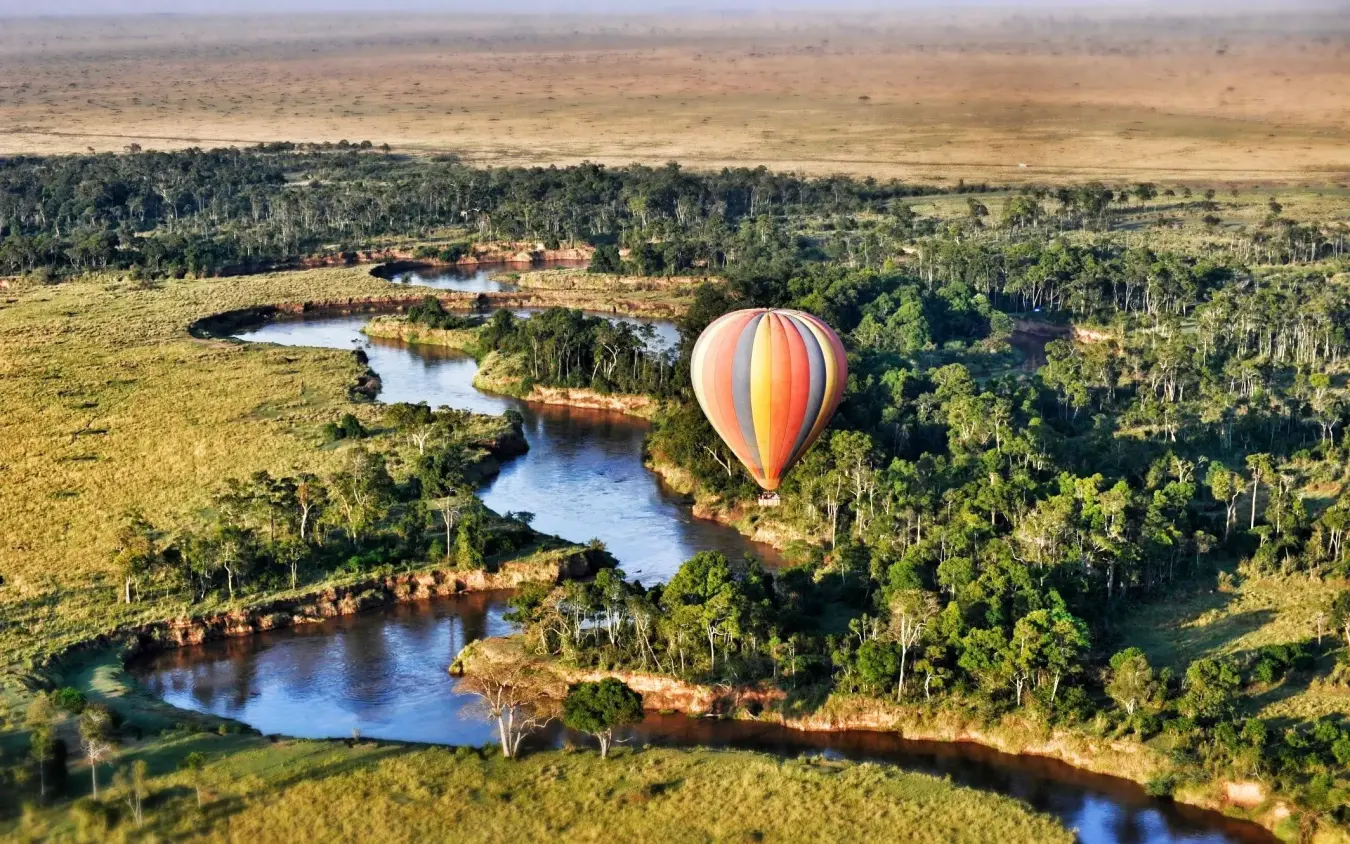
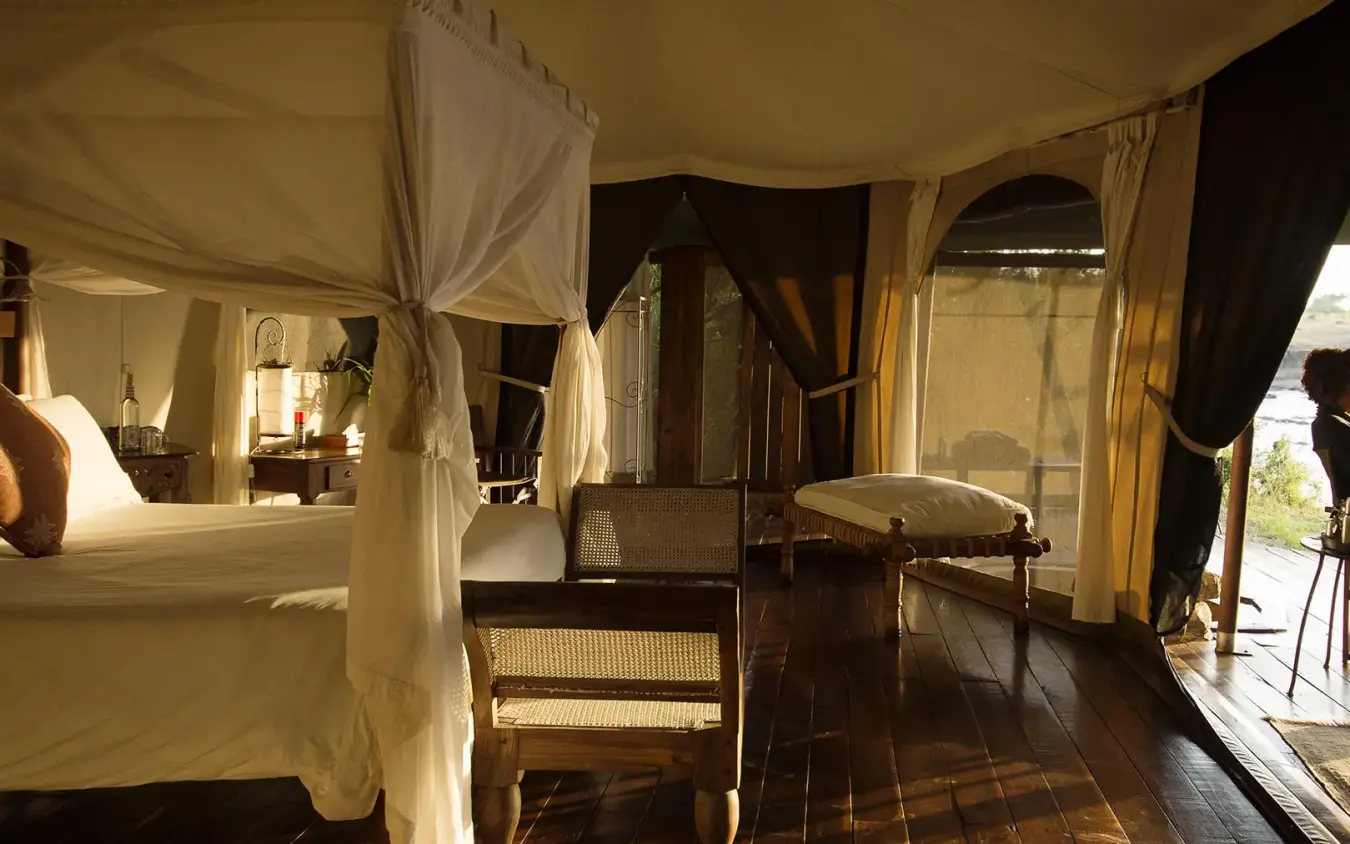
Four nights on the west bank of the Mara River in the Mara North Conservancy, reached on foot across a narrow rope suspension bridge. Four tents stand on hardwood decks along the bank, three facing the rapids and one onto a hippo pool. As private land, the conservancy allows night drives, guided walks and off-road approaches in high-density predator country. A full day into the Maasai Mara National Reserve reaches the river crossings that run from roughly July to October.
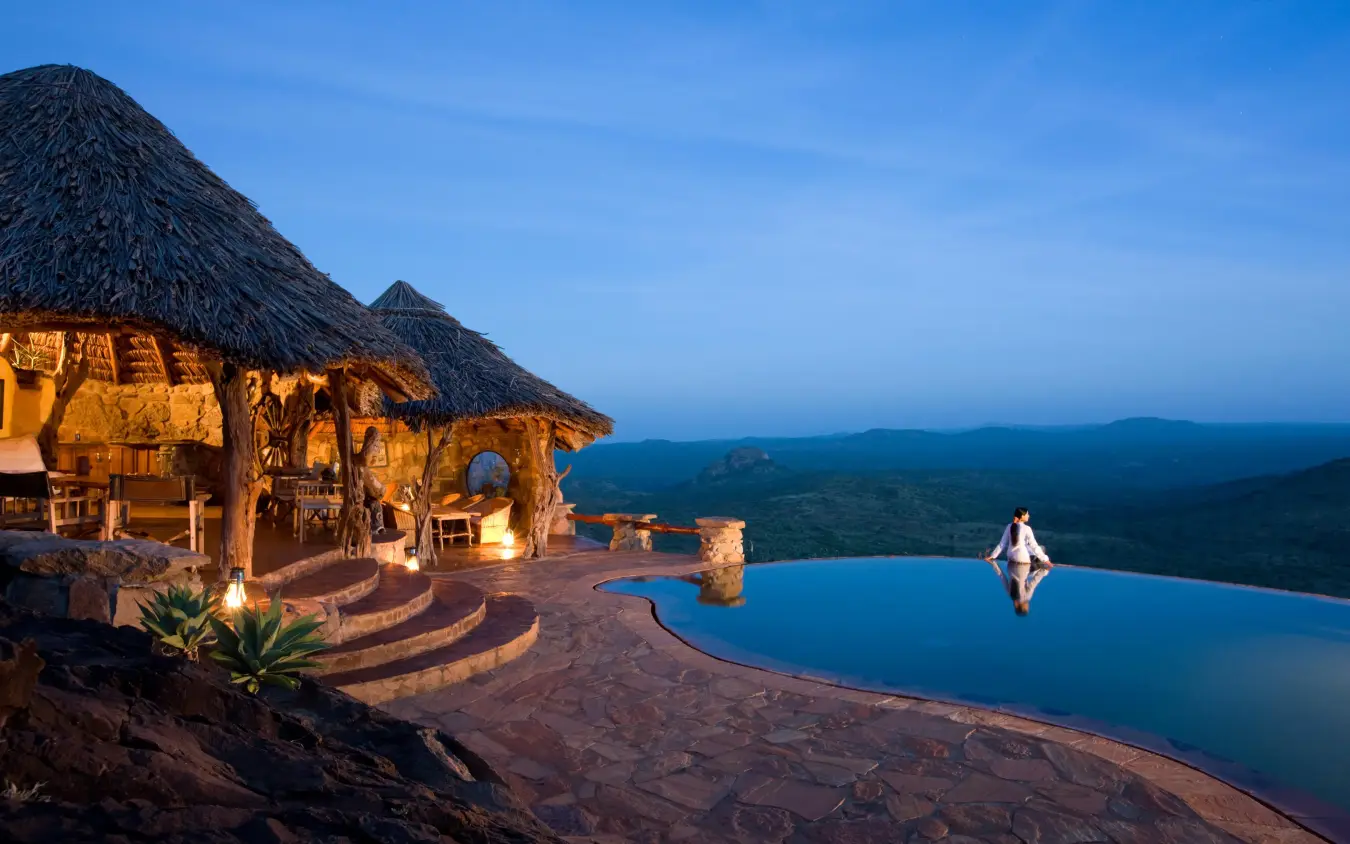
Four nights on a family ranch high on a Laikipia escarpment above the Ewaso Ng'iro. A waterhole and salt lick sit directly beneath the cliff, drawing elephant, reticulated giraffe, eland and buffalo in view of the pool, and a stone hide beside it lets guests sleep out and watch through the night. Days run on horseback, on camels and on foot with armed Samburu guides, with night drives and off-road tracking permitted on this private land.
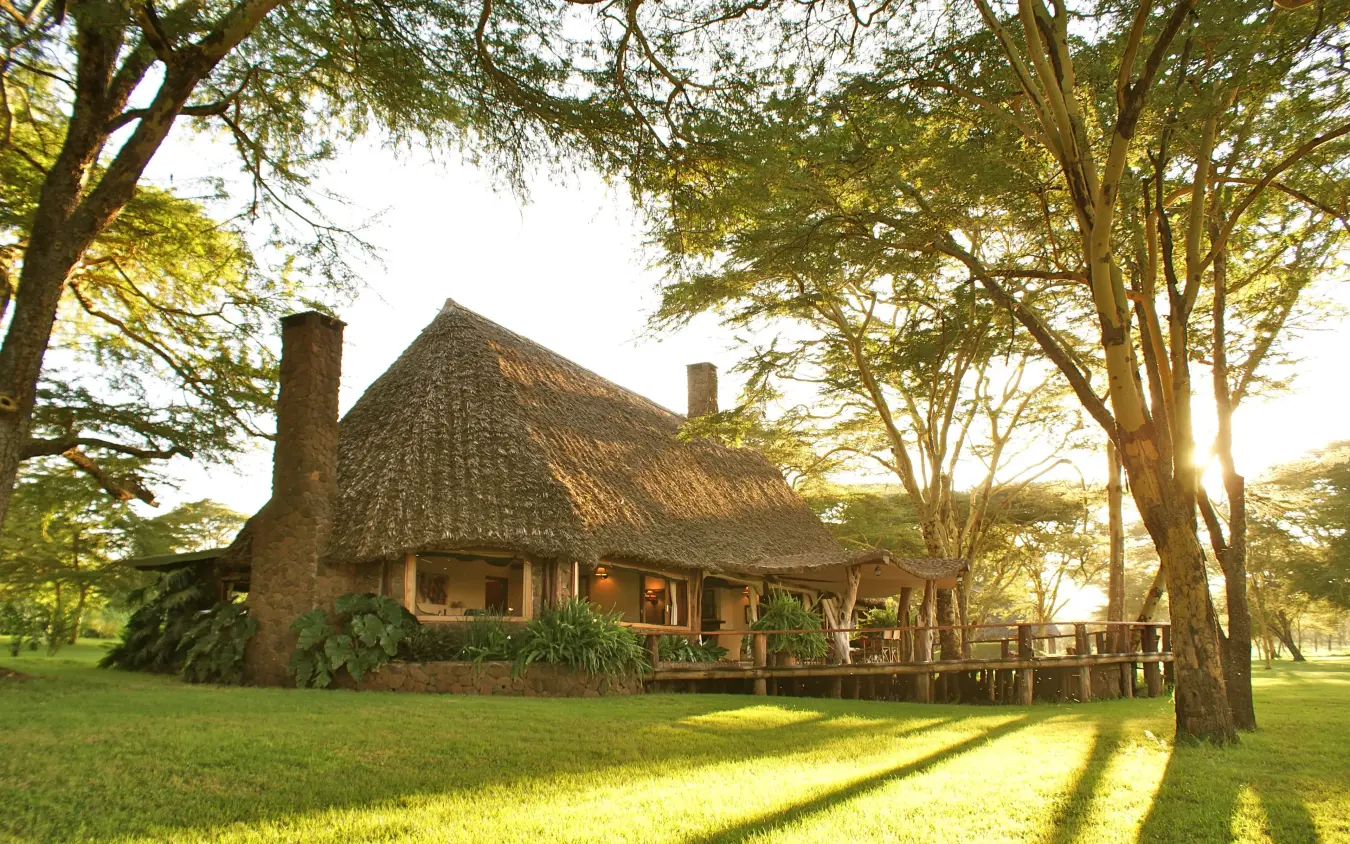
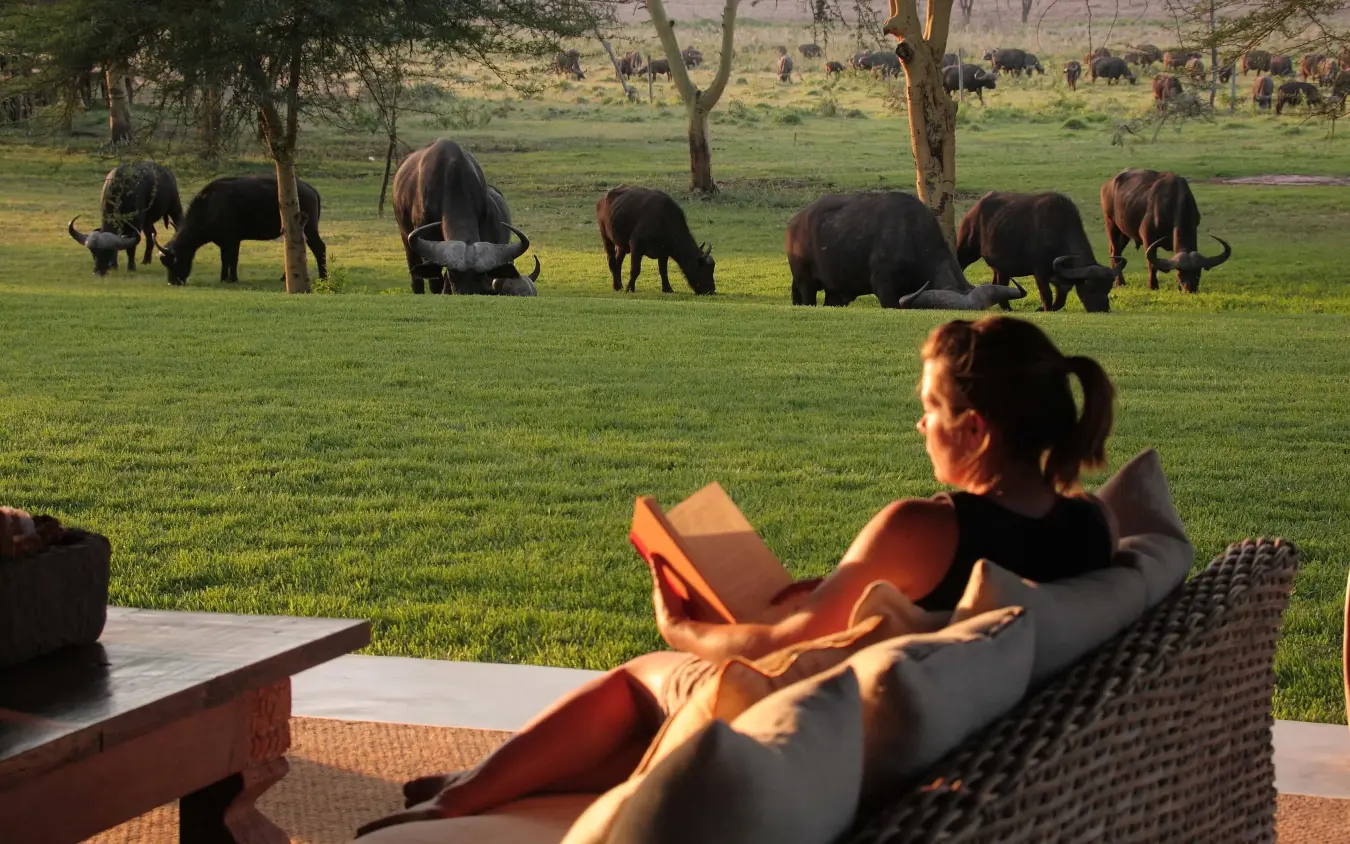
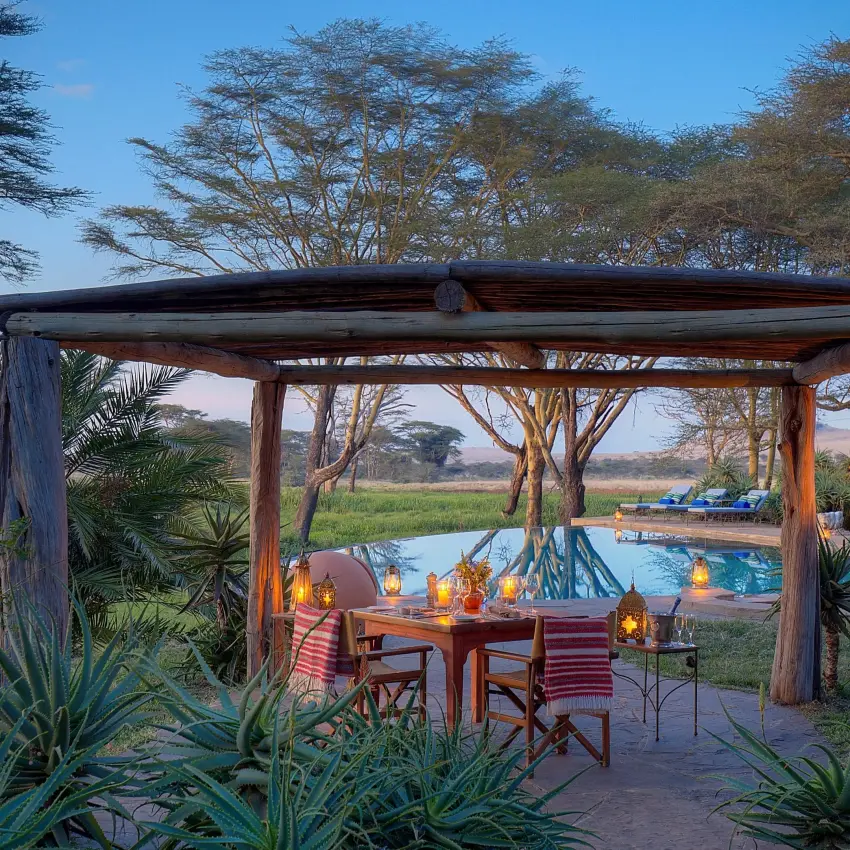
The final four nights are at a family-run lodge in an acacia grove inside the Lewa Wildlife Conservancy, on the northern foothills of Mount Kenya. A spring-fed waterhole in front of camp draws elephant, giraffe, buffalo and gazelle, so days unfold at the pace of the animals. Lewa holds the full Big Five along with reticulated giraffe, Somali ostrich, Beisa oryx and gerenuk. Each booking travels with its own vehicle and guide, and a behind-the-scenes tour of Lewa's conservation work can be arranged.
It buys more mornings inside the window, which is the only thing that genuinely helps.
Four nights on Kogakuria Kopje put you a few kilometres from the crossing points on the Tanzanian bank, where the park authority signs sixteen of them along the river. Four more on the west bank in Mara North put you in Kenya, although from there the crossings are a full day out into the national reserve rather than a drive before breakfast.
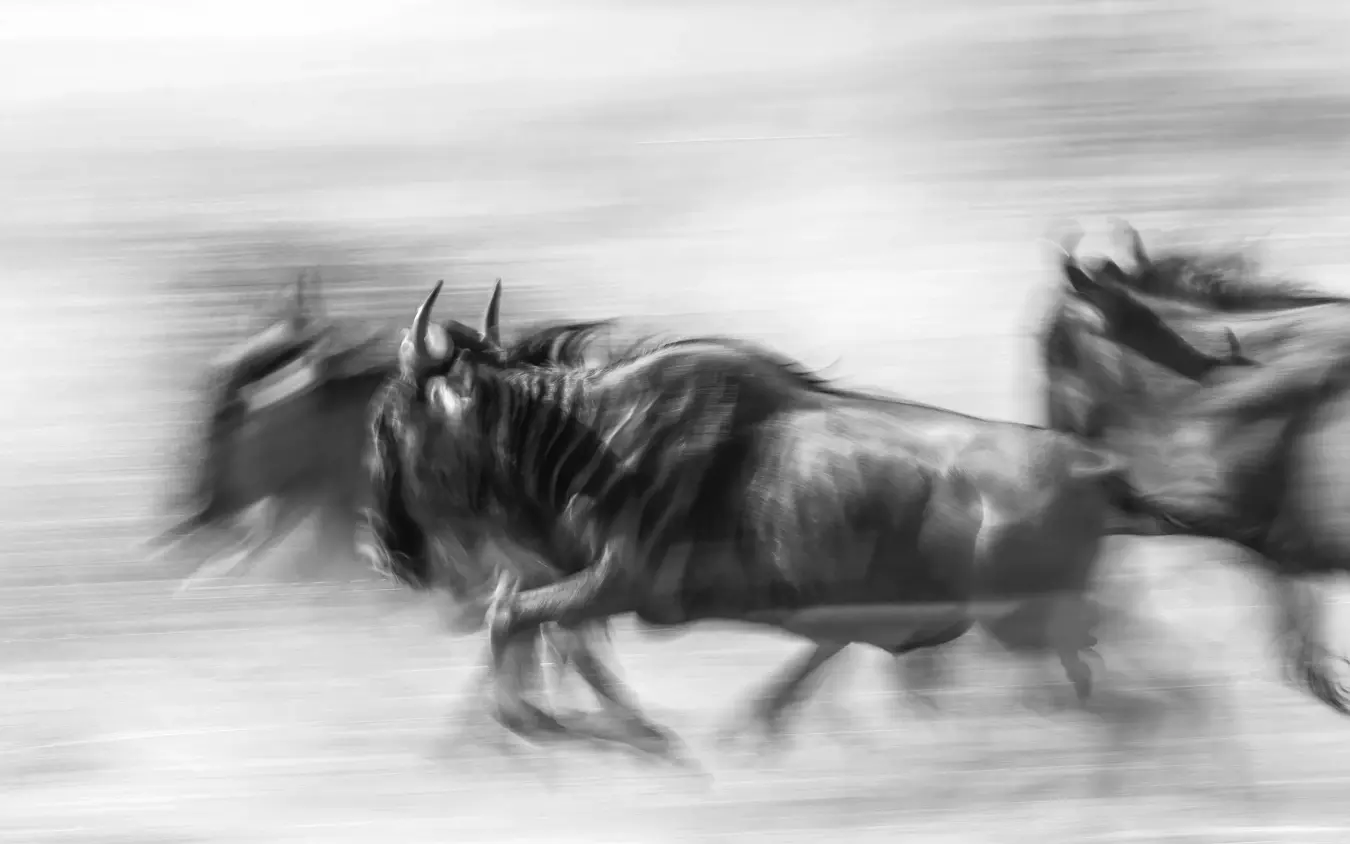
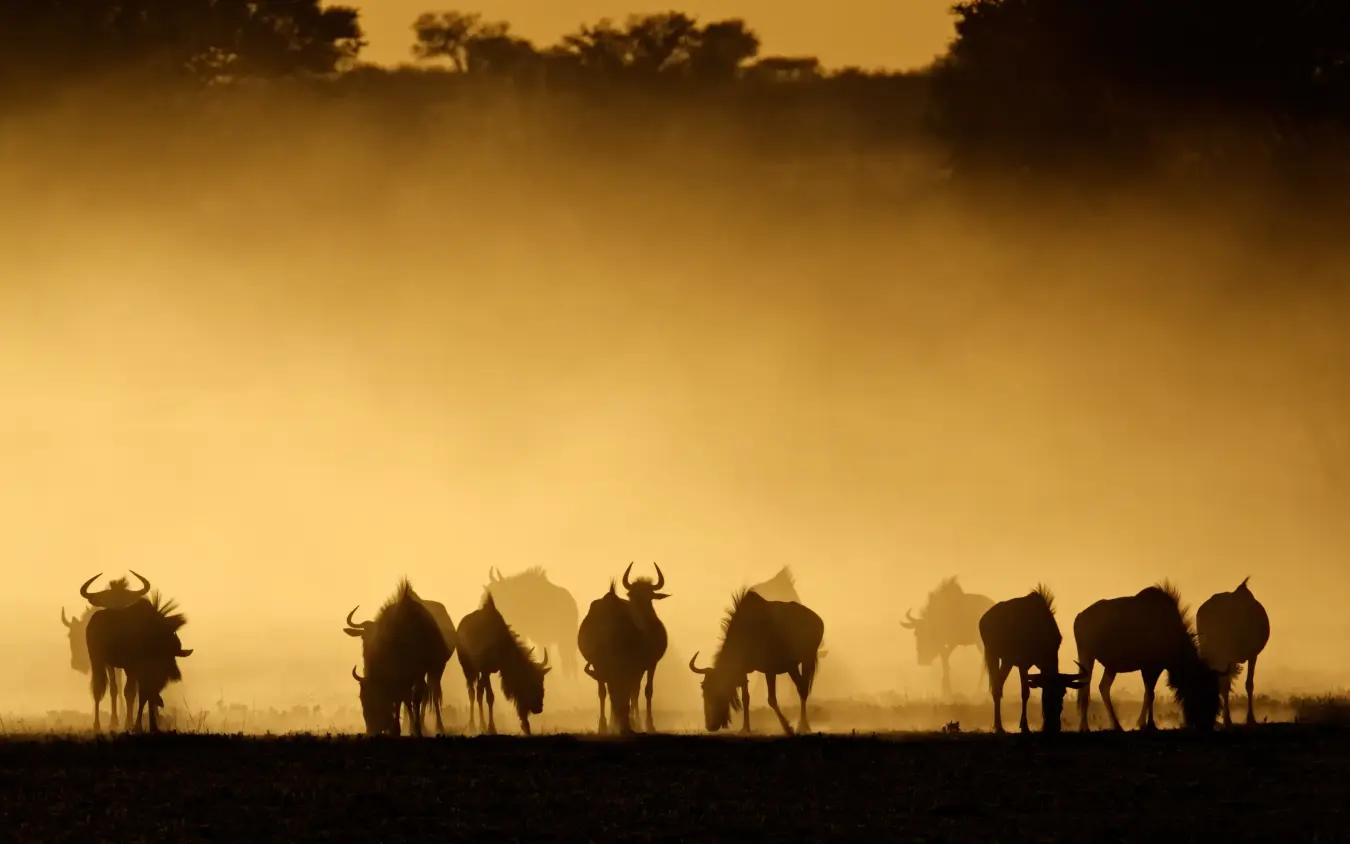
Between roughly July and October that is eight nights in crossing country. None of it can be promised and no honest percentage exists: a herd may go in minutes after arriving, hold the bank for days, or turn back and graze.
The busier Tanzanian points also draw a crowd of vehicles in August and September, so an early start matters.
For this route, no, and it is the reason the trip works.
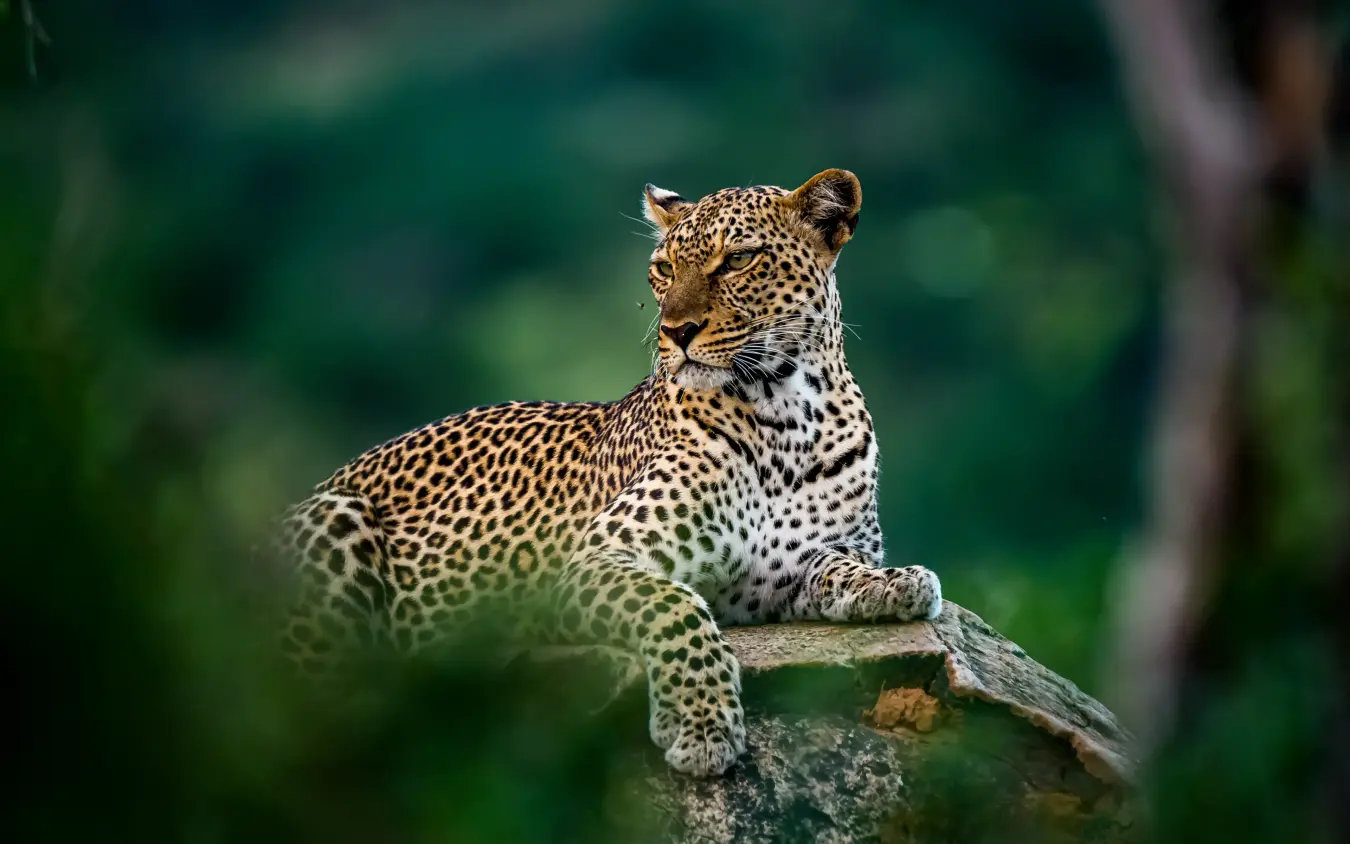
Four nights gives three full days at each stop, and because each booking travels with its own vehicle, guide and spotter, a day can be spent sitting with one leopard or driving to the river and back without anyone else's plans deciding it. Three nights would turn every stop into a highlights reel.
If three weeks is more than you have, the single night at Arusha goes first, provided you land early enough to travel on. After that the cut depends on the month: between July and October the two Mara River stays overlap in purpose, so one can give its nights to the other.
Outside those months the northern Serengeti still holds resident lion and elephant, but the river is quiet.
It is village land set aside for wildlife.
Tanzania's Wildlife Management Areas are formed when member villages agree to put part of their land into a conservation area, a scheme that has run since 2003, and Burunge sits in the Kwakuchinja corridor between Tarangire and Lake Manyara.
Busy is not the word for it. The camp's patch of the area is exclusive use, and the camp itself is five tented rooms and a family unit, so the ground is shared with very few people.
Because this is not a national park, the days can hold:
Two practical points on the camp: children are taken from eight years old, and it closes for a short break from April to the end of May.
It means no road comes to the door.
The camp can only be reached on foot, over a narrow rope bridge, so vehicles wait on the far bank and every drive begins and ends with that crossing, luggage included.
It is a short walk rather than a feat, but it is a suspension bridge above a river, so anyone unsteady on their feet, or uneasy about heights or water, should tell us before we hold it.
What you get in exchange is four tents on the bank itself, three looking at the rapids and one onto a hippo pool, and a stay in a conservancy rather than a reserve, where the guide may drive after dark, walk you out, and leave the track for a sighting.
They are the reason those nights sit where they do.
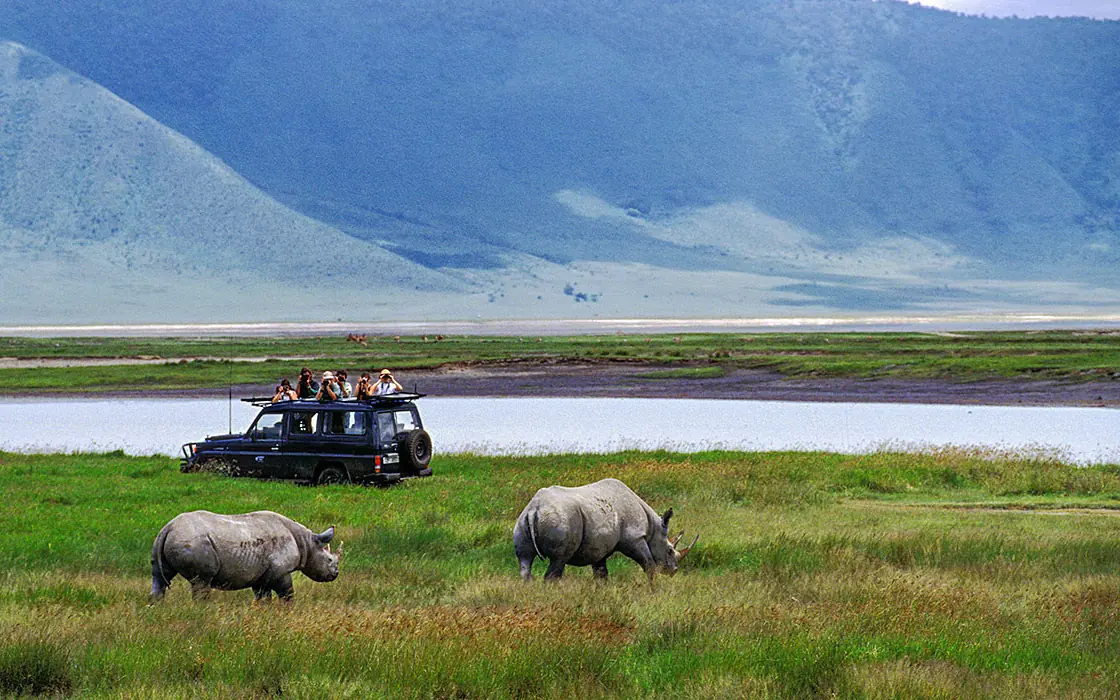
Nothing earlier on this route holds rhino: the Serengeti kopje, the Mara riverbank and the escarpment ranch are cat, herd and horse country, so this is the single stop where rhino are the point rather than a bonus.
There are 280 or more, on a 93,000-acre range the conservancy shares with neighbouring Borana, and that ground holds 14 per cent of the country's rhino. That figure covers the full range, not the few thousand acres a morning drive takes in, and no wild animal can be promised.
What four nights at the end of three weeks buy is patience. By then the guide knows what you want to look at, so a day can go to one animal instead of a list. A look behind the scenes at how the conservancy protects them can be arranged.
July to October is this route's natural window, and July, August and September come out on top at every one of the eight places we rate along it.
That is when the Mara River crossings run, when Tarangire's elephant herds gather along the river, and when the Laikipia highlands are dry underfoot. October is as good in Tanzania and the Mara and a little softer in Laikipia, which is also where November's short rains do the most damage.
January and February are the alternative if the wildebeest are not the point, with strong ratings for the Mara, the Laikipia plateau and northern Kenya, and the Serengeti nights better spent down near the calving.
The long rains land in April and May, the poorest stretch anywhere here, and the camp in the Burunge concession takes its yearly break from April until the end of May.
Ed Charles, BBC Producer
Fitzroy are true specialists in accessing the wilderness. They know where to go and importantly, when to go there. Highly recommended.
tanzania
Ten nights across Tanzania, from the eastern and southern Serengeti to chimpanzee trekking at Mahale on Lake Tanganyika.

tanzania & rwanda
Climb Kilimanjaro's Lemosho route, recover on Mount Meru, then trek mountain gorillas in Rwanda's Volcanoes National Park.

tanzania
Ten nights across Tanzania, from a predator-free estate near Arusha to the Serengeti migration and Zanzibar's reef coast.
rated five stars by our clients

our approach
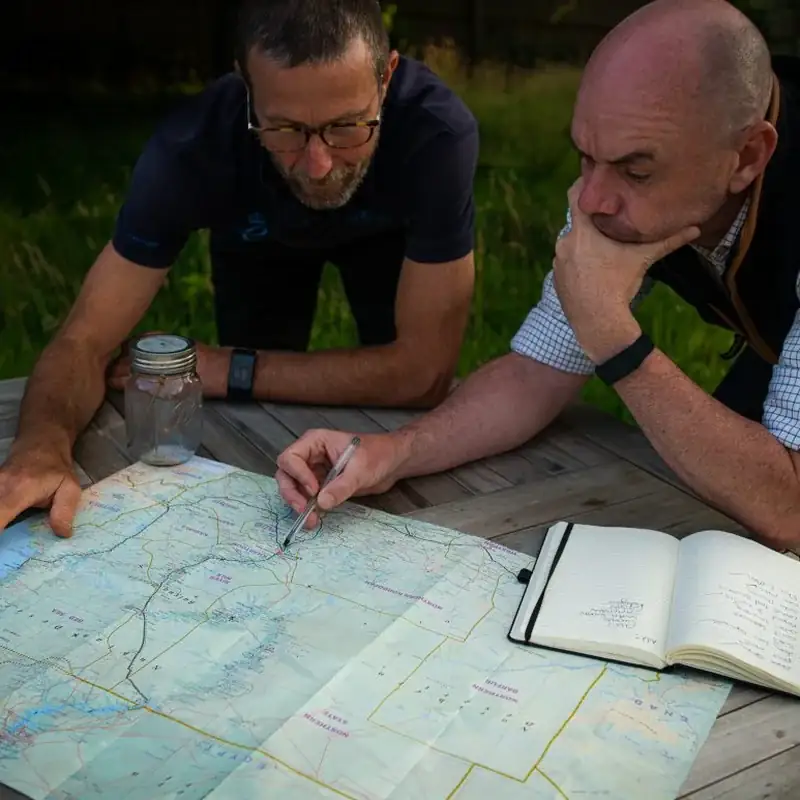
Every journey starts with a conversation. We take the time to understand your vision before we start planning.
Whether by phone or in person, we work with you directly to shape something that is considered, personal, and expertly delivered.
Every journey starts with a conversation. We favour a direct, personal approach: understanding your vision before anything else.
Whether by phone or in person, we work with you directly to shape a journey that is both thoughtfully considered and expertly delivered.
Get in touch to start planning yours.