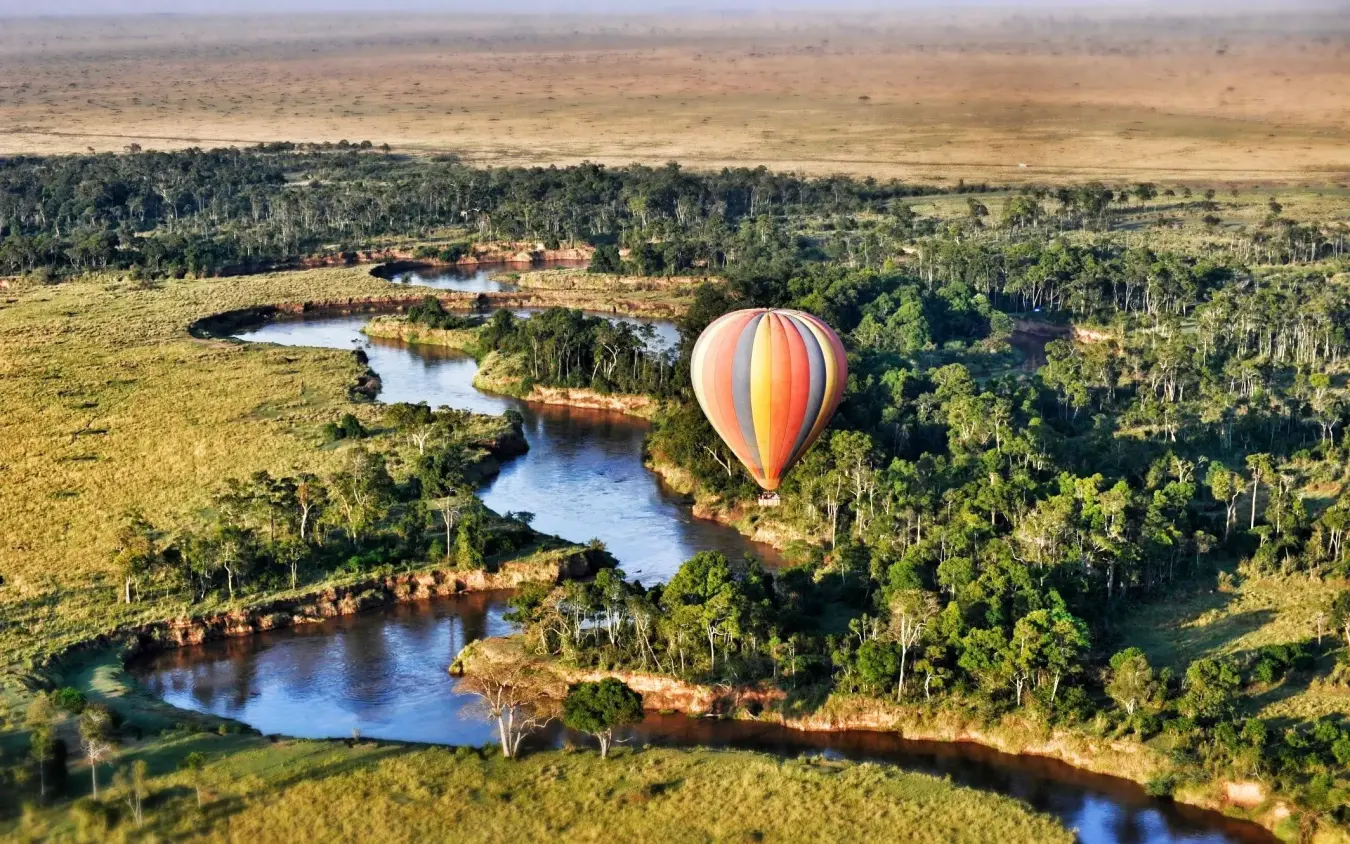
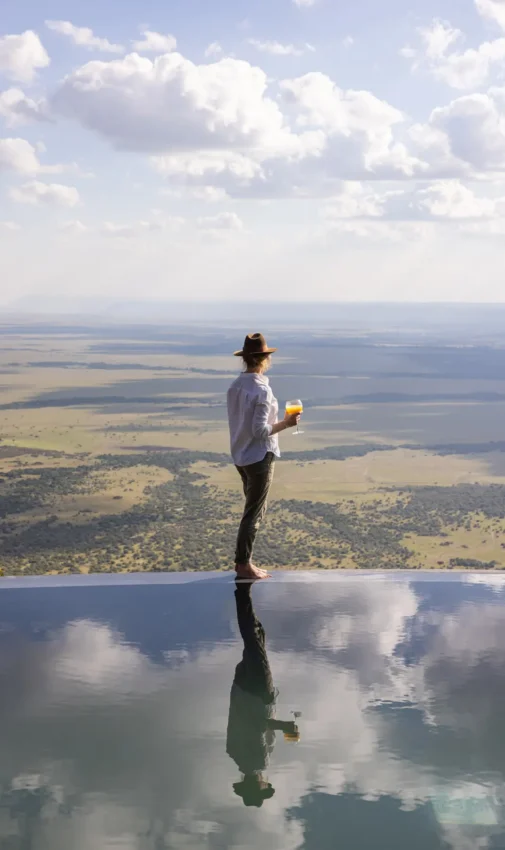
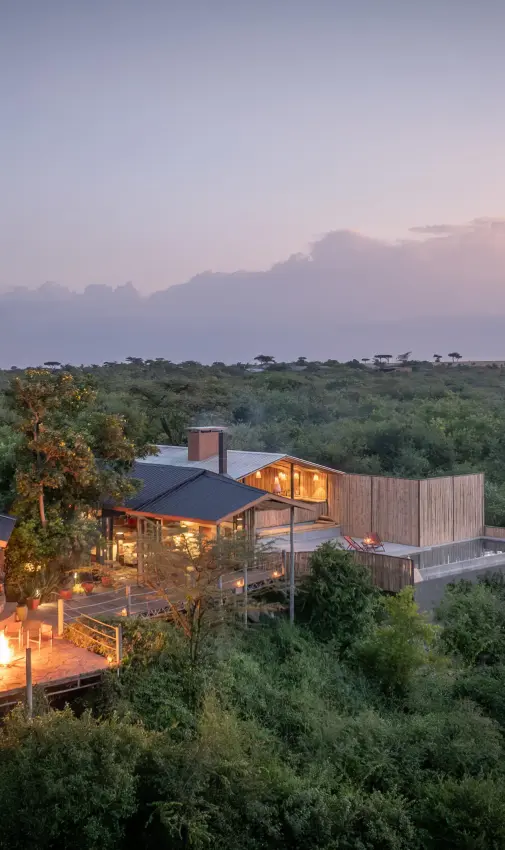
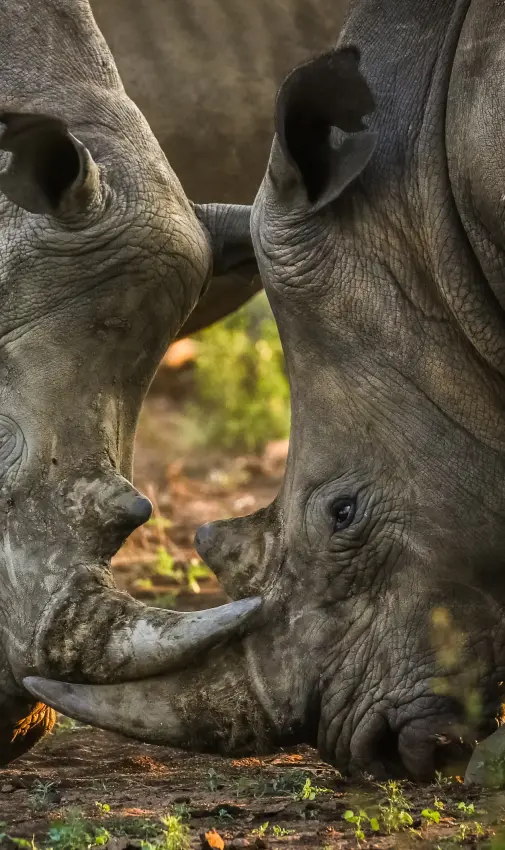
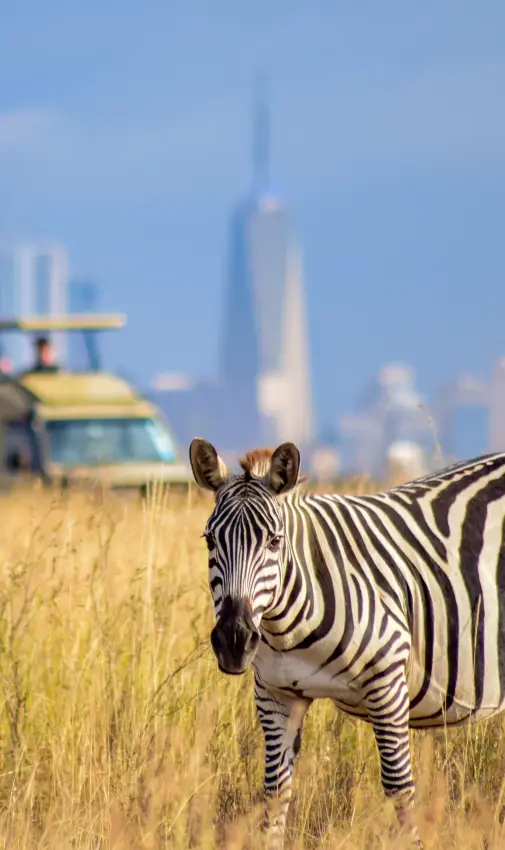
Mara North Conservancy is private land rather than national reserve, and that single distinction opens up what the park boundary forbids, from night drives to guided walks on foot and off-road approaches to wildlife. This is high-density predator country, lions and leopards among them, across land shared by only a handful of camps. Guests can also take a full day into the Maasai Mara National Reserve for the great river crossings of the migration, which run from roughly July to October, when the herds mass at the water and the odds tilt in the crocodile’s favour.
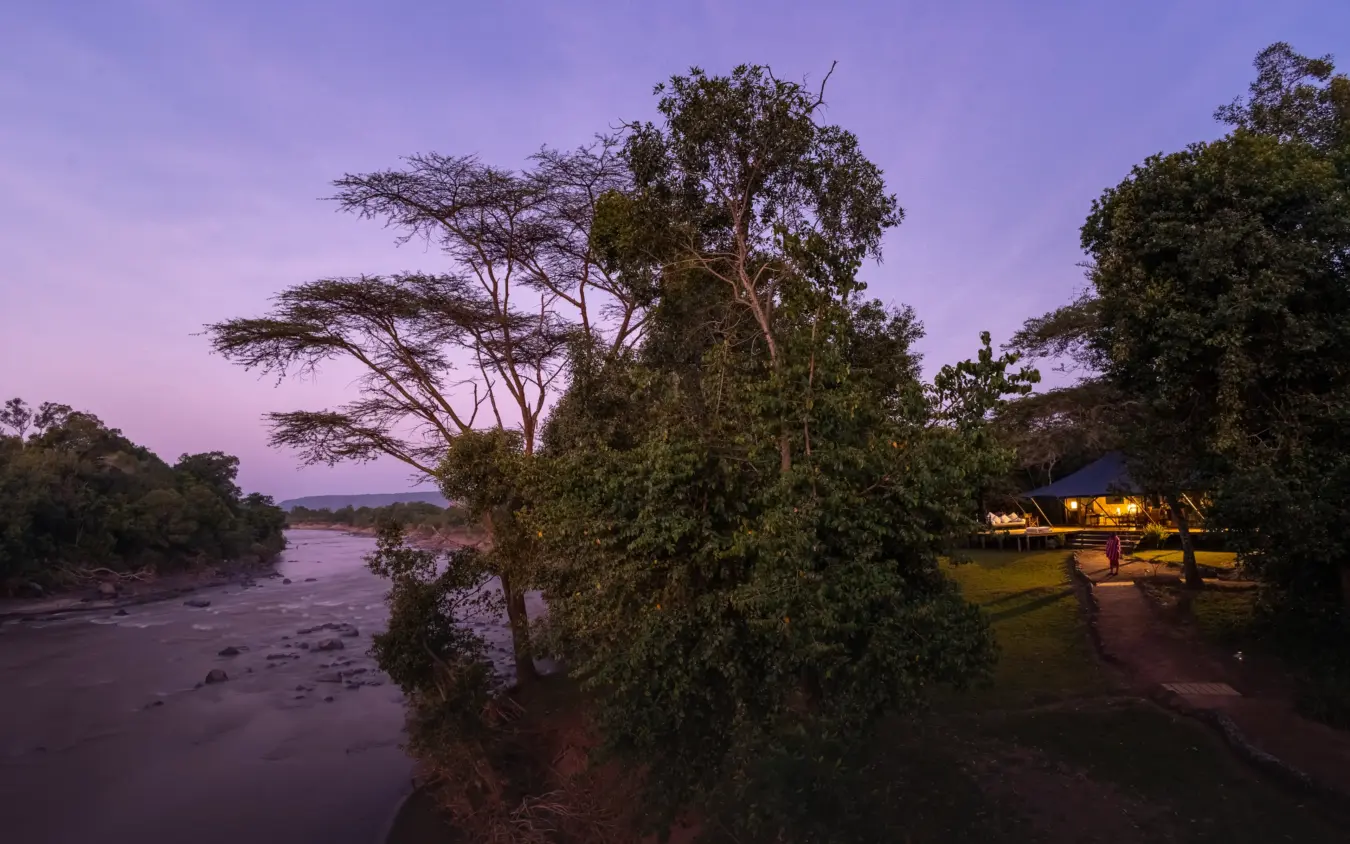
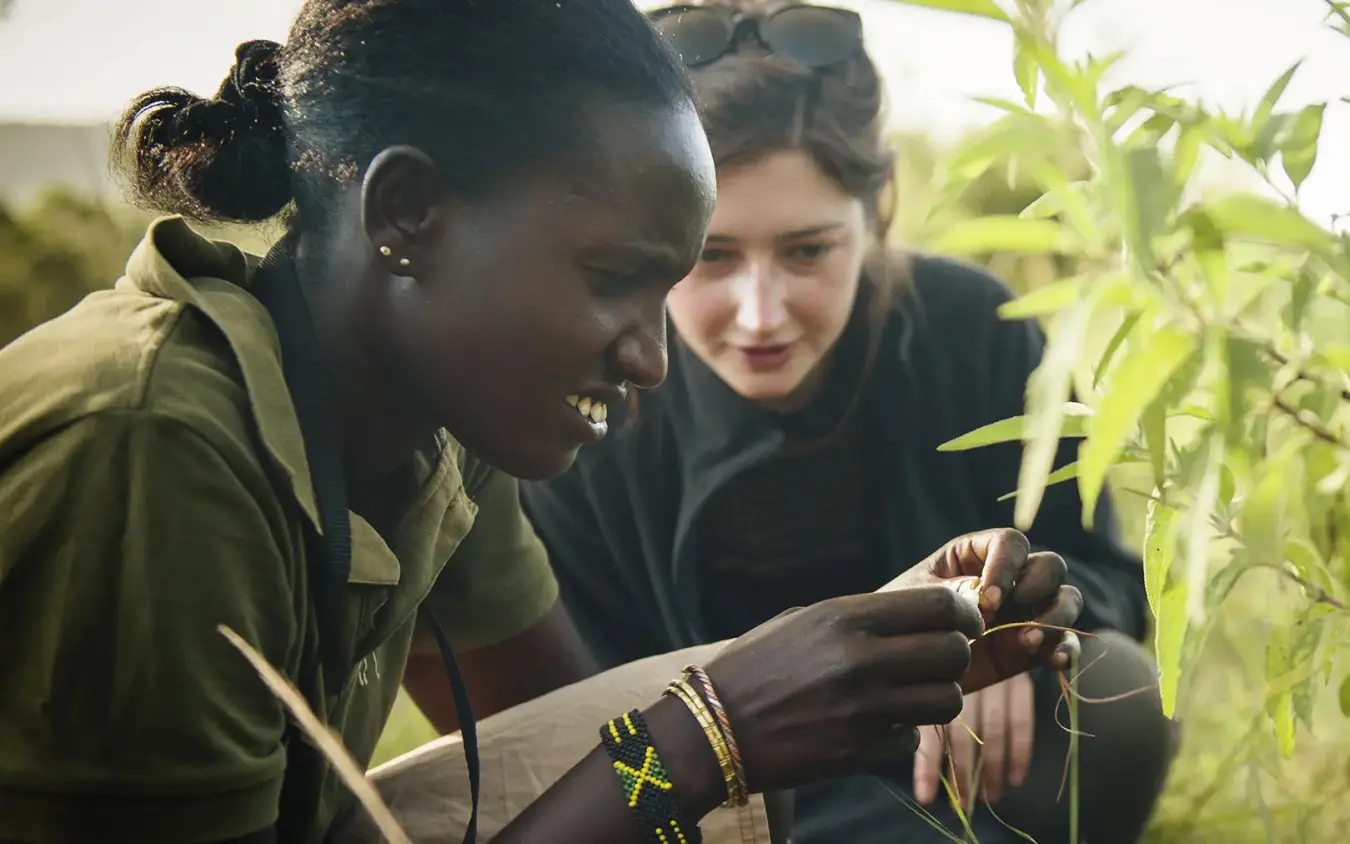
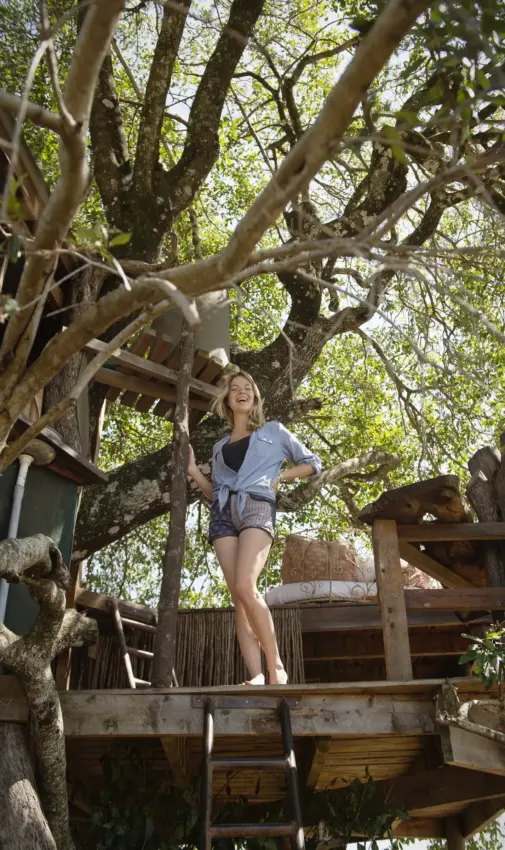
Beyond the daily drives, there is more to fill a stay. The camp arranges a night under the stars at The Nest, a treehouse sleep-out and picnic spot booked separately, and fly-camping for those who want to go deeper into the bush after dark. Walks lead into Serian’s own protected ground beside the river, and visits to neighbouring Maasai communities can be set up on request. There is no Wi-Fi, which is the point.
There is no Wi-Fi, which is the point.
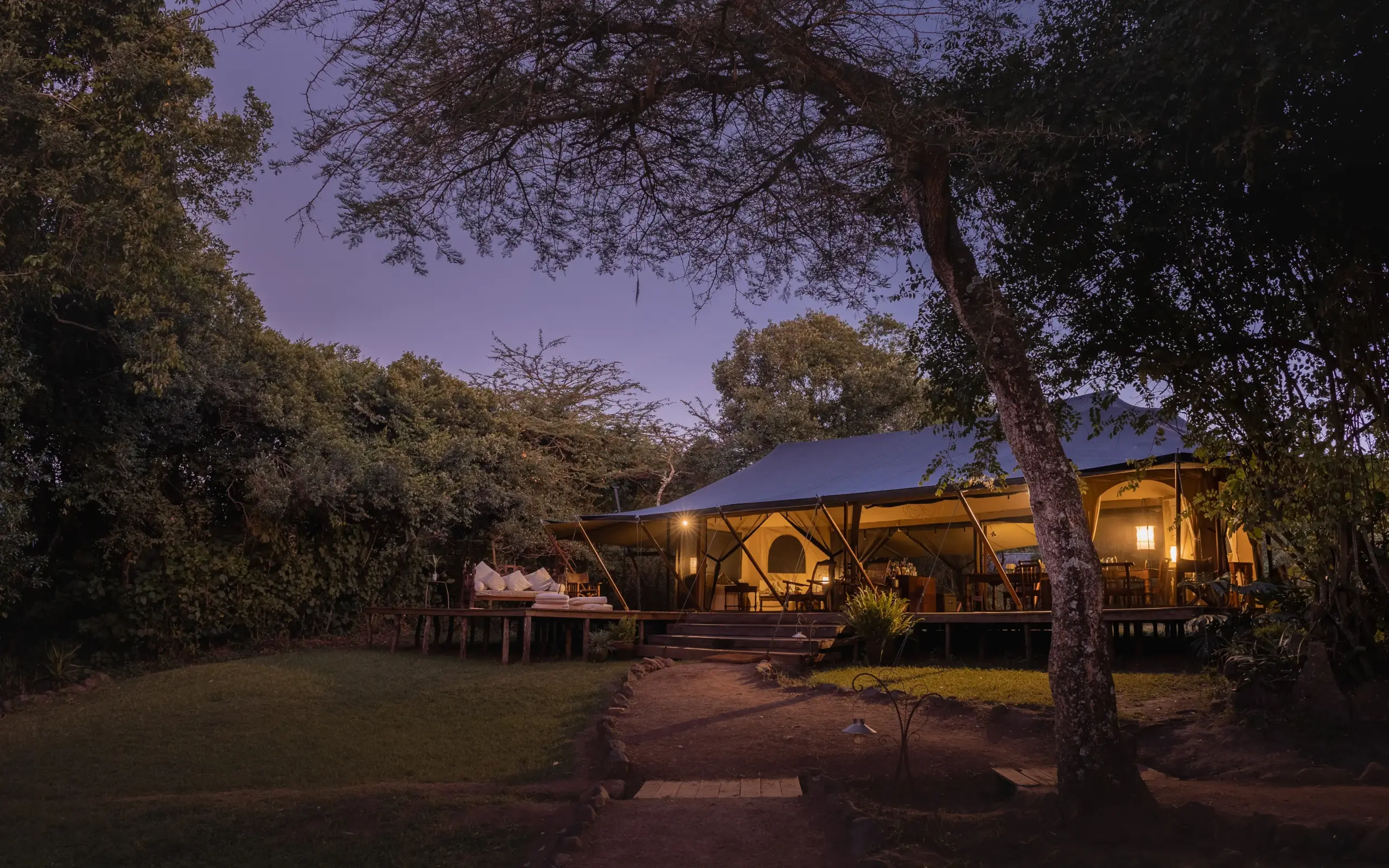
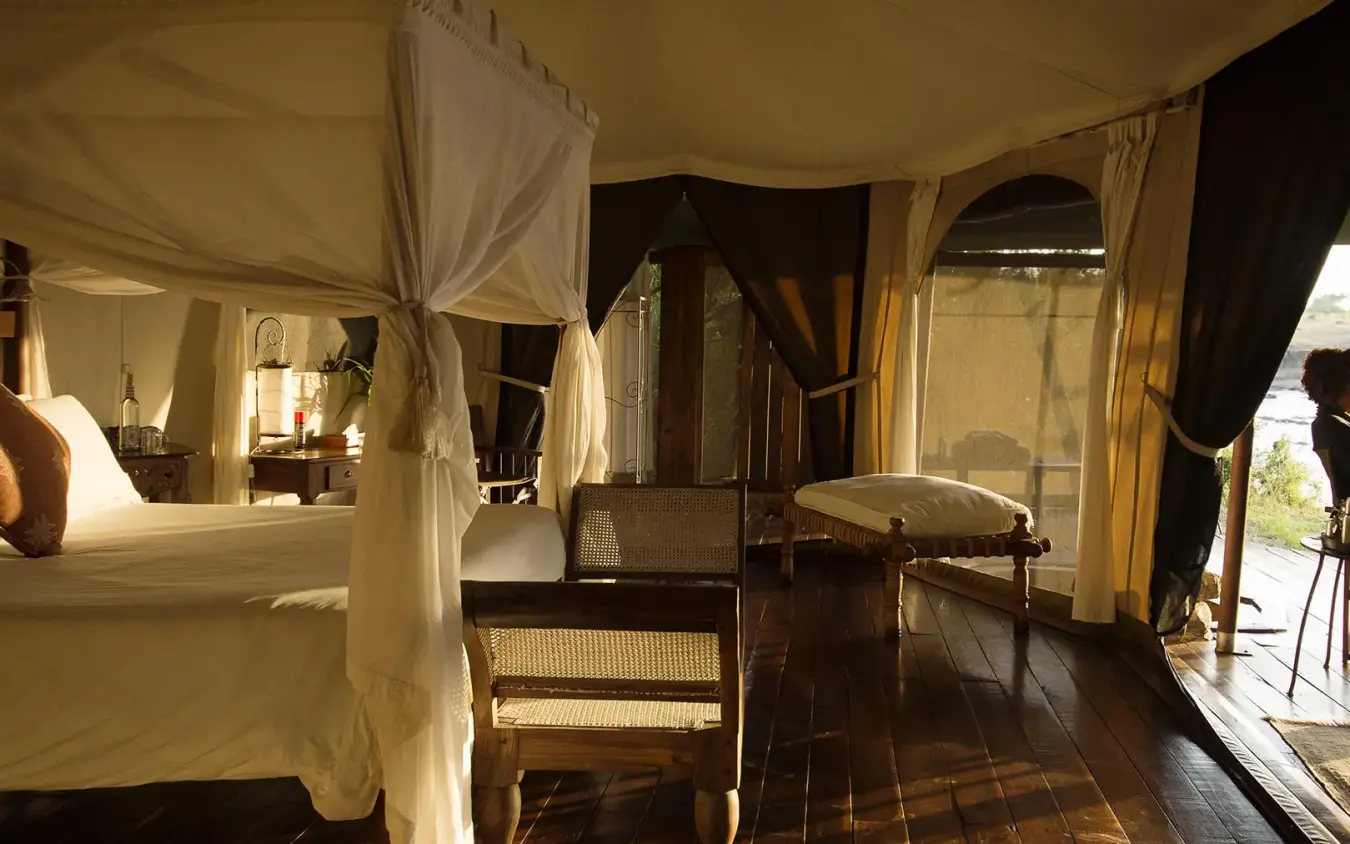
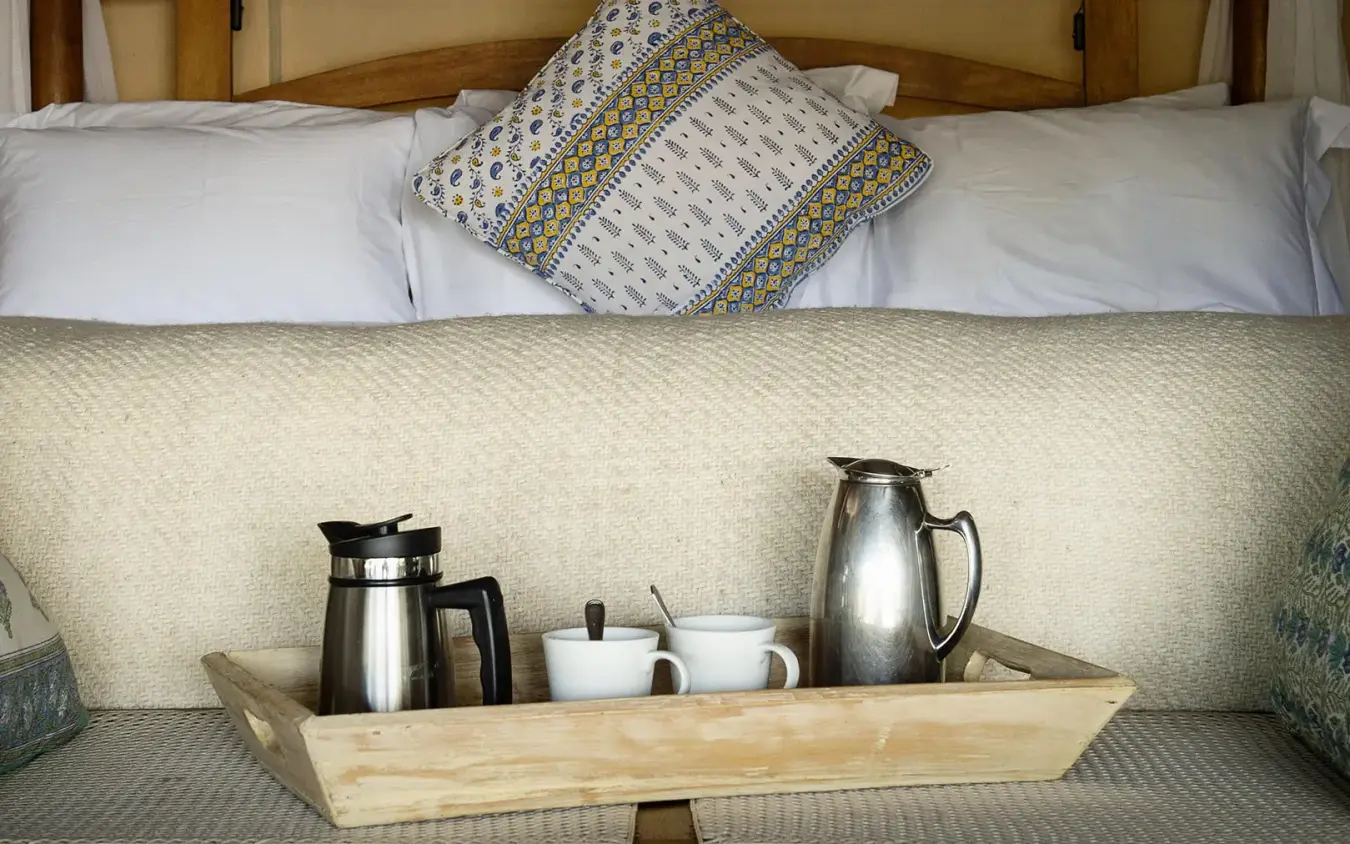
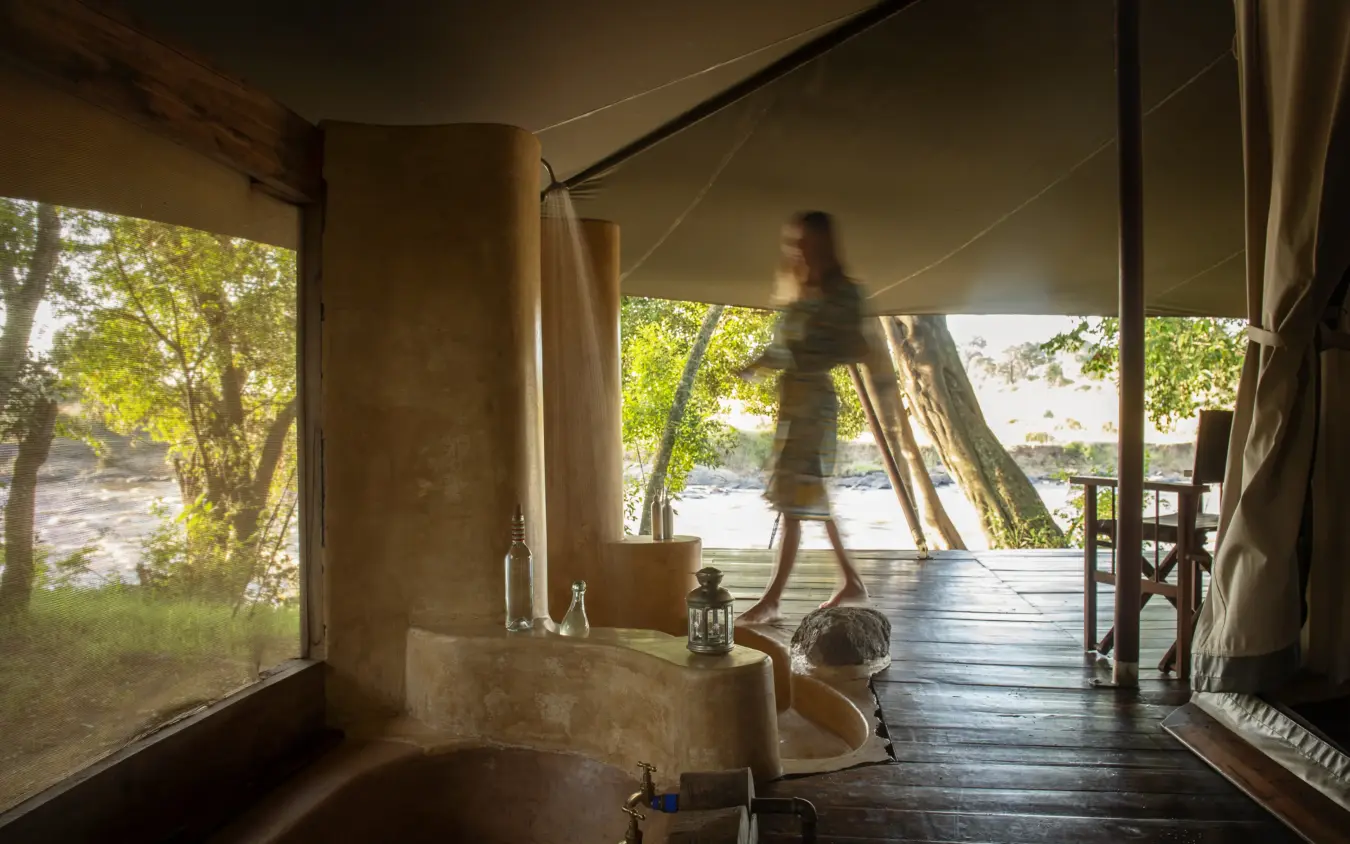
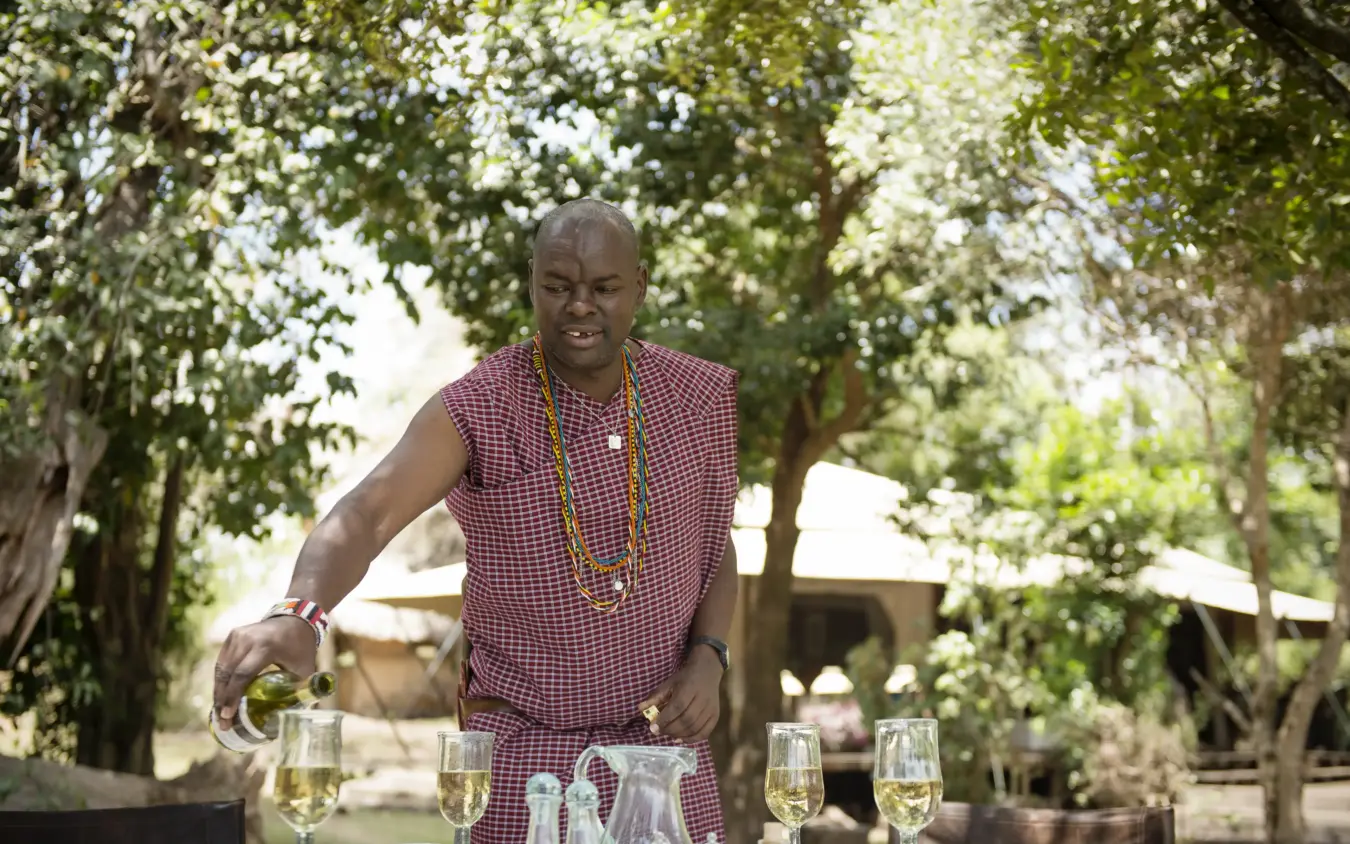
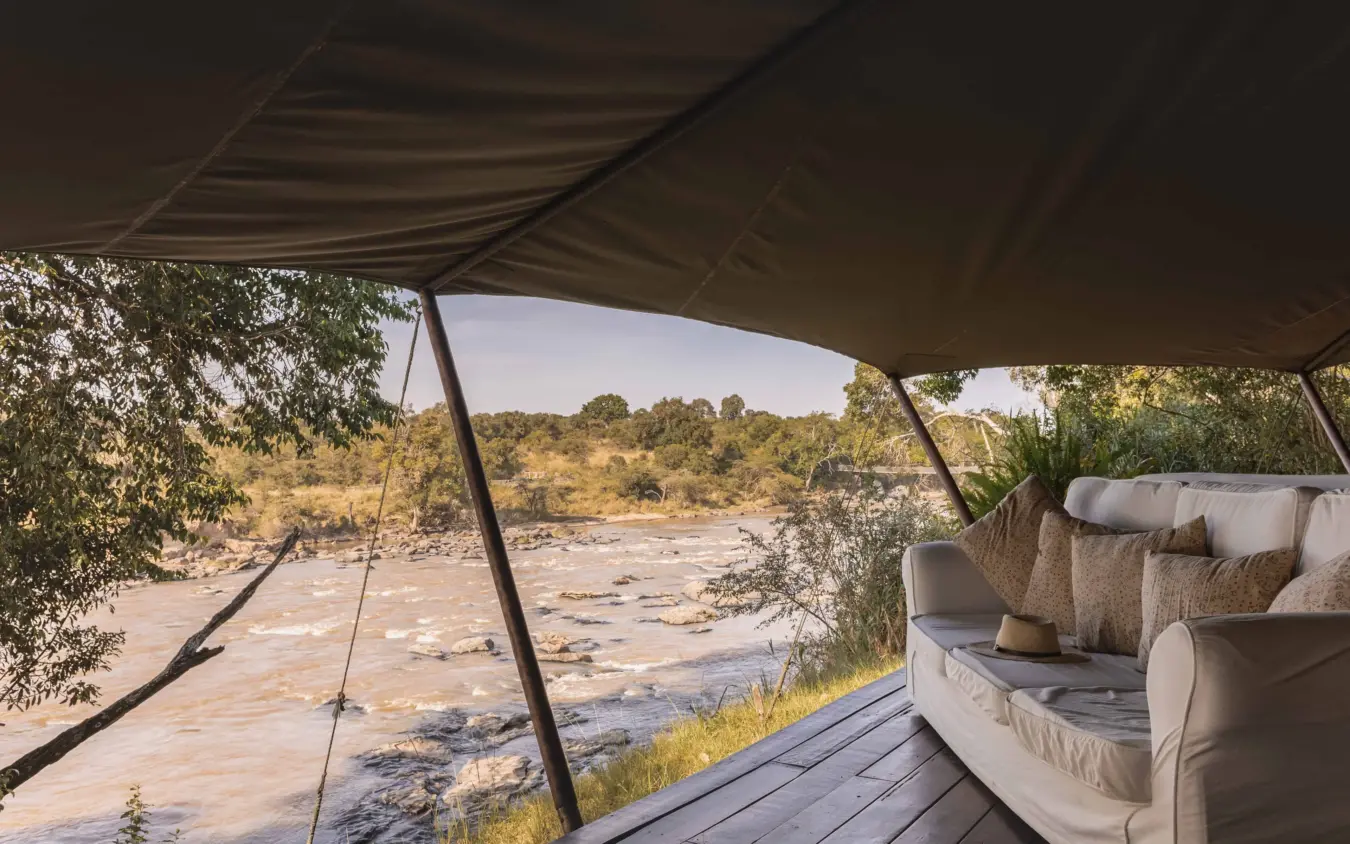
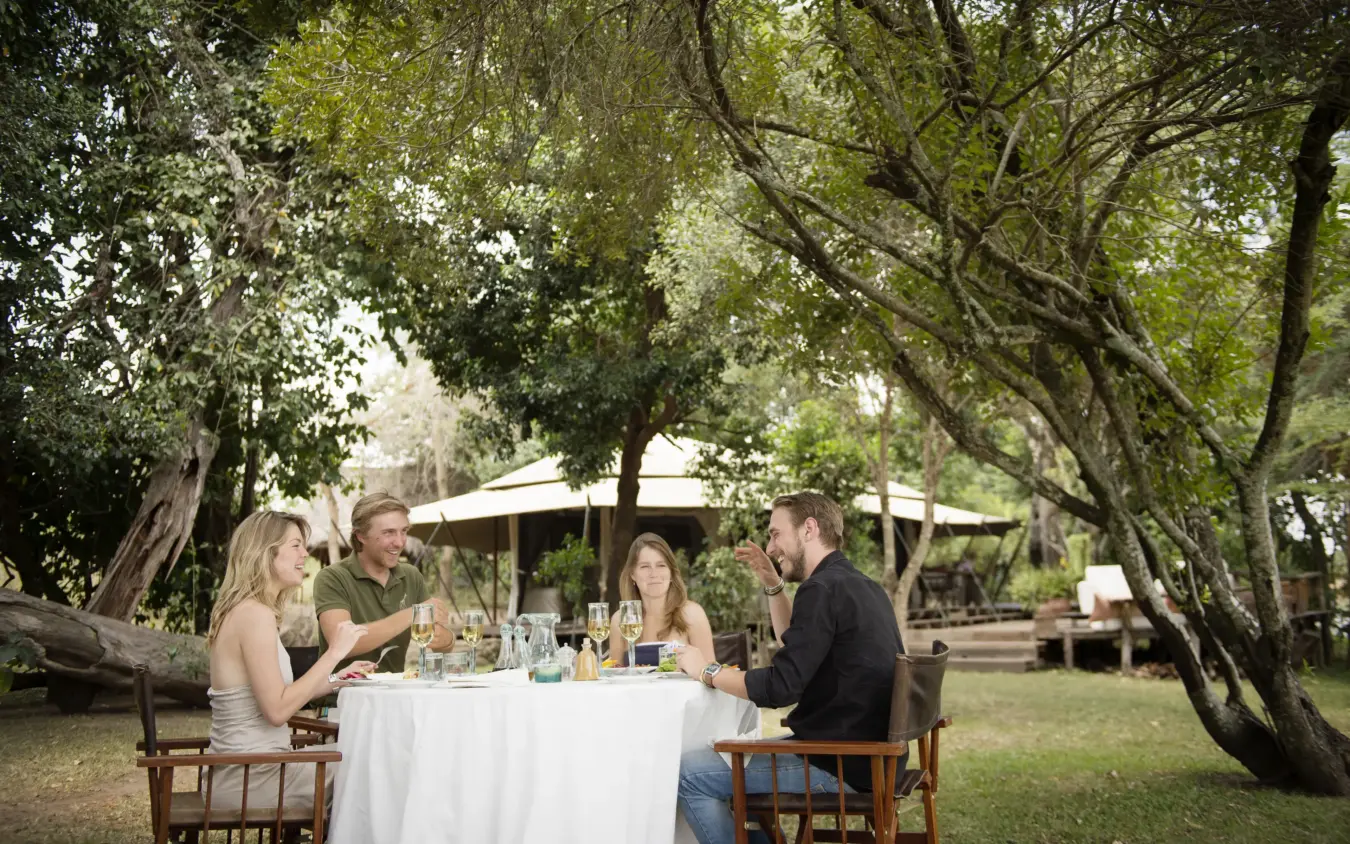
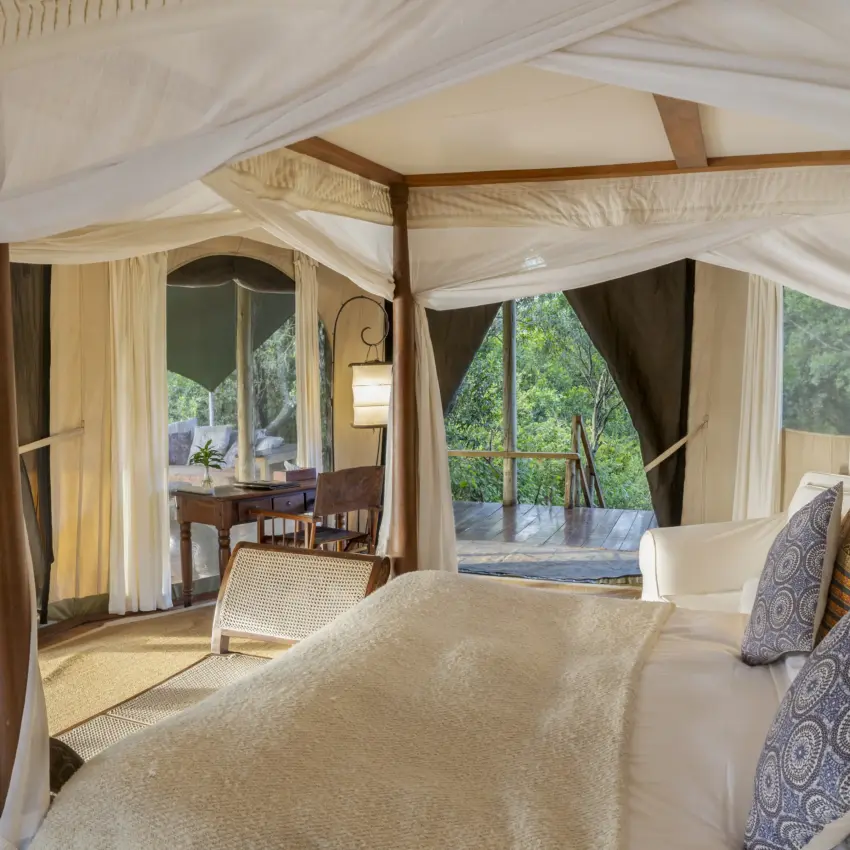
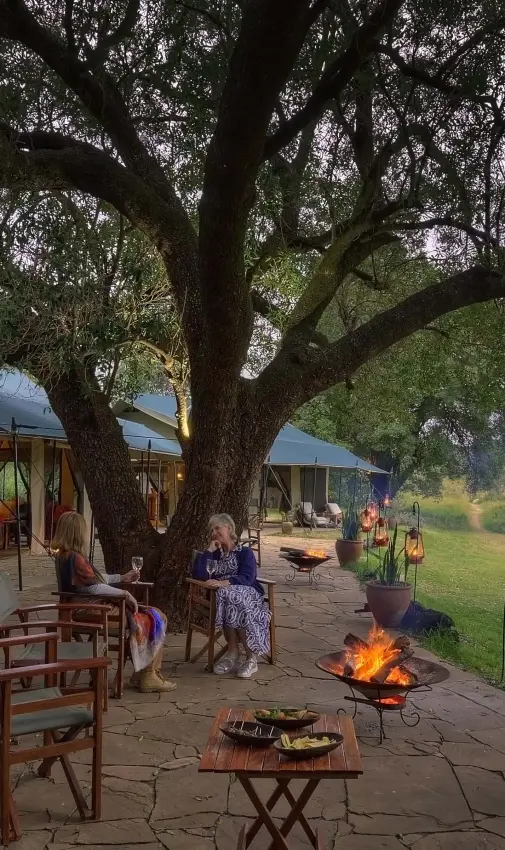
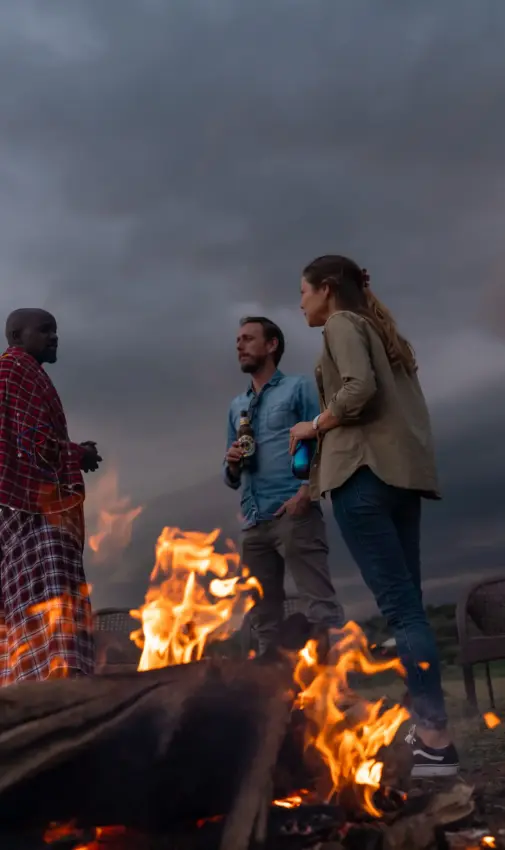
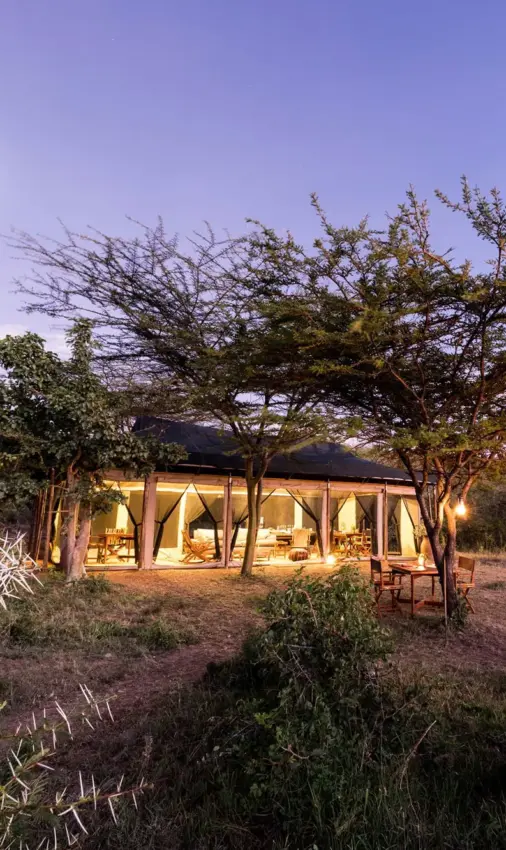
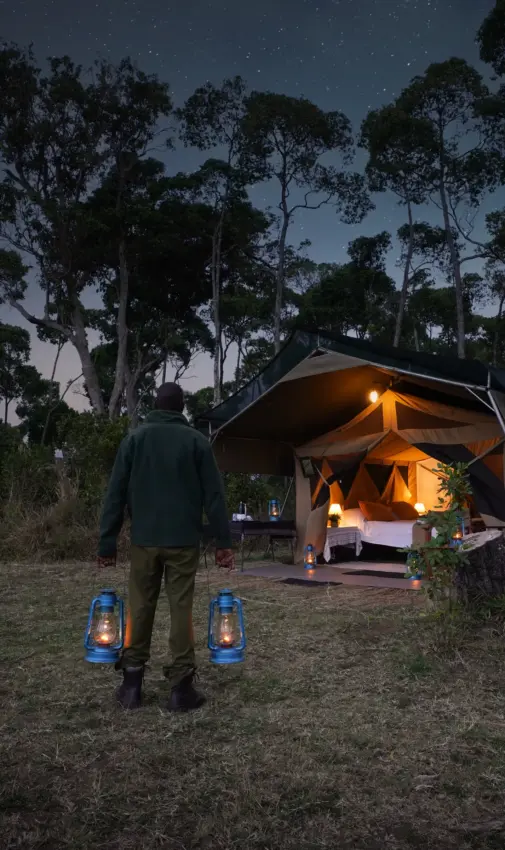
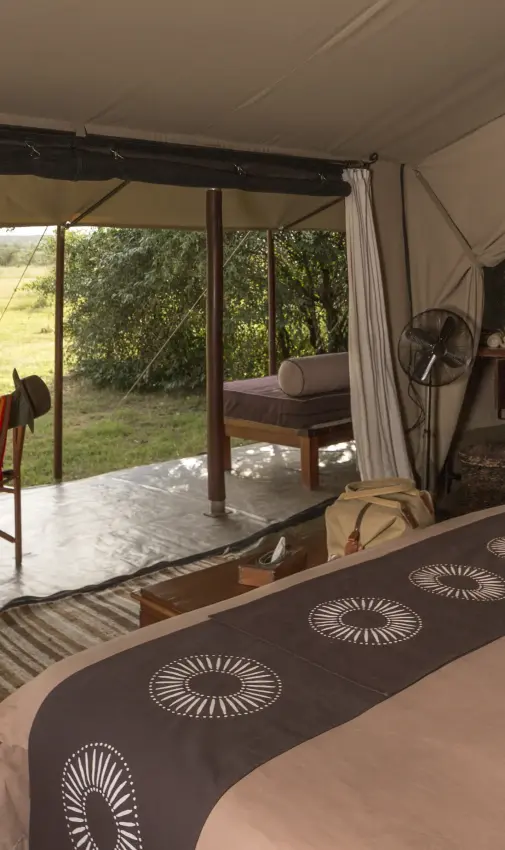
The tents are large and furnished in the old manner, their Zanzibar-style four-poster beds set under canvas walls that open on three sides to the river breeze. Antique pieces and Oriental rugs are laid across the polished floors. Bathrooms run to twin basins, showers and bathtubs, and out on the decks sunken tubs let guests soak with the river and its wildlife in full view. Meals are relaxed and social, served family-style at a long wooden table, out on the deck by the fire, or set up somewhere unexpected in the bush.
None of this stands apart from the land it sits on. The camp draws its staff largely from local Maasai communities, and its place in the conservancy links tourism to more than 800 Maasai landowners through lease income. Solar power runs the camp, and organic waste feeds the vegetable garden. It suits couples, families and small groups who want the Mara on their own terms.