Camp

Mara Nyika Camp

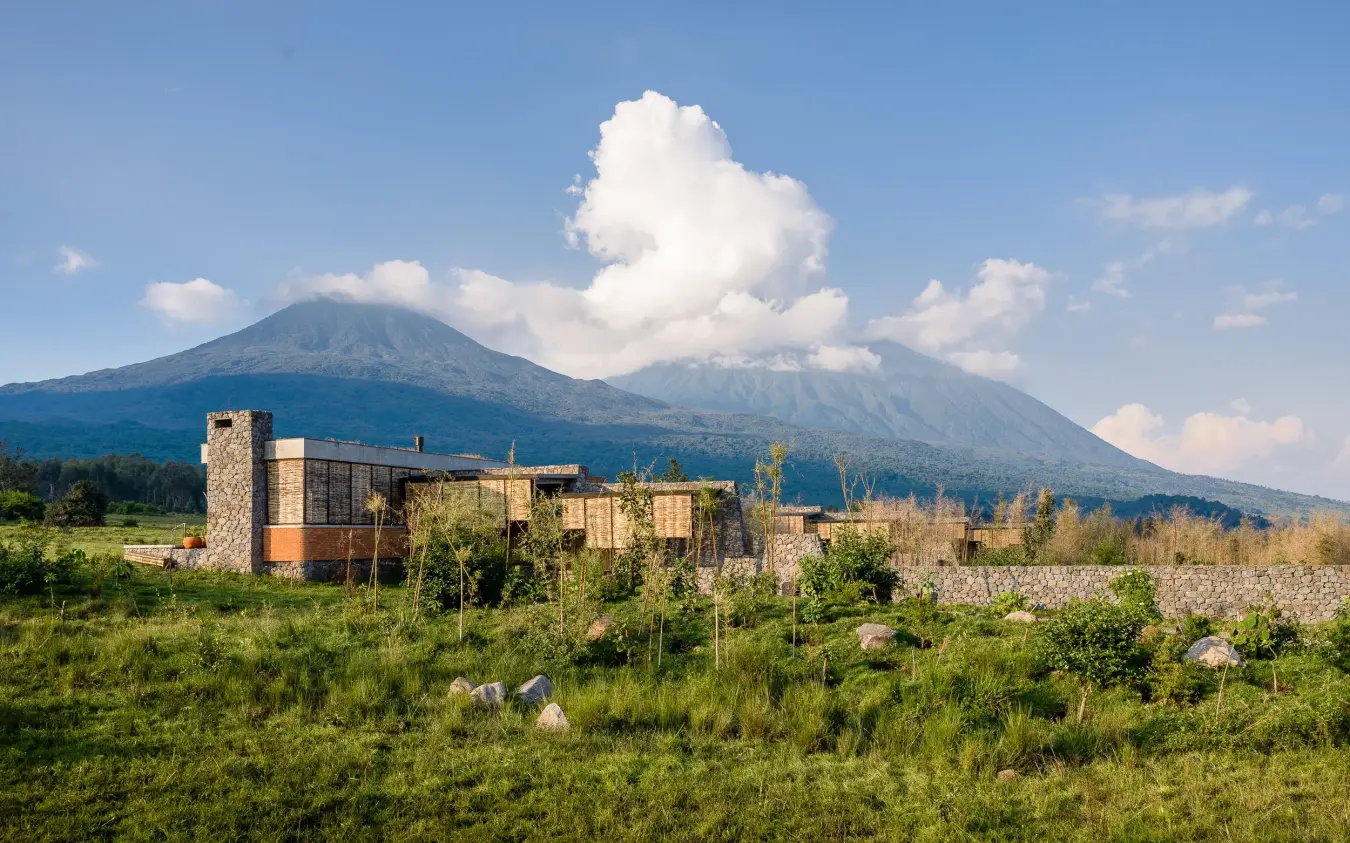
Six canvas suites on tall decks in Naboisho Conservancy, a filmmaker’s camp on the northern edge of Kenya’s Maasai Mara.

Country: Kenya
Location: Western Naboisho Conservancy, Maasai Mara
Number of rooms: 6

A filmmaker's canvas camp in Naboisho

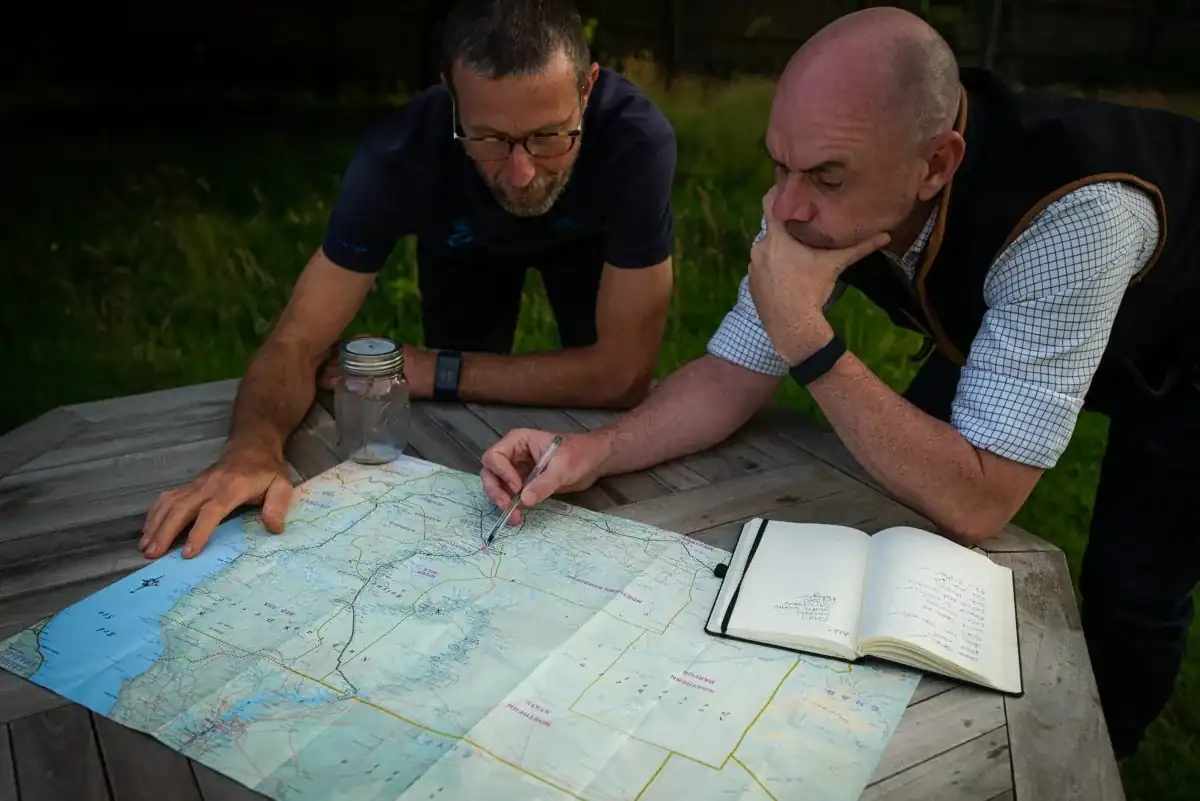
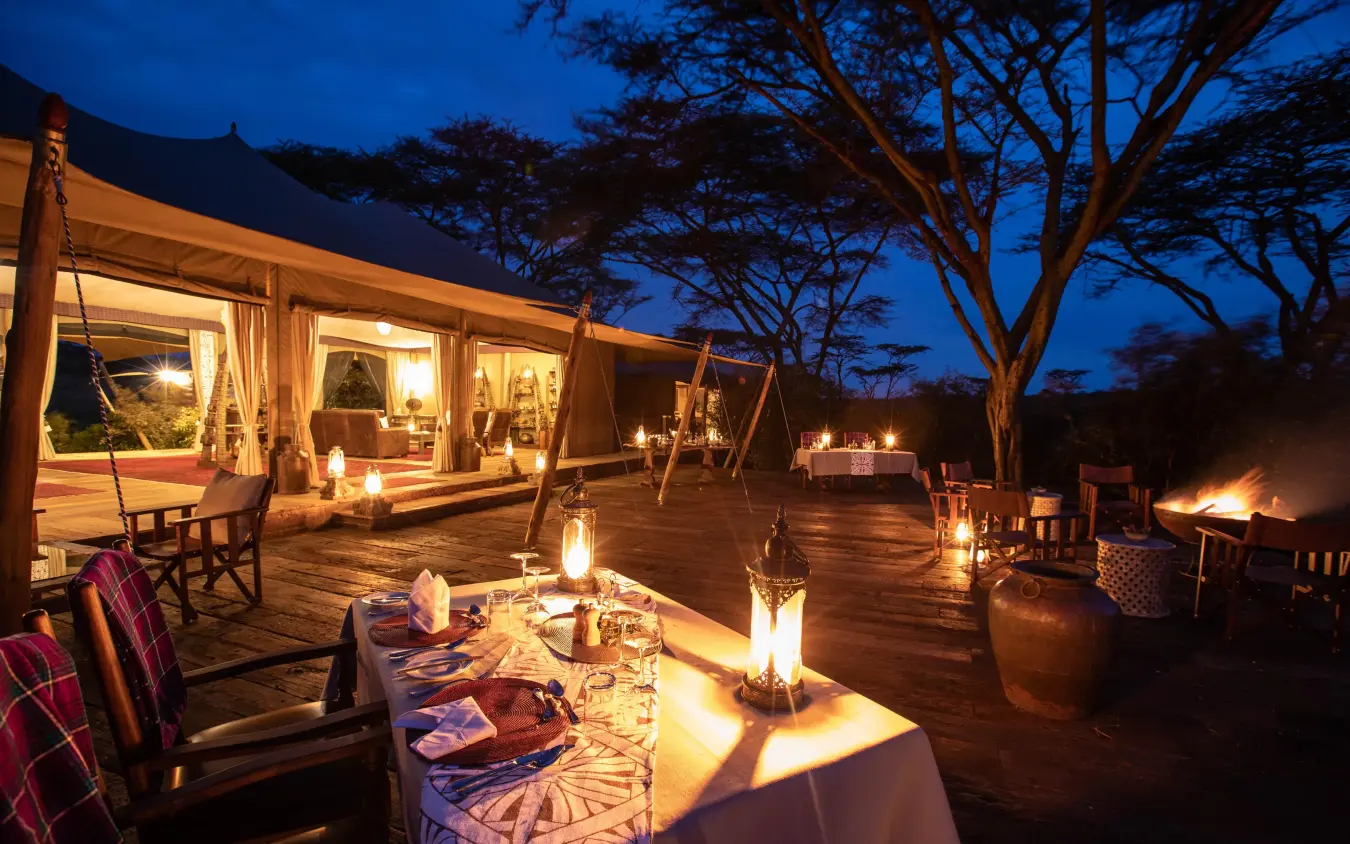
Dereck Joubert, the National Geographic filmmaker and conservationist, and his wife Beverly have built their careers around cameras. Before Mara Nyika Camp opened in August 2019, Dereck searched Naboisho Conservancy for a site with privacy and little light pollution. He found it in a secluded valley on the northern edge of Kenya’s Maasai Mara, beneath umbrella-thorn acacias.

The bush moves around and below, and the camp feels like a treehouse.

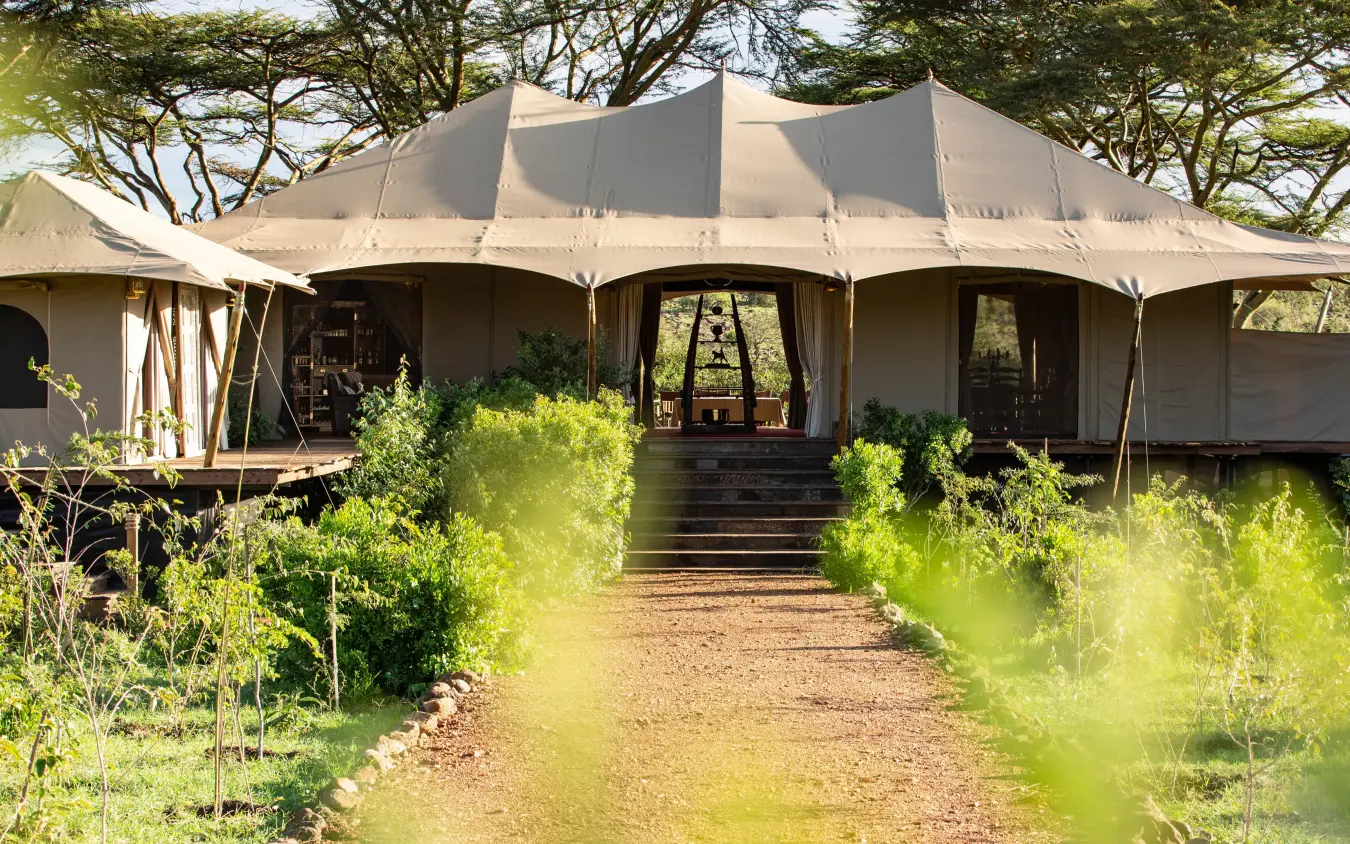
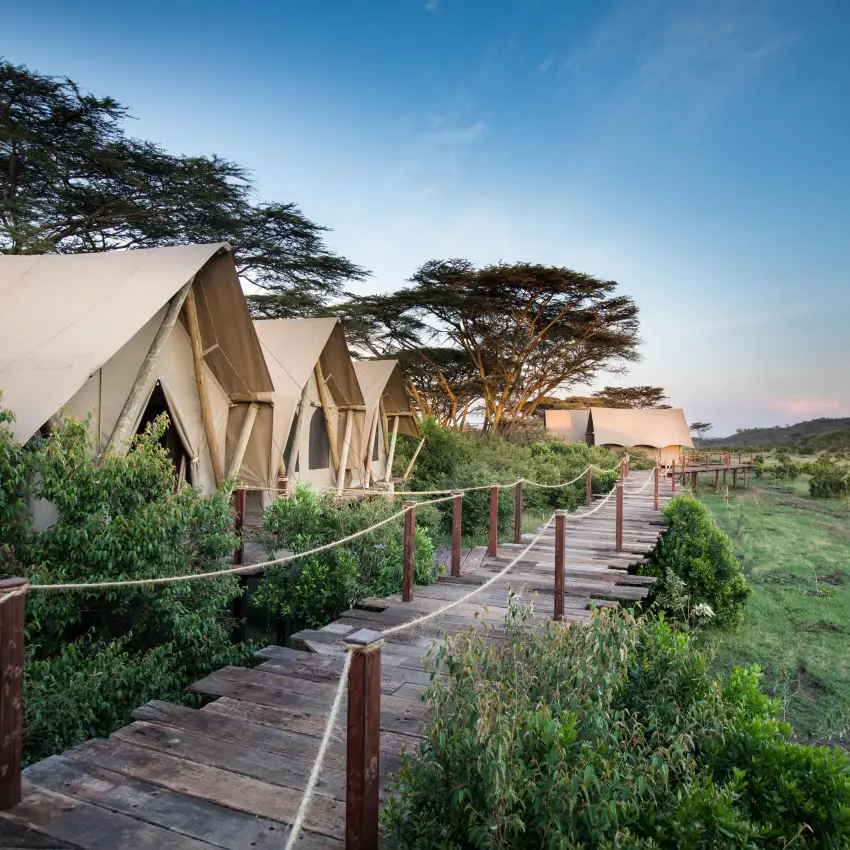
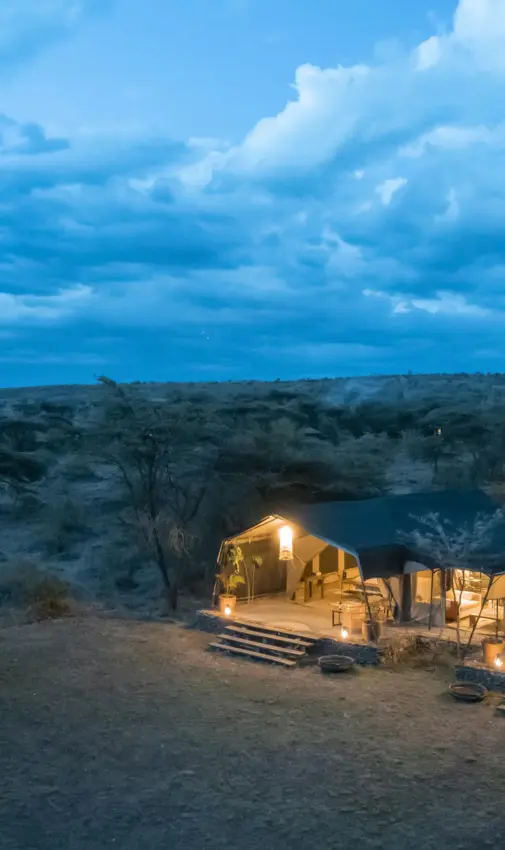
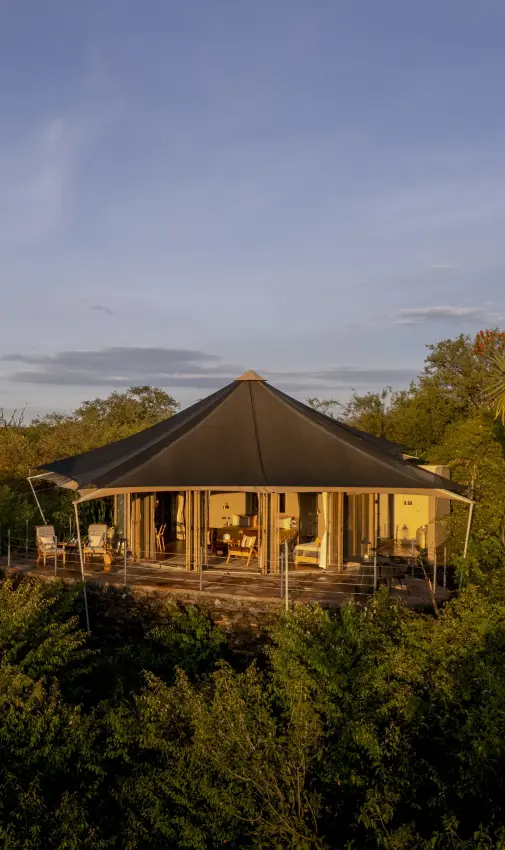
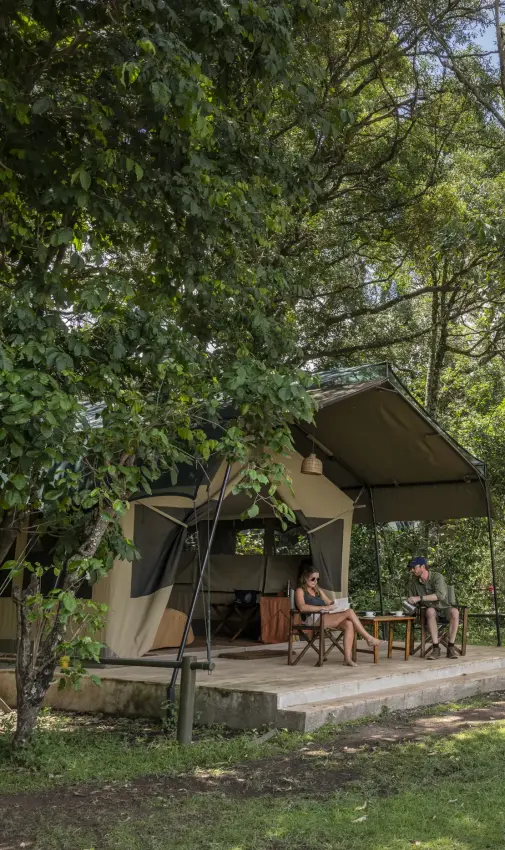
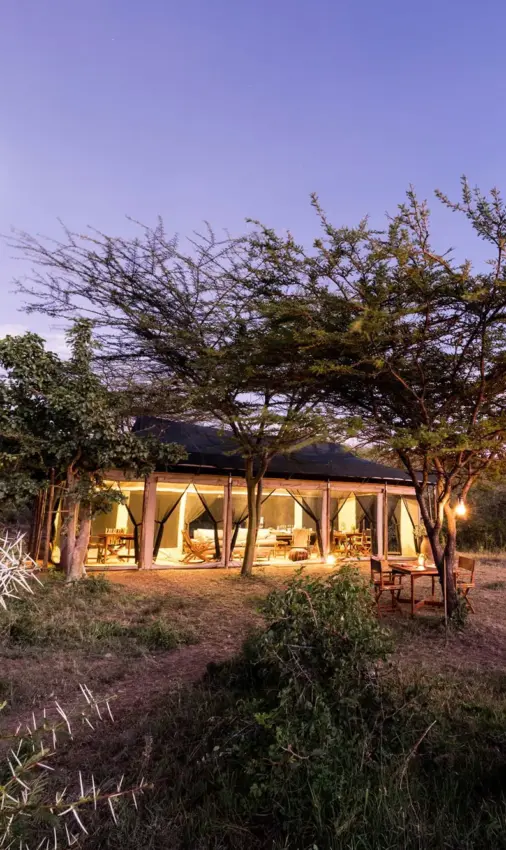
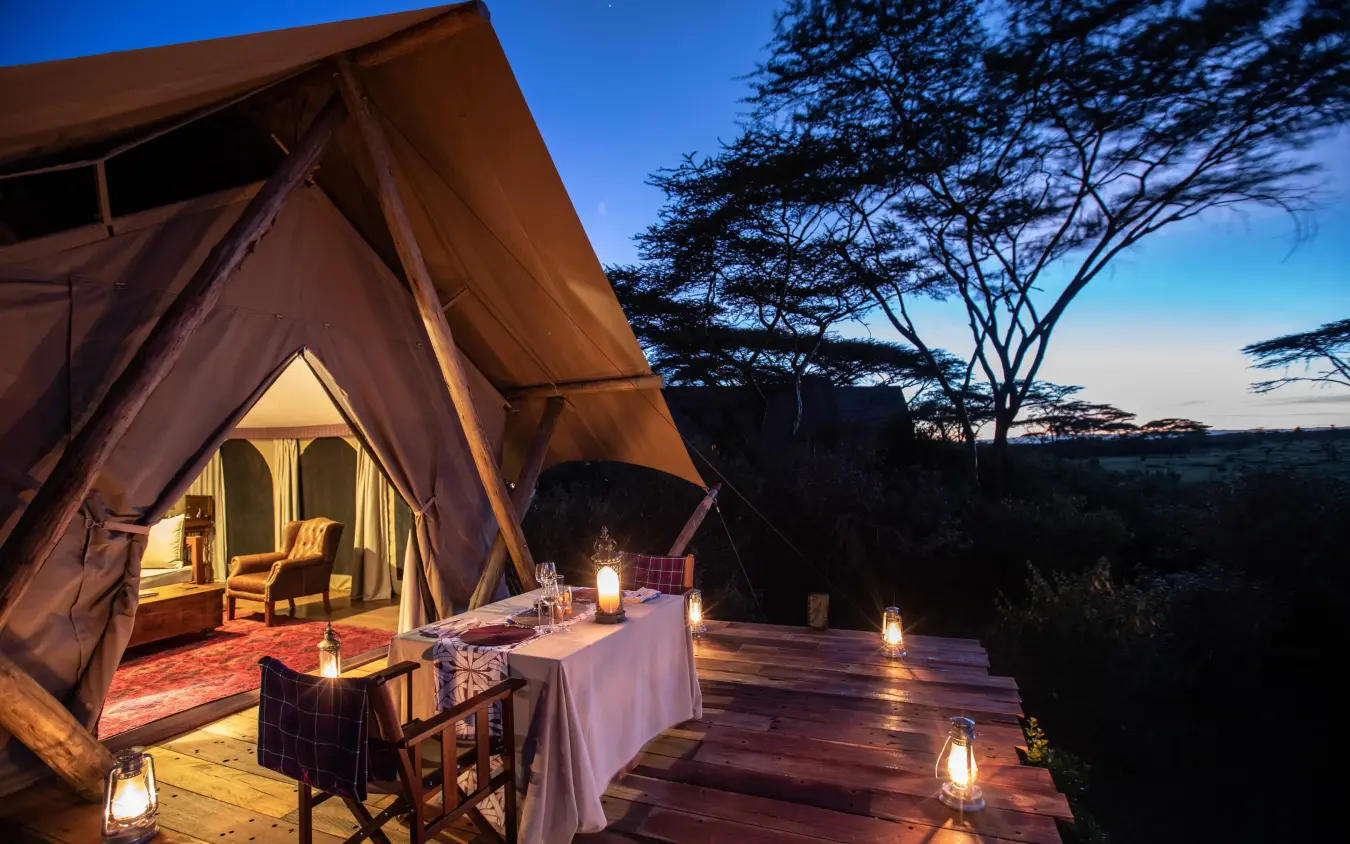
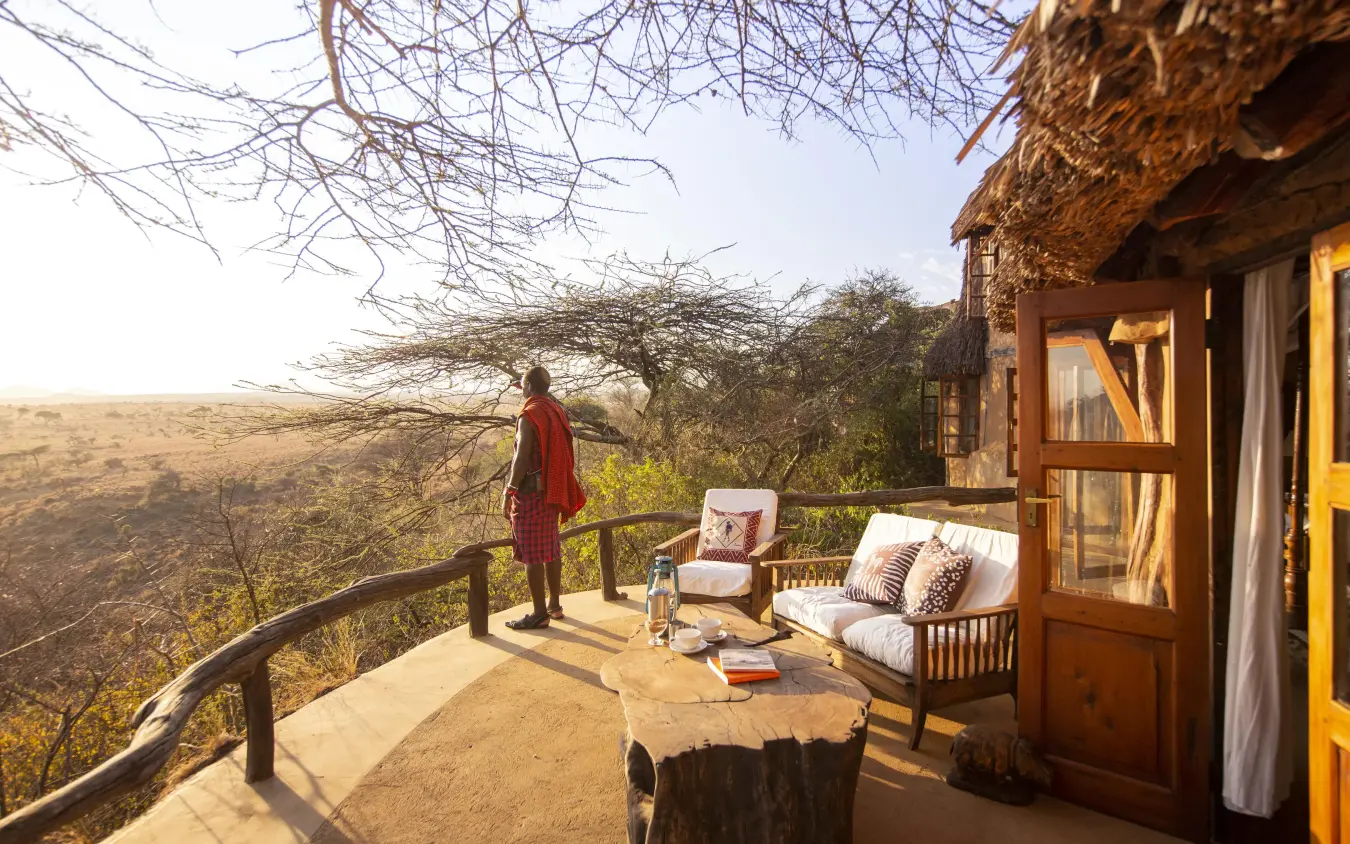
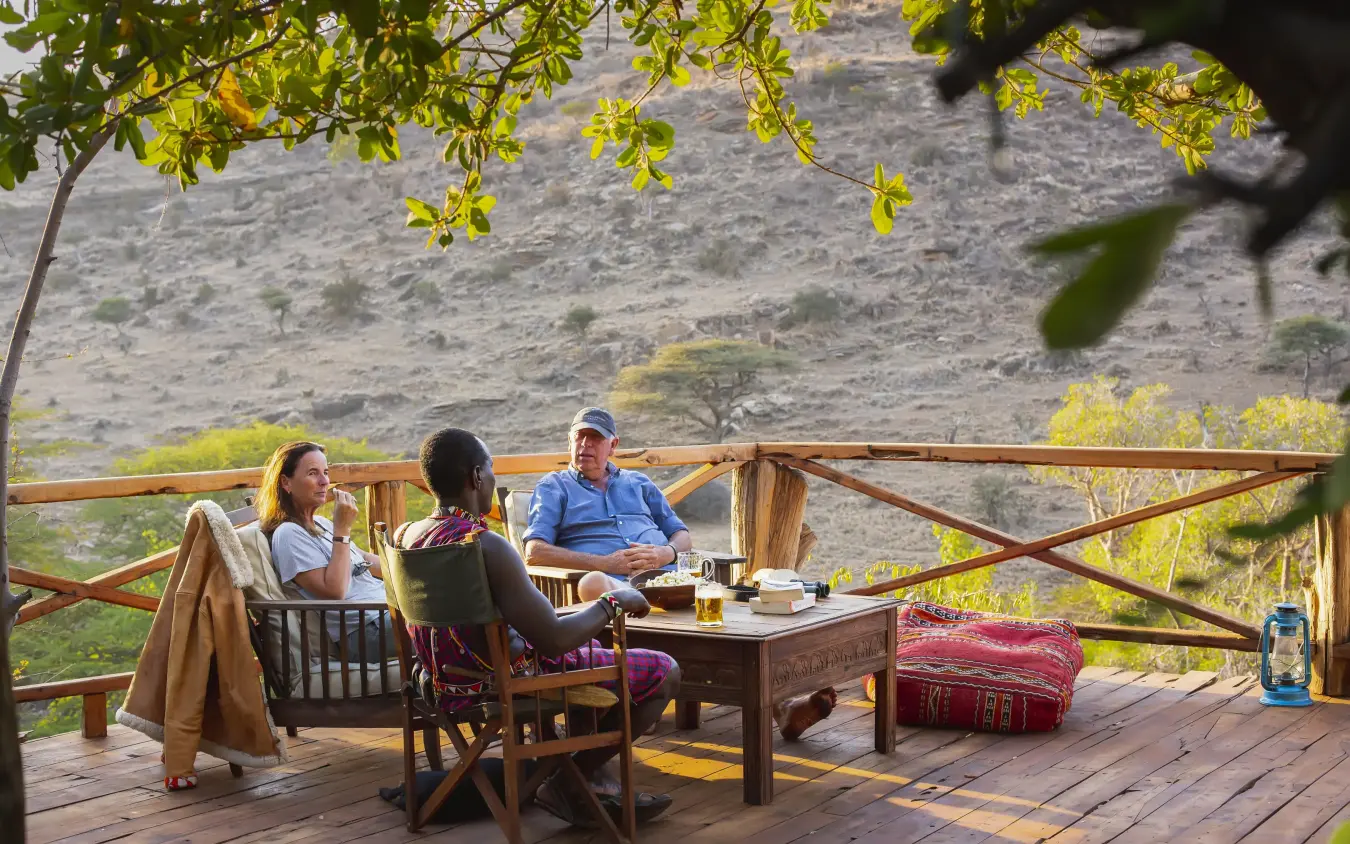
Six canvas suites are raised on tall wooden decks and joined by walkways, each angled for a clear line of sight across the valley. The bush moves around and below, and the camp feels like a treehouse. Out on the plains, lions, leopards and cheetahs shadow the elephants, giraffes and zebras they hunt. Between August and November the wildebeest migration spreads across those same plains.

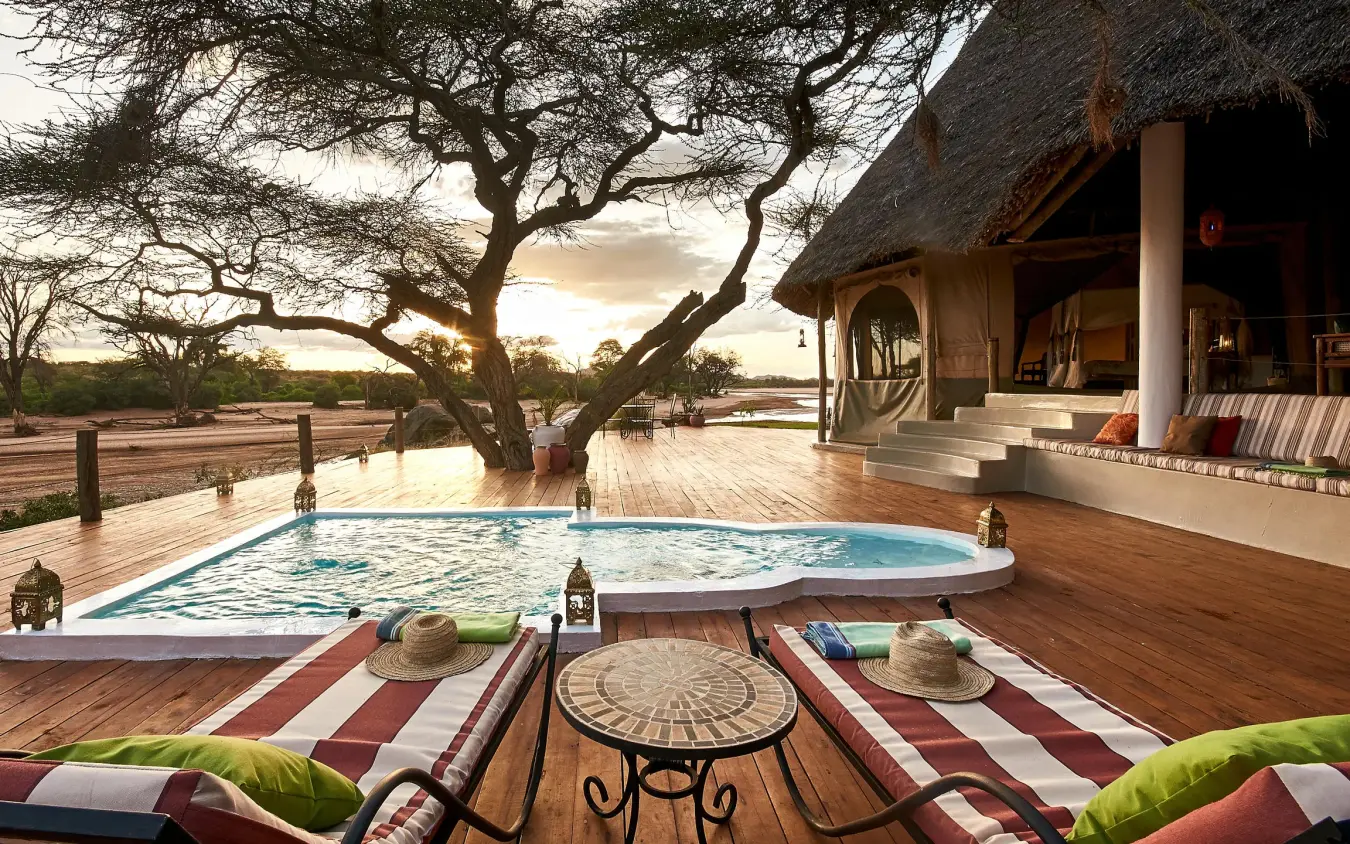
Canvas safari tents with wooden walkway at sunset, Mara Nyika Camp, Maasai Mara, Kenya
Twin beds in luxury safari tent with savanna views, Mara Nyika Camp, Maasai Mara, Kenya

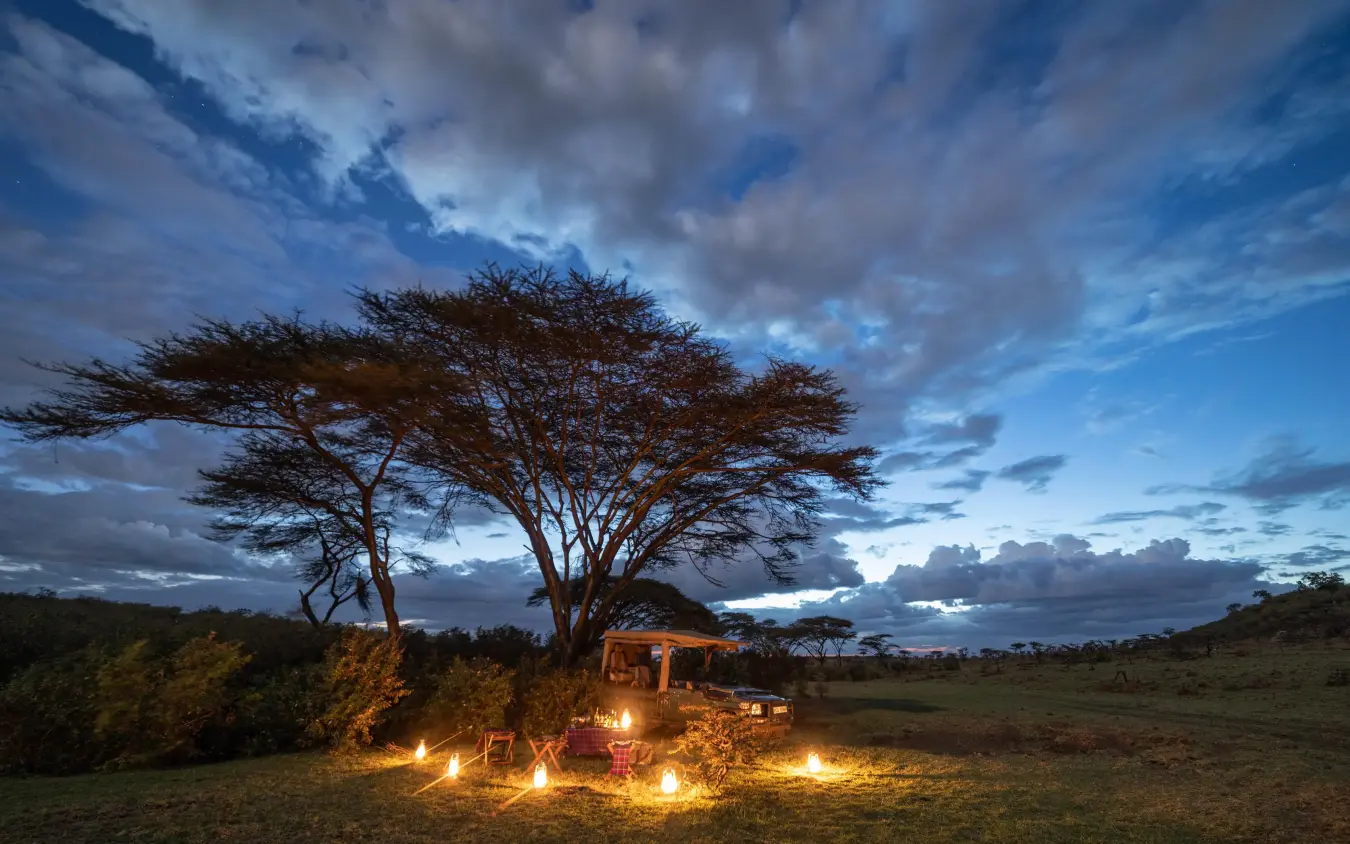
Because Naboisho is private land, guides may leave the road for a sighting and run drives well after dark, neither of which is allowed in the neighbouring National Reserve. The open Land Cruisers carry the Jouberts’ instinct for the camera, with raised roofs and photographic bars. None seats more than four, and a guide with no road to keep to can let a sighting run its course.

Antelope graze within sight of the cats that follow them.

Mornings start early, the vehicles leaving camp as the light comes up over the valley. Antelope graze within sight of the cats that follow them. Drives go out again in late afternoon and continue after dark, when nocturnal species emerge and the predators begin to hunt. They end at camp with warm towels and a drink from staff who already know how each guest takes their coffee.

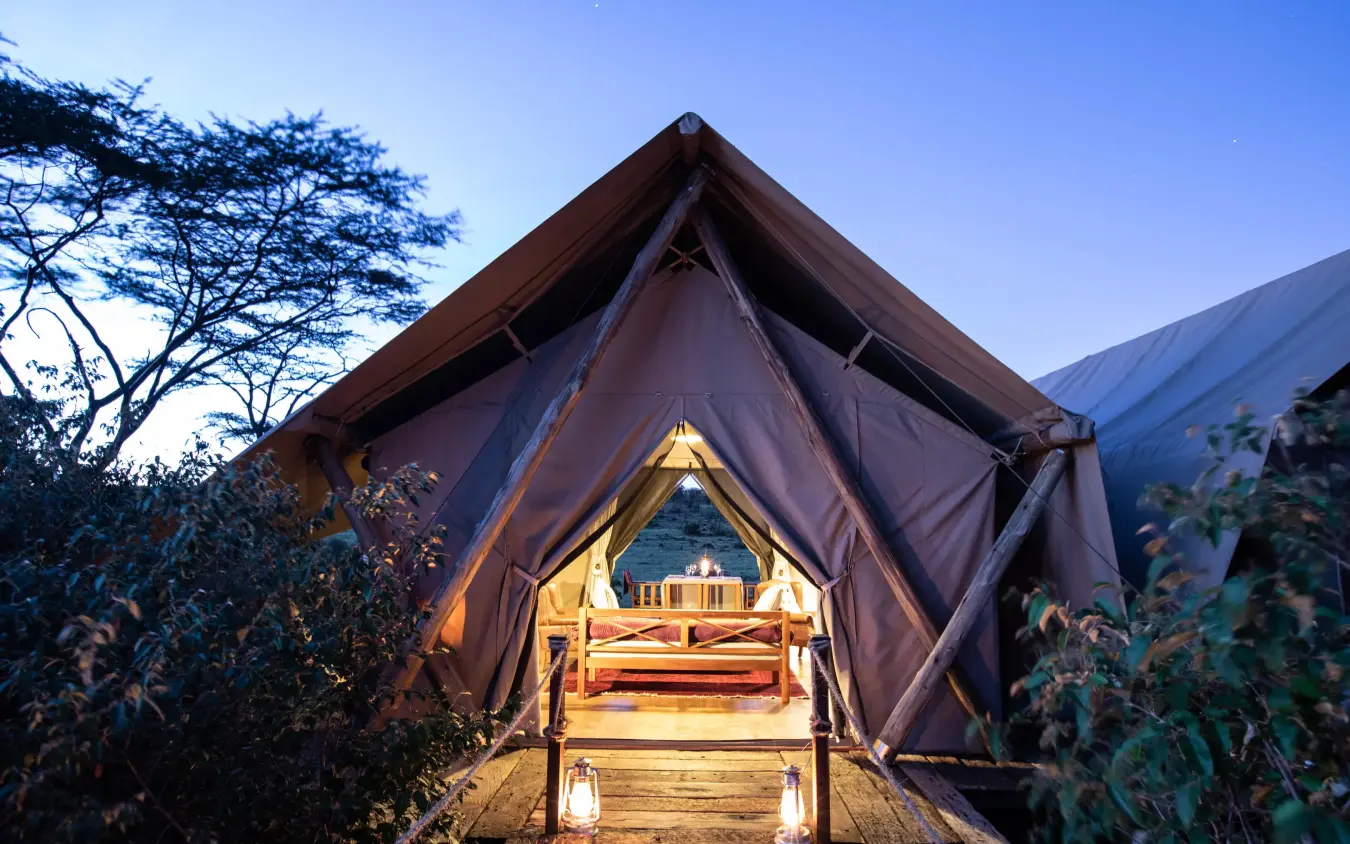
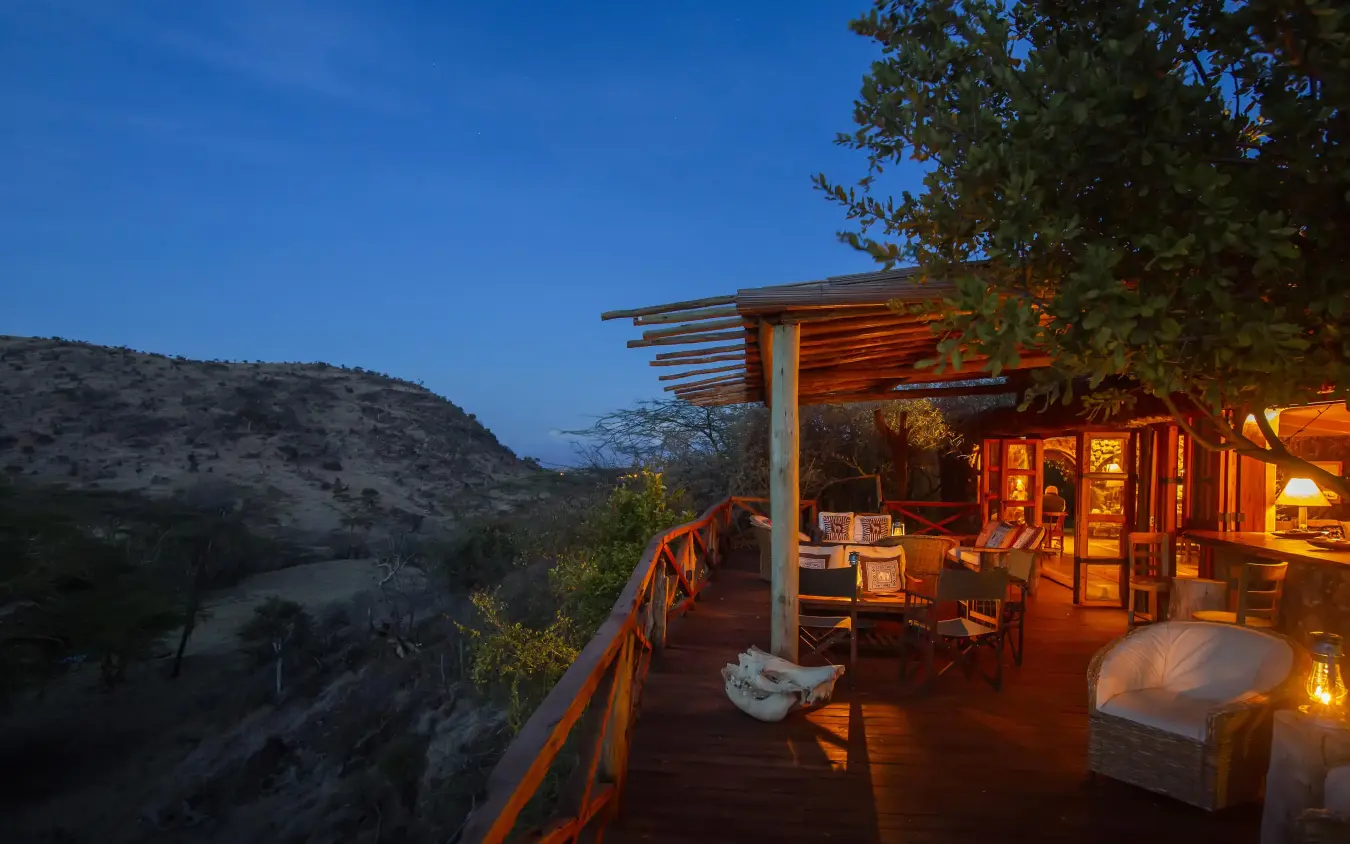
Luxury safari tent interior with bed and seating area, Mara Nyika Camp, Maasai Mara, Kenya 01

accommodation

93 Square Metre Suites Beneath Acacias

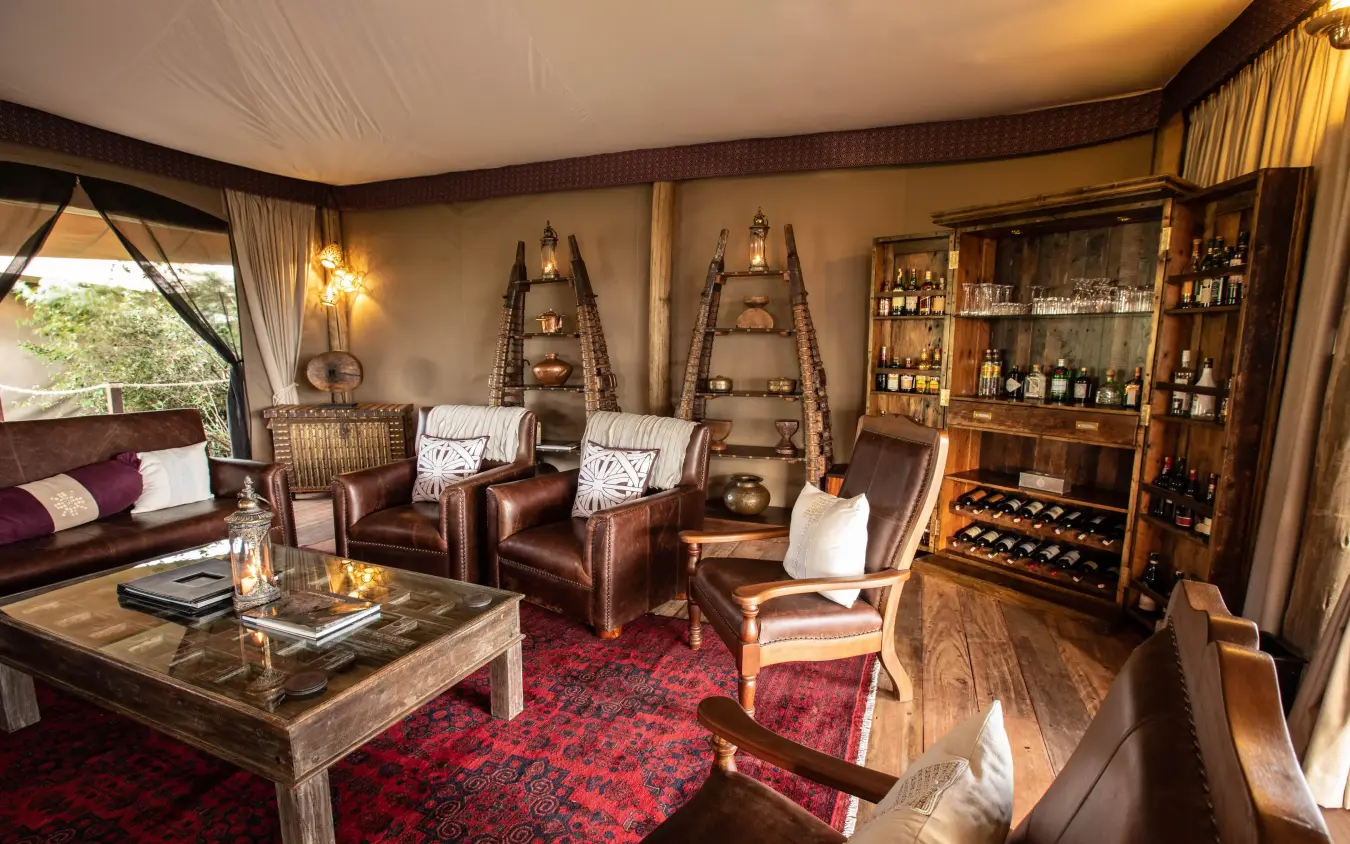
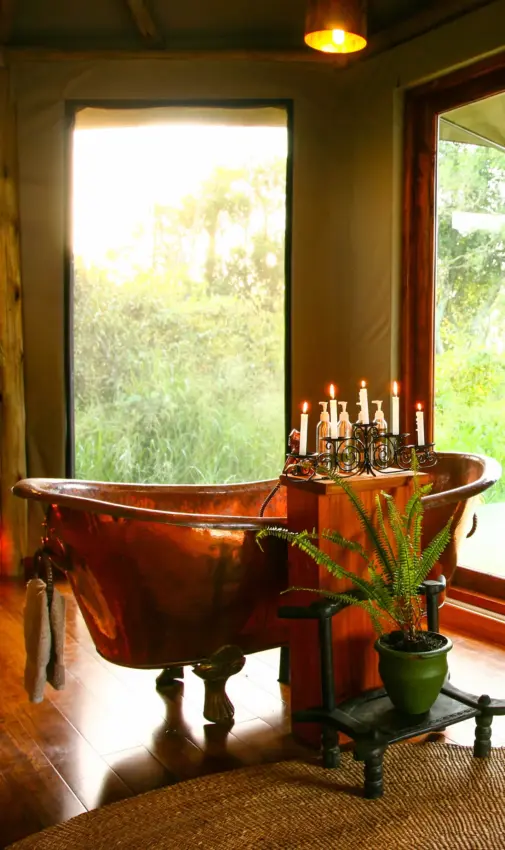
Six suites: four standard suites of around 93 square metres, a two-bedroom family suite, and the two-bedroom Sambuk Suite with a private vehicle and guide. All are raised canvas tents beneath acacias, with high ceilings, netted windows, an indoor lounge, a private veranda and an en-suite bathroom with a copper soaking tub.

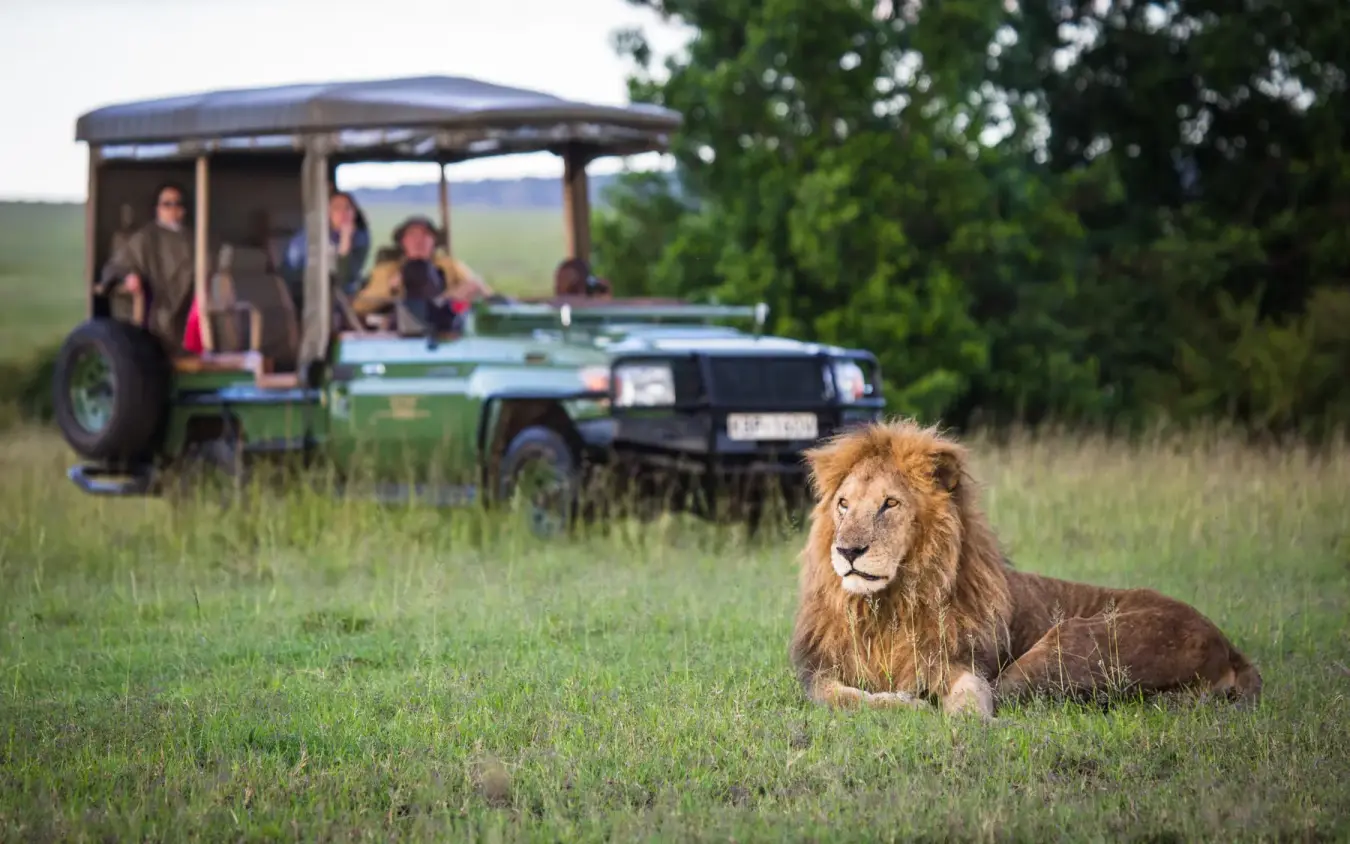
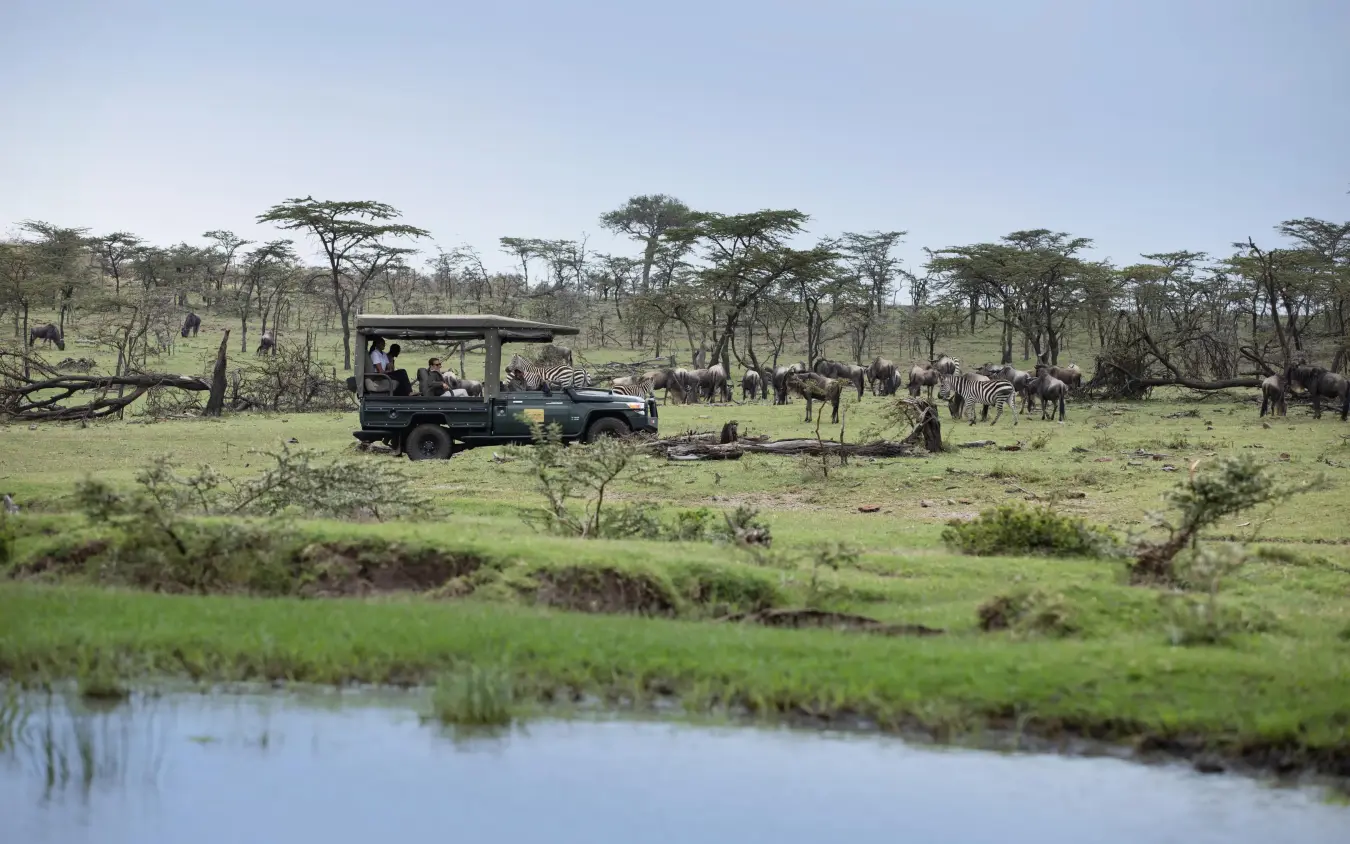
Safari vehicle with guests observing elephants in savanna landscape, Mara Nyika Camp, Maasai Mara, Kenya 02

activities

Night Drives and Off-Road Photography in Naboisho

Game drives in photography-adapted Land Cruisers seating four run morning, afternoon and after dark in Naboisho, where off-road and night driving are permitted. Full-day safaris, Maasai community visits and day trips into the National Reserve are arranged, the latter timed for river crossings during the migration.

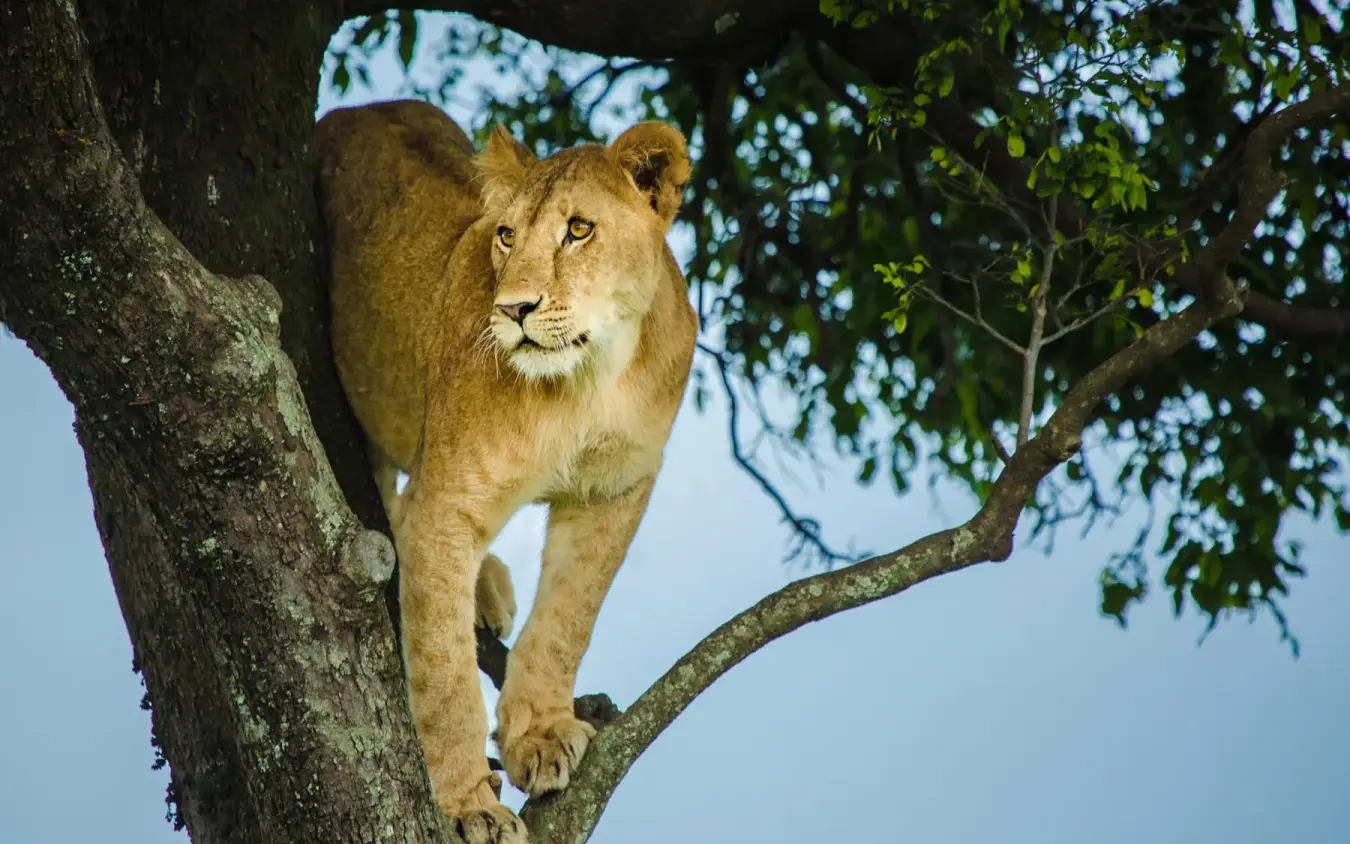
Young lion cub resting among rocks and sparse vegetation, Mara Nyika Camp, Maasai Mara, Kenya 03

conservation

500 Maasai Landowners Protect Wildlife Corridor

Naboisho Conservancy was formed by roughly 500 Maasai landowners who leased their grazing land for wildlife. Fees from each stay provide income to those families and help maintain a wildlife corridor across the wider Mara ecosystem. Maasai community visits are arranged from the camp, which itself runs on solar power.

ready to get started?

Get in touch and let’s start the conversation. An initial consultation helps us understand what you’re looking for, whether that’s specific experiences, luxury touches, or marking a special occasion, and from there we’ll guide you through what’s possible so you can decide if we’re the right fit.

Alternative accommodation in maasai mara

Accommodation across the Greater Mara spans permanent tented camps under canvas with en-suite bathrooms, solid-walled lodges with pools and larger public areas, and exclusive-use private houses staffed with their own guide, vehicle and chef. Seasonal mobile camps follow the migration into prime crossing country. The smallest, most intimate camps sit in the private conservancies, where guest numbers are capped and a sighting is rarely shared with more than a vehicle or two.

Illuminated safari lodge at dusk under acacia trees, Kimya Kimya Camp, Maasai Mara, Kenya 01

Kimya Kimya Camp

Maasai Mara

Illuminated safari tent at dusk with tall trees nearby, Kicheche Mara North, Maasai Mara, Kenya 02

Kicheche Mara North

Maasai Mara

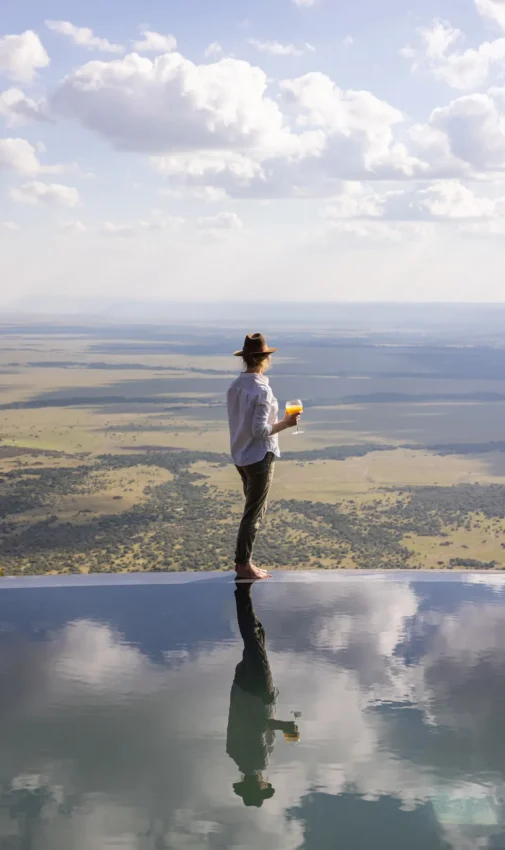
Man standing at infinity pool overlooking vast savanna landscape, Wild Hill, Maasai Mara, Kenya 03

Wild Hill

Maasai Mara

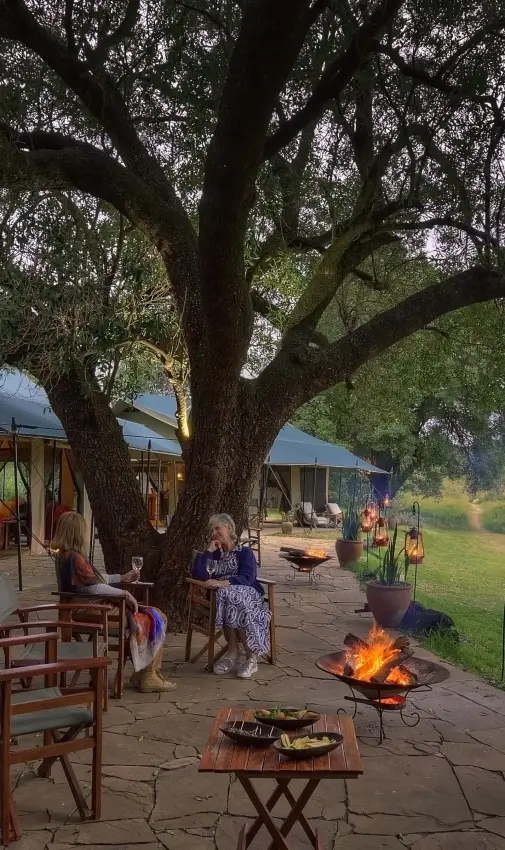
Open-air dining area with fire pit under large tree, Kicheche Bush Olare, Maasai Mara, Kenya 04

Kicheche Bush Olare

Maasai Mara

Two people silhouetted crossing suspension bridge at sunset, Ngare Serian, Maasai Mara, Kenya 05

Ngare Serian

Maasai Mara

Two children watching elephant grazing in natural habitat, House In The Wild, Maasai Mara, Kenya 06

House In The Wild

Maasai Mara

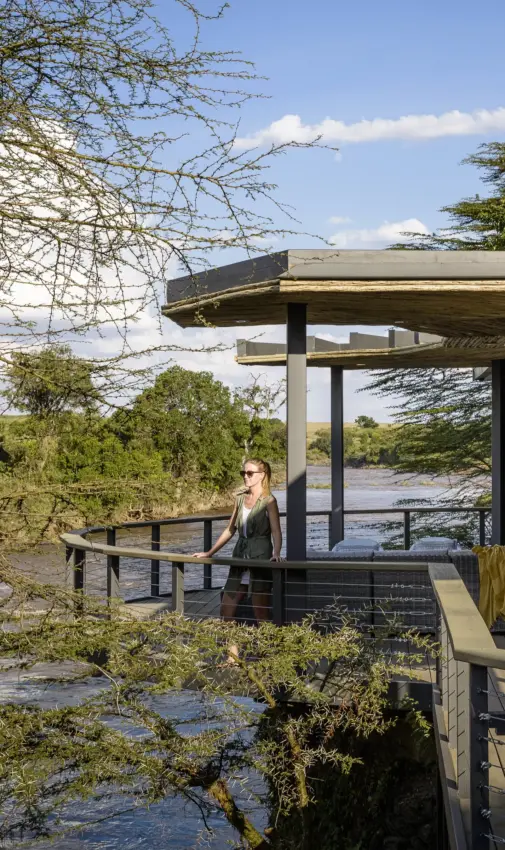
Woman in sunglasses on curved wooden deck overlooking river and acacia trees, Olonana Lodge, Maasai Mara, Kenya 07

Olonana Lodge

Maasai Mara

Illuminated safari camp tent at dusk overlooking waterhole in arid landscape, Hemingways River Camp Mara, Maasai Mara, Kenya 08

Hemingways River Camp Mara

Maasai Mara

Three people conversing by campfire under dramatic evening sky, Tangulia Mara, Maasai Mara, Kenya 09

Tangulia Mara

Maasai Mara

Luxury safari tent elevated above bushland at golden hour, Hemingways Ol Seki Mara, Maasai Mara, Kenya 10

Hemingways Ol Seki Mara

Maasai Mara

Sala’s Camp, Maasai Mara, Kenya 11

Sala’s Camp

Maasai Mara

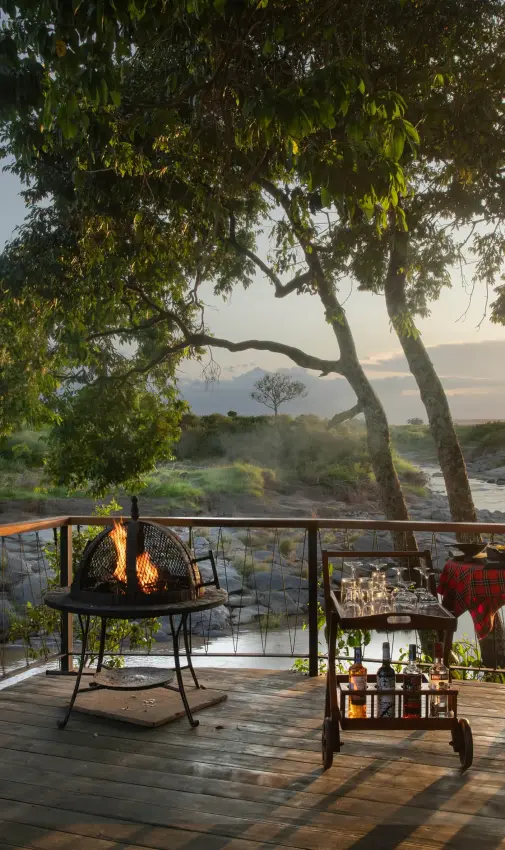
Wooden deck overlooking river at sunset with trees, Rekero Camp, Maasai Mara, Kenya 12

Rekero Camp

Maasai Mara

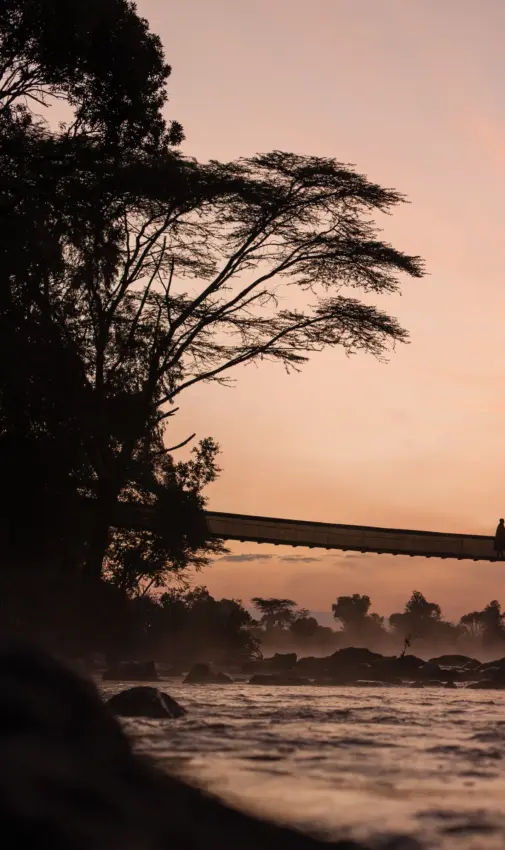
Wind-bent tree silhouetted at dusk over misty riverbank with bridge, The Nest, Maasai Mara, Kenya 13

The Nest

Maasai Mara

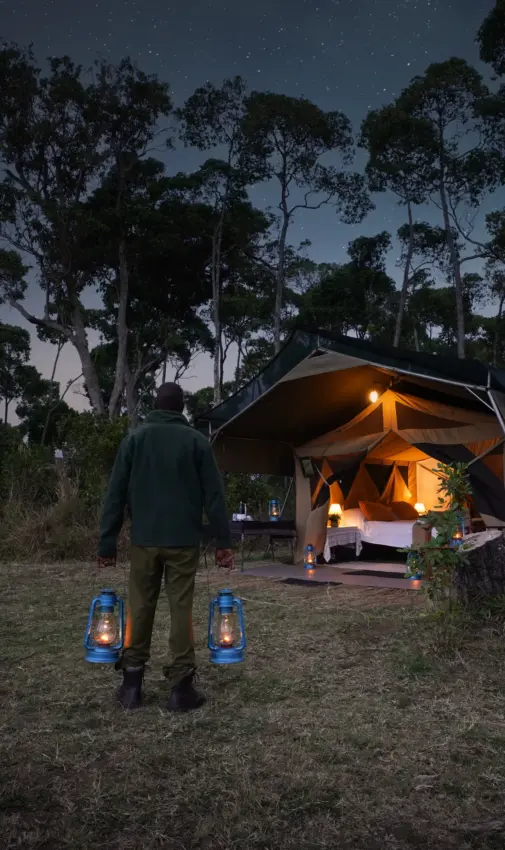
Guest carrying lanterns toward illuminated glamping tent at night, Roca River Camp, Maasai Mara, Kenya 14

Roca River Camp

Maasai Mara

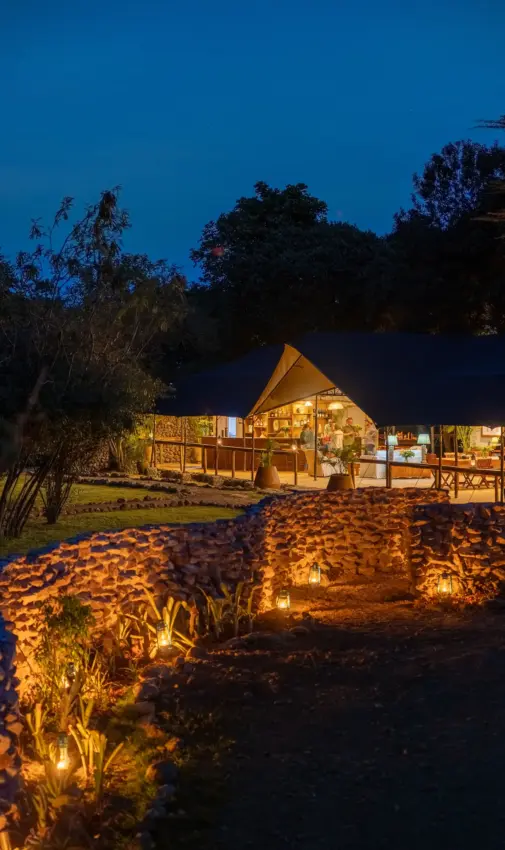
Illuminated safari tent with wooden deck at dusk under trees, Offbeat Mara, Maasai Mara, Kenya 15

Offbeat Mara

Maasai Mara

Luxury safari tent with guests on riverside deck overlooking waterhole, Governors’ Camp, Maasai Mara, Kenya 16

Governors’ Camp

Maasai Mara

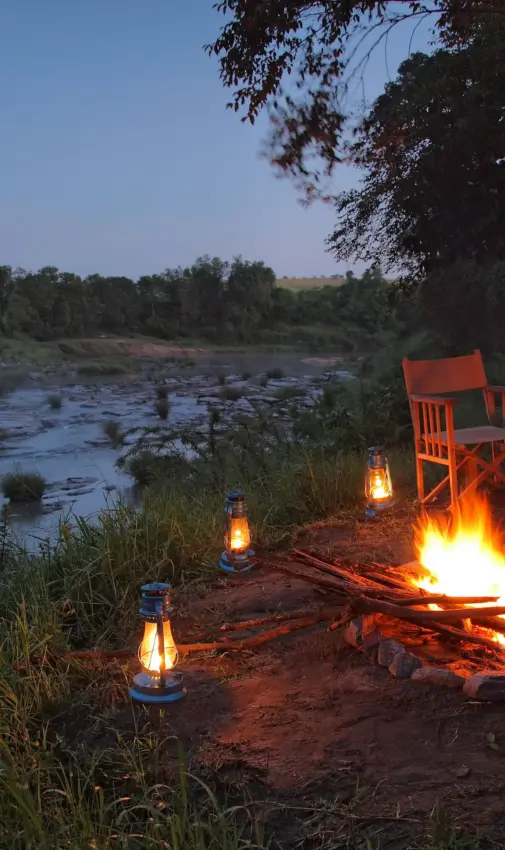
Riverside campfire with lanterns and chair at dusk overlooking water, Little Naibor, Maasai Mara, Kenya 17

Little Naibor

Maasai Mara

Canvas tent accommodation glowing at dusk with veranda, Cottar’s 1920s Camp, Maasai Mara, Kenya 18

Cottar’s 1920s Camp

Maasai Mara

Illuminated safari lodge beneath acacia trees at dusk, Basecamp Wilderness, Maasai Mara, Kenya 19

Basecamp Wilderness

Maasai Mara

Elevated safari lodge with canvas roof pavilions in natural grassland setting, Kichwa Tembo Tented Camp, Maasai Mara, Kenya 20

Kichwa Tembo Tented Camp

Maasai Mara

frequently asked questions

You fly from Nairobi's Wilson airport to an airstrip in the Naboisho Conservancy, about forty-five minutes to an hour by light aircraft, and the camp meets you for the transfer to its secluded valley. We build the flights into your itinerary, and if you prefer to travel on your own schedule we can arrange a private charter, typically a Cessna Caravan or Pilatus PC-12, direct to the conservancy airstrip.

The bush planes take soft bags of around fifteen kilograms per person including hand luggage, so a duffel is best. The camp holds no more than twenty guests across six suites, so it is quiet throughout.

The Maasai Mara sits at around 1,500 to 1,800 metres, below the altitude at which malaria risk falls away, so both the CDC and TravelHealthPro treat it as a malaria area and antimalarial tablets are usually advised. The risk is lower than on the hot, humid coast but it is real, and it rises after the rains.

We do not make medical recommendations. That is a conversation between you and your own doctor or a travel clinic, who know your history and can weigh it properly. We are travel planners, not medical professionals, and we would rather say so than imply otherwise.

Days are warm and the mornings and evenings cool, so open-vehicle game drives at dawn can feel cold. The long rains fall roughly March to May and shorter rains around November, greening the plains; the dry months in between are clear and dusty.

Pack neutral colours, a warm fleece and a windproof layer for early drives, sun protection and a hat for the day, and a light waterproof in the green season. Closed shoes for any walking, and binoculars are worth bringing.

July to October is the migration window and the busiest at the crossings, while the green months around November and from March to May bring lush plains, calving and far fewer vehicles. Naboisho carries one of the highest predator densities in the Mara year round.

The conservancy also sits on the wildebeest route, so between August and November the herds spread across these plains, making the green shoulder months a strong time here as well as the peak.

Month by month: the best time to visit Maasai Mara

The migration moves through the wider Mara from July to October, and because Naboisho lies on the wildebeest route, the herds spread across the conservancy's plains between August and November. The river crossings themselves are in the national reserve, favoured for that spectacle during the migration months, and reached on a day trip.

Outside the migration, Naboisho's high density of lions, leopards and cheetahs keeps the predator viewing strong, so the camp rewards a visit in any season.

Yes. Six suites include a two-bedroom family suite and the two-bedroom Sambuk Suite, which comes with its own vehicle and guide, so a family can have its own set-up and let the drives flex around younger ones. The raised, treehouse-like walkways above the valley floor tend to delight children.

Walking safaris carry age limits, so tell us your children's ages and we will match the suite, the vehicle and the activities to your family.

rated five stars by our clients

other areas in kenya

The Mara pairs naturally with Amboseli, where large elephant herds gather beneath Kilimanjaro, and with the Laikipia Plateau, a high semi-arid landscape known for rhino conservation, walking and riding. Samburu, on the Ewaso Ng'iro in the north, holds dry-country species including Grevy's zebra and reticulated giraffe. The Lewa and Borana conservancies offer conservation-focused stays and rhino strongholds. The Kenyan coast at Diani or Lamu adds Indian Ocean beaches after the inland plains.

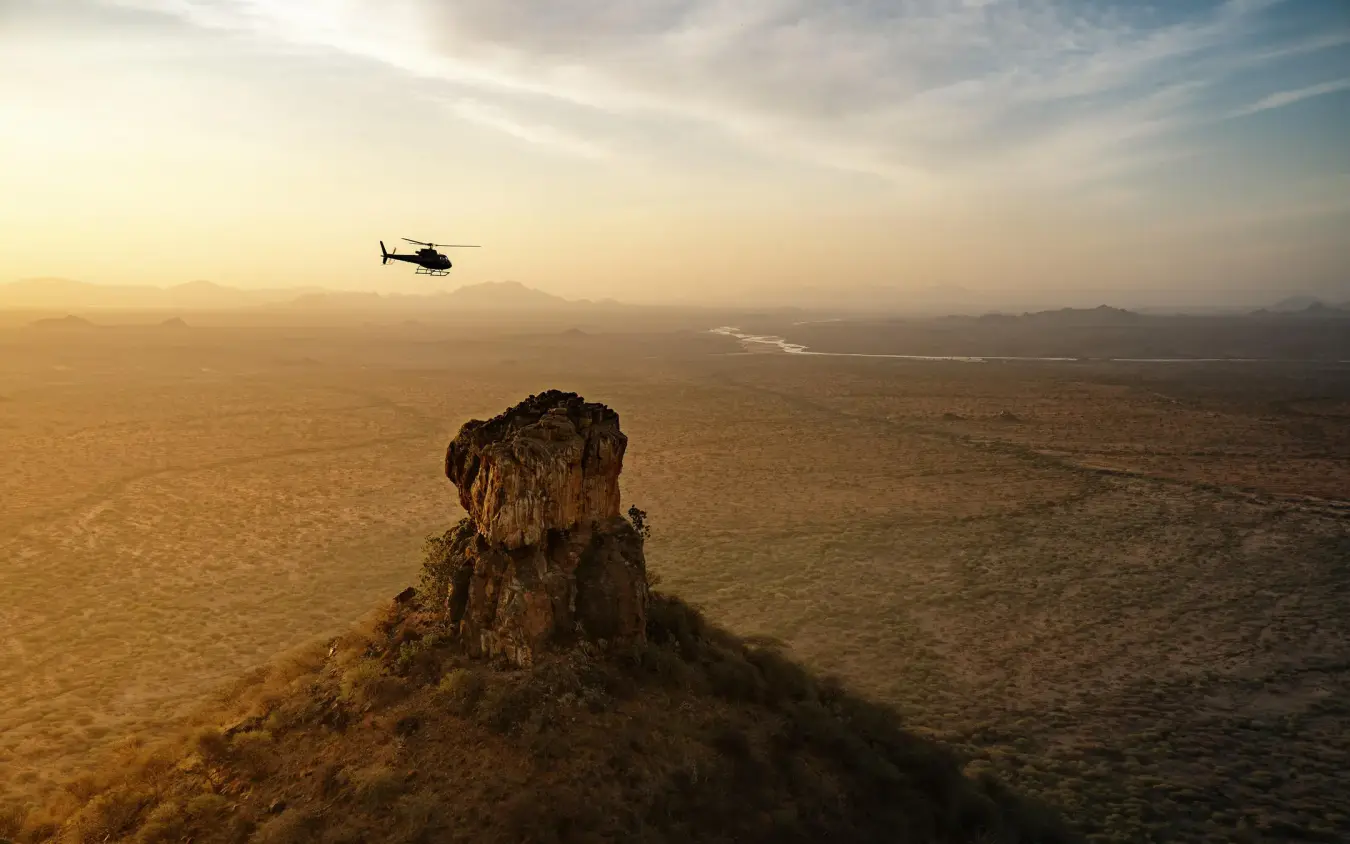
Local guides with poles crossing shallow forest river, Northern Kenya, Kenya 01
Northern Kenya

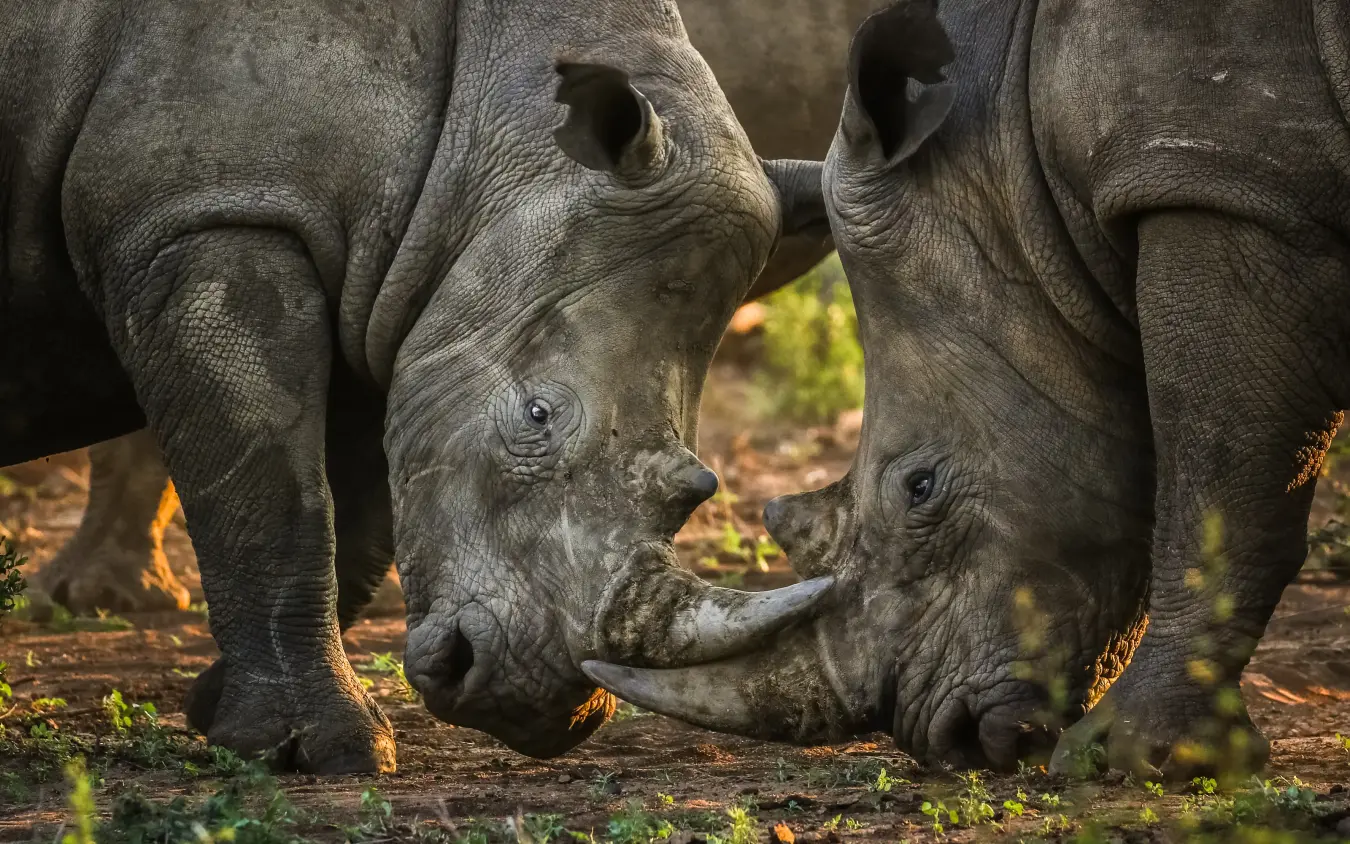
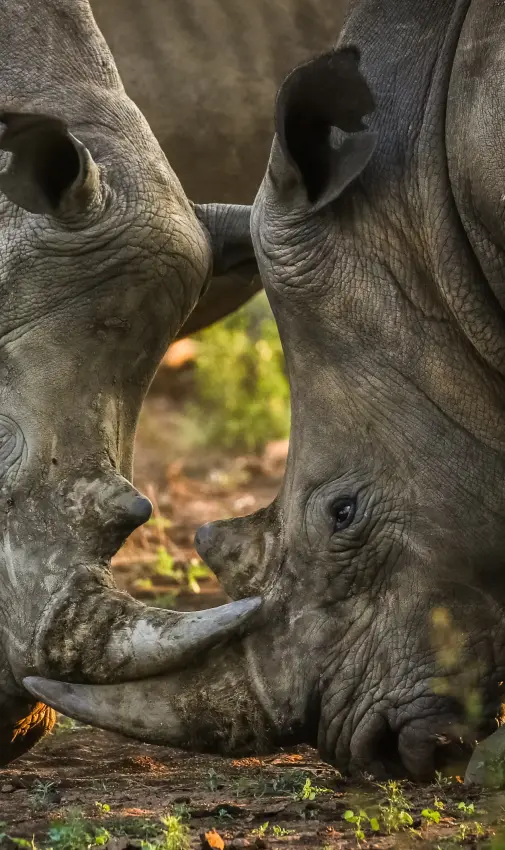
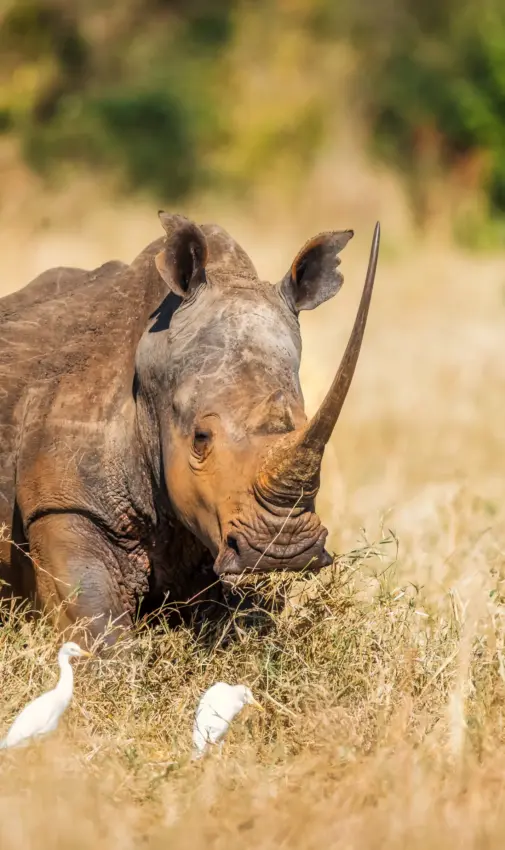
Two rhinos touching horns in natural habitat 02

Laikipia Highlands

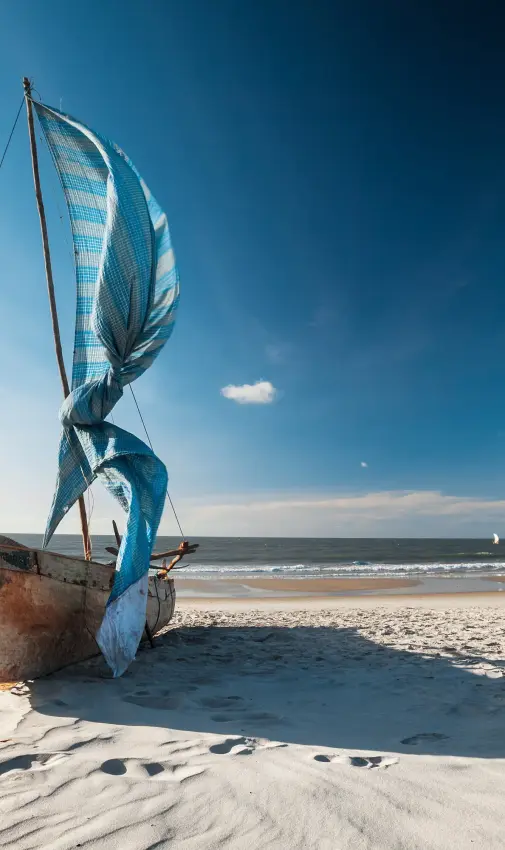
Traditional fishing boat with blue sail on sandy beach 03

Kilifi

Flock of flamingos wading in shallow pink-tinted water, Rift Valley Lakes, Kenya 04

Rift Valley Lakes

Snow-capped Mount Kilimanjaro rising above acacia trees and Tanzania savanna 05

Amboseli and Chyulu Hills

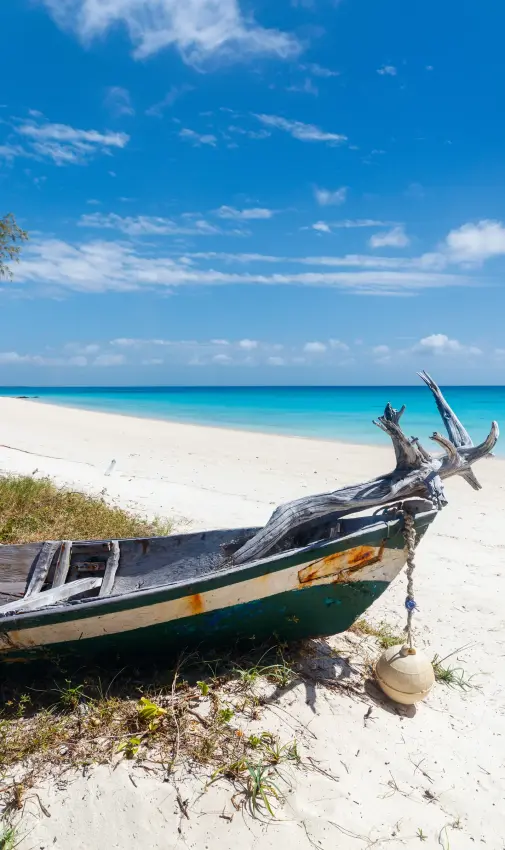
Wooden fishing boat beached on white sand tropical shore 06

Diani Beach

Man in traditional red garment driving open safari vehicle, Samburu Reserve, Kenya 07

Samburu Reserve

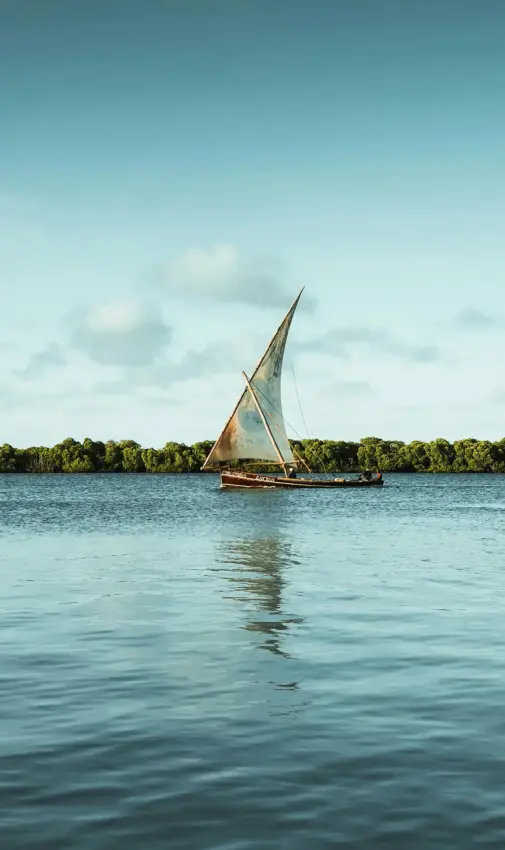
Traditional sailing dhow on calm turquoise water with forested shoreline, Lamu Archipelago, Kenya 08

Lamu Archipelago

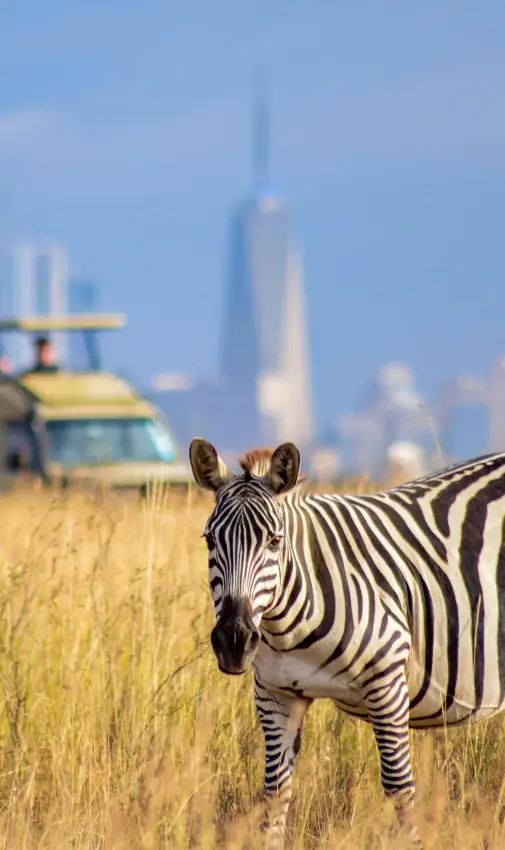
Zebras in savanna grassland with safari vehicle and city skyline 09

Nairobi

African elephants with calf walking through grassland at sunset 10

Tsavo

Meru National Park, Kenya 11
Meru National Park

Planning a journey together

our approach

remote, exclusive
& personal

Every journey starts with a conversation. We take the time to understand your vision before we start planning.

Whether by phone or in person, we work with you directly to shape something that is considered, personal, and expertly delivered.

get in touch
destinations ideas & inspiration our process about us contact us