
 01
01
A tidal creek off the north coast
Kilifi sits on Kenya’s north coast, north of Mombasa, built across both banks of a wide tidal inlet. This is the coast’s more residential stretch, quieter than Mombasa or Diani. Here private houses and small hotels look out over the water rather than lining a resort strip, and life turns inward toward the creek instead of the open sea.
This sheltered channel gives Kilifi a character all its own
The creek runs through everything here, calm and tidal, closer to a lake than open sea. It is the estuary of the Goshi River, crossed by a single bridge that carries the Mombasa-Malindi road high above the water. Mangroves fringe its quieter reaches. This sheltered channel gives Kilifi a character all its own, distinct from the surf and reef further along the shore.
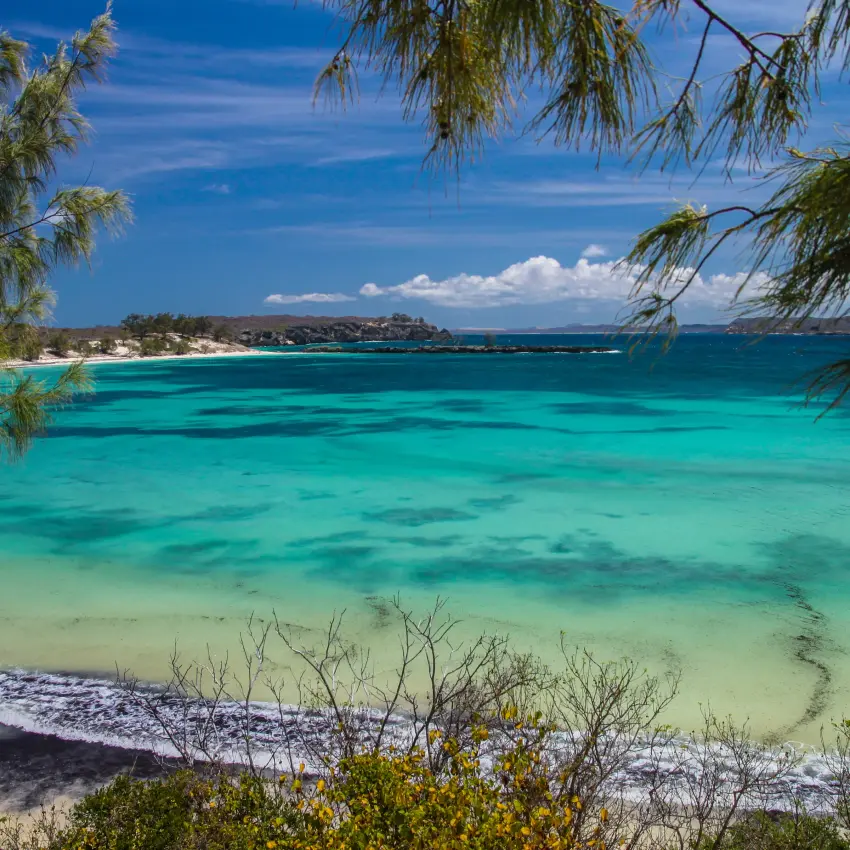
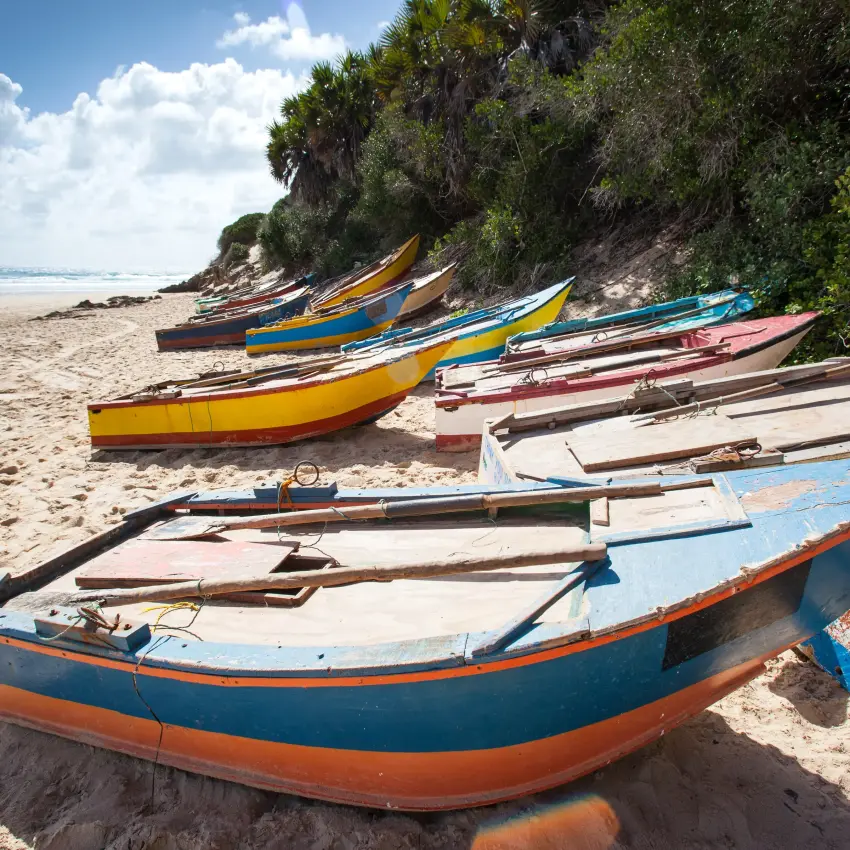
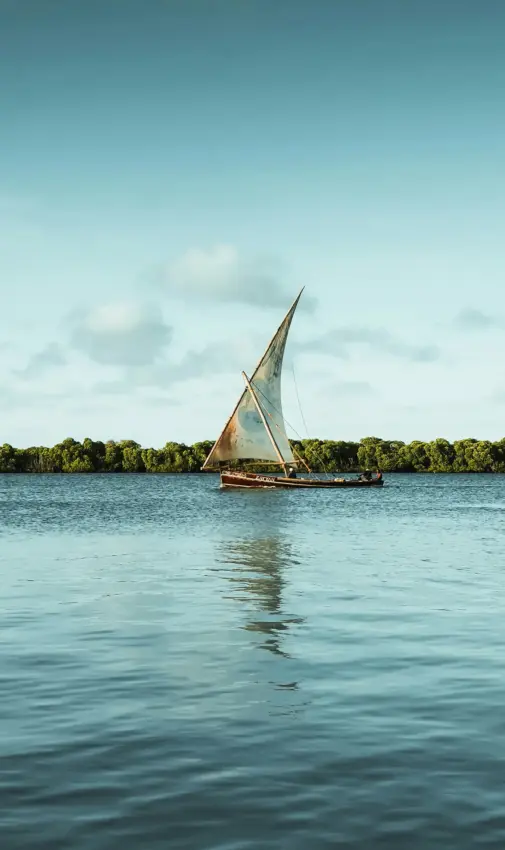
The sheltered water rewards a slow pace. Sailing, kayaking and stand-up paddleboarding all suit the creek, and at the end of the day dhows drift up the channel at sunset. Bofa Beach stretches wide and pale, often empty on an early walk. Two wind seasons draw the kitesurfers: the Kaskazi from January to March, and the Kusi from July to September.
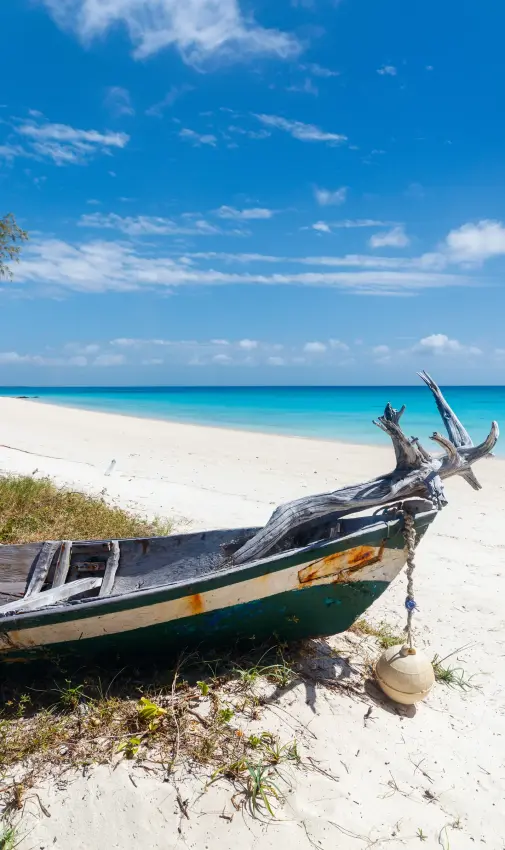
Bofa Beach stretches wide and pale, often empty on an early walk
The sea off Kilifi’s own beaches runs less clear than the reefs further north, and seaweed washes ashore with certain tides and seasons. For clearer water, guests head to Watamu Marine National Park, to the north, where the visibility is better for snorkelling and diving among reef fish, turtles and dolphins under Kenya Wildlife Service protection.
The past is close to the surface along this shore. Mnarani Ruins overlook the creek from a low bluff, the remains of a Swahili settlement of mosques and tombs dating from the 14th to 17th centuries. Gede Ruins lie to the north, another trading town from the same coral-stone civilisation, with the Arabuko-Sokoke Forest within easy reach for a change of pace from the water. The Mijikenda have long farmed cashew, coconut and mango along this coast and fished its creeks and shallows. Their heritage is held in the Kaya forests, sacred groves and former fortified villages tended by community elders, several of them recognised by UNESCO.
The wildlife rewards patience rather than a checklist. Humpback whales pass offshore between July and September, and the creeks hold a steady population of birds. Arabuko-Sokoke, the largest remaining coastal forest in East Africa, harbours the golden-rumped elephant shrew, the Sokoke scops owl and the endemic Clarke’s weaver among more than 260 recorded bird species. A little to the south, Mida Creek draws waders and, at times, flamingos to its tidal flats, a rewarding morning for anyone with an eye for birds.
Eco-conscious coastal lodges add a simpler, nature-focused option around the mangroves
Protection here is a shared, local effort. A Rocha Kenya works around Arabuko-Sokoke Forest on tree planting and environmental education, marine groups monitor the reefs offshore, and community projects have taken on mangrove restoration along the creek. The Kuruwitu community marine conservation area shows how local stewardship can rebuild coastal fish stocks. Sand harvesting and coastal development remain real pressures, but along this stretch the balance leans toward protection rather than away from it.
Kilifi is also a doorway to the bush. The Malindi-Tsavo road connects the shore to Tsavo East National Park, where elephants, lions and buffalo gather along the Galana and Voi river systems, so a stay here can open onto big-game country to the west. Most guests, though, come to Kilifi for the creek and the space rather than a wildlife spectacle, treating it as somewhere to slow down before or after the bush, a soft edge to a wilder journey.


The best time to visit Kilifi
Jan
Feb
Mar
Apr
May
Jun
Jul
Aug
Sep
Oct
Nov
Dec
Recommended
Transitional
Challenging conditions
Come December to early March or July to October for warm, sunny days, calmer seas and clearer water: the pick for beach, creek boating and marine park trips. The long rains of April to June bring heavier showers, seaweed and run-off that dull visibility, and November stays mixed and less reliable.
accommodation in kilifi
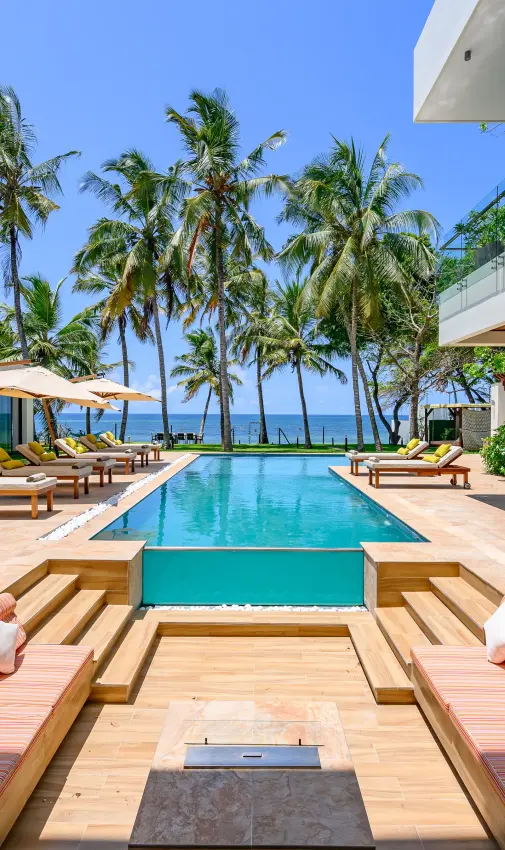
Kilifi favours understated, low-key stays over large resort complexes. At the heart of the luxury offering are private beach and creek-side houses, often fully staffed with a chef and house team, well suited to families and longer stays. Small boutique hotels and owner-run lodges make more intimate alternatives, several overlooking the creek with pools and their own watersports centres. Eco-conscious coastal lodges add a simpler, nature-focused option around the mangroves.
01

 02
02
 03
03
 04
04
 05
05
 06
06

activities
Creek sailing and coastal exploring
The sheltered creek suits sailing, kayaking, paddleboarding and sunset dhow cruises, with kitesurfing off Bofa Beach in the windy seasons. Snorkelling and diving are best on day trips to Watamu Marine National Park to the north. On land, explore the Mnarani and Gede Ruins and take guided birding walks in the Arabuko-Sokoke Forest.

conservation
Forest, reef and mangrove recovery
A Rocha Kenya runs tree planting and environmental education around the Arabuko-Sokoke Forest, while marine organisations monitor coral reefs offshore. Community groups restore degraded mangroves along Kilifi Creek, and the Kuruwitu community marine conservation area demonstrates locally led recovery of coastal fish stocks.

getting around
Coastal airstrips and light aircraft
Vipingo Ridge airstrip lies around 30 minutes south, the closest option, with Malindi Airport about an hour north. Moi International Airport at Mombasa handles the widest range of flights, roughly two hours by road. Scheduled and charter flights link Nairobi to these coastal gateways, and helicopter transfers can be arranged.
other areas in kenya
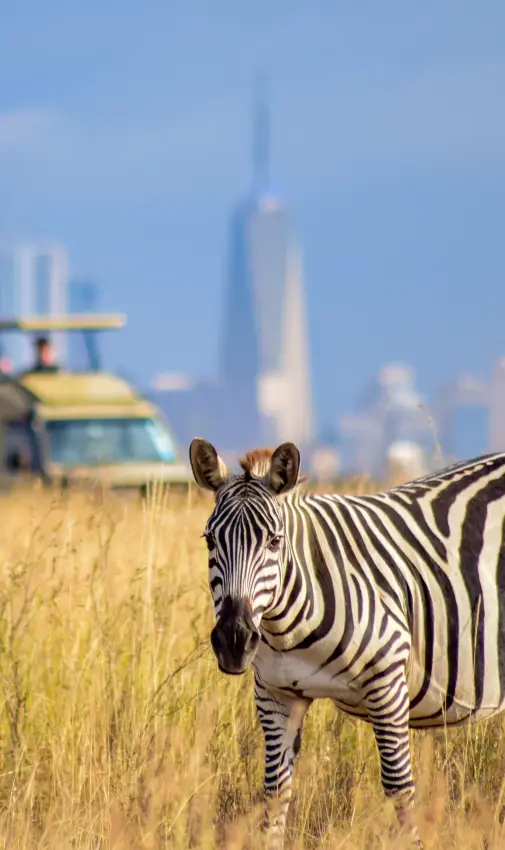
Kilifi pairs naturally with contrasting corners of Kenya. Tsavo East National Park, reached by road to the west, adds red-earth big-game country to a coastal stay. The Maasai Mara delivers classic plains game and the seasonal wildebeest migration, while Amboseli sets large elephant herds beneath Kilimanjaro. Laikipia's private conservancies bring conservation-focused game viewing in the highlands, and the Lamu Archipelago offers a deeper Swahili and dhow-sailing chapter further up the coast.
 01
01
 02
02
 03
03
 04
04
 05
05
 06
06
 07
07
 08
08
 09
09
 10
10
frequently asked questions
Fly to Mombasa or Malindi and drive, which takes about an hour and a half or an hour respectively.
Scheduled flights serve both from Nairobi's Wilson airport and from the bush strips, so you can come straight off safari. A private charter, typically a Cessna Caravan or a Pilatus PC-12, shortens the day further.
The road along the coast is tarred and straightforward.
We arrange the transfer with the flight so the car is waiting rather than found on arrival.
Quieter, greener and more residential, and that is the whole appeal.
Kilifi is built around a deep creek rather than a hotel strip, so the life here is private houses, sailing boats and long empty beaches rather than resorts and beach vendors. Bofa beach runs for miles with almost nobody on it.
It suits people who want the coast without the crowd, and families who want a house rather than a hotel.
If you want restaurants and water sports on tap, Diani is the better choice and we will say so.
Yes. The Kenyan coast sits at sea level, well inside the risk area, so both TravelHealthPro, the UK's official travel health service, and the CDC treat it as a malaria area where antimalarial tablets are normally advised.
We do not make medical recommendations. Which tablets suit you, and what is right for a child, are questions for your own doctor or a travel clinic.
On the practical part, cover up at dusk and keep repellent to hand in the garden before dinner.
Water, ruins and forest, with none of it crowded.
- Sailing and kite surfing on the creek, which is sheltered and reliable
- The Mnarani ruins above the creek mouth, and Gede up the coast
- Snorkelling and diving on the reef, and deep-sea fishing
- The Arabuko-Sokoke forest, for rare birds and the golden-rumped elephant shrew
The creek itself is the centre of everything: swimming, paddle boarding and boats at sunset.
We will book the boat and the guides before you arrive rather than leaving it to the day.
Particularly well, and the private houses are why.
Staffed houses with pools and gardens running down to the creek or the beach mean meals on your own timetable and space for children to be children. The water is calm in the creek, which matters with younger ones.
The beach is long, quiet and safe for walking, and the sailing suits teenagers.
Tell us their ages and how many of you there are, and we will match the house to the party.
Five or more, and it rewards the longer stay.
Kilifi is not a two-night stop. The point is a house, a routine and the pace dropping away, which takes a few days to happen. Four nights is the sensible minimum after a safari.
It pairs naturally with the Maasai Mara, Laikipia or northern Kenya, and the flights connect through Mombasa or Malindi.
Tell us the shape of the trip and we will say how many coast nights it has earned.
rated five stars by our clients

our approach
remote, exclusive
& personal
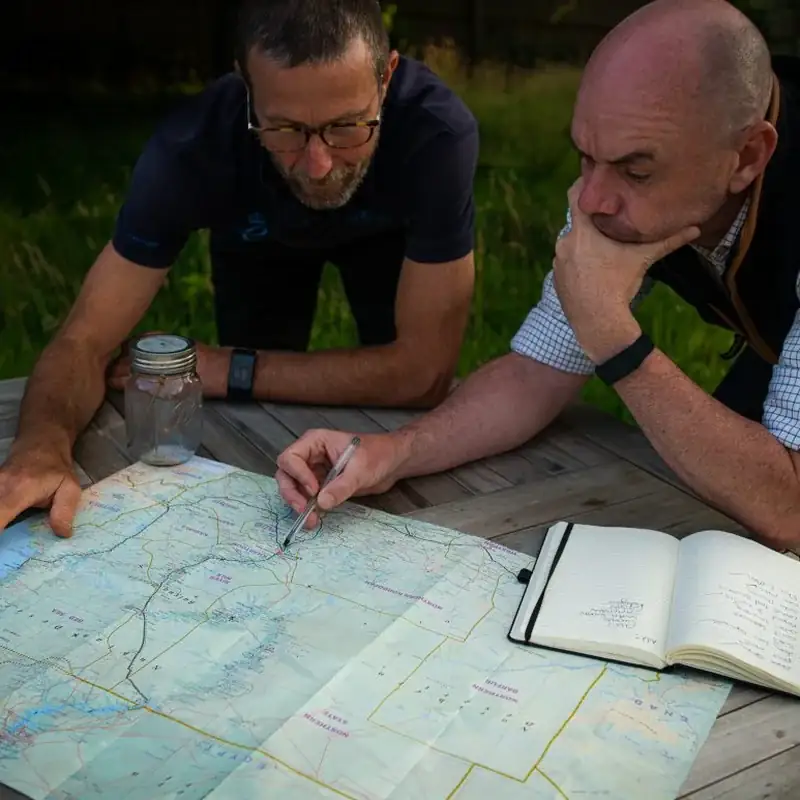
Every journey starts with a conversation. We take the time to understand your vision before we start planning.
Whether by phone or in person, we work with you directly to shape something that is considered, personal, and expertly delivered.
Every journey starts with a conversation. We favour a direct, personal approach: understanding your vision before anything else.
Whether by phone or in person, we work with you directly to shape a journey that is both thoughtfully considered and expertly delivered.
Get in touch to start planning yours.