 01
01
Rhino country at the city edge
Nairobi sits on a highland plateau in south-central Kenya, just south of the Equator at around 1,795 metres. The Ngong Hills rise to the west, and the Athi Plains open out to the east. Lion, black rhino and resident herds of zebra and giraffe move across savannah grassland on the city’s southern edge, where Nairobi National Park runs up against the suburbs.
Its southern boundary stays open to the Athi-Kapiti plains
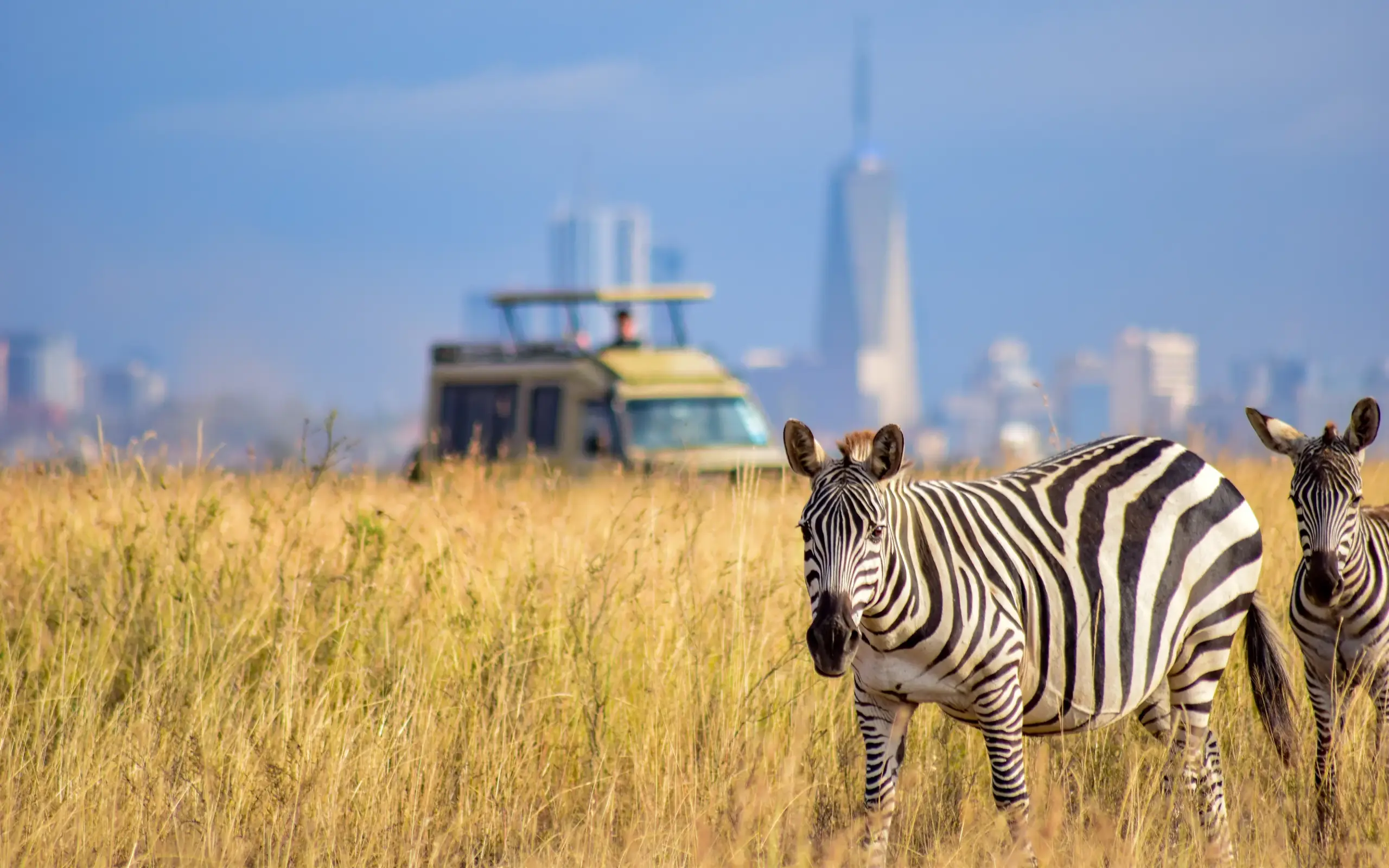
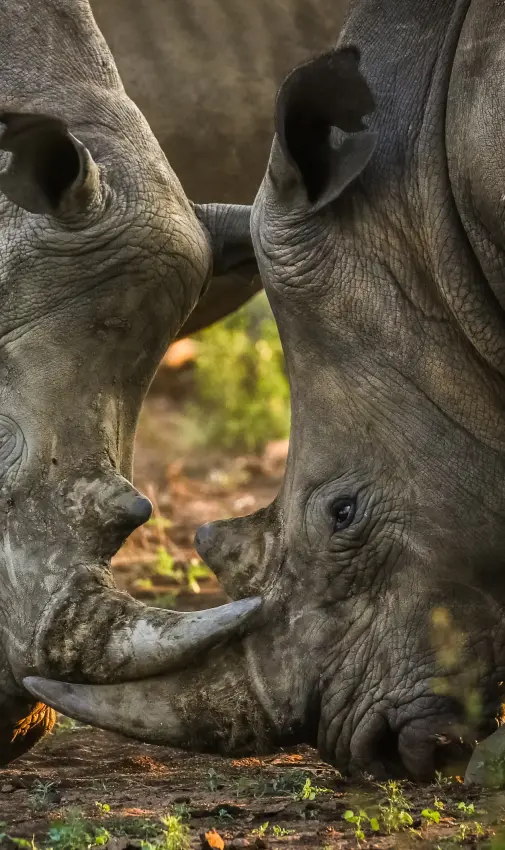
The park holds one of Kenya’s key black rhino populations, watched over under intensive monitoring by the Kenya Wildlife Service. Its southern boundary stays open to the Athi-Kapiti plains, letting wildebeest, zebra and gazelle move in and out with the seasons. Daytime game drives follow designated roads through grassland and acacia, with the skyline standing behind the herds.

At 1,795 metres, daytime temperatures sit between 18 and 26 degrees, while nights stay cool and humidity stays low. That altitude makes Nairobi a comfortable place to rest before or after time in hotter, lower country. Karura Forest holds indigenous Croton and Podocarpus among the planted species, threaded with marked trails for walking, running and birding.
At 1,795 metres, daytime temperatures sit between 18 and 26 degrees
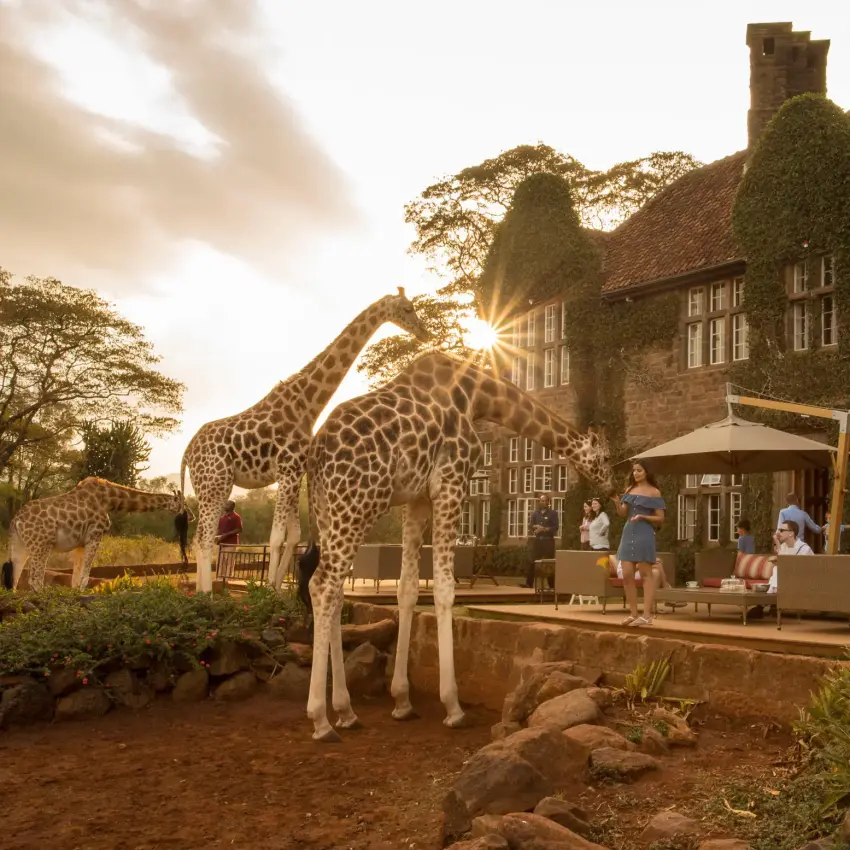
The Giraffe Centre runs a breeding programme for Rothschild’s giraffe, with feeding from a raised platform. The Sheldrick Wildlife Trust raises orphaned elephant calves at the park’s edge, open to visitors during a set viewing hour. The Karen Blixen Museum occupies the former home of the Out of Africa author, and the National Museum of Kenya holds the country’s archaeology and palaeontology collections.
The land here was grazed by Maasai pastoralists long before the British laid a railway depot on it in 1899. The name comes from the Maasai Enkare Nyirobi, meaning place of cool waters, drawn from the small rivers that gave the early settlement its reason to exist. From depot to protectorate capital to commercial and diplomatic hub, Nairobi grew into the seat of Kenyan government and a base for international agencies in the Gigiri quarter, among them UNEP and UN-Habitat.
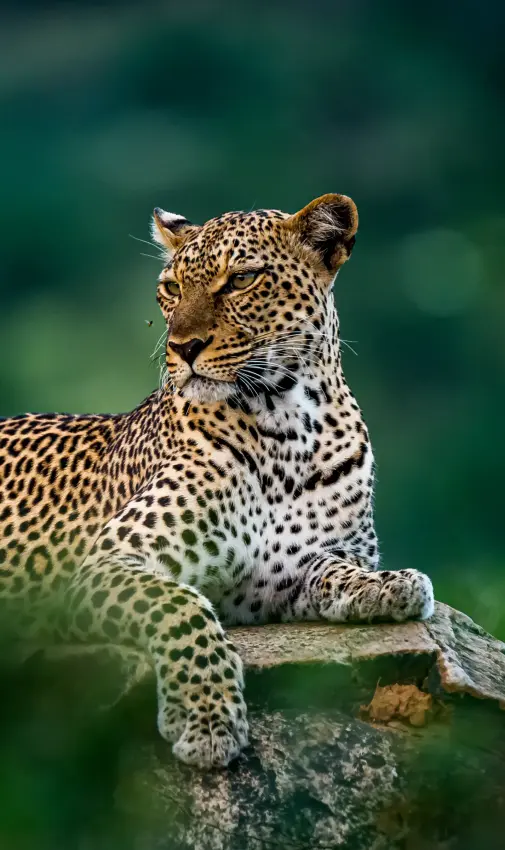
The park works as a living savannah ecosystem on the doorstep of a major city, which is unusual anywhere. Lion prides hold territory within sight of office towers, leopard and cheetah hunt the grassland. Hippo occupy the Mbagathi River pools, and more than 400 bird species have been recorded across the park and its wetlands. Game drives run morning and afternoon on the road network. Off-road driving is not permitted under Kenya Wildlife Service rules, and walking is confined to designated trails and picnic sites.
Lion prides hold territory within sight of office towers
Pressure on the wildlife corridors to the south is real, as roads, rail and housing crowd the Athi-Kapiti plains. The response has been steady. Rhino monitoring and veterinary care run inside the park, land-lease and community programmes spread across the dispersal areas to the south, and the urban forest at Karura and Ngong Road is protected. The black rhino population continues to hold, and orphaned elephants raised near the city are returned to the wild through release sites in Tsavo and beyond.
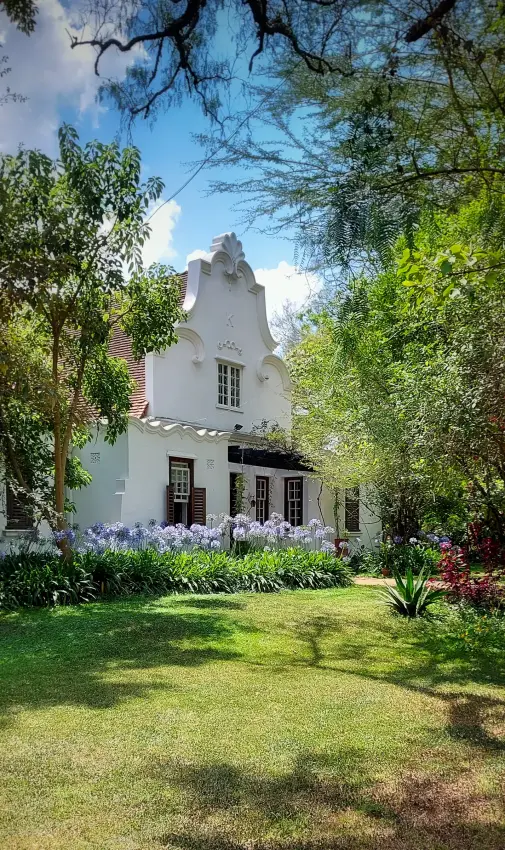
For most travellers Nairobi is the start and end of a Kenyan journey, and it earns the role. A morning game drive, an hour with elephant calves and an afternoon in a leafy suburb garden can fill the day on either side of a bush flight. The city’s dining ranges from Kenyan cooking to international kitchens, with galleries, artisan markets and jewellery boutiques close to the suburbs where most guests stay.

The best time to visit Nairobi
Jan
Feb
Mar
Apr
May
Jun
Jul
Aug
Sep
Oct
Nov
Dec
Recommended
Transitional
Challenging conditions
Wildlife viewing in Nairobi National Park holds up year-round, but the drier months sharpen it. June to October and January to February bring shorter grass, clear skies and game near permanent water, with reliable connections onward. The long and short rains green the landscape and lift the birding, though some tracks turn muddy. The altitude keeps it mild all year.
accommodation in nairobi
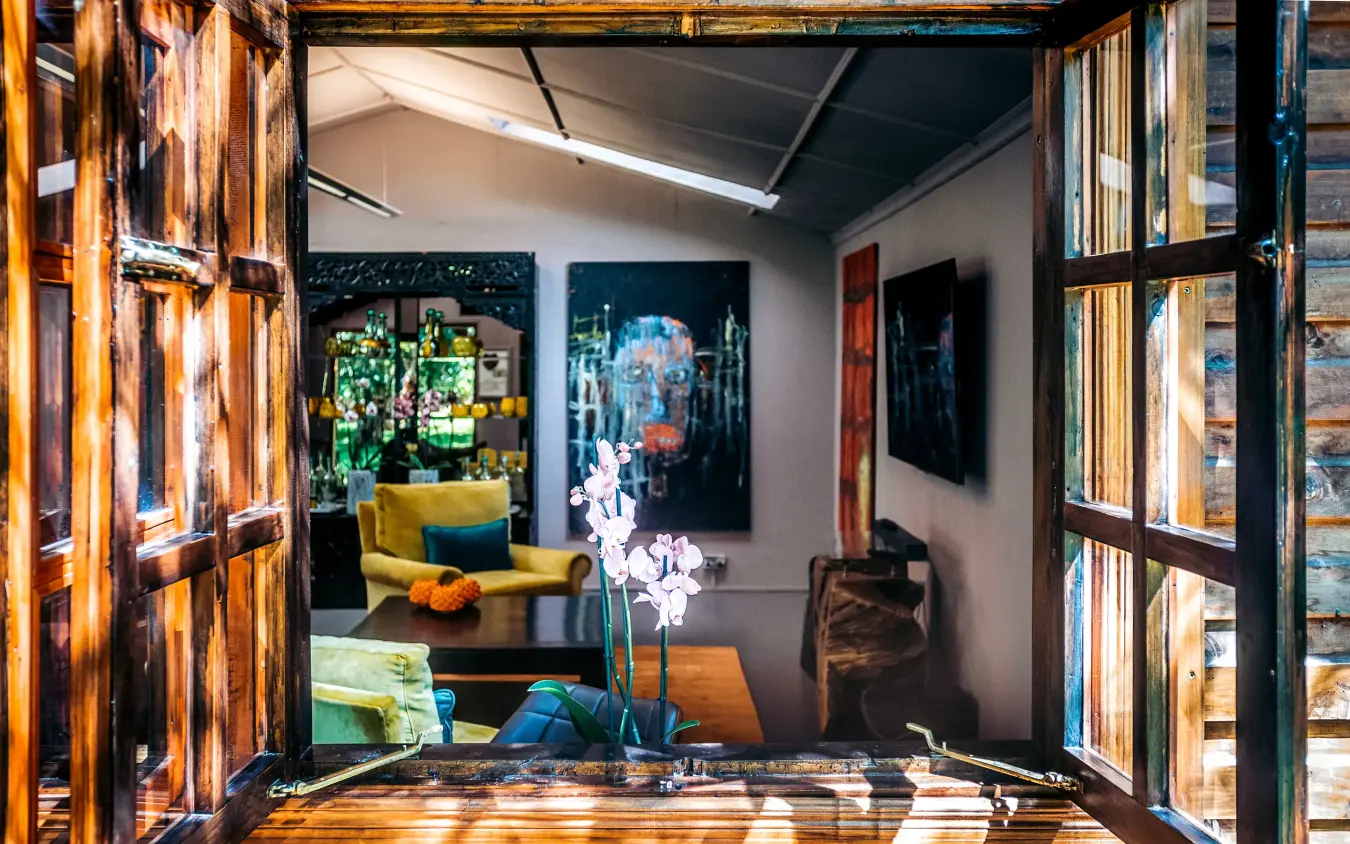
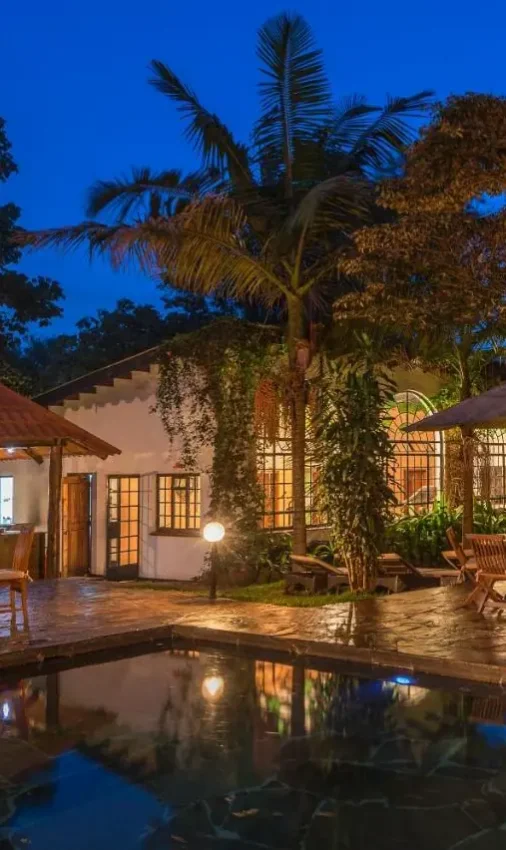
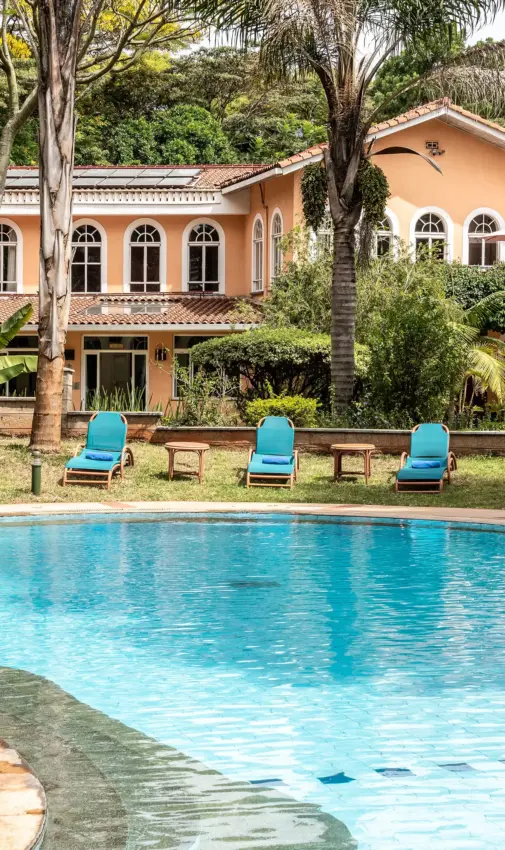
Safari-style lodges and a small number of tented camps sit at the park's edge, with savannah views and private vehicles for game drives. The leafy suburbs of Karen, Langata, Gigiri and Muthaiga hold boutique hotels and guesthouses in garden settings, alongside fully serviced private houses taken on an exclusive-use basis. Larger contemporary city hotels with spas and fine dining cluster in Westlands, Gigiri and the centre, with serviced apartments available for longer stays.




activities
Game drives and elephant orphans
Daytime game drives in Nairobi National Park run on designated roads, taking in lion, rhino and plains game against the city skyline. The Sheldrick Wildlife Trust opens to visitors for an orphaned-elephant viewing hour, and the Giraffe Centre offers platform feeding of Rothschild's giraffe. Karura Forest adds marked walking, cycling and birding trails.

conservation
Rhino protection and wildlife corridors
The Kenya Wildlife Service runs intensive rhino monitoring and veterinary care within Nairobi National Park. The Sheldrick Wildlife Trust rehabilitates orphaned elephants for release into Tsavo and other areas, while The Wildlife Foundation and Friends of Nairobi National Park work to secure dispersal corridors south into the Athi-Kapiti plains through land-lease and community programmes.

getting around
Two airports, helicopter transfers
Jomo Kenyatta International Airport, a short drive from the centre, handles intercontinental and regional flights. Wilson Airport is the hub for light-aircraft charters to safari areas including the Maasai Mara, Amboseli and Laikipia. Helicopter charters operate from Nairobi for scenic flights and rapid transfers to remote areas.
other areas in kenya
Nairobi works as the hub for a wider Kenyan journey. The Maasai Mara, reached by light aircraft from Wilson, offers open-vehicle drives, night drives and walking in its private conservancies. Amboseli sets elephant herds against Kilimanjaro to the south, while the Laikipia Plateau and Mount Kenya region add riding, walking and strong conservation programmes. The Rift Valley lakes of Naivasha and Nakuru bring birding and boating, and the coast at Mombasa, Malindi and Lamu adds Swahili towns and the Indian Ocean.
 01
01
 02
02
 03
03
 04
04
 05
05
 06
06
 07
07
 08
08
 09
09
 10
10
frequently asked questions
The big one takes you in and out of the country; the small one takes you to the bush.
Jomo Kenyatta International handles the long-haul flights. Wilson, on the other side of the city, is where the light aircraft leave for the Maasai Mara, Laikipia, the north and the coast.
The transfer between the two is thirty minutes without traffic and well over an hour with it, which is the single most common cause of a missed connection in Kenya.
We build in the time for it, every trip.
Often yes at the start, and sometimes not at the end.
Most long-haul flights land early in the morning, which can connect straight to a bush strip the same day. A late arrival, or an early light aircraft, makes a night the sensible choice.
On the way home the bush flights arrive in the afternoon and the international departures are late evening, so a day room often does instead of a night.
We will say plainly what your flight times need rather than adding a night by default.
More than a stopover deserves, and half a day is easily filled.
- The elephant orphanage run by the Sheldrick Wildlife Trust, at feeding time
- The Giraffe Centre, where the Rothschild's giraffe take food from your hand
- The Karen Blixen Museum and the Kazuri bead workshop
- Nairobi National Park, where rhino graze with the skyline behind them
The restaurants are among the best in East Africa.
We book the orphanage ahead, because the visiting hour is short and it fills.
Nairobi sits at about 1,700 metres, and neither TravelHealthPro, the UK's official travel health service, nor the CDC treats the city itself as a malaria risk area.
That does not make the trip a malaria-free one: the Maasai Mara, the north and the coast all are risk areas, and that is where you are going next.
We do not make medical recommendations. That is a conversation between you and your own doctor or a travel clinic.
On the practical side, the precautions start when you leave the city.
Bad enough that it shapes the itinerary rather than the other way round.
The rush hours are long and unpredictable, and the crossing between the two airports is where it bites. A journey that takes half an hour at ten in the morning can take ninety minutes at five.
So we schedule transfers outside the worst of it and allow a generous margin.
If a connection is genuinely tight we will say so and suggest the night rather than gamble on the road.
One at the start, and only where the flights demand it at the end.
Nairobi is the hinge of a Kenyan trip rather than a destination, and the days are better spent in the bush. One night lets you sleep, see the orphanage in the morning and fly out rested.
A longer stay makes sense only if the city itself interests you.
Tell us your flight times and we will say exactly what is needed.
rated five stars by our clients

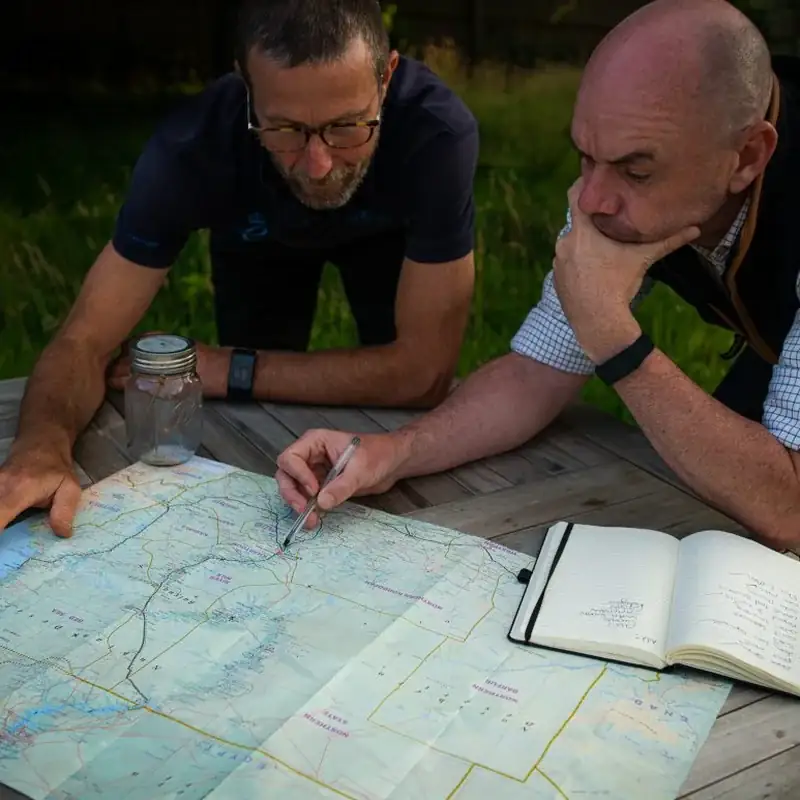
our approach
remote, exclusive
& personal
Every journey starts with a conversation. We take the time to understand your vision before we start planning.
Whether by phone or in person, we work with you directly to shape something that is considered, personal, and expertly delivered.
Every journey starts with a conversation. We favour a direct, personal approach: understanding your vision before anything else.
Whether by phone or in person, we work with you directly to shape a journey that is both thoughtfully considered and expertly delivered.
Get in touch to start planning yours.