 01
01
The Samburu Special Five
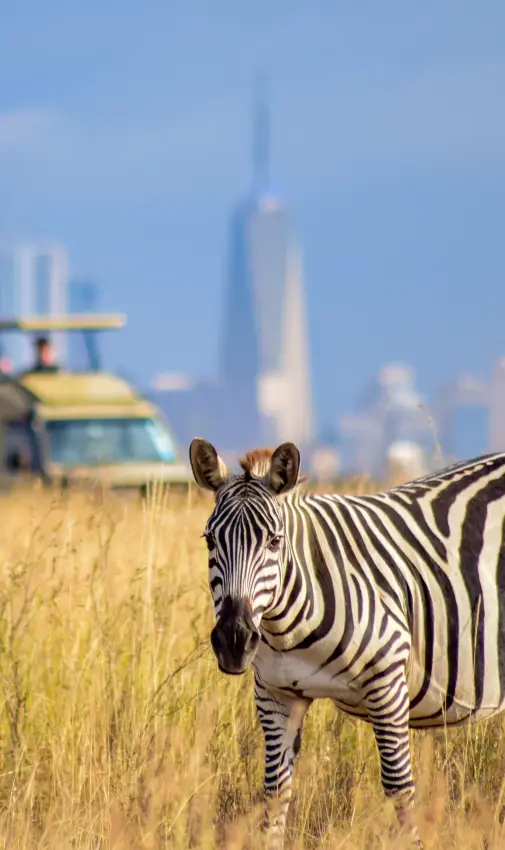
Five animals explain why northern Kenya feels like a different country from the Maasai Mara. Samburu Reserve runs across 165 km² of acacia bushland and rocky hills along the Ewaso Ng’iro River. It is one of the few places to see the Grevy’s zebra, reticulated giraffe, gerenuk, Beisa oryx and Somali ostrich together, dry-country species largely absent from the southern parks.
It is one of the few places to see the Grevy’s zebra
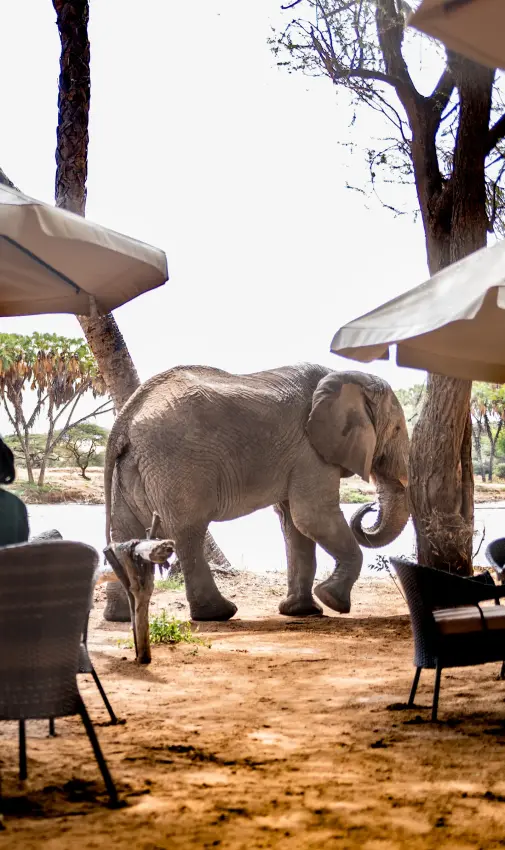
Rising on Mount Kenya, the Ewaso Ng’iro cuts a green seam through semi-arid plains, its banks lined with doum palms, acacia and fig. In the dry months wildlife presses toward this single permanent water source, and elephants dig into the riverbed sand when the surface flow thins. The reserve sits just north of the equator, the land opening into long views over low hills.
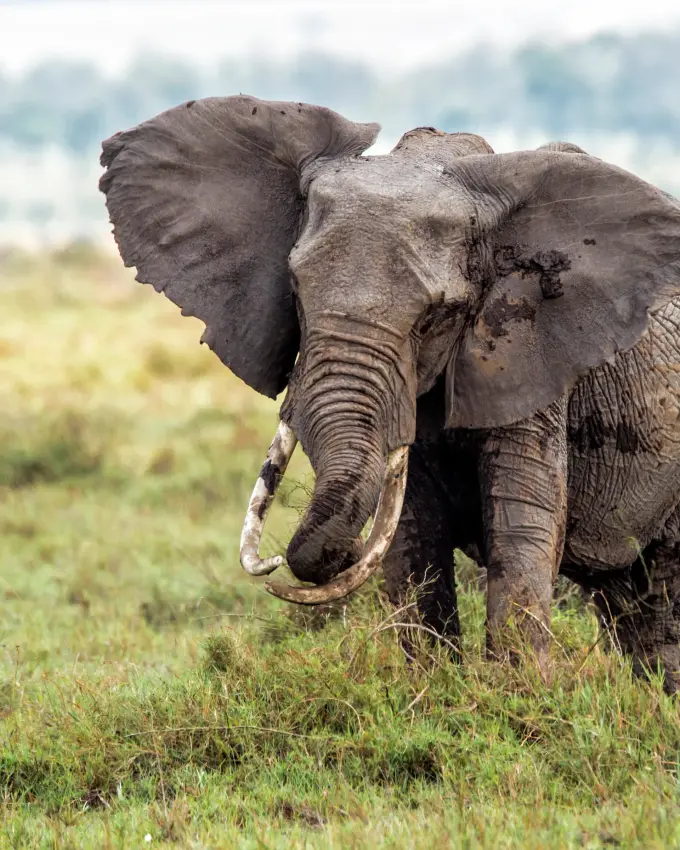
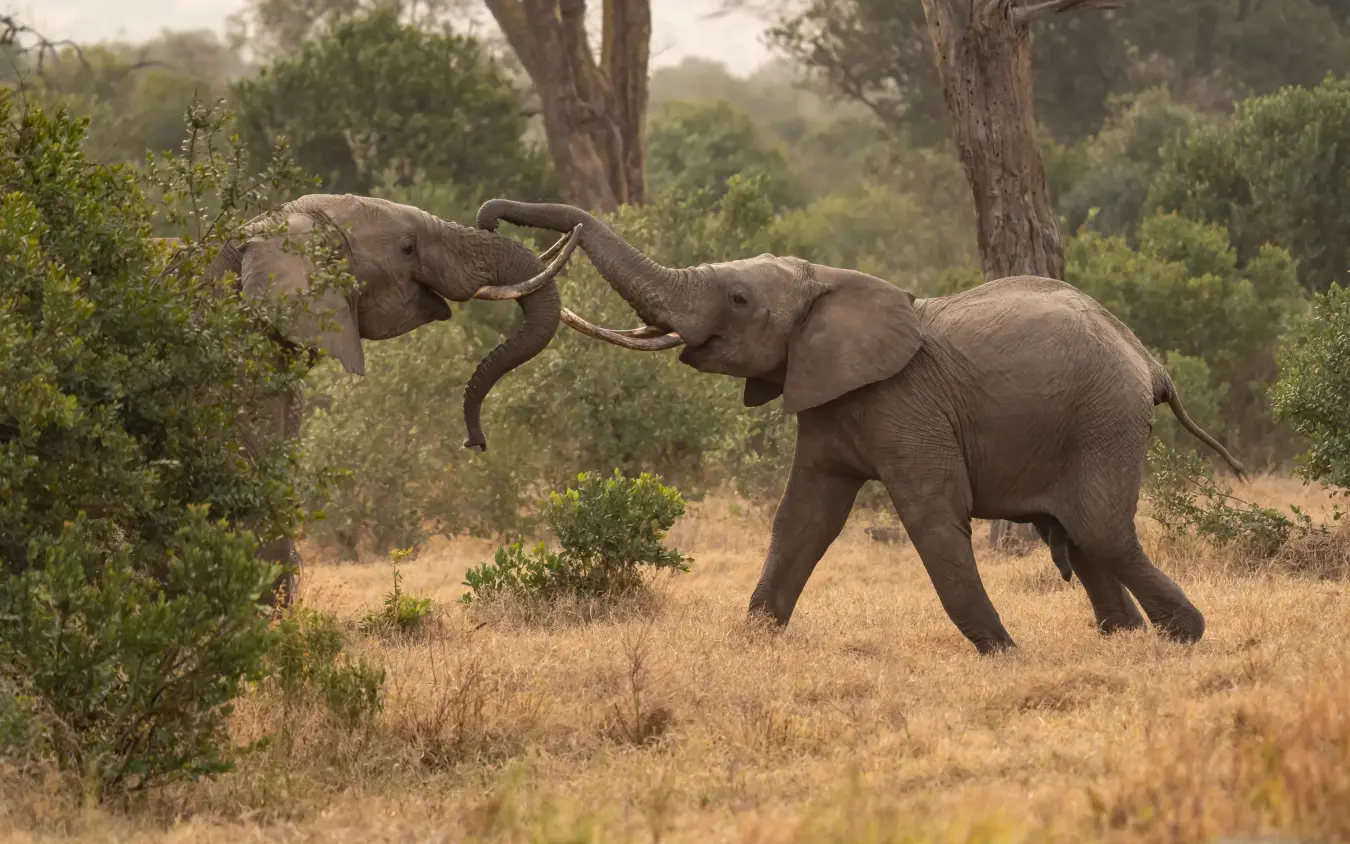
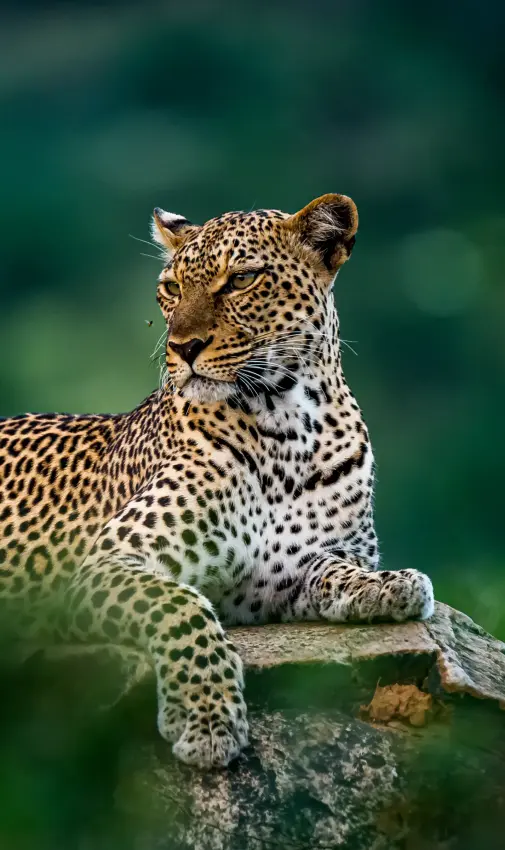
Elephants gather here in large herds, and the riverine forest gives Samburu a reputation as strong leopard country. Lions and cheetahs hunt the open ground, wild dogs move through, and dik-dik freeze in the scrub. Beyond the headline species, 689 bird species have been recorded here. The birding is sharpest from November to April, when migrants from Europe and Asia arrive.
Beyond the headline species, 689 bird species have been recorded here
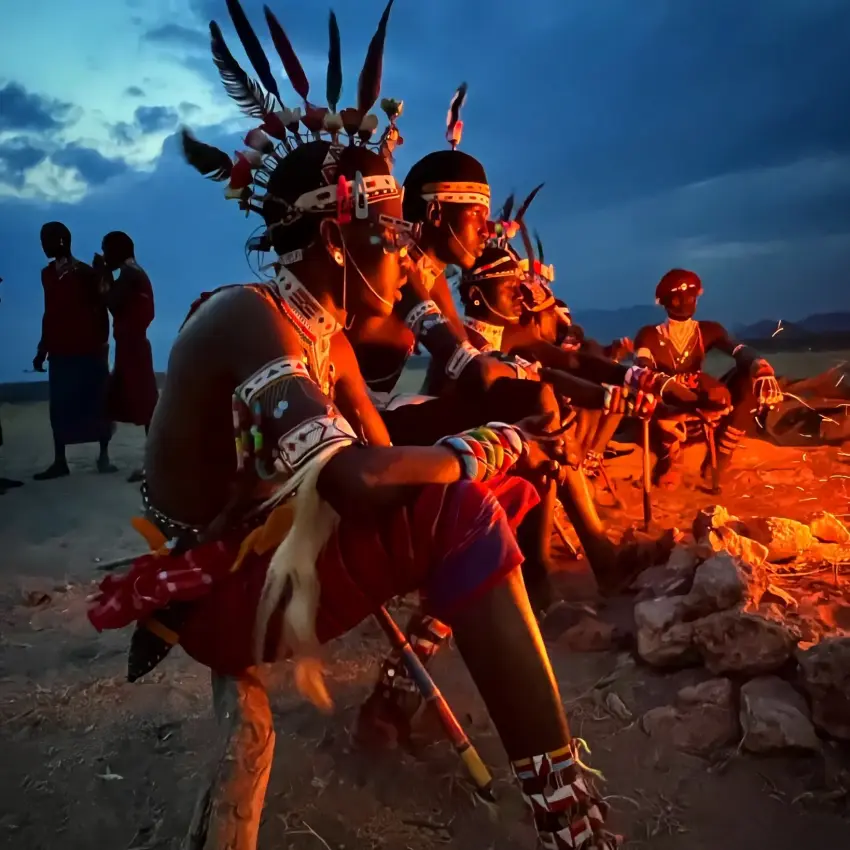
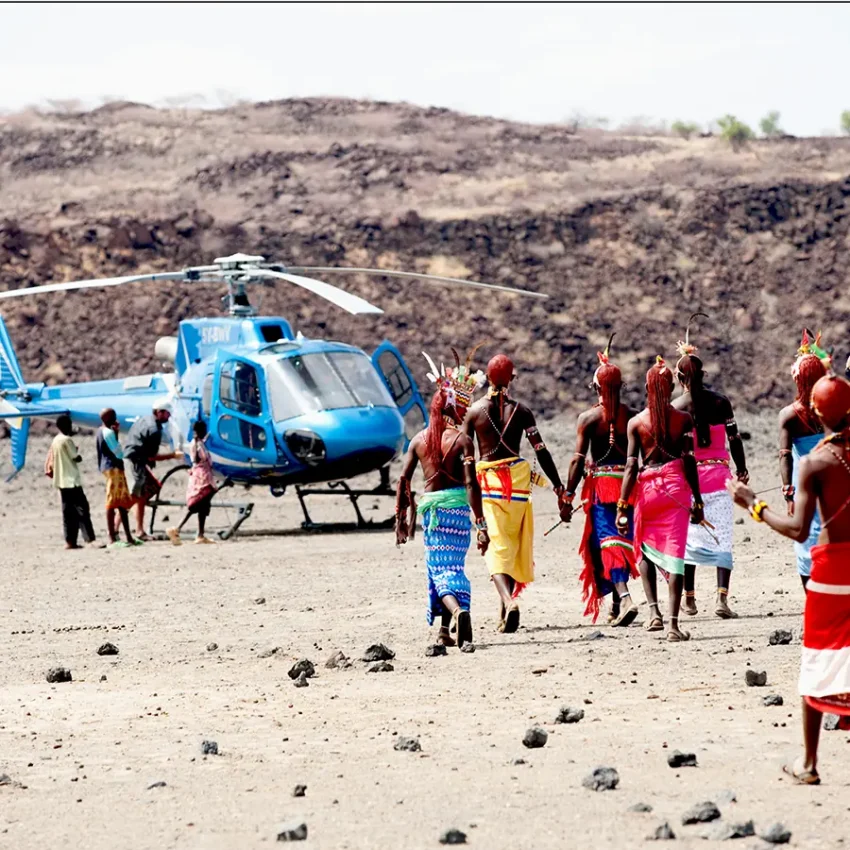
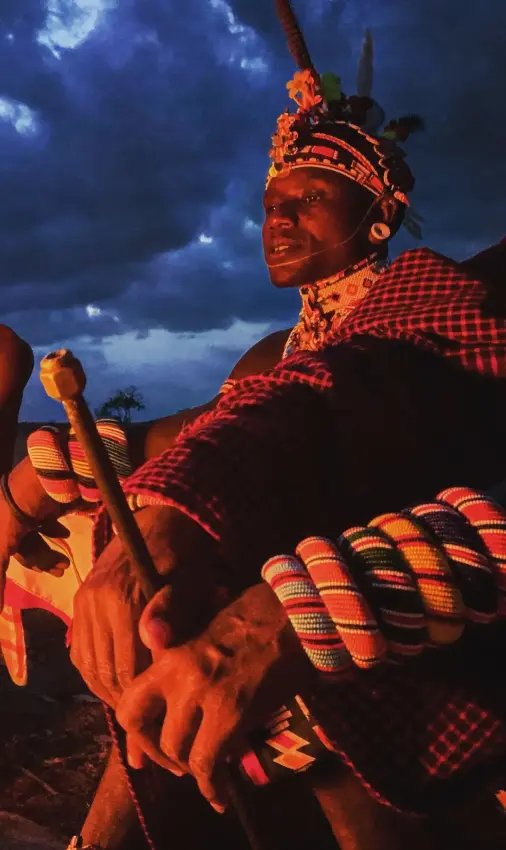
This is the homeland of the Samburu, semi-nomadic pastoralists who share the Maa language with the Maasai and trace their roots to a migration from the Nile Valley. Cattle define wealth and status, and elders govern by consensus. Young men pass through initiation as morans, and red ochre in the hair and dense beadwork mark daily dress. Visits to neighbouring communities are arranged from the camps in the conservancies bordering the reserve.
The wider ecosystem reaches well beyond the reserve boundary. To the south, the Ewaso Ng’iro separates Samburu from Buffalo Springs, while Shaba lies to the east. Together the three form one interconnected landscape, and the community conservancies around them, among them Kalama and West Gate, extend the protected area across a wider stretch of dry-country habitat. The scale matters for elephants, which range long distances between Laikipia and the Samburu plains as they follow the rains, sometimes covering 140 km in a single movement.
The reserve and the conservancies operate under different rules, and the distinction is worth understanding before you plan a trip. Inside the reserve, activity is daytime game drives on the track network. The conservancies allow more: guided walks led by armed Samburu, night drives that reach nocturnal species, off-road approaches and bush meals in the open. Some camps offer camel trekking. Lodges set in the conservancies hold access to both their own land and the reserve itself, which is why most guests choose to stay there.
night drives that reach nocturnal species, off-road approaches and bush meals in the open
Conservation here runs through the people who live alongside the wildlife. Save the Elephants, founded by Iain Douglas-Hamilton, tracks elephant movements by GPS collar to ease conflict with farms and herds. Ewaso Lions trains Samburu warriors as wildlife guardians through its Warrior Watch programme, and brings women into the work through Mama Simba. The Grevy’s Zebra Trust watches over the endangered zebra, of which roughly 3,000 remain in the wild.
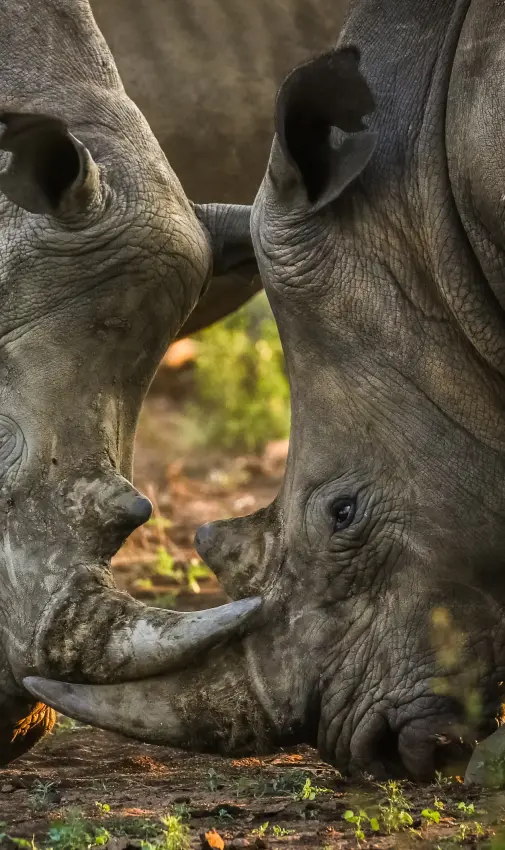
The land is hot and dry, and drought has grown more frequent, thinning the grazing and pressing the river. Community-led conservancies have turned tourism into income that rewards protecting wildlife rather than competing with it. Retaliatory lion killings have fallen where Warrior Watch operates, and Grevy’s zebra and reticulated giraffe numbers have begun to recover. Tracking rhino on foot is possible further north in Sera Conservancy.
The best time to visit Samburu Reserve
Jan
Feb
Mar
Apr
May
Jun
Jul
Aug
Sep
Oct
Nov
Dec
Recommended
Transitional
Challenging conditions
The dry months of June to October and January to February give the strongest game viewing, as surface water retreats to the Ewaso Ng'iro and thin vegetation makes spotting easy across the open hills. The long rains of March to May and short rains of November to December green the plains, bring newborn animals and the year's best birding, though the roads turn muddy at the height of the rains.
accommodation in samburu reserve
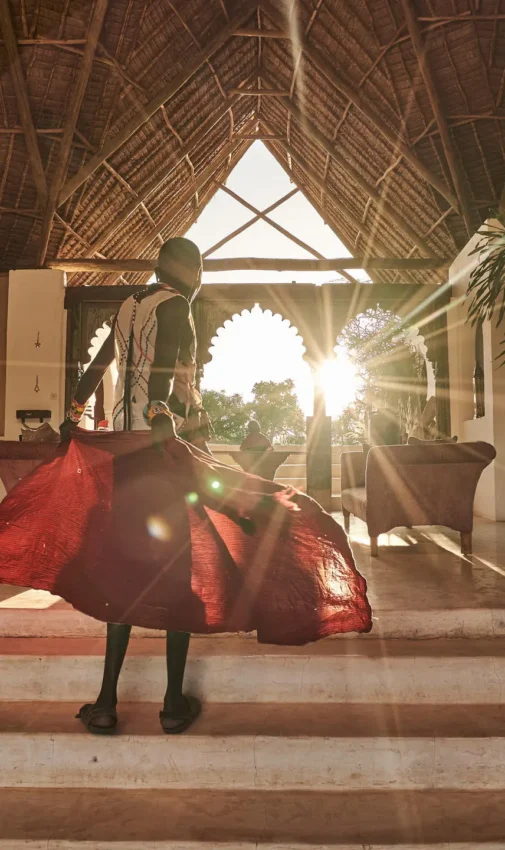
The reserve and its surrounding conservancies hold luxury tented camps on the riverbank, boutique lodges built into clifftops and escarpments, and villa-style houses suited to families or groups taking exclusive use. Most sit within the community conservancies rather than the reserve itself, offering a wider range of activities and quieter ground. Plunge pools, spa treatments and open-air dining are common, and most camps work closely with the Samburu communities on whose land they stand.


activities
Game drives and Samburu walks
Daytime game drives run inside Samburu Reserve on the designated tracks. The community conservancies allow guided bush walks led by armed Samburu, night drives, off-road driving and camel trekking. Birding is rewarding year-round, sharpest from November to April. Cultural visits to Samburu communities are arranged through the camps in the conservancy areas.

conservation
Elephants, lions and Grevy's zebra
Save the Elephants collars and tracks elephants to reduce conflict. Ewaso Lions works through Warrior Watch and Mama Simba to protect carnivores with community involvement. The Grevy's Zebra Trust monitors the endangered zebra, and the Northern Rangelands Trust supports the surrounding community conservancies.
 03
03
getting around
Light aircraft from Wilson
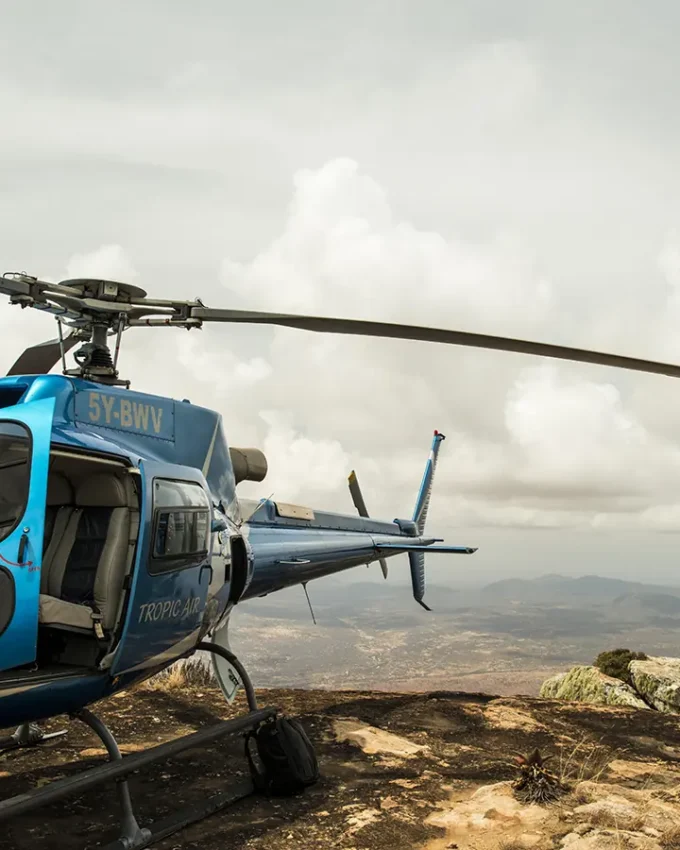
Scheduled and charter flights run from Nairobi's Wilson Airport to airstrips serving the reserve and conservancies, among them Buffalo Springs and Kalama, in around an hour. Helicopter charters reach remote landings such as Ol Lolokwe and link camps across northern Kenya. Road access from Nairobi runs roughly 345 km via Nanyuki and Isiolo.
other areas in kenya
Laikipia, to the south, pairs naturally with Samburu Reserve through short light-aircraft hops, adding rhino tracking, horseback riding and a strong run of private conservancies. Further north, Sera Conservancy offers rhino tracking on foot. Buffalo Springs and Shaba sit within the same ecosystem and share its dry-country species with fewer vehicles. The Maasai Mara gives the contrast of open grassland, higher lion densities and the wildebeest migration, balancing the arid north against the green south.
 01
01
 02
02
 03
03
 04
04
 05
05
 06
06
 07
07
 08
08
 09
09
 10
10
frequently asked questions
By light aircraft from Nairobi's Wilson airport, in about an hour, or by road up through the highlands.
The scheduled flights serve the strips inside and beside the reserve, and the camps meet the aircraft. A private charter, typically a Cessna Caravan or a Pilatus PC-12, goes when it suits you.
Samburu also pairs by air with Laikipia and the Maasai Mara without returning to Nairobi, which is how most of our northern Kenya routes run.
We book the leg with the rest, and confirm which strip your camp uses.
The dry-country species, and that is the whole point of coming.
Grevy's zebra, reticulated giraffe, beisa oryx, gerenuk and Somali ostrich live here and not in the Mara. Elephant herds gather along the Ewaso Nyiro, the river that makes this arid country possible, and the leopard viewing is quietly very good.
The birding is strong too, with over 350 species recorded in the area.
Binoculars earn their place here more than anywhere else in Kenya.
Yes. Northern Kenya sits below the altitude at which the risk falls away, so both TravelHealthPro, the UK's official travel health service, and the CDC treat it as a malaria area and list antimalarial tablets among their recommendations.
We do not make medical recommendations. Which tablets suit you, and what is right for a child, are questions for your own doctor or a travel clinic.
On the practical part, dusk is the hour that matters, so long sleeves, long trousers and repellent are worth the packing space.
The freedoms, and the number of vehicles.
Samburu National Reserve holds the river frontage and the classic game viewing, under reserve rules that keep you on the tracks in daylight hours. The community conservancies that surround it, Kalama and Namunyak among them, allow night drives, walking with Samburu guides and off-road driving.
Several camps sit in one and drive into the other, which is the best of both.
We will say which combination suits your days rather than defaulting to the reserve.
Hot and dry is the default, with days regularly into the low thirties.
The shade along the river does honest work by noon, and the middle of the day is for a plunge pool or a siesta rather than a drive. Nights are milder than the highlands.
So: light, breathable, neutral clothes, a wide brim, strong sun cream, and a light layer for the dawn drive. Closed shoes if you are walking with the guides.
Soft bags for the light aircraft, and binoculars.
Three, and it is worth protecting them.
Samburu rewards slow days: a morning with the elephant herds on the river, the heat of the day in camp, an evening looking for leopard. Two nights makes that a rush.
It pairs naturally with Laikipia, with the Mara, or with a few nights on the coast, and the flights connect without a night in Nairobi.
Tell us the whole route and we will place Samburu where the flying is shortest and the contrast is greatest.
rated five stars by our clients

our approach
remote, exclusive
& personal
Every journey starts with a conversation. We take the time to understand your vision before we start planning.
Whether by phone or in person, we work with you directly to shape something that is considered, personal, and expertly delivered.
Every journey starts with a conversation. We favour a direct, personal approach: understanding your vision before anything else.
Whether by phone or in person, we work with you directly to shape a journey that is both thoughtfully considered and expertly delivered.
Get in touch to start planning yours.