 01
01
Seventeen kilometres of coral sand
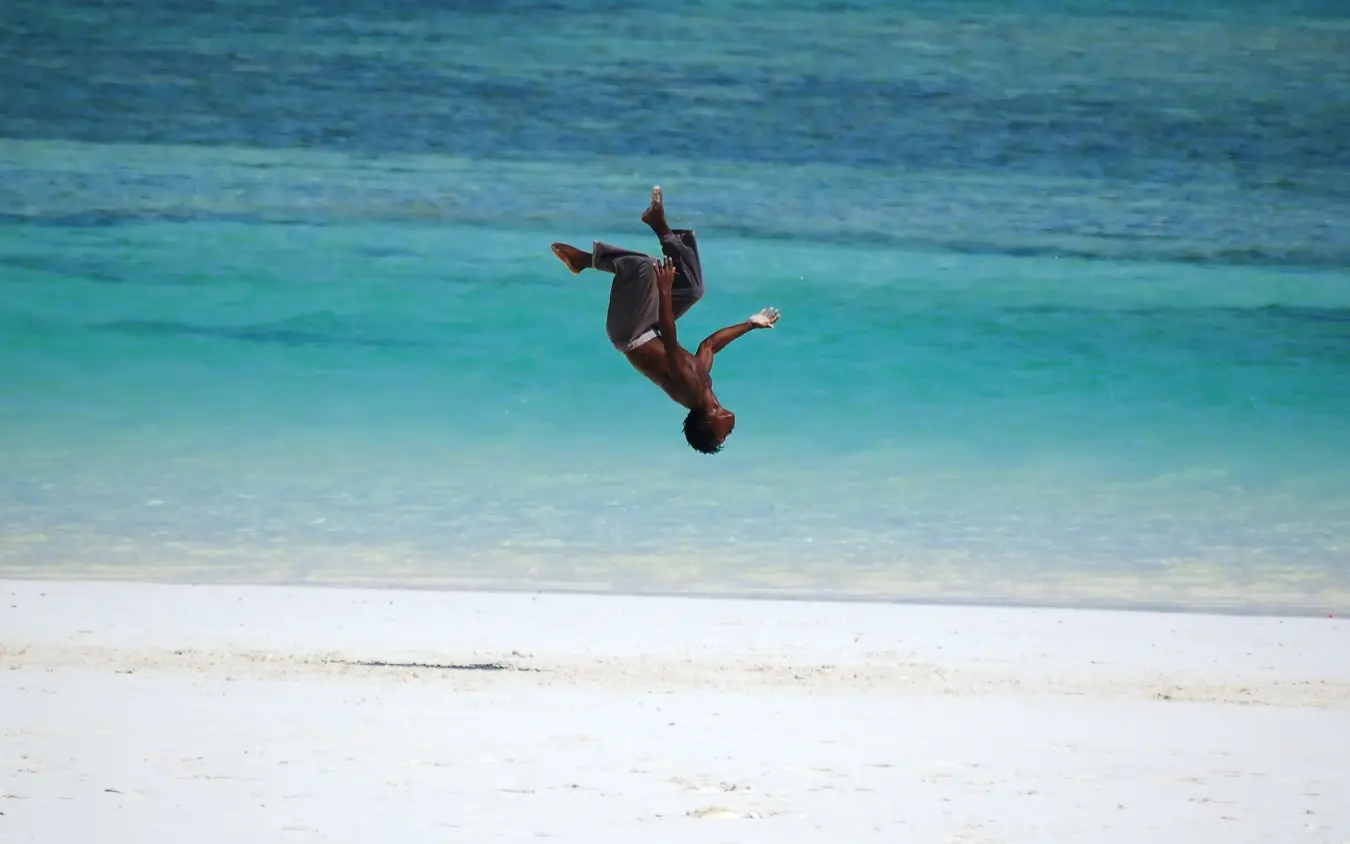
Diani Beach runs for seventeen kilometres of powder-fine white coral-sand on Kenya’s southern coast, in Kwale County roughly thirty kilometres south of Mombasa. A fringing reef sits about five hundred metres offshore at low tide, sheltering a lagoon of warm, shallow turquoise water that stays swimmable through most of the year.
A fringing reef sits about five hundred metres offshore at low tide
Coconut palms line the raised back-beach before giving way to coastal woodland and villa gardens. The strip begins in the north at the Kongo River estuary, its mangrove-lined tidal creeks meeting the sea, then runs south through Diani proper toward Galu. For most guests, this is the ocean chapter that follows the bush, the salt-water close to weeks spent inland.
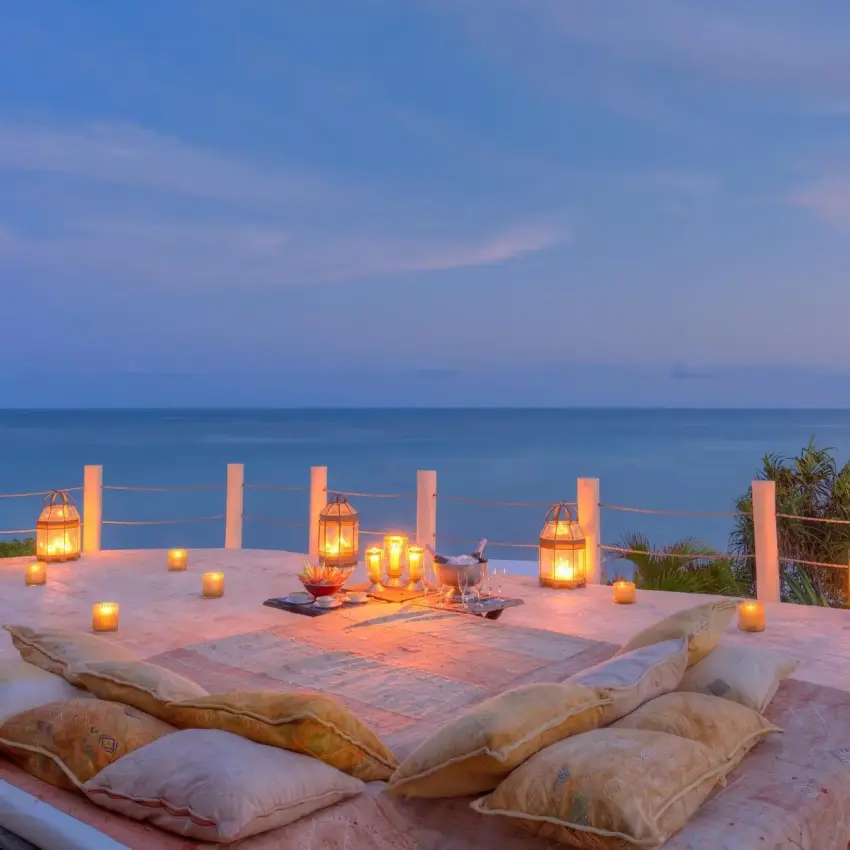

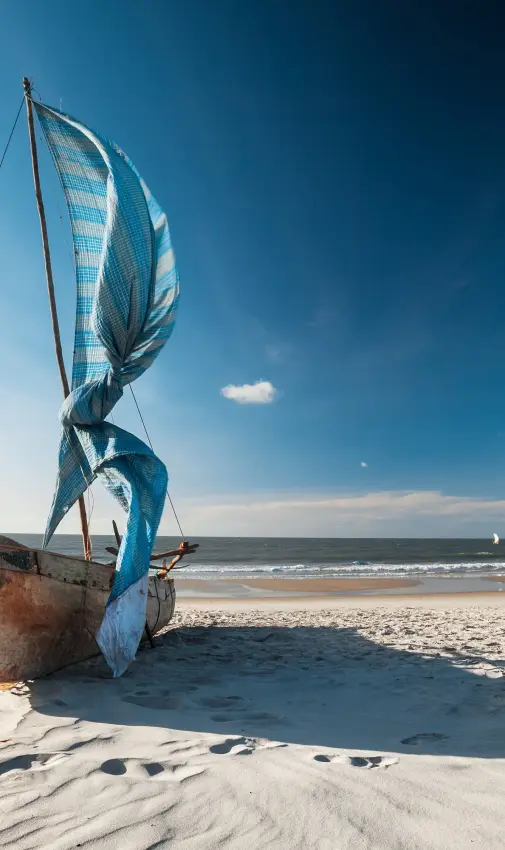
South of central Diani, Galu Beach carries the same white sand and lagoon conditions with far fewer people. It suits guests who want quiet water and space between neighbours, the beach broad and near-empty at the tide line. The coast then continues to Kinondo, a lower-density, more local stretch where secluded houses sit close to the Kaya Kinondo sacred forest inland.
It suits guests who want quiet water and space between neighbours
Kaya Kinondo is one of the Mijikenda sacred forests, an old-growth remnant of lowland coastal woodland long used for ritual and community governance by the Digo. Guided walks explain the taboos, the medicinal plants and the spiritual practices that have kept the canopy standing. Access is controlled and led by the community, a quiet counterpoint to the open beach a short distance away.
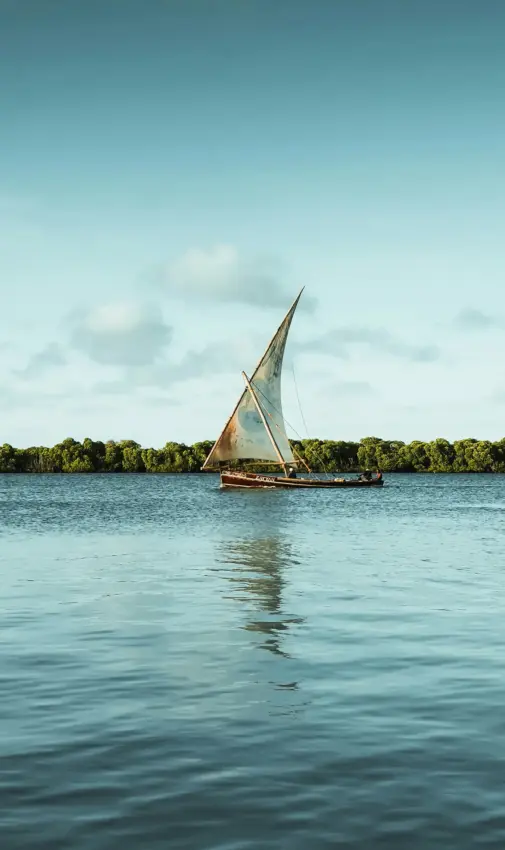
The reason to come is the water, and how much of the day it fills. The Diani-Chale fringing reef shelters a lagoon calm enough for swimming, snorkelling and paddling straight off the sand, while the reef edge draws divers out to coral heads, sea-grass beds and deeper offshore sites. Parrotfish, butterflyfish and angelfish work the coral, and sea turtles, rays and reef sharks appear on the outer dives. Traditional wooden dhows carry guests out to snorkel the reef and back under sail as the light drops toward evening.
Wind makes up the second half of the appeal. Through the steady trade-wind months the lagoon turns into flat-water territory for kitesurfing and windsurfing, with room to learn inside the reef and clean conditions further out for the experienced. Stand-up paddling, kayaking and small sailing dinghies work the same sheltered water. The reef and lagoon lie within the Diani-Chale Marine National Reserve, where non-extractive watersports are welcome but coral damage and fishing are restricted.
Traditional wooden dhows carry guests out to snorkel the reef and back under sail
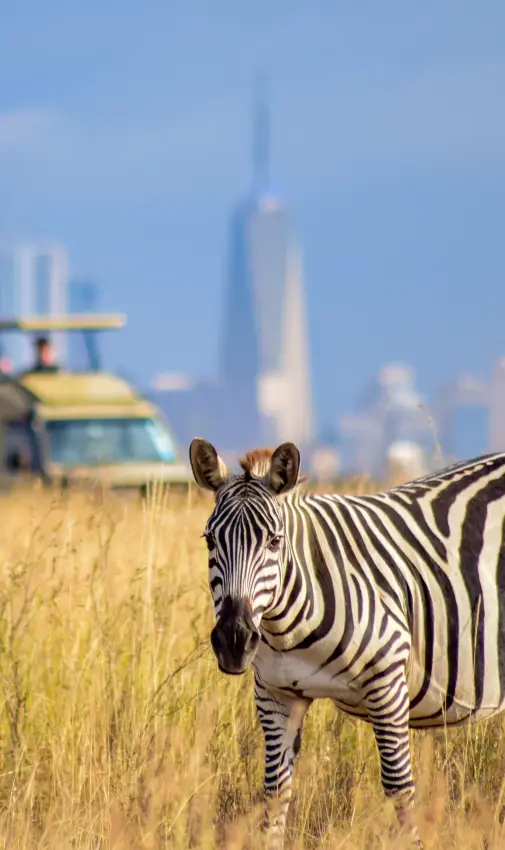
Diani works best as the ocean end of a Kenyan safari rather than a destination reached on its own. A flight of about an hour from Nairobi’s Wilson Airport lands at Ukunda airstrip, a few kilometres inland, and flights also run between Ukunda and the Maasai Mara. That single hop is what makes the pairing work: a few days tracking cats in a Mara conservancy, then salt water and sail by lunchtime the next day, without the long drive that once stood between the two.
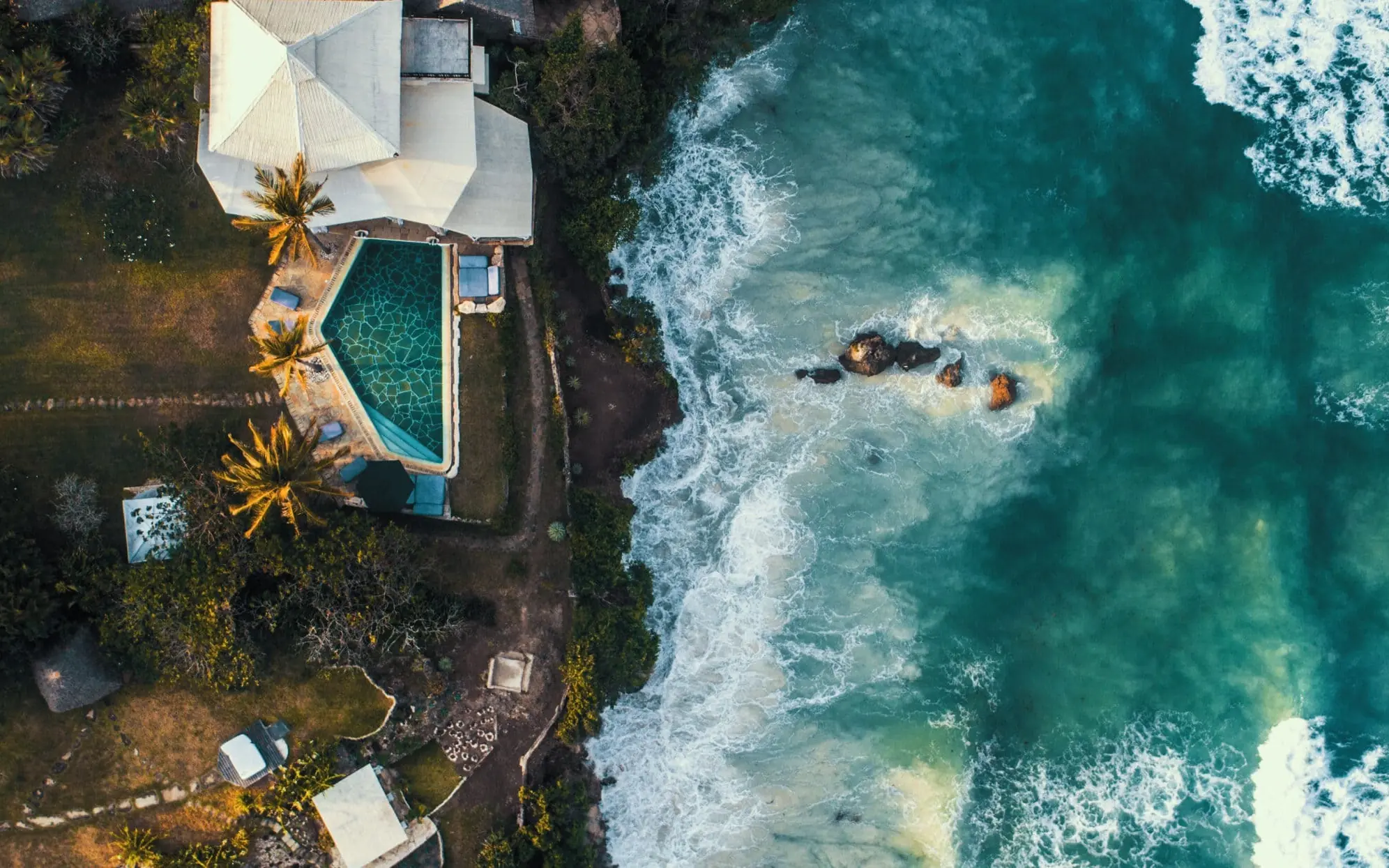
Inland, day trips reach Shimba Hills National Reserve, a gazetted wildlife area of coastal forest and low hills known for its elephants and its sable antelope, with game drives run under park rules. Back on the coast, where to stay carries real weight. Diani, Galu and Kinondo hold one of Kenya’s widest ranges of coastal accommodation, and the character that suits a safari pairing is the smaller, owner-run beach retreat or the private villa rather than the large resort.

The best time to visit Diani Beach
Jan
Feb
Mar
Apr
May
Jun
Jul
Aug
Sep
Oct
Nov
Dec
Recommended
Transitional
Challenging conditions
Come July to October or December to early March for clear skies, steady breezes and the best water clarity for diving, snorkelling and kitesurfing. These dry months also pair neatly with dry-season safari. The long rains from late March to May bring stormier seas, and June is a breezy in-between month as they clear.
accommodation in diani beach
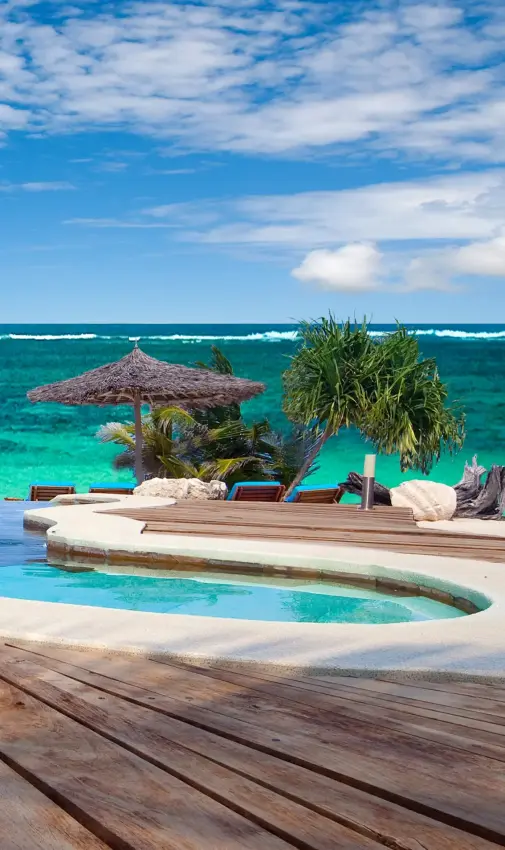
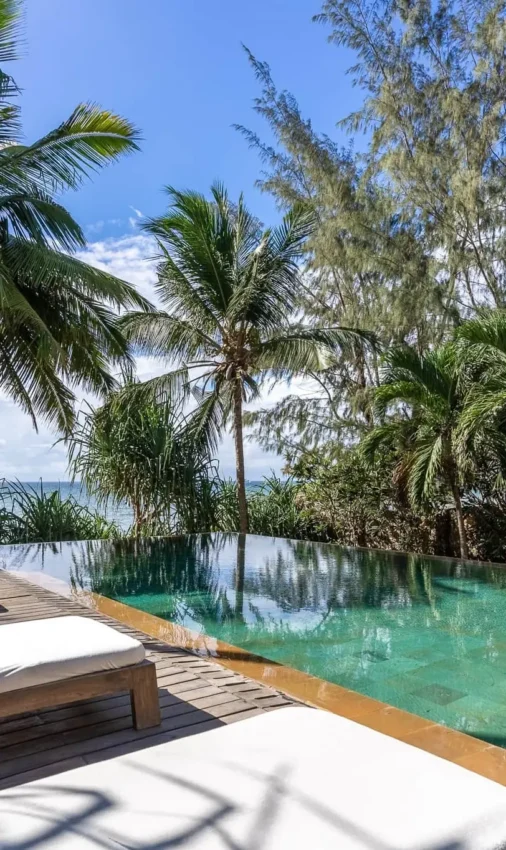
The strip holds a broad range, from large beachfront hotels to intimate, owner-run retreats and design-led boutique stays. For guests finishing a safari, the natural fit is a small owner-run beach house or a private villa with a pool and direct beach access, of which Diani and Galu have many, with a handful of more secluded houses near Kinondo. A few eco-minded beach camps lean into sustainability and coastal forest surrounds. The emphasis throughout is privacy, direct ocean frontage and an easy link back to safari.




activities
Reef diving, dhows and kitesurfing
Snorkelling, scuba diving and reef swimming run within the Diani-Chale Marine National Reserve, off the beach or by boat. Dhow sailing carries guests out for sunset cruises and reef trips. Kitesurfing and windsurfing peak in the trade-wind months. Inland, Shimba Hills day drives and guided walks in the Kaya Kinondo sacred forest add wildlife and culture.

conservation
Marine reserve and sacred forest
The Diani-Chale Marine National Reserve regulates diving, snorkelling and boating to protect the reef, restricting fishing and coral damage. Kaya Kinondo is safeguarded as a Mijikenda sacred forest, managed with the local community and supporting community-led tourism that keeps the old-growth canopy standing against surrounding coastal development.

getting around
Short flight to Ukunda airstrip
A roughly one-hour flight from Nairobi's Wilson Airport reaches Ukunda airstrip, a few kilometres inland from the beach. Flights also link Ukunda directly with the Maasai Mara, allowing a short hop from safari to coast. Moi International Airport at Mombasa, about thirty kilometres north, handles international arrivals, with road transfer south to Diani Beach.
other areas in kenya
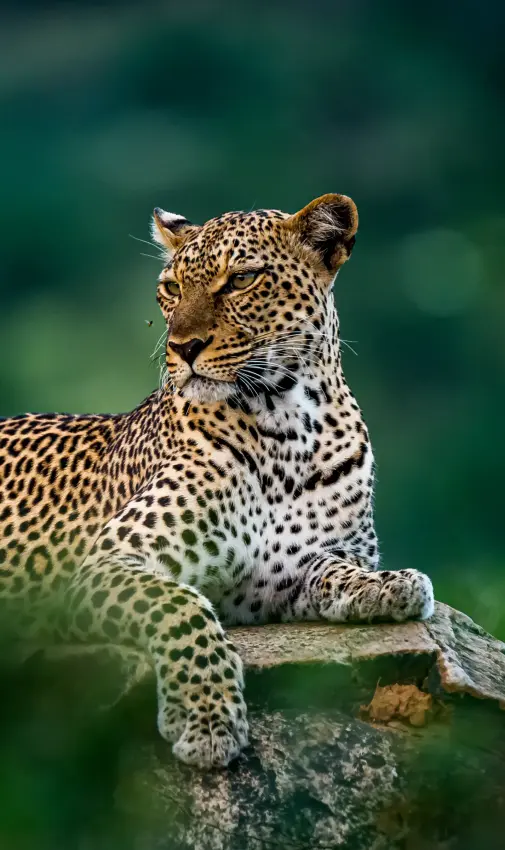
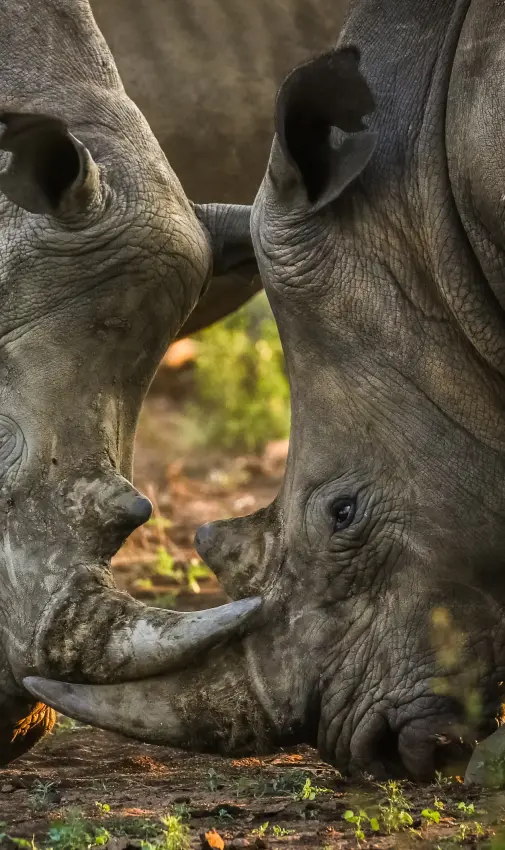
The Maasai Mara pairs naturally with Diani, its conservancies offering low-density big-cat safari before a short flight to the coast. Amboseli adds elephant herds beneath Kilimanjaro, while Laikipia's highland conservancies bring walking, riding and rhino conservation. Tsavo East and Tsavo West sit between Nairobi and the coast as a drive or flight sector. Samburu, in the semi-arid north, offers species suited to its dry country. Any of these makes a strong wildlife opening before the ocean finish in Kenya.
 01
01
 02
02
 03
03
 04
04
 05
05
 06
06
 07
07
 08
08
 09
09
 10
10
frequently asked questions
By air to Ukunda, Diani's own airstrip, which is under ten minutes from most of the beach.
Scheduled flights run from Nairobi's Wilson airport and from Mombasa, and the villas and hotels meet the aircraft. Coming off safari, a private charter, typically a Cessna Caravan or a Pilatus PC-12, flies you straight from a bush airstrip to Ukunda, so the whole move takes a morning rather than a day.
Some of the southern properties are then thirty to forty minutes by road, the last stretch unmade.
We book the charter with the safari legs so the beach is the easy part of the trip.
The tide matters more than anywhere else we send people.
Diani's lagoon sits behind a fringing reef about half a kilometre offshore, and the water moves a long way across it. At high tide you swim off the beach; at low tide the lagoon empties to a wide, shallow flat that is beautiful to walk and no good for swimming.
So a pool earns its keep here, and the day's plans follow the tide table rather than the clock.
We will tell you which way the tides fall for your dates before you choose a house.
Yes. The coast sits at sea level, well inside the risk area, so both TravelHealthPro, the UK's official travel health service, and the CDC treat it as a malaria area and a course of antimalarial tablets is normally advised.
We do not make medical recommendations. Which tablets suit you, and what is right for a child, are questions for your own doctor or a travel clinic.
On the practical part, cover up at dusk and keep repellent to hand, particularly in the garden before dinner.
It is one of the easiest beaches in Kenya for them.
Several villas sit directly on the sand with lawns running to the beach, which is the thing that matters with small children. Staffed houses mean meals on your own timetable, and a pool covers the hours when the lagoon has gone out.
The water sports, the kite surfing and the reef trips suit older children, and Colobus monkeys in the trees entertain everyone.
Tell us their ages and whether you want a house or a hotel, and we will match the beach to them.
More than most beach stays, which is why it works at the end of a safari.
- Snorkelling and diving on the reef, and kite surfing in the windy months
- A dhow to Wasini and the Kisite marine park for dolphins
- Deep-sea fishing, and golf on a full eighteen-hole course
- The Shimba Hills reserve inland, for elephant and sable
Some of these are seasonal, so tell us which you want and we will have them arranged before you travel.
Four or five after a safari.
That is long enough for the pace to genuinely drop: a couple of days where nothing is planned, one on the reef, one on the water or the golf course. Two or three nights and you spend the first unwinding and the last packing.
Diani also works as a longer family stay in its own right, with a villa and a car and driver.
Tell us what the safari looks like and we will say how many beach nights it has earned.
rated five stars by our clients

our approach
remote, exclusive
& personal
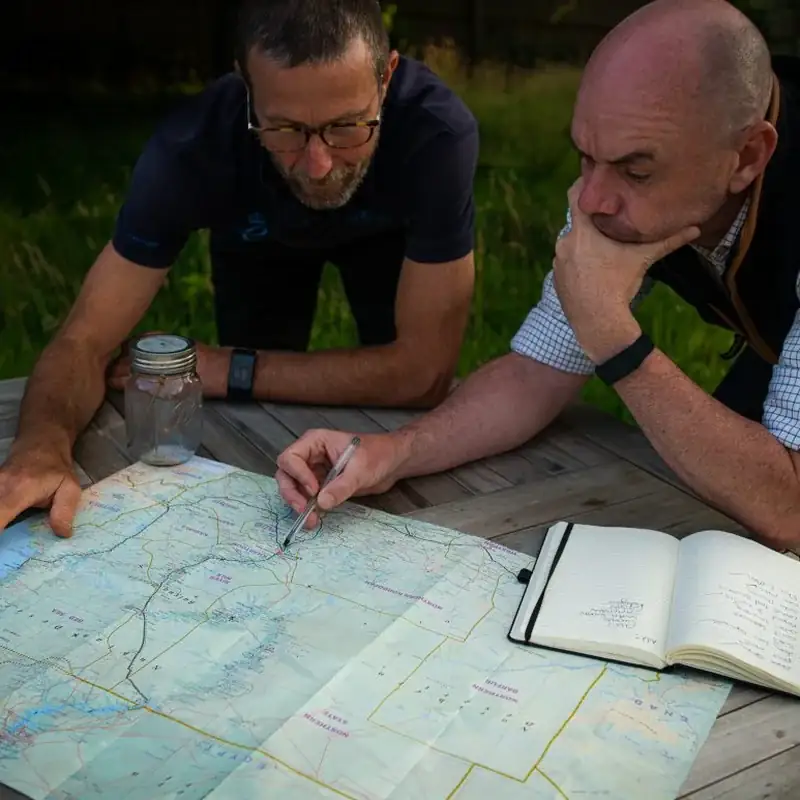
Every journey starts with a conversation. We take the time to understand your vision before we start planning.
Whether by phone or in person, we work with you directly to shape something that is considered, personal, and expertly delivered.
Every journey starts with a conversation. We favour a direct, personal approach: understanding your vision before anything else.
Whether by phone or in person, we work with you directly to shape a journey that is both thoughtfully considered and expertly delivered.
Get in touch to start planning yours.