
Timing your trip
best time to visit diani beach
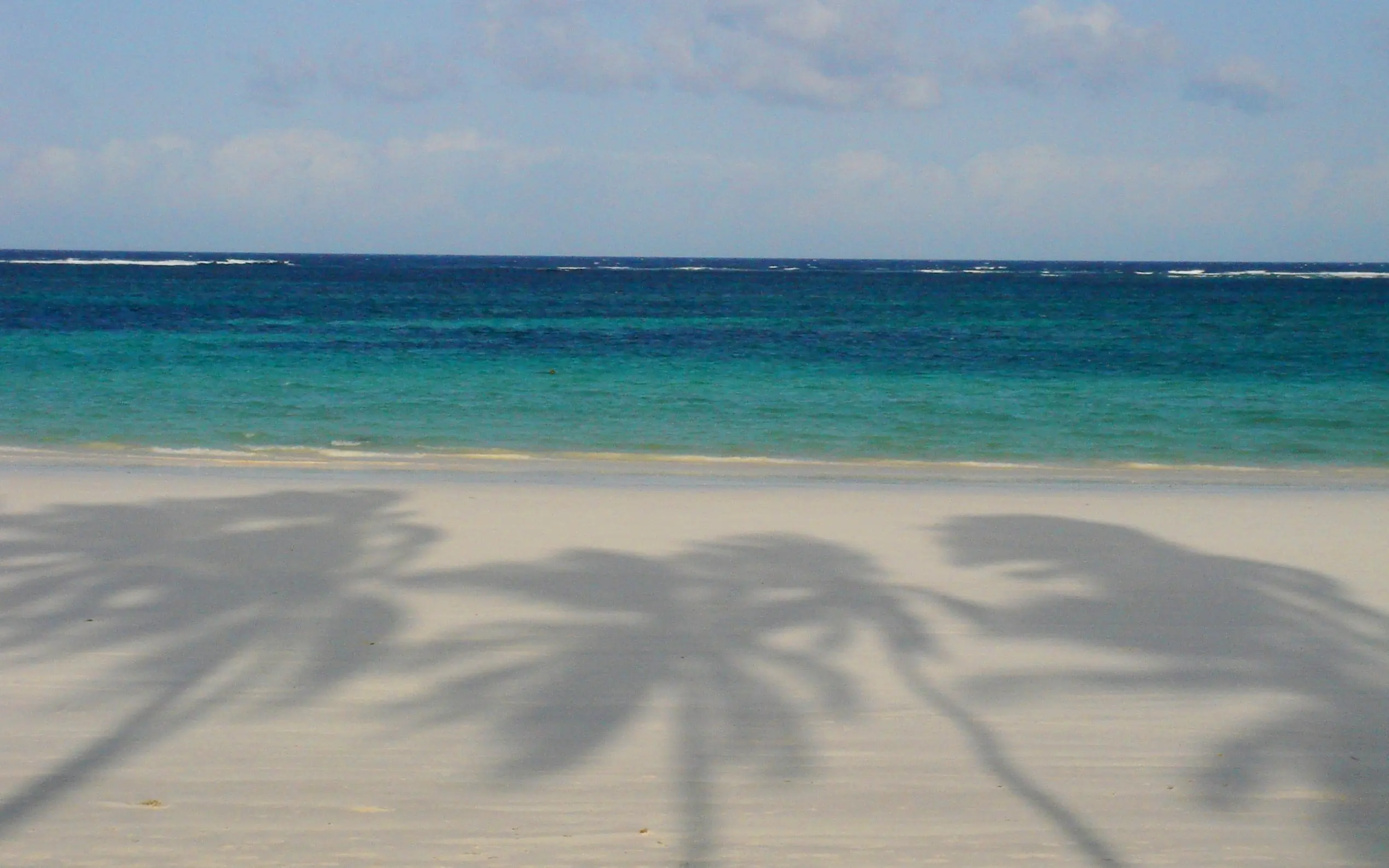
Diani’s tropical coast stays warm all year, but the dry, breezy windows either side of the long rains are what make it a standout beach finish for a Kenyan safari.
seasonal guide to diani beach
Come July to October or December to early March for clear skies, steady breezes and the best water clarity for diving, snorkelling and kitesurfing. These dry months also pair neatly with dry-season safari. The long rains from late March to May bring stormier seas, and June is a breezy in-between month as they clear.
month by month details
January sits in the dry window after the short rains and is one of the finest months to be on the coast. Clear skies and steady breezes make for excellent kitesurfing, sailing, snorkelling and diving, with reef visibility generally at its best.
Beach temperatures are comfortable and the conditions dependable, so this is an ideal time to close a dry-season safari with a stretch on the sand.
February continues the dry period, delivering the settled skies and good water clarity that define Diani at its best. Steady breezes suit kitesurfing and sailing, while calm, clear seas reward divers and snorkellers.
The combination of comfortable beach days and dependable weather makes February a strong choice for pairing wildlife with a coastal finish.
March is a transition month, dry and pleasant early on before the long rains begin to set in. The first half can still offer clear skies and good reef conditions, but the weather grows less predictable as the month progresses.
If you plan a March visit, aim for the earlier weeks and keep flexibility in mind, as heavier rainfall and stronger swell may arrive.
April falls squarely in the long rains, with more frequent downpours and less predictable beach days. Stormier seas and overcast skies can limit diving and kitesurfing, and water clarity suffers.
It stays warm throughout, but luxury travellers looking for a reliable beach break tend to avoid this month in favour of the drier windows.
May remains within the long rains, so expect heavier rainfall, higher sea swell and more overcast days. Reef activities and kitesurfing can be interrupted, and beach days are hard to guarantee.
The coast is still warm, but this is not the moment for a short beach escape. Better to wait for the settled dry season that arrives from July.
June is a transition month: the long rains taper off through the first half and the cooler, breezier kusi season takes over. Expect a mix of sunny spells and passing showers, with the strongest winds of the year pushing swell onto the reef and some seaweed onto the sand.
Kitesurfers and sailors do well, but water clarity is not yet at its best. If the beach is the point of the trip, late June is a safer bet than early June, and July onwards is more dependable still.
July delivers the settled, breezy conditions that make the dry season so appealing. Water clarity is good, if not yet at the calm-sea best of the December to February months, and consistent winds suit kitesurfers and sailors, with divers and snorkellers well rewarded on settled days.
With clear skies and comfortable beach days, July pairs beautifully with a dry-season safari for a memorable coastal close.
August is firmly in the dry season, offering clear skies, steady breezes and excellent conditions across the board. Kitesurfing, sailing, snorkelling and diving all thrive, and reef visibility remains reliably good.
Comfortable beach temperatures and dependable weather make this a prime month to finish a safari on the sand.
September continues the dry-season run with clear skies and consistent breezes. The conditions favour every water activity, from kitesurfing and sailing to snorkelling and diving, with good reef visibility throughout.
It is a dependable time for a beach finish, particularly alongside dry-season wildlife viewing inland.
October rounds out the long dry season and remains an excellent time to be on the coast. Clear skies and steady breezes hold, keeping conditions strong for diving, snorkelling, sailing and kitesurfing.
Comfortable beach days and good water clarity make October a fine choice before the short rains arrive in November.
November brings the short rains, so expect some showers though often mixed with sunshine. The month can still be attractive, but winds may be less consistent for kitesurfing than in the peak dry months.
Beach days remain warm and viable between showers, making November a reasonable if less predictable option for a coastal stay.
December settles into the dry period around and after the short rains, making it a strong month to visit. Clear skies and steady breezes return, with good water clarity for reef activities and reliable conditions for kitesurfing and sailing.
Comfortable beach temperatures and dependable weather make December ideal for pairing safari with a festive coastal finish.
Plan your perfect kenya safari
Tell us a little about what you have in mind and one of our specialists will be in touch.
frequently asked questions
January and February, and again from July to October.
Those are the dry spells, when the water is at its clearest and the reef diving and snorkelling are at their best. January and February are hot and calm; the middle months are cooler, breezier and drier.
December is good too, before the crowds arrive for the holidays.
What changes most through the year is visibility on the reef, and it is worth timing a trip around if diving is the point.
April and May, yes.
They are the long rains: the stormiest seas of the year, poor visibility on the reef, and days that can be lost to weather. Some hotels close for maintenance.
November's short rains are a different matter, falling in afternoon bursts and clearing.
If your dates are fixed in April or May we will tell you plainly what the sea is likely to be doing, and point you at a property with a good pool.
January to March, when it is hot and humid, and February is the peak.
That is also when the sea is at its warmest and calmest, so it suits anyone who wants to be in the water rather than walking. Shade and a sea breeze do most of the work.
June to September is the coolest stretch, with fresher air and more wind, which the kite surfers come for.
There is no cold season here, only degrees of warm.
Two windows, and they follow the monsoon winds.
The Kaskazi blows from about December to March, and the Kusi from June to September, which are the two periods with reliable wind for kiting and sailing.
Between them the water goes glassy, which suits swimmers and divers rather than kiters.
Tell us which of the two you are, because the same beach in the same month is a different holiday depending on the answer.
July to October, and January to February.
Those windows put the coast at its best at the same time as the Maasai Mara, Amboseli and northern Kenya, so one trip catches both. The flights connect through Wilson or direct from the bush strips to Ukunda.
April and May are weak everywhere in Kenya, coast included.
Four or five nights on the beach after a week of early mornings is the shape we book most often.
Christmas and New Year are the crush, and August is busy.
The Kenyan and European holidays fill the beach hotels, rates rise, and the good houses go a year ahead. If you want Diani at Christmas, book it early or choose another window.
September, October and early December are the quiet, warm weeks we would send you to instead.
Tell us your dates and we will say honestly how busy the beach will be.
rated five stars by our clients


our approach
remote, exclusive
& personal
Every journey starts with a conversation. We take the time to understand your vision before we start planning.
Whether by phone or in person, we work with you directly to shape something that is considered, personal, and expertly delivered.
Every journey starts with a conversation. We favour a direct, personal approach: understanding your vision before anything else.
Whether by phone or in person, we work with you directly to shape a journey that is both thoughtfully considered and expertly delivered.
Get in touch to start planning yours.