 01
01
One ecosystem, two sets of rules
The Maasai Mara fills the southwest corner of Kenya, in Narok County, where the country meets Tanzania and the open plains run on south as the Serengeti. The 1,510 km² reserve is the famous part, the red oat grass plains that carry vast herds of wildebeest each year. But the reserve is only the centre of something far larger.
What separates them is not scenery but rules
Around it sit private and community conservancies, leased from Maasai landowners, among them Mara North and Naboisho. What separates them is not scenery but rules. They decide what a vehicle is permitted to do, how many others share a sighting, and whether the day extends past sunset. That single line of policy decides how a Mara safari actually feels.
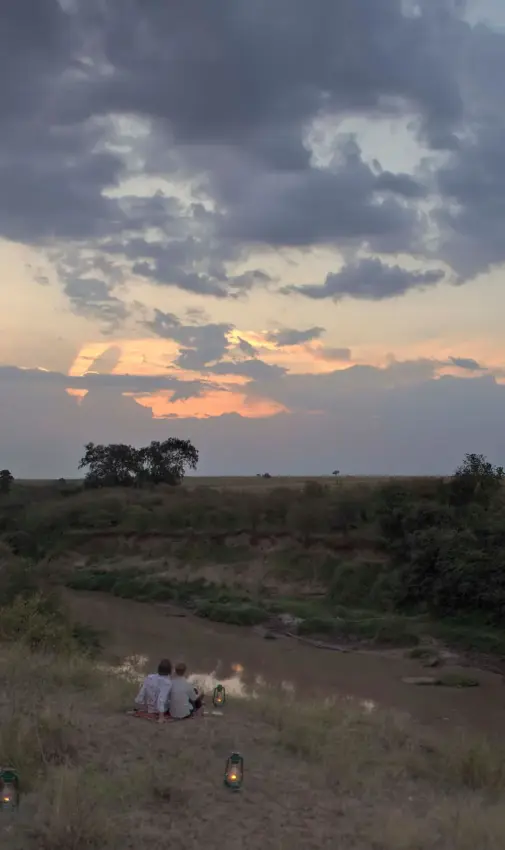
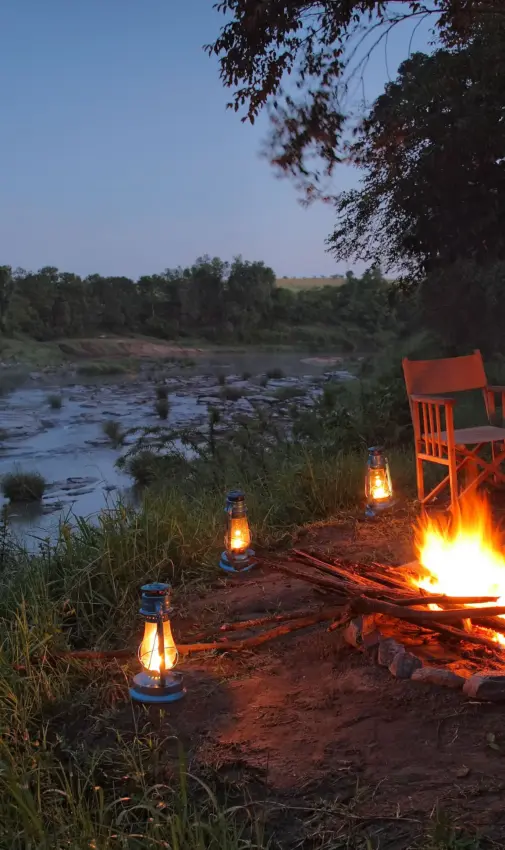
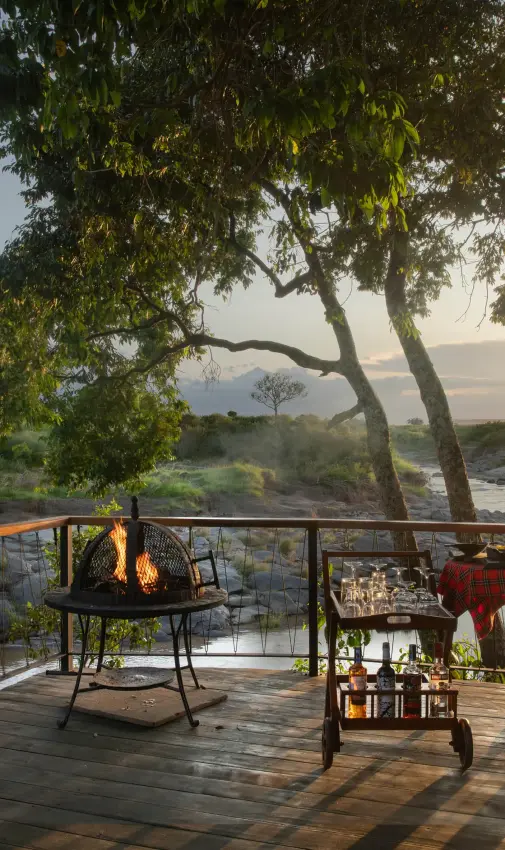
The Mara River runs through the heart of it, perennial where so much else is seasonal, fed by the Talek and the Sand. This is the stage for the migration crossings, when wildebeest and zebra pile up on the banks before plunging through crocodile-held water. Musiara Marsh, the Mara Triangle below the Oloololo Escarpment, and the Talek area hold the densest concentrations.
when wildebeest and zebra pile up on the banks before plunging through crocodile-held water
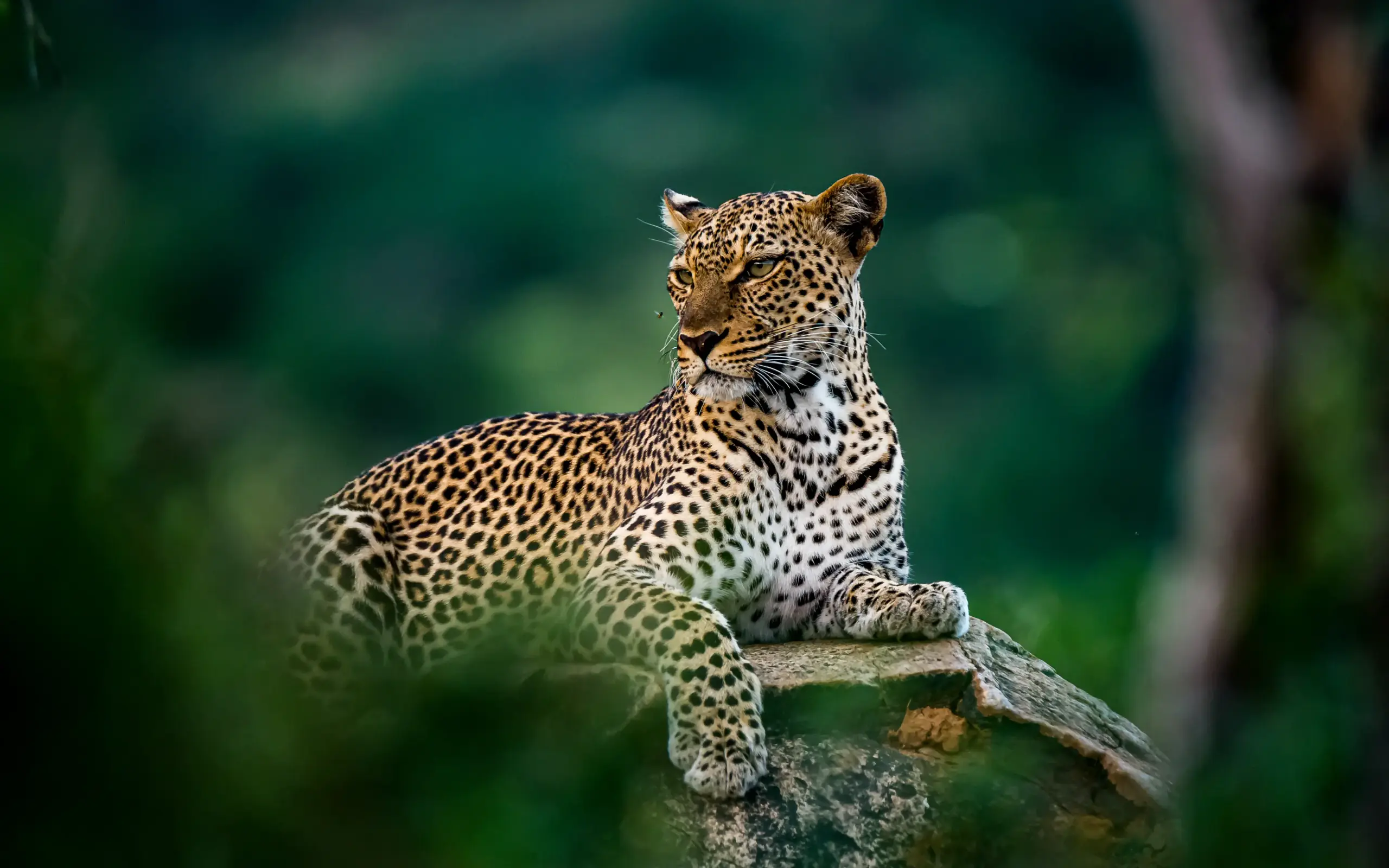
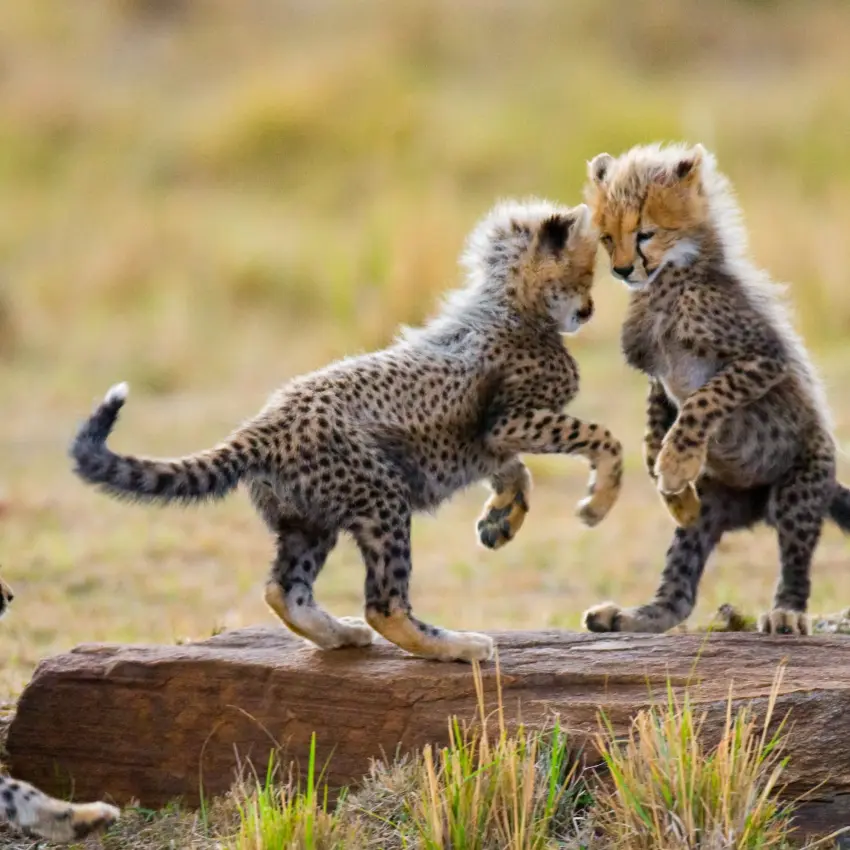
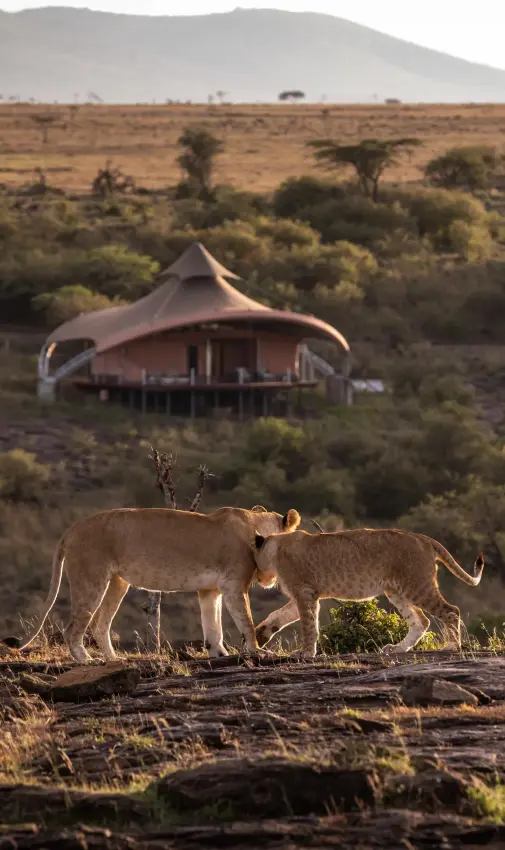
Crossings draw the crowds, but the Mara rewards the rest of the year too. Resident lions hold large prides here, leopards work the riverine forest, and cheetahs hunt the short-grass plains. In the green months after the rains, predators follow the calving herds across the open ground, and the conservancies empty of vehicles as the landscape turns from gold to deep green.
The Greater Mara forms the northern reach of the Serengeti-Mara, and the migration is the thing that defines it. Each year vast herds of wildebeest, with hundreds of thousands of zebra and gazelle, move between the Serengeti and the Mara chasing pasture and water. The river crossings, roughly July to October in most years, are the spectacle people travel for, though the exact timing shifts annually with the rains. Crossings can come early or late, and no two seasons play out the same way.
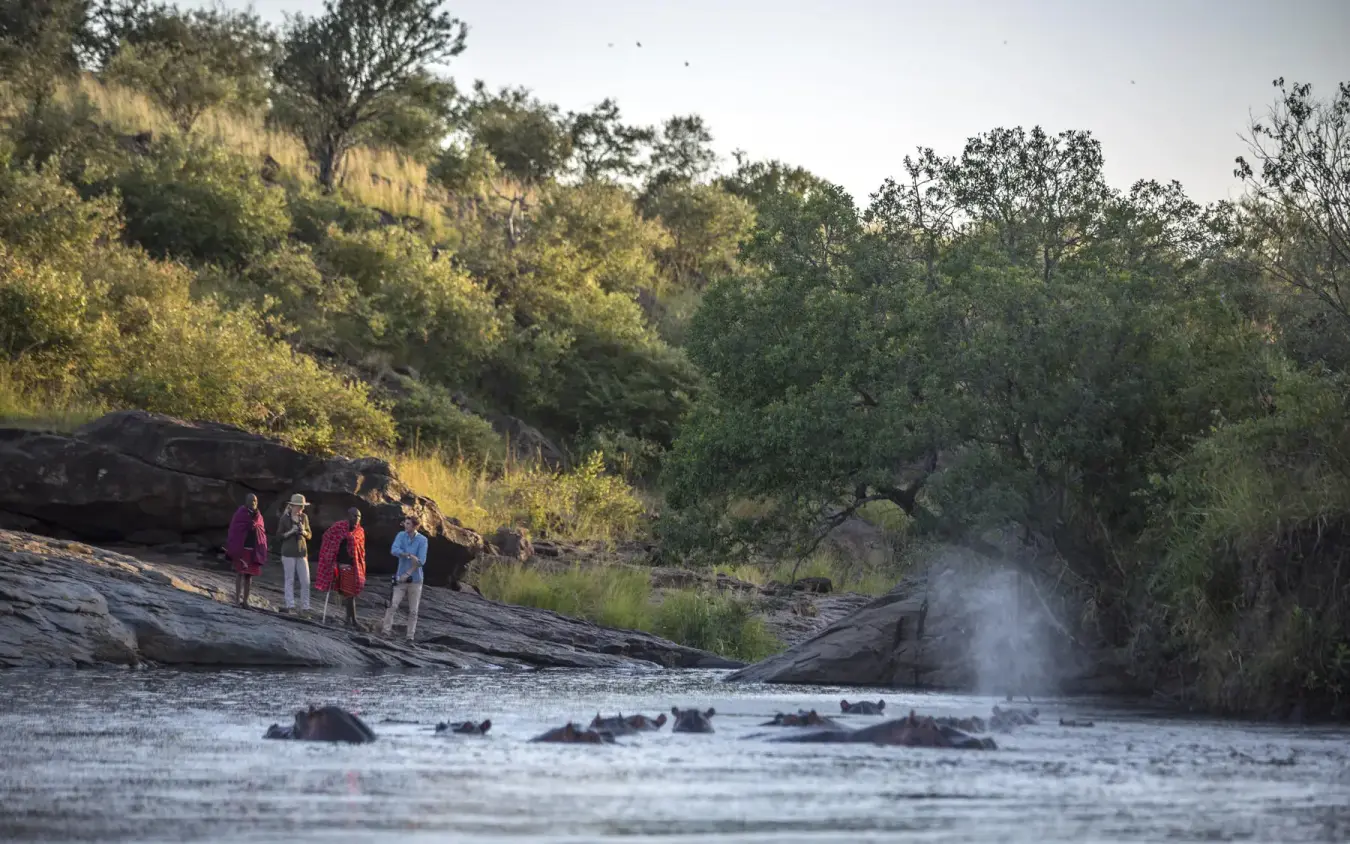
Inside the reserve and the Mara Triangle, game drives run on designated tracks in daylight, off-road driving is restricted, and night drives are not permitted. This protects the busiest wildlife zones from vehicle pressure, but it also means a famous river crossing can gather a wall of vehicles. The conservancies operate under their own rules. Guests of member camps can drive off-road for close predator viewing, head out after dark for nocturnal species, and walk the bush on foot with armed Maasai guides.
The wildlife holds up across the calendar, but where you stay decides what your days look like
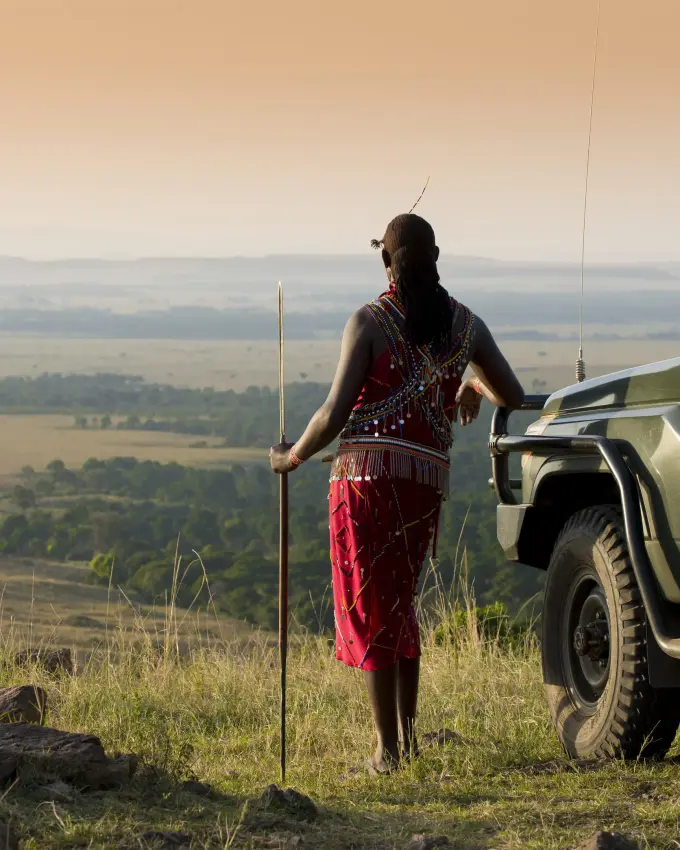
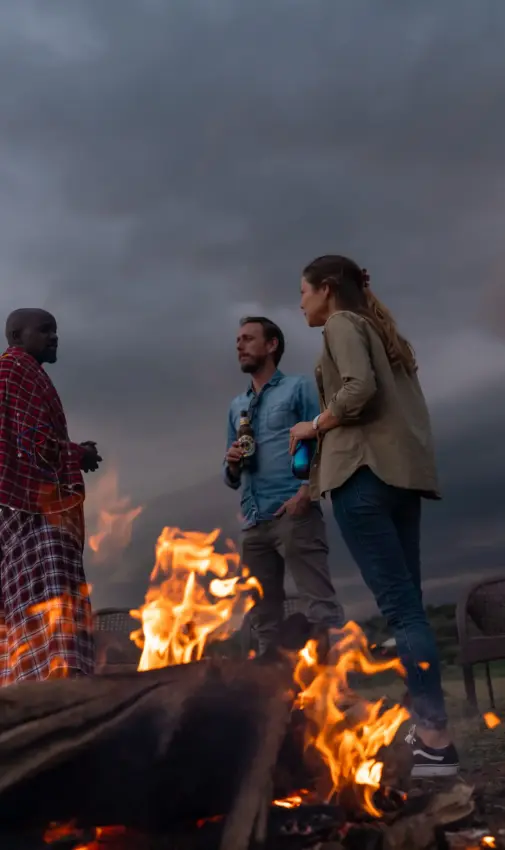
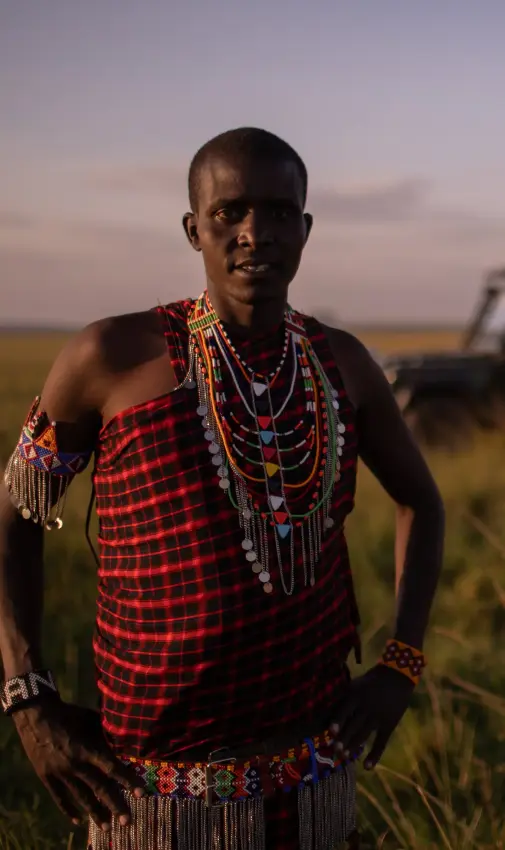
The Maasai give the region its name and shape its land. They are semi-nomadic pastoralists, and they have grazed cattle across these plains for generations. The conservancy model turns that coexistence into income, paying tourism revenue to landowners in exchange for keeping the corridors open for wildlife. Visits to Maasai homesteads, arranged through the community areas, sit alongside the game viewing rather than apart from it, and the lease payments are what keep the wider ecosystem from being fenced and farmed at its edges.
Altitude, ranging between roughly 1,480 and 2,280 metres, keeps the climate mild: warm days, cool nights, nothing extreme. Rainfall arrives in two seasons, the long rains around March to May and the short rains later in the year, and it is the rain that pulls the herds north and south. The Mara works as a whole only because the open plains and river corridors stay unbroken, the same reason it sits on a UNESCO tentative list within the Great Rift Valley.
The best time to visit Maasai Mara
Jan
Feb
Mar
Apr
May
Jun
Jul
Aug
Sep
Oct
Nov
Dec
Recommended
Transitional
Challenging conditions
July to October is the migration window, when the herds move up from the Serengeti and gather for the river crossings. The reward is the spectacle; the trade-off is heavier vehicle traffic at the crossing points. The green months around November and from March to May bring lush plains, calving herds, strong predator action and far fewer vehicles. Resident game viewing stays excellent year-round.
accommodation in maasai mara
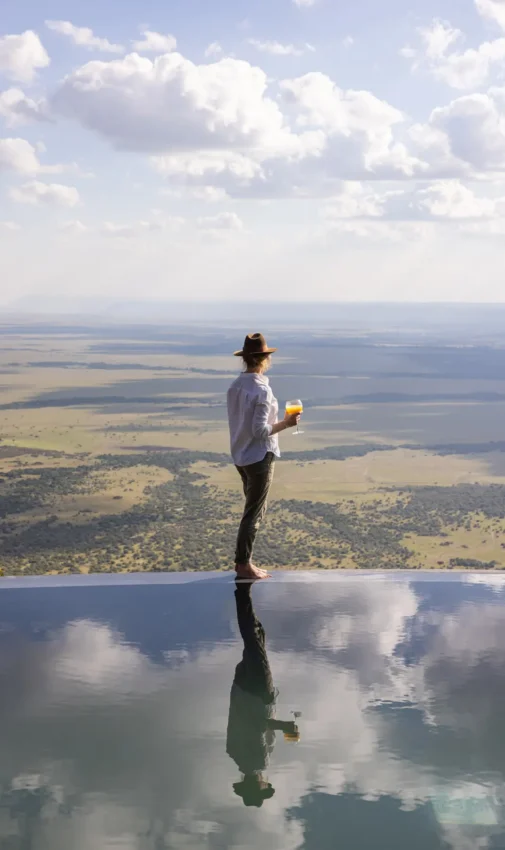
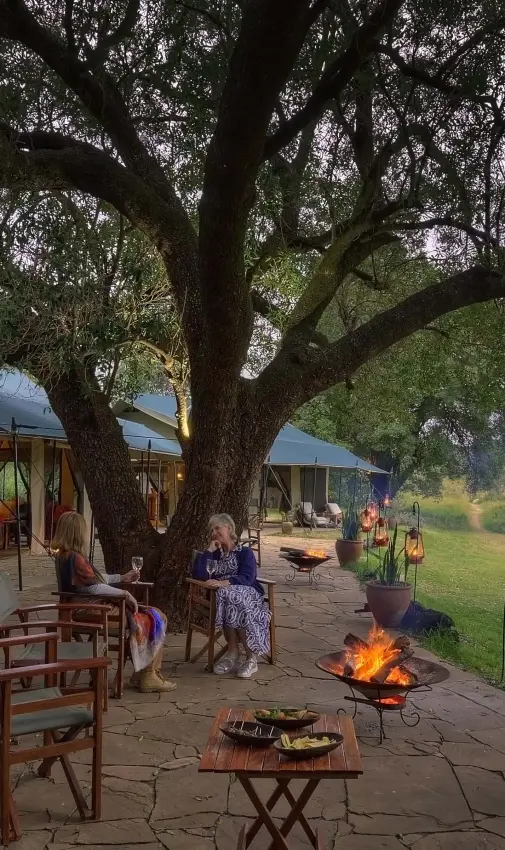
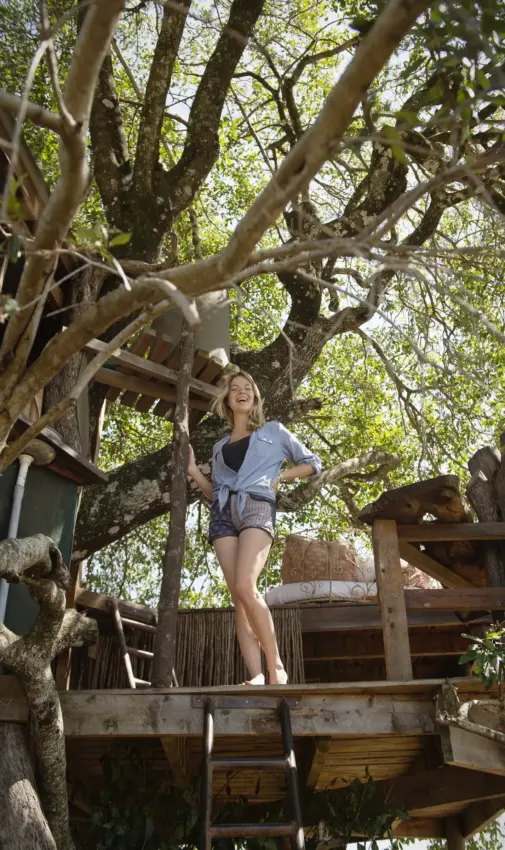
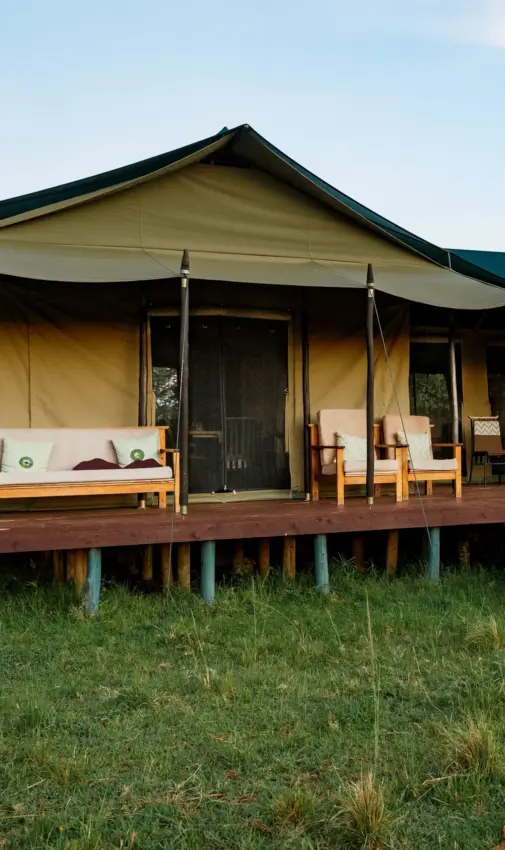
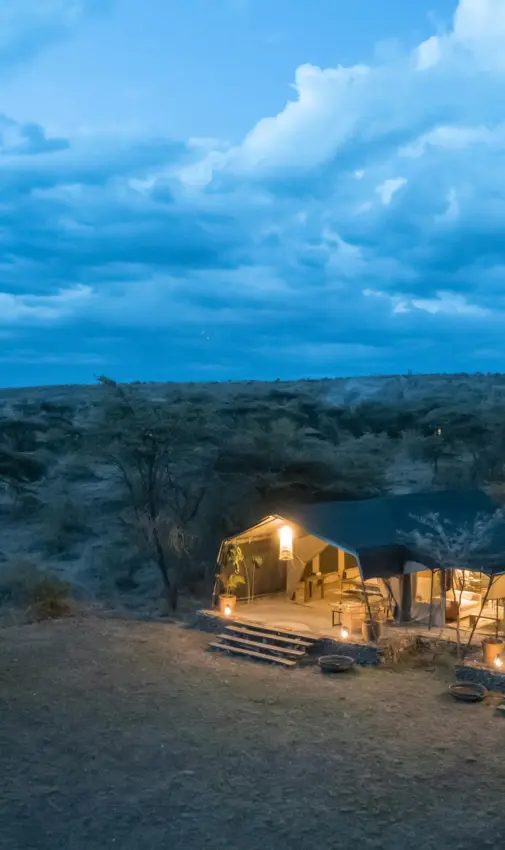
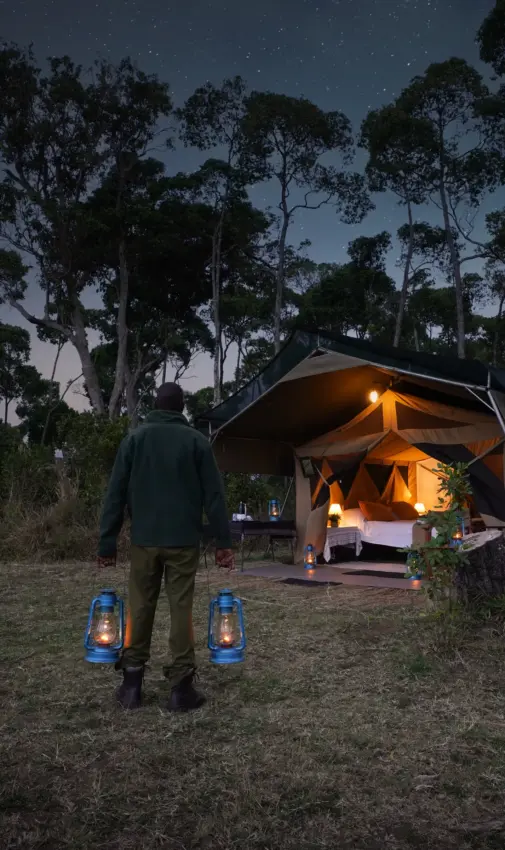
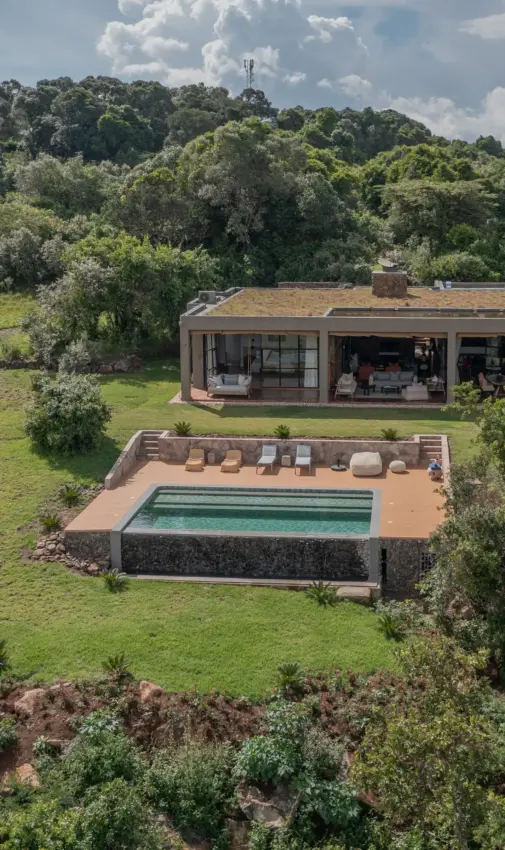
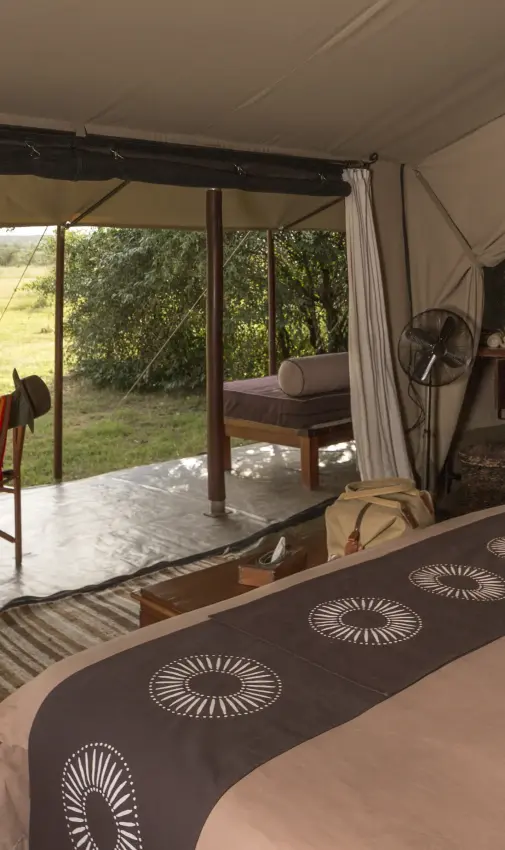
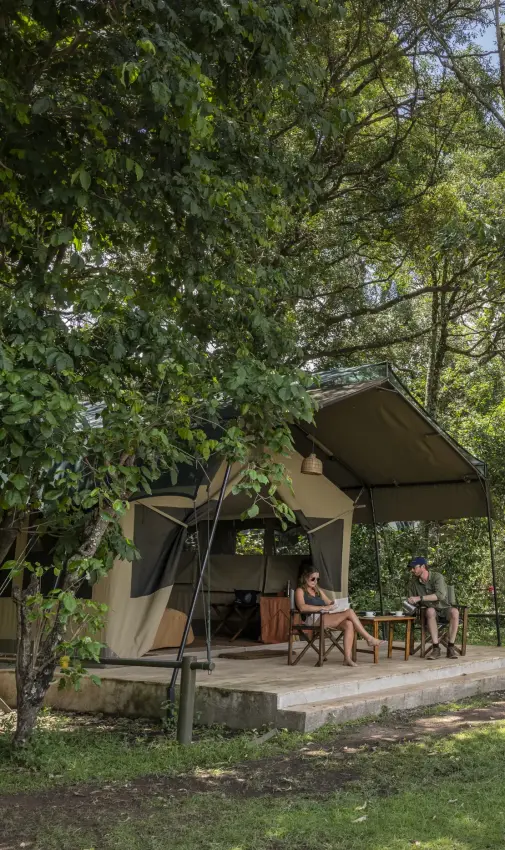
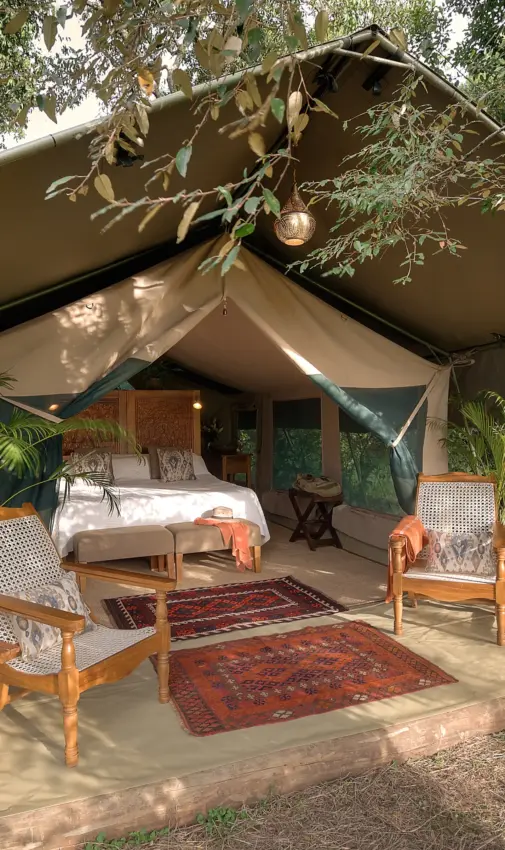
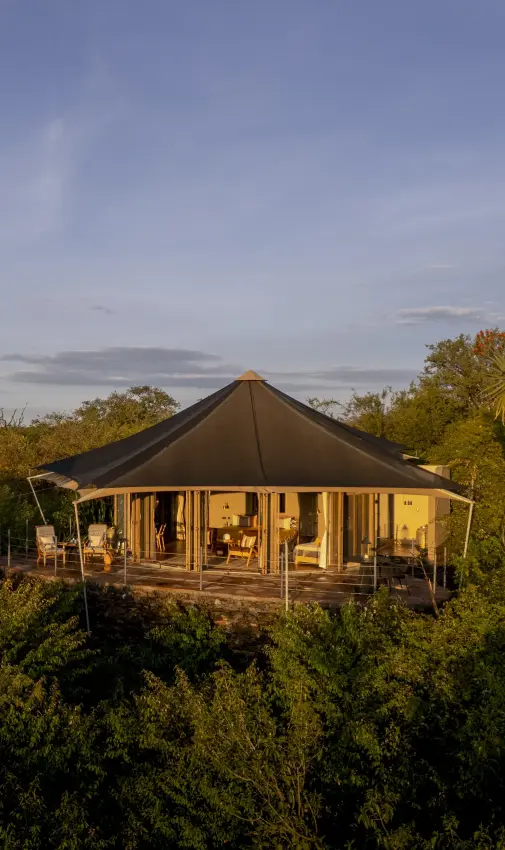
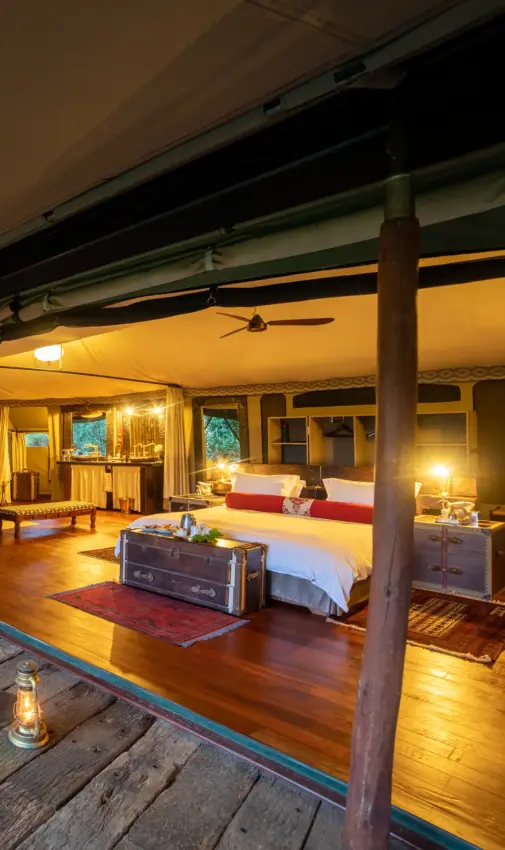
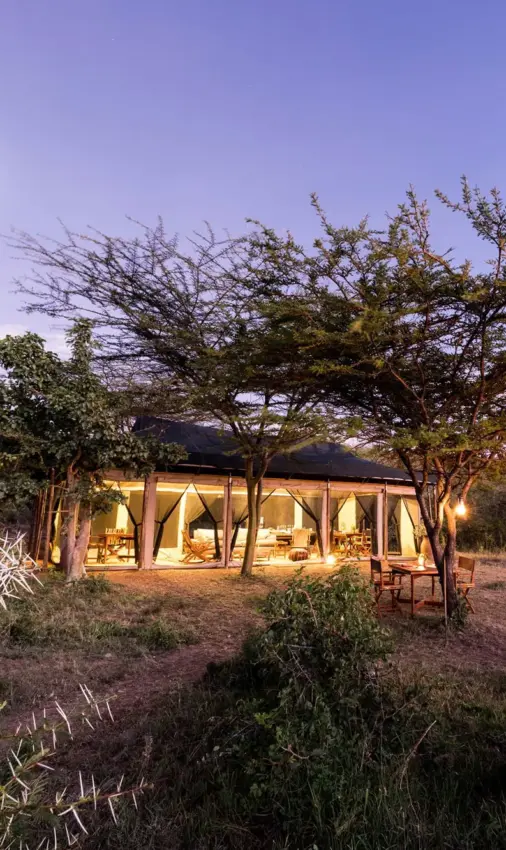
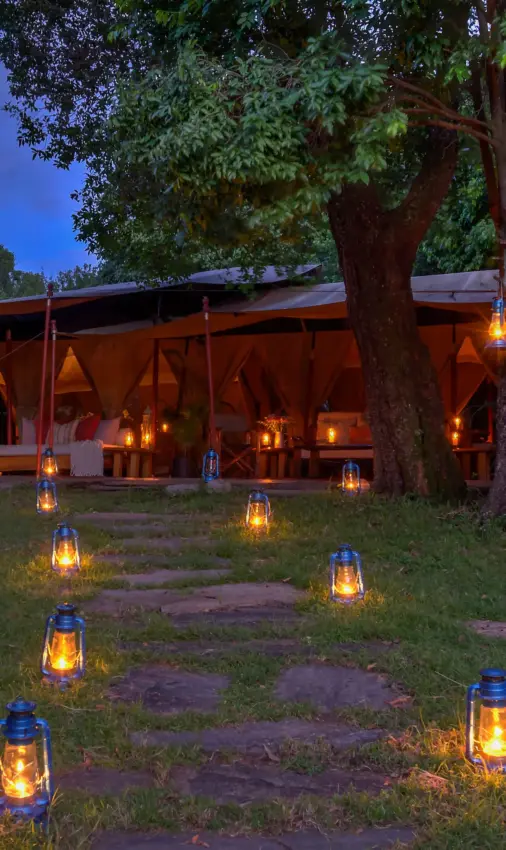
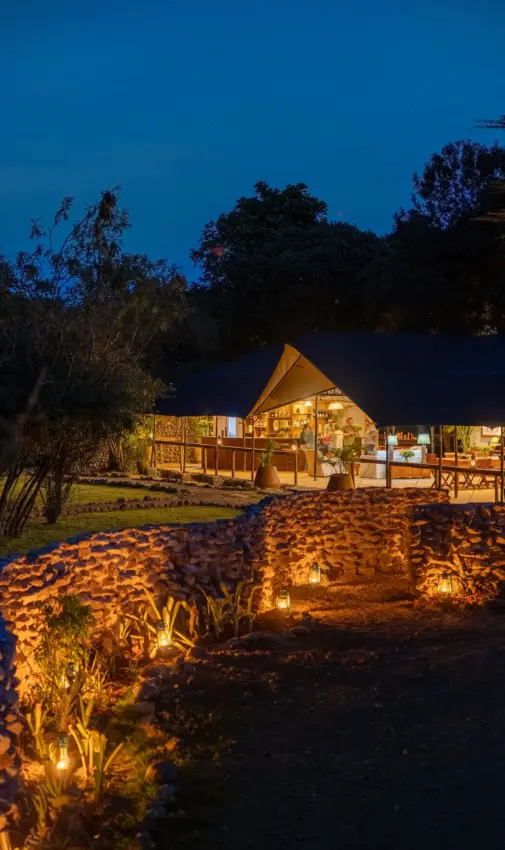
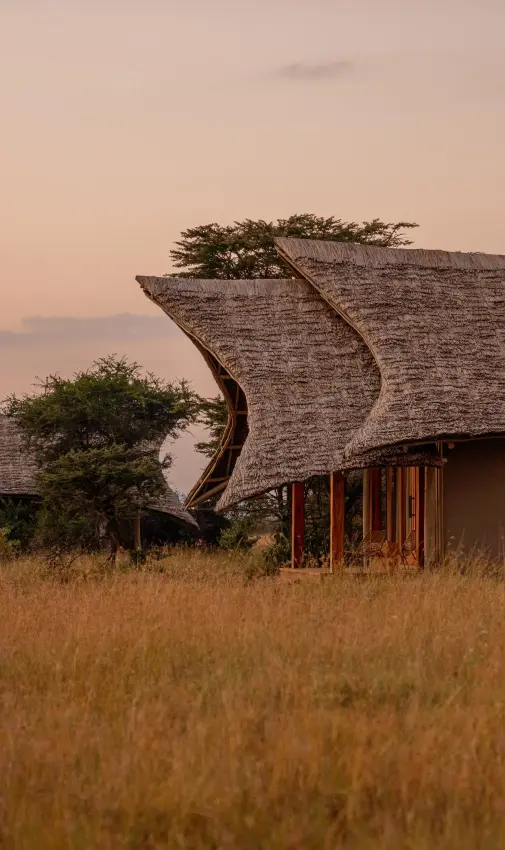
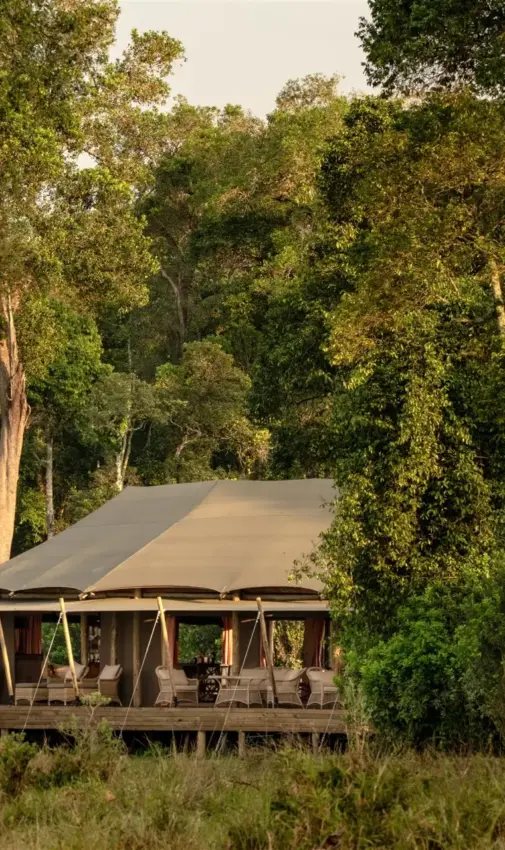
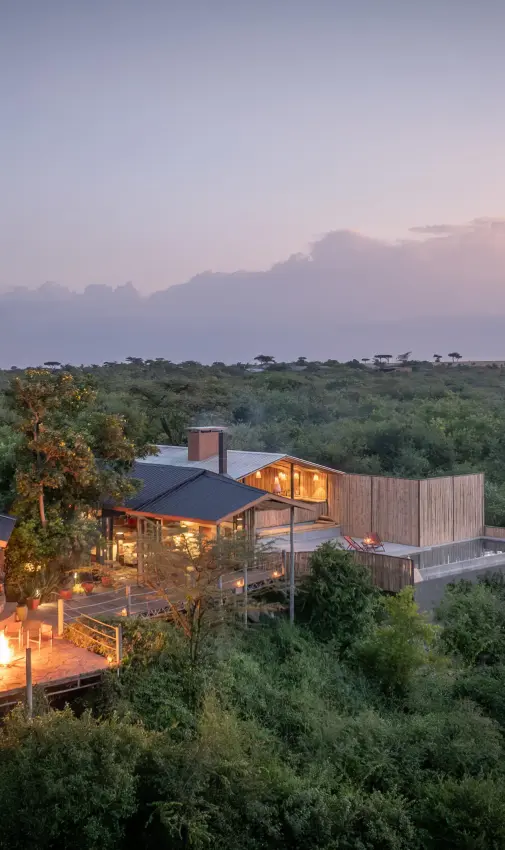
Accommodation across the Greater Mara spans permanent tented camps under canvas with en-suite bathrooms, solid-walled lodges with pools and larger public areas, and exclusive-use private houses staffed with their own guide, vehicle and chef. Seasonal mobile camps follow the migration into prime crossing country. The smallest, most intimate camps sit in the private conservancies, where guest numbers are capped and a sighting is rarely shared with more than a vehicle or two.
01

 02
02
 03
03
 04
04
 05
05
 06
06
 07
07
 08
08
 09
09
 10
10
 11
11
 12
12
 13
13
 14
14
 15
15
 16
16
 17
17
 18
18
 19
19
 20
20
 21
21
 22
22
 23
23
 24
24
 25
25
 26
26
 27
27
 28
28
 29
29
 30
30
 31
31
 32
32
 33
33
 34
34
 35
35
 36
36
 37
37
 38
38
 39
39
 40
40
 41
41
 42
42
 43
43
 44
44
 45
45

activities
Game drives, walking, balloon flights
Daytime game drives run in both the reserve and conservancies. Off-road driving, night drives and guided walks with armed Maasai guides are conservancy privileges, not reserve ones. Dawn balloon flights cross the plains where authorised. Helicopter charters reach remote airstrips and fly scenic routes over the river and escarpment.

conservation
Elephants, predators, community land
The Mara Elephant Project collars and tracks elephants to reduce human-elephant conflict and support anti-poaching efforts. The Mara Conservancy runs anti-poaching patrols across the Mara Triangle. The conservancy lease model expands protected habitat well beyond the reserve's 1,510 km² while paying Maasai landowners directly.

getting around
Daily flights from Wilson Airport
Scheduled light aircraft run daily from Nairobi's Wilson Airport, around 45 to 60 minutes to airstrips including Keekorok, Ol Kiombo, Musiara and Mara Serena, plus conservancy strips. Private charters fly direct to the strip nearest camp. Helicopter transfers and scenic flights can be arranged.
other areas in kenya
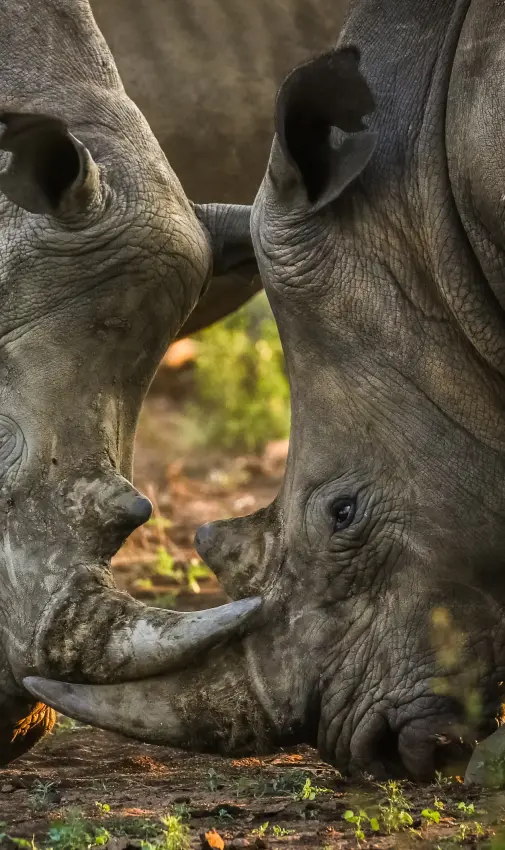
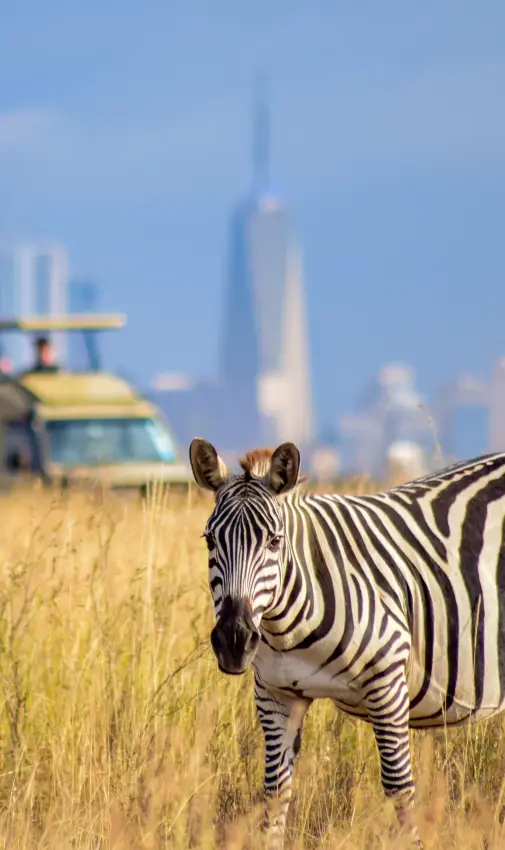
The Mara pairs naturally with Amboseli, where large elephant herds gather beneath Kilimanjaro, and with the Laikipia Plateau, a high semi-arid landscape known for rhino conservation, walking and riding. Samburu, on the Ewaso Ng'iro in the north, holds dry-country species including Grevy's zebra and reticulated giraffe. The Lewa and Borana conservancies offer conservation-focused stays and rhino strongholds. The Kenyan coast at Diani or Lamu adds Indian Ocean beaches after the inland plains.
 01
01
 02
02
 03
03
 04
04
 05
05
 06
06
 07
07
 08
08
 09
09
 10
10
frequently asked questions
By light aircraft from Nairobi's Wilson airport, in most cases.
Scheduled flights leave several times a day and take about forty-five minutes to an hour and a quarter in the air. The half hour some timetables show is only the leg to the aircraft's first stop, so read the arrival time rather than the flight time.
Which airstrip matters more than people expect. Ol Kiombo serves the Talek River, Musiara the Mara Triangle side, Ol Seki the Naboisho Conservancy, and Ngerende or Mara North the north. We match the strip to your camp, so the game drive in runs twenty minutes rather than two hours.
A private charter, typically a Cessna Caravan or a Pilatus PC-12, flies direct to a conservancy airstrip at a time that suits you. Most guests fly; we only route the road from Nairobi when there is a reason to.
There are three different Maras, and the choice matters more than the camp does.
- The national reserve, where the Mara River and the crossing points are
- The Mara Triangle, the reserve's quieter western third under the Oloololo escarpment
- The northern conservancies, Mara North, Naboisho and Olare Motorogi among them
The reserve puts you closest to the herds in the season, and shares its sightings with everyone. The conservancies are private Maasai land with few camps, capped vehicle numbers, night drives and walking.
Most of the trips we build take a few nights in a conservancy and a few in the reserve, in that order, so the quiet days come first and the spectacle second.
Three things, and they change the days completely.
- Drive after dark, so you see what only comes out at night
- Leave the track to reach a sighting properly
- Walk, with an armed guide and a Maasai tracker
The conservancies also cap how many vehicles may be at a sighting, so a leopard is watched by a handful of cars rather than a queue.
The reserve's rules are the same for every visitor: no night drives, no off-road driving, and gate hours that decide when your day starts and ends. What the reserve has is the Mara River itself, so a conservancy camp drives in by day when the herds are crossing.
Yes. The Mara sits at around 1,500 to 1,800 metres, below the altitude at which malaria risk falls away, so both TravelHealthPro, the UK's official travel health service, and the CDC treat it as a malaria area, and antimalarial tablets are usually advised.
We do not make medical recommendations. Which tablets suit you, how they sit with anything else you take, and what is right for a child are questions for your own doctor or a travel clinic.
On the practical part, dusk is the hour that matters, so long sleeves, long trousers and repellent are worth the packing space.
Three at a minimum, and four or five if the herds are your reason for coming.
One night is mostly travel: you arrive in time for an afternoon drive and leave after a single morning, and on some camps the flights are only included from two nights. Three gives you a full day either side of the arrival and departure.
The pattern we book most often is a few nights in a conservancy for the quiet sightings, the walking and the night drives, then nights in the reserve when the crossings are running. Told your dates, we will say which way round it should be.
Yes, and the conservancies suit them better than the reserve.
Several camps have family tents or suites of two bedrooms, run bush-skills sessions for children, and take them on drives from a younger age than a national park would. The days can also stretch beyond the vehicle: riding, e-biking, fishing the river and visits to a Maasai family.
Walking safaris and night drives carry their own age limits, which vary camp by camp. A private vehicle is the thing that makes a family safari work, because the day then runs to your children's attention span rather than a stranger's.
Tell us their ages and we will shape the camps and the days around them.
rated five stars by our clients

our approach
remote, exclusive
& personal
Every journey starts with a conversation. We take the time to understand your vision before we start planning.
Whether by phone or in person, we work with you directly to shape something that is considered, personal, and expertly delivered.
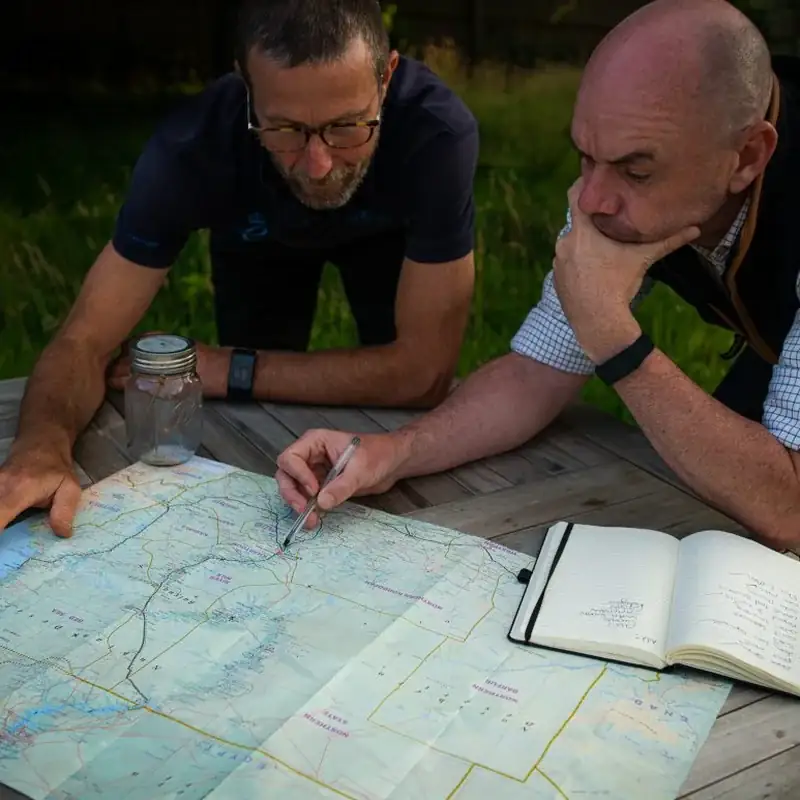
Every journey starts with a conversation. We favour a direct, personal approach: understanding your vision before anything else.
Whether by phone or in person, we work with you directly to shape a journey that is both thoughtfully considered and expertly delivered.
Get in touch to start planning yours.