





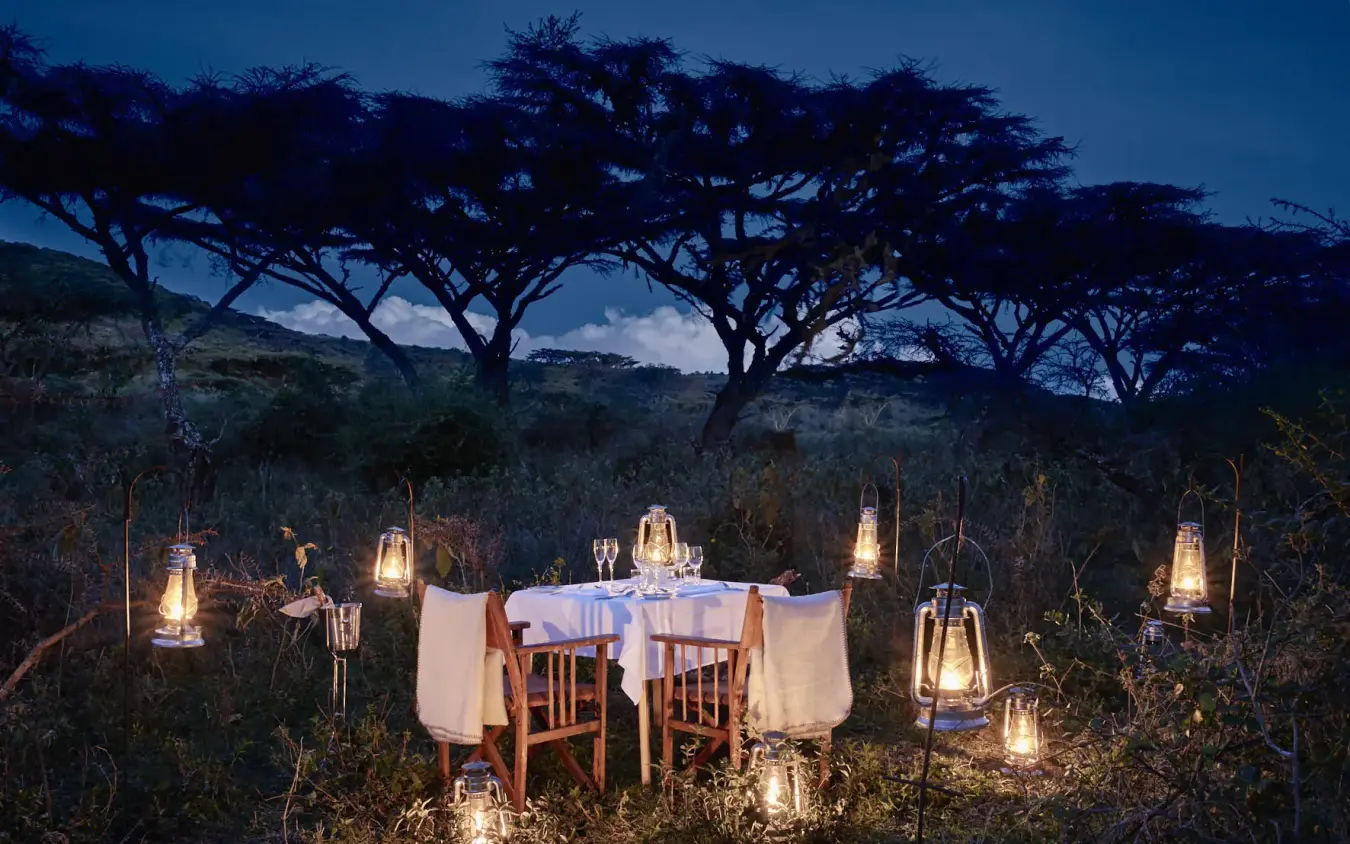
kenya & tanzania
the mara to the crater
Ten nights from Nairobi through the Mara's Naboisho Conservancy and the eastern Serengeti to the rim of the Ngorongoro Crater.
- Private Safari
- From $12,580 pp
- 2 guests
- 10 nights
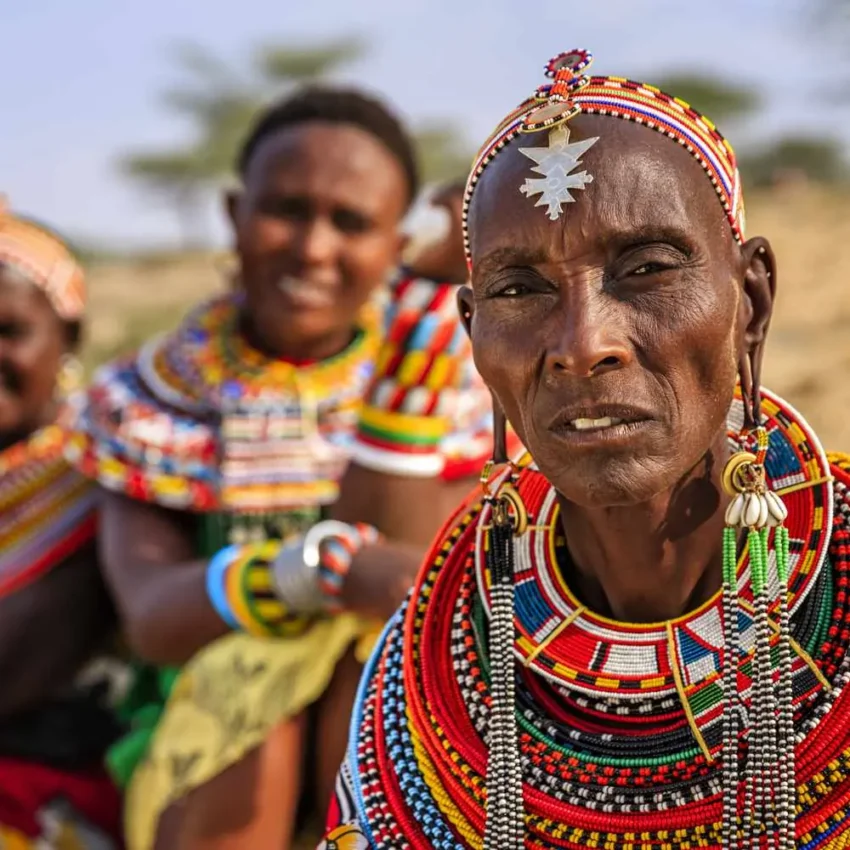
This 20-night route runs north through Kenya before crossing to Rwanda. It opens in Karen on Nairobi’s edge, then reaches the private Naboisho Conservancy on the Mara, the community land of Namunyak in Samburu, the desert of the South Horr Valley near Lake Turkana, and the Lewa Wildlife Conservancy. It closes in Rwanda, in Kigali and at Volcanoes National Park.
You travel by a mix of flights and road transfers, with days shaped around game drives, walking, riding and, in Rwanda, gorilla trekking. The stays run from hosted family homes and a Karen farmhouse to canvas suites and canopy treehouses, each small in scale and chosen for its ground rather than its name.
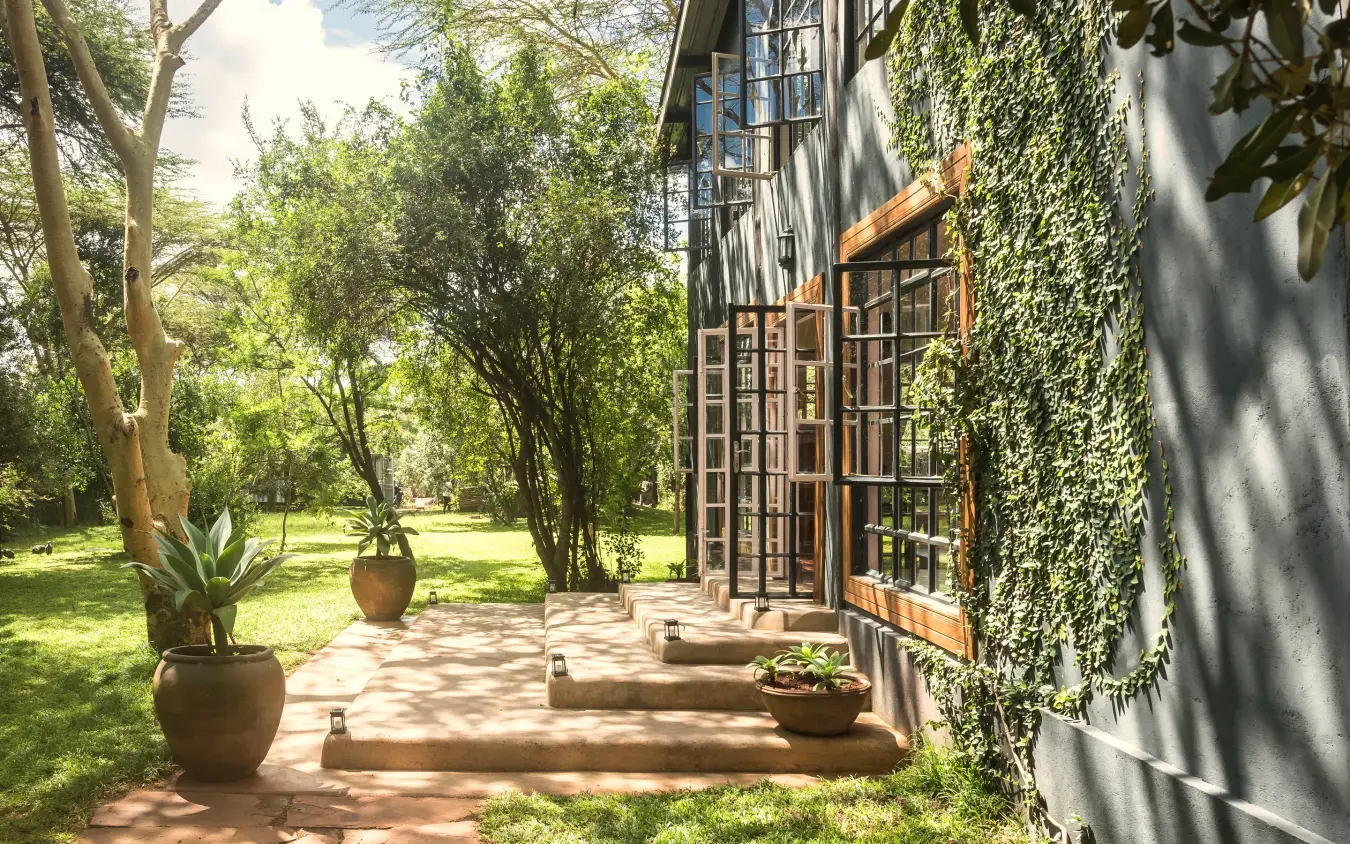
You begin in Karen, on the leafy south-western edge of Nairobi at around 1,795 metres, where the days stay mild. Fill the time with Karen's own stops, the Sheldrick Wildlife Trust nursery and its orphaned elephants on a single timed morning visit, the AFEW Giraffe Centre and its Rothschild's giraffes, or the Karen Blixen Museum, all arranged with a vehicle on hand. Sheba's Secret Garden is a Cape Dutch farmhouse taken on exclusive use, with a gin distillery on the grounds where a tour and tasting form part of every stay.
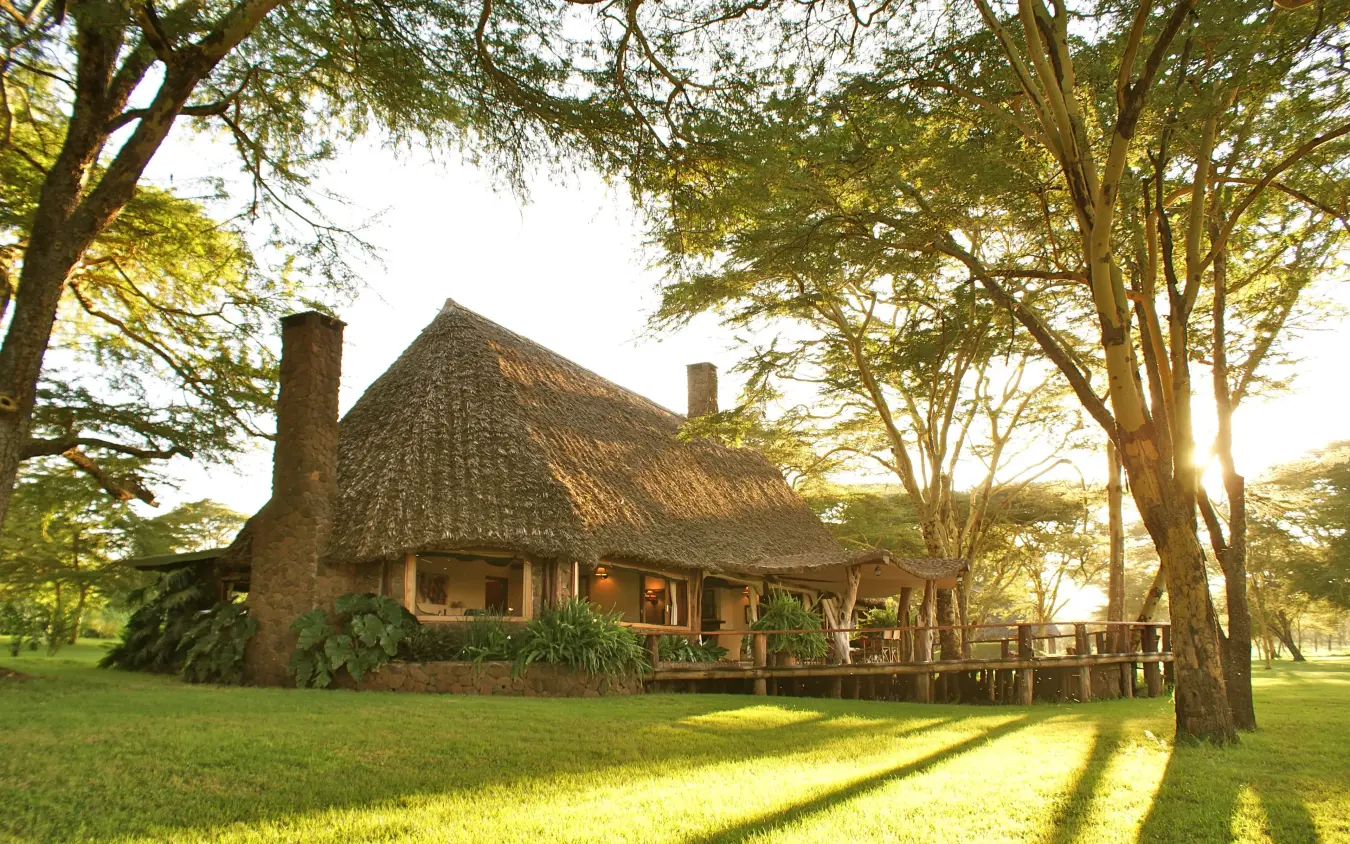
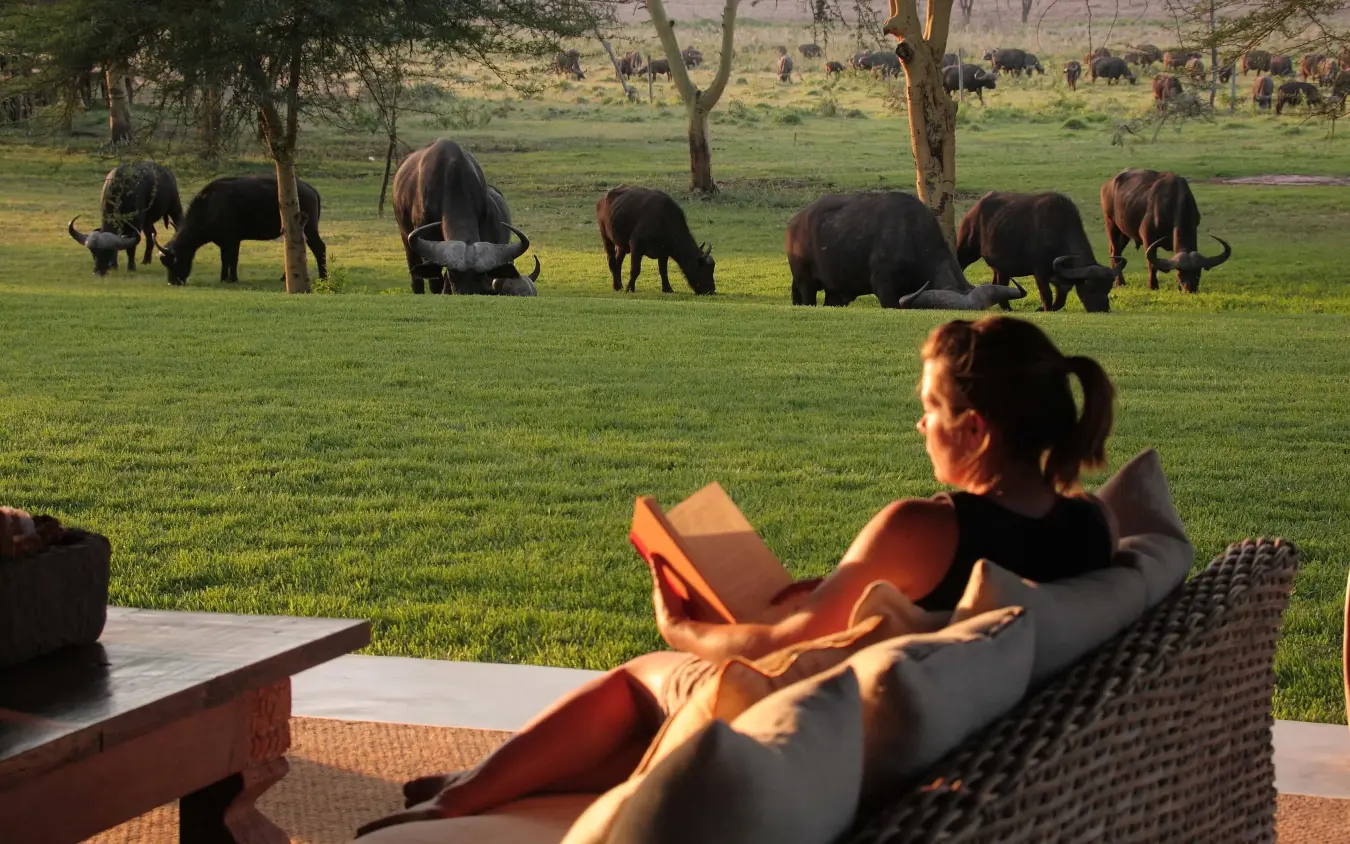
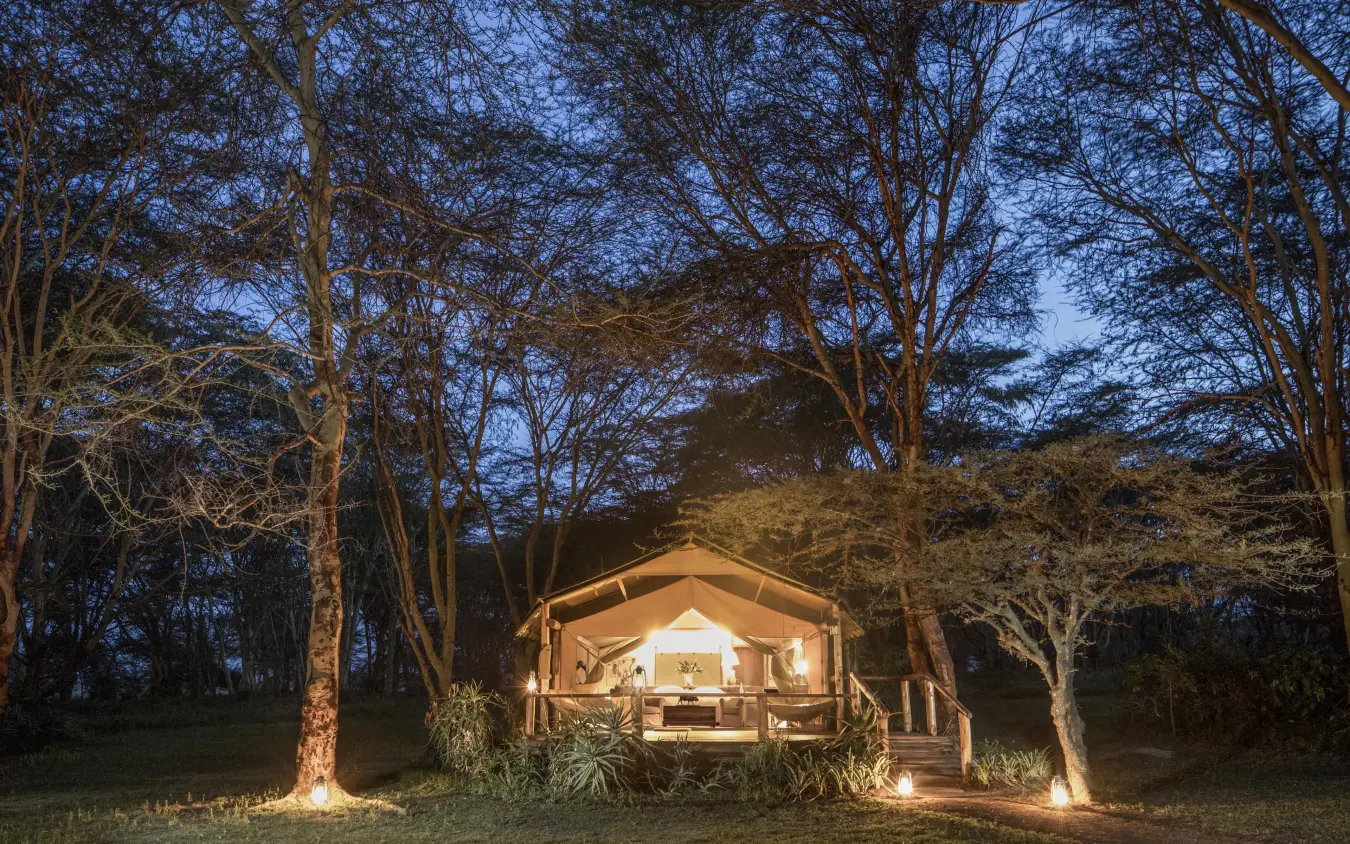
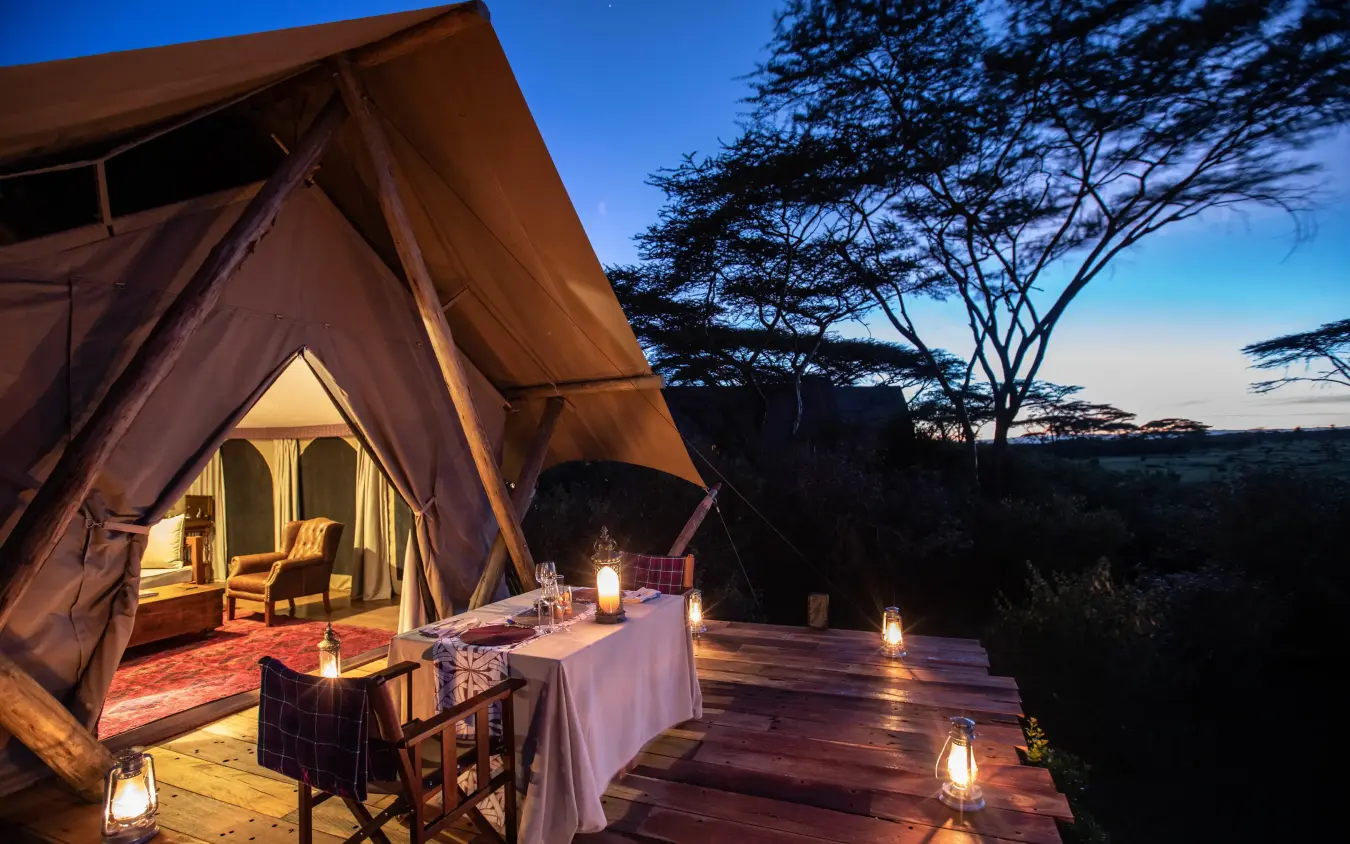
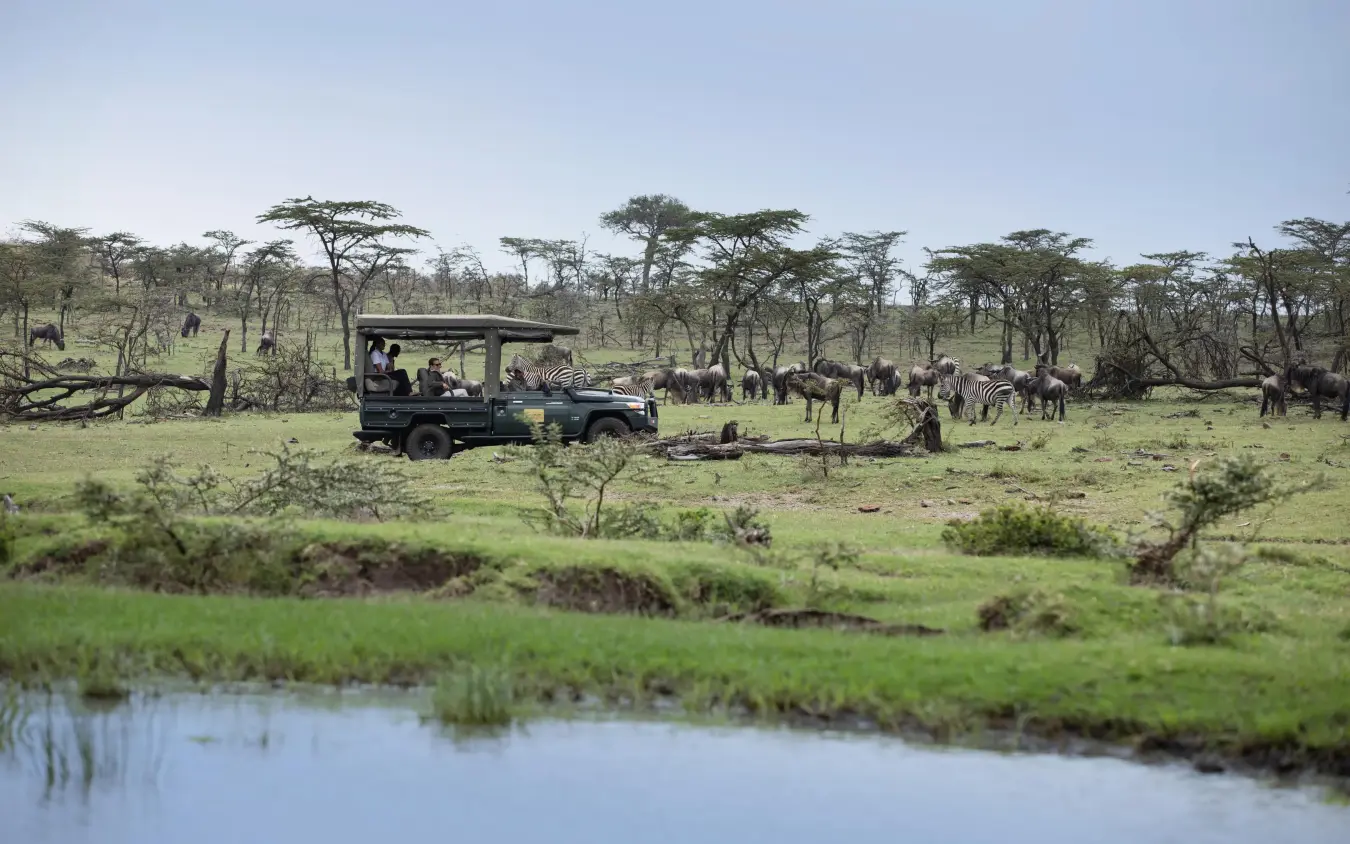
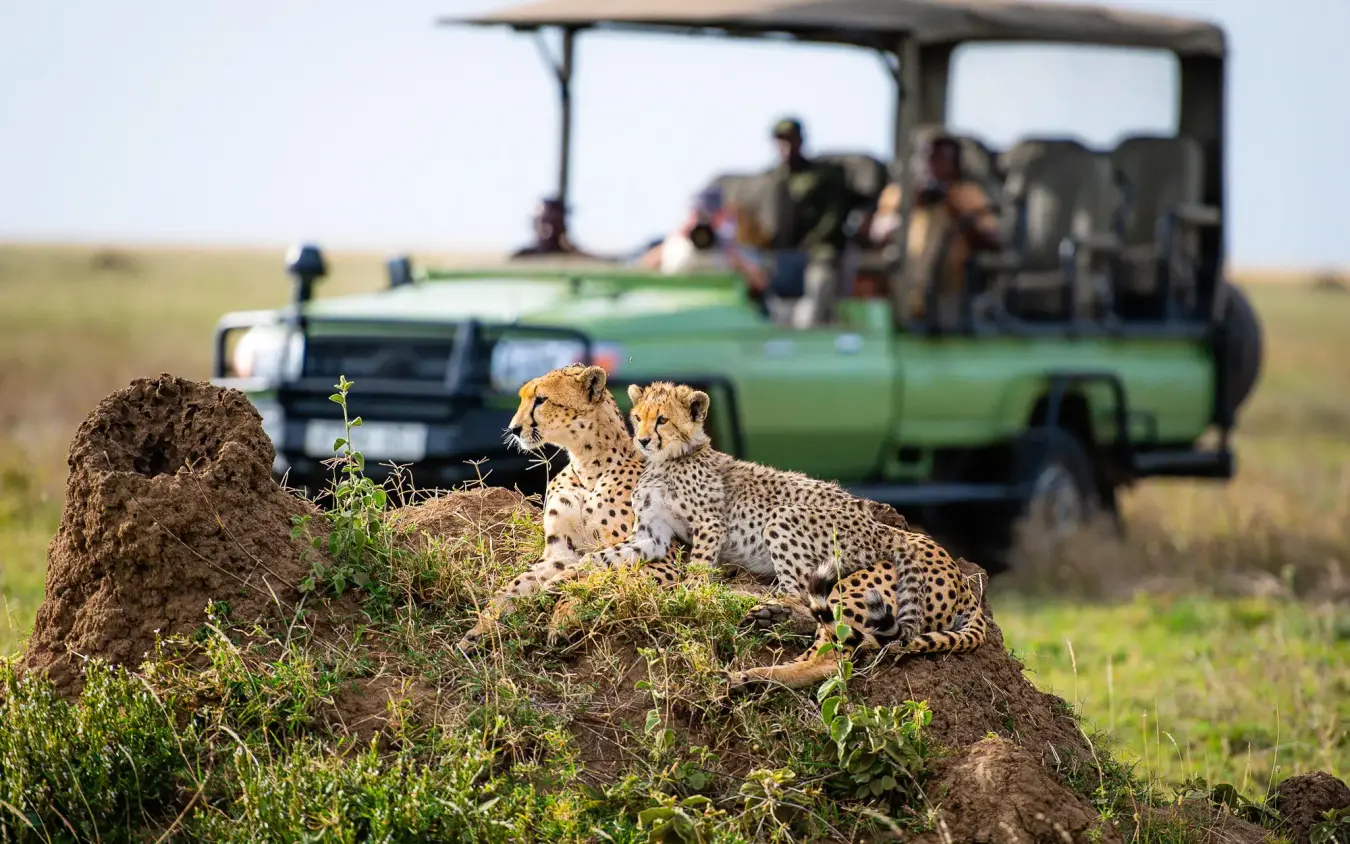
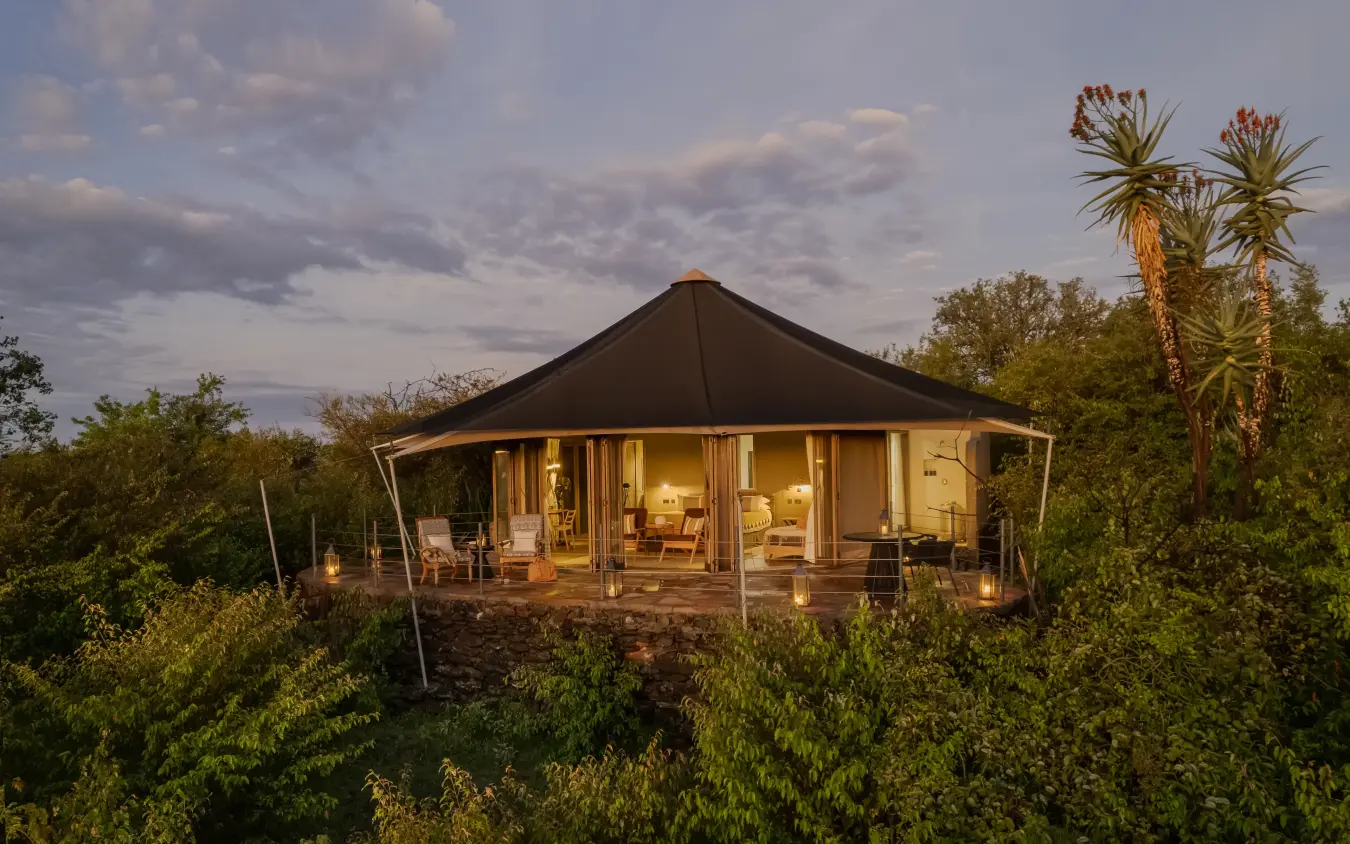
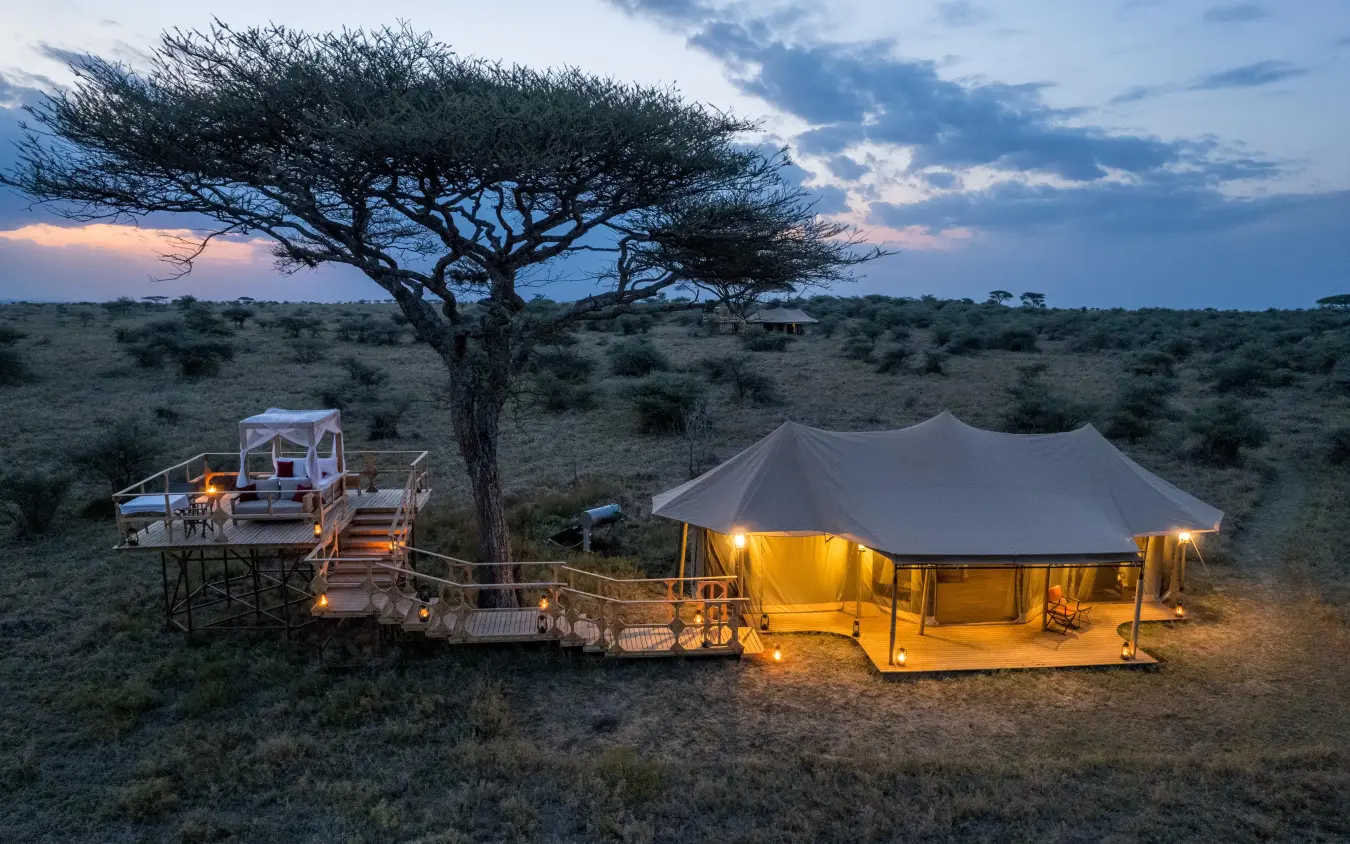
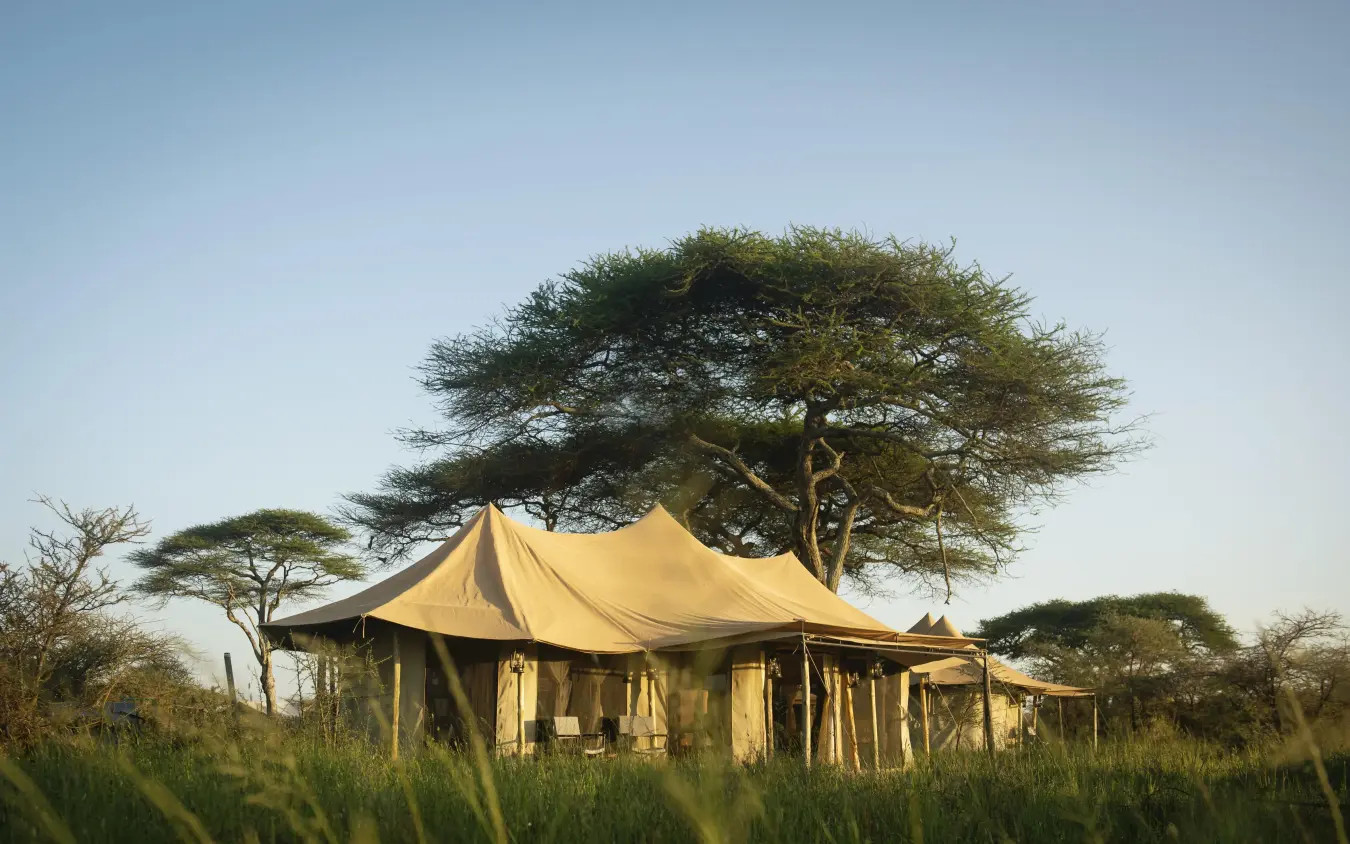
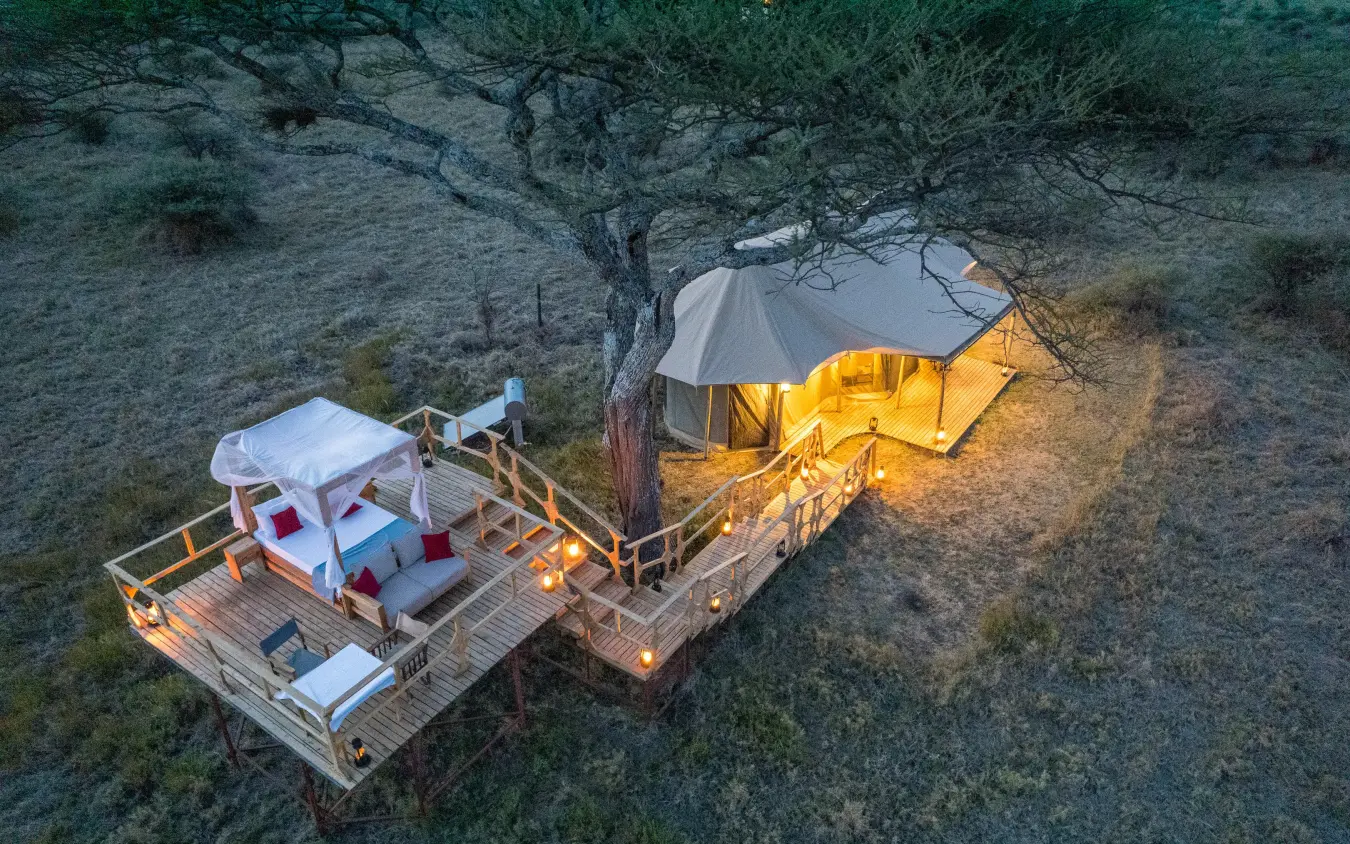
A short flight brings you to the private Naboisho Conservancy on the Maasai Mara's northern edge. Naboisho carries one of the highest densities of predators in the Mara, its lions, leopards and cheetahs shadowing the elephants, giraffes and plains game, and being private land lets guides leave the road and run drives after dark. Between August and November the wildebeest herds spread across these plains on the migration route. Mara Nyika holds just six canvas suites on tall decks beneath umbrella-thorn acacias, with open Land Cruisers modified for photography seating no more than four.
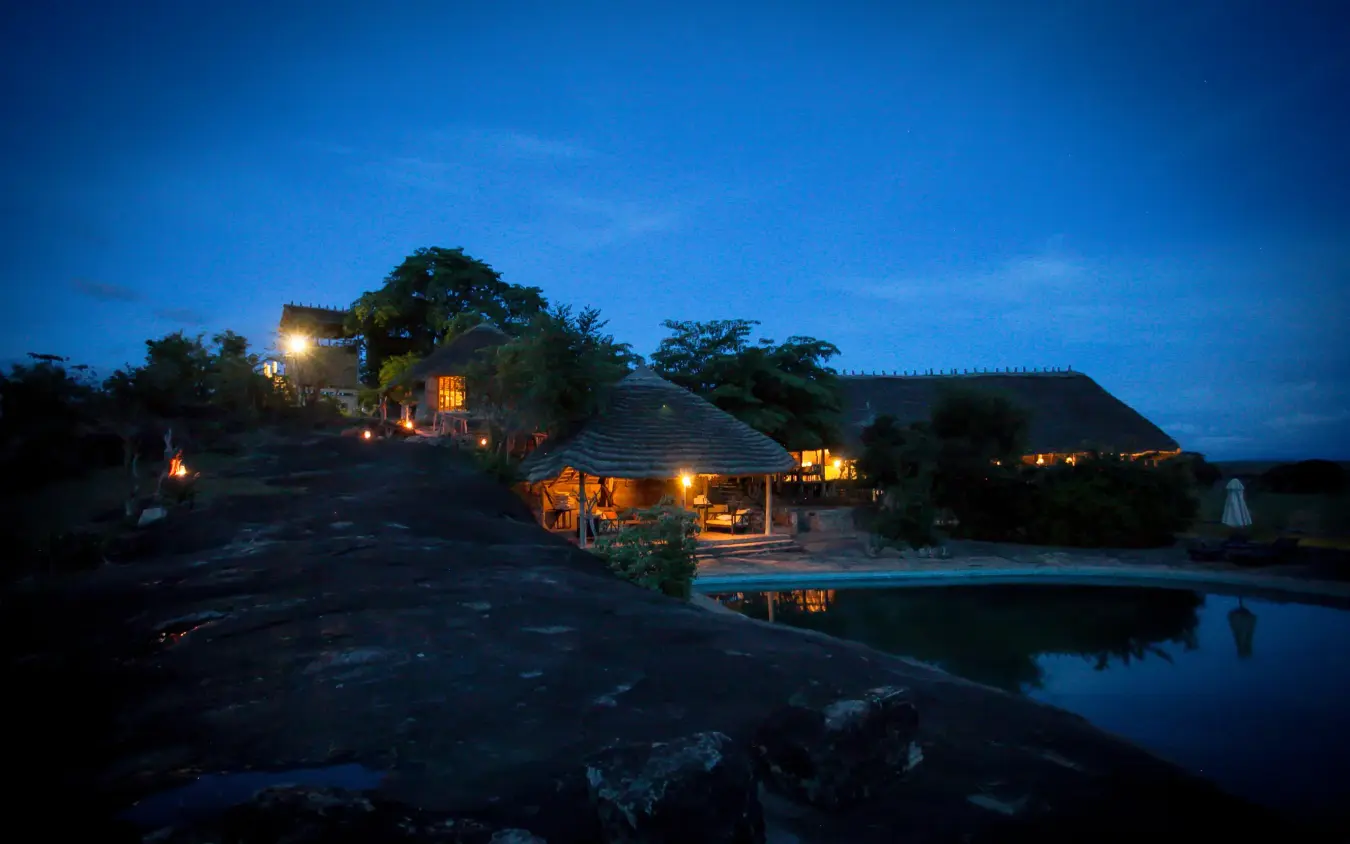
You move north to the Namunyak Wildlife Conservancy, around 850,000 acres of plains, riverine corridors and rocky slopes at the foot of Mount Uarges. Because this is a community conservancy rather than a national park, days can hold unrestricted game drives, night drives, walking safaris, horseback rides on bush ponies and camel treks into the Mathews Range, with elephants, buffalo and giraffe moving across the forest floor. Sarara Treehouses raises eight canvas suites on stilts within the canopy, each in its own clearing, with a permanent waterhole below the main lounge and infinity pool.
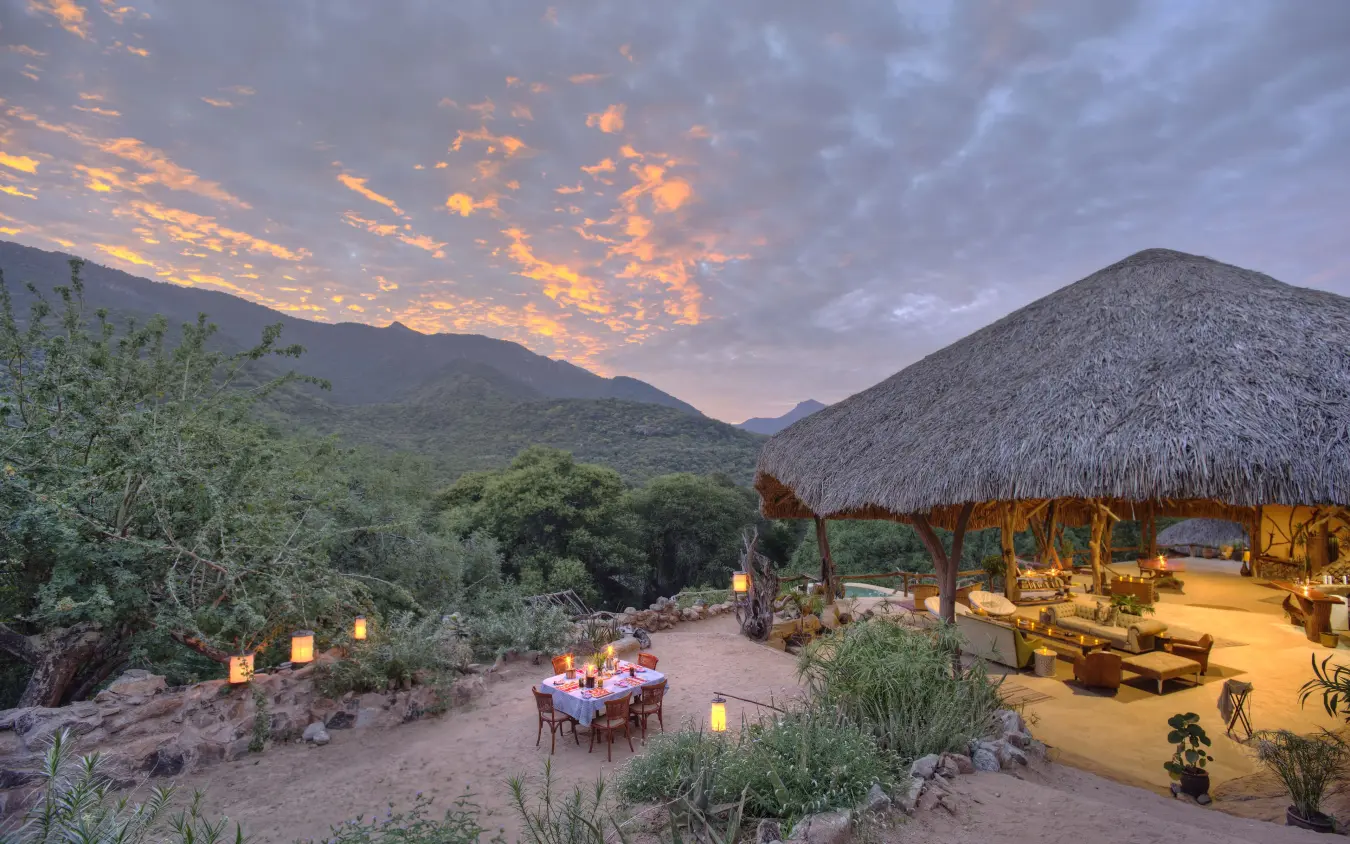
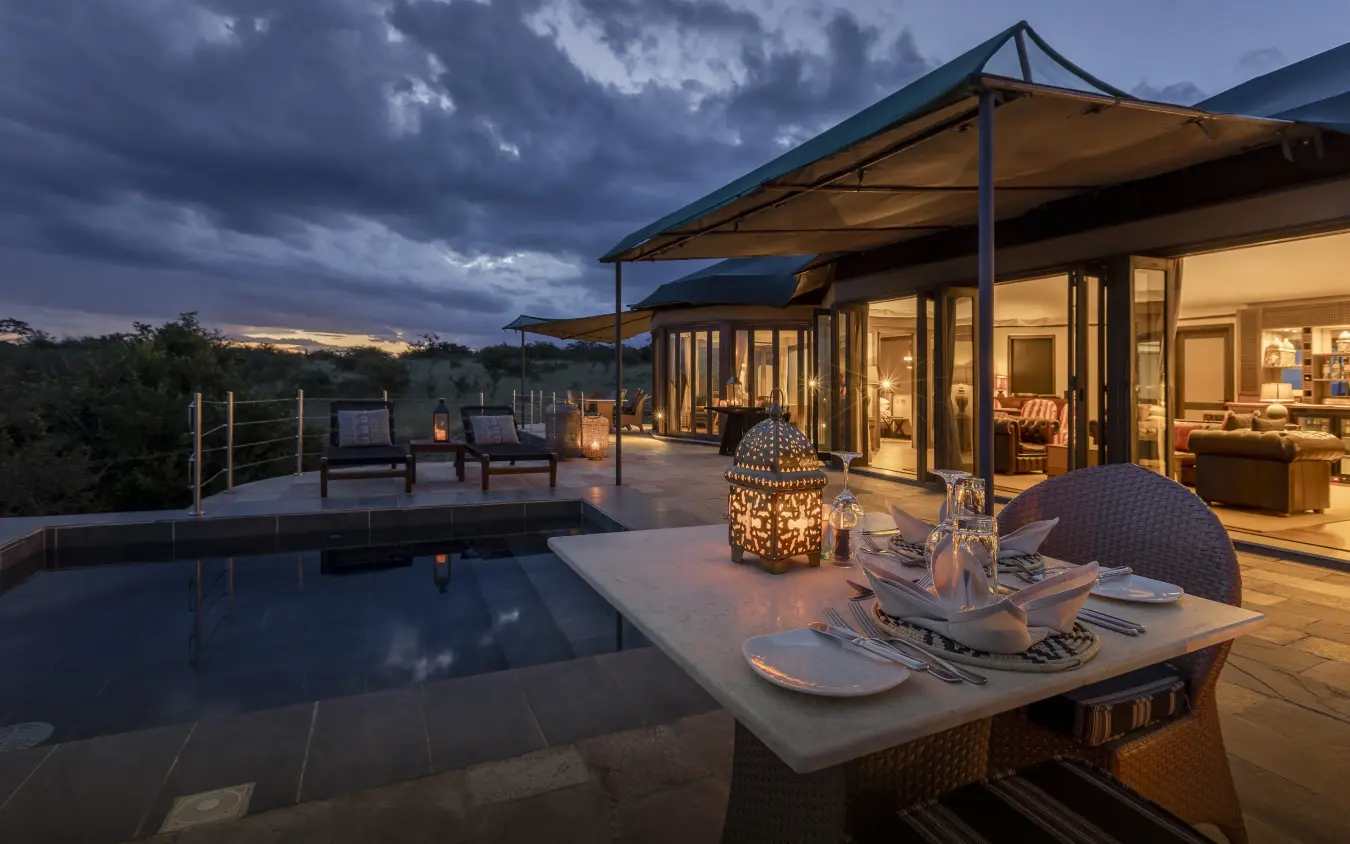
Further north lies the South Horr Valley, on the red earth of Northern Kenya, roughly 60 kilometres from the southern shores of Lake Turkana. This is not classic game-drive country; the pull is space, silence and scale, explored on foot, by quad bike, or by boat onto Lake Turkana for the crocodiles and birdlife along the shore, with cultural visits reaching remote Samburu and Rendille homesteads. Koros Camp is an off-grid, owner-run camp of six thatched rooms with a pool and open-air mess, and the low light of the far north opens a dense field of stars above the campfire.
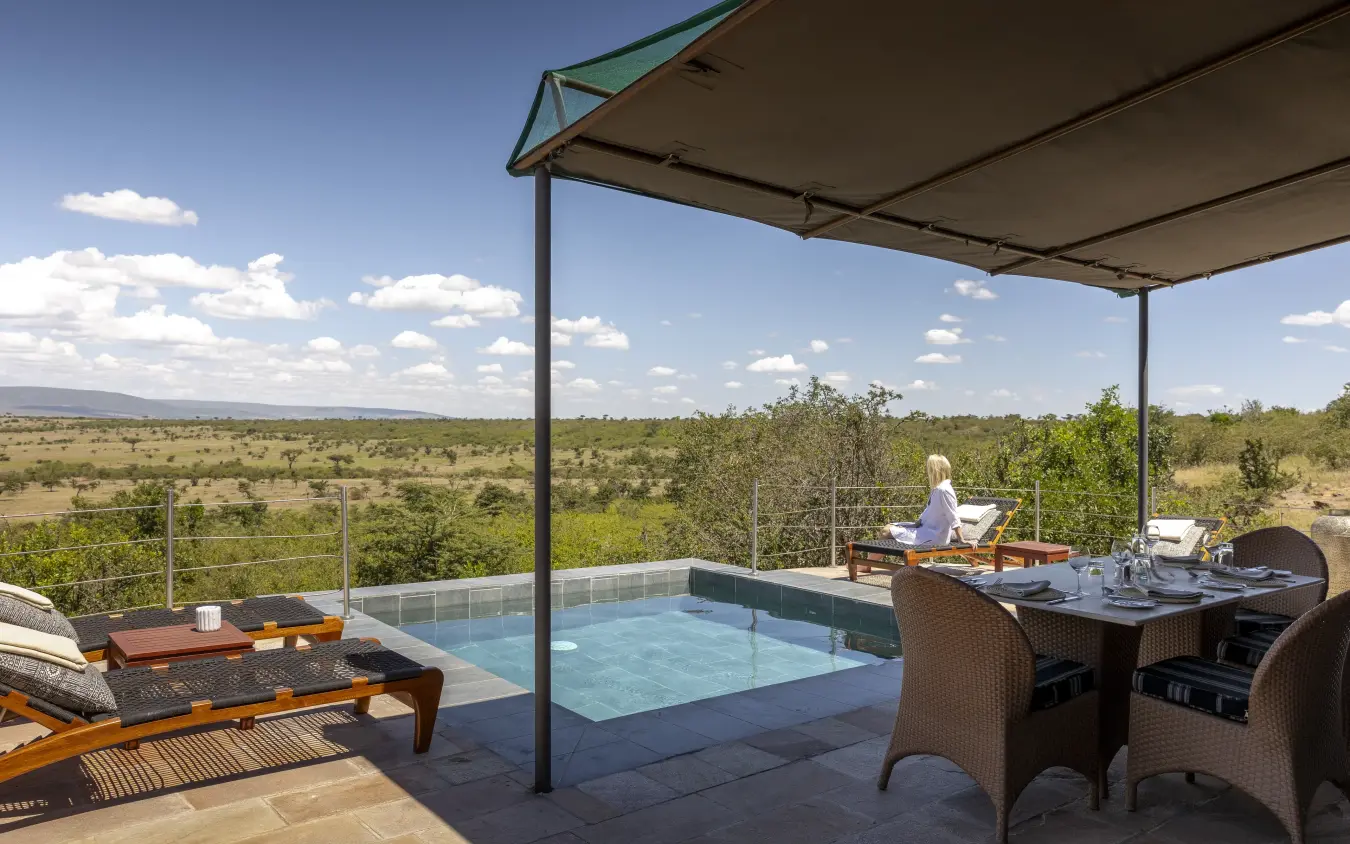
The Lewa Wildlife Conservancy sits at around 1,750 metres, with Mount Kenya to the south and the Mathews Range and Ol Lolokwe on the northern horizon. Lewa is home to black rhino, and from the hilltop sightings are consistent, while Grevy's zebra, reticulated giraffe and Beisa oryx cross the open ground. As private land, the guiding runs beyond daylight hours; Calum leads bush walks, horses and camels go out in the afternoons, and night drives use spotlights. Lewa House is the Macfarlanes' family home, a stone-and-thatch homestead with earth pods below and a free-form pool above the valley.
You fly to Kigali, Rwanda's capital, spread across ridges and valleys and widely regarded as the cleanest city in Africa. Give it the days it rewards: the textile stalls of Kimironko Market, the makers at Caplaki Craft Village, the Inema Arts Center, and the Kigali Genocide Memorial at Gisozi, the resting place of more than 250,000 victims of the 1994 Genocide against the Tutsi. Villa Kigali is a four-bedroom home on Rebero hill taken on sole use, with a private chef and butler, twenty minutes from the centre.
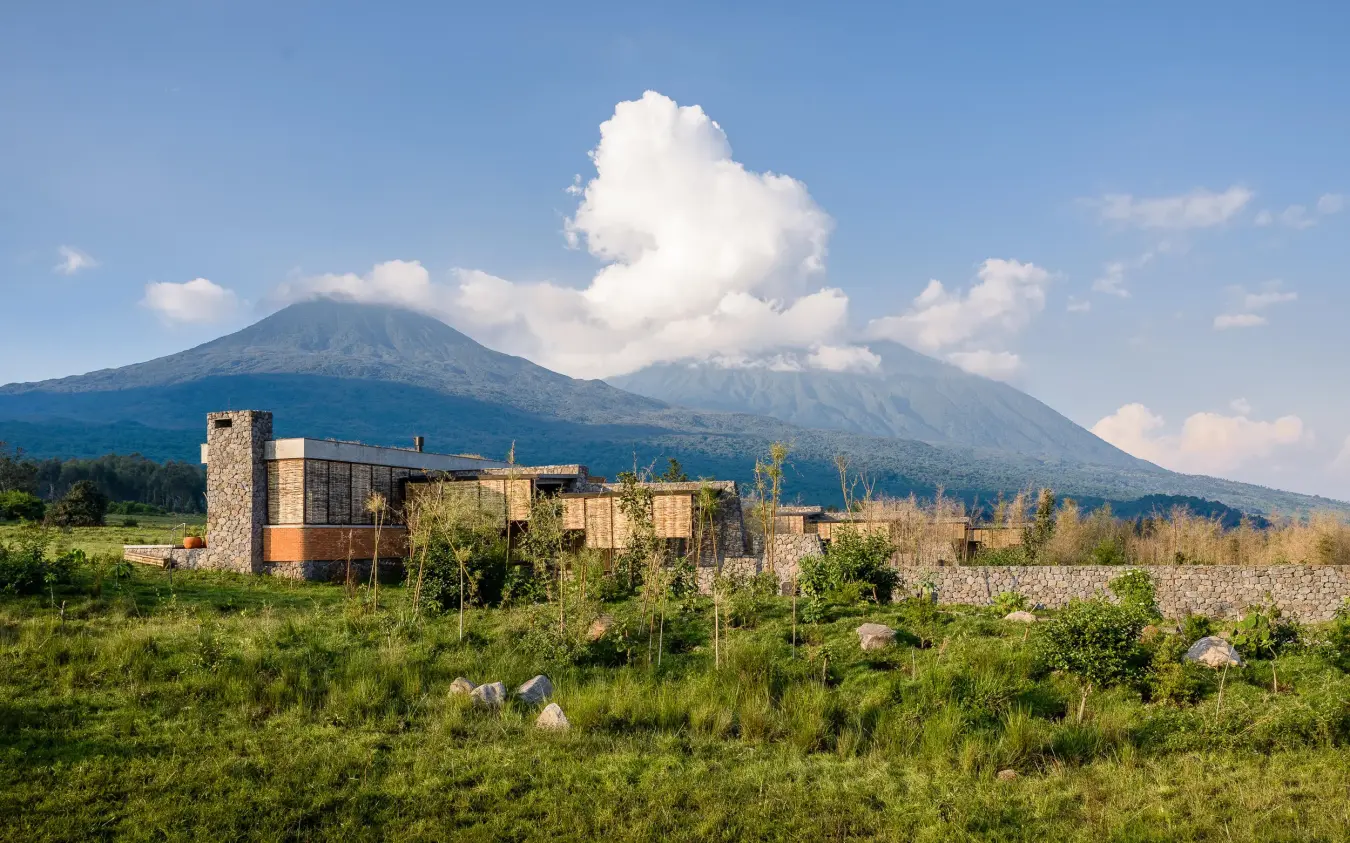
A drive north brings you to Volcanoes National Park in Musanze District, 160 square kilometres of rainforest across five Virunga volcanoes and home to more than a third of the world's remaining mountain gorillas. Treks begin at Kinigi Park Headquarters by 7am, climbing through bamboo and forest to a habituated family, a permit granting exactly one hour with them, with golden monkey trekking a worthwhile second outing. Singita Kwitonda Lodge shares a 1.2km border with the park, the closest of any lodge, its eleven suites built from volcanic rock and river stone, each with a private heated plunge pool.
You return to Kigali for a last night among the hills, twenty minutes from the centre and thirty from the airport. There is time for anything left undone, a return to the markets or the arts centres, or a quiet evening on the veranda. Villa Kigali again gives you the four-bedroom house on Rebero hill on sole use, with its private chef cooking to individual taste and much of the produce drawn from Rupari Farm near Lake Mugesera.
The lake is a day out from Koros, not a view from your room.
The camp sits in the South Horr Valley, about 60 kilometres south of the shore and roughly one hour away by vehicle, and it keeps its own 24-foot aluminium boat on the lake. A day on the water means cruising past volcanic islands and shores where crocodiles live, watching for birds, and fishing for Nile perch if you like.
Be ready for wind and heat: Turkana's winds can be extremely strong and the water rough, and average dry-season temperatures are 28 to 30 degrees. Two nights give you one full day, which covers the lake; a third adds a walk up the dry riverbeds or a quad bike outing without hurry.
Koros also offers helicopter flights over the lake and the Suguta Valley with Tropic Air, typically in an Airbus H125. They are not part of this route, so ask us about adding one.
Good odds on both species, though nothing wild is ever certain.
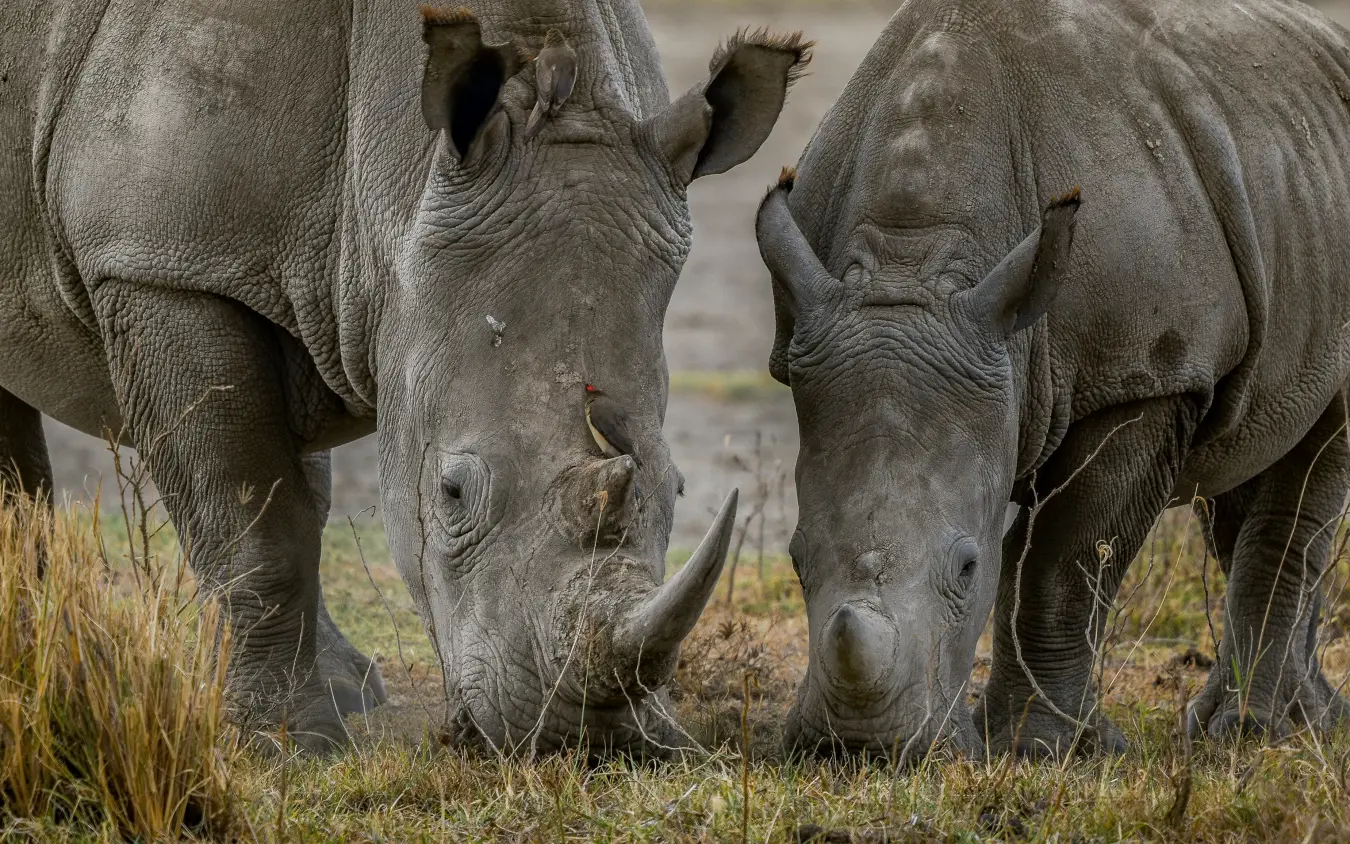
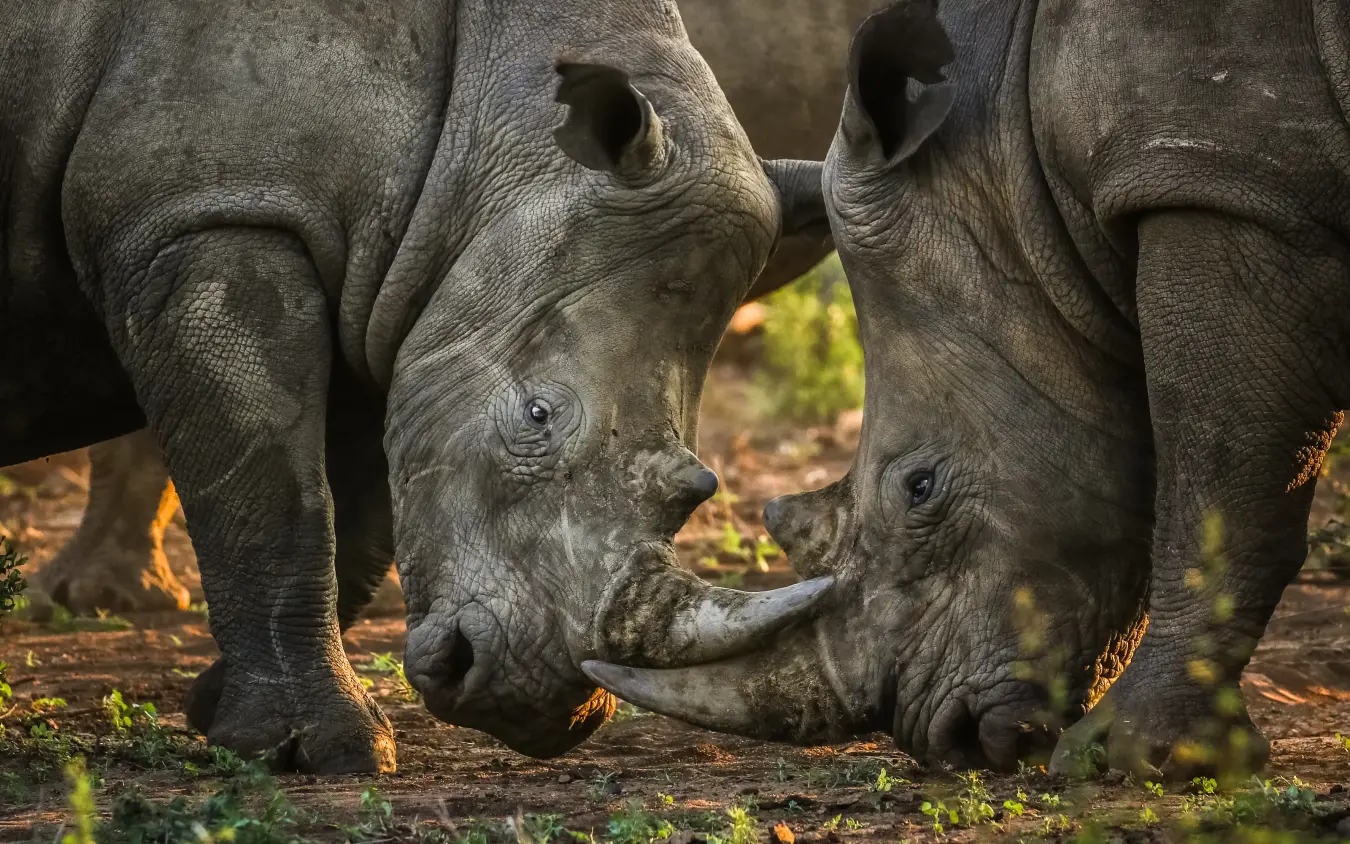
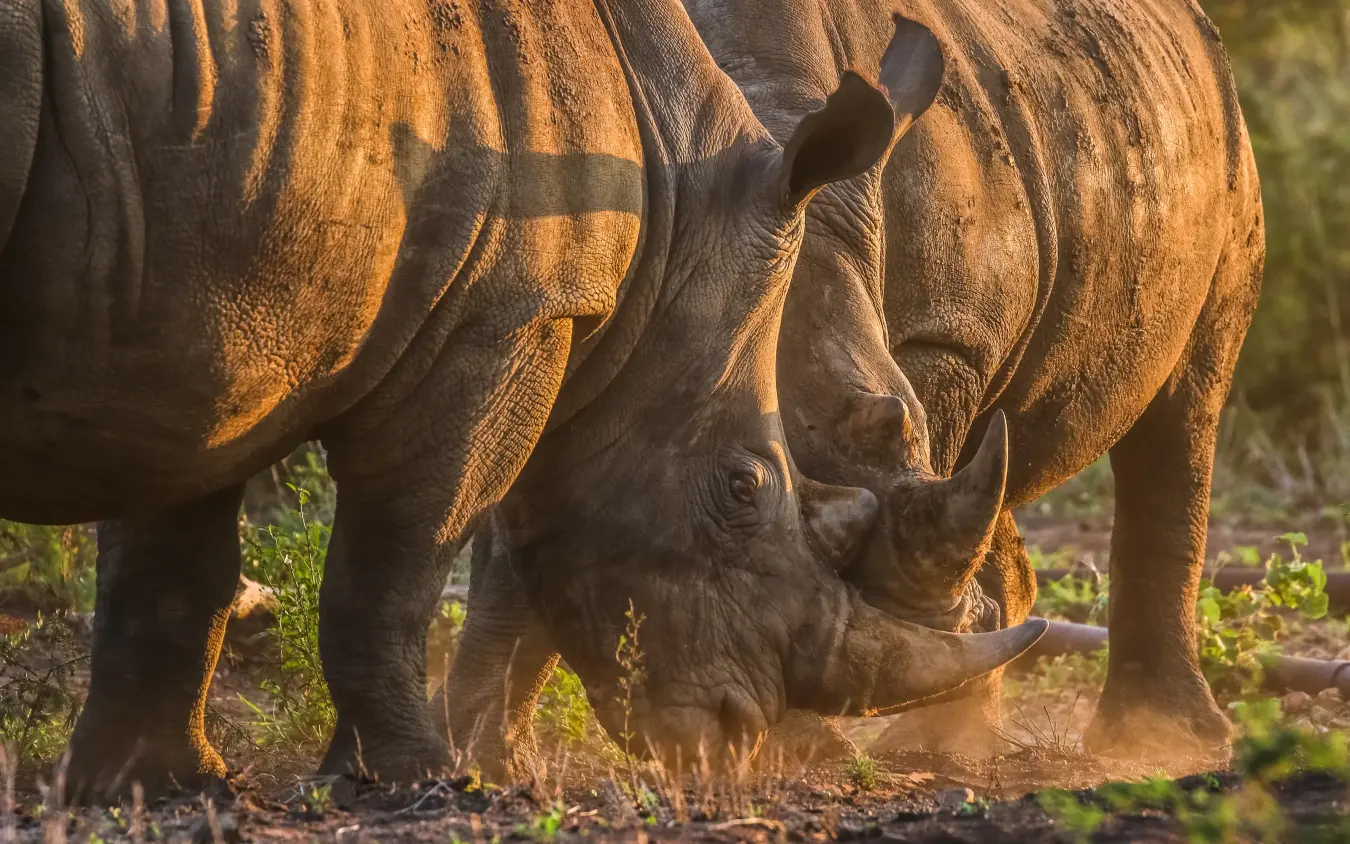
Lewa and neighbouring Borana count their rhino as one population, which stood at 273 in March 2025: 130 black and 143 white. We would call rhino sightings there very common.
The two species behave differently, and that shapes what you see. White rhino are grazers and spend their days out on open grass, so they are usually the first you find. Black rhino browse in heavier cover, so a clear view of one is a matter of patience, which four nights give you.
Lewa's open country helps in another way. The same drives regularly turn up Grevy's zebra, reticulated giraffe and Beisa oryx, three of the northern specialities that people come to this part of Kenya to see.
Tell your guide on the first day that black rhino are the priority.
Less than the map suggests, because the long legs are flown.
The route flies you from Nairobi to Naboisho and, near the end, from Kenya to Kigali, then drives you from Kigali to the volcanoes, two and a half to three hours by road.
In the north, what exists decides the rest. No scheduled flights serve the South Horr Valley, so Koros is reached by private charter, typically a Cessna Caravan or a Pilatus PC-12, to an airstrip about twenty minutes from camp.
Sarara has a conservancy airstrip for charters, and the nearest scheduled service lands at Kalama, about an hour and a half away by road. Scheduled light aircraft carry 15 kilograms of luggage each, in soft bags. We confirm every leg when we plan the trip.
To shorten it, the natural cuts are one of the two Kigali stays, a night at Lewa, or Koros itself, which suits travellers who want remoteness more than wildlife. Koros takes exclusive bookings only, so its dates come first.
July and August are the months our own pages rate best at every stop on this route, with September, January and February just behind. July to September puts the wildebeest in the Mara, keeps the northern tracks firm and the desert skies clear, and gives the gorilla trails their driest footing.
January and February are a second dry window, which we rate as excellent for desert travel and photography in the north.
June, October and December sit in between, better in the Mara and the north than in the highlands or Rwanda.
The months to avoid are April and May, the long rains, when northern tracks turn to mud and some camps close, and March is rated challenging in the Mara and on the volcanoes. November fails for a separate reason: Sarara Treehouses shuts from the start of November to the start of December.
The wetter months have compensations, with green country, newborn animals, fewer vehicles and easier gorilla permits, but this is a route built on remote tracks and it is at its best dry.
It is the most physical day of the twenty.
After nearly three weeks of vehicles, short walks and rides, you climb through bamboo, nettles and mud, somewhere between 2,500 and 4,000 metres up, for anything from half an hour to four hours and more each way, and which of those it will be is not known until the morning itself.
At the 7am briefing at Kinigi the rangers allocate the gorilla families with fitness in mind, so say plainly what you can manage, and hire one of the porters waiting at the start. We call solid boots, gaiters and sturdy clothes essential in Rwanda, and gardening gloves useful against the nettles.
Your chances are very good: no sighting is promised and no official rate exists, but we put success at better than 95 per cent, and a permit gives you one hour with the family.
Anyone with a concern about the height, or about their heart or lungs, should put it to their own doctor before booking.
Ed Charles, BBC Producer
Fitzroy are true specialists in accessing the wilderness. They know where to go and importantly, when to go there. Highly recommended.
kenya & tanzania
Ten nights from Nairobi through the Mara's Naboisho Conservancy and the eastern Serengeti to the rim of the Ngorongoro Crater.
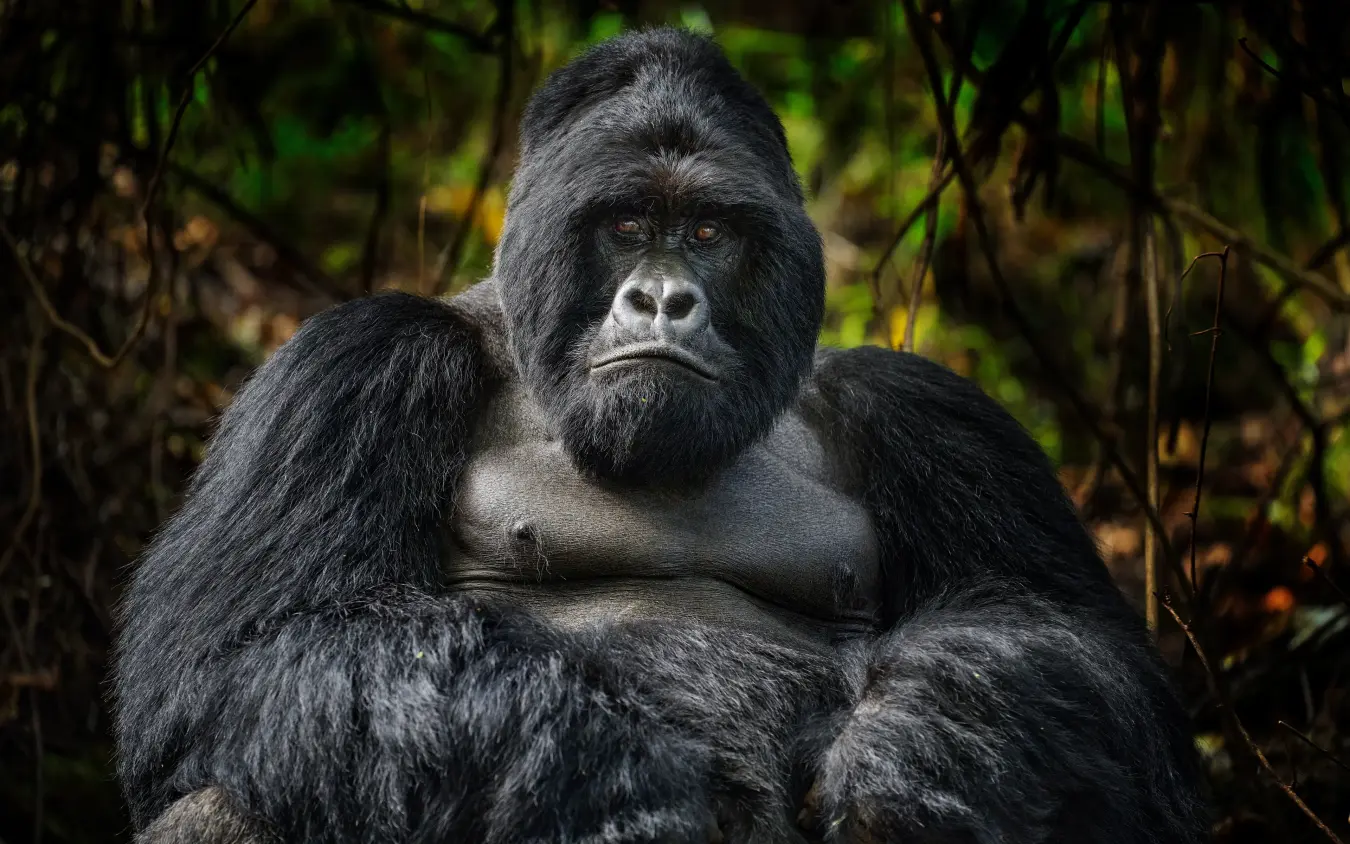
kenya & uganda
Eleven nights by helicopter from Kenya's northern frontier into Uganda's remote parks, ending with gorillas in the Virunga volcanoes.
kenya
Seven nights linking Nairobi National Park, Lake Naivasha and the northern Maasai Mara conservancies.
rated five stars by our clients

our approach
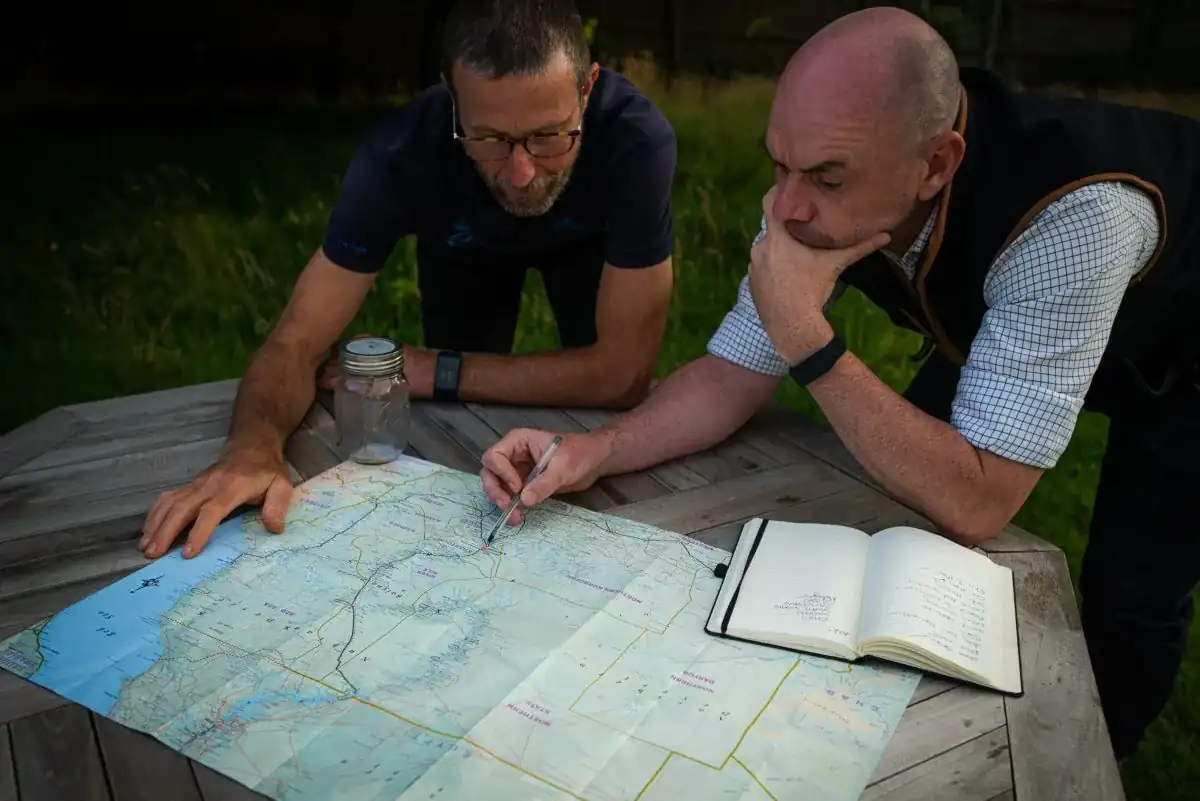
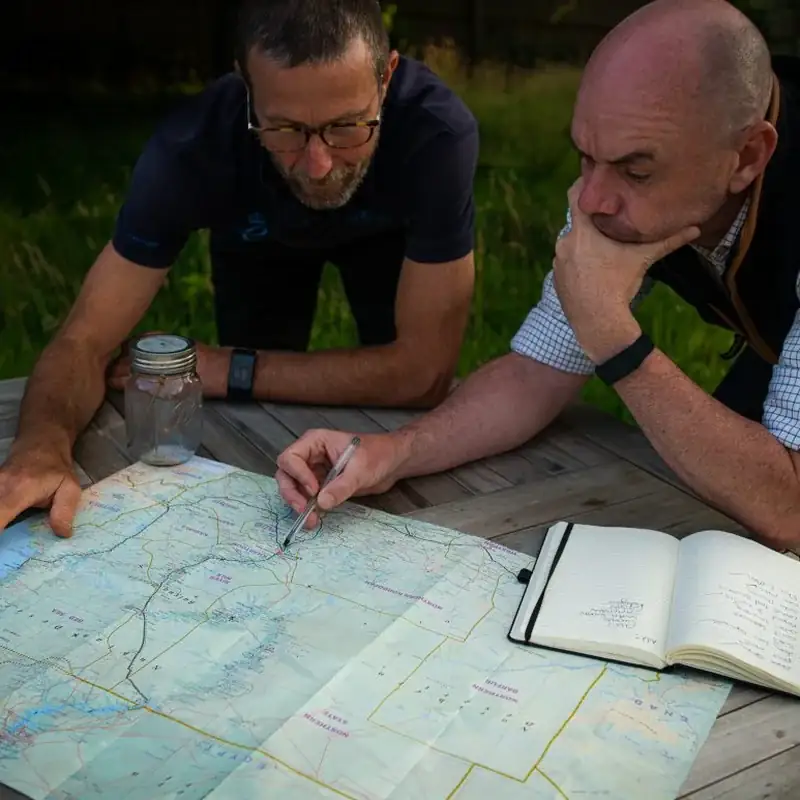
Every journey starts with a conversation. We take the time to understand your vision before we start planning.
Whether by phone or in person, we work with you directly to shape something that is considered, personal, and expertly delivered.
Every journey starts with a conversation. We favour a direct, personal approach: understanding your vision before anything else.
Whether by phone or in person, we work with you directly to shape a journey that is both thoughtfully considered and expertly delivered.
Get in touch to start planning yours.