









kenya & rwanda
turkana, lewa and the gorillas
Twenty nights from Nairobi through Kenya's northern conservancies to Rwanda's mountain gorillas.
- Private Safari
- From $44,185 pp
- 2 guests
- 20 nights

The route runs from Nairobi south into the Maasai Mara, then north to Samburuland and west to the Laikipia Highlands, before a final night back in Nairobi. It begins on the edge of Nairobi National Park, moves to the Talek River in the Mara reserve, reaches an exclusive-use camp in Samburu, and settles on a Kijabe Maasai escarpment in Laikipia.
You travel by road, light aircraft and helicopter over fourteen nights, with the helicopter flying the northern legs into Samburu and on to Laikipia over the Mathews Range, with game drives, walks and time on community land filling the days. The stays range from a family-built valley lodge and a classic tented camp on the river to an owner-built bush camp, a four-villa community-owned lodge, and an art-led residence for the last night in Nairobi.
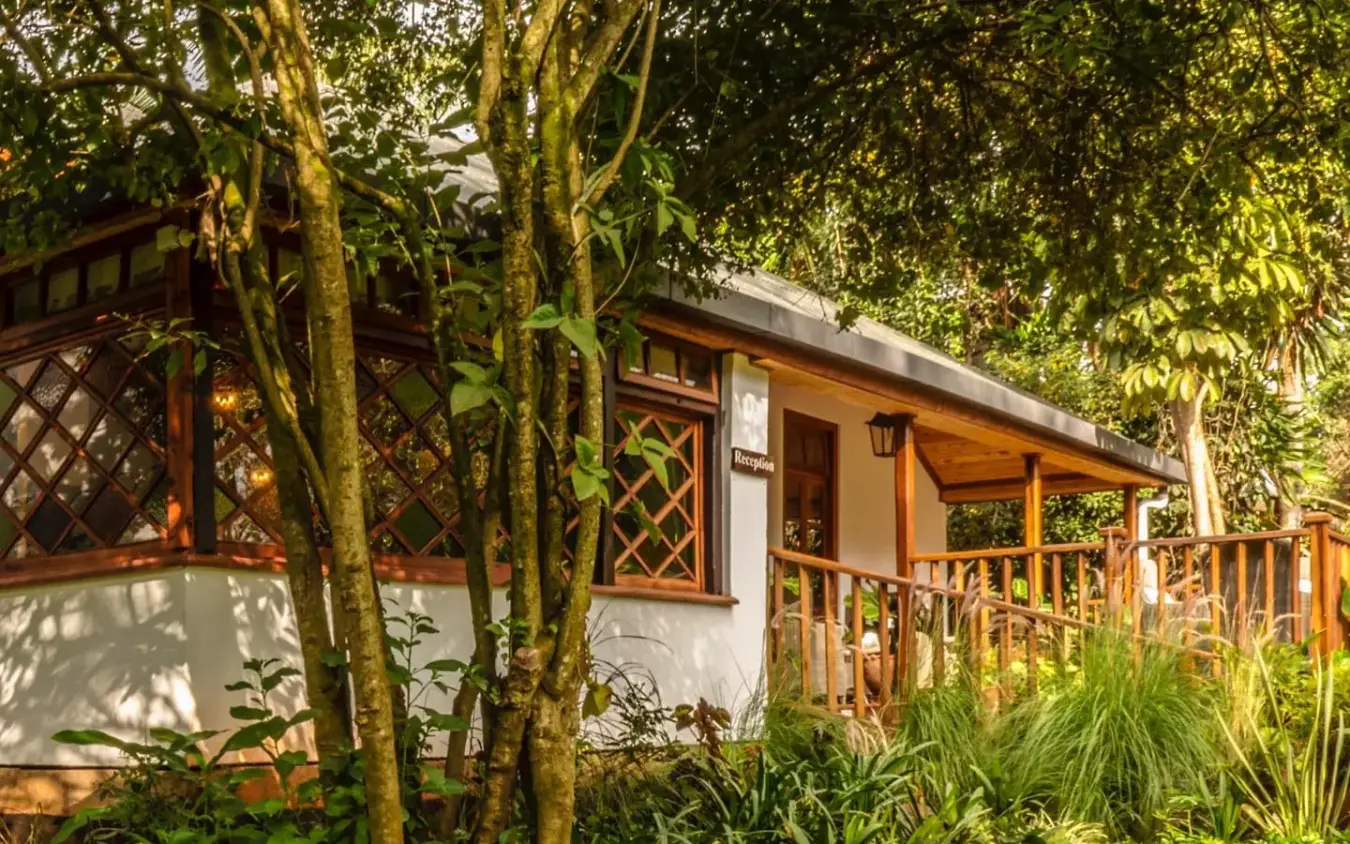
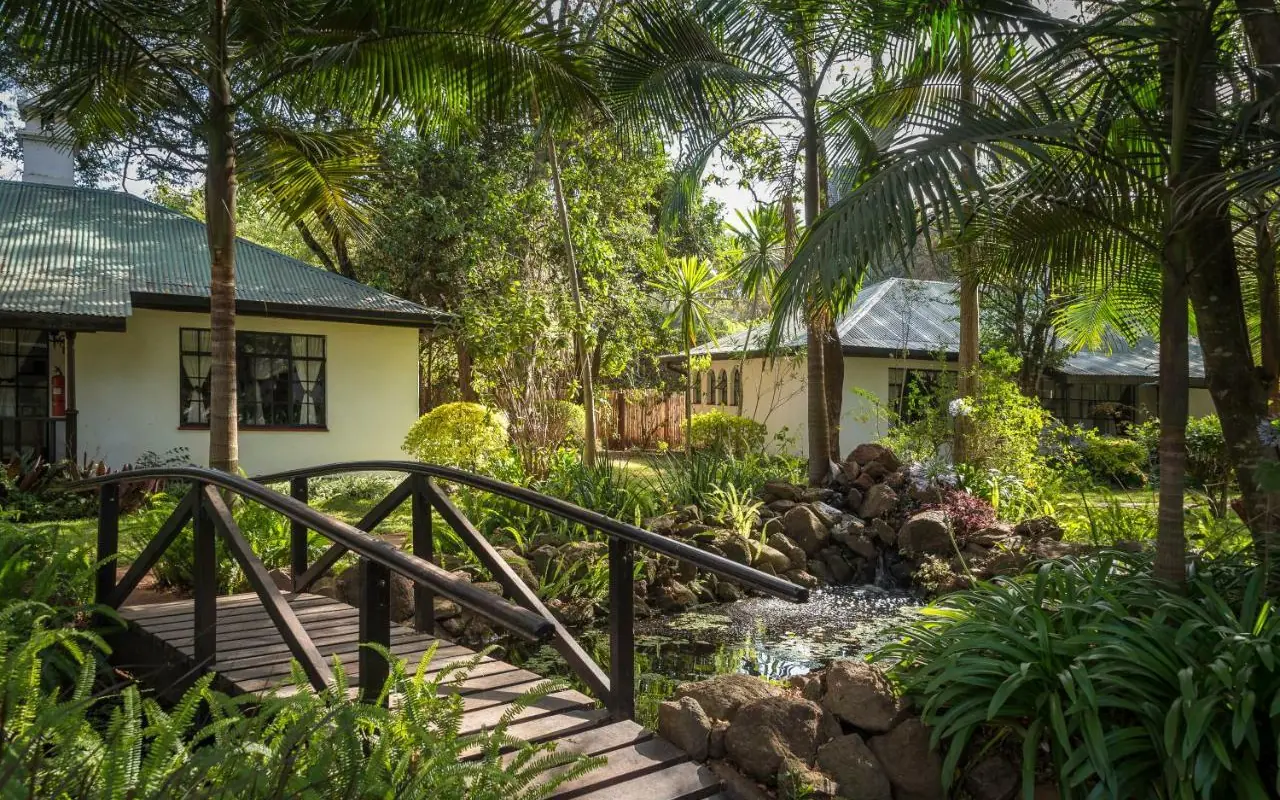
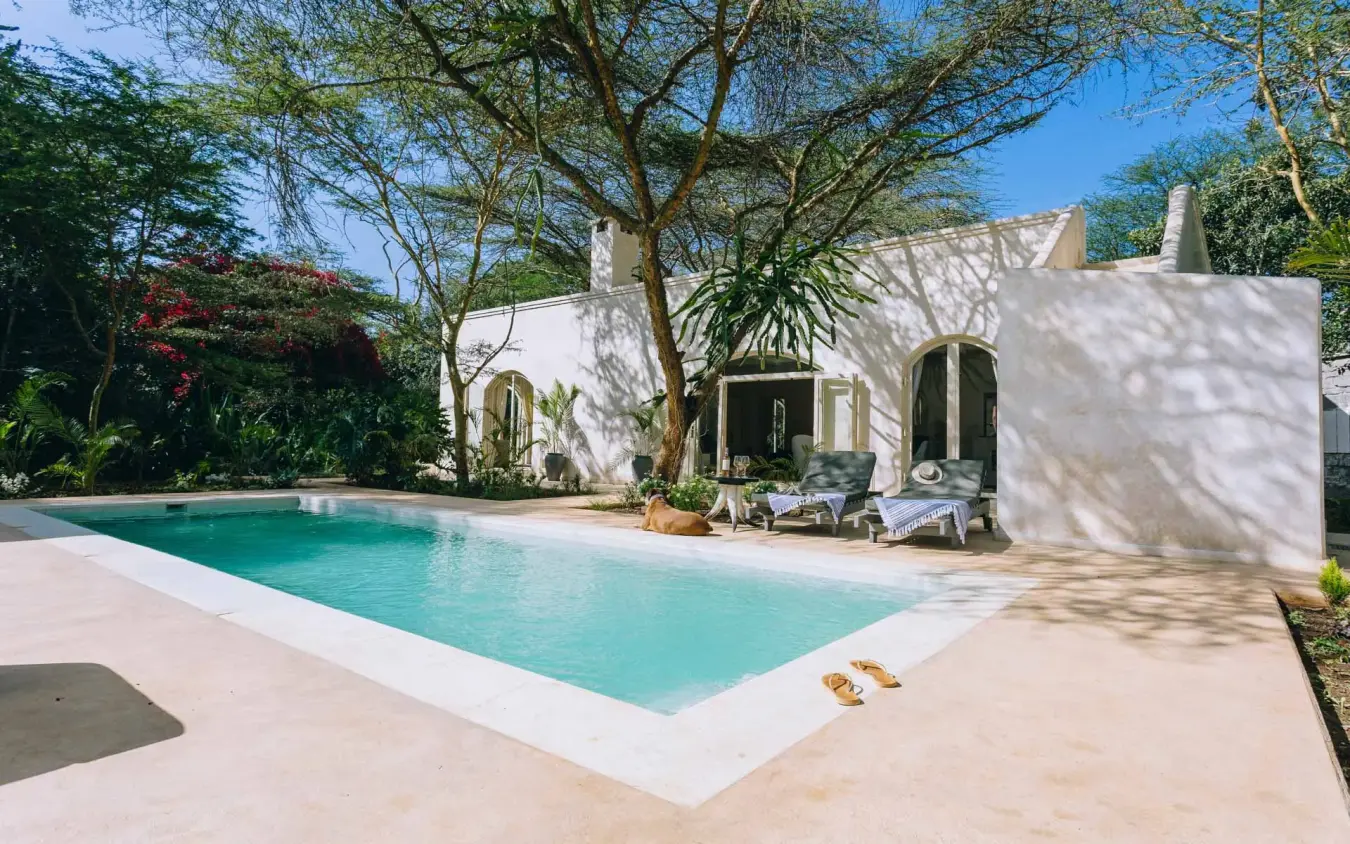
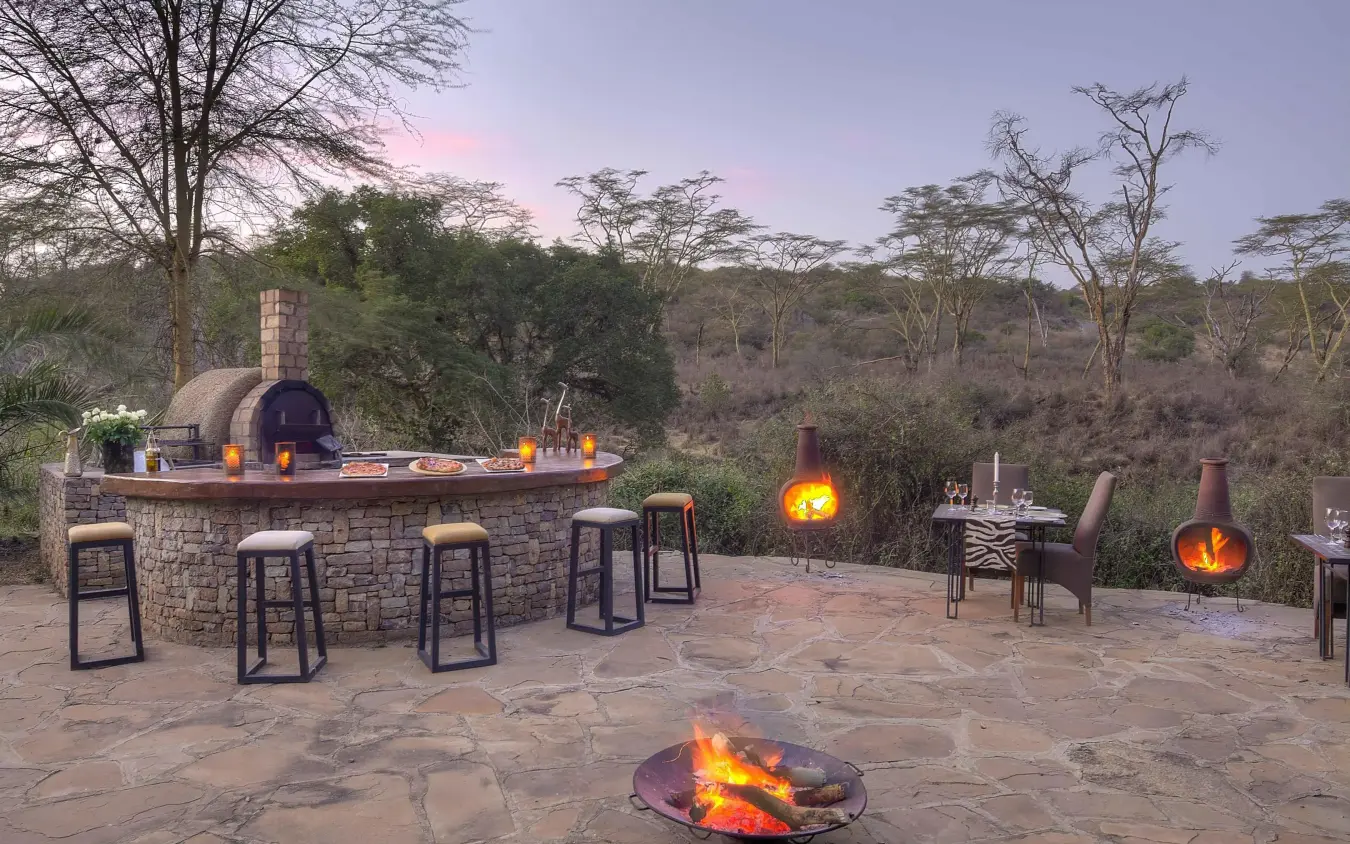
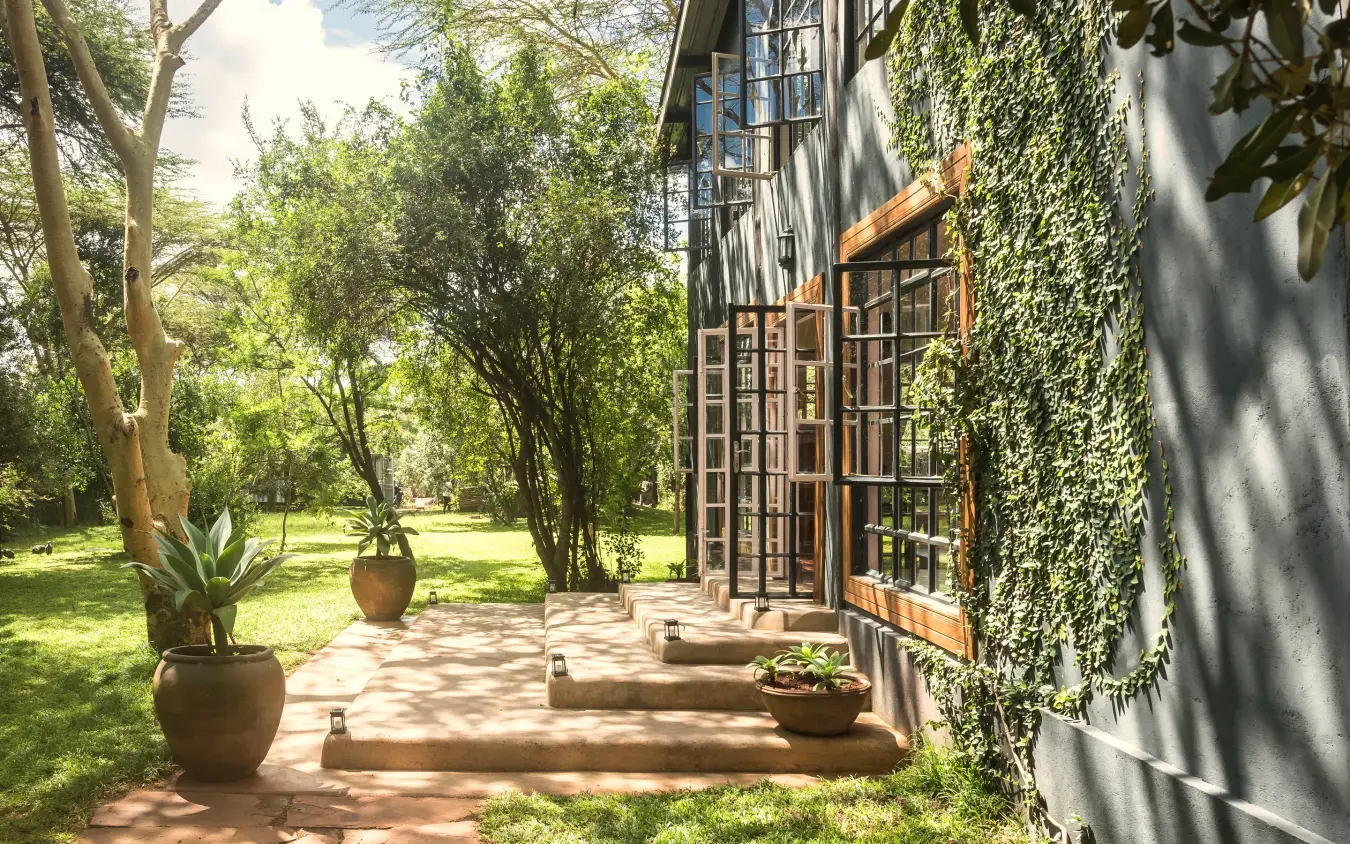
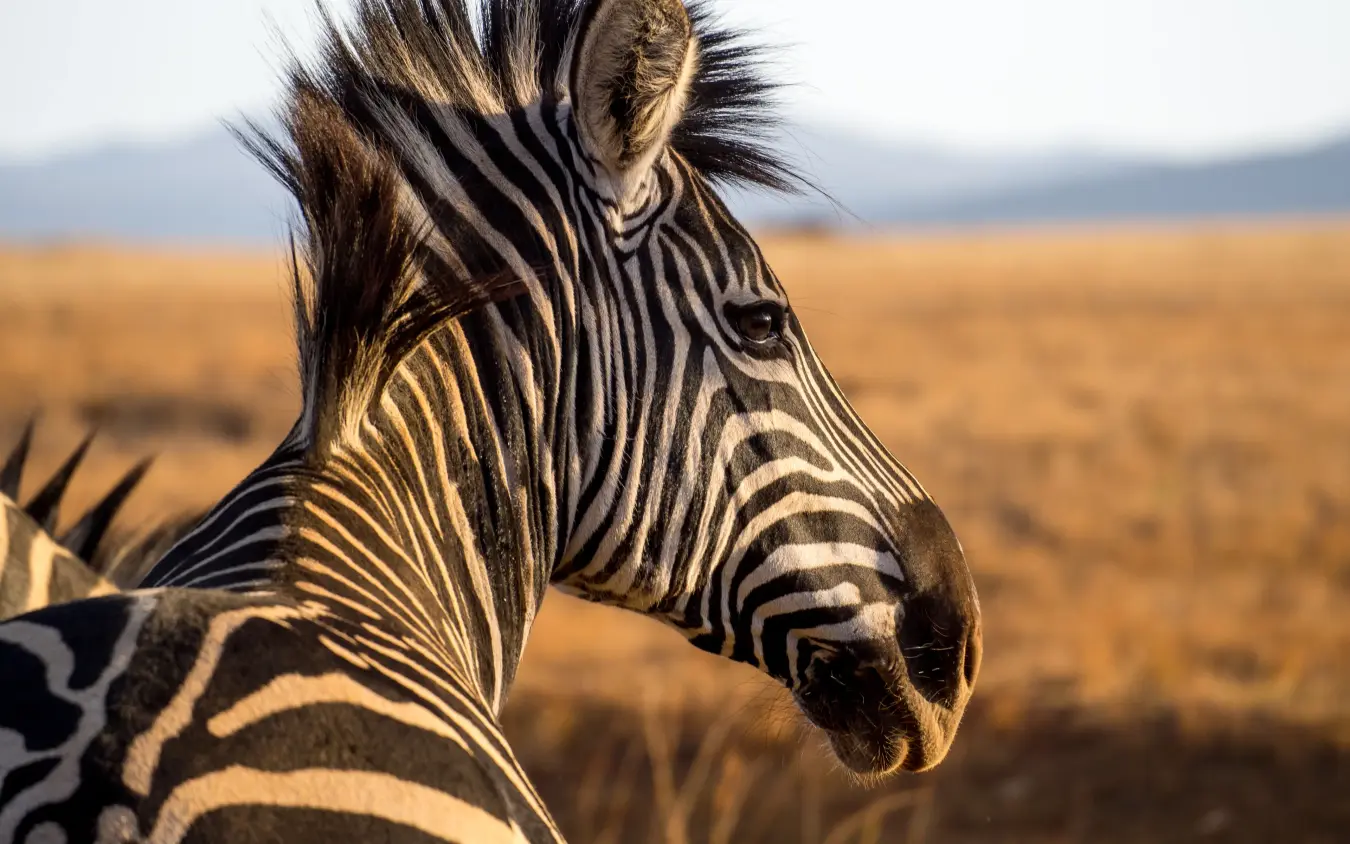
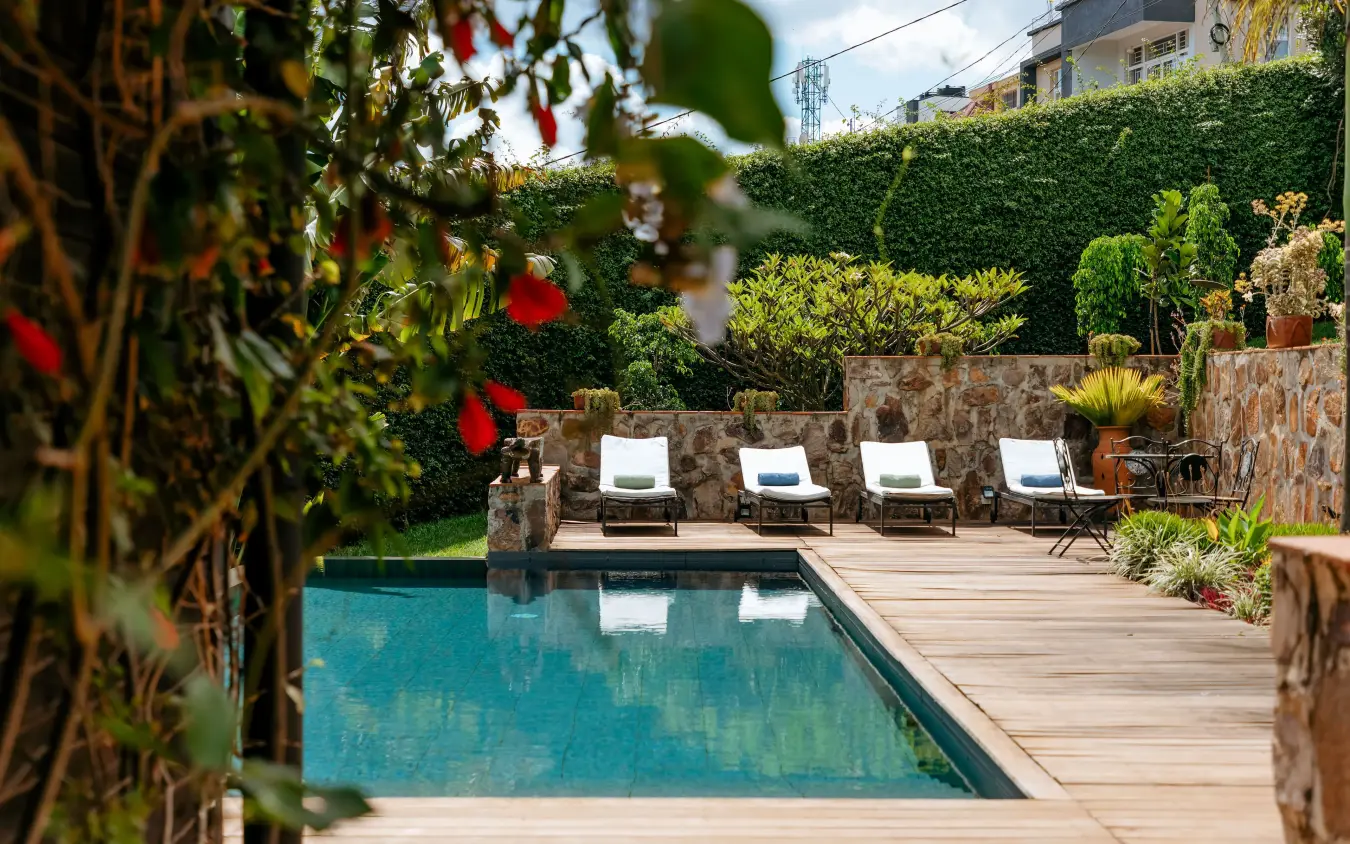
You begin on the southern edge of Nairobi National Park, where the transfer from the airport runs through the park itself, so the drive in is already a game drive. Game drives in Land Cruisers turn up lion and leopard, cheetah and buffalo, giraffe, zebra and wandering wildebeest, along with the black and white rhino the park is known for, the city skyline standing behind the herds. Built into a steep valley above the Mbagathi River, The Emakoko is a family-built lodge of ten suites and a two-bedroom Private House, reached on foot across a wooden footbridge.
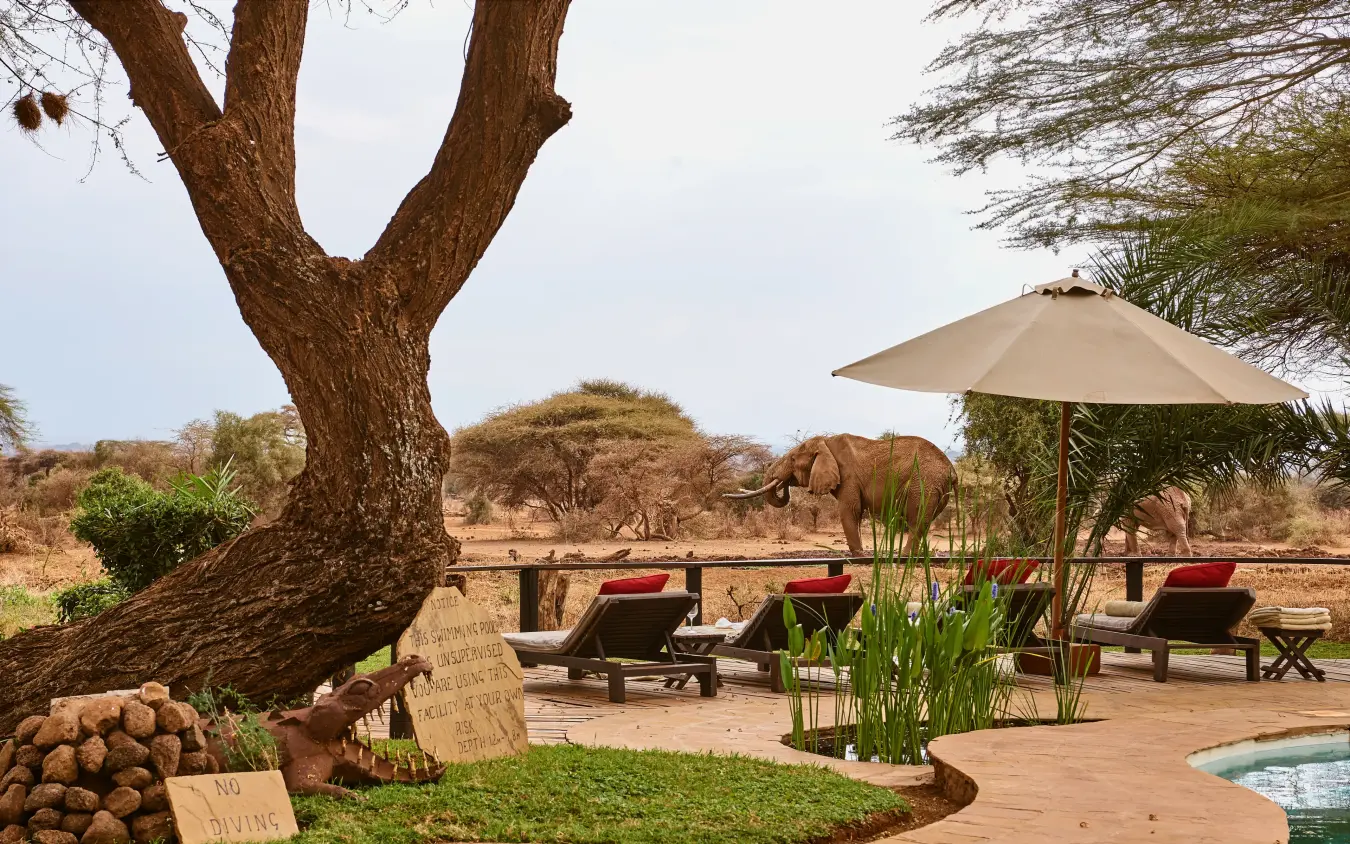
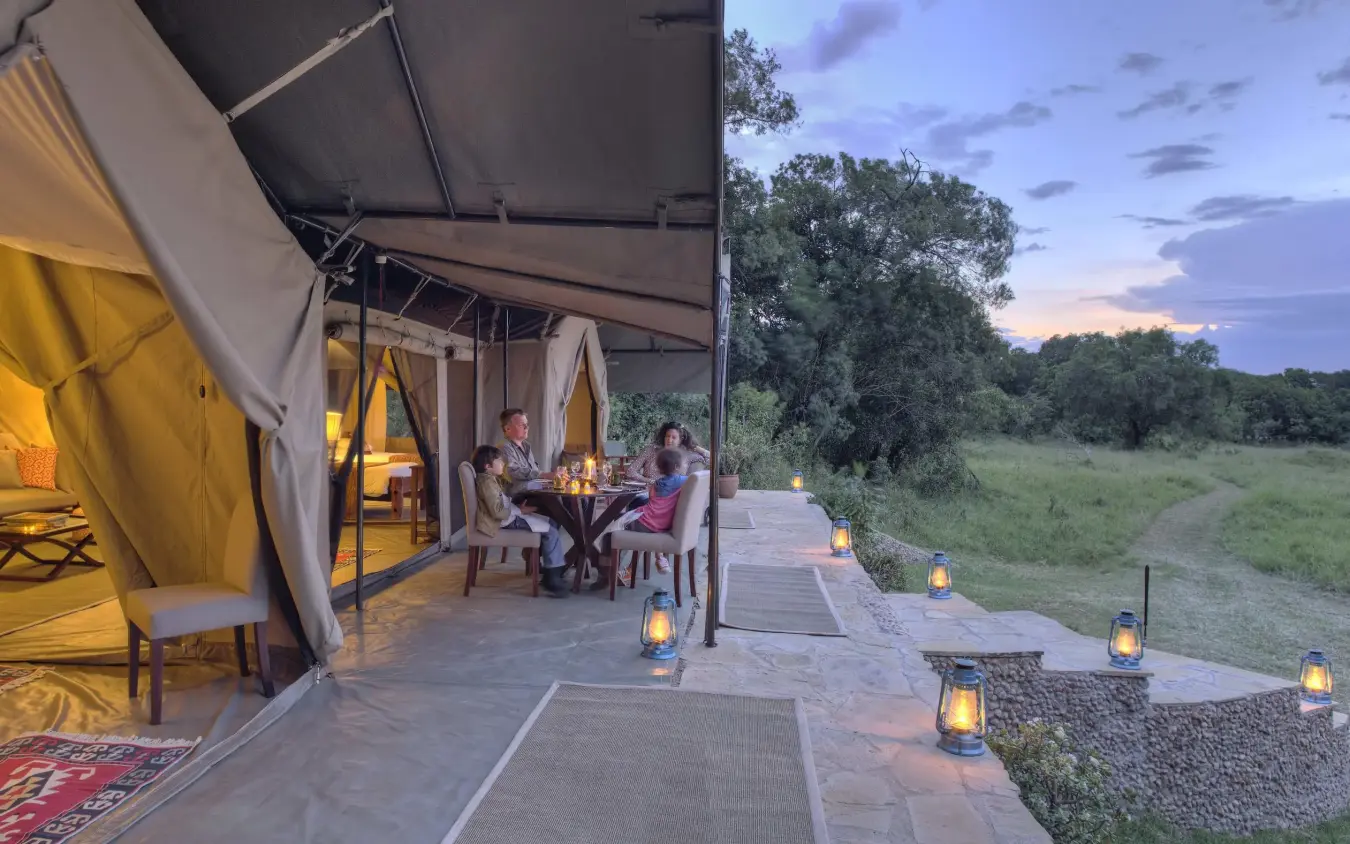
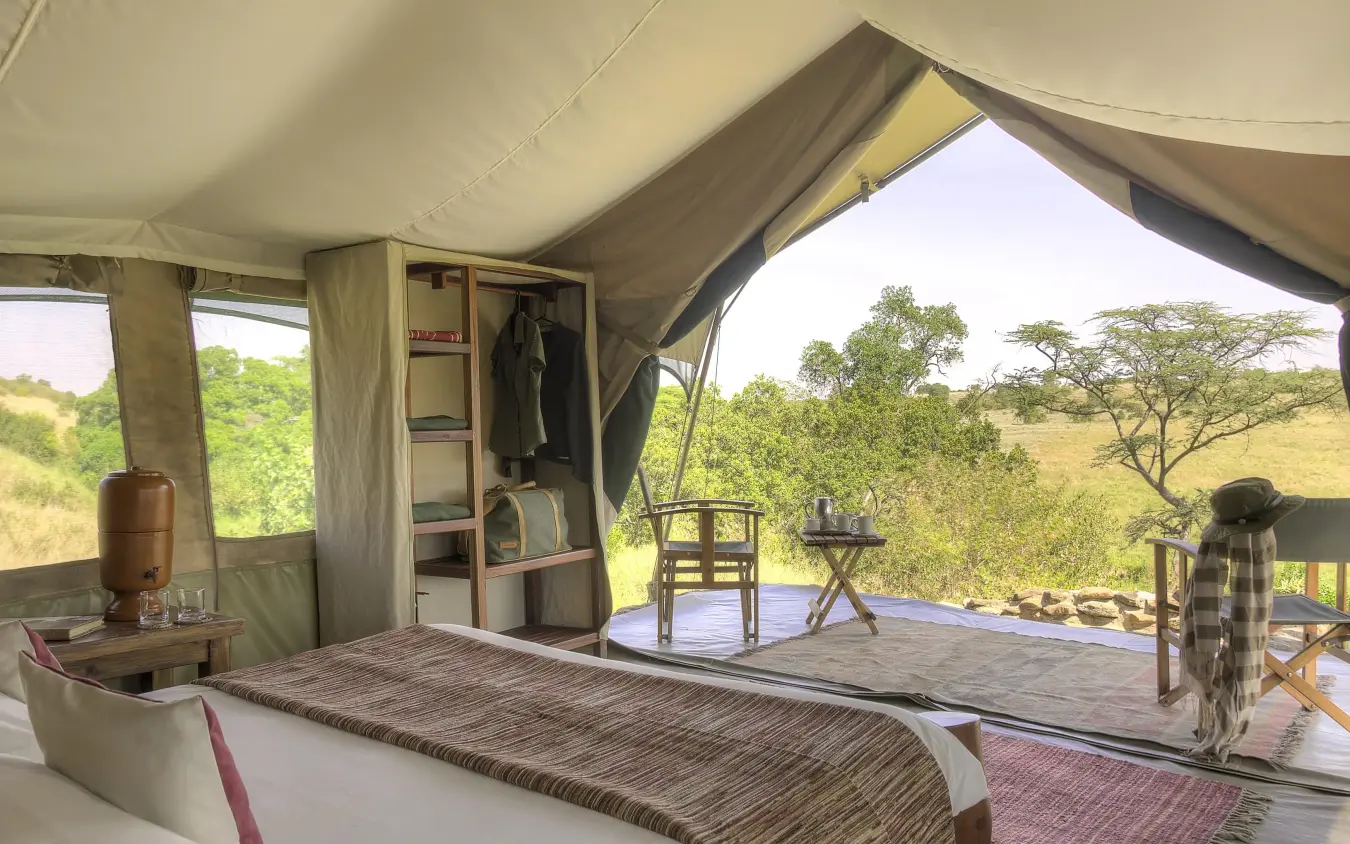
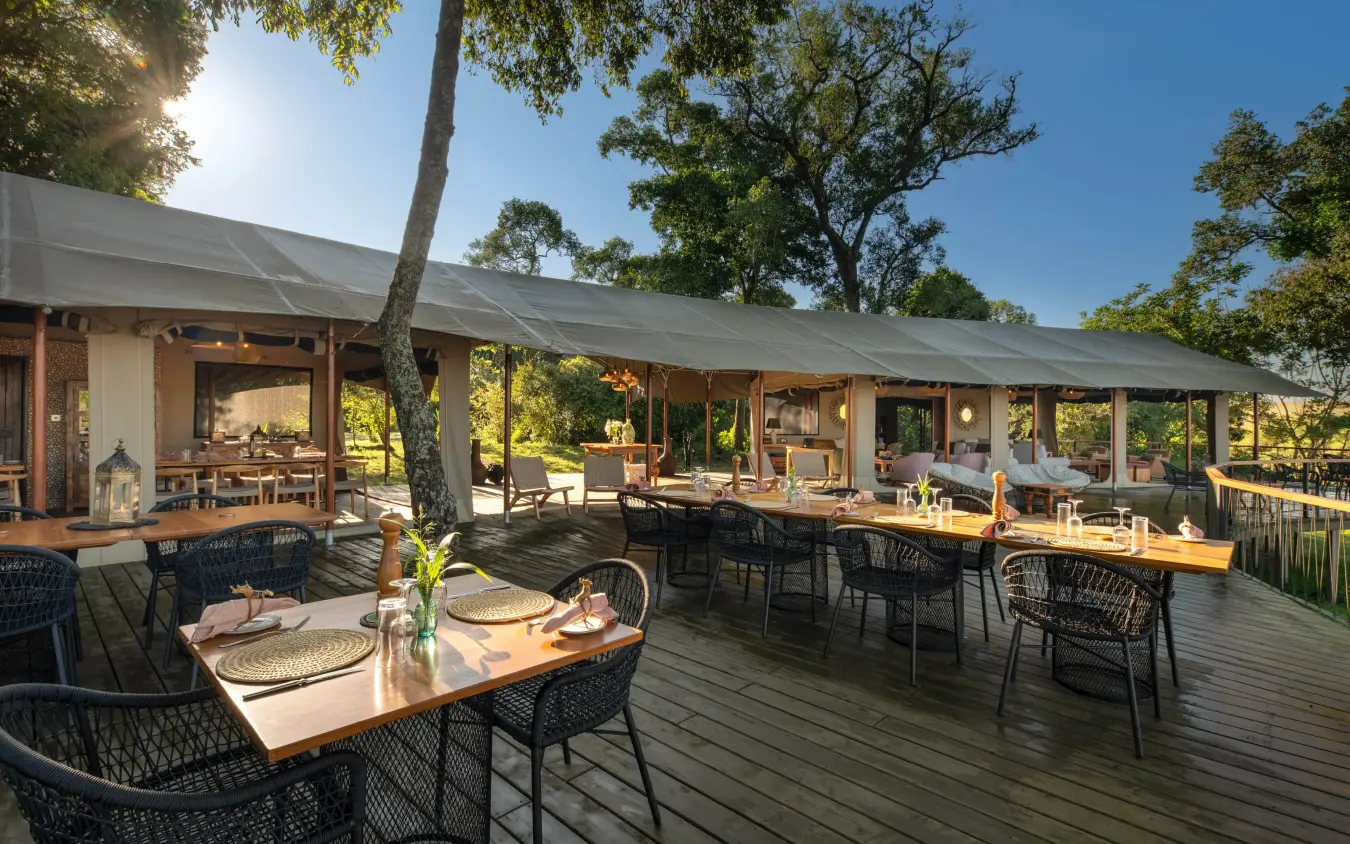
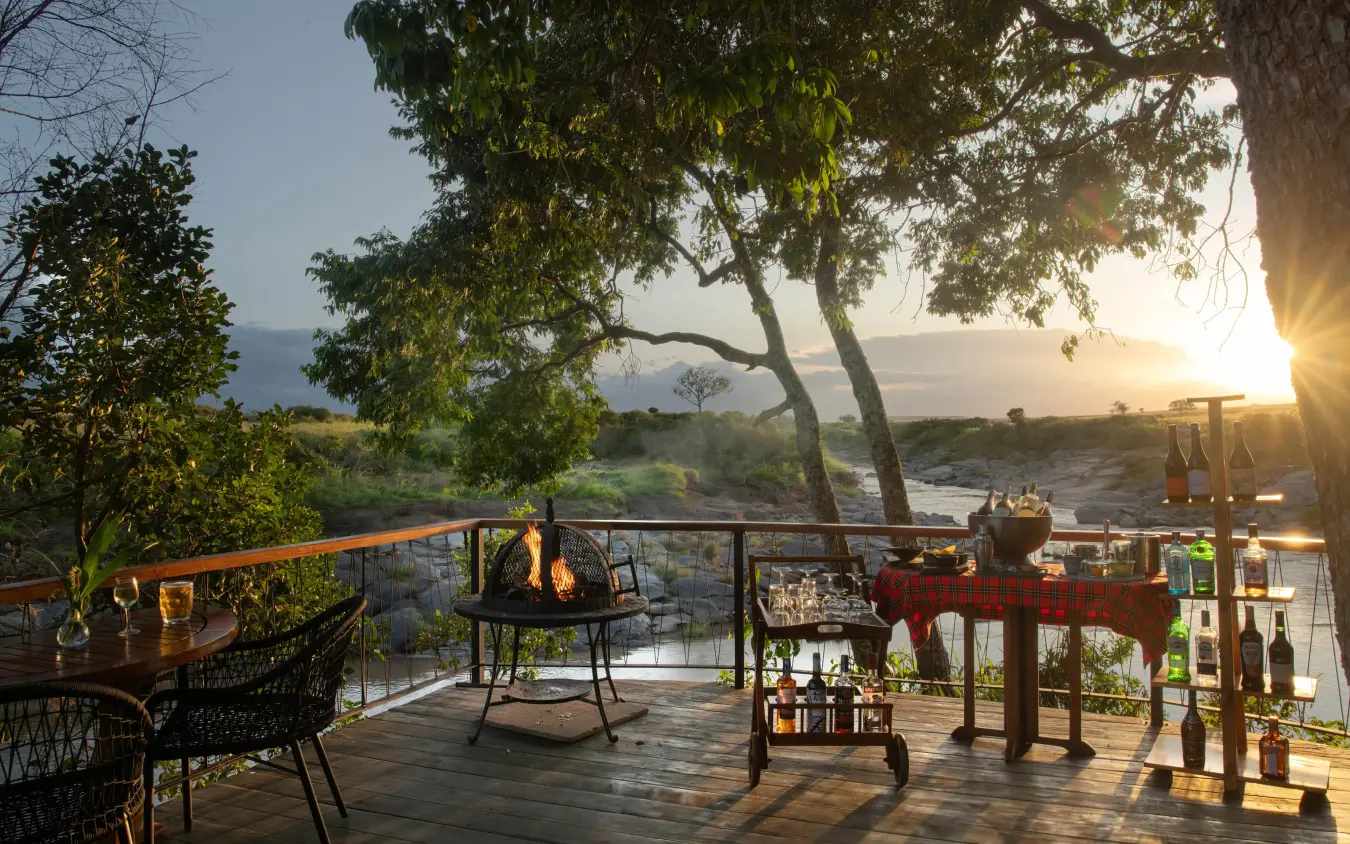
In the Maasai Mara National Reserve your days follow the Talek River and the plains beyond, where resident lions hold large prides, leopards work the riverine forest and cheetahs hunt the short-grass plains. Between July and October close to 1.5 million wildebeest move through this part of the reserve, crossing both the Talek and, a short drive away, the Mara itself. Rekero Camp has nine canvas tents raised among riverine trees, each with a private veranda over the Talek, and its main deck looks down a long line of sandbanks, hippo pools and a crossing point roughly 150 metres away.
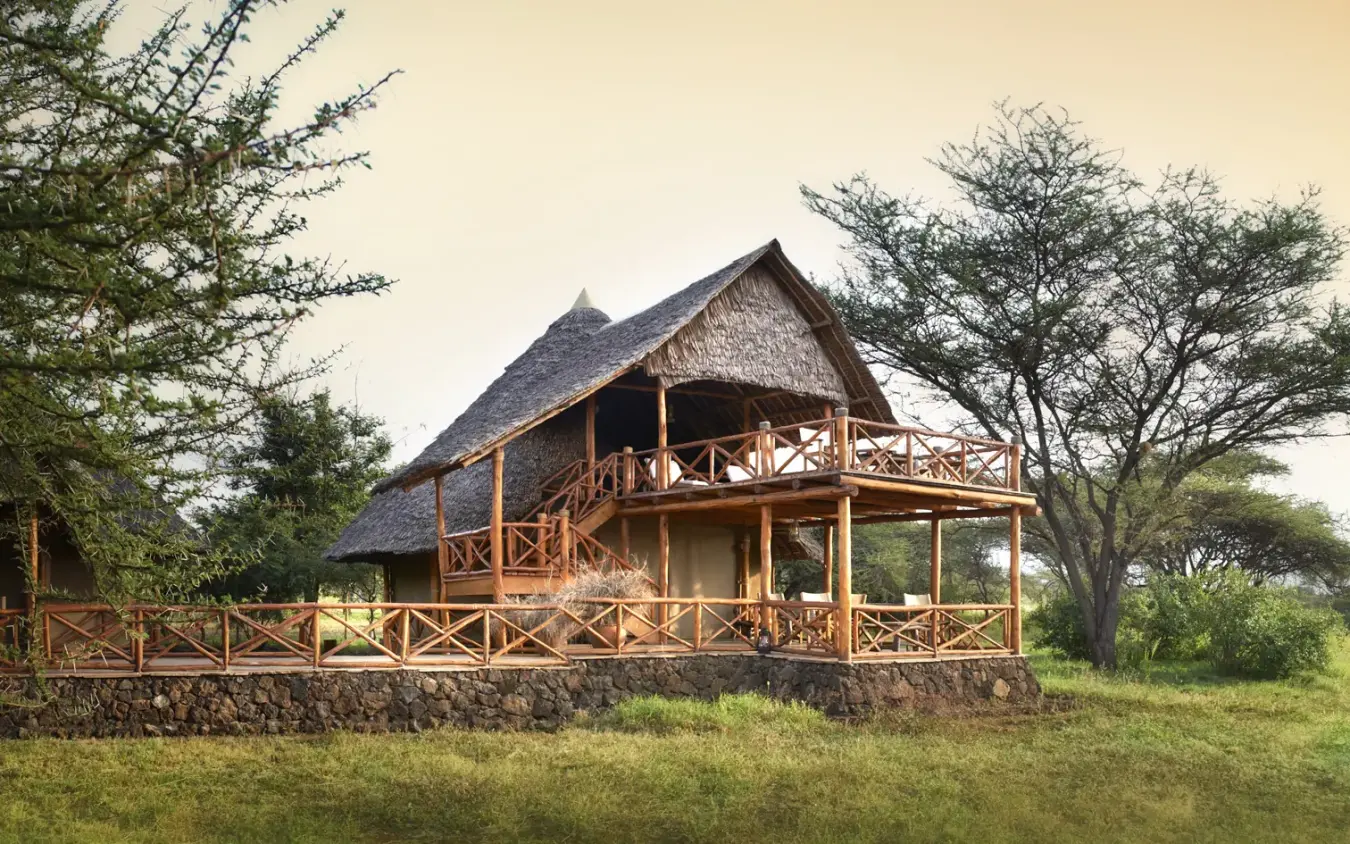
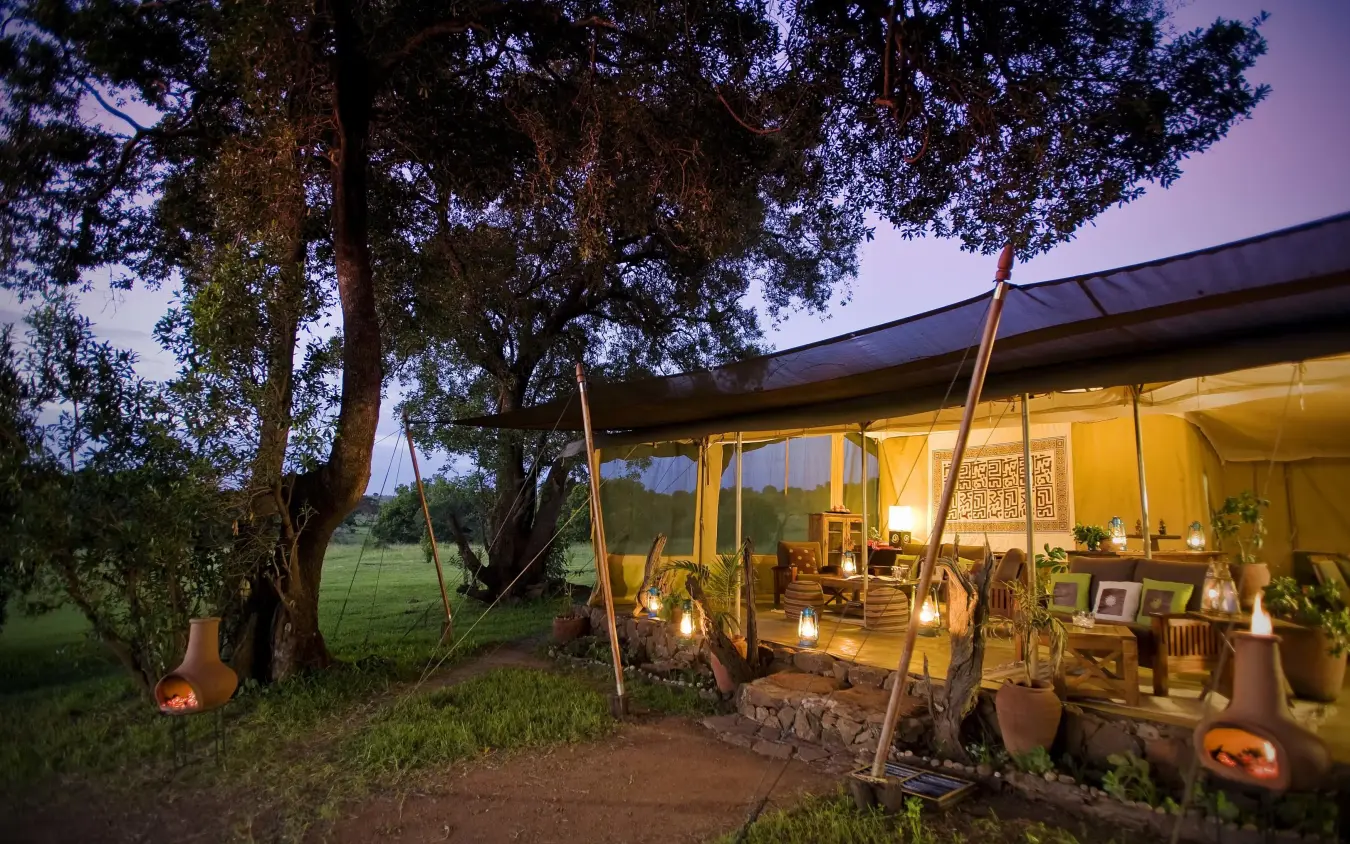
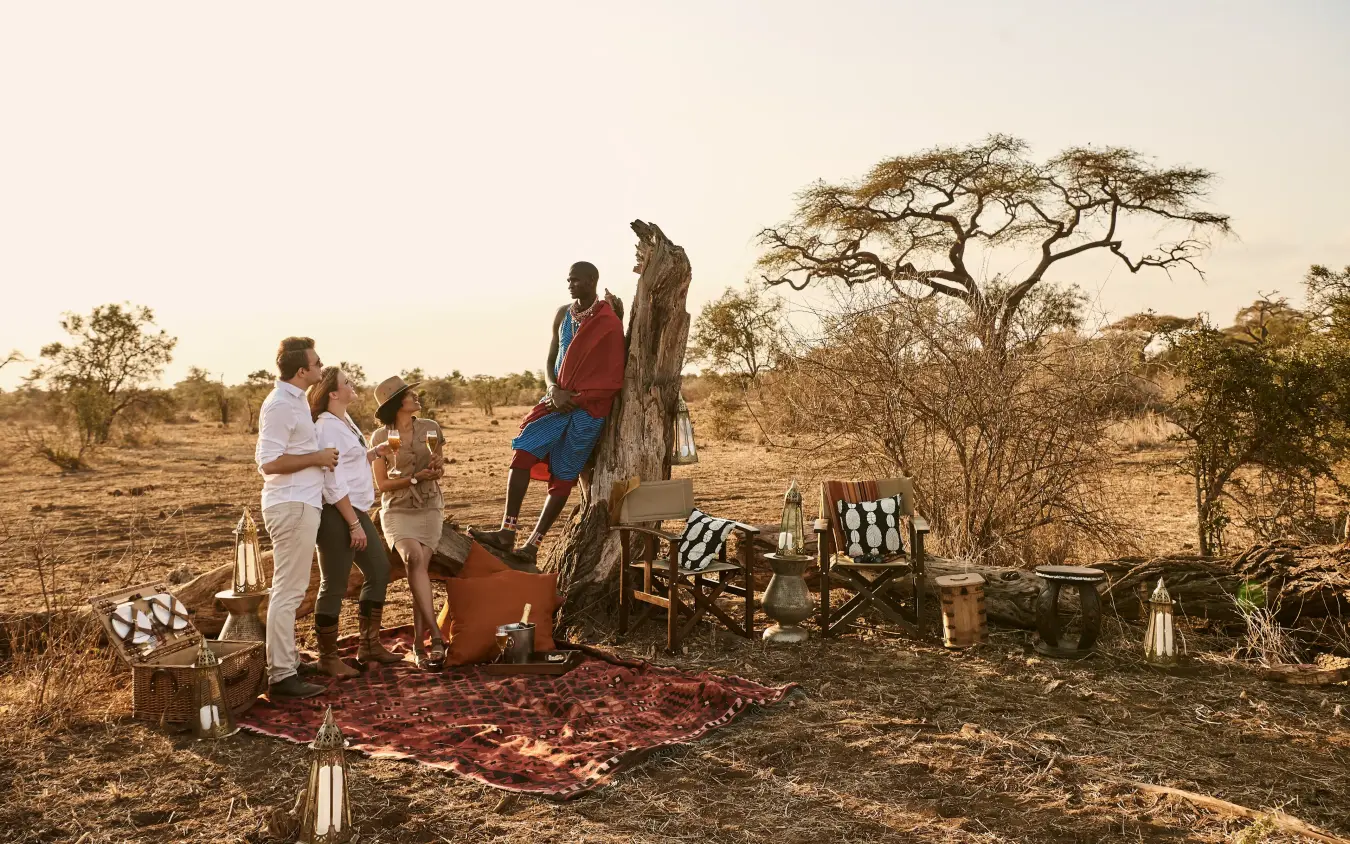
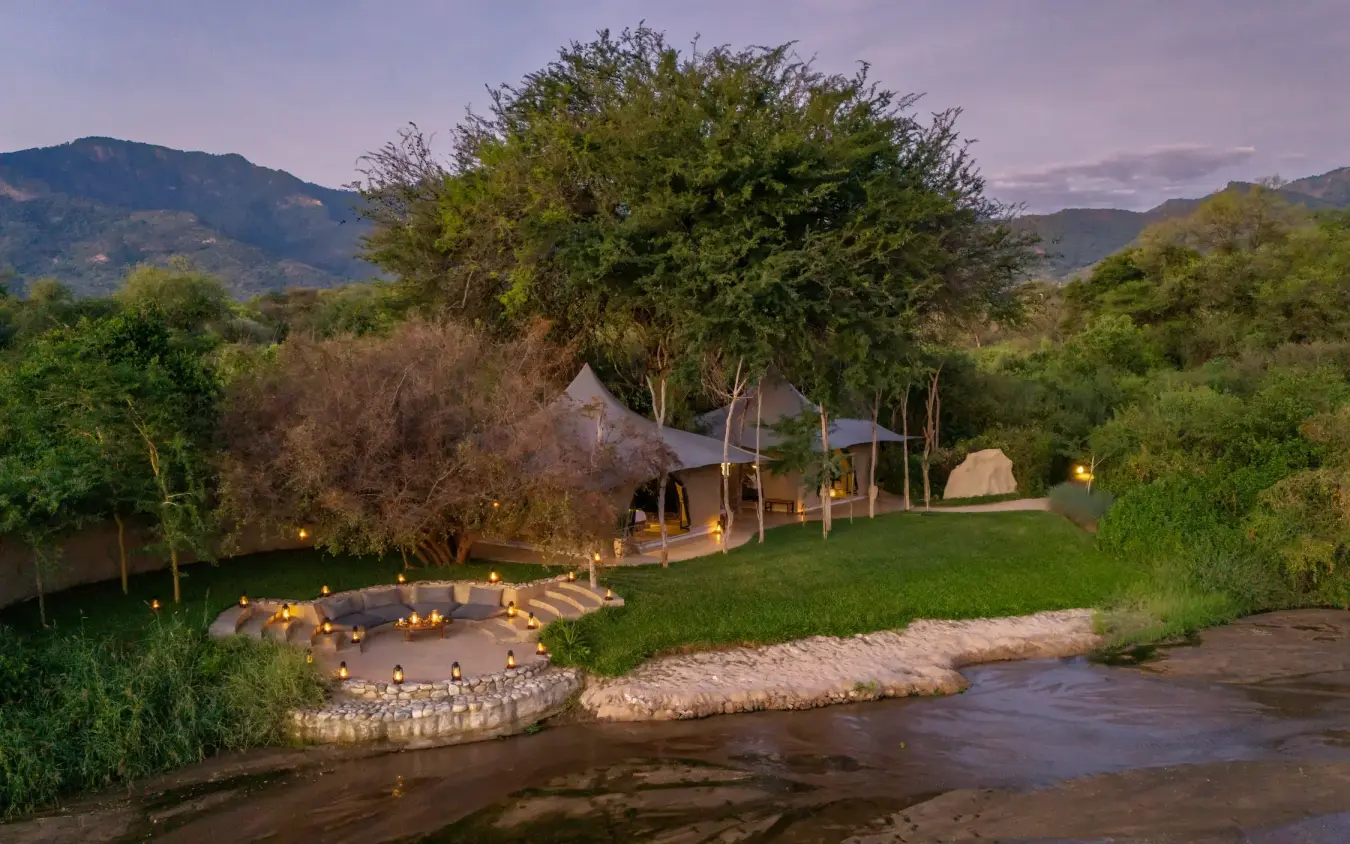
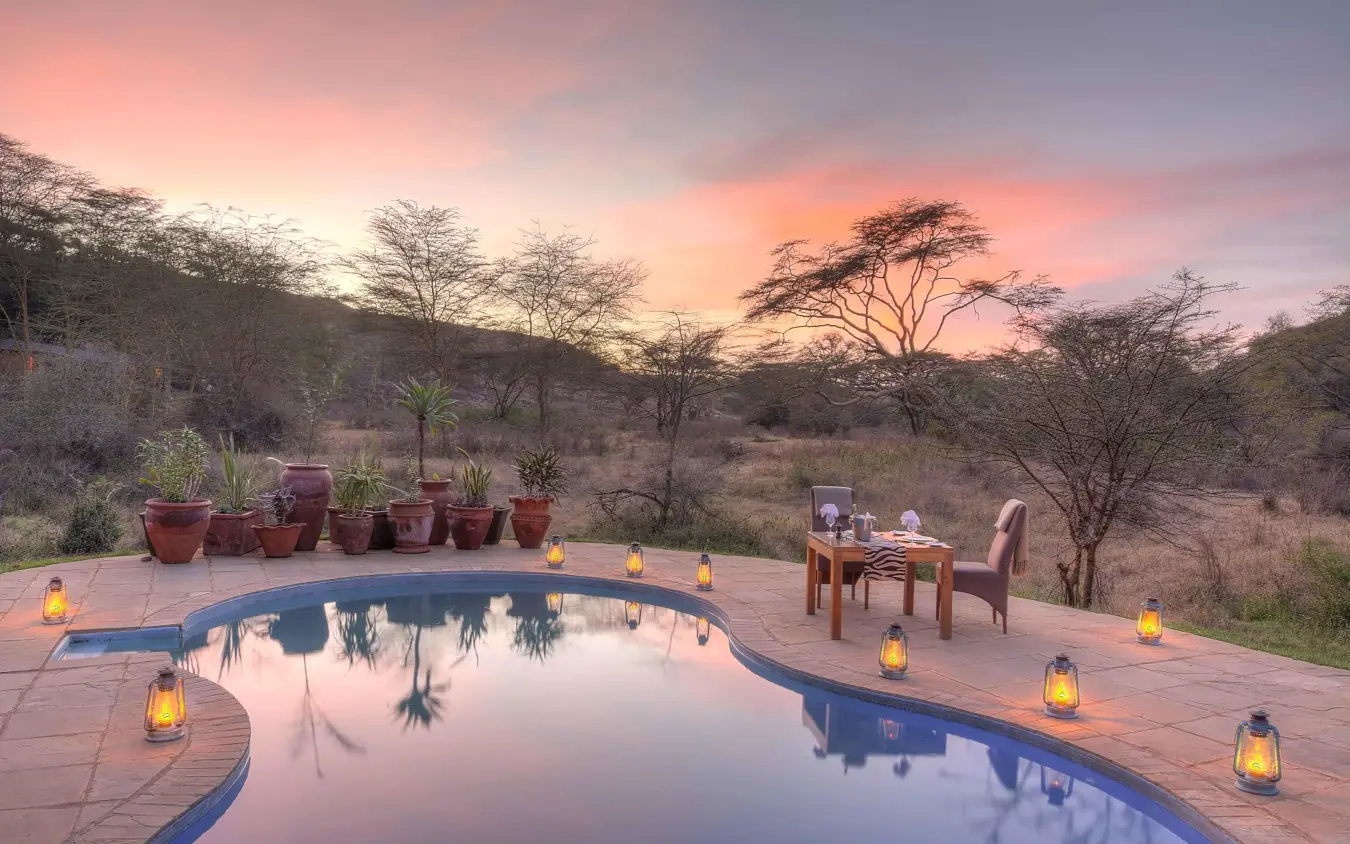
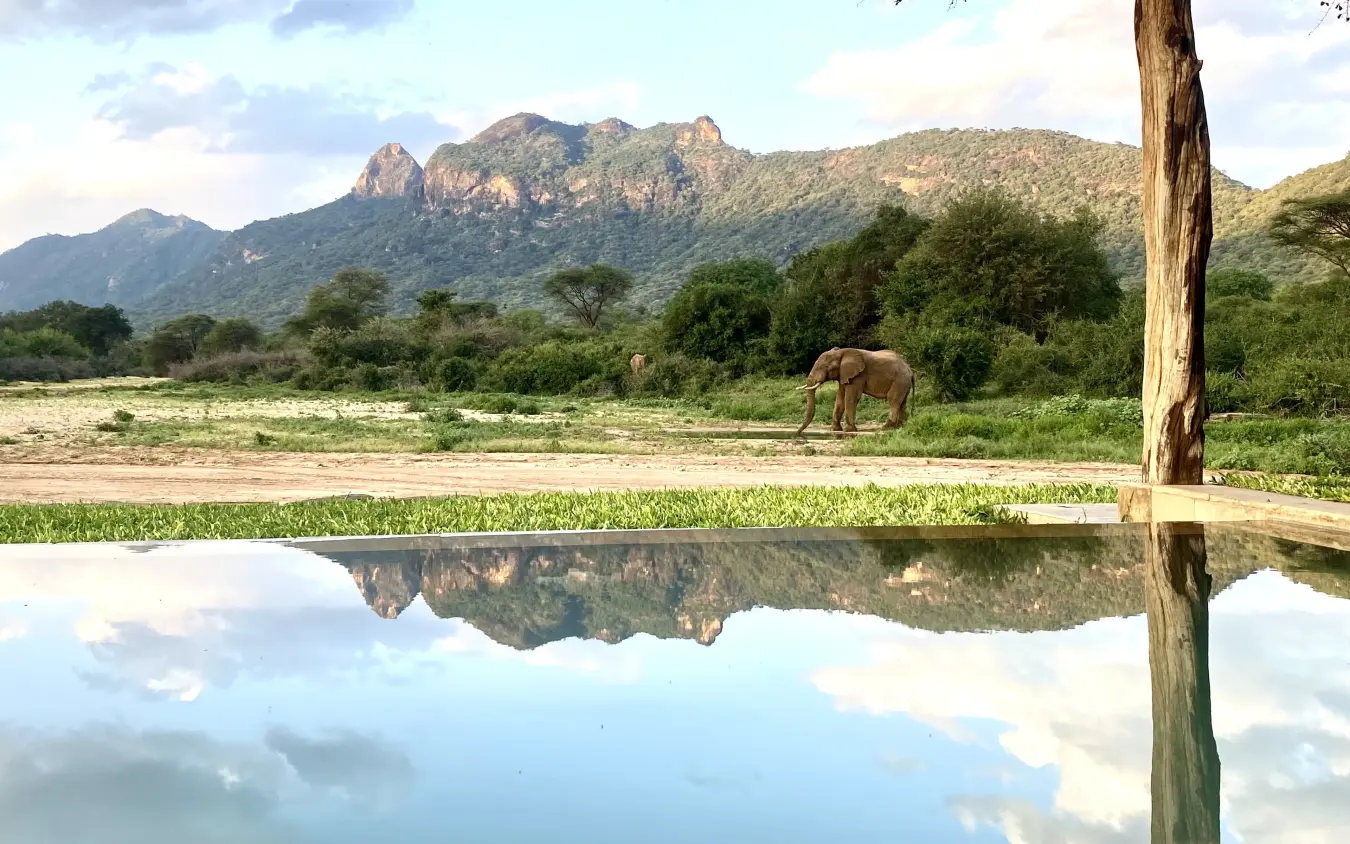
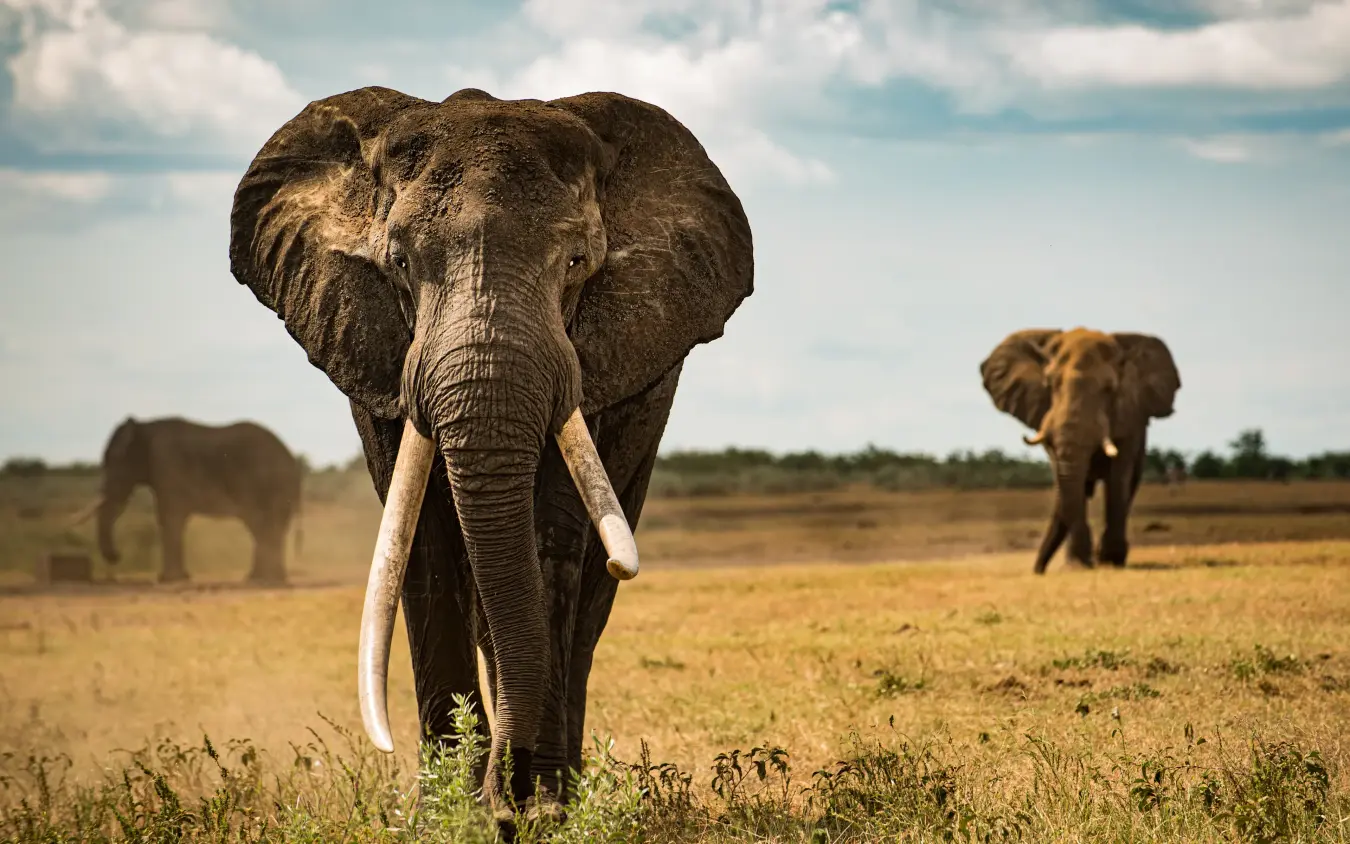
In Samburuland, on the banks of the Kikwar riverbed, the days follow the herders, the season and the light rather than a fixed schedule. You walk with herdsmen and their cattle, arrive at Samburu homesteads at dawn for the morning milking, and stand at the seasonal singing wells where water is drawn from deep shafts to chanted coordination. In the evening light, elephants cross the dry riverbed to reach the waterhole below the pool. The helicopter is what makes this stretch work. It lands at the camp itself, and from there the Mathews Range opens up, an hour of flying over forested summits and dry riverbeds no vehicle track reaches. Kalepo Camp is an owner-run, exclusive-use bush camp, built by hand by Rob and Storm Mason in a grove of acacia looking out to the Mathews Mountains.
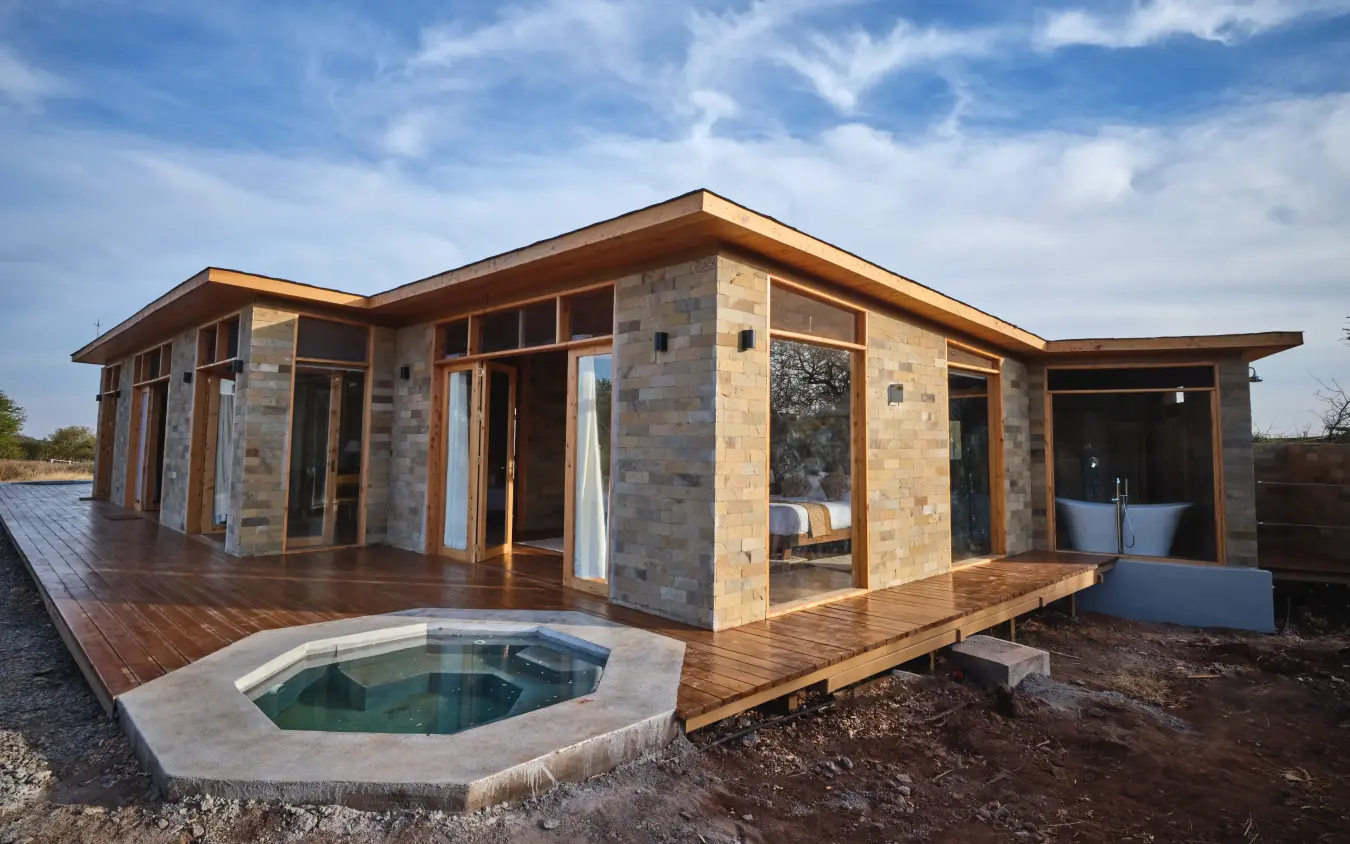
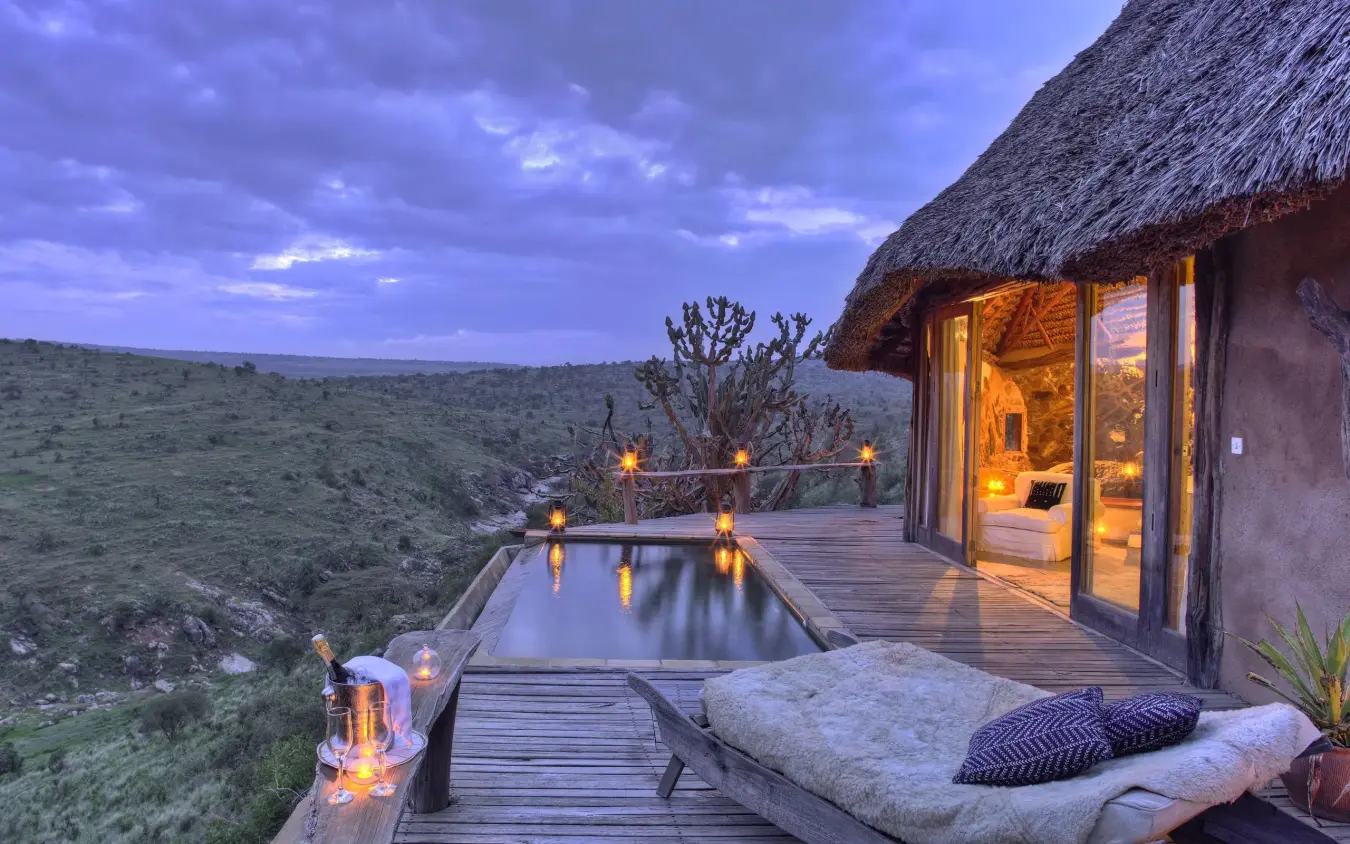
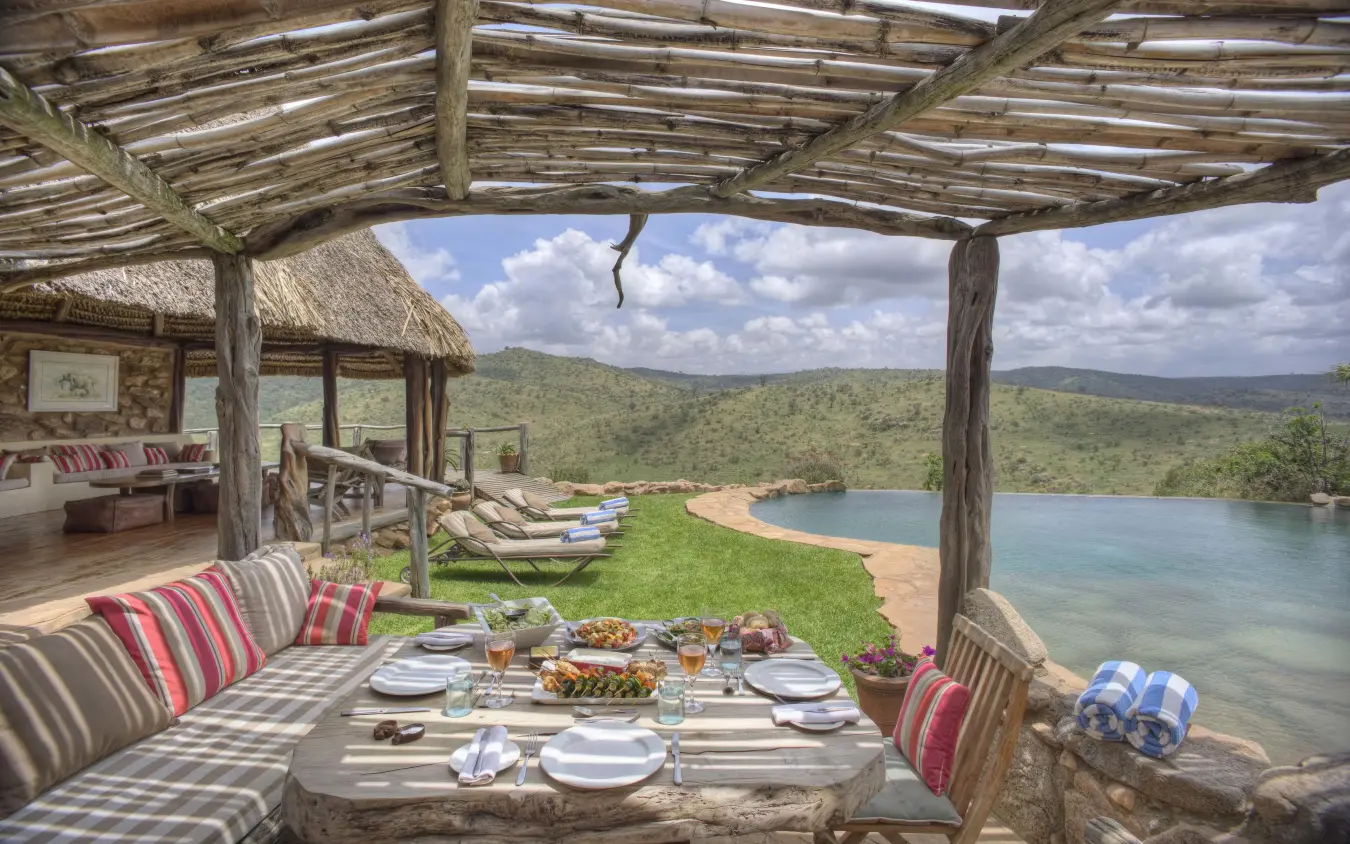
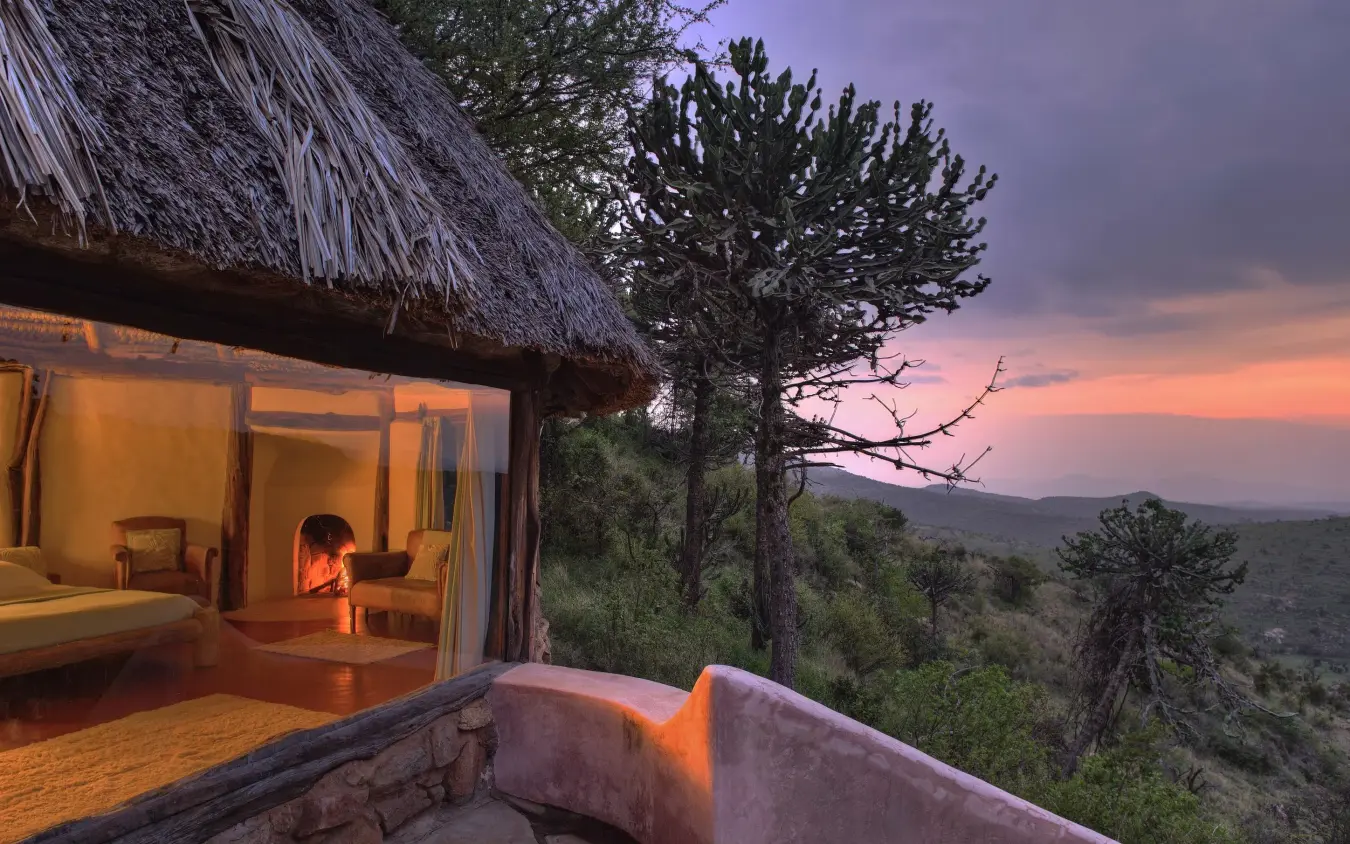
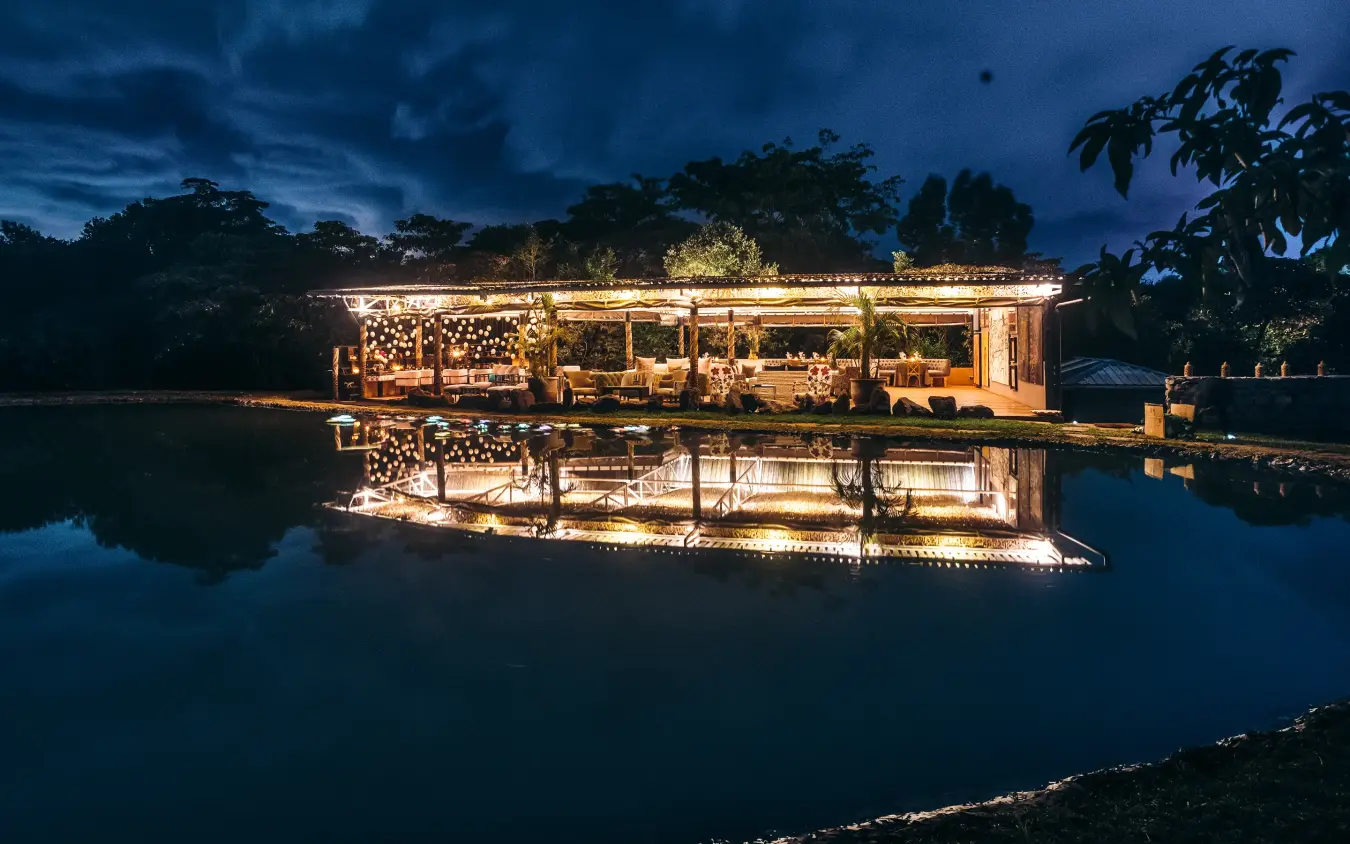
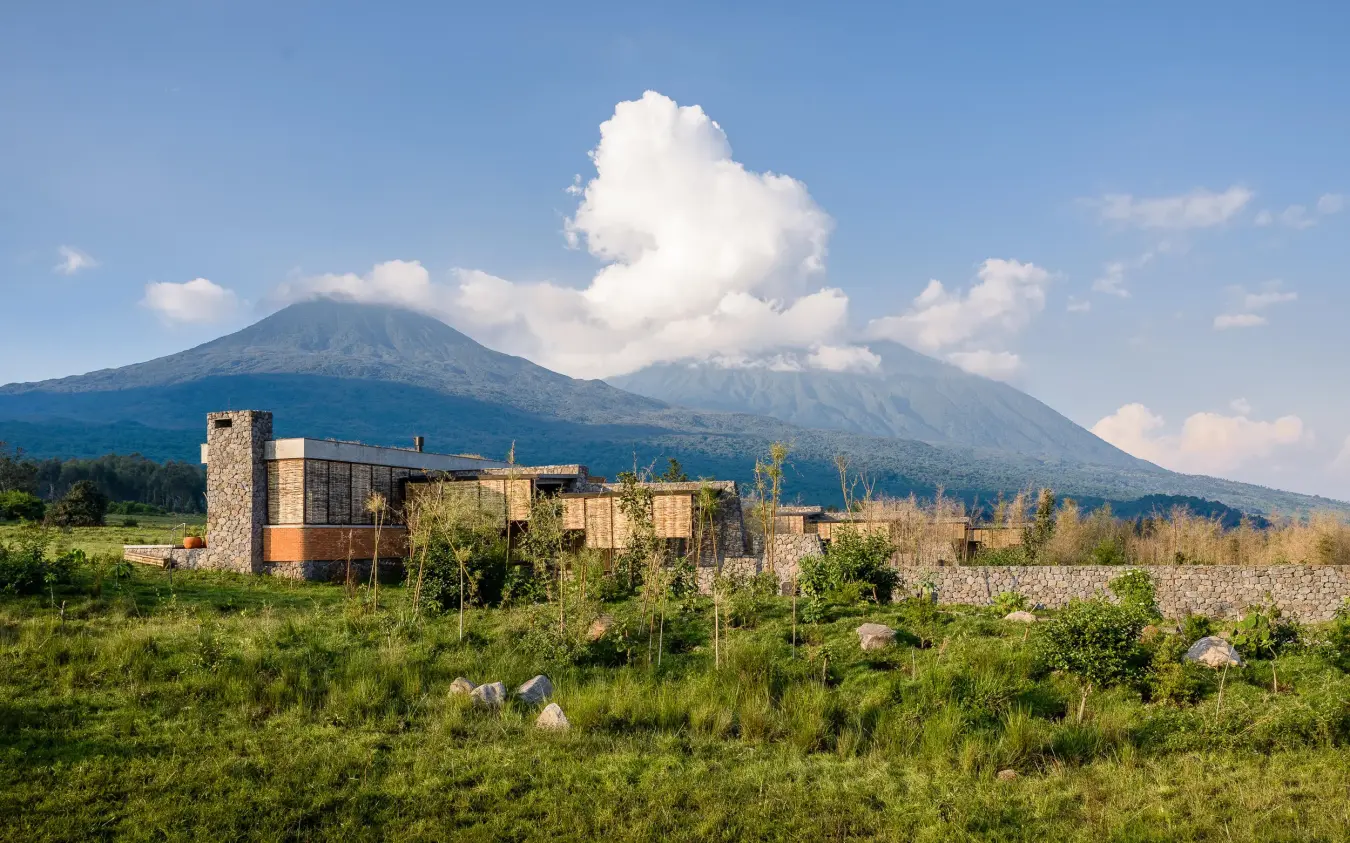
On a high escarpment in the Laikipia Highlands, this is semi-arid country of grassy hills, dry sand riverbeds and long horizons, with views south to Mount Kenya. You come down from Samburu by helicopter, following the Mathews Range and then out across the plateau, an hour in the air against the better part of a day on the road. The conservancy forms part of a migratory corridor linking Mount Kenya through Laikipia to Samburu, and holds elephant, leopard, greater kudu, gerenuk, reticulated giraffe, Grevy's and Burchell's zebra, and packs of African wild dog that den here. Cultural time is woven into ordinary life, from chai in a household to the singing wells where warriors call their cattle to water. Ol Lentille is a four-villa lodge owned by the Kijabe Maasai, each villa with its own guide, vehicle, chef and house team.
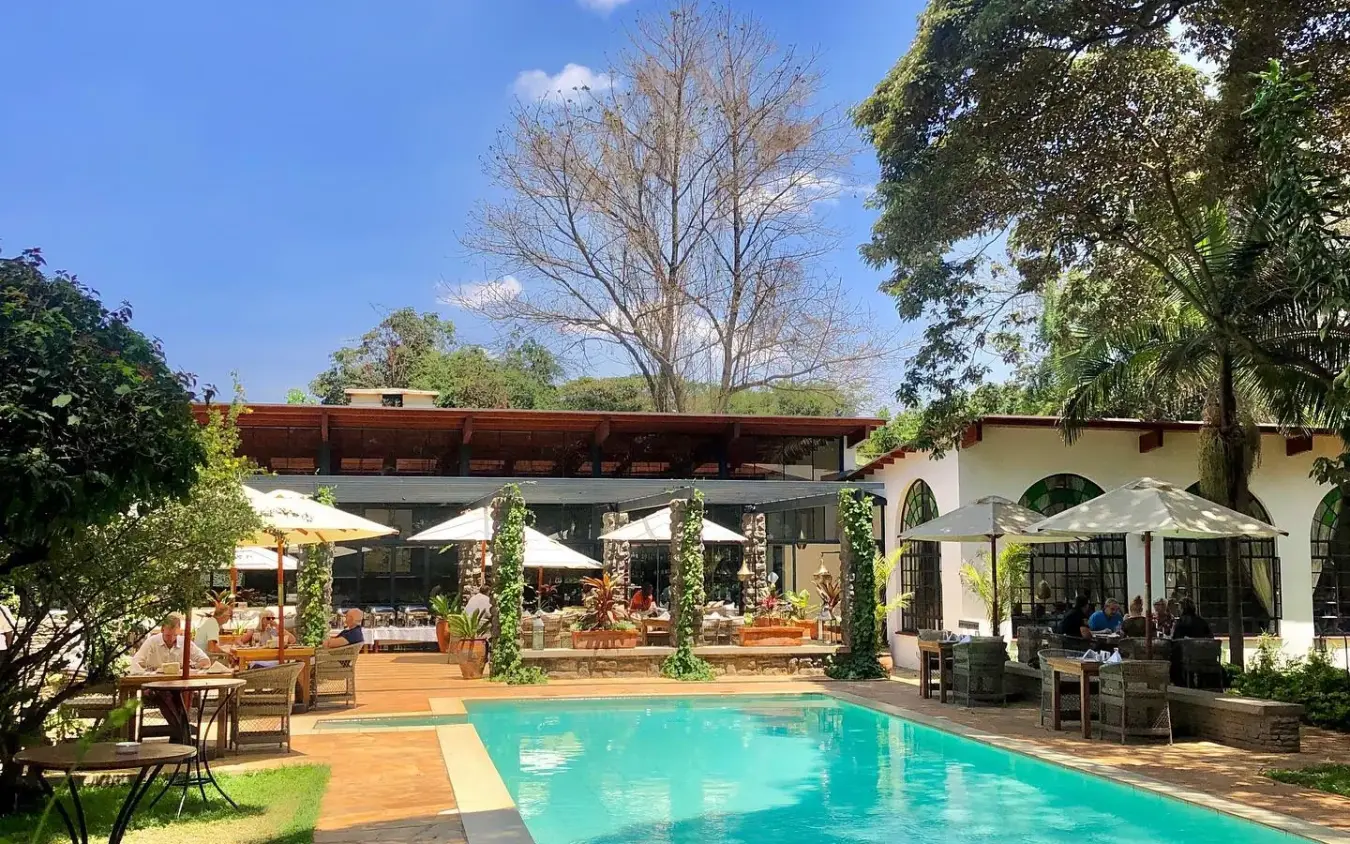
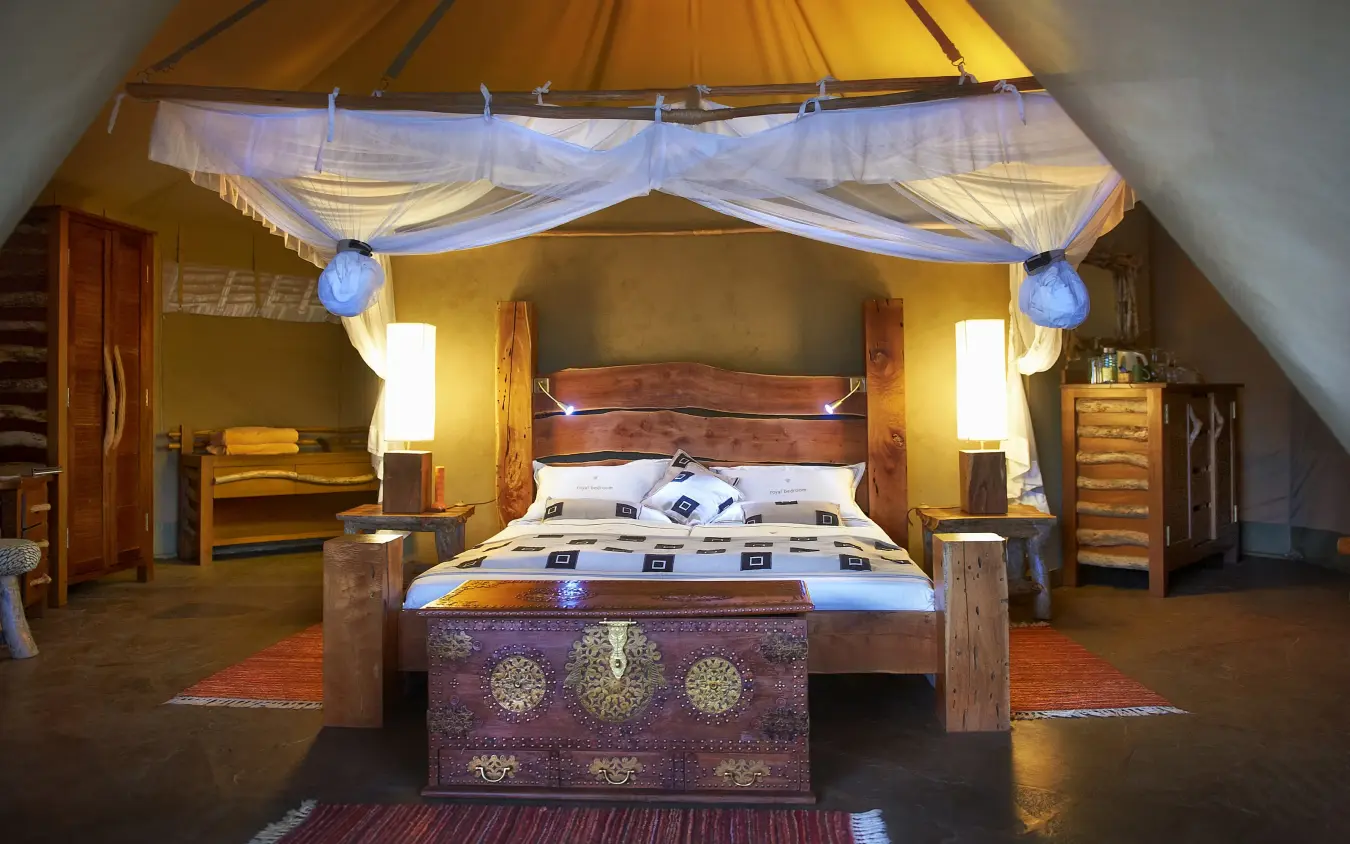
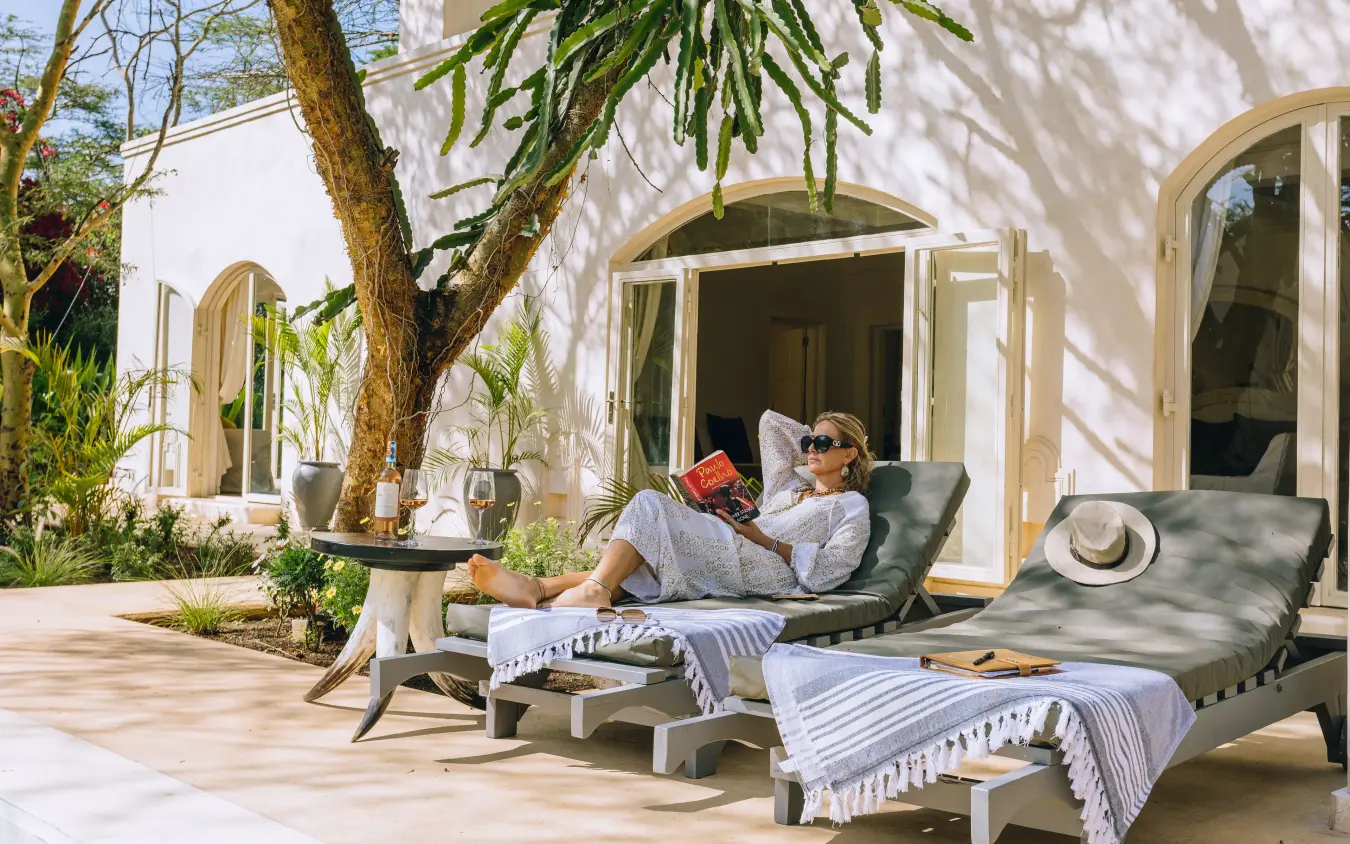
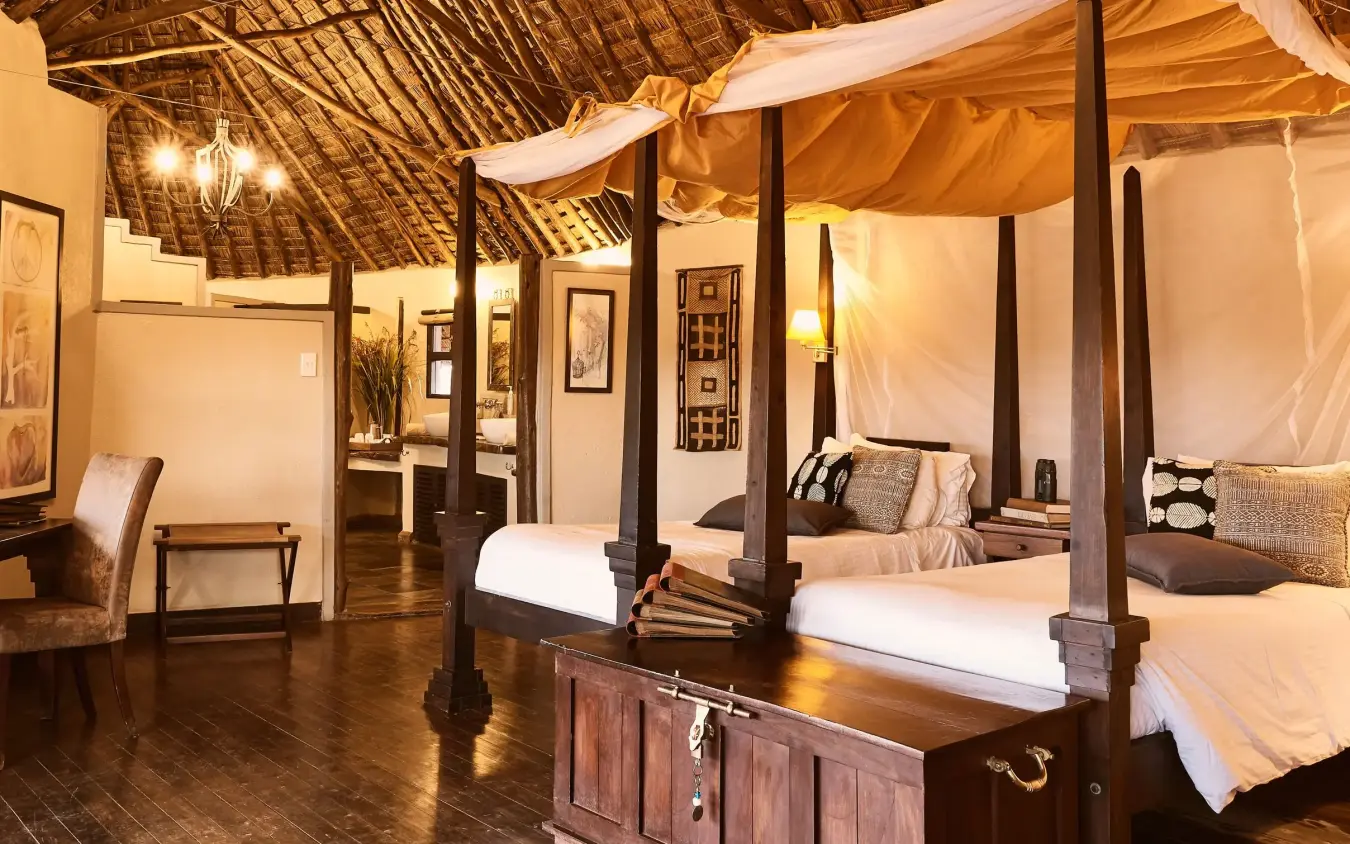
You close on Nairobi's forested Karen-Langata edge, in a house built in 1992 as the family home of the painter Tonio Trzebinski and his wife Anna, a fashion designer. Original canvases, bronzes and hand-formed ceramics fill the rooms, and the grounds border the Giraffe Sanctuary forest, indigenous woodland that shelters more than 200 species of bird. Hemingways Eden keeps nine rooms across the Main House, the Studio and a self-contained Cottage, furnished with Lamu-style canopy beds, antiques and original artwork.
Typically an Airbus H125, the five-seat machine that Tropic Air flies out of Nanyuki.
Typically, because no operator commits to an airframe months ahead, and the company also keeps a six-seat H130. For a party of four the H125 is the right size, since everyone gets a forward-facing seat and a headset, and the flights are low with the doors often wide open, which is the difference between looking at the Mathews Range and photographing it.
What suits this route is more practical than that. A helicopter needs no airstrip, so it sets down at the camp in Samburuland rather than an hour away, and this type climbs well in heat and thin air, being the one that landed on the summit of Everest in 2005 and still holds the record.
The leg down to Laikipia then takes an hour instead of most of a day on the road.
July to October, and the camp is unusually well placed for it.
A Talek crossing point sits about 150 metres from the dining deck, and the herds cross both the Talek and the Mara in those months. That is the whole of the honesty available, because a crossing is not an event anyone can schedule.
Wildebeest mass on a bank, mill about for an hour or a day, then often turn and walk to another point entirely, so guides work from where the herds are rather than from a timetable. Four nights is a sensible allowance.
Two practical notes: the camp closes through April and May, and this is the national reserve rather than a private conservancy, so a good sighting draws more vehicles than it would next door.
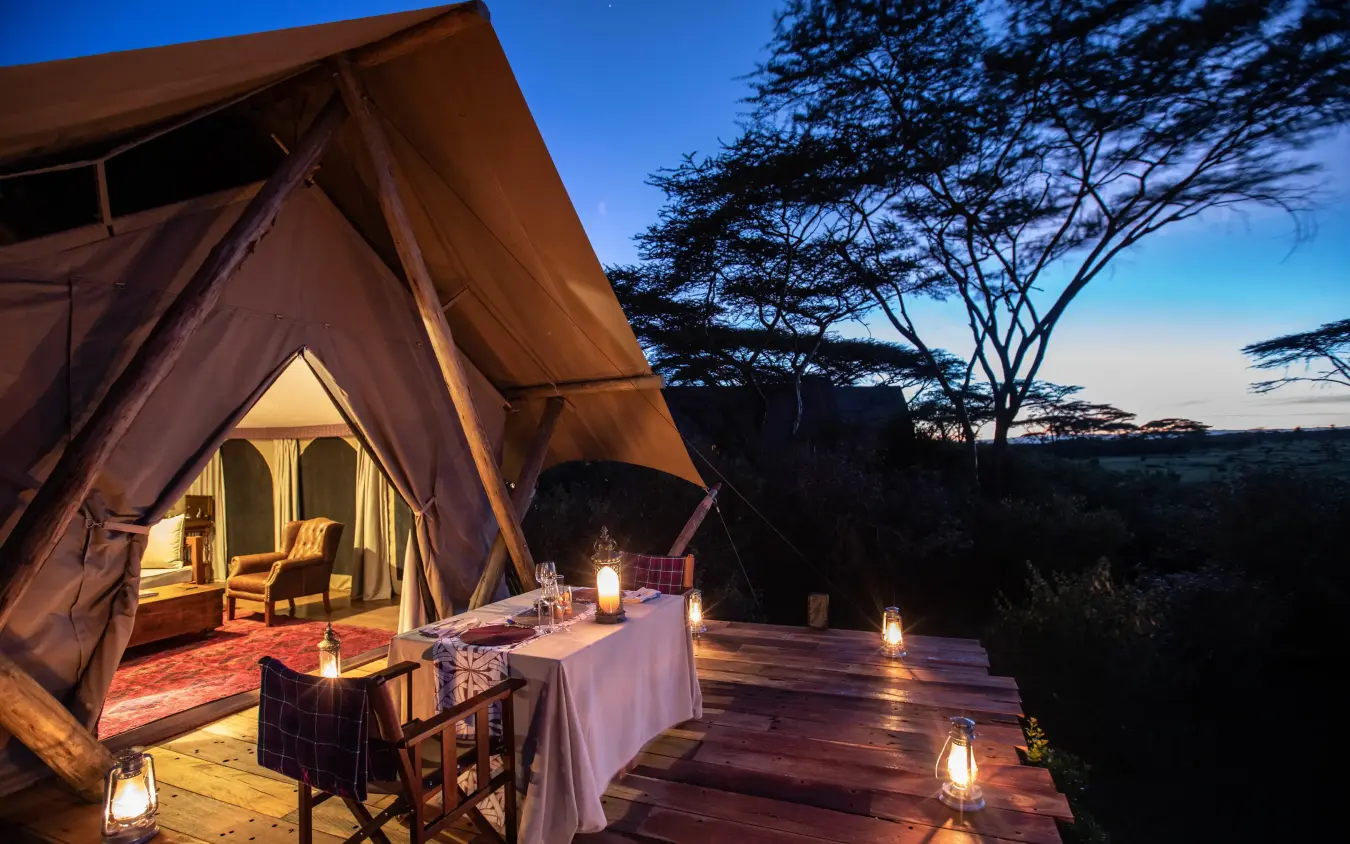
The camp takes one party at a time, six tents and up to eighteen people, on 450,000 acres of unfenced country below the Mathews Mountains.
In practice that means no fixed mealtimes and nobody else at dinner, and days set by the light and the season rather than a schedule:
The wells are seasonal, so whether they are working depends on when you come and on that year's rains.
Three nights is short for a place run this way. If the walking and the time with Samburu families is what draws you, tell us and we will add a night.
Lower than most people expect, and worth knowing before you set your heart on it.
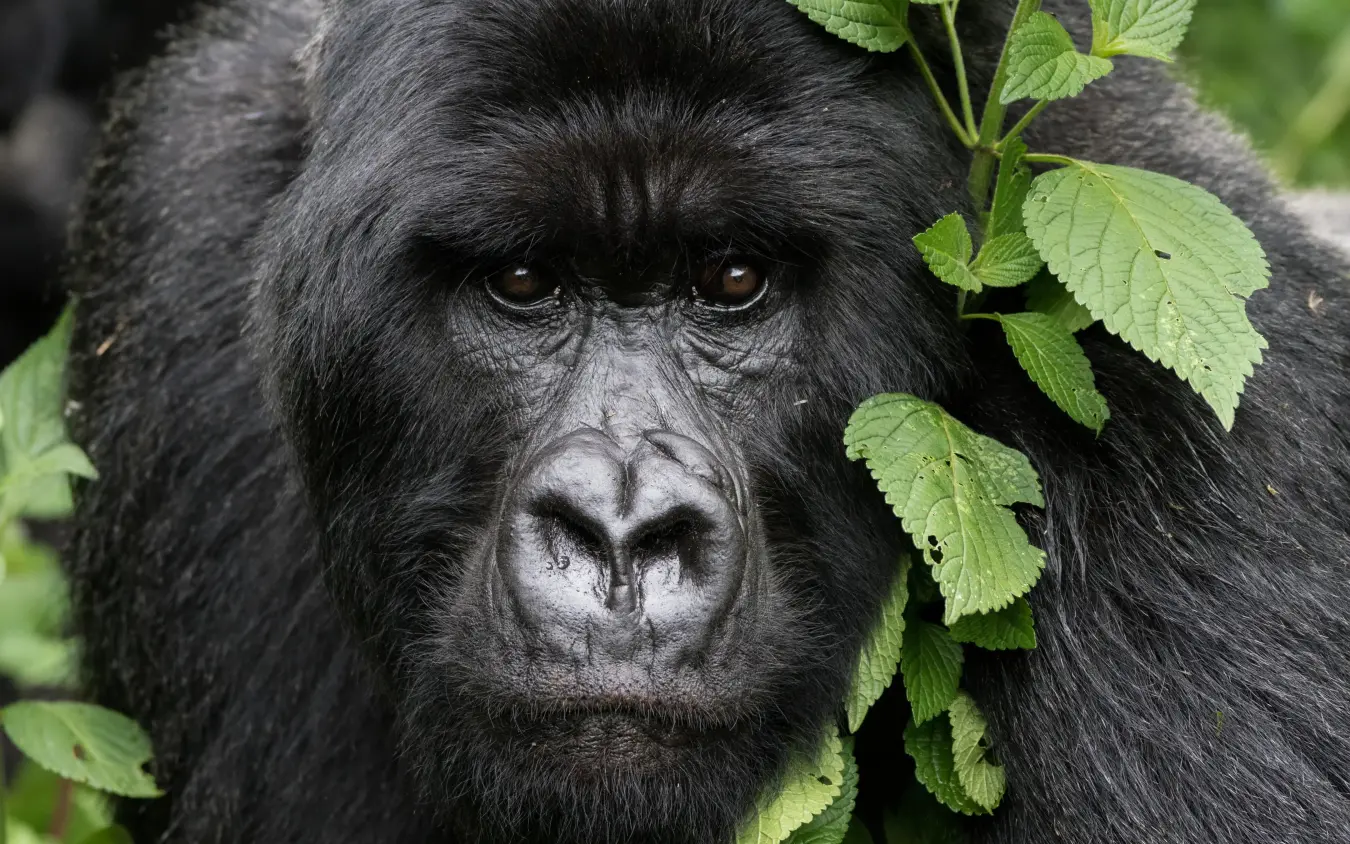
Researchers working across Samburu and Laikipia counted only 80 to 90 wild dogs in nine packs, spread over a landscape the size of an English county, and packs range very widely in a day. So a sighting is luck rather than a fixture, and the odds lift when a pack is denning and tied to one place for a few weeks.
What is in your favour at Ol Lentille is that the conservancy runs to 40,000 unfenced acres of community land where guides know the packs, and each villa has its own guide and vehicle, so a morning can be given over to following up a report instead of waiting your turn. Elephant, greater kudu, gerenuk, Grevy's zebra and leopard are the steadier company.
January and February, and July to September, carry our highest rating in every region this route touches.
July to October is also when the wildebeest are in the Mara, which is the point of four nights on the Talek. Flying weather counts for more here than on most trips, because a helicopter day turns on visibility, and those same months are the clear ones.
October holds up in Samburu and the north, with Laikipia marked in between.
April and May are the long rains, and the camp in the Mara is closed for both. We rate March challenging in the Mara and November challenging in Laikipia, so neither is a month to build this route around.
The greener weeks do give photographers washed air and storm light with fewer vehicles about, and the singing wells answer to the rains rather than to the calendar.
Less than a fourteen-night route across four regions usually costs you.
Nairobi to the Mara is a short hop in a light aircraft, and the two northern legs, up into Samburuland and across to Laikipia, are flown by helicopter: an hour in the air each time in place of most of a day on rough road, which is the difference between arriving for lunch and arriving at dusk.
The flying is part of the trip rather than a gap in it, since the Mathews Range has no road through it and only opens up from above.
Pack accordingly. Soft bags, about 15 kilograms a head, is what the scheduled aircraft allow and what a helicopter's weight and balance will take, and hard cases are the one thing that will not travel. The exact figure for your party is settled with the operator well before you pack.
Ed Charles, BBC Producer
Fitzroy are true specialists in accessing the wilderness. They know where to go and importantly, when to go there. Highly recommended.
kenya & rwanda
Twenty nights from Nairobi through Kenya's northern conservancies to Rwanda's mountain gorillas.
kenya
Ten nights from Nairobi through Amboseli's elephant corridor and Tsavo to a remote beach lodge on Manda Island.
kenya
Thirteen nights across Kenya, linking Amboseli under Kilimanjaro, the Mara North plains and Borana's rhino country.
rated five stars by our clients

our approach
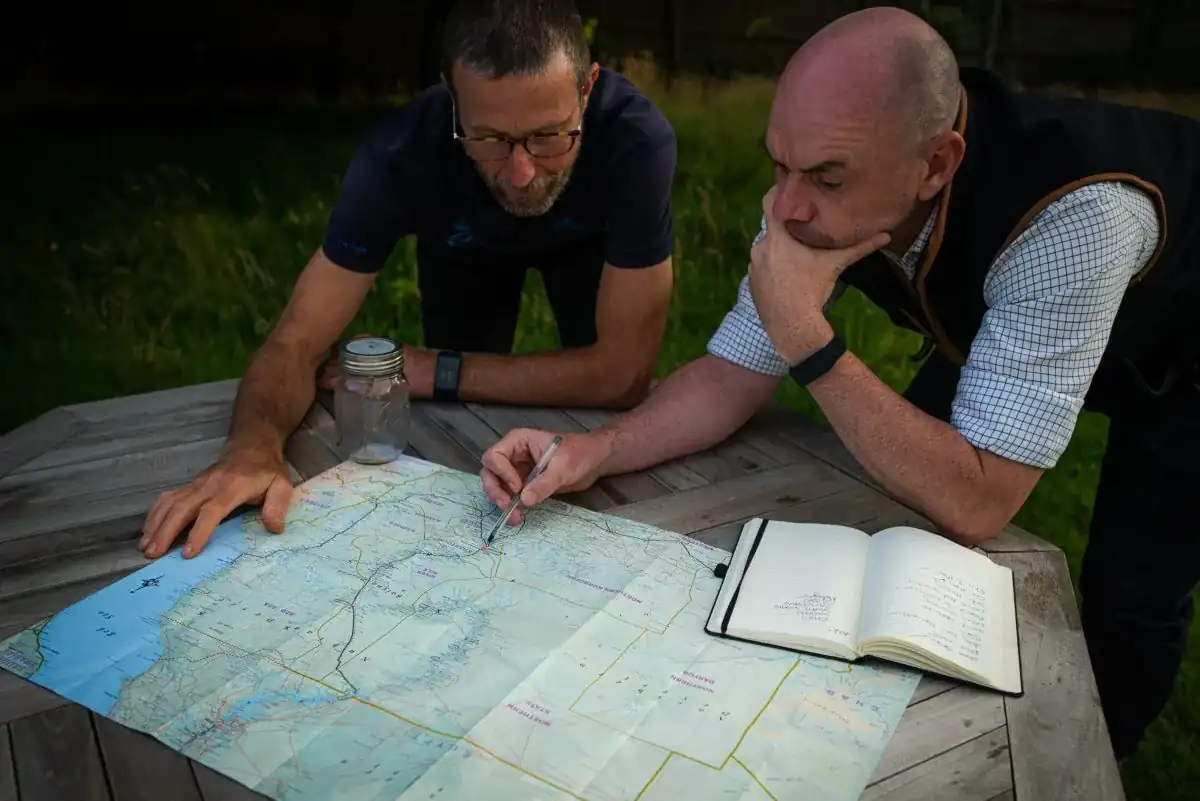
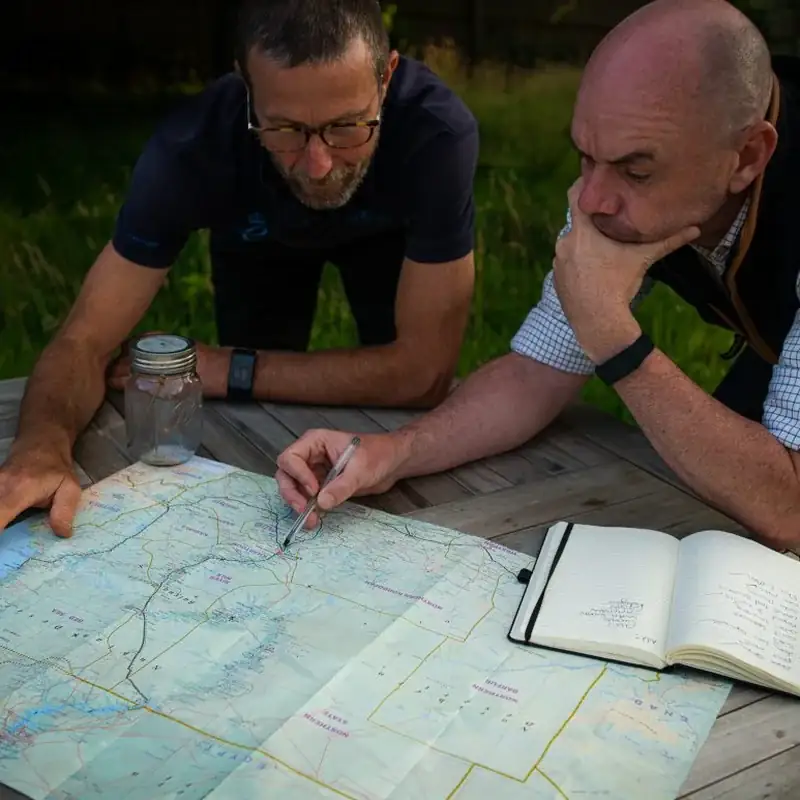
Every journey starts with a conversation. We take the time to understand your vision before we start planning.
Whether by phone or in person, we work with you directly to shape something that is considered, personal, and expertly delivered.
Every journey starts with a conversation. We favour a direct, personal approach: understanding your vision before anything else.
Whether by phone or in person, we work with you directly to shape a journey that is both thoughtfully considered and expertly delivered.
Get in touch to start planning yours.