












kenya
a week of rhino, naivasha and the mara
Seven nights linking Nairobi National Park, Lake Naivasha and the northern Maasai Mara conservancies.
- Private Safari
- From $16,835 pp
- 6 guests
- 7 nights

This helicopter safari across Kenya begins in Nairobi, where black rhino and lion range on the city’s southern edge, then climbs to the Borana Conservancy, a private rhino sanctuary above the Samangua Valley in the Laikipia Highlands. From there it reaches north into the South Horr Valley, desert country near Lake Turkana, before returning to Laikipia and the Segera conservancy, then finishing on the Kilifi Coast where the Goshi River meets the Indian Ocean.
The helicopter is the transfer through the highlands and the north: an Airbus H125 flies the leg from Borana over the Suguta Valley to South Horr and back south to Segera, reaching country the roads take days to cross. A fixed-wing charter then links the bush to the coast in a little over an hour. Days hold horse riding among plains game, rhino tracking on foot, desert walks, boat trips on Lake Turkana, art tours and game drives, then reef snorkelling and time on the water. The places you stay are family homes, owner-run camps and private houses, each a base rather than a hotel.
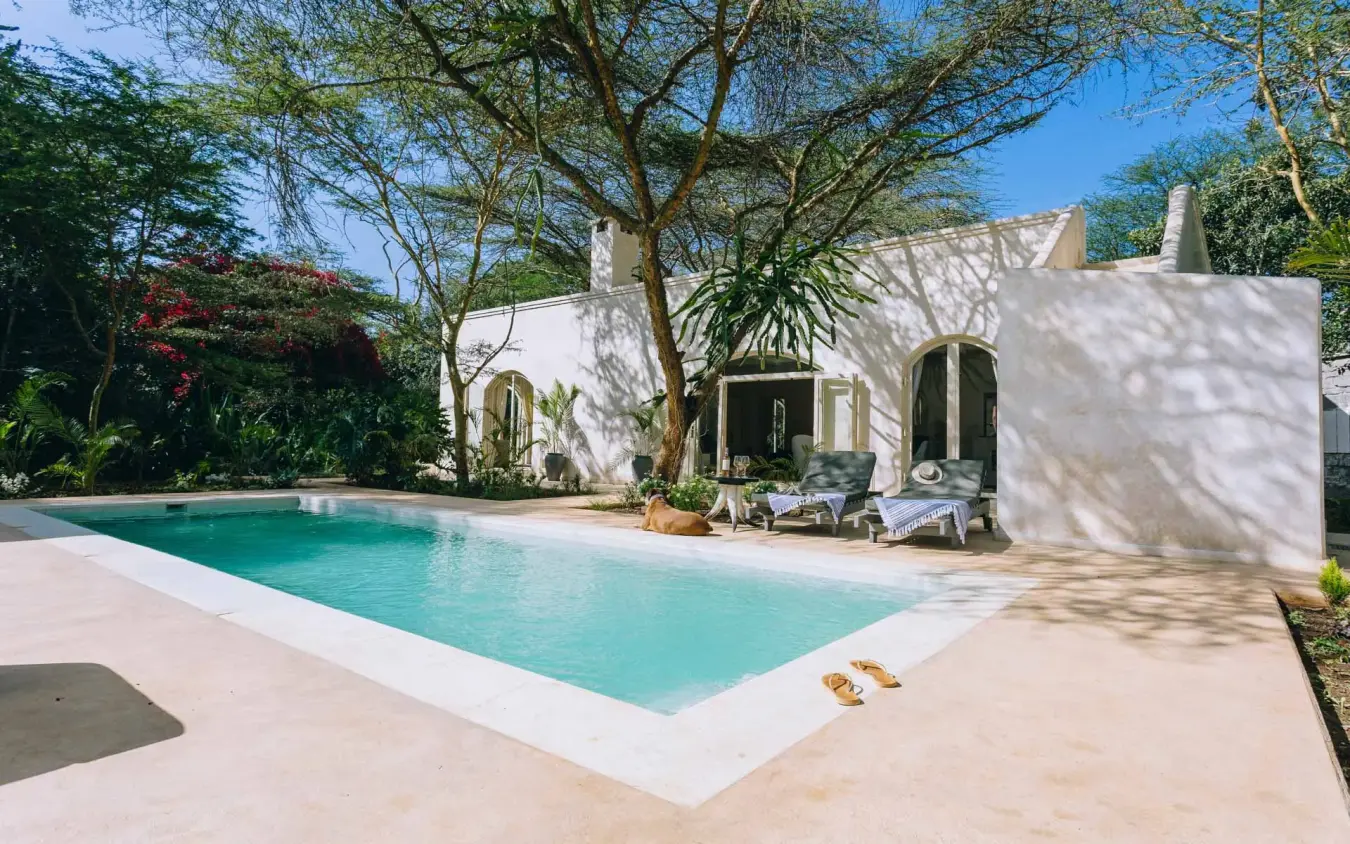
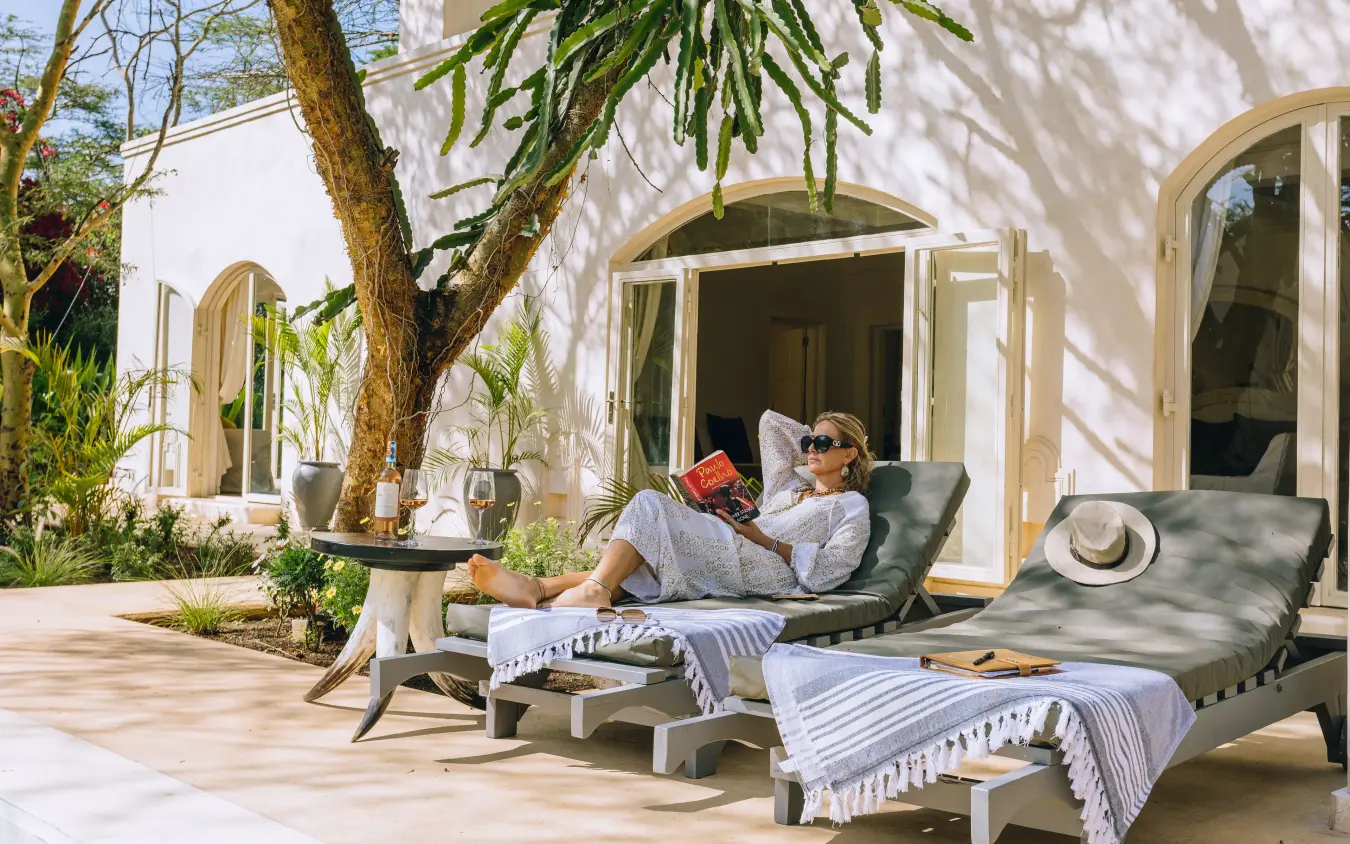
You arrive in Nairobi, on a highland plateau at around 1,795 metres, where daytime temperatures sit between 18 and 26 degrees and the nights stay cool. The Giraffe Centre, the Sheldrick Wildlife Trust and Nairobi National Park all lie close by, a savannah edge where black rhino and lion hold territory near the city. Manzili House is a Lamu-inspired family home in the Karen suburb, built with artisans brought up from Lamu Island, its white living spaces opening onto a central courtyard and pool. Breakfast is included, and an in-house chef cooks to order.
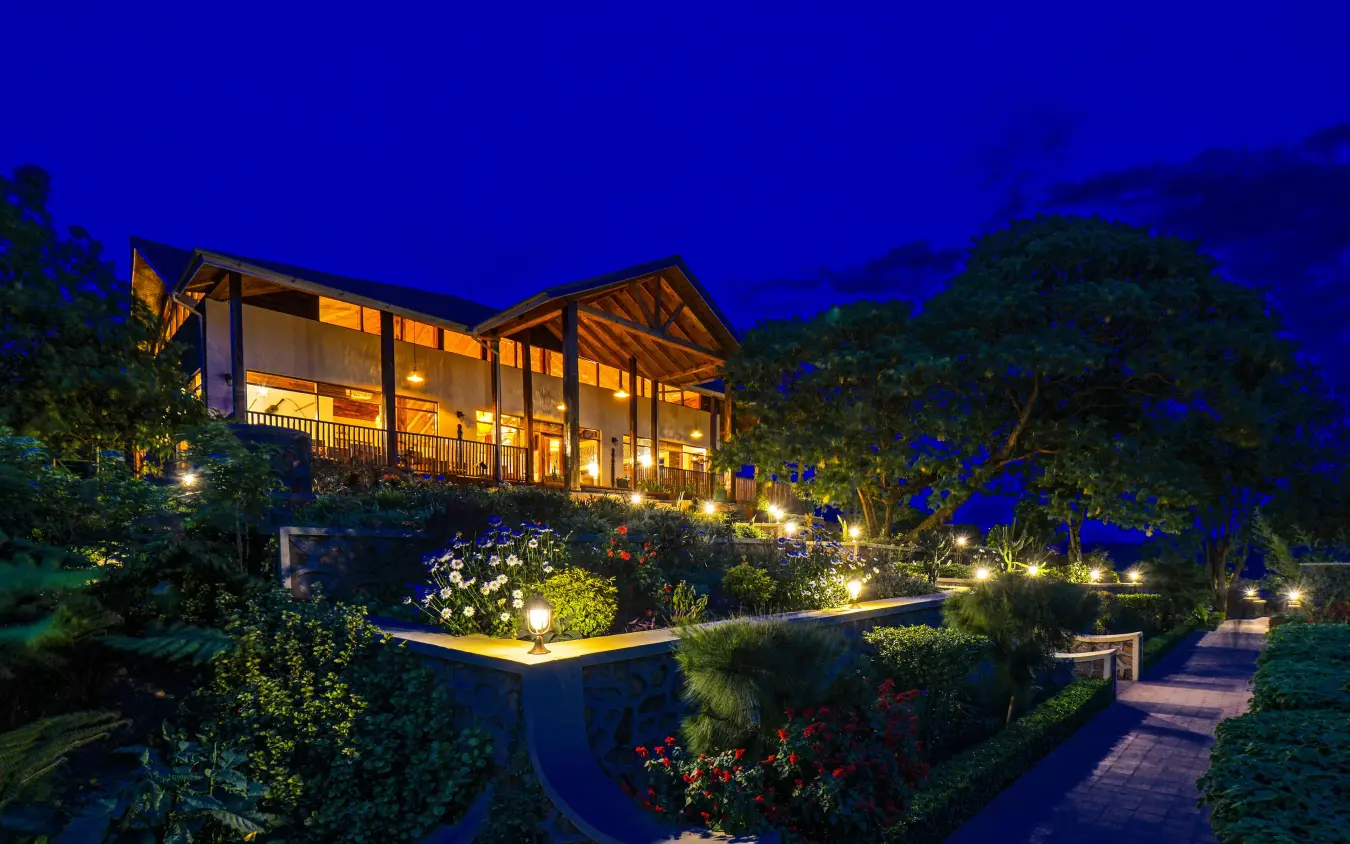
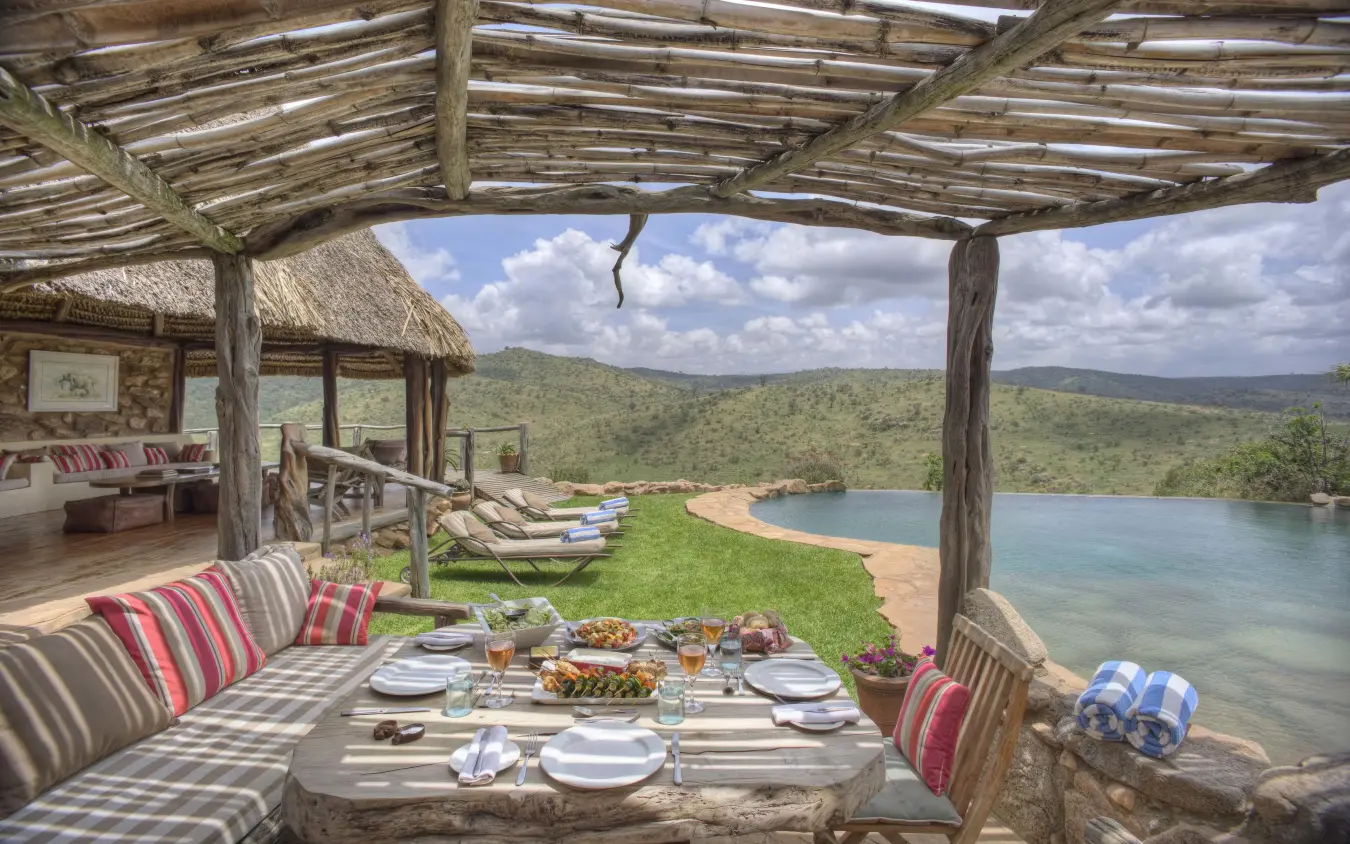
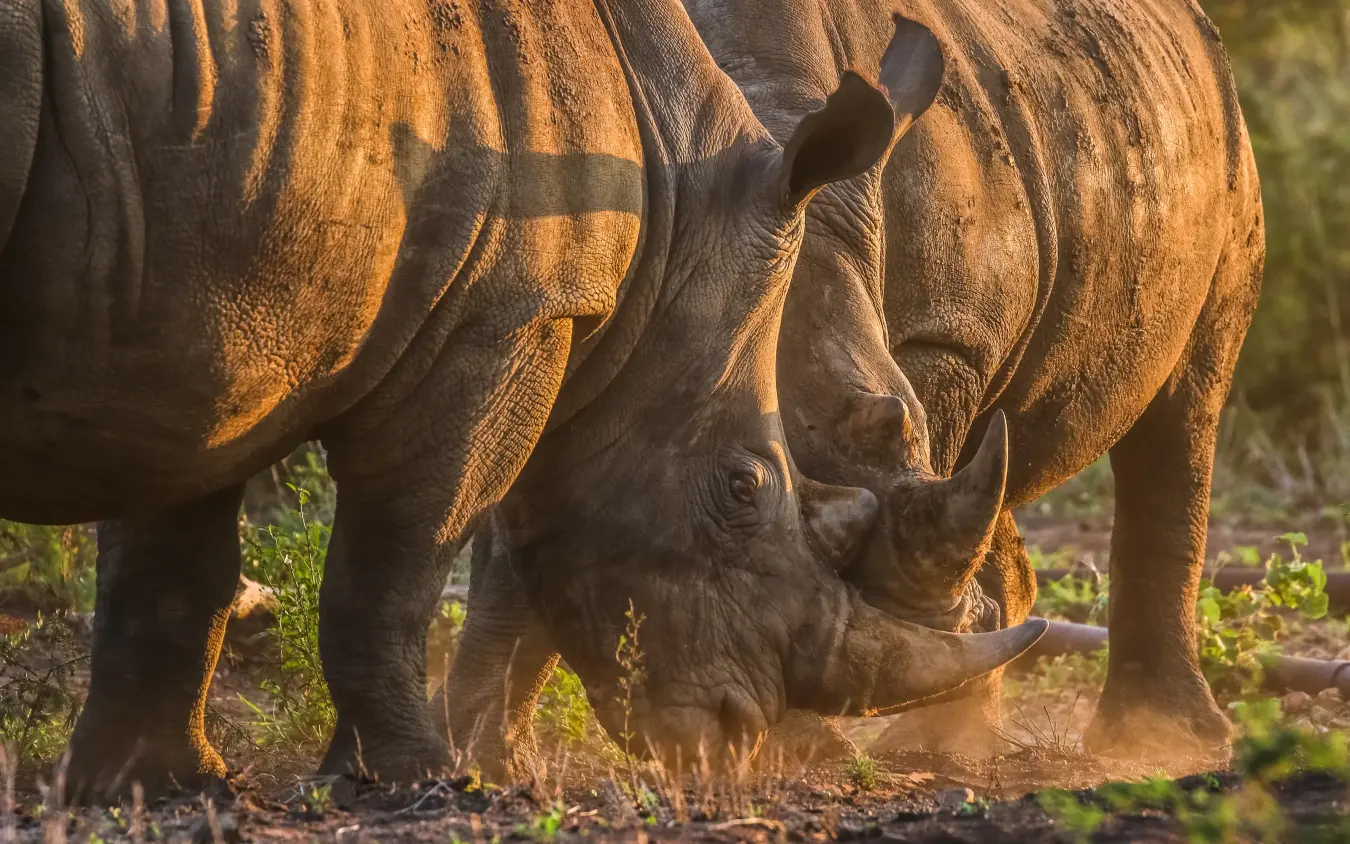
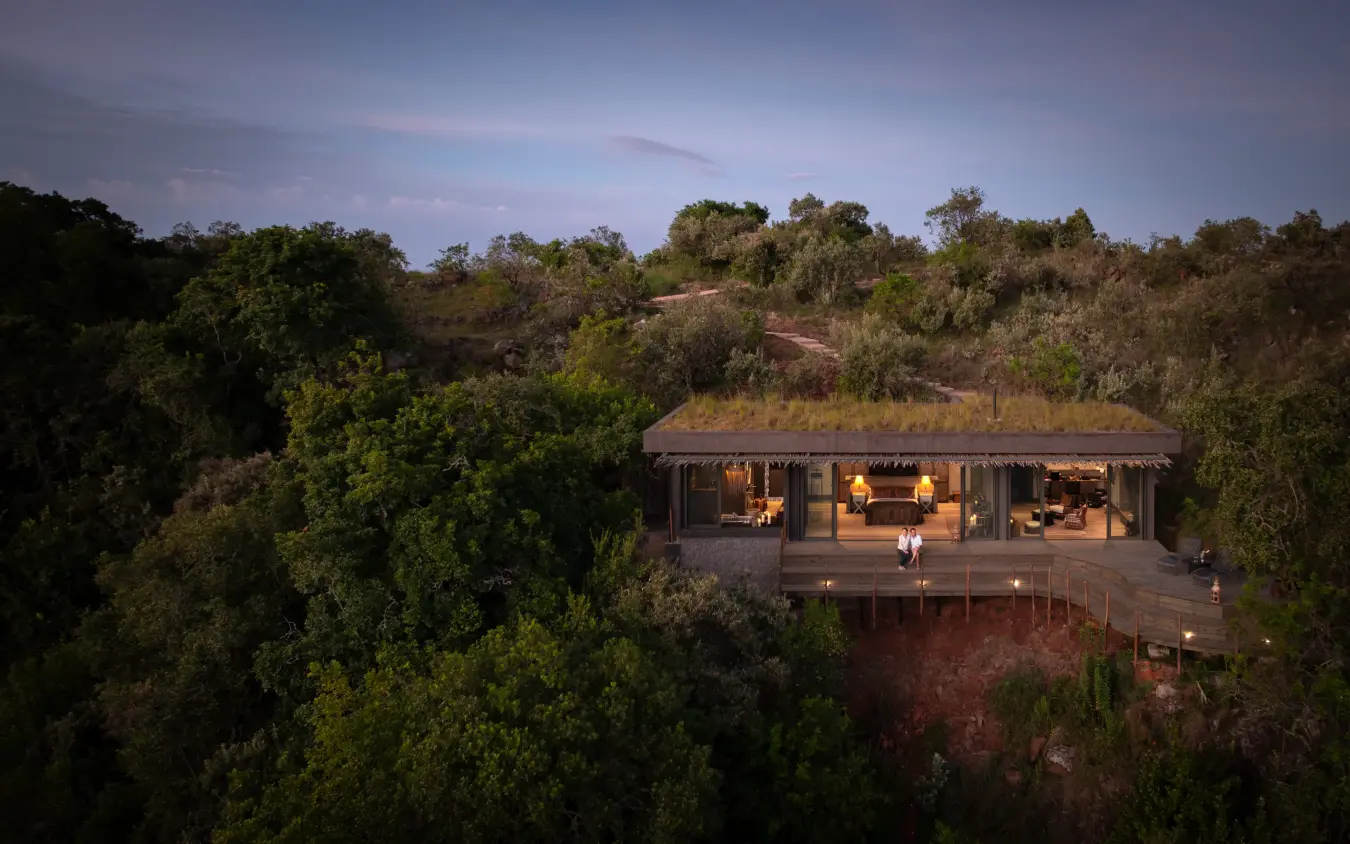
These four days sit in the Laikipia Highlands above the Samangua Valley, with Mount Kenya rising to the south and a dam below drawing elephant, giraffe and baboon through the day. You can track black and white rhino on foot with the rangers who monitor them daily, ride among zebra and giraffe, and head out on night drives and off-road approaches that a national park would not allow. Twenty-one black rhino were reintroduced here in 2013, and the conservancy now joins the neighbouring Lewa across 93,000 acres. Borana Lodge holds eight cottages of local stone and cedar terraced into the hillside, and exists to fund the conservation work beneath it.
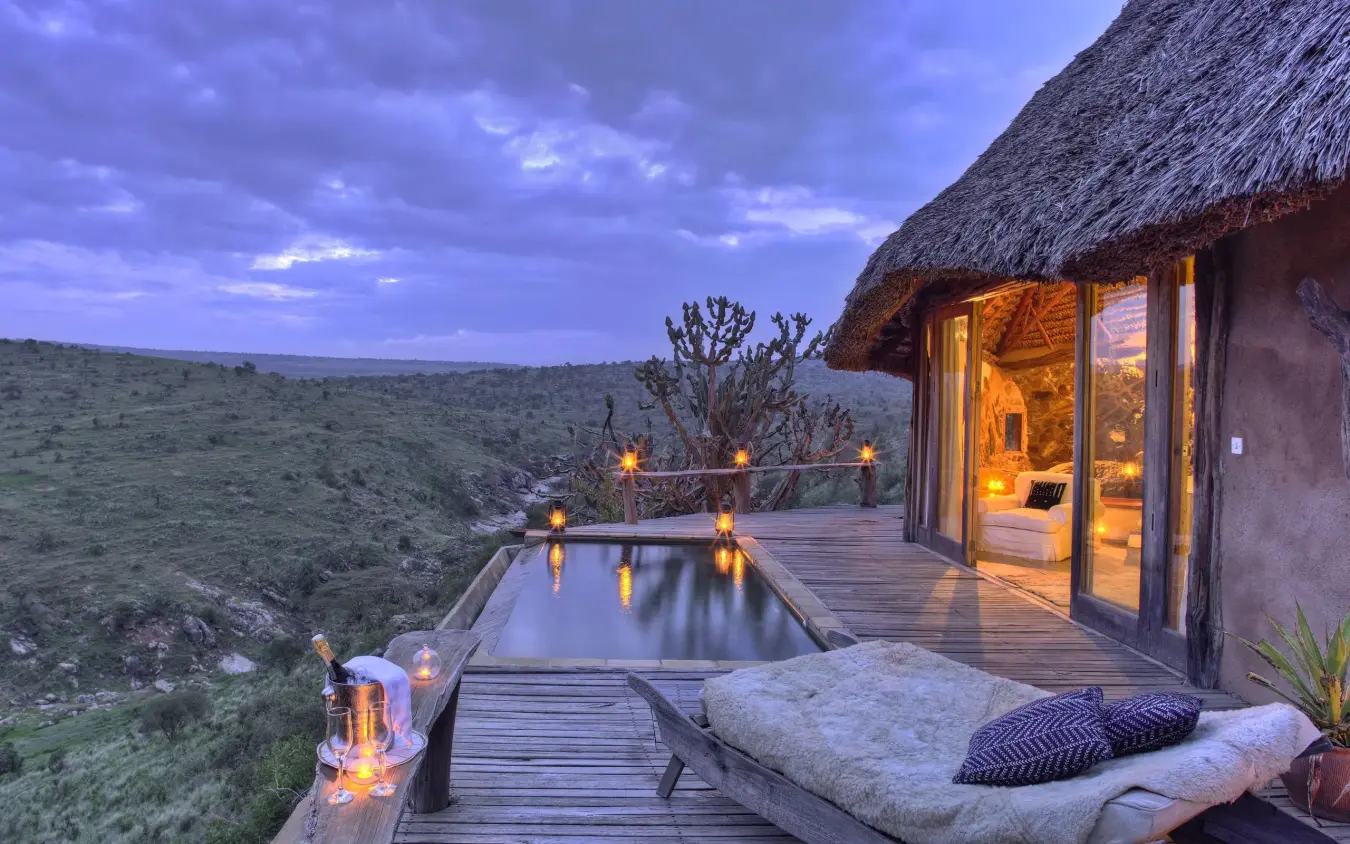
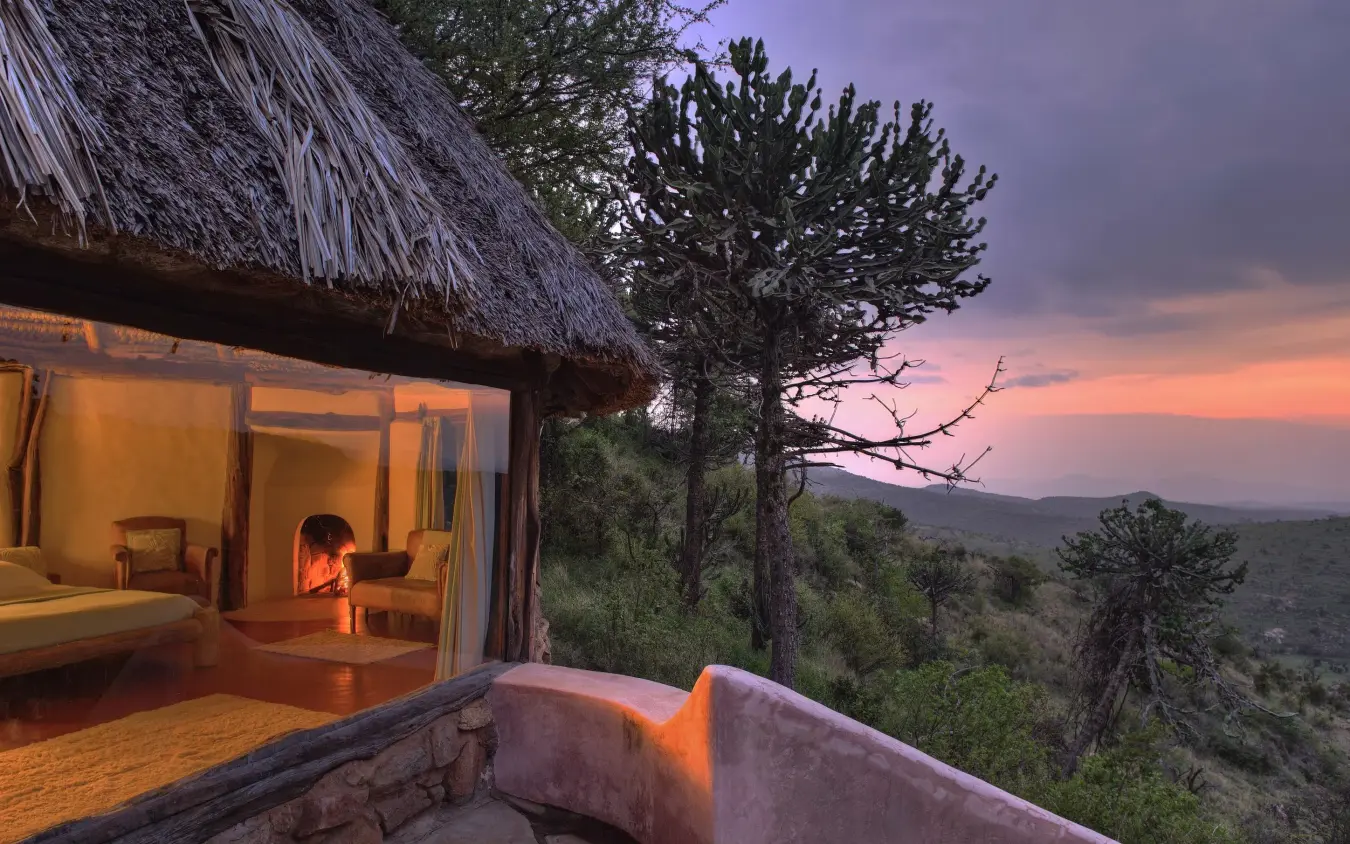
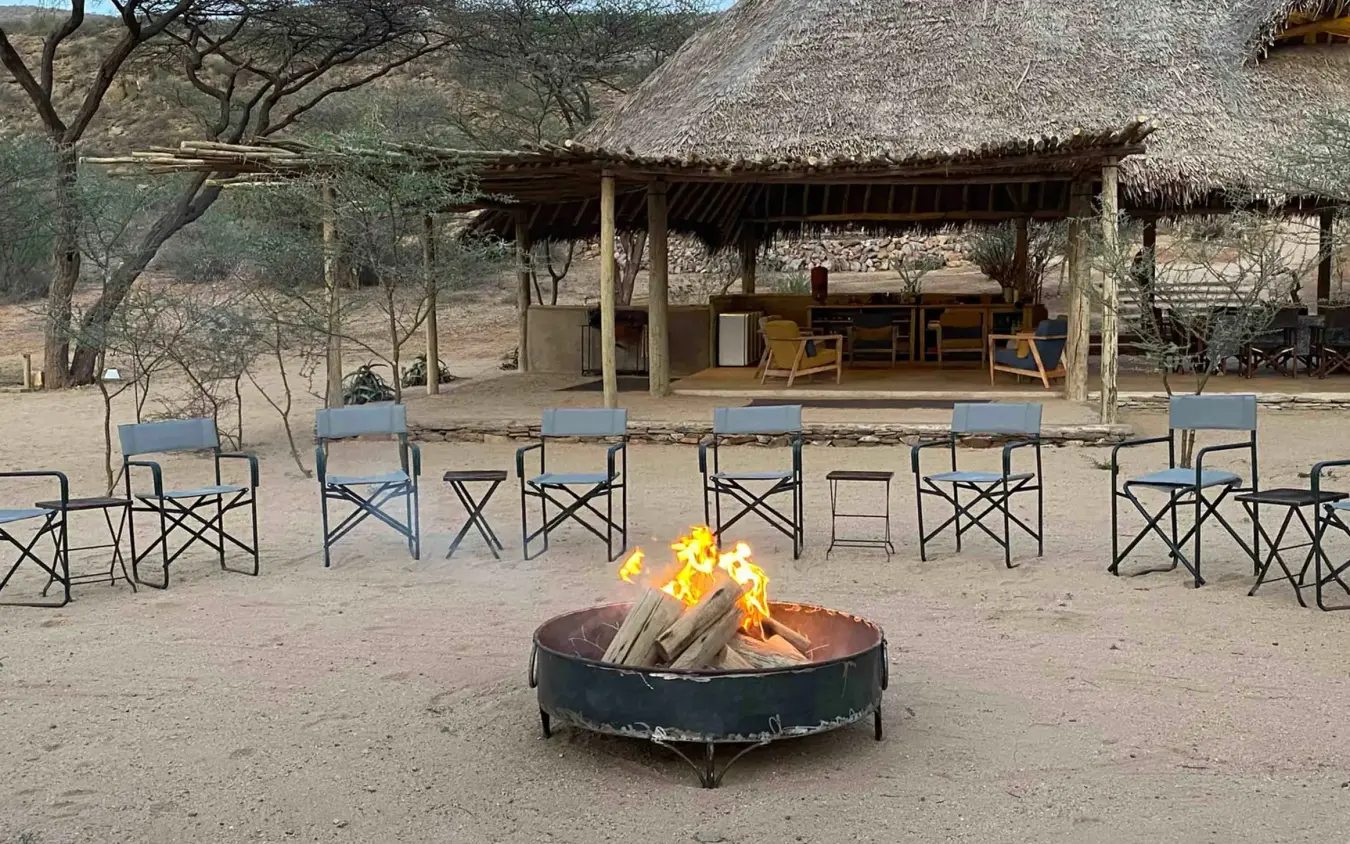
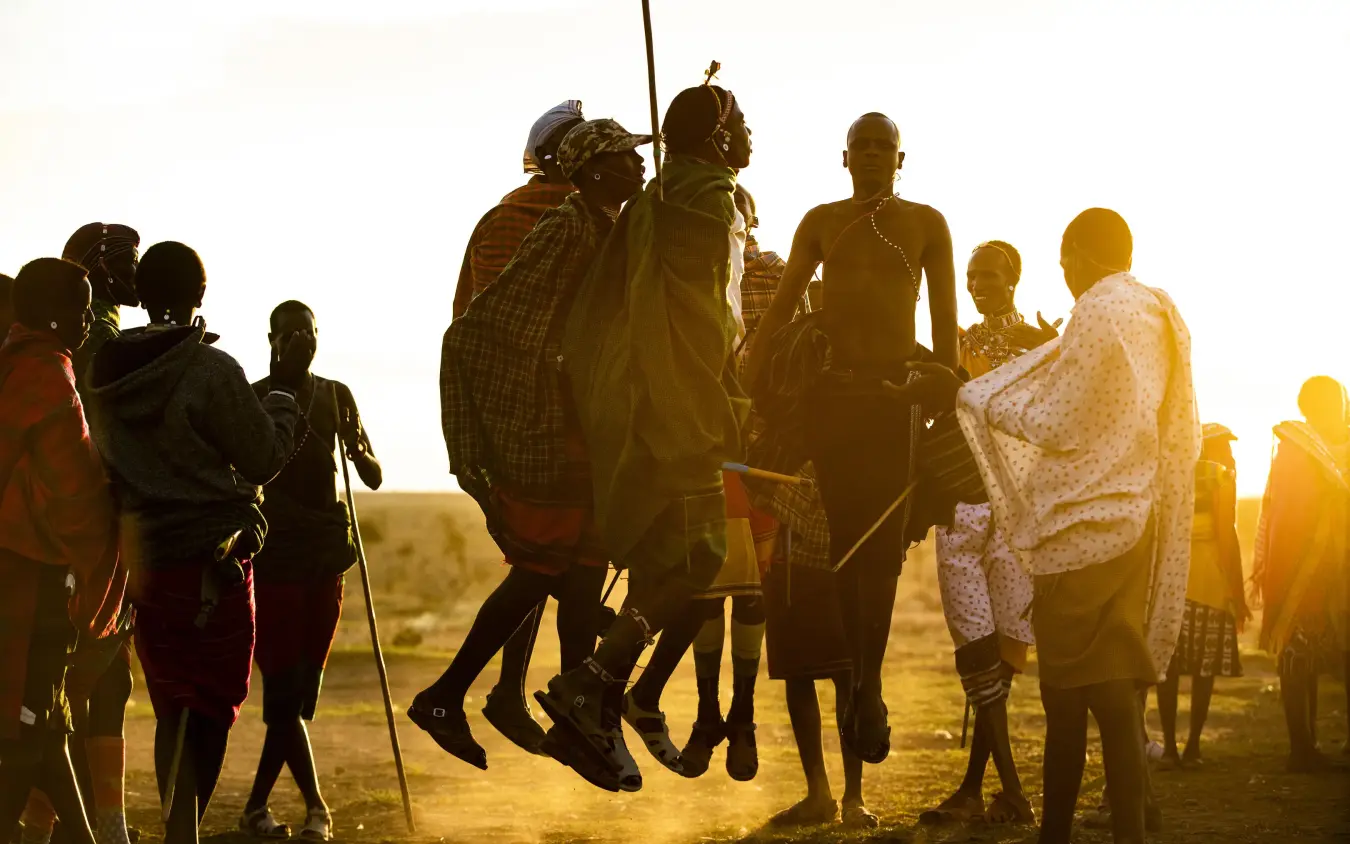
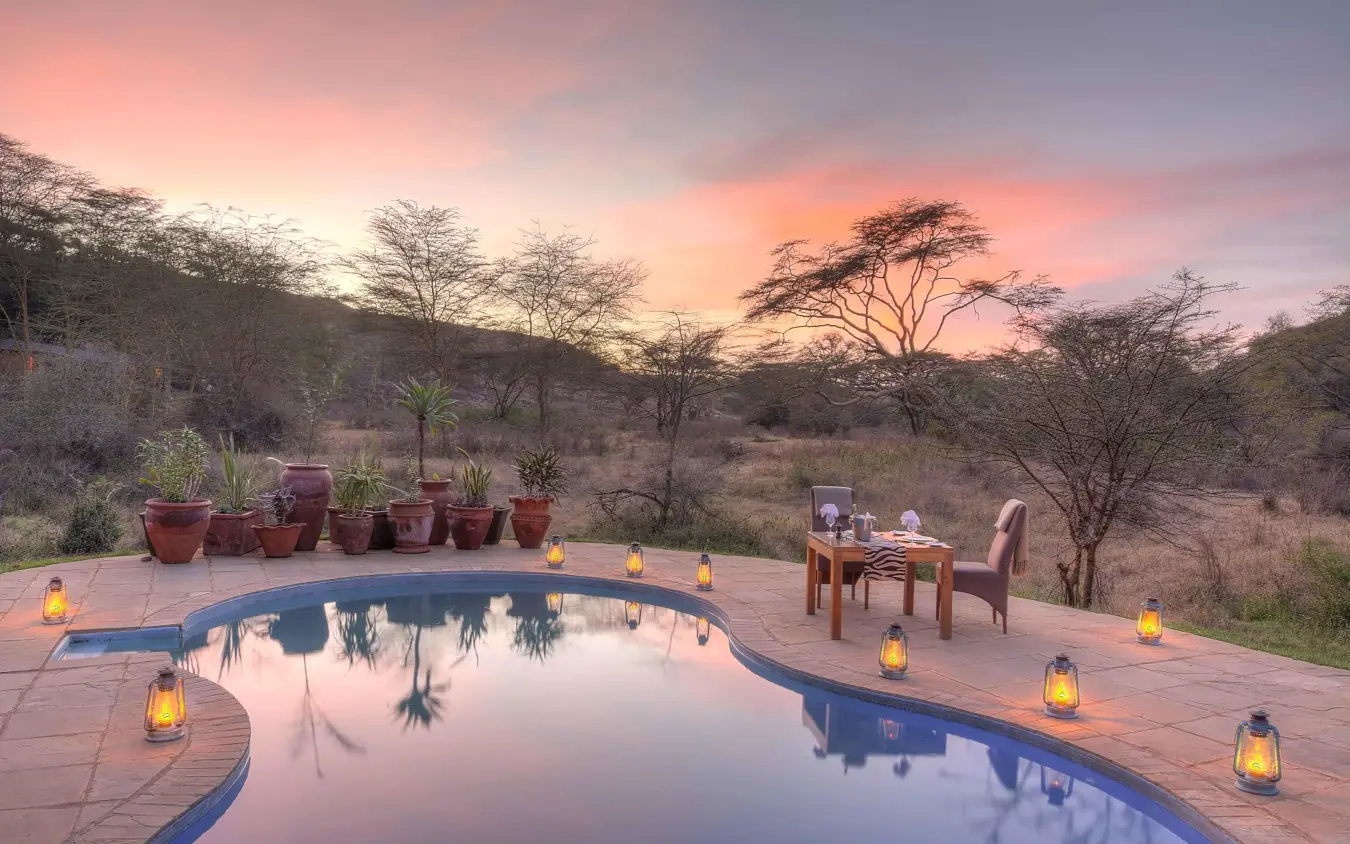
A day in the South Horr Valley of Northern Kenya, red earth country of extinct volcanoes, sandy riverbeds and desert plains roughly 60 kilometres from Lake Turkana. The flight up from Borana is what makes a night this far north work at all: an Airbus H125 runs north over the Suguta Valley, a trough of soda flats, hot springs and dead volcanoes with no road into it, and sets down at the camp. This is not classic game-drive country; the pull is space and silence, explored on foot along dry riverbeds, by quad bike, or by boat on the lake for Nile perch and the crocodiles and birdlife along the shore. Cultural visits reach Samburu and Rendille homesteads, often at the golden end of the day. Koros Camp is an owner-run, off-grid base of six thatched rooms, a pool and an open-air mess, with a dense field of stars above the campfire once the night cools.
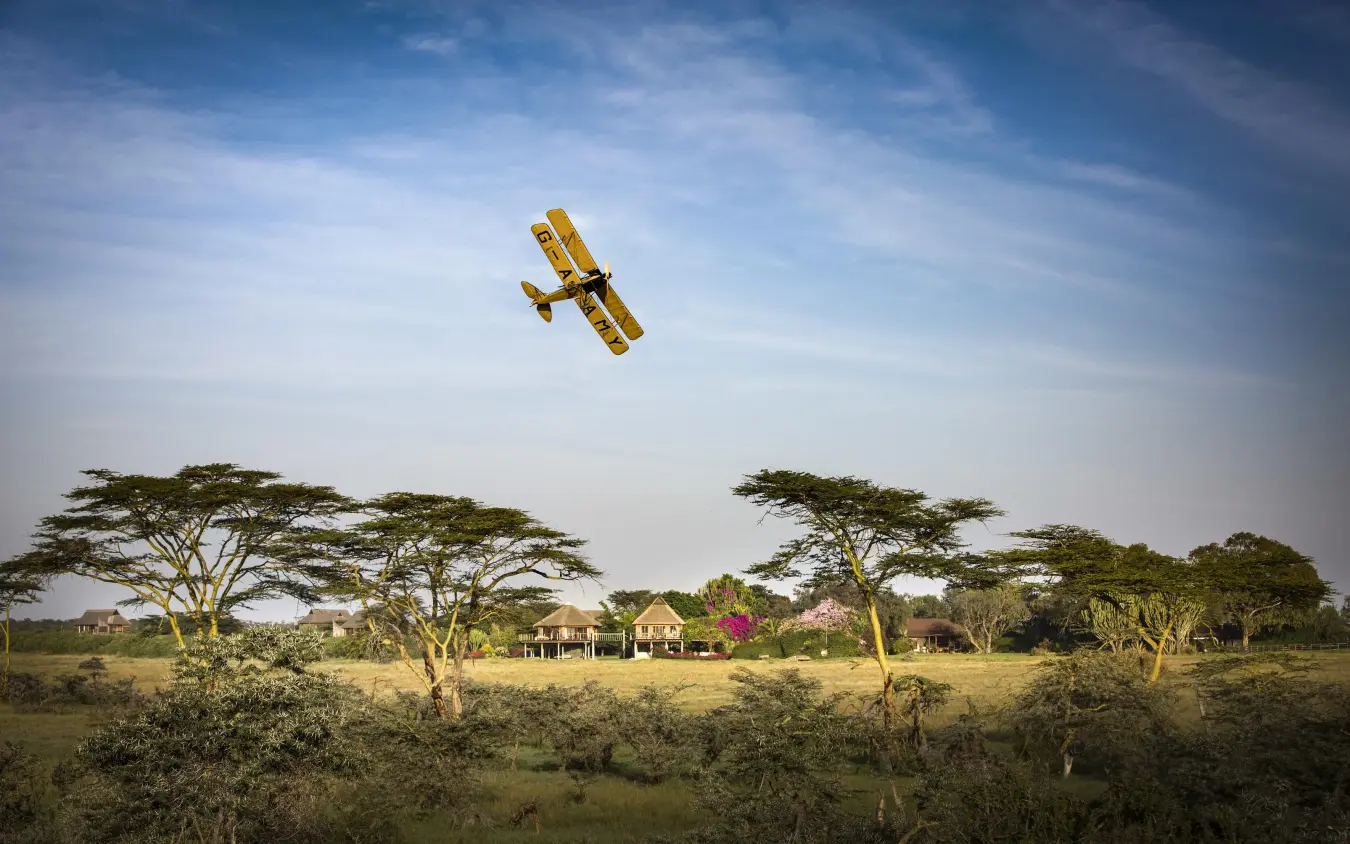
Back in the Laikipia Highlands, three days across a 50,000-acre conservancy facing Mount Kenya on the clear days, restored from degraded cattle ranch into wooded savannah, grassland and riverine forest along the Suguroi River. The helicopter carries you back south in a little over an hour. Game drives run by day and by night, guided walks cross the conservancy on foot, and community visits reach local schools and conservation projects. Between them, art tours of the Zeitz Collection sit alongside the saltwater pool and spa treatments. Segera holds ten villas, several of timber and thatch raised on stilts with private decks, swing beds and sunken Jacuzzis, and dining drawn largely from its organic gardens.
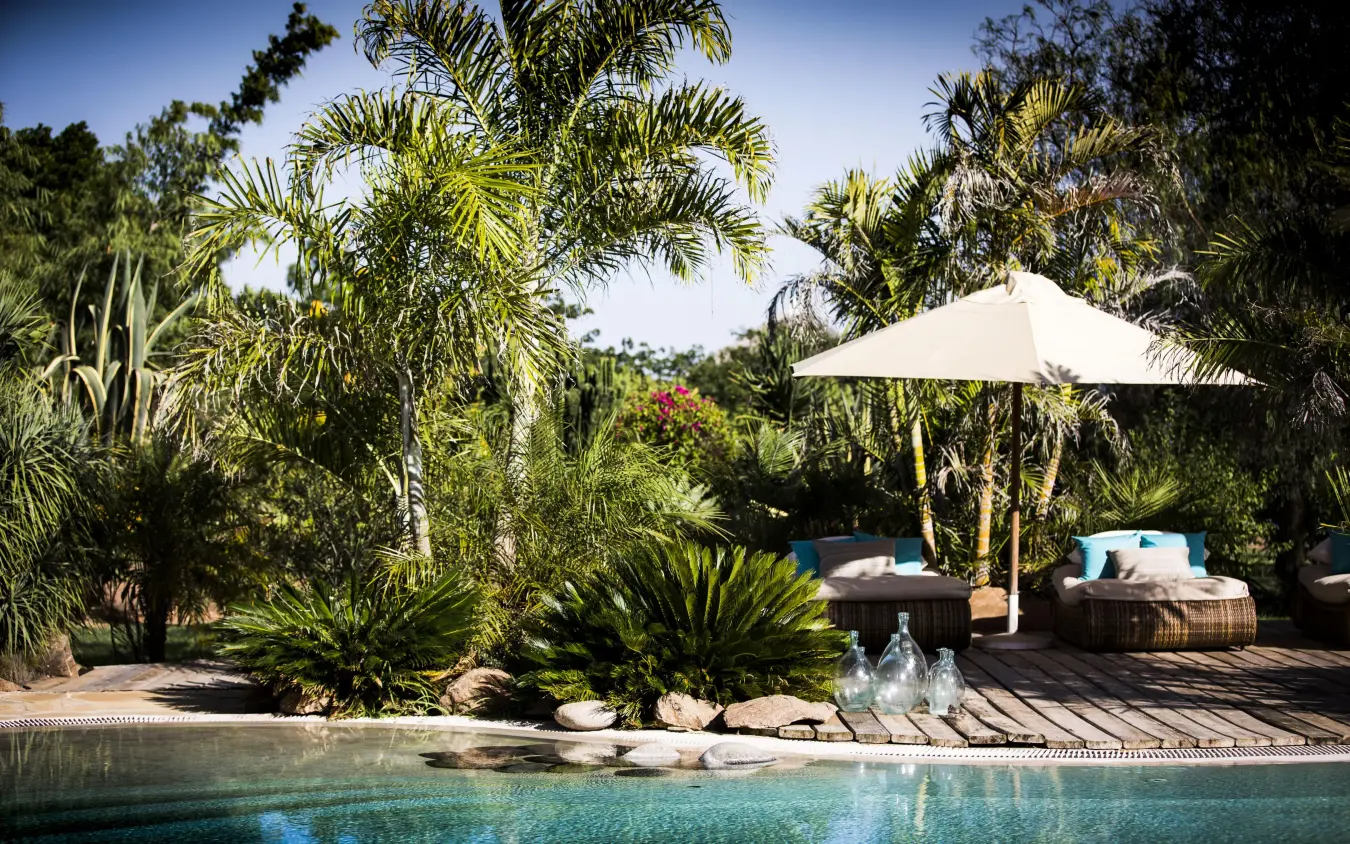
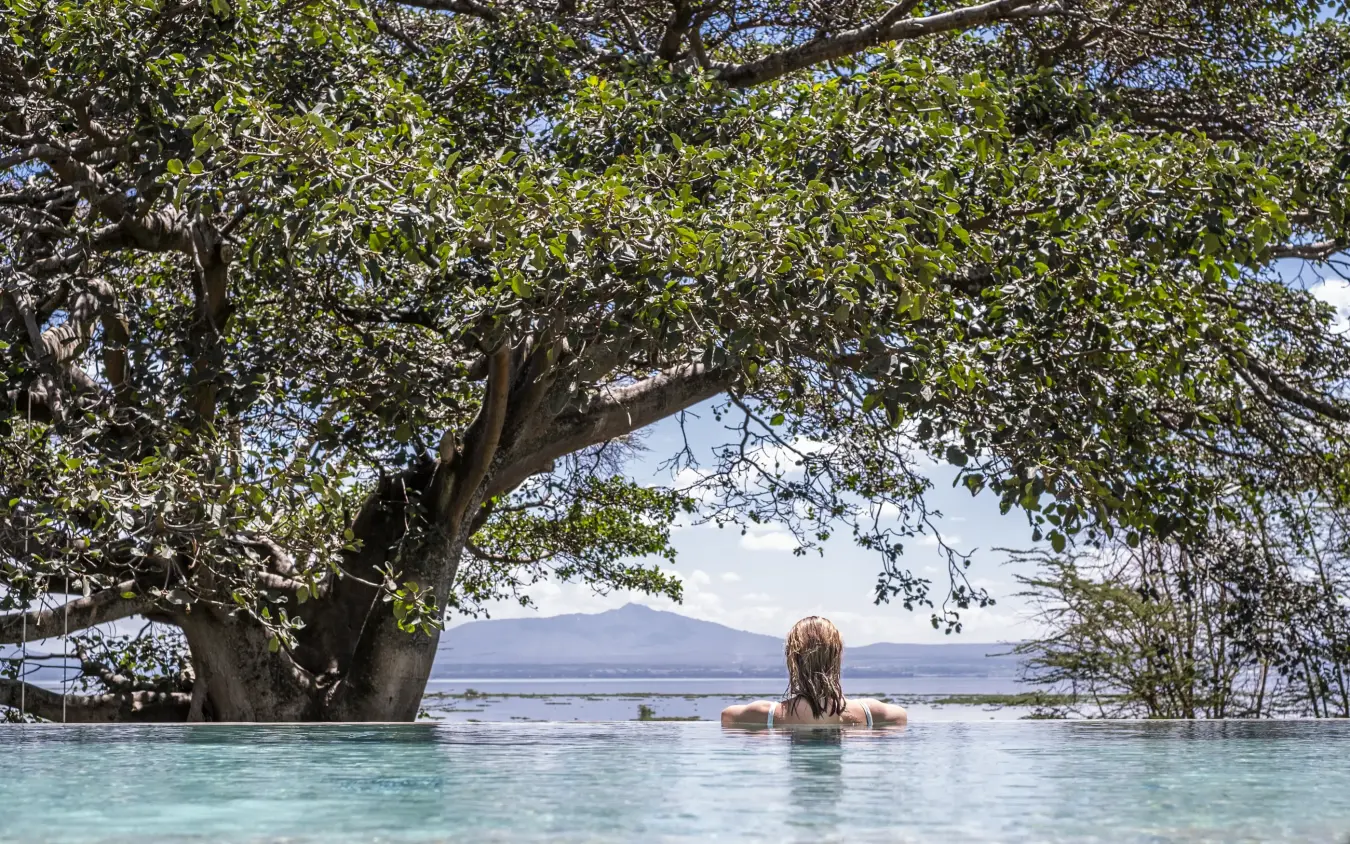
The trip finishes on a clifftop above Kilifi Creek, where the Goshi River runs into the Indian Ocean. A charter flight lands at Kilifi airstrip, five minutes from the door. The days belong to the water: reef snorkelling straight from the house, paddleboards and kayaks out on the creek at first light, and the estate's 38-foot boat, Sirai Sea, heading out after billfish. Sirai Beach is a six-suite private house taken on exclusive use, built in coral stone and Lamu plaster, with a 25-metre infinity pool above rock pools cut into the coral rock, and a private chef leaning Mediterranean and Swahili around line-caught fish.
Typically an Airbus H125, flown by Tropic Air from its base at Nanyuki, in the same highlands as Borana.
We say typically because nobody can promise the aircraft on the day, and the company also flies one larger Airbus H130. The H125 carries five passengers and a pilot, everyone facing forward with a headset, and flies low with the doors often open, which suits a leg flown as much for the view as for the transfer.
It is built for thin, hot air. This is the type that landed on the summit of Everest in 2005, and here it lifts off from highlands around 1,800 metres up and sets down in desert heat the same day.
It also needs no runway: no road reaches the Suguta Valley, and the flight ends at the camp itself. Flights there are free to touch down along the way, on the dunes or beside Lake Logipi, known for its flamingos, so ask us about a stop.
Very likely, though no wild animal can be promised.
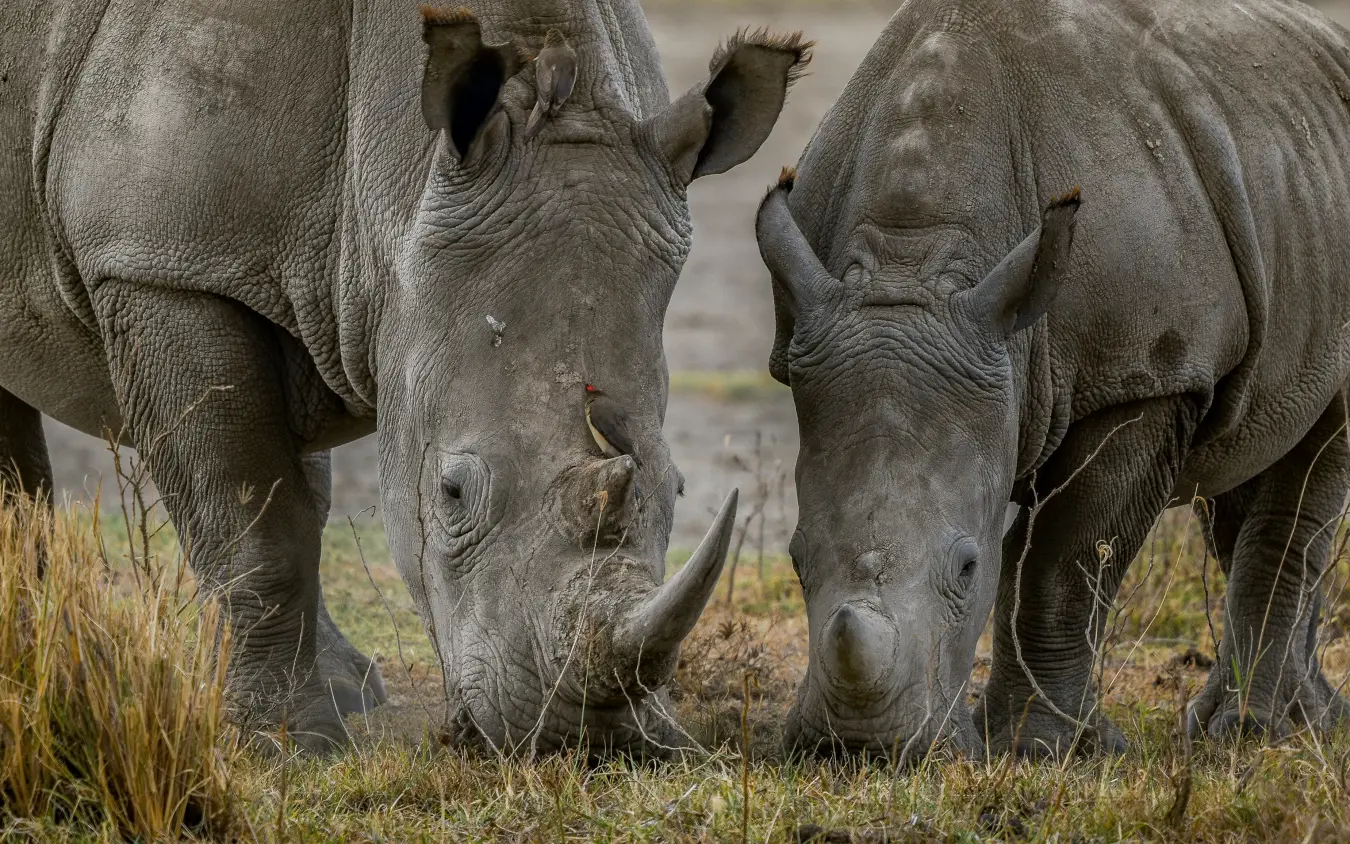
Borana and its neighbour Lewa are run as one rhino landscape, and its count in March 2025 was 273 animals: 130 black and 143 white.
The reason sightings are dependable is the monitoring. Borana's scouts go out on foot every morning to find and account for every rhino, so the rangers start each day knowing roughly where the animals are.
Tracking on foot means joining that patrol at first light, walking with the scouts, learning how each rhino is told apart, and often meeting elephant and giraffe on the way.
White rhino are grazers and tend to be out on open grass, so they are the easier of the two. Black rhino are browsers that keep to thicker bush, and take more finding. Four nights at Borana gives you several mornings to try.
No. Borana keeps more than thirty horses, and non-riders and beginners are welcome at any level, with patient horses schooled to look after novices and children.
Rides cross the open plains among giraffe, zebra, eland and impala, which accept a horse at close quarters. If you ride well, say so when you book.
The stable has thoroughbreds and thoroughbred crosses for experienced riders, who are expected to be comfortable at a walk, trot and canter in an English saddle, and rides can last half a day or a full day.
Two limits are firm: a strict weight limit of 95 kilograms, or 15 stone, and no riding for children under five. Tell us everyone's height, weight and experience in advance so that the right horses are ready.
Anyone who would rather not ride can cover the same country on a mountain bike or an electric bike.
Plan on 15 kilograms each, hand luggage included, packed in a soft bag.
That is the published limit on Kenya's scheduled light aircraft, and we plan the helicopter to the same figure: Tropic Air's H125 lifts four or five passengers out of the highlands with 15 kilograms of baggage each. We confirm the allowance for your party before you travel.
Hard cases are the real problem, because they do not fit a helicopter's baggage hold. Helicopters are loaded by weight, so we will ask for every passenger's weight when you book, and the allowance can be lower for a heavy party.
On this route that matters for the two helicopter legs, north to the South Horr Valley and back to Segera. The flight to the coast is a private fixed-wing charter, typically a Cessna Caravan or a Pilatus PC-12, and lands at Kilifi airstrip, five minutes from the house.
January and February, and July to September, are the months we rate highest at every stop on this route.
They are dry in the Laikipia highlands, clear and firm in the north, and sunny with calmer seas at Kilifi.
June, October and December are in-between months, good in most places with a chance of showers in the highlands or a mixed spell at the coast.
April and May are the long rains and the one period we steer this trip away from, with muddy tracks inland and seaweed and run-off clouding the water at Kilifi.
March, before the long rains build, and November, in the short rains, are less settled, and we rate November as a challenging month in Laikipia itself.
The wetter months still have real upsides: fewer visitors and lower prices, newborn animals, migrant birds and, between showers, the clean light photographers want. A helicopter day depends on visibility, which is one more reason to favour the dry months.
Yes, it can be changed, and the north is the first place we would look.
One night at Koros is enough for the flight up the Suguta Valley, a walk along the dry riverbeds and an evening at a Samburu or Rendille homestead, but Lake Turkana lies about 60 kilometres further on. If a day on the lake matters to you, by boat or by helicopter along its shore, add a second night.
Koros takes one party at a time, as does Sirai Beach, so those are the dates to secure first, and the other stays are fitted around them.
The helicopter sets one firm limit. The H125 seats five passengers, so a larger family needs the six-seat H130 or a second aircraft.
The coast is the simplest part to alter: Kilifi can be swapped for another stretch of the Kenyan coast, or dropped in favour of more time in Laikipia.
Ed Charles, BBC Producer
Fitzroy are true specialists in accessing the wilderness. They know where to go and importantly, when to go there. Highly recommended.
kenya
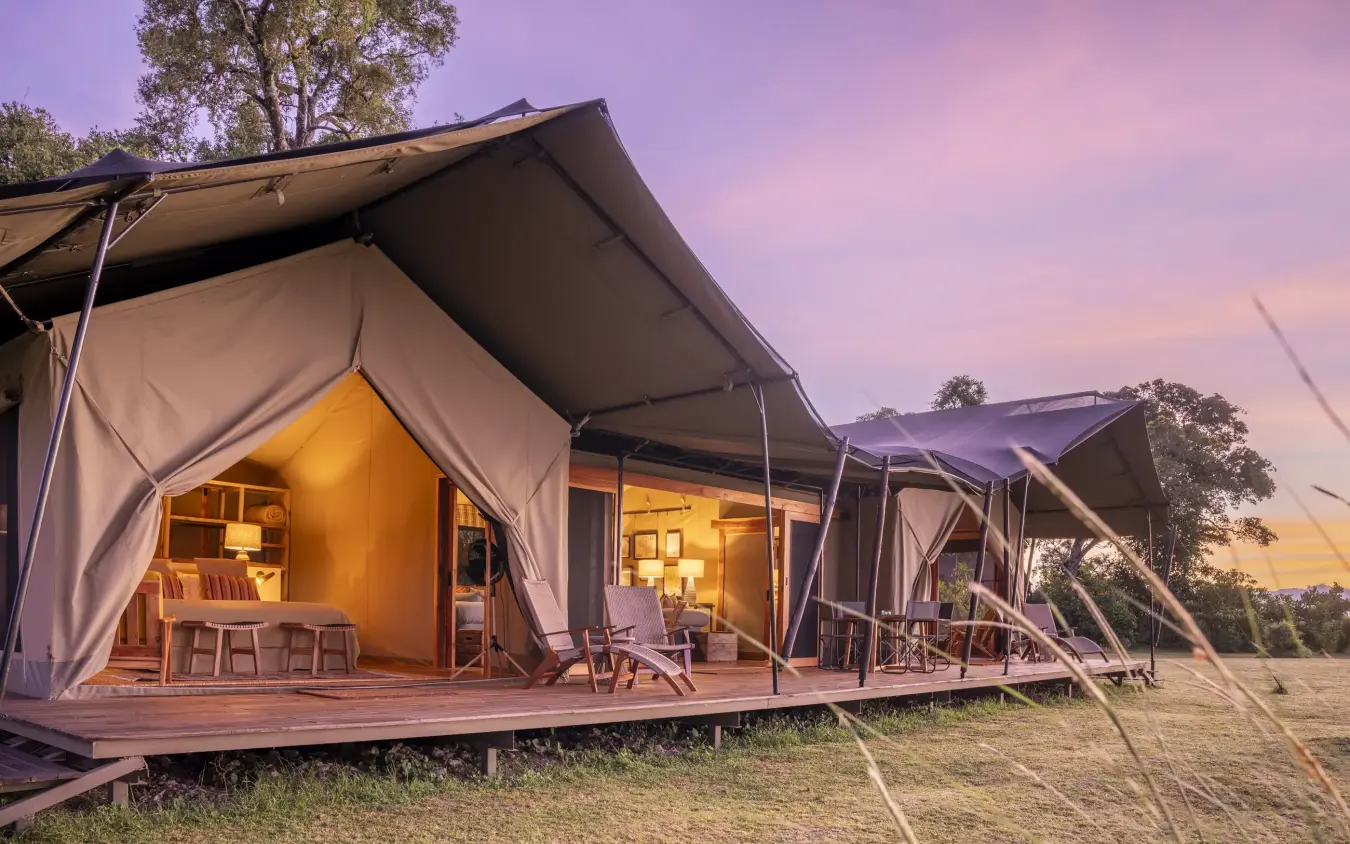
Seven nights linking Nairobi National Park, Lake Naivasha and the northern Maasai Mara conservancies.
kenya
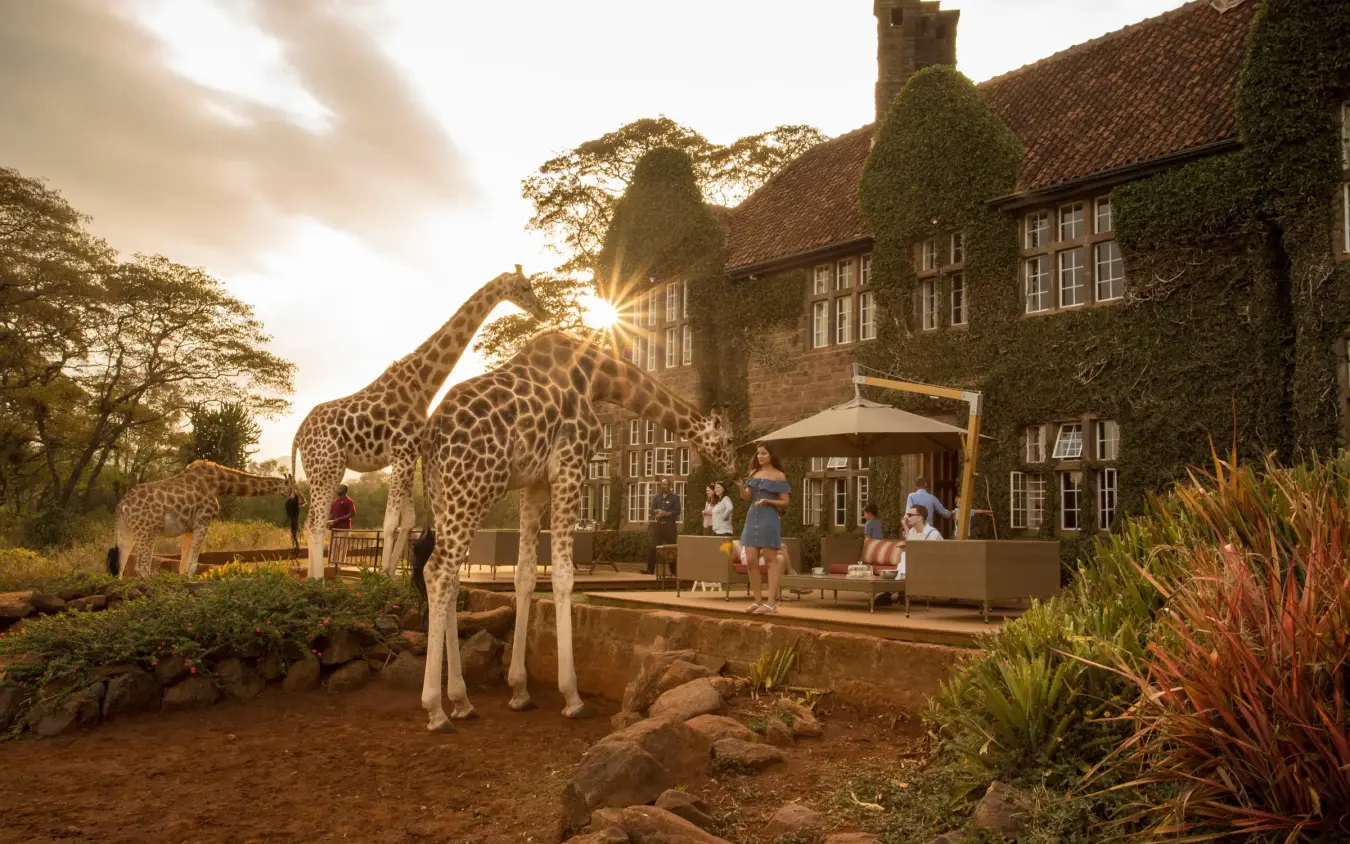
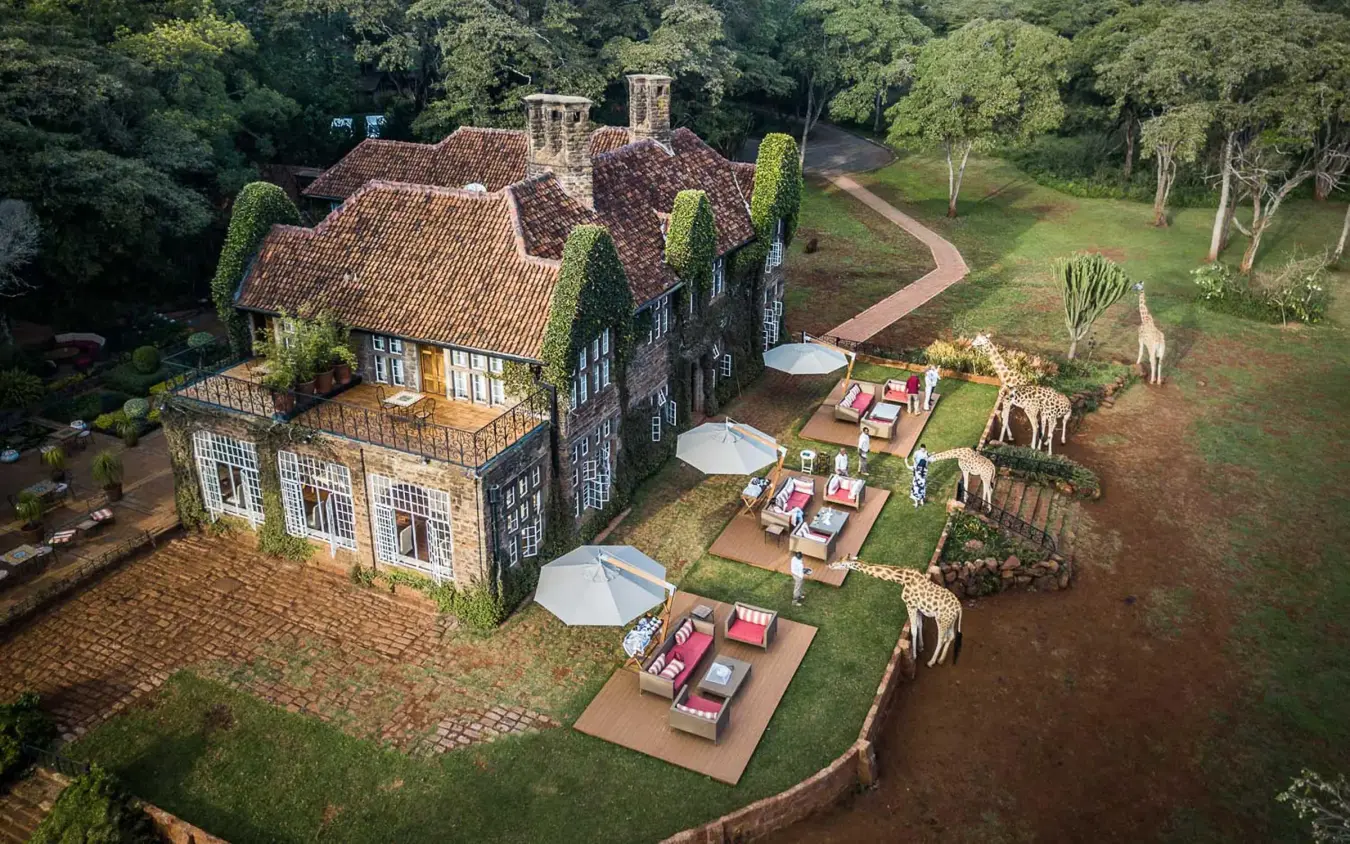
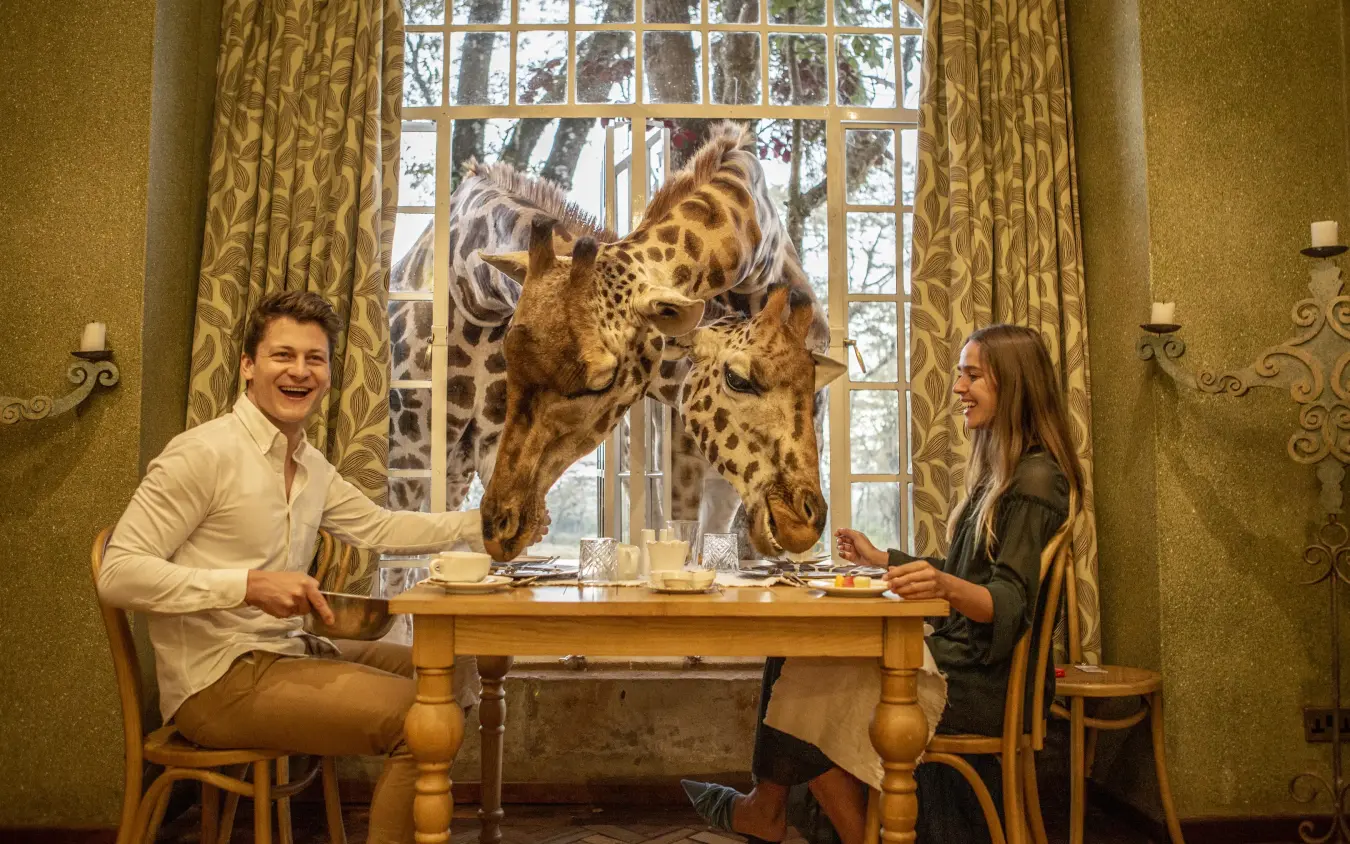
Nine nights in Kenya linking Giraffe Manor, Lake Naivasha's Loldia House and Governors' Camp on the Mara River.
uganda & kenya
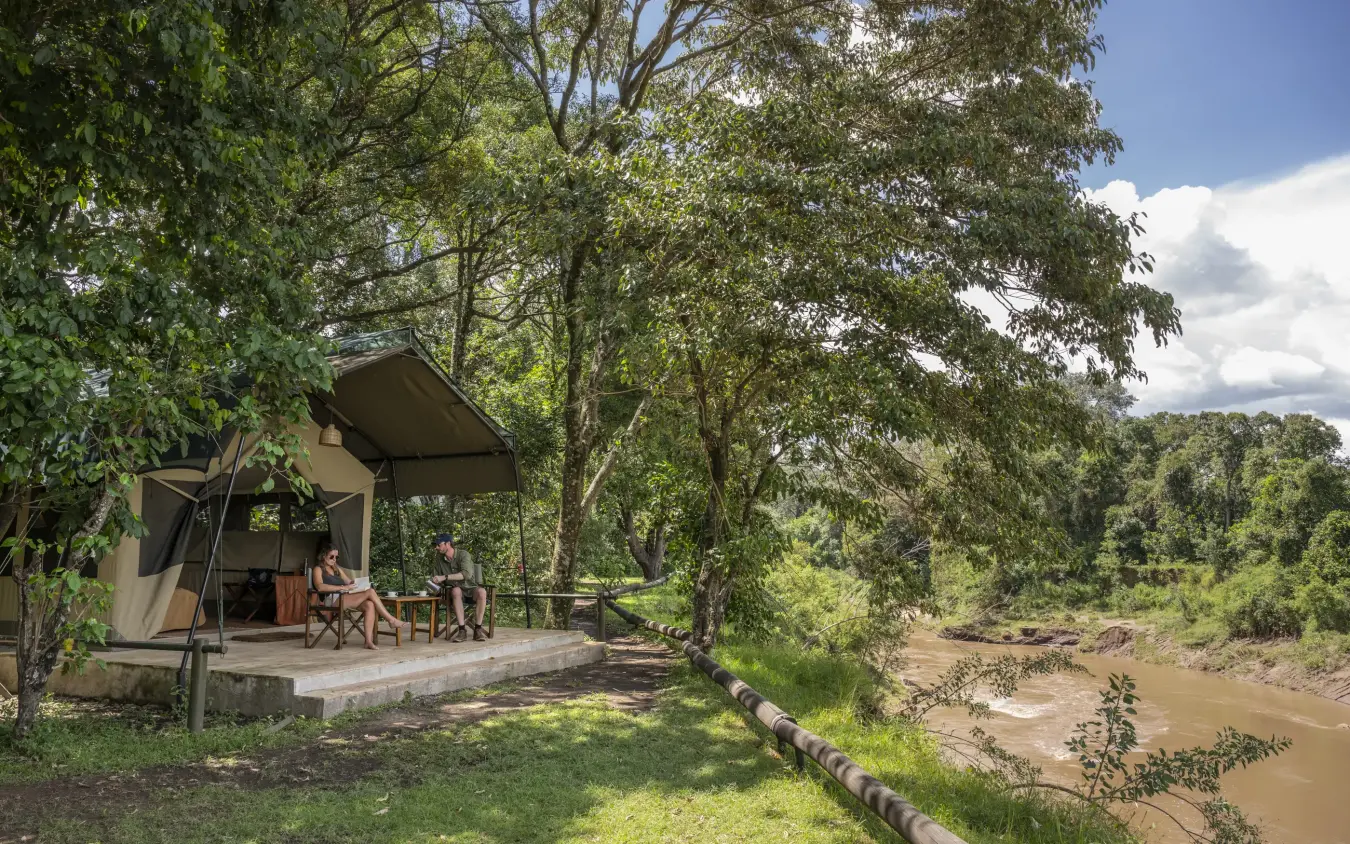
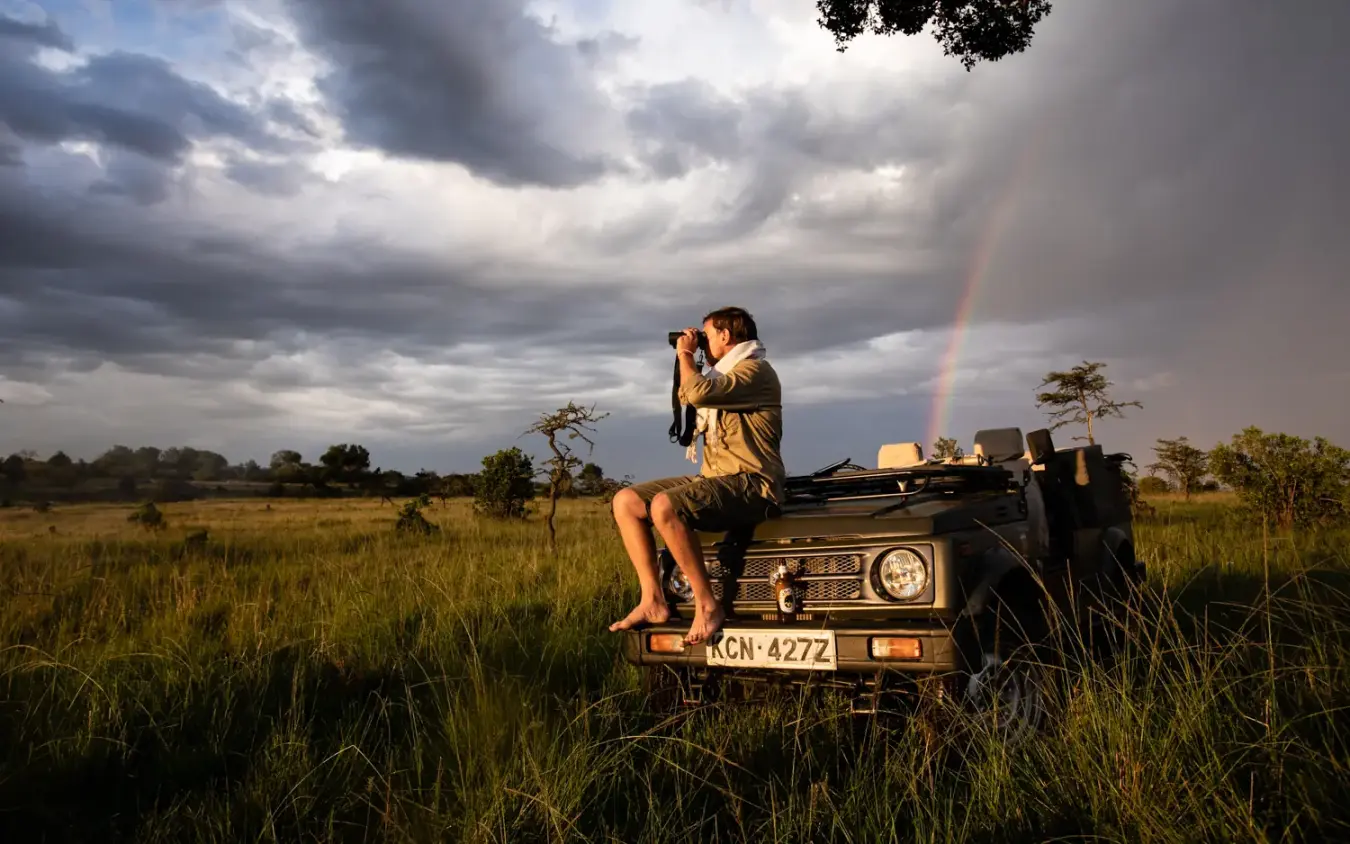
Nine nights across Uganda and Kenya, from gorilla treks on Bwindi's Nkuringo ridge to big cats above the Mara River.
rated five stars by our clients

our approach
Every journey starts with a conversation. We take the time to understand your vision before we start planning.
Whether by phone or in person, we work with you directly to shape something that is considered, personal, and expertly delivered.
Every journey starts with a conversation. We favour a direct, personal approach: understanding your vision before anything else.
Whether by phone or in person, we work with you directly to shape a journey that is both thoughtfully considered and expertly delivered.
Get in touch to start planning yours.