









kenya
helicopter safari
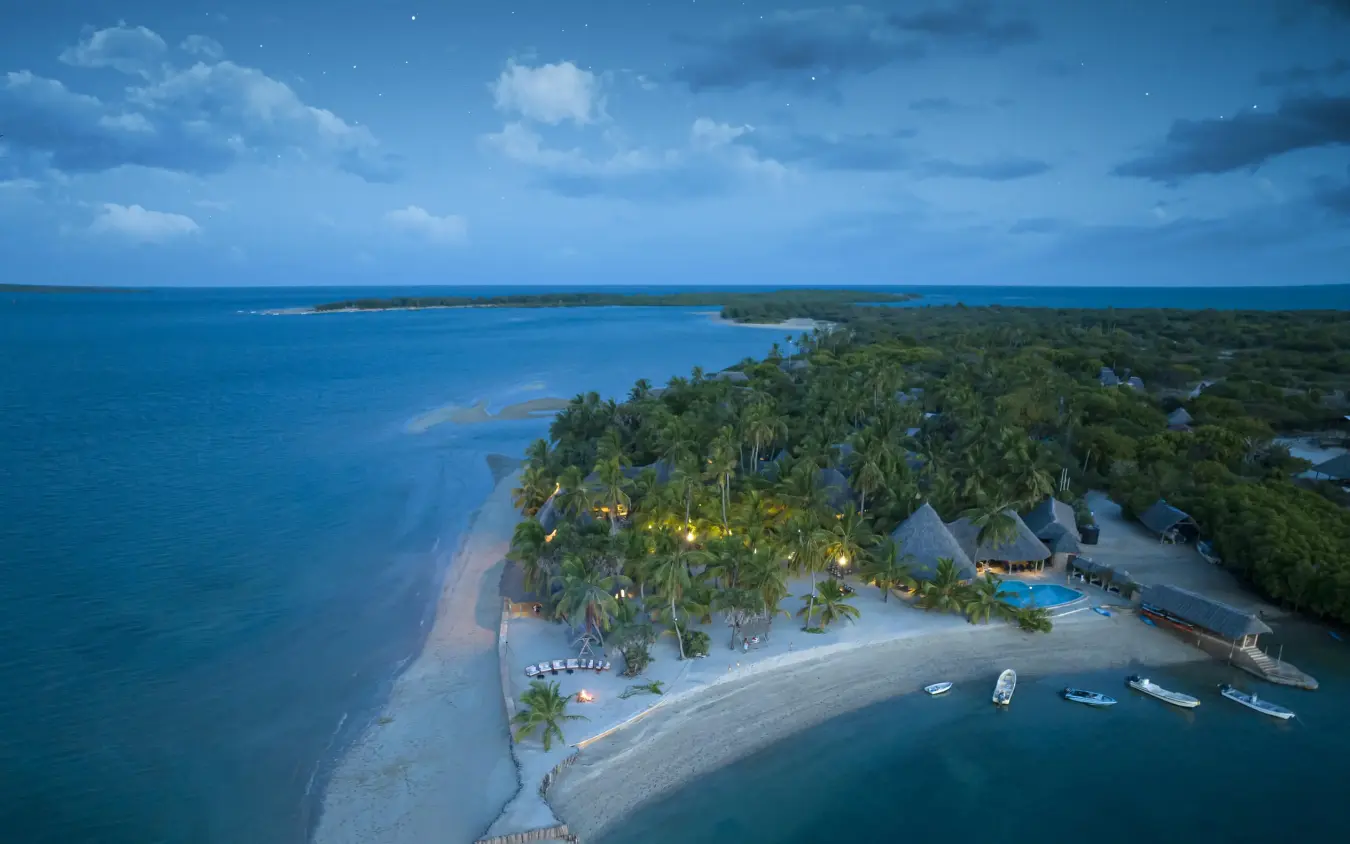
Twelve nights across Kenya by helicopter, from the Borana rhino conservancy over the Suguta Valley to Turkana, then Laikipia and the Kilifi coast.
- Private Safari
- From $37,100 pp
- 4 guests
- 12 nights
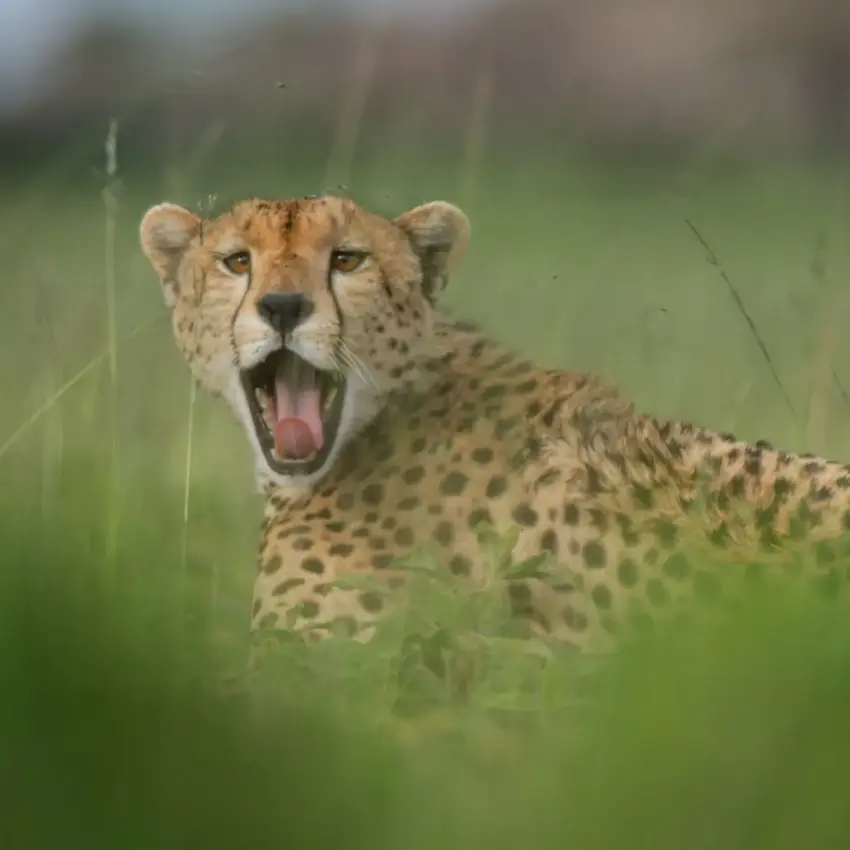
This trip links four places across Kenya and Tanzania over ten nights. It opens in Nairobi, a highland capital where savannah runs up against the suburbs, then settles for four nights in the Maasai Mara’s Naboisho Conservancy, where the rules allow off-road driving and drives after dark. From there it crosses into Tanzania and the remote Soit le Motonyi plains of the eastern Serengeti, big-cat country kept quiet for years, before closing on the rim of the Ngorongoro Crater.
You travel by a mix of light aircraft and 4×4, with unhurried game drives shaping the days and long, uninterrupted sightings the point in the conservancy and on the eastern plains. Each stay is a small tented camp or residence chosen for its ground and its guiding, from an art-led home in Nairobi to a rim camp that puts you among the first vehicles onto the crater floor.
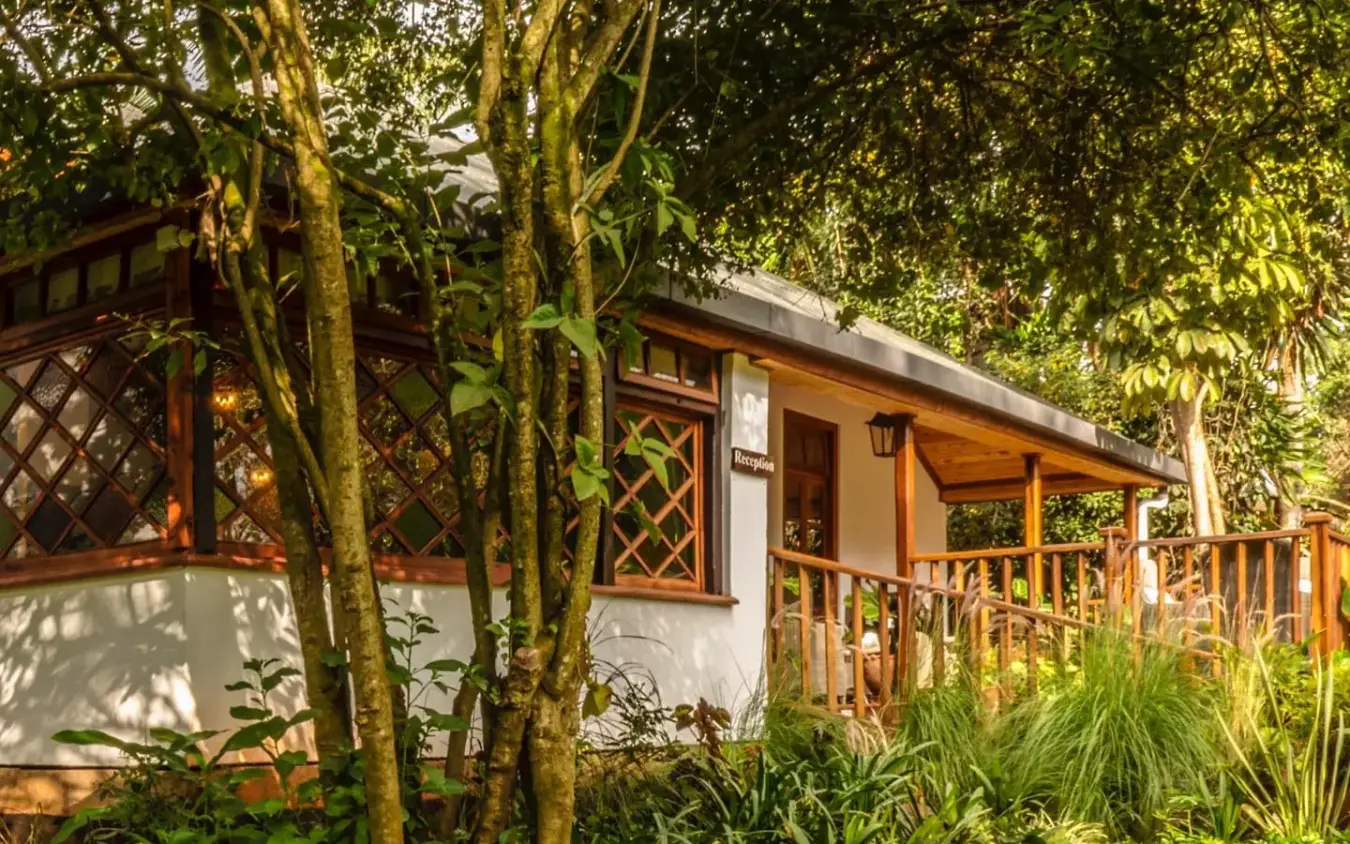
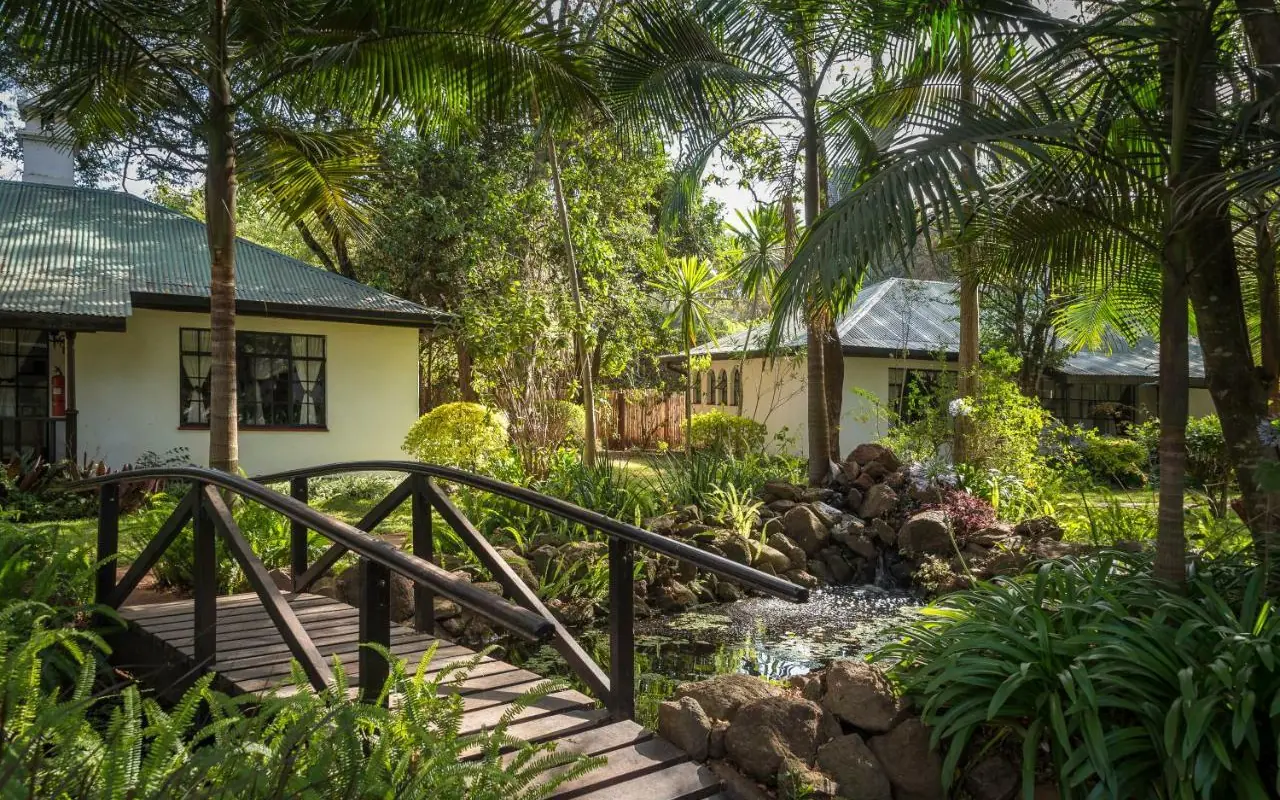
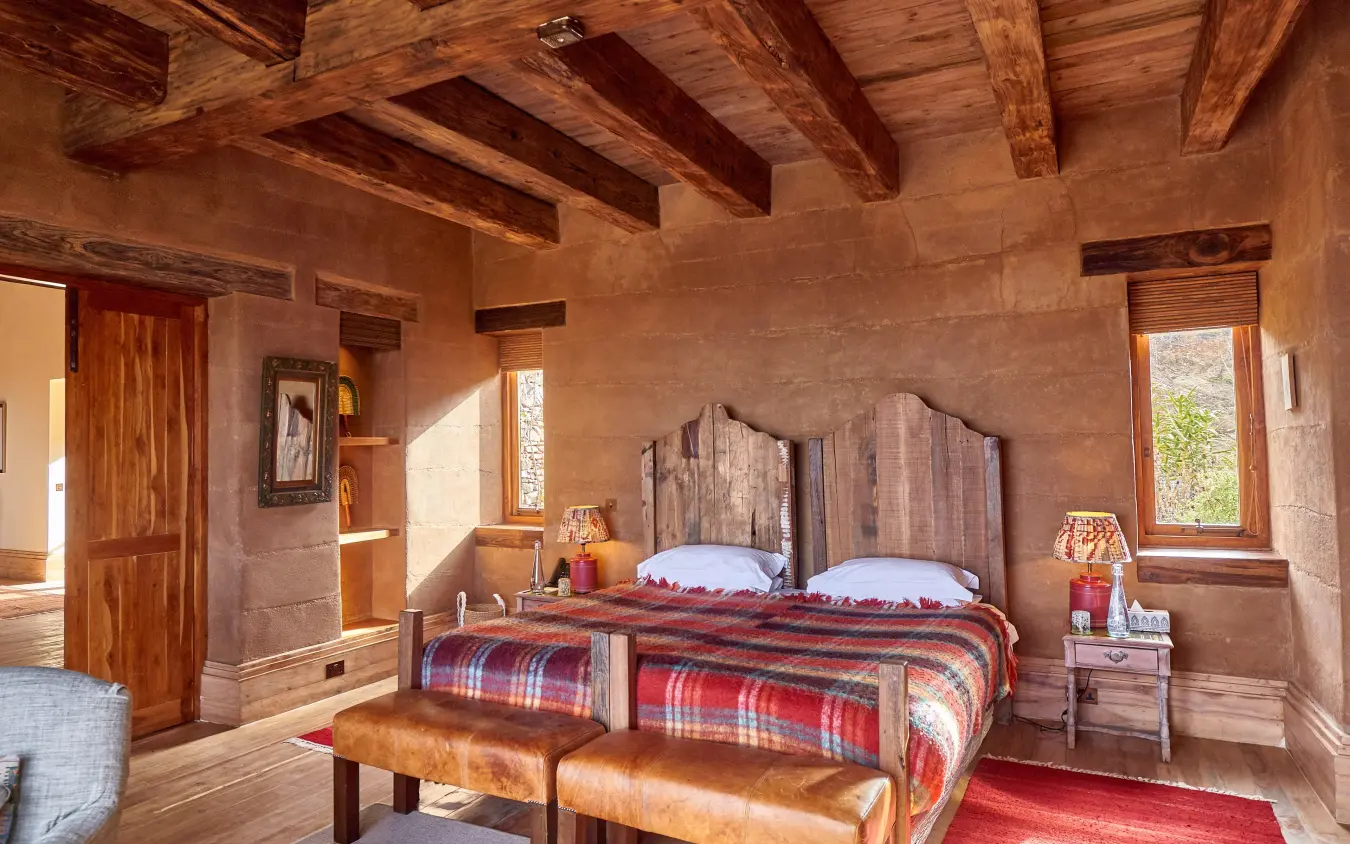
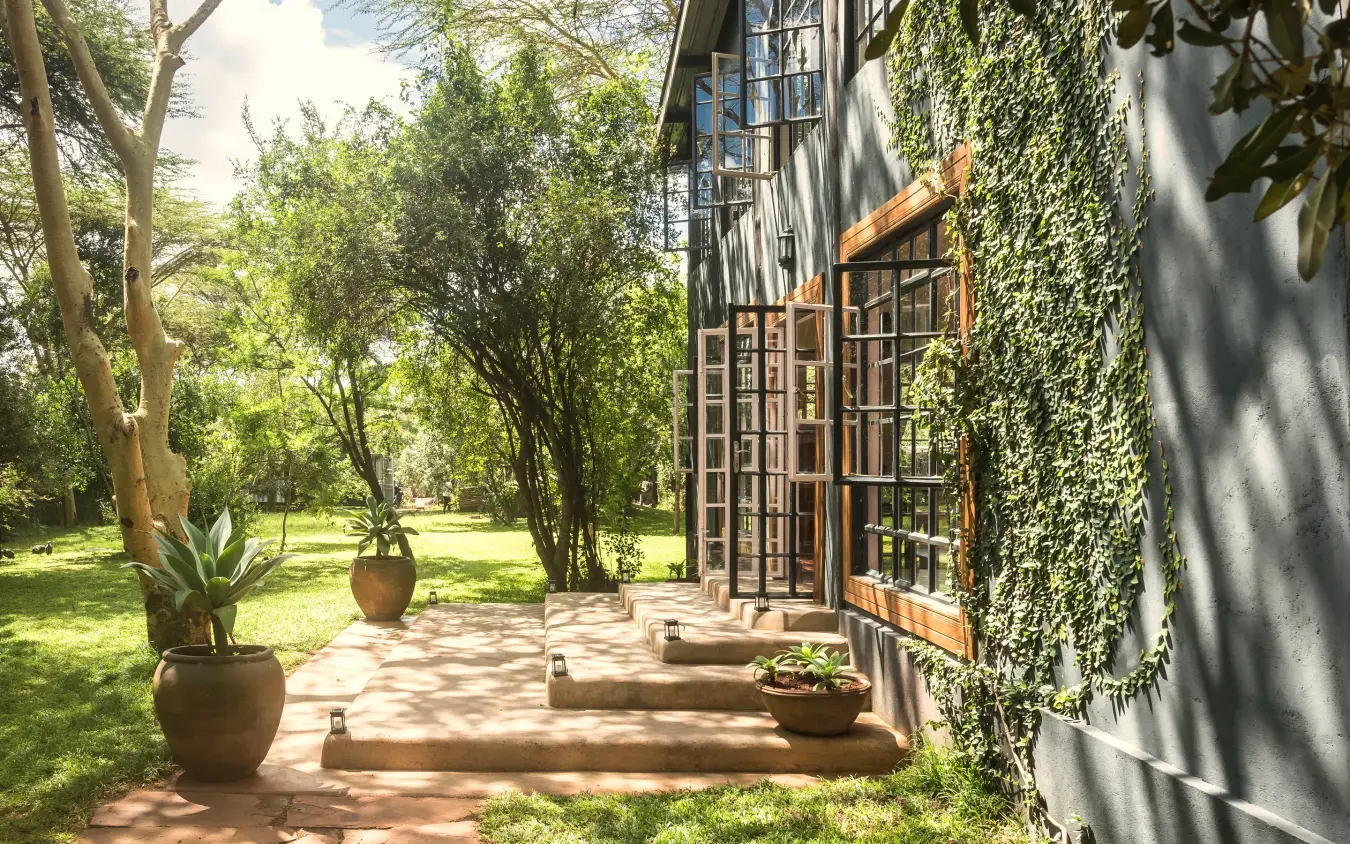
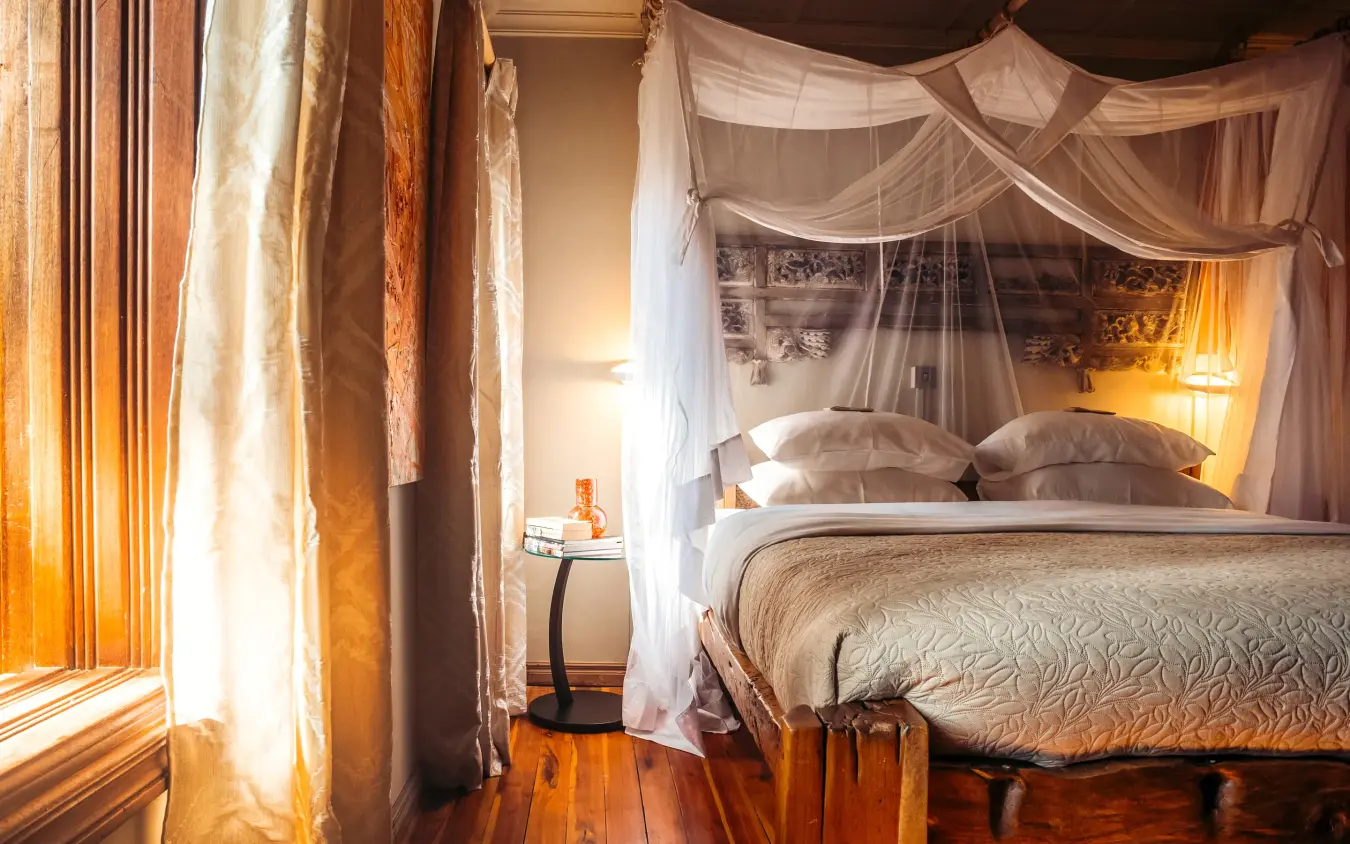
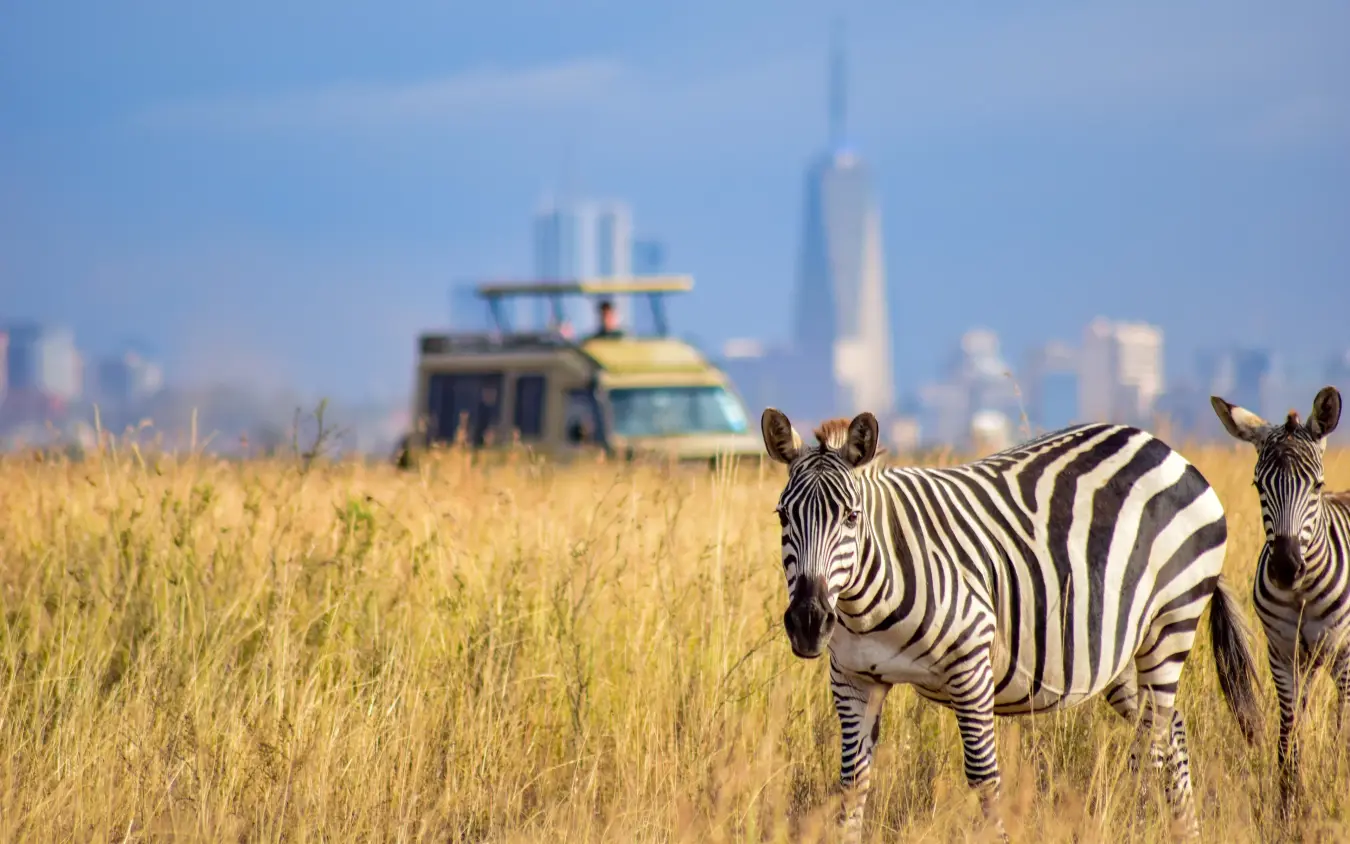
Your first night is in Nairobi, a highland capital at around 1,795 metres where daytime temperatures sit between 18 and 26 degrees, a comfortable place to rest before hotter, lower country. Hemingways Eden is a nine-room art-led residence on the forested Karen-Langata edge, built in 1992 as a painter's family home and now full of original canvases, bronzes and hand-formed ceramics. It borders the Giraffe Sanctuary forest, indigenous woodland that shelters more than 200 species of bird.
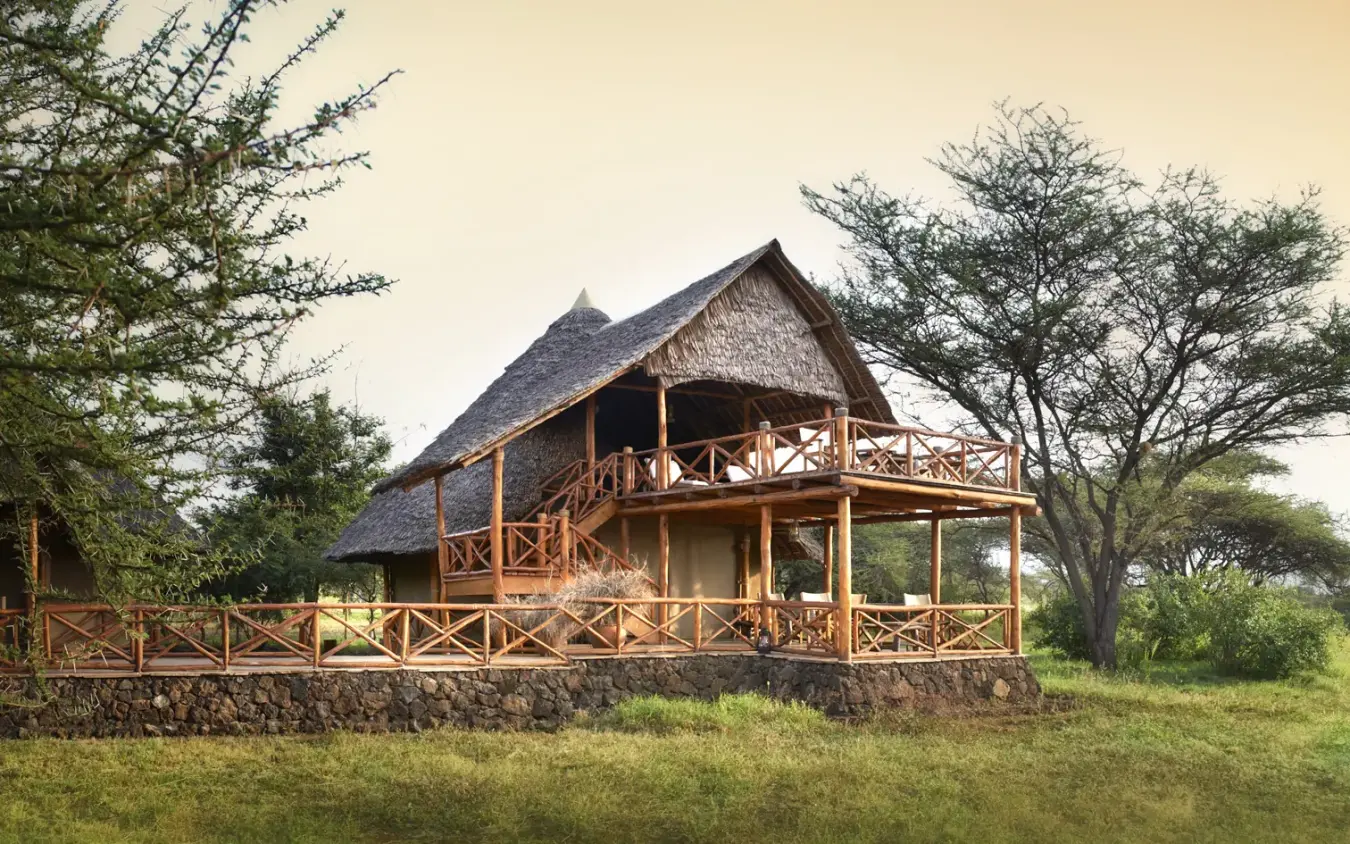
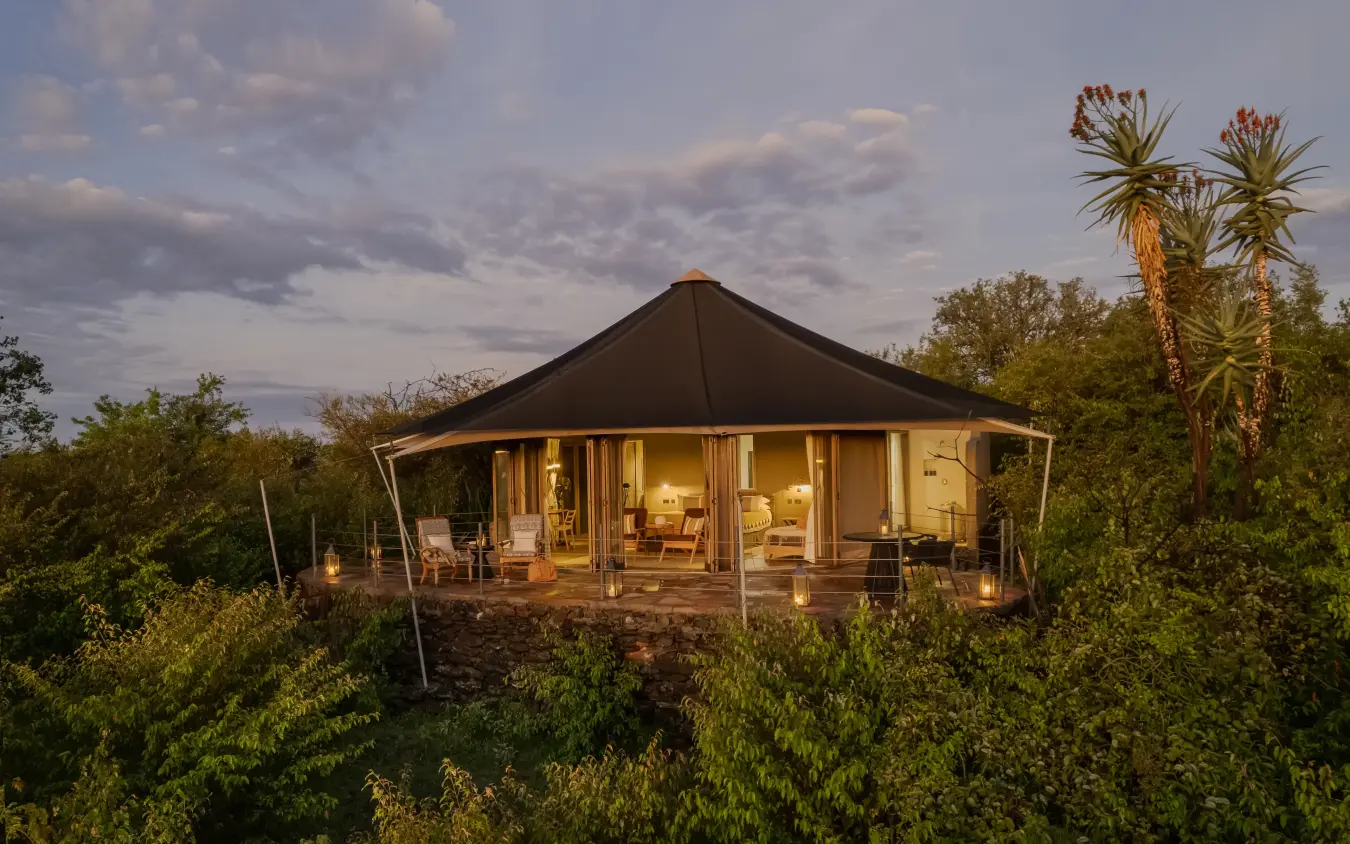
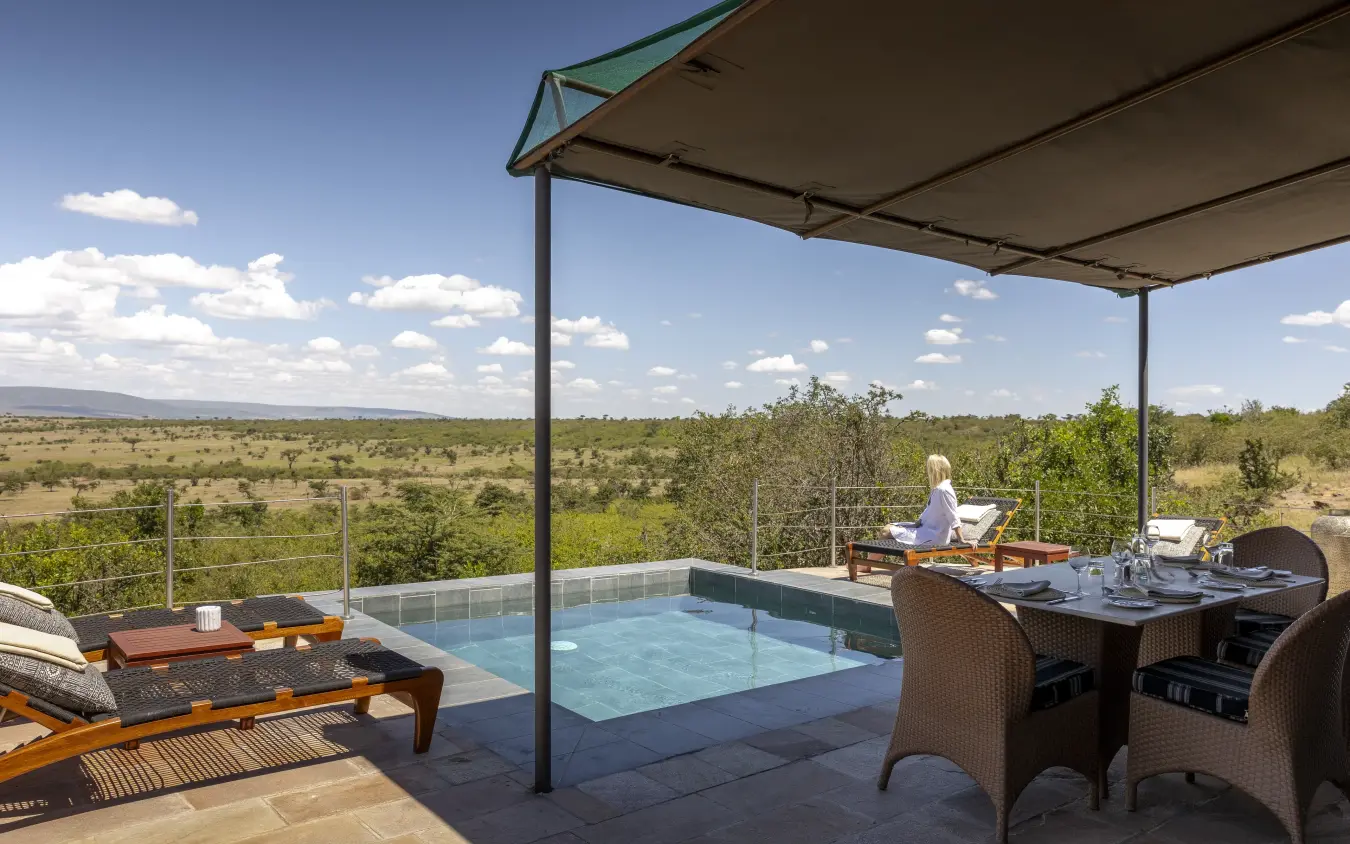
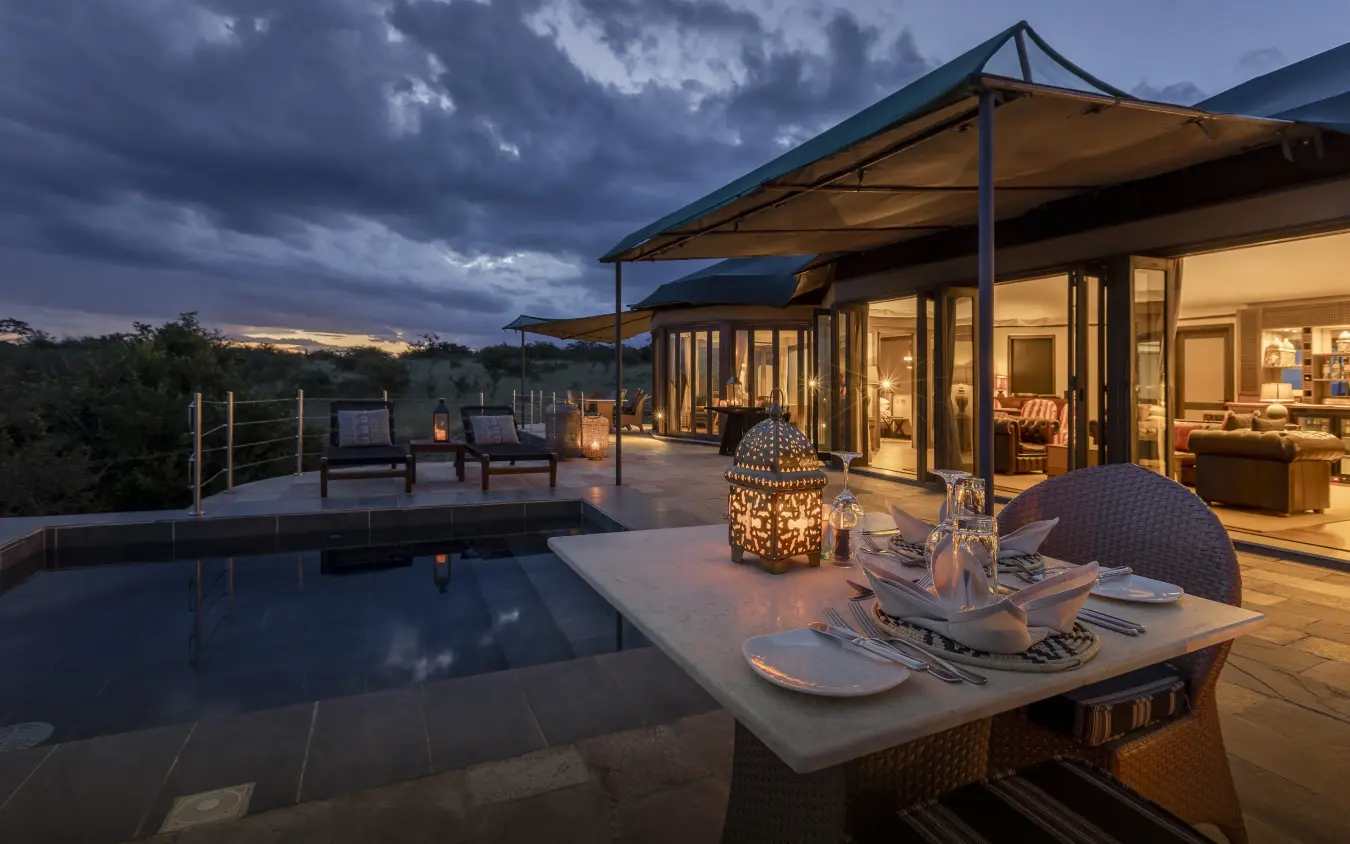
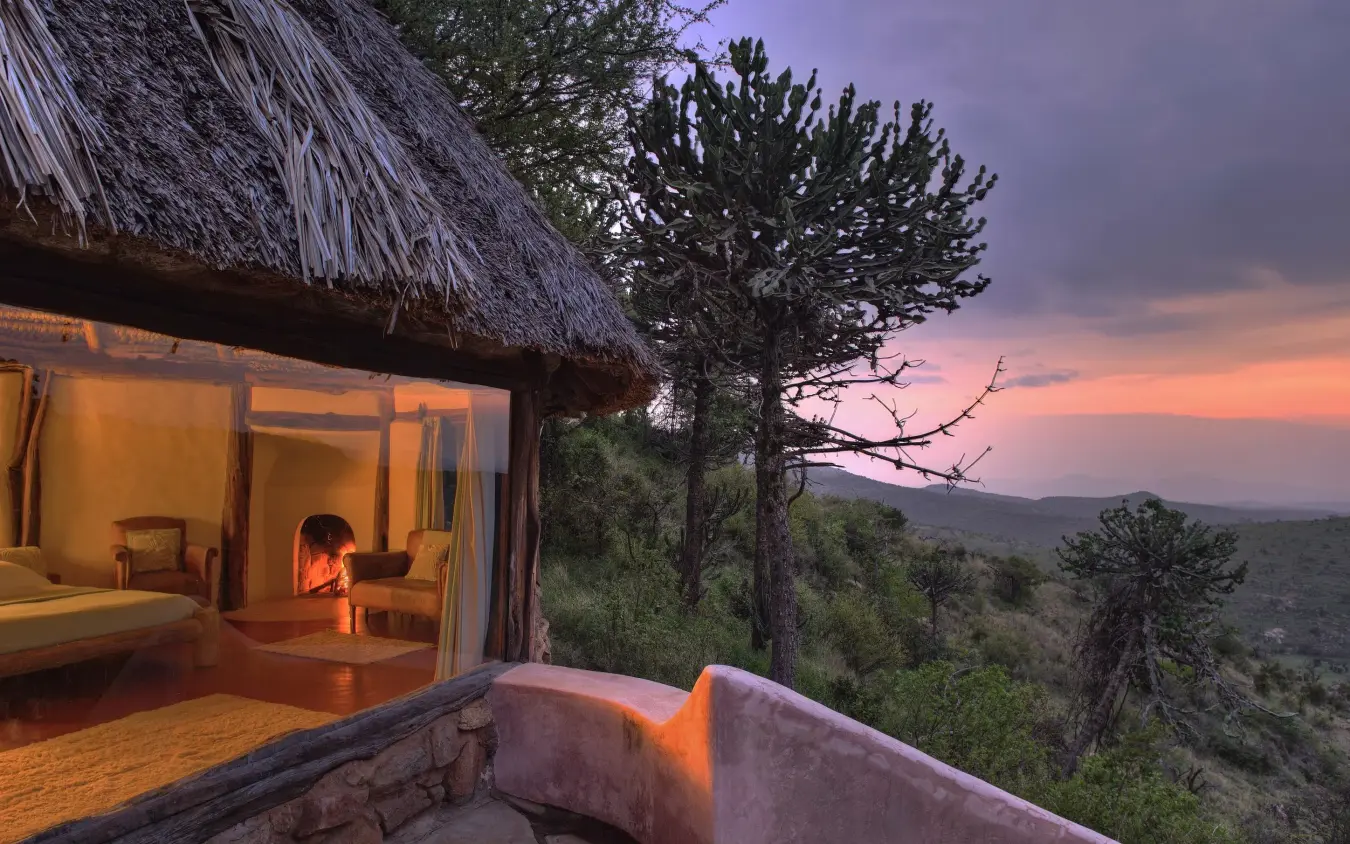
From Nairobi you continue to the Mara Naboisho Conservancy for four nights. Conservancy rules cap the vehicles at any sighting and allow off-road driving, drives after dark and walking, and lion densities across Naboisho are high, so sightings of lion, leopard and cheetah hold through the year rather than clustering into one season. Between July and October wildebeest and zebra from the Serengeti reach the Mara. Ol Seki stands on a hilltop above the Isupukiai River Valley with 270-degree views; its rebuilt tents open to the plains, and giraffes, zebras and elephants use the waterhole below the deck.
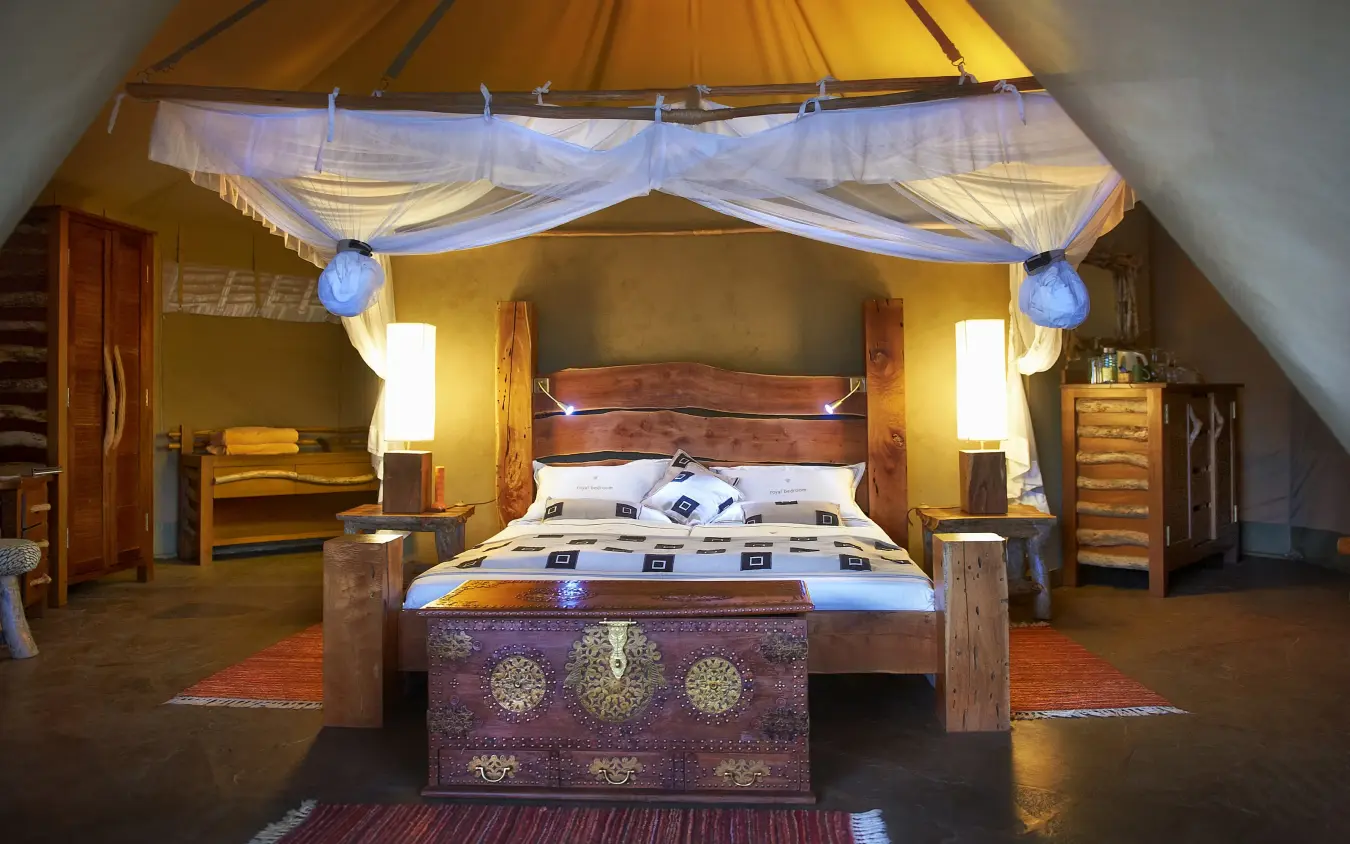
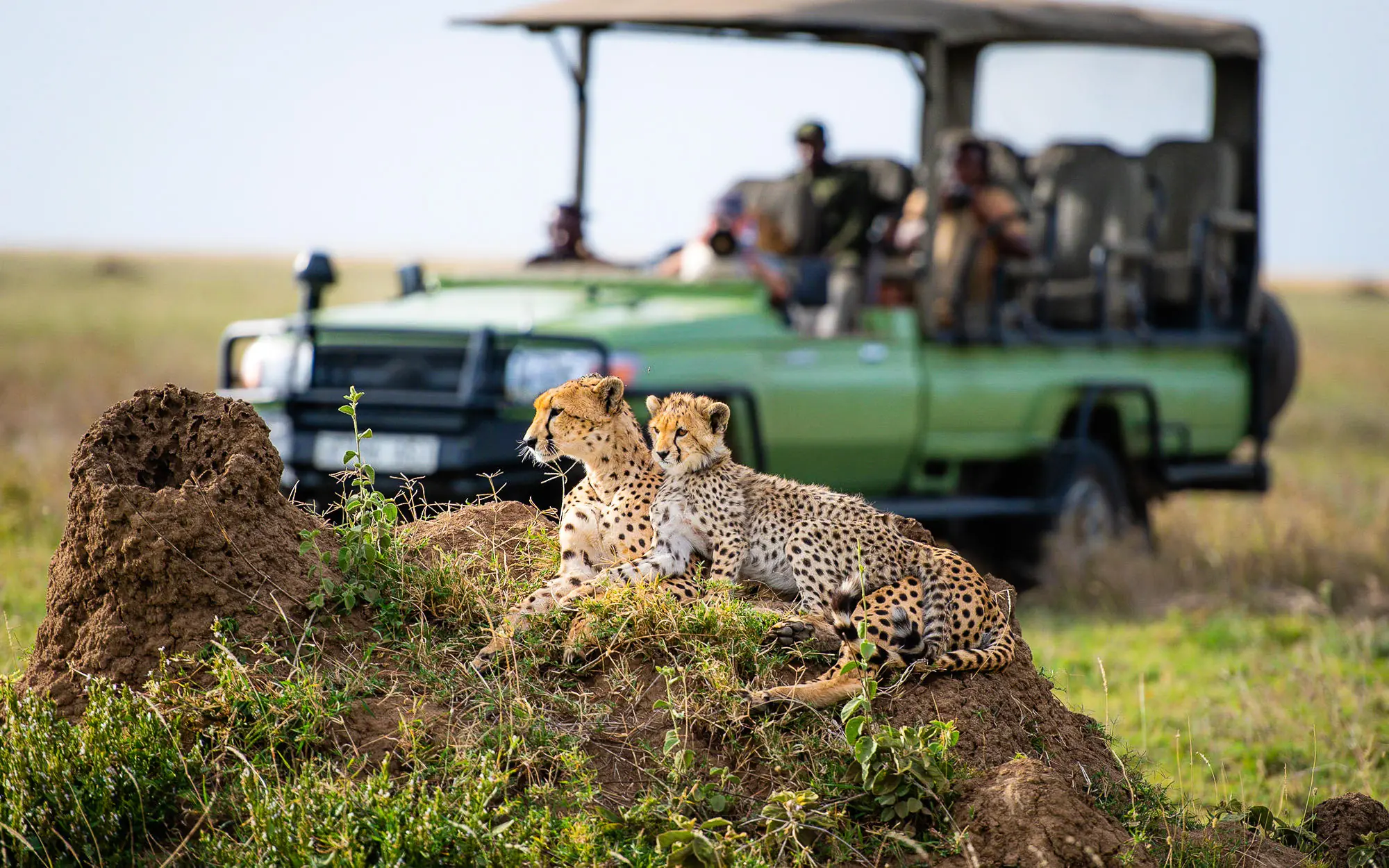
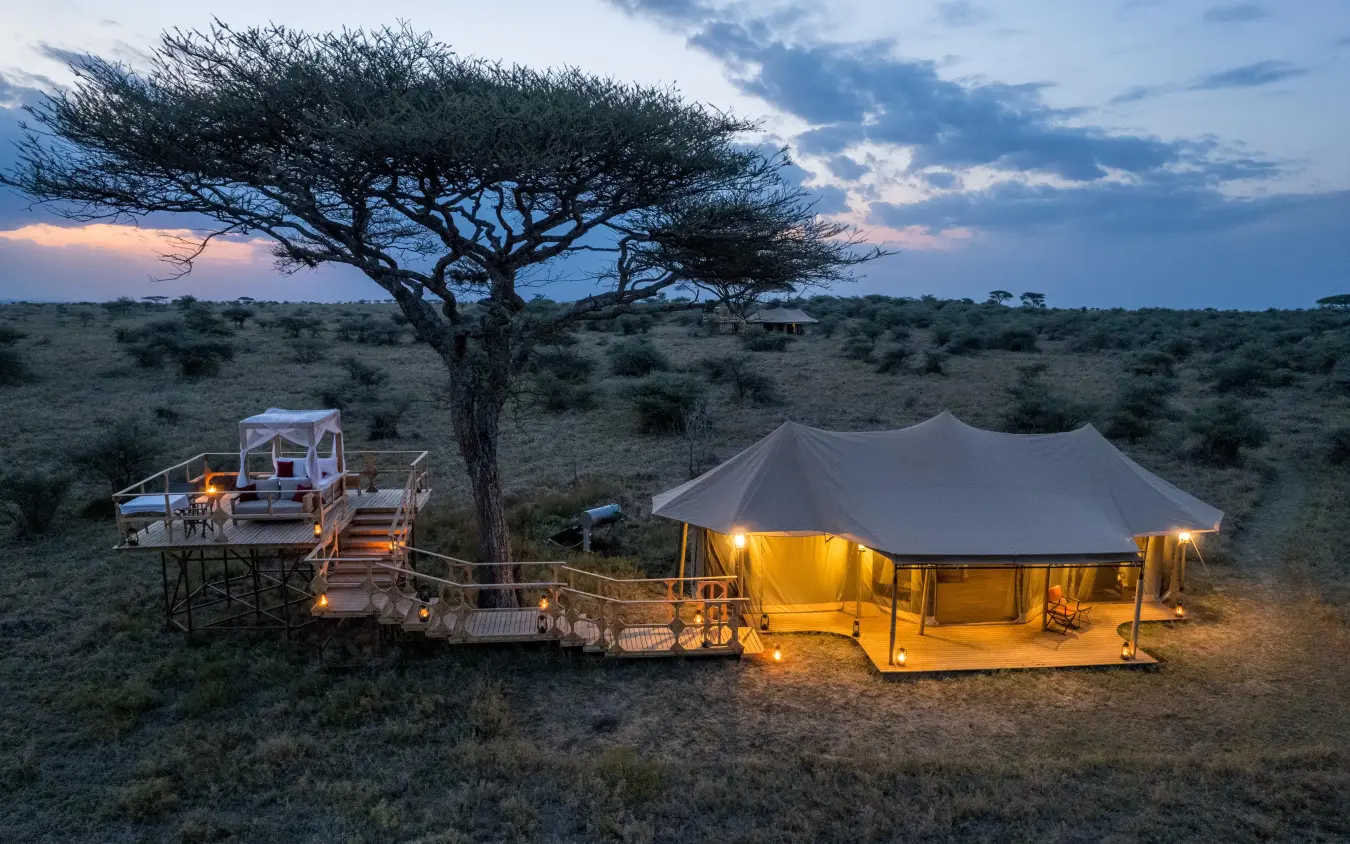
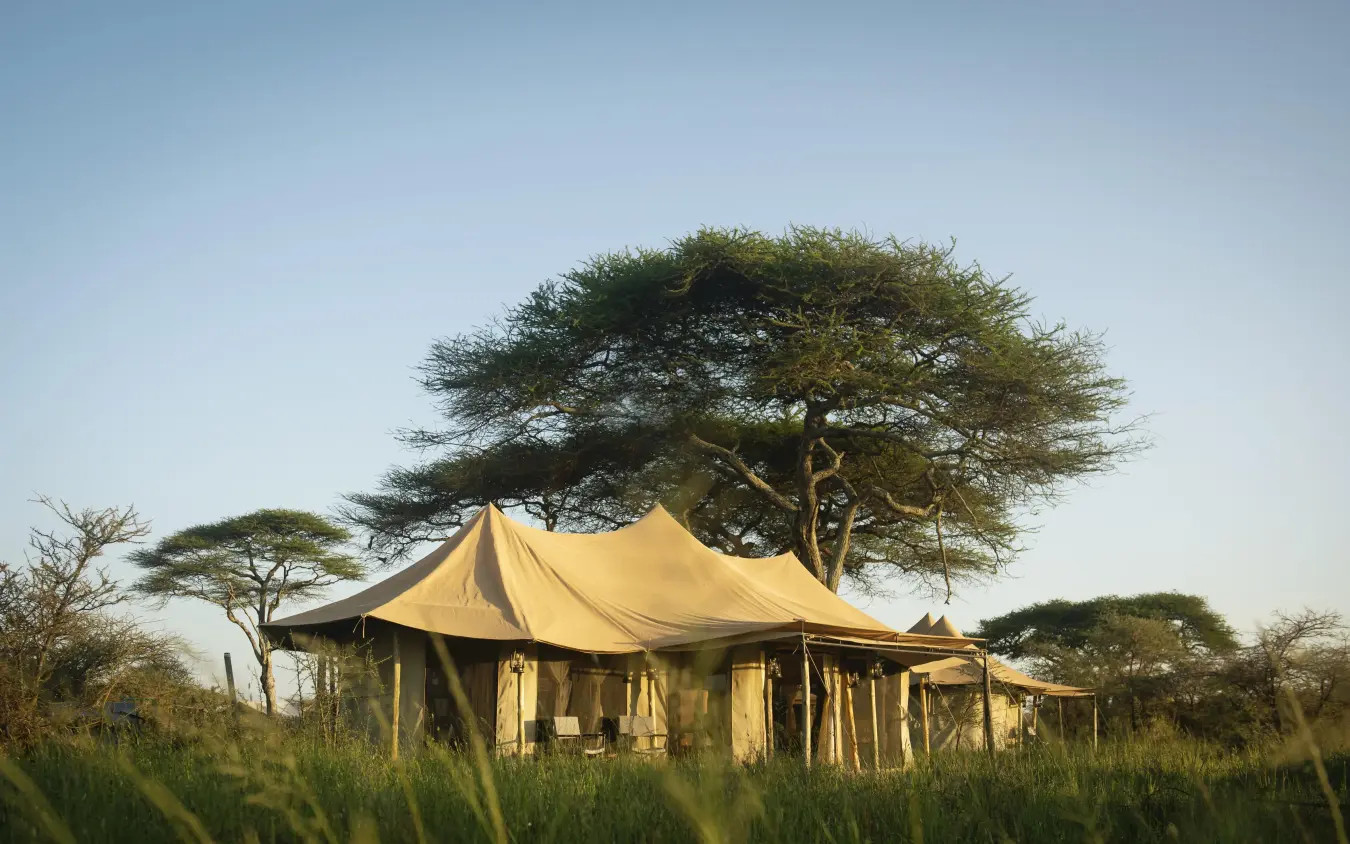
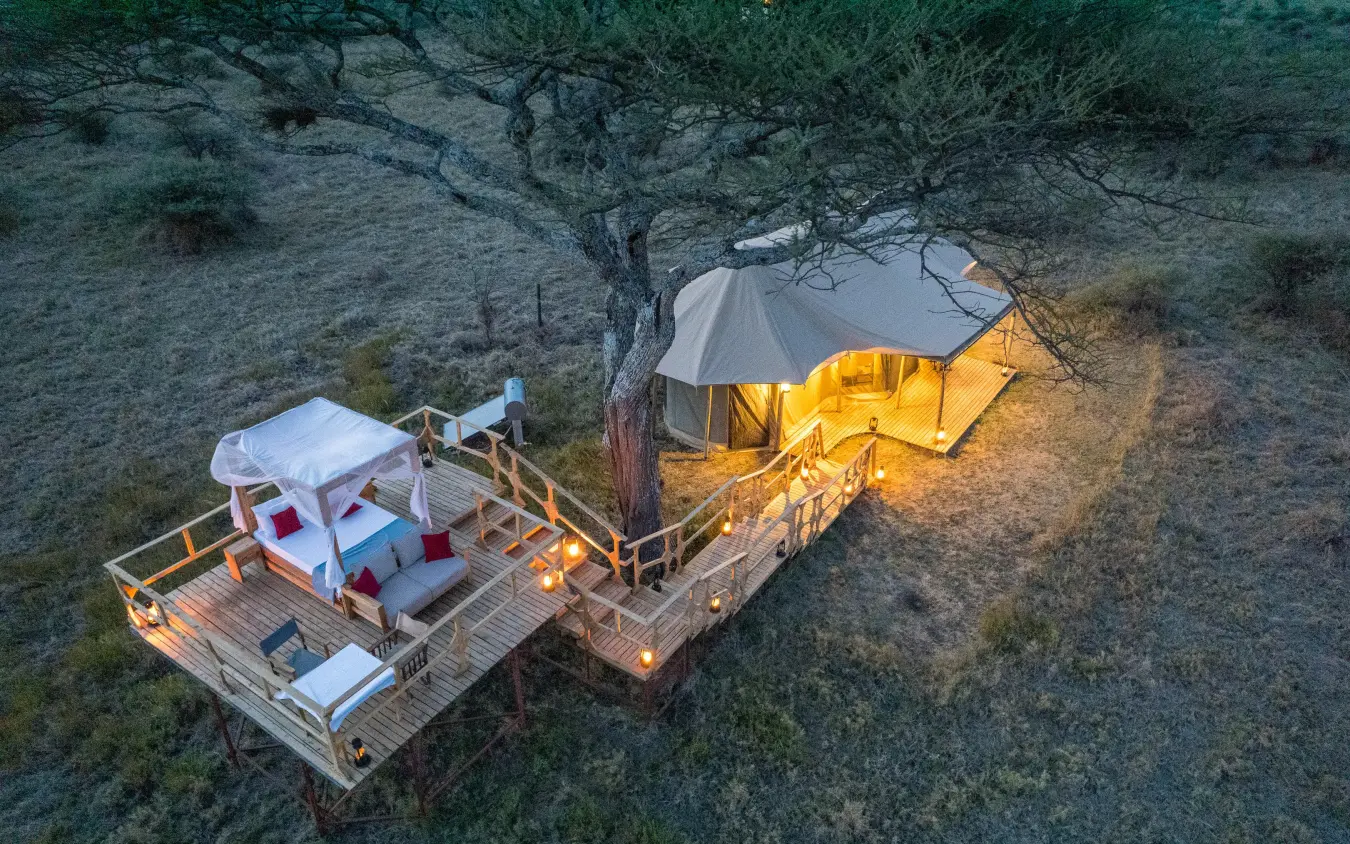
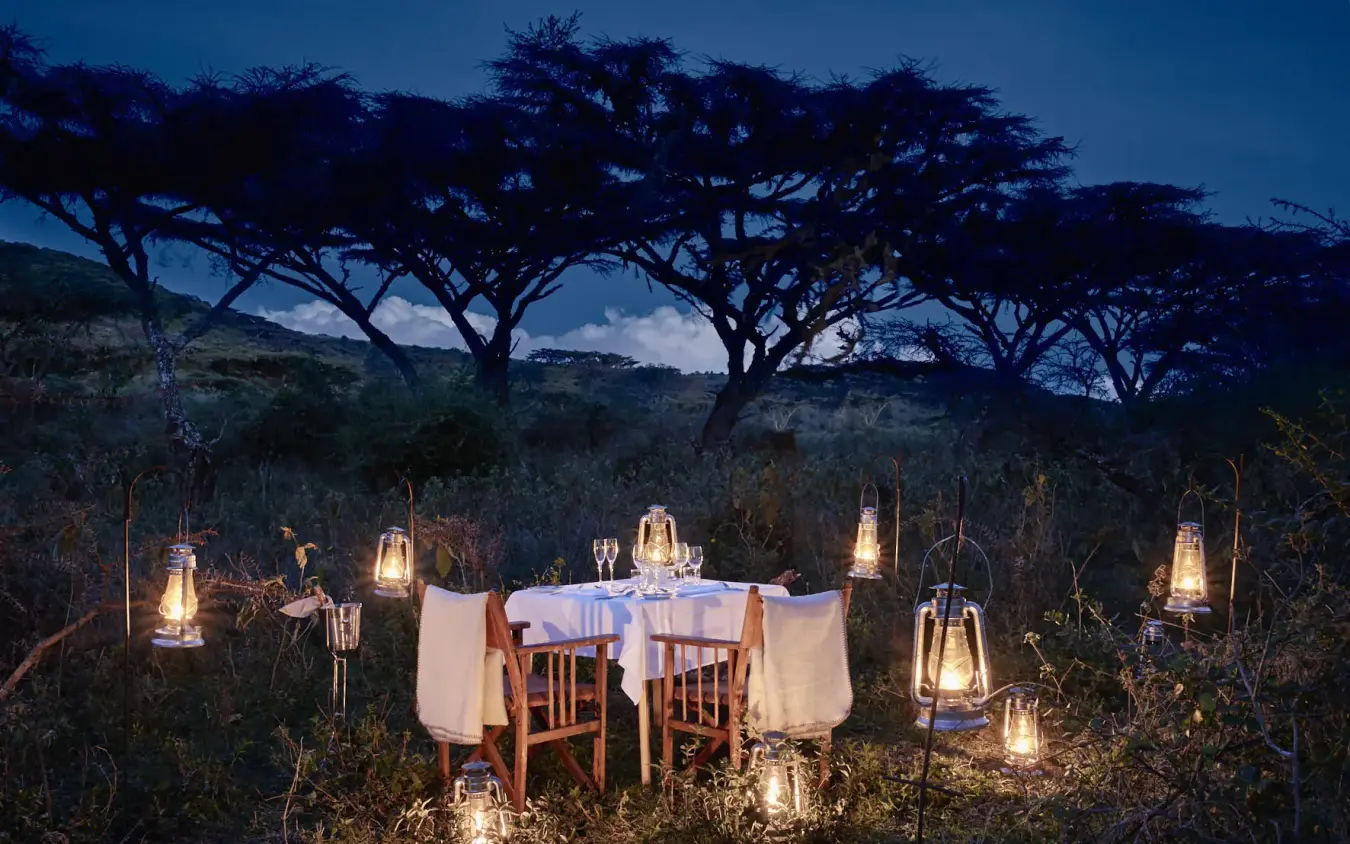
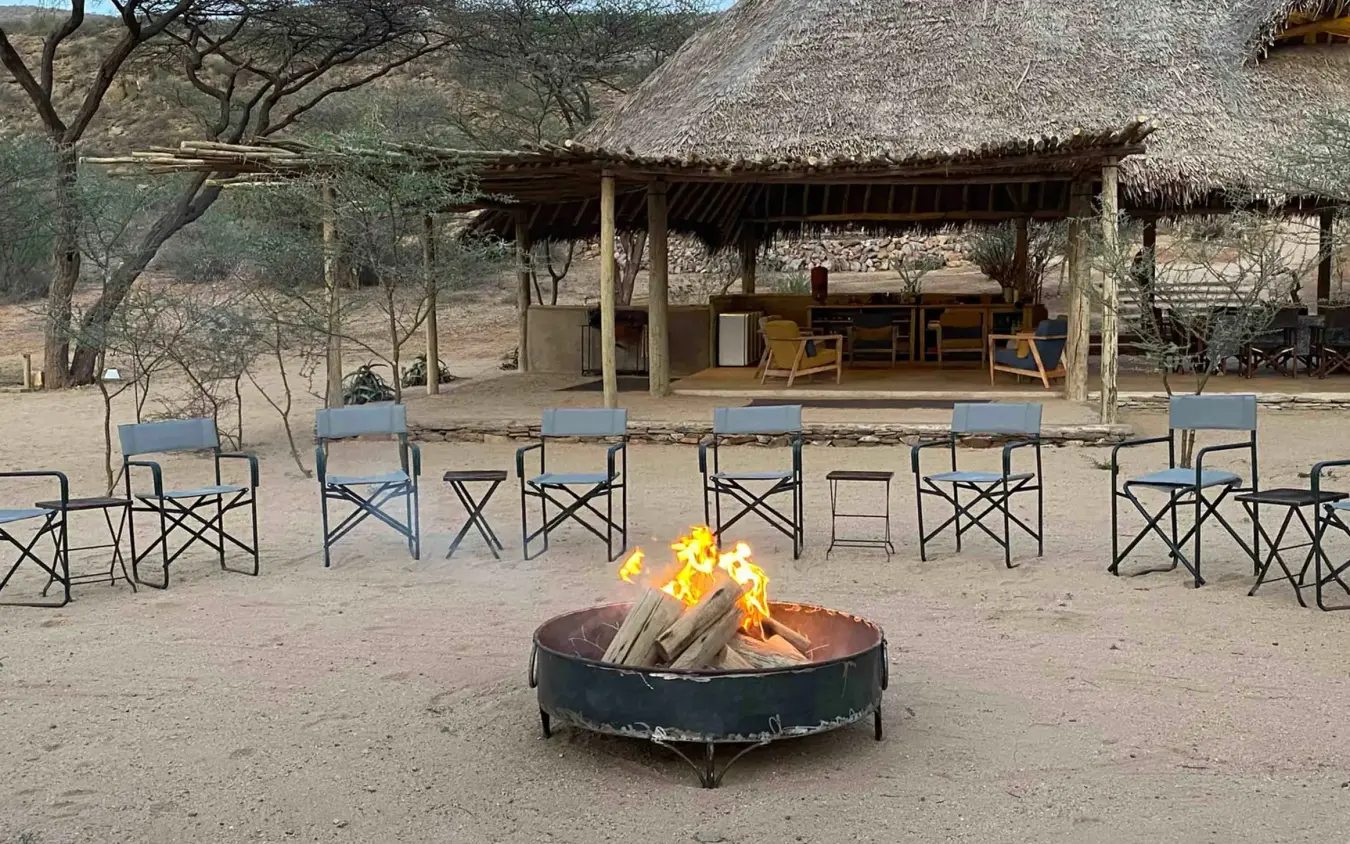
You cross into Tanzania and the remote Soit le Motonyi plains of the eastern Serengeti for three nights, big-cat country closed to visitors for more than a decade to protect its cheetahs. Vehicle numbers stay low and sightings run long and unhurried, with lion, cheetah, leopard and serval working the short grass and the acacia belts and rocky kopjes along the Ngare Nanyuki river valley. The camp puts its weight behind guiding, and a sighting runs as long as it needs. Olmara has eight tented suites within an ancient grove of acacias, three of them carrying stargazing platforms where a bed can be made up under the open sky.
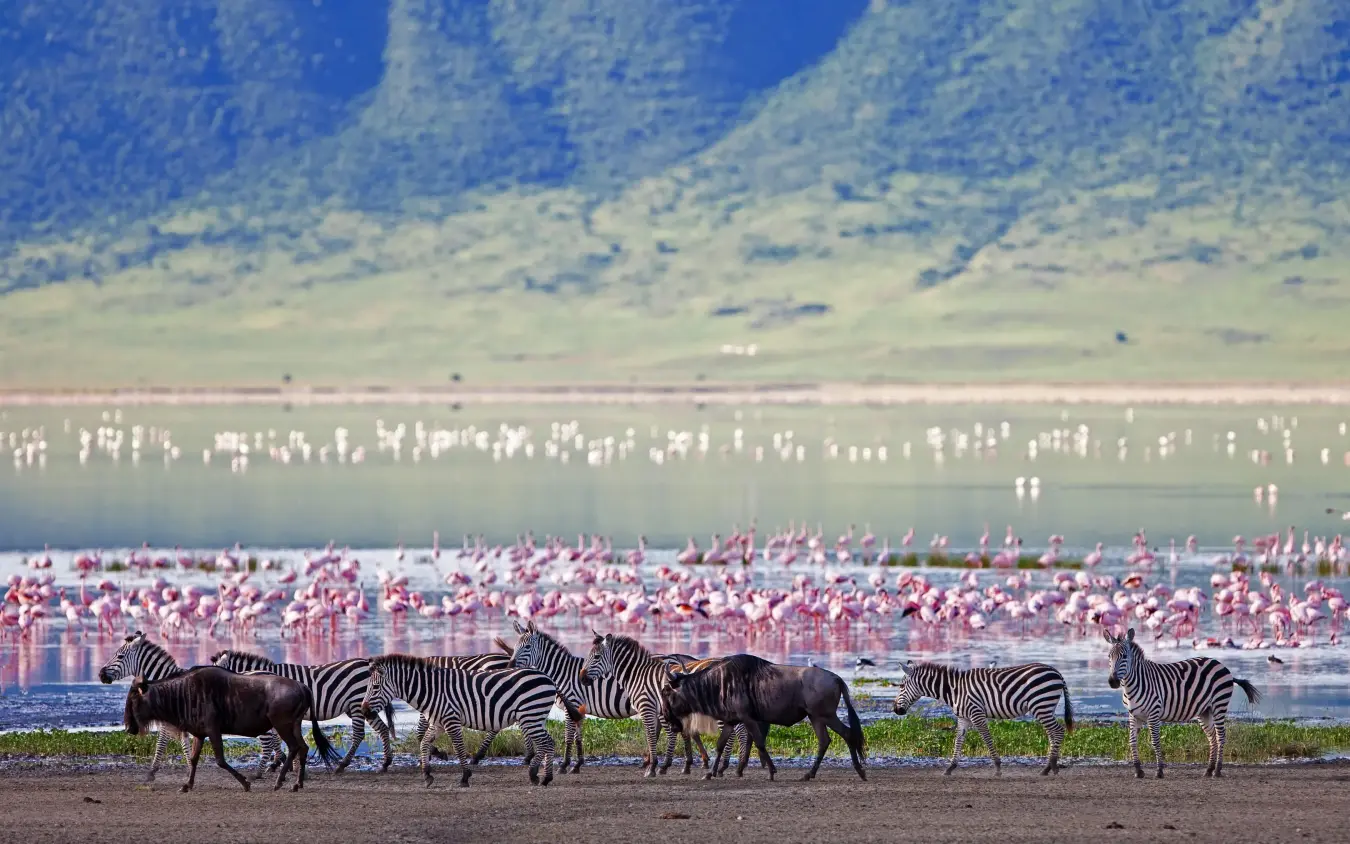
From the Serengeti you reach the rim of the Ngorongoro Crater for two nights, a collapsed volcanic caldera whose floor supports a resident community of around 25,000 large mammals. A stay is built around one early descent onto the floor, with a picnic breakfast and lunch carried down, putting you on the ground in first light before the traffic arrives; all of the Big Five can turn up within a single morning, the black rhino among them. At roughly 2,300 metres the evenings turn cold. Sanctuary Crater Camp has ten tented suites in acacia forest on the rim, close to the descent road, with closed 4x4s and a hot-water bottle in the bed at night.
It helps, and the reason is the rulebook rather than the marketing.
The conservation authority permits driving between 06:00 and 18:00 and shuts the descent gate at 16:00, so the earliest anyone can be down there is fixed by the clock.
A camp in the forest on the rim, close to the descent road, can be at the top of it as driving becomes legal, while a lodge outside the conservation area spends that first hour getting to the gate.
From the rim the road drops about 610 metres onto a floor of some 260 square kilometres. Operators generally plan around six hours below, though there is no such limit.
Expect company all the same: the crater is small, open and popular, and busy all year round.
Good, and better than anywhere else on this trip, though no wild animal can be promised.
Two measures of the odds put them high, one at about seventy per cent and the other simply that black rhino are easily seen here. The population behind those odds is small and nobody agrees on its size, with counts anywhere between twenty-six and fifty-five, so an exact number is worth doubting whoever gives it to you.
Timing helps more than luck: our own advice for the crater is that the dry months thin the grass and shrink the water, which brings the residents into clear view.
Expect them at a distance on open grass, so pack binoculars, and bear in mind that the two nights on the rim buy one descent and therefore one morning of looking.
Because the cheetah there breed, and vehicles were judged to be getting in the way.
Soit le Motonyi was kept closed to safaris for more than a decade so that hunts were not broken up and families not scattered, and it opened again, to small numbers, in 2014.
What that has left is ground with very few vehicles on it, kopjes and acacia belts along a river valley, and good cheetah country, though no published count backs that up, so take it as likely rather than proven.
The three nights are about resident cats and about space, not about the herds, and the long unhurried sightings this stop is built on are a direct result of how few other vehicles are about.
It varies a great deal from stop to stop, and that is worth weighing before you compare this with a straight reserve safari.
Naboisho caps the vehicles at any one sighting, and the limit is between four and six, so take it as a handful rather than a crowd across sixty thousand acres leased from more than seven hundred Maasai landowners.
The eastern Serengeti is quieter still, which is the whole point of going there. The crater is the exception and there is no way around it: a small, open, popular place that is busy all year, which is exactly why the early descent from a rim camp matters.
Between them, the four nights in the conservancy and the three on the eastern plains are what you will remember for the quiet.
July to October, which all five of our own pages for this route rate highly, and which is also when the wildebeest reach the Mara.
Within that stretch August and September are the busiest, so if you would rather have the conservancy and the eastern plains to yourselves, July or October gives much the same conditions with more room.
February is the other month we would happily pick: clear on the crater rim, strong for the Mara's resident cats, and close to the calving if you wanted to add it. June is decent, better at the crater than in the Mara.
April and May sit under the long rains and are rated lowest at every stop, and March is the month we would steer you away from in the Mara.
Two nights on the rim gives one full morning on the floor, which is how this route is written and which suits most people, since the crater is a small place and a busy one.
Add a night if you want a second descent, and tell us early either way, because we would rather hold the dates than find them gone.
The rest bends easily:
What we would not cut is the eastern Serengeti, which is the hardest part of this trip to find elsewhere.
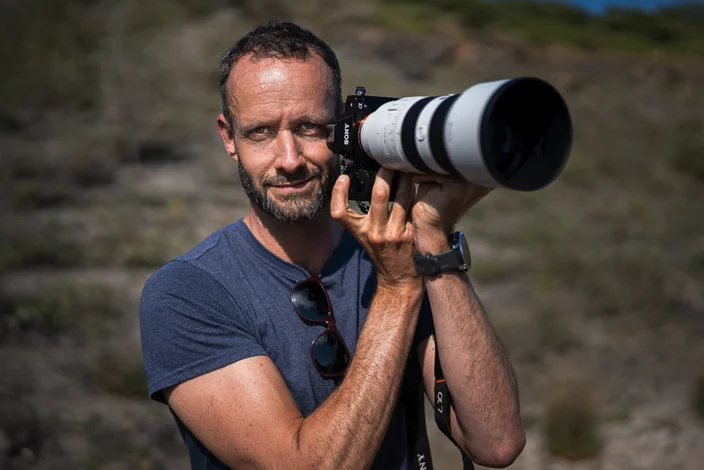
Ed Charles, BBC Producer
Fitzroy are true specialists in accessing the wilderness. They know where to go and importantly, when to go there. Highly recommended.
kenya
Twelve nights across Kenya by helicopter, from the Borana rhino conservancy over the Suguta Valley to Turkana, then Laikipia and the Kilifi coast.
kenya
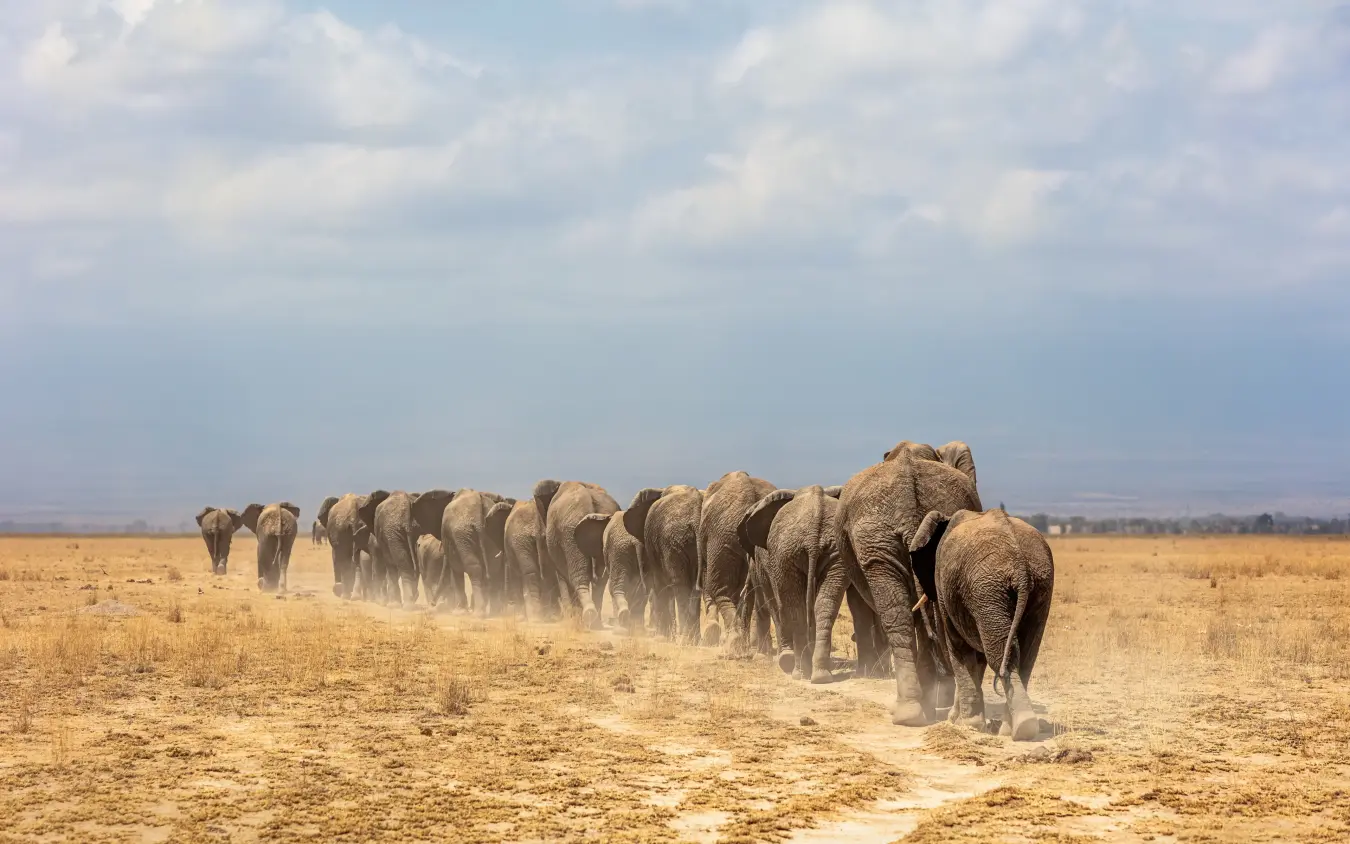
Ten nights from Nairobi through Amboseli's elephant corridor and Tsavo to a remote beach lodge on Manda Island.

kenya
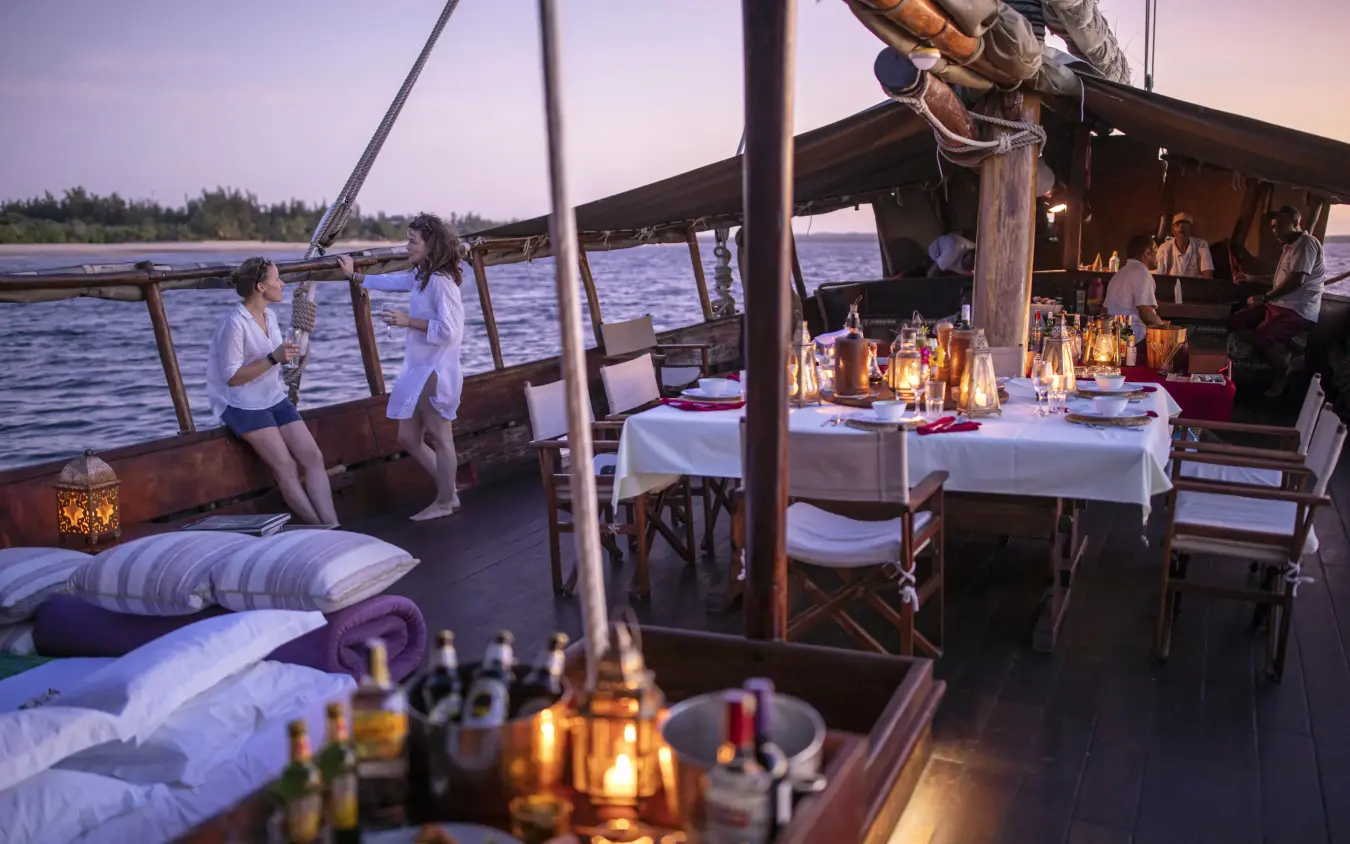
Fifteen nights across Kenya, from the Maasai Mara and Laikipia to Samburu country and a dhow in the Lamu Archipelago.
rated five stars by our clients

our approach
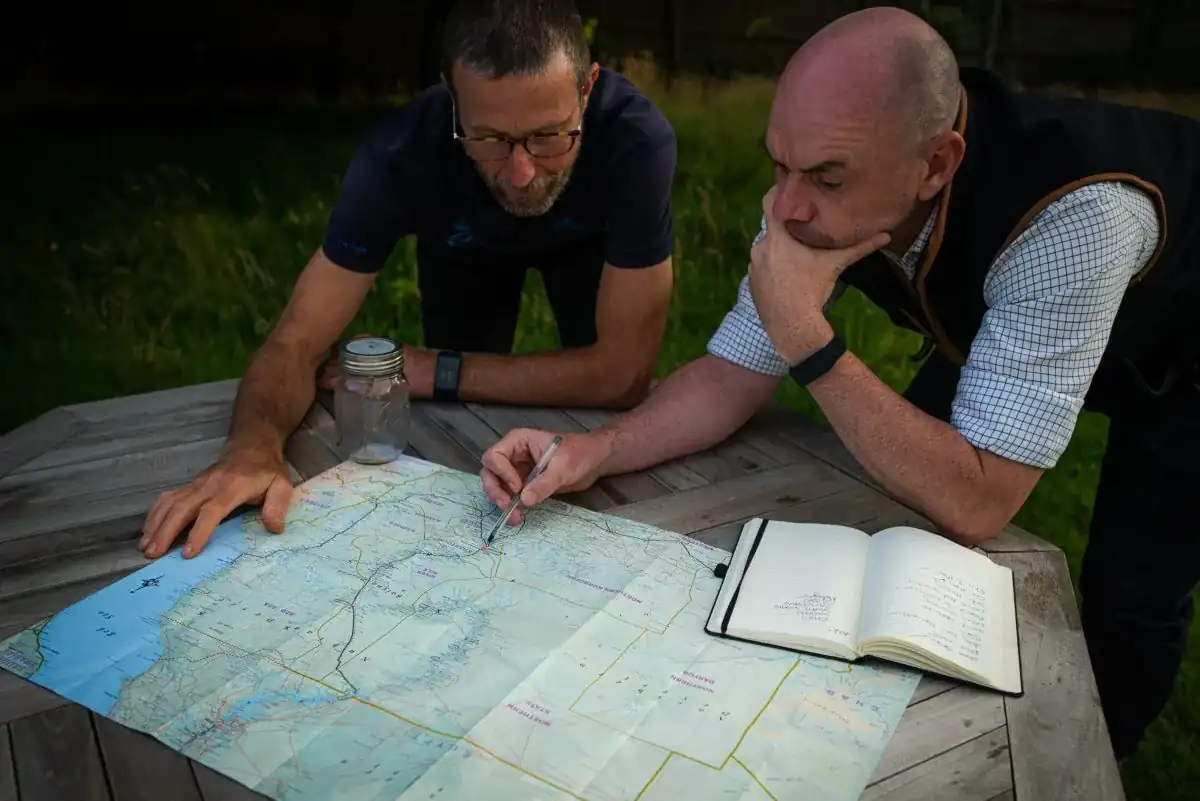
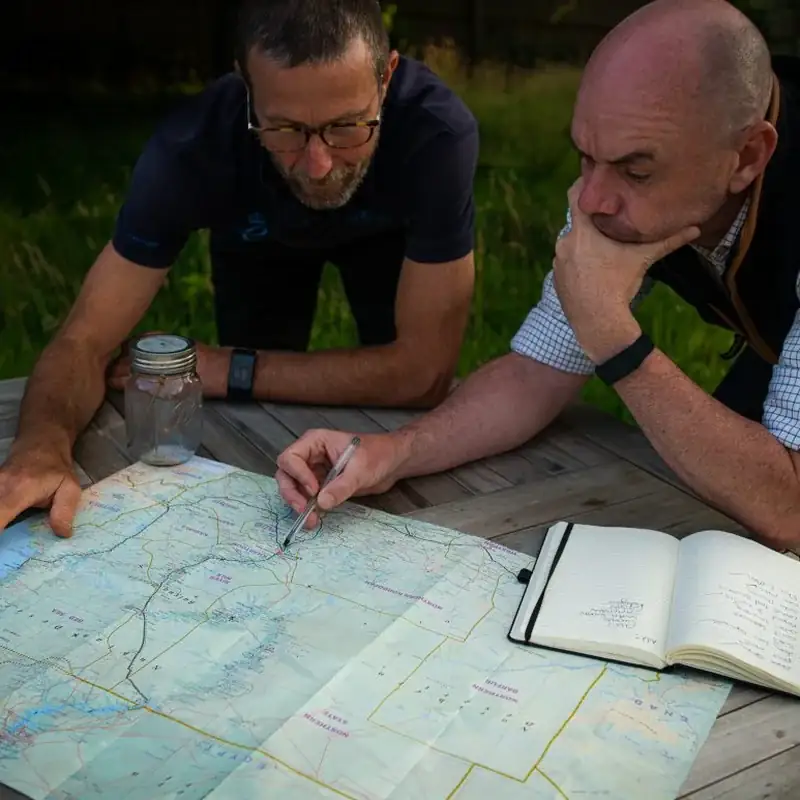
Every journey starts with a conversation. We take the time to understand your vision before we start planning.
Whether by phone or in person, we work with you directly to shape something that is considered, personal, and expertly delivered.
Every journey starts with a conversation. We favour a direct, personal approach: understanding your vision before anything else.
Whether by phone or in person, we work with you directly to shape a journey that is both thoughtfully considered and expertly delivered.
Get in touch to start planning yours.