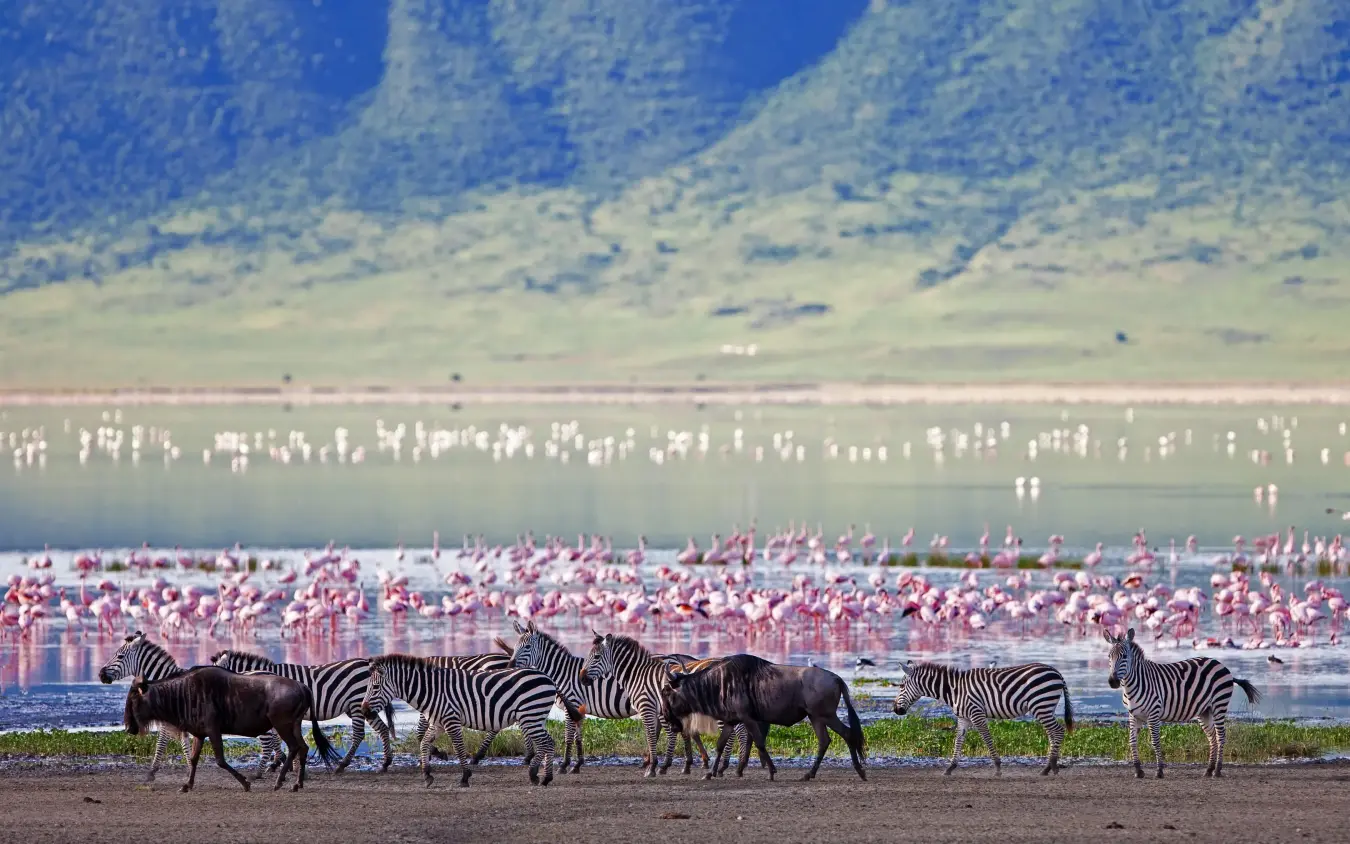
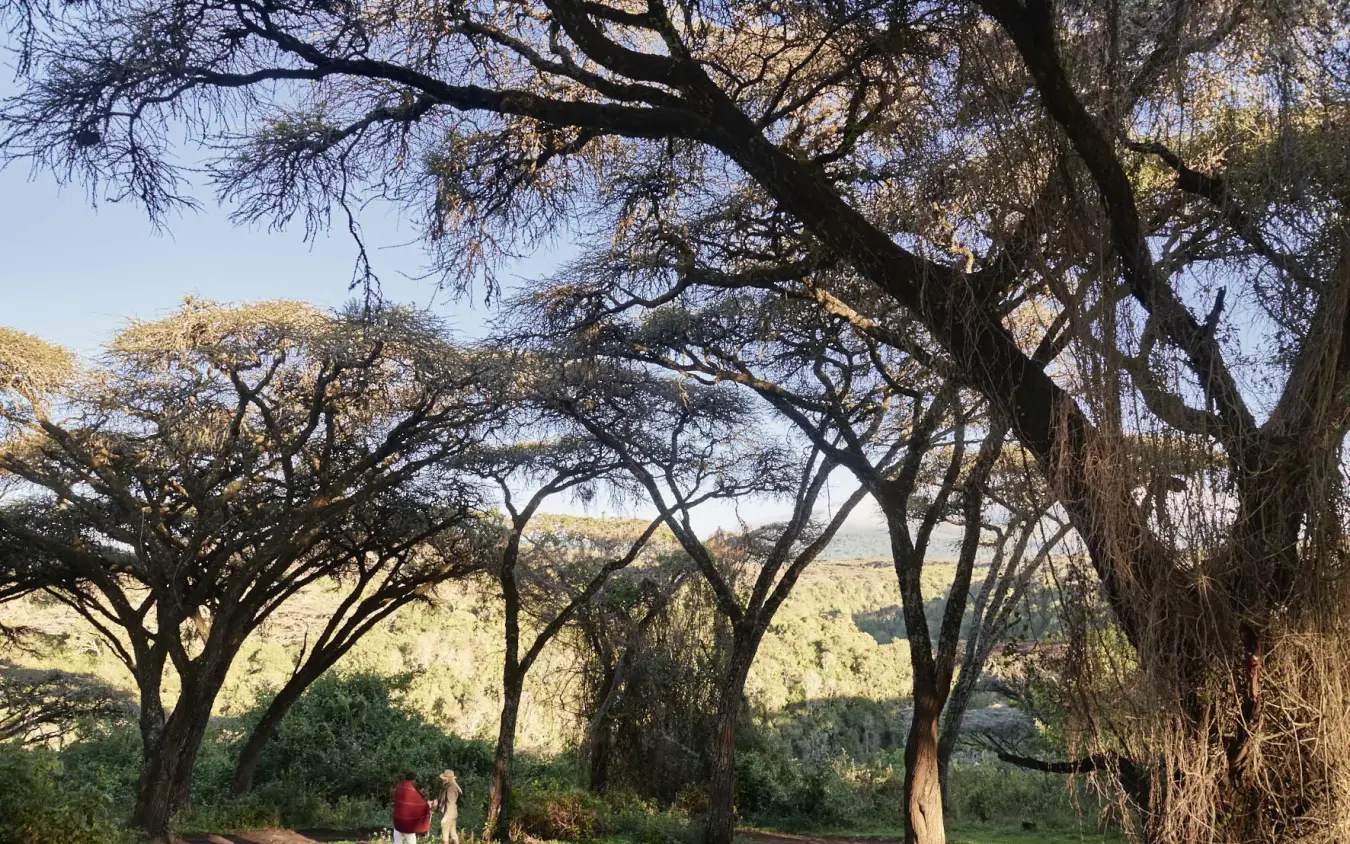
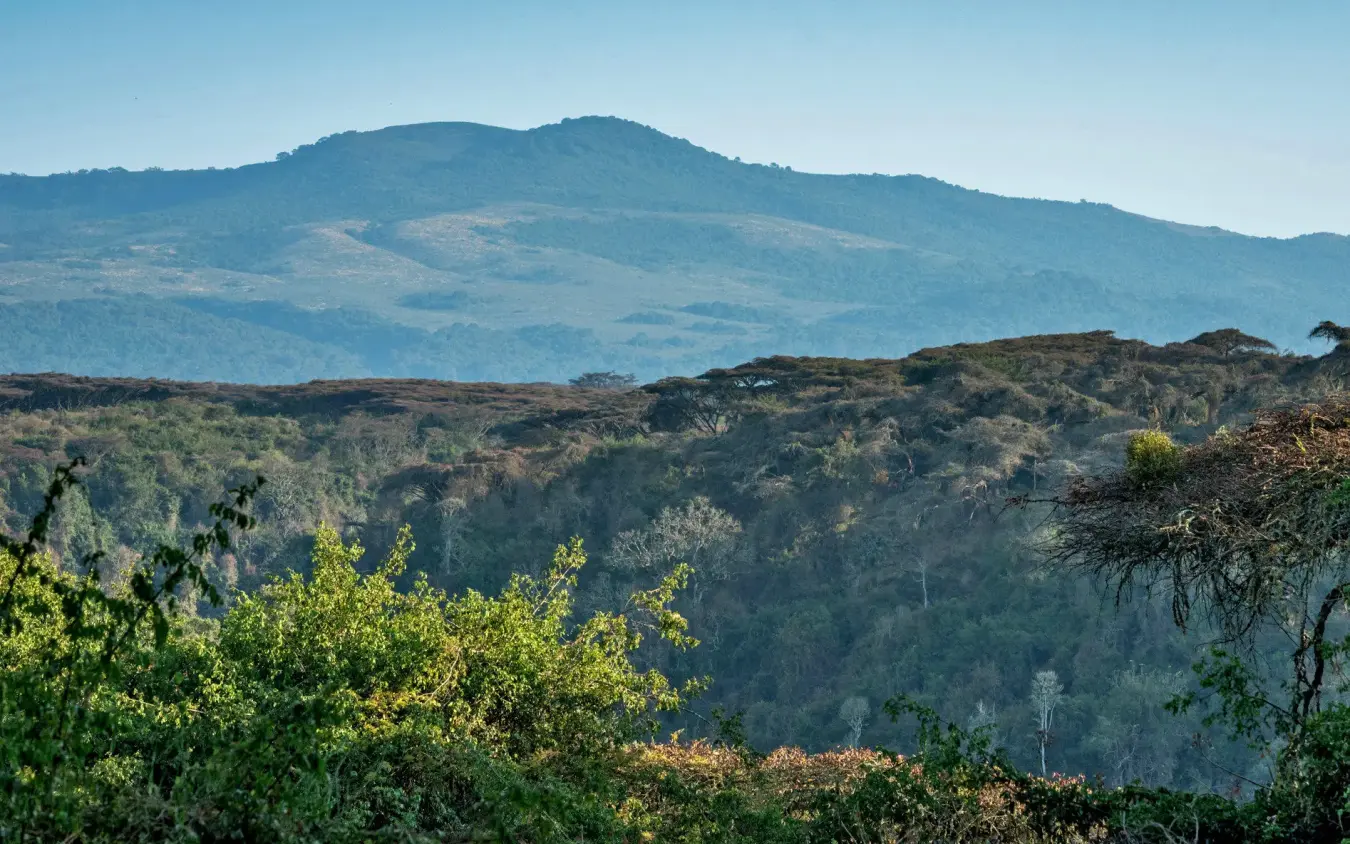
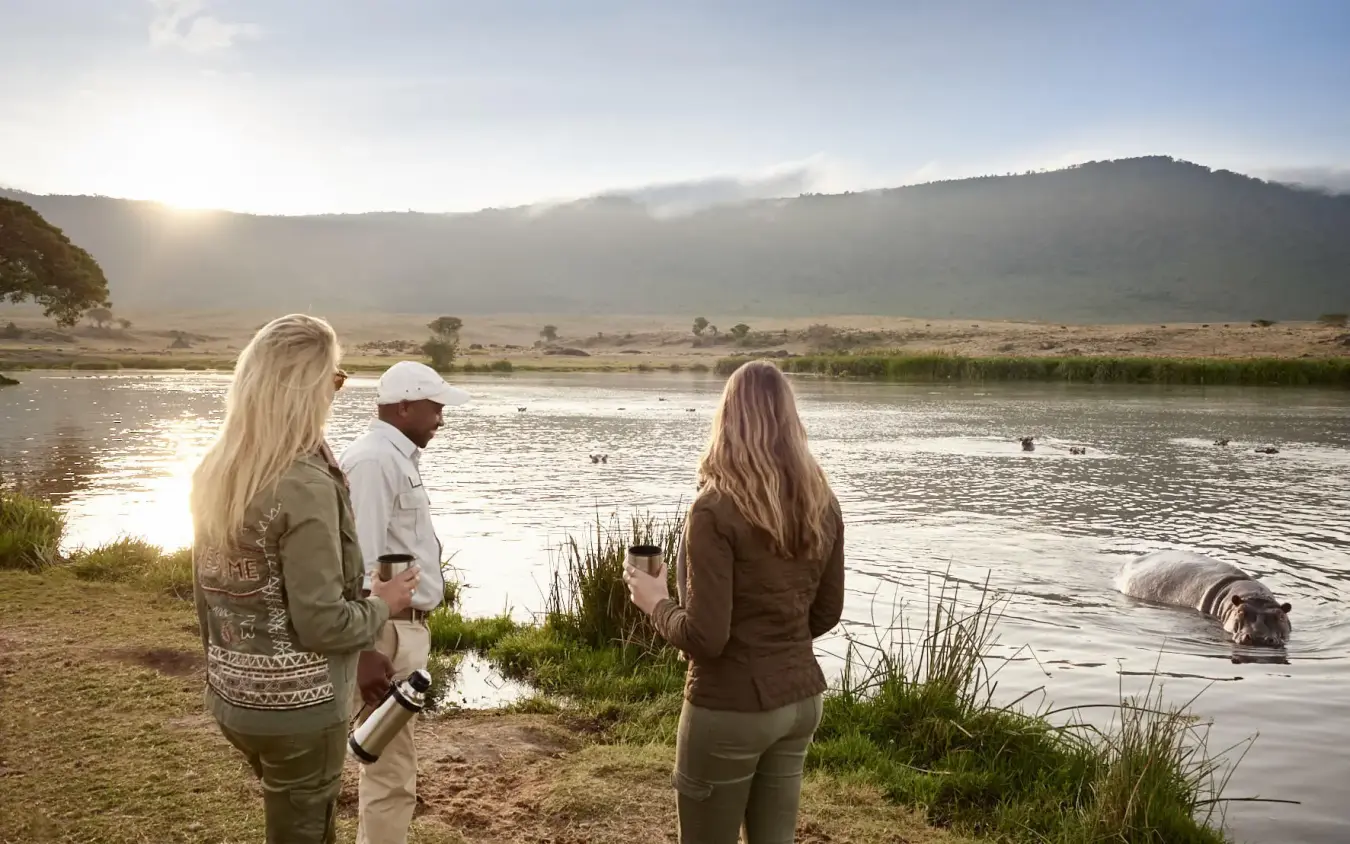
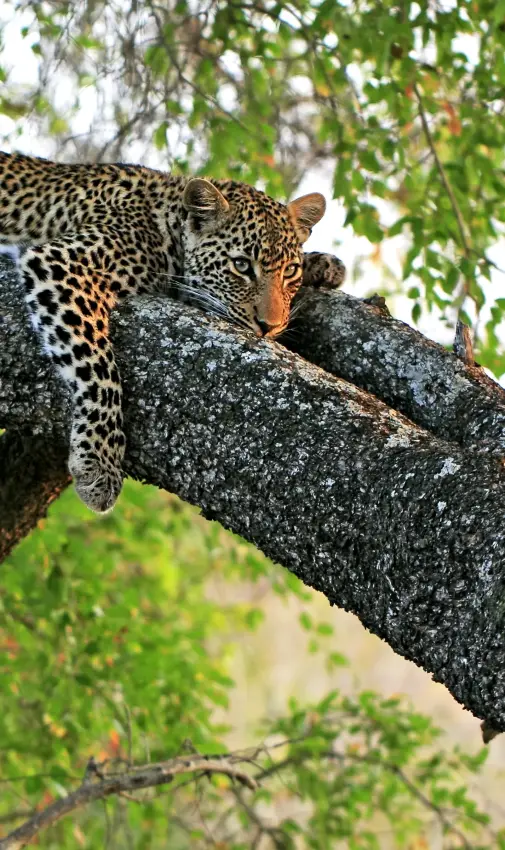
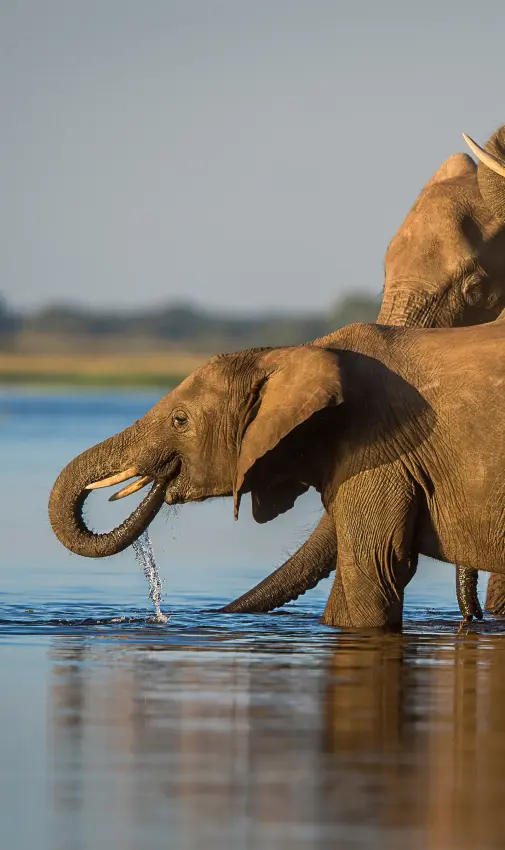
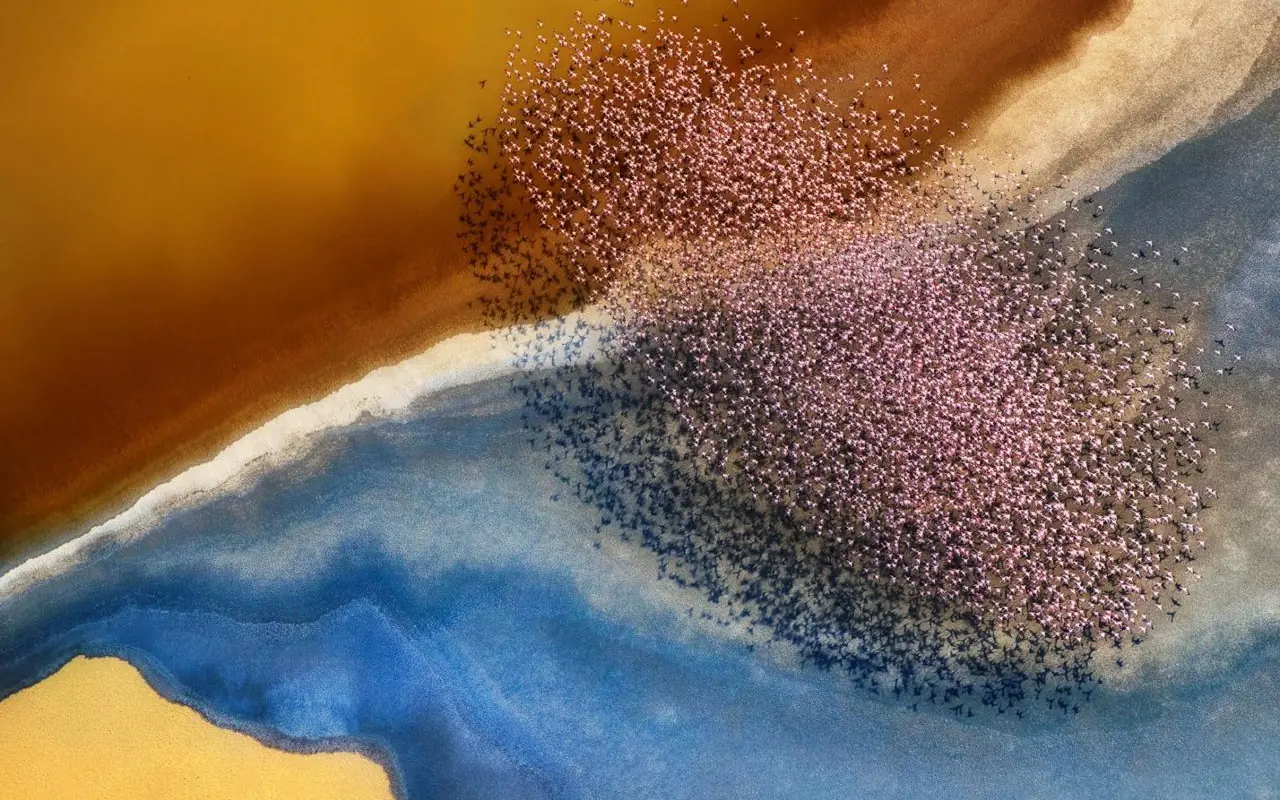
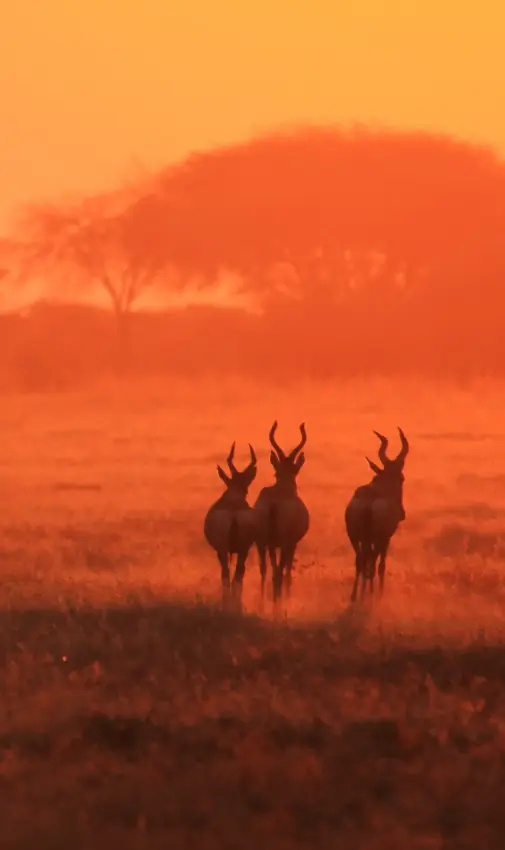
Below the rim, the crater floor gathers the Gorigor Swamp, the Ngoitokitok Springs, the Lerai Forest and Lake Magadi, a soda lake whose shallows draw flamingos. Grassland, swamp and forest lie side by side, fed year-round by water draining down the crater walls, and it is this that concentrates such a density of grazing animals and the predators that follow them. It is one of the reasons the Big Five can be found within a single morning below the rim, without the long transfers that a stay further round the rim would demand.
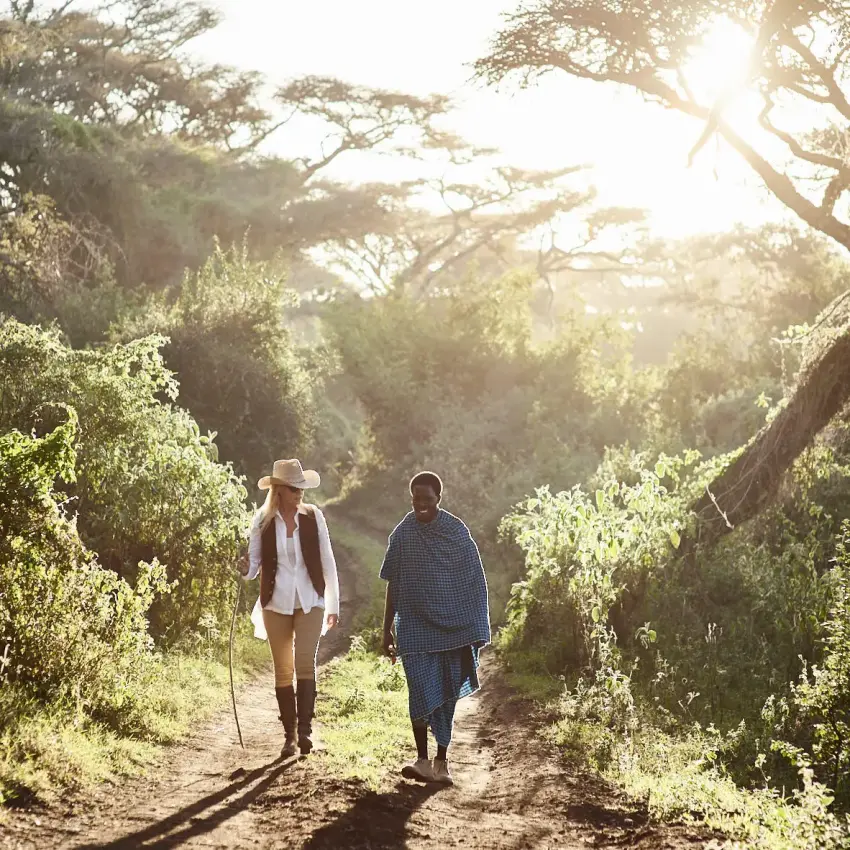
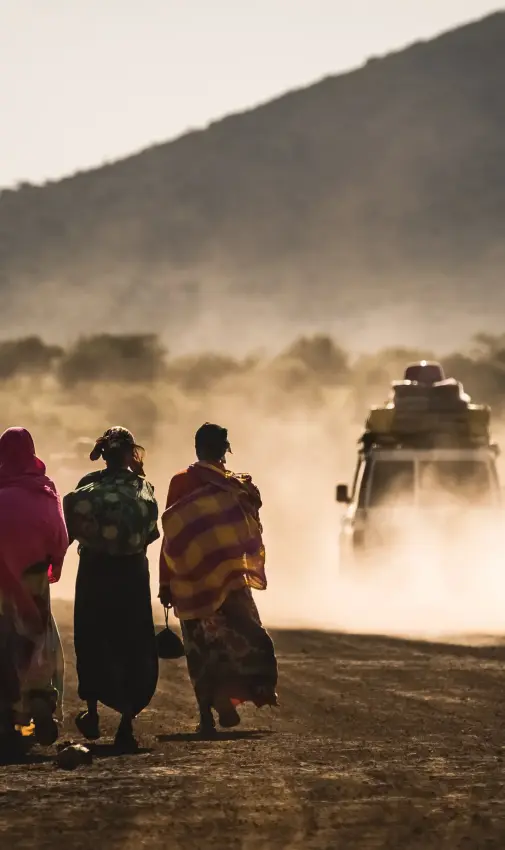
A stay is built around one descent onto the crater floor, with a picnic breakfast and lunch carried down for the day, though full days below the rim can be arranged, along with drives on the rim itself. A visit to a nearby Maasai community opens a window onto the lives of semi-nomadic pastoralists, while the paleoanthropological site at Olduvai Gorge lies within reach. The camp’s position also opens the Ndutu plains for the Great Migration’s calving season between December and March, and Lake Manyara National Park can be worked into transfers to or from the Manyara airstrip.
It is one of the reasons the Big Five can be found within a single morning below the rim
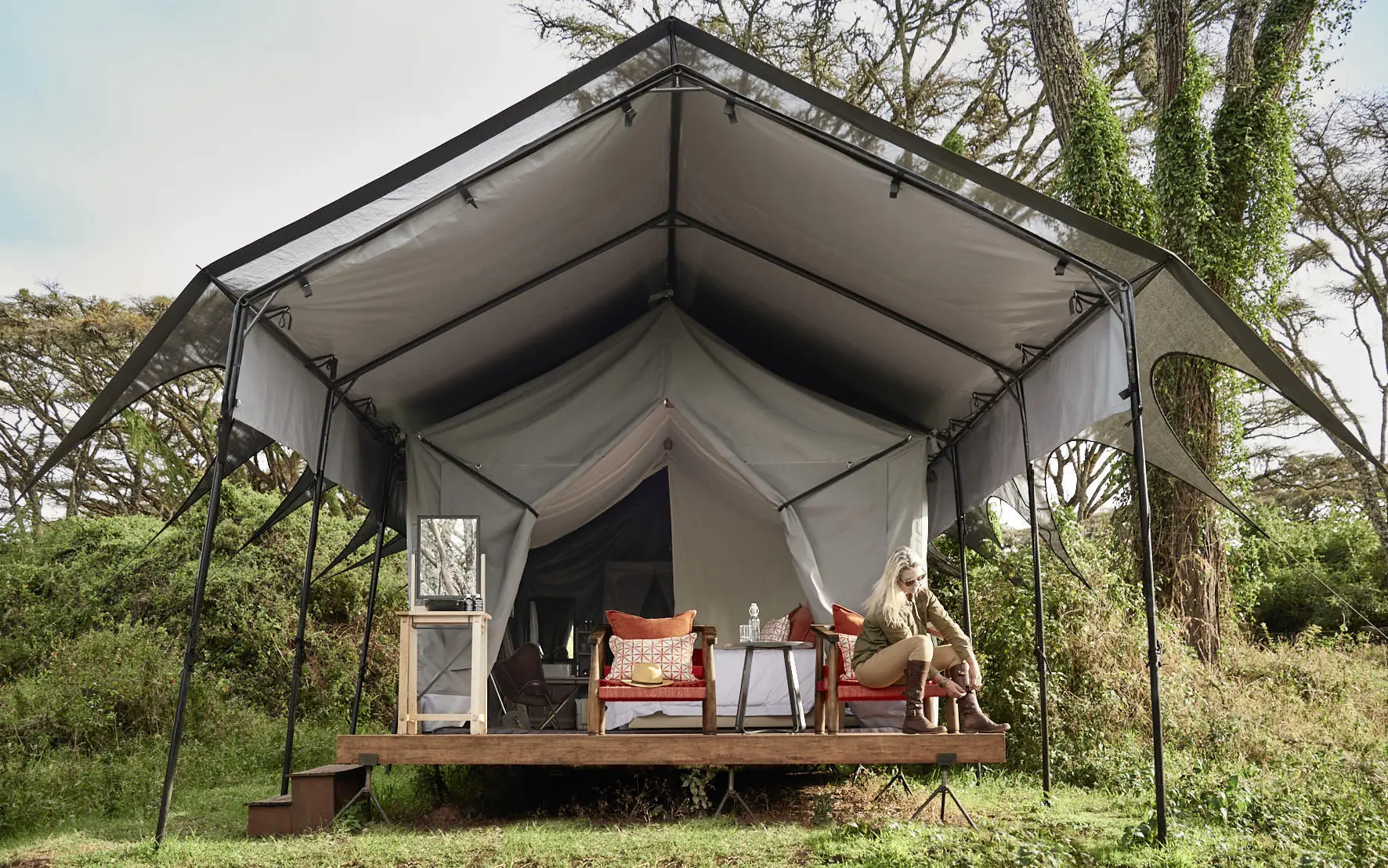
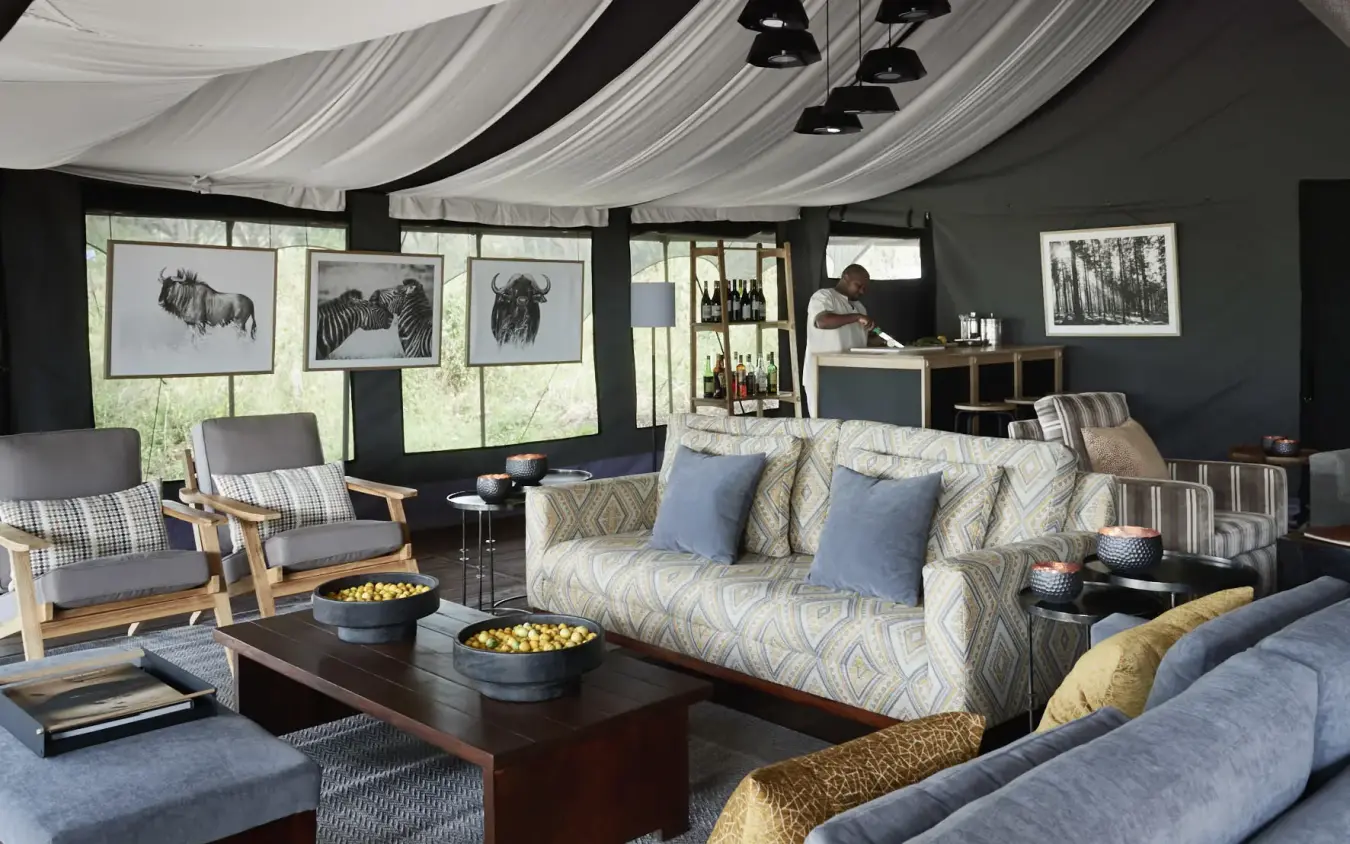
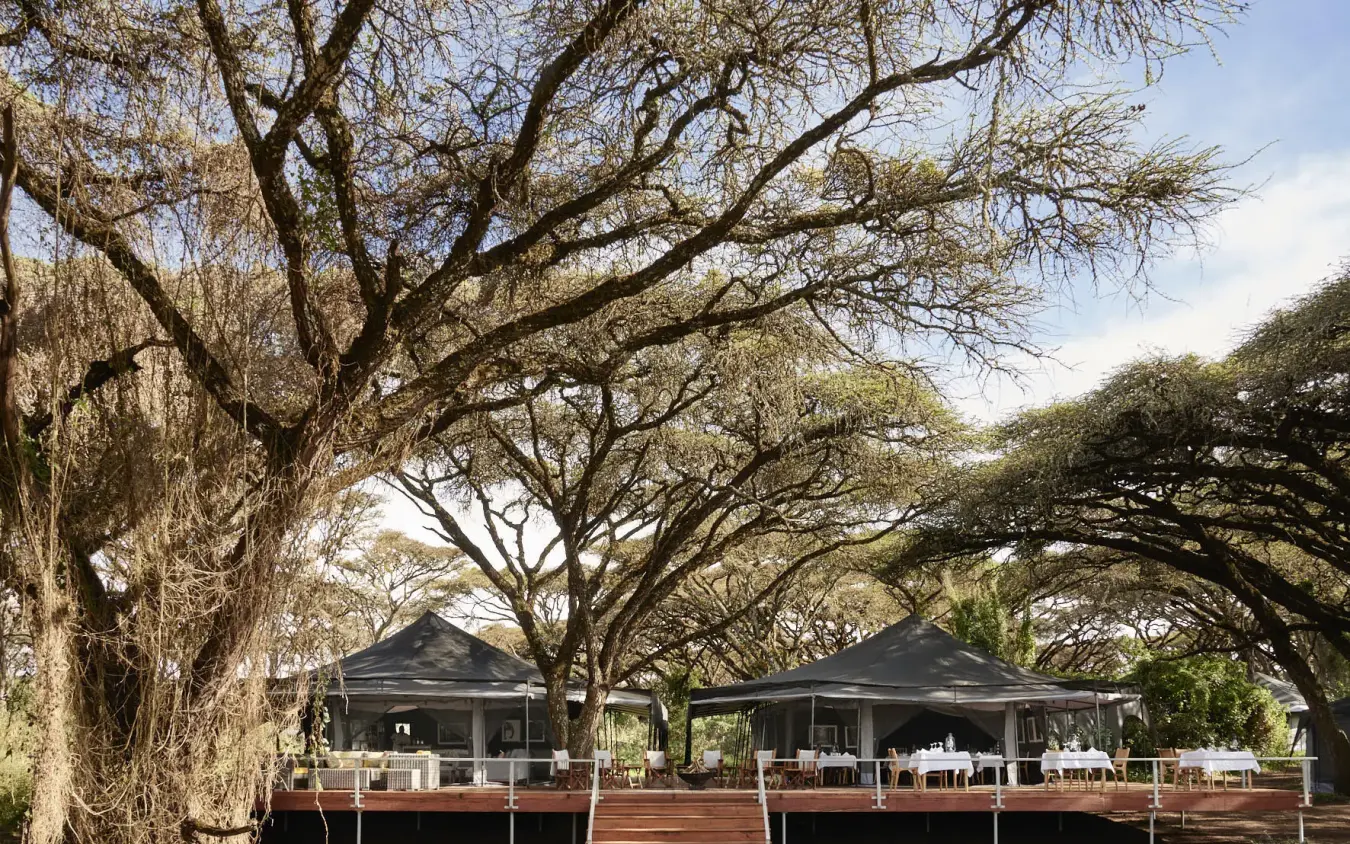
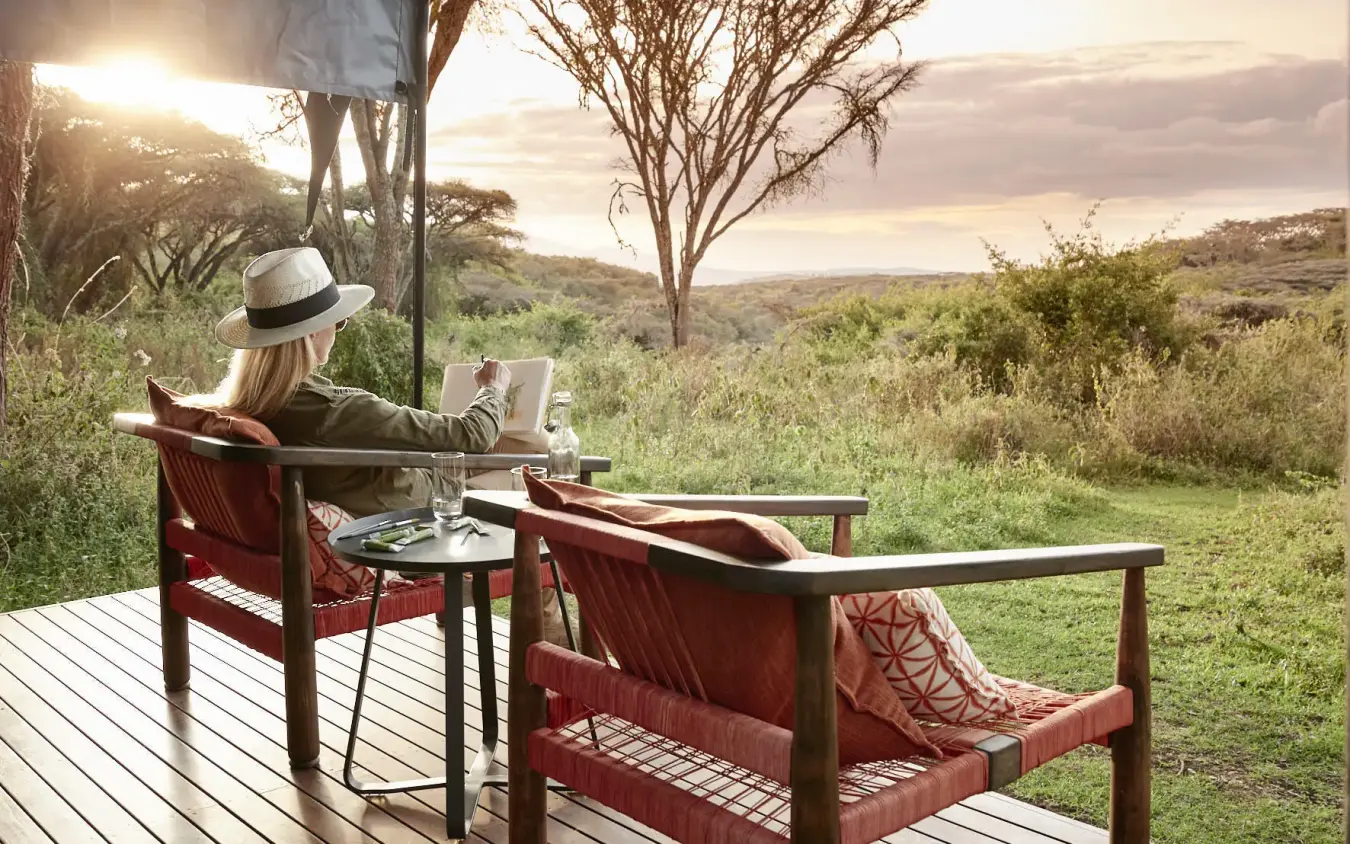
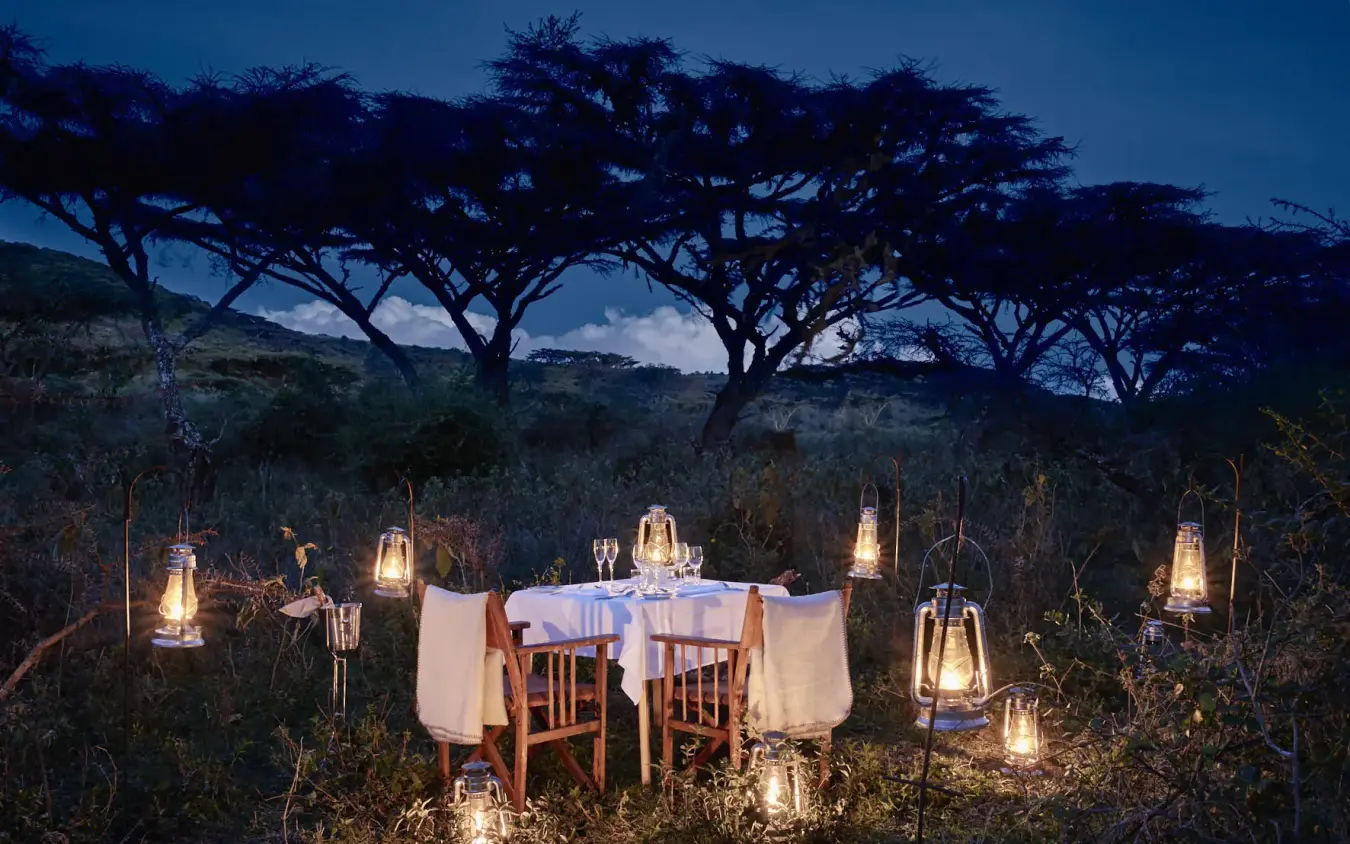
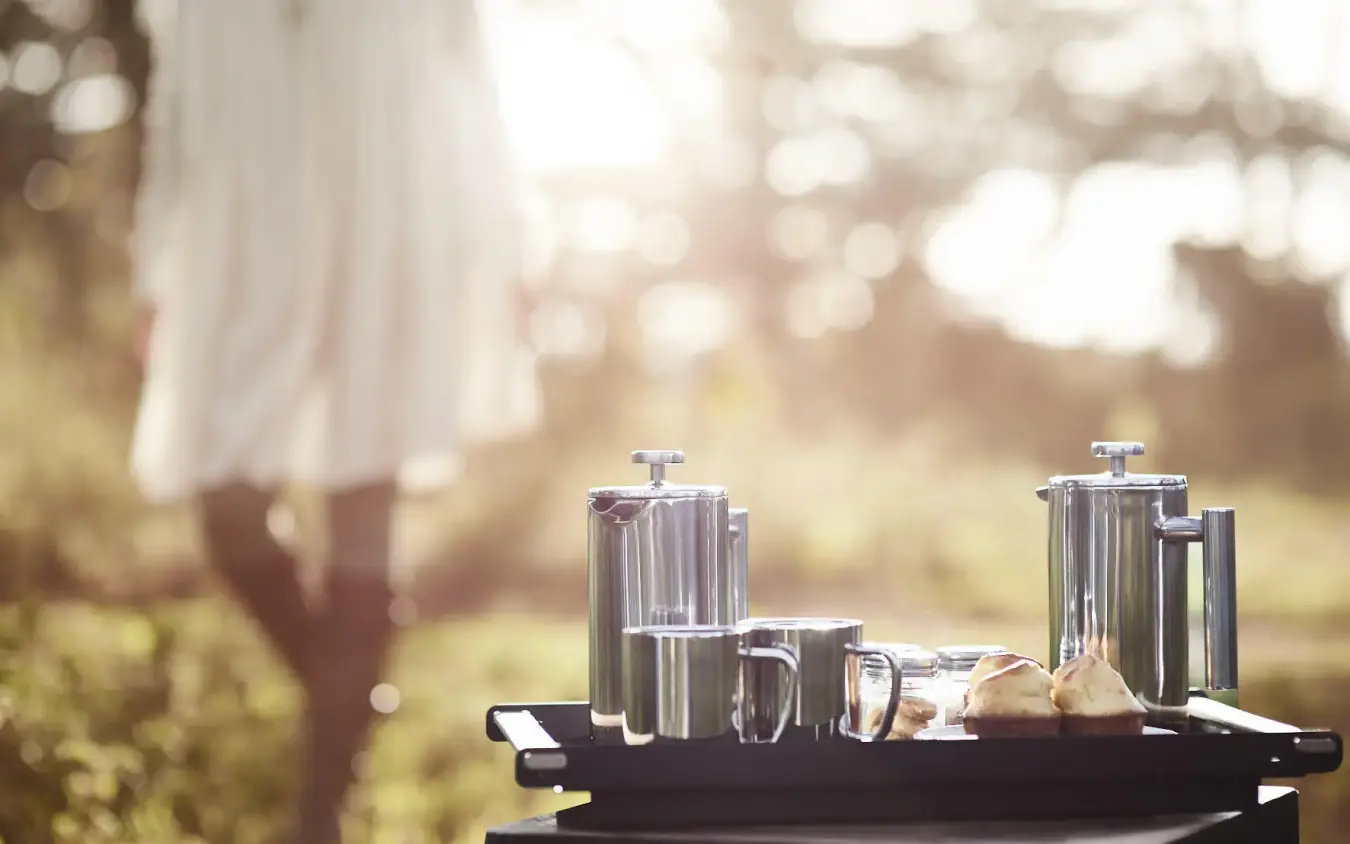
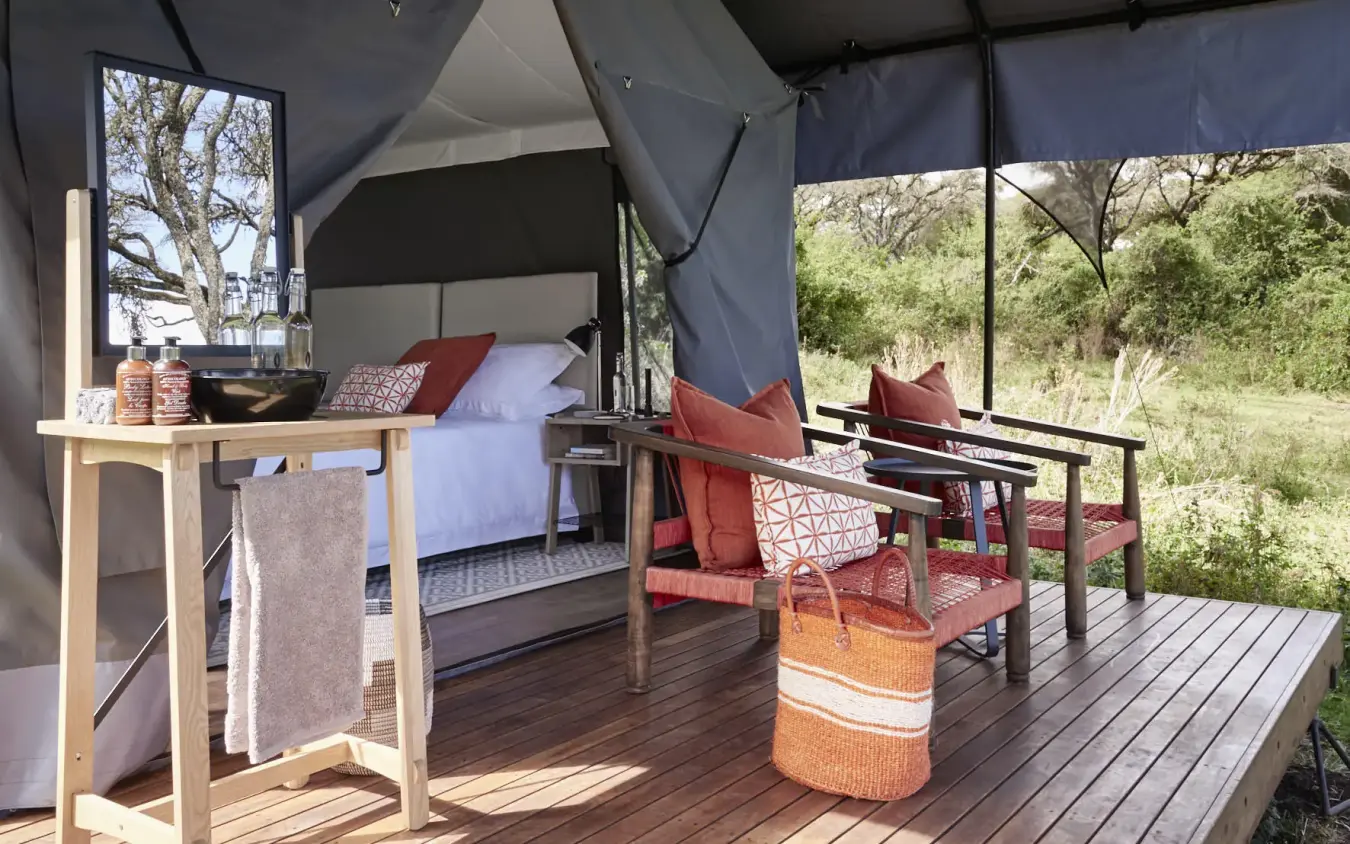
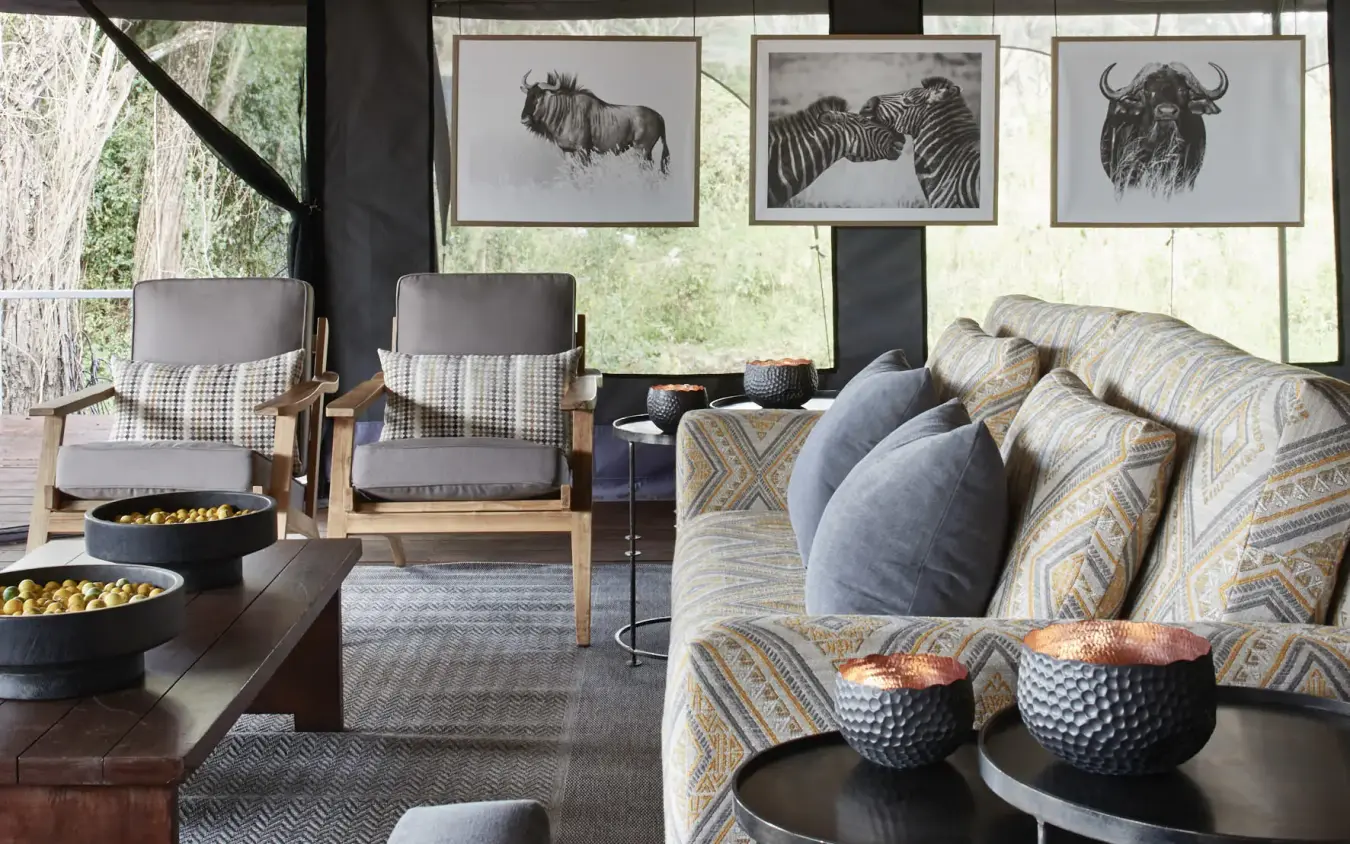
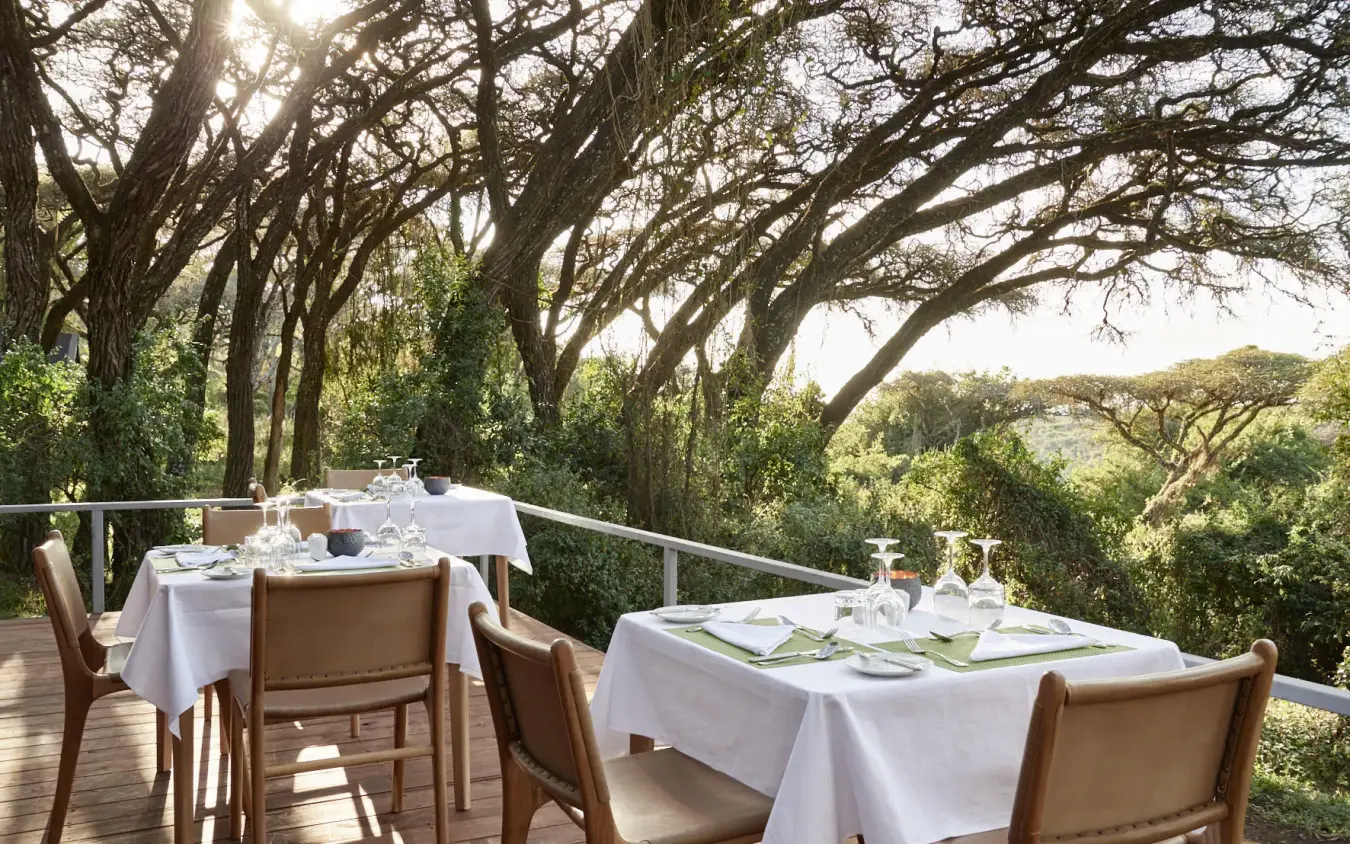
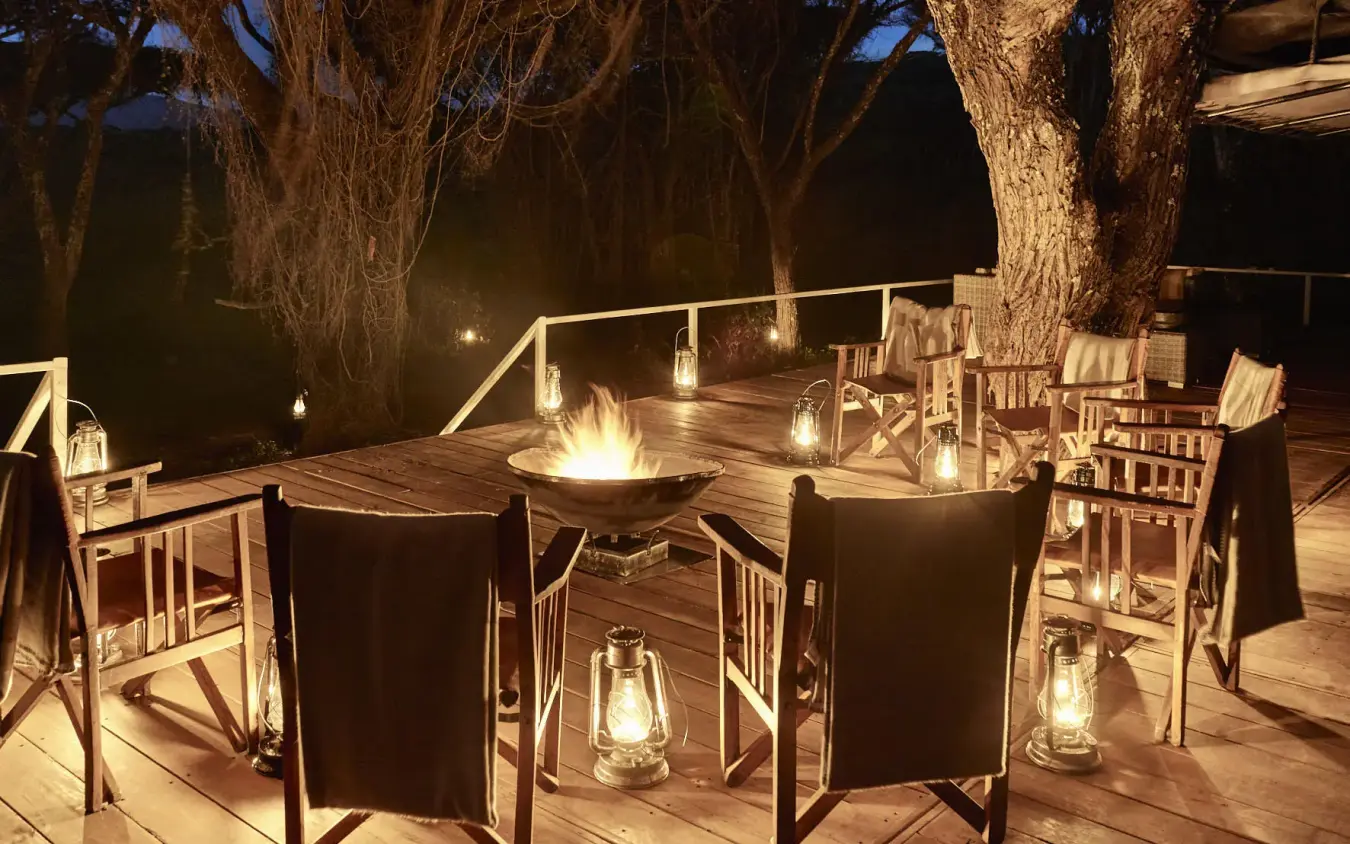
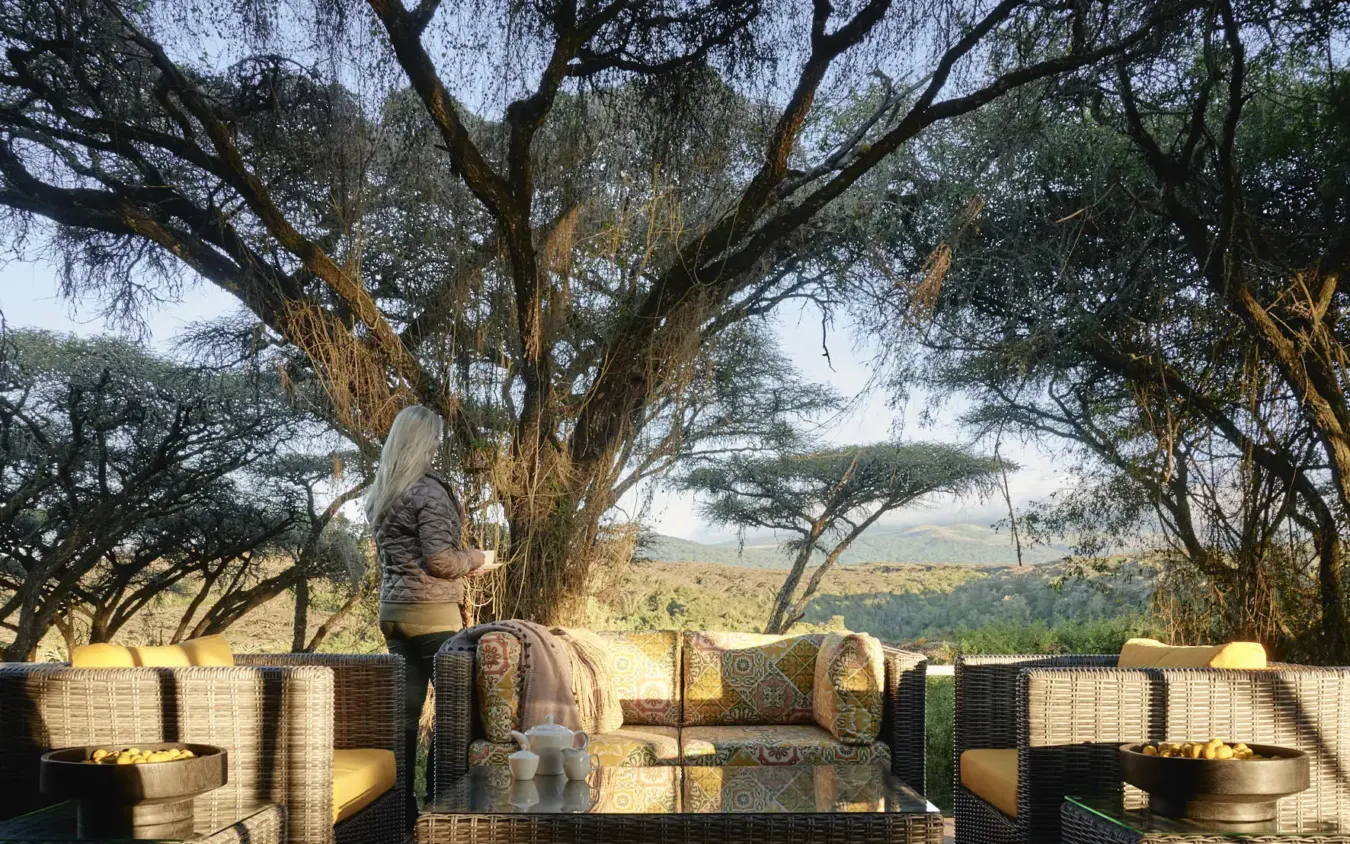
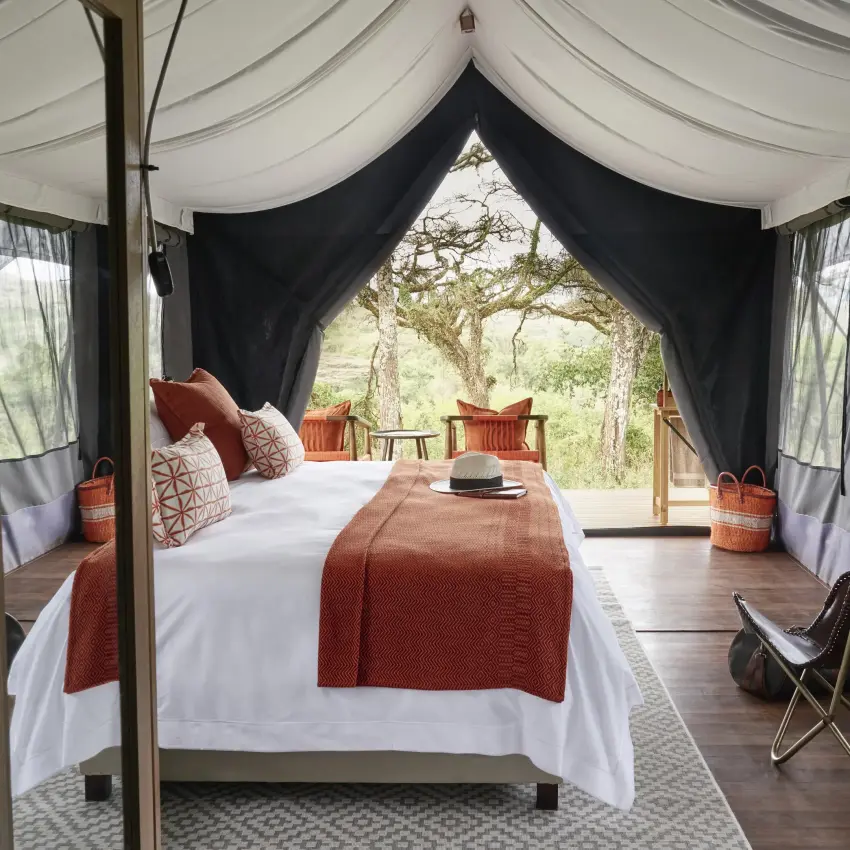
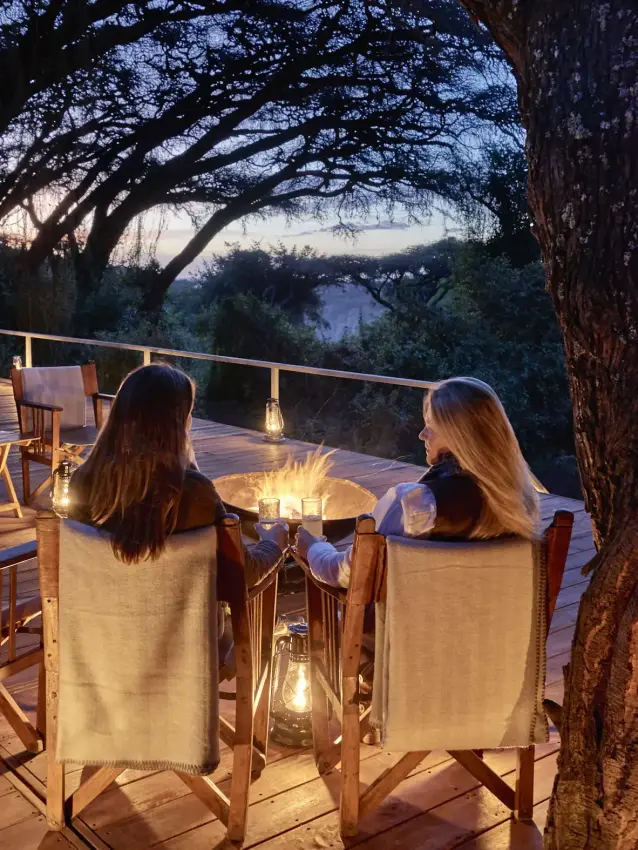
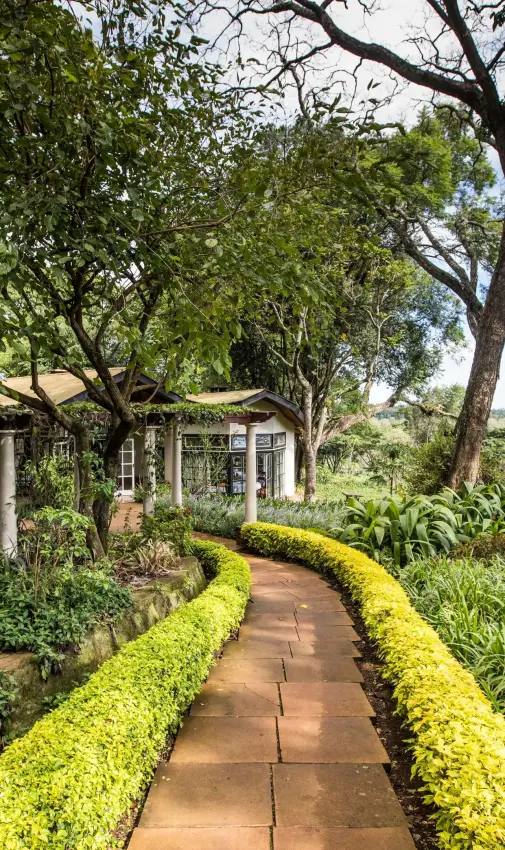
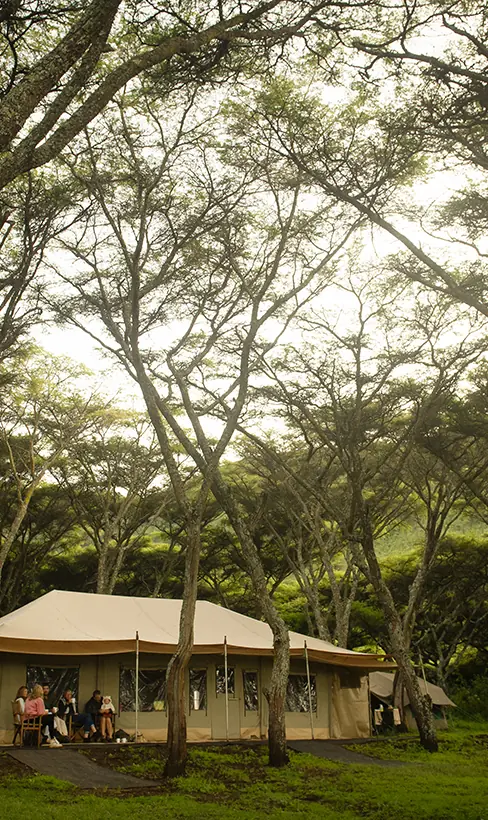
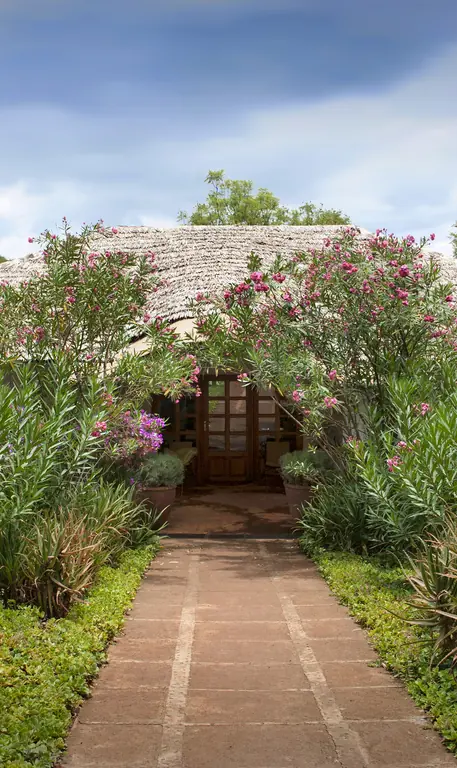
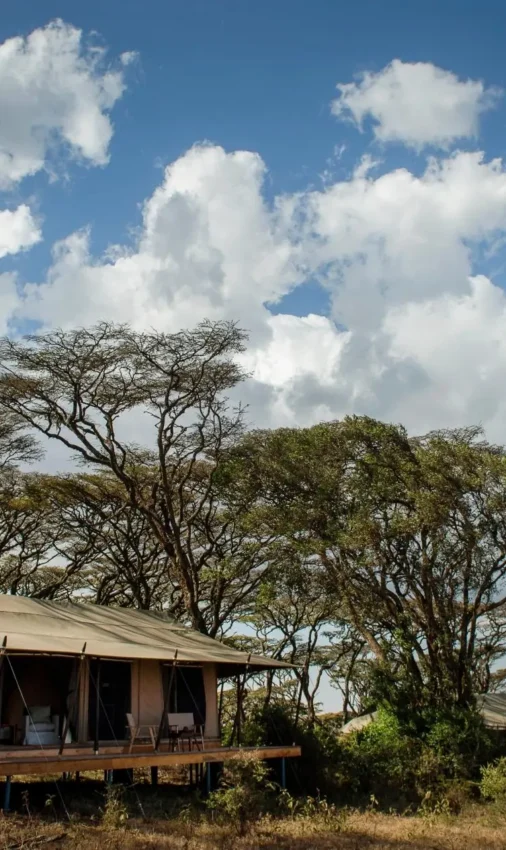
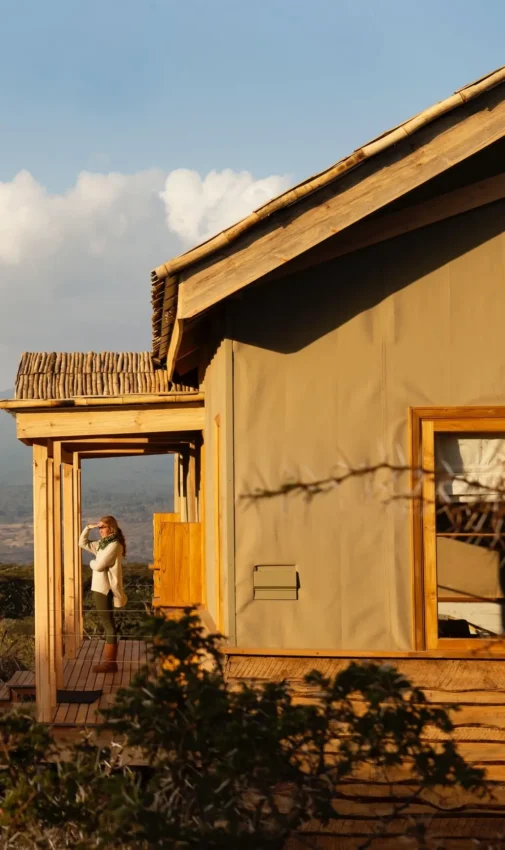
Each tent is larger than the canvas suggests, its polished hardwood floors giving onto a muslin-draped king-size or twin bed and an en-suite bathroom with an indoor bucket shower and flush toilet. A private viewing deck and small sitting area sit at the front, where tea, coffee and biscuits arrive before the pre-dawn drive. Meals draw on international and Tanzanian dishes, served in the dining tent, at private tables set around camp, or as a bush breakfast on the floor below, and the evenings settle around the campfire under the highland cold.
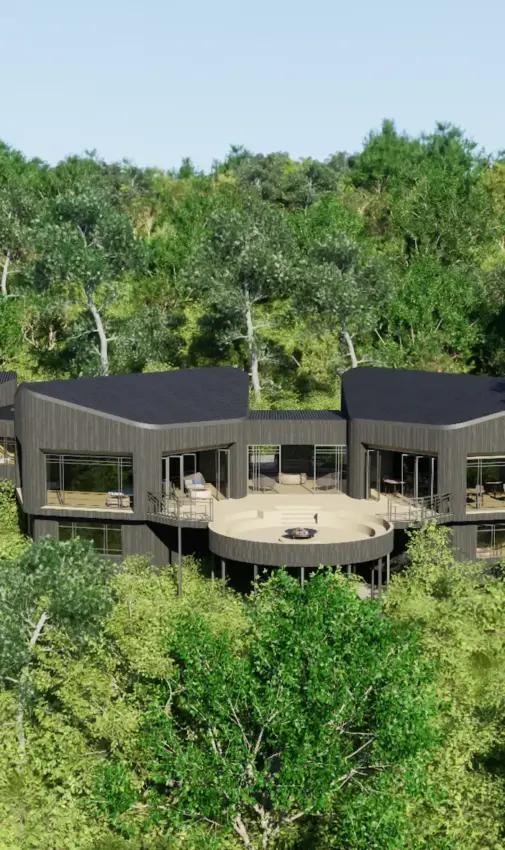
The forest setting, the wildlife moving between the tents, and the short run to the descent road all serve one end. It is getting guests onto the crater floor in the day’s best light, while the predators are still active and before traffic from camps further round the rim arrives.