Lodge

The Highlands

Eight canvas-and-glass domes high on the forested slopes of Olmoti volcano, above Tanzania’s Ngorongoro Crater.

Country: Tanzania
Location: Olmoti Crater slopes, Ngorongoro Highlands
Number of rooms: 8

Olmoti and Empakaai craters, on foot

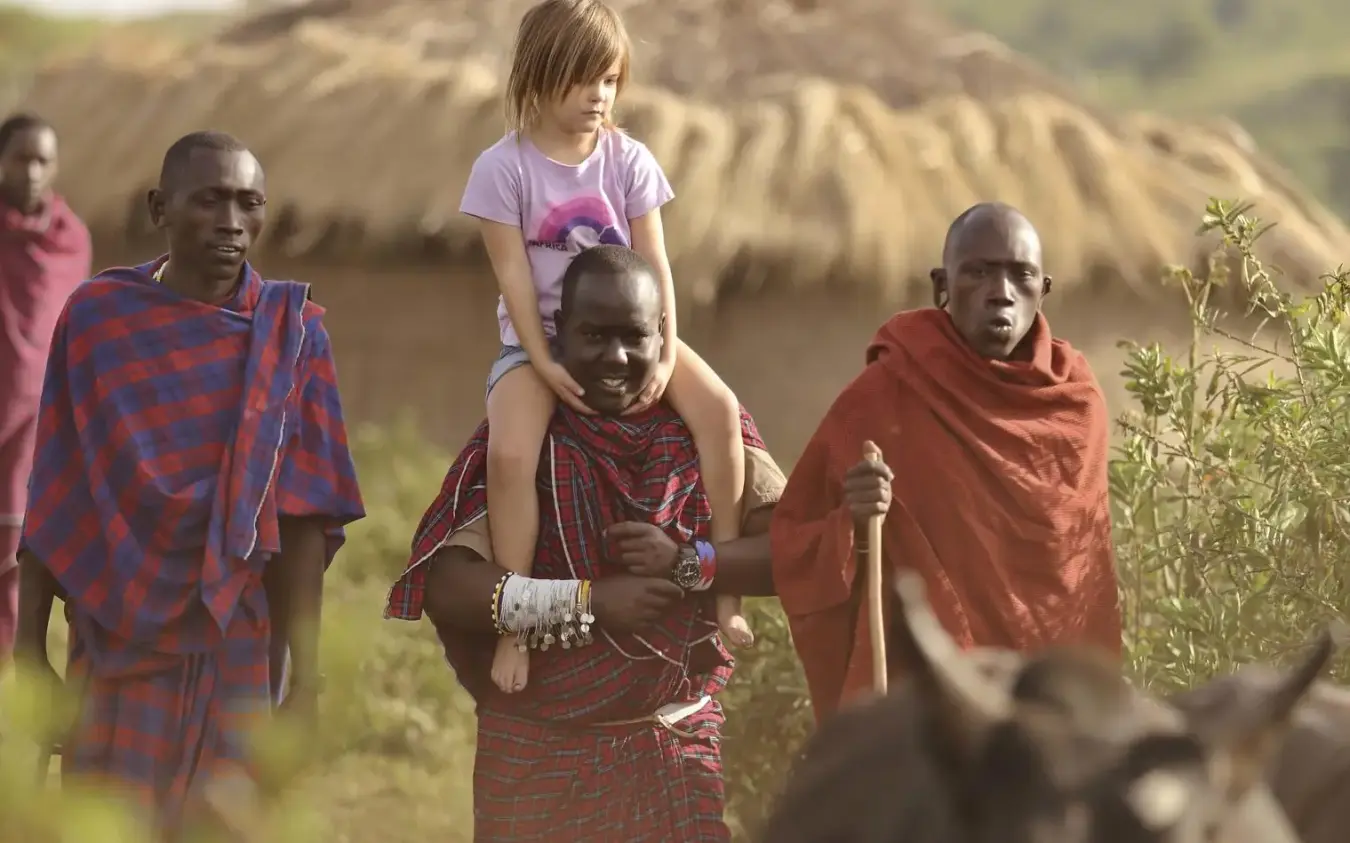
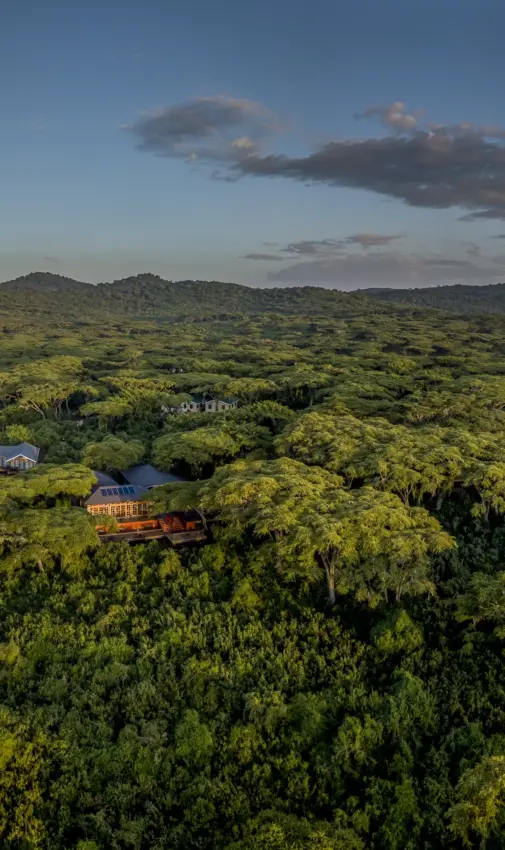
Much of the exploring at The Highlands is done on foot. The camp lies at around 2,700 metres on Olmoti volcano in northern Tanzania, higher than any other in the Ngorongoro Conservation Area. Maasai herders have grazed these slopes for generations. Their old cattle trails lead straight from camp into the forest. The view runs towards the Gol Mountains.

Their old cattle trails lead straight from camp into the forest.

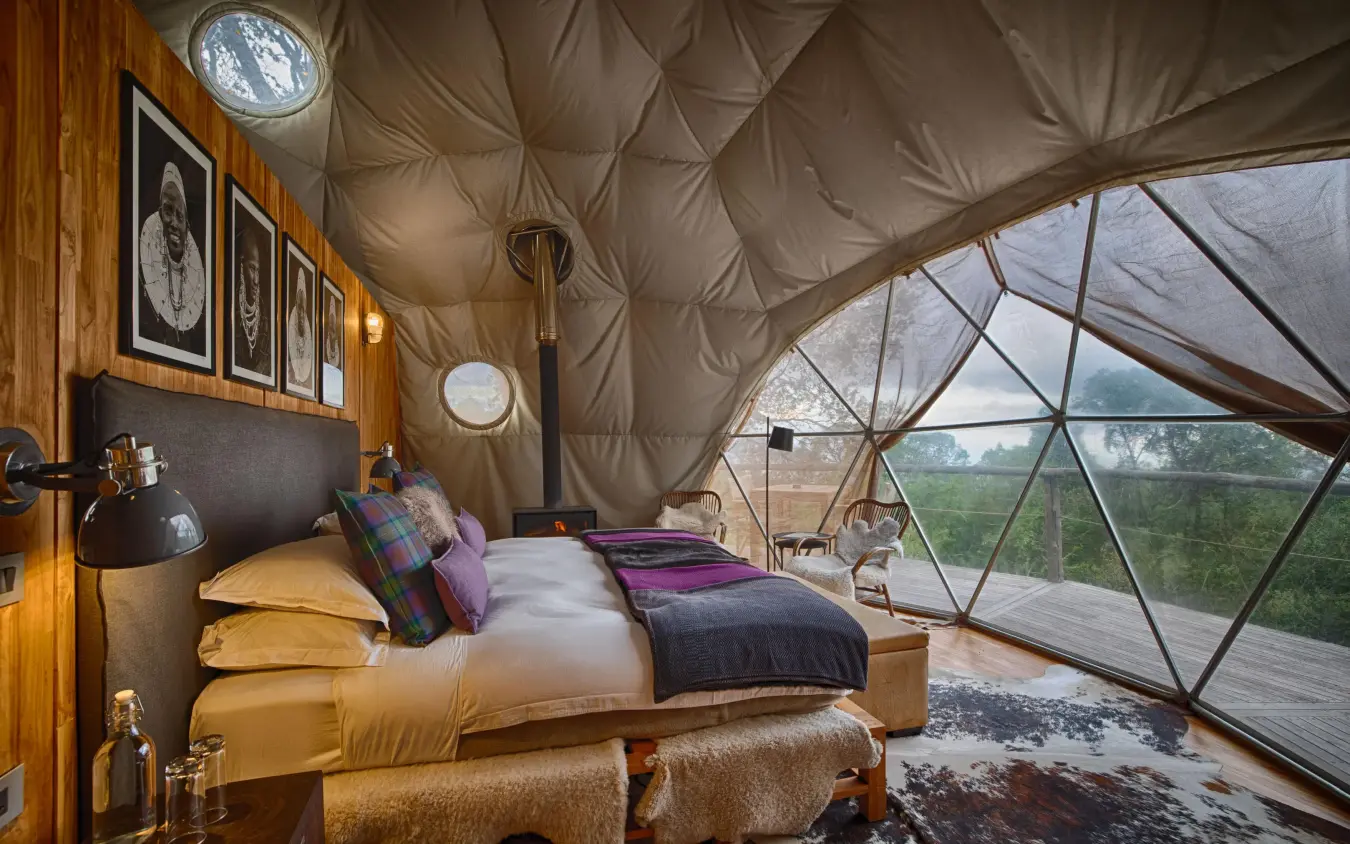
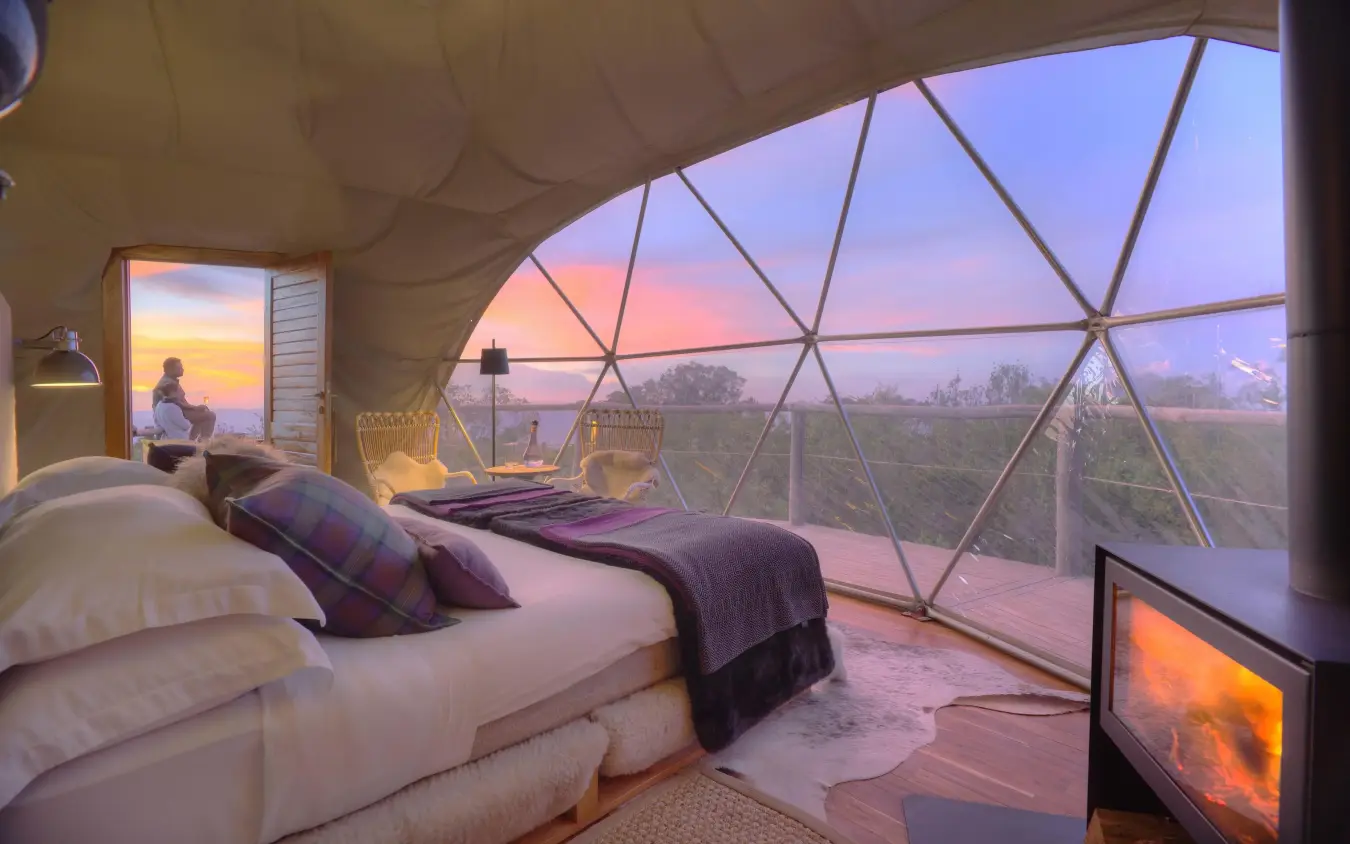
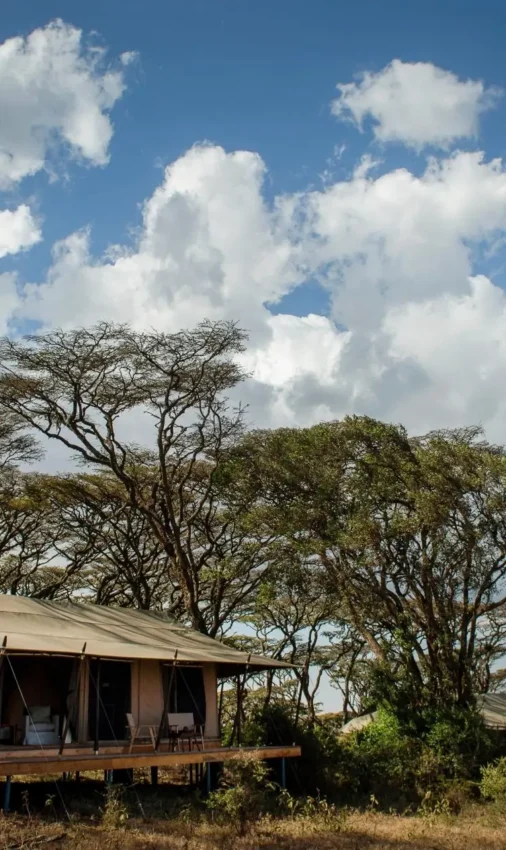
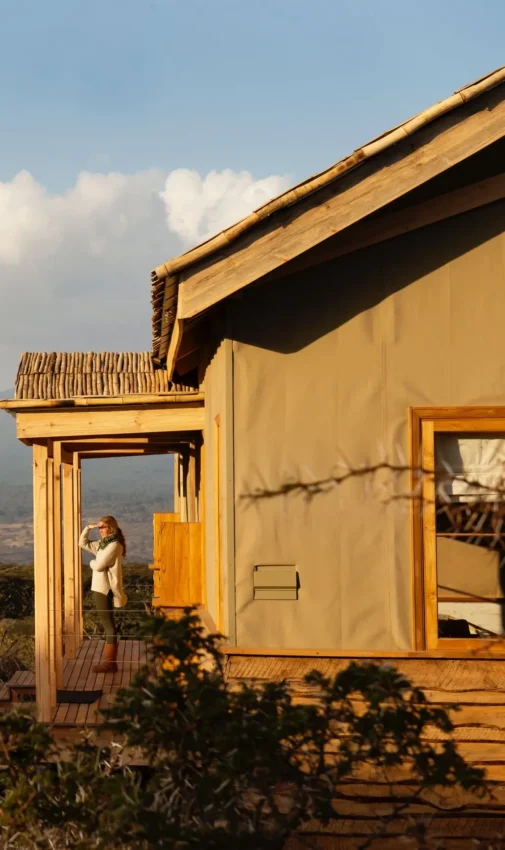
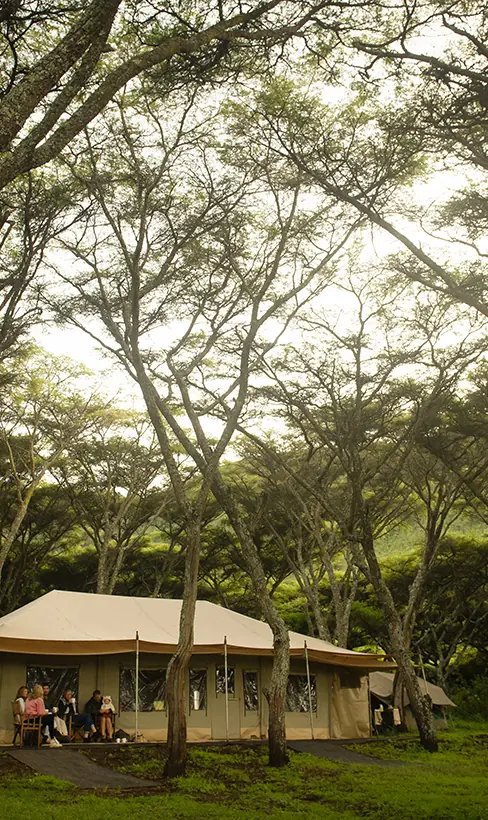
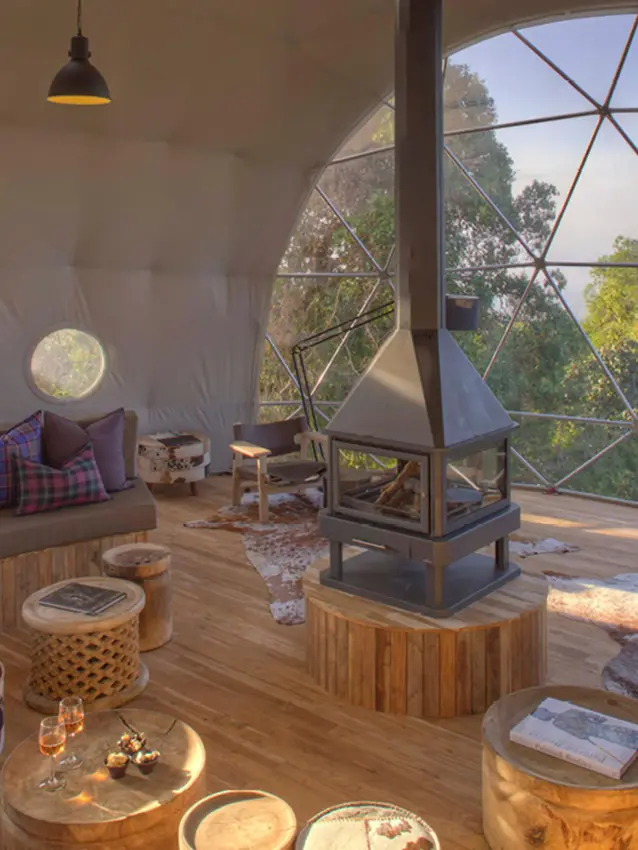
From outside, the eight canvas-and-glass domes borrow the circular form of a Maasai boma and look close to futuristic. Inside, warm wood and curved floor-to-ceiling bay windows soften the geometry. Anyone expecting khaki canvas may find them startling, yet the idea holds together. Canvas keeps a link to the tented camp, and glass keeps the highland forest in view from bed.

Geodesic dome bedroom with panoramic landscape views, The Highlands, Ngorongoro Crater, Tanzania
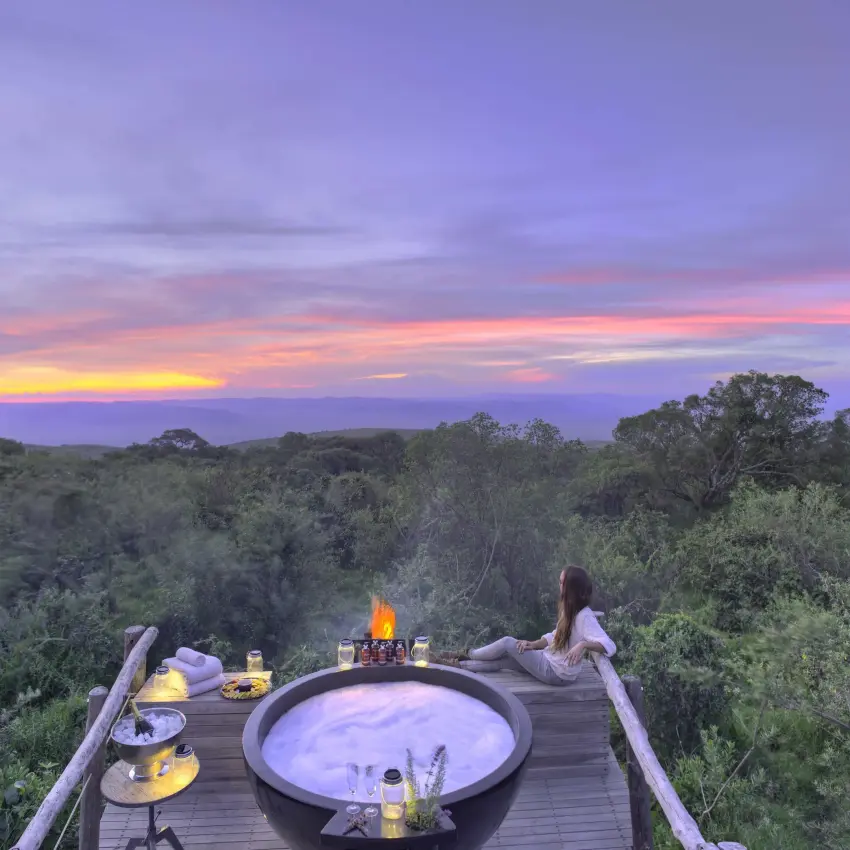
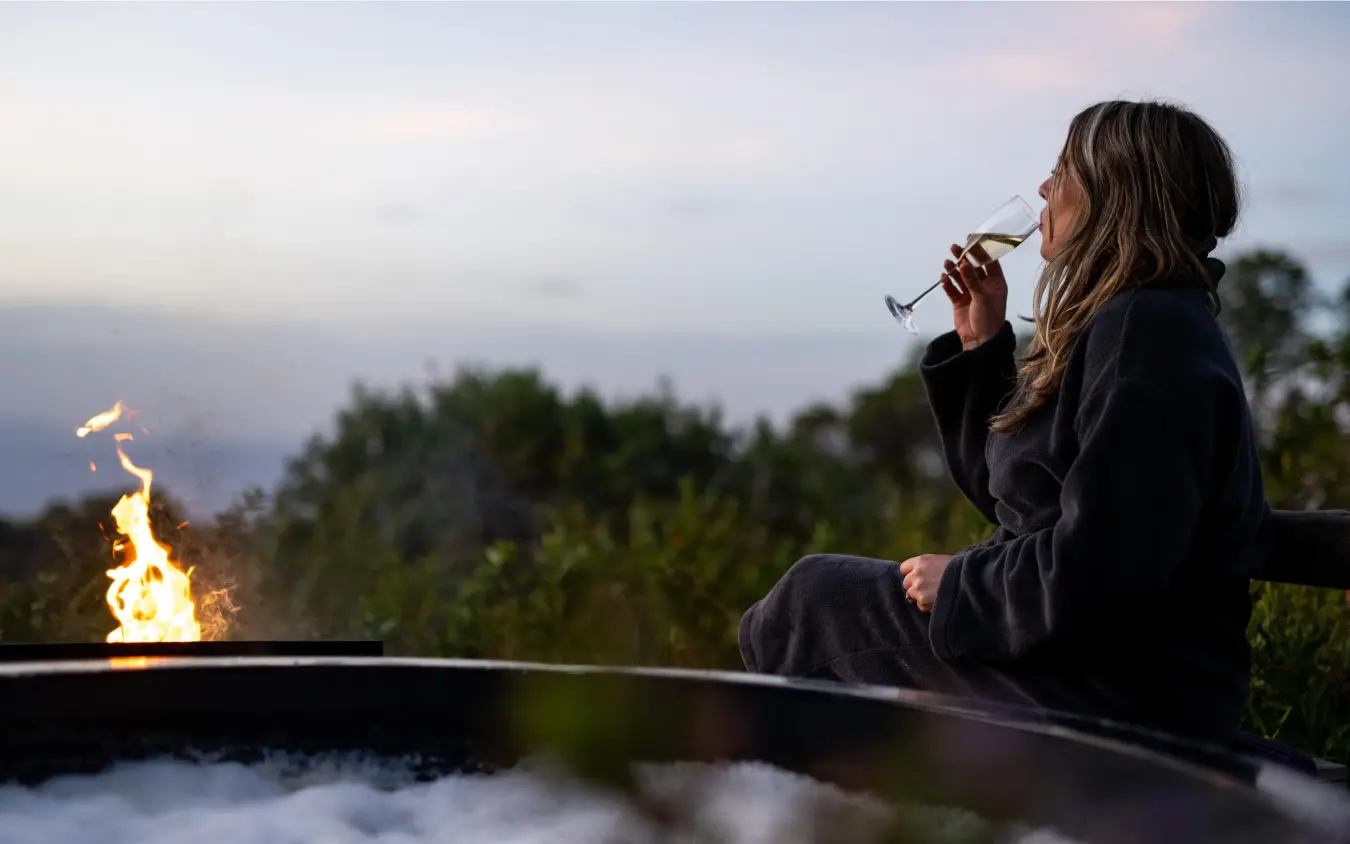
Elevated wooden deck with hot tub overlooking forest at sunset, The Highlands, Ngorongoro Crater, Tanzania

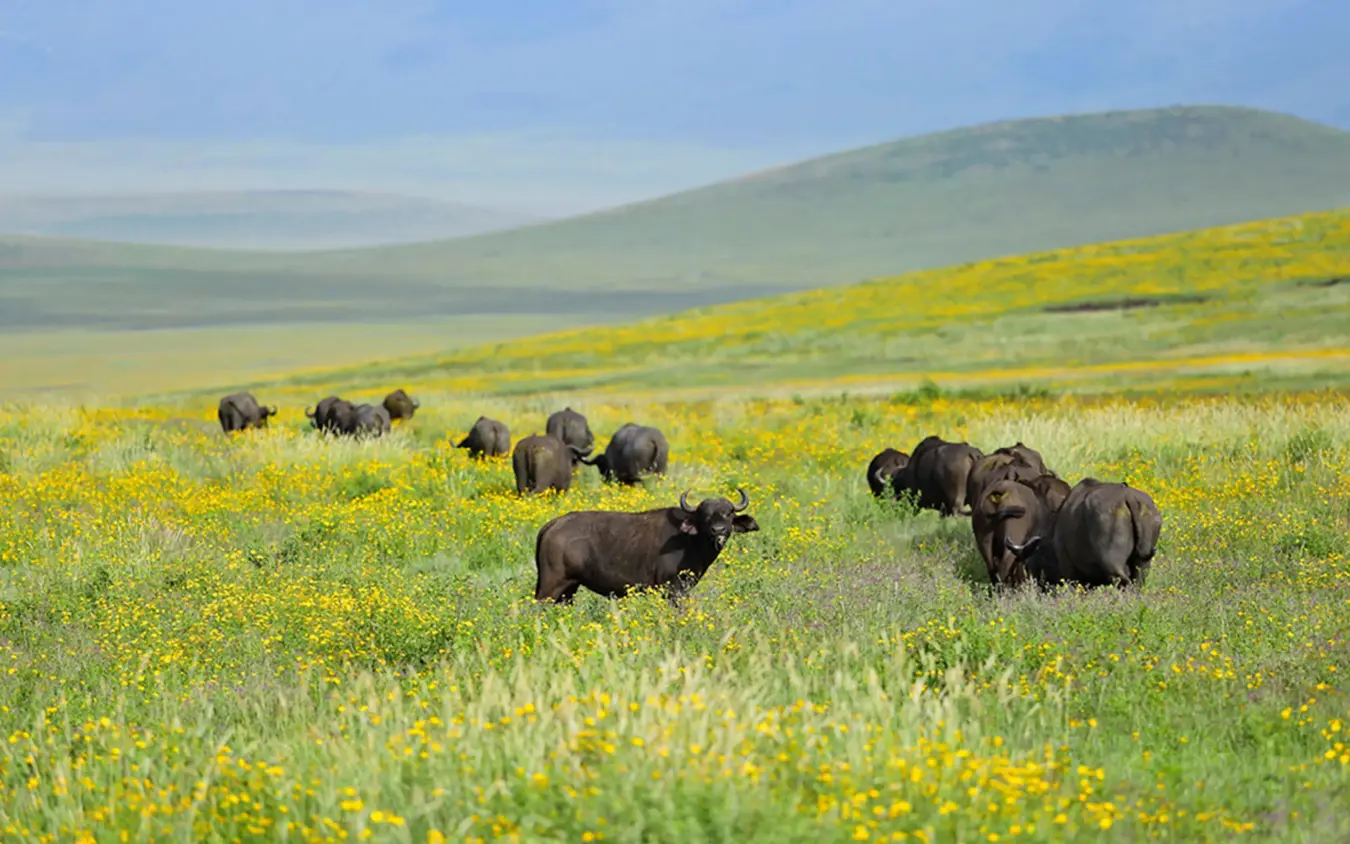
Full-day drives take guests down to the Ngorongoro Crater floor with a picnic lunch. Black rhinos are regularly seen there, as are lions, elephants and hyenas, among the buffalo, zebras and hartebeest. The walking fills the days between. One guided walk leaves straight from camp through mountain forest and drops into Olmoti.

Flamingos gather in their thousands along the soda lake shore.

Empakaai, the second of the camp’s neighbouring craters, is the bigger day. A drive to the crater rim comes first, then a descent on foot with a conservation area ranger to the crater floor. Flamingos gather in their thousands along the soda lake shore. Hikes into craters like these are difficult to arrange from most rim lodges.

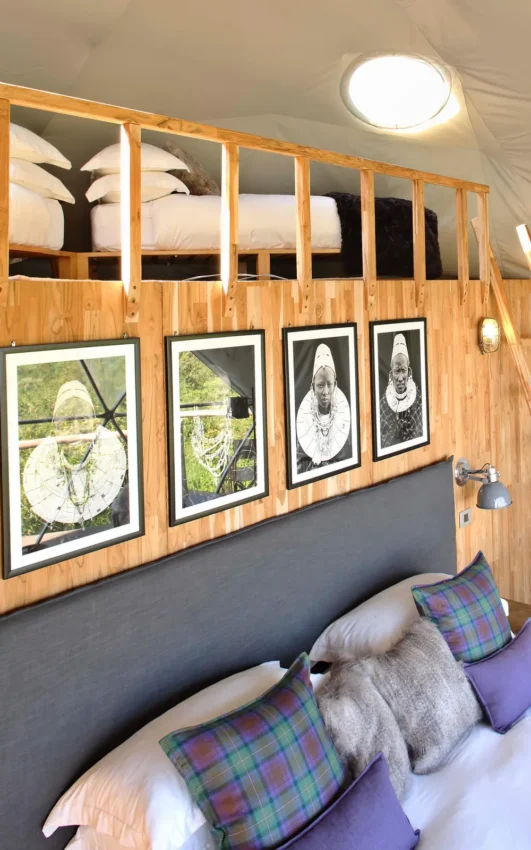
Glamping tent bedroom with loft bed and wood interior, The Highlands, Ngorongoro Crater, Tanzania 01

accommodation

Eight Canvas-and-Glass Geodesic Domes

Eight canvas-and-glass geodesic domes: three standard suites, three with mezzanine levels, one interconnected family suite and one honeymoon suite with a private outdoor hot tub. Each has an en-suite bathroom with hot running water and curved floor-to-ceiling bay windows facing the highland forest.

Lion resting in grassland with safari vehicle approaching, The Highlands, Ngorongoro Crater, Tanzania 02

activities

Crater Floor Drives and Olmoti Descents

Full-day game drives on the crater floor at Ngorongoro, guided walks on Maasai cattle trails straight from camp, a hike into Olmoti, and a descent to Empakaai's soda lake with a conservation area ranger. Visits to local Maasai villages fill the days between. Crater hikes like these are hard to arrange from most rim lodges.

Three people hiking through grassland with mountain views, The Highlands, Ngorongoro Crater, Tanzania 03

conservation

Twende Porini Brings Children to Conservation Education

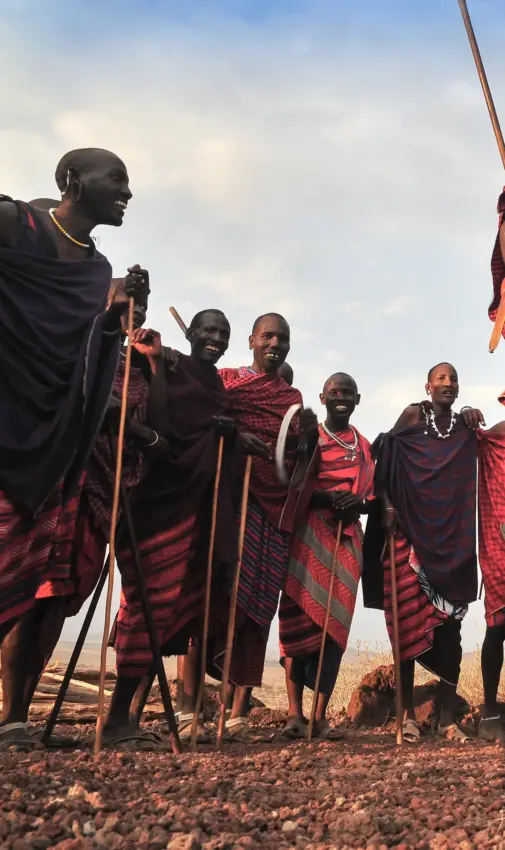
Community and wildlife projects run under the camp's giving programme, among them Twende Porini ('let's go to the bush'), which brings local children into camps for conservation education. Support for area schools runs alongside. Staff come from local Maasai communities, and guests contribute through a conservation charge.

ready to get started?

Get in touch and let’s start the conversation. An initial consultation helps us understand what you’re looking for, whether that’s specific experiences, luxury touches, or marking a special occasion, and from there we’ll guide you through what’s possible so you can decide if we’re the right fit.

Alternative accommodation in ngorongoro crater

Crater-rim lodges and tented camps sit directly above the floor, built for panoramic views and the early descent that defines a good crater day. A short distance away in the highlands and around Karatu, lodges set on coffee estates and farms offer a quieter, more rural setting with farm-to-table kitchens. Styles run from architecturally distinctive luxury lodges to rustic-chic highland houses.

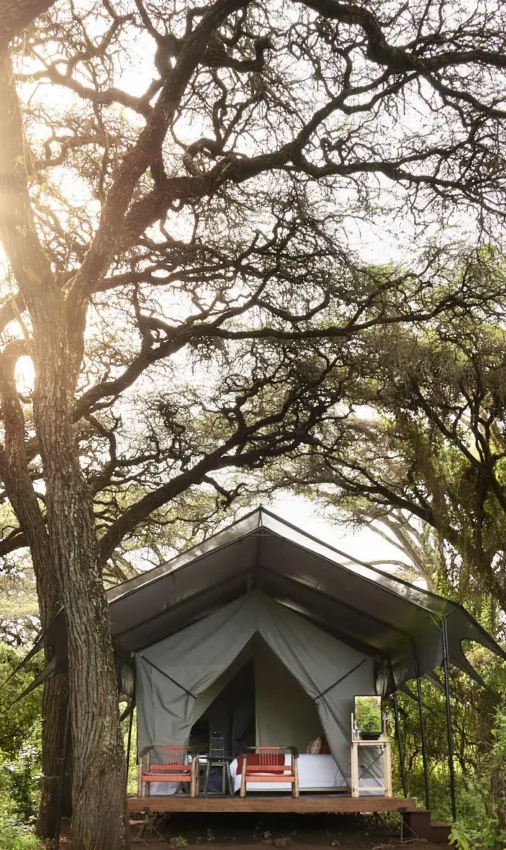
Luxury safari tent nestled among tall acacia trees, Sanctuary Crater Camp, Ngorongoro Crater, Tanzania 01

Sanctuary Crater Camp

Ngorongoro Crater

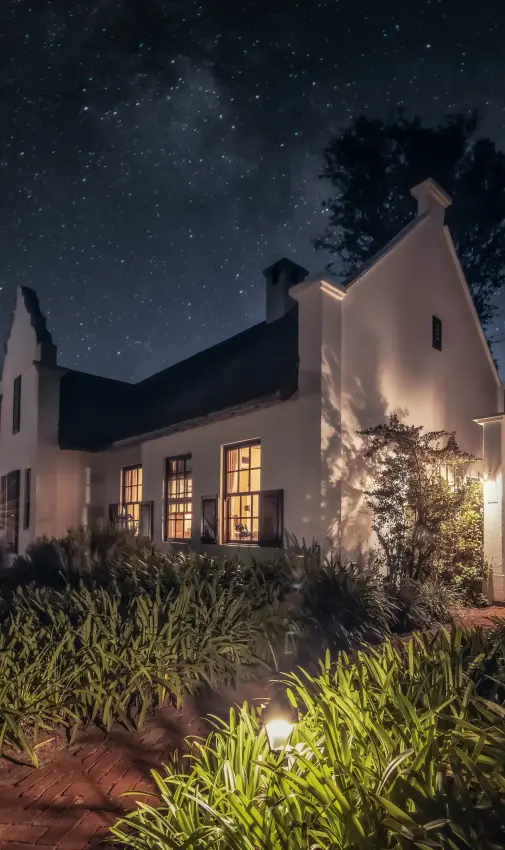
Illuminated white farmhouse under starry night sky with manicured gardens, The Manor at Ngorongoro, Ngorongoro Crater, Tanzania 02

The Manor at Ngorongoro

Ngorongoro Crater

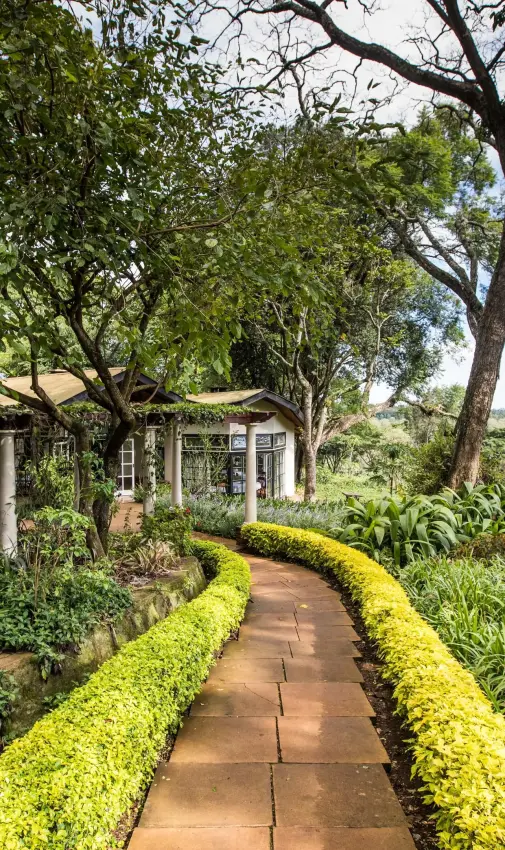
Manicured garden pathway leading to colonial-style lodge building 03

Gibb’s Farm

Ngorongoro Crater

Illuminated canvas tent beneath acacia trees at dusk, Lemala Ngorongoro, Ngorongoro Crater, Tanzania 04

Lemala Ngorongoro

Ngorongoro Crater

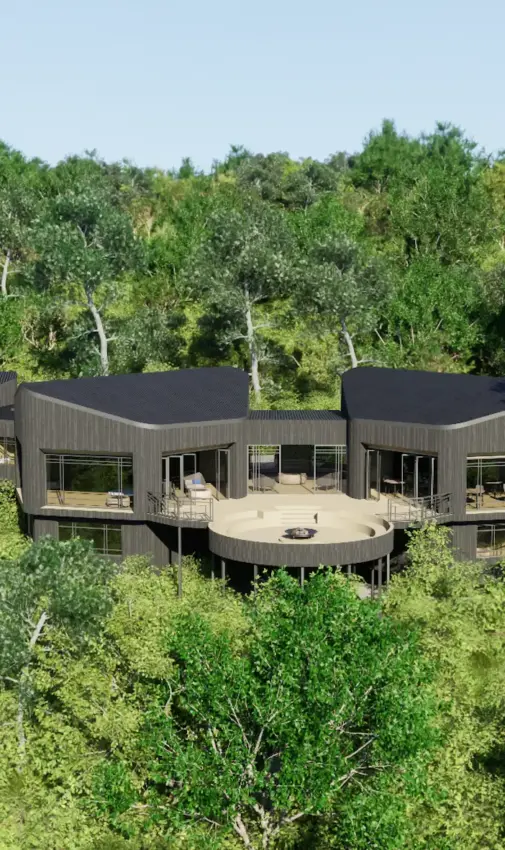
Contemporary lodge with curved architecture nestled in dense woodland canopy, Osonjoi Lodge, Ngorongoro Crater, Tanzania 05

Osonjoi Lodge

Ngorongoro Crater

Safari lodge tent with acacia trees and mountain backdrop 06

Entamanu Camp

Ngorongoro Crater

Unique crater lodge nestled among green forested hills, Ngorongoro Crater Lodge, Ngorongoro Crater, Tanzania 07

Ngorongoro Crater Lodge

Ngorongoro Crater

Antelope standing on deck in front of modern lodge building, Laba Ngorongoro Lodge, Ngorongoro Crater, Tanzania 08

Laba Ngorongoro Lodge

Ngorongoro Crater

Luxury lodge with guest on wooden deck overlooking acacia trees and valley, Entamanu Private, Ngorongoro Crater, Tanzania 09

Entamanu Private

Ngorongoro Crater

Canvas safari tent nestled among tall acacia trees, Mysigio Camp, Ngorongoro Crater, Tanzania 10

Mysigio Camp

Ngorongoro Crater

Aerial view of lodge nestled among dense green tree canopy at dusk, Lion’s Paw, Ngorongoro Crater, Tanzania 11

Lion’s Paw

Ngorongoro Crater

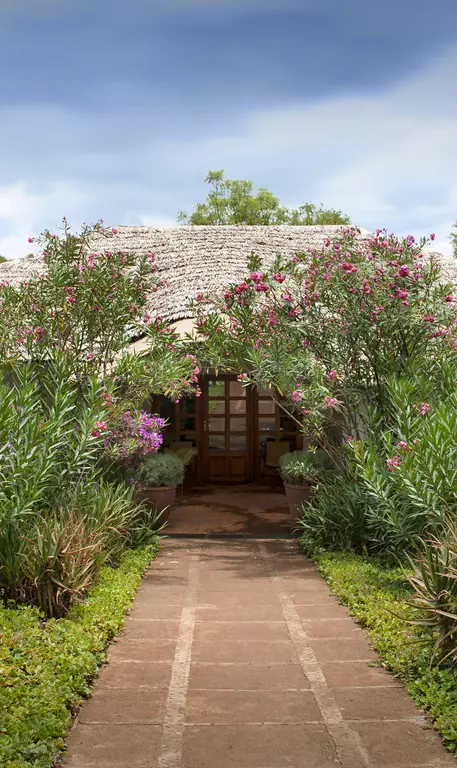
Thatched-roof lodge surrounded by indigenous gardens and woodland vegetation, The Retreat at Ngorongoro, Ngorongoro Crater, Tanzania 12

The Retreat at Ngorongoro

Ngorongoro Crater

Thatched roof building with flowering plants and manicured gardens, Plantation Lodge, Ngorongoro Crater, Tanzania 13

Plantation Lodge

Ngorongoro Crater

frequently asked questions

You fly into Kilimanjaro International Airport on your international flight, then reach the highlands by road on the northern circuit or by a light aircraft hop to the Lake Manyara airstrip and a drive up to the crater rim.

The camp lies high on the slopes of the Olmoti volcano, roughly forty-five minutes to an hour from the crater entrance, further out than most rim lodges. We build the flights and transfers in so the day joins up cleanly.

Seats are shared and the exact departure is fixed the day before, once the airline sets its routing, so the final timings firm up close to the day.

If you would rather fly to your own schedule, we can arrange a private charter, typically a Cessna Caravan or Pilatus PC-12, timed to your arrival into Kilimanjaro. Luggage is soft bags only, with a weight limit of around 15 to 20kg depending on the airline, which we confirm with you before you pack.

The risk here is low. At around 2,700 metres The Highlands is the highest camp in the Conservation Area and above roughly 1,800 metres the cold nights leave little for mosquitoes, so current UK guidance from TravelHealthPro treats the high ground as effectively free of malaria.

The crater floor you drop into each day sits close to that line, and almost every Tanzania trip also takes in lower parks that do carry a risk, so we plan for malaria across the journey as a whole rather than the rim alone.

We do not make medical recommendations, and we would not want to. We arrange travel; we are not doctors. Which tablets suit you, how they sit with anything else you take, and what is right for a child are questions for your own doctor or a travel clinic.

On the practical part, dusk is the hour that matters, so long sleeves, long trousers and repellent are worth the packing space.

This is the highest camp in the Conservation Area at around 2,700 metres, so the nights are cold and crisp, even with a wood-burning stove in each dome.

Pack warm layers for early drives and hikes: a fleece or down jacket, a warm hat and light gloves, and a windproof layer. The high-altitude sun is bright by day, so bring sunglasses and sunscreen.

Visit in the dry season from June to October, when thinning grass and shrinking water draw the crater's lion, elephant, buffalo and black rhino into clear view, reached on full-day drives down to the floor. July and August are most reliable but busiest; the shoulder months are quieter. Late January and February add the calving on the plains nearby, and the nights are cold all year.

What sets The Highlands apart is what happens away from the crater. Because the camp sits well back from the rim, it can offer walking and hiking that vehicle-bound lodges cannot: guided walks on old Maasai cattle trails straight from camp, and hikes into the Olmoti and Empakaai craters. If walking in the highlands appeals as much as the crater itself, this is the camp for it.
Month by month: the best time to visit Ngorongoro Crater

Yes. One of the eight domes is an interconnected family suite, and the walking, crater hikes and Maasai visits give children more to do than drives alone.

It is high, cold country, so tell us the children's ages and we will confirm the suite and whether the altitude and hiking suit them.

The northern highlands have reasonable coverage compared with Tanzania's remote parks. Expect wifi in the main areas of camp, which can be slow, and some mobile signal on the rim, though it drops away down on the crater floor.

It suits messages and email more than calls or streaming. Tell us if you need to stay reliably reachable and we will confirm the current setup before you travel.

rated five stars by our clients

other areas in tanzania

The Serengeti is the natural pairing, its open plains and the full sweep of the Great Migration a contrast to the enclosed caldera. Tarangire, further south, draws large elephant herds among baobabs in the dry months. Lake Manyara, at the base of the Rift escarpment, adds groundwater forest, flamingos and tree-climbing lions on the approach route. The Ngorongoro highlands reward those wanting walking over driving. For a bush-and-beach finish, Zanzibar lies a short flight east.

African wild dog standing alert in grassland 01

Ruaha National Park

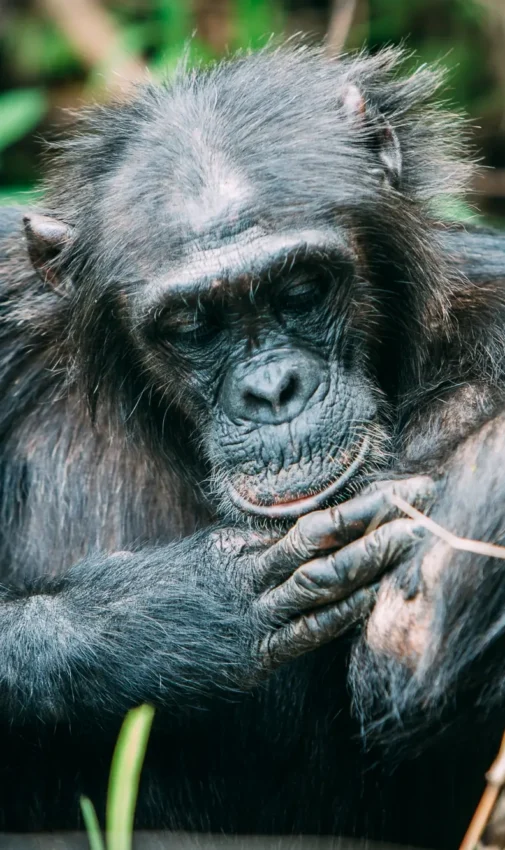
Chimpanzee holding branch while foraging in forest, Mahale Mountains, Tanzania 02

Mahale Mountains

Guests relax in chairs by river with child wading, Lake Manyara, Tanzania 03

Lake Manyara

Silhouetted herd of wildebeest in dusty savanna landscape 04

Serengeti National Park

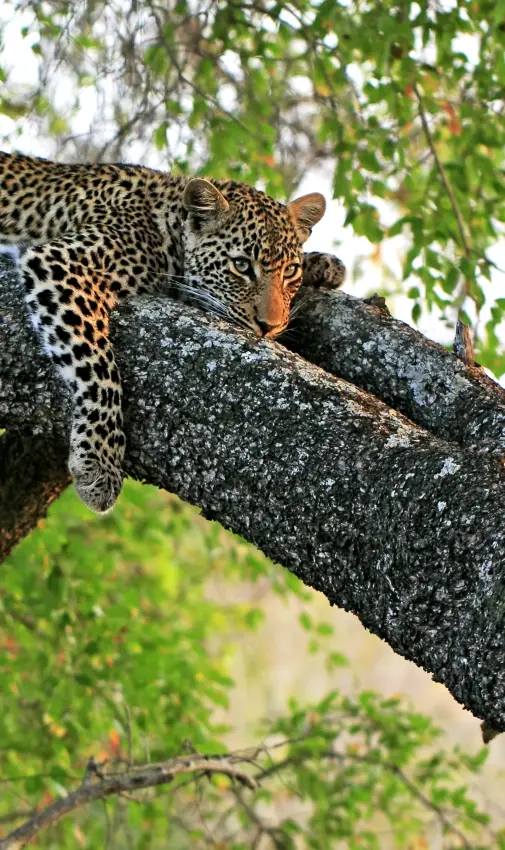
Leopard resting on tree branch surrounded by green foliage 05

Tarangire National Park

Hippopotamuses in water with heads above surface 06

Katavi National Park

Turquoise water beach with boats and tropical vegetation 07

Zanzibar & Pemba

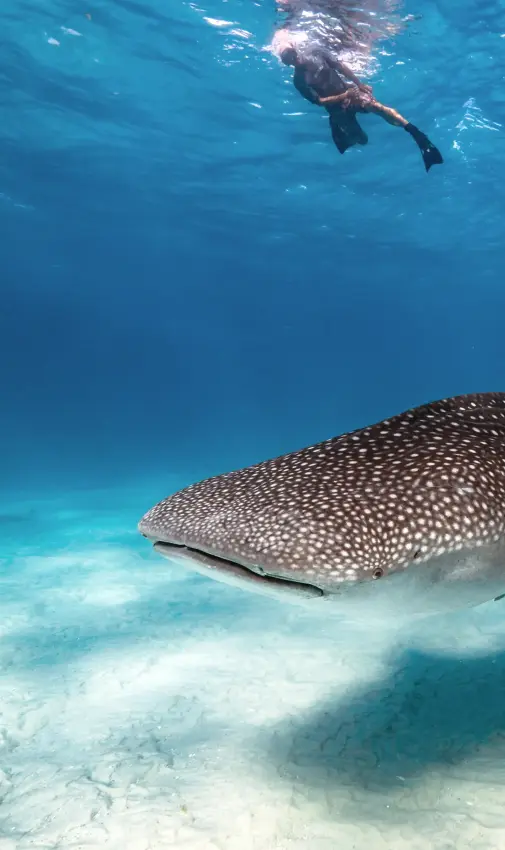
Snorkeler swimming alongside whale shark in shallow turquoise water, Mafia Archipelago, Tanzania 08

Mafia Archipelago

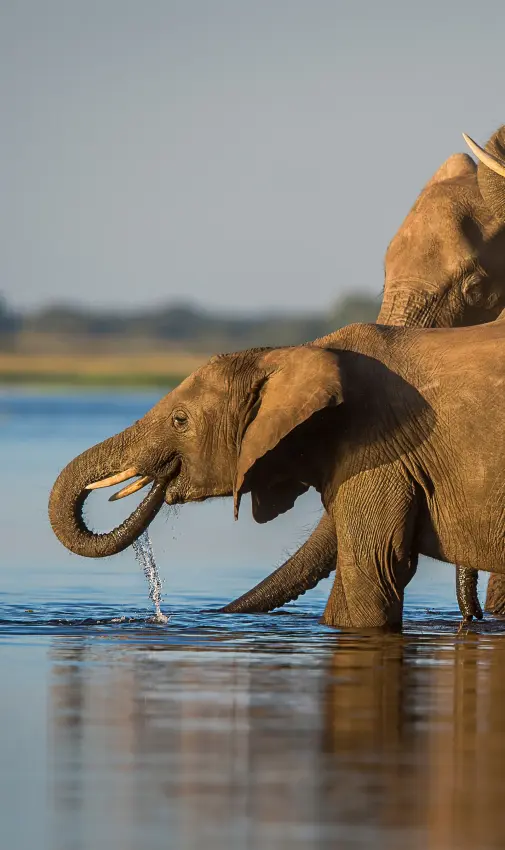
elephants drinking water at riverbank during daytime 09

Nyerere National Park

Chimpanzee among vegetation looking toward camera, Rubondo Island, Tanzania 10

Rubondo Island

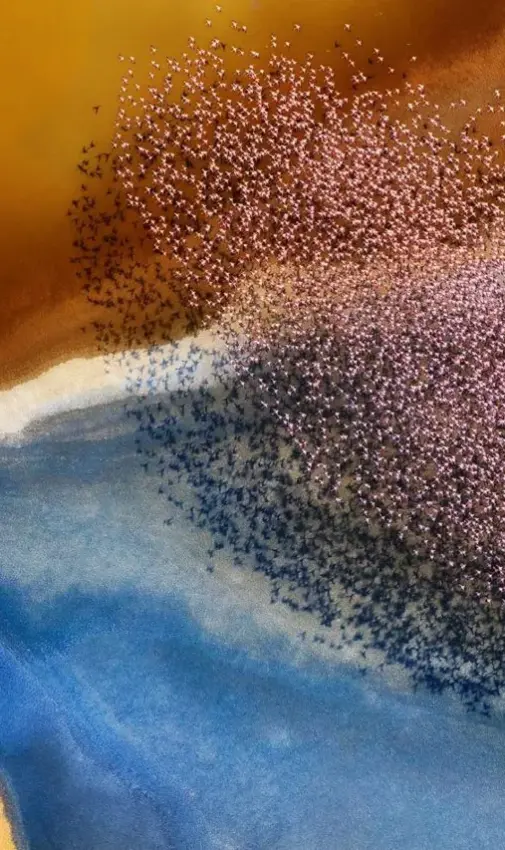
Aerial view of colorful salt lakes and mineral deposits 11

Lake Natron

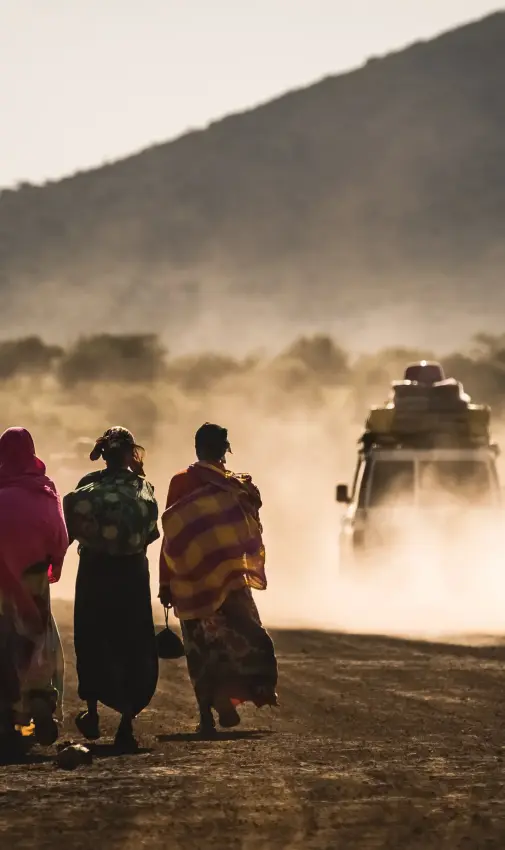
Local people walking on dusty road with vehicle approaching 12

Arusha

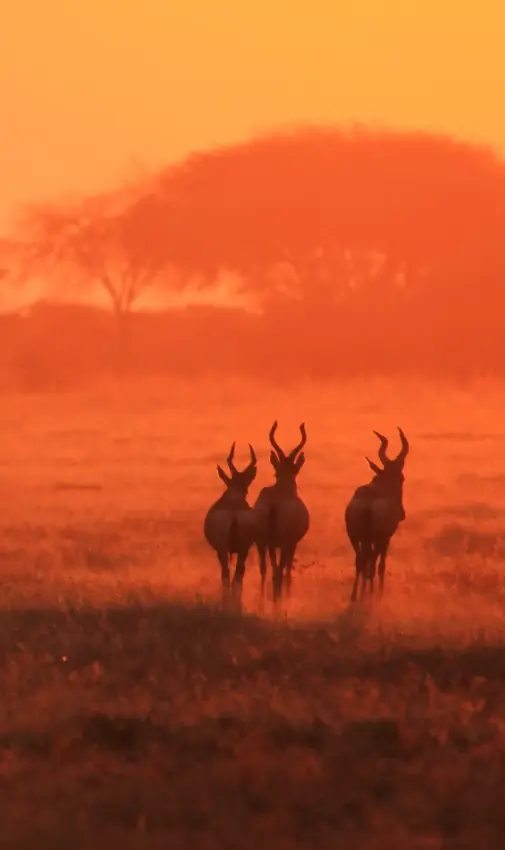
Herd of antelope silhouetted against orange sunrise 13

Ugalla River National Park

West Kilimanjaro, Tanzania 14

West Kilimanjaro

Planning a journey together

our approach

remote, exclusive
& personal

Every journey starts with a conversation. We take the time to understand your vision before we start planning.

Whether by phone or in person, we work with you directly to shape something that is considered, personal, and expertly delivered.

get in touch
destinations ideas & inspiration our process about us contact us