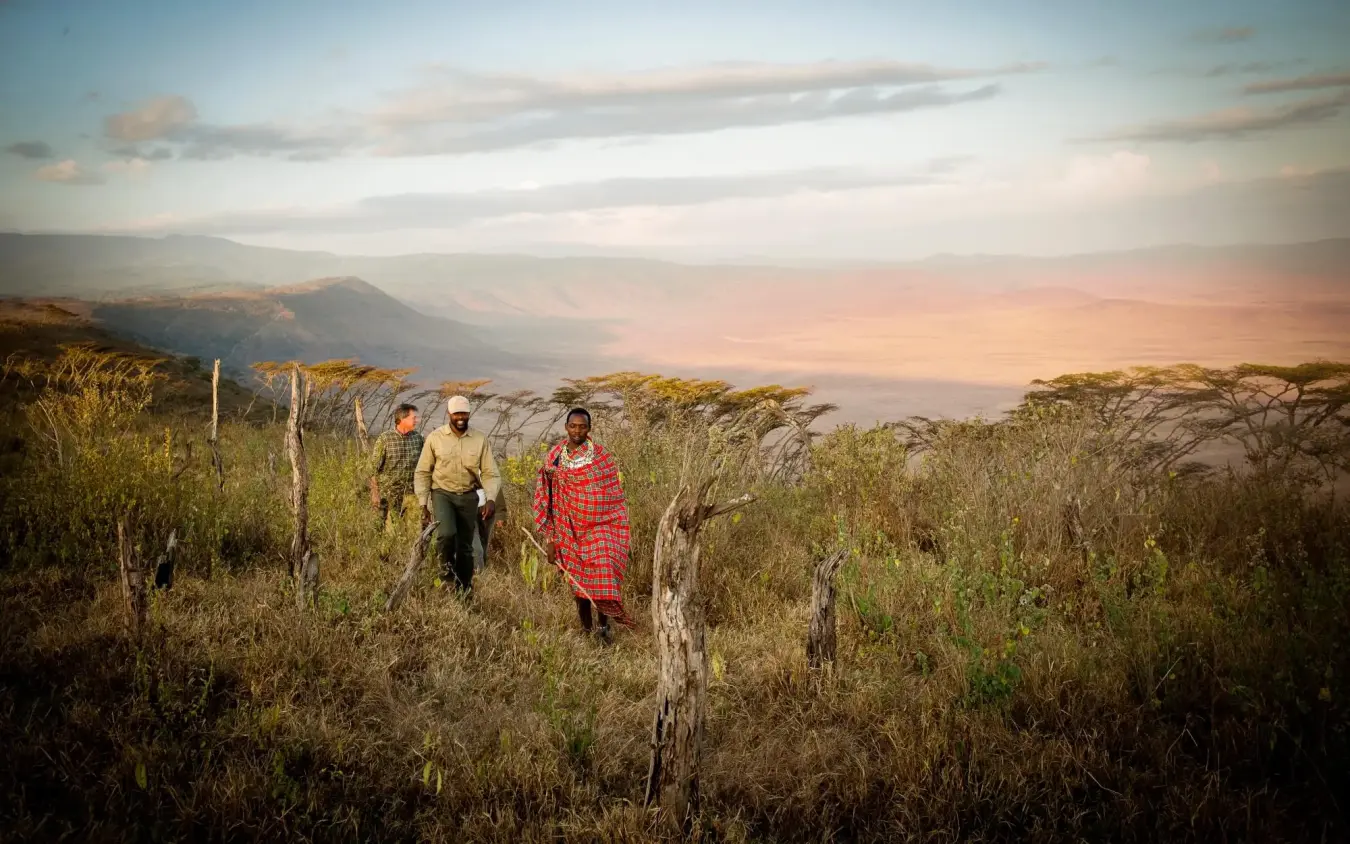
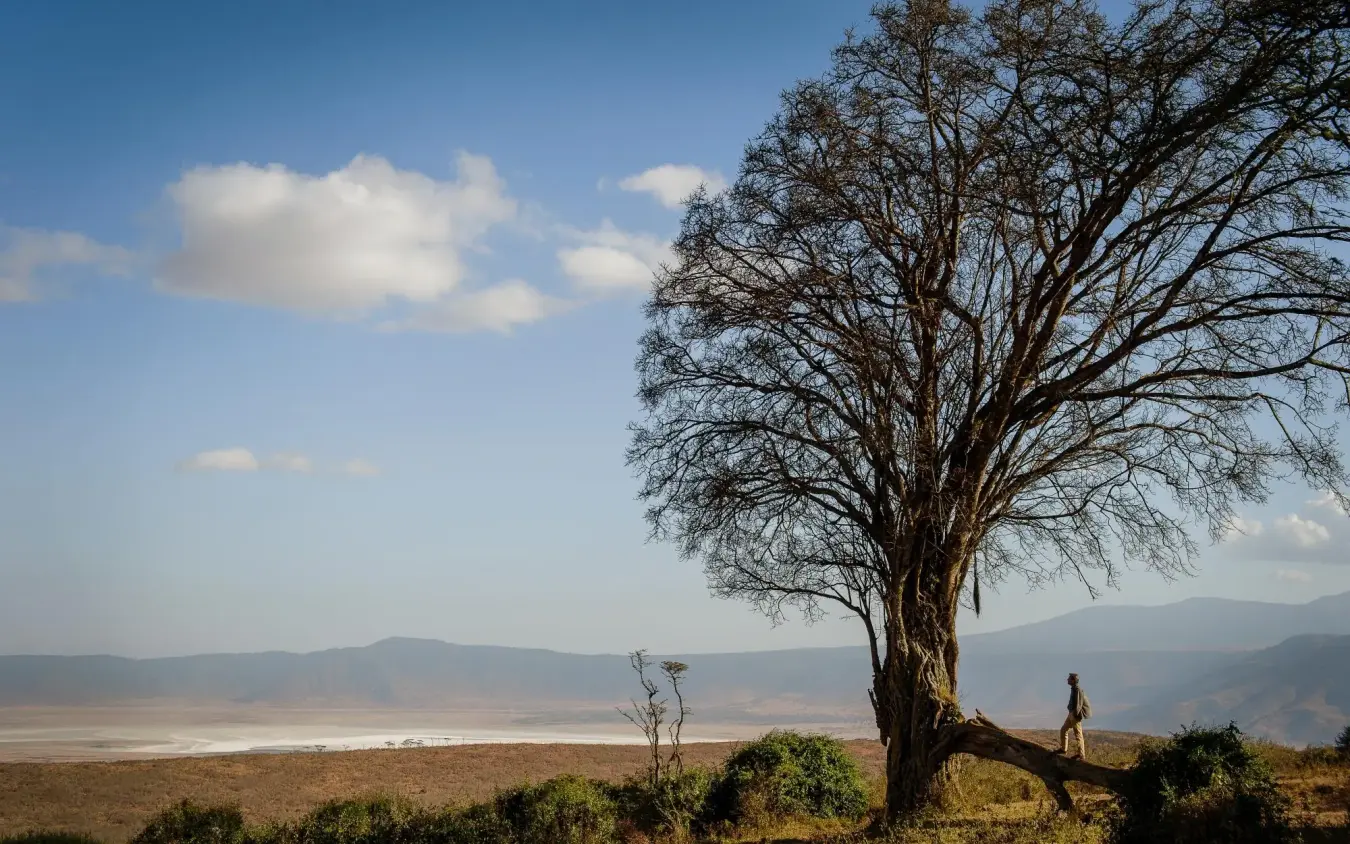
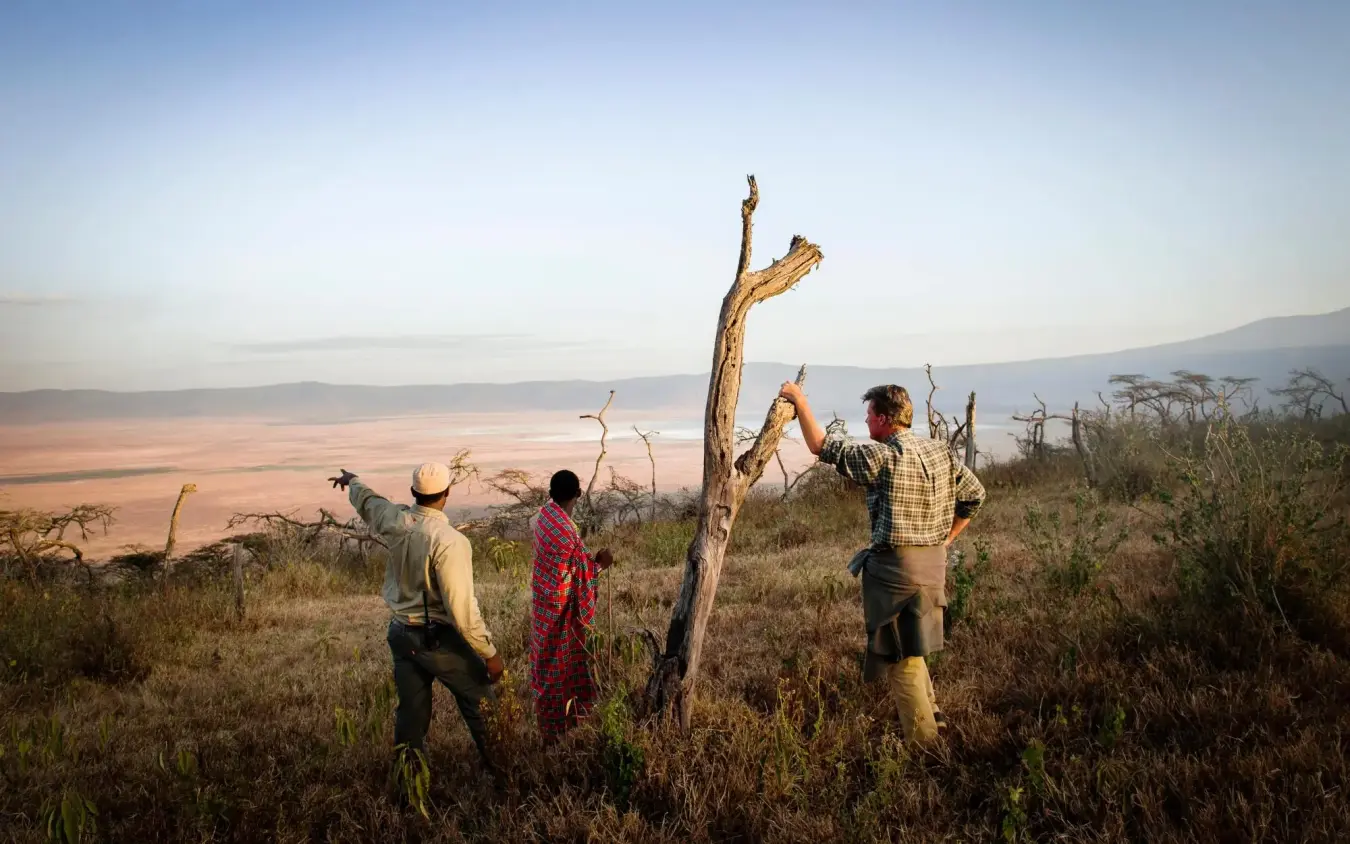
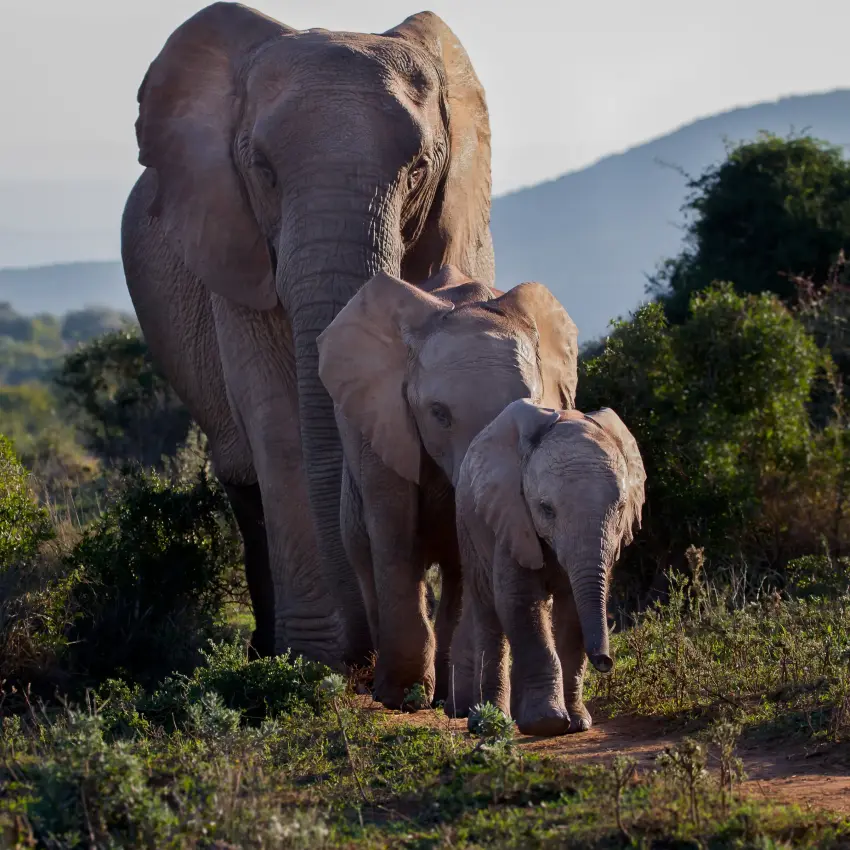
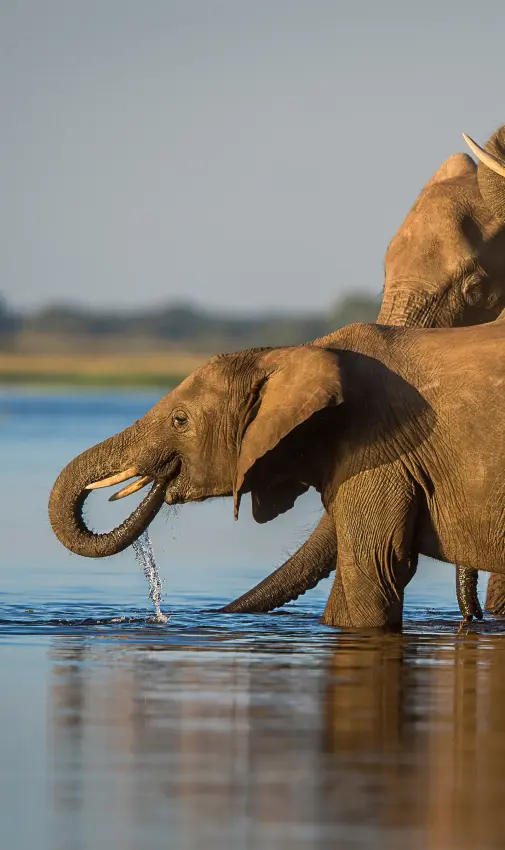
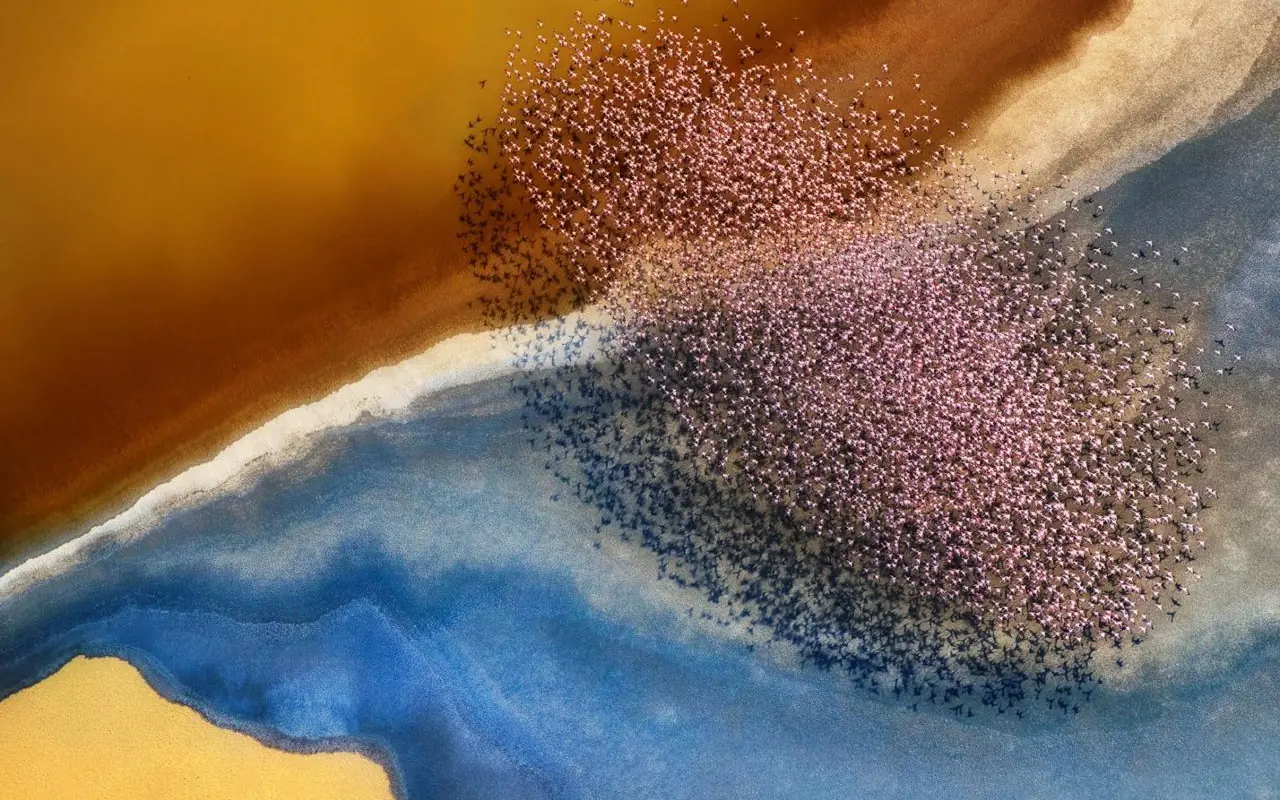
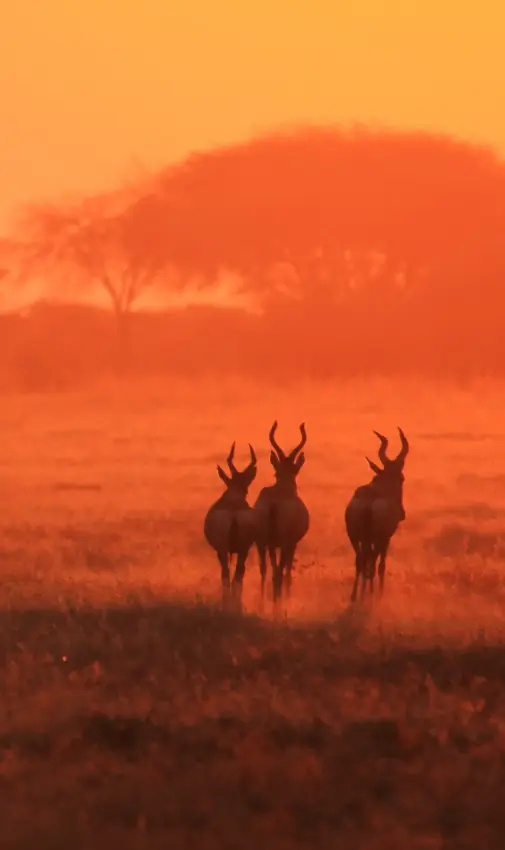
Lion, spotted hyena, elephant, buffalo and black rhino share the Ngorongoro Crater floor with great numbers of zebra, wildebeest and gazelle, and in the wetter months flamingoes gather on the soda lake. From the rim, all this movement is visible far below. A pair of binoculars will bring the slow, shifting pattern across the caldera into focus over morning coffee, a view few camps can offer before the day has even begun.
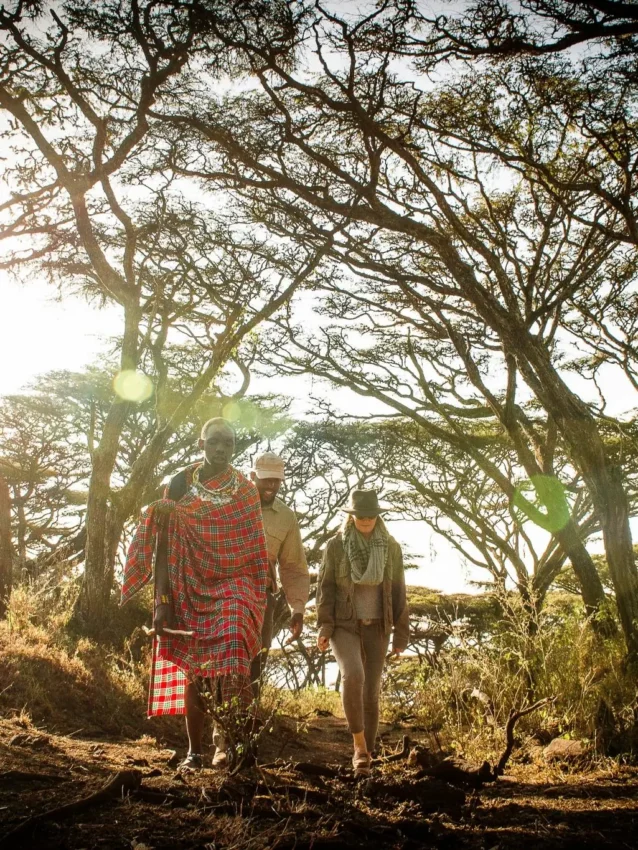
Full-day game drives form the core of a stay. Each runs in a private vehicle, with a guide and a packed lunch, so the descent can begin early via the nearby Seneto descent road. Conservation Area rules keep driving to the designated roads and walking to the rim and permitted highland zones, which means no night drives or off-road pursuits on the floor. What remains is a crater experience tucked away from the viewpoints where most vehicles gather.
Each runs in a private vehicle, with a guide and a packed lunch, so the descent can begin early
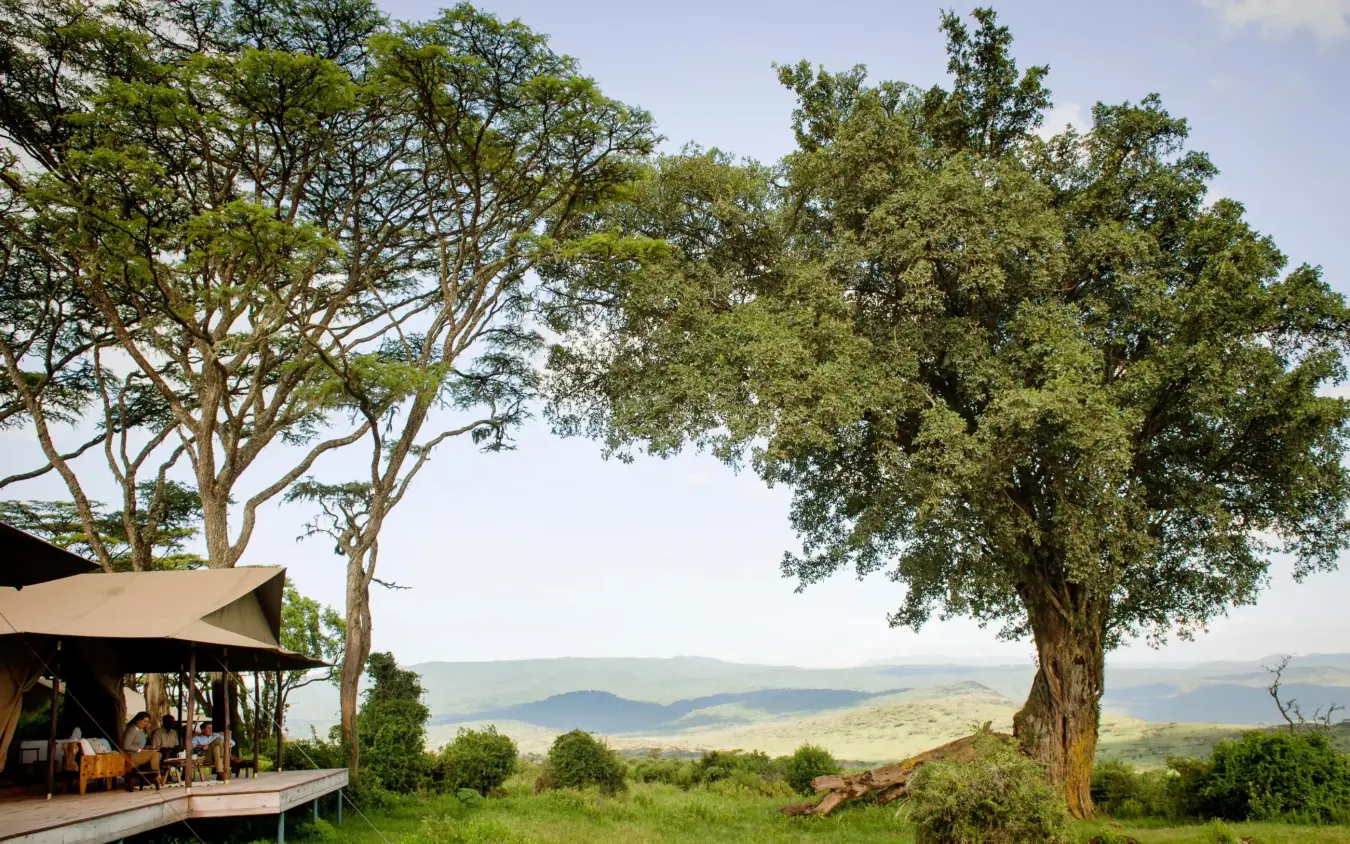
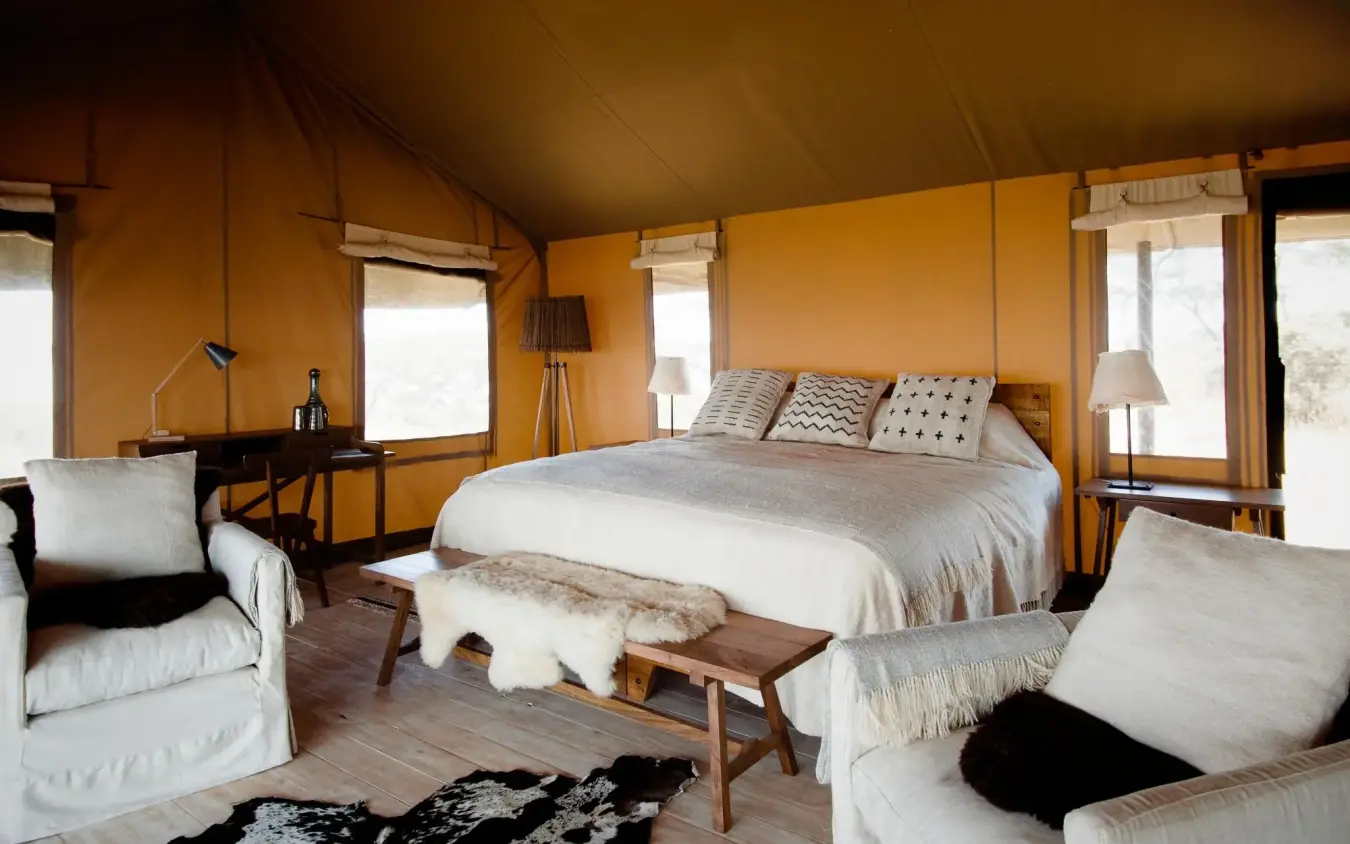
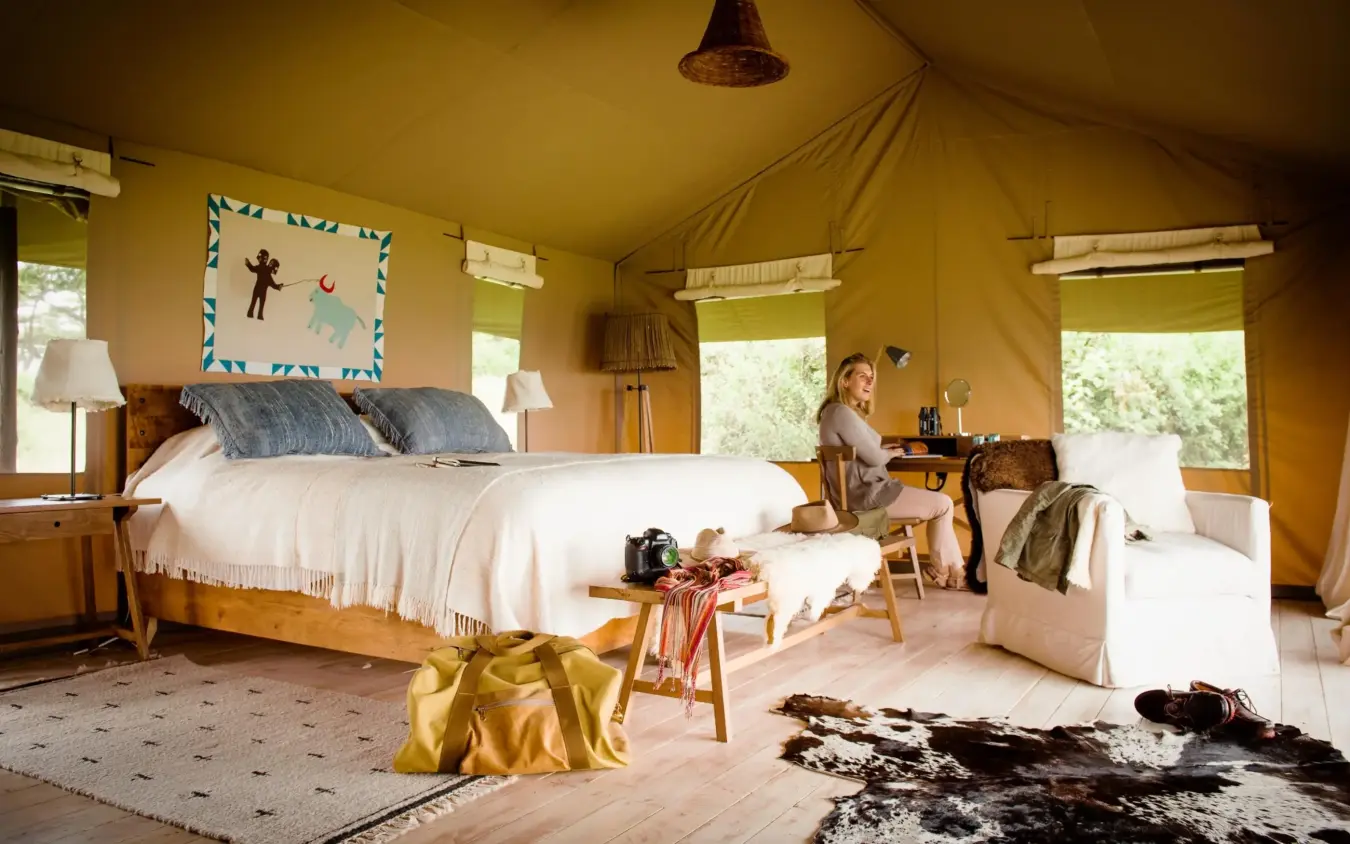
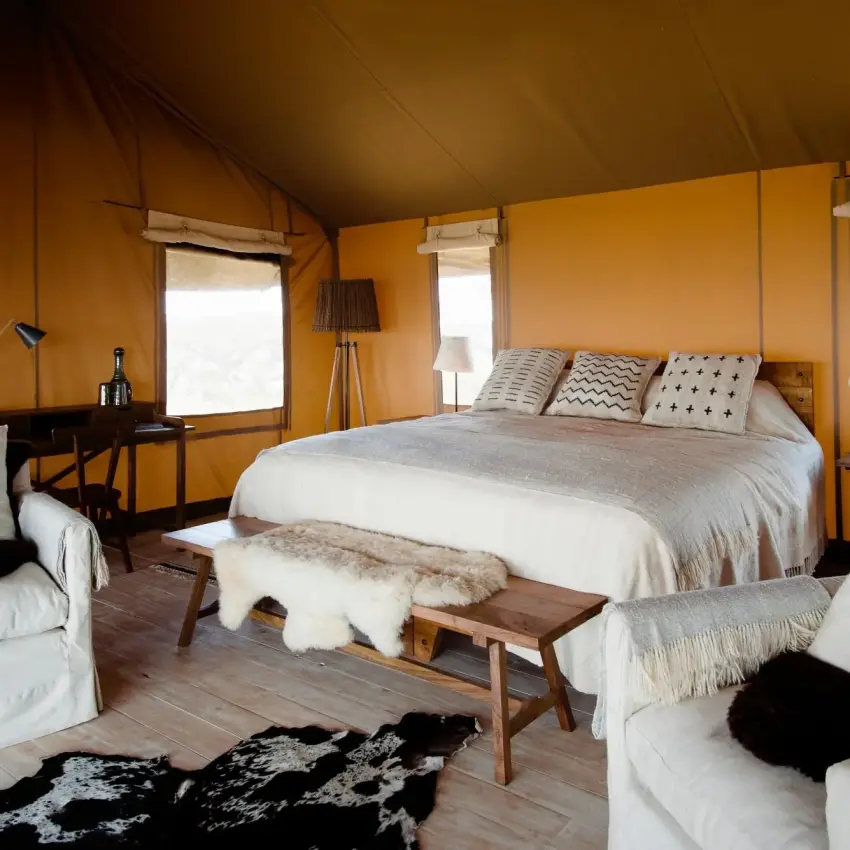
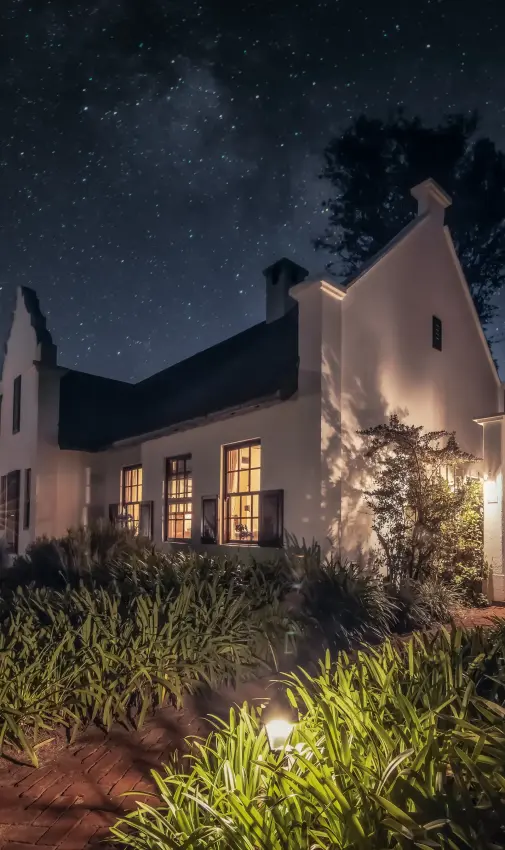
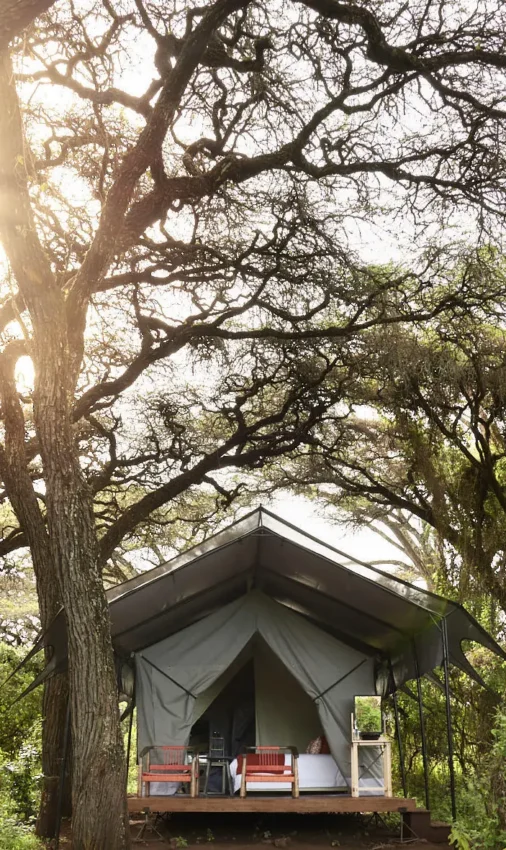
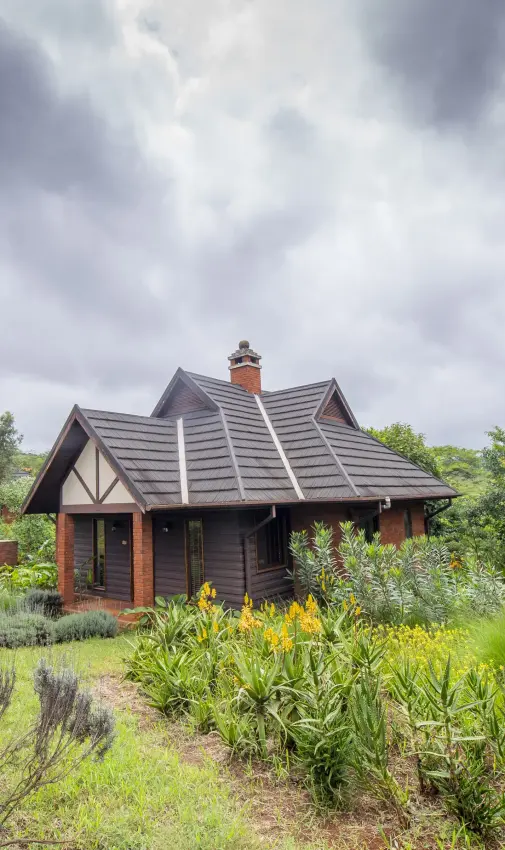
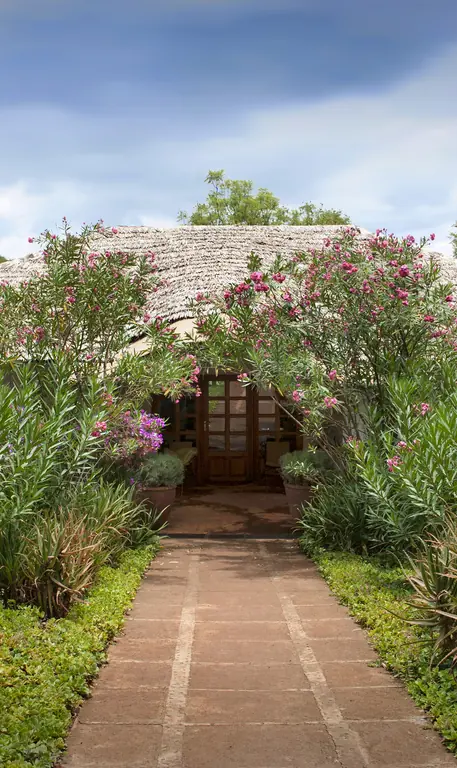
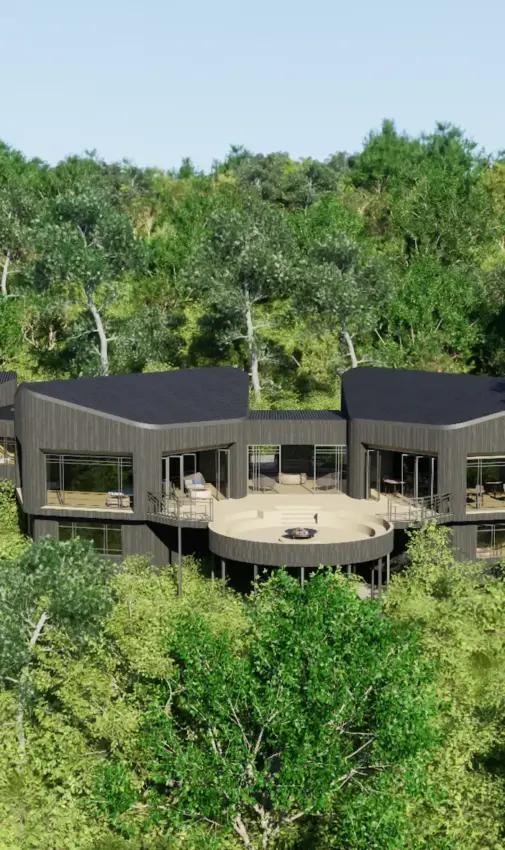
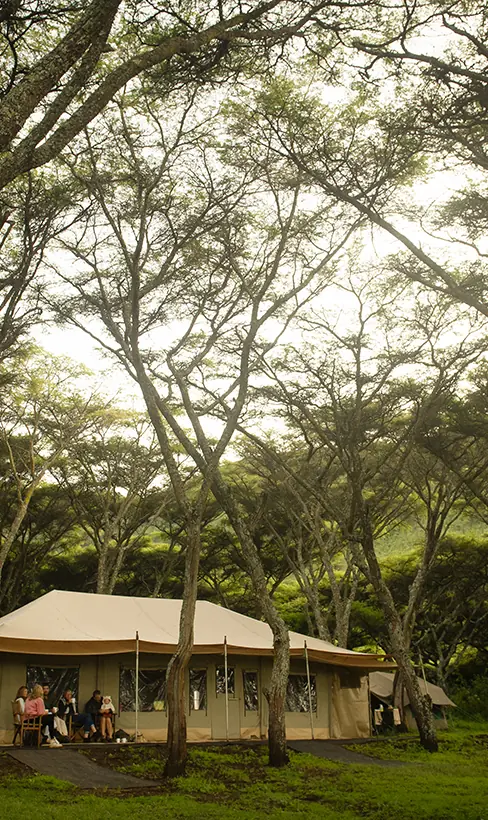
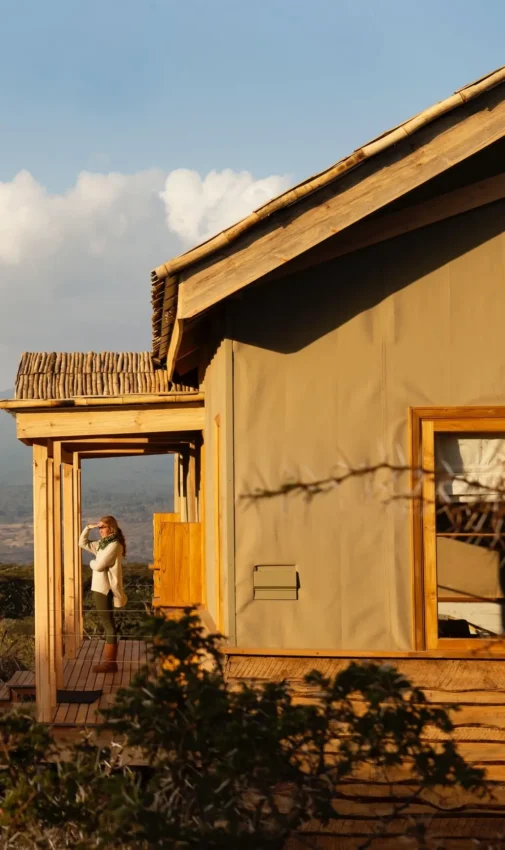
The people of Nomad Tanzania opened Entamanu on the rim in 2016, naming it for the Maasai word for circle, a nod to the crater’s ring-shaped edge. The whole camp is designed to be removable, taken apart to leave no lasting mark on the highland ground, its interiors the work of Tanzanian artisans working in sustainably sourced wood. Seven cottage-style tents stand on raised wooden platforms, among them family units of two bedrooms sharing a connecting bathroom, while a separate Entamanu Private suits families and small groups.
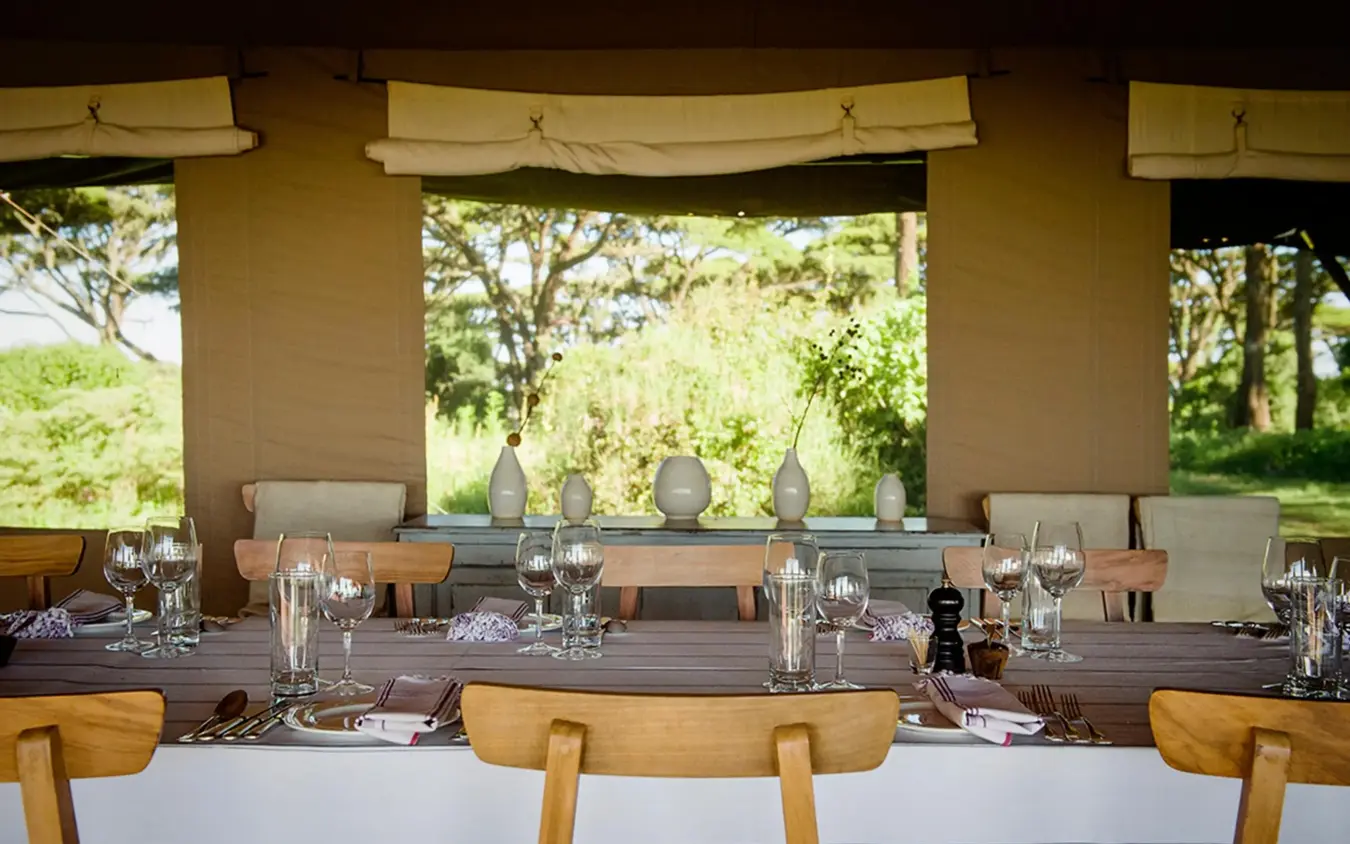
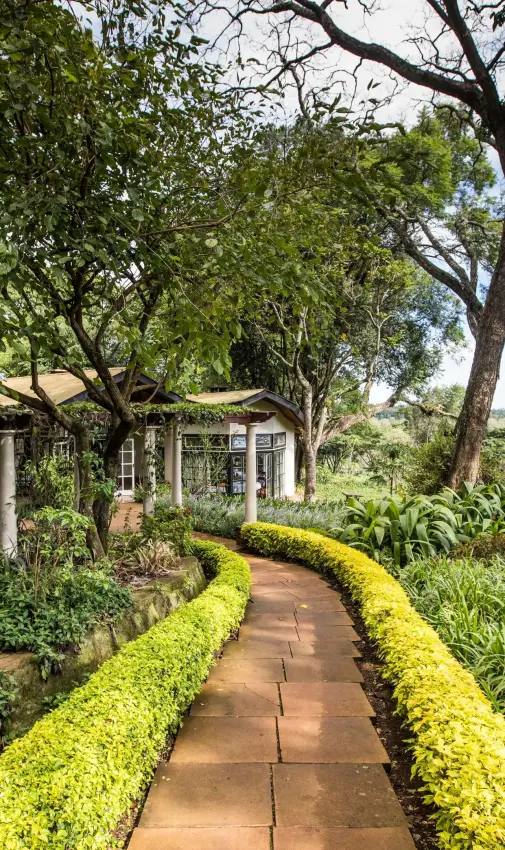
The camp draws its character from that meeting of exposed setting and sheltered warmth. Log fires burn in the lounge and dining area, gas heaters take the edge off the rooms, and hot-water bottles appear in the beds at night. Each tent opens onto a private veranda facing the crater and an en-suite bathroom with hot water, its interiors layered with wool, sheepskin and down. Meals are hearty and locally sourced, served at a communal table hosted by the guides and managers, with bush picnics on the crater floor and sundowners on the rim.