Camp

Mysigio Camp

Mysigio Camp is a small solar-powered tented camp in Tanzania’s Ngorongoro Highlands, built on a Maasai family partnership.

Country: Tanzania
Location: Ngorongoro Crater
Number of rooms: 10

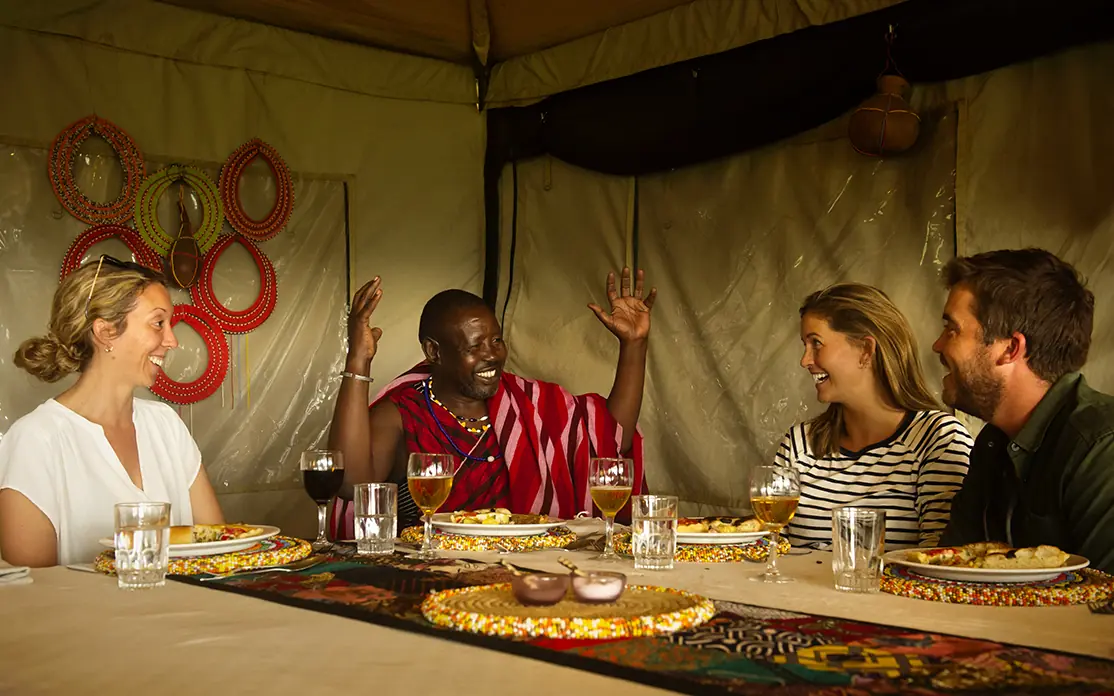
Dinner with Chief Ole Dorop

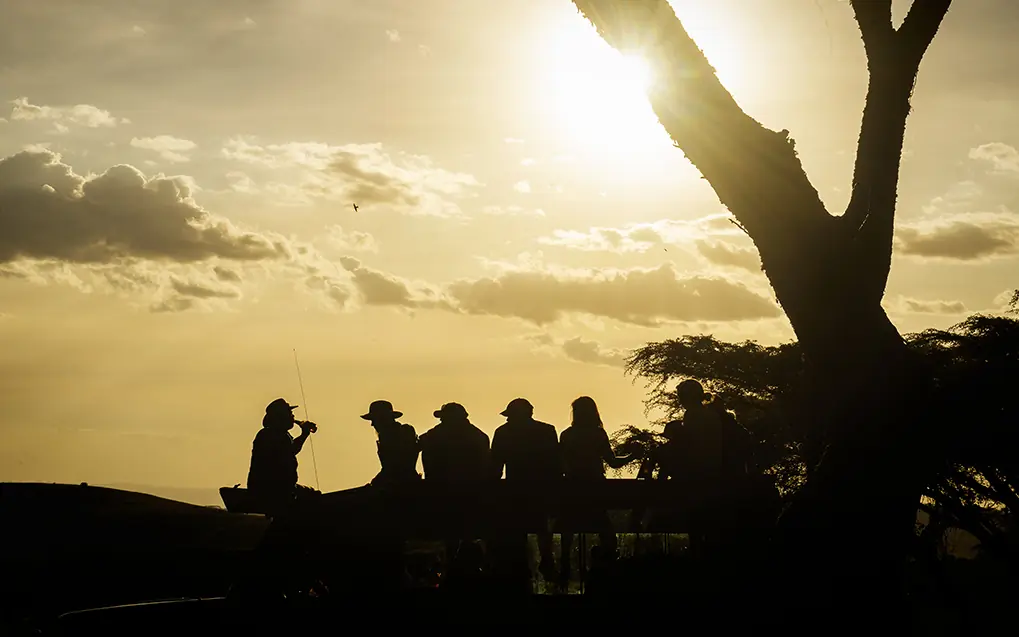
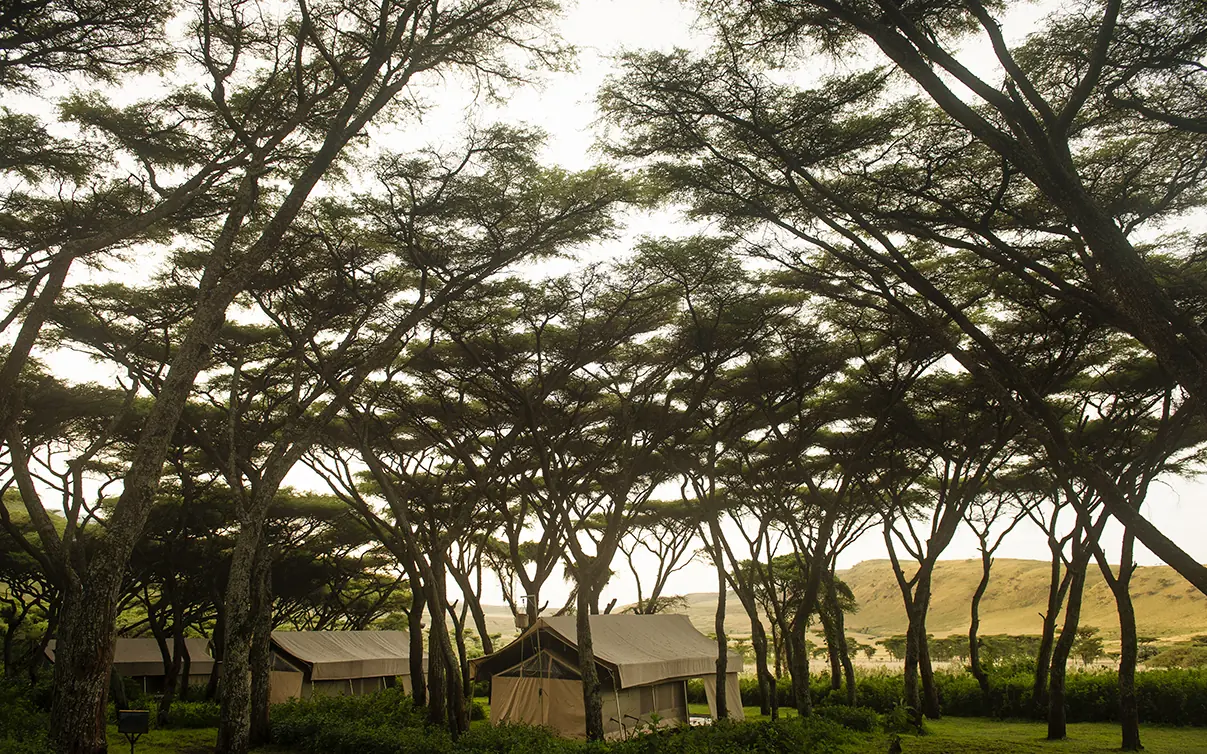
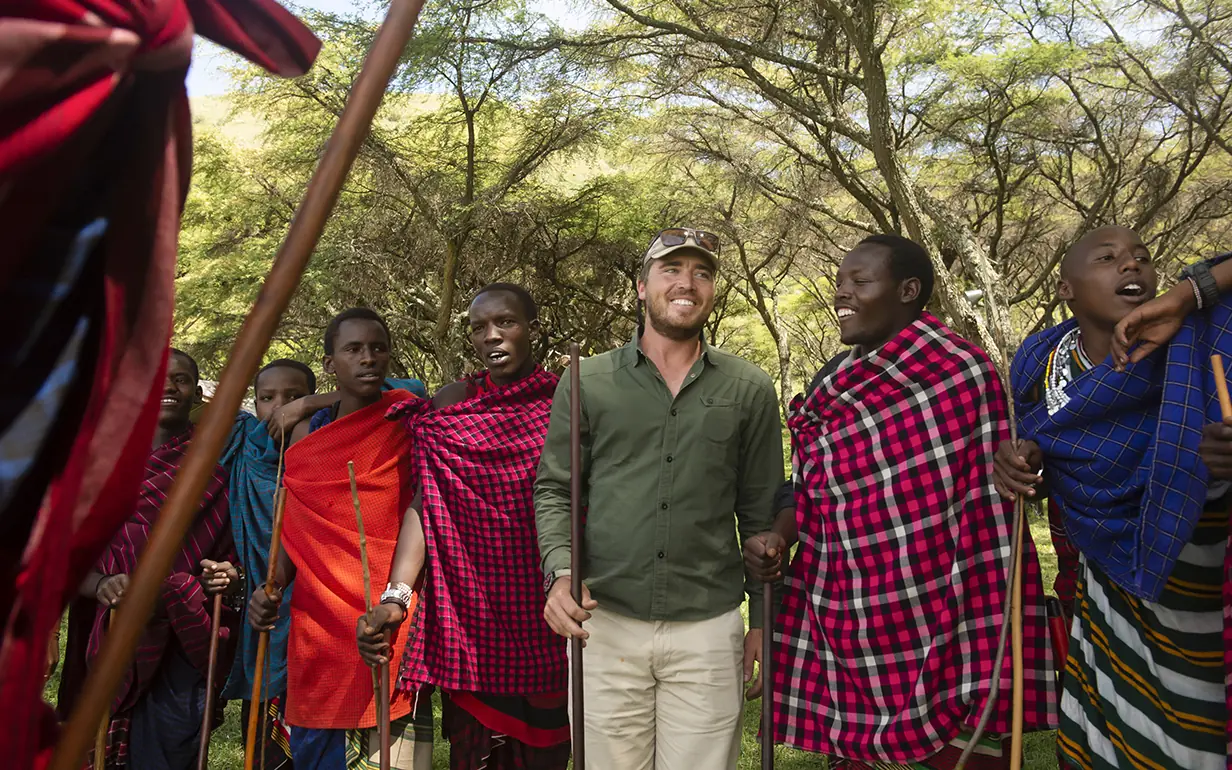
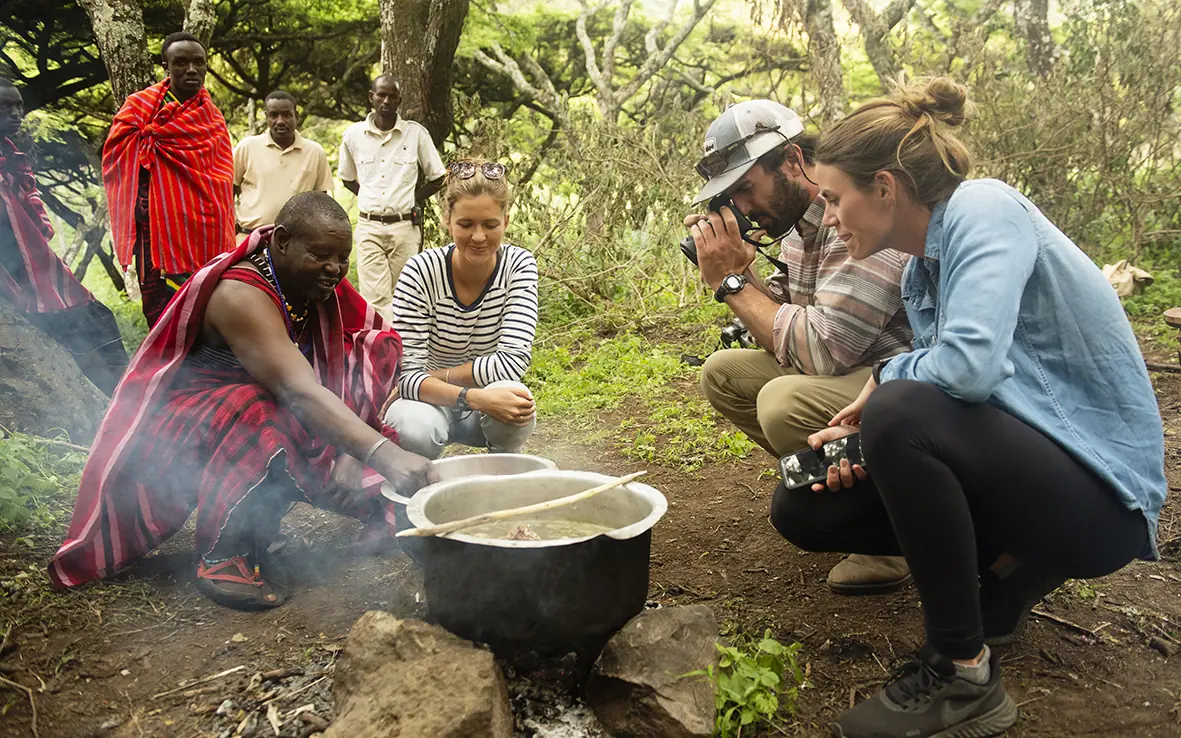
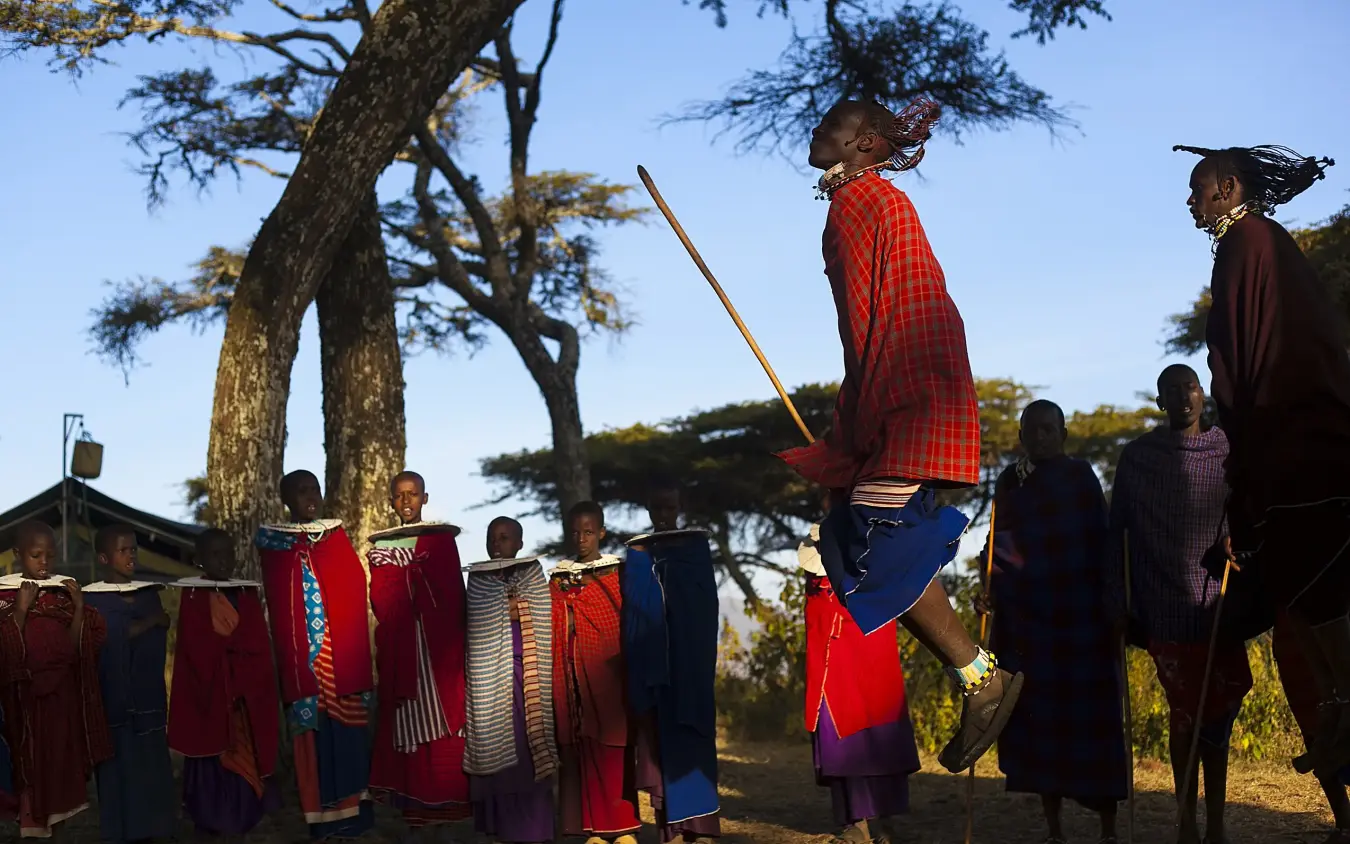
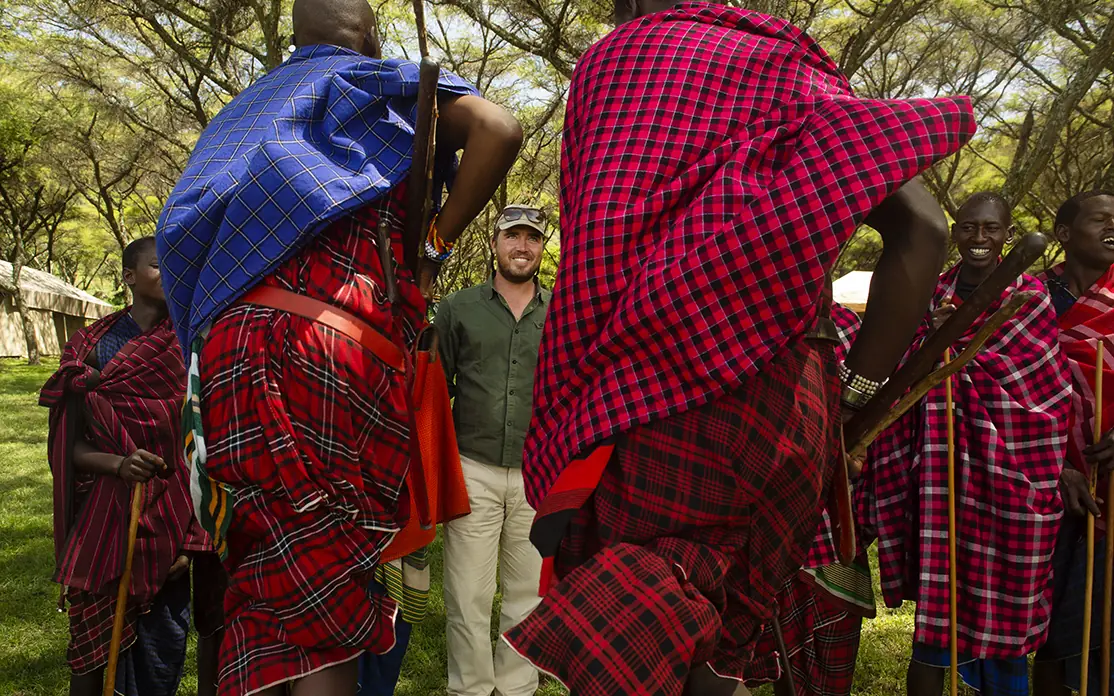
Off the Endulen Road in the Ngorongoro Highlands, Mysigio Camp sits in an acacia grove near Mysigio Village, roughly twenty minutes from the crater rim. Chief Ole Dorop and his Maasai family are central to what happens here. They join guests for dinner, walk the hills alongside them, and talk through the rhythms of pastoral life. It is a relationship that has grown over many years, not one staged for visitors.

Rolling green hills fall away to the south, and the quiet is real

The camp keeps the crater at arm’s length by design. The descent onto the crater floor happens early, before the rim lodges empty their vehicles, and the days end back among the trees rather than on the busier escarpment. Rolling green hills fall away to the south, and the quiet is real. Solar power runs the lights, and there are no generators to break the silence after dark.

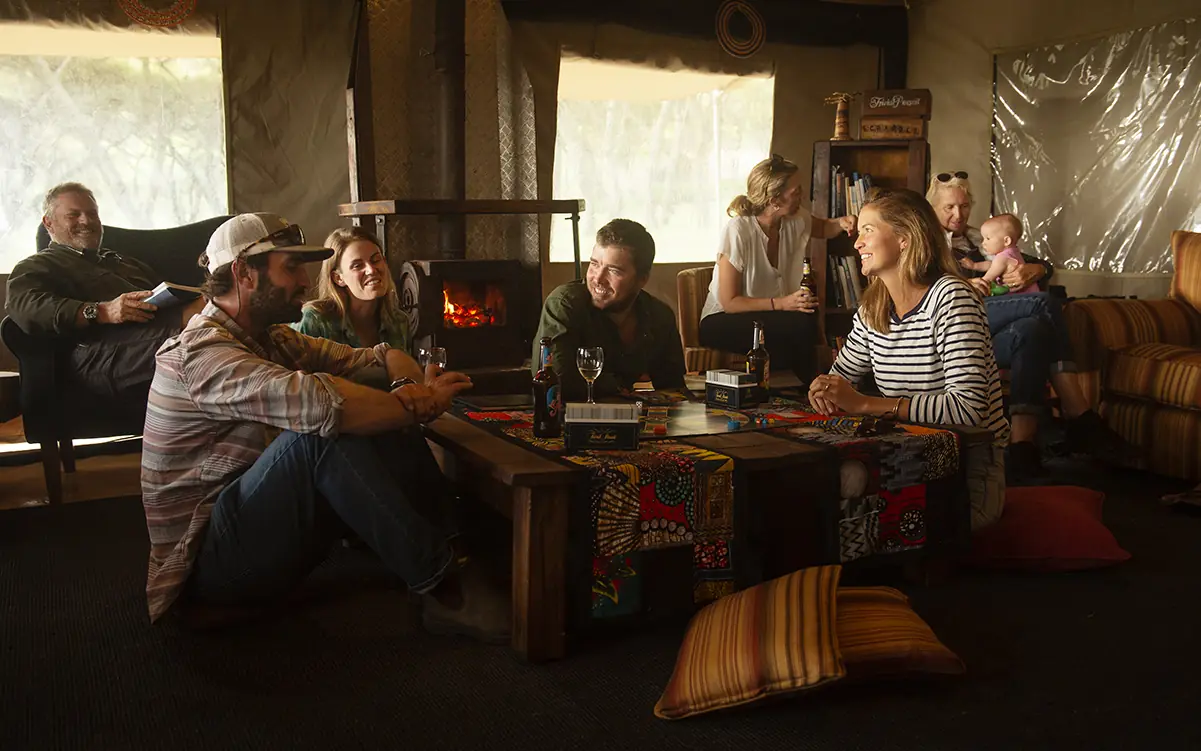
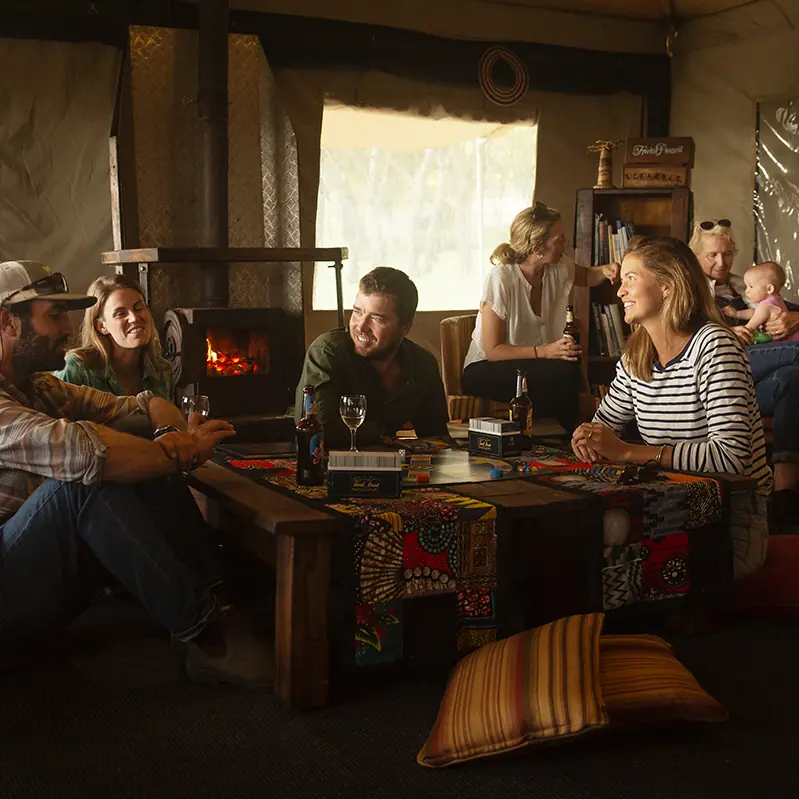
Guests gathered in lodge lounge around fireplace, Mysigio Camp, Ngorongoro Crater, Tanzania
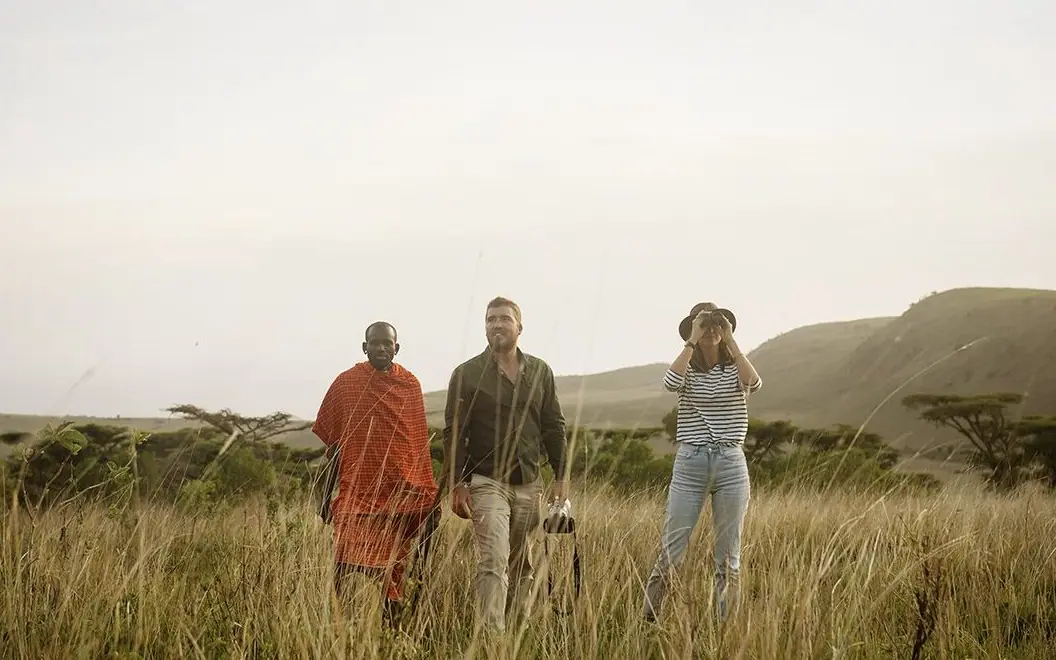
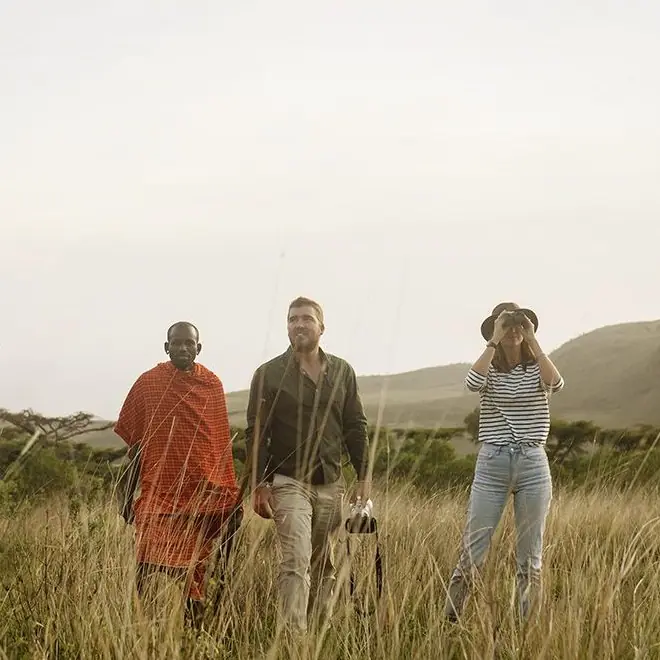
Three people walking through grassland with hills behind, Mysigio Camp, Ngorongoro Crater, Tanzania

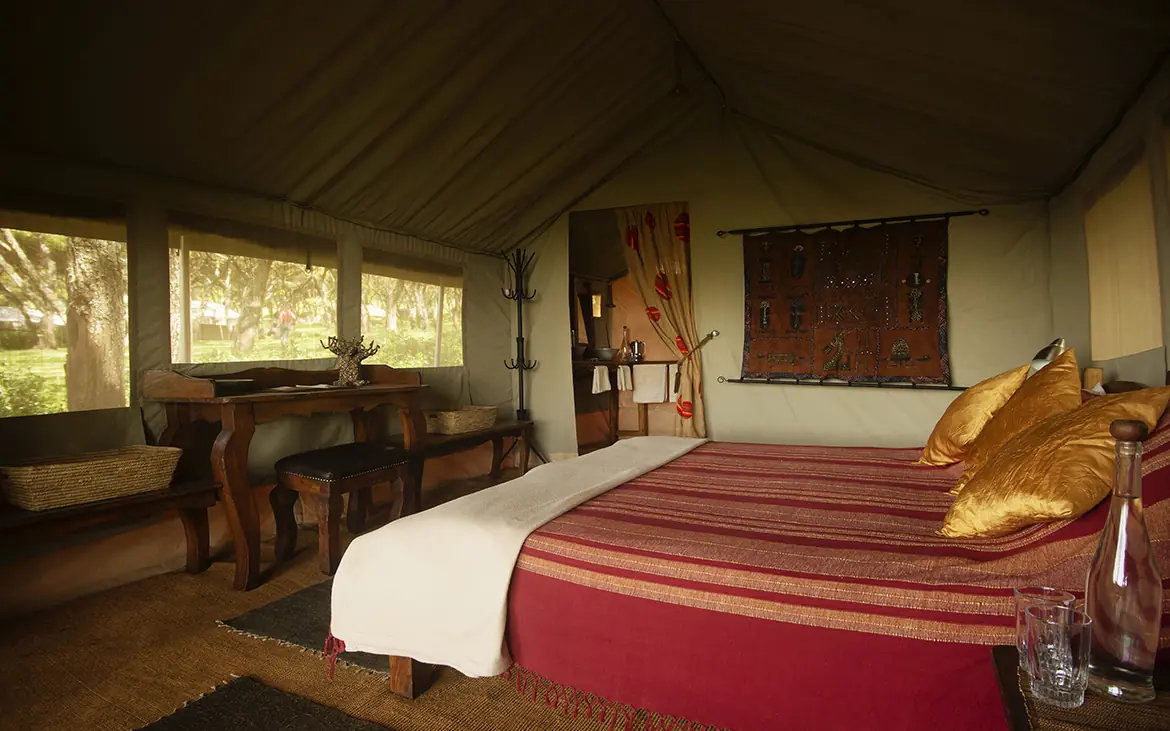
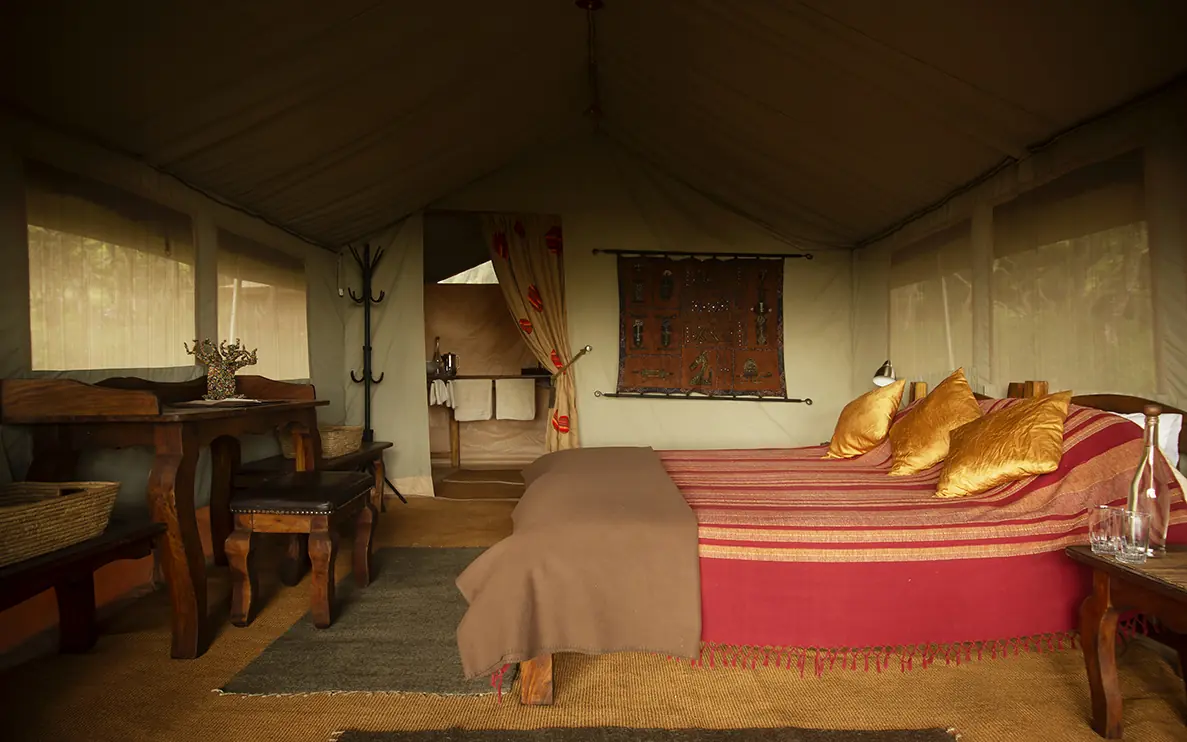
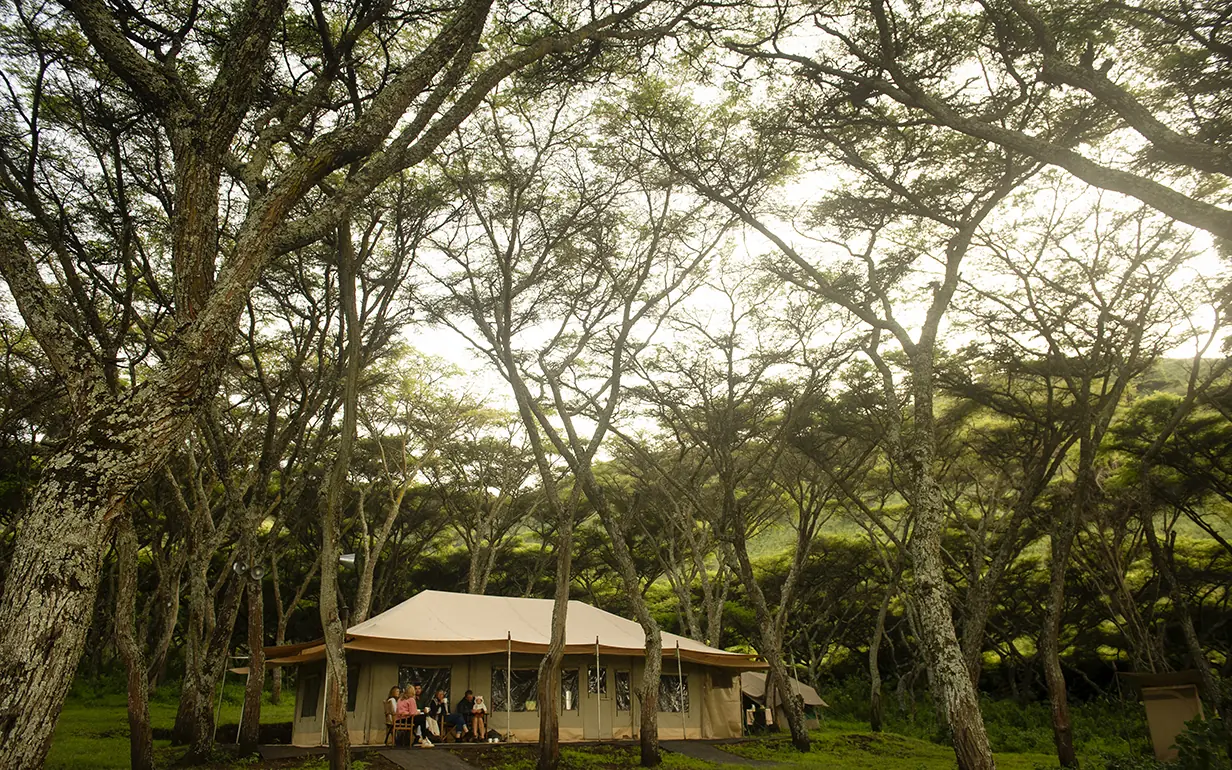
Guest tents stand on the ground rather than raised platforms, part of a deliberately light footprint that lets the whole camp be taken down in the off-season. Each has proper beds and warm blankets against the highland cold, a writing desk, and an en-suite bathroom with a water-conscious flush. Maasai-inspired furnishings and handwoven fabrics sit against the plain canvas walls.

Each has proper beds and warm blankets against the highland cold

Activity here divides between the crater and the highlands around it. Game drives run down to the crater floor for lion, buffalo, elephant and black rhino. Guided walks leave straight from camp, each led by a Maasai guide and an armed ranger, climbing into forest and open hillside for long views over the highlands. It is the walking that stays with most guests.

Safari tent interior with bed, desk, and canvas furnishings, Mysigio Camp, Ngorongoro Crater, Tanzania 01

accommodation

Mountain View Tents with Private Verandas

Guest tents at Mysigio Camp include a family tent with two en-suite bedrooms joined by a central lounge, alongside standard tents taking king, double or twin beds, each opening onto a private veranda over the highlands. All have proper beds, warm blankets, a writing desk and an en-suite bathroom with a water-conscious flush. Solar lighting throughout; no generators.

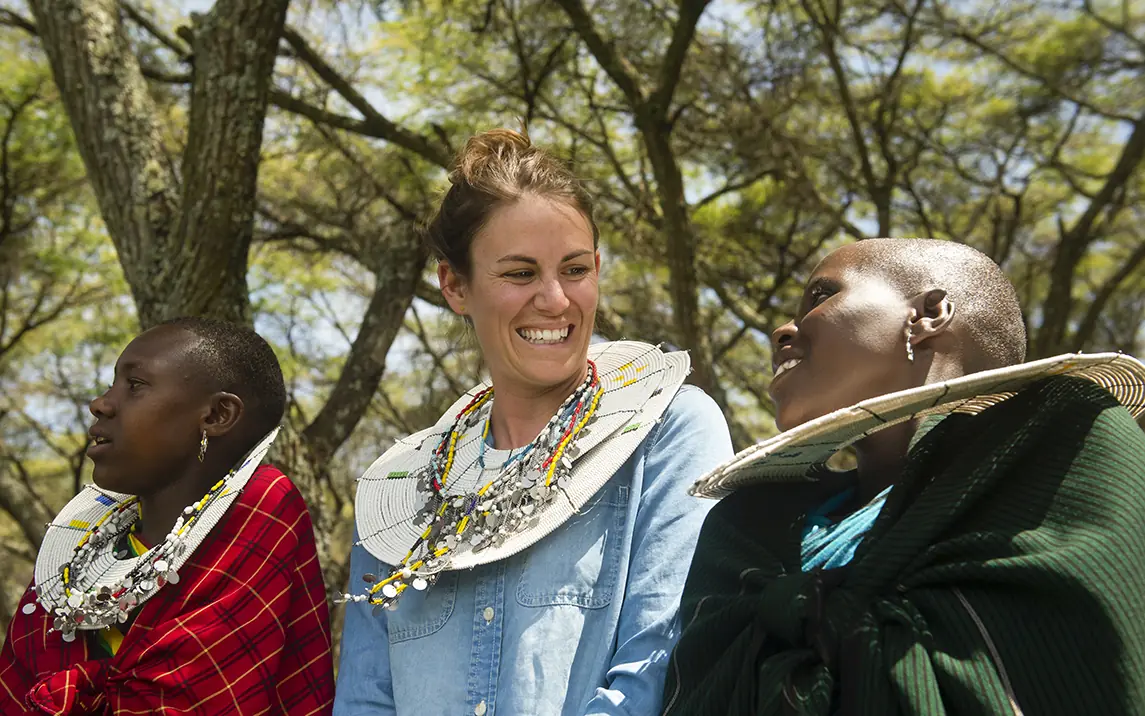
Woman with local guides wearing traditional beaded jewelry, Mysigio Camp, Ngorongoro Crater, Tanzania 02

activities

Crater Game Drives and Highland Walks

Early game drives descend to the Ngorongoro Crater floor for lion, buffalo, elephant and black rhino, on marked roads under conservation area rules. From camp, Maasai-led walks with an armed ranger climb the highlands, from short strolls to full-day hikes. Cultural time with Chief Ole Dorop's family, orpul ceremonies and boma visits round out the days.

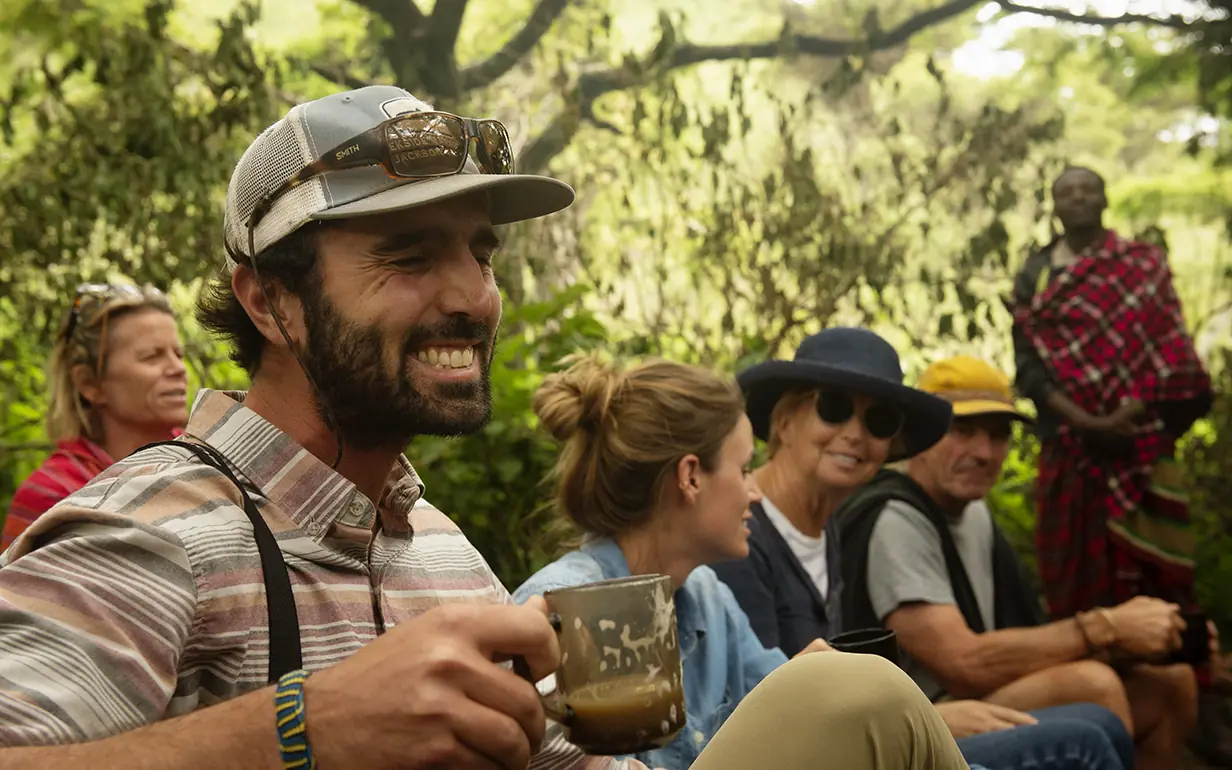
Guests observe traditional cooking preparation in forest setting, Mysigio Camp, Ngorongoro Crater, Tanzania 03

conservation

Solar Power and Maasai Staff Scheme

The camp runs a Maasai trainee scheme, taking hospitality staff nominated by village elders. Operations are fully solar for lighting, with eco-briquettes made from coconut and cashew husks fuelling the stoves and waste sorted through a recycling partner in Arusha.

ready to get started?

Get in touch and let’s start the conversation. An initial consultation helps us understand what you’re looking for, whether that’s specific experiences, luxury touches, or marking a special occasion, and from there we’ll guide you through what’s possible so you can decide if we’re the right fit.

Alternative accommodation in ngorongoro crater

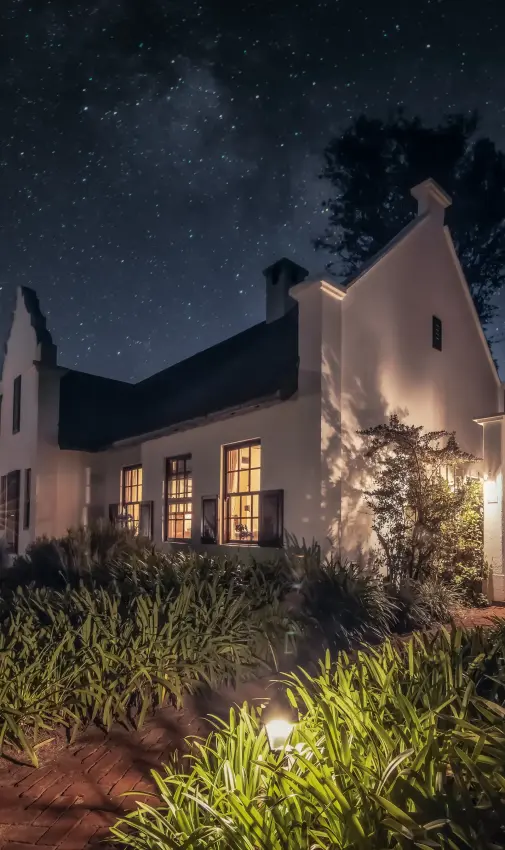
Illuminated white farmhouse under starry night sky with manicured gardens, The Manor at Ngorongoro, Ngorongoro Crater, Tanzania 01

The Manor at Ngorongoro

Ngorongoro Crater

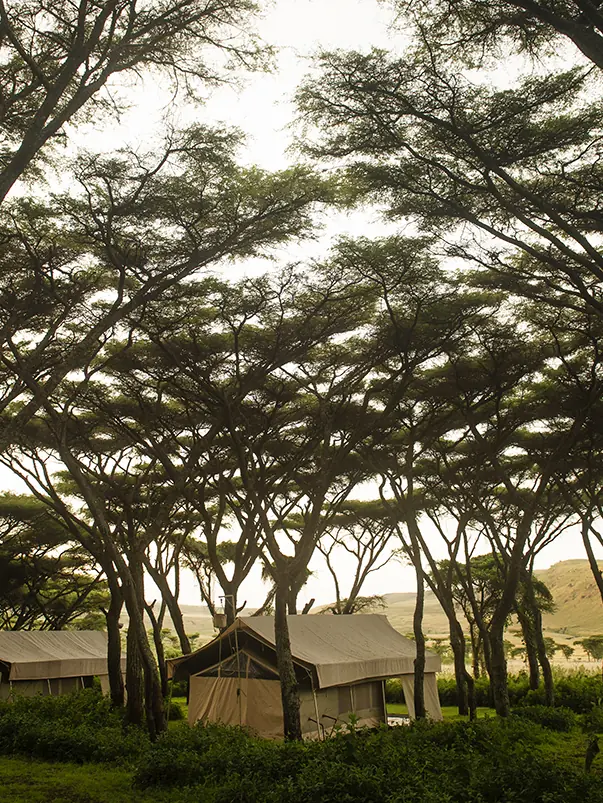
Illuminated canvas tent beneath acacia trees at dusk, Lemala Ngorongoro, Ngorongoro Crater, Tanzania 02

Lemala Ngorongoro

Ngorongoro Crater

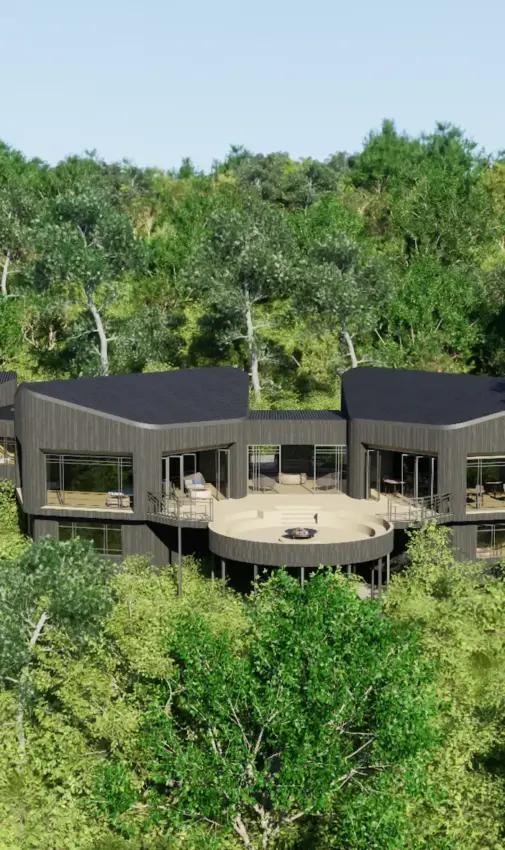
Circular lounge with central fireplace and geodesic dome ceiling, The Highlands, Ngorongoro Crater, Tanzania 03

The Highlands

Ngorongoro Crater

Antelope standing on deck in front of modern lodge building, Laba Ngorongoro Lodge, Ngorongoro Crater, Tanzania 04

Laba Ngorongoro Lodge

Ngorongoro Crater

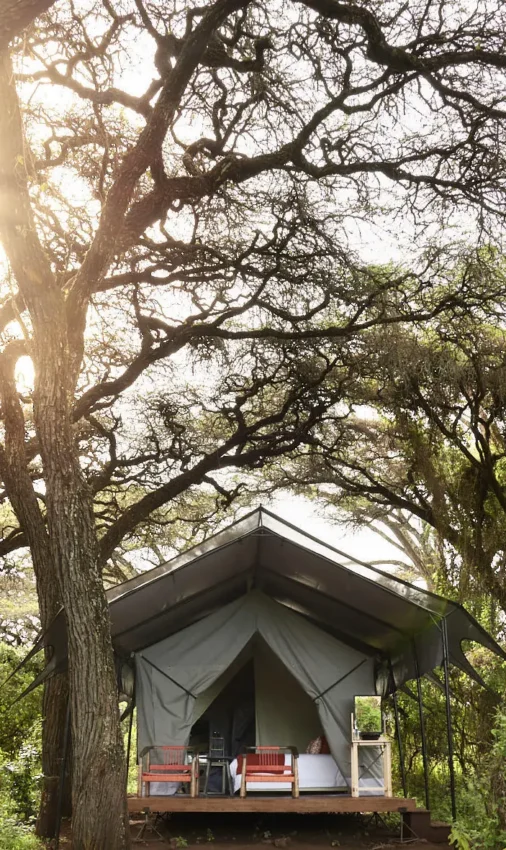
Luxury safari tent nestled among tall acacia trees, Sanctuary Crater Camp, Ngorongoro Crater, Tanzania 05

Sanctuary Crater Camp

Ngorongoro Crater

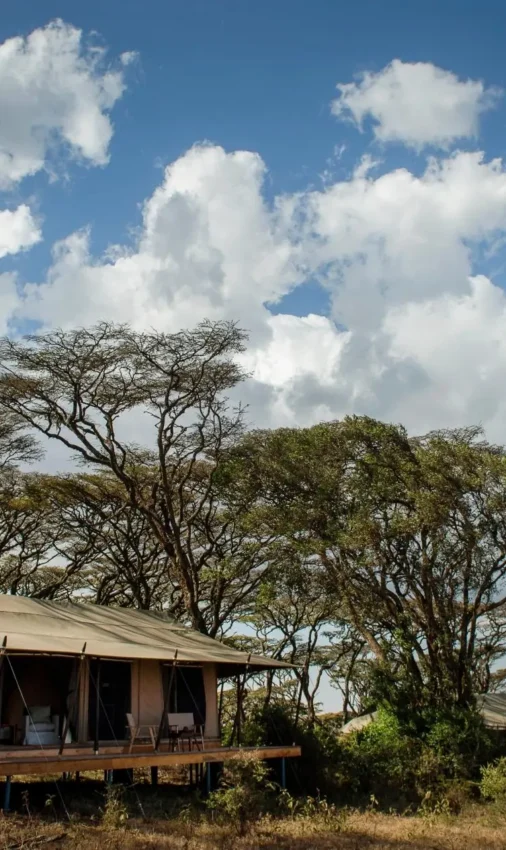
Safari lodge tent with acacia trees and mountain backdrop, Entamanu Camp, Ngorongoro Crater, Tanzania 06

Entamanu Camp

Ngorongoro Crater

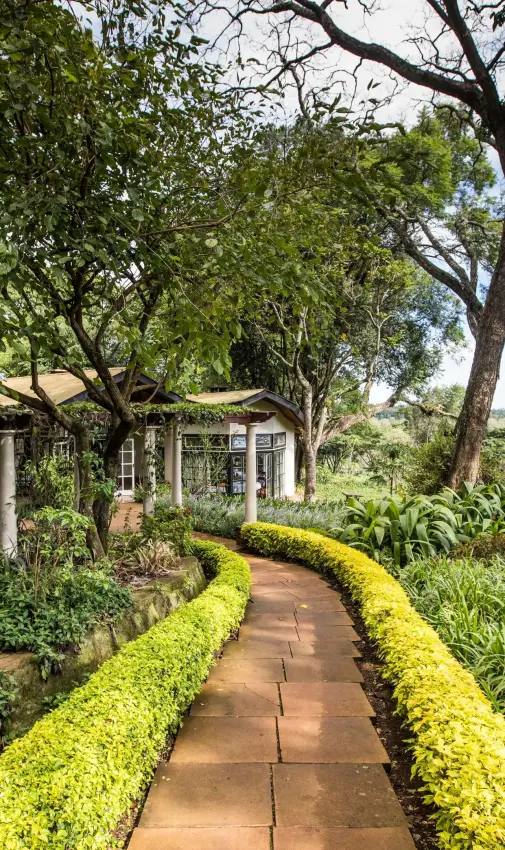
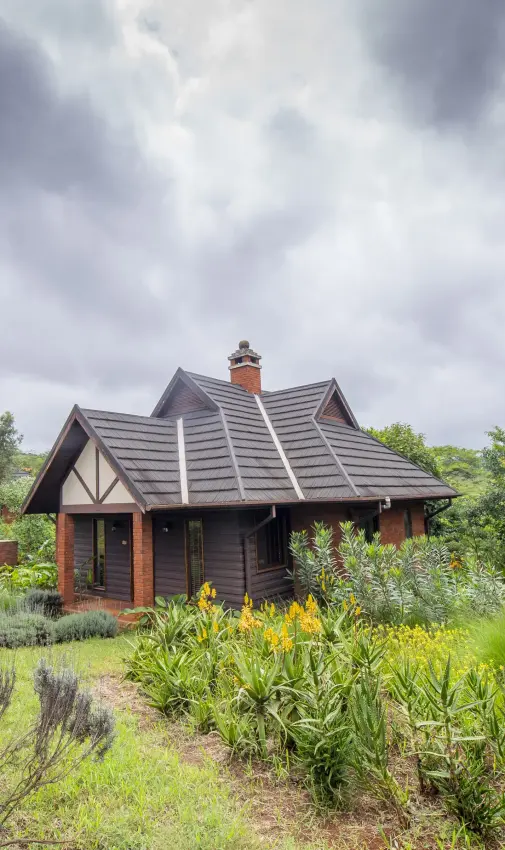
Manicured garden pathway leading to colonial-style lodge building, Gibb’s Farm, Ngorongoro Crater, Tanzania 07

Gibb’s Farm

Ngorongoro Crater

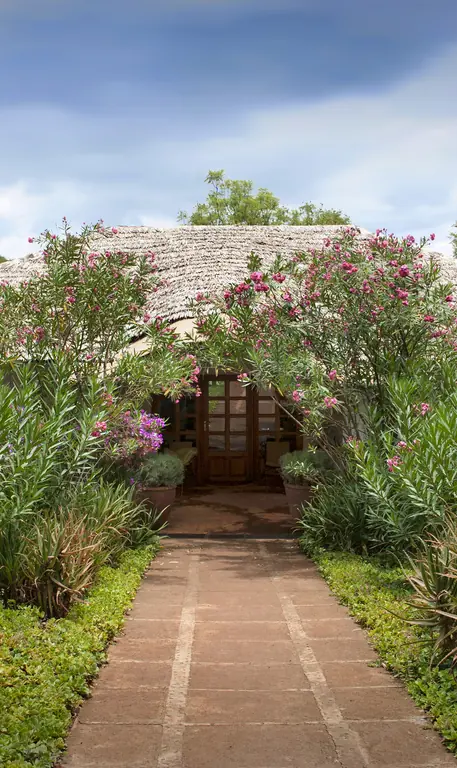
Thatched roof building with flowering plants and manicured gardens, Plantation Lodge, Ngorongoro Crater, Tanzania 08

Plantation Lodge

Ngorongoro Crater

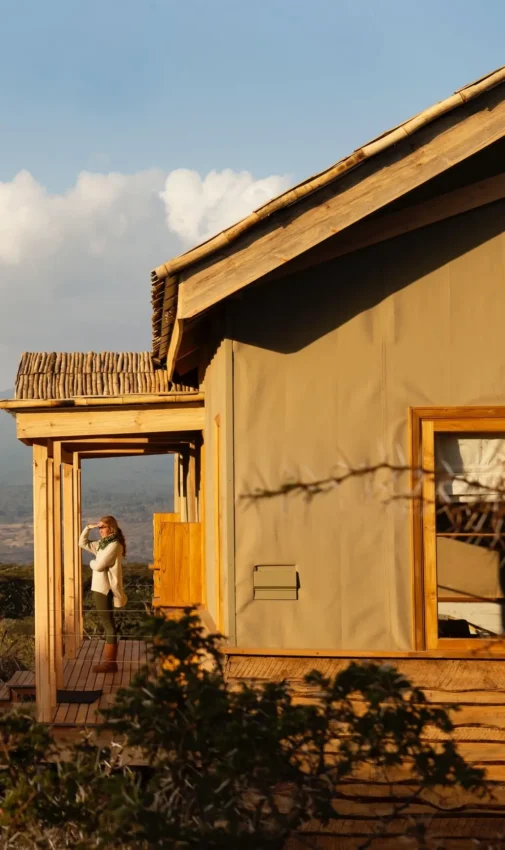
Luxury lodge with guest on wooden deck overlooking acacia trees and valley, Entamanu Private, Ngorongoro Crater, Tanzania 09

Entamanu Private

Ngorongoro Crater

Thatched-roof lodge surrounded by indigenous gardens and woodland vegetation, The Retreat at Ngorongoro, Ngorongoro Crater, Tanzania 10

The Retreat at Ngorongoro

Ngorongoro Crater

frequently asked questions

By road it is around four hours from Arusha, out past Lake Manyara, up the escarpment through Karatu and into the conservation area, farm country giving way to highland forest as you climb. Flying cuts the driving roughly in half: the scheduled hop from Arusha to Lake Manyara airstrip takes about twenty-five minutes, and we can also arrange a private charter, typically a Cessna Caravan or Pilatus PC-12, into the same strip.

Entry to the conservation area is charged per person on the way in, and we build it into your quote. If you are flying any leg of the circuit, pack soft bags of about fifteen kilograms each; the light aircraft take no hard cases.

It starts in the dark and runs on the conservation area's fixed hours. Vehicles may begin the descent to the crater floor from six in the morning, with the last descents at four in the afternoon and everyone off the floor by six in the evening. Leaving camp at first light with a picnic packed puts you on the floor in the low light that flatters both the photographs and the predators.

Alongside the per-person conservation fees, each descent carries a separate per-vehicle crater charge; nothing about the pricing is complicated once we build it all into the quote, which we do from the start.

Usually, yes. Parts of the highlands stand above 1,800 metres, the altitude at which the CDC and the UK's official travel health advice agree Tanzanian malaria risk falls away, and the cold nights around camp keep mosquito numbers low. But no northern itinerary stays high: the crater floor, the road in and the rest of the circuit all sit below the line, so antimalarials are usually recommended for the trip as a whole rather than judged camp by camp.

Have a travel clinic or your doctor confirm the current advice before you travel, and do not treat any stop on the route as malaria-free.

The dry months from June to October are the prime window, with firm trails for the highland walking, clear long views and the crater at its most reliable. The camp itself is genuinely seasonal: it stands for roughly eight months of the year and is taken down for the heavy rains, which is part of why the ground it sits on stays so unmarked.

That makes dates worth checking early rather than late. Tell us your window and we will confirm whether the camp is standing then and how the highlands will be behaving.

Pack for cold evenings before anything else. Highland nights bite the year round, dawn starts for the crater are colder still, and the difference between a good stay and a shivering one is a proper fleece, a windproof layer and something warm for the fireside.

For the days, bring neutral-coloured safari clothes, walking shoes with real grip for the full-day hikes, sun protection for the equatorial light, and a small daypack for water on the trails. Laundry-friendly layers beat bulk; the aircraft weight limit does not bend.

rated five stars by our clients

other areas in tanzania

Silhouetted herd of wildebeest in dusty savanna landscape 01

Serengeti National Park

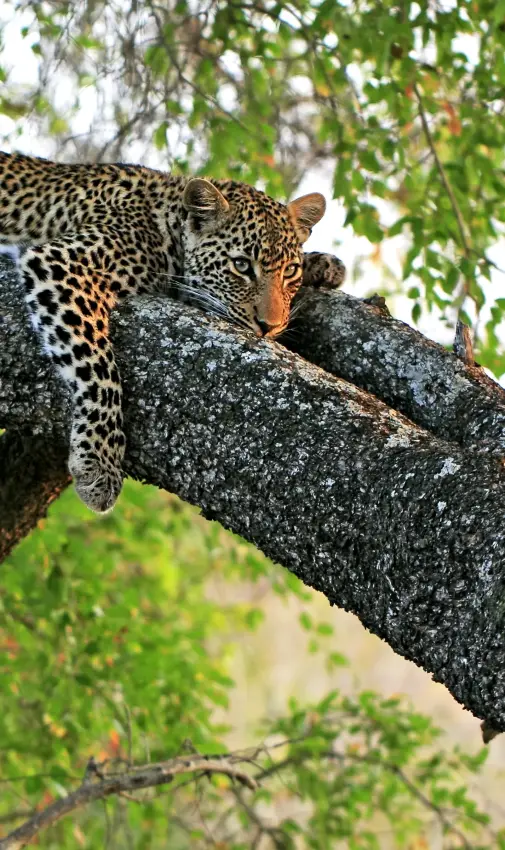
Leopard resting on tree branch surrounded by green foliage 02

Tarangire National Park

Guests relax in chairs by river with child wading, Lake Manyara, Tanzania 03

Lake Manyara

African wild dog standing alert in grassland 04

Ruaha National Park

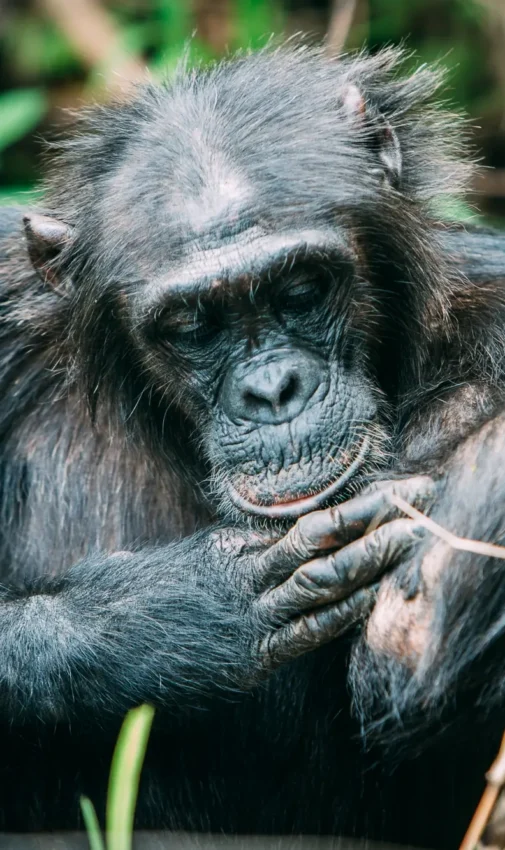
Chimpanzee holding branch while foraging in forest, Mahale Mountains, Tanzania 05

Mahale Mountains

Hippopotamuses in water with heads above surface 06

Katavi National Park

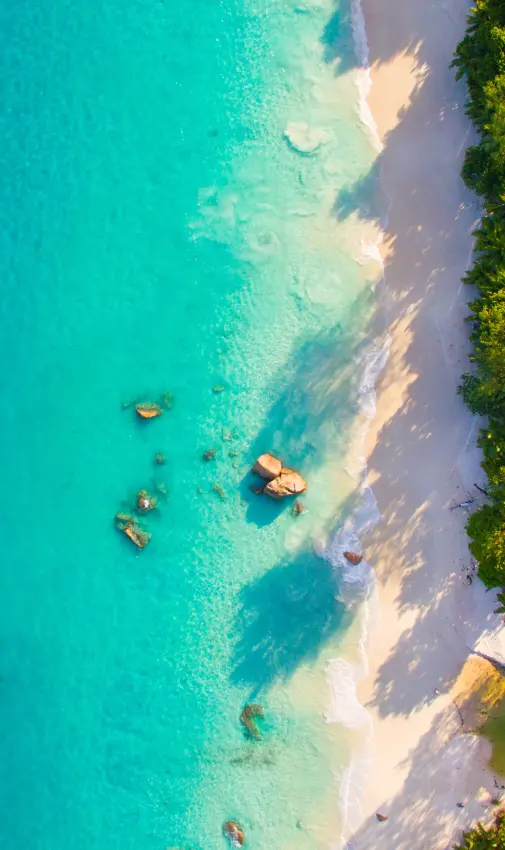
Turquoise water beach with boats and tropical vegetation 07

Zanzibar & Pemba

Family group of African elephants walking on sandy path 08

Arusha

Aerial view of colorful salt lakes and mineral deposits 09

Lake Natron

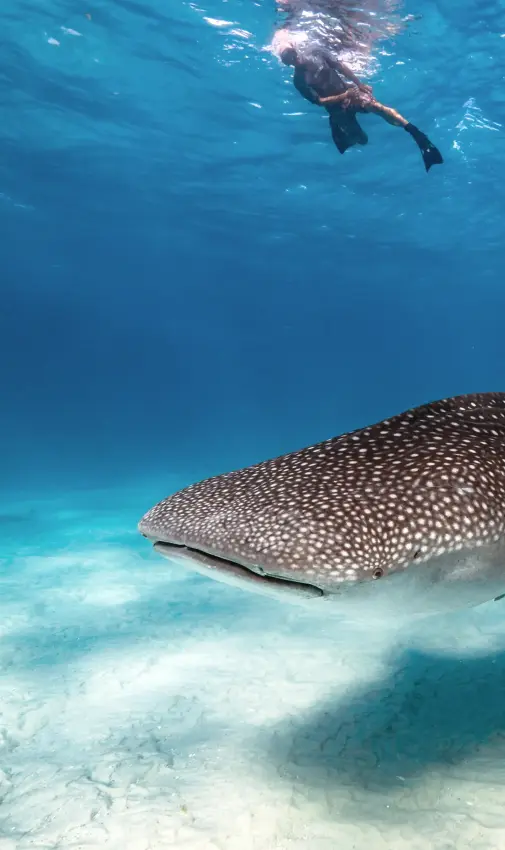
Snorkeler swimming alongside whale shark in shallow turquoise water, Mafia Archipelago, Tanzania 10

Mafia Archipelago

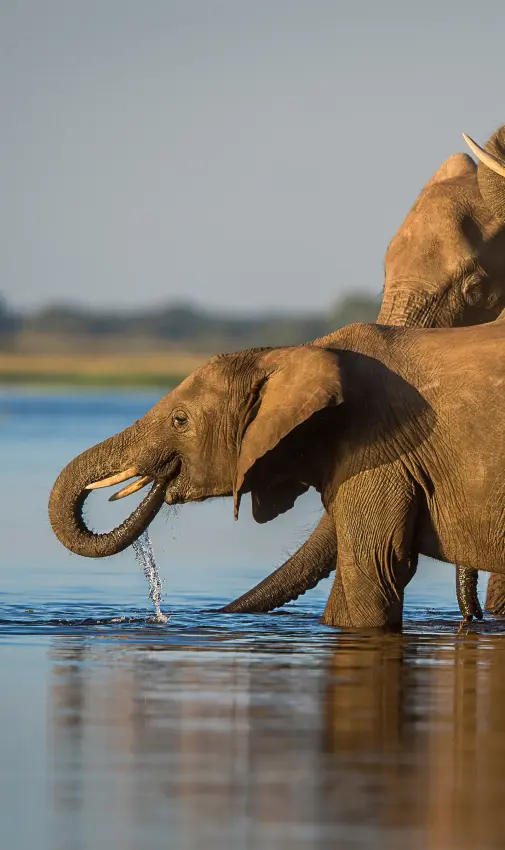
elephants drinking water at riverbank during daytime 11

Nyerere National Park

Chimpanzee among vegetation looking toward camera, Rubondo Island, Tanzania 12

Rubondo Island

Planning a journey together

our approach

remote, exclusive
& personal

Every journey starts with a conversation. We take the time to understand your vision before we start planning.

Whether by phone or in person, we work with you directly to shape something that is considered, personal, and expertly delivered.

get in touch
destinations ideas & inspiration our process about us contact us