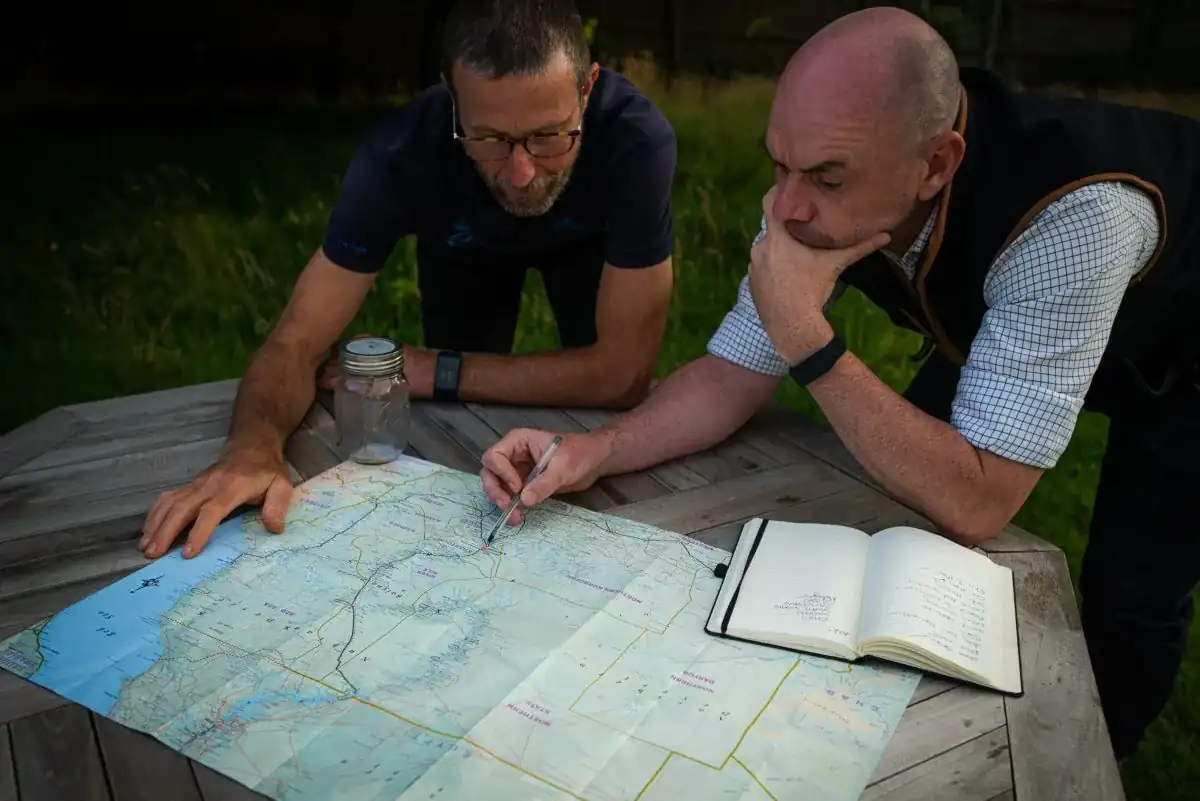
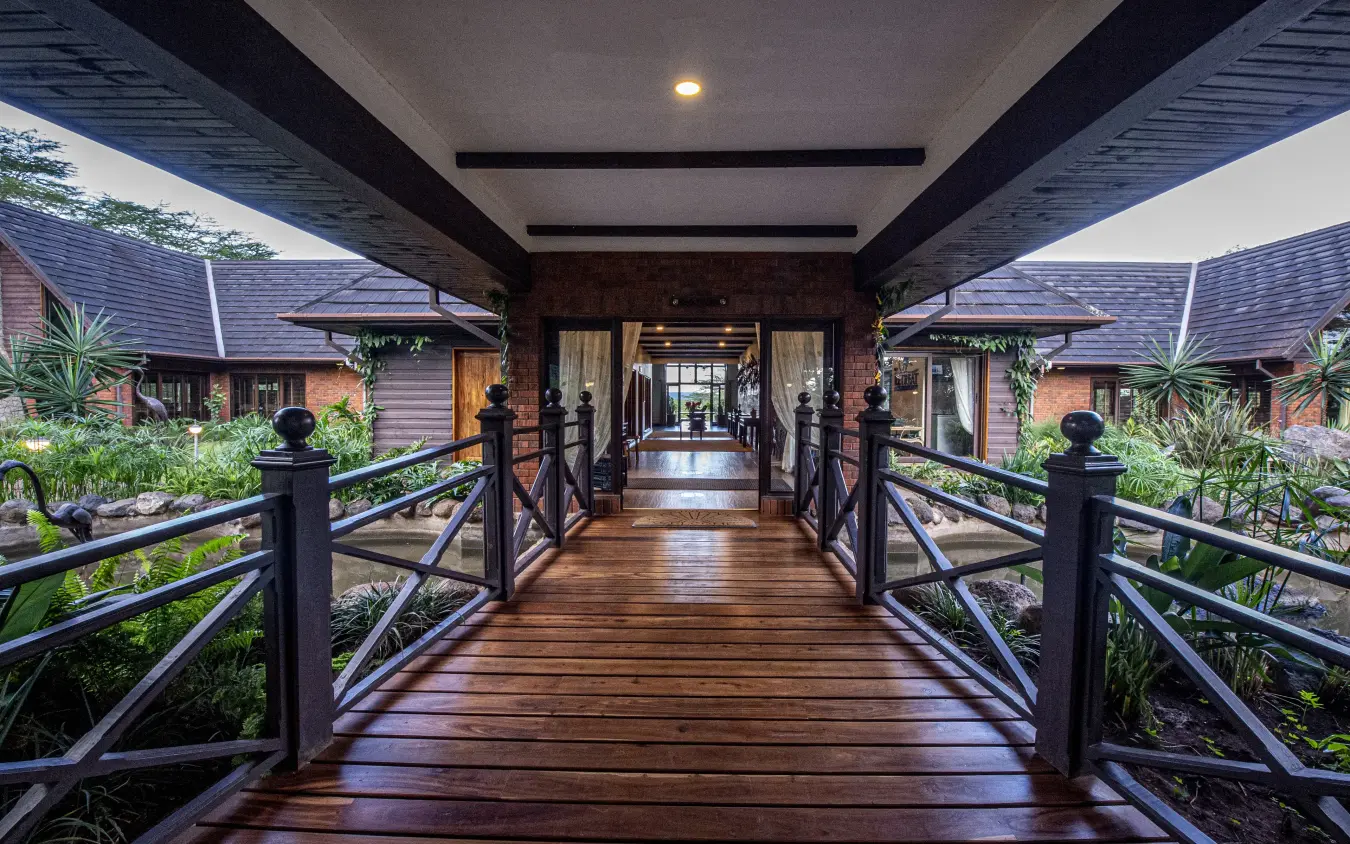
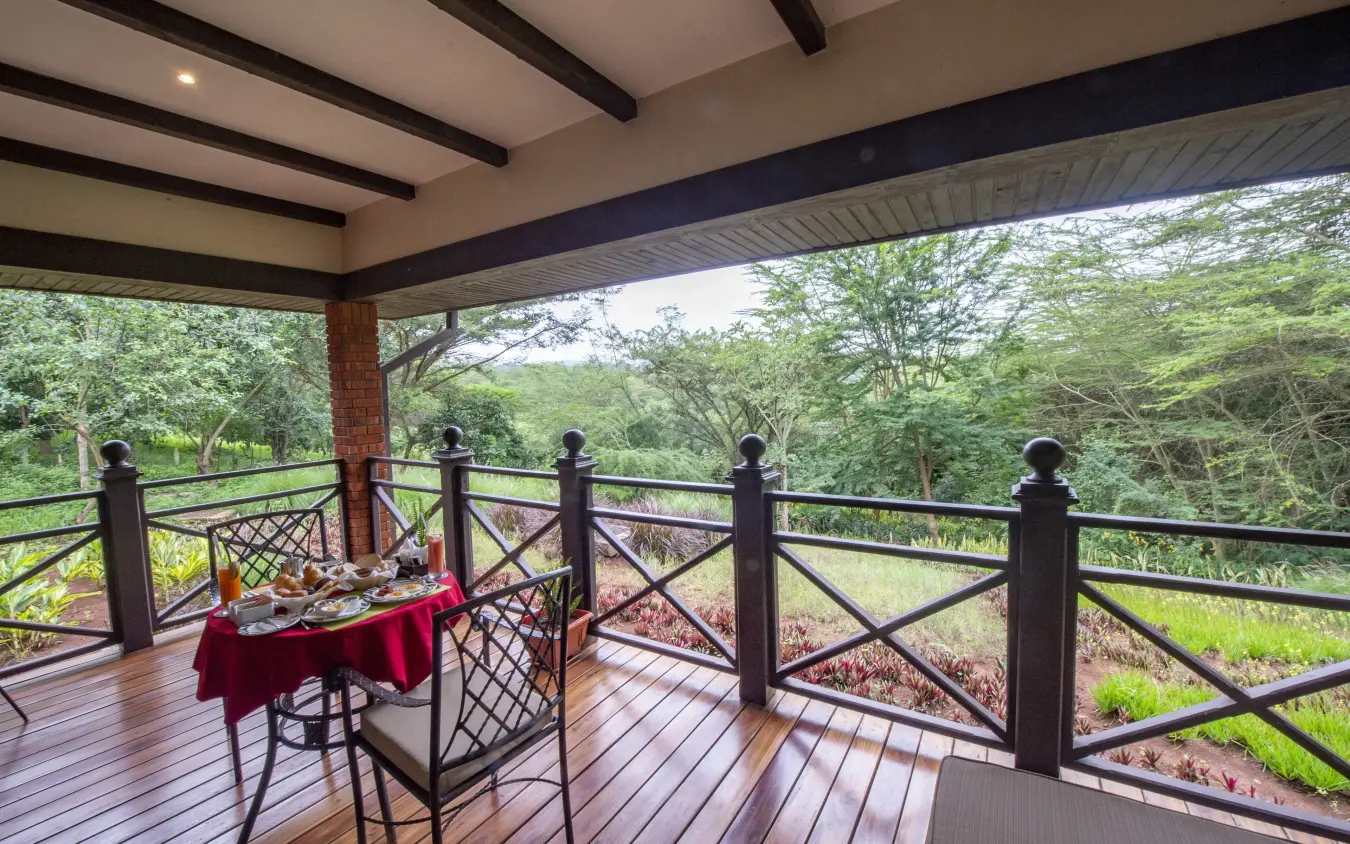
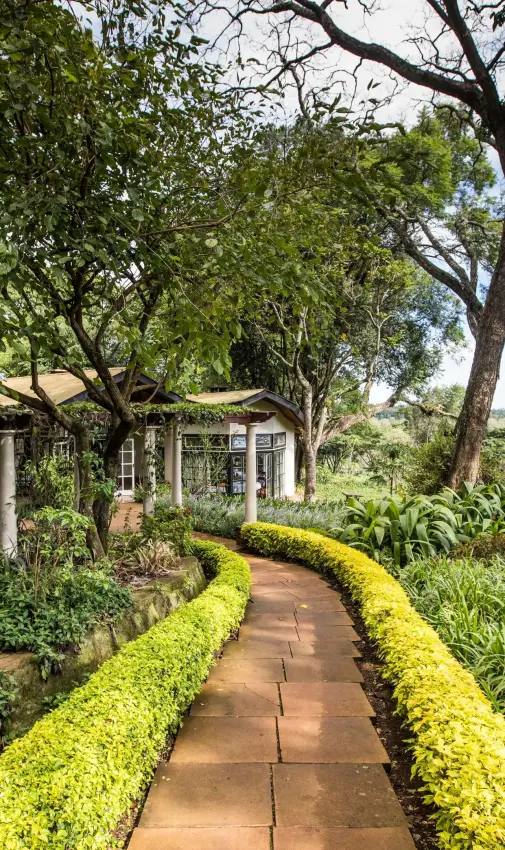
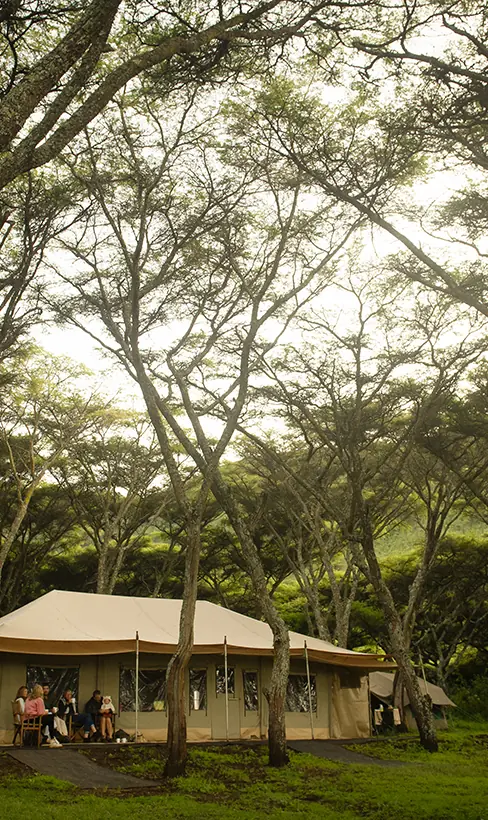
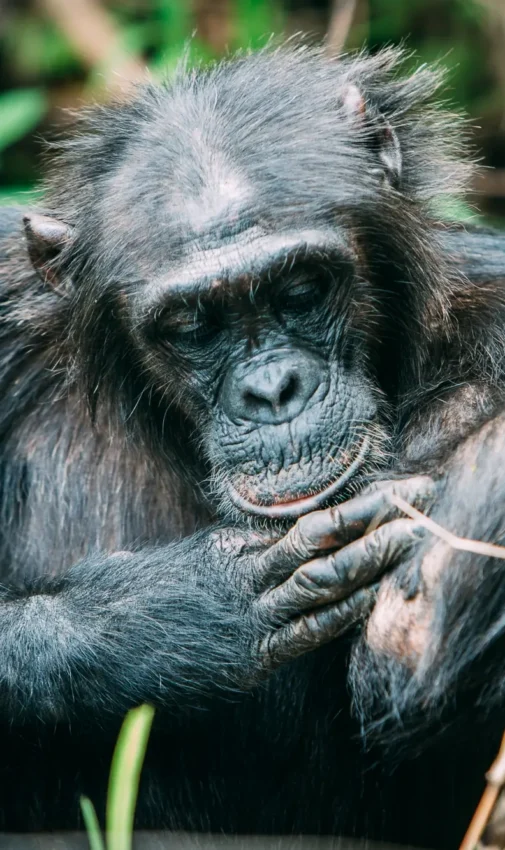
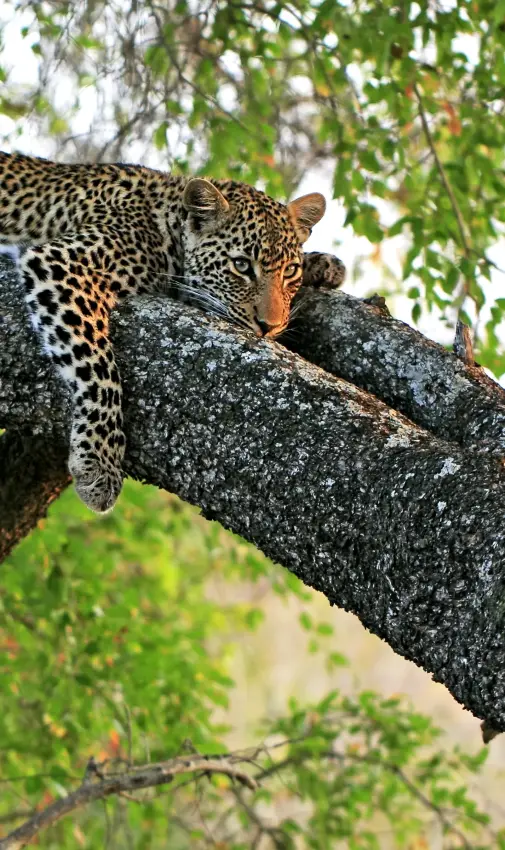
The Pandits opened The African Tulip in Arusha in 2008, then went looking for a rural project. What they found near Karatu was deforested, dusty and losing its topsoil. Tens of thousands of indigenous saplings went into that ground over the years that followed, and the microclimate changed with them. The air cooled. Water held. Birds and butterflies arrived to occupy the new canopy, and guides now count more than a hundred bird species within the grounds, along with blue monkeys, baboons and squirrels in the branches.
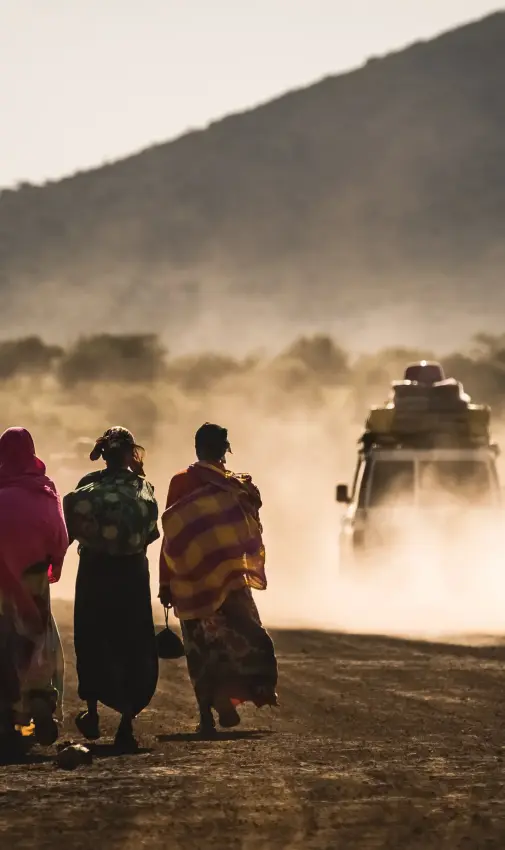
The crater floor is closed to walkers, which makes the estate’s position outside the conservation area boundary useful: guests hike, run and cycle here without permits or an armed escort. The Endoro trail climbs through rainforest for around two hours to the elephant caves. Mountain bikes take the tracks through Tloma village and the coffee farms that surround it, and walking visits into the village itself cover Iraqw farming, pottery and local history. A resident guide leads the birding across the grounds, morning by morning.
Two or three nights between the parks does the work that a single overnight stop cannot
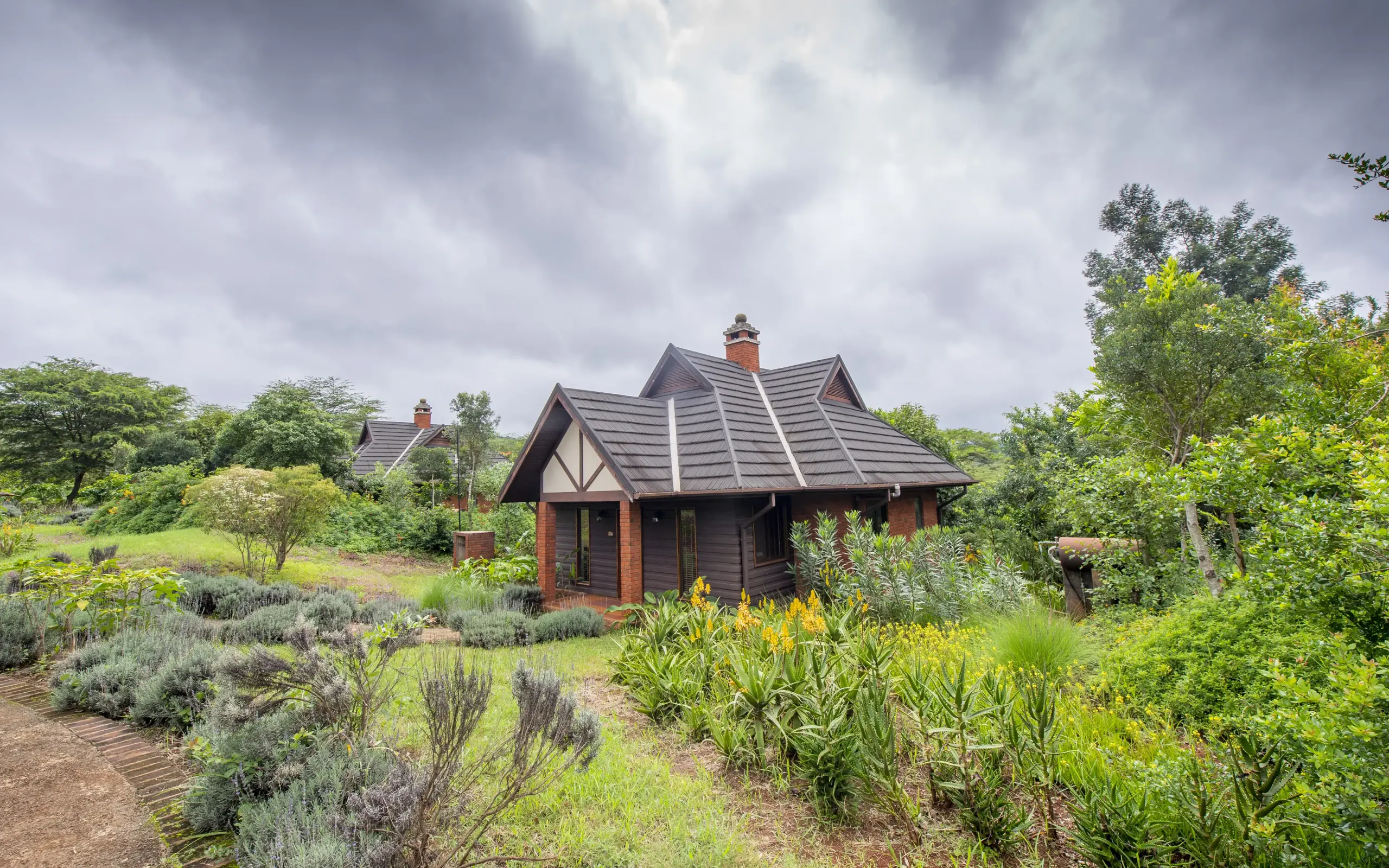
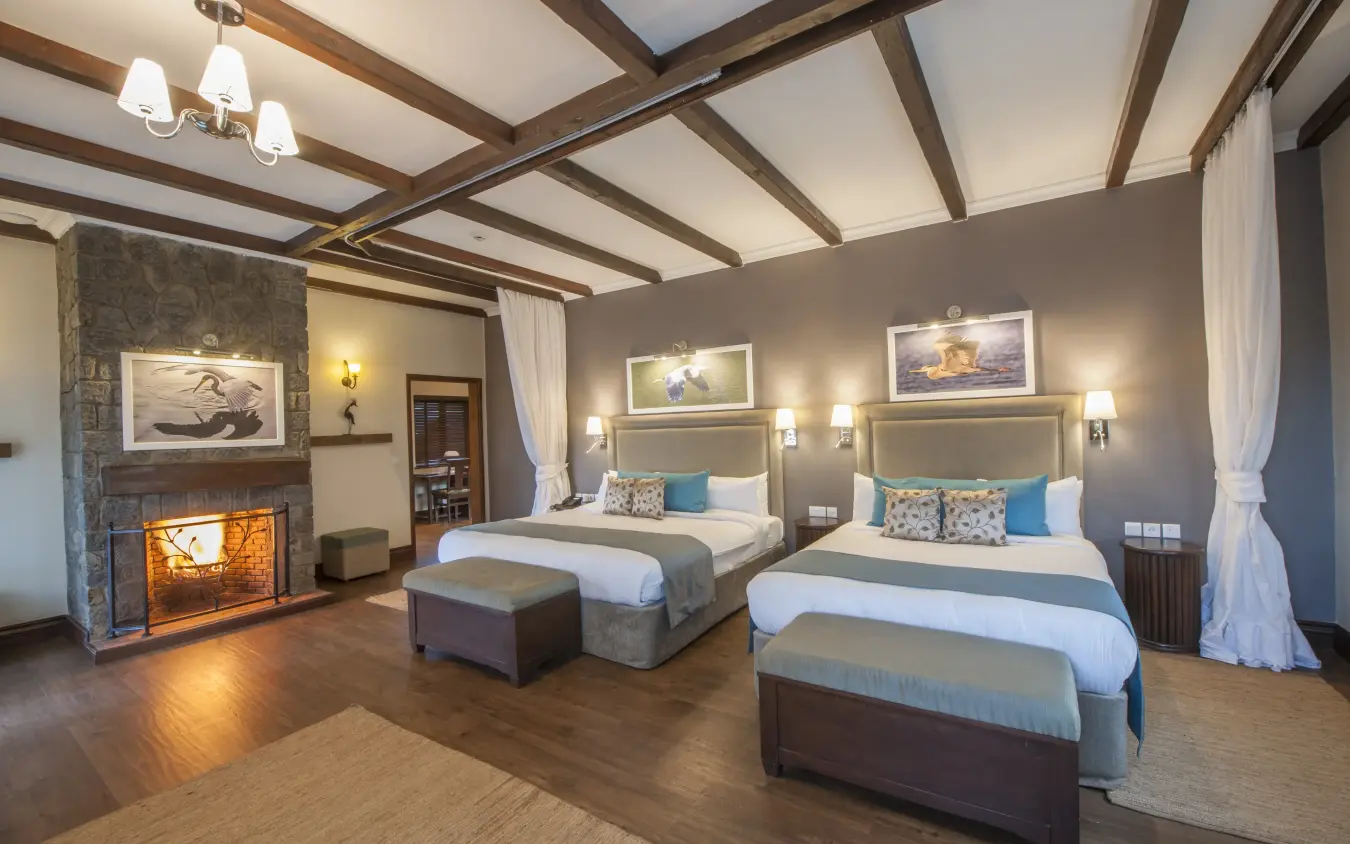
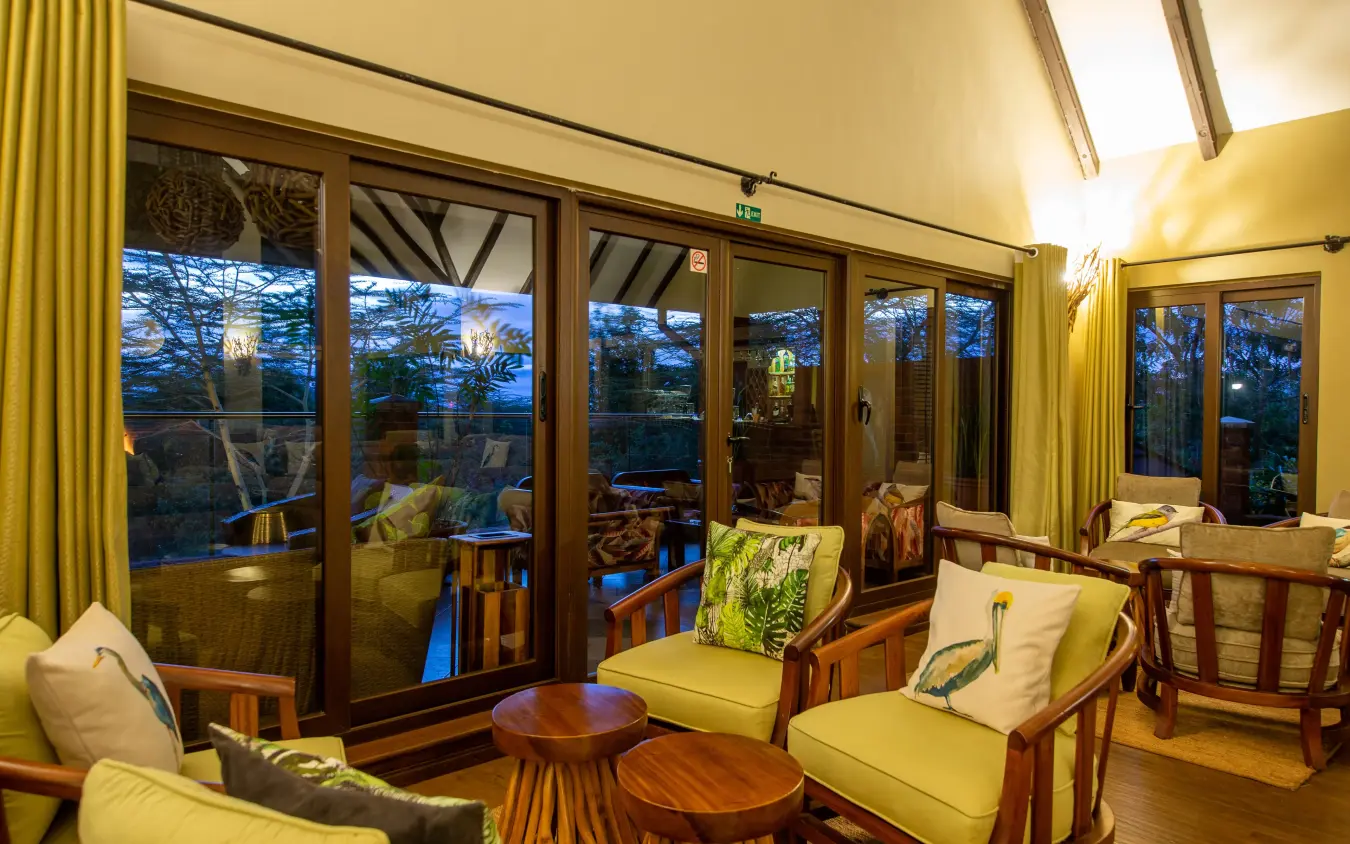
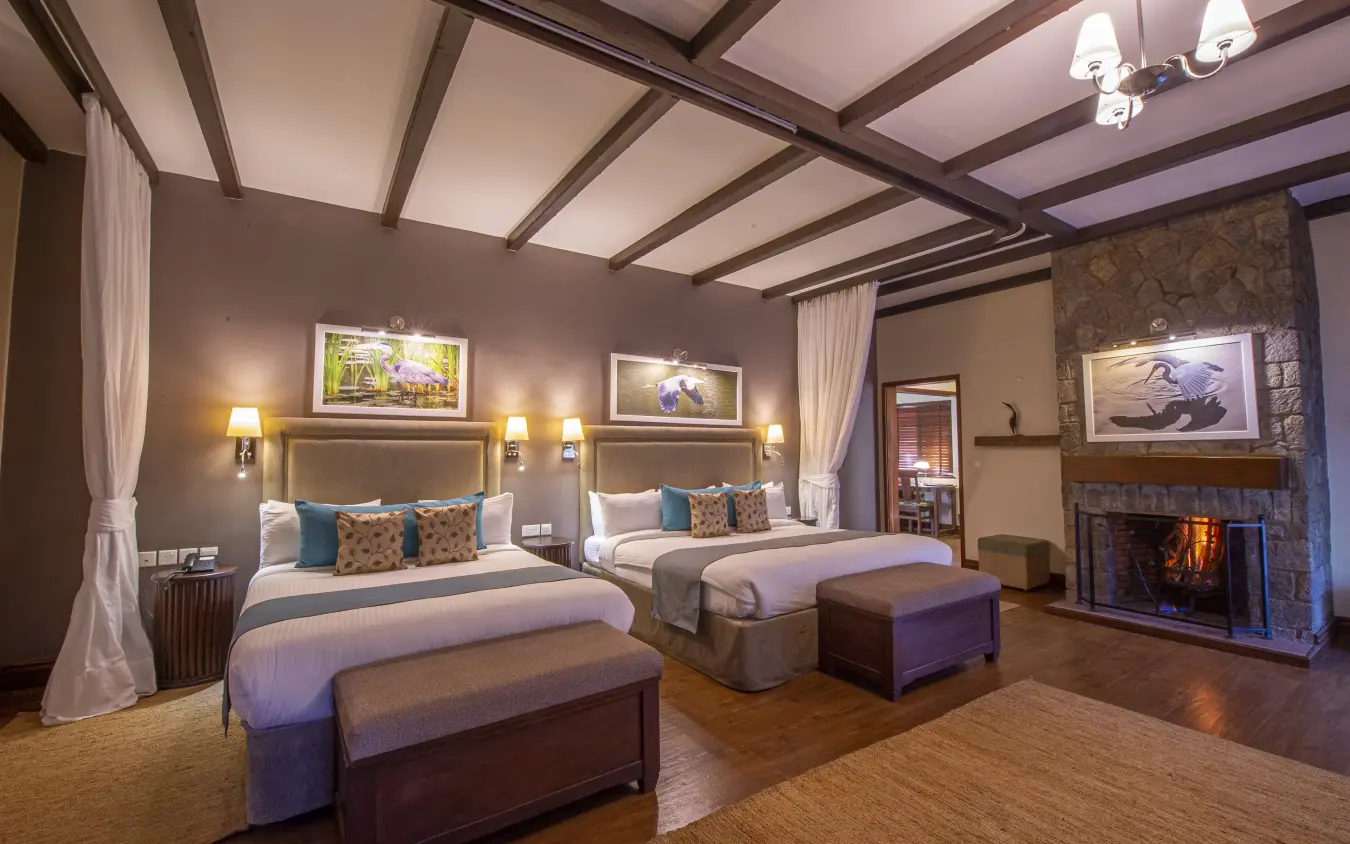
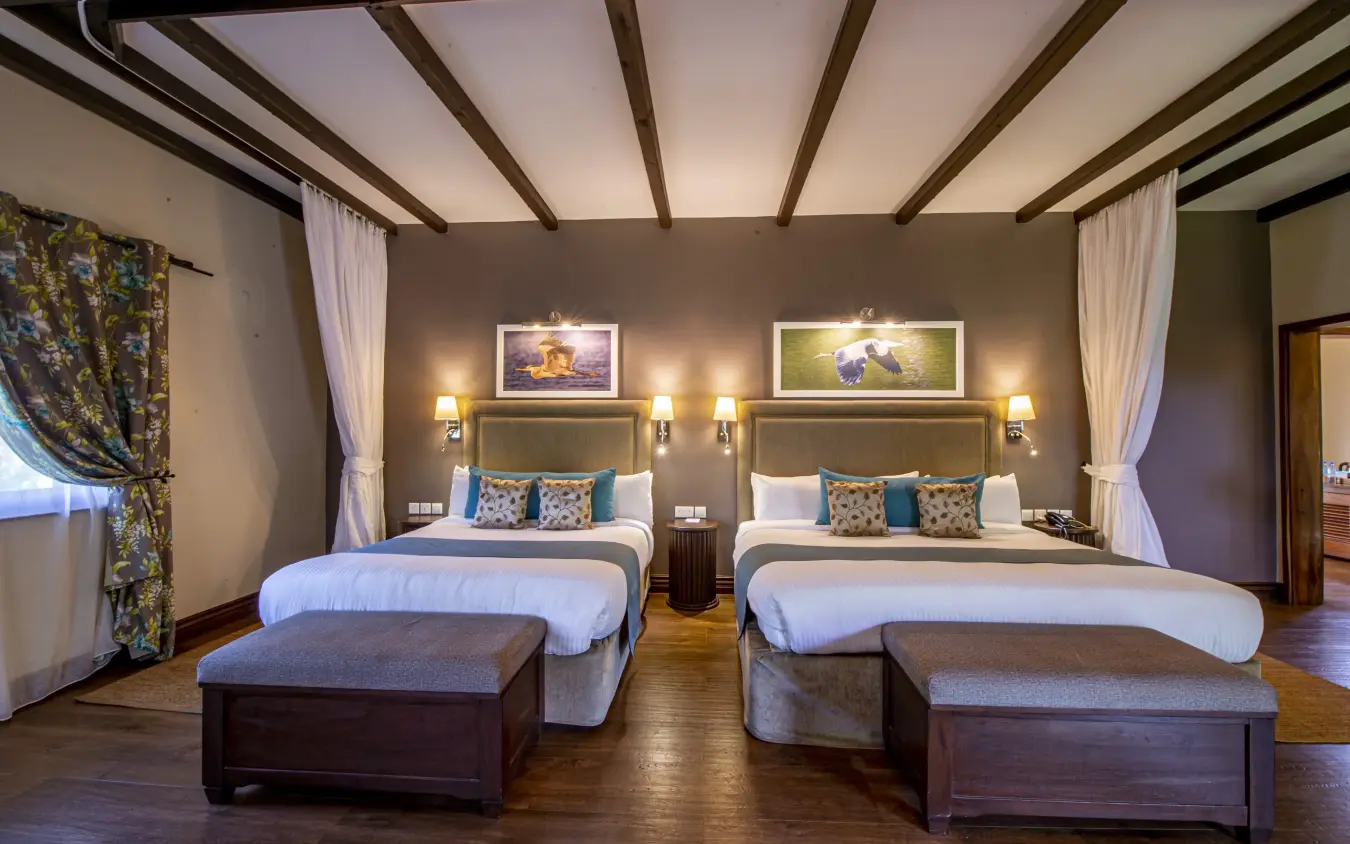
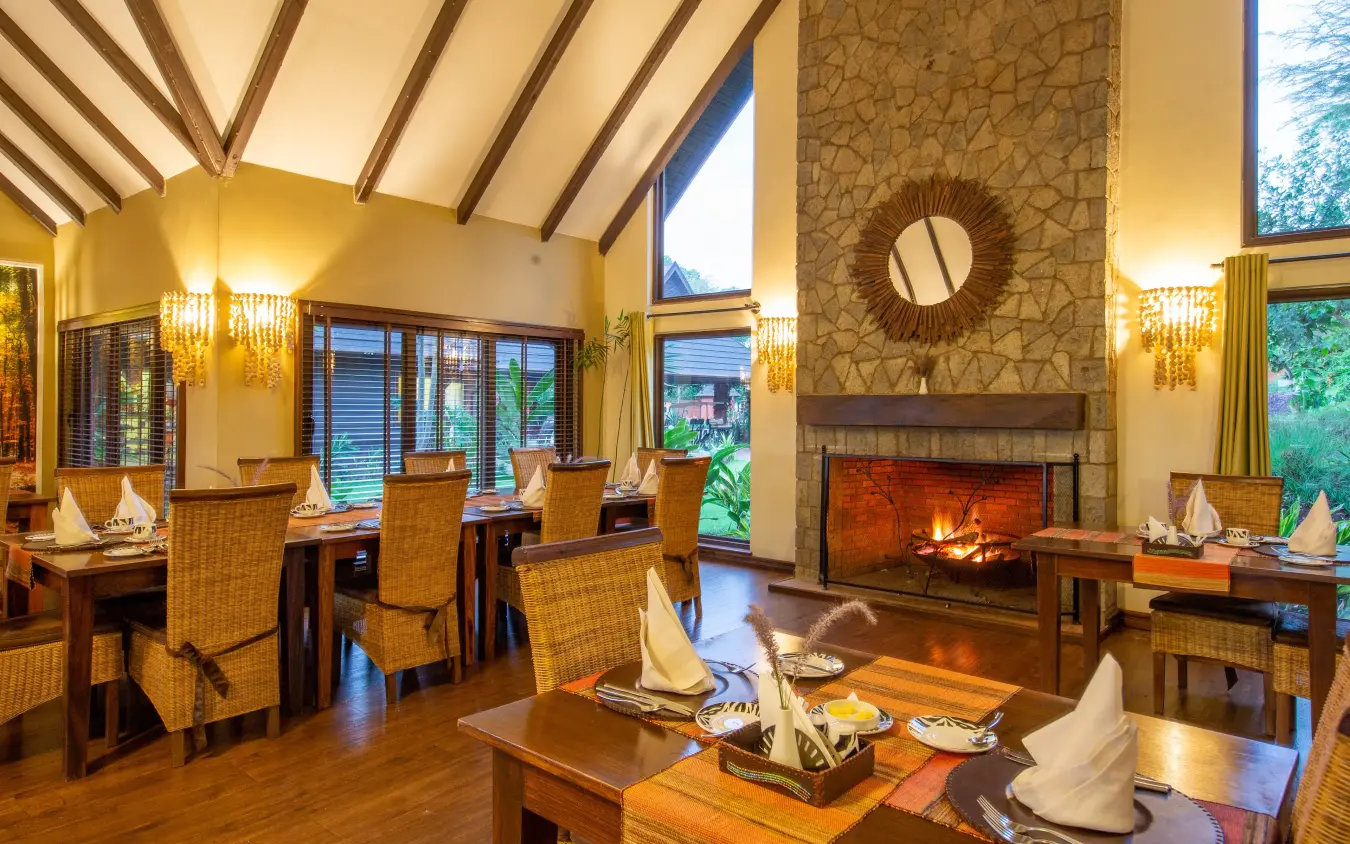
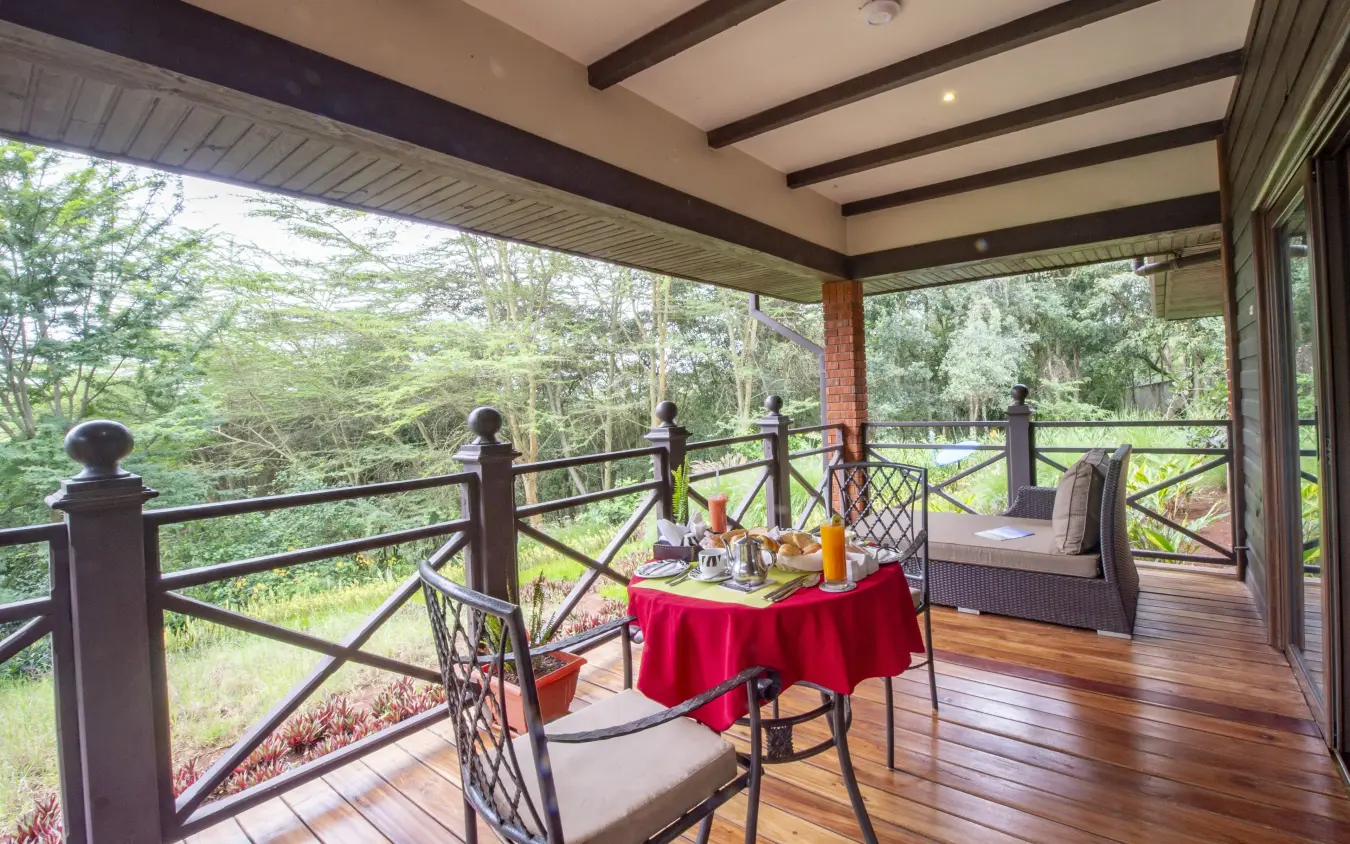
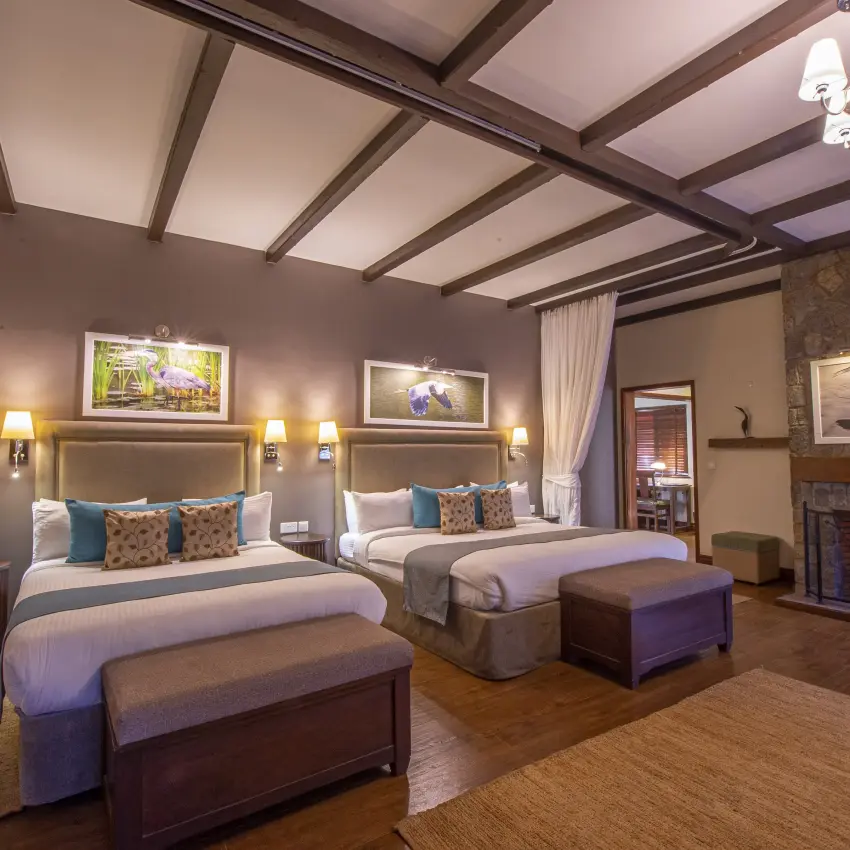
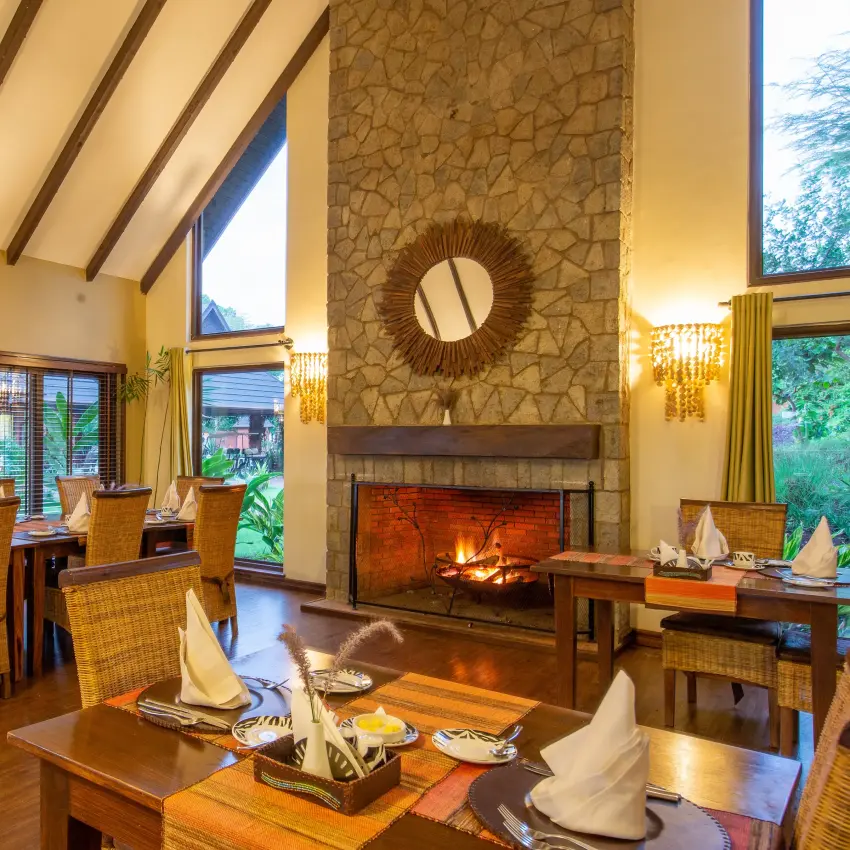
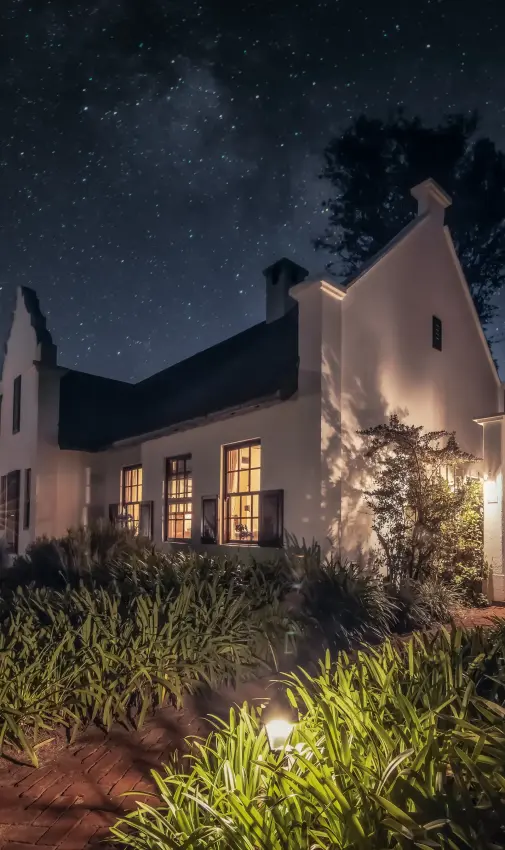
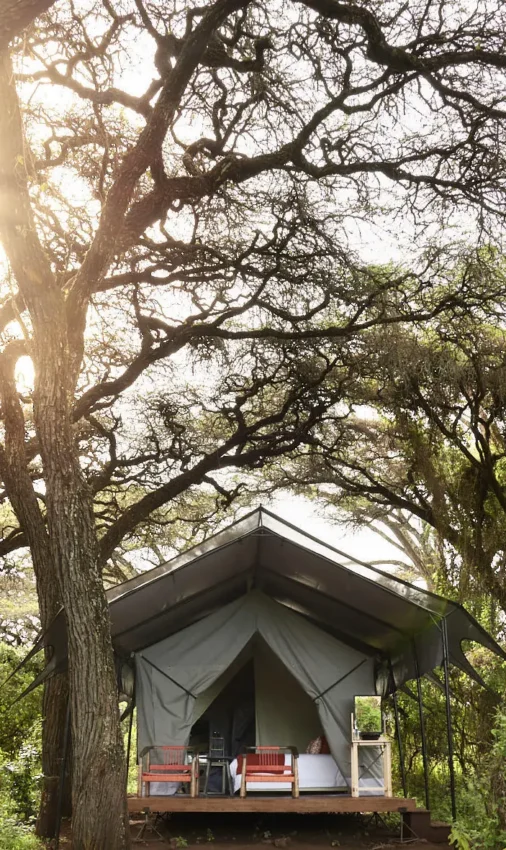
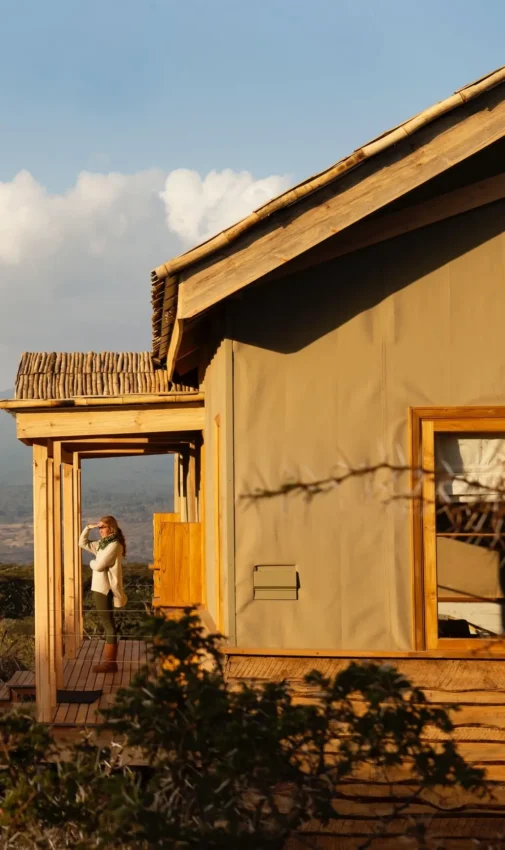
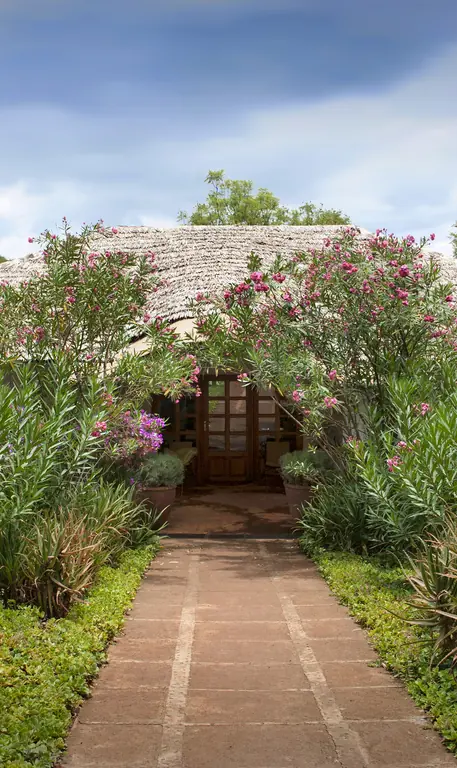
Mornings come with mist lifting off the forest reserve and the canopy the Pandits planted, and coffee roasted on the estate, drunk on the deck before the vehicles leave for the gate. Evenings run the other way: a fire pit on the dining terrace, Maasai blankets against the highland chill, board games and a fireplace in The Nest lounge. Two or three nights between the parks does the work that a single overnight stop cannot, and the interconnecting cottages make that straightforward with children of any age.
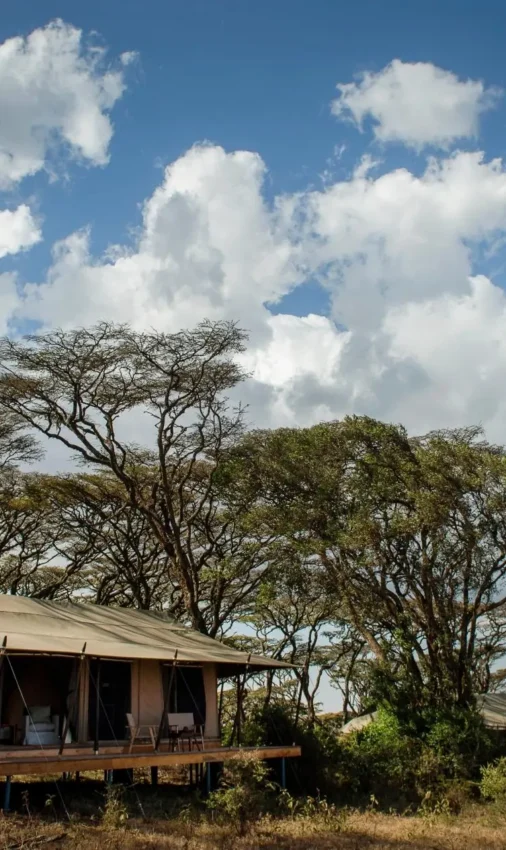
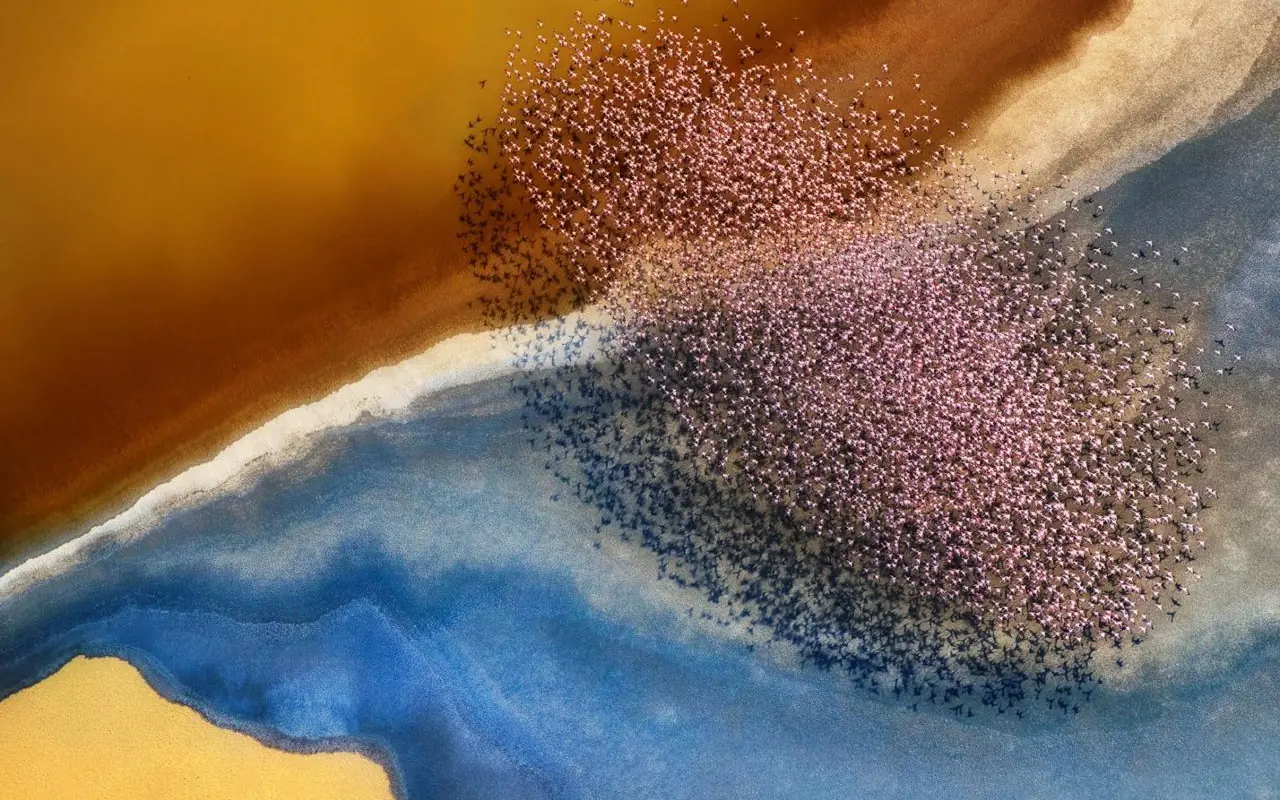
Karatu town is around fifteen minutes off. Lake Manyara Airport is the nearest airstrip, which puts the estate within reach of arrivals by light aircraft, and most itineraries treat these highlands as the fixed point between Tarangire, Lake Manyara and the Ngorongoro Crater, with full or half days on the crater floor run from here. The planting goes on around all of it: firewood cut only from prunings, hot water heated by solar panels, staff recruited and trained from Tloma village, and honey, coffee and vegetables carried to the kitchen from the estate itself.