Lodge

Laba Ngorongoro Lodge

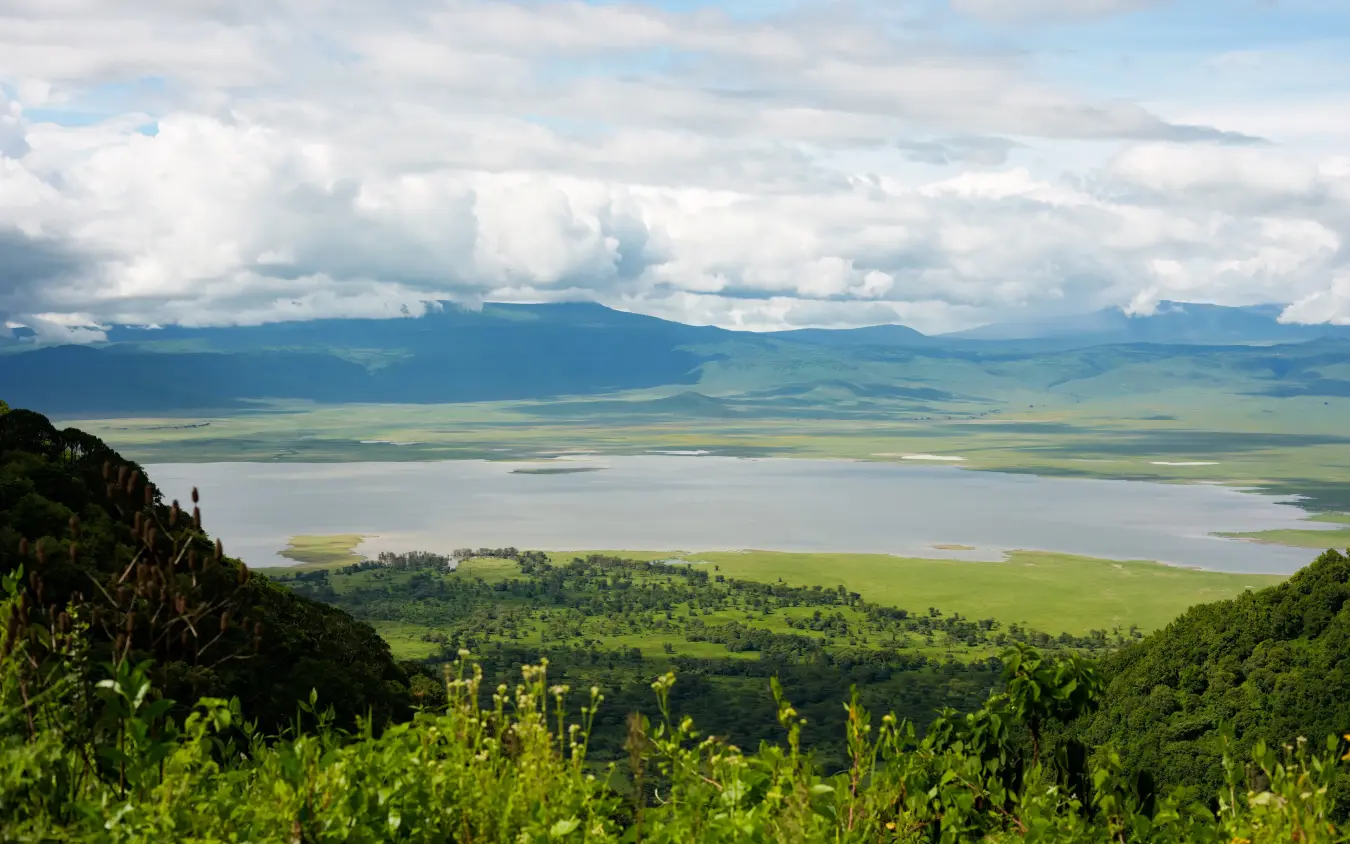
A design-driven lodge on the wooded southern rim of Ngorongoro Crater in Tanzania, minutes from the caldera floor.

Country: Tanzania
Location: Ngorongoro Crater
Number of rooms: 20

Fifteen minutes to the crater floor

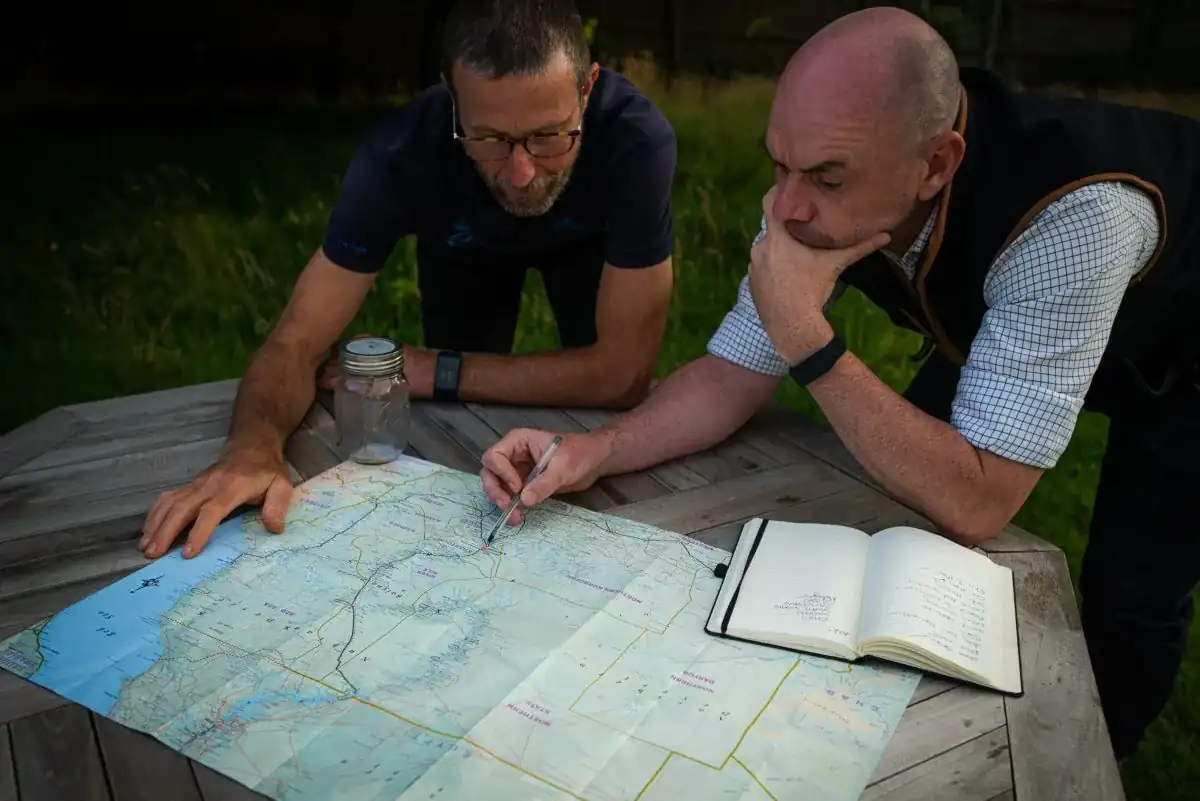
Xavier Marie and Julie Brisson opened Laba Ngorongoro Lodge in 2026, high on the southern rim of the Ngorongoro Crater, in montane forest at around 2,200 metres. They rebuilt the old Rhino Lodge site from the ground up, keeping the one thing that made it worth having: a position close to the main park gate.
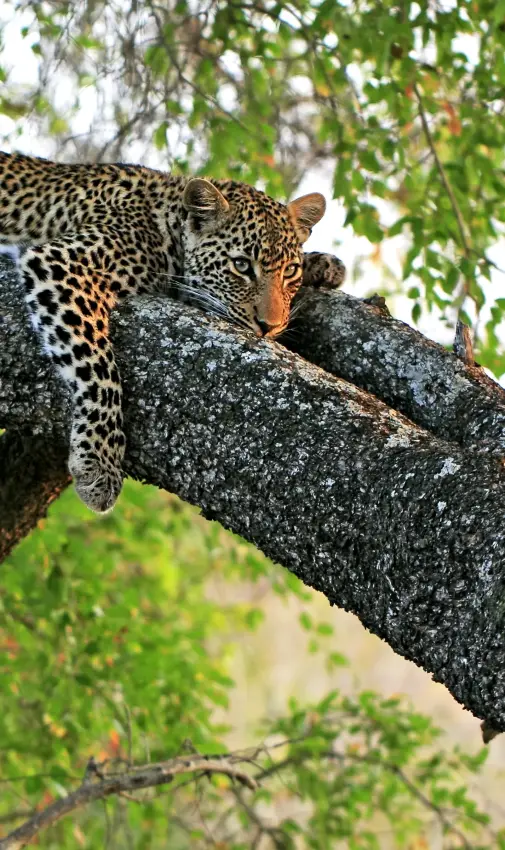
An early descent brings guests onto the floor before the heavier flow of vehicles arrives from lodges further out.

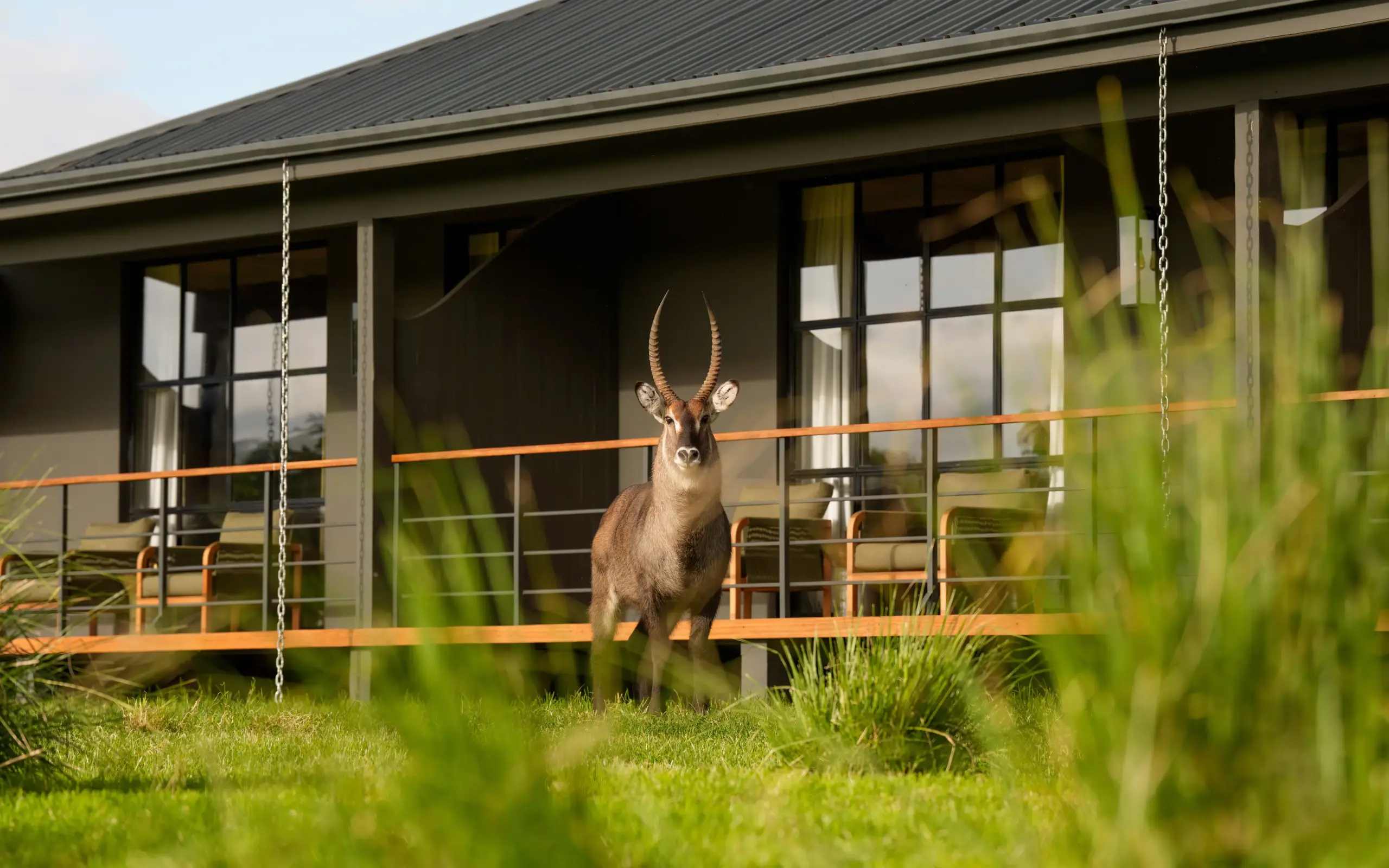
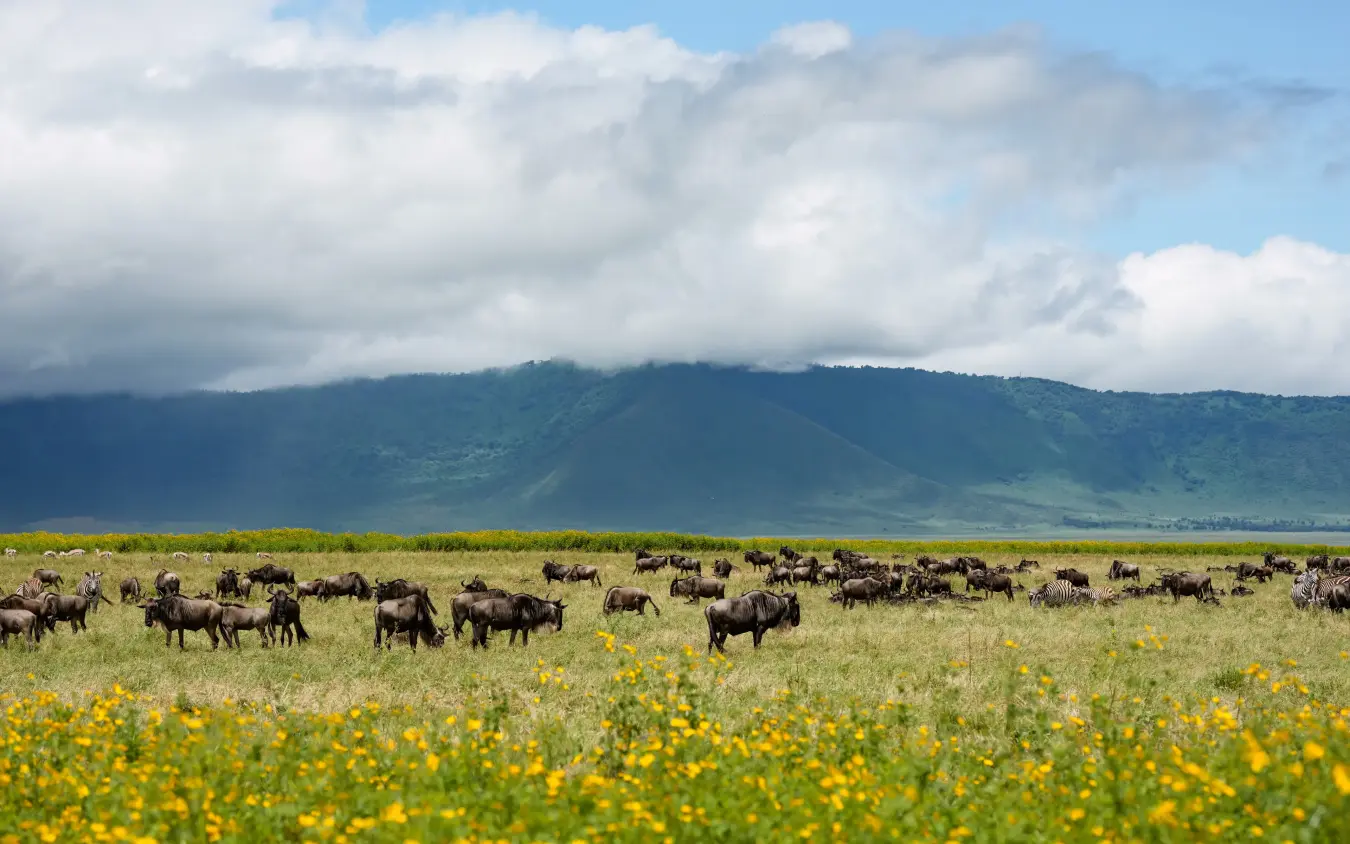
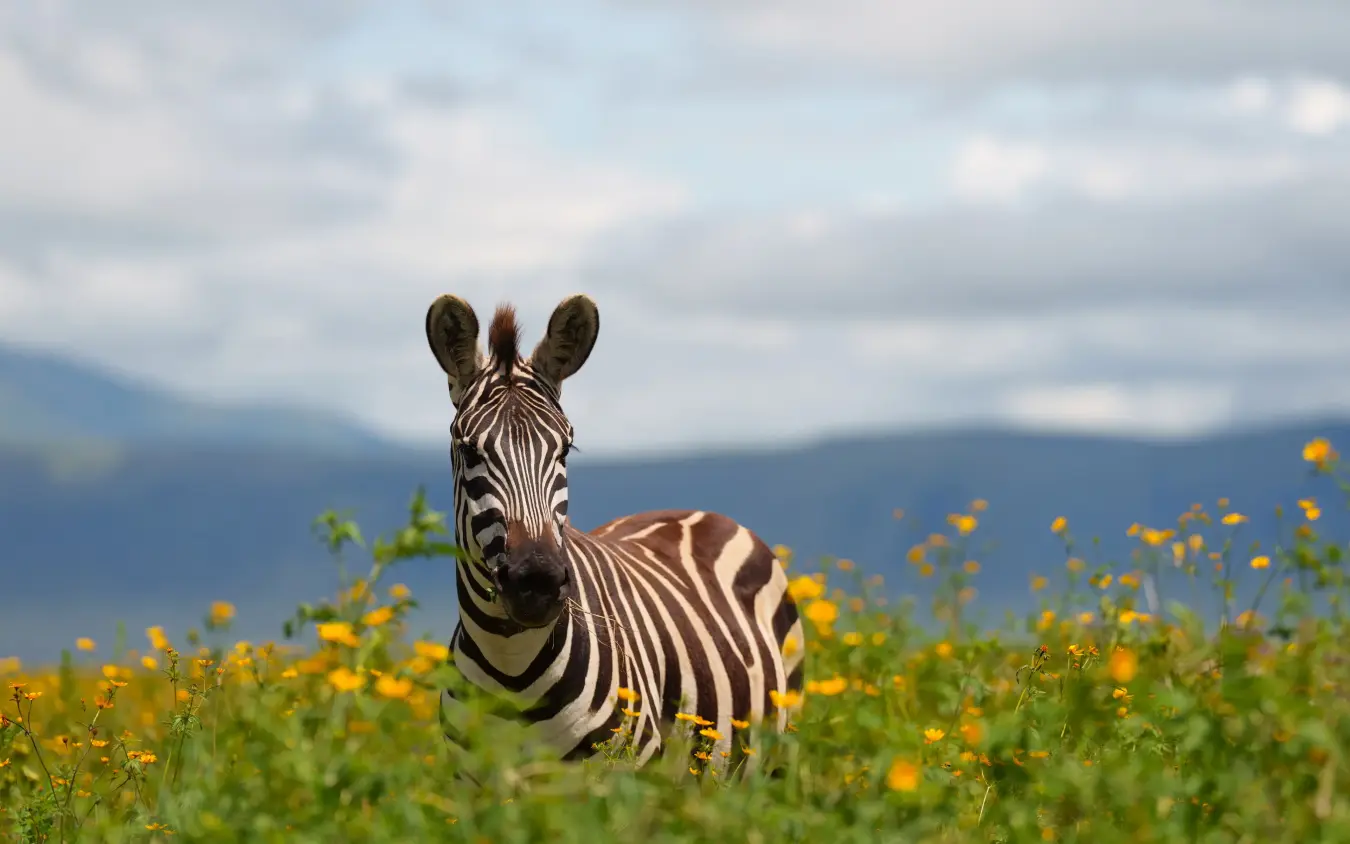
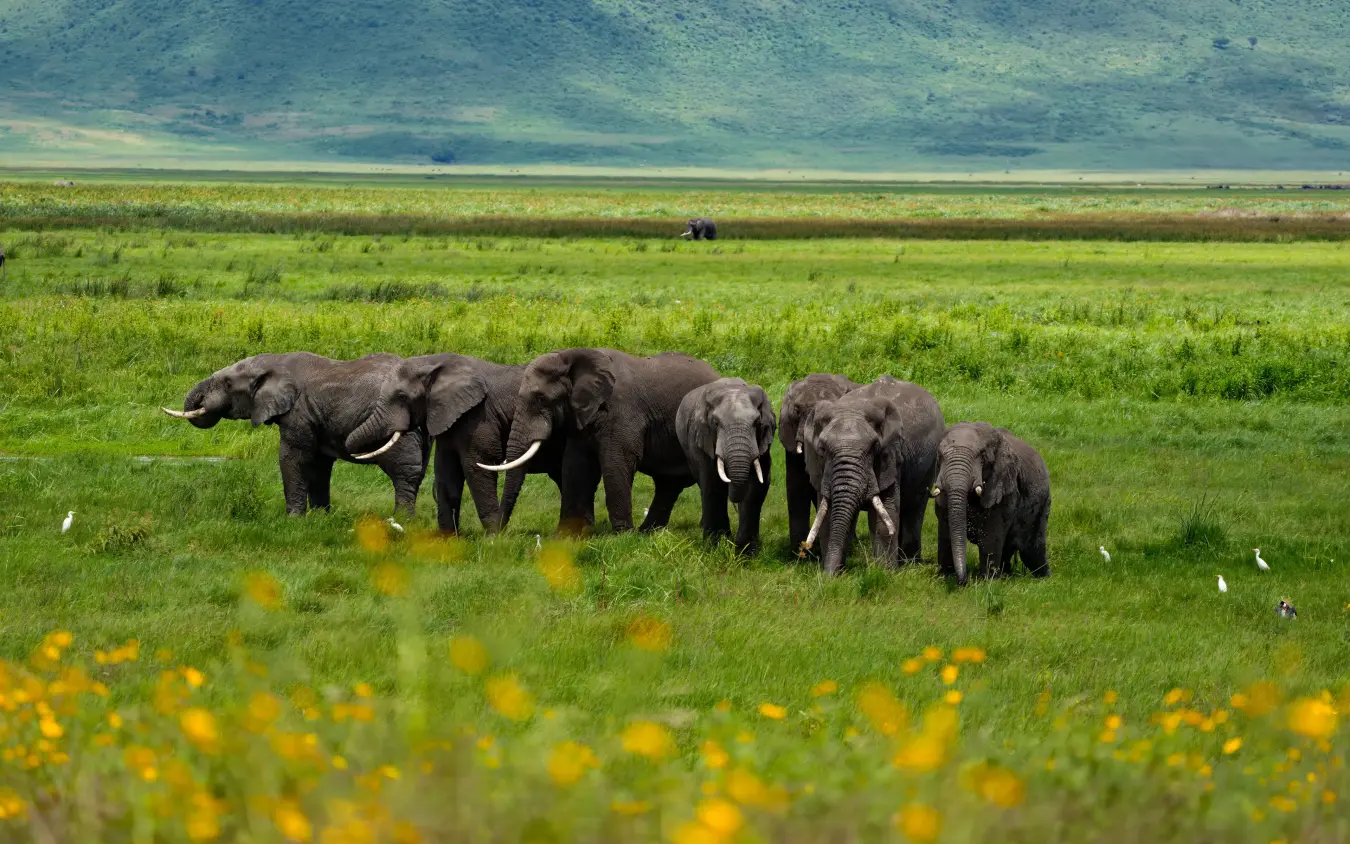
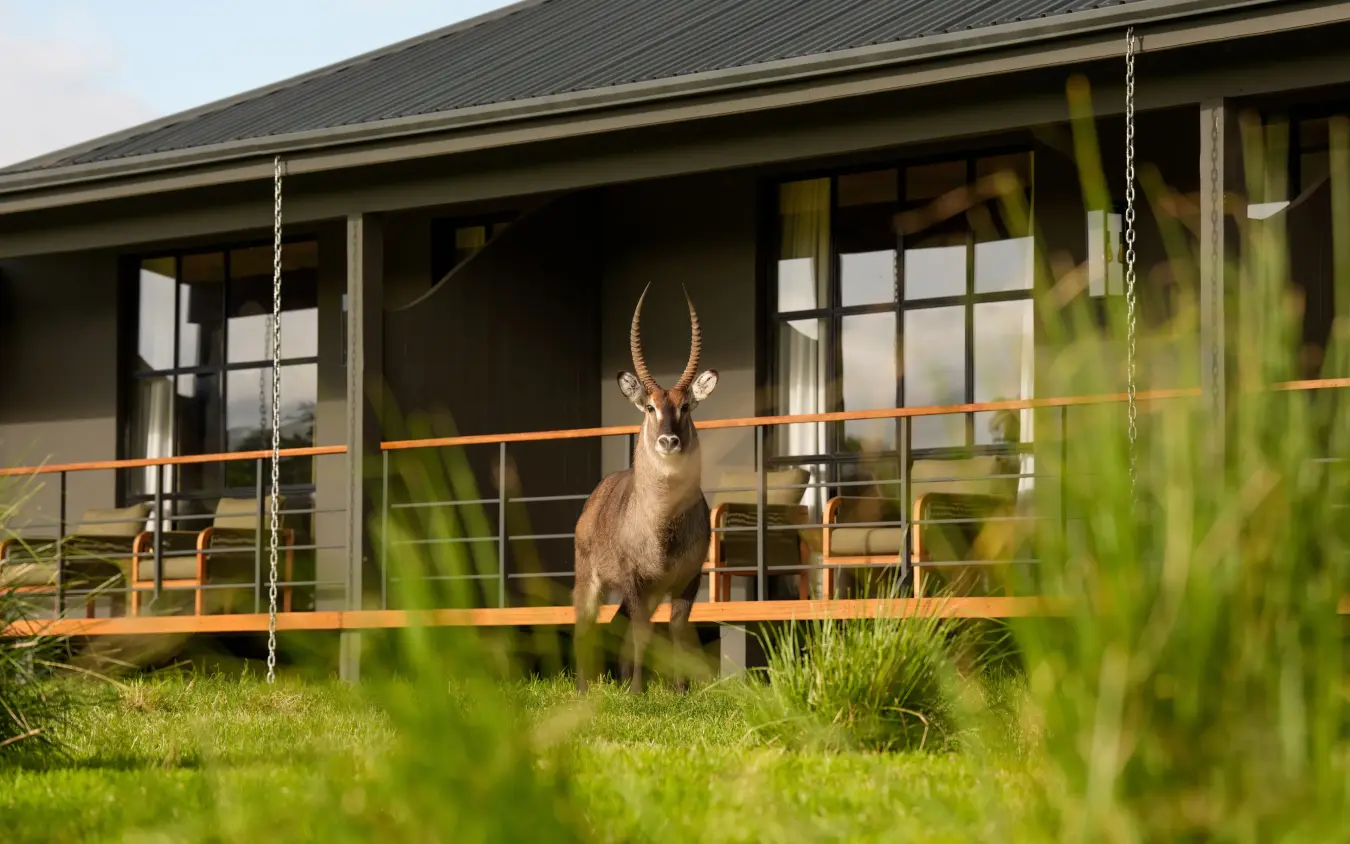
That head start matters. The caldera holds one of the densest concentrations of large mammals in Africa, black rhino and elephant among them, and lion and leopard besides. An early descent brings guests onto the floor before the heavier flow of vehicles arrives from lodges further out. Higher up, buffalo, waterbuck and zebra graze below the suite terraces, drawn by the forest itself and by nothing the lodge has laid on.

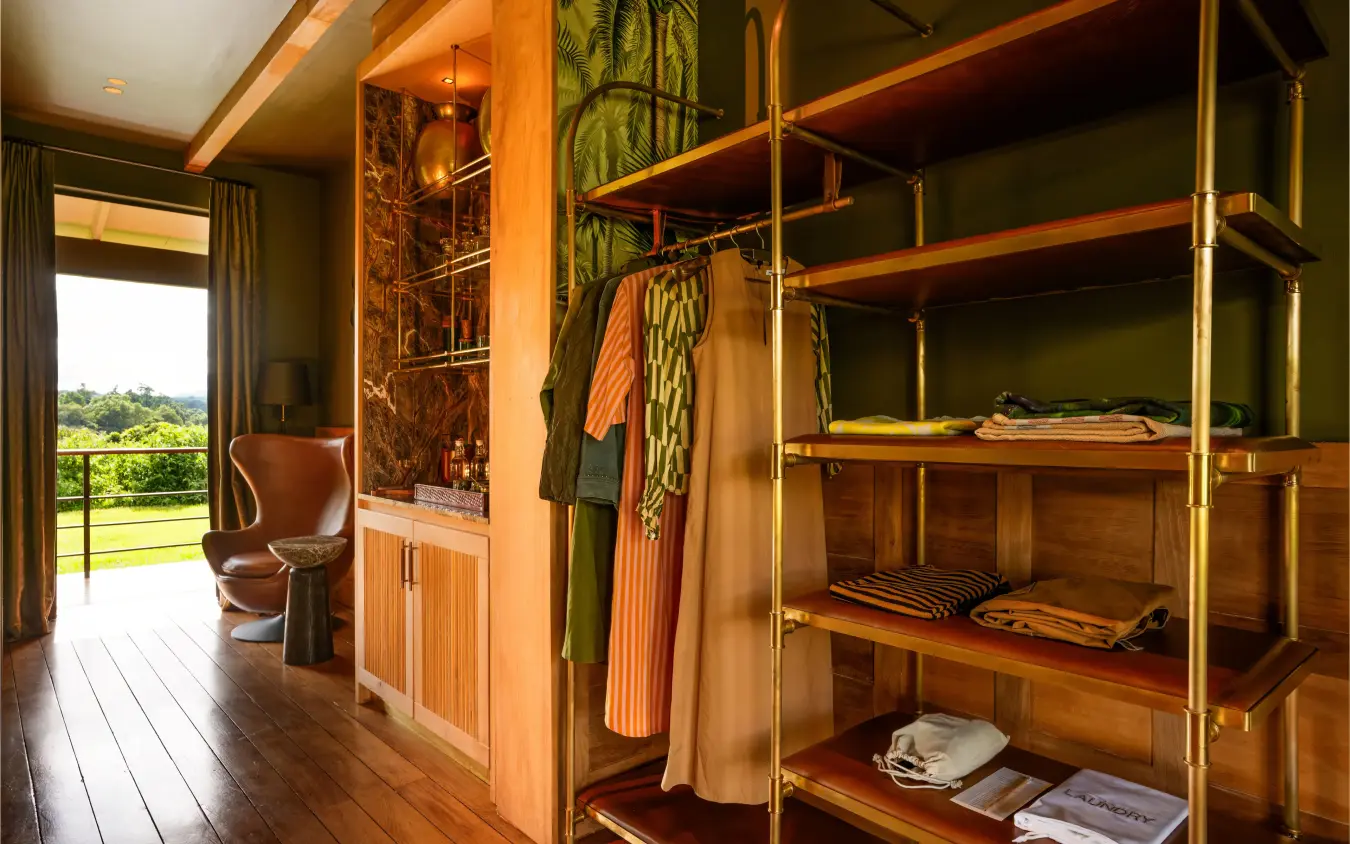
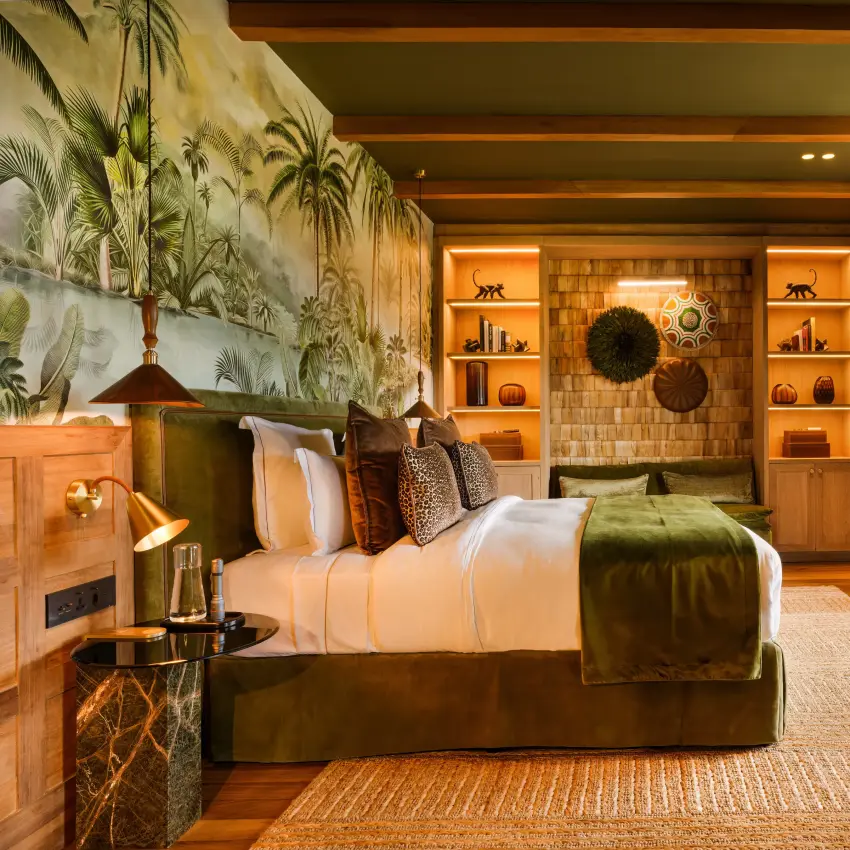
Luxury bedroom suite with warm wood paneling and views to terrace, Laba Ngorongoro Lodge, Ngorongoro Crater, Tanzania
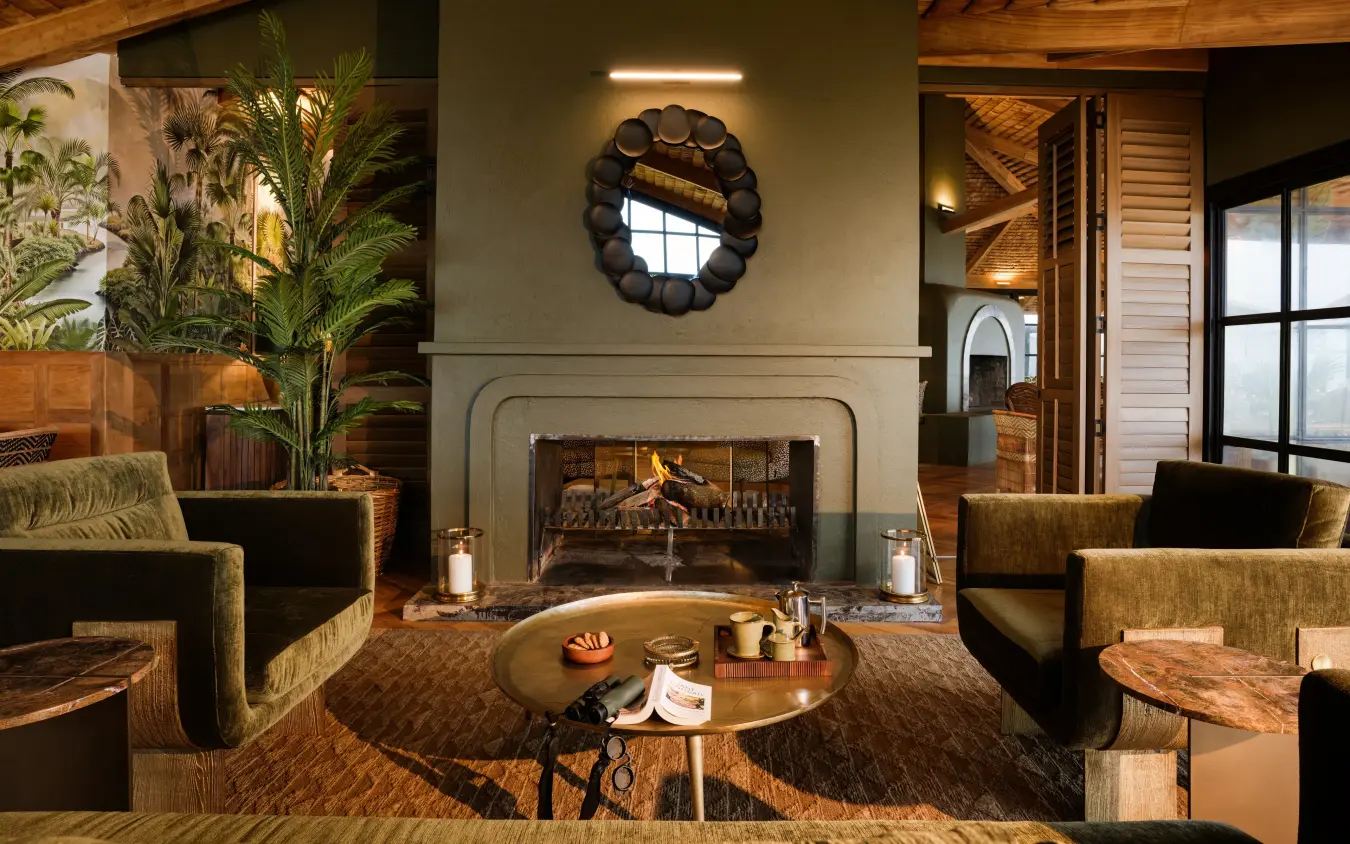
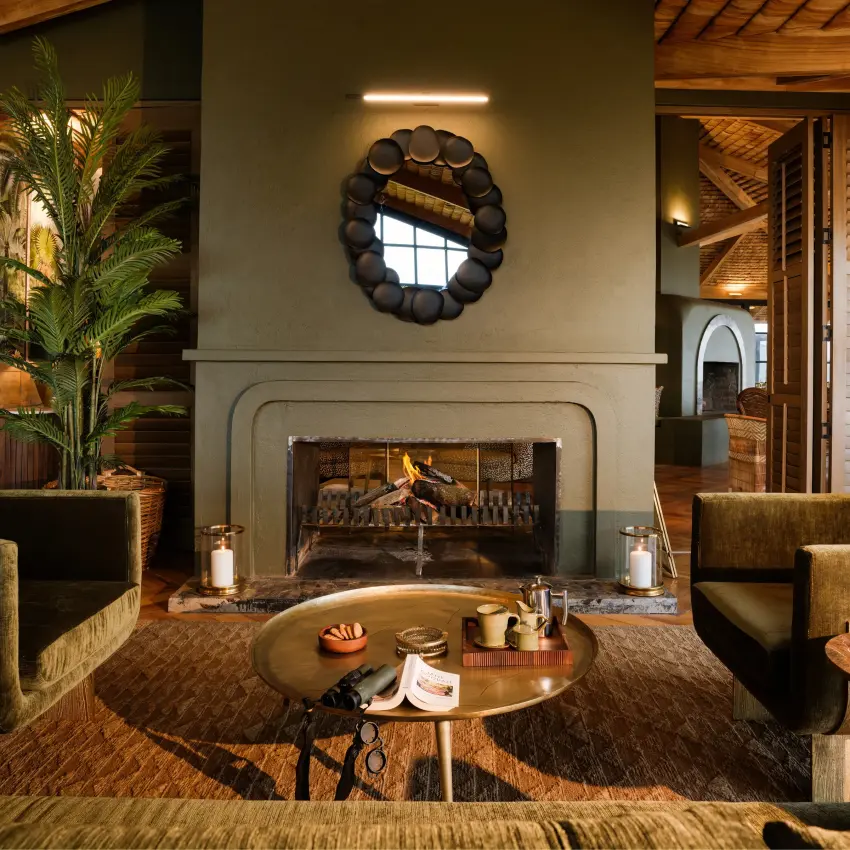
Modern lounge with fireplace, seated guests, and decorative plants indoors, Laba Ngorongoro Lodge, Ngorongoro Crater, Tanzania

The history here is not hidden away. Marie and Brisson preserved the original 1950s stone house of Henry Fosbrooke, the first conservator of the Ngorongoro Conservation Area. It now serves as reception and bar-lounge, a low-walled reminder of how the reserve came to be protected in the first place.

The mood is warm and cocooning rather than tented, made for the crisp, mist-heavy air of the highlands.

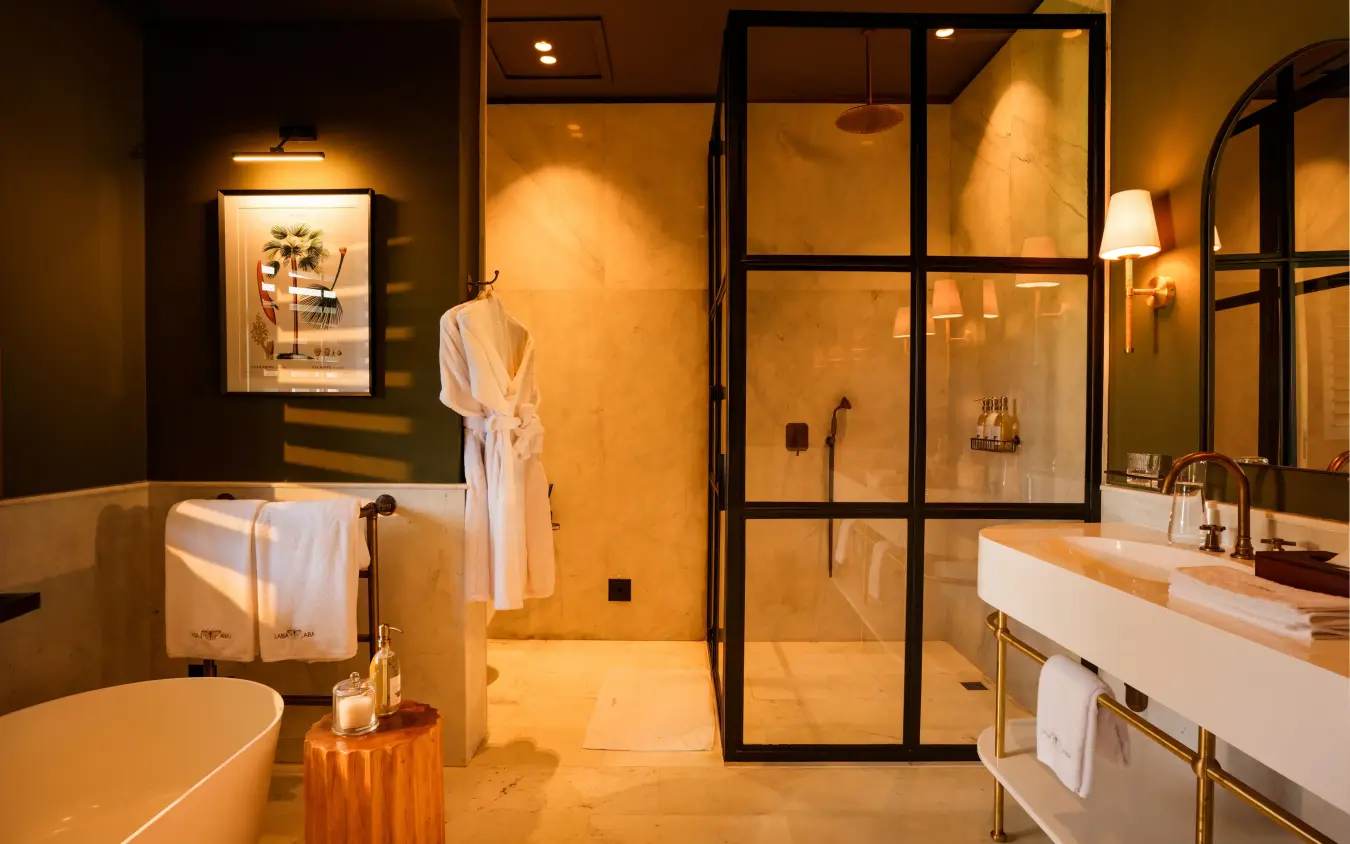
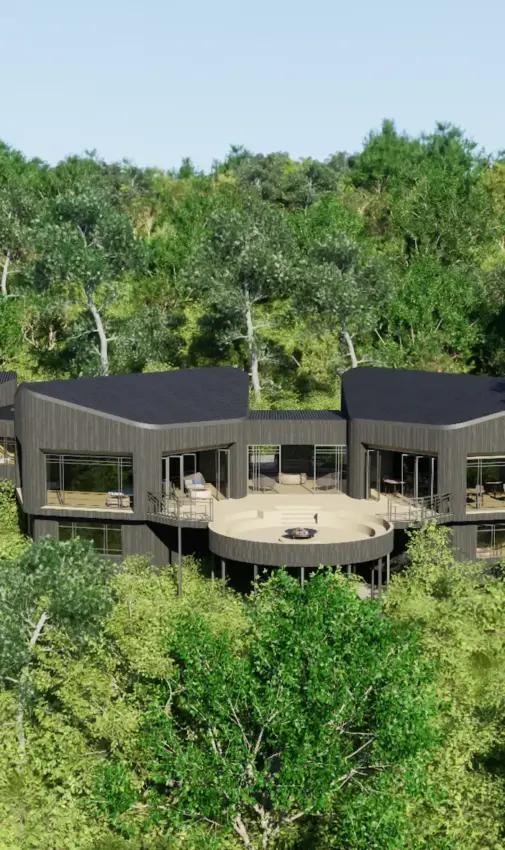
Brisson’s hand as a designer shows throughout. The rooms hold contemporary African art and handcrafted local furnishings in earthy volcanic tones, and large glass windows bring the forest to eye level. Timber shingles, hand-hewn stone and steel frame the buildings. The mood is warm and cocooning rather than tented, made for the crisp, mist-heavy air of the highlands.

Luxury bedroom with tropical wallpaper and wooden beam ceiling, Laba Ngorongoro Lodge, Ngorongoro Crater, Tanzania 01

accommodation

Twenty Deluxe Suites in the Forest

18 Deluxe Rooms and 2 Deluxe/Family Suites, each around 50 square metres, arranged as private sanctuaries. A bedroom in double or twin layout gives onto a separate living area, a dressing room and an en-suite with soaking tub and walk-in shower, and a partly covered terrace faces the forest. Comfort runs to air conditioning, underfloor bathroom heating, minibar, espresso machine and Healing Earth bath products.

Elephant herd walking through grassland with yellow wildflowers, Laba Ngorongoro Lodge, Ngorongoro Crater, Tanzania 02

activities

Crater Descents and Guided Forest Walks

Private game drives descend into the Ngorongoro Crater in hybrid-propulsion vehicles, run twice daily or as full-day outings. Guided walks operate in the forest reserve with armed rangers, not on the crater floor. Further afield: hikes to Empakai Crater and Olmoti, day trips to Olduvai Gorge, the Shifting Sands and Lake Manyara, visits to Maasai and Hadzabe communities, and hot-air ballooning.

Lions resting on driftwood logs overlooking water and shoreline, Laba Ngorongoro Lodge, Ngorongoro Crater, Tanzania 03

conservation

Thirty Percent of Profits for Tanzania

The Laba Laba collection commits 30 percent of company profits to conservation and humanitarian programmes across Tanzania. Laba Ngorongoro Lodge prioritises local employment of Maasai and Iraqw community members and sources food, décor and woven crafts from regional farms and artisan cooperatives.

ready to get started?

Get in touch and let’s start the conversation. An initial consultation helps us understand what you’re looking for, whether that’s specific experiences, luxury touches, or marking a special occasion, and from there we’ll guide you through what’s possible so you can decide if we’re the right fit.

Alternative accommodation in ngorongoro crater

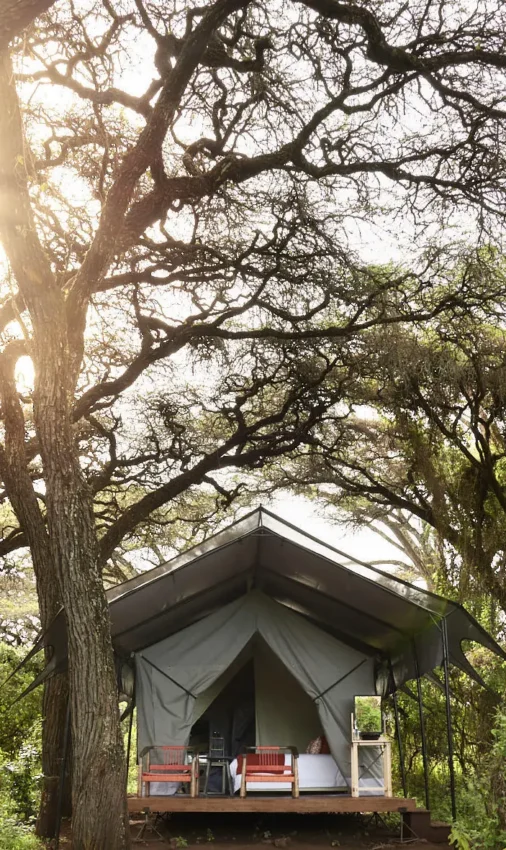
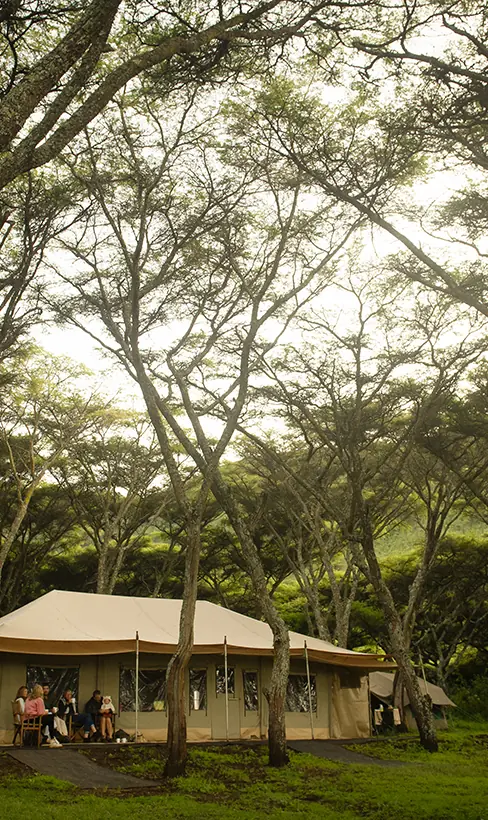
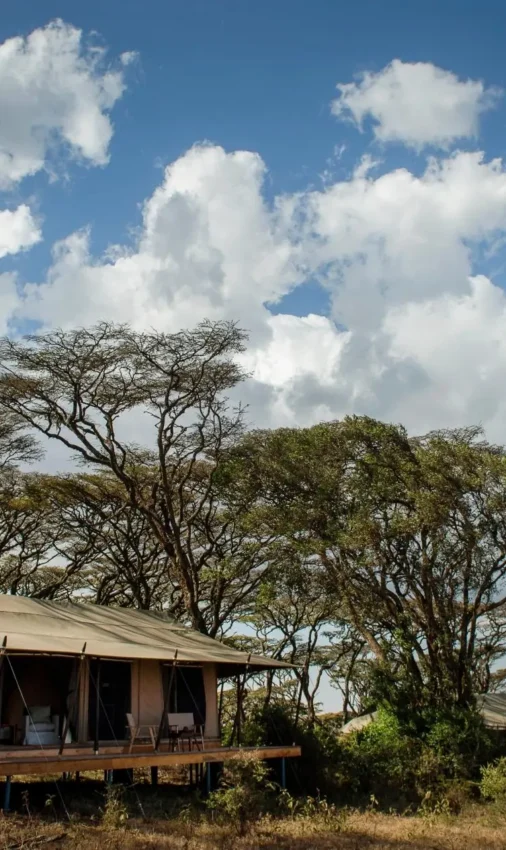
Luxury safari tent nestled among tall acacia trees, Sanctuary Crater Camp, Ngorongoro Crater, Tanzania 01

Sanctuary Crater Camp

Ngorongoro Crater

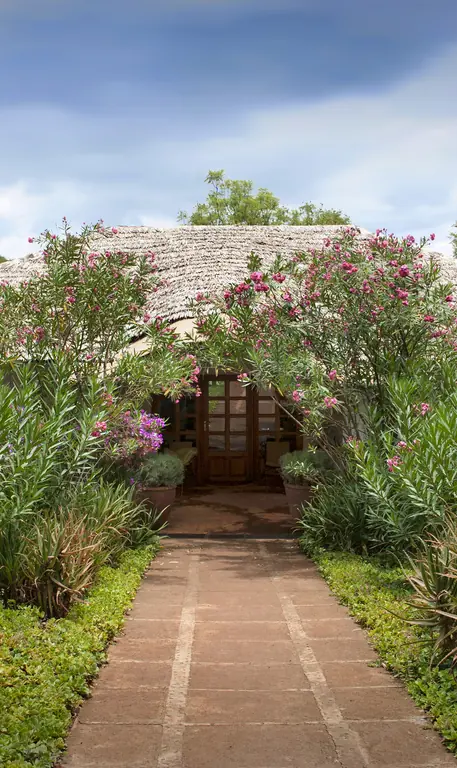
Thatched roof building with flowering plants and manicured gardens, Plantation Lodge, Ngorongoro Crater, Tanzania 02

Plantation Lodge

Ngorongoro Crater

Circular lounge with central fireplace and geodesic dome ceiling, The Highlands, Ngorongoro Crater, Tanzania 03

The Highlands

Ngorongoro Crater

Illuminated canvas tent beneath acacia trees at dusk, Lemala Ngorongoro, Ngorongoro Crater, Tanzania 04

Lemala Ngorongoro

Ngorongoro Crater

Thatched-roof lodge surrounded by indigenous gardens and woodland vegetation, The Retreat at Ngorongoro, Ngorongoro Crater, Tanzania 05

The Retreat at Ngorongoro

Ngorongoro Crater

Canvas safari tent nestled among tall acacia trees, Mysigio Camp, Ngorongoro Crater, Tanzania 06

Mysigio Camp

Ngorongoro Crater

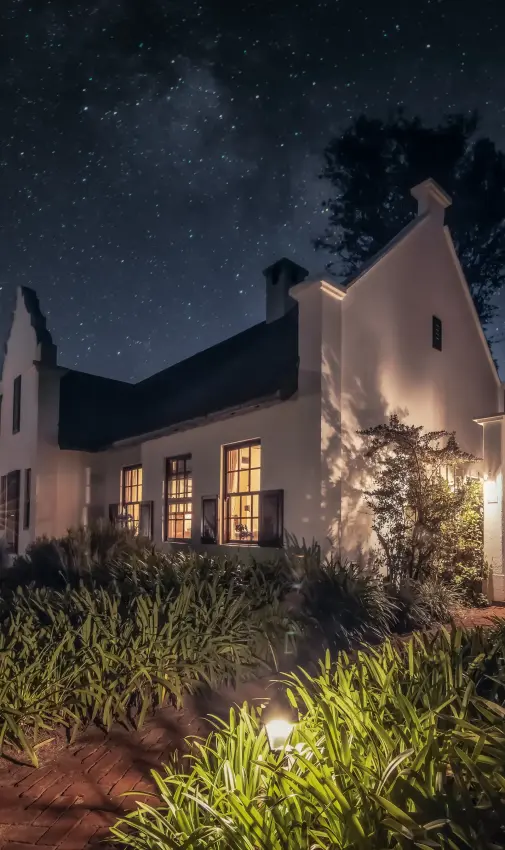
Illuminated white farmhouse under starry night sky with manicured gardens, The Manor at Ngorongoro, Ngorongoro Crater, Tanzania 07

The Manor at Ngorongoro

Ngorongoro Crater

Safari lodge tent with acacia trees and mountain backdrop, Entamanu Camp, Ngorongoro Crater, Tanzania 08

Entamanu Camp

Ngorongoro Crater

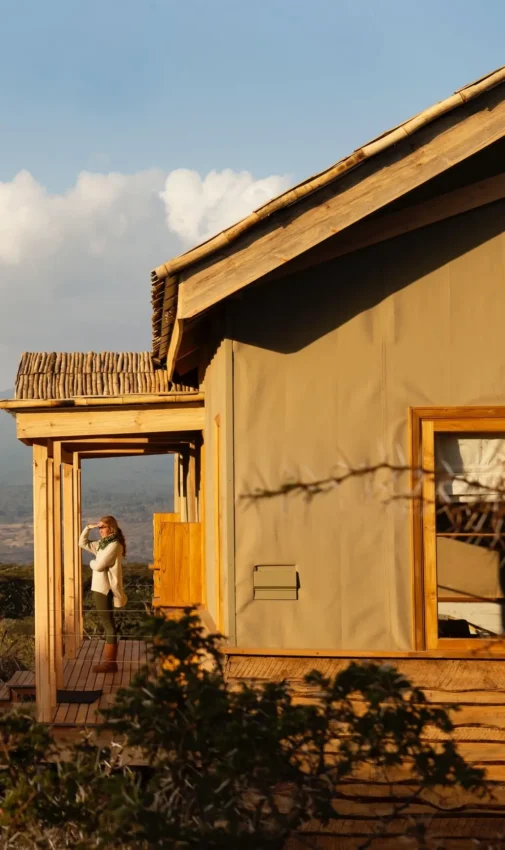
Luxury lodge with guest on wooden deck overlooking acacia trees and valley, Entamanu Private, Ngorongoro Crater, Tanzania 09

Entamanu Private

Ngorongoro Crater

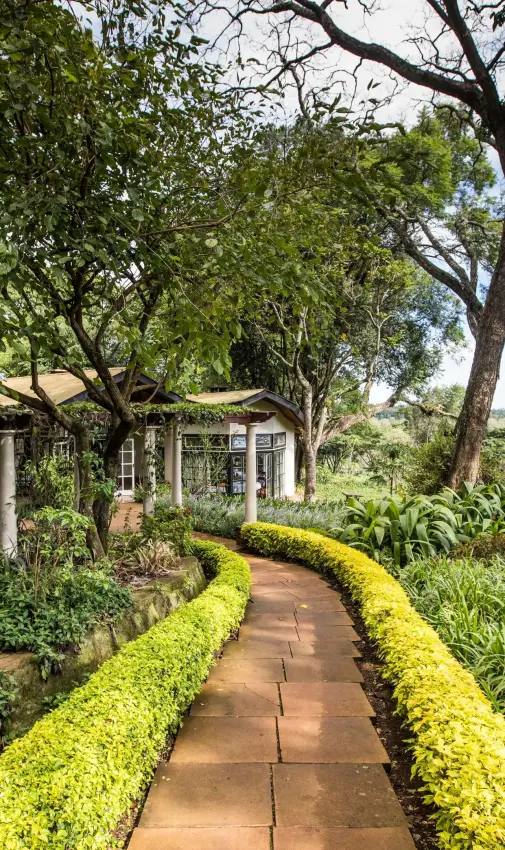
Manicured garden pathway leading to colonial-style lodge building, Gibb’s Farm, Ngorongoro Crater, Tanzania 10

Gibb’s Farm

Ngorongoro Crater

frequently asked questions

Fly from Arusha to Lake Manyara airstrip, about twenty-five minutes on the scheduled service, and the road transfer climbs the Rift escarpment and runs up through Karatu to the lodge in around an hour. We can also arrange a private charter into the same airstrip, typically a Cessna Caravan or Pilatus PC-12, when the schedules fight your dates; light aircraft take soft bags only, about fifteen kilograms per person.

By road the lodge sits a little over three hours from Arusha and around four from Kilimanjaro International, a climb from plains to highland farm country that works as an introduction rather than a chore.

On the crater's clock, which is strict. The conservation area gate opens at six in the morning, vehicles may descend to the crater floor between six and four in the afternoon, and everyone must be off the floor by six in the evening. The morning hours are the prize, when the light is low, the mist is lifting and the predators are still moving, which is why staying beside the gate rather than an hour down the road changes the whole day.

Expect real cold at the start: the rim sits high and dawn there often means single figures and mist before the floor warms below. Entry to the conservation area is charged per person, and each descent carries a separate per-vehicle crater fee; we build both into your quote from the start.

Usually, yes, but the picture is worth understanding. At around 2,200 metres the lodge itself stands above the 1,800-metre line at which the CDC and the UK's official travel health advice both say Tanzanian malaria risk stops, so the highland nights carry little risk. The rest of the journey does not share that protection: the crater floor, Karatu and everywhere you travel through sit lower, so tablets are usually recommended for the itinerary as a whole.

Never treat the trip as malaria-free. Confirm the current advice with a travel clinic or your doctor before you fly, and keep up the usual bite precautions after dark.

Warm things, whatever the season. At 2,200 metres the evenings are cold, dawn on the rim can sit near freezing, and mist is part of the scenery, while the crater floor below warms to a mild afternoon. The gap between a 6am descent and a midday picnic is the packing problem to solve.

Layers answer it: a fleece and a windproof over safari clothes for the morning, shed as the day warms, with a warm layer again for dinner. Neutral colours for the drives, sturdy shoes for the forest walks, and sunglasses and sunscreen for the equatorial sun that follows the cold.

Two nights is the sensible minimum: arrive, sleep, take the crater at full stretch from first light, and leave the following morning. A third night turns the stay from a crater transaction into a highlands visit, with a full-day hike to the Empakai Crater or the Olmoti volcano, or a day out to Olduvai Gorge and the Shifting Sands.

The lodge rewards the extra night more than most crater bases because the forest itself carries the quiet hours. Tell us what else the itinerary holds and we will balance it.

rated five stars by our clients

other areas in tanzania

Silhouetted herd of wildebeest in dusty savanna landscape 01

Serengeti National Park

Leopard resting on tree branch surrounded by green foliage 02

Tarangire National Park

Guests relax in chairs by river with child wading, Lake Manyara, Tanzania 03

Lake Manyara

African wild dog standing alert in grassland 04

Ruaha National Park

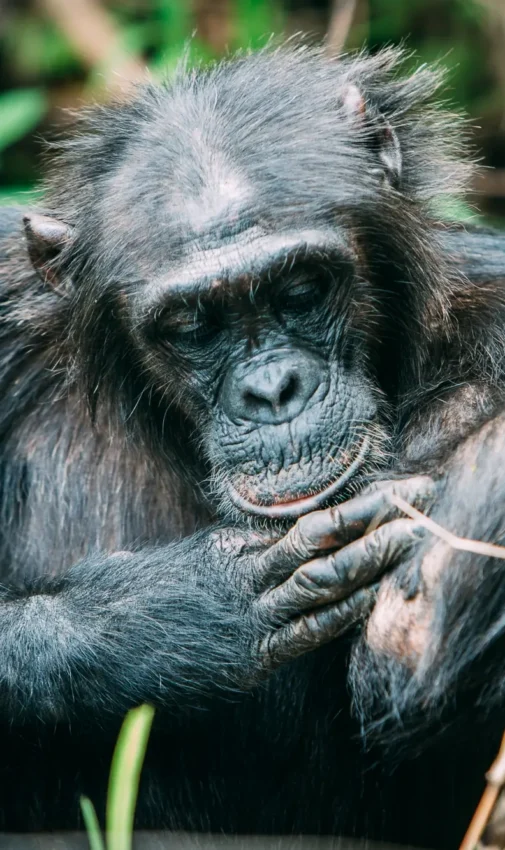
Chimpanzee holding branch while foraging in forest, Mahale Mountains, Tanzania 05

Mahale Mountains

Hippopotamuses in water with heads above surface 06

Katavi National Park

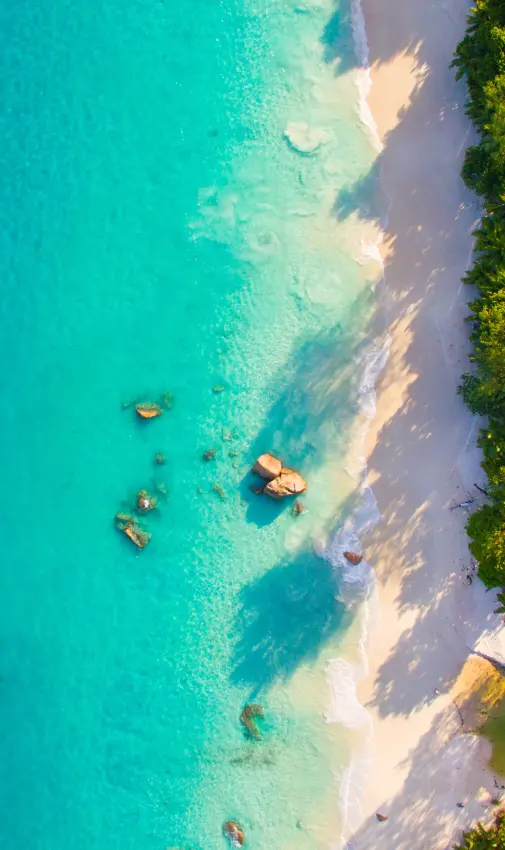
Turquoise water beach with boats and tropical vegetation 07

Zanzibar & Pemba

Family group of African elephants walking on sandy path 08

Arusha

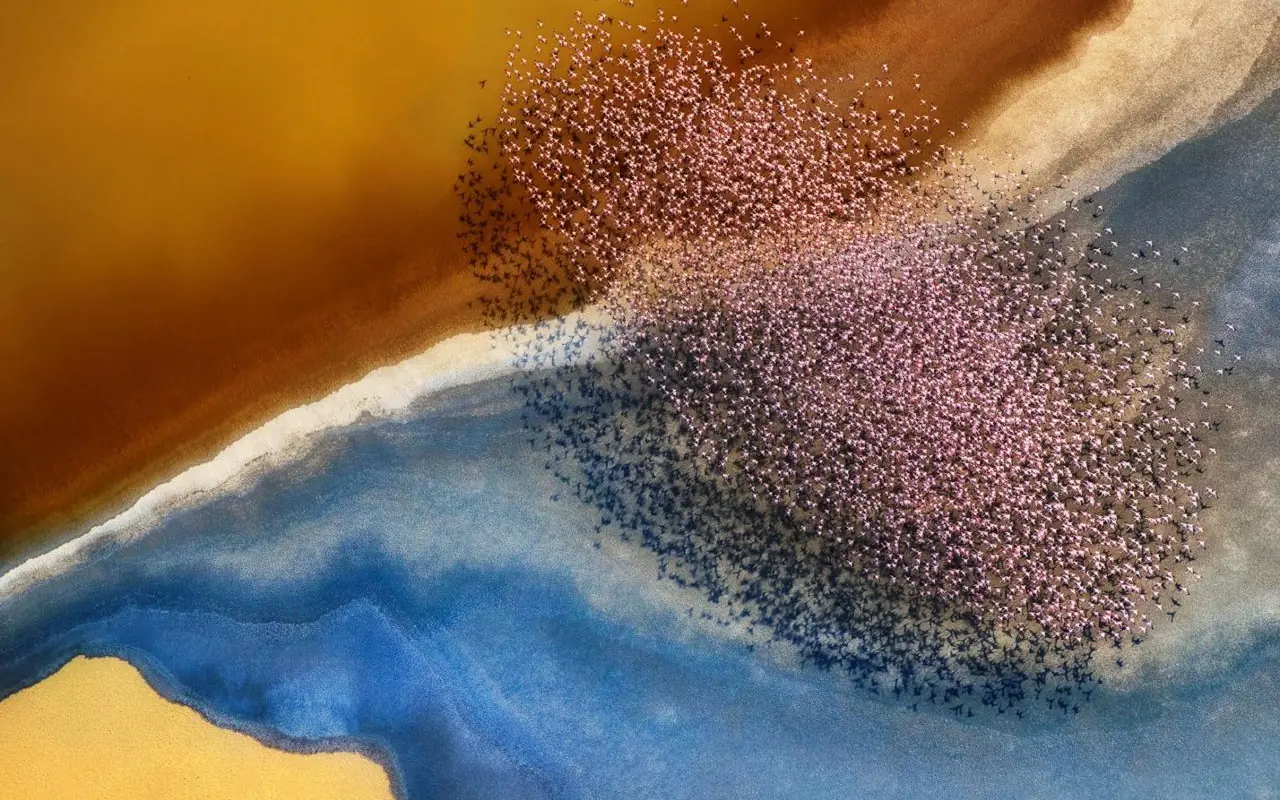
Aerial view of colorful salt lakes and mineral deposits 09

Lake Natron

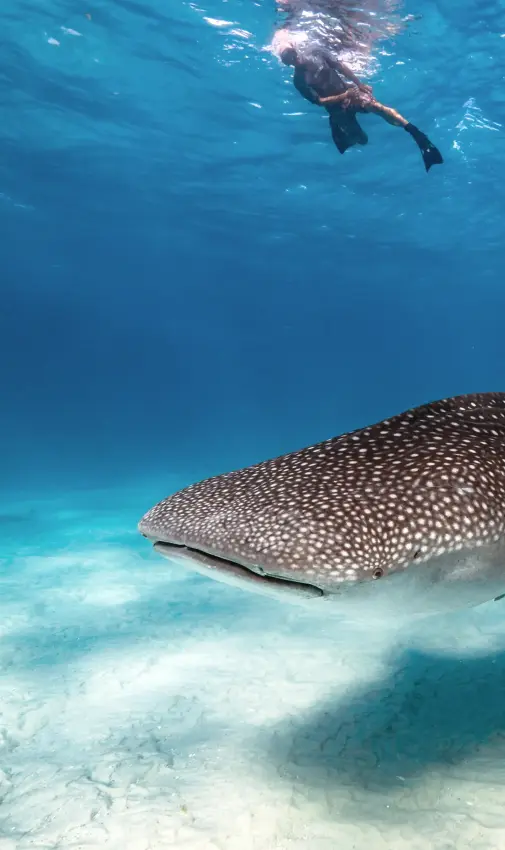
Snorkeler swimming alongside whale shark in shallow turquoise water, Mafia Archipelago, Tanzania 10

Mafia Archipelago

elephants drinking water at riverbank during daytime 11

Nyerere National Park

Chimpanzee among vegetation looking toward camera, Rubondo Island, Tanzania 12

Rubondo Island

Planning a journey together

our approach

remote, exclusive
& personal

Every journey starts with a conversation. We take the time to understand your vision before we start planning.

Whether by phone or in person, we work with you directly to shape something that is considered, personal, and expertly delivered.

get in touch
destinations ideas & inspiration our process about us contact us