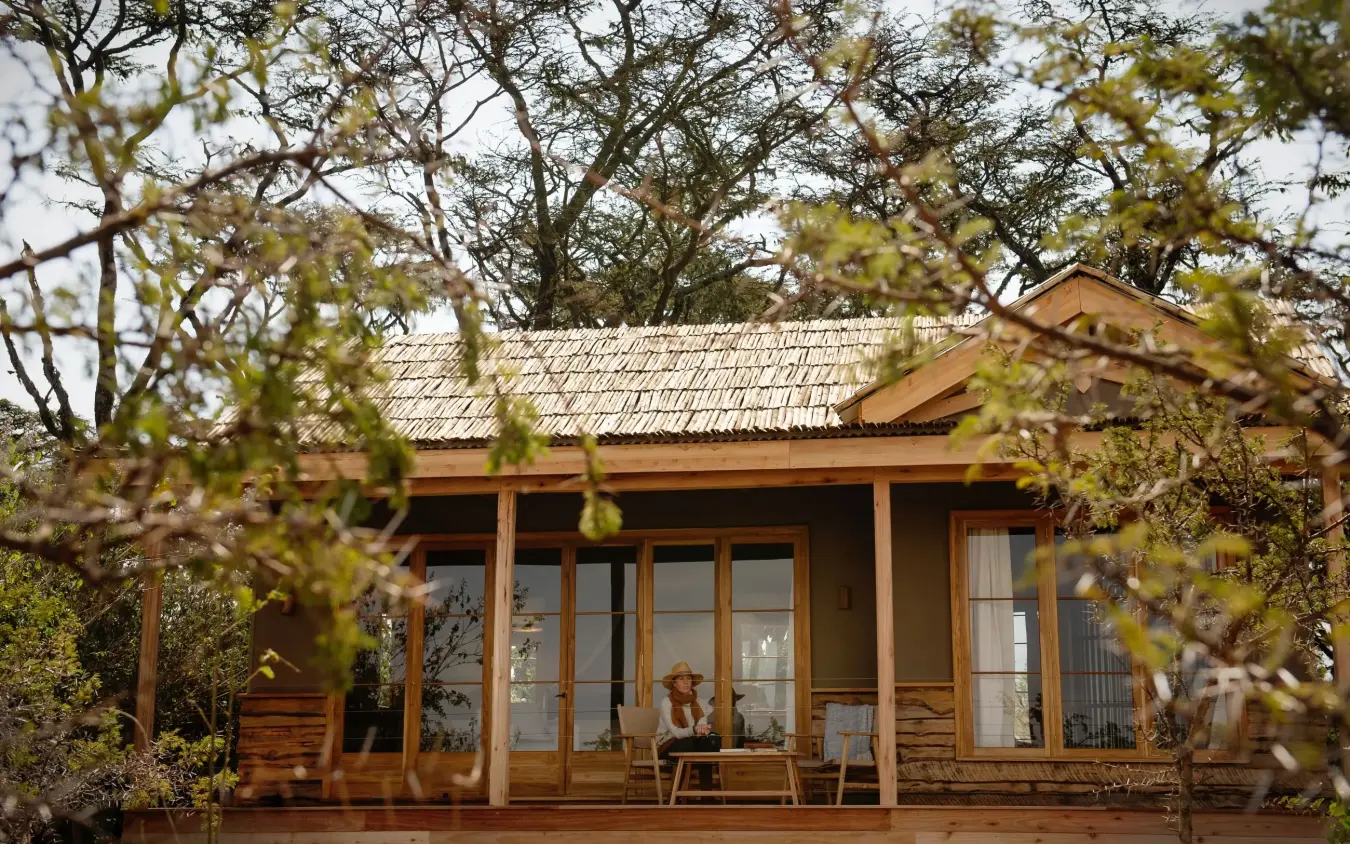
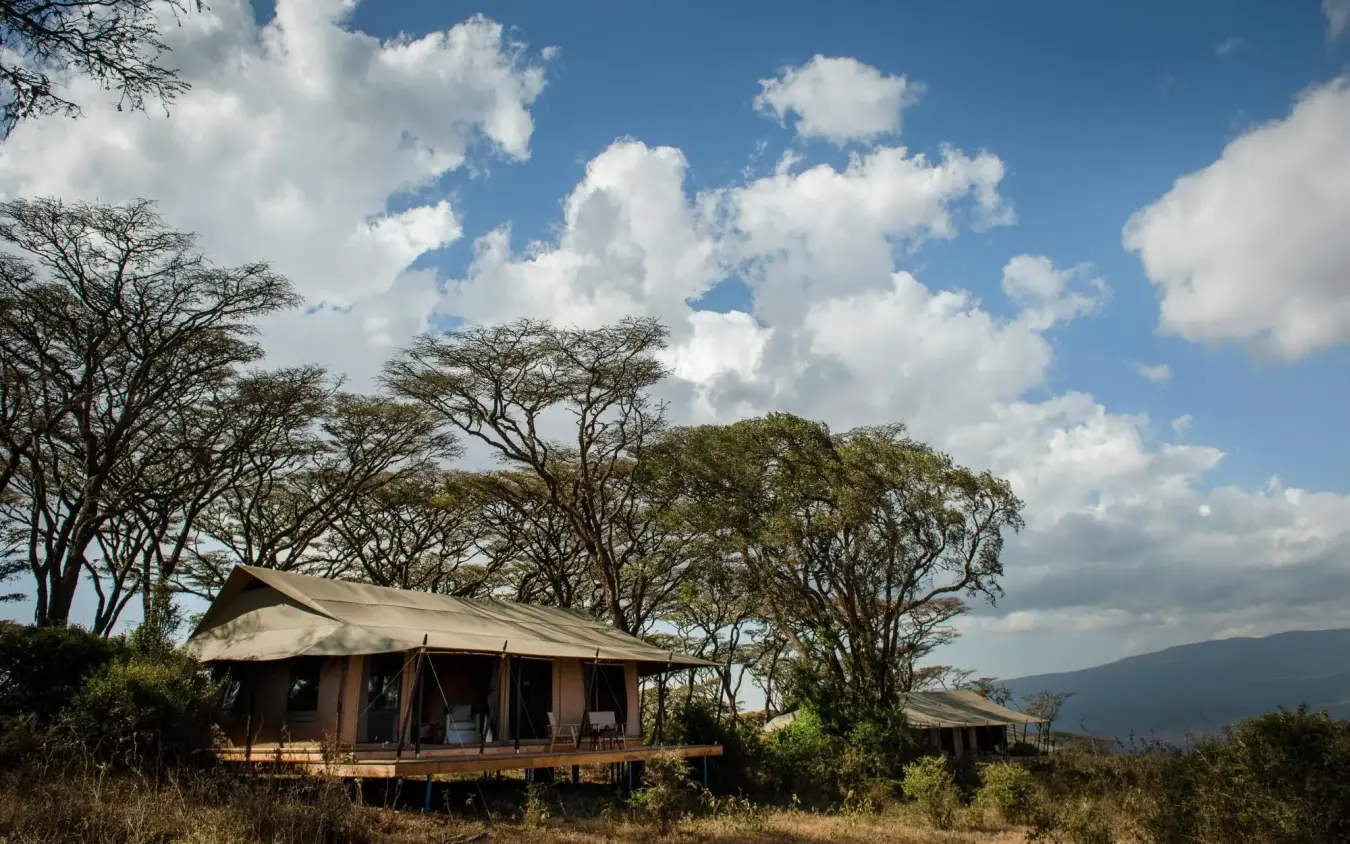
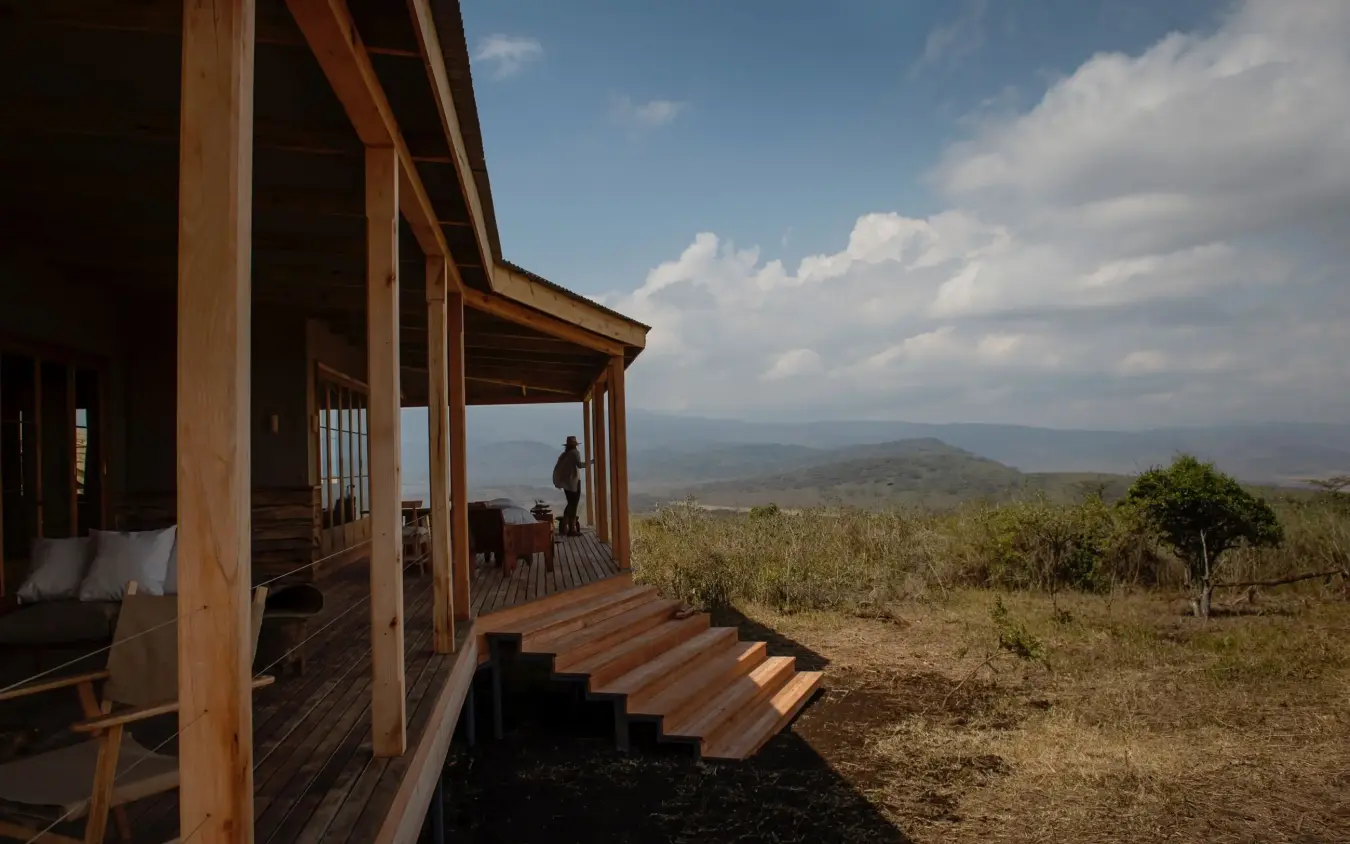
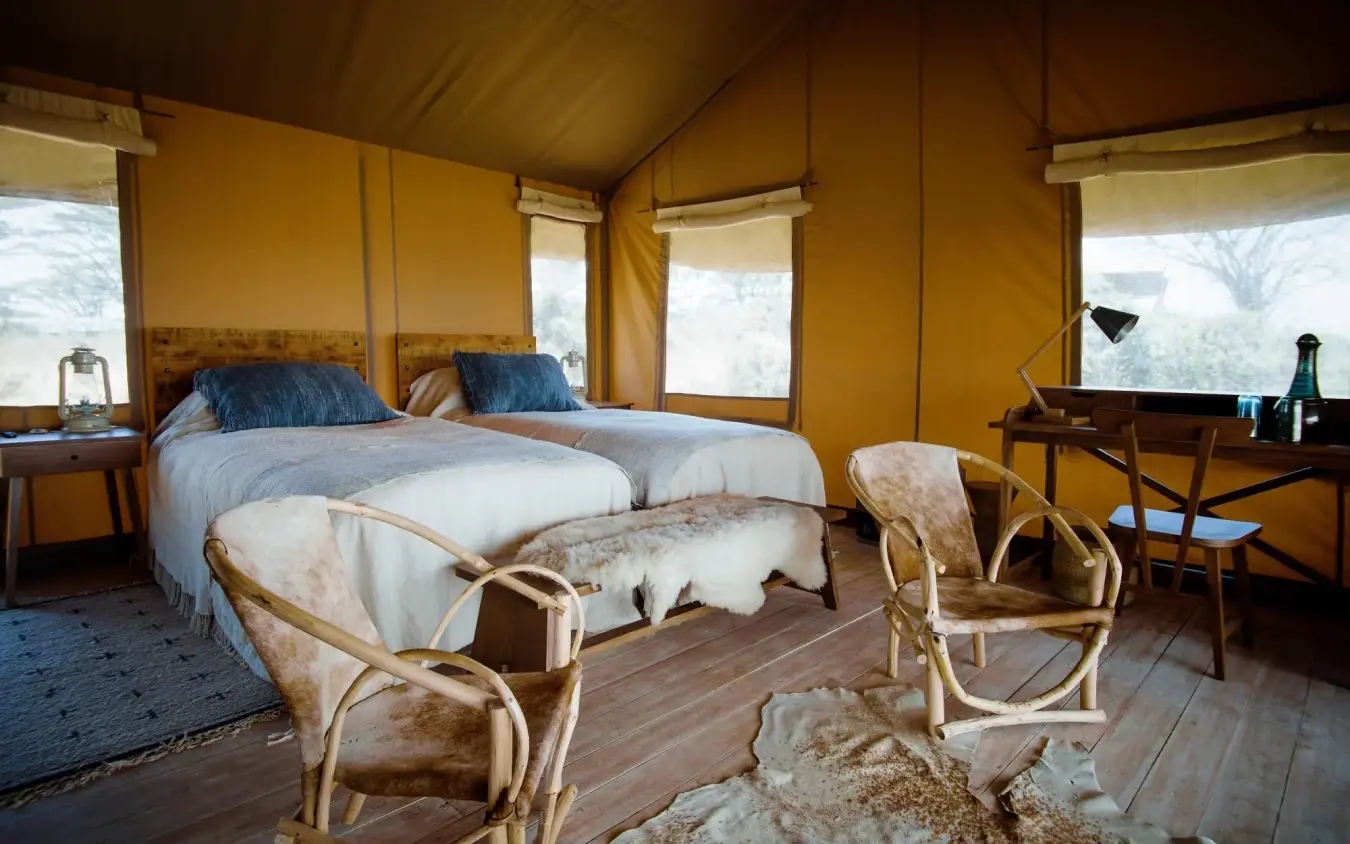
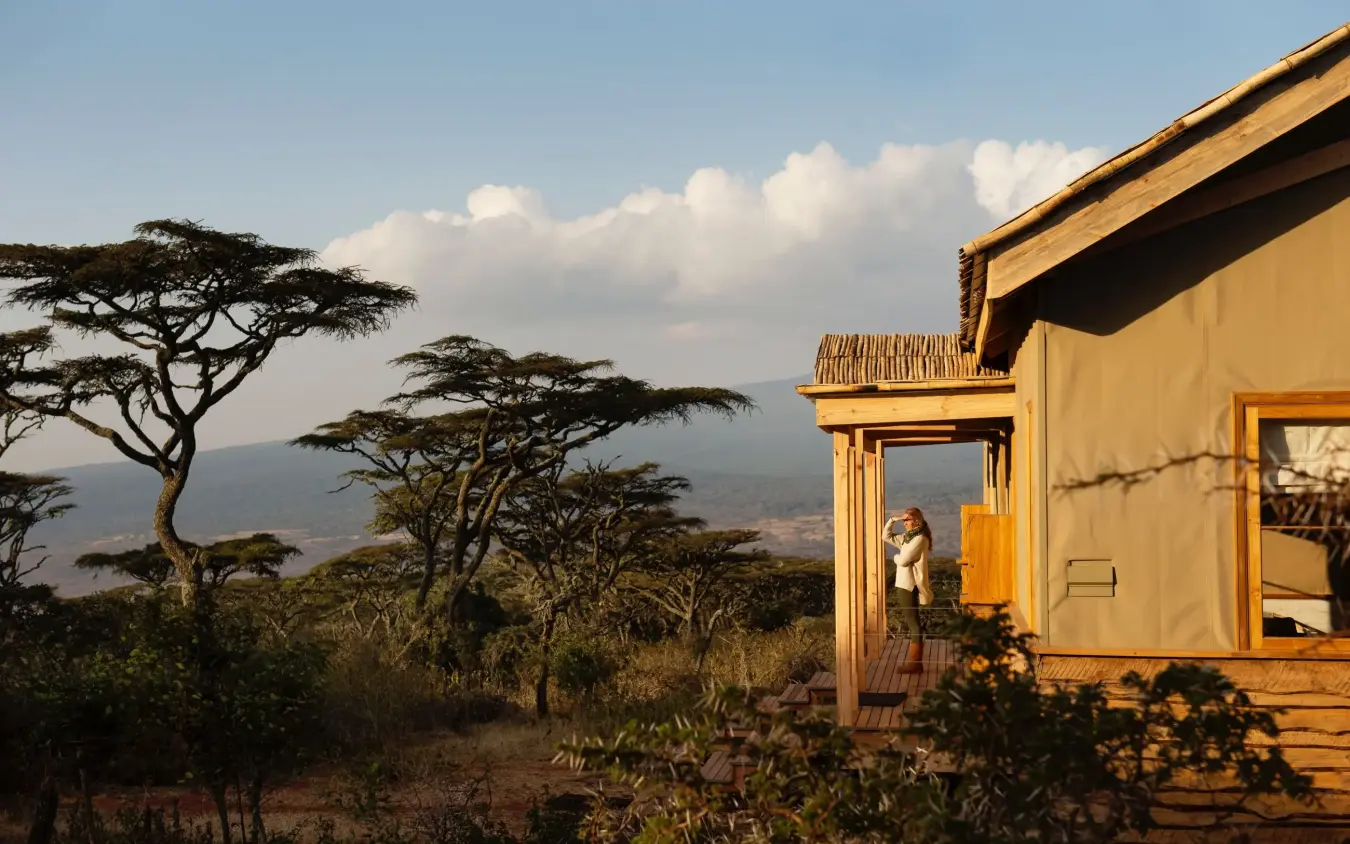
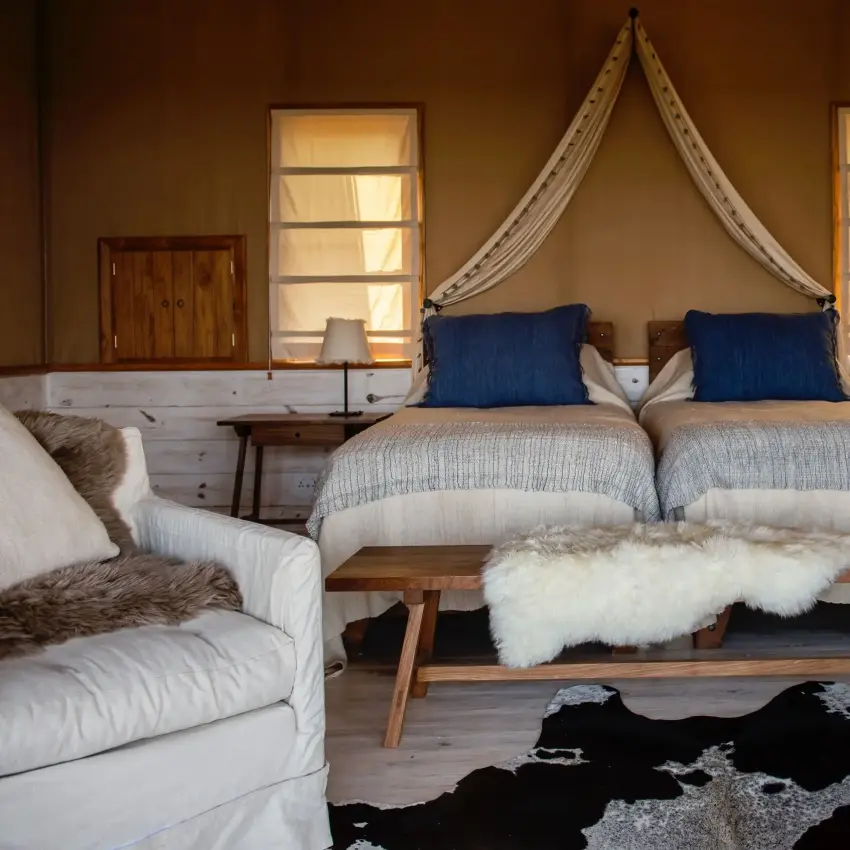
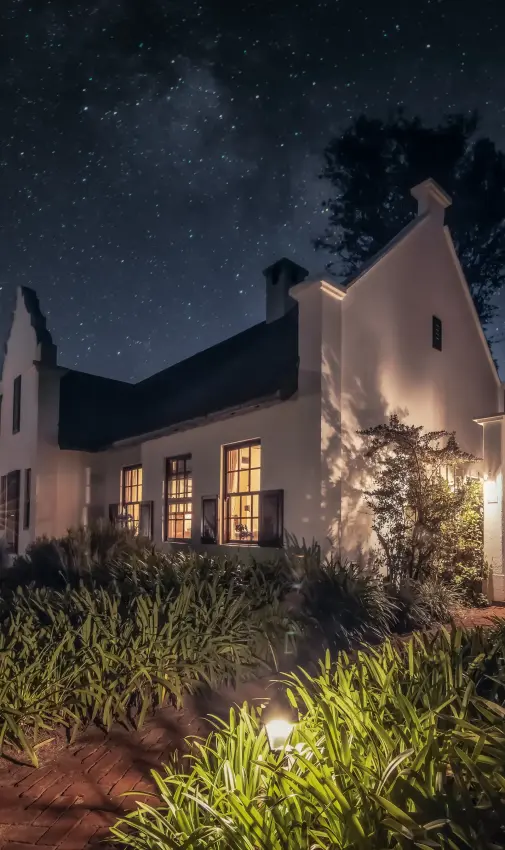
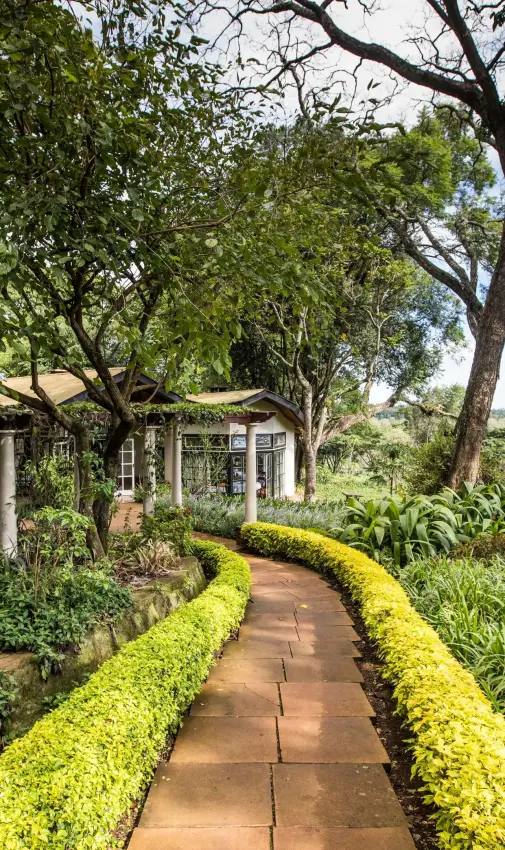
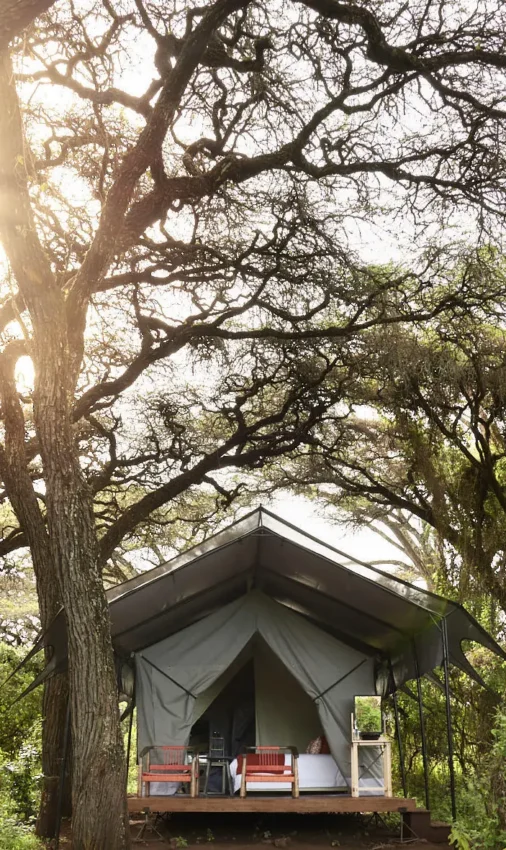
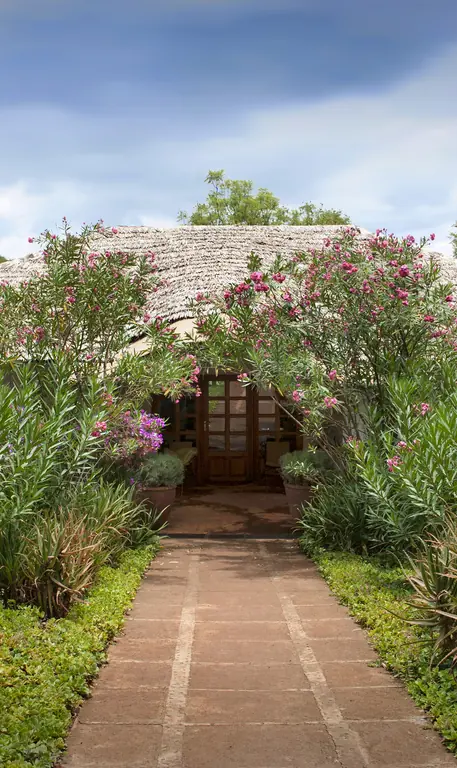
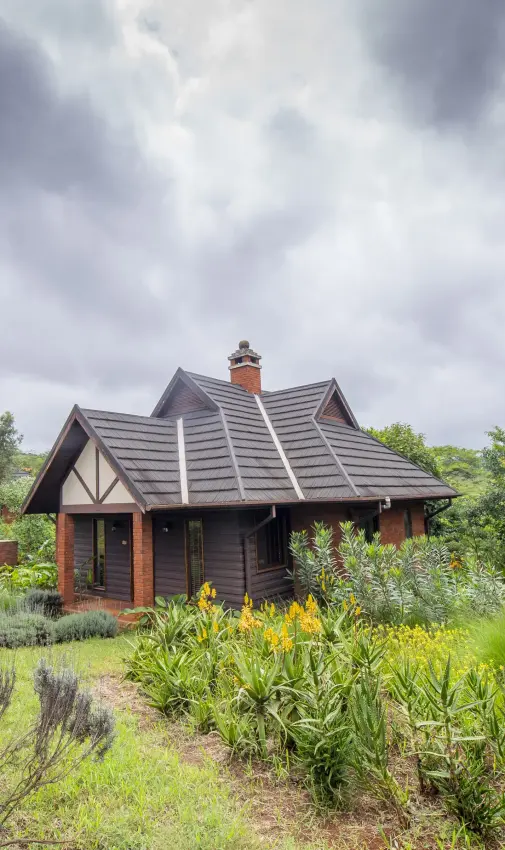
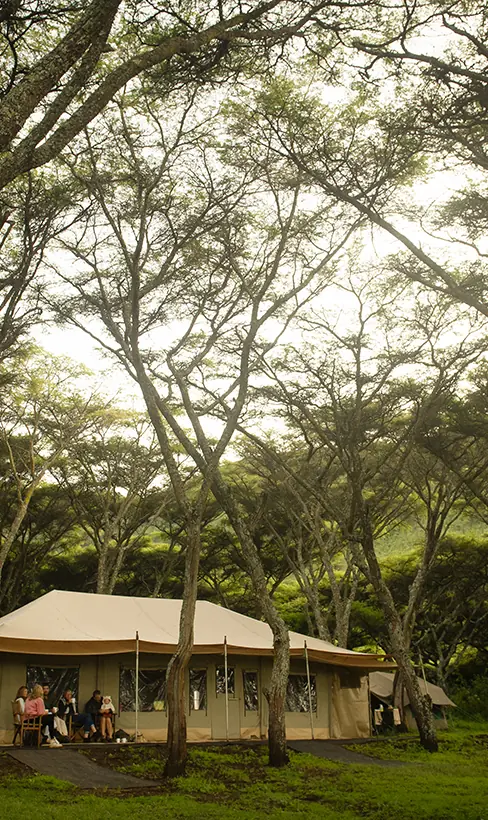
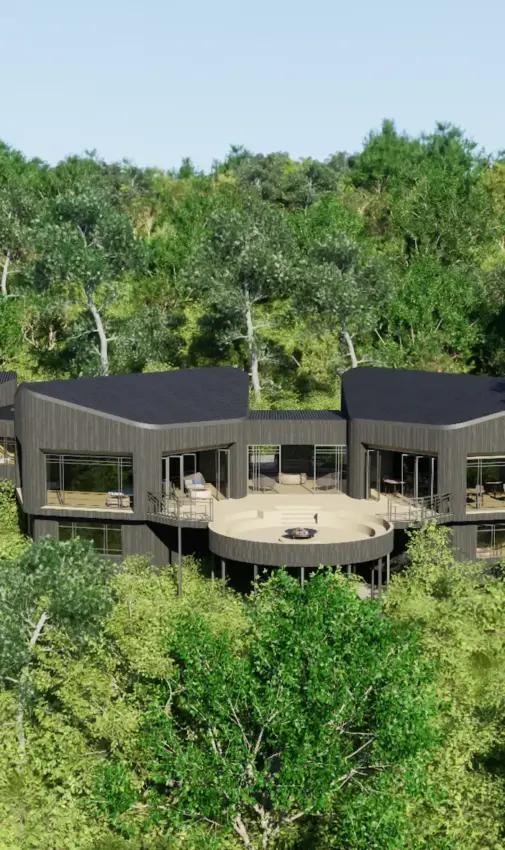
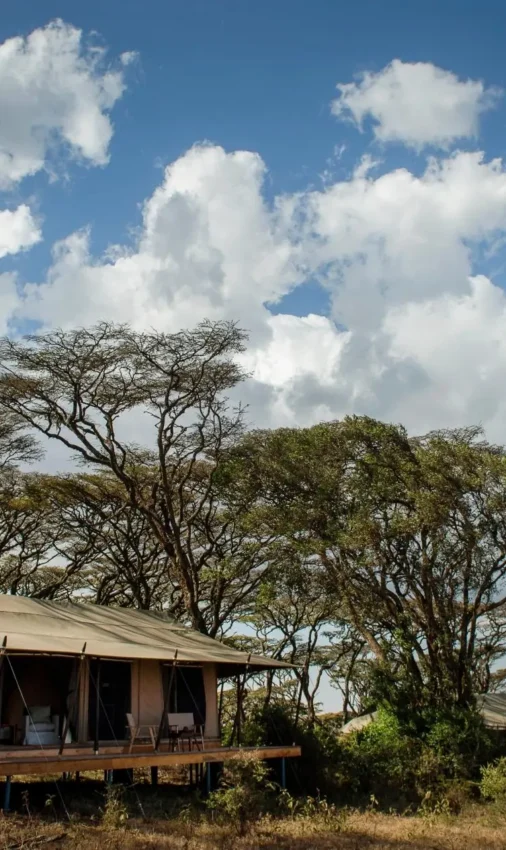
Three cottages make up the camp, one with a single bedroom and two with two each, every bedroom en-suite. The larger units work as family cottages, giving children their own room and bathroom while keeping everyone under one roof. All sit on raised timber platforms with verandas facing the crater. They are built from wood, glass and stretched canvas, so the whole camp could be dismantled without leaving a permanent mark on the rim, and the family who takes it feels held lightly on the land rather than fixed to it.
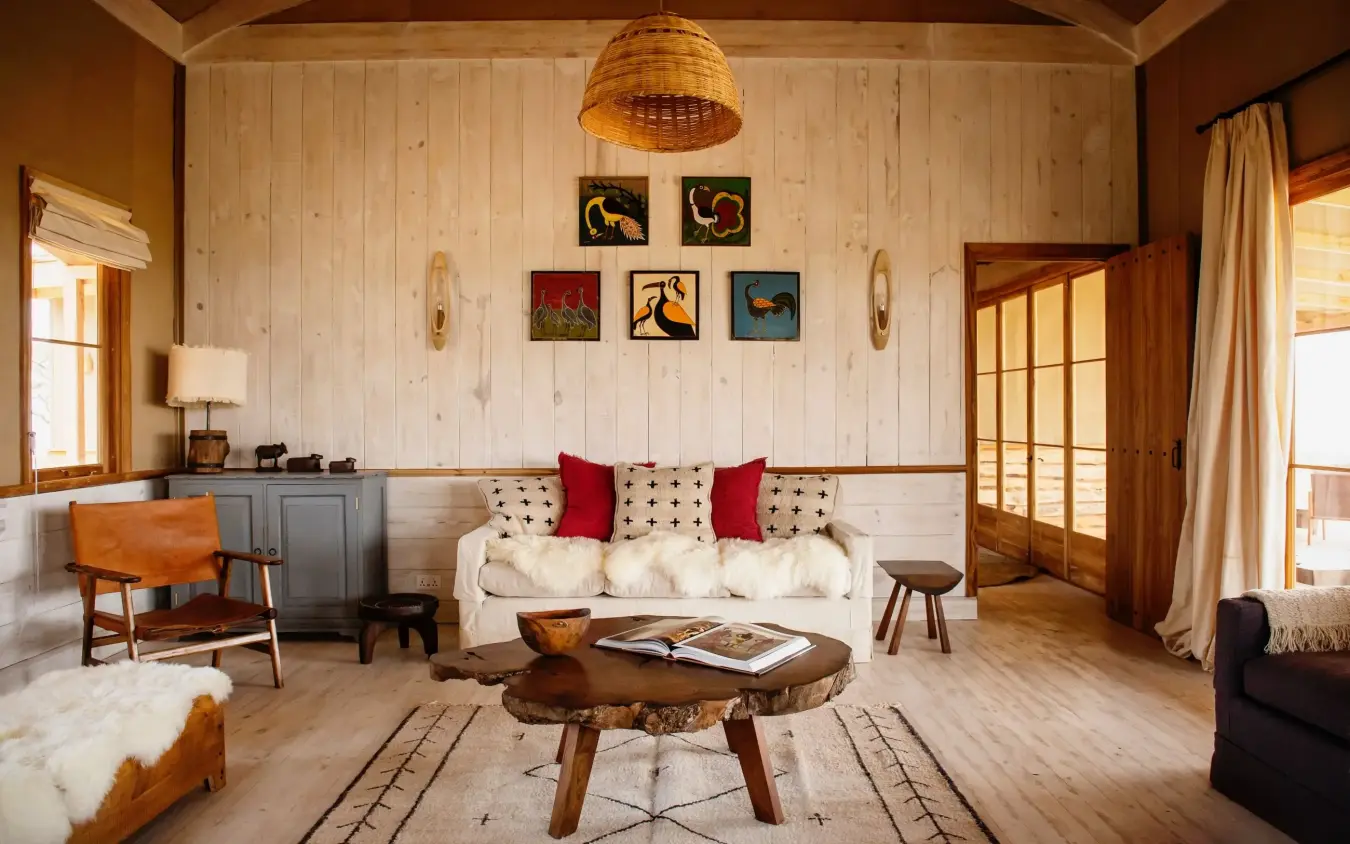
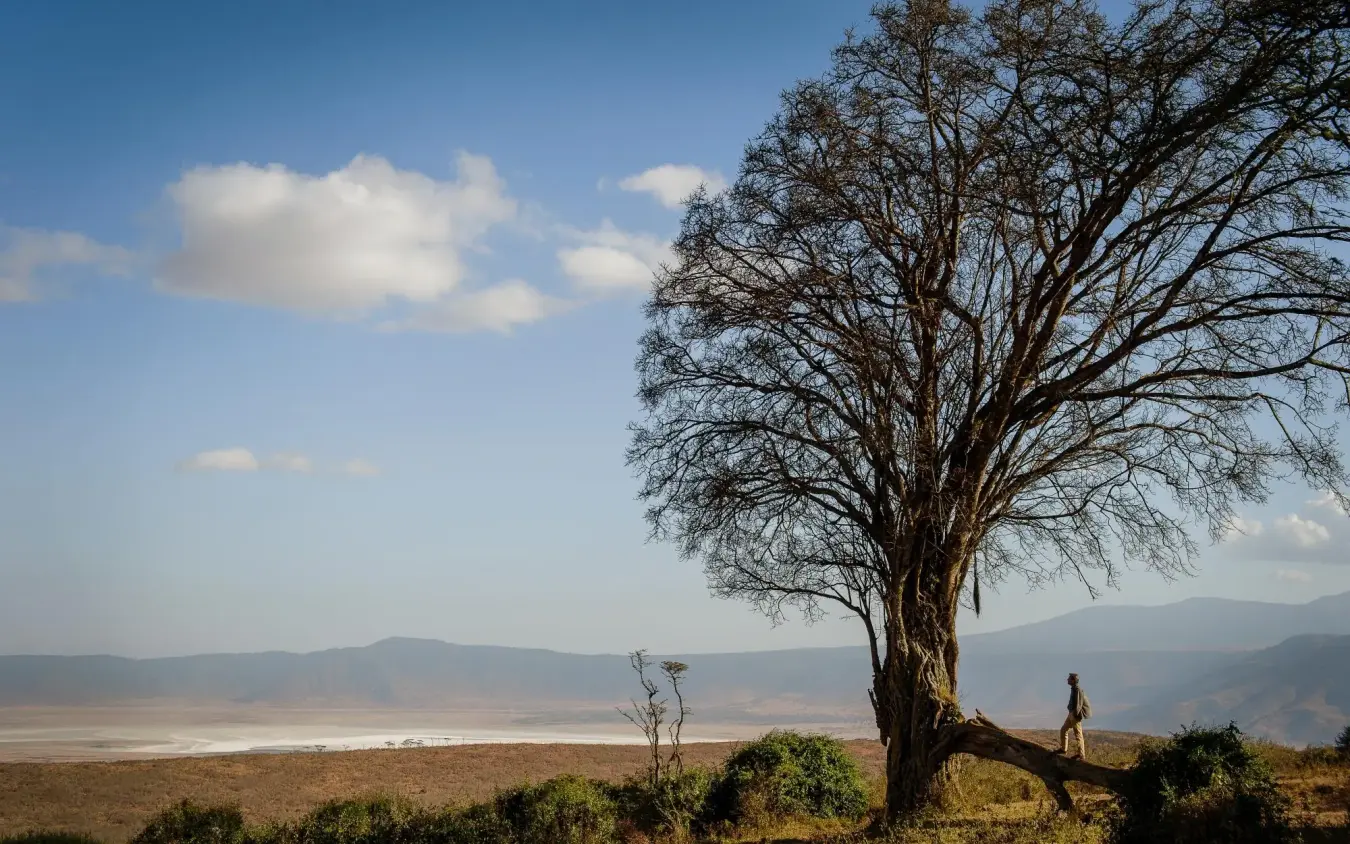
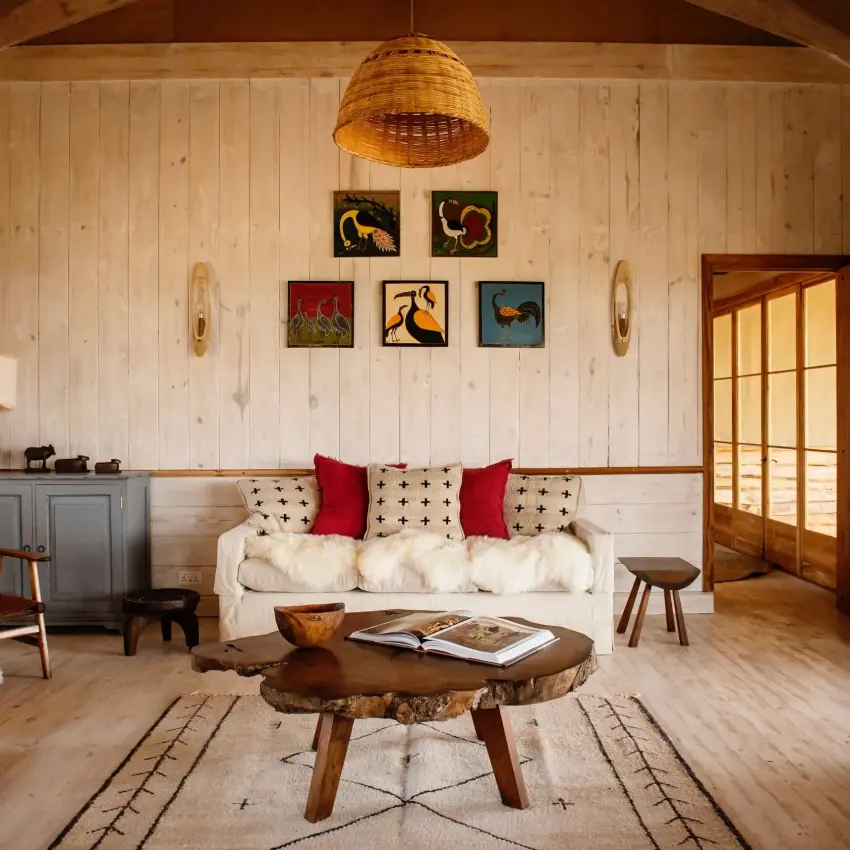
High on the rim the air stays cool and often windy through the year, and the rooms answer in kind, with heaters, down duvets, hot water bottles and sheepskin throws. The interiors are worked in local materials, handmade artefacts and earthy textiles. Large windows bring the crater into the room, so first light over the caldera can be watched from bed. Mornings often begin with coffee on the deck, wrapped against the chill, as the mist lifts off the floor far below.
on a still night hyena calls, and occasionally lion, drift up from the crater
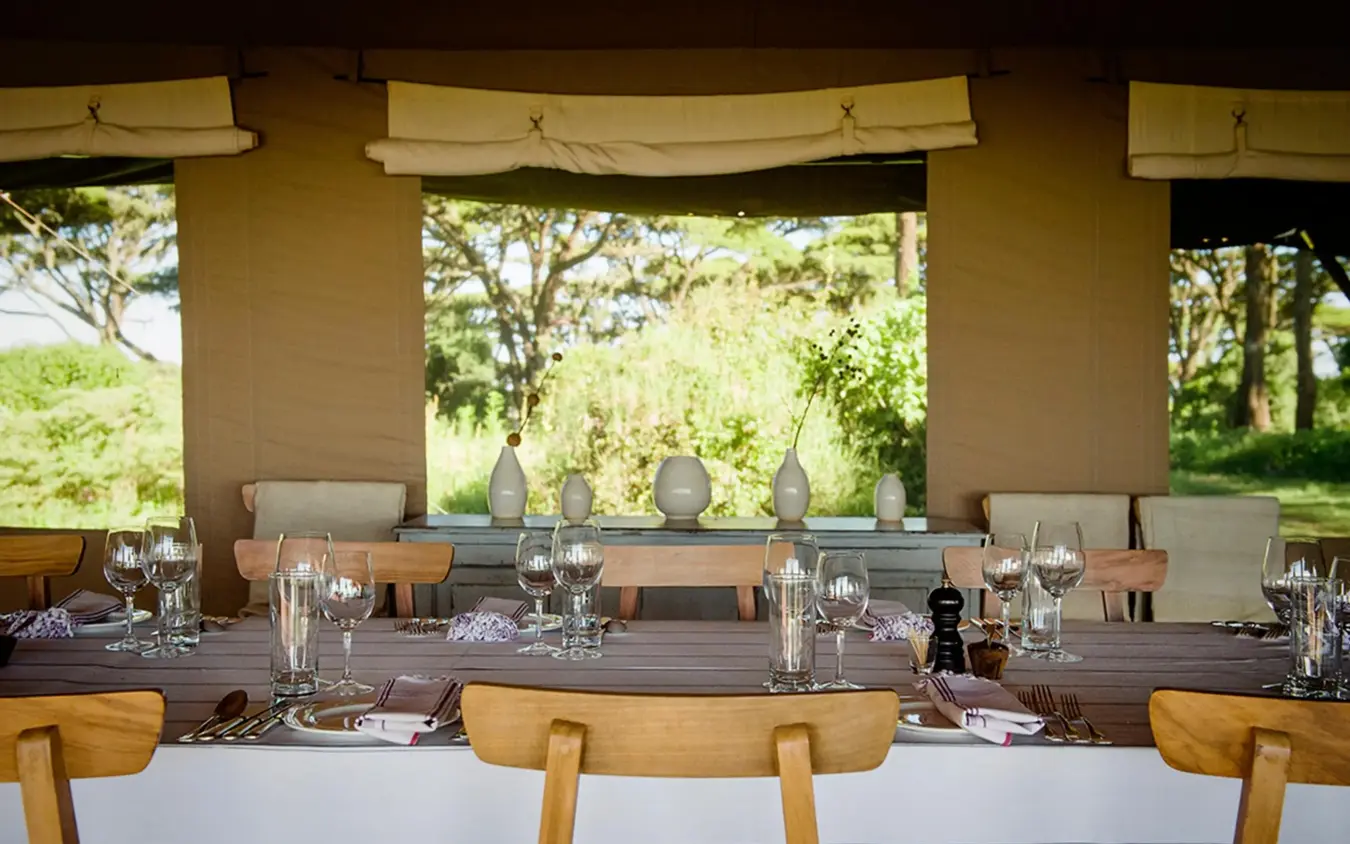
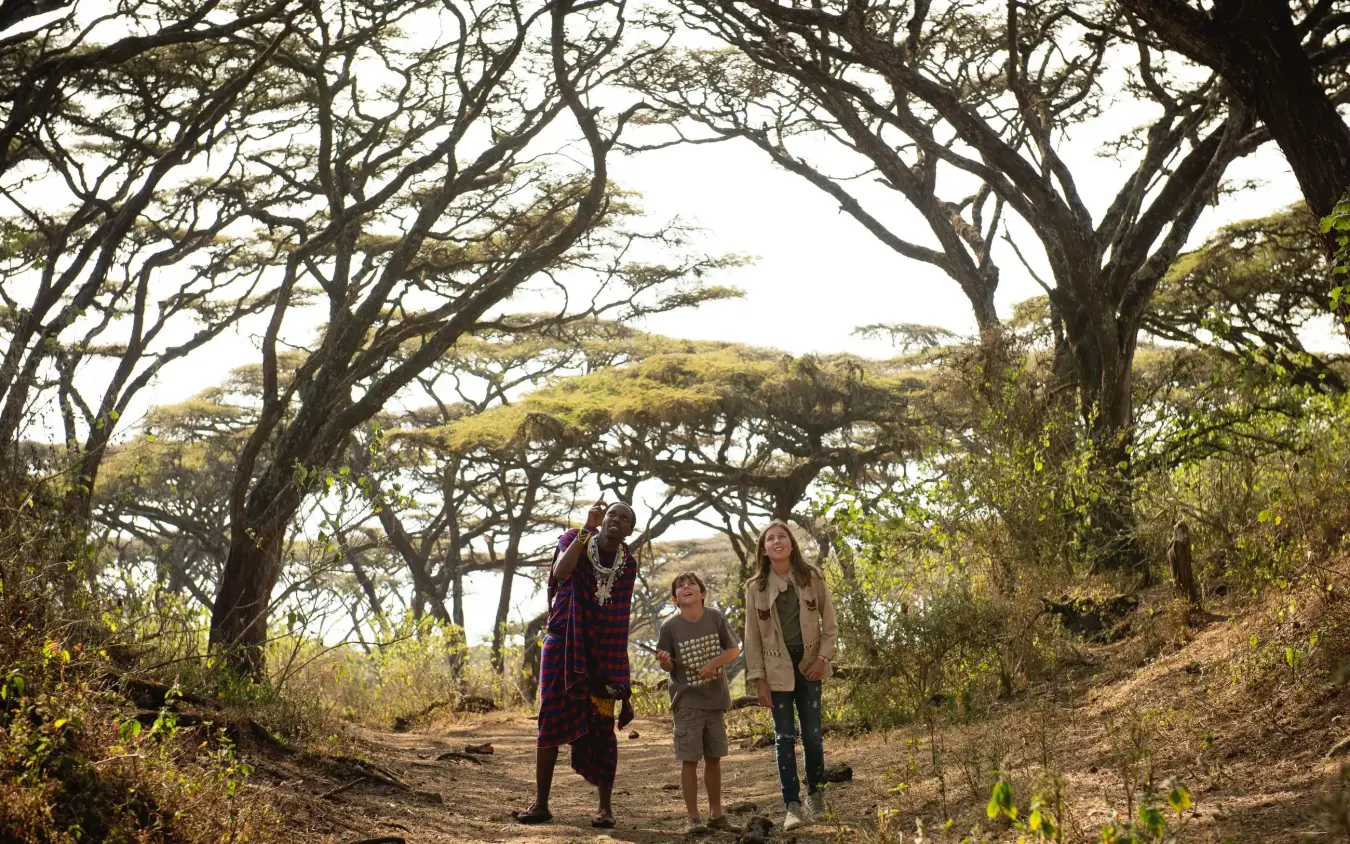
Because the camp is booked for a single group, the rhythm of the days belongs to that group. When to descend into the crater, when to walk, when to sit by the fire, all of it is theirs to choose. The meals shift accordingly, from picnic breakfasts on the crater floor to a private lunch on the rim, or dinner by the fire prepared with an eye to the cold highland evenings. At the close of each day, a lounge, bar and fire pit gather the camp together.
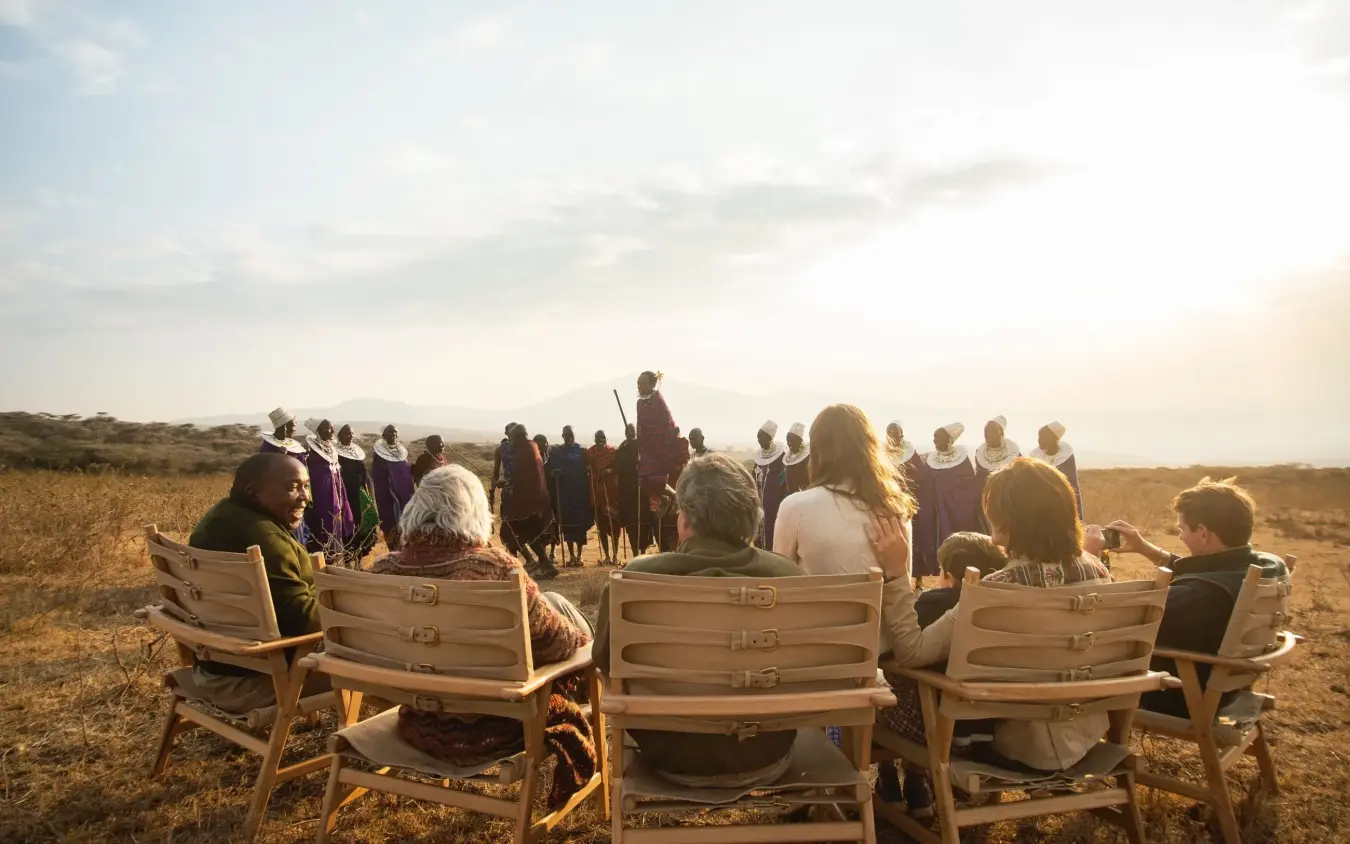
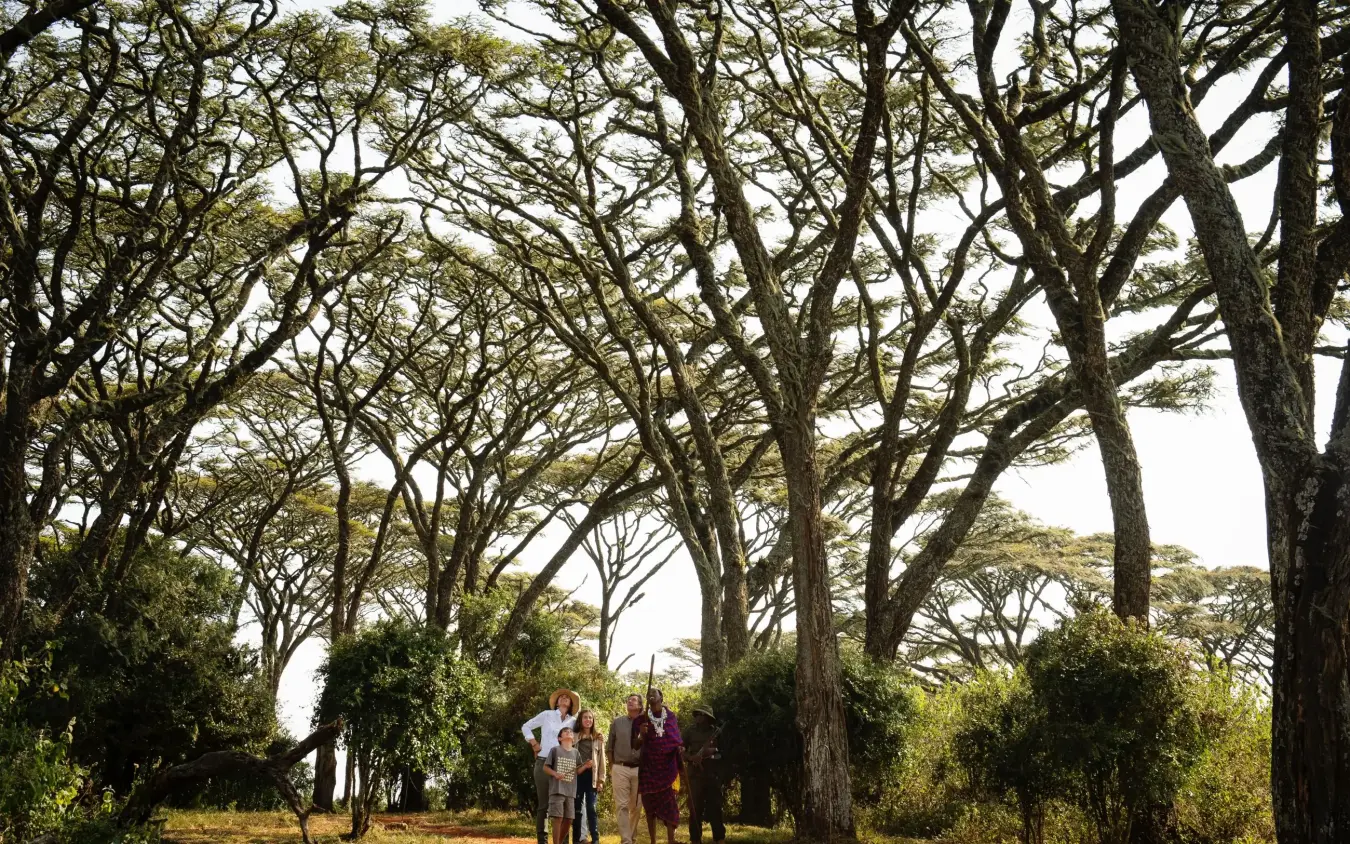
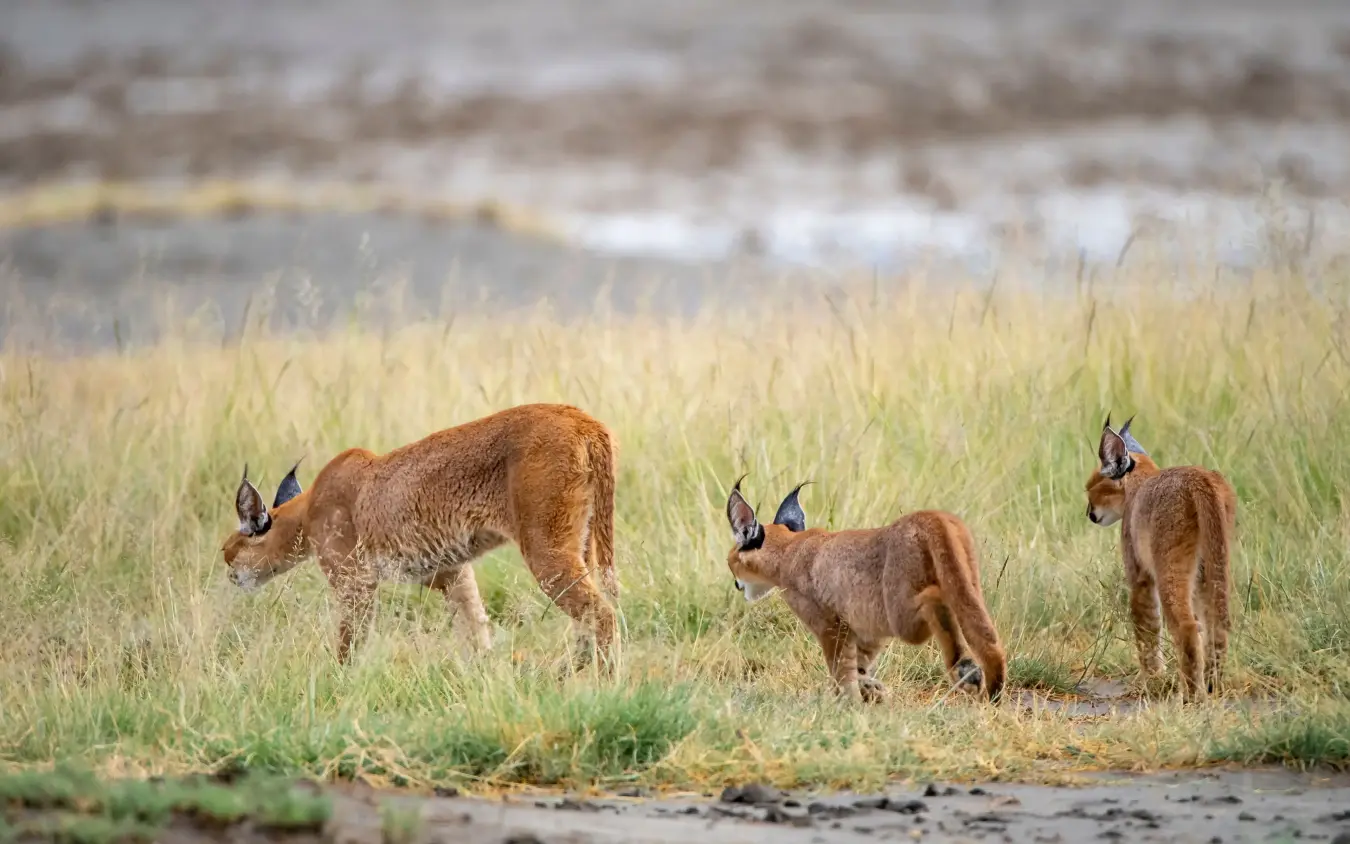
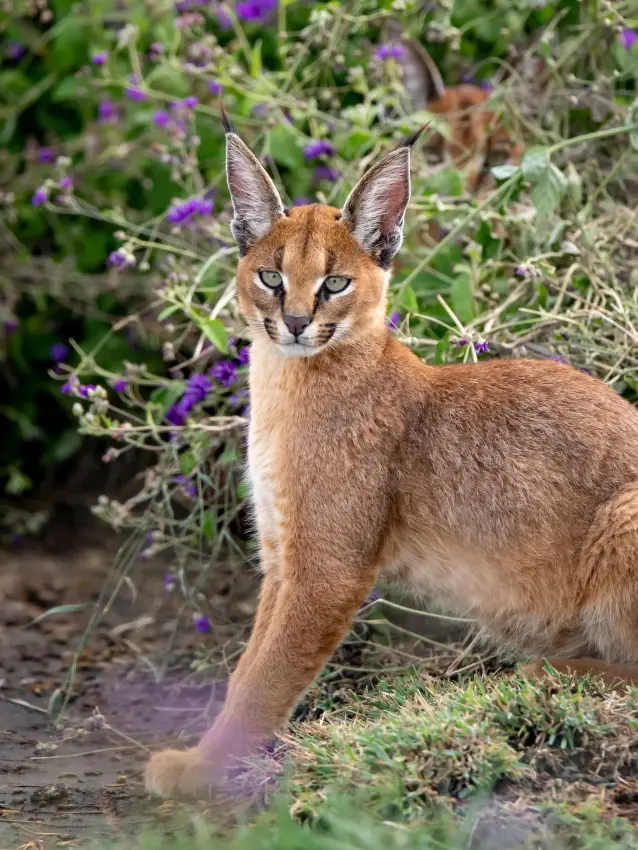
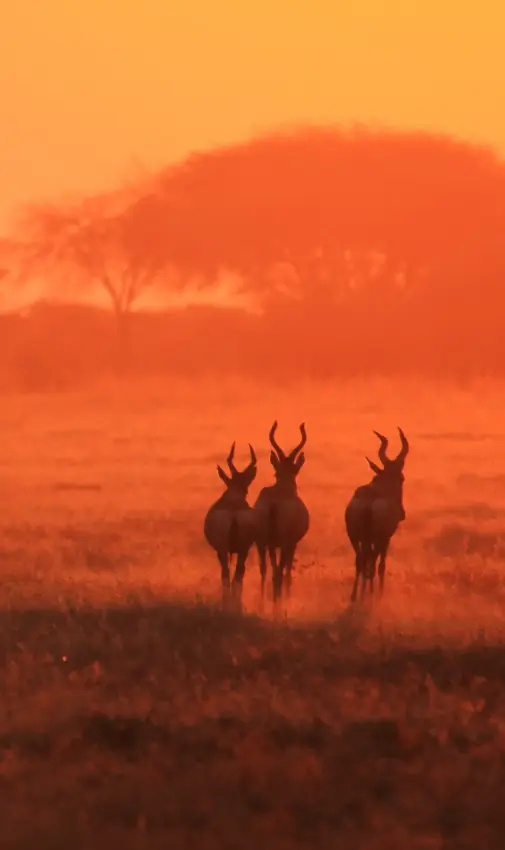
Wildlife seen from camp is mostly at a distance, thin lines of zebra and wildebeest crossing the floor below, while pastoral life carries on around the rim, cattle and Maasai voices on the wind. Wind moves constantly through the acacias, and on a still night hyena calls, and occasionally lion, drift up from the crater. The combination of floor and highland, held privately for the length of a stay, is what sets Entamanu Private apart within Ngorongoro.