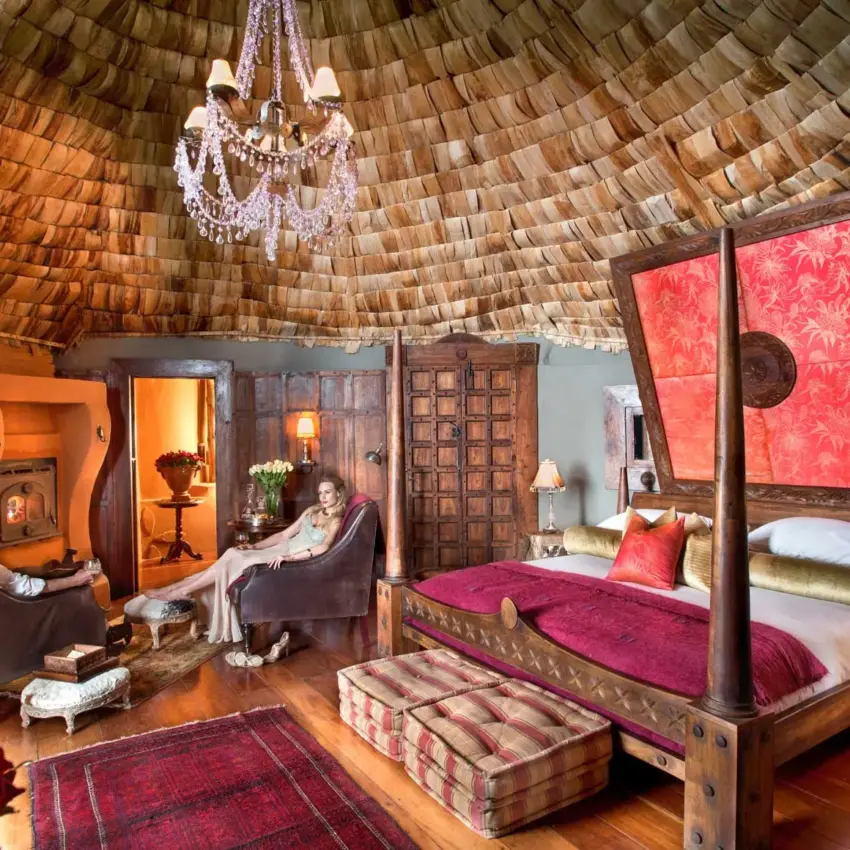
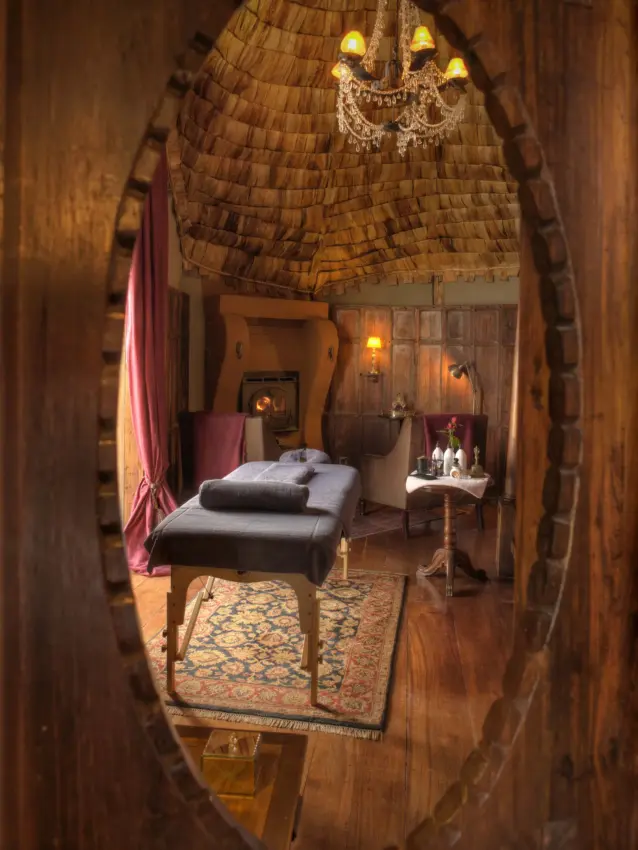
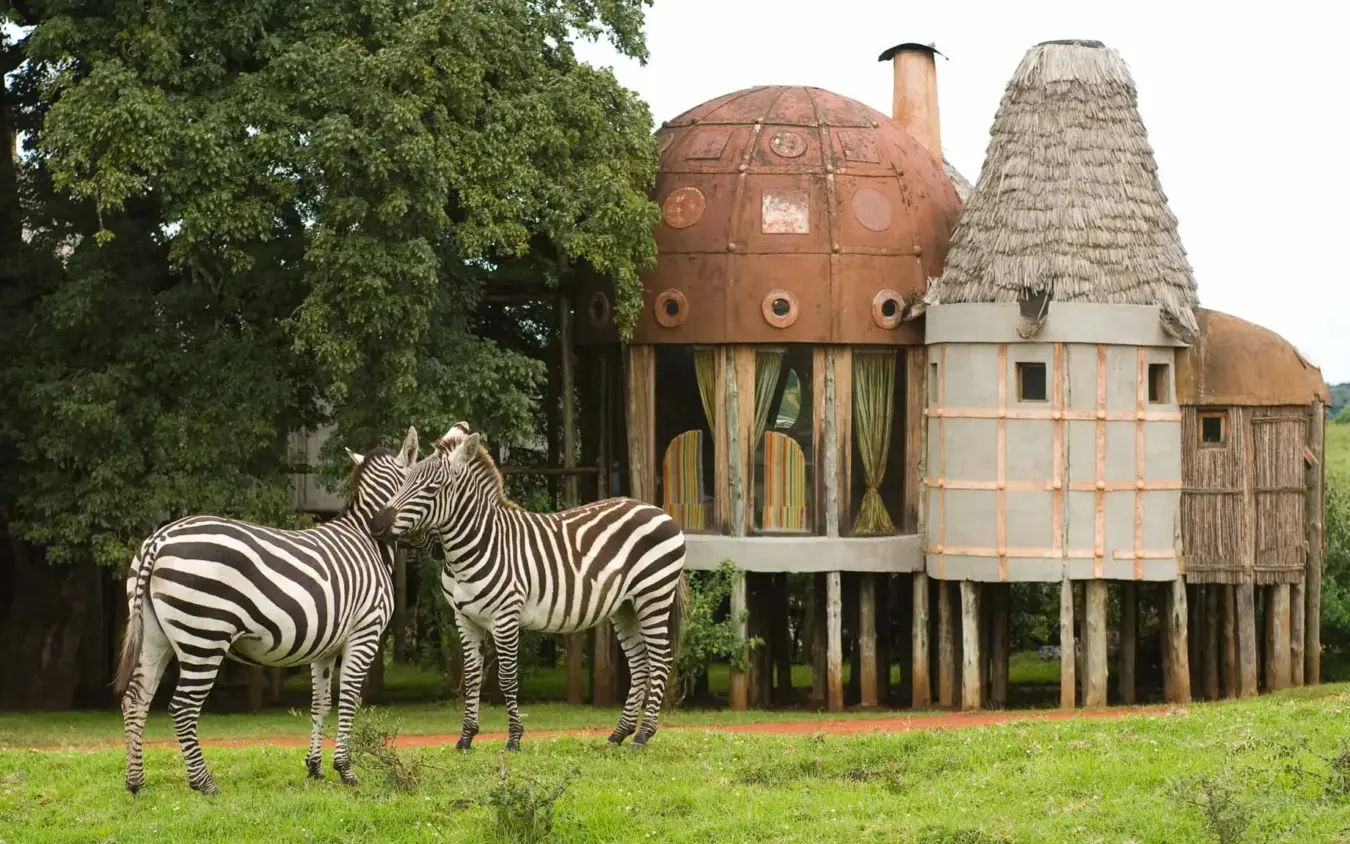
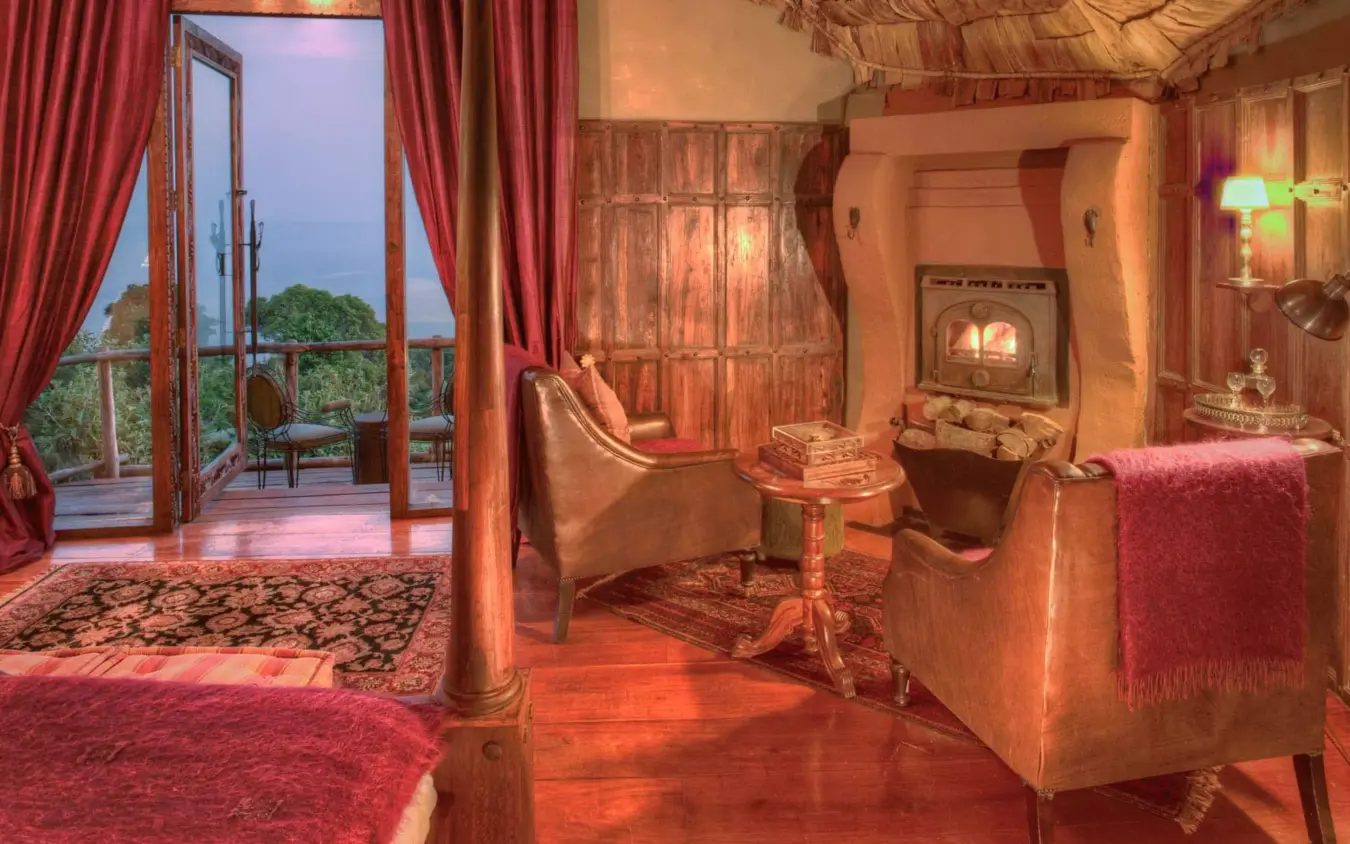
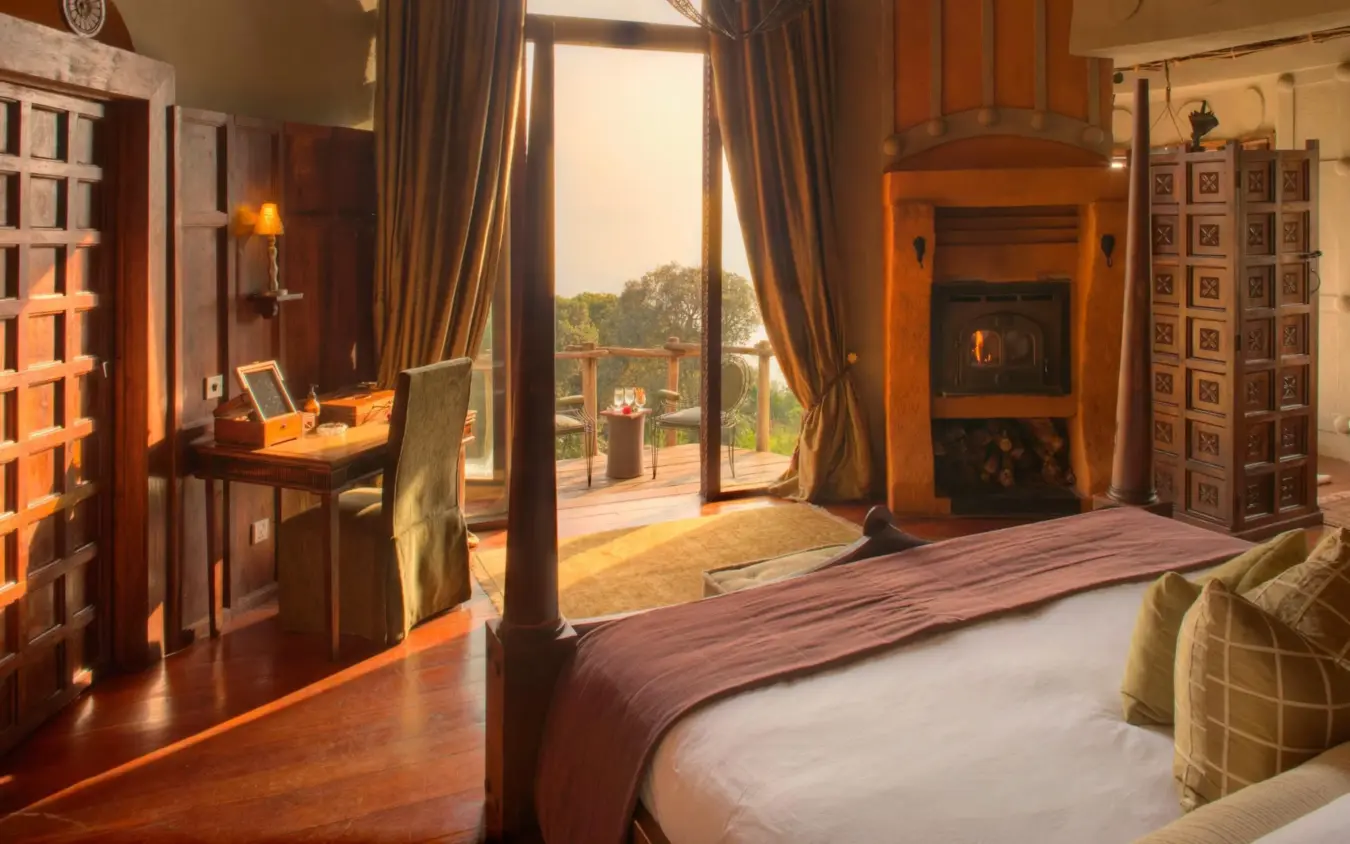
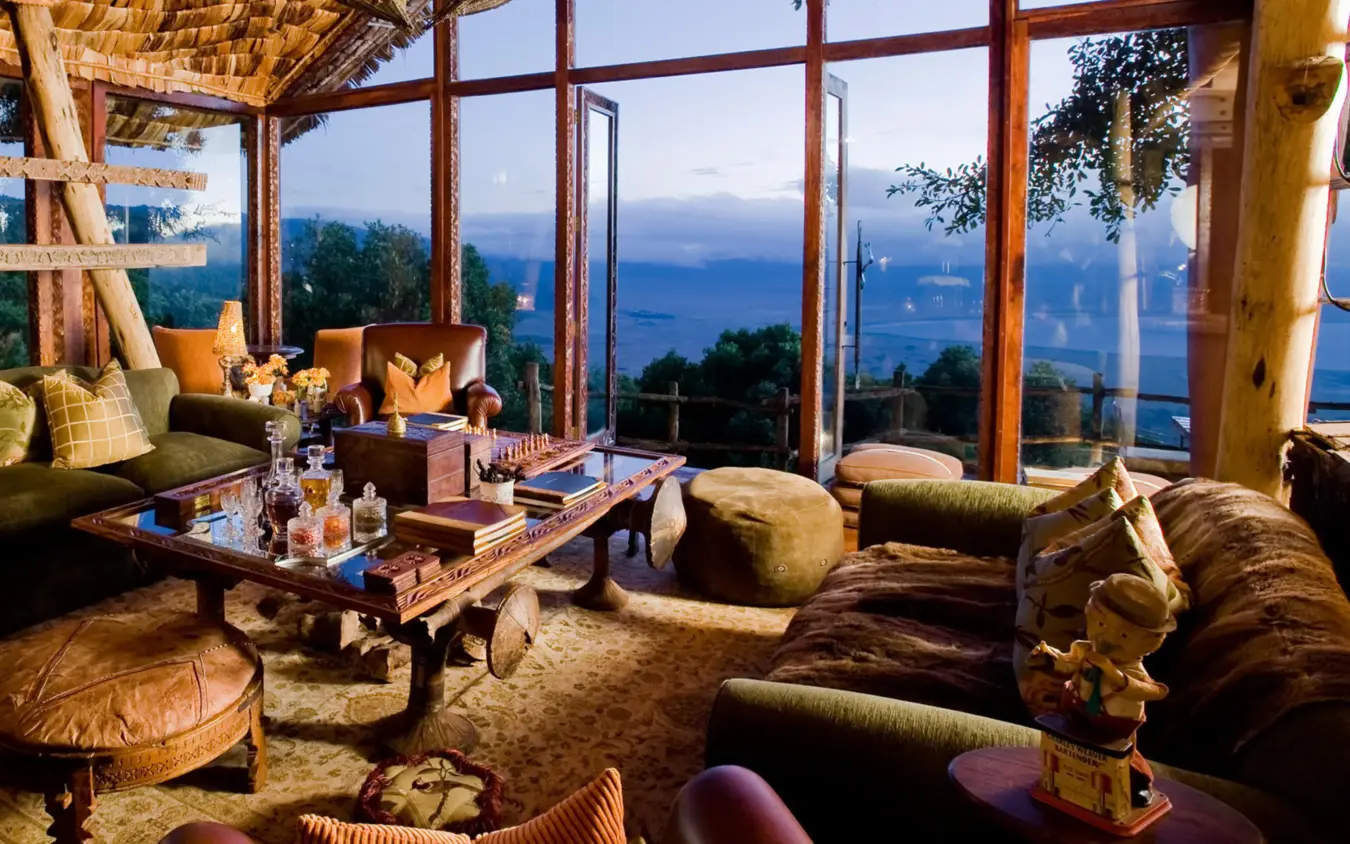
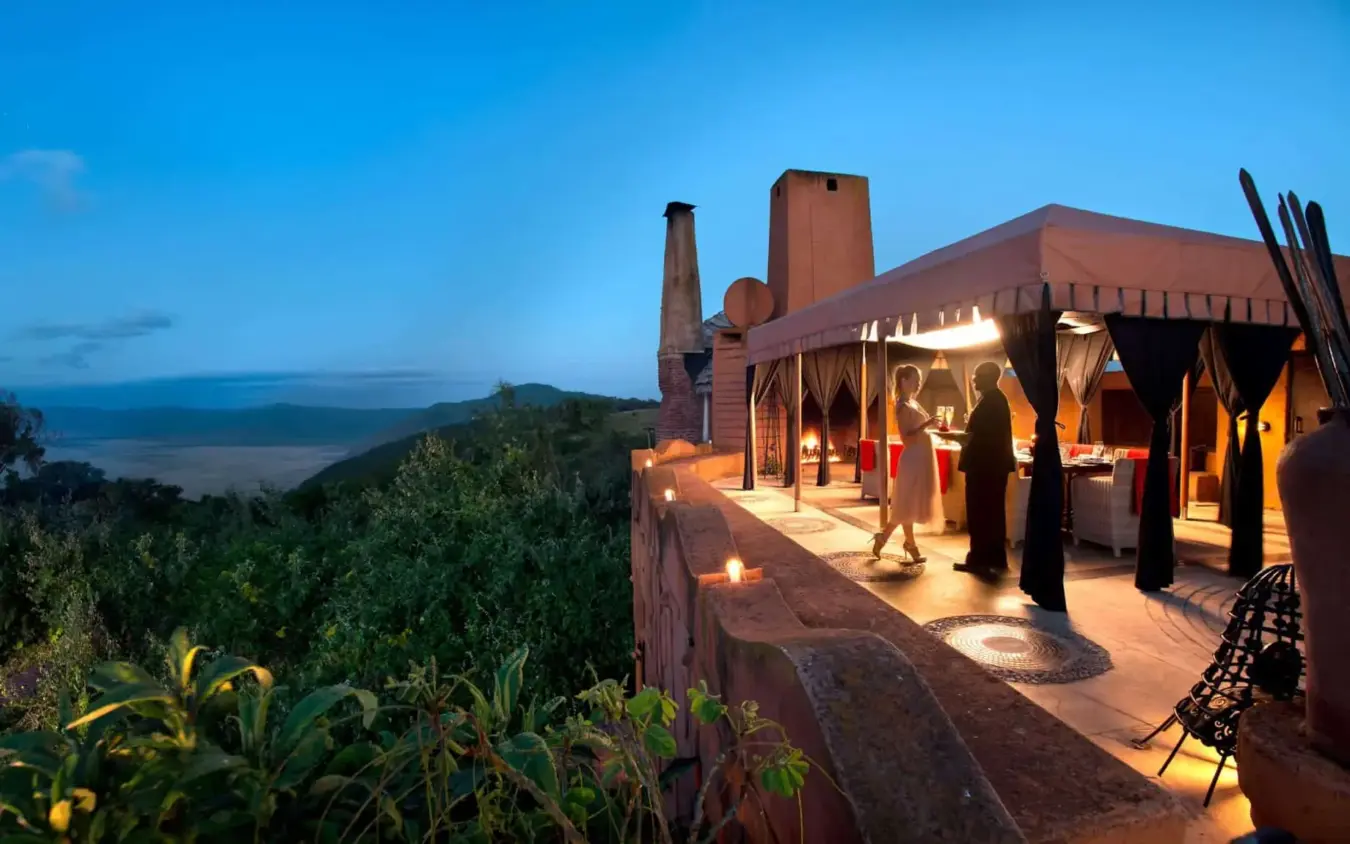
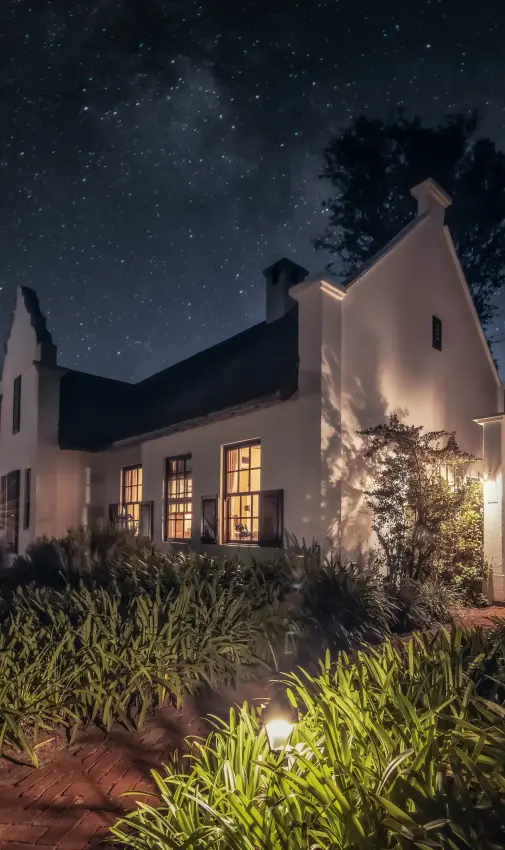
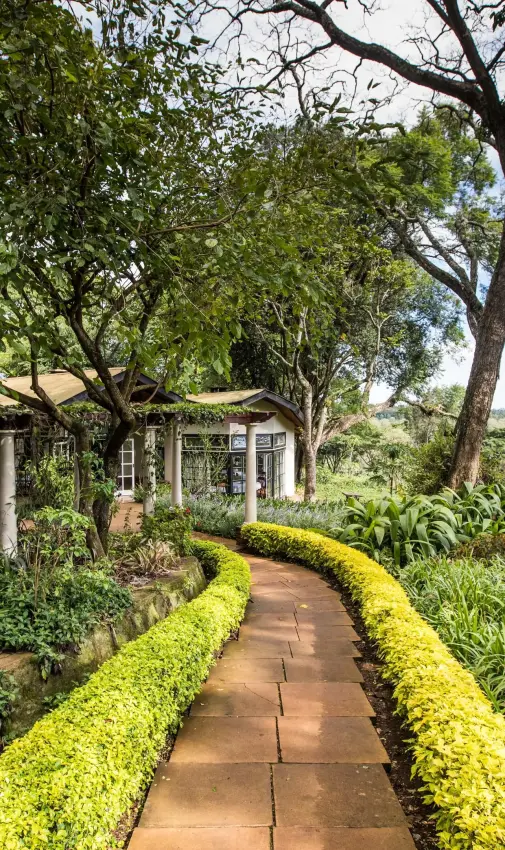
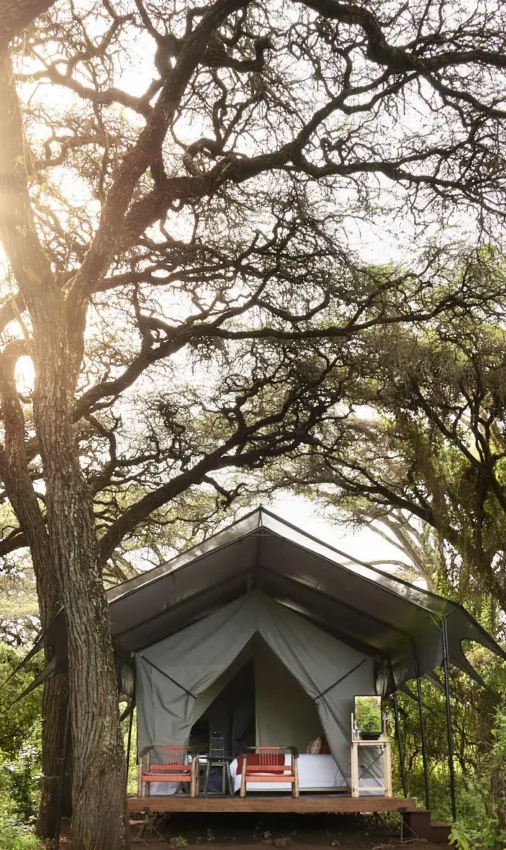
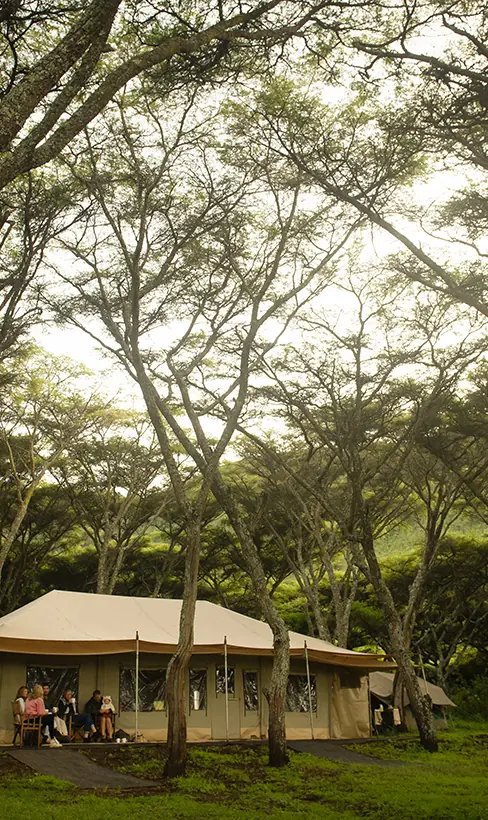
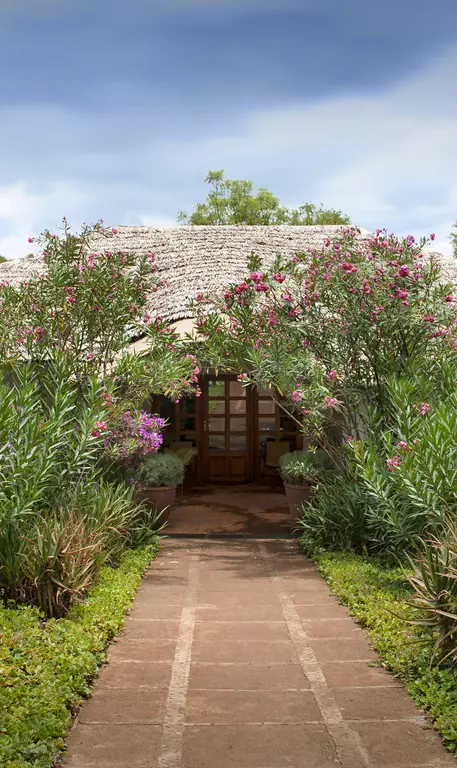
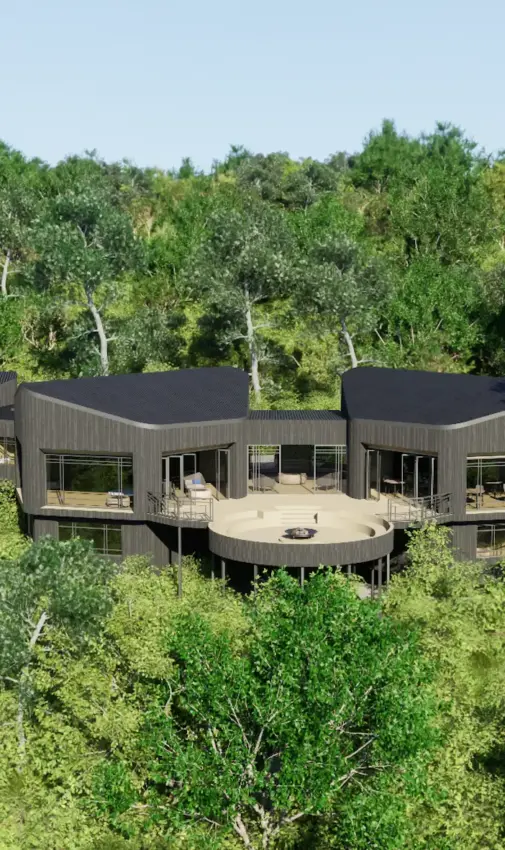
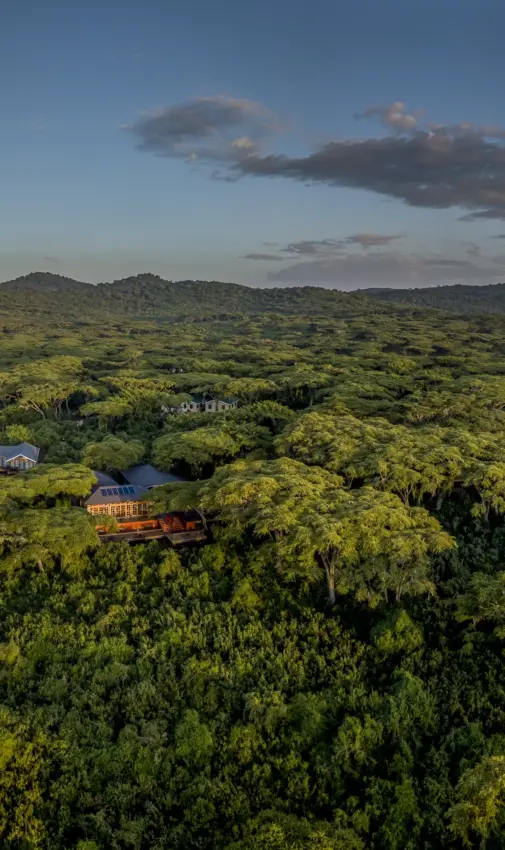
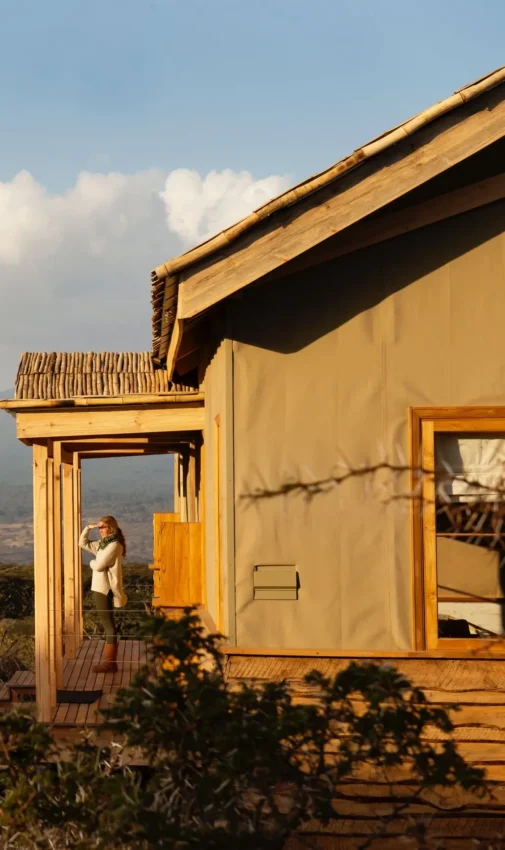
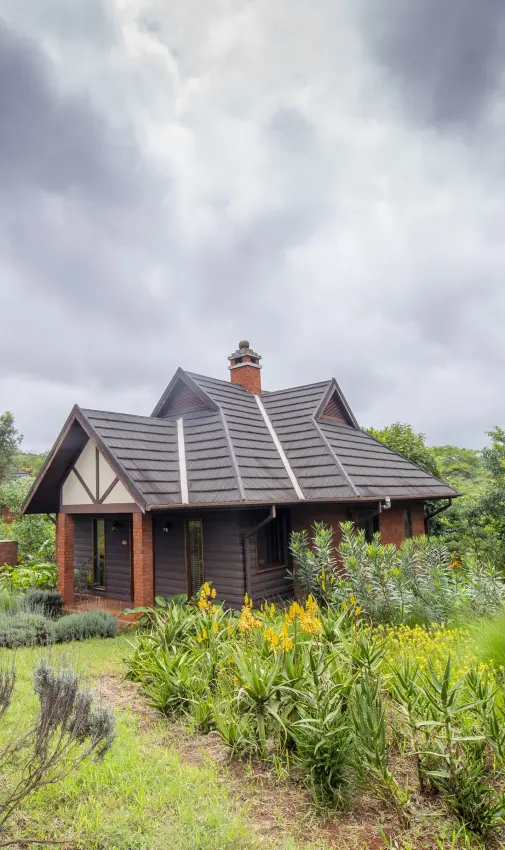
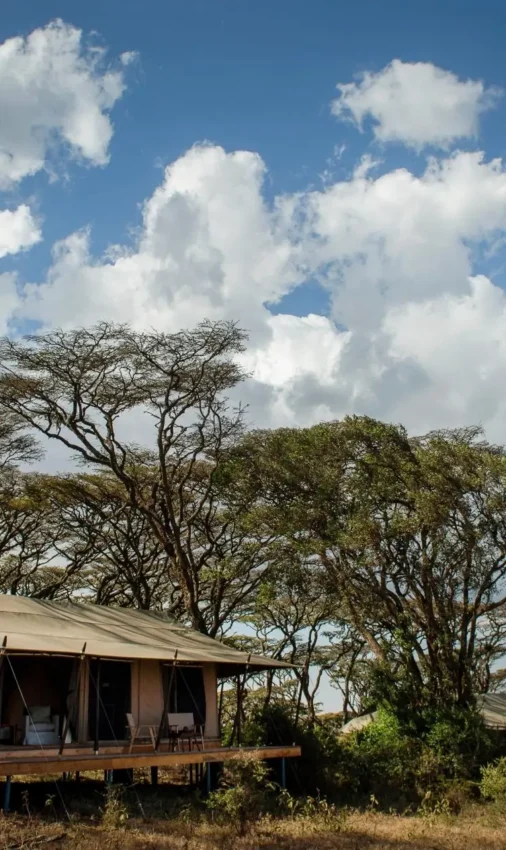
The suites were divided across three small camps, among them the six-suite Tree Camp, and each camp kept its own dining room and its own butlers. Inside, the excess was deliberate. Beaded chandeliers and antiques shared the rooms with claw-foot baths, all of it set against floor-to-ceiling glass. Each suite had a log fire laid ready, and beside it, where a minibar might have been, snacks and spirits waited. Guests coming back cold and dusty from the crater found a bath already drawn, rose petals scattered across the water.
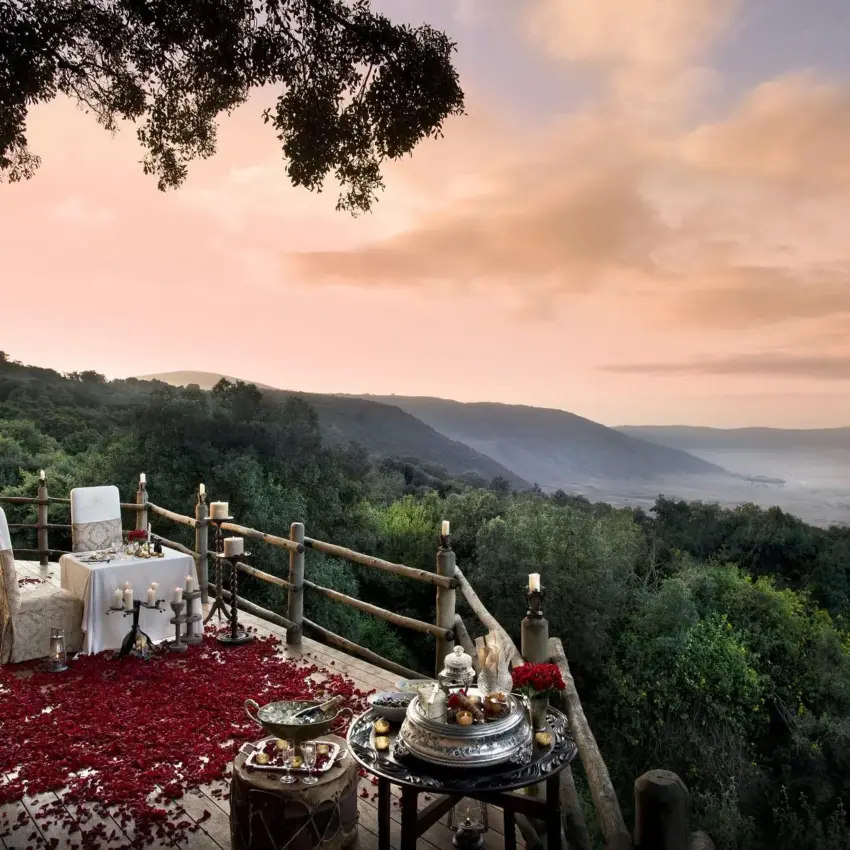
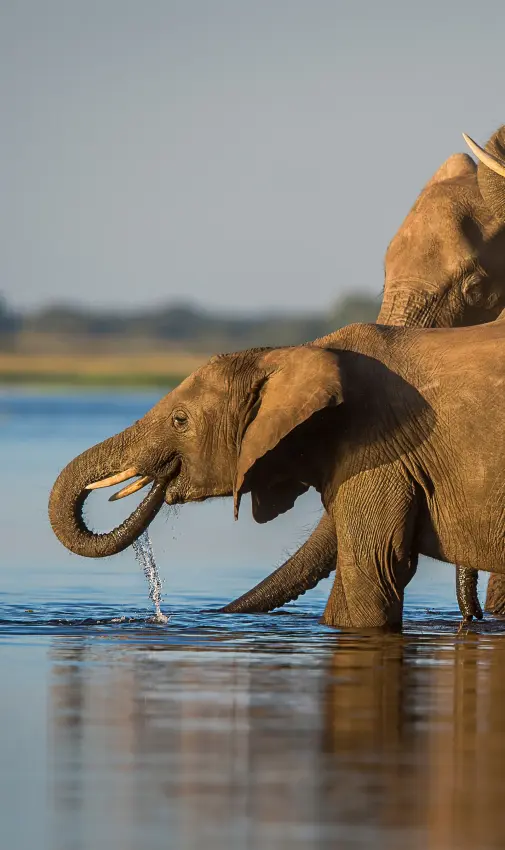
Evenings began with a walk along the rim to Gorgor, the sundowner spot, and a drink in hand as the last light drained off the crater floor. Some dinners were laid in the wine store, and guests could also spend time with the KopeLion team. After dark, elephants fed in the trees near the suites, which is why a guide walked beside every guest crossing the grounds. It was not unknown to find a bull stripping branches just outside the door. That morning, the same guests had watched bulls like him on the floor below.
It was not unknown to find a bull stripping branches just outside the door.
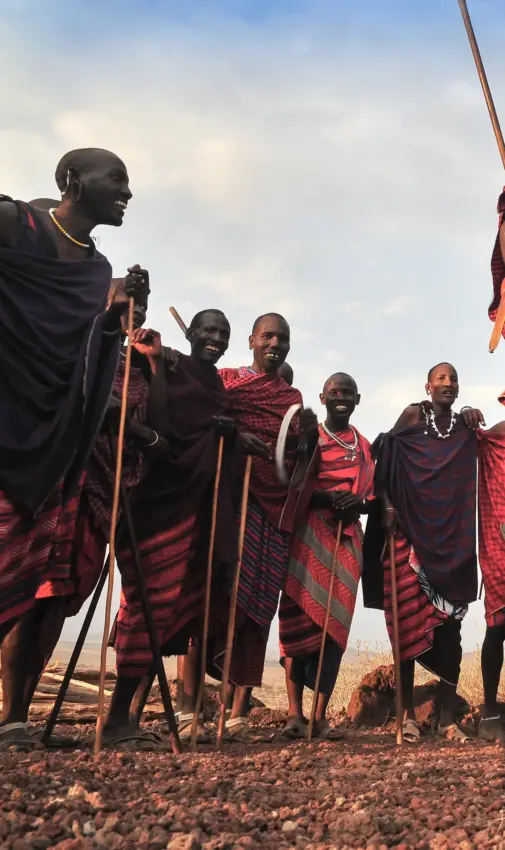
Maasai pastoralists graze their cattle on the same ground the lions hunt. The lodge’s partner here was KopeLion, the Korongoro People’s Lion initiative, and its Ilchokuti are former Maasai lion hunters who now guard the herds and the lions. They patrol their areas and warn communities when a pride is close. When livestock strays, they search for it, and they help strengthen the enclosures where the cattle are kept at night. The longer aim is a corridor of tolerance that lets the crater’s lions reconnect with the Serengeti population beyond.
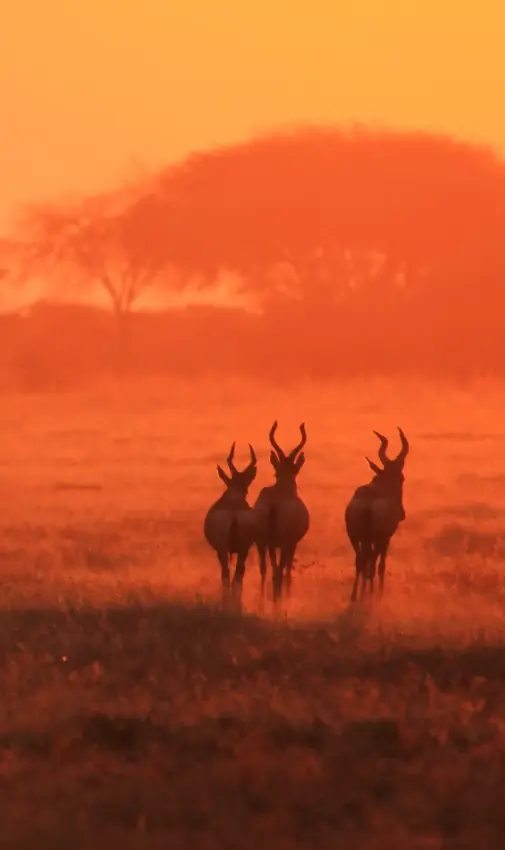
Getting there meant a scheduled flight or a private charter into the Lake Manyara airstrip, usually in a Cessna Caravan or a Pilatus PC-12. From there it was about an hour and a half by road to the rim. The suites, the chandeliers and the rose petals belong to the lodge’s first life, and its second has yet to be described. What carries across is the part nobody built, the crater UNESCO has listed as a World Heritage Site since 1979. The rim remains, as does the descent through highland forest to a floor where hippos wallow in the swamp and wildebeest cross the open grass.